
AP World history Vocab chapter 1 (Sanchez) Flashcards
Terms : Hide Images [1]
| 7189955997 | Paleolithic Age | (Old Stone Age) Early period in human history; 2,500,000BC- 10,000BC; the earliest usage of stone tools | 0 | |
| 7189957996 | Homo Sapiens | The biological species to which modern human beings belong. | 1 | |
| 7189959086 | Neolithic Age | (New Stone Age) New Stone Age - the period of time when people started to farm, make pottery, and weave | 2 | |
| 7189960080 | Neolithic Revolution | The switch from nomadic lifestyles to a settled agricultural lifestyle is this revolution. | 3 | |
| 7189960697 | Hunting and Gathering | the use of simple tools to hunt animals and gather vegetation, before agriculture | 4 | |
| 7189961861 | Bronze Age | 4000 BCE - 1500 BCE the period in ancient human culture when people began to make and use bronze |  | 5 |
| 7189962698 | Slash and Burn Agriculture | farmers clear land for planting by slashing vegetation and burning the debris, Farming till the soil is bad, n then moving | 6 | |
| 7189963338 | Bands | Small, loosely organized groups of 20-30 people held together by informal means. | 7 | |
| 7189963940 | Catal Huyuk | early urban culture in southern Turkey with agriculture, greater degree of social and population | 8 | |
| 7189964233 | Civilization | A society with cities, a central government, job specialization, and social classes the stage of human social development and organization that is considered most advanced. | 9 | |
| 7189964234 | Cuniform | wedge shaped writing developed in Sumer |  | 10 |
| 7189964527 | Nomads | Cattle and Sheep herders, normally found on fringes of civilized societies | 11 | |
| 7189964738 | Mesopotamia | "land between the rivers" in ancient times, the geographic area located between the Tigris and Euphrates rivers |  | 12 |
| 7189964739 | Sumerians | the creators of the first Mesopotamian civilization First ancient civilization a people who had migrated into the area from the north about 4000 B.C.E. | 13 | |
| 7189965481 | Ziggurats | temples built by Sumerians to honor the gods and goddesses they worshipped Massive towers usually associated with Mesopotamian temple complexes. |  | 14 |
| 7189965482 | Babylonians | Mesopotamia Code of Hammurabi Hanging Gardens of Babylon | 15 | |
| 7189966609 | Hammurabi | Babylonian king who codified the laws of Sumer and Mesopotamia | 16 | |
| 7189966897 | Pharoah | a king of ancient Egypt, considered a god as well as a political leader | 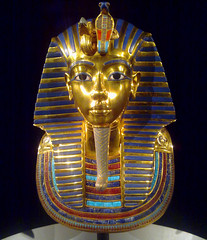 | 17 |
| 7189966898 | Pyramids | monumental architecture typical of Old Kingdom Egypt; used as burial sites for pharaohs. |  | 18 |
| 7189966899 | Kush | an ancient Nubian kingdom whose rulers controlled Egypt between 2000 and 1000 B.C. | 19 | |
| 7189967319 | Indus River | A river that flows from Tibet, through the Himalayas and Hindu Kush into the Arabian Sea. | 20 | |
| 7189967320 | Harappa | A major city of the Indus Valley civilization; flourished around 2000 b.c.e. | 21 | |
| 7189968026 | Mohenjo Daro | large city in the ancient Harappan civilization | 22 | |
| 7189968027 | Huanghe | Yellow River civilization in China. Ruled by the Shang dynasty. | 23 | |
| 7189968453 | Ideographic | Types of symbols used for Huanghe writing. | 24 | |
| 7189968862 | Shang | Greatest Chinese dynasty 1700 to 1027 B.C. The first family of Chinese rulers to leave written records. | 25 | |
| 7189969083 | Phoencians | these people created a wealthy trading society . established the first alphabet the new most powerful traders in the Mediterranean | 26 | |
| 7189969363 | Monotheism | The belief in one God | 27 |