AP Notes, Outlines, Study Guides, Vocabulary, Practice Exams and more!

AP World History Ch.24 Flashcards

Terms : Hide Images
14058725740Most of the immigrants from Asia after 1850 went tothe United States.0
14058725741In 1810, Spain's richest and most populous American colony wasMexico1
14058725742A French army was driven out of Mexico byBenito Juarez.2
14058725743The Confederation of 1867created the Dominion of Canada with a central government in Ottawa.3
14058725744The "crisis of legitimacy" that undermined colonial authority in Latin America was caused by:Napoleon's invasion of Spain and Portugal.4
14058725745Systematic resistance by Native Americans to U.S. government relocation is symbolized most by which event?Battle of Little Bighorn5
14058725746The unity of the United States was threatened by rivalries over issues such asslavery.6
14058725747Perhaps the most critical feature to economic integration was which form of technology?Transportation7
14058725748People who wanted slavery to be outlawed were calledabolitionists.8
14058725749One advantage that Amerindians in Argentina and Chile had in checking settlers' southern expansion was an unlimited food supply fromherds of wild cattle.9
14058725750The Mexican revolutionaries José María Morelos and Miguel Hidalgo y Costilla werepriests.10
14058725751After awaiting the return of the Spanish king, Ferdinand IV, to the throne, loyalists were disappointed when heagreed to accept a constitution that was seen as "too liberal."11
14058725752The Industrial Revolution created new demand for metals such as copper, zinc, and tin. This led toa mining boom in the United States, Chile, and Mexico.12
14058725753odification of the language, customs, values, and behaviors of a group as a result of contact with people from another culture is calledacculturation.13
14058725754The Caste War wasa popular uprising of Maya to take over the Yucatán14
14058725755Slavery lasted longest on the Caribbean islands ofCuba and Puerto Rico.15
14058725756The Shawnee leader who created a large organized alliance of Amerindians of the Ohio River Valley and Great Britain wasTecumseh.16
14058725757The Paraguayan War helped to end slavery in Brazil because large numbers of slavesjoined the Brazilian army in exchange for freedom.17
14058725758Simón Bolívar created Gran Colombia, which unifiedVenezuela, Colombia, and Ecuador into one nation.18
14058725759Working-class women transformed gender relations byworking outside the home.19
14058725760An argument to end slavery was that it wasimmoral and violated universal human rights.20
14058725761After the American Revolution, Amerindianslost the territories previously promised by treaties with Britain.21
14058725762Who objected to the Junta Central in Spanish America?Loyalists to the king22
14058725763In the 1820's, Argentina and Brazil fought each other for control of which state?Uruguay23
14058725764To settle Texas in northeastern Mexico, the Mexican governmentgave the land free to all its citizens.24
14058725765The Plains Indians successfully resisted U.S. expansion in part because theyhad become skilled users of horses and firearms.25
14058725766The independence of Argentina was accomplished by:militarized merchants and ranchers.26
14058725767Jose de San Martin's most effective troops wereformer slaves.27
14058725768One of the more significant problems facing Latin American independence movements was:how to incorporate the Catholic church.28
14058725769The Junta Central was a political body establishedto rule during the French occupation of Spain.29
14058725770Despite emancipation of slaves in the United States, African Americans lived under harsh conditions, including"Jim Crow" laws that segregated public transportation, jobs, and schools.30
14058725771The United States election of 1824 was controversial because:the popular vote was superseded by the electoral college.31
14058725772Independence in Brazil first occurred whenEmperor Pedro I declared Brazil a constitutional monarchy.32
14058725773The Women's Rights Convention was held inSeneca Falls, New York33
14058725774In the nineteenth century, Mexico lost all but which of the following?Florida to the United States34
14058725775The only Western hemisphere nation to industrialize was:The United States35
14058725776Emperor Pedro I of Brazil published an article in which he called slaverya "cancer eating away at Brazil."36
14058725777The Trail of Tears was theforced resettlement of Cherokee, Creek, and Choctaw peoples.37
14058725778One of the more vocal protestors of slavery came from which political faction?emancipated slaves such as Frederick Douglass.38
14058725779A significant difference in colonial political experiences is that the British colonies hadexperience with elections, political parties and factions.39

AP Literature: Literary Terms Flashcards

Terms : Hide Images
14807466018plotSequence of events in a story0
14807468782structurearrangement of story elements according to purpose, style and genre1
14807475909ConflictA struggle between opposing forces2
14807476855flat characterA character who embodies a single quality and who does not develop in the course of a story3
14807478049stock charactera stereotypical character4
14807496933rising actionEvents leading up to the climax5
14807527101dramatizedThe presentation of character or of emotion through the speech or action of characters rather than through exposition, analyses, or description by the author.6
14807531970indirect presentationthe personality of a character is revealed by what he or she does or says7
14807537653direct presentationwhen the writer tells the readers directly what kind of personality a character possesses8
14807538821indeterminate endingan ending in which the central problem or conflict is left unresolved9
14807539856artisticcreative or imaginative skill in the arts10
14807540894chanceopportunity11
14807544463round characterA character who demonstrates some complexity and who develops or changes in the course of a work12
14807546706static characterA character that does not change from the beginning of the story to the end13
14807548856falling actionEvents after the climax, leading to the resolution14
14807549877element of surpriseUsing novelty, unexpectedness, and puzzles in work15
14807552038Genrea major category or type of literature16
14807553901in medias resin or into the middle of a plot; into the middle of things17
14807554611Characterizationthe act of creating and developing a character18
14807557354developing charactera character who changes as the story progresses19
14807557927dilemmaa choice between two unpleasant or difficult options20
14807559073SuspenseA feeling of uncertainty and curiosity about what will happen next in a story21
14807564173characterA person in a story22
14807564722AntagonistA character or force in conflict with the main character23
14807566336Climaxthe turning point of the story24
14807566961mysterysomething that is secret and unknown25
14807568433coincidencetwo or more things occurring at the same time by chance26
14807569884deus ex machinathe use of an artificial device or gimmick to solve a problem.27

AP lab Flashcards

Terms : Hide Images
15053233446Anteriortoward the front of the body; in front of0
15053233447Posteriortoward the back of the body1
15053233448Distalfarther from the origin of a body part or the point of attachment of a limb to the body trunk2
15053233449LateralAway from the midline of the body3
15053233450MedialToward the midline of the body4
15053233451Frontalpertaining to the forehead5
15053233452ProximalCloser to the origin of the body part or the point of attachment of a limb to the body trunk6
15053233453sagittal planea vertical plane that divides the body into right and left parts7
15053233454SuperiorHigher on the body, nearer to the head8
15053233455Transverse planeline that divides the body into upper and lower sections9
15053233456oblique planepasses through the body at an angle10
15053233457inferior planeeverything below the transverse line (below the waist). Opposite of superior plane.11
15053233458Abdominal pelvic cavityInferior subdivision below diaphragm12
15053233459anatomical positionTo stand erect with arms at the sides and palms of the hands turned forward13
15053233460Hiatil herniaupper part of stomach bulges through opening in diaphragm. (obesity, smoking)14
15053233461situs inversusreversed position of organs15
15053233462integumentary system consists of?skin, hair, nails, cutaneous sense organs (smell,touch,see,hear)16
15053233463skeletal system consists of?bones, cartilage, ligaments, joints, tendons17
15053233464Muscular System consists of?Muscles attached to the skeleton18
15053233465Nervous system consists of?brain, spinal cord, nerves, and sensory receptors19
15053233466Endocrine system consists of?pituitary, thyroid, parathyroids, adrenals, thymus, pancreas, pineal, ovaries (female), and testes (male)20
15053233467cardiovascular system consists of?heart and blood vessels21
15053233468Lymphatic system consists of?lymphatic vessels, lymph nodes, spleen, and thymus22
15053233469Respiratory system consists of?nasal cavity, pharynx, larynx, trachea, bronchi, and lungs23
15053233470Digestive system consists of?oral cavity, esophagus, stomach small and large intestines, rectum, and accessory organs (liver, salivary glands, pancreas, etc.)24
15053233471Urinary system consists of?kidneys, ureters, urinary bladder, urethra25
15053233472Reproductive system consists of?Testes, penis, ovaries, vagina, and breasts26
15053233473function of integumentary systemexcretes salts and urea, produces vitamin D, aids in body regulation, protects internal organs27
15053233474Function of skeletal system-body support and protection of internal organs -provides levers for muscular action -cavities provide a site for blood cell formation28
15053233475function of muscular systemAllows manipulation of the environment, locomotion, and facial expression. Maintains posture, and produces heat.29
15053233476function of nervous system-allows body to detect changes in its internal and external environment and to respond to such information by activating appropriate muscles or glands -helps maintain homeostasis of the body via rapid transmission of electrical signals30
15053233477function of cardiovascular systemtransport system that carries blood containing oxygen, carbon dioxide, nutrients, waste,ions,and hormones. antibodies and other protein molecules in the blood protect the body.31
15053233478function of lymphatic systemDefense against infection and disease houses lymphocytes that act via the immune response to protect body from foreign substances32
15053233479function of respiratory systemsupply the body and blood with oxygen and dispose of carbon dioxide contributes to acid-base balance of blood33
15053233480function of digestive systembreak down and absorbs nutrients from food; removes waste; maintains water balance34
15053233481function of urinary systemelimination of excess water, salts, and waste products; control of pH35
15053233482function of reproductive systemMales: produce and maintain sperm cells, transfer sperm cells into female reproductive tract. Females: produce and maintain egg cells, receive sperm cells, support development of embryo, and function in birth process.36
15053233483serous membrane functionSecretes a watery fluid that allows organs to glide over nearby structures and reduces friction37
15053233484thyroid cartilageA firm prominence of cartilage that forms the upper part of the larynx; the Adam's apple.38
15053233485thyroid glandendocrine gland that surrounds the trachea in the neck39
15053233486function of braincontrol center for the entire nervous system40
15053233487function of diaphragmseparates the digestive cavity from the respiratory cavity, contracts and relaxes to help the lungs inflate and deflate41
15053233488function of spleenImmune surveillance and response in BLOOD. Collects antigens in blood and also degrades old Red Blood Cells and damaged Red Blood Cells.42
15053233489function of large intestineabsorption of water43
15053233490function of small intestinedigestion and absorption of nutrients44
15053233491Function of visceral massholds internal organs45
15053233492Trachea (windpipe)transports air to and from lungs46
15053233493Cell SystemThe cell is the basic unit of living organisms & the simplest living unit of life. Living organisms are composed of cells that have the following common characteristics: - Have a membrane that regulates the flow of nutrients & water that enter & exit the cell -contain the genetic material (DNA) that allows for reproduction -Require a supply of energy -Contain basic chemicals to make metabolic decisions for survival -Reproduce & are the result of reproduction47
15053233494tissue systemOne or more tissues organized into a functional unit connecting the organs of a plant.48
15053233495tissueA group of similar cells that perform the same function.49
15053233496Organgroup of tissues that work together to perform closely related functions50
15053233497organ systemA group of organs that work together in performing vital body functions.51
15053233498VentralToward the belly52
15053233499Contralateralon the opposite side of the body53
15053233500Ipsilateralon the same side of the body54
15053233501superficialnear the surface of the body55
15053233502deepAway from the body surface; more internal56
15053233503Dorsal cavity containsincludes the cranial and spinal cavities.57
15053233504cranial cavity containsthe brain58
15053233505vertebral cavity containsvertebrae, spinal cord59
15053233506ventral cavity containsthoracic cavity and abdominopelvic cavity60
15053233507thoracic cavity containscontains heart and lungs61
15053233508mediastinum cavity containsarea between the lungs containing the heart, aorta, venae cavae, esophagus, and trachea62
15053233509plueral cavity containsthe lungs63
15053233510Pericardial cavity containsthe heart64
15053233511abdominal cavity containsdigestive organs65
15053233512pelvic cavity containsurinary bladder, reproductive organs, rectum66
15053233513peritoneum serous membraneMembrane surrounding the organs in the abdomen. (Abdominal cavity)67
15053233514parietal peritoneumportion that lines the abdominal and pelvic cavities68
15053233515visceral peritoneumcovers the external surfaces of most abdominal organs, including the intestinal tract.69
15053233516plueral membraneSerous membrane that surrounds the lungs and lines the thoracic cavity70
15053233517parietal plueralines the walls of the thoracic cavity; fluids are made that adhere the lung pleura to this for a very tight fit71
15053233518visceral pluerainner layer which covers the external surface of the lungs72
15053233519pericardium membranesurrounds the heart73
15053233520parietal pericadriumThe outer layer of the pericardium which is a conical sac of fibrous tissue that surrounds the heart and the roots of the great blood vessels.74
15053233521planeA flat surface on which a straight line joining any two points would wholly lie.75
15053233522visceral pericardiumlayer closest to the heart76
15053233523adominopelvic quadrantsright upper, left upper, right lower, left lower77
15053233524abdominopelvic regionsnine specific anatomic areas of the abdominopelvic cavity78
15053233525left hypochondriac region containsstomach, liver (tip), left kidney, spleen79
15053233526right hypochondriac containsLiver, gall bladder, small intestine, ascending colon, transverse colon, right kidney80
15053233527epigastric region containsParts of the right and left lobes of the liver, a large portion of the stomach.81
15053233528right lumbar region containsliver (tip), small intestines, ascending colon, right kidney82
15053233529left lumbar region containsdescending colon of large intestine83
15053233530umbilical region containsA portion of the transverse colon and loops of the small intestine84
15053233531right lilac region containsappendix, cecum, and the right iliac fossa85
15053233532left lilac region containsdescending colon, the sigmoid colon, and the right illiac fossa86
15053233533HYPOGASTRIC REGIONcontains the organs around the pubic bone. These include bladder, part of the sigmoid colon, the anus, and many organs of the reproductive system, such as the uterus and ovaries in females and the prostate in males.87
15053233534Cephalicpertaining to the head88
15053233535Orbitaleye cavity89
15053233536Nasalnose area90
15053233537Buccalcheek area91
15053233538oralpertaining to the mouth92
15053233539mentalchin93
15053233540Cervicalneck region94
15053233541thoracicchest region95
15053233542sternalsternum96
15053233543axillaryarmpit area97
15053233544AxialRelating to head, neck, and trunk98
15053233545appendicularRelating to limbs and their attachments to the axis99
15053233546axis of the bodyhead, neck, trunk100
15053233547Mammarybreast region101
15053233548pelvicpelvis region102
15053233549Pubicgenital region103
15053233550upper limbhumerus, radius, ulna, carpals, metacarpals, phalanges104
15053233551Acromialtop of shoulder105
15053233552brachialupper arm106
15053233553Antecubitalanterior surface of elbow107
15053233554olecranalposterior of elbow108
15053233555carpalwrist109
15053233556manuspertaining to the hand110
15053233557cephalicpertaining to the head111
15053233558patellarfront of knee112
15053233559Brachialupper arm113
15053233560Olecranalback of elbow114
15053233561Antebrachialpertaining to the forearm115
15053233562palmarpalm of hand116
15053233563Pollexthumb117
15053233564digitalfingers, toes118
15053233565lower limbleg119
15053233566Coxalhip120
15053233567Femoralthigh121
15053233568Popitealback of knee122
15053233569Cruralshin123
15053233570Suralcalf124
15053233571peronealpertaining to the fibula125
15053233572Fibularlateral part of leg126
15053233573pedalfoot127
15053233574Torsalankle region128
15053233575Calcanealheel129
15053233576plantarsole of foot130
15053233577halluxbig toe131
15053233578oticear132
15053233579occipitalbase of skull133
15053233580Scapularshoulder blade region134
15053233581veterbralspine135
15053233582Lumbararea of back between ribs and hips136
15053233583Sacralarea between hips137
15053233584Glutealbuttock138
15053233585Perinealregion between the anus and the external reproductive organs139
15053233586baseThe bottom of the microscope, used for support140
15053233587substage lightLocated in the base. The light from the lamp passes directly upward through the microscope.141
15053233588light controladjusts the brightness of the light source142
15053233589stageSupports the slide being viewed143
15053233590mechanical stageholds the slide in position for viewing and has two adjustable knobs that control the precise movement of the slide144
15053233591condenserfocuses light through the specimen145
15053233592iris diaphragm leverarm attached to the base of the condenser that regulates the amount of light passing through the condenser146
15053233593coarse adjustment knobMoves the stage up and down for focusing147
15053233594fine adjustment knobMoves the stage slightly to sharpen the image148
15053233595headvertical portion of microscope that connects the base and the head149
15053233596armvertical portion of the microscope that connects the base and the head150
15053233597nosepieceRotating mechanism connected to the head. Generally, it carries three or four objective lenses and permits positioning of these lenses over the hole in the stage.151
15053233598objective lenseare attached to the nose piece, usually a compound microscope has four objective lenses, scanning 4x, 10x,40x, and 100x152
15053233599ocular lenseeyepiece153
15053233600CellThe basic unit of structure and function in living things154
15053233601Organellespecialized structure that performs important cellular functions within a eukaryotic cell155
15053233602InclusionCell inclusions are considered various nutrients or pigments that can be found within the cell156
15053233603tight junctionsA series of integra protein molecules in the plasma membrane of adjacent cells fuse together, forming an IMPERMEABLE junction that encircles the cell. -----help to prevent molecules from passing through the extracellular space between adjacent cells.157
15053233604plasma membranecomposed of phospholipids, cholesterol, and proteins, that encloses cell158
15053233605nucelar envelopedouble membrane barrier of a cell nucleus159
15053233606nucelear poresEach nuclear pore is a large complex of proteins that allows small molecules and ions to freely pass, or diffuse, into or out of the nucleus.160
15053233607cytoplasmcellular material surrounding the nucleus and enclosed by the plasma membrane161
15053233608cytosolviscous, semitransparent fluid substance of cytoplasm in which other elements are suspended162
15053233609chromatinstrands of dna and associated proteins;forms chromosomes when condensed163
15053233610chromosomesa threadlike structure of nucleic acids and protein found in the nucleus of most living cells, carrying genetic information in the form of genes.164
15053233611selectively permeableSelective permeability is a property of cellular membranes that only allows certain molecules to enter or exit the cell.165
15053233612microvilliTiny hair-like projections of the cytoplasmic membrane located only in the small intestine to facilitate absorption by increasing surface area.166
15053233613Lysosomesorganelles involved in digestion and waste removal167
15053233614ribosomessite of protein synthesis168
15053233615rough endoplasmic reticulumis an organelle found in eukaryotic cells. Its main function is to produce proteins.169
15053233616Smooth Endoplasmic Reticulumcreates lipids or fat170
15053233617Golgi apparatusMembranous system close to the cell nucleus that packages protein secretion for export171
15053233618PeroxisomesMembranous sacs in cytoplasm containing powerful oxidase enzymes that use molecular oxygen to detoxify harmful or toxic substances172
15053233619mitochondriaCytoplasmic organelles responsible for ATP generation for cellular activities.173
15053233620centriolesa minute cylindrical organelle near the nucleus in animal cells, occurring in pairs and involved in the development of spindle fibers in cell division.174
15053233621NucleusA part of the cell containing DNA and RNA and responsible for growth and reproduction175
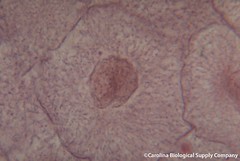
15053233622InterphaseCell grows, performs its normal functions, and prepares for division; consists of G1, S, and G2 phases176
15053233623Prophasefirst phase of mitosis chromosomes become visable, nuclear envelop dissolves, spindle forms177
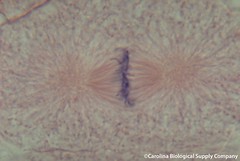
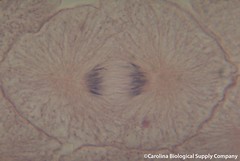
15053233624Metaphasesecond phase of mitosis, during which the chromosomes line up across the center of the cell178
15053233625Anaphasethe third phase of mitosis, during which the chromosome pairs separate and move toward opposite poles179
15053233626Telophasethe final phase of cell division, between anaphase and interphase, in which the chromatids or chromosomes move to opposite ends of the cell and two nuclei are formed.180
15053233627Cytokenisis (Mitosis)the division of cytoplasm that occurs after the cell nucleus has divided181
15053233628importance of cell division- results in growth - replacement of dead cells - repairs damaged cells182
15053233629Mitosispart of eukaryotic cell division during which the cell nucleus divides183
15053233630simple squamous epitheliumsingle layer of flattened cells -Kidney,lining of lungs airsacs, lining of blood vessels184
15053233631simple cuboidal epitheliumsingle layer of cube shaped cells -lines small kidney tubes, small glands (sweat glands)185
15053233632simple columnar epitheliumMade up of a single layer of tall cells that fit closely together -lines most of digestive tract, brochi,uterine tubes186
15053233633psuedostratified columnar epitheliumsingle layer of columnar cellsk, often with cilia -lines sperm carrying tubes in males, lines trachea187
15053233634stratified squamous epitheliummany layers of squamos (flat) cells -lines esophagus, mouth, vagina, skin epidermis188
15053233635transitional epitheliumMultiple layers of cells which appear cuboidal when not stretched, but squamous when stretched; found in the urinary organs189
15053233636squamos cellsflattened cells190
15053233637cuboidal cellscube shaped cells191
15053233638columnar cellstall and column shaped192
15053233639simple cellsone layer of cells193
15053233640stratified cellsmultiple layers of cells194
15053233641connective tissueA body tissue that provides support for the body and connects all of its parts195
15053233642muscle tissueA body tissue that contracts or shortens, making body parts move.196
15053233643nervous tissueA body tissue that carries electrical messages back and forth between the brain and every other part of the body.197
15053233644epithelial tissueA body tissue that covers the surfaces of the body, inside and out198
15053233645areolar connective tissuetransparent matrix with all three fivers (elastin,collagen,reticular) -pakages organs199
15053233646adipose tissuevery little matrix and large adipocytes or fat cells -deep to skin,around kidney, eye, breasts, and abdomen200
15053233647reticular connective tissuethick reticular fibers around many small cells -lymph nodes,spleen,bone marrow201
15053233648elastic cartilagelike hylaine cartilage but dark elastin fibers fill the matrix -external ear, epiglottis202
15053233649fibrocartilagesimilar to hylane has thicker fibers (more visible) -intervertebral discs, discs of knee joint203
15053233650bonelooks like a tree trunk (rings) \ -in bones204
15053233651bloodred and white blood cells in fluid (blood plasma) just dots floating does not look like anything is connecting them205
15053233652skeletal muscle tissuelong, thin cells with striations -attached to bones , and sometimes skin206
15053233653cardiac muscle tissuelong, thing cells with branches and striations -walls of heart207
15053233654smooth muscle tissuelong,thin cells with no branches and no striations -walls of hollow organs except heart208
15053233655nervous tissue cellsbranching cells with long,narrow extension -brain,spinal cord, nerves209
15053362671dense irregular connective tissueirregularly arranged collagen fibers -dermis of skin, joints210
15053363725Hylaine cartilagetransparent matrix with imperceptible collagen fibers around cartilage cells -embroyonic skeleton, rib nose,trachea, larynx211
15053360871dense regular connective tissuemany collagen fibers travelling together in a parallel wave pattern -tendons,ligaments212
15053485892Epidermisoutermost layer of skin, superficial213
15055192420Dermisdeepest layer of skin, deep214
15055194860stratum basalesingle layer of cells, closest to the dermis, dividing keratinacytes, few melanocytes and tactille cells215
15055268003stratum spinosumSeveral layers of keratinocytes joined by desmosomes. Cells contain thick bundles of intermediate filaments made of pre-keratin.216
15055279538stratum granulosuma layer of the epidermis that marks the transition between the deeper, metabolically active strata and the dead cells of the more superficial strata217
15055286770stratum lucidumClear, transparent layer of the epidermis under the stratum corneum. lacks blood vessels, few layers of flattened dead cells, only in thick skin.218
15055288277stratum corneumthe most superficial layer of the epidermis consisting of dead cells. thickest layer, protected by keratin219
15055303246Keratinocytesproduce keratin, cells attached by tight junctions220
15055306810Keratinhard protein material found in the epidermis, hair, and nails221
15055307721Melanocytesproduce melanin, protects skin from sun222
15055309186dendritic cellsspecialized white blood cells that patrol the body searching for antigens that produce infections223
15055311762tactile cellstouch receptors224
15055326041papillary layerouter layer of the dermis, directly beneath the epidermis225
15055329878dermal papillaeFound in the upper layers of the dermis, they create your fingerprint pattern226
15055332780dermal ridgessurface ridges of the epidermis of the palms and soles, where the sweat pores open227
15055334280organization of ridges isgenetically determined228
15055336742reticular layerDeeper layer of the dermis that supplies the skin with oxygen and nutrients, 80% of dermis, and the thickest layer.229

FULL AP LANGUAGE VOCAB Flashcards

Terms : Hide Images
13499171055DESPOTISMthe exercise of absolute power, especially in a cruel and oppressive way.0
13499171056RECTITUDEmoral uprightness; righteousness1
13499171057NASCENTbeginning to exist or develop2
13499171058IMPETUSa moving force, impulse, stimulus3
13499171059ENGENDERproduce, cause, give rise to4
13499171060VICISSITUDEa change or variation; ups and downs5
13499171061RENEGEto fail to honor a commitment; to go back on a promise6
13499171062PROLIFERATEto reproduce, increase, or spread rapidly7
13499171063GERMANErelevant, appropriate, apropos, fitting8
13499171064EFFACEto erase; to rub out9
13499171065EFFUSIVEemotionally excessive; overly demonstrative10
13499171066COGENTpowerfully convincing11
13499171067GRATIUITOUSuncalled for, unwarranted12
13499171068VOLITIONwill; conscious choice13
13499171069PROXIMITYnearness, closeness14
13499171070ABSTRUSEhard to understand because of extreme complexity or abstractness as well as being esoteric15
13499171071INSATIABLEimpossible to satisfy16
13499171072VORACIOUSexceedingly eager or avid (readers, collectors, etc.)17
13499171073IMPERVIOUS1. not permitting passage; impenetrable 2. incapable of being injured, influenced, or affected18
13499171074CAMARADERIEgood-fellowship19
13499171075VANGUARDthe front part of an army; the forefront in any movement, field, activity20
13499171076RELEGATEassign to a lower position21
13499171077SUBJUGATEto conquer by force, bring under complete control22
13499171078ICONOCLASTone who attacks or undermines traditional conventions or institutions23
13499171079DEMOGOGUEa leader who appeals to citizens' emotions & prejudices to obtain power24
13499171080STATUS QUOthe existing condition or state of affairs25
13499171081ACERBICbitter, sharp in taste or temper26
13499171082CRITICALfinding fault27
13499171083CAUSTIC(adj.) able to burn or eat away by chemical action; biting, sarcastic28
13499171084GUISEoutward appearance; false appearance29
13499171085SEMBLANCEa likeness; an outward appearance30
13499171086DISPARAGEregard or represent as being of little worth31
13499171087PROSCRIBEto forbid32
13499171088APHORISMa concise statement of a truth or principle33
13499171089SINE QUA NONan essential or indispensable element or condition34
13499171090AFFLUENTrich; prosperous; wealthy35
13499171091ILLUSORYdeceptive; false; misleading36
13499171092DISPARATEfundamentally different; entirely unlike37
13499171093VINDICATEclear from hint or charge of wrongdoing; to justify38
13499171094APLOMBconfidence without arrogance39
13499171095AUSPICIOUSfavorable; promising40
13499171096HARANGUElong, passionate, ranting speech (diatribe)41
13499171097DISSENTdifference of opinion (implies refusal to assent and/or withholding consent)42
13499171098UBIQUITOUSpresent, appearing, or found everywhere43
13499171099PARADIGMmodel or pattern; worldview, set of shared assumptions, values, etc.44
13499171100TRAVESTYa grotesque or grossly inferior imitation (often unintentional)45
13499171101CREDULOUStoo trusting; gullible46
13499171102UNTENABLEimpossible to defend or justify47
13499171103OPULENTluxurious; grandiose48
13499171104TACITunderstood or implied without being stated49
13499171105COMPUNCTIONa feeling of anxiety caused by regret for doing something wrong or causing pain50
13499171106EXACERBATEto increase the severity; aggravate51
13499171107AMELIORATEto make or become better or improve52
13499171108PLACATEto appease or pacify with concessions53
13499171109ASSUAGEto make milder; relieve; soothe, calm fears or anger54
13499171110VIABLE1. capable of living; 2. useful or effective55
13499171111DENIGRATEto attack the reputation of; to speak ill of56
13499171112VEHEMENTstrongly emotional; intense or passionate57
13499171113DELINEATEto portray in words; describe with precision58
13499171114INUREDmade tough by habitual exposure59
13499171115SALIENTprominent; of notable significance60
13499171116EXTOLto praise, to glorify61
13499171117ENERVATEto weaken; to reduce in vitality62
13499171118LACONICbrief and to the point63
13499171119VERBOSEwordy, long winded64
13499171120CACHETa mark of distinction; prestige65
13499171121ELICITto draw forth, bring out from some source66
13499171122OBSCUREunclear; not well known; partially hidden; hard to understand67
13499171123VISCERALInstinctive rather than rational68
13499171124QUINTESSENTIALthe most typical; ideal69
13499171125ELUCIDATEto clarify, explain70
13499171126FIATan official order, a decree71
13499171127SACROSCANTholy; too sacred to attack (often used ironically)72
13499171128WINDFALLunexpected good fortune73
13499171129ASCETICISMself-restraint; doctrine that claims self-denial allows one to achieve a higher spiritual state of being74
13499171218OBSTINATEfirmly and unreasonably adhering to one's purpose, opinion75
13499171219OBDURATEunmoved by persuasion, pity, or tender feelings; unyielding.76
13499171220INGRATIATEgain favor with somebody by deliberate efforts77
13499171221ESOTERICunderstandable by only an enlightened inner circle78
13499171130REPLETEfull; abundant; filled to the brim79
13499171131RIFEprevalent; widespread; common (often negative)80
13499171132REPREHENSIBLEshameful; very bad81
13499171133ENSCONCEto settle securely or snugly; comfortably82
13499171134ENSHROUDto cover; conceal; to enclose with a dark cover83
13499171135TEDIUMdullness; monotony; boredom84
13499171136RESCINDto take back, repeal85
13499171137REFUTEto prove incorrect86
13499171138LAMPOONto ridicule with satire87
13499171139HEDONISMbelief that attainment of pleasure is life's chief aim88
13499171140EPHEMERALshort-lived; fleeting89
13499171141BOMBASTICpompous or pretentious talk or writing90
13499171142OBFUSCATEto confuse; to bewilder91
13499171143DECORUMproper behavior, good taste; orderliness92
13499171144DOGGEDpersistent, stubbornly determined, refusing to give up93
13499171145CURTAILto cut short; end sooner than expected94
13499171146DEGRADEreduce someone's worth or value; step down to a lower position, rank, social status (suggest humiliation)95
13499171147PRESUMPTUOUStoo forward or bold; overstepping proper bounds96
13499171148PROPENSITYa natural inclination or tendency97
13499171149PENCHANTa strong inclination or liking98
13499171150INEPTunskilled; clumsy; incompetent99
13499171222POSTHUMOUSoccurring after a person's death100
13499171223ONUSa difficult obligation, task, burden, responsibility101
13499171224PEJORATIVEhaving a disparaging or belittling effect102
13499171225IMMUTABLEunchangeable103
13499171226RECAPITULATEsummarize briefly104
13499171227CAPITULATEto surrender; to give up resistance105
13499171228PREEMINENTsuperior; surpassing; above or before others106
13499171229SARDONICmocking; cynical; sneering107
13499171151INNATEexisting from birth, inborn108
13499171152DISILLUSIONto disappoint someone by breaking his or her belief in a false ideal109
13499171153GUILEtreacherous cunning, deceit110
13499171154OSTRACIZEexclude from a group, banish, send away111
13499171155IMPUGNto attack as false or questionable112
13499171156IMPUNITYexemption from punishment113
13499171157MITIGATEto make milder or softer, to moderate in force or intensity114
13499171158INCESSANTcontinuing without pause or interruption (seemingly nonstop)115
13499171159VIS A VISin relation to or compared with116
13499171160INSIDIOUSintended to deceive or entrap; sly, treacherous117
13499171161TUMULTUOUSdisturbance and uproar; raising a great clatter and commotion118
13499171162SUBSTANTIATEto support with proof or evidence119
13499171163POLEMICALcontroversial; argumentative120
13499171164EGREGIOUSoutstandingly bad121
13499171165LAMBASTEattack verbally122
13499171166VACUOUSlacking ideas or intelligence; empty123
13499171167VACILLATEwaver; sway indecisively124
13499171230PARIAHan outcast; any person or animal that is generally despised or avoided125
13499171231ANTIQUATEDold-fashioned; no longer used126
13499171232PEDESTRIANlacking in vitality, imagination, distinction, etc.; commonplace; dull127
13499171233CHARLATANa person who pretends or claims to have more knowledge or skill than he or she possesses128
13499171234MASOCHISTa person who loves experiencing pain, self-imposed or imposed by others129
13499171235SADISTa person who obtains pleasure from inflicting pain on others130
13499171236MISOGYNISTa person who hates, dislikes, mistrusts, or mistreats women131
13499171237INANElacking sense, significance; silly132
13499171168AMBIGUOUSopen to more than one interpretation133
13499171169EMPIRICALbased on observation or experiment134
13499171170ACQUIESCEaccept something reluctantly but without protest135
13499171171CHAGRINembarrassed and disappointed136
13499171172BANALlacking freshness; cliche; trite137
13499171173RETICENTnot inclined to speak; reserved; reluctant138
13499171174REPUDIATEreject the validity or authority of139
13499171175INCENDIARYinflaming; provoking heat or anger140
13499171176BEDLAMa noisy uproar; a scene of wild confusion141
13499171177AMBIVALENTsimultaneously feeling opposing feelings; uncertain142
13499171178PRETENTIOUSassumption of dignity or importance, especially when exaggerated or undeserved143
13499171179EQUIVOCATEuse ambiguous language so as to conceal the truth or avoid committing oneself144
13499171180ENCAPSULATEto place in a capsule; to condense or summarize145
13499171181ANACHRONISTICout-of-date, not attributed to the correct historical period146
13499171182PRAGMATICconcerned with practical considerations or values rather than theoretical147
13499171183DISDAINconsidered beneath oneself; not worth of notice or response148
13499171184CORPORALrelating to or having an effect on the human body149
13499171238PENSIVEwistfully thoughtful, usually marked by sadness150
13499171239COLLOQUIALappropriate to ordinary or familiar conversation rather than formal speech or writing151
13499171240COLLUSIONa secret agreement between two parties to appear as adversaries as a way to defraud a third party152
13499171241CLANDESTINEcharacterized by or done in secrecy for the purpose of deception153
13499171242SURREPTITIOUSdone by stealth; secret actions154
13499171243PERFUNCTORYperformed merely as a routine; going through the motions only155
13499171244MYOPICnarrow-minded; lack of foresight156
13499171245COMPLACENTself-satisfied; pleased without awareness of some potential danger or defect157
13499171185VOLATILEhighly unstable; explosive158
13499171186TOUTto publicly brag, promote159
13499171187MORASSa wet swampy bog; figuratively, something that traps and confuses160
13499171188OBTUSElacking sharpness of intellect161
13499171189PALPABLEcapable of being touched or felt162
13499171190PANACEAa remedy for all ills; cure-all; an answer to all problems163
13499171191PRISTINEuntouched; original purity164
13499171192MALLEABLEcapable of being changed; easily shaped165
13499171193PARAMOUNTof chief concern or importance166
13499171194FLIPPANTlacking proper respect or seriousness167
13499171195PATRONIZEtreat with an apparent kindness that betrays a feeling of superiority168
13499171196DUPLICITOUSdeliberately deceptive169
13499171197SPECIOUSdeceptively attractive; seemingly plausible but fallacious170
13499171198OSTENSIBLEappearing as such, seemingly171
13499171199TRANSIENTlasting only a short time, fleeting; one who stays only a short time172
13499171200VERACITYtruthfulness173
13499171201FORTIUITOUShappening by chance174
13499171246LANGUIDlacking spirit or liveliness175
13499171247COMMENSURATEcorresponding in size or degree or extent176
13499171248DILETTANTEa person who takes up an art, activity, or subject merely for amusement in a superficial way177
13499171249SORDIDmorally base; vile; dirty or filthy178
13499171250ARDUOUSrequiring great exertion; full of hardships179
13499171251APATHETIChaving or showing little or no emotion180
13499171252MINUTIAEprecise details; trifling matters181
13499171253EFFICACYcapacity for producing a desired result182
13499171254CAPRICIOUSsubject to, led by a sudden, odd notion or unpredictable change; erratic183
13499171255CONJECTUREan untestable proposition184
13499171256EPITOMIZEserve as a typical example of185
13499171257PARAGONa model of pattern of excellence; the ideal standard186
13499171202IMPETUOUShasty; without due consideration; rash187
13499171203OPAQUEimpossible to see through; preventing the passage of light188
13499171204MORIBUNDclose to death; in a dying state189
13499171205CONVOLUTEDtwisted, complicated190
13499171206SOPHOMORICintellectually immature and overconfident191
13499171207SOPORIFICsleep-inducing192
13499171208CLICHEa worn-out idea or overused expression193
13499171209ABSTRACTexisting in thought or as an idea but not having a physical or concrete existence.194
13499171210BUREAUCRATICof or relating to unnecessary procedures and red tape195
13499171211MOREScustoms, manners, or morals of a particular group196
13499171212TENUOUSthin; lacking a sound basis, as reasoning; unsubstantiated; weak197
13499171213TENTATIVEexperimental in nature; uncertain, hesitant198
13499171214VERSEDfamiliar because of experience199
13499171258ALLITERATIONrepetition of the same sound within nearby words; most often, repeated initial consonants200
13499171259APOSTROPHEaddresses an abstraction, an inanimate object, or to the someone not present201
13499171260HYPERBOLEexaggeration for effect202
13499171261MEIOSISunderstatement for effect203
13499171262LITOTESmaking an affirmative point by denying its opposite204
13499171263PERSONIFICATIONgiving human characteristics to non-human things205
13499171264IRONY (verbal and situational)reversal of expectations or speaking in such a way as to imply the contrary of what one says206
13499171265SARCASMa mocking or derogatory statement, usually ironic, directed and intended to hurt another person207
13499171266SATIREliterary genre that uses irony, wit and sometimes sarcasm to expose humanity's vices and foibles, giving impetus to change or reform through ridicule208
13499171267SIMILEcomparing two distinct things by using connective words such as like or as209
13499171268METAPHORidentify one object or idea with another in one or more aspects via representation or substitution210
13499171269METONYMYsubstituting the word in mind with an object closely related to it (White House for President)211
13499171270SYNECDOCHEa part of something is used to represent the whole of something (all hands on deck)212
13499171271ANAPHORArepetition of a word or phrase at the beginning of two or more lines, clauses, or sentences213
13499171272ANTIMETABOLErepetition of words in successive clauses in reverse grammatical order (similar to chiasmus)214
13499171273ANTITHESISbalancing contrasting terms against each other for emphasis215
13499171274ZEUGMAone word is used to mean two different things simultaneously216
13499171275ANASTROPHEreversal of word order to make a point217
13499171276ANTECEDENTthe original noun, noun phrase or clause referred to later in the text by other means (pronouns, metaphors, etc.)218
13499171277APPOSITIVEa noun or noun phrase that further describes a nearby noun or pronoun219
13499171278PHRASEgroup of words without a verb (always dependent on other words to make a complete sentence)220
13499171279CLAUSEgroup of words with a verb (independent clauses are complete sentences; dependent clause require an independent clause to make a complete sentence)221
13499171280SIMPLE SENTENCEsentence containing one independent clause222
13499171281COMPOUND SENTENCEsentence containing multiple independent clauses223
13499171282COMPLEX SENTENCEsentence containing at least one independent and at least one dependent clause224
13499171283FRAGMENTincomplete sentence (can be effective depending on the purpose)225
13499171284SUBORDINATIONthe use of a conjunction to make the meaning of one clause dependent on another clause226
13499171285PASSIVE VOICEwhen the object of the verb is the subject of the sentence. (The homework is read by Sam.)227
13499171286ACTIVE VOICEwhen the subject is doing the action. (Sam reads the homework.)228
13499171215ANECDOTEa short account of a particular incident or event229
13499171216EUPHEMISMthe substitution of a mild, indirect, or vague expression for one thought to be offensive, harsh, or blunt230
13499171217JUXTAPOSITIONplacing two elements side by side to present a comparison or contrast231

AP Chem Flashcards

Terms : Hide Images
14683467732AcetateC2H3O2-0
14683467733AmideNH2 -11
14683467734BenzoateC7H5O2-2
14683467735BicarbonateHCO3-3
14683467736BisulfateHSO4-4
14683467737BisulfideHS -15
14683467738BromateBrO3-6
14683467739BromiteBrO2-7
14683467740PerchlorateClO4-8
14683467741ChlorateClO3-9
14683467742ChloriteClO2-10
14683467743HypochloriteClO-11
14683467744CyanateOCN-12
14683467745Dihydrogen PhosphateH2P04-13
14683467746FormateCHO2-14
14683467747HydroxideOH-15
14683467748IodateIO3-16
14683467749Hydrogen OxalateHC2O4-17
14683467750LactateC3H50-18
14683467751MetaarsenateAsO3-19
14683467752NitrateNO3-20
14683467753OxychlorideOCl3 -121
14683467754PermanganateMn04-22
14683467755ThiocyanateCNS-23
14683467756ThiocyanideSCN-24
14683467757sulfateSO4-225
14683467758carbonateCO3 2-26
14683467759chromateCrO4 2-27
14683467760CyanamideCN2 -228
14683467761DichromateCr207-229
14683467762ManganateMnO4 2-30
14683467763MolybdateMo04-231
14683467764Hydrogen PhosphateHPO4 2-32
14683467765OxalateC2O4 2-33
14683467766peroxide02-234
14683467767pyrosulfateS2O7 2-35
14683467768MetasilicateSi03 -236
14683467769StannateSnO3 -237
14683467770SulfateSO4 2-38
14683467771SulfiteSO3 2-39
14683467772TartrateC4H4O6 2-40
14683467773TetraborateB407-241
14683467774ThiosulfateS2O3 2-42
14683467775SelenateSeO4 2-43
14683467776FerricyanideFe(CN)6 3-44
14683467777CitrateC6H5O7 3-45
14683467778ThioarsenateAsS4 -346

AP Language Key Terms Flashcards

Terms : Hide Images
13074853292AllegoryThe device of using character and/or story elements symbolically to represent an abstraction in addition to the literal meaning. In some allegories, for example, an author may intend the characters to personify an abstraction lie hope or freedom. The allegorical meaning usually deals with moral truth or a generalization about human existence. A story, poem, or picture that can be interpreted to reveal a hidden meaning, typically a moral or political one.0
13074853293AlliterationThe repetition of sounds, especially initial consonants in tow or more neighboring words (as in "she sells sea shells). Although the term is not used frequently in the multiple-choice section, you can look for alliteration in any essay passage. The repetition can reinforce meaning, unify ideas, supply a musical sound, and/or echo the sense of the passage.1
13074853294AllusionA direct or indirect reference to something which is presumably commonly known, such as an event, book, myth, place, or work of art. Allusions can be historical, literary, religious, topical, or mythical. There are many more possibilities, and a work may simultaneously use multiple layers of allusion.2
13074853295Ambiguity (am-bi-gyoo-i-tee)The multiple meanings, either intentional or unintentional, of a word, phrase, sentence, or passage.3
13074853296AnalogyA similarity or comparison between two different things or the relationship between them. An analogy can explain something unfamiliar by associating it with or pointing out its similarity to something more familiar. Analogies can also make writing more vivid, imaginative, or intellectually engaging. Ex. He that voluntarily continues ignorance is guilty of all the crimes which ignorance produces, as to him4
13074853297Anaphora (uh-naf-er-uh)One of the devices of repetition, in which the same expression (word or words) is repeated at the beginning of two or more lines, clauses, or sentences.5
13074853298AnecdoteA short narrative detailing particulars of an interesting episode or event. The term most frequently refers to an incident in the life of a person6
13074853299Antecedent (an-tuh-seed-nt)The word, phrase, or clause referred to by a pronoun. The AP Language exam occasionally asks for the antecedent of a given pronoun in a long, complex sentence or in a group of sentences.7
13074853300Antithesis (an-tih-theh-sis)Figure of balance in which two contrasting ideas are intentionally juxtaposed, usually through parallel structure; a contrasting of opposing ideas in adjacent phrases, clauses, or sentences. Antithesis creates a definite and systematic relationship between ideas.8
13074853301AphorismA terse statement of know authorship which expresses a general truth or a moral principle. (If the authorship is unknown, the statement is generally considered to be a folk proverb.) An aphorism can be a memorable summation of the author's point.9
13074853302ApostropheA figure of speech that directly addresses an absent or imaginary person or a personified abstraction, such as liberty or love. It is an address to someone or something that cannot answer. The effect is to give vent to or display intense emotion, which can no longer be held back:10
13074853303Asyndeton (uh-sin-di-tuhn)consists of omitting conjunctions between words, phrases, or clauses. This can give the effect of unpremeditated multiplicity, of an extemporaneous rather than a labored account. Asyndetic lists can be more emphatic than if a final conjunction were used.11
13074853304AtmosphereThe emotional mood created by the entirety of a literary work, established partly by the setting and partly by the author's choice of objects that are described. Even such elements as description of the weather can contribute to the atmosphere. Frequently atmosphere forshadows events. Perhaps it can create a mood.12
13074853305Chiasmus (kahy-az-muhs)(From the Greek word for "criss-cross," a designation baed on the Greek letter "chi," written X). Chiasmus is a figure of speech in which two successive phrases or clauses are parallel in syntax, but reverse the order of the analogous words.13
13074853306Clausea grammatical unit that contains both a subject and a verb. An independent, or main, clause expresses a complete thought and can sand alone as a sentence. A dependent, or subordinate clause cannot stand alone as a sentence and must be accompanied by an independent clause. The point that you want to consider is the question of what or why the author subordinates one element to the other. You should also become aware of making effective use of subordination in your own writing.14
13074853307Colloquial/colloquialism (kuj-loh-kwee-uhl)The use of slang or informalities in speech or writing. Not generally acceptable for formal writing, colloquialisms give a work a conversational, familiar tone. Colloquial expressions in writing include local or regional dialects.15
13074853308CoherenceA principle demanding that the parts of any composition be arranged so that the meaning of the whole may be immediately clear and intelligible. Words, phrases, clauses within the sentence; and sentences, paragraphs, and chpters in larger pieces of writing are the unit that by their progressive and logical arrangement, make for coherence.16
13074853309ConceitA fanciful expression, usually in the form of an extended metaphor or surprising analogy between seemingly dissimilar objects. A conceit displays intellectual cleverness as a result of the unusual comparison being made.17
13074853310Connotation- The nonliteral, associative meaning of a word; the implied, suggested meaning. Connotations may involve ideas, emotions, or attitudes.18
13074853311DenotationThe strict, literal, dictionary definition of a word, devoid of any emotion attitude, or color.19
13074853312Diacoperepetition of a word or phrase after an intervening word or phrase: word/phrase X, . . ., word/phrase X.20
13074853313DictionRelated to style, diction refers to the writer's word choices, especially with regard to their correctness, clearness, or effectiveness. For the AP exam, you should be able to describe an author's diction (for example, formal or informal, ornate or plain) and understand the ways in which diction can complement the author's purpose. Diction, combined with syntax, figurative language, literary devices, etc., creates an author's style.21
13074853314Didactic (dahy-dak-tik)From the Greek, didactic literally means "teaching." Didactic works have the primary aim of teaching or instructing, especially the teaching of moral or ethical principles.22
13074853315EnumeratioFigure of amplification in which a subject is divided into constituent parts or details, and may include a listing of causes, effects, problems, solutions, conditions, and consequences; the listing or detailing of the parts of something.23
13074853316Expletive (ek-spli-tiv)Figure of emphasis in which a single word or short phrase, usually interrupting normal speech, is used to lend emphasis to the words on either side of the expletive.24
13074853317Euphemism (yoo-fuh-miz-uhm)From the Greek for "good speech," euphemisms are a more agreeable or less offensive substitute for a generally unpleasant word or concept. The euphemism may be sued to adhere to standards of social or political correctness or to add humor or ironic understatement.25
13074853318ExpositionIn essays, one of the four chief types of composition, the others being argumentation, description, and narration. The purpose of exposition is to explain something. In drama, the exposition is the introductory material, which creates the tone, gives the setting, and introduces the characters and conflict.26
13074853319Extended metaphorA metaphor developed at great length, occurring frequently in or throughout the work.27
13074853320Figurative language- Writing or speech that is not intended to carry literal meaning and is usually meant to be imaginative and vivid.28
13074853321Figure of speechA device used to produce figurate language. Many compare dissimilar things. Figures of speech include apostrophe, hyperbole, irony, metaphor, metonymy, oxymoron, paradox, personification, simile, synecdoche, and understatement.29
13074853322Generic conventionsThis term describes traditions for each genre. These conventions help to define each genre; for example, they differentiate an essay and journalistic writing or an autobiography and political writing. On the AP language exam, try to distinguish the unique features of a writer's work from those dictated by convention.30
13074853323GenreThe major category into which a literary work fits. The basic divisions of literature are prose, poetry, and drama. However, genre is a flexible term; within these broad boundaries exist many subdivisions that are often called genres themselves. For example, prose can be divided into fiction (novels and short stories) or nonfiction (essays, biographies, autobiographies, etc). Poetry can be divided into lyric, dramatic, narrative, epic, etc. Drama can be divided into tragedy, comedy, melodrama, farce, etc. ON the AP language exam, expect the majority of the passages to be from the following genres: autobiography, biography, diaries, criticism, essays, and journalistic, political, scientific, and nature writing.31
13074853324Homily (hom-uh-lee)This term literally means "sermon," but more informally, it can include any serious talk, speech, or lecture involving moral or spiritual advice.32
13074853325Hyperbole (hahy-pur-buh-lee)A figure of speech using deliberate exaggeration or overstatement. Hyperboles often have a comic effect; however, a serious effect is also possible. Often, hyperbole produces irony.33
13074853326HypophoraFigure of reasoning in which one or more questions is/are asked and then answered, often at length, by one and the same speaker; raising and responding to one's own question(s). A common usage is to ask the question at the beginning of a paragraph and then use the paragraph to answer it. You can use hypophora to raise questions which you think the reader obviously has on his/her mind and would like to see formulated and answered.34
13074853327ImageryThe sensory details or figurative language used to describe, arouse emotion, or represent abstractions. On a physical level, imager y uses terms related to the five senses; we refer to visual, auditory, tactile, gustatory, or olfactory imagery. On a broader and deeper level, however, one image can represent more than one thing. For example, a rose may present visual imagery while also representing the color in a woman's cheeks and/or symbolizing some degree of perfection (It is the highest flower on the Great Chain of Being). An author may use complex imagery while simultaneously employing other figure s of speech, especially metaphor and simile. In addition, this term can apply to the total of all the images in a work. ON the AP exam, pay attention to how an author creates imagery and to the effect of this imagery.35
13074853328Inference/inferTo draw a reasonable conclusion from the information presented. When a multiple-choice question asks for an inference to be drawn from a passage, the most direct, most reasonable inference is the safest answer choice. If an inference is implausible, it's unlikely to be the correct answer. Note that if the answer choice is directly stated, it is not inferred and is wrong. You must be careful to note the connotation - negative or positive - of the choices.36
13074853329Invectivean emotionally violent, verbal denunciation or attach using strong, abusive language.37
13074853330Irony/ironicThe contrast between what is stated explicitly and what is really meant. The difference between what appears to be and what actually is true. In general, there are three major types of irony used in language; (1) In a verbal irony, the words literally state the opposite of the writer's (or speaker's) true meaning. (2) In situational irony, events turn out the opposite of what was expected. What the characters and the readers think ought to happen. (3) In dramatic irony, facts or events are unknown to a character in a play or piece of fiction, but know to the reader, audience, or other characters in the work. Irony is used for many reasons, but frequently, it's used to create poignancy or humor.38
13074853331Juxtaposition (juhk-stuh-puh-zish-uhn)When two words, phrases, images, ideas are placed close together or side by side for comparison or contrast.39
13074853332Litotes (lahy-toh-teez)From the Greek word "simple" or "plain." Litotes is a figure of thought in which a point is affirmed by negating its opposite. It is a special form of understatement, where the surface denial serves, through ironic contrast, to reinforce the underlying assertion.40
13074853333Loose sentencea type of sentence in which the main idea (independent clause) comes first, followed by dependent grammatical units such as phrases and clauses. If a period were placed at the end of the independent clause, the clause would be a complete sentence. A work containing many loose sentences often seems informal, relaxed, and conversational. Generally loose sentences create loose style.41
13074853334MetaphorA figure of speech using implied comparison of seemingly unlike things or the substitution of one for the other, suggesting some similarity. Metaphorical language makes writing more vivid, imaginative, thought provoking, and meaningful.42
13074853335Metonymy (mi-ton-uh-mee)A term from the Greek meaning "changed label" or "substitute name." Metonymy is a figure of speech in which the name of one object is substituted for that of another closely associated with it. A news release that claims "the White House declared" rather that "the President declared" is using metonymy. The substituted term generally carries a more potent emotional response.43
13074853336MoodThis term has two distinct technical meanings in English writing. The first meaning is grammatical and eals with verbal units and a speaker's attitude. The indicative mood is used only for factual sentences. For example, "Joe eats too quickly." The subjective mod is used to express conditions contrary to fact. For example, "If I were you, I'd get another job." The imperative mood is used for commands. For example, "Shut the door!" The second meaning of mood is literary, meaning the prevailing atmosphere or emotional aura of a work. Setting, tone, and events can affect the mood. In this usage, mood is similar to tone and atmosphere.44
13074853337NarrativeThe telling of a story or an account of an event or series of events.45
13074853338Onomatopoeia (on-uh-mat-uh-pee-uh)A figure of speech in which natural sounds are imitated in the sounds of words. Simple examples include such words as buzz, hiss, hum, crack, whinny, and murmur. If you not eexamples of onomatopoeia in an essay passage, note the effect.46
13074853339OxymoronFrom the Greek for "pointedly foolish," an oxymoron is a figure of speech wherein the author groups apparently contradictory terms to suggest a paradox. Simple examples include "jumbo shrimp" and "cruel kindness." This term does not usually appear in the multiple-choice questions, but there is a chance that you might find it in an essay. Take note of the effect which the author achieves with this term.47
13074853340ParadoxA statement that appears to be self-contradictory or opposed to common sense but upon closer inspection contains some degree of truth or validity.48
13074853341ParallelismAlso referred to as parallel construction or parallel structure, this term comes from Greek roots meaning "beside one another." It refers to the grammatical or rhetorical framing of words, phrases, sentences, or paragraphs to give structural similarity. This can involve, but is not limited to repetition of a grammatical element such as a preposition or verbal phrase. A famous example of parallelism begins Charles Dickens's novel A Tale of Two Cities: "It was the best of times, it was the worst of times, it was the age of wisdom, it was the age of foolishness, it was the epoch of belief, it was the epoch of incredulity . . ." The effects of parallelism are numerous, but frequently they act as an organizing force to attract the reader's attention, add emphasis and organization, or simply provide a musical rhythm.49
13074853342ParodyA work that closely imitates the style or content of another with the specific aim of comic effect and/or ridicule. As comedy, parody distorts or exaggerated distinctive features of the original. As ridicule, it mimics the work by repeating and borrowing words, phrases, or characteristics in order to illuminate weaknesses in the original. Well-written parody offers enlightenment about the original, but poorly written parody offers only ineffectual imitation. Usually an audience must grasp literary allusion and understand the work being parodied in order to fully appreciate the nuances of the newer work. Occasionally, however, parodies take on a life of their own and don't require knowledge of the original50
13074853343Pedantic (puh-dan-tik)An adjective that describes words, phrases, or general tone that is overly scholarly, academic, or bookish.51
13074853344Periodic sentenceA sentence that presents its central meaning in a main clause at the end. This independent clause is preceded by a phrase or clause that cannot stand alone. For example: "Ecstatic with my AP score, I let out a loud, joyful shout!" The effect of a periodic sentence is to add emphasis and structural variety. It is also a much stronger sentence than the loose sentence.52
13074853345PersonificationA figure of speech in which the author presents or describes concepts, animals, or inanimate objects by endowing them with human attributes or emotions. Personification is used to make these abstractions, animal, or objects appear more vivid to the reader.53
13074853346Polysyndeton (paulee-sin-dih-tawn)Figure of addition and emphasis which intentionally employs a series of conjunctions (FANBOYS: for, and, nor, but, or, yet, so) not normally found in successive words, phrases or clauses; the deliberate and excessive use of conjunctions in successive words or clauses. The effect is a feeling of multiplicity, energetic enumeration, and building up - a persistence or intensity.54
13074853347Predicate adjectiveOne type of subject complement is an adjective, group of adjectives, or adjective clause that follows a linking verb. It is in the predicate of the sentence, and modifies, or describes, the subject.55
13074853348Predicate nominativeA second type of subject complement - a noun, group of nouns, or noun clause that names the subject. It, like the predicate adjective, follows a linking verb and is located in the predicate of the sentence.56
13074853349ProseOne of the major divisions of genre, prose refers to fiction and non-fiction, including all its forms. In prose the printer determines the length of the line; in poetry, the poet determines the length of the line57
13074853350RepetitionThe duplication, either exact or approximate, of any element of language, such as a sound, word, phrase, clause, sentence, or grammatical pattern.58
13074853351RhetoricFrom the Greek for "orator," this term describes the principles governing the art of writing effectively, eloquently, and persuasively.59
13074853352Rhetorical modesThis flexible term describes the variety, the conventions, and purposes of the major kinds of writing. The four most common rhetorical modes and their purposes are as follows: (1) The purpose of exposition (or expository writing) is to explain and analyze information by presenting an idea, relevant evidence, and appropriate discussion. The AP language exam essay questions are frequently expository topics. (2) The purpose of argumentation is to prove the validity of an idea, or point of view, by presenting sound reasoning, discussion, and argument that thoroughly convince the reader. Persuasive writing is a type of argumentation having an additional aim of urging some form of action. (3) The purpose of description is to re-create, invent, or visually present a person, place, event or action so that the reader can picture that being described. Sometimes an author engages all five senses in description; good descriptive writing can be sensuous and picturesque. Descriptive writing may be straightforward and objective or highly emotional and subjective. (4) The purpose of narration is to tell a story or narrate an event or series of events. This writing mode frequently uses the tools of descriptive writing. These four modes are sometimes referred to as mode of discourse.60
13074853353Rhetorical Question [erotesis]- differs from hypophora in that it is not answered by the writer because its answer is obvious or obviously desired, and usually just a yes or no answer would suffice. It is used for effect, emphasis, or provocation, or for drawing a conclusionary statement from the fact at hand.61
13074853354SarcasmFrom the Greek meaning "to tear flesh," sarcasm involves bitter, caustic language that is meant to hurt or ridicule someone or something. It may use irony is a device, but not all ironic statements are sarcastic, that is, intended to ridicule. When well done, sarcasm can be witty and insightful; when done poorly, it's simply cruel62
13074853355SatireA work that targets human vices and follies or social institutions and conventions for reform or ridicule. Regardless of whether or not the work aims to reform human behavior, satire is best seen as a style of writing rather than a purpose for writing. It can be recognized by the many devices used effectively the satirist: irony, wit, parody, caricature, hyperbole, understatement, and sarcasm. The effects of satire are varied, depending on the writer's goal, but good satire, often humorous, is thought provoking and insightful about the human condition.63
13074853356SemanticsThe branch of linguistics that studies the meaning of words, their historical and psychological development, their connotations, and their relation to one another64
13074853357StyleThe consideration of style has two purposes: (1) An evaluation of the sum of the choices an author makes in blending diction, syntax, figurative language, and other literary devices. Some authors' styles are so idiosyncratic that we can quickly recognize works by the same author (or a writer emulating that author's style)/ Compare, for example, Jonathan's Swift to George Orwell or William Faulkner to Ernest Hemingway. We can analyze and describe an author's personal style and make judgments on how appropriate it is to the author's purpose. Styles can be called flowery, explicit, succinct, rambling, bombastic, commonplace, incisive, or laconic, to name only a few examples. (2) Classification of authors to a group and comparison of an author to similar authors. By means of such classification and comparison, we can see how an author's style reflects and helps to define a historical period, such as the Renaissance of the Victorian period, or a literary movement, such as the romantic, transcendental or realist movement.65
13074853358Subject complementThe word (with any accompanying phrases) or clauses that follows a linking verb and complements, or completes, the subject of the sentence by either (1) renaming it or (2) describing it. The former is technically a predicate nominative, the latter a predicate adjective. Multiple-choice questions.66
13074853359Subordinate clauseLike all clauses, this word group contains both a subject and a verb (plus any accompanying phrases or modifiers), but unlike the independent clause, the subordinate clause cannot stand alone; it does not express a complete thought. Also called a dependent clause, the subordinate clause depends on a main clause, sometimes called an independent clause, to complete its meaning. Easily recognized key words and phrases usually begin these clauses 0 for example: although, because, unless, if even though, since, as soon as, while who, when , where, how and that.67
13074853360Syllogism (sil- uh-jiz-uhm)From the Greek for "reckoning together, " a syllogism (or syllogistic-reasoning or syllogistic logic is a deductive system of formal logic that presents two premises (the firs one called "major" and the second, "minor") that inevitably lead to a sound conclusion. A frequently cited example proceeds as follows;68
13074853361Symbol/symbolismGenerally, anything that represents itself and stands for something else. Usually a symbol is something concrete - such as object, action, character, or scene - that represents something more abstract. However, symbols, and symbolism can be much more complex. One system classifies symbols in three categories: (1) Natural symbols are objects and occurrences from nature to represent ideas commonly associated with them (dawn symbolizing hope or a new beginning, a rose symbolizing love, a tree symbolizing knowledge). (2) Conventional symbols are those that have been invested with meaning by a group (religious symbols such as a cross or Star of David; national symbols, such as a flag or an eagle; or group symbols, such as a skull and crossbones for pirates or the scales of justice for lawyers). (3) Literary symbols are sometimes also conventional in the sense that they are found in a variety of works and are generally recognized. However, a work's symbols may be more complicated as is the whale in Moby Dick and the jungle in Heart of Darkness. On the AP exam, try to determine what abstraction an object is a symbol for and to what extent it is successful in representing that abstraction.69
13074853362Synecdoche (si-nek-duh-kee)is a type of metaphor in which the part stands for the whole, the whole for a part, the genus for the species, the species for the genus, the material for the thing made, or in short, any portion , section, or main quality for the whole or the thing itself (or vice versa).70
13074853363SyntaxThe way an author chooses to join words into phrases, clauses, and sentences. Syntax is similar to diction, but you can differentiate them by thinking of syntax as the groups of words, while diction refers to the individual words. In the multiple-choice section, expect to be asked some questions about how an author manipulates syntax. In the essay section, you will need to analyze how syntax produces effects.71
13074853364ThemeThe central idea or message of a work, the insight it offers into life. Usually theme is unstated in fictional works, but in nonfiction, the theme may be directly stated, especially in exposityr or argumentative writing.72
13074853365ThesisIn expository writing, the thesis statement is the sentence or a group of sentences that directly expresses the author's opinion, purpose, meaning, or position. Expository writing is usually judged by analyzing how accurately, effectively, and thoroughly a writer has proved the thesis.73
13074853366ToneSimilar to mood, tone describes the author's attitude toward his material, the audience, or both. Tone is easier to determine in spoken language than in written language. Considering how a work would sound if ti were read aloud can help in identifying an author's tone. Some words describing tone are playful, serious, businesslike, sarcastic, humorous, formal, ornate, sardonic, and somber74
13074853367TransitionA word or phrase that links different ideas. Used especially, although not exclusively, in expository and argumentative writing, transitions effectively signal a shift from one idea to another. A few commonly used transitional words or phrases are furthermore, consequently, nevertheless, for example, in addition, likewise, similarly and on the contrary. More sophisticated writers use more subtle means of transition. We will discuss these methods later.75
13074853368UnderstatementThe ironic minimizing of fact, understatement presents something as less significant than it is. The effect can frequently be humorous and emphatic. Understatement is the opposite of hyperbole.76
13074853369UndertoneAn attitude that may lie under the ostensible tone of the piece. Under a cheery surface, for example, a work may have threatening undertones. William Blake's "The Chimney Sweeper" from the Songs of Innocence has a grim undertone.77
13074853370WitIn modern usage, intellectually amazing language that surprises and delights. A witty statement is humorous, while suggesting the speaker's verbal power in creating ingenious and perceptive remarks. Wit usually uses terse language that makes a pointed statement. Historically, wit originally meant basic understanding. Its meaning evolved to include speed of understanding, and finally (in the early seventeenth century), it grew to mean quick perception including creative fancy and a quick tongue to articulate an answer that demanded the same quick perception.78
13074861542ZeugmaA construction in which one word (usually a verb) modifies or governs—often in different, sometimes incongruent ways—two or more words in a sentence.79

Pages

Subscribe to CourseNotes RSS

Need Help?

We hope your visit has been a productive one. If you're having any problems, or would like to give some feedback, we'd love to hear from you.

For general help, questions, and suggestions, try our dedicated support forums.

If you need to contact the Course-Notes.Org web experience team, please use our contact form.

Need Notes?

While we strive to provide the most comprehensive notes for as many high school textbooks as possible, there are certainly going to be some that we miss. Drop us a note and let us know which textbooks you need. Be sure to include which edition of the textbook you are using! If we see enough demand, we'll do whatever we can to get those notes up on the site for you!