AP Notes, Outlines, Study Guides, Vocabulary, Practice Exams and more!

AP World History Strayer Chapter 8 Vocabulary Flashcards

Unit Three Part Three

Terms : Hide Images
8047005397Sui Dynasty*Definition:* Short dynasty between Han and Tang. *Significance:* Built Grand Canal, strengthened government, and introduced Buddhism to China.0
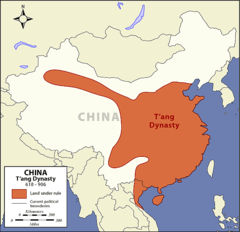
8047005398Tang Dynasty*Definition:* Dynasty often referred to as "China's Golden Age". (618 CE - 907 CE) *Significance:* China expands to Vietnam, Imperial examination perfected. New technologies (paper money, gunpowder, junks, etc...) through silk road.1
8047005399Song Dynasty*Definition:* (960 CE - 1279 CE) Started by Tai Zu. *Significance:* Million people there. Foot binding, magnetic compass, navy, and traded with India and Persia.2
8047005400Hangzhou*Definition:* Capital of later Song Dynasty. *Significance:* Permitted overseas trading with population exceeding 1 million.3
8047005402Foot Binding*Definition:* Practice in Chinese society to mutilate women's feet to make them smaller. *Significance:* It was associated with images of female beauty and eroticism.4
8047005403Tribute System*Definition:* Chinese method of dealing with foreign lands and people that assumed subordination of all non-chinese authorities. They required all foreigners wanting access to China to pay tribute. *Significance:* System the attempted to regulate their relationships with Northern Nomads.5
8047005404Khitan/Jurchen People*Definition:* Nomadic people who established a state that included parts of Northern China. *Significance:* Was a nomadic group who "picked up the pieces" after collapse of Tang Dynasty.6
8047005405Silla Dynasty (Korea)*Definition:* First ruling dynasty to bring a measure of political unity to Korean Peninsula. *Significance:* Allied with China to bring political unity to the peninsula for the first time.7
8047005406Hangul*Definition:* Phonetic alphabet in Korea (14th century). *Significance:* Helped Korea move toward greater cultural independence.8
8047005407Shotoku Taishi*Definition:* Japanese statesman who launched the drive to make Japan into centralized bureaucratic state modeled on China. *Significance:* Launched a series of large-scale missions to China.9
8047005408Bushido*Definition:* "Way of the Warrior". *Significance:* A distinct set of values for Samurais.10
8047005409Chinese Buddhism*Definition:* Entered China through cultural accommodations. *Significance:* Useful to helping nomadic rulers govern northern China because it was foreign.11
8047005410Emperor Wendi*Definition:* Sui Emperor who patronized Buddhism. *Significance:* He was responsible for the monasteries constructed at the base of China's 5 sacred mountains.12
8047005411Trung Sisters*Definition:* Two sisters who began the Vietnam revolution against China *Significance:* They became a symbol for Vietnam to look towards during Chinese rule13
8047005412Chu nom*Definition:* The writing system of Vietnam *Significance:* United Vietnam even during times of civil war14

AP World History Chapter 14 Vocabulary Flashcards

Terms : Hide Images
8895069663African DiasporaName given to the spread of African peoples across the Atlantic via the slave trade.0
8895069664BeninWest African kingdom (in what is now Nigeria) whose strong kings sharply limited engagement with the slave trade.1
8895069665British/ Dutch East India companiesPrivate trading companies chartered by the governments of England and the Netherlands around 1600; they were given monopolies on Indian Ocean trade, including the right to make war and to rule conquered peoples.2
8895069666DahomeyWest African kingdom that became strong through its rulers' exploitation of the slave trade.3
8895069667Ayuba Suleiman DialloSold into slavery in West Africa and transported to work on a plantation in Maryland in 1730, this well-educated Muslim (1700-1773) became a celebrity in England because of his life story. He returned to his home in West Africa in 1734 after philanthropists brought his freedom.4
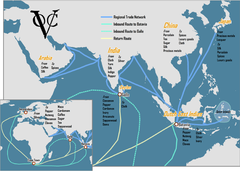
8895069668Indian Ocean commercial networkThe massive, interconnected web of commerce in premodern times between the lands that bordered on the Indian Ocean (including East Africa, India, and Southeast Asia); the network was badly disrupted by Portuguese intrusion beginning around 1500.5
8895069669PotosiCity that developed high in the Andes (in present-day Bolivia) at the site of the world's largest silver mine and that became the largest city in the Americas, with a population of some 160,000 in the 1570s.6
8895069670Silver DrainTerm often used, along with "specie drain" to describe the siphoning of money from Europe to pay for the luxury products of the East, a process exacerbated by the fact that Europe had few trade goods that were desirable in Eastern markets; eventually, the bulk of the world's silver supply made its way to China.7
8895069671Soft GoldNicknames used in early modern period for animal furs, highly valued for their warmth and as symbols of elite status; in several regions, the fur trade generated massive wealth for those engaged in it.8
8895069672Philippines (Spanish)An archipelago of Pacific islands colonized by Spain in a relatively bloodless process that extended for the century or so after 1565, a process accompanied by a major effort at evangelization; the Spanish named them the Philippine Islands in honor of King Philip II of Spain.9
8895069673Tokugawa shogunateMilitary rulers of Japan who successfully unified Japan politically by the early seventeenth century and established a "closed door" policy toward European encroachments.10
8895069674Trading post empireForm of imperial dominance based on control of trade rather than on control of subject peoples.11
8895069675Banda IslandsInfamous case of the Dutch forcibly taking control of the spice trade; nearly the entire population of these nutmeg producing islands was killed or enslaved and then replaced with Dutch planters.12
8895069676CartazA pass that the Portuguese required of all merchant vessels attempting to trade in the Indian Ocean.13
8895069677DaimyoFeudal lords of Japan who ruled with virtual independence thanks to their bands of samurai warriors.14
8895069678HuronsNative American people of northeastern North America who were heavily involved in the fur trade. Served as trade intermediaries in Lake Eerie among French. Also died due to exposure of Europen-bourne diseases.15
8895069679Little Ice AgeA period of cooling temperatures and harsh winters that lasted for much of the early modern era. Caused rise in soft gold fashions.16
8895069680Magellan, FerdinandPortuguese mariner who commanded the first European (Spanish) fleet to circumnavigate the globe (1519-1521).17
8895069681ManillaCapital of the Spanish Philippines and a major multicultural trade city that already had a population of more than 40,000 by 1600.18
8895069682Middle PassageName commonly given to the journey across the Atlantic undertaken by African slaves being shipped to the Americas.19
8895069683Piece of EightStandard Spanish coin that became a medium of exchange in North America, Europe, India, Russia, and West Africa, as well as in the Spanish Empire; so called because it was worth 8 reales.20
8895069684SamuraiThe warrior elite of medieval Japan.21
8895069685ShogunIn Japan, a supreme military commander.22

AP World History Strayer Chapter 10 Vocabulary Flashcards

Terms : Hide Images
8085007118Nubian Christianity*Definition:* (5th/6th century) Several kingdoms of Nubia Christian church thrived for 600 years. *Significance:* It largely disappeared because of the conversion to Islam.0
8085007119Jesus Sutras*Definition:* Products of Nestorian Christians in China. *Significance:* Sutras articulate the Christian message using Buddhist and Daoist concepts.1
8085007120Ethiopian Christianity*Definition:* (4th century) Conversion of rulers in Axum (highlands of Ethiopia). *Significance:* More resilient than other early Christian church. It was largely cut off from other parts of Christendom because of its distinctive traits differed from other Christian churches.2
8085007121Byzantine Empire*Definition:* Surviving Eastern Roman Empire (on the site of new capital: Constantinople). *Significance:* Eastern Power with Eastern Orthodox Christianity (the power transfer to the East). Where scholars, technology, and more was promoted.3
8085007122Constantinople*Definition:* New capital of eastern half of Roman Empire. *Significance:* Highly defensible and economically important site helped assure city's cultural and strategic importance.4
8085007123Justinian*Definition:* Byzantine Emperor (527 - 565 CE). *Significance:* Short-lived conquest of much of the former Western Roman Empire and codification of Roman law.5
8085007124Caesaropapism*Definition:* Political and religious system in which the secular ruler is also the head of the religious establishment (Byzantine Empire). *Significance:* Allowed the Emperor to be head of state (Caeser) and head of the church (Pope). He was all powerful.6
8085007125Eastern Orthodox Christianity*Definition:* A branch of Christianity that developed in the eastern part of the Roman Empire. *Significance:* The subordinate of the church of political authority (married clergy, beard, and ultimate authority in belief).7
8085007126Icons*Definition:* Holy images venerated in the Eastern Orthodox Church. *Significance:* It caused conflicts between Christian sects. Icons vs no Icons.8
8085007127Prince Vladimir of Kiev*Definition:* Grand Prince of Kiev (978 - 1015 CE). *Significance:* Converted to Orthodox Christianity which led to the incorporation of Russia into the sphere of Eastern Orthodoxy.9
8085007128Kievan Rus*Definition:* State that emerged around the city of Kiev (9th century). *Significance:* A culturally diverse region with Vikings, Finnic, and Baltic peoples. It became part of the Eastern Orthodox.10
8085007129Charlemagne*Definition:* The ruler of the Carolingian Empire (768 - 814 CE). *Significance:* Staged an imperial revival in Western Europe. He was also crowned Holy Emperor by the Pope. He expanded the empire and broke the "dark ages" of Europe.11
8085007130Holy Roman Empire*Definition:* Describes the Germanic-based empire founded by Otto I in 962. *Significance:* The revival of Frankish Empire (Charlemagne emperor). It was a multi-ethnic European super-state.12
8085007131Roman Catholic Church*Definition:* Western European branch of Christianity (separate from the Eastern Orthodox). *Significance:* The religious power in the West with the Pope and Bishops. With the Pope as the authority in matters of doctrine (called for crusades).13
8085007132Western Christendom*Definition:* West European branch of Christianity. *Significance:* It was separate from Eastern Orthodox with a major break that still isn't healed.14
8085007133Cecilia Penifader*Definition:* Illiterate peasant woman from English village. *Significance:* Provided a way to look into the conditions of ordinary rural people even though her life was more independent and prosperous than most.15
8085007134Crusades*Definition:* "Ventures of the Cross" meaning the holy wars waged by the Western Christendom (1095 until the end of the Middle Ages). *Significance:* Crusaders declared by Pope (only him) and were marked by participants swearing a vow and receiving indulgence in return. (The fight with Isam and the East).16

AP World History Chapter 6 Vocabulary Flashcards

Terms : Hide Images
7107395532Mesoamericaregion and cultural area in the Americas0
7107395533Omlecsfoundational civilization that heavily influenced two later groups1
7107395534Mayan civilizationMesoamerican civilization developed by the Maya peoples that was noted for its hieroglyphic script2
7107395535Huaca del Solstepped pyramid3
7107395536Huaca de la Lunaterraced platform4
7107395537ayllussmall communities based on the idea of communal work5
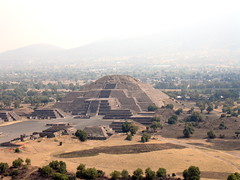
7107395538Teotihuacanwealthy city-state ruled by a theocratic government6
7107395539obsidianhard glass rock7
7107395540Classic Periodheight of the Maya civilization8
7107395541slash-and-burn agriculturefarming method that involves the cutting and burning of plants in a forest or woodland to create a field called a swidden9
7107395542Mayaheirs to the Olmec society that cultivated the lowlands of Mesoamerica10
7107395544tributepayments from the conquered to the conqueror11
7107395545Caracolunique structure at pre-Columbian Maya civilization site of Chichen Itza12
7107395546Chickén ItzáMayan state that tried to unify the Mayan people under one centralized rule13
7107395547hieroglyphicssystem of writing that uses pictures instead of words14

Period 3 AP World History Dates Flashcards

Terms : Hide Images
6972734934662Founding of Islam0
6972734935C. 730Printing invented in China1
6972734936732Battle of Tours2
6972734937C. 900Decline of Classical Maya3
69727349381054Great Schism in Christian Church4
69727349391066Norman conquest in England5
697273494010951st Crusade6
69727349411206Chinggis Khan begins Mongol Conquests7
69727349421258Mongols sack Baghdad8
69727349431271-1295Marco Polo's travels9
69727349441279-1368Yuan (Mongol) Dynasty in China10
69727349451324Mansa Musa's pilgrimage11
69727349461325-1349Travels of Ibn Battuta12
69727349471347-1348Bubonic Plague in Europe13
69727349481368-1644Ming Dynasty14
69727349491405-1433Zheng He's voyages15
69727349501438Rise of Inca Empire16

AP World History Chapter 15 Flashcards

Terms : Hide Images
8801381792Catholic Counter-ReformationAn internal reform of the Catholic Church in the sixteenth century; thanks especially to the work of the Council of Trent (1545-1563), Catholic leaders clarified doctrine, corrected abuses and corruption, and put a new emphasis on education and accountability0
8801381793Condorcet and the ideas of progressThe Marquis de Condorcet (1743-1794) was a French philosopher and political scientist who argued that human affairs were moving into an era of near-infinite improbability, with slavery, racism, tyranny, and other human trials swept abay by the triumph of reason1
8801381794Nicolaus CopericusPolish mathematician and astronomer (1473-1543) who was the first to argue for the existence of a heliocentric cosmos2
8801381795European EnlightenmentEuropean intellectual movement of the eighteenth century that applied the lessons of the Scientific Revolution to human affairs and was noted for its commitment to open-mindedness and inquiry and the belief that knowledge could transform human society3
8801381796Jesuits in ChinaSeries of Jesuit missionaries in the late sixteenth and seventeenth centuries who, inspired by the work of Matteo Ricci, made extraordinary efforts to understand and become a part of Chinese culture in their efforts to convert Chinese elite, although with limited success4
8801381797KaozhengLiterally, "research based on evidence," Chinese intellectual movement whose practitioners emphasized the importance of evidence and analysis, applied especially to historical documents5
8801381798MirabaiOne of India's most beloved bhakti poets (1498-1547), she helped break down the barriers of caste and tradition6
8801381799Issac NewtonEnglish natural scientist (1643-1727) whose foundation of the laws of motion and mechanics is regarded as the culmination of the Scientific Revolution7
8801381800Protestant ReformationMassive schism within Christianity that had its formal beginning in 1517 with the German priest Martin Luther; while the leaders of the movement claimed that they sought to "reform" a Church that had fallen from biblical practice, in reality the movement was radically innovated in its challenges to Church authority and its endorsement of salvation "by faith alone"8
8801381801SikhismReligious tradition of northern India founded by Guru Nanak ca.1500; combines elements of Hinduism and Islam and proclaims the brotherhood of all humans and the equality of men and women9
8801381802Taki OnqoyLiterally, "dancing sickness;" a religious revivial movement in central Peru in the 1560s whose members preached the imminent destruction of Christianity and of the Europeans in favor of a renewed Andean golden age10
8801381803Ursula de JesusSlave and later religious Laywoman at the Peruvian Convent of Santa Claus (1606-1666), a lucky escape inspired her to pursue a pious life of mortification and good works gaining a reputation as a women of extraordinary devotion and humility as well as a visionary and mystic11
8801381804VoltairePen name of the French Philosopher Francois-Marie Arouet (1694-1778), whose work is often taken as a model of enlightenment questioning on traditional values and attitudes; noted for his dream and his criticism of traditional religion12
8801381805Wahhabi IslamMajor Islamic movement led by Muslim theologian Abd al-Wahhab (1703-1792) that advocated as austere lifestyle and strict adherence to Islamic law13
8801381806BhaktiHindu devotional movement that flourished in the early modern era, emphasizing music, dance, poetry, and rituals as means by which to achieve direct union with the divine14
8801381807Council of TrentThe main instrument of the Catholic Counter-Reformation (1545-1563), at which the Catholic Church clarified doctrine and corrected abuses15
8801381808Charles DarwinHighly influential English biologist (1809-1882) whose theory of natural selection continues to be seen as a threat to revealed religious truth16
8801381809DesimBelief in a divine being who created the cosmos but who does not intervene directly to human affairs17
8801381810Edict of Nantes1598 edict issued by French king Henry IV that granted considerable religious toleration to French Protestants and ended the French Wars on Religion18
8801381811Sigmund FreudAustrian doctor and the father of modern psychoanalysis (1856-1939); his theories about the operation of the human mind and emotions remain influential today19
8801381812Galileo GalileiItalian astronomer (1564-1642) who further developed the ideas of Copernicus and whose work was eventually suppressed by the Catholic Church20
8801381813HuacasLocal gods of the Andes21
8801381814HuguenotsThe Protestant minority in France22
8801381815Martin LutherGerman priest and theologian (1483-1546) who inaugurated the Protestant Reformation movement in Europe23
8801381816Guru NanakFounder of Sikhism (1469-1539)24
8801381817Ninety-five ThesesList of ninety-five debating points about the abuses of the Church, posted by Martin Luther on the door of a church in Wittenberg in 1517; the Church's strong reaction eventually drove Luther to separate from Catholic Christianity25
8801381818Matteo RicciThe most famous Jesuit missionary in China in the early modern period; active in China from 1582 to 161026
8801381819Scientific RevolutionGreat European intellectual and cultural transformation that was based on the principles of the scientific method27
8801381820Society of JesusAlso called "Jesuits," this Catholic religious society was founded to encourage the renewal of Catholicism through education and preaching; it soon became a leading Catholic missionary order beyond the borders of Europe28
8801381821Thirty Years' WarHighly destructive war (1618-1648) that eventually included most of Europe; fought for the most part between Protestants and Catholics, the conflict ended with Peace of Westphalia (1648)29
8801381822Wang YangminProminent Chinese philosopher (1472-1529) who argued that it was possible to achieve a virtuous life by introspection, without the extensive education of traditional Confucianism30

AP World History - Period 3 Flashcards

The Post-Classical World, 500-1450

Terms : Hide Images
9915525321Bedouinnomadic pastoralists of the Arabian peninsula with a culture based on herding camels and goats0
9915525322MeccaArabian commercial center; dominated by the Quraysh; the home of Muhammad and the future center of Islam1
9915525323Medinatown northeast of Mecca; asked Muhammad to resolve its intergroup differences; Muhammad's flight to Medina, the hijra, in 622 began the Muslim calendar2
9915525324Umayyadclan of the Quraysh that dominated Mecca; later an Islamic dynasty3
9915525325Muhammad(570-632); prophet of Allah; originally a merchant of the Quraysh4
9915525326Qur'anthe word of god as revealed through Muhammad; made into the holy book of Islam5
9915525327Ummacommunity of the faithful within Islam6
9915525328Five Pillarsthe obligatory religious duties for all Muslims; confession of faith, prayer, fasting during Ramadan, zakat, and hajj (pilgrimage to Mecca)7
9915525329Caliphthe successor to Muhammad as head of the Islamic community8
9915525330Alicousin and son-in-law of Muhammad; one of the orthodox caliphs; focus for the development of shi'ism9
9915525331Abu Bakrsucceeded Muhammad as the first caliph10
9915525332JihadIslamic holy war11
9915525333Sunnisfollowers of the majority interpretation within Islam; included the Umayyads12
9915525334Shi'afollowers of Ali's interpretation of Islam13
9915525335Mawalinon-Arab converts to Islam14
9915525336Dhimmis"the people of the book"-- Jews, Christians; later extended to Zoroastrians and Hindus15
9915525337Abbasidsdynasty that succeeded the Umayyads in 750; their capital was at Baghdad16
9915525338Hadiths"traditions" of the prophet Muhammad; added to the Qur'an, form the essential writings of Islam17
9915525339Wazirchief administrative official under the Abbasids18
9915525340DhowsArab sailing vessels; equipped with lateen sails; used by Arab merchants19
9915525341Seljuk Turksnomadic invaders from central Asia; staunch Sunnis; ruled from the 11th c. in the name of the Abbasids20
9915525342Crusadesinvasions of western Christians into Muslim lands, especially Palestine; captured Jerusalem and established Christian kingdoms enduring until 129121
9915525343UlamaIslamic religious scholars; pressed for a more conservative and restrictive theology; opposed to non-Islamic thinking22
9915525344SufisIslamic mystics; spread Islam to many Afro-Asian regions23
9915525345Mongolscentral Asian nomadic peoples; captured Baghdad in 1258 and killed the last Abbasid caliph24
9915525346Chinggis Khan(1162-1227); Mongol ruler; defeated the Turkish Persian kingdoms25
9915525347MamluksRulers of Egypt; descended from Turkish slaves26
9915525348Arabic numeralsIndian numerical notation brought by the Arabs to the West27
9915525349Shrivijayatrading empire based on the Malacca straits; its Buddhist government resisted Muslim missionaries; when it fell, southeastern Asia was opened to Islam28
9915525350Malaccaflourishing trading city in Malaya; established a trading empire after the fall of Shrivijaya29
9915525351Malistate of the Malinke people centered between the Senegal and Niger rivers30
9915525352Mansatitle of the ruler of Mali31
9915525353Ibn BattutaArab traveler throughout the Muslim world32
9915525354Sundiatacreated a unified state that became the Mali empire; died in 126033
9915525355Songhaysuccessor state to Mali; dominated middle reaches of the Niger valley; capital at Gao34
9915525356East African trading portsurbanized commercial centers mixing African and Arab cultures; included Mogadishu, Mombasa, Malindi, Kilwas, Pate, and Zanzibar35
9915525357Great Zimbabwewith massive stone buildings and walls, incorporates the greatest early buildings in sub-Saharan Africa36
9915525358Greek FireByzantine weapon consisting of mixture of chemicals that ignited when exposed to water; used to drive back the Arab fleets attacking Constantinople37
9915525359Iconsimages of religious figures venerated by Byzantine Christians38
9915525360Iconoclasmthe breaking of images; religious controversy of the 8th c; Byzantine emperor attempted, but failed, to suppress icon veneration39
9915525361ManzikertSeljuk Turk victory in 1071 over Byzantium; resulted in loss of the empire's rich Anatolian territory40
9915525362Cyril and MethodiusByzantine missionaries sent to convert eastern Europe and Balkans; responsible for creation of Slavic written script called Cyrillic41
9915525363Kievcommercial city in Ukraine established by Scandinavians in 9th c; became the center for a kingdom that flourished until 12th c42
9915525364Ruriklegendary Scandinavian, regarded as founder of Kievan Rus' in 85543
9915525365Vladmir Iruler of Kiev (980-1015); converted kingdom to Orthodox Christianity44
9915525366Russian OrthodoxyRussian form of Christianity brought from Byzantine Empire45
9915525367TatarsMongols who conquered Russian cities during the 13th c; left Russian church and aristocracy intact46
9915525368Middle Agesthe period in western European history between the fall of Roman Empire and the 15th c47
9915525369Gothican architectural style developed during the 13th and 14th c in western Europe; featured pointed arches and flying buttresses as external support on main walls48
9915525370Vikingsseagoing Scandinavian raiders who disrupted coastal areas of Europe from the 8th to 11th c; pushed across the Atlantic to Iceland, Greenland, and North America; formed permanent territories in Normandy and Sicily49
9915525371Manorialismrural system of reciprocal relations between landlords and their peasant laborers during the Middle Ages; peasants exchanged labor for use of land and protection50
9915525372Serfspeasant agricultural laborers within the manorial system51
9915525373Three-field systempractice of dividing land into thirds, rotating between two different crops and pasturage-- an improvement making use of manure52
9915525374ClovisKing of the Franks; converted to Christianity circa 49653
9915525375Carolingiansroyal house of Franks from 8th c to 10th c54
9915525376Charles Martelfirst Carolingian king of the Franks; defeated Muslims at Tours in 73255
9915525377CharlemagneCarolingian monarch who established large empire in France and Germany circa 80056
9915525378Holy Roman Emperorspolitical heirs to Charlemagne's empire in northern Italy and Germany; claimed title of emperor but failed to develop centralized monarchy57
9915525379Feudalismpersonal relationship during the Middle Ages by which greater lords provided land to lesser lords in return for military service58
9915525380Vassalsmembers of the military elite who received land or a benefice from a lord in return for military service and loyalty59
9915525381William the Conquerorinvaded England from Normandy in 1066; established tight feudal system and centralized monarchy in England60
9915525382Magna CartaGreat charter issued by King John of England in 1215; represented principle of mutual limits and obligations between rulers and feudal aristocracy, and the supremacy of law61
9915525383Parliamentsbodies representing privileged groups; institutionalized the principle that kings ruled with the advice and consent of their subjects62
9915525384Hundred Years Warconflict between England and France over territory (1337-1453) Established a since of Nationalism with each country. Joan of Arc united the French and promoted French patriotism.63
9915525385Pope Urban IIorganized the first Crusade in 1095; appealed to Christians to free the Holy Land from Muslim control64
9915525386Investiturethe practice of appointment of bishops; Pope Gregory attempted to stop lay investiture, leading to a conflict with the Holy Roman Emperor Henry IV65
9915525387Gregory VII11th c pope who attempted to free church from secular control; quarreled with Holy Roman Emperor Henry IV over practice of lay investiture of bishops66
9915525388Thomas Aquinascreator of one of the great syntheses of medieval learning; taught at University of Paris; author of Summas; believed that through reason it was possible to know much about natural order, moral law, and nature of God67
9915525389Scholasticismdominant medieval philosophical approach; so-called because of its base in the schools or universities; based on use of logic to resolve theological problems68
9915525390Hanseatic Leaguean organization of north German and Scandinavian cities for the purpose of establishing a commercial alliance69
9915525391Guildsassociations of workers in the same occupation in a single city; stressed security and mutual control; limited membership, regulated apprenticeships, guaranteed good workmanship; held a privileged place in cities70
9915525392Black Deathbubonic plague that struck Europe in the 14th c; significantly reduced Europe's population; affected social structure; decimated populations in Asia71
9915525393Period of the Six Dynastiesera of continuous warfare (220-589) among the many kingdoms that followed the fall of the Han72
9915525394Jinshititle given students who passed the most difficult examinations; became eligible for high office73
9915525395Mahayana (Pure Land) Buddhismemphasized salvationist aspects of Chinese Buddhism; popular among the masses in East Asia74
9915525396WuzongTang emperor (841-847); persecuted Buddhist monasteries and reduced influence of Buddhism in favor of Confucianism75
9915525397Southern Songsmaller surviving dynasty (1127-1279); presided over one of the greatest cultural reigns in world history. Fell to the Mongols in 1276 and eventually taken over in 1279.76
9915525398Grand Canalgreat canal system begun by Yangdi; joined Yellow River region to the Yangtze basin77
9915525399JunksChinese ships equipped with watertight bulkheads, stern-post rudders, compasses, and bamboo fenders; dominant force in Asian seas east of the Malayan peninsula78
9915525400Flying moneyChinese credit instrument that provided vouchers to merchants to be redeemed at the end of a venture; reduced danger of robbery; an early form of currency79
9915525401Footbindingmale imposed practice to mutilate women's feet in order to reduce size; produced pain and restricted movement; helped to confine women to the household; seen a beautiful to the elite.80
9915525402Taika reformsattempt to remake Japanese monarch into an absolutist Chinese-style emperor; included attempts to create professional bureaucracy and peasant conscript army81
9915525403Fujiwaramid-9th c Japanese aristocratic family; exercised exceptional influence over imperial affairs; aided in decline of imperial power82
9915525404Bushiregional warrior leaders in Japan; ruled small kingdoms from fortresses; administered the law, supervised public works projects, and collected revenues; built up private armies83
9915525405Samuraimounted troops of the bushi; loyal to local lords, not the emperor84
9915525406Seppukuritual suicide in Japan; also known as hari-kiri; demonstrated courage and was a means to restore family honor85
9915525407Gempei warsWaged for 5 years from 1180-1185, on the island of Honshu between Taira and Minamoto families; resulted in the destruction of Taira and also resulted in the feudal age86
9915525408Bakufumilitary government established by the Minamoto following Gempei wars; centered at Kamakura; retained emperor, but real power resided in military government and samurai87
9915525409Shogunsmilitary leaders of the bakufu88
9915525410Daimyoswarlord rulers of small states following Onin war and disruption of Ashikaga shogunate; holding consolidated into unified and bounded mini-states89
9915525411Sinificationextensive adaptation of Chinese culture in other regions90
9915525412Yidynasty (1392-1910); succeeded Koryo dynasty after Mongol invasions; restored aristocratic dominance and Chinese influence91
9915525413Trung Sistersleaders of a rebellion in Vietnam against Chinese rule in 39 CE; demonstrates importance of women in Vietnamese society92
9915525414Khmers and ChamsIndianized Vietnamese peoples defeated by northern government at Hanoi93
9915525415Nguyensouthern Vietnamese dynasty with capital at Hue that challenged northern Trinh dynasty with center at Hanoi94
9915525416Chinggis Khanborn in 1170s; elected supreme Mongol ruler (khagan) in 1206; began the Mongols rise to world power; died 122795
9915525417Shamanistic religionMongol beliefs focused on nature spirits96
9915525418Batugrandson of Chinggis Khan and ruler of Golden Horde; invaded Russian in 123697
9915525419Golden Hordeone of four regional subdivisions of the Mongol Empire after death of Chinggis Khan; conquered and ruled Russua during the 13th and 14th c98
9915525420Ilkhan khanateone of four regional subdivisions of the Mongol empire after the death of Chinggis Khan; eventually included much of Abbasid empire99
9915525421Hulegugrandson of Chinggis Khan and rule of Ilkhan khanate; captured and destroyed Abbasid Baghdad100
9915525422MamluksMuslim slave warriors; established dynasty in Egypt; led by Baibars defeated Mongols in 1260101
9915525423Kubilai Khangrandson of Chinggis Khan; conquered China; established Yuan dynasty in 1271102
9915525424White Lotus Societysecret religious society dedicated to overthrow of Yuan dynasty103
9915525425Ottoman EmpireTurkish empire established in Asia Minor and eventually extending through the Middle East and the Balkans; conquered Constantinople in 1453 and ended Byzantine Empire104
9915525426Ming Dynastyreplaced Mongal Yuan dynasty in China in 1368; lasted until 1644; initially mounted large trade expeditions to southern Asia and Africa; later concentrated on internal development within China105
9915525427Ethnocentrismjudging foreigners by the standards of one's own group; leads to problems in interpreting world history106
9915525428Muhammad's primary historical achievementspread of Islam107
9915525442Silk Road Trade system108
9915525443Kingdom of Mali109
9915525429Inca and Rome both hadextensive road systems110
9915525430Important continuity in social structure of states and empires 600-1450land holding aristocracies, patriarchies, peasant systems still in place111
9915525431Champa Ricetributary gift from Vietnam to China, led to population increase112
9915525432Diasporic communitiesmerchant communities that introduced their own cultures into other areas113
9915525433Trans Saharan tradeDominated my Muslims in 13th century after rise of Islamic caliphates..114
9915525434Effect of Muslim conquestscollapse of other empires, mass conversion115
9915525435Tang Dynastyfollowed Sui, established tributary states in Vietnam and Korea, influence Japan, Established strong Buddhist and Confucian presence116
9915525436Black Deathplague that originated with Mongols, led to mass population decrease in Europe, later weakened faith in Christian church and increased the power of serfs/peasants. Led partly to fall of Feudal structures in Europe.117
9915525444Indian Ocean Maritime Trade118
9915525437Cities that rose during this time due to increased tradeNovgorod, Constantinople, Timbuktu119
9915525438Timbuktutrade center of Mali, cosmopolitan city that saw the blending of many different cultures and people120
9915525439New forms of monetizationChecks, Bills of Exchange121
9915525445Bantu Migrations122
9915525440footbindingbegan during Tang/Song era, demonstrates objectification and oppression of women, abolished during Yuan and brought back during Ming123
9915525441Marco Polotraveler/merchant from Europe who spend 17 years at court of Kublai Khan124

Pages

Subscribe to CourseNotes RSS

Need Help?

We hope your visit has been a productive one. If you're having any problems, or would like to give some feedback, we'd love to hear from you.

For general help, questions, and suggestions, try our dedicated support forums.

If you need to contact the Course-Notes.Org web experience team, please use our contact form.

Need Notes?

While we strive to provide the most comprehensive notes for as many high school textbooks as possible, there are certainly going to be some that we miss. Drop us a note and let us know which textbooks you need. Be sure to include which edition of the textbook you are using! If we see enough demand, we'll do whatever we can to get those notes up on the site for you!