

AP WORLD HISTORY PERIODS Flashcards
Terms : Hide Images
| 7167221900 | Period 1 | foundations/to 600 BCE | 0 | |
| 7167222761 | Period 2 | classical/600BCE-600CE | 1 | |
| 7167223542 | Period 3 | post classical/600CE-1450CE | 2 | |
| 7167225638 | Period 4 | early modern/1450CE-1750CE | 3 | |
| 7167226454 | Period 5 | modern/ 1750CE-1900CE | 4 | |
| 7167227248 | Period 6 | contemporary/1900CE-PRESENT | 5 |
AP Literature Terms Flashcards
Terms : Hide Images
| 7150895529 | allusion (n) | A refence in a work of literature to something outside the work, especially to a well-known historical or literary event, person, or work | 0 | |
| 7150895530 | Attitude | A speaker's, author's, or character's disposition toward or opinion of a subject | 1 | |
| 7150895531 | details (choice of details) | Items or parts that make up a larger picture or story | 2 | |
| 7150895532 | Devices of sound | The techniques of deploying the sound of words, especially in poetry | 3 | |
| 7150895533 | diction (n) | Word choice | 4 | |
| 7150895534 | figurative language | Writing that uses figures of speech | 5 | |
| 7150895535 | Imagery | The images created by a literary work; the sensory details of a work; the figurative language of a work | 6 | |
| 7150895536 | Irony | A figure of speech in which the intended meaning and the actual meaning differ | 7 | |
| 7150895537 | Metaphor | A figurative use of language in which a comparison is expressed without the use of "like", "as", or "than" | 8 | |
| 7150895538 | narrative technique | The methods involved in telling a story | 9 | |
| 7150895539 | omniscient point of view | the narrator knows all the thoughts, actions, and feelings of all characters | 10 | |
| 7150895540 | point of view | the vantage point from which a story is told | 11 | |
| 7150895541 | resources of language | a general phrase for the linguistic devices or techniques that a writer can use | 12 | |
| 7150895542 | rhetorical techniques | the devices used in effective or persuasive language | 13 | |
| 7150895543 | Satire | Writing that uses ridicule to arouse a reader's disapproval of the subject | 14 | |
| 7150895544 | Setting | The background of the story | 15 | |
| 7150895545 | Simile | A comparison using "like" or "as" | 16 | |
| 7150895546 | strategy (rhetorical strategy) | The management of language for a specific effect | 17 | |
| 7150895547 | Structure | The arrangement of materials within a work | 18 | |
| 7150895548 | Style | The mode of expression in language | 19 | |
| 7150895549 | Symbol | something that stands for something else | 20 | |
| 7150895550 | Syntax | Sentence structure | 21 | |
| 7150895551 | Theme | The main thought expressed by a work | 22 | |
| 7150895552 | Tone | The manner in which an author expresses his or her attitude | 23 |
Unit 7 AP Language Vocabulary Flashcards
Terms : Hide Images
| 8152016138 | austere | (adj.) severe or stern in manner; without adornment or luxury, simple, plain; harsh or sour in flavor |  | 0 |
| 8152016139 | beneficent | (adj.) performing acts of kindness or charity; conferring benefits, doing good | 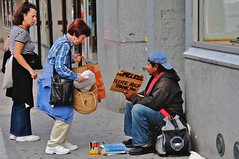 | 1 |
| 8152016140 | cadaverous | (adj.) pale, gaunt, resembling a corps | 2 | |
| 8152016141 | crass | (adj.) coarse, unfeeling; stupid |  | 3 |
| 8152016142 | debase | (v.) to lower in character, quality, or value; to degrade, adulterate; to cause to deteriorate |  | 4 |
| 8152016143 | desecrate | (v.) to commit sacrilege upon, treat irreverently; to contaminate, pollute |  | 5 |
| 8152016144 | disconcert | (v.) to confuse; to disturb the composure of |  | 6 |
| 8152016145 | grandiose | (adj.) grand in an impressive or stately way; marked by pompous affectation or grandeur, absurdly exaggerated |  | 7 |
| 8152016146 | inconsequential | (adj.) trifling, unimportant |  | 8 |
| 8152016147 | infraction | (n.) a breaking of a law or obligation |  | 9 |
| 8152016148 | mitigate | (v.) to make milder or softer, to moderate in force or intensity | 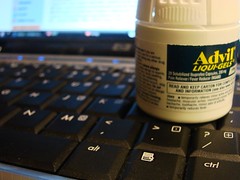 | 10 |
| 8152016149 | pillage | (v.) to rob of goods by open force (as in war), plunder; (n.) the act of looting; booty |  | 11 |
| 8152016150 | prate | (v.) to talk a great deal in a foolish or aimless fashion |  | 12 |
| 8152016151 | punctilious | (adj.) very careful and exact, attentive to fine points of etiquette |  | 13 |
| 8152016152 | redoubtable | (adj.) inspiring fear or awe; illustrious, eminent |  | 14 |
| 8152016153 | reprove | (v.) to find fault with, scold, rebuke |  | 15 |
| 8152016154 | restitution | (n.) the act of restoring someone or something to the rightful owner or to a former state or position; making good on a loss or damage |  | 16 |
| 8152016155 | stalwart | (adj.) strong and sturdy; brave; resolute; (n.) a brave, strong person; a strong supporter; one who takes an uncompromising position |  | 17 |
| 8152023438 | vulnerable (adj) | open to attack; capable of being wounded or damaged; unprotected | 18 | |
| 8152023439 | concoct (v) | to prepare by combining ingredients, make up (as a dish); to devise, invent, fabricate | 19 |
AP Language: Review Set 2 Flashcards
Terms : Hide Images
| 4361011059 | Anachronism | The misplacement of a person, occurrence, custom, or idea in time; also sometimes refers to an individual or thing that is incorrectly placed in time. | 0 | |
| 4361013521 | Catharsis | A cleansing or purification of one's emotions through art. | 1 | |
| 4361015162 | Propaganda | Ideas, facts, or allegations spread to persuade others to support one's cause or to go against the opposing cause. | 2 | |
| 4361016748 | Antithesis: the contrasting of ideas by the use of parallel structure in phrases or clauses. | "I came to bury Caesar, not to praise him." | 3 | |
| 4361018902 | Parody | A humorous and often satirical imitation of the style or particular work of another author. | 4 | |
| 4361021287 | Metonymy: a figure of speech in which something is referred to by one of its attributes. | "The crown carries many responsibilities." | 5 | |
| 4361024225 | Allegory | A narrative in which literal meaning corresponds directly with symbolic meaning. | 6 | |
| 4361025458 | Ambiguity | A word or idea that can be understood in multiple ways; frequently refers to the condition of being obscure or difficult to understand. | 7 | |
| 4361027096 | Alliteration: the repetition of similar sounds, usually consonants, at the beginning of words. | "Barber, baby, bubbles, and a bumblebee" | 8 | |
| 4361029899 | Prose | Any composition not written in verse. | 9 | |
| 4361031135 | Nostalgia | A yearning for the past or for some condition or state of existence that cannot be recovered. | 10 | |
| 4361032503 | Litotes: deliberate understatement, in which an idea or opinion is often affirmed by negating its opposite. | "It's nothing. I'm just bleeding to death is all." | 11 | |
| 4361035986 | Hyperbole: excessive overstatement or conscious exaggeration of fact. | "I've told you this a million times already." | 12 | |
| 4361041061 | Satire | "A work that ridicules the shortcomings of individuals, institutions, or society, often to make a political point." | 13 | |
| 4361043084 | Diction | Specific word choice used in a piece of writing, often chosen for effect but also for correctness and clarity. | 14 | |
| 4361045352 | Oxymoron: the association of two contradictory terms. | "Same difference;" "Jumbo shrimp;" "Soft rock." | 15 | |
| 4361049704 | Metaphor: the comparison of unlike things without the use of like or as. | "Life's but a walking shadow, a poor player / That struts and frets his hour upon the stage." | 16 | |
| 4361052788 | Logos | Greek for "wisdom" or "reason"; in the context of rhetoric, refers to the process of persuading by means of logic and reason, as opposed to style, authority, or emotion. | 17 | |
| 4361054532 | Parable | A short narrative that illustrates a moral by means of allegory (in which literal meaning and symbolic meaning correspond clearly and directly). | 18 | |
| 4361056191 | Sarcasm: a simple form of verbal irony, in which it is obvious from context and tone that the speaker means the opposite of what he or she says. | Saying "that was graceful" when someone trips and falls. | 19 | |
| 4361060145 | Onomatopoeia: the use of words that sound like the thing or action to which they refer. | "Bow-wow. Crackle. Buzz. Zoom." | 20 | |
| 4361062981 | Denotation | The explicit, literal meaning of a word. | 21 | |
| 4361066250 | Imagery | Language that brings to mind sense-impressions, especially via figures of speech | 22 | |
| 4361071150 | Ellipsis | A figure of speech in which a word pr short phrase is omitted, but easily understood from the context; also the marks (...) that indicates the omission of a word or phrase. | 23 | |
| 4361073567 | Foreshadowing | To present ideas, images, events, or comments that hint at events to come in a story. | 24 | |
| 4361074381 | Pathos | From the Greek word for "feeling"; the quality in a work of literature that evokes high emotion, most commonly sorrow, pity, or compassion. | 25 | |
| 4361076513 | Personification: the use of human characteristics to describe animals, objects, or ideas. | "The handsome houses on the street to the college were not fully awake, but they looked very friendly." | 26 | |
| 4361083345 | Expository | An explanation of the meaning or purpose of a piece of writing, especially one that is difficult to understand. | 27 | |
| 4361085583 | Dramatic irony: a technique in which the author lets the reader in on a character's situation while the character remains in the dark. | In Sophocles' Oedipus Rex, Oedipus vows to discover his father's murderer, not knowing, as the audience does, that he himself is the murderer. | 28 | |
| 4361090681 | Anaphora: repeated use of a word or phrase at the start of successive phrases or sentences for effect. | "We shall fight on the beaches, we shall fight on the landing grounds, we shall fight in the fields and in the streets, we shall fight in the hills." | 29 | |
| 4361093990 | Synecdoche: a figure of speech in which a part of an entity is used to refer to the whole. | "One thousand sails pursued Paris when he fled with Helen of Troy." | 30 | |
| 4361101400 | Inductive reasoning: reasoning in which one arrives at a general conclusion from specific instances. | "I got hives from the shrimp I ate last night. I must be allergic to shellfish." | 31 | |
| 4361105181 | Digression | To turn or move away from the main subject of discussion or the main argument in a piece of writing. | 32 | |
| 4361107591 | Apostrophe: a direct address to an absent or dead person, or to an object, quality, or idea. | Walt Whitman's poem "O Captain, My Captain" was written upon the death of Abraham Lincoln | 33 | |
| 4361112163 | Chiasmus: two phrases in which the syntax is the same but placement of words is reversed. | "Life imitates art far more than art imitates life." | 34 | |
| 4361121379 | Stream-of-consciousness | Form of narration in which the narrator conveys a subject's thoughts, impressions, and perceptions exactly as they occur, often in disjointed fashion and without the logic and grammar of typical speech and writing. | 35 | |
| 4361124261 | Situational irony | A technique in which one understanding of a situation stands in sharp contrast to another, usually more prevalent, understanding of the same situation. | 36 | |
| 4361127431 | Caricature | In writing and literature, an author's exaggeration or distortion of certain traits or characteristics of an individual. | 37 | |
| 4361129042 | Bildungsroman | A novel about the education or psychological growth of the protagonist, or main character. | 38 | |
| 4361131955 | Epithet: an adjective or phrase that describes a prominent or distinguishing feature of a person or thing. | "The wine-dark sea" | 39 | |
| 4361136368 | Cliche: an expression that has been used so frequently it has lost its expressive power. | "Avoid it like the plague." | 40 |
AP Literature Terms #101-131 Flashcards
Terms : Hide Images
| 3946357868 | Protagonist | The main character in a narrative. | 0 | |
| 3946359094 | Pun | A form of word play which exploits the multiple meanings with which a word can be interpreted. | 1 | |
| 3946369684 | Quatrain | A type of stanza consisting of four lines. | 2 | |
| 3946370586 | Realism | A type of literature that examines everything realistically. Usually, it examines representations of middle-class life. | 3 | |
| 3946372211 | Refrain | A poetic device used to divide a poem into different sections. | 4 | |
| 3946375256 | Rhetoric | The art of persuasive speaking or writing. | 5 | |
| 3946376135 | Rhetorical Question | A question without an answer that is usually used to pose a thought or idea in someone. | 6 | |
| 3946376805 | Romanticism | A writing style with an emphasis on emotion and individualism. | 7 | |
| 3946378400 | Round Character | A major character who is changed by some conflict that was encountered. | 8 | |
| 3946379326 | Sarcasm | Cutting, sardonic speech in which the speaker means something that is contradictory to what was stated. | 9 | |
| 3946381840 | Satire | A comedic piece that is meant to mock or belittle human qualities or inventions. | 10 | |
| 3946383780 | Sestet | A group of six lines. | 11 | |
| 3946385102 | Setting | The place and time in which a story takes place. | 12 | |
| 3946385800 | Simile | A comparison between two objects using the phrase "like" or "as". | 13 | |
| 3946386829 | Situational Irony | The occasion when incongruity appears between expectations of something to happen and what actually happens instead. | 14 | |
| 3946389004 | Soliloquy | The act of speaking one's thoughts aloud, usually in a play. | 15 | |
| 3946390474 | Sonnet | A fourteen line poem with a strict rhyme scheme and structure. | 16 | |
| 3946392548 | Stereotype | A common trait or idea assigned to a certain group of people or things. | 17 | |
| 3946393400 | Stream of Consciousness | A line of thoughts that one travels through. | 18 | |
| 3946395072 | Style | The manner in which a writer writes. Syntax, word choice, and tone define style. | 19 | |
| 3946396523 | Syllogism | A form of reasoning in which two assumed proposition create a conclusion. Each proposition has a place in the conclusion (transitive property). | 20 | |
| 3946398999 | Symbol | An icon or motif that represents a greater idea or thought. | 21 | |
| 3946399880 | Syntax | The order in which words are placed. | 22 | |
| 3946400310 | Theme | The main moral or idea in a piece of literature. | 23 | |
| 3946400582 | Thesis | The primary goal or motive for a written piece; usually, it indicates a theme. | 24 | |
| 3946401604 | Third Person Limited | The point of view which observes the literary work from a outside, restricted point of view that doesn't know everything. | 25 | |
| 3946404605 | Third Person Omniscient | The point of view which observes the literary work from a outside, all-knowing point of view that understands everything that can be detailed. | 26 | |
| 3946405793 | Tone | The attitude a writer possesses in regards to a subject. | 27 | |
| 3946407047 | Tragedy | A branch of drama that depicts serious events that indicate great suffering and distress. | 28 | |
| 3946408630 | Tragic Flaw | The primary weakness of a person, usually the tragic hero. | 29 | |
| 3946409696 | Verbal Irony | The act of saying something while actually meaning something else (sarcasm). | 30 |
AP Literature - week 5 Flashcards
Terms : Hide Images
| 5129915065 | candid (adj.) | straightforward | 0 | |
| 5129915066 | chasm (noun) | a profound difference between people, viewpoints, feelings | 1 | |
| 5129915067 | cognizant (adj.) | taking notice, aware of | 2 | |
| 5129915068 | colloquial (adj.) | controversial or common speech | 3 | |
| 5129915069 | concede (verb) | to surrender | 4 |
Barron's AP Literature Vocabulary Flashcards
Terms : Hide Images
| 3785157036 | abstract | An abbreviated synopsis of a longer work of scholarship or research. | 0 | |
| 3785157037 | adage | A saying or proverb containing a truth based on experience and often couched in metaphorical language. | 1 | |
| 3785157038 | allegory | A story in which the narrative or characters carry an underlying symbolic, metaphorical, or possibly an ethical meaning. The story and characters represent values beyond themselves. | 2 | |
| 3785157039 | alliteration | The repetition of one or more initial consonants in a group of words or lines of poetry or prose. Used for ornament or for emphasis. Also used in epithets, phrases, and slogans. Enhances the aesthetic quality of a prose passage or poem. | 3 | |
| 3785157040 | allusion | A reference to a person, place, or event meant to create an effect or enhance the meaning of an idea. | 4 | |
| 3785157041 | ambiguity | A vagueness of meaning; a conscious lack of clarity meant to evoke multiple meanings and interpretation. | 5 | |
| 3785157042 | anachronism | A person, scene, event, or other element in literature that fails to correspond with the time or era in which the work is set. | 6 | |
| 3785157043 | analogy | A comparison that points out similarities between two dissimilar things. | 7 | |
| 3785157044 | annotation | A brief explanation, summary, or evaluation of a text or work of literature. | 8 | |
| 3785157045 | antagonist | A character or force in a work of literature that, by opposing the protagonist, produces tension or conflict. | 9 | |
| 3785157046 | antithesis | A rhetorical opposition or contrast of ideas by means of a grammatical arrangement of words, clauses, or sentences. | 10 | |
| 3785157047 | aphorism | A short, pithy statement of a generally accepted truth or sentiment. | 11 | |
| 3785157048 | Apollonian | In contrast to Dionysian, it refers to the most noble, godlike qualities of human nature and behavior. | 12 | |
| 3785157049 | apostrophe | A rhetorical device in which a speaker addresses a person or personified thing not present. | 13 | |
| 3785157050 | archetype | An abstract or ideal conception of a type; a perfectly typical example; an original model or form. | 14 | |
| 3785157051 | assonance | The repetition of two or more vowel sounds in a group of words or lines in poetry and prose. | 15 | |
| 3785157052 | ballad | A simple narrative verse that tells a story that is sung or recited. | 16 | |
| 3785157053 | bard | A poet; in olden times, a performer who told heroic stories to a musical accompaniment. | 17 | |
| 3785157054 | bathos | The use of insincere or overdone sentimentality. | 18 | |
| 3785157055 | belle-lettres | French term for the world of books, criticism, and literature in general. | 19 | |
| 3785157056 | bibliography | A list of works cited or otherwise relevant to a subject or other work. | 20 | |
| 3785157057 | Bildungsroman | A German word referring to a novel structured as a series of events that take place as the hero travels in quest of a goal. | 21 | |
| 3785157058 | blank verse | Poetry written in iambic pentameter, the primary meter used in English poetry and the words of Shakespeare and Milton. The lines generally do not rhyme. | 22 | |
| 3785157059 | bombast | Inflated, pretentious language used for trivial subjects. | 23 | |
| 3785157060 | burlesque | A work of literature meant to ridicule a subject; a grotesque imitation. | 24 | |
| 3785157061 | cacophony | Grating, inharmonious sounds. | 25 | |
| 3785157062 | caesura | A pause somewhere in the middle of a verse, often (but not always) marked by punctuation. | 26 | |
| 3785157063 | canon | The works considered most important in a national literature or period; works widely read and studied. | 27 | |
| 3785157064 | caricature | A grotesque likeness of striking qualities in persons and things. | 28 | |
| 3785157065 | carpe diem | Literally, "seize the day"; enjoy life while you can, a common theme in literature. | 29 | |
| 3785157066 | catharsis | A cleansing of the spirit brought about by the pity and terror or a dramatic tragedy. | 30 | |
| 3785157067 | classic | A highly regarded work of literature or other art form that has withstood the test of time. | 31 | |
| 3785157068 | classical, classicism | Deriving from the orderly qualities of ancient Greek and Roman culture; implies formality, objectivity, simplicity, and restraint. | 32 | |
| 3785157069 | climax | The high point, or turning point, or a story or play. | 33 | |
| 3785157070 | coming-of-age-story/novel | A tale in which a young protagonist experiences an introduction to adulthood. The character may develop understanding via disillusionment, education, doses of reality, or any other experiences that alter his or her emotional or intellectual maturity. | 34 | |
| 3785157071 | conceit | A witty or ingenious thought a diverting or highly fanciful idea, often stated in figurative language. | 35 | |
| 3785157072 | connotation | The suggested or implied meaning of a word or phrase. Contrast with denotation. | 36 | |
| 3785157073 | consonance | The repetition of two or more consonant sounds in a group of words or a line of poetry. | 37 | |
| 3785157074 | couplet | A pair of rhyming lines in a poem. Two rhyming lines in iambic pentameter is sometimes called a heroic ________. | 38 | |
| 3785157075 | denotation | The dictionary definition of a word. Contrast with connotation. | 39 | |
| 3785157076 | dénouement | The resolution that occurs at the end of a play or work of fiction. | 40 | |
| 3785157077 | deus ex machina | In literature, the use of an artificial device or gimmick to solve a problem. | 41 | |
| 3785157078 | diction | The choice of words in oral and written discourse. | 42 | |
| 3785157079 | Dionysian | As distinguished from Apollonian, the word refers to sensual, pleasure-seeking impulses. | 43 | |
| 3785157080 | dramatic irony | A circumstance in which the audience or reader knows more about a situation than a character. | 44 | |
| 3785157081 | elegy | A poem or prose selection that laments or meditates on the passing or death of something or someone of value. | 45 | |
| 3785157082 | ellipsis | Three periods (...) indicating the omission of words in a thought or quotation. | 46 | |
| 3785157083 | elliptical construction | A sentence containing a deliberate omission of words. | 47 | |
| 3785157084 | empathy | A feeling of association or identification with an object or person. | 48 | |
| 3785157085 | end-stopped | A term that describes a line of poetry that ends with a natural pause often indicated by a mark of punctuation. | 49 | |
| 3785157086 | enjambment | In poetry, the use of the successive lines with no punctuation or pause between them. | 50 | |
| 3785157087 | epic | An extended narrative poem that tells of the adventures and exploits of a hero that in generally larger than life and is often considered a legendary figure. | 51 | |
| 3785157088 | epigram | A concise but ingenious, witty, and thoughtful statement. | 52 | |
| 3785157089 | euphony | Pleasing, harmonious sounds. | 53 | |
| 3785157090 | epithet | An adjective or phrase that expresses a striking quality of a person or thing. | 54 | |
| 3785157091 | eponymous | A term for the title character of a work of literature. | 55 | |
| 3785157092 | euphemism | A mild or less negative usage for a harsh or blunt term. | 56 | |
| 3785157093 | exegesis | A detailed analysis or interpretation of a work of literature. | 57 | |
| 3785157094 | exposé | A piece or writing that reveals weakness, faults, frailties, or other shortcomings. | 58 | |
| 3785157095 | exposition | The background and events that lead to the presentation of the main idea or purpose of a work of literature. | 59 | |
| 3785157096 | explication | The interpretation or analysis of a text. | 60 | |
| 3785157097 | extended metaphor | A series of comparisons between two unlike objects. | 61 | |
| 3785157098 | fable | A short tale often featuring nonhuman characters that act as people whose actions enable the author to make observations or draw useful lessons about human behavior. | 62 | |
| 3785157099 | falling action | The action in a play or story that occurs after the climax and that leads to the conclusion and often to the resolution of the conflict. | 63 | |
| 3785157100 | fantasy | A story containing unreal, imaginary features. | 64 | |
| 3785157101 | farce | A comedy that contains an extravagant and nonsensical disregard of seriousness, although it may have a serious, scornful purpose. | 65 | |
| 3785157102 | figure of speech, figurative language | In contrast to literal language, _____________ implies meanings. It includes metaphors, similes, and personification, among many others. | 66 | |
| 3785157103 | first-person narrative | A narrative told by a character involved in the story, using pronouns such as I and we. | 67 | |
| 3785157104 | flashback | A return to an earlier time in a story or play in order to clarify present action or circumstances. It might also be a character's account of the past, a dream, or a sudden association with past events. | 68 | |
| 3785157105 | foil | A minor character whose personality or attitude contrasts with that of the main character. Juxtaposing one character against another intensifies the qualities of both, to advantage or sometimes to disadvantage. | 69 | |
| 3785157106 | foot | A unit of stressed and unstressed syllables used to determine the meter of a poetic line. | 70 | |
| 3785157107 | foreshadowing | Providing hints of things to come in a story or play. | 71 | |
| 3785157108 | frame | A structure that provides premise or setting for a narrative. | 72 | |
| 3785157109 | free verse | A kind of poetry without rhymed lines, rhythm, or fixed metrical feet. | 73 | |
| 3785157110 | genre | A term used to describe literary forms, such as a novel, play, and essay. | 74 | |
| 3785157111 | Gothic novel | A novel in which supernatural horrors and an atmosphere of unknown terrors pervades the action. | 75 | |
| 3785157112 | harangue | A forceful sermon, lecture, or tirade. | 76 | |
| 3785157113 | hegemony | a dominant cultural trend | 77 | |
| 3785157114 | heroic couplet | Two rhymed lines written in iambic pentameter and used widely in eighteenth-century verse. | 78 | |
| 3785157115 | hubris | The excessive pride that often leads tragic heroes to their death. | 79 | |
| 3785157116 | humanism | A belief that emphasizes faith and optimism in human potential and creativity. | 80 | |
| 3785157117 | hyperbole | Overstatement; gross exaggeration for rhetorical effect. | 81 | |
| 3785157118 | idyll | A lyric poem or passage that describes a kind of ideal life or place. | 82 | |
| 3785157119 | image | A word or phrase representing that which can be seen, touched, tasted, smelled, or felt. | 83 | |
| 3785157120 | in medias res | A narrative that starts not at the beginning of events but at some other critical point. | 84 | |
| 3785157121 | indirect quotation | Actual words are not stated but only approximated or paraphrased. | 85 | |
| 3785157122 | invective | A direct verbal assault; a denunciation. | 86 | |
| 3785157123 | irony | A mode of expression in which the intended meaning is the opposite of what is stated, often implying ridicule or light sarcasm; a state of affairs or events that is the reverse of what might have been expected. | 87 | |
| 3785157124 | kenning | A device employed in Anglo-Saxon poetry in which the name of a thing is replaced by one of its functions or qualities, as in "ring giver" for a king and "whale-road" for ocean. | 88 | |
| 3785157125 | lampoon | A mocking, satirical assault on a person or situation. | 89 | |
| 3785157126 | light verse | A variety of poetry meant to entertain or amuse, but sometimes with a satirical thrust. | 90 | |
| 3785157127 | litotes | A form of understatement in which the negative of the contrary is used to achieve emphasis or intensity. | 91 | |
| 3785157128 | loose sentence | A sentence that follows the customary word order of English sentences, i.e., subject-verb-object. The main idea of the sentence is presented first and is then followed by one or more subordinate clauses. | 92 | |
| 3785157129 | lyric poetry | Personal, reflective poetry that reveals the speaker's thoughts and feelings about the subject. | 93 | |
| 3785157130 | maxim | A saying or proverb expressing common wisdom or truth. | 94 | |
| 3785157131 | melodrama | A literary form in which events are exaggerated in order to create an extreme emotional response. | 95 | |
| 3785157132 | metaphor | A figure of speech that compares unlike objects. | 96 | |
| 3785157133 | metaphysical poetry | The work of poets, particularly those of the seventeenth century, that uses elaborate conceits, is highly intellectual, and expresses the complexities of love and life. | 97 | |
| 3785157134 | meter | The pattern of stressed and unstressed syllables found in poetry. | 98 | |
| 3785157135 | metonymy | A figure of speech that uses the name of one thing to represent something else with which it is associated. | 99 | |
| 3785157136 | Middle English | The language spoken in England roughly between 1150 and 1500 A.D. | 100 | |
| 3785157137 | mock epic | A parody of traditional epic form. It usually treats a frivolous topic with extreme seriousness, using conventions such as invocations to the Muse, action-packed battle scenes, and accounts of heroic exploits. | 101 | |
| 3785157138 | mode | The general form, pattern, and manner of expression of a work of literature. | 102 | |
| 3785157139 | montage | A quick succession of images or impressions used to express an idea. | 103 | |
| 3785157140 | mood | The emotional tone in a work of literature. | 104 | |
| 3785157141 | moral | A brief and often simplistic lesson that a reader may infer from a work of literature. | 105 | |
| 3785157142 | motif | A phrase, idea, or event that through repetition serves to unify or convey a theme in a work of literature. | 106 | |
| 3785157143 | muse | One of the ancient Greek goddesses presiding over the arts. The imaginary source of inspiration for an artist or writer. | 107 | |
| 3785157144 | myth | An imaginary story that has become an accepted part of the cultural or religious tradition of a group or society. They are often used to explain natural phenomena. Almost every culture has one of these to account for the creation of the world and its inhabitants. | 108 | |
| 3785157145 | narrative | A form of verse of prose that tells a story. | 109 | |
| 3785157146 | naturalism | A term often used as a synonym for realism; also a view of experience that is generally characterized as bleak and pessimistic. | 110 | |
| 3785157147 | non sequitur | A statement or idea that fails to follow logically from the one before. | 111 | |
| 3785157148 | novella | A work of fiction of roughly 20,000 to 50,000 words-longer than a short story, but shorter than a novel. | 112 | |
| 3785157149 | novel of manners | A novel focusing on and describing the social customs and habits of a particular social group. | 113 | |
| 3785157150 | ode | A lyric poem usually marked by serious, respectful, and exalted feelings toward the subject. | 114 | |
| 3785157151 | Old English | The Anglo-Saxon language spoken in what is now England from approximately 450 to 1150 A.D. | 115 | |
| 3785157152 | omniscient narrator | A narrator with unlimited awareness, understanding, and insight of characters, setting, background, and all other elements of the story. | 116 | |
| 3785157153 | onomatopoeia | The use of words whose sounds suggest their meaning. | 117 | |
| 3785157154 | ottava rima | An eight-line rhyming stanza of a poem. | 118 | |
| 3785157155 | oxymoron | A term consisting of contradictory elements juxtaposed. | 119 | |
| 3785157156 | parable | A story consisting of events from which a moral or spiritual truth may be derived | 120 | |
| 3785157157 | paradox | A statement that seems self-contradictory but is nevertheless true | 121 | |
| 3785157158 | paraphrase | A version of a text put into simpler, everyday words | 122 | |
| 3785157159 | pastoral | A work of literature dealing with rural life | 123 | |
| 3785157160 | pathetic fallacy | Faulty reasoning that inappropriately ascribes human feelings to nature or nonhuman objects | 124 | |
| 3785157161 | pathos | That element in literature that stimulates pity or sorrow | 125 | |
| 3785157162 | pentameter | A verse with five poetic feet per line | 126 | |
| 3785157163 | periodic sentence | A sentence that departs from the usual word order of English sentences by expressing its main though only at the end. In other words, the particulars in the sentence are presented before the idea they support. | 127 | |
| 3785157164 | persona | The role or facade that a character assumes or depicts to a reader, a viewer, or the world at large | 128 | |
| 3785157165 | personification | A figure of speech in which objects and animals are given human characteristics | 129 | |
| 3785157166 | plot | The interrelationship among the events in a story; the plot line is the pattern of events, including exposition, rising action, climax, falling action, and resolution. | 130 | |
| 3785157167 | picaresque novel | An episodic novel about a roguelike wanderer who lives off his wits. Ex: Don Quixote, Moll Flanders | 131 | |
| 3785157168 | point of view | The relation in which a narrator or speaker stands to the story or subject matter of a poem. | 132 | |
| 3785157169 | prosody | The grammar of meter and rhythm in poetry | 133 | |
| 3785157170 | protagonist | The main character in a work of literature | 134 | |
| 3785157171 | pseudonym | Also called "pen name" or "nom de plume"; a false name or alias used by writers. Ex: Mark Twain (Samuel Clemens) | 135 | |
| 3785157172 | pulp fiction | Novels written for mass consumption, often emphasizing exciting and titillating plots | 136 | |
| 3785157173 | pun | A humorous play on words, using similar-sounding or identical words to suggest different meanings | 137 | |
| 3785157174 | quatrain | A four-line poem or a four-line unit of a longer poem | 138 | |
| 3785157175 | realism | The depiction of people, things, and events as they really are without idealization or exaggeration for effect. | 139 | |
| 3785157176 | rhetoric | The language of a work and its style; words, often highly emotional, used to convince or sway an audience | 140 | |
| 3785157177 | rhetorical stance | Language that conveys a speaker's attitude or opinion with regard to a particular subject | 141 | |
| 3785157178 | rhyme | The repetition of similar sounds at regular intervals, used mostly in poetry. | 142 | |
| 3785157179 | rhyme scheme | The pattern of rhymes within a given poem | 143 | |
| 3785157180 | rhythm | The pattern of stressed and unstressed syllables that make up a line of poetry | 144 | |
| 3785157181 | roman a clef | French for a novel in which hisotrical events and actual people appear under the guise of fiction | 145 | |
| 3785157182 | romance | An extended narrative about improbable events and extraordinary people in exotic places | 146 | |
| 3785157183 | sarcasm | A sharp, caustic expression or remark; a bitter jibe or taunt; different from irony, which is more subtle | 147 | |
| 3785157184 | satire | A literary style used to poke fun at, attack, or ridicule an idea, vice, or foible, often for the purpose of inducing change | 148 | |
| 3785157185 | scan | The act of determining the meter of a poetic line. | 149 | |
| 3785157186 | sentiment | A synonym for view or feeling; also a refined and tender emotion in literature | 150 | |
| 3785157187 | sentimental | A term that describes characters' excessive emotional response to experience; also nauseatingly nostalgic and mawkish | 151 | |
| 3785157188 | setting | The total environment for the action in a novel or play. It includes time, place, historical milieu, and social, political, and even spiritual circumstances | 152 | |
| 3785157189 | simile | A figurative comparison using the words like or as | 153 | |
| 3785157190 | sonnet | A popular form of verse consisting of fourteen lines and a prescribed rhyme scheme. | 154 | |
| 3785157191 | stanza | A group of two or more lines in poetry combined according to subject matter, rhyme, or some other plan | 155 | |
| 3785157192 | stream of consciousness | A style of writing in which the author tries to reproduce the random flow of thoughts in the human mind | 156 | |
| 3785157193 | style | The manner in which an author uses and arranges words, | 157 | |
| 3785157194 | subplot | A subordinate or minor collection of events in a novel or play, usually connected to the main plot | 158 | |
| 3785157195 | subtext | The implied meaning that underlies the main meaning of a work of literature | 159 | |
| 3785157196 | symbolism | The use of one object to evoke ideas and associations not literally part of the original object | 160 | |
| 3785157197 | synecdoche | A figure of speech in which a part signifies the whole ("fifty masts" for fifty ships) or the whole signifies the part ("days" for life, as in "He lived his days in Canada"). Also when the name of the material stands for the thing itself ("pigskin" for football) | 161 | |
| 3785157198 | syntax | The organization of language into meaningful structure; every sentence has a particular pattern of words | 162 | |
| 3785157199 | theme | The main idea or meaning, often an abstract idea upon which a work of literature is built | 163 | |
| 3785157200 | title character | A character whose name appears in the title of the novel or play; also known as the eponymous character | 164 | |
| 3785157201 | tone | The author's attitude toward the subject being written about. The spirit or quality that is the work's emotional essence | 165 | |
| 3785157202 | tragedy | A form of literature in which the hero is destroyed by some character flaw and a set of forces that cause the hero considerable anguish | 166 | |
| 3785157203 | trope | The generic name for a figure of speech such as image, symbol, simile, and metaphor | 167 | |
| 3785157204 | verbal irony | A discrepancy between the true meaning of a situation and the literal meaning of the written or spoken words | 168 | |
| 3785157205 | verse | A synonym for poetry. Also a group of lines in a song or poem; also a single line of poetry | 169 | |
| 3785157206 | verisimilitude | Similar to the truth; the quality of realism in a work that persuades readers that they are getting a vision of life as it is. | 170 | |
| 3785157207 | versification | The structural form of a line of verse as revealed by the number of feet it contains. For example: monometer = 1foot; tetrameter = 4 feet; pentameter = 5 feet, and so forth | 171 | |
| 3785157208 | villanelle | A French verse form calculated to appear simple and spontaneous but consisting of nineteen lines and a prescribed pattern of rhymes | 172 | |
| 3785157209 | voice | The real or assumed personality used by a writer or speaker | 173 | |
| 3785157210 | wit | The quickness of intellect and the power and talent for saying brilliant things that suprise and delight by their unexpectedness; the power to comment subtly and pointedly on the foibles of the passing scene | 174 |
AP English Language Vocabulary #6 Flashcards
Terms : Hide Images
| 5282180215 | Palpable | readily or plainly seen, heard, perceived, etc.; obvious; evident | 0 | |
| 5282184170 | Altruism | the principle or practice of unselfish concern for or devotion to the welfare of others | 1 | |
| 5282186562 | Odious | highly offensive, disgusting, hateful | 2 | |
| 5282189927 | Indomitable | that cannot be subdued or overcome, as person's, will, or courage; unconquerable | 3 | |
| 5282192183 | Solace | comfort in sorrow, misfortune, or trouble; alleviation of distress or discomfort. | 4 | |
| 5282198655 | Flourish | to be in a vigorous state; thrive | 5 | |
| 5282200698 | Emulate | to try to equal or excel; imitate with effort to equal or surpass | 6 | |
| 5282203233 | Malign | to speak harmful untruths about; speak evil of; slander; defame | 7 | |
| 5282208405 | Ostracize | to exclude, by general consent, from society, friendship, conversation, privileges, etc. | 8 | |
| 5282213985 | Amalgamation | the act or process of amalgamating (joining together to make a new whole) | 9 | |
| 5282217177 | Behoove | to be necessary or proper for, as for moral or ethical considerations; be incumbent on | 10 | |
| 5282219773 | Nepotistic | patronage bestowed or favoritism shown on the basis of family relationship, as in business and politics | 11 | |
| 5282222319 | Accrue | to happen or result as a natural growth, addition, etc. | 12 | |
| 5282226802 | Cognitive | of or relating to cognition; concerned with the act or process of knowing, perceiving, etc. | 13 | |
| 5282229914 | Symbiotic | living in symbiosis, or having an interdependent relationship | 14 | |
| 5282232802 | Arbitrary | subject to individual will or judgment without restriction; contingent solely upon one's discretion | 15 | |
| 5282234737 | Amity | friendship; peaceful harmony. | 16 | |
| 5282237231 | Animosity | a feeling of strong dislike, ill will, or enmity that tends to display itself in action | 17 | |
| 5282240796 | Inevitable | unable to be avoided, evaded, or escaped; certain; necessary | 18 | |
| 5282243031 | Harrowing | extremely disturbing or distressing; grievous | 19 | |
| 5282245539 | Derive | to trace from a source or origin. | 20 | |
| 5282247527 | Inert | having no inherent power of action, motion, or resistance | 21 | |
| 5282250601 | Surly | churlishly rude or bad-tempered | 22 | |
| 5282252736 | Nebulous | hazy, vague, indistinct, or confused | 23 | |
| 5282256044 | Machinations | Usually, machinations. crafty schemes; plots; intrigues. | 24 | |
| 5282259978 | Prognose | to subject to or make a prognosis. | 25 | |
| 5282262504 | Convivial | fond of eating, drinking, and good company | 26 | |
| 5282264861 | Gluttonous | tending to eat and drink excessively; voracious. | 27 | |
| 5282271049 | Condescending | showing or implying a usually patronizing descent from dignity or superiority | 28 | |
| 5282275009 | Wizened | withered; shriveled | 29 | |
| 5282278567 | Elusive | cleverly or skillfully evasive | 30 | |
| 5282283024 | Muddle | to mix up in a confused or bungling manner; jumble. | 31 | |
| 5282285302 | Gallant | brave, spirited, noble-minded, or chivalrous | 32 | |
| 5282287886 | Juxtaposition | an act or instance of placing close together or side by side, especially for comparison or contrast. | 33 | |
| 5282292387 | Casement | a window sash opening on hinges that are generally attached to the upright side of its frame | 34 |
AP Language Vocab Flashcards
Terms : Hide Images
| 7252728088 | cynical(adjective) | contemptuously distrustful of human nature and motives | 0 | |
| 7252728089 | bowdlerize(verb) | to modify by abridging, simplifying, or distorting in style or content | 1 | |
| 7252729911 | expedite(Verb) | to accelerate the process or progress of : speed up | 2 | |
| 7252731664 | stigma(Noun) | a mark of shame or discredit | 3 | |
| 7252738527 | pander(Verb) | to provide gratification for others' desires | 4 | |
| 7252742746 | stoical(Noun) | enduring pain and hardship without showing one's feelings or complaining. | 5 | |
| 7252742747 | quixotic(adjective) | exceedingly idealistic; unrealistic and impractical. | 6 | |
| 7252745247 | herculean(adjective) | requiring great strength or effort. | 7 | |
| 7252758562 | impede(verb) | delay or prevent (someone or something) by obstructing them; hinder. | 8 | |
| 7252761089 | pandemonium(noun) | wild and noisy disorder or confusion; uproar. | 9 | |
| 7252764044 | laconic(Adjective) | (of a person, speech, or style of writing) using very few words. | 10 | |
| 7252770066 | galvanize(verb) | shock or excite (someone), typically into taking action. | 11 | |
| 7252771146 | tantalize(verb) | torment or tease (someone) with the sight or promise of something that is unobtainable. | 12 | |
| 7252772288 | gregarious(adjective) | (of a person) fond of company; sociable. | 13 | |
| 7252775288 | ostracize(verb) | exclude (someone) from a society or group. | 14 | |
| 7252776138 | labyrinth(noun) | a complicated irregular network of passages or paths in which it is difficult to find one's way; a maze. | 15 | |
| 7252778121 | maudlin(adjective) | self-pityingly or tearfully sentimental, often through drunkenness. | 16 | |
| 7252780092 | egregious(adjective) | outstandingly bad; shocking. | 17 | |
| 7252782367 | lethargic(adjective) | affected by lethargy; sluggish and apathetic. | 18 | |
| 7252748732 | Machiavellian(adjective) | cunning, scheming, and unscrupulous, especially in politics or in advancing one's career. | 19 |
Pages

Need Help?
We hope your visit has been a productive one. If you're having any problems, or would like to give some feedback, we'd love to hear from you.
For general help, questions, and suggestions, try our dedicated support forums.
If you need to contact the Course-Notes.Org web experience team, please use our contact form.
Need Notes?
While we strive to provide the most comprehensive notes for as many high school textbooks as possible, there are certainly going to be some that we miss. Drop us a note and let us know which textbooks you need. Be sure to include which edition of the textbook you are using! If we see enough demand, we'll do whatever we can to get those notes up on the site for you!
