AP Notes, Outlines, Study Guides, Vocabulary, Practice Exams and more!

AP World History Exam #4 Flashcards

Terms : Hide Images
8489394013Size of the Mongolian Empirelargest empire ever, over a million people in the 13th century0
8489398151Yurtslarge tents made of wool in which the pastoalists of Asia lived1
8489408568Limitations of development in central Asian societiesarid climate, no craft production, limited large scale agriculture2
8489416191Nomadic societies class structureElites+Commoners3
8489425113Mahmud of Ghazni's expeditionslaunched frequent raids on Buddhist and Hindu shrines and temples, moved Turkish forces beyond the steppe lands of central Asia4
8489446403Mongolian Empire in ChinaMongols forbade the Chinese from learning Mongol language, intermarriage was outlawed, Mongols did not partake in Chinese culture5
8489467652Khubilai Khan's expansionconquered Northern China and Persia6
8489476432Mongols V. JapaneseMongols did not defeat Japanese, saved by Kamikaze7
8489487015Mongols+Tradeworked to secure trade routes and ensure the safety of merchants, maintained good order in realm when it came to trade, long distance trade became less risky, China and western Europe linked8
8489504970Ottoman Turks founderOsman9
8489510008New crop in Sub-Saharan Africabananas10
8489516011Bantu kingdomsKongo+Ghana11
8489523924trans-Saharan tradeCamels quickened trade, many caravan routes12
8489536081Kings of Ghanafinanced large armies, did not try to impose Islam onto their society13
8489548224Sundiatalion prince, built Mali empire, made alliances with local rulers, reputaion for battle14
8489565788East African trademariners from Indian Ocean, coastal trade15
8489573317Women in Sub-Saharan Africaaristocratic women could influence public affairs, traded at the market, sometimes engaged in battle, (Islam did not change anything) but the society was still patriarchal16
8489612350Marco Polo in Chinavisited Mongol court, served khan for 17 years, arrested in Italy, his tales were written down while he was in jail17
8489640158Factors of agricultural production in the middle agesimproved methods of cultivation, increased production of beans, expanded use of water mills and heavy plows, kept more domestic animals18
8489661479Islamic outpost in SpainGranada19
8489682763Crusades"Holy war" mounted by Catholic church officials , from the Latin word crux (cross), announced by Pope Urban, 5 major crusades20
8489697428Bernal Diaz del Castillosoldier in the Spanish army who described Tenochtitlan at its height21
8489776190Mexicadominated the alliance which built the Aztec empire, settled in the region around Lake Texcoco22
8489802535Chinampa systemfertile mud from the bottom of the lake was taken and used to build small plots of land known as chinampas23
8489831218Aztec social hierarchymost public honor going to the military elite24
8489841089Women in Aztec societyno role in political affairs, high honor as mothers of warriors, prominent in market places25
8489874006Mexica slaveryusually worked as domestic servants, they were Mexica (Members of some families were sold into slavery+criminals)26
8489901631Aztec human sacrificesbelieved gods would give the earth moisture it needed to bear maize and other crops27
8489921253Ibn Battutamuslim, visited India, Maldive Islands, Swahili city-states, and the Mali empire28
8490126523Eastern hemisphere after 1000increased travel+trade29
8490132713Luxury and bulk goodstraveled over Silk Roads30
8490135002Melakamajor emporium for long distance trade networks, principal clearing house for trade in the eastern Indian Ocean31
8490197117Products that made an impactmagnet compass, new crops (sugarcane), gunpowder, early canons32
8490203056Bubonic plaguespread along trade routes, population decline, labor shortages33
8490210925European state-building in 15th C.states began to recover from the plague, 100 years war, Spain united34
8490220257European countries of expansion PortPortugal, Spain, almosy every other country in Europe except France35
8493610959Kumissan alcoholic drink prepared from animal products by fermenting mare's milk into a potent concoction36
8493612332Fredrick BarbarossaGerman King: Holy Roman Emperor, attempts to take over the city states of Italy, Battle of Legnano37
8493622816Filippo BrunelleschiDesigned the dome for the Florence Cathedral38
8493628489Origin place of the bubonic plagueSouth west China39
8493635294Language of AztecsQuechua40
8493637620GriotsStoryteller, kept history orally41
8493660049Muhmud of Ghazni's reasonPlunder and to start sultanate of Deli42

AP World History Unit 2 Flashcards

Terms : Hide Images
12088418468Persian EmpireEmpire represented in this map0
12088418469AthensFirst recorded democracy ever established. Direct democracy with juries of up to 2,500 people. Had to be an 18 year old male with Athenian parents to rule.1
12088418470HellenismCivilizations represented on this map2
12088418471Alexander the GreatBetween 334 and 323 B.C.E. he conquered the Persian Empire, reached the Indus Valley, founded many Greek-style cities, and spread Greek culture across the Middle East.3
12088418472Qin Shihuangdi(r.221-210 BCE) The emperor who unified China and established the first dynasty of a unified empire.4
12088418473Han Dynasty(202 BC - 220 AD) dynasty started by Lui Bang; a great and long-lasting rule, it discarded the harsh policies of the previous dynasty and adopted Confucian principles; Its rulers chose officials who passed the civil service exams rather than birth; it was a time of prosperity5
12088418474Mauryan Dynasty322-185 BCE. The first state to unify most of the Indian subcontinent.6
12088418475AshokaThird ruler of the Mauryan Empire in India (r. 270-232 B.C.E.). He converted to Buddhism and broadcast his precepts on inscribed stones and pillars, the earliest surviving Indian writing.7
12088418476ConfucianismChinese ethical and philosophical system. It sought to minimize conflicts by stressing obedience to superiors, reverence for elder family members, and honoring of ancestors8
12088418477VedasAncient Sanskrit writings that are the earliest sacred texts of Hinduism.9
12088418478UpanishadsA collection of over two hundred texts composed between 900 and 200 BC that provide philosophical commentary on the Vedas10
12088418479ZoroastrianismOne of the first monotheistic religions, particularly one with a wide following. It was central to the political and religious culture of ancient Persia. A religion that developed in early Persia and stressed the fight between the forces of good and the forces of evil and how eventually the forces of good would prevail.11
12088418480JudaismA religion with a belief in one god. It originated with a covenant between God and Abraham and his descendants the Hebrew people. Yahweh was responsible for the world and everything within it. Holy Book is the Torah12
12088418481Greek RationalismA secularizing system of scientific and philosophic thought that developed in the period 600 B.C.E. to 300 B.C.E.; it emphasized the power of education and human reason to understand the world in nonreligious terms.13
12088418482Socrates(470-399 BCE) An Athenian philosopher who thought that human beings could lead honest lives and that honor was far more important than wealth, fame, or other superficial attributes. He taught students to question everything until a reasonable conclusion could be arrived at. Sentenced to death for corrupting young minds.14
12088418483Jesus of NazarethFounder of Christianity. His teachings were based on Judaism but eventually became a separate faith and spread throughout the Roman Empire and the world.15
12088418484Yellow Turban RebellionA massive Chinese peasant uprising inspired by Daoist teachings that began in 184 C.E. with the goal of establishing a new golden age of equality and harmony.16
12088418485castedistinct social class grouping; in India, Varna consisted of four classes that people were born into for life17
12088418506CyrusFounder of the Achaemenid Persian Empire. Between 550 and 530 B.C.E. he conquered Media, Lydia, and Babylon. He allowed the Jews to return to their homeland18
12088418507DariusPersian ruler who brought order to the Persian Empire. He also built roads; established a postal system; and standardized weights, measures, and coinage.19
12088418508PersianOf or relating to Iran or its people or language or culture20
12088418509Satrapsunder Darius's rule these were known as governors who ruled the provinces. They collected taxes, served as judges, and put down rebellions21
12088418510Persian WarsConflicts between Greek city-states and the Persian Empire, ranging from the Ionian Revolt (499-494 B.C.E.) through Darius's punitive expedition that failed at Marathon. Chronicled by Herodotus. (131)22
12088418511Ahura MazdaMain god of Zoroastrianism who represented truth and goodness and was perceived to be in an eternal struggle with the malign spirit angra mainyu.23
12088418512Angra Mainyuevil spirit in zoroastrianism, the explanation for the presence of evil in the world24
12088418513LaoziChinese Daoist philosopher; taught that governments were of secondary importance and recommended retreat from society into nature.25
12088418514Han WudiThe most important Han Emperor: expanded the Empire in all directions; created the Civil Service System based upon Confucian learning; established Imperial University; promoted the Silk Roads26
12088418515DaoismChinese School of Thought: Daoists believe that the world is always changing and is devoid of absolute morality or meaning. They accept the world as they find it, avoid futile struggles, and deviate as little as possible from the Dao, or 'path' of nature.27
12088418516LegalismIn China, a political philosophy that emphasized the unruliness of human nature and justified state coercion and control. The Qin ruling class invoked it to validate the authoritarian nature of their regime. (p.52)28
12088418517Qin DynastyThe dynasty that replaced the Zhou dynasty and employed Legalist ideas in order to control warring states and unify the country.29
12088418518Han dynastyA great and long-lasting rule, it discarded the harsh policies of the Qin dynasty and adopted Confucian principles. Han rulers chose officials on merit rather than birth. It was a time of prosperity30
12088418519Chandragupta MauryaHe founded India's first empire (Mauryan). He was an Indian prince who conquered a large area in the Ganges River valley soon after Alexander invaded western India.31
12088418520Chandra GuptaLaid the foundations for the Gupta empire, he forged alliances with powerful families in the Ganges Region and established a dynamic kingdom about the year 320 C.E. Golden Age32
12088418521Siddhartha Gautamafounder of Buddism; born a prince; left his father's wealth to find the cause of human suffering; also know as Buddha33
12088418522Gupta EmpirePowerful Indian state based, like its Mauryan predecessor, in the Ganges Valley. It controlled most of the Indian subcontinent through a combination of military force and its prestige as a center of sophisticated culture. Golden Age34
12088418523HunsNomadic invaders from central Asia; invaded India; disrupted Gupta administration (Overthrew Gupta)35
12088418524Buddhisma world religion or philosophy based on the teaching of the Buddha and holding that a state of enlightenment can be attained by suppressing worldly desire36
12088418525Homerancient Greek epic poet who is believed to have written the Iliad and the Odyssey (circa 850 BC)37
12088418526PlatoPhilosopher (429 BC-347 BC) who studied under Socrates and questioned reality. He believed that ideal forms existed on a separate plane than our conception of reality. In his work the Republic, he described an ideal society, in which philosopher-kings would rule and everyone would be given jobs based on their talents. He also creates the Academy, an ancient school of philosophy.38
12088418527AristotleGreek philosopher. A pupil of Plato, the tutor of Alexander the Great, and the author of works on logic, metaphysics, ethics, natural sciences, politics, and poetics, he profoundly influenced Western thought. In his philosophical system.39
12088418528polisGreek word for city-state40
12088418529SpartaGreek city-state that was ruled by an oligarchy, focused on military, used slaves for agriculture, discouraged the arts41
12088418530Delian LeagueAn alliance headed by Athens that says that all Greek city-states will come together and help fight the Persians42
12088418531Peloponnesian Wara war in which Athens and its allies were defeated by the league centered on Sparta43
12088418532Hellenistic AgeGreek culture spread across western Asia and northeastern Africa after the conquests of Alexander the Great. The period ended with the fall of the last major Hellenistic kingdom to Rome, but Greek cultural influence persisted until the spread of Islam.44
12088418533Ptolemaic EmpireThe Hellenistic empire in Egypt area after Alexander's death; created by Ptolemy, one of Alexander's generals.45
12088418534Seleucid EmpireThe empire in Syria, Persia, and Bactria after the breakup of Alexander's empire.46
12088418535Julius CaesarMade dictator for life in 45 BCE, after conquering Gaul, assassinated in 44 BCE by the Senate because they were afraid of his power47
12088418536Augustus CaesarThe first empreror of Rome, the adopted son of Julius Caesar, help Rome come into Pax Romana, or the Age of Roman Peace48
12088418537Punic Warone of the three wars between Carthage and Rome that resulted in the destruction of Carthage and its annexation by Rome49
12088418538Twelve tablesthe earliest written collection of Roman laws, drawn up by patricians about 450B.C., that became the foundation of Roman law50
12088418539PatriciansA member of one of the noble families of the ancient Roman Republic, which before the third century B.C. had exclusive rights to the Senate and the magistracies.51
12088418540PlebeiansMembers of the lower class of Ancient Rome including farmers, merchants, artisans and traders52
12088418541ConstantineEmperor of Rome who adopted the Christian faith and stopped the persecution of Christians (280-337)53
12088418542Silk roadsTrade routes stretching from China to the Mediterranean, which allowed for the exchange of goods and ideas from China to the Roman Empire54
12088418486QanatsUnderground irrigation systems developed by Persians55
12088418487AquaductsAbove ground structures that piped in fresh drinking water to public fountains in Roman Empire56
12088418488concreteRoman innovation that aided construction of large-scale projects.57
12088418489Paul of TarsusOne of the most important apostles who is largely responsible for the spread of Christianity around the Mediterranean World in the 1st century.58
12088418490Stepwellsan innovation of the gupta empire that allowed for the storage of fresh drinking water in a fashion that minimized evaporation.59
12088418491Jatia Hindu caste or distinctive social group of which there are thousands throughout India; a special characteristic is often the exclusive occupation of its male members (such as barber or potter)60
12088418492filial pietyThe Confucian belief that one should obey older family members and pay respect to ancesters.61
12088418493ShudraThe serving class, the lowest caste in Hinduism before the creation of the untouchables62
12088418494Four Noble TruthsThe Buddhist beliefs that all life is a cycle of suffering, the cause of suffering is desires for worldly pleasures, and that the cycle of suffering will not be broken until a person escapes re-birth through a process of Enlightenment.63
12088418495BrahmaIn Hinduism, a universal spirit believed to be the origin of everything.64
12088418496stupaBuddhist shrines, usually believed to hold holy relics.65
12088418497synchretismwhen elements of two or more cultures blend together66
12088418498boddisattvaIn Buddhism, a person who is able to reach nirvana but delays doing so to remain on earth as a spiritual guide to others.67
12088418499gangesA holy river in Hinduism68
12088418500PersepolisThe city created by Darius the Great as the grand capital of the Achaemenid Empire.69
12088418501PataliputraLarge city along the Ganges River which was the capital of the Mauyaran Empire70
12088418502ConstantinopleLarge Roman trading city located on the straits between the Black and Mediterranean Seas.71
12088418503PeterEstablished an early Christian Church in Rome. Viewed by Christians as the first Pope.72
12088418504asceticsomeone who forgoes traditional desires such as food, sex, and shelter-usually for religious reasons.73
12088418505cynicisma Hellenistic philosophical movement that rejected material wealth and traditional authority.74

Ap world history mid term Flashcards

Terms : Hide Images
12081625519How did the Abrahamic religions differ from other regions1 god0
12081625520How did the Mediterranean influence the GreeksBecame great seafarers, used water transportation1
12081625522List the differences in Greek and Roman expansionRomans gave citizenship to all conquered people, Greece only gave citizenship to people born in Athens; Rome allowed people to keep traditions2
12081625524What methods were used by the Persians to strengthen their empire?Divided empire into provinces, religious toleration, built road connecting empire3
12081625525What was the purpose of the Code of HammurabiEnforce laws, show a low toleration of crime4
12081625526What did the ancient Egyptians, Shang, and Mesopotamian civilizations all have in commonRiver valley civilizations5
12081625527What were the effects of the Neolithic RevolutionDevelopment of cities, more complex governments; Increased population6
12081625530What impact did agricultural have on populationIncreased7
12081625531Why did the Greek organize into city-statesMountains and Valleys Geographically separated people, could not unify8
12081625532How did geography affect those living in the Andean RegionHad to adapt (terrace farming,domesticate llama, long distance trade)9
12081625533What led to the Greek development of democracyEvolved from earlier forms of government ( monarchy-aristocracy-oligarchy- tyranny)10
12081625535What was the earliest historically documented civilization in MesopotamiaSumerians11
12081625536What were the by-products of the River Valley CivilizationsComplex governments, new technology12
12081625537How did the Chinese view their civilization in relation to the rest of the worldSupieror, most important13
12081625538List the factors that led to the development of the Indus ValleyRiver Valley, isolated, monsoon winds, trade with other civilizations14
12081625540List the effects of the Agricultural RevolutionDependable food supply, sedentary communities,spread of disease, increased population centers15
12081625541How did classical civilizations differ from River Valley civilizationsGovernment was more complex, interregional contacts increased, more complex social structure16
12081625542Why was the Indus River important for the Harappa civilizationFacilitated trade17
12081625545List examples of Roman architectureRoads, fortifications, aqueducts, The Colosseum18
12081625546What were the legacies of the Greek Empireadvances in philosophy, architecture, and literature19
12081625547In an effort to foretell the future, what did the Shang Dynasty useAnimal bones20
12081625549Who was the first Roman emperor to adopt ChristianityConstantine21
12081625551Explain the significance of the Mandate of HeavenGave Chinese Dynasties the political authority to rule22
12081625552List the characteristics of early Chinese civilizationsTechnology, respect of elders, harmony with nature, emperor , dynasties23
12081625553Explain the main differences between Legalist and Confucian beliefsLegalism-harsh laws and strict punishment Confucianism- rituals, proper conduct, respect24
12081625554What caused the collapse of the Roman EmpireToo big, political corruption, economic problems, invasions along their borders25
12081625555What were the results of Alexander the Great's conquestsSpread of Greek culture to Asia (Hellenism)26
12081625556In Chinese society, why was it important for people traveling know their placeThey are better behaved ( proper conduct)27
12081625558Why did the western portion of the Roman Empire suffered more after the collapse of the empire.Eastern Roman Empire (Byzantine) was closer to trade routes and had more money28
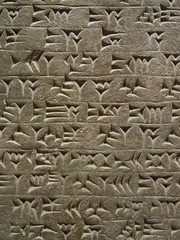
12081625559List the contributions of the SumeriansCuneiform, ziggurats, Tigris-Euphrates, math29
12081625560What were the consequences of the development of citiesComplex societies, organized religion, job specialization, increased population, disease30
12081625561Know the locations of the 4 major river valley civilizationsMesopotamia, India, Egypt, and Shang China31
12081625562Why were the Nomadic pastoralists important to settled agriculturalistsSpread ideas, people, and products32
12081625564What was the purpose of a zigguratPrayer, monumental architecture- most important building33
12081625565What contributed to the fall of both the western Roman and the Han empiresInvasion, revolts, couldn't control their borders34
12081625566How were Judaism, Islam and Christianity similarMonotheistic, Abrahamic, written scripture and laws35
12081625567What greatly improved trade in the Indian OceanMonsoons36
12081625570How was the Silk Road Trade similar to the Indian Ocean TradeLuxury goods were the most important trade good37
12081625571What was the impact of maritime technologyMore trading by sea and less over the Silk Road38
12081625573How were the spread of Buddhism, Islam, and Christianity similarSpread by Merchants, traders, and travelers39
12081625574What were the effects of the Bantu migrationThe Spreading of the Bantu language40
12081625576List the factors that led to the growth of citiesIncreased trade, movement of people41
12081625578Know the location of the Mongol EmpireMiddle East, China, Russia (NOT India)42
12081625579What was the Mongol's role in facilitating trans-Eurasian tradeReestablished Silk Roads43
12081625580Where was feudalism a form of governmentW. Europe and Japan44
12081625581Which religions influenced the development of IslamJudaism, and Christianity45
12081625582Why did Europeans begin looking for a sea route to AsiaLand routes were controlled by Arabs and Ottomans46
12081625583List the reasons for the success of the ReformationPrinting press, desire to learn increased education47
12081625584Why did the printing of books during the Renaissance encourage Europeans desire to gain knowledgeLess expensive and more common, written in native language48
12081625585What caused the weakening of the political and religious authority of the popeIndividual salvation and faith, corruption, and the Reformation49
12081625588What role did the church play in the lives of the people during the Middle Ages in EuropeControlled all aspects of people's lives50
12081625590Which trade routes were used by IndiaSilk Road, Indian Ocean51
12081625591Why did the Chinese build The Great Wall and the Grand CanalProtection and trade52
12081625594What impact did the Ottoman Empire have on Global TradeDiscounted taxes between Europeans and Sultans, created a vast trade network Facilitated trade between Europe and Asia53
12081625595What was important about the location of the Ottoman EmpireBetween Europe and Asia54
12081625600What was the political impact of Reformationcreated an atmosphere of Catholic vs Protestant55
12081625604Why were the kingdoms of West Africa prosperousTraded gold, salt and ivory56
12081625605List the technological developments of the Tang and Song DynastiesGun powder, block printing, porcelain making, compass, paper57
12081625606How did the Great Schism contribute to the end of medieval EuropePeople began to question the authority of the church, led to Reformation58
12081625607What would most likely have occurred as a result of early Muslim and Hindu interactions in Southeast AsiaIslam and Hinduism coexisted despite differences59
12102963622Third RomeRussian claim to be successor state to Roman and Byzantine empires; based in part on continuity of Orthodox church in Russia.60
12102996086JustinianByzantine emperor in the 6th century A.D. who reconquered much of the territory previously ruler by Rome. Re-codified Roman Law.61
12197128246SerfdomA type of forced labor commonly used in feudal systems common in Mid evil England and Europe-62
12197142605Grand Canal and Great Wall of ChinaBuilt to provide Protection and increase Trade.63
12197218836salt, ivory and GoldKingdoms of W. Africa prospered by trading these64
12197235182Gupta EmpireUnlike the Chinese Empire; ruled through central government but allowed village power and restored Hinduism65

Ap world history period 3. Chapter 15 Flashcards

Terms : Hide Images
11791117917ArawakAmerindian peoples who inhabited the Greater Antilles of the Caribbean at the time of Columbus.0
11791117918Henry the Navigator(1394-1460) Portuguese prince who promoted the study of navigation and directed voyages of exploration down the western coast of Africa.1
11791117919CaravelA small, highly maneuverable three-masted ship used by the Portuguese and Spanish in the exploration of the Atlantic.2
11791117920Gold CoastRegion of the Atlantic coast of West Africa occupied by modern Ghana; named for its gold exports to Europe from the 1470s onward.3
11791117921Bartolomeu DiasPortuguese explorer who in 1488 led the first expedition to sail around the southern tip of Africa from the Atlantic and sight the Indian Ocean.4
11791117922Vasco da GamaPortuguese explorer. In 1497-1498 he led the first naval expedition from Europe to sail to India, opening an important commercial sea route.5
11791117923Christopher ColumbusHe mistakenly discovered the Americas in 1492 while searching for a faster route to India.6
11791117924Ferdinand MagellanPortuguese navigator who led the Spanish expedition of 1519-1522 that was the first to sail around the world.7
11791117925ConquistadorA Spanish conqueror of the Americas8
11791117926Hernan CortesSpanish conquistador who defeated the Aztecs and conquered Mexico (1485-1547)9
11791117927Moctezuma II(1466-1520) Aztec ruler from 1502 to 1520; he was the emperor of the Aztecs when Cortés and his army conquered the empire. He was taken prisoner and killed during battle with the Spanish army.10
11791117928AtahualpaLast ruling Inca emperor of Peru. He was executed by the Spanish.11
11791117929Fransisco PizarroSpanish explorer who led the conquest of the Inca Empire of Peru in 1531-1533.12

Ap world history period 3. Chapter 13 Flashcards

Terms : Hide Images
11790944538Latin westHistorians' name for the territories of Europe that adhered to the Latin rite of Christianity and used the Latin language for intellectual exchange in the period ca. 1000-1500. (p. 394)0
11790944539three-field systemA rotational system for agriculture in which one field grows grain, one grows legumes, and one lies fallow. It gradually replaced two-field system in medieval Europe.1
11790944540Black Death/Bubonic Plague• disease spread from Asia to Europe through trade • caused labor shortages2
11790944541water wheelA mechanism that harnesses the energy in flowing water to grind grain or to power machinery. It was used in many parts of the world but was especially common in Europe from 1200 to 1900.3
11790944542Hanseatic LeagueAn economic and defensive alliance of the free towns in northern Germany, founded about 1241 and most powerful in the fourteenth century.4
11790944543Guildan organization of people in the same craft or trade5
11790944544Gothic CathedralsLarge churches originating in twelfth-century France; built in an architectural style featuring pointed arches, tall vaults and spires, flying buttresses, and large stained-glass windows.6
11790944545Renaissance"rebirth"; following the Middle Ages, a movement that centered on the revival of interest in the classical learning of Greece and Rome7
11790944546ScholasticismA philosophical and theological system, associated with Thomas Aquinas, devised to reconcile Aristotelian philosophy and Roman Catholic theology in the thirteenth century.8
11790944547HumanistsEuropean scholars, writers, and teachers associated with the study of the humanities (grammar, rhetoric, poetry, history, languages, and moral philosophy), influential in the fifteenth century and later.9
11790944548Printing PressA mechanical device for transferring text or graphics from a woodblock or type to paper using ink. Presses using movable type first appeared in Europe in about 1450.10
11790944549Great Western SchismA division in the Latin (Western) Christian Church between 1378 and 1417, when rival claimants to the papacy existed in Rome and Avignon. (p. 411)11
11790944550Hundred Years WarWar between France and Britain, lasted 116 years, mostly a time of peace, but it was punctuated by times of brutal violence (1337 to 1453)12
11790944551New MonarchiesHistorians' term for the monarchies in France, England, and Spain from 1450 to 1600. The centralization of royal power was increasing within more or less fixed territorial limits. (p. 414)13
11790944552Reconquest of Iberia (Reconquista)Beginning in the eleventh century, military campaigns by various Iberian Christian states to recapture territory taken by Muslims. In 1492 the last Muslim ruler was defeated, and Spain and Portugal emerged as united kingdoms.14

Ap world history period 3.Chapter 14 Flashcards

Terms : Hide Images
11791007061tropicsregions close to the equator0
11791007062Ibn Battuta(1304-1369) Morrocan Muslim scholar, the most widely traveled individual of his time. He wrote a detailed account of his visits to Islamic lands from China to Spain and the western Sudan. His writings gave a glimpse into the world of that time period.1
11791007063MonsoonMajor winds in the Indian Ocean that blew into India for half the year, and blew away from India for the other half. Helped facilitate trade in the Indian Ocean.2
11791007064Delhi SultanateThe first Islamic government established within India from 1206-1520. Controled a small area of northern India and was centered in Delhi.3
11791007065MaliEmpire created by indigenous Muslims in western Sudan of West Africa from the thirteenth to fifteenth century. It was famous for its role in the trans-Saharan gold trade.4
11791007066Mansa MusaEmperor of the kingdom of Mali in Africa. He made a famous pilgrimage to Mecca and established trade routes to the Middle East.5
11791007067GujaratRegion of western India famous for trade and manufacturing.6
11791007068Swahili CoastEast African shores of the Indian Ocean between the Horn of Africa and the Zambezi River; from the Arabic sawahil, meaning 'shores.'7
11791007069Great ZimbabweCity, now in ruins (in the modern African country of Zimbabwe), whose many stone structures were built between about 1250 and 1450, when it was a trading center and the capital of a large state.8
11791007070adenPort city in the modern south Arabian country of Yemen. It has been a major trading center in the Indian Ocean since ancient times.9
11791007071MalaccaFlourishing trading city in Malaya; established a trading empire after the fall of Shrivijaya.10
11791007072UrduA Persian-influenced literary form of Hindi written in Arabic characters and used as a literary language since the 1300s.11
11791007073TimbuktuCity on the Niger River in the modern country of Mali. It was founded by the Tuareg as a seasonal camp sometime after 1000. As part of the Mali empire, Timbuktu became a major major terminus of the trans-Saharan trade and a center of Islamic learning.12

AP World History Mongols Flashcards

Terms : Hide Images
12161104711Ghengis KhanThe first great unifier and empire-builder of the Mongol people Tiltle bestowed upon him.0
12161104712Temujinwhich was the Real name of Ghengis Khan 1167-12271
12161104713HuleguIl-Khan of Persia and defeater of the Abbasid Dynasty2
12161104714KipchakKhanate of the Golden Horde (modern day western Russia)3
12161104715Yuan DynastyChinese dynasty formed principally from Mongol conquerors4
12161104716GhazanRuler of the Persian Khanate who converted to Islam and attempted to undo some of the ecological and relational damage of previous Mongol rulers5
12161104717Battle of Ain Jalut (1260)Battle where the Egyptian Mamluks defeated the expanding Mongols6
12161104718Attila the HunLeader of the Huns, which might have been an offshoot of the Xiongnu peoples and whose Empire stretched from the Germanic states to the Caspian Sea in the 5th century7
12161104719FourNumber of Khanates formed after the death of Ghengis Khan8
12161104720Pandemic(Disease) Prevalent over a large geographical area9
12161104721KaghanTurkic ruler; later became Sultan after the conversion to Islam10
12161104722SteppeGeographical term for the great pasturelands of the Mongols which, through ill-suited for farming, were perfect for sustaining great herds. This is where Temujin was born11
12161104723OgodaiKhan whose death may have spared Europe--the Mongol leaders were required to return to the East in the midst of European conquest12
12161104724XiongnuPredecessors to the Mongos (~200BCE-200CE); long troubled the development of China13
12161104725BeijingModern name for Khanbalik, the capital of the Yuan dynasty14
12161104726BedouinDesert dwelling Arabs15
12161104727ModunPrecursor to Ghengis Khan as unifier of the nomadic peoples north of the Yellow River16
12161104728MoscowThe center of Russian power moved here from Kiev under Mongol rule17
12161104729Kublai KhanKhan whose rule of China was expansive and (relatively) enlightened; hosted Marco Polo18
12161104730PersiaArea where Mongol rule devastated the ecology; unlike most areas of the Empire, Mongols assimilated here, many converting to Islam19
12161104731Han DynastyChinese dynasty most affected by teh Xiongnu20
12161104732KarakorumOriginal capital of the Mongols21
12161104733KamikazeLegend of what saved Japan from Mongol invasion22
12161104734Almoravid EmpireMuslim empire of Northwest Africa and the Iberian peninsula23
12161104735TolerantWord which might describe the Mongol attitude towards the diverse religions encountered across their expansive empire24
12161104736Ivan the GreatRussian leader who expelled Mongol rule25
12161104737Khan"Leader"26
12161104738PastoralPeoples most focused on raising of herds, therefore they were often nomadic27
12161104739TengriThunder God, God of the sky; most important god of the Mongols' shamanistic religion28
12161104740YurtWhat the Mongols lived in29
12161104741YogurtWhat the Mongols drank30
12161104742The bowThe Mongols' one/major technological contribution/innovation31
12161104743KumissMongol alcoholic drink from animal products by fermenting mare's milk into a potent concociton32
12161104744ChaghataiOne of Ghengis Khan's sons; his descendants ruled the khanate of Chaghatai in central Asia also took Korea33
12161104745QuriltaiAssembly in Mongolia in which a new khan is elected34
12161104746TumenUnits of 10,000 soldiers35
12161104747YasaMongol code of law which regulated: taxes, no private matters, Murder:treason, unity and loyalty.36
12161104748Empire of KhwarezmLed by Ala Al-Din Muhammad Empire which Ghengis Khan obliterated.37
12161104749Mongolian EmpireLargest empire in world history.38

AP World History Unit 1 Flashcards

From Hunting and Gathering to Civilizations, 2.5 million-1000 B.C.E.: Origins

Terms : Hide Images
8231220641Hunting and GatheringMeans of obtaining subsistence by humans before the mastery of sedentary agriculture; normally typical of tribal social organization0
8231220642NeolithicThe New Stone Age between 8000 and 5000 B.C.E.; period in which adaptation of sedentary agriculture occurred; domestication of plants and animals accomplished1
8231220643NomadsCattle- and sheep-herding societies normally found on the fringes of civilized societies; commonly referred to as "barbarian" by civilized societies2
8231220644CultureCombination of ideas, objects, and patterns of behavior that result from human social interaction3
8231220645Neolithic/Agricultural/Agrarian revolutionOccurred between 8000 and 5000 B.C.E.; transition from hunting and gathering to sedentary agriculture4
8231220646PastoralismA nomadic agricultural lifestyle based on herding domesticated animals; tended to produce independent people capable of challenging sedentary agricultural societies5
8231220647MesopotamiaLiterally "between the rivers"; the civilization that arose in the alluvial plain of the Tigris-Euphrates river valleys6
8231220648SumeriansPeople who migrated into Mesopotamia circa 4000 B.C.E.; created the first civilization within the region; organized area into city-states7
8231220649CuneiformA form of writing developed by the Sumerians using a wedge-shaped stylus and clay tablets8
8231220650City-stateA form of political organization typical of Mesopotamian civilization; consisted of agricultural hinterlands ruled by an urban-based king9
8231220651ZigguratsMassive towers usually associated with Mesopotamian temple connections10
8231220652Babylonian EmpireUnified all of Mesopotamia circa 1800 B.C.E.; collapsed due to foreign invasion circa 1600 B.C.E.11
8231220653HammurabiThe most important Babylonian ruler; responsible for codification of the law12
8231220654PharaohThe term used to denote the kings of ancient Egypt; considered a god as well as a political and military leader. The term, "great house" refers to the palace of the pharaohs13
8231220655PyramidsMonumental architecture typical of Old Kingdom Egypt; used as burial sites for pharaohs14
8231220656HieroglyphsForm of writing developed in ancient Egypt; more pictorial than Mesopotamian cuneiform15
8231220657MonotheismThe exclusive worship of one god; introduced by Jews into Middle Eastern civilization16
8231220658PhoeniciansSeafaring civilization located on the shores of the eastern Mediterranean; established colonies throughout the Mediterranean; extensive trade, communication networks, early alphabetical script17
8231220659Harappa and Mohenjo DaroMajor urban complexes of Harappan civilization; laid out on planned grid pattern18
8231220660AryansIndo-European nomadic, warlike, pastorialists who replaced Harappan civilization19
8231220661Huanghe (Yellow) River BasinSite of the development of sedentary agriculture in China20
8231220662Shang1st Chinese dynasty21
8231220663Big GeographyA term that draws attention to the global nature of world history.22
8231220664PaleolithicThe period that ended about 3,000 years after the end of the last Ice Age, it lasted until about 10,000 years ago. (Old Stone Age) The period of the Stone Age associated with the evolution of humans. It predates the Neolithic period.23
8231220665Path of migration for humans during Paleolithic eraFrom Africa to Eurasia, Australia, and the Americas24
8231220666EglitarianBelieving in the equality of all peoples25
8231220667Pastoralists were often the developers and disseminators of of ____ and ___ that transformed warfare in agrarian civilizationsnew weapons modes of transportation26
8231220668_____ developed in this period continued to have strong influences in later periodsNew religious beliefs27
8231220669Mediterranean SeaSea connecting Mesopotamia, Anatolia, and N. Africa28
8231220670PolytheismBelief in more than one god29
8231220671Nile RiverPrincipal water source of water flowing through North Africa (site of sophisticated cultural development); flooded regularly and enriched the soil in the process30
8231220672historythe study of past events and changes in the development, transmission and transformation of cultural practices31
8231220673stone agethe earliest known period of human culture, marked by the creation and use of stone tools and other nonmetallic substances32
8231220674foragersFood collectors who gather, fish, or hunt33
8231220675city-stateA sovereign state comprising a city and its immediate surrounding area34
8231220676Babylonan ancient city of Mesopotamia known for its wealth, luxury, and vice.35
8231220677HammurabiBabylonian king who codified the laws of Sumer and Mesopotamia (died 1750 BCE)36
8231220678scribea person who copies or writes out documents; often a record keeper37
8231220679cuneiformA form of writing developed by the Sumerians (Mesopotamia) using a wedge shaped stylus and clay tablets.38
8231220680bronzeA metal that is a mixture of copper and tin39
8231220681paleolithicstone age period when human used stone tools and survived by hunting and foraging40
8231220682Homo sapienshuman species derived from apes with more brain capacity for intelligence41
8231220683venus figurinespaleolithic female figurines that emphasize physical attributes associated with fecundity42
8231220684cave paintingspaleolithic cave paintings that emphasize hunting--Lascaux France is most famous43
8231220685pastoralismthe process of domestication, raising, and herding of animals44
8231220686specialization of laborpeople in civilizations could be assigned different jobs and statuses in society due to having a surplus of food45
8231220687patriarchythe idea that males have a right to rule and reign over states and families46
8231220688civilizationlarge scale communities that had certain characteristics in common such as: recordkeeping, complex institutions (government, economy, organized religion), cities, specialization of labor, long-distance trade, technology47
8231220689Euphrates and Tigristwo principle Mesopotamian rivers48
8231220690Sumerearliest Mesopotamian city state49
8231220691Babylonsecond oldest Mesopotamian city state, succeeds Sumer, most important king was Hammurabi50
8231220692Hammurabi's Codefirst law code in the world, of Babylonia, dealt with legal contracts and responsibility for wrong doing51
8231220693bronze metallurgyalloy of copper, tin, and zinc, this metal began to be produced from about 2800 BCE improved military equipment, agricultural knives, and plows52
8231220694iron metallurgya changeable metal, less hard than bronze, but more flexible, developed around 1500 BCE by the Hittites53
8231220695wheelround object used to move heavy weights and to create vehicles first in Sumer54
8231220696cuneiforma very early form of writing, from Sumer in Mesopotamia, done by pressing a cone-shaped stylus into soft clay55
8231220697Epic of Gilgameshepic Mesopotamian poem that highlights the stresses of civilization56
8231220698Egypta founding civilization along the Nile in Northeastern Africa57
8231220699HieroglyphicsEgyptian writing (pictographs & symbols representing sounds+ideas)58
8231220700Harrappa & Mohenjo DaroTwo early, very large, and complex Indus Valley city states. Little is known about these but their size and complexities imply central planning.59
8231220701Indus RiverRiver in Northern India on which the first Indian civilizations were built; flooded twice a year in a predictable manner60
8231220702VedasA belief system based on the caste system brought into India by peoples probably from the Caucasus between about 5000 and 4000 BCE61
8231220703VarnaCaste system of India: Brahmin, Khsatriya, Vaishya, Shudra--people could not move out of the caste they were born into62
8231220704Chinaearliest civilization in Asia63
8231220705Huang He and Yangzi Hetwo rivers in China that supported early civilization64
8231220706Shang DynastyThe dominant people in the earliest Chinese dynasty for which we have written records (ca. 1750-1027 B.C.E.). Ancestor worship, divination by means of oracle bones, and the use of bronze vessels for ritual purposes were major elements of this culture.65
8231220707HinduismTerm for a wide variety of beliefs and ritual practices that have developed in the Indian subcontinent since antiquity. It has roots in ancient Vedic, Buddhist, and south Indian religious concepts and practices.66
8231220708ZoroastrianismFounded by Zoroaster; taught that humans had the freedom to choose between right and wrong, and that goodness would triumph in the end. Marked by dualism between God = Good and the Evil. Influenced Christianity. Was one of the first monotheistic religions.67
8231220709JudaismMonotheistic (belief in one god), founded by Abraham, code of law found in the Torah (first 5 books of the Bible), led to the development of two other Abrahamic religions: Christianity and Islam.68
8231220710ConfucianismThe system of ethics, education, and statesmanship taught by Confucius and his disciples, stressing love for humanity, ancestor worship, reverence for parents, and harmony in thought and conduct.69
8231220711Mandate of HeavenA political theory of ancient China in which the emperor is given the power to rule by a divine sources. This tie could be severed by ineffectual rule70
8231220712Oracle bonesbones on which the ruling class in China wrote questions and had them divined by the priestly class71
8231220713Mesoamericacultural area in the Americas extending from central America to present-day Peru72
8231220714Olmecthe first major civilization in Mexico73
8231220715MayaMesoamerican civilization in and near the Yucatan Peninsula--had the first and only pre-Columbian writing system in the Americans74
8231220716ChavinMesoamerican civilization in present-day Peru that had highly developed art and architectural practices75
8231220717CarthageCity located in present-day Tunisia, founded by Phoenicians ca. 800 B.C.E. It became a major commercial center and naval power in the western Mediterranean until defeated by Rome in the third century B.C.E. (p. 107)76
8231220718irrigation systemsreplacement or supplementation of rainfall with water from another source in order to grow crops77
8231220719Indus River Valley Civilizationan ancient civilization thriving along the Indus River in what is now Pakistan and western India. This civilization is also sometimes referred to as the Harappan or Harappa-Mohenjodaro Civilization of the Indus Valley, in reference to the excavated cities of Harappa and Mohenjodaro78
8231220720Persian Warsa series of conflicts between the Greek world and the Persian Empire that started about 500 BC and lasted until 448 BC.79
8231220721Alexander the GreatUnited Ancient Greece; Hellenistic Age, conquered a large empire.80
8231220722Socrates and PlatoGreek philosopher and his student81

AP World History Geography: Period 3 Flashcards

Terms : Hide Images
12197233363Africa0
12197233364Australia1
12197233365Eurasia2
12197233366North America3
12197233367South America4
12197233368Atlantic Ocean5
12197233369Baltic Sea6
12197233370Indian Ocean7
12197233371Mediterranean Sea8
12197233372Pacific Ocean9
12197233373Red Sea10
12197233374Anatolian Peninsula11
12197233375Italian Peninsula12
12197233376Iberian Peninsula13
12197233377Baghdad14
12197233378Cahokia15
12197233379Cairo16
12197233380Constantinople17
12197233381Cuzco18
12197233382Delhi19
12197233383Jerusalem20
12197233384Kiev21
12197233385Mecca22
12197233386Medina23
12197233387Novgorod24
12197233388Paris25
12197233389Rome26
12197233390Teotihuacan27
12197233391Tenochtitlan28
12197233392Timbuktu29
12197233393Venice30
12197233394Abbasid Empire31
12197233395Aztec Empire32
12197233396Byzantine Empire33
12197233397Incan Empire34
12197233398Ethiopia35
12197233399Frankish Kingdom36
12197233400Japan37
12197233401Kievan Russia38
12197233402Korea39
12197233403Mayan40
12197233404Mongolian Empire41
12197233405Song Dynasty42
12197233406Sui Dynasty43
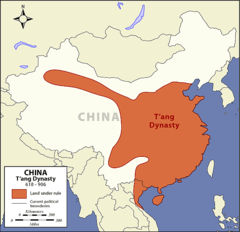
12197233407Tang Dynasty44
12197233408Umayyad Empire45
12197233409Vietnam46
12197233410Crusaders Travels47
12197233411Ibn Battuta's Travels48
12197233412Indian Ocean Trade49
12197233413Marco Polo's Trade50
12197233414Mediterranean Trade51
12197233415Silk Road52
12197233416Trans-Sahara Trade53
12197233417Vikings Travels54
12197233418Catholic Western Europe55
12197233419Orthodox Europe56

Pages

Subscribe to CourseNotes RSS

Need Help?

We hope your visit has been a productive one. If you're having any problems, or would like to give some feedback, we'd love to hear from you.

For general help, questions, and suggestions, try our dedicated support forums.

If you need to contact the Course-Notes.Org web experience team, please use our contact form.

Need Notes?

While we strive to provide the most comprehensive notes for as many high school textbooks as possible, there are certainly going to be some that we miss. Drop us a note and let us know which textbooks you need. Be sure to include which edition of the textbook you are using! If we see enough demand, we'll do whatever we can to get those notes up on the site for you!