AP Notes, Outlines, Study Guides, Vocabulary, Practice Exams and more!

Meiosis- AP BIO Flashcards

Terms : Hide Images
8848734228Hereditypassing of traits from one generation to next0
8848736232Variationdifference between members of same species1
8848737707GeneUnit of hereditary information encoded on DNA by nitrogen bases2
8848742953gameteshybrid reproductive cells; egg and sperm3
8848747772locusspecific location of a gene along length of chromosome4
8848751835somatic cellsdiploid body cells; nonreproductive cell5
8848755918asexual reproductiongeneration of offspring involving one parent; offspring are identical to parent (clones)6
8848755921geneticsstudy of heredity7
8848764068sexual reproductiontwo parents give rise to offspring that have unique combinations of genes inherited from both parents via the gametes8
8848771340karyotypea display of chromosome pairs of a cell arranged by size and shape9
8848781106homologous chromosomespair of chromosomes of the same length, centromere position and staining pattern that posses genes of the same characters at corresponding loci; one from father and one from mother; homologs10
8848781107sex chromosomeschromosome responsible for determining the sex of an individual (X and Y chromosomes)11
8848800385autosomesa chromosome that is not directly involved in determining sex; non sex chromosome12
8848804911diploida cell with two sets (paired) chromosomes; 2n somatic cells13
8848814675haploida cell that contains a single set of chromosomes; 1n; gametes14
8848817715fertilizationunion of gametes15
8848820824zygotefertilized egg resulting from fertilization16
8848824649meiosisgamete formation; consists of two rounds of cell division to reduce chromosome number in half; results in 4 genetically different daughter cells17
8848838570meiosis Ifirst division of a two-stage process of cell division in sexually reproducing organisms that results in cells with half the number of chromosome sets as the original cell18
8848844568meiosis IIsecond division of a two-stage process of cell division in sexually reproducing organisms that results in cells with half the number of chromosomes as the original cell19
8848855093synapsispairing and physical connection of duplicated homologous chromosomes during prophase 1 of meiosis20
8848862472recombinant chromosomesindividual chromosomes that carry genes from 2 different parents; occurs because of crossing over21
8848868386crossing overexchange of genes between two homologous chromosomes resulting in a mixture of parental characteristics in offspring; occurs during prophase 1; results in genetic recombination22
8848874796differences between mitosis and meiosissynapsis, crossing over, alignment and separation of homologs23
8848890067evolutionary advantage of genetic variationa population evolves through differential reproductive success of its members; those best suited for environment leave more offspring24
8848941803prophase Inuclear envelope breaks down, centriole movement, chromosomes condense, synapsis and crossing over occur25
8848949523metaphase Ipairs of homologous chromosomes arrange in middle of the cell26
8848954154anaphase Ihomologs separate to opposite poles as spindle fibers shorten27
8848960564telophase 1 / cytokinesisnuclei reform in both cells, which contain haploid set of duplicated chromosomes; cytoplasm divides28
8848969425prophase IInuclear envelope breaks down, centriole movement29
8848977381metaphase IIreplicated chromosomes arrange in middle of cell30
8848980595anaphase IIchromatids separate to opposite poles as spindle fibers shorten and centromeres break down31
8848985796telophase II / cytokinesisnuclei reform, chromosomes decondense and cytokinesis occurs, resulting in 4 genetically distinct daughter cells32

AP Biology Chapter 3 Flashcards

Terms : Hide Images
7434535193Polar Covalent Bondcovalent bond were shared electrons are pulled closer to the more electronegative electron0
7434535194Polar MoleculeMolecule where the overall charge is not equally shared1
7434535195Cohesionlinking together two like molecules2
7434535196adhesionclinging of one substance to another3
7434535197Surface Tensionmeasure of how difficult to stretch/break surface of liquid4
7434535198kinetic energyenergy of motion5
7434535199Heatform of energy6
7434535200tempertauremeasure of heat intensity representative average KE regardless of volume7
7434535201calorie (cal)amount of heat it take to raise 1g of water by 1 degree Celsius8
7434535202kilocalorie (kcal)1000 cal, quantity of heat required to raise the temperature of 1kg of water by 1 degree Celcuis9
7434535203joule (j)energy unit10
74345352041 J= ___ cal0.23911
74345352051 cal=___ J4.18412
7434535206specific heatamount of heat that must be absorbed or lost for 1g of that substance by 1 degree Celcuis13
7434535207vaporization (evaporation)liquid to gas14
7434535208Heat of Vaporizationquantity of heat a liquid must absorb for 1g of it to be converted from liquid to gas15
7434535209evaporative coolingprocess where an object becomes cooler during evaporation, result of molecules with higher KE changing from liquid to gas more quickly than others16
7434535210solutiona liquid that is completely homogeneous mixture of 2 or more substances17
7434535211solventdissolving agent of soln.18
7434535212solutesubstance that is being dissolved19
7434535213aqueous solutionone in which water is solvent20
7434535214hydrogen shellsphere of water molecules around each dissolved ion21
7434535215hydrophilicany substance that has a natural affinity for water22
7434535216colloidstable suspension of fine particles in liquid23
7434535217hydrophobicrepels water24
7434535218molecular masssum of masses of all atoms in molecule25
7434535219mole (mol)6.02*10^2326
7434535220molarity# of moles per solute per L of solution27
7434535221Hydrogen ion (H+)when a hydrogen atom in hydrogen bond shifts from one molecule to the other, it leaves its electron behind28
7434535222hydroxide ionwater molecule that lost a proton29
7434535223hydromuim ion (H3O+)protein binds to the other water molecule30
7434535224acidsubstance that raises the hydrogen ion concentration of a solution. 0-6 pH31
7434535225basesubstance that lowers the hydrogen ion concentration of a solution. 8-14 pH32
7434535226buffersubstance that minimizes the changes in concentrations of H+ and OH- in a solution33
7434535227ocean acidificationwhen CO2 reacts with water making it acidic34
7434535228acid precipitationrefers to rain, snow, or fog with a pH lower than 535

AP Psychology AP Review Flashcards

Terms : Hide Images
12090894215psychologythe study of behavior and mental processes0
12090894216psychology's biggest questionWhich is more important in determining behavior, nature or nurture?1
12090894217psychology's three levels of analysisbiopsychosocial approach (looks at the biological, psychological, and social-cultural approaches together)2
12090894218biological approachgenetics, close-relatives, body functions3
12090894219evolutionary approachspecies - helped with survival (ancestors)4
12090894220psychodynamic approach(Freud) subconscious, repressed feelings, unfulfilled wishes5
12090894221behavioral approachlearning (classical and operant) observed6
12090894222cognitive approachthinking affects behavior7
12090894223humanistic approachbecoming a better human (behavior, acceptance)8
12090894224social-cultural approachcultural, family, environment9
12090894225two reasons of why experiments are importanthindsight bias + overconfidence10
12090894226types of research methodsdescriptive, correlational, and experimental11
12090894227descriptive methodscase study survey naturalistic observation (DON'T SHOW CAUSE/EFFECT)12
12090894228case studystudies one person in depth may not be typical of population13
12090894229surveystudies lots of people not in depth14
12090894230naturalistic observationobserve + write facts without interference15
12090894231correlational methodshows relation, but not cause/effect scatterplots show research16
12090894232correlation coefficient+ 1.0 (both increase) 0 (no correlation - 1.0 (one increases, other decreases)17
12090894233experimental methoddoes show cause and effect18
12090894234populationtype of people who are going to be used in experiment19
12090894235sampleactual people who will be used (randomness reduces bias)20
12090894236random assignmentchance selection between experimental and control groups21
12090894237control groupnot receiving experimental treatment receives placebo22
12090894238experimental groupreceiving treatment/drug23
12090894239independent variabledrug/procedure/treatment24
12090894240dependent variableoutcome of using the drug/treatment25
12090894241confounding variablecan affect dependent variable beyond experiment's control26
12090894242scientific methodtheory hypothesis operational definition revision27
12090894243theorygeneral idea being tested28
12090894244hypothesismeasurable/specific29
12090894245operational definitionprocedures that explain components30
12090894246modeappears the most31
12090894247meanaverage32
12090894248medianmiddle33
12090894249rangehighest - lowest34
12090894250standard deviationhow scores vary around the mean35
12090894251central tendencysingle score that represents the whole36
12090894252bell curve(natural curve)37
12090894253ethics of testing on animalsneed to be treated humanly basically similar to humans38
12090894254ethics of testing on humansconsent debriefing no unnecessary discomfort/pain confidentiality39
12090894255sensory neuronstravel from sensory receptors to brain40
12090894256motor neuronstravel from brain to "motor" workings41
12090894257interneurons(in brain and spinal cord) connecting motor and sensory neurons42
12090894449neuron43
12090894258dendritesreceive messages from other neurons44
12090894259myelin sheathprotects the axon45
12090894260axonwhere charges travel from cell body to axon terminal46
12090894261neurotransmitterschemical messengers47
12090894262reuptakeextra neurotransmitters are taken back48
12090894263excitatory charge"Let's do it!"49
12090894264inhibitory charge"Let's not do it!"50
12090894265central nervous systembrain and spinal cord51
12090894266peripheral nervous systemsomatic nervous system autonomic nervous system52
12090894267somatic nervous systemvoluntary movements53
12090894268autonomic nervous systeminvoluntary movements (sympathetic and parasympathetic nervous systems)54
12090894269sympathetic nervous systemarousing55
12090894270parasympathetic nervous systemcalming56
12090894271neural networksmore connections form with greater use others fall away if not used57
12090894272spinal cordexpressway of information bypasses brain when reflexes involved58
12090894273endocrine systemslow uses hormones in the blood system59
12090894274master glandpituitary gland60
12090894275brainstemextension of the spinal cord responsible for automatic survival61
12090894276reticular formation (if stimulated)sleeping subject wakes up62
12090894277reticular formation (if damaged)coma63
12090894278brainstem (if severed)still move (without purpose)64
12090894279thalamussensory switchboard (does not process smell)65
12090894280hypothalamusbasic behaviors (hunger, thirst, sex, blood chemistry)66
12090894281cerebellumnonverbal memory, judge time, balance emotions, coordinate movements67
12090894282cerebellum (if damaged)difficulty walking and coordinating68
12090894283amygdalaaggression, fear, and memory associated with these emotions69
12090894284amygdala (if lesioned)subject is mellow70
12090894285amygdala (if stimulated)aggressive71
12090894286hippocampusprocess new memory72
12090894287cerebrumtwo large hemispheres perceiving, thinking, and processing73
12090894288cerebral cortexonly in higher life forms74
12090894289association areasintegrate and interpret information75
12090894290glial cellsprovide nutrients to myelin sheath marks intelligence higher proportion of glial cells to neurons76
12090894291frontal lobejudgement, personality, processing (Phineas Gage accident)77
12090894292parietal lobemath and spatial reasoning78
12090894293temporal lobeaudition and recognizing faces79
12090894294occipital lobevision80
12090894295corpus callosumsplit in the brain to stop hyper-communication (eliminate epileptic seizures)81
12090894296Wernicke's areainterprets auditory and hearing82
12090894297Broca's areaspeaking words83
12090894298plasticityability to adapt if damaged84
12090894299sensationwhat our senses tell us85
12090894300bottom-up processingsenses to brain86
12090894301perceptionwhat our brain tells us to do with that information87
12090894302top-down processingbrain to senses88
12090894303inattentional blindnessfail to "gorilla" because attention is elsewhere89
12090894304cocktail party effecteven with tons of stimuli, we are able to pick out our name, etc.90
12090894305change blindnessgiving directions and person is changed and we don't notice91
12090894306choice blindnesswhen defending the choice we make, we fail to notice choice was changed92
12090894307absolute thresholdminimum stimulation needed in order to notice 50% of the time93
12090894308signal detection theorywe notice what is more important to us (rather hear a baby crying)94
12090894309JND (just noticeable difference)(Weber's law) difference between different stimuli noticed in proportion95
12090894310sensory adaptationtired of noticing (Brain says, "Been there, done that. Next?"96
12090894311rodsnight time97
12090894312conescolor98
12090894313parallel processingnotice color, form, depth, movement, etc.99
12090894314Young-Helmholtz trichromatic theory3 corresponding color receptors (RGB)100
12090894315Hering's opponent-process theoryafter image in opposite colors (RG, YB, WB)101
12090894316trichromatic + opponent-processYoung-Helmholtz -> color stimuli Hering -> en route to cortex102
12090894317frequency we hear mosthuman voice103
12090894318Helmoltz (hearing)we hear different pitches in different places in basilar membrane (high pitches)104
12090894319frequency theoryimpulse frequency (low pitches)105
12090894320Helmholtz + frequency theorymiddle pitches106
12090894321Skin feels what?warmth, cold, pressure, pain107
12090894322gate-control theorysmall fibers - pain large fibers - other senses108
12090894323memory of painpeaks and ends109
12090894324smellclose to memory section (not in thalamus)110
12090894325groupingGestalt make sense of pieces create a whole111
12090894326grouping groupsproximity similarity continuity connectedness closure112
12090894327make assumptions of placementhigher - farther smaller - farther blocking - closer, in front113
12090894328perception =mood + motivation114
12090894329consciousnessawareness of ourselves and the environment115
12090894330circadian rhythmdaily biological clock and regular cycle (sleep and awake)116
12090894331circadian rhythm pattern- activated by light - light sensitive retinal proteins signal brains SCN (suprachiasmatic nucleus) - pineal gland decreases melatonin117
12090894332What messes with circadian rhythm?artificial light118
12090894333The whole sleep cycle lasts how long?90 minutes119
12090894334sleep stagesrelaxed stage (alpha waves) stage 1 (early sleep) (hallucinations) stage 2 (sleep spindles - bursts of activity) (sleep talk) stage 3 (transition phase) (delta waves) stage 4 (delta waves) (sleepwalk/talk + wet the bed) stage 5 (REM) (sensory-rich dreams) (paradoxical sleep)120
12090894335purpose of sleep1. recuperation - repair neurons and allow unused neural connections to wither 2. making memories 3. body growth (children sleep more)121
12090894336insomniacan't sleep122
12090894337narcolepsyfall asleep anywhere at anytime123
12090894338sleep apneastop breathing in sleep124
12090894339night terrorsprevalent in children125
12090894340sleepwalking/sleeptalkinghereditary - prevalent in children126
12090894341dreaming (3)1. vivid bizarre intense sensory experiences 2. carry fear/survival issues - vestiges of ancestors' survival ideas 2. replay previous day's experiences/worries127
12090894342purpose of dreaming (5 THEORIES)1. physiological function - develop/preserve neural pathways 2. Freud's wish-fulfillment (manifest/latent content) 3. activation synthesis - make sense of stimulation originating in brain 4. information processing 5. cognitive development - reflective of intelligence128
120908943431. Can hypnosis bring you back in time? 2. Can hypnosis make you do things you wouldn't normally do? 3. Can it alleviate pain? 4. What state are you in during hypnosis? 5. Who is more susceptible?1. cannot take you back in time 2. cannot make you do things you won't do 3. can alleviate pain 4. fully conscious ((IMAGINATIVE PEOPLE MORE SUSCEPTIBLE))129
12090894344depressantsslows neural pathways130
12090894345alcohol((depressant)) disrupts memory formation (REM) lowers inhibition expectancy effect131
12090894346barbituates (tranquilizers)((depressant)) reduce anxiety132
12090894347opiates((depressant)) pleasure reduce anxiety/pain133
12090894348stimulantshypes neural processing134
12090894349methamphetamine((stimulant)) heightens energy euphoria affects dopamine135
12090894350caffeine((stimulant))136
12090894351nicotine((stimulant)) CNS releases neurotransmitters calm anxiety reduce pain affects (nor)epinephrine and dopamine137
12090894352cocaine((stimulant)) euphoria affects dopamine, serotonin, and norepinephrine138
12090894353hallucinogenexcites neural activity139
12090894354ecstasy((hallucinogen)) reuptake is blocked affects dopamine and serotonin140
12090894355LSD((hallucinogen)) affects sensory/emotional "trip" (+/-) affects serotonin141
12090894356marijuana((hallucinogen)) amplify sensory experience disrupts memory formation142
12090894357learningorganism changing behavior due to experience (association of events)143
12090894358types of learningclassical operant observational144
12090894359famous classical psychologistsPavlov and Watson145
12090894360famous operant psychologistSkinner146
12090894361famous observational psychologistsBandura147
12090894362classical conditioningoutside stimulus148
12090894363Pavlov's experimentStep 1: US (food) -> UR (salivation) Step 2: NS (bell) -> US (food) -> UR (salivation) Later... CS (bell) -> CR (salivation)149
12090894364Watson's experimentwhite rat was given to Little Albert Step 1: US (noise) -> UR (cry) Step 2: NS (rat) -> US (noise) -> UR (cry) Later... CS (rat) -> CR (cry)150
12090894365generalizationany small, white fluffy creature will make Albert cry now151
12090894366discriminateany large, white fluffy creature won't make Albert cry152
12090894367extinctionstop "treating" with conditioned response153
12090894368spontaneous recoverybring stimulus back after a while154
12090894369operant conditioningcontrol by organism155
12090894370Skinner's experimentoperant chamber / Skinner box (lead to shaping)156
12090894371shapingget animal closer to doing what you want them to do157
12090894372reinforcerswant to continue behavior (positive reinforcement: give money to do laundry) (negative reinforcement: do to avoid nagging)158
12090894373punishmentswant to stop behavior (positive reinforcement: smack) (negative reinforcement: take away phone)159
12090894374fixed ratiohappens a certain number of times (Starbucks punch card)160
12090894375variable ratiohappens an unpredictable number of times (winning the lottery)161
12090894376organism must do these (2 times)fixed ratio and variable ratio162
12090894377fixed intervalhappens at a certain time (mailman comes to the house at 10:00 AM)163
12090894378variable intervalhappens at any time (receive texts from friends)164
12090894379these things happen regardless (2 times)fixed interval and variable interval165
12090894380Which (fixed/variable) conditions better?variable166
12090894381criticisms of Skinnerdoesn't take into account intrinsic motivation167
12090894382intrinsic motivationdoing something for yourself, not the reward168
12090894383extrinsic motivationdoing something for reward169
12090894384Skinner's legacyuse it personally, at school, and at work170
12090894385famous observational experimentBandura's Bobo doll171
12090894386famous observational psychologistBandura172
12090894387mirror neurons"feel" what is observed happens in higher order animals173
12090894388Bobo doll experiment legacyviolent video games/movies desensitize us see good: do good see evil: do evil174
12090894389observational learningbiological behaviors work best175
12090894390habituationget used to it -> stop reacting176
12090894391examples for observational learninglectures and reading177
12090894392serotonin involved with memoryspeeds the connection between neurons178
12090894393LTP((long-term potentiation)) strengthens potential neural forming (associated with speed)179
12090894394CREBprotein that can switch genes on/off with memory and connection of memories180
12090894395glutamate involved with memoryneurotransmitter that enhances LTP181
12090894396glucose involved with memoryreleased during strong emotions ((signaling important event to be remembered))182
12090894397flashbulb memorytype of memory remembered because it was an important/quick moment183
12090894398amygdala (memory)boosts activity of proteins in memory-forming areas to fight/flight184
12090894399cerebellum (memory)forms and stores implicit memories ((classical conditioning))185
12090894400hippocampus (memory)active during sleep (forming memories) ((information "moves" after 48 hours))186
12090894401memorylearning over time contains information that can be retrieved187
12090894402processing stagesencoding -> storage -> retrieval188
12090894403encodinginformation going in189
12090894404storagekeeping information in190
12090894405retrievaltaking information out191
12090894406How long is sensory memory stored?seconds192
12090894407How long is short-term memory stored?less than a minute193
12090894408How many bits of information is stored in short-term memory?7194
12090894409How many chunks of information is stored in short-term memory?4195
12090894410How many seconds of words is stored in short-term memory?2196
12090894411short term memory goes to ______________working memory197
12090894412working memorymake a connection and process information to mean something198
12090894413working memory goes to _________________long-term memory199
12090894414How much is stored in long-term memory?LIMITLESS200
12090894415implicit memorynaturally do201
12090894416explicit memoryneed to explain202
12090894417automatic processingspace, time, frequency, well-learned information203
12090894418effortful processingprocessing that requires effort204
12090894419spacing effectspread out learning over time205
12090894420serial position effectprimary/recency effect206
12090894421primary effectremember the first things in a list207
12090894422recency effectremember the last things in a list208
12090894423effortful processing (4 things)1. recency effect 2. spacing effect 3. testing effect 4. serial position effect209
12090894424semantic encoding (1) meaning (2) how tomake meaning out of something --- chunk, hierarchy, or connect to you210
12090894425if we can't remember a memory...1. change memory to suit us 2. fill in the blanks with logical story211
12090894426misinformation effectnot correct information212
12090894427imagination inflationimagine or visualize something that isn't real213
12090894428source amnesiawhat is the truth? (is it a dream, story, memory, etc.?)214
12090894429primingassociation (setting you up)215
12090894430contextenvironment helps with memory216
12090894431state-dependencyyou may remember something if you go back to the state you were in (go back to high)217
12090894432mood-congruencyemotion will bring back similar emotional memories218
12090894433forgetting curveforget after 5 days forget after 5 years219
12090894434the forgetting curve was created byEbbinghaus220
12090894435proactive interferenceold information interferes with the new221
12090894436retroactive interferencenew information interferes with the old222
12090894437children can't remember before age __3223
12090894438Loftusconnected to abuse cases/childhood224
12090894439prototypesgeneralize225
12090894440problem-solving (4)trial + error algorithms heuristic (representative + availability) insight - "AHA!"226
12090894441against problem-solvingfixation227
12090894442mental setwhat has worked in the past228
12090894443functional fixednessonly way to do this is with this229
12090894444Chomsky (nature or nurture?)"born with language" (nature)230
12090894445Skinner (nature or nurture?)language is learned (nurture)231
12090894446grammar is _________universal232
12090894447phonemessmallest sound unit233
12090894448morphemessmallest meaning unit234

AP World History Post-Classical Period Time Period 3 Flashcards

AP World History Unit 2 flashcards for use when studying for the final.

Terms : Hide Images
6792587390Sui DynastyThe short dynasty between the Han and the Tang; built the Grand Canal, strengthened the government, and introduced Buddhism to China0
6792587391Tang DynastyDynasty often referred to as China's Golden age that reigned during 618 - 907 AD; China expands from Vietnam to Manchuria. Technology and Arts flourished1
6792587392Grand CanalThe 1,100-mile (1,700-kilometer) waterway linking the Yellow and the Yangzi Rivers. It was begun in the Han period and completed during the Sui Empire.2
6792587394ShintoThe native religion and former ethnic cult of Japan that whorships nature. It coexists with Buddhism in Japan3
6792587397Justinian IByzantine emperor who built the Haiga Sophia; his reign was a turning point for Christianity: paganism finally lost. He tried to restore territories to the Western Roman Empire but ultimately failed.4
6792587398Justinian CodeThe body of Roman law collected by order of the Byzantine emperor, Justinian around A.D. 534.5
6792587400CharlemagneKing of the Franks who conquered much of Western Europe, Great patron of literature and learning, threatened conquered people with conversion to Christianity or death6
6792587401QuranThe sacred writings of Islam revealed by God to the prophet Muhammad during his life at Mecca and Medina7
6792587402MeccaThe holiest city of Islam; Muhammad's birthplace8
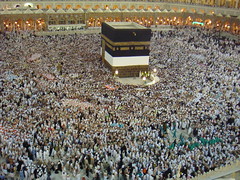
6792587403Ka'abaA rectangular building that housed a cubical black stone structure. It is the most sacred Muslim pilgrim shrine9
6792587404HajjA pilgrimage to Mecca, performed as a duty by Muslims10
6792587405Dar al-Islam"The abode of Islam." The land of Islam, or the territories in which Islam and its religious laws (shari'a) may be freely practiced.11
6792587406SunniOne of the two main branches of orthodox Islam. Felt that the Caliph should be chosen from the Ummayyad and believed in the importace of the Umma in making political decisions12
6792587407Shi'aOne of the two main branches of orthodox Islam. Felt that Caliph should stay in the Prophet's family and stressed religious purity13
6792587408AliProphet Muhammad's cousin and son-in-law; a leading figure in the Shi'a branch of Islam14
6792587409MuhammedThe prophet and founder of Islam15
6792587410HadithTraditional records of the deeds and utterances of the prophet Muhammad, and the basis, after the Quran, for Islamic theology and law. It's the stories of Muhammad's life, words, and deeds.16
6792587411UmmayyadClan of Quraysh that dominated politics and commercial economy of Mecca, this clan is Uthman's family. Called themselves Sunnis. "Umma" is a community of believers in Islam, which transcends ethnic and political boundaries.17
6792587412AbbasidDynasty that succeeded the Umayyads as caliphs within Islam; came to power in 750 C.E.They used Arabic to unify heterogeneous people and were able to solve administrative problems of large empires18
6792587413Seljuk TurksNomadic invaders from Central Asia via Persia; staunch Sunnis; ruled in the name of Abbasid caliphs from mid-11th century; able to restore political initiative to the much reduced caliphate; ended threat of Shi'a conquest19
6792587415SufisA mystical Muslim group that believed they could draw closer to God through prayer, fasting, and a simple life20
6792587416GhanaFirst known kingdom in sub-Saharan West Africa between the sixth and thirteenth centuries C.E.21
6792587417MaliEmpire created by indigenous Muslims in western Sudan of West Africa from the thirteenth to fifteenth century. It was famous for its role in the trans-Saharan gold trade.22
6792587418Mansa MusaA Mali king who brought Mali to its peak of power and wealth from 1312 the 1337; he was the most powerful king in west Africa23
6792587419Dhimmi "People of the book"inclusive term to Jews and Christians in Islamic territories; later extended to Zoroastrians and even Hindus & Buddhists24
6792587420CrusadesChristian powers of Europe tried to recapture the Holy Land from the Muslims during the 11-13th centuries25
6792587421CaliphSuccessor to Muhammad as political and religious leader of the Muslims26
6792587422Abu BakrFirst muslim leader after Muhammad. Regarded by Sunni's as the 1st caliph and rightful succesor. The Shi'ah regard him as a traitor of Muhammad. Known as best interpretter of dreams following Muhammad's death.27
6792587424AxumMajor trade center, perfect location along Red Sea, conquered Nubia, converted to Christianity28
6792587425Great ZimbabweA powerful southeast African city, now in ruins (in the modern African country of Zimbabwe), whose many stone structures were built between about 1250 and 1450, when it was a trading center and the capital of a large state.,29
6792587426Marco PoloVenetian merchant and traveler. His accounts of his travels to China offered Europeans a firsthand view of Asian lands and stimulated interest in Asian trade.30
6792587427Song DynastyThe imperial dynasty of China from 960 to 1279; noted for art and literature and philosophy and great accomplishments31
6792587428Pax Mongolica"Mongol Peace" used to describe the eased communication and commerce the unified administration helped to create32
6792587429Ibn Battuta(1304-1369) Morrocan Muslim scholar, the most widely traveled individual of his time. He wrote a detailed account of his visits to Islamic lands from China to Spain and the western Sudan. His writings gave a glimpse into the world of that time period.33
6792587430Temujin/ Chinggis Khan/ Ghenghis KhanGenghis Khan's birthname, Born in 1170s in decades following death of Kabul Khan; elected khagan of all Mongol tribes in 1206; responsible for conquest of northern kingdoms of China, territories as far west as the Abbasid regions; died in 1227, prior to conquest of most of Islamic world.34
6792587431Black DeathAn outbreak of bubonic plague that spread across Asia, North Africa, and Europe in the mid-fourteenth century, carrying off vast numbers of people35
6792587432Kublai KhanMongol ruler, he completed the conquest of China and founded the Yuan dynasty (Gehngis Kahn's grandson)36
6792587433VikingsScandinavians who plundered the coasts of Europe from the 8th to 10th centuries. Eventually settled in places like Normandy and promoted trade.37
6792587434GuildsAssociation of merchants or artisans who cooperated to protect their economic interests38
6792587435FeudalismA political and social system that developed during the Middle Ages; nobles offered protection and land in return for service39
6807971072Indian Ocean TradeTrade route which included India, The Swahili Coast, and parts of Southeast Asia40
6807990927BorobudurLarge Buddhist monument in Indonesia41
6808004352Angkor WatAncient Hindu temple in what is today Cambodia42
6808018619TimbuktuCapital of Mali Empire, intellectual center of Muslim Africa43
6808088523footbindingstarted during the Song, made women's feet more attractive to the men44
6808117334bedouinsnomadic native people of the Arabian peninsula45
6808129216House of WisdomEducational center of dar-al-Islam, located in Baghdad46
6808153739Yuan DynastyMongol dynasty of China47
6813363187Great Schism1054 Split between the Catholics and Eastern Orthodoxy48
8341115014Kow TowRitual bowing as part of the tribute system required by China to trade with them.49

AP Language, Week #3 Vocabulary Flashcards

Terms : Hide Images
11998463078ApostropheAddress to an absent or imaginary person. Examples: #1. Twinkle, twinkle, little star, how I wonder what you are #2. O holy night! The stars are brightly shining!0
11998470061CaricatureAn exaggerated portrayal of one's features Examples: #1. Her eyes were lasers, boring a hole through me. Her ears were smoking, and her hair was on fire. Mom was mad. #2. Homer Simpson is a caricature of a boorish working class stiff.1
11998470062Defendto uphold or maintain one's point or claim with supporting evidence Examples: #1. The lawyer defended the victim in court.2
11998470063Challengea calling to account or into question Examples: #1. The student didn't agree with the statement, so she challenged it. Stating why she disagreed with it.3
11998473982Qualifyto support or defend. Examples: #1. The wisdom was probably to qualify him as a ruler. #2. He even had to qualify his statements in order to seem believable.4
11998473983EuphemismAn indirect, less offensive way of saying something that is considered unpleasant Examples: #1. Passed away instead of died #2. Ethnic cleansing instead of genocide.5
11998480346Epigrama witty saying expressing a single thought or observation Examples: #1. "No one can make you feel inferior without your consent." #2. "If we don't end war, war will end us."6

AP Language list 3 Flashcards

Terms : Hide Images
10904083163abstractintangible0
10904083164concretetangible, specific, real1
10904083165Narrationtelling a story, deals with time2
10904083166descriptionWriting that describes the space3
10904083167Expositionwriting that explains4
10904083168Persuasionwriting that persuades5
10904083169audienceThe group of people at whom you're directing your text6
10904083170GenreThe type, shape, or form of the text7
10904083171contextthe time, place, and situation8
10904083172PersonaThe personality or character that the text implies that the author has9
10904083173point of viewthe perspective from which a story is written10
10904083174voicethe writer's or speaker's tone and style11
10904083176activeTaking action12
10904102044passivebeing acted upon13

AP Language Practice Terms Flashcards

Terms : Hide Images
6058317316PersonificationThe assigning of human qualities to inanimate objects or concepts. An example: Wordsworth's "the sea that bares her bosom to the moon."0
6058317317Antithesisthe presentation of two contrasting images. The ideas are balanced by phrase, clause, or paragraphs. "To be or not to be . . ." "It was the best of times; it was the worst of times . . ." "Ask not what your country can do for you, ask what you can do for your country . . ."1
6058317318OxymoronFrom the Greek for "pointedly foolish," ___ is a figure of speech wherein the author groups apparently contradictory terms. Simple examples include "jumbo shrimp" and "cruel kindness."2
6058317319Sarcasmfrom the Greek meaning "to tear flesh," ___ involves bitter, caustic language that is meant to hurt or ridicule someone or something. It may use irony as a device.3
6058317320Synecdochea figure of speech that utilizes a part as representative of the whole. "All hands on deck" is an example.4
6058317321Hyperbolea figure of speech using deliberate exaggeration or overstatement5
6058317322Anaphorarepetition of a word, phrase, or clause at the beginning of two or more sentences in a row. This is a deliberate form of repetition and helps make the writer's point more coherent.6
6058317323Euphonythe pleasant, mellifluous presentation of sounds in a literary work.7
6058317324ThemeThe central idea or message of a work, the insight it offers into life. Usually, __ is unstated in fictional works, but in nonfiction, the __ may be directly stated, especially in expository or argumentative writing.8
6058317325Metonomya term from the Greek meaning "changed label" or "substitute name" __ is a figure of speech in which the name of one object is substituted for that of another closely associated with it. For example: a news release that claims "The White House declared" rather than "The President declared"9
6058317326ParadoxA statement that appears to be self-contradictory or opposed to common sense but upon closer inspection contains some degree of truth or validity.10
6058317327Transitiona word or phrase that links one idea to the next and carries the reader from sentence to sentence, paragraph to paragraph.11
6058317328Onomatopoeiaa figure of speech in which natural sounds are imitated in the sounds of words. Simple examples include such words as buzz, hiss, hum.12
6058317329Cacophonyharsh and discordant sounds in a line or passage in a literary word.13
6058317330Metaphora direct comparison between dissimilar things. "Your eyes are stars" is an example.14
6058317331Symbolgenerally, anything that represents, stands for, something else. Usually, a ___ is something concrete—such as an object, action, character, or scene—that represents something more abstract.15
6058317332Begging the QuestionOften called circular reasoning, __ occurs when the believability of the evidence depends on the believability of the claim.16
6058317333Invectivean emotionally violent, verbal denunciation or attack using strong, abusive language.17
6058317334Understatementthe opposite of exaggeration. It is a technique for developing irony and/or humor where one writes or says less than intended.18
6058317335Either-or reasoningWhen the writer reduces an argument or issue to two polar opposites and ignores any alternatives.19
6058317336HomilyThis term literally means "sermon," but more informally, it can include any serious talk, speech, or lecture involving moral or spiritual advice.20
6058317337PedanticAn adjective that describes words, phrases, or general tone that is overly scholarly, academic, or bookish.21
6058317338Causal RelationshipIn __, a writer asserts that one thing results from another. To show how one thing produces or brings about another is often relevant in establishing a logical argument.22
6058317339EquivocationWhen a writer uses the same term in two different senses in an argument.23
6058317340ImageryThe sensory details or figurative language used to describe, arouse emotion, or represent abstractions. On a physical level, __ uses terms related to the five senses; we refer to visual, auditory, tactile, gustatory, or olfactory. For example, a rose may present visual __ while also representing the color in a woman's cheeks.24
6058317341Euphemisma more acceptable and usually more pleasant way of saying something that might be inappropriate or uncomfortable. "He went to his final reward" is a common __ for "he died." They are also used to obscure the reality of the situation.25
6058317342Figure of SpeechA device used to produce figurative language. Many compare dissimilar things. Examples are apostrophe, hyperbole, irony, metaphor, metonomy, oxymoron, paradox, personification, simile, synecdoche, and understatement.26
6058317343IronyThe contrast between what is stated explicitly and what is really meant. The difference between what appears to be and what actually is true.27
6058317344SatireA work that targets human vices and follies or social institutions and convention for reform or ridicule. Regardless of whether or not the work aims to reform humans or their society, ___ is best seen as a style of writing rather than a purpose for writing. The effect of __, often humorous, is thought provoking and insightful about the human condition.28
6058317345AlliterationThe repetition of initial consonant sounds, such as "Peter Piper picked a peck of pickled peppers."29
6058317346EpigraphThe use of a quotation at the beginning of a work that hints at its theme. Hemingway begins The Sun Also Rises with two. One of them is "You are all a lost generation" by Gertrude Stein.30
6058317347Periodic SentenceA sentence with a main clause that is not grammatically complete until the very end of the sentence.The effect is to add emphasis and structural variety.31
6058317348NarrativeThe telling of a story or an account of an event or series of events.32
6058317349Situational Ironya type of irony in which events turn out the opposite of what was expected.33
6058317350ConsonanceRepetition of a consonant sound within two or more words in close proximity.34
6058317351Pathosan appeal based on emotion.35
6058317352SyllogismFrom the Greek for "reckoning together," a __ is a deductive system of formal logic that presents two premises that inevitably lead to a sound conclusion.36
6058317353Logosan appeal based on logic or reason37
6058317354Verbal IronyIn this type of irony, the words literally state the opposite of the writer's true meaning38
6058317355AnecdoteA story or brief episode told by the writer or a character to illustrate a point.39
6058317356Abstract LanguageLanguage describing ideas and qualities rather than observable or specific things, people, or places.40
6058317357Ad HominemIn an argument, this is an attack on the person rather than on the opponent's ideas. It comes from the Latin meaning "against the man."41
6058317358Denotationthe literal or dictionary meaning of a word42
6058317359Cumulative or looseSentence which begins with the main idea and then expands on that idea with a series of details or other particulars43
6058317360Dramatic IronyIn this type of irony, facts or events are unknown to a character in a play or a piece of fiction but known to the reader, audience, or other characters in the work44
6058317361ParodyA work that closely imitates the style or content of another with the specific aim of comic effect and/or ridicule.45
6058317362Connotationthe interpretive level or a word based on its associated images rather than its literal meaning.46
6058317363RepetitionThe duplication, either exact or approximate, or any element of language, such as sound, word, phrase, clause, sentence, or grammatical pattern.47
6058317364SyntaxThe grammatical structure of prose and poetry.48
6058317365AssonanceRepetition of a vowel sound within two or more words in close proximity49
6058317366Voicecan refer to two different areas of writing. One refers to the relationship between a sentence's subject and verb (active and passive). The second refers to the total "sound" of the writer's style.50
6058317367InferTo draw a reasonable conclusion from the information presented.51
6058317368ArgumentA single assertion or a series of assertions presented and defended by the writer52
6058317369AllusionA reference contained in a work53
6058317370GenreThe major category into which a literary work fits. The basic divisions of literature are prose, poetry, and drama.54
6058317371Stream-of-consciousnessThis is a narrative technique that places the reader in the mind and thought process of the narrator, no matter how random and spontaneous that may be.55
6058317372AllegoryA work that functions on a symbolic level56
6058317373ExplicationThe act of interpreting or discovering the meaning of a text. __ usually involves close reading and special attention to figurative language.57
6058317374Parallelismrefers to the grammatical or rhetorical framing of words, phrases, sentences, or paragraphs to give structural similarity.58
6058317375SemanticsThe branch of linguistics that studies that meaning of words, their historical and psychological development, their connotations, and their relation to one another.59
6058317376Rhetorical ModesThe flexible term describes the variety, the conventions, and the purposes of the major kinds of writing.60
6058317377Analogya literary device employed to serve as a basis for comparison. It is assumed that what applies to the parallel situation also applies to the original circumstance. In other words, it is the comparison between two different items.61
6058317378Figurative LanguageWriting or speech that is not intended to carry literal meaning and is usually meant to be imaginative and vivid.62
6058317379Examplean individual instance taken to be representative of a general pattern63
6058317380DescriptionThe purpose of this rhetorical mode is to re-create, invent, or visually present a person, place, event, or action so that the reader can picture that being described. Sometimes an author engages all five senses.64
6058317381Narrative DeviceThis term describes the tools of the storyteller, such as ordering events to that they build to climatic movement or withholding information until a crucial or appropriate moment when revealing in creates a desired effect.65
6058317382Ethical AppealWhen a writer tries to persuade the audience to respect and believe him or her based on a presentation of image of self through the text.66
6058317383ExpositionThe purpose of this rhetorical mode is to explain and analyze information by presenting an idea, relevant evidence, and appropriate discussion.67
6058317384Attitudethe relationship an author has toward his or her subject, and/or his or her audience68
6058317385BackingSupport or evidence for a claim in an argument69
6058317386EllipsisIndicated by a series of three periods, the __ indicates that some material has been omitted from a given text.70
6058317387ArgumentationThe purpose of this rhetorical mode is to prove the validity of an idea, or point of view, by presenting sound reasoning, discussion, and argument that thoroughly convince the reader.71
6058317388Didacticwriting whose purpose is to instruct or to teach. A ___ work is usually formal and focuses on moral or ethical concerns.72
6058317389Ambiguityan event or situation that may be interpreted in more than one way.73
6058317390NarrationThe purpose of this type of rhetorical mode is to tell the story or narrate an event or series of events.74
6058317391Rhetoricfrom the Greek for "orator," this term describes the principle governing the art of writing effectively, eloquently, and persuasively.75
6058317392Third Person LimitedThis type of point of view presents the feelings and thoughts of only one character, presenting only the actions of all remaining characters76
6058317393Third Person OmniscientIn ___, the narrator, with a godlike knowledge, presents the thoughts and actions of any or all characters.77
6058317394Comic Reliefthe inclusion of a humorous character or scene to contrast with the tragic elements of a work, thereby intensifying the next tragic event.78
6058317395Characterthose who carry out the action of the plot in literature. Major, minor, static, and dynamic are the types.79
6058317396Colloquialthe use of slang in writing, often to create local color and to provide an informal tone. Huckleberry Finn in written in a __ style.80
6058317397Antecedentthe word, phrase, or clause to which a pronoun refers.81
6058317398Stylean evaluation of the sum of the choices an author makes in blending diction, syntax, figurative language, and other literary devices.82
6058317399ThesisThe sentence or group of sentences that directly expresses the author's opinion, purpose, meaning, or proposition.83
6058317400AuthorityArguments that draw on recognized experts or persons with highly relevant experience.84
6058317401ChiasmusArrangement of repeated thoughts in the pattern of X Y Y X. It is often short and summarizes a main idea.85
6058317402Deconstructiona critical approach that debunks single definitions of meaning based on the instability of language. It "is not a dismantling of a structure of a text, but a demonstration that it has already dismantled itself."86
6058317403Balancea situation in which all parts of the presentation are equal, whether in sentences or paragraphs or sections of a longer work.87
6058317404Conflicta clash between opposing forces in a literary work, such as man vs. man; man vs. nature; man vs. God; man vs. self88
6058317405ToneSimilar to mood, __ describes the author's attitude toward his or her material, the audience, or both.89
6058317406ProseOne of the major divisions of genre, ___ refers to fiction and nonfiction, including all its forms, because they are written in ordinary language and most closely resemble everyday speech.90
6058317407Dialectthe recreation of regional spoken language, such as a Southern one. Hurston uses this in Their Eyes Were Watching God.91
6058317408AsyndetonCommas used (with no conjunction) to separate a series of words. The parts are emphasized equally when the conjunction is omitted; in addition, the use of commas with no intervening conjunction speeds up the flow of the sentence. X, Y, Z as opposed to X, Y, and Z.92
6058317409WitIn modern usage, intellectually amusing language that surprises and delights. Usually uses terse language that makes a pointed statement.93
6058317410Point of ViewIn literature, the perspective from which a story is told.94
6058317411DeductionThe process of moving from a general rule to a specific example.95
6058317412Annotationexplanatory notes added to a text to explain, cite sources, or give bibliographical data.96
6058317413MoodThis term has two distinct technical meanings in English writing. The first meaning is grammatical and deals with verbal units and a speaker's attitude (like, the subjunctive). The second meaning is literary, meaning the prevailing atmosphere or emotional aura of a work.97
6058317414Dictionthe author's choice of words that creates tone, attitude, and style, as well as meaning98
6058317415EthosAn appeal based on ethics.99

Pages

Subscribe to CourseNotes RSS

Need Help?

We hope your visit has been a productive one. If you're having any problems, or would like to give some feedback, we'd love to hear from you.

For general help, questions, and suggestions, try our dedicated support forums.

If you need to contact the Course-Notes.Org web experience team, please use our contact form.

Need Notes?

While we strive to provide the most comprehensive notes for as many high school textbooks as possible, there are certainly going to be some that we miss. Drop us a note and let us know which textbooks you need. Be sure to include which edition of the textbook you are using! If we see enough demand, we'll do whatever we can to get those notes up on the site for you!