AP Notes, Outlines, Study Guides, Vocabulary, Practice Exams and more!

AP Literature Language & Sounds Flashcards

Terms : Hide Images
10772156835alliterationthe repetition of initial sounds in successive or neighboring words0
10772163804assonancerepetition of identical or similar vowel sounds, usually in stressed syllables1
10772176084cacophonysound effect that uses harsh and displeasing sounds; opposite of euphony2
10772182180connotationthe association developed by a word beyond its denotation or literal meaning3
10772188918consonancethe repetition of identical or similar consonant sounds, usually in stressed syllables4
10772201551denotationthe literal meaning of a word5
10772201568dictiona speaker or author's word choice6
10772206375euphonysoft, pleasing sounds. The opposite of cacophony.7
10772211250metonymya figure of speech in one thing is represented by another that is commonly and often physically associated with it ("the pen [writing] is mightier than the sword [fighting]")8
10772231685synesthesiapresentation of one sense experience in terms usually associated with another sensation( "a loud color" "a sweet sound")9

AP Psychology AP Review Flashcards

Terms : Hide Images
10464567436psychologythe study of behavior and mental processes0
10464567437psychology's biggest questionWhich is more important in determining behavior, nature or nurture?1
10464567438psychology's three levels of analysisbiopsychosocial approach (looks at the biological, psychological, and social-cultural approaches together)2
10464567439biological approachgenetics, close-relatives, body functions3
10464567440evolutionary approachspecies - helped with survival (ancestors)4
10464567441psychodynamic approach(Freud) subconscious, repressed feelings, unfulfilled wishes5
10464567442behavioral approachlearning (classical and operant) observed6
10464567443cognitive approachthinking affects behavior7
10464567444humanistic approachbecoming a better human (behavior, acceptance)8
10464567445social-cultural approachcultural, family, environment9
10464567446two reasons of why experiments are importanthindsight bias + overconfidence10
10464567447types of research methodsdescriptive, correlational, and experimental11
10464567448descriptive methodscase study survey naturalistic observation (DON'T SHOW CAUSE/EFFECT)12
10464567449case studystudies one person in depth may not be typical of population13
10464567450surveystudies lots of people not in depth14
10464567451naturalistic observationobserve + write facts without interference15
10464567452correlational methodshows relation, but not cause/effect scatterplots show research16
10464567453correlation coefficient+ 1.0 (both increase) 0 (no correlation - 1.0 (one increases, other decreases)17
10464567454experimental methoddoes show cause and effect18
10464567455populationtype of people who are going to be used in experiment19
10464567456sampleactual people who will be used (randomness reduces bias)20
10464567457random assignmentchance selection between experimental and control groups21
10464567458control groupnot receiving experimental treatment receives placebo22
10464567459experimental groupreceiving treatment/drug23
10464567460independent variabledrug/procedure/treatment24
10464567461dependent variableoutcome of using the drug/treatment25
10464567462confounding variablecan affect dependent variable beyond experiment's control26
10464567463scientific methodtheory hypothesis operational definition revision27
10464567464theorygeneral idea being tested28
10464567465hypothesismeasurable/specific29
10464567466operational definitionprocedures that explain components30
10464567467modeappears the most31
10464567468meanaverage32
10464567469medianmiddle33
10464567470rangehighest - lowest34
10464567471standard deviationhow scores vary around the mean35
10464567472central tendencysingle score that represents the whole36
10464567473bell curve(natural curve)37
10464567474ethics of testing on animalsneed to be treated humanly basically similar to humans38
10464567475ethics of testing on humansconsent debriefing no unnecessary discomfort/pain confidentiality39
10464567476sensory neuronstravel from sensory receptors to brain40
10464567477motor neuronstravel from brain to "motor" workings41
10464567478interneurons(in brain and spinal cord) connecting motor and sensory neurons42
10464567670neuron43
10464567479dendritesreceive messages from other neurons44
10464567480myelin sheathprotects the axon45
10464567481axonwhere charges travel from cell body to axon terminal46
10464567482neurotransmitterschemical messengers47
10464567483reuptakeextra neurotransmitters are taken back48
10464567484excitatory charge"Let's do it!"49
10464567485inhibitory charge"Let's not do it!"50
10464567486central nervous systembrain and spinal cord51
10464567487peripheral nervous systemsomatic nervous system autonomic nervous system52
10464567488somatic nervous systemvoluntary movements53
10464567489autonomic nervous systeminvoluntary movements (sympathetic and parasympathetic nervous systems)54
10464567490sympathetic nervous systemarousing55
10464567491parasympathetic nervous systemcalming56
10464567492neural networksmore connections form with greater use others fall away if not used57
10464567493spinal cordexpressway of information bypasses brain when reflexes involved58
10464567494endocrine systemslow uses hormones in the blood system59
10464567495master glandpituitary gland60
10464567496brainstemextension of the spinal cord responsible for automatic survival61
10464567497reticular formation (if stimulated)sleeping subject wakes up62
10464567498reticular formation (if damaged)coma63
10464567499brainstem (if severed)still move (without purpose)64
10464567500thalamussensory switchboard (does not process smell)65
10464567501hypothalamusbasic behaviors (hunger, thirst, sex, blood chemistry)66
10464567502cerebellumnonverbal memory, judge time, balance emotions, coordinate movements67
10464567503cerebellum (if damaged)difficulty walking and coordinating68
10464567504amygdalaaggression, fear, and memory associated with these emotions69
10464567505amygdala (if lesioned)subject is mellow70
10464567506amygdala (if stimulated)aggressive71
10464567507hippocampusprocess new memory72
10464567508cerebrumtwo large hemispheres perceiving, thinking, and processing73
10464567509cerebral cortexonly in higher life forms74
10464567510association areasintegrate and interpret information75
10464567511glial cellsprovide nutrients to myelin sheath marks intelligence higher proportion of glial cells to neurons76
10464567512frontal lobejudgement, personality, processing (Phineas Gage accident)77
10464567513parietal lobemath and spatial reasoning78
10464567514temporal lobeaudition and recognizing faces79
10464567515occipital lobevision80
10464567516corpus callosumsplit in the brain to stop hyper-communication (eliminate epileptic seizures)81
10464567517Wernicke's areainterprets auditory and hearing82
10464567518Broca's areaspeaking words83
10464567519plasticityability to adapt if damaged84
10464567520sensationwhat our senses tell us85
10464567521bottom-up processingsenses to brain86
10464567522perceptionwhat our brain tells us to do with that information87
10464567523top-down processingbrain to senses88
10464567524inattentional blindnessfail to "gorilla" because attention is elsewhere89
10464567525cocktail party effecteven with tons of stimuli, we are able to pick out our name, etc.90
10464567526change blindnessgiving directions and person is changed and we don't notice91
10464567527choice blindnesswhen defending the choice we make, we fail to notice choice was changed92
10464567528absolute thresholdminimum stimulation needed in order to notice 50% of the time93
10464567529signal detection theorywe notice what is more important to us (rather hear a baby crying)94
10464567530JND (just noticeable difference)(Weber's law) difference between different stimuli noticed in proportion95
10464567531sensory adaptationtired of noticing (Brain says, "Been there, done that. Next?"96
10464567532rodsnight time97
10464567533conescolor98
10464567534parallel processingnotice color, form, depth, movement, etc.99
10464567535Young-Helmholtz trichromatic theory3 corresponding color receptors (RGB)100
10464567536Hering's opponent-process theoryafter image in opposite colors (RG, YB, WB)101
10464567537trichromatic + opponent-processYoung-Helmholtz -> color stimuli Hering -> en route to cortex102
10464567538frequency we hear mosthuman voice103
10464567539Helmoltz (hearing)we hear different pitches in different places in basilar membrane (high pitches)104
10464567540frequency theoryimpulse frequency (low pitches)105
10464567541Helmholtz + frequency theorymiddle pitches106
10464567542Skin feels what?warmth, cold, pressure, pain107
10464567543gate-control theorysmall fibers - pain large fibers - other senses108
10464567544memory of painpeaks and ends109
10464567545smellclose to memory section (not in thalamus)110
10464567546groupingGestalt make sense of pieces create a whole111
10464567547grouping groupsproximity similarity continuity connectedness closure112
10464567548make assumptions of placementhigher - farther smaller - farther blocking - closer, in front113
10464567549perception =mood + motivation114
10464567550consciousnessawareness of ourselves and the environment115
10464567551circadian rhythmdaily biological clock and regular cycle (sleep and awake)116
10464567552circadian rhythm pattern- activated by light - light sensitive retinal proteins signal brains SCN (suprachiasmatic nucleus) - pineal gland decreases melatonin117
10464567553What messes with circadian rhythm?artificial light118
10464567554The whole sleep cycle lasts how long?90 minutes119
10464567555sleep stagesrelaxed stage (alpha waves) stage 1 (early sleep) (hallucinations) stage 2 (sleep spindles - bursts of activity) (sleep talk) stage 3 (transition phase) (delta waves) stage 4 (delta waves) (sleepwalk/talk + wet the bed) stage 5 (REM) (sensory-rich dreams) (paradoxical sleep)120
10464567556purpose of sleep1. recuperation - repair neurons and allow unused neural connections to wither 2. making memories 3. body growth (children sleep more)121
10464567557insomniacan't sleep122
10464567558narcolepsyfall asleep anywhere at anytime123
10464567559sleep apneastop breathing in sleep124
10464567560night terrorsprevalent in children125
10464567561sleepwalking/sleeptalkinghereditary - prevalent in children126
10464567562dreaming (3)1. vivid bizarre intense sensory experiences 2. carry fear/survival issues - vestiges of ancestors' survival ideas 2. replay previous day's experiences/worries127
10464567563purpose of dreaming (5 THEORIES)1. physiological function - develop/preserve neural pathways 2. Freud's wish-fulfillment (manifest/latent content) 3. activation synthesis - make sense of stimulation originating in brain 4. information processing 5. cognitive development - reflective of intelligence128
104645675641. Can hypnosis bring you back in time? 2. Can hypnosis make you do things you wouldn't normally do? 3. Can it alleviate pain? 4. What state are you in during hypnosis? 5. Who is more susceptible?1. cannot take you back in time 2. cannot make you do things you won't do 3. can alleviate pain 4. fully conscious ((IMAGINATIVE PEOPLE MORE SUSCEPTIBLE))129
10464567565depressantsslows neural pathways130
10464567566alcohol((depressant)) disrupts memory formation (REM) lowers inhibition expectancy effect131
10464567567barbituates (tranquilizers)((depressant)) reduce anxiety132
10464567568opiates((depressant)) pleasure reduce anxiety/pain133
10464567569stimulantshypes neural processing134
10464567570methamphetamine((stimulant)) heightens energy euphoria affects dopamine135
10464567571caffeine((stimulant))136
10464567572nicotine((stimulant)) CNS releases neurotransmitters calm anxiety reduce pain affects (nor)epinephrine and dopamine137
10464567573cocaine((stimulant)) euphoria affects dopamine, serotonin, and norepinephrine138
10464567574hallucinogenexcites neural activity139
10464567575ecstasy((hallucinogen)) reuptake is blocked affects dopamine and serotonin140
10464567576LSD((hallucinogen)) affects sensory/emotional "trip" (+/-) affects serotonin141
10464567577marijuana((hallucinogen)) amplify sensory experience disrupts memory formation142
10464567578learningorganism changing behavior due to experience (association of events)143
10464567579types of learningclassical operant observational144
10464567580famous classical psychologistsPavlov and Watson145
10464567581famous operant psychologistSkinner146
10464567582famous observational psychologistsBandura147
10464567583classical conditioningoutside stimulus148
10464567584Pavlov's experimentStep 1: US (food) -> UR (salivation) Step 2: NS (bell) -> US (food) -> UR (salivation) Later... CS (bell) -> CR (salivation)149
10464567585Watson's experimentwhite rat was given to Little Albert Step 1: US (noise) -> UR (cry) Step 2: NS (rat) -> US (noise) -> UR (cry) Later... CS (rat) -> CR (cry)150
10464567586generalizationany small, white fluffy creature will make Albert cry now151
10464567587discriminateany large, white fluffy creature won't make Albert cry152
10464567588extinctionstop "treating" with conditioned response153
10464567589spontaneous recoverybring stimulus back after a while154
10464567590operant conditioningcontrol by organism155
10464567591Skinner's experimentoperant chamber / Skinner box (lead to shaping)156
10464567592shapingget animal closer to doing what you want them to do157
10464567593reinforcerswant to continue behavior (positive reinforcement: give money to do laundry) (negative reinforcement: do to avoid nagging)158
10464567594punishmentswant to stop behavior (positive reinforcement: smack) (negative reinforcement: take away phone)159
10464567595fixed ratiohappens a certain number of times (Starbucks punch card)160
10464567596variable ratiohappens an unpredictable number of times (winning the lottery)161
10464567597organism must do these (2 times)fixed ratio and variable ratio162
10464567598fixed intervalhappens at a certain time (mailman comes to the house at 10:00 AM)163
10464567599variable intervalhappens at any time (receive texts from friends)164
10464567600these things happen regardless (2 times)fixed interval and variable interval165
10464567601Which (fixed/variable) conditions better?variable166
10464567602criticisms of Skinnerdoesn't take into account intrinsic motivation167
10464567603intrinsic motivationdoing something for yourself, not the reward168
10464567604extrinsic motivationdoing something for reward169
10464567605Skinner's legacyuse it personally, at school, and at work170
10464567606famous observational experimentBandura's Bobo doll171
10464567607famous observational psychologistBandura172
10464567608mirror neurons"feel" what is observed happens in higher order animals173
10464567609Bobo doll experiment legacyviolent video games/movies desensitize us see good: do good see evil: do evil174
10464567610observational learningbiological behaviors work best175
10464567611habituationget used to it -> stop reacting176
10464567612examples for observational learninglectures and reading177
10464567613serotonin involved with memoryspeeds the connection between neurons178
10464567614LTP((long-term potentiation)) strengthens potential neural forming (associated with speed)179
10464567615CREBprotein that can switch genes on/off with memory and connection of memories180
10464567616glutamate involved with memoryneurotransmitter that enhances LTP181
10464567617glucose involved with memoryreleased during strong emotions ((signaling important event to be remembered))182
10464567618flashbulb memorytype of memory remembered because it was an important/quick moment183
10464567619amygdala (memory)boosts activity of proteins in memory-forming areas to fight/flight184
10464567620cerebellum (memory)forms and stores implicit memories ((classical conditioning))185
10464567621hippocampus (memory)active during sleep (forming memories) ((information "moves" after 48 hours))186
10464567622memorylearning over time contains information that can be retrieved187
10464567623processing stagesencoding -> storage -> retrieval188
10464567624encodinginformation going in189
10464567625storagekeeping information in190
10464567626retrievaltaking information out191
10464567627How long is sensory memory stored?seconds192
10464567628How long is short-term memory stored?less than a minute193
10464567629How many bits of information is stored in short-term memory?7194
10464567630How many chunks of information is stored in short-term memory?4195
10464567631How many seconds of words is stored in short-term memory?2196
10464567632short term memory goes to ______________working memory197
10464567633working memorymake a connection and process information to mean something198
10464567634working memory goes to _________________long-term memory199
10464567635How much is stored in long-term memory?LIMITLESS200
10464567636implicit memorynaturally do201
10464567637explicit memoryneed to explain202
10464567638automatic processingspace, time, frequency, well-learned information203
10464567639effortful processingprocessing that requires effort204
10464567640spacing effectspread out learning over time205
10464567641serial position effectprimary/recency effect206
10464567642primary effectremember the first things in a list207
10464567643recency effectremember the last things in a list208
10464567644effortful processing (4 things)1. recency effect 2. spacing effect 3. testing effect 4. serial position effect209
10464567645semantic encoding (1) meaning (2) how tomake meaning out of something --- chunk, hierarchy, or connect to you210
10464567646if we can't remember a memory...1. change memory to suit us 2. fill in the blanks with logical story211
10464567647misinformation effectnot correct information212
10464567648imagination inflationimagine or visualize something that isn't real213
10464567649source amnesiawhat is the truth? (is it a dream, story, memory, etc.?)214
10464567650primingassociation (setting you up)215
10464567651contextenvironment helps with memory216
10464567652state-dependencyyou may remember something if you go back to the state you were in (go back to high)217
10464567653mood-congruencyemotion will bring back similar emotional memories218
10464567654forgetting curveforget after 5 days forget after 5 years219
10464567655the forgetting curve was created byEbbinghaus220
10464567656proactive interferenceold information interferes with the new221
10464567657retroactive interferencenew information interferes with the old222
10464567658children can't remember before age __3223
10464567659Loftusconnected to abuse cases/childhood224
10464567660prototypesgeneralize225
10464567661problem-solving (4)trial + error algorithms heuristic (representative + availability) insight - "AHA!"226
10464567662against problem-solvingfixation227
10464567663mental setwhat has worked in the past228
10464567664functional fixednessonly way to do this is with this229
10464567665Chomsky (nature or nurture?)"born with language" (nature)230
10464567666Skinner (nature or nurture?)language is learned (nurture)231
10464567667grammar is _________universal232
10464567668phonemessmallest sound unit233
10464567669morphemessmallest meaning unit234

AP Psychology - States of Consciousness Flashcards

Advanced Placement Psychology
Enterprise High School, Redding, CA
All terms from Myers Psychology for AP (BFW Worth, 2011)

Terms : Hide Images
7502437342consciousnessour awareness of ourselves and our environment.0
7502437343circadian rhythmthe biological clock; regular bodily rhythms (for example, of temperature and wakefulness) that occur on a 24-hour cycle.1
7502437344REM (rapid eye movement) sleeprecurring sleep stage during which vivid dreams commonly occur. Also known as paradoxical sleep, because the muscles are relaxed (except for minor twitches) but other body systems are active.2
7502437345alpha wavesthe relatively slow brain waves of a relaxed, awake state.3
7502437346sleepperiodic, natural loss of consciousness—as distinct from unconsciousness resulting from a coma, general anesthesia, or hibernation. (Adapted from Dement, 1999.)4
7502437347hallucinationsfalse sensory experiences, such as seeing something in the absence of an external visual stimulus.5
7502437348delta wavesthe large, slow brain waves associated with deep sleep.6
7502437349NREM sleepnon-rapid eye movement sleep; encompasses all sleep stages except for REM sleep.7
7502437350insomniarecurring problems in falling or staying asleep.8
7502437351narcolepsya sleep disorder characterized by uncontrollable sleep attacks. The sufferer may lapse directly into REM sleep, often at inopportune times.9
7502437352sleep apneaa sleep disorder characterized by temporary cessations of breathing during sleep and repeated momentary awakenings.10
7502437353night terrorsa sleep disorder characterized by high arousal and an appearance of being terrified; unlike nightmares, these occur during Stage 4 sleep, within two or three hours of falling asleep, and are seldom remembered.11
7502437354activation synthesis modelthe hypothesis that dreams are the result of random neurological activity in the brain12
7502437355manifest contentaccording to Freud, the story of the dream.13
7502437356latent contentaccording to Freud, the underlying meaning of a dream (as distinct from its manifest content).14
7502437357REM reboundthe tendency for REM sleep to increase following REM sleep deprivation (created by repeated awakenings during REM sleep).15
7502437358hypnosisa social interaction in which one person suggests to another that certain perceptions, feelings, thoughts, or behaviors will spontaneously occur.16
7502437359posthypnotic suggestiona suggestion, made during a hypnosis session, to be carried out after the subject is no longer hypnotized; used by some clinicians to help control undesired symptoms and behaviors.17
7502437360dissociationa split in consciousness, which allows some thoughts and behaviors to occur simultaneously with others.18
7502437361psychoactive druga chemical substance that alters perceptions and moods.19
7502437362tolerancethe diminishing effect with regular use of the same dose of a drug, requiring the user to take larger and larger doses before experiencing the drug's effect.20
7502437363withdrawalthe discomfort and distress that follow discontinuing the use of an addictive drug.21
7502437364physical dependencea physiological need for a drug, marked by unpleasant withdrawal symptoms when the drug is discontinued.22
7502437365psychological dependencea psychological need to use a drug, such as to relieve negative emotions.23
7502437366addictioncompulsive drug craving and use, despite adverse consequences.24
7502437367depressantsdrugs (such as alcohol, barbiturates, and opiates) that reduce neural activity and slow body functions.25
7502437368barbituratesdrugs that depress the activity of the central nervous system, reducing anxiety but impairing memory and judgment.26
7502437369opiatesopium and its derivatives, such as morphine and heroin; they depress neural activity, temporarily lessening pain and anxiety.27
7502437370stimulantsdrugs (such as caffeine, nicotine, and the more powerful amphetamines, cocaine, and Ecstasy) that excite neural activity and speed up body functions.28
7502437371amphetaminesdrugs that stimulate neural activity, causing sped-up body functions and associated energy and mood changes.29
7502437372methamphetaminesa powerfully addictive drug that stimulates the central nervous system, with sped-up body functions and associated energy and mood changes; over time, appears to reduce baseline dopamine levels.30
7502437373Ecstacy (MDMA)a synthetic stimulant and mild hallucinogen. Produces euphoria and social intimacy, but with short-term health risks and longer-term harm to serotonin-producing neurons and to mood and cognition.31
7502437374hallucinogenspsychedelic ("mind-manifesting") drugs, such as LSD, that distort perceptions and evoke sensory images in the absence of sensory input.32
7502437375LSDa powerful hallucinogenic drug; also known as acid (lysergic acid diethylamide).33
7502437376THCthe major active ingredient in marijuana; triggers a variety of effects, including mild hallucinations.34

Chapter 7 AP World History Flashcards

Terms : Hide Images
10566942769AchaemenidsFirst ruling dynasty from 558-330 founded by Cyrus0
10566942770Medesthese people and the Persians migrated from central Asia to Persia1
10566942771Cyrusfounded the Achaemenids, launched the Persians' imperial venture, called the Shepherd2
10566942772Dariusexpanded the the Persian empire, Indus region, most important administrator3
10566942773Persepolisbuilt by Darius to show the wealth of the Persians new capitol4
10566942774Satrapieslocal administrations, headed by a Persian but base of the people of that region5
10566942775qanatunderground canals6
10566942776Persian Warsrebellion of Ionian Greeks7
10566942777Alexander of Macedoninvaded Persia with an army of some 48,000 trained, crumpled the Achaemenid8
10566942778Seleucidssecond dynasty 305-281, founded new cities throughout the realm , they failed because they were foreigners and opposed the native Persians9
10566942779Parthiansincreased agriculture, lived in modern day Iran third dynasty of Persians, semi nomads, well trained forces of cavalry, restored Persian traditions, pressured by Roman Empire10
10566942780Sassanidstoppled the Parthians, from 224-651, strong rule11
10566942781Zarathustraprophet that founded Zoroastrianism, focused on moral teachings, good thoughts which leads to good words which leads to good deeds12
10566942782Gathashymns that Zarathustra composed in honor of the various deities that he recognized literature13
10566942783Angra MaunyuOnly god of Zoroastrianism14
10566942784Manichaeismreligion based on salvation15
10566942785Cambysesconquered Egypt16
10566942786Royal Roadstretched over 2,575 kilometers from Sardis in Lydia to Susa in Iran, took 90 from caravans to cross17
10566942787New class of bureaucratsundermined the position of the old warrior elite, came to share the power and influence with warriors and clans leader, were well educated, included corps of translators18

AP World History Unit 1 Flashcards

From Hunting and Gathering to Civilizations, 2.5 million-1000 B.C.E.: Origins

Terms : Hide Images
10766051126Hunting and GatheringMeans of obtaining subsistence by humans before the mastery of sedentary agriculture; normally typical of tribal social organization0
10766051127NeolithicThe New Stone Age between 8000 and 5000 B.C.E.; period in which adaptation of sedentary agriculture occurred; domestication of plants and animals accomplished1
10766051128NomadsCattle- and sheep-herding societies normally found on the fringes of civilized societies; commonly referred to as "barbarian" by civilized societies2
10766051129CultureCombination of ideas, objects, and patterns of behavior that result from human social interaction3
10766051130Neolithic/Agricultural/Agrarian revolutionOccurred between 8000 and 5000 B.C.E.; transition from hunting and gathering to sedentary agriculture4
10766051131PastoralismA nomadic agricultural lifestyle based on herding domesticated animals; tended to produce independent people capable of challenging sedentary agricultural societies5
10766051132MesopotamiaLiterally "between the rivers"; the civilization that arose in the alluvial plain of the Tigris-Euphrates river valleys6
10766051133SumeriansPeople who migrated into Mesopotamia circa 4000 B.C.E.; created the first civilization within the region; organized area into city-states7
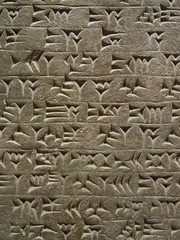
10766051134CuneiformA form of writing developed by the Sumerians using a wedge-shaped stylus and clay tablets8
10766051135City-stateA form of political organization typical of Mesopotamian civilization; consisted of agricultural hinterlands ruled by an urban-based king9
10766051136ZigguratsMassive towers usually associated with Mesopotamian temple connections10
10766051137Babylonian EmpireUnified all of Mesopotamia circa 1800 B.C.E.; collapsed due to foreign invasion circa 1600 B.C.E.11
10766051138HammurabiThe most important Babylonian ruler; responsible for codification of the law12
10766051139PharaohThe term used to denote the kings of ancient Egypt; considered a god as well as a political and military leader. The term, "great house" refers to the palace of the pharaohs13
10766051140PyramidsMonumental architecture typical of Old Kingdom Egypt; used as burial sites for pharaohs14
10766051141HieroglyphsForm of writing developed in ancient Egypt; more pictorial than Mesopotamian cuneiform15
10766051142MonotheismThe exclusive worship of one god; introduced by Jews into Middle Eastern civilization16
10766051143PhoeniciansSeafaring civilization located on the shores of the eastern Mediterranean; established colonies throughout the Mediterranean; extensive trade, communication networks, early alphabetical script17
10766051144Harappa and Mohenjo DaroMajor urban complexes of Harappan civilization; laid out on planned grid pattern18
10766051145AryansIndo-European nomadic, warlike, pastorialists who replaced Harappan civilization19
10766051146Huanghe (Yellow) River BasinSite of the development of sedentary agriculture in China20
10766051147Shang1st Chinese dynasty21
10766051148PaleolithicThe period that ended about 3,000 years after the end of the last Ice Age, it lasted until about 10,000 years ago. (Old Stone Age) The period of the Stone Age associated with the evolution of humans. It predates the Neolithic period.22
10766051149Path of migration for humans during Paleolithic eraFrom Africa to Eurasia, Australia, and the Americas23
10766051150egalitarianBelieving in the equality of all peoples24
10766051151Mediterranean SeaSea connecting Mesopotamia, Anatolia, and N. Africa25
10766051152PolytheismBelief in more than one god26
10766051153Nile RiverPrincipal water source of water flowing through North Africa (site of sophisticated cultural development); flooded regularly and enriched the soil in the process27
10766051154stone agethe earliest known period of human culture, marked by the creation and use of stone tools and other nonmetallic substances28
10766051155foragersFood collectors who gather, fish, or hunt29
10766051156Babylonan ancient city of Mesopotamia known for its wealth, luxury, and vice.30
10766051157HammurabiBabylonian king who codified the laws of Sumer and Mesopotamia (died 1750 BCE)31
10766051158cuneiformA form of writing developed by the Sumerians (Mesopotamia) using a wedge shaped stylus and clay tablets.32
10766051159bronzeA metal that is a mixture of copper and tin33
10766051160Homo sapienshuman species derived from apes with more brain capacity for intelligence34
10766051161venus figurinespaleolithic female figurines that emphasize physical attributes associated with fecundity35
10766051162cave paintingspaleolithic cave paintings that emphasize hunting--Lascaux France is most famous36
10766051163pastoralismthe process of domestication, raising, and herding of animals37
10766051164specialization of laborpeople in civilizations could be assigned different jobs and statuses in society due to having a surplus of food38
10766051165patriarchythe idea that males have a right to rule and reign over states and families39
10766051166civilizationlarge scale communities that had certain characteristics in common such as: recordkeeping, complex institutions (government, economy, organized religion), cities, specialization of labor, long-distance trade, technology40
10766051167Euphrates and Tigristwo principle Mesopotamian rivers41
10766051168Sumerearliest Mesopotamian city state42
10766051169Babylonsecond oldest Mesopotamian city state, succeeds Sumer, most important king was Hammurabi43
10766051170Hammurabi's Codefirst law code in the world, of Babylonia, dealt with legal contracts and responsibility for wrong doing44
10766051171bronze metallurgyalloy of copper, tin, and zinc, this metal began to be produced from about 2800 BCE improved military equipment, agricultural knives, and plows45
10766051172iron metallurgya changeable metal, less hard than bronze, but more flexible, developed around 1500 BCE by the Hittites46
10766051173wheelround object used to move heavy weights and to create vehicles first in Sumer47
10766051174cuneiforma very early form of writing, from Sumer in Mesopotamia, done by pressing a cone-shaped stylus into soft clay48
10766051175Epic of Gilgameshepic Mesopotamian poem that highlights the stresses of civilization49
10766051176Egypta founding civilization along the Nile in Northeastern Africa50
10766051177HieroglyphicsEgyptian writing (pictographs & symbols representing sounds+ideas)51
10766051178Harrappa & Mohenjo DaroTwo early, very large, and complex Indus Valley city states. Little is known about these but their size and complexities imply central planning.52
10766051179Indus RiverRiver in Northern India on which the first Indian civilizations were built; flooded twice a year in a predictable manner53
10766051180VedasA belief system based on the caste system brought into India by peoples probably from the Caucasus between about 5000 and 4000 BCE54
10766051181VarnaCaste system of India: Brahmin, Khsatriya, Vaishya, Shudra--people could not move out of the caste they were born into55
10766051182Chinaearliest civilization in Asia56
10766051183Huang He and Yangzi Hetwo rivers in China that supported early civilization57
10766051184Shang DynastyThe dominant people in the earliest Chinese dynasty for which we have written records (ca. 1750-1027 B.C.E.). Ancestor worship, divination by means of oracle bones, and the use of bronze vessels for ritual purposes were major elements of this culture.58
10766051185HinduismTerm for a wide variety of beliefs and ritual practices that have developed in the Indian subcontinent since antiquity. It has roots in ancient Vedic, Buddhist, and south Indian religious concepts and practices.59
10766051186ZoroastrianismFounded by Zoroaster; taught that humans had the freedom to choose between right and wrong, and that goodness would triumph in the end. Marked by dualism between God = Good and the Evil. Influenced Christianity. Was one of the first monotheistic religions.60
10766051187JudaismMonotheistic (belief in one god), founded by Abraham, code of law found in the Torah (first 5 books of the Bible), led to the development of two other Abrahamic religions: Christianity and Islam.61
10766051188ConfucianismThe system of ethics, education, and statesmanship taught by Confucius and his disciples, stressing love for humanity, ancestor worship, reverence for parents, and harmony in thought and conduct.62
10766051189Mandate of HeavenA political theory of ancient China in which the emperor is given the power to rule by a divine sources. This tie could be severed by ineffectual rule63
10766051190Oracle bonesbones on which the ruling class in China wrote questions and had them divined by the priestly class64
10766051191Mesoamericacultural area in the Americas extending from central America to present-day Peru65
10766051192Olmecthe first major civilization in Mexico66
10766051193MayaMesoamerican civilization in and near the Yucatan Peninsula--had the first and only pre-Columbian writing system in the Americans67
10766051194ChavinMesoamerican civilization in present-day Peru that had highly developed art and architectural practices68
10766051195CarthageCity located in present-day Tunisia, founded by Phoenicians ca. 800 B.C.E. It became a major commercial center and naval power in the western Mediterranean until defeated by Rome in the third century B.C.E. (p. 107)69
10766051196irrigation systemsreplacement or supplementation of rainfall with water from another source in order to grow crops70
10766051197Indus River Valley Civilizationan ancient civilization thriving along the Indus River in what is now Pakistan and western India. This civilization is also sometimes referred to as the Harappan or Harappa-Mohenjodaro Civilization of the Indus Valley, in reference to the excavated cities of Harappa and Mohenjodaro71
10766051198Persian Warsa series of conflicts between the Greek world and the Persian Empire that started about 500 BC and lasted until 448 BC.72
10766061715Composite Bowa traditional bow made from horn, wood, and sinew laminated together73
10766066133Iron weaponswere the strongest and most advanced weapon material of the ancient times, introduced by pastoral people.74
10766069315HittitesThe group of people who toppled the Babylonian empire and were responsible for two technological innovations--the war chariots and refinement of iron metallurgy.75
10766076613Code of Ur-Nammuis the oldest known law code surviving today. It is from Mesopotamia and is written on tablets, in the Sumerian language c. 2100-2050 BC.76
10766090950Bantu MigrationMoved from west cental Africa to the sub- Sahrah. spread the use of iron, which improved farming techniques and agricultural efficiency, the greater food supply sparked economic development and population growth.77
10766110289Homo sapiens sapiens"wise, wise humans," a species that appeared in Africa between 150,000 and 200,000 years ago; they were the first anatomically modern humans78
10766112083city-stateA form of political organization typical of Mesopotamian civilizations; consisted of agricultural hinterlands ruled by an urban-based king.79
10766122237EmpireA group of states or territories controlled by one ruler80
10766125837PapyrusA long-lasting, paper-like material made from reeds (egyptian paper)81
10766132760Sargon of AkkadA conqueror from Akkad, north of Sumer, who took over all of Mesopotamia and created the world's first empire.82
10766137310Jericho and Catal HuyukTwo of the oldest Neolithic communities.83
10766143667Polynesian MigrationsMovement of peoples in the Pacific which populated many islands; spread knowledge of agriculture84
10766149026"Out of Africa" thesisTheory, which most scientists believe, that H. sapiens sapiens emerged in Africa and migrated outward. Implies that Africa is source of features of human behavior such as complex social networks, economic strategies, personal adornment, and use of symbols and rituals in daily life.85
10766154058Sanskirtwritten language developed by the Aryans86
10766156581MonsoonA seasonal wind.87
10766162040Papa New GuineaCountry know for cultural diversity because of traditional tribal villages. It is also home to rain forests, coral reefs, and volcanoes.88
10766166548Specialization of LaborThe division of labor that aids the development of skills in a particular type of work89
10766172817Mohenjo-DaroLargest city of the Indus Valley civilization. It was centrally located in the extensive floodplain of the Indus River. Little is known about the political institutions of Indus Valley communities, but the large-scale implies central planning.90

Ap World History Strayer Chapter 5 Flashcards

Terms : Hide Images
11138623294China's Scholar-Gentry Classlived luxuriously, benefited from wealth and from power and prestige, located in both rural and urban areas, had multi-storied houses, fine silk clothes etc0
11138623295Wang Manga high court official of the Han Dynasty who usurped the emperor's throne in 8 c.e. and immediately launched a series of startling reforms1
11138623296Ge Hongperson born in an aristocratic family who studied Daoism seeing the disorder and disturbances in Chinese daily life, later held several military positions, yearned for solitary and interior life and spend his latest years thinking about legalism Daoism and Confucianism2
11138623297Yellow Turban RebellionA peasant revolt starting in 184 c.e. named for the yellow scarves the peasants wore on their head, unifying ideology of Daoism, goal of "Great Peace" a golden age of equality and harmony3
11138623298Varnafour social classes in India, relating to Caste system4
11138623299Jatidivisions within the varna, groups of similar people, sub-caste5
11138623300Ritual PurityIn Indian social practice, the idea that members of higher castes must adhere to strict regulations limiting or forbidding their contact with objects and members of lower castes to preserve their own caste standing and their relationship with the gods.6
11138623301Greek and Roman SlaveryIn the Greek and Roman world, slaves were captives from war and piracy (and their descendants), abandoned children, and the victims of long-distance trade; manumission was common. Among the Greeks, household service was the most common form of slavery, but in parts of the Roman state, thousands of slaves were employed under brutal conditions in the mines and on great plantations.7
11138623302SpartacusA Roman gladiator who led the most serious slave revolt in Roman history from 73 to 71 B.C.E.)8
11138623303The Three obediencesIn Chinese Confucian thought, the notion that a woman is permanently subordinate to male control: first to her father, then to her husband, and finally to her son9
11138623304Patriarchya form of social organization in which a male is the family head and title is traced through the male line,10
11138623305Empress WuThe only female "emperor" in Chinese history (r. 690-705 C.E.), Empress Wu patronized scholarship, worked to elevate the position of women, and provoked a backlash of Confucian misogynist invective.11
11138623306AspasiaA foreign woman resident in Athens (ca. 470-400 B.C.E.) and partner of the statesman Pericles who was famed for her learning and wit.12
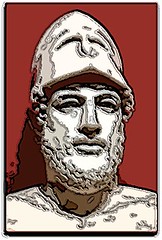
11138623307PericlesA prominent and influential statesman of ancient Athens (ca. 495-429 B.C.E.), he presided over Athens's Golden Age13
11138623308HelotsThe dependent, semi-enslaved class of ancient Sparta whose social discontent prompted the militarization of Spartan society14

APES Vocabulary for Entire Year Flashcards

Terms : Hide Images
6736728126EcosystemA system formed by the interaction of a community of organisms with their physical environment0
6736728127PopulationA group of individuals that belong to the same species and live in the same area1
6736728128CommunityAll the different populations that live together in an area2
6736728129NicheFull range of physical and biological conditions in which an organism lives and the way in which the organism uses those conditions3
6736728130Keystone speciesA species that is critical to the functioning of the ecosystem in which it lives because it affects the survival and abundance of many other species in its community4
6736728131Foundational speciesA species that plays a large role in providing structure for a community5
6736728132GeneralistA species with a broad niche that can tolerate a wide range of conditions and can use a variety of resources6
6736728133SpecialistA species with a narrow niche7
6736728134Edge effectThe condition in which, at ecosystem boundaries, there is greater species diversity and biological density than there is in the heart of ecological communities8
6736728135PhotosynthesisConversion of light energy from the sun into chemical energy9
6736728136Cell respirationThe process in cells in which oxygen is used to release stored energy by breaking down sugar molecules10
6736728137Trophic levelsThe hierarchical levels of the food chain through which energy flows from primary producers to primary consumers, secondary consumers etc.11
6736728138Ecological pyramidA diagram that shows the relative amounts of energy or matter within each trophic level in a food chain or food web12
6736728139Primary productivityThe rate at which organic matter is created by producers in an ecosystem13
6736728140BiomagnificationThe increasing concentration of a substance, such as a toxic chemical, in the tissues of organisms at successively higher levels in a food chain14
6736728141AmmonificationThe conversion of organic waste into ammonia by decomposers15
6736728142NitrificationThe conversion of ammonia into nitrite (NO2-) and nitrate (NO3-) by decomposers.16
6736728143DenitrificationThe conversion of nitrogen compounds in organisms and soil back into atmospheric N2.17
6736728144Nitrogen fixationThe conversion of atmospheric nitrogen gas (N2) into ammonia18
6736728145Species diversityThe number and relative abundance of species in a biological community.19
6736728146Genetic diversityThe range of genetic material present in a gene pool or population of a species.20
6736728147Functional diversityThe variety of functions such as energy flow and matter cycling needed for the survival of species and biological communities21
6736728148BiodiversityThe variety of life in the world or in a particular habitat or ecosystem22
6736728149Ecosystem diversityThe number and variety of ecosystems within a particular area23
6736728150Carbon cycleThe movement of carbon through ecosystems.24
6736728151Phosphorus cycleThe movement of phosphorus through ecosytems.25
6736728152ResilienceAbility of a living system to bounce back and repair damage after a disturbance26
6736728153InertiaThe resistance of an ecosystem to change27
6736728154Primary successionThe series of changes that occur in an area where virtually no soil or organisms exist28
6736728155Secondary successionThe series of changes that occur in an area where the ecosystem has been disturbed, but where soil and organisms still exist29
6736728156Natural selectionA process in which individuals that have certain inherited traits tend to survive and reproduce at higher rates than other individuals because of those traits30
6736728157AbioticAny nonliving component in an ecosystem31
6736728158BioticAny living component in an ecosystem32
6736728159Tragedy of the commonsIn the absence of collective control over the use of shared resources, it is to the advantage of all users to maximize their separate shares even though their collective pressures may diminish total yield or destroy the resource altogether33
6736728160BiospherePart of Earth in which life exists including land, water, and air or atmosphere34
6736728161SustainabilityA set of policies or practices by which societies can ensure that the people of the future have the same access to resources and thus the same economic and environmental opportunities as people living today35
6736728162Plate tectonicsA theory explaining the structure of the earth's crust and many associated phenomena as resulting from the interaction of rigid lithospheric plates that move slowly over the underlying mantle36
6736728163Convection currentsThe circular movement of a substance due to changes in temperature and density37
6736728164Subduction zoneA destructive plate margin where oceanic crust is being pushed down into the mantle beneath a second plate38
6736728165Hot spotAn area where magma from deep within the mantle melts through the crust above it39
6736728166Volcanic chainFormed above a subduction zone40
6736728167Mid-ocean ridgeAn undersea mountain chain where new ocean floor is produced; a divergent plate boundary41
6736728168Transform boundaryA plate boundary where two plates move past each other in opposite directions42
6736728169Island accretionWhen islands atop an oceanic plate are added on to continental crust as the two plates converge43
6736728170BiomesA broad, regional type of ecosystem characterized by distinctive climate and soil conditions and a distinctive kind of biological community adapted to those conditions.44
6736728171Convection cellsCyclic patterns that hot softened mantle moves in below plates that causes plates to move45
6736728172AquiferAn underground formation that contains groundwater46
6736728173DesertificationThe process by which fertile land becomes desert,typically as a result of drought, deforestation, or agriculture47
6736728174SalinizationProcess that occurs when soils in arid areas are brought under cultivation through irrigation. In arid climates, water evaporates quickly off the ground surface, leaving salty residues that render the soil infertile48
6736728175Green revolutionA shift in agricultural practices in the twentieth century that included new management techniques, mechanization, fertilization, irrigation, and improved crop varieties, and resulted in increased food output49
6736728176GMOsGenetically modified organisms. Organisms created by combining natural or synthetic genes using the techniques of molecular biology50
6736728177SalinizationProcess that occurs when soils in arid areas are brought under cultivation through irrigation. In arid climates, water evaporates quickly off the ground surface, leaving salty residues that render the soil infertile.51
6736728178DesertificationDegradation of land, especially in semiarid areas, primarily because of human actions such as excessive crop planting, animal grazing, and tree cutting. Also known as semiarid land degradation.52
6736728179Waterloggingsaturation of soil with irrigation water or excessive precipitation so that the water table rises close to the surface53
6736728180Food securityPeople's ability to access sufficient, safe, nutritious food to maintain a healthy and active life54
6736728181Beneficial insectsInsects that are natural predators and parasites that control other pests55
6736728182Industrialized agricultureUsing large inputs of energy from fossil fuels (especially oil and natural gas), water, fertilizer, and pesticides to produce large quantities of crops and livestock for domestic and foreign sale.56
6736728183InputsThe resources (land, labour, capital, water, energy, pesticides, etc.) that go into producing goods and services57
6736728184MonocultureFarming strategy in which large fields are planted with a single crop, year after year58
6736728185Subsistence agricultureAgriculture designed primarily to provide food for direct consumption by the farmer and the farmer's family59
6736728186AquacultureThe cultivation of seafood under controlled conditions, usually in ponds or underwater cages60
6736728187RangelandsDry, open grasslands used primarily for cattle grazing; semiarid eco systems, so particularly susceptible to fires and other environmental disturbances61
6736728188HIPPCOThe primary reasons for biodiversity loss62
6736728189Trawler fishingA huge funnel shaped net is dragged along the ocean floor. Very damaging to the environment because it destroys bottom habitat and catches nontarget species63
6736728190Drift-net fishingA large fishing net buoyed up by floats that is carried along with the current or tide.64
6736728191CITES(Convention on International Trade in Endangered Species of Wild Fauna and Flora) An international agreement between 175 governments that aims to ensure that international trade in specimens of wild animals and plants does not threaten their survival65
6736728192IWCInternational Whaling Commission. Its mission was to regulate the whaling industry by setting annual quotas to prevent over harvesting and commercial extinction66
6736728193Marine reservesMarine area where no extraction of any resources, biotic or abiotic, are allowed67
6736728194Maximum sustained yieldHarvesting at a level that produces a constant yield without forcing a population into decline68
6736728195Optimum sustained yieldThe level of harvest that produces a consistent yield without forcing a population into decline. However, this approach attempts to take into account interactions with other species and to provide more room for error.69
6736728196ITRIndividual transfer rights, a way of managing the total extraction of a particular resource70
6736728197WetlandsAreas of standing water that support aquatic plants including marshes, swamps, and bogs. Species diversity is very high71
6736728198Selective cuttingCutting down only some trees in a forest and leaving a mix of tree sizes and species behind72
6736728199Strip cuttingTree harvesting technique where loggers cut down trees in narrow strips that are left to reseed73
6736728200Old growth forestsNatural forests that have developed over a long period of time, generally at least 120 years, without being significantly disturbed74
6736728201Crown firesFires that burn the crown of a tree and spread rapidly. Are the most destructive and deadly fire75
6736728202Surface firesFires that typically burn only the forest's underbrush and do little damage to mature trees. These fires actually serve to protect the forest from more harmful fires by removing underbrush and dead materials that would burn quickly and at high temperatures76
6736728203DeforestationThe clearing away of forests77
6736728204Rotational grazingConfining animals to a small area for a short time (often only a day or two) before shifting them to a new location.78
6736728205UndergrazingInsufficient grazing resulting in the growth of undesirable plant matter such as woody shrubs and trees,79
6736728206Riparian zonesThin strips and patches of vegetation that surround streams. They are very important habitats and resources for wildlife80
6736728207Habitat corridorsProtected strips of land that allow the migration of organisms from one wilderness area to another81
6736728208Ecosystems approachStrategy for preserving biodiversity that focuses on protecting habitat82
6736728209High grade oreOre containing a large amount of the desired mineral83
6736728210Low grade oreOre containing a small amount of a desired mineral84
6736728211Surface miningThe extraction of mineral and energy resources near Earth's surface by first removing the soil, subsoil, and overlying rock strata. Typically cheaper and safer, but results in greater environmental degradation85
6736728212Subsurface miningExtraction of a metal ore or fuel resource such as coal from a deep underground deposit86
6736728213Mountaintop removalType of surface mining that uses explosives, massive shovels, and even larger machinery to remove the top of a mountain to expose seams of coal underneath a mountain87
6736728214Strip miningA process whereby miners strip away at the surface of the earth to lay bare the mineral deposits88
6736728215Open pit miningRemoving minerals such as gravel, sand, and metal ores by digging them out of the earth's surface and leaving an open pit89
6736728216Depletion timeThe time it takes to use a certain fraction, usually 80%, of the known or estimated supply of a nonrenewable resource at an assumed rate of use. Finding and extracting the remaining 20% usually costs more than it is worth90
6736728217Strategic mineralsMineral resources, such as manganese, that are vital to the industry and defense of a country91
6736728218Ecological footprintA measure of human demand on the Earth's ecosystems. It compares human demand with planet Earth's ecological capacity to regenerate92
6736728219Carbon footprintThe total set of greenhouse gas emissions caused directly and indirectly by an individual, organization, event or product93
6736728220Limiting factorsAny biotic or abiotic factor that restricts the existence, numbers, reproduction, or distribution of organisms94
6736728221Carrying capacityThe largest population that an environment can support at any given time95
6736728222Cultural carrying capacityThe limit on population growth that would allow most people in an area or the world to live in reasonable comfort and freedom without impairing the ability of the planet to sustain future generations96
6736728223Infant mortality rateThe total number of deaths in a year among infants under one year old for every 1,000 live births in a society97
6736728224ImmigrationMoving into a population98
6736728225EmmigrationLeaving a population99
6736728226Exponential growthGrowth of a population in an ideal, unlimited environment, represented by a J-shaped curve when population size is plotted over time100
6736728227Logistic growthWhen limiting factors restrict size of population to the carrying capacity of the environment. Forms an S-shaped curve when population size is plotted over time101
6736728228Consumption chainExtraction, production, distribution, consumption, disposal102
6736728229Planned obsolescenceThe designing of products to wear out or to become outdated quickly, so that people will feel a need to replace their possessions frequently103
6736728230Perceived obsolescenceConvinces us to throw away stuff that is still perfectly useful, i.e. an iPhone104
6736728231Age structurePercentage of the population (or number of people of each sex) at each age level in a population105
6736728232Fertility rateThe average number of children born to a woman during her lifetime in a population106
6736728233Replacement level fertility rateThe number of children a couple must have in order to maintain the population size (2.1 more developed, 2.7 in developing countries)107
6736728234Fossil fuelsCarbon-rich fuels formed from the remains of ancient organisms.108
6736728235CombustionCombination of oxygen with another compound to form water and carbon dioxide. These reactions are exothermic, meaning they produce heat energy.109
6736728236Crude oilPetroleum that has not been processed110
6736728237PetrochemicalsCompounds that are made from oil111
6736728238Oil sand depositsA deposit of moist sand and clay that can be mined to extract bitumen, an oil-rich hydrocarbon. These deposits are numerous in Canada112
6736728239Tight oil deposits.Oil deposits found in between shale formations. -These deposits have changed the landscape of oil and natural gas extraction in the United States. -Bakken formation113
6736728240Conventional oil/gas-Obtained through traditional drilling techniques -Deposits associated with Texas and Saudi Arabia, for example114
6736728241Hydraulic fracturing-The forcing open of fissures in subterranean rocks by introducing liquid at high pressure -Technique for extracting natural gas and oil from shale deposits -Typically associated with horizontal drilling115
6736728242Nuclear fuel cycleProcesses involved with producing nuclear power from the mining and processing of uranium to control fission, reprocessing of spent nuclear fuel, decommissioning of power plants, and disposal of radioactive waste116
6736728243Net energyThe amount of high-quality energy that is available to be used from a resource after subtracting the energy needed to make it usable117
6736728244CogenerationUsing waste heat to make electricity118
6736728245Passive solar heat-A method of converting solar energy into heat without pumps or fans -The most efficient type of solar heating119
6736728246Active solar heating-The gathering of solar energy by collectors that are used to heat water or heat a building -Less efficient than passive heating because the heat must be moved120
6736728247Photovoltaic cellsCells, usually made of specially-treated silicon, that transfer solar energy from the sun to electrical energy121
6736728248BiomassPlant materials and animal waste used especially as a source of fuel122
6736728249BiofuelFuels, such as ethanol or methanol, that are created from the fermentation of plants or plant products123
6736728250Atmospheric layersTroposphere, stratosphere, mesosphere, thermosphere124
6736728251TroposphereBottom layer in the atmosphere in which we live and where most weather occurs125
6736728252Stratosphere-2nd layer of atmosphere; extends from 10 to 30 miles up; location of ozone layer -absorbs 95% of Ultraviolet radiation; temperature increases with altitude increase. Contains ozone layer126
6736728253Primary pollutantsPollutants that are released directly into the lower atmosphere127
6736728254Secondary pollutants-Pollutants that form when primary pollutants react with each other or with natural substances, such as water vapor. -Typically refers to atmospheric pollutants128
6736728255Nitrogen oxides-(NOx) -Major source is auto exhaust. Primary and secondary effects include acidification of lakes, respiratory irritation, leads to smog and ozone. -Reduced using catalytic converters.129
6736728256Sulfur dioxidesSOx -Colorless gas with an irritating odor. -About two-thirds (and as high as 90% in urban areas) comes from human sources, mostly combustion of sulfur-containing coal in electric power and industrial plants and from oil refining and smelting of sulfide ores.130
6736728257Ozone-O3 -A gas that absorbs ultraviolet solar radiation found in the stratosphere, a zone between 15 and 50 km above Earth's surface131
6736728258VOCs-Volatile organic compounds -Have a high vapor pressure and low water solubility. -Often components of petroleum fuels, hydraulic fluids, paint thinners, and dry cleaning agents. VOCs are common ground-water contaminants.132
6736728259Industrial smog-Type of air pollution consisting mostly of a mixture of sulfur dioxide, suspended droplets of sulfuric acid formed from some of the sulfur dioxide, and suspended solid particles. -Found in cities that burn large amounts of coal133
6736728260Photochemical smogA brownish haze that is a mixture of ozone and other chemicals, formed when pollutants react with each other in the presence of sunlight134
6736728261Grasshopper effect-When pollutants are transported by evaporation and winds from temperate and tropical regions to polar regions. -Explains why polar bears and other organisms living in the Arctic have high levels of DDT and toxic metals in their bodies, even in the absence of industrial facilities and cars.135
6736728262Acid depositionSulfur oxides and nitrogen oxides, emitted by burning fossil fuels, enter the atmosphere-where they combine with oxygen and water to form sulfuric acid and nitric acid-and return to Earth's surface136
6736728263Big 4 indoor pollutantsRadon 222, formaldehyde, small particles, cigarette smoke137
6736728264Point sourcesDischarge pollutants at specific locations through drain pipes, ditches, or sewer lines into bodies of surface water138
6736728265Non-point sourcesScattered or diffuse, having no specific location of discharge (agricultural fields, feedlots, golf courses, atmospheric deposition); difficult sources of pollution to go after/control139
6736728266PathogensMicrobes that cause disease140
6736728267Oxygen demanding wastesOrganic matter that enters a body of water and feeds the growth of microbes that are decomposers. Measured in terms of BOD (biological oxygen demand)141
6736728268Heavy metals-Metallic elements with a high density that are toxic to organisms at low concentrations -Lead, mercury, cadmium, and arsenic142
6736728269Oxygen sag curveA curve that shows the breakdown of degradable wastes by bacteria depletes dissolved oxygen; Reduces or eliminates populations of organisms with high oxygen requirements until stream is cleansed of wastes (can also be done for thermal pollution)143
6736728270Cultural eutrophication-Over-nourishment of aquatic ecosystems with plant nutrients (mostly nitrates and phosphates) -Caused by human activities such as agriculture, urbanization, and discharges from industrial plants and sewage treatment plants -Can lead to algal blooms144
6736728271Primary sewage treatmentMechanical sewage treatment in which large solids are filtered out by screens and suspended solids settle out as sludge in a sedimentation tank145
6736728272Secondary sewage treatment-Second step of sewage treatment -Bacteria breakdown organic waste, aeration accelerates the process.146
6736728273Pre-consumer wasteWaste associated with the extraction, production and distribution of a product147
6736728274Post-consumer waste-Waste associated with consumption and disposal of a product -Material discarded by consumer i.e. throwing a way a used garment148
6736728275E-wasteDiscarded electronic equipment such as computers, cell phones, television sets, etc.149
6736728276Natural capitalNatural resources and natural services that keep us and other species alive and support our economies150
6736728277Externalized costs-Hidden impacts associated with economic transactions that concern people outside of those transactions. -These costs occur when producing or consuming a good or service imposes a cost upon a third party, e.g., society. -The true cost of producing or consuming the product is not borne by the producer or the consumer. -Also seen as a company transferring some of its moral responsibilities as costs to society or as degradation to the environment or society.151
6736728278Gross domestic product (GDP)The sum total of the value of all the goods and services produced in a nation152
6736728279Genuine progress indicator (GPI)-An economic indicator that factors in the external costs of good and services -Attempts to differentiate between desirable and undesirable economic activity153
6736728280InterglacialPeriod of glacial retreat; temps are warmer, ice sheets are smaller, and sea level is higher154
6736728281GlacialA period of glacial advance; temps are cooer, ice sheets are larger and sea levels are lower155
6736728282Greenhouse effectNatural phenomenon in which heat is retained in Earth's atmosphere by carbon dioxide, methane, water vapor, and other gases156
6736728283Greenhouse gasesGases such as carbon dioxide, methane, nitrous oxide, water vapor, and ozone in the atmosphere which are involved in the greenhouse effect157
6736728284Ice cores-A cylinder of ice removed from an ice sheet (glacier) that helps scientists understand past climates -Air bubbles trapped in ice layers are analyzed158
6736728285PPM-Parts per million -An expression of concentration -For example; the concentration of carbon dioxide159
6736728286The Paris Agreement-An agreement between nations to combat climate change -Calls on countries to set Nationally determined contributions (carbon output) -Aims to keep global temperature increases below 2 degrees (relative to pre-industrial temperatures)160
6736728287IPCCIntergovernmental Panel on Climate Change161
6736728288Permafrost-Ground that is permanently frozen -Contains large amounts of organic waste that decomposes into methane and carbon dioxide upon thawing162
6736728289Thermohaline circulation-Movement of ocean water caused by density difference brought about by variations in temperature and salinity -An important mechanism for the transfer of heat around the globe163
6736728290Albedo-Ability of a surface to reflect light -Related to a positive feedback loop associated with the melting of polar glaciers164
6736728291Input strategies-Strategies of addressing environmental degradation that involve limiting or eliminating the causal inputs that lead to the degradation -Eliminating the use of greenhouse gas emitting fossil fuels, for example165
6736728292Output strategies-Strategies of addressing environmental degradation that focus on the mitigating the effects of the degradation -Relocating low-lying cities due to rising sea levels, for example166
6736728293Carbon captureThe technique of capturing CO2 from coal or oil fired power plants and burying it deep underground, to keep it out of the atmosphere167
6736728294Kyoto protocolAn amendment to the United Nations Framework Convention on Climate Change, adopted in 1997 and entered into force in 2005, that establishes specific targets for reducing emissions of CO2 and five other greenhouse gases168
6736728295Ozone depletionThinning of Earth's ozone layer caused by CFC's leaking into the air and reacting chemically with the ozone169
6736728296CFCs-Chlorofluorocarbons -Synthetic chemicals used as coolants and propellants in aerosols. -Potent greenhouse gases that also lead to depletion of the ozone layer.170
6736728297Background extinction rateExtinction caused by slow and steady process of natural selection171
6736728298Mass extinction-An event during which many species become extinct over a relatively short period of time -The K-T and Permian extinctions are well-known examples172
6736728299Local extinctionOccurs when a species is no longer found in an area it once inhabited but is still found elsewhere in the world.173
6736728300Ecological extinctionWhen so few members of a species remain that it can no longer play its role in the biological communities where it is found174
6736728301HIPPCO-The 6 major causes of biodiversity loss -Habitat loss, Invasive species, Pollution, Population growth (Overpopulation), Climate change, Overexploitation (overhunting, overfishing)175
6736728302Habitat fragmentationBreakup of a habitat into smaller pieces, usually as a result of human activities.176

Pages

Subscribe to CourseNotes RSS

Need Help?

We hope your visit has been a productive one. If you're having any problems, or would like to give some feedback, we'd love to hear from you.

For general help, questions, and suggestions, try our dedicated support forums.

If you need to contact the Course-Notes.Org web experience team, please use our contact form.

Need Notes?

While we strive to provide the most comprehensive notes for as many high school textbooks as possible, there are certainly going to be some that we miss. Drop us a note and let us know which textbooks you need. Be sure to include which edition of the textbook you are using! If we see enough demand, we'll do whatever we can to get those notes up on the site for you!