AP Notes, Outlines, Study Guides, Vocabulary, Practice Exams and more!

AP US History - US Presidents Flashcards

Terms : Hide Images
9822182153George Washington1789-1797 Federalist Whiskey Rebellion; Judiciary Act; Neutrality; Farewell Address0
9822182154John Adams1797-1801 Federalist XYZ Affair; Alien and Sedition Acts1
9822182155Thomas Jefferson1801-1809 Democratic-Republican Marbury v. Madison; Louisiana Purchase; Embargo of 18072
9822182156James Madison1809-1817 Democratic-Republican War of 1812; First Protective Tariff3
9822182157James Monroe1817-1825 Democratic-Republican Missouri Compromise of 1820; Monroe Doctrine4
9822182158John Quincy Adams1825-1829 Democratic-Republican "Corrupt Bargain"; "Tariff of Abominations"5
9822182159Andrew Jackson1829-1837 Democrat Nullification Crisis; Bank War; Indian Removal Act6
9822182160Martin Van Buren1837-1841 Democrat Trail of Tears; Specie Circular; Panic of 18377
9822182161William Henry Harrison1841 Whig "Tippecanoe and Tyler too!"; First Whig President8
9822182162John Tyler1841-1845 Whig "His Accidency"; Webster-Ashburton Treaty9
9822182163James Polk1845-1849 Democrat Texas annexation; Mexican War10
9822182164Zachary Taylor1849-1850 Whig Mexican War hero and staunch Unionist11
9822182165Millard Fillmore1850-1853 Whig Compromise of 185012
9822182166Franklin Pierce1853-1857 Democrat Kansas-Nebraska Act; Gadsden Purchase13
9822182167James Buchanan1857-1861 Democrat Dred Scott decision; Harpers Ferry raid14
9822182168Abraham Lincoln1861-1865 Republican Secession and Civil War; Emancipation Proclamation15
9822182169Andrew Johnson1865-1869 Democrat 13th and 14th amendments; Radical Reconstruction; Impeachment16
9822182170Ulysses Grant1869-1877 Republican 15th amendment; Panic of 187317
9822182171Rutherford Hayes1877-1881 Republican Compromise of 1877; labor unions and strikes18
9822182172James Garfield1881, Republican Brief resurgence of presidential authority; Increase in American naval power; Purge corruption in the Post Office19
9822182173Chester Arthur1881-1885 Republican Standard Oil trust created Edison lights up New York City20
9822182174Grover Cleveland1885-1889 (1st term), 1893-1897 (2nd term) Democrat Interstate Commerce Act; Dawes Act; Panic of 1893; Pullman Strike21
9822182175Benjamin Harrison1889-1893 Republican Sherman Anti-Trust Act; Closure of the frontier22
9822182176William McKinley1897-1901 Republican Spanish-American War; Open Door policy23
9822182177Theodore Roosevelt1901-1909 Republican Progressivism; Square Deal; Big Stick Diplomacy24
9822182178William Howard Taft1909-1913 Republican Dollar diplomacy NAACP founded25
9822182179Woodrow Wilson1913-1921 Democrat WWI; League of Nations; 18th and 19th amendments; Segregation of federal offices; First Red Scare26
9822182180Warren Harding1921-1923 Republican "Return to normalcy", return to isolationism; Tea Pot Dome scandal; Prohibition27
9822182181Calvin Coolidge1923-1929 Republican Small-government (laissez-faire) conservative28
9822182182Herbert Hoover1929-1933 Republican "American individualism"; Stock Market Crash; Dust Bowl; Hawley-Smoot Tariff29
9822182183Franklin Delano Roosevelt1933-1945 Democrat New Deal; WWII; Japanese Internment; "Fireside Chats"30
9822182184Harry Truman1945-1953 Democrat A-bomb; Marshall Plan; Korean War; United Nations31
9822182185Dwight Eisenhower1953-1961 Republican Brown v. Board of Education; Second Red Scare; Highway Act and suburbanization ("white flight"); Farewell Address warning of the military industrial complex32
9822182186John Kennedy1961-1963 Democrat Camelot; Bay of Pigs; Cuban Missile Crisis; Space program; Peace Corps33
9822182187Lyndon Johnson1963-1969 Democrat Civil and Voting Rights acts; Gulf of Tonkin Resolution; Great Society34
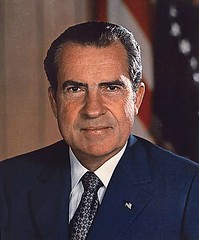
9822182188Richard Nixon1969-1974 Republican Environmental Protection Act; China visit; Moon Landing; Watergate35
9822182189Gerald Ford1974-1977 Republican Pardoning of Nixon; OPEC crisis36
9822182190Jimmy Carter1977-1981 Democrat stagflation / energy crisis; Iran hostage crisis; Camp David Accords37
9822182191Ronald Reagan1981-1989 Republican Conservative revolution; Iran-Contra scandal38
9822182192George H. W. Bush1989-1993 Republican Persian Gulf War39
9822182193Bill Clinton1993-2001 Democrat NAFTA; Lewinsky scandal and impreachment40
9822182194George W. Bush2001-2008 Republican War on terrorism; Patriot Act; Tax cuts; "No Child Left Behind"41
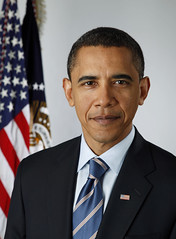
9822182195Barack Obama2008-2017 Democrat Affordable Care Act42
9822182196Donald Trump2017-? Republican "Make America Great Again"43

AP US History Term sheet II Flashcards

Terms : Hide Images
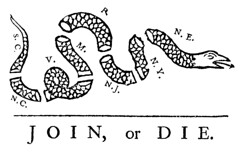
4795669425Albany Planplan proposed by Benjamin Franklin in 1754 that aimed to unite the 13 colonies for trade, military, and other purposes; the plan was turned down by the colonies and the Crown0
4795670147Edward BraddockA British commander during the French and Indian War. He attempted to capture Fort Duquesne in 1755. He was defeated by the French and the Indians. At this battle, he was mortally wounded.1
4795670148James WolfeBritish general whose success in the Battle of Quebec won Canada for the British Empire. Even though the battle was only fifteen minutes, he was killed in the line of duty. This was a decisive battle in the French and Indian War.2
4795670908William PittA competent British leader, known as the "Great Commoner," who managed to destroy New France from the inside and end the Seven Year's War3
4795671915Iroquois Confederacya powerful group of Native Americans that made diplomatic and military decisions in the eastern part of the United States made up of five nations: the Mohawk, Seneca, Cayuga, Onondoga, and Oneida4
4795674668Treaty of Paris (1763)Ended French and Indian War, France lost Canada, land east of the Mississippi, to British, New Orleans and west of Mississippi to Spain5
4795677602Pontiac's Rebellion1763 - An Indian uprising after the French and Indian War, led by an Ottowa chief named Pontiac. They opposed British expansion into the western Ohio Valley and began destroying British forts in the area. The attacks ended when Pontiac was killed.6
4795678075Proclamation of 17631763- A proclamation from the British government which forbade British colonists from settling west of the Appalachian Mountains, and which required any settlers already living west of the mountains to move back east.7
4795678615Paxton BoysThey were a group of Scots-Irish men living in the Appalachian hills that wanted protection from Indian attacks. They made an armed march on Philadelphia in 1764. They protested the lenient way that the Quakers treated the Indians. Their ideas started the Regulator Movement in North Carolina.8
4795681042Sugar Act1764- British deeply in debt partly to French & Indian War. English Parliament placed a tariff on sugar, coffee, wines, and molasses. colonists avoided the tax by smuggling and by bribing tax collectors.9
4795681043Stamp Act1765- law that taxed printed goods, including: playing cards, documents, newspapers, etc.10
4795681898Stamp Act CongressOctober 1765- A meeting of delegations from many of the colonies, the congress was formed to protest the newly passed Stamp Act It adopted a declaration of rights as well as sent letters of complaints to the king and parliament, and it showed signs of colonial unity and organized resistance.11
4795682534Samuel AdamsAmerican Revolutionary leader and patriot, Founder of the Sons of Liberty and one of the most vocal patriots for independence; signed the Declaration of Independence12
4795683814Writs of Assistance1750s-1770s- It was part of the Townshend Acts. It said that the customs officers could inspect a ship's cargo without giving a reason. Colonists protested that the Writs violated their rights as British citizens.13
4795684982Townshend Acts1767- Taxes placed on glass, tea, silk, paper, lead. 1770, taxes were dropped but tea tax remained.14
4795686708Quartering Act1765 - Required the colonials to provide food, lodging, and supplies for the British troops in the colonies.15
4795688029Virtual Representation1770- British governmental theory that Parliament spoke for all British subjects, including Americans, even if they did not vote for its members16
4795688765George GrenvilleBecame prime minister of Britain in 1763 he persuaded the Parliament to pass a law allowing smugglers to be sent to vice-admiralty courts which were run by British officers and had no jury. He did this to end smuggling.17
4795690889"no taxation without representation"Slogan shouted by Americans at the British as they had to pay tax but had no say in how the country was run.18
4795692136Boston Tea Party1773- protest against British taxes in which Boston colonists disguised as Mohawks dumped valuable tea into Boston Harbor.19
4795695252Committees of CorrespondenceA network of communication set up in Massachusetts and Virginia to inform other colonies of ways that Britain threatened colonial rights organized by Samuel Adams20
4795696050Gaspee IndecentAn act of open civil defiance of British authority 1772; Rhode Islanders boarded and sank the revenue cutter Gaspee in Narragansett Bay; it was headed by a leading merchant, John Brown; eight boatloads of armed, reputable citizens overpowered the crew of the Gaspee and disabled her commander, and set fire to the ship; the raiding party was never punished21
4795702202Coercive Acts1774- Acts passed in retaliation to the Boston Tea Party; the British government closed port of Boston until tea was paid for; revised the charter if Massachusetts (which drastically reduced their powers of self-government), forced colonists of Massachusetts to house British soldiers and allowed colonists to be tried in England for crimes of violence.22
4795702814Quebec ActsFormer French subjects in Canada allowed to keep Catholicism, while Americans colonists expected to participate in the Church of England23
4795703520Lord NorthPrime Minister of England from 1770 to 1782. Although he repealed the Townshend Acts, he generally went along with King George III's repressive policies towards the colonies even though he personally considered them wrong. He hoped for an early peace during the Revolutionary War and resigned after Cornwallis' surrender in 1781.24
4795704325First Continental CongressSeptember 1774, delegates from twelve colonies (no Gerogia) sent representatives to Philadelphia to discuss a response to the Intolerable Acts25
4795704962Lexington"The Shot Heard Round the World"- The first battle of the Revolution in which British general Thomas Gage went after the stockpiled weapons of the colonists in Concord, Massachusetts.26
4795704963ConcordA town in Massachusetts where the British followed the militia with new regiments on April 19, 1775; the American militias thwarted the British advance; Shooting from behind fences and trees, the militias inflicted over 125 casualties27
4795705467Thomas PaineRevolutionary leader who wrote the pamphlet Common Sense (1776) arguing for American independence from Britain. In England he published The Rights of Man28
4795705930Battle of Bunker HillFirst major battle of the Revolutions. It showed that the Americans could hold their own, but the British were also not easy to defeat. Ultimately, the Americans were forced to withdraw after running out of ammunition, and Bunker Hill was in British hands. However, the British suffered more deaths.29
4795706519Patrick HenryA leader of the American Revolution and a famous orator who spoke out against British rule of the American colonies (1736-1799) "Give me liberty or give me death"30
4795707475Second Continental CongressIt met in 1776 and drafted and signed the Declaration of Independence, which justified the Revolutionary War and declared that the colonies should be independent of Britain.31
4795708305Olive Branch PetitionOn July 8, 1775, the colonies made a final offer of peace to Britain, agreeing to be loyal to the British government if it addressed their grievances (repealed the Coercive Acts, ended the taxation without representation policies). It was rejected by Parliament, which in December 1775 passed the American Prohibitory Act forbidding all further trade with the colonies.32
4795708989American Prohibitory ActsBritish law of 1775 that authorized the royal navy to seize all American ships engaged in trade; it amounted to a declaration of war.33
4795709495Lee's ResolutionsCreated by Richard Henry Lee of Virginia in June 1776, it proposed independence for the American Colonies; it was the inspiration for the Declaration of Independence34
4795709496John DickinsonDrafted a declaration of colonial rights and grievances, and also wrote the series of "Letters from a Farmer in Pennsylvania" in 1767 to protest the Townshend Acts. Although an outspoken critic of British policies towards the colonies, he opposed the Revolution, and, as a delegate to the Continental Congress in 1776, refused to sign the Declaration of Independence.35
4795711024Fort Ticonderogapatriots led by Ethan Allen surprise an outpost on Lake Champlain and capture cannon for the Americans36
4795712676Nathaniel GreeneA major general of the Continental Army in the American Revolutionary War, known for his successful command in the Southern Campaign, forcing British general Charles Cornwallis to abandon the Carolina's and head for Virginia.37
4795713820Treaty of Alliance (1778)was a defensive alliance between France and the USA, formed in the midst of the American Revolutionary War. Promised military support in case of attack by British forces indefinitely into the future.38
4795714275LoyalistsAmerican colonists who remained loyal to Britain and opposed the war for independence39
4795714276PatriotsAmerican colonists who were determined to fight the British until American independence was won40
4795714972Nathan Halea soldier of the American Revolution who was hanged as a spy by the British, famous quote:, "i only regret that i have but one life to lose for my country"41
4795722547ContinentalsPaper bills issued by the Continental Congress to finance the revolution; supposed to be exchanged for silver but the overprinting of bills made them basically worthless.42
4795722944Charles CornwallisCommanding general of the British forces that was defeated at Yorktown in 1781, ending the American Revolution.43
4795723415John Paul JonesAmerican naval commander in the American Revolution (1747-1792) said " I have not yet begun to fight."44
4795724798George Rodgers ClarkAmerican Revolutionary frontiers man who helped protect the western lands and settlers from the British.45
4795725832Battles of Trenton and PrincetonDecember 25th. Washington crosses Delaware River and takes advantage of the Hessian's because they were celebrating Christmas and not expecting a war. Through surprise attacks, Washington and his men take the Hessian's as prisoners and supply themselves with their goods.46
4795725833Valley ForgePlace where Washington's army spent the winter of 1777-1778, 1/4 of troops died here from disease and malnutriton, Steuben comes and trains troops47
4795726563Battle of SaratogaTurning point of the American Revolution. It was very important because it convinced the French to give the U.S. military support. It lifted American spirits, ended the British threat in New England by taking control of the Hudson River, and, most importantly, showed the French that the Americans had the potential to beat their enemy, Great Britain.48
4795726564HessiansGerman soldiers hired by George III to smash Colonial rebellion, proved good in mechanical sense but they were more concerned about money than duty.49
4795728417Baron Friedrich von SteubenPrussian soldier who helped train American forces at Valley Forge in the American Revolutionary War.50
4795729325MilitiaA group of civilians trained to fight in emergencies51
4795733498Charles LeeRevolutionary general who tried to undermine Washington's authority on several occasions; he was eventually dismissed from the military.52
4795733499GraftMisuse of one's position for profit or advantage53
4795733910Black Marketa market in which goods are sold illegally54
4795734823Benedict ArnoldAmerican General who was labeled a traitor when he assisted the British in a failed attempt to take the American fort at West Point.55
4795736380Francis MarionSouth Carolina militia leader nicknamed the "Swamp Fox" for his hit-and-run attacks on the British during the American Revolution.56
4795736381Yorktown1781; last battle of the revolution; Benedict Arnold, Cornwallis and Washington; colonists won because British were surrounded and they surrended57
4795736850Thomas HutchinsonBritish governor of Massachusetts whose stubborn policies helped provoke the Boston Tea Party; ironically agreed with protesters, but he ordered tea ships not to clear Boston harbor until they had unloaded their cargoes.58
4795737348John Handcockfounded the sons of liberty, president of the second continental congress, He had the largest signature on the deceleration of independence he wanted the king to read it without his spectacles59
4795739569Treaty of Parisagreement signed by British and American leaders that stated the United States of America was a free and independent contry60
4795739570Newburgh ConspiracyThe officers of the Continental Army had long gone without pay, and they met in New York to address Congress about their pay, they also considered staging a coup and seizing control of the new government, but the plotting ceased when George Washington refused to support the plan.61
4795740475Benjamin FranklinPrinter, author, inventor, diplomat, statesman, and Founding Father. One of the few Americans who was highly respected in Europe, primarily due to his discoveries in the field of electricity. He helped to negotiate French support for the American Revolution.62

AP US History: American Pageant Chapter 5 Flashcards

Terms : Hide Images
7185678043Virginia, Massachusetts, New Hampshire, Maryland, Connecticut, Rhode Island, Delaware, North Carolina, South Carolina, New Jersey, New York, Pennsylvania, GeorgiaThirteen Original Colonies0
7185678044Pennsylvania Dutch1681- William Penn received a land grant from King Charles II, and used it to form a colony that would provide a haven for Quakers. This colony allowed religious freedom., German speaking Protestants who settled in Pennsylvania1
7185678045Scots-IrishA group of people from the Scottish lowlands, who migrated restlessly, moving to Ireland, and ending up in North America. They were very separate from other cultures, and were largely very poor2
7185678046Paxton boysA mob of Pennsylvania frontiersmen led by the Paxtons who massacred a group of non-hostile Indians.3
7185678047Regulator MovementA movement in North Carolina where dissenters, mostly Scots-Irish, believed that tax money was being dealt unfairly4
7185678048Social MobilityMovement of individuals or groups from one position in a society's stratification system to another5
7185678049The Sessionlocal religious court in the Presbyterian church of the Scots-Irish6
7185678050Small PoxDisease spread by Europeans in the Americas. Led to the deaths of millions of Native Americans in North and South America7
7185678051DiphtheriaAcute bacterial infection of the throat and upper respiratory tract8
7185678052Triangular TradeA three way system of trade during 1600-1800s Africa sent slaves to America, America sent Raw Materials to Europe, and Europe sent Guns and Rum to Africa9
7185678053Naval StoresMaterials used to build and maintain ships, such as tar, pitch, rosin, and turpentine10
7185678054Molasses Act(1737) Tax on imported molasses passed by Parliament in an effort to squelch the North American trade with the French West Indies. It proved largely ineffective due to widespread smuggling.11
7185678055TavernsPopular colonial centers of recreation, gossip, and political debate12
7185678056Established Churchthe church that is recognized as the official church of a nation13
7185678057AnglicansBelonged to church of England and came to America; "purified" version of Catholics14
7185678058CongregationalistsMembers of Puritan churches governed by congregations.15
7185678059PresbyteriansA member of a protestant church governed by elders and founded on the teachings of John Knox16
7185678060Jonathan EdwardsAmerican theologian whose sermons and writings stimulated a period of renewed interest in religion in America (1703-1758)17
7185678061George WhitefieldCredited with starting the Great Awakening, also a leader of the "New Lights."18
7185678062Old LightsConservative clergymen who were against the emotional approach of the Great Awakening19
7185678063New LightsClergymen who defended the Great Awakening for reinvigorating American religion20
7185678064BaptistsAny of various evangelical Protestant churches that believe in the baptism of voluntary believers. (Poorer communities).21
7185678065John Trumbellhe painted the Continental Congress signing the Declaration of Independence22
7185678066Charles WIlson PealeMarylander who painted over 60 portraits of Washington23
7185678067Benjamin WestAn American painter, was forced to go overseas to England to complete his training and find subjects to gain a living.24
7185678068John Singleton CopleyAmerican painter who did portraits of Paul Revere and John Hancock before fleeing to England to avoid the American Revolution (1738-1815)25
7185678069Benjamin FranklinAmerican enlightenment figure who was a scientist and inventor26
7185678070John Peter ZengerJournalist who questioned the policies of the governor of New York in the 1700's. He was jailed; he sued, and this court case was the basis for our freedom of speech and press. He was found not guilty.27
7185678071Royal ColoniesColonies owned by the Monarch but ran by a governor appointed by the King.28
7185678072Proprietary ColoniesColonies under the authority of individuals granted charters of ownership by the king.29
7185678073Self-Governing coloniescolonies that were allowed to rule themselves30
7185678074Colonial AssembliesAmerican representative assemblies that wished to limit the powers of crown officials (following Glorious Revolution). They gradually won control of taxation and local appointments. Their rising power created an elitist, not democratic political system.31
7185678075Power of the PurseConstitutional power given to Congress to raise and spend money32
7185678076Property qualificationsEarly American state requirement of property ownership in order to vote33
7185678077Nash's Urban Crucible Theorythe idea that the competitive, individualistic society in America can be traced back to the colonies34

AP US History 2 Chapter 34 People Flashcards

Terms : Hide Images
8594186969Adolf HitlerA German politician who was the leader of the Nazi Party, Chancellor of Germany from 1933 to 1945 and Führer of Nazi Germany from 1934 to 1945.0
8594198183Cordell HullSecretary of State during FDR's presidency. He believed in the reciprocal trade policy of the New Dealers, as well as a low tariff. He also believed in the Good Neighbor policy with Latin America1
8594204464Joseph StalinA harsh and strict communist dictator of the USSR. He was one of the three big powers during WWII.2
8594214228Benito MussoliniHe was the fascist dictator of Italy. He sought to create a new empire, supposedly modeled after the Roman Empire.3
8594220091Francisco FrancoWith the help of Hitler and Mussolini, he overthrew the Loyalist regime and became the dictator of Spain in the Spanish Civil War of 1936-1939.4
8594229601Winston ChurchillHe was the prime minister of Britain during World War II. He was known as the bulldog-jawed orator who gave his people the nerve to fight off the air bombings occurring in their cities. He was also one of the Big Three.5
8594238701Charles LindberghIn 1927, he was the first person to fly solo across the Atlantic Ocean in his plane, the Spirit of St. Louis. He later became an ambassador of goodwill for the United States. Stronger support of American isolationism prior to WWII.6
8594253682Wendel WillkieHe was the Republican presidential candidate in the election of 1940.7

AMSCO AP US History Chapter 2 Flashcards

AMSCO United States History 2015 Edition, Chapter 2 The Thirteen Colonies and the British Empire, 1607-1754

Terms : Hide Images
5350306952corporate coloniesColonies operated by joint-stock companies during the early years of the colonies, such as Jamestown.0
5350306953royal coloniesColonies under the direct authority and rule of the king's government, such as Virginia after 1624.1
5350306954proprietary coloniesColonies under the authority of individuals granted charters of ownership by the king, such as Maryland and Massachusetts The king believed that proprietary colonies would give him almost total control, as the individual granted the charter would be loyal to the king and obey his wishes2
5350306955Jamestown1607 Colony in Virginia, The first successful settlement in the Virginia colony founded in May, 1607. Harsh conditions nearly destroyed the colony. The settlement became part of the Joint Stock Virginia Company of London in 1620. (p. 25)3
5350306956PilgrimsRadical dissenters to the Church of England. They moved to Holland, then sailed to to America on the Mayflower in 1620 in search of religious freedom. The established a new colony at Plymouth on the Massachusetts coast. (p. 26)4
5350306957PuritansGroup of dissenters that wanted to purify the Church of England. In 1630 they founded the Massachusetts Bay Colony at Boston. (p. 26)5
5350306958Mayflower CompactDocument that Pilgrims signed to pledge that they would make decisions by the will of the majority. It was an early form of colonial self-government and one of the first simple written constitutions. (p. 27)6
5350306959Chesapeake ColoniesThe now divided area once known as the Virginia company; composed of Maryland and Virginia (1632). Maryland becomes first proprietary colony (1632).7
5350306960George Calvert (Lord Baltimore)As a reward for loyal service, the king granted George Calvert, a Catholic nobleman, control of the first proprietary colony, Maryland.8
5350306961Cecil Calvert (Second Lord Baltimore)Son of George Calvert, Cecil Calvert set about making his father's dream come alive in Maryland (1634).9
5350306962Act of TolerationThe first colonial statue granting religious freedom to all Christians, but it called for death of all non-Christians. It was created to provide a safe haven for Catholics. (p.27)10
5350306963slaveryThe first slaves arrived in the colonies in 1619, and were not slaves for life, but worked for a period of time, like an indentured servant. Then discriminatory laws were passed, slaves and their offspring were kept in permanent bondage. (p. 28)11
5350306964headright systemA method for attracting immigrants, Virginia offered 50 acres of land to each immigrant who paid for passage to America and to any plantation owner who paid for an immigrants passage. (p. 28)12
5350306965indentured servantYoung people from England under contract with a master who paid for their passage. Worked for a specified period for room and board, then they were free. (p. 28)13
5350306966Sir William BerkeleyRoyal Governor of Virginia (1641-1652, 1660-1677) who favored large plantation owners and did not support or protect smaller farms from Indian raids. Put down Bacon's rebellion in 1676. (p. 29)14
5350306967Bacon's RebellionNathaniel Bacon led a group of army volunteers in 1676 that raided Native American villages, fought the governor's forces, and set fire to Jamestown. The rebellion lost momentum when Bacon died of dysentery. This was caused by the Governor's unfair favoritism of large plantation owners and refusal to protect small farms from Native American raids. (p. 29)15
5350306968Roger WilliamsA respected Puritan minister who believed that the individual's conscience was beyond the conrol of any civil or church authority, and was banished from the bay colony for his beliefs. He founded the settlement of Providence in 1636.16
5350306969Anne HutchinsonPuritan who believed in antinomianism and was banished from the bay colony because of her beliefs. Founded the colony of Portsmouth in 1638.17
5350306970antinomianismThe idea that faith alone, not deeds, is necessary for salvation.18
5350306971Rhode IslandIn 1644, Parliment granted Roger Williams a charter, joining Providence and Portsmouth into Rhode Island.19
5350306972Thomas HookerLed a group of Boston Puritans dissatisfied with the Massachusetts Bay colony. Founded Hartford in 1636, which is now Connecticut.20
5350306973Fundamental Orders of ConnecticutFirst written constitution in 1639. Established a representative government made up of a legislature elected by the people and a governor chosen by the legislature.21
5350306974John DavenportFounder of New Haven (1637)22
5350306975ConnecticutIn 1665, New Haven and Hartford joined to form Connecticut under a royal charter.23
5350306976New HampshireHoping to increase royal control in the colonies, King Charles II separated New Hampshire from Massachusetts in 1679 and made it a royal colony.24
5350306977Halfway CovenantPeople could now take part in church services and activities without making a formal commitment to Christ. It was created because the next generation of colonists were less committed to religious faith, but churches still needed members. (p. 31)25
5350306978New England ConfederationIn 1643, Plymouth, Massachusetts Bay, Connecticut, and New Haven formed a military alliance to deal with the threat from the Native Americans. It lasted until 1684.26
5350306979WampanoagsIndian tribe led by Metacom.27
5350306980MetacomMetacom, aka King Phillip, joined together the Native American tribes to fight the colonists in King Phillips War, a war that lasted from 1675 to 1676.28
5350306981Restoration coloniesColonies founded during the Restoration era in Europe, the restoration of the power of King Charles II.29
5350306982The CarolinasKing Charles II granted eight nobles who had helped him gain the throne the Carolinas in 1663. In 1729, the Carolinas were split into to royal colonies. In South Carolina, the economy was based on the fur trade and growing food for the West Indies, which led to many plantations. In North Carolina, there were many small tobacco farms and fewer plantations.30
5350306983rice plantationsThese plantations grew food for the West Indies, and relied on slave labor. Found in South Carolina.31
5350306984tobacco farmsThese were mainly small farms in North Carolina, but larger tobacco plantations were found in other parts of the colonies.32
5350306985New YorkIn 1664, King Charles II granted his brother James (the Duke of York) the land now known as New York. James took the land from the Dutch, but treated them fairly. James was unpopular because of his taxes and refusal to institute representative government. He relented in 1683.33
5350306986New JerseyLand granted by James to Lord John Berkeley and Sir George Carteret, 1664. Eventually sold to Quakers, and later (1702), became a royal colony. (p. 33)34
5350306987QuakersMembers of the Religious Society of Friends who believed in the equality of men and women, nonviolence, and resistance to military service. (p. 34)35
5350306988William PennFounder of Pennsylvania, he wanted his colony to generate wealth, provide a safe place for Quakers, and enable him to try new, liberal ideas in government36
5350306989Holy ExperimentPenn put his Quaker beliefs to the test in his colony. He created a government for his colony, and planned his cities.37
5350306990Frame of Government (1682-1683)Guaranteed a representive assembly elected by land owners38
5350306991Charter of Liberties (1701)Guaranteed freedom of worship for all and unrestricted immigration39
5350306992DelawareIn 1702, Penn granted the lower three colonies their own legislature, but Delaware and Pennsylvania had the same governor until the American Revolution40
5350306993GeorgiaGeorgia was formed in 1732 to provide a buffer between wealthy Georgia from Spanish controlled Florida, and to provide a place for the many debtors of England to begin again41
5350306994James OglethorpeFounder of Georgia's first settlement, Savannah, in 1733. Acted as governor of Georgia and had strict laws which included a ban on rum and slavery. (p. 35)42
5350306995MercantilismAn economic policy in which the colonies were to provide raw materials to the parent country of growth and profit of the parent country. (p. 35)43
5350306996Navigation ActsBasically, the colonies could only trade with England, and only ship goods on colonist or English ships. This helped the shipbuilding industry, and helped protect the colonists, but farmers received low prices for their goods and colonists had to pay high prices for manufactured goods.44
5350306997Dominion of New EnglandJames II wanted to increase royal control in the colonies, so he combined them into larger units and abolished their representative assemblies. The Dominion of New England was combined New York, New Jersey, and the other New England colonies into a single unit. (p. 36)45
5350306998Sir Edmund AndrosSent from England to govern the dominion; was very unpopular due to increase of taxes, limiting town meetings, and revoking land titles.46
5350306999Glorious RevolutionIn 1688, James was deposed and replaced with William and Mary, ending the Dominion of England. (p. 37)47
5350307000Triangular TradeMerchants traded colonist rum for African slaves, African slaves for West Indies sugar cane, and sugar cane was brought back to the colonies to make rum. (p. 37)48
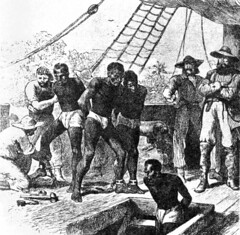
5350307001Middle PassageVoyage from Africa to the West Indies; miserable for the slaves transported, many died49
5350307002John CabotFirst Englishman to explore lands in North America which England would later settle in the early 1600's50
5350307003Captain John SmithBecause of his leadership, Jamestown survived its first five years barely, with his forceful leadership and the establishment of a tobacco industry by john rolfe, the jamestown colony survived51
5350307004John RolfeHelped Jamestown develop a new type of tobacco which became popular in Europe and became very profitable52
5350307005John WinthropLed a ship full of Puritans from England to Massachusetts and founded Boston and a few other towns53
5350307006Virginia House of BurgessesLegislative Assembly of Virginia that enacted laws in the late 1660's that made African slaves permanently bonded to their owners for life54
5350307007joint-stock companygiven the privilege of taking control of the region for economic gain (dutch west india company)55
5350307008Virginia CompanyJamestown chartered by England's King James i and established the first permanent english colony in america in 1607.56
5350307009Pocahontasdaughter of Powhatan; saved John Smith from his captors; her marriage to John Rolfe sealed peace agreement of First Anglo-Powhatan War57

AP US History Period 1 Flashcards

Terms : Hide Images
7037889470maize cultivationThe growing of Indian corn, a staple of many Indians diets, leading many nomadic tribes to settle and develop great civilizations such as the Aztecs incas and Mayans.0
7037889471hunter-gatherer economyA nomadic way of life with no agriculture focused on following food sources including animals and wild plants1
7037889472western hemisphereThe Americas2
7037889473west africaA area of Africa that was previously unreachable until the invention of the caravel by the Portuguese, leading to exploitation of the region for its gold and slaves3
7037889474plantation-based agricultureLarge scale agriculture worked by slaves4
7037889475capitalismEconomic system based on private investment and possessions5
7037889476Cultural autonomyFreedom of a group to express ones own culture without outside control i.g. The Christianization of the natives took away there Cultural autonomy6
7037889477agricultural economyeconomy based on the production of crops7
7037889478spanish explorationColonization of the Americas by the conquistadors in search for gold, glory and god8
7037889479encomienda systemA government system where natives were given to colonists to work in return for converting them to Christianity.9
7037889480empire buildingThe Spanish increasing their empire through grafting their culture onto the natives and taking over the land10
7037889481white superiorityThe European idea they were superior to other cultures/ races and needed to enforce European culture/religion on them11
7037889482great plainsThe open plains of the Midwest where the natives adapted to roming the prairies on horseback12
7037889483permanent villagesThe settlements of Indians tribes based on the spread of agriculture13
7037889484Portuguese explorationDue to advancements in sailing technology the Portuguese were able to sail down the coast of Africa and open trade of gold and slaves, settle and make plantations and eventually find the way around Africa to the indies14
7037889485slave laborForced labor of people considered property by the people in charge15
7037889486feudalismA political, economic, and social system based on the relationship between lord and vassal in order to provide protection16
7037889487political autonomythe ability of a state to govern themselves without outside control17
7037889488Colombian exchangethe exchange between the new world and the old world consisting of the old world bringing wheat, cows, horses, sheep, pigs, sugar, rice, coffee, smallpox, malaria and yellow fever. while the new world sent gold, silver, corn, potatoes, tobacco, and syphills18

Pages

Subscribe to CourseNotes RSS

Need Help?

We hope your visit has been a productive one. If you're having any problems, or would like to give some feedback, we'd love to hear from you.

For general help, questions, and suggestions, try our dedicated support forums.

If you need to contact the Course-Notes.Org web experience team, please use our contact form.

Need Notes?

While we strive to provide the most comprehensive notes for as many high school textbooks as possible, there are certainly going to be some that we miss. Drop us a note and let us know which textbooks you need. Be sure to include which edition of the textbook you are using! If we see enough demand, we'll do whatever we can to get those notes up on the site for you!