

AP US History - US Presidents Flashcards
Terms : Hide Images
| 9740332906 | George Washington | 1789-1797 Federalist Whiskey Rebellion; Judiciary Act; Farewell Address |  | 0 |
| 9740332907 | John Adams | 1797-1801 Federalist XYZ Affair; Alien and Sedition Acts |  | 1 |
| 9740332908 | Thomas Jefferson | 1801-1809 Democratic-Republican Marbury v. Madison; Louisiana Purchase; Embargo of 1807 |  | 2 |
| 9740332909 | James Madison | 1809-1817 Democratic-Republican War of 1812; First Protective Tariff |  | 3 |
| 9740332910 | James Monroe | 1817-1825 Democratic-Republican Missouri Compromise of 1820; Monroe Doctrine |  | 4 |
| 9740332911 | John Quincy Adams | 1825-1829 Democratic-Republican "Corrupt Bargain"; "Tariff of Abominations" |  | 5 |
| 9740332912 | Andrew Jackson | 1829-1837 Democrat Nullification Crisis; Bank War; Indian Removal Act |  | 6 |
| 9740332913 | Martin Van Buren | 1837-1841 Democrat Trail of Tears; Specie Circular; Panic of 1837 |  | 7 |
| 9740332914 | William Henry Harrison | 1841 Whig "Tippecanoe and Tyler too!"; First Whig President |  | 8 |
| 9740332915 | John Tyler | 1841-1845 Whig "His Accidency"; Webster-Ashburton Treaty |  | 9 |
| 9740332916 | James Polk | 1845-1849 Democrat Texas annexation; Mexican War |  | 10 |
| 9740332917 | Zachary Taylor | 1849-1850 Whig Mexican War hero and staunch Unionist |  | 11 |
| 9740332918 | Millard Fillmore | 1850-1853 Whig Compromise of 1850 |  | 12 |
| 9740332919 | Franklin Pierce | 1853-1857 Democrat Kansas-Nebraska Act; Gadsden Purchase |  | 13 |
| 9740332920 | James Buchanan | 1857-1861 Democrat Dred Scott decision; Harpers Ferry raid |  | 14 |
| 9740332921 | Abraham Lincoln | 1861-1865 Republican Secession and Civil War; Emancipation Proclamation |  | 15 |
| 9740332922 | Andrew Johnson | 1865-1869 Democrat 13th and 14th amendments; Radical Reconstruction; Impeachment |  | 16 |
| 9740332923 | Ulysses Grant | 1869-1877 Republican 15th amendment; Panic of 1873 |  | 17 |
| 9740332924 | Rutherford Hayes | 1877-1881 Republican Compromise of 1877; labor unions and strikes |  | 18 |
| 9740332925 | James Garfield | 1881, Republican Brief resurgence of presidential authority; Increase in American naval power; Purge corruption in the Post Office |  | 19 |
| 9740332926 | Chester Arthur | 1881-1885 Republican Standard Oil trust created Edison lights up New York City |  | 20 |
| 9740332927 | Grover Cleveland | 1885-1889 (1st term), 1893-1897 (2nd term) Democrat Interstate Commerce Act; Dawes Act; Panic of 1893; Pullman Strike |  | 21 |
| 9740332928 | Benjamin Harrison | 1889-1893 Republican Sherman Anti-Trust Act; Closure of the frontier |  | 22 |
| 9740332929 | William McKinley | 1897-1901 Republican Spanish-American War; Open Door policy |  | 23 |
| 9740332930 | Theodore Roosevelt | 1901-1909 Republican Progressivism; Square Deal; Big Stick Diplomacy |  | 24 |
| 9740332931 | William Howard Taft | 1909-1913 Republican Dollar diplomacy NAACP founded |  | 25 |
| 9740332932 | Woodrow Wilson | 1913-1921 Democrat WWI; League of Nations; 18th and 19th amendments; Segregation of federal offices; First Red Scare |  | 26 |
| 9740332933 | Warren Harding | 1921-1923 Republican "Return to normalcy", return to isolationism; Tea Pot Dome scandal; Prohibition |  | 27 |
| 9740332934 | Calvin Coolidge | 1923-1929 Republican Small-government (laissez-faire) conservative |  | 28 |
| 9740332935 | Herbert Hoover | 1929-1933 Republican "American individualism"; Stock Market Crash; Dust Bowl; Hawley-Smoot Tariff |  | 29 |
| 9740332936 | Franklin Delano Roosevelt | 1933-1945 Democrat New Deal; WWII; Japanese Internment; "Fireside Chats" |  | 30 |
| 9740332937 | Harry Truman | 1945-1953 Democrat A-bomb; Marshall Plan; Korean War; United Nations |  | 31 |
| 9740332938 | Dwight Eisenhower | 1953-1961 Republican Brown v. Board of Education; Second Red Scare; Highway Act and suburbanization ("white flight"); Farewell Address warning of the military industrial complex |  | 32 |
| 9740332939 | John Kennedy | 1961-1963 Democrat Camelot; Bay of Pigs; Cuban Missile Crisis; Space program; Peace Corps |  | 33 |
| 9740332940 | Lyndon Johnson | 1963-1969 Democrat Civil and Voting Rights acts; Gulf of Tonkin Resolution; Great Society |  | 34 |
| 9740332941 | Richard Nixon | 1969-1974 Republican Environmental Protection Act; China visit; Moon Landing; Watergate | 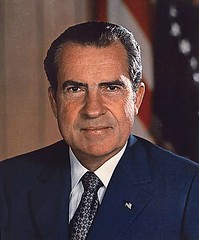 | 35 |
| 9740332942 | Gerald Ford | 1974-1977 Republican Pardoning of Nixon; OPEC crisis |  | 36 |
| 9740332943 | Jimmy Carter | 1977-1981 Democrat stagflation / energy crisis; Iran hostage crisis; Camp David Accords |  | 37 |
| 9740332944 | Ronald Reagan | 1981-1989 Republican Conservative revolution; Iran-Contra scandal |  | 38 |
| 9740332945 | George H. W. Bush | 1989-1993 Republican Persian Gulf War |  | 39 |
| 9740332946 | Bill Clinton | 1993-2001 Democrat NAFTA; Lewinsky scandal and impreachment |  | 40 |
| 9740332947 | George W. Bush | 2001-2008 Republican War on terrorism; Patriot Act; Tax cuts; "No Child Left Behind" |  | 41 |
| 9740332948 | Barack Obama | 2008-2017 Democrat Affordable Care Act | 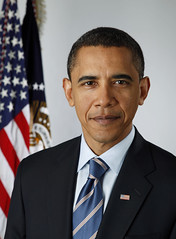 | 42 |
| 9740332949 | Donald Trump | 2017-? Republican "Make America Great Again" |  | 43 |
AP US History - US Presidents Flashcards
Terms : Hide Images
| 8506657985 | George Washington | 1789-1797 Federalist Whiskey Rebellion; Judiciary Act; Farewell Address | | 0 |
| 8506657986 | John Adams | 1797-1801 Federalist XYZ Affair; Alien and Sedition Acts | | 1 |
| 8506657987 | Thomas Jefferson | 1801-1809 Democratic-Republican Marbury v. Madison; Louisiana Purchase; Embargo of 1807 | | 2 |
| 8506657988 | James Madison | 1809-1817 Democratic-Republican War of 1812; First Protective Tariff | | 3 |
| 8506657989 | James Monroe | 1817-1825 Democratic-Republican Missouri Compromise of 1820; Monroe Doctrine | | 4 |
| 8506657990 | John Quincy Adams | 1825-1829 Democratic-Republican "Corrupt Bargain"; "Tariff of Abominations" | | 5 |
| 8506657991 | Andrew Jackson | 1829-1837 Democrat Nullification Crisis; Bank War; Indian Removal Act | | 6 |
| 8506657992 | Martin Van Buren | 1837-1841 Democrat Trail of Tears; Specie Circular; Panic of 1837 | | 7 |
| 8506657993 | William Henry Harrison | 1841 Whig "Tippecanoe and Tyler too!"; First Whig President | | 8 |
| 8506657994 | John Tyler | 1841-1845 Whig "His Accidency"; Webster-Ashburton Treaty | | 9 |
| 8506657995 | James Polk | 1845-1849 Democrat Texas annexation; Mexican War | | 10 |
| 8506657996 | Zachary Taylor | 1849-1850 Whig Mexican War hero and staunch Unionist | | 11 |
| 8506657997 | Millard Fillmore | 1850-1853 Whig Compromise of 1850 | | 12 |
| 8506657998 | Franklin Pierce | 1853-1857 Democrat Kansas-Nebraska Act; Gadsden Purchase | | 13 |
| 8506657999 | James Buchanan | 1857-1861 Democrat Dred Scott decision; Harpers Ferry raid | | 14 |
| 8506658000 | Abraham Lincoln | 1861-1865 Republican Secession and Civil War; Emancipation Proclamation | | 15 |
| 8506658001 | Andrew Johnson | 1865-1869 Democrat 13th and 14th amendments; Radical Reconstruction; Impeachment | | 16 |
| 8506658002 | Ulysses Grant | 1869-1877 Republican 15th amendment; Panic of 1873 | | 17 |
| 8506658003 | Rutherford Hayes | 1877-1881 Republican Compromise of 1877; labor unions and strikes | | 18 |
| 8506658004 | James Garfield | 1881, Republican Brief resurgence of presidential authority; Increase in American naval power; Purge corruption in the Post Office | | 19 |
| 8506658005 | Chester Arthur | 1881-1885 Republican Standard Oil trust created Edison lights up New York City | | 20 |
| 8506658006 | Grover Cleveland | 1885-1889 (1st term), 1893-1897 (2nd term) Democrat Interstate Commerce Act; Dawes Act; Panic of 1893; Pullman Strike | | 21 |
| 8506658007 | Benjamin Harrison | 1889-1893 Republican Sherman Anti-Trust Act; Closure of the frontier | | 22 |
| 8506658008 | William McKinley | 1897-1901 Republican Spanish-American War; Open Door policy | | 23 |
| 8506658009 | Theodore Roosevelt | 1901-1909 Republican Progressivism; Square Deal; Big Stick Diplomacy | | 24 |
| 8506658010 | William Howard Taft | 1909-1913 Republican Dollar diplomacy NAACP founded | | 25 |
| 8506658011 | Woodrow Wilson | 1913-1921 Democrat WWI; League of Nations; 18th and 19th amendments; Segregation of federal offices; First Red Scare | | 26 |
| 8506658012 | Warren Harding | 1921-1923 Republican "Return to normalcy", return to isolationism; Tea Pot Dome scandal; Prohibition | | 27 |
| 8506658013 | Calvin Coolidge | 1923-1929 Republican Small-government (laissez-faire) conservative | | 28 |
| 8506658014 | Herbert Hoover | 1929-1933 Republican "American individualism"; Stock Market Crash; Dust Bowl; Hawley-Smoot Tariff | | 29 |
| 8506658015 | Franklin Delano Roosevelt | 1933-1945 Democrat New Deal; WWII; Japanese Internment; "Fireside Chats" | | 30 |
| 8506658016 | Harry Truman | 1945-1953 Democrat A-bomb; Marshall Plan; Korean War; United Nations | | 31 |
| 8506658017 | Dwight Eisenhower | 1953-1961 Republican Brown v. Board of Education; Second Red Scare; Highway Act and suburbanization ("white flight"); Farewell Address warning of the military industrial complex | | 32 |
| 8506658018 | John Kennedy | 1961-1963 Democrat Camelot; Bay of Pigs; Cuban Missile Crisis; Space program; Peace Corps | | 33 |
| 8506658019 | Lyndon Johnson | 1963-1969 Democrat Civil and Voting Rights acts; Gulf of Tonkin Resolution; Great Society | | 34 |
| 8506658020 | Richard Nixon | 1969-1974 Republican Environmental Protection Act; China visit; Moon Landing; Watergate | | 35 |
| 8506658021 | Gerald Ford | 1974-1977 Republican Pardoning of Nixon; OPEC crisis | | 36 |
| 8506658022 | Jimmy Carter | 1977-1981 Democrat stagflation / energy crisis; Iran hostage crisis; Camp David Accords | | 37 |
| 8506658023 | Ronald Reagan | 1981-1989 Republican Conservative revolution; Iran-Contra scandal | | 38 |
| 8506658024 | George H. W. Bush | 1989-1993 Republican Persian Gulf War | | 39 |
| 8506658025 | Bill Clinton | 1993-2001 Democrat NAFTA; Lewinsky scandal and impreachment | | 40 |
| 8506658026 | George W. Bush | 2001-2008 Republican War on terrorism; Patriot Act; Tax cuts; "No Child Left Behind" | | 41 |
| 8506658027 | Barack Obama | 2008-2017 Democrat Affordable Care Act | | 42 |
| 8506658028 | Donald Trump | 2017-? Republican "Make America Great Again" | | 43 |
US AP History Period 1 Flashcards
Terms : Hide Images
| 6950083674 | How did early Americans reach North and South America? | They crossed a land bridge from Asia | 0 | |
| 6950083675 | When was the land bridge formed? What was it made of? | During the ice age, ice/land | 1 | |
| 6950083676 | What were the Indians doing when they crossed the land bridge? | Following food or herds | 2 | |
| 6950083677 | What were the most complex Indian communities? | Mayan, Inca and Aztecs | 3 | |
| 6950083678 | What did the cultivation of maize do? | Transform nomadic hunter-gather societies into settled farming communities | 4 | |
| 6950083679 | What kinds of items did Europeans desire from Persia and China? | Silk, Spices, Oils/Perfumes | 5 | |
| 6950083680 | What were the Spanish 3 motives for exploration? | 1. God 2. Gold 3. Glory | 6 | |
| 6950083681 | Which direction did Portugal head to reach Asia and India? | South along the West coast of Africa. | 7 | |
| 6950083682 | Who married to make Spain whole? | Ferdinand of Aragon and Isabella of Castille | 8 | |
| 6950083683 | Where did Columbus land? | Hispainola | 9 | |
| 6950083684 | Columbus died thinking what? | That he had found a trade route to Asia and that he had landed on the outskirts of India | 10 | |
| 6950083685 | When Spain and Portugal went to the pope to see how to divide the world, the pope made what? | The Treaty of Tordesillas | 11 | |
| 6950083686 | What did the Treaty of Tordesillas say? | Divided the trade routes to Asia: Spain gets the route across the Atlantic and Portugal gets the route around Africa. Also, Spain got a lot of land in the New World and Portugal got present-day Brazil. | 12 | |
| 6950083687 | Who came to the New World once it was discovered? | Spanish conquistadors | 13 | |
| 6950083688 | Who conquered the Aztecs? Who conquered the Incas? | Cortes-Aztecs Pizzaro- Incas | 14 | |
| 6950083689 | What are the 2 things the Spanish give the Indians in exchange for their work (in the Encomienda System) | 1. Provide food, shelter, and good treatment to the Indians 2. Convert them to Christians | 15 | |
| 6950083690 | What was the Encomienda System basically? | Slavery | 16 | |
| 6950083691 | Who worked for Indian's rights? | Bartolome de las Casas | 17 | |
| 6950083692 | What happened when the Spanish ran out of Indians to do work? | They went and got Africans | 18 | |
| 6950083693 | Who was the explorer sent by England to the New World? Where did he explore? | John Cabot- coastline of North America | 19 | |
| 6950083694 | Who was an explorer sent by Spain to the New World? (not Columbus) Where did he explore? | Vasco Nunez de Balboa- Pacific Ocean | 20 | |
| 6950083695 | What is Ferdinand Magellan credited with? | The 1st circumnavigation of the earth | 21 | |
| 6950083696 | When the Spanish moved north, what did they establish? Where? | A fort (outpost) in St. Augustine, Fl | 22 | |
| 6950083697 | What is the Biological (Columbian) Exchange? | Exchange of plants, animals, and diseases between Old World and New World after the time of Columbus. | 23 | |
| 6950083698 | What 3 crops from the Americas ended up being staple crops in Europe? | 1. Corn 2. Beans 3. Potatoes | 24 | |
| 6950083699 | What was the "big" animal brought to the Americas that changed Indian life? | Horses | 25 | |
| 6950083700 | What diseases were from the Old World and went to the New World? | Smallpox, malaria, yellow fever, influenza | 26 | |
| 6950083701 | What disease did the Indians give Europeans? | Syphillis | 27 | |
| 6950083702 | Columbian Exchange | An exchange of goods, ideas and skills from the Old World (Europe, Asia and Africa) to the New World (North and South America) and vice versa. |  | 28 |
| 6950083703 | Encomienda | A grant of land made by Spain to a settler in the Americas, including the right to use Native Americans as laborers on it |  | 29 |
| 6950083704 | Atlantic slave trade | Lasted from 16th century until the 19th century. Trade of African peoples from Western Africa to the Americas. 98% of Africans were sent to the Caribbean, South and Central America. | 30 | |
| 6950083705 | Bartolome de las Casas | First bishop of Chiapas, in southern Mexico. He devoted most of his life to protecting Amerindian peoples from exploitation. His major achievement was the New Laws of 1542, which limited the ability of Spanish settlers to compel Amerindians to labor; however his suggestion to replace Natives with Africans was won he would regret. |  | 31 |
| 6950083706 | Maize | An early form of corn grown by Native Americans | 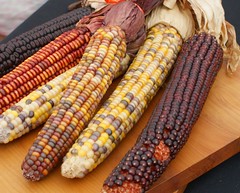 | 32 |
| 6950083708 | Iroquois | A later native group to the eastern woodlands. They blended agriculture and hunting living in common villages constructed from the trees and bark of the forests |  | 33 |
| 6950083709 | Cherokee | Are a Native American people historically settled in the Southeastern United States (principally Georgia, the Carolinas and Eastern Tennessee). Linguistically, they are part of the Iroquoian-language family. In the 19th century, historians and ethnographers recorded their oral tradition that told of the tribe having migrated south in ancient times from the Great Lakes region, where other Iroquoian-speaking peoples were located. |  | 34 |
| 6950083711 | Maya | Mesoamerican civilization concentrated in Mexico's Yucatan Peninsula and in Guatemala and Honduras but never unified into a single empire. Major contributions were in mathematics, astronomy, and development of the calendar. |  | 35 |
| 6950083712 | Aztec | (1200-1521) 1300, they settled in the valley of Mexico. Grew corn. Engaged in frequent warfare to conquer others of the region. Worshipped many gods (polytheistic). Believed the sun god needed human blood to continue his journeys across the sky. Practiced human sacrifices and those sacrificed were captured warriors from other tribes and those who volunteered for the honor. |  | 36 |
| 6950083713 | Inca | Their empire stretched from what is today Ecuador to central Chili in the Andes Mountain region of South America. Called the Children of the Sun. |  | 37 |
| 6950083714 | Tenochtitlan | Capital of the Aztec Empire, located on an island in Lake Texcoco. Its population was about 150,000 on the eve of Spanish conquest. Mexico City was constructed on its ruins. | | 38 |
| 6950083715 | Aztec calendar | 365 days, divided into 18 months each with 20 days. |  | 39 |
| 6950083717 | Nomad | Early, simplistic man that migrated across the land bridge. | 40 | |
| 6950083718 | Causes for European interest in exploration? | The Holy Crusades, Renaissance and The Protestant Reformation. | 41 | |
| 6950083719 | Martin Luther | Broke away from the Catholic Church because of his 95 problems with the Catholic Church. | 42 | |
| 6950083720 | King Henry VIII | Broke away from the Catholic Church because of his disagreement with his inability to get divorced; which eventually led to civil unrest in his country. | 43 | |
| 6950083721 | New France | Established in Canada and along the Mississippi River, focused on fur trade. | 44 |
AP US History 2 Chapter 28 People Flashcards
Key terms, people, and events from Chapter 28 of the 13th edition of the American Pageant.
Terms : Hide Images
| 8168823571 | Jacob Riis | Author of How The Other Half Lives, about poor living conditions in cities | 0 | |
| 8168823575 | Upton Sinclair | Was the author of the sensational novel, The Jungle, published in 1906. His intention was to describe the conditions of canning factory workers. Instead, Americans were disgusted by his descriptions of dirty food production. His book influenced consumers to demand safer canned products and led to the Meat Inspection Act and then the Pure Food and Drug Act. | 1 | |
| 8168823576 | Florence Kelly | Chief factory inspector in IL, Founded National Consumers League | 2 | |
| 8172133854 | Henry Demarest Lloyd | He wrote the book Wealth Against Commonwealth in 1894. It was part of the progressive movement and the book's purpose was to show the wrongs in the monopoly of the Standard Oil Company | 3 | |
| 8172146520 | Ida Tarbell | Was a "muckraker" who wrote the history of the Standard Oil Company, the "Mother of Trusts." The articles blasted Standard Oil for using ruthless tactics to drive competition out of business. | 4 | |
| 8172176069 | Robert La Follette | He was the governor of Wisconsin, nicknamed "Fighting Bob," and was a progressive Republican leader. His "Wisconsin Idea" was the model for state progressive governments. | 5 | |
| 8172210596 | Hiram Johnson | Was a progressive reformer of the early 1900s. He was elected the Republican governor of California in 1910, and helped to put an end to trusts. He put an end to the power that the Southern Pacific Railroad had over politics. | 6 | |
| 8172218870 | Charles Evans Hughes | Was a reforming Republican governor of New York, who gained fame as an investigator of malpractices by gas and insurance companies and by the coal trust. He later ran against Wilson in the 1916 election. | 7 |
AP US History Chapter 13 - Flashcards
Terms : Hide Images
| 5407927220 | Manifest Destiny | A term coined by John L. O'Sullivan in 1845 to express the idea that Euro-Americans were fated by God to settle the North American continent from the Atlantic to the Pacific Ocean. |  | 0 |
| 5407927221 | Californios | The elite Mexican ranchers in the province of California. | 1 | |
| 5407927222 | "Fifty-four forty or fight" | Democratic candidate James K. Polk's slogan in the election of 1844 calling for the opening up of lands for American settlement in Texas and sovereignty over the entire Oregon Country. |  | 2 |
| 5407927223 | conscience Whigs | Whig politicians who opposed the Mexican War (1846-1848) on moral grounds, maintaining the the purpose of the war was to expand and perpetuate slavery. They feared that the addition of more slave states would ensure the South's control of the national government. | 3 | |
| 5407927224 | Wilmot Proviso | 1846 proposal that outlawed slavery in any territory gained from the War with Mexico |  | 4 |
| 5407927225 | free-soil movement | A political movement that opposed the expansion of slavery. In 1848 the free-soilers organized the Free-Soil Party, which depicted slavery as a threat to republicanism and to the Jeffersonian ideal of a freeholder society, arguments that won broad support among aspiring white farmers. |  | 5 |
| 5407927226 | squatter sovereignty | A plan promoted by Democratic candidate Senator Lewis Cass under which Congress would allow settlers in each territory to determine its status as free or slave. | 6 | |
| 5407927227 | forty-niners | The more than 80,000 settlers who arrived in California in 1849 as part of that territory's gold rush. |  | 7 |
| 5407927228 | "slavery follows the flag" | The assertion by John C. Calhoun that planters could by right take their slave property into new territories. | 8 | |
| 5407927229 | Compromise of 1850 | Laws passed in 1850 that were meant to resolve the dispute over the status of slavery in the territories. Key elements include the admission of California as a free state and the Fugitive Slave Act. |  | 9 |
| 5407927230 | personal-liberty laws | Laws enacted in many northern states that guaranteed to all residents, including alleged fugitives, the right to a jury trial. | 10 | |
| 5407927231 | Gadsden Purchase | A small slice of land (now part of Arizona and New Mexico) purchased by President Franklin Pierce in 1853 for the purpose of building a transcontinental rail line from New Orleans to Los Angeles. |  | 11 |
| 5407927232 | Kansas-Nebraska Act | 1854 - Created Nebraska and Kansas as states and gave the people in those territories the right to chose to be a free or slave state through popular sovereignty. | 12 | |
| 5407927233 | American, or Know-Nothing Party | A political party formed in 1851 that drew on the anti-immigrant and anti-Catholic movements of the 1840s. In 1854, the party gained control of the state governments of Massachusetts and Pennsylvania. | 13 | |
| 5407927234 | "Bleeding Kansas" | Term for the bloody struggle between proslavery and antislavery factions in Kansas following its organization as a territory in the fall of 1854. |  | 14 |
| 5407927235 | Dred Scott v. Sandford | The 1857 Supreme Court Decision that ruled the Missouri Compromise unconstitutional. The Court ruled against slave Dred Scott who claimed that travels with his master into free states and territories made him and his family free. The decision also denied the federal government the right to exclude slavery from the territories and declared that African Americans were not citizens and had no right to sue. |  | 15 |
| 5407927236 | Freeport Doctrine | Doctrine developed by Stephen Douglas that said the exclusion of slavery in a territory could be determined by the refusal of the voters to enact any laws that would protect slave property. |  | 16 |
| 5407927237 | James K Polk | Governor of Tennessee, slave owner, President, "Young Hickory", supported "re-occupation of Oregon and re-annexation of Texas" |  | 17 |
| 5407927238 | Frederick Douglass | One of the most prominent African American figures in the abolitionist movement; escaped from slavery; advocated freedom from slavery & full citizenship rights for all blacks. |  | 18 |
| 5407927239 | Zachary Taylor | "Old Rough and Ready", (1849-1850), Whig president who was a Southern slave holder, and war hero (Mexican-American War). Won the 1848 election. Surprisingly did not address the issue of slavery at all on his platform. He died during his term and his Vice President was Millard Fillmore. |  | 19 |
| 5407927240 | Lewis Cass | Democratic senator who proposed popular sovereignty to settle the slavery question in the territories; he lost the presidential election in 1848 against Zachary Taylor but continued to advocate his solution to the slavery issue throughout the 1850s. |  | 20 |
| 5407927241 | Stephen Douglas | A moderate, who introduced the Kansas-Nebraska Act in 1854 and popularized the idea of popular sovereignty. |  | 21 |
| 5407927242 | Harriet Beecher Stowe | (1811-1896) American author and daughter of Lyman Beecher, she was an abolitionist and author of the famous antislavery novel, Uncle Tom's Cabin. |  | 22 |
| 5407927243 | John Brown | Well-known abolitionist from Massachusetts who led the Pottawatamie Massacre (Bleeding Kansas) and the raid on the arsenal at Harper's Ferry where he was captured, tried and hanged. |  | 23 |
| 5407927244 | Abraham Lincoln | 16th president of the United States; helped preserve the United States by leading the defeat of the secessionist Confederacy; an outspoken opponent of the expansion of slavery. |  | 24 |
| 5407927245 | John O'Sullivan | coined the term "manifest destiny" |  | 25 |
| 5407927246 | Ostend Manifesto | An 1854 manifesto that urged President Franklin Pierce to seize the slave-owning province of Cuba from Spain. Northern Democrats denounced this aggressive initiative, and the plan was scuttled. | 26 | |
| 5407927247 | Winfield Scott | US general in the Mexican War; led the capture of Mexico City |  | 27 |
| 5407927248 | John Sloat | naval commander who landed in California | 28 | |
| 5407927249 | John C. Fremont | an American military officer, explorer |  | 29 |
| 5407927250 | John Tyler | 10th president; proslavery; called for the annexation of Texas |  | 30 |
| 5407927251 | Thomas Oliver Larkin | Merchant in. Monterey, CA, did NOT assimilate into Mexican culture white working with Mexican politicians and landowners. | 31 | |
| 5407927252 | Ulysses S. Grant | young officer under General Zachary Taylor during the War with Mexico |  | 32 |
| 5407927253 | John Sutter | Owner of the mill where gold was discovered that helped start the California Gold Rush |  | 33 |
| 5407942291 | Charles Sumner | Massachusetts Senator who was attacked by Preston Brooks on the Senate Floor after his "Crime against Kansas" Speech | 34 | |
| 5407960836 | Crittendon Compromise | Potential compromise to Secession Crisis after Lincoln was elected that would have protected slavery in New Mexico and California | 35 |
Amsco AP US History Chapter 3 Essentials Flashcards
Terms : Hide Images
| 7408743218 | English cultural domination | This ideas represents that most of the population of the colonies was English, but Africans and Europeans created some diversity in the culture of the colonies. | 0 | |
| 7408743219 | Socioeconomic status | Their class system was based on economics with wealthy landowners at the top, and craftspeople and common people made up the majority. | 1 | |
| 7408743220 | subsistence farming | Farming that provides for the needs of the people on the farm, but nothing else. (New England mainly) | 2 | |
| 7408743222 | Great Awakening | A movement characterized by fervent expressions of religious feeling among masses of people. (1730-1740) | 3 | |
| 7408743227 | Poor Richard's Almanac | Written by Benjamin Franklin, this book written in 1732 contained aphorisms and advice. | 4 | |
| 7408743229 | John Peter Zenger; libel case | Published a true, but unflattering article about New York's royal governor. He was acquited by the jury. (1735) | 5 | |
| 7408743231 | colonial governors | In the royal colonies, these were appointed by the King; in the proprietary colonies, these were appointed by the proprietor; in Rhode Island and Connecticut, these were elected by popular vote | 6 | |
| 7408743232 | colonial legislatures | In every colony the lower of these two houses was elected; this lower house controlled taxes. Only in Rhode Island and Connecticut were the upper houses elected. | 7 | |
| 7408743233 | town meetings | The dominant form of local government in the New England colonies | 8 | |
| 7408743234 | county government | In the South, local government was carried on by a sheriff and other officials who served on this. | 9 | |
| 7408743235 | limited democracy | Only white, land-owning males could vote, and colonial assemblies mostly represented the elite. | 10 |
AP US History 1 Chapter 18 People Flashcards
Terms : Hide Images
| 7622193093 | Lewis Cass | He was named the father of "popular sovereignty." He ran for president in 1848, but was defeated. | 0 | |
| 7622193095 | Zachary Taylor | The Whig party's nomination for the presidency in 1848. Died in office in 1850. | 1 | |
| 7622193099 | William H. Seward | The freshman senator from New York who spoke against both secession and slavery , not using the power of compromise. | 2 | |
| 7622193100 | Millard Fillmore | Taylor's vice president who took over as the 13th president of the US after Taylor's death | 3 | |
| 7622193104 | Franklin Pierce | Elected president in the 1852 election as the second Democratic "dark horse." He was a pro-southern northerner who supported the Compromise of 1850 and especially the Fugitive Slave Law. He also supported the Kansas-Nebraska Act | 4 | |
| 7622193105 | Winfield Scott | Hero of the war with Mexico, he was the Whig's candidate in the 1852 election whose defeat effectively ended the Whig party. | 5 | |
| 7622193107 | William Walker | American adventurer who seized Nicaragua and opened it to slavery, but was overthrown by other South American governments and killed. | 6 | |
| 7622193113 | Matthew Perry | He was the naval leader who convinced the Japanese to sign the Treaty of Kanagawa in 1853 with the U.S. | 7 | |
| 7682379992 | Harriet Tubman | The "conductor" on the Underground Railroad. Repeatedly returned to the South to lead groups of slaves northward. | 8 | |
| 7682389566 | Henry Clay | Concerned the father of the Compromise of 1850. | 9 |
AMSCO AP US History Chapter 19 Flashcards
AMSCO United States History 2015 Edition, Chapter 19 The Politics of the Gilded Age, 1877-1900
Terms : Hide Images
| 6405133865 | laissez-faire economics and politics | The idea that government should do little to interfer with the free market. (p. 380) |  | 0 |
| 6405133866 | divided electorate | In the late 1800s, Republicans kept memories of the Civil War alive to remind war veterans of the pain caused by the Southern Democrats. Democrats could count on winning every former Confederate state. (p. 381) |  | 1 |
| 6405133867 | identity politics | Political activity and ideas based on the shared experiences of an ethnic, religious, or social group emphasizing gaining power and benefits for the group rather than pursuing ideological goals. (p. 381) |  | 2 |
| 6405133868 | "Rum, Romanism, and Rebellion" | In the 1884 election, the Democratic party was labeled with this phrase. (p. 383) |  | 3 |
| 6405133869 | close elections | National elections between 1856 and 1912, were very evenly matched. The objective was to get out the vote and not alienate voters on the issues. (p. 381) |  | 4 |
| 6405133870 | divided government | Governance divided between the parties, as when one party holds the presidency and the other party controls one or both houses of Congress. (p. 381) |  | 5 |
| 6405133871 | weak presidents | The Gilded Age presidents were not memorable and only served one term. (p. 380) |  | 6 |
| 6405133872 | patronage politics | The use of government resources to reward individuals for their electoral support. (p. 381) |  | 7 |
| 6405133873 | corrupt politicians | Party patronage, the process of providing jobs to faithful party members was more important than policy issues during the Gilded Age. (p. 381) |  | 8 |
| 6405133874 | Union veterans, "bloody shirt" | A form of politics that involved reminding Union veterans of how the Southern Democrats had caused the Civil War. (p. 381) |  | 9 |
| 6405133875 | Whig past, pro-business | Republicans followed the tradition of Hamilton and the Whigs, supporting a pro-business economic program of high protective tariffs. (p. 381) |  | 10 |
| 6405133876 | Hamiltonian tradition | The Hamilton tradition supported a strong central government. (p. 381) |  | 11 |
| 6405133877 | social reformers, temperance | The core of Republican support came from middle-class Anglo-Saxon Protestants who supported temperance or prohibition, along with business men. (p. 381) |  | 12 |
| 6405133878 | Anglo-Saxon heritage | Most supported Republicans and temperance or prohibition. (p. 381) |  | 13 |
| 6405133879 | Protestant religion | These religious groups usually supported Republicans. (p. 381) |  | 14 |
| 6405133880 | African Americans | Around 1890, a bill to protect voting rights of African Americans passed the House but was defeated in the Senate. (p. 386) |  | 15 |
| 6405133881 | former Confederacy, "Solid South" | From 1877 until the 1950s, the Democrats could count on winning every election here. (p. 381) |  | 16 |
| 6405133882 | states rights, limited government | Democrats of the Gilded Age were in favor of these ideas. (p. 381) |  | 17 |
| 6405133883 | Jeffersonian tradition | Democrats of the Gilded Age followed this tradition, which included states rights and limited government. (p. 381) |  | 18 |
| 6405133884 | big-city political machines | In the North, one source of Democratic strength came from big-city political machines. (p. 381) |  | 19 |
| 6405133885 | immigrant vote | In the North, one source of Democratic strength came from the immigrant vote. (p. 381) | | 20 |
| 6405133886 | against prohibition | The Catholics, Lutherans, and Jews were generally against this policy. (p. 381) |  | 21 |
| 6405133887 | Catholics, Luterans, Jews | Democrats were usually from these religions and they were against temperance and prohibition campaigns. (p. 381) |  | 22 |
| 6405133888 | federal government jobs | During the Gilded Age, these jobs were given to those who were loyal their political party. (p. 381) | 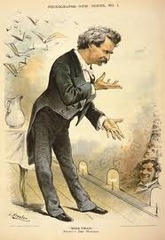 | 23 |
| 6405133889 | Stalwarts, Halfbreeds, and Mugwumps | Groups which competed for lucrative jobs in the patronage system. (p. 381) |  | 24 |
| 6405133890 | Election of 1880 | In 1880, James A. Garfield was elected president in a very close election. His vice president was Chester A. Arthur. (p. 382) |  | 25 |
| 6405133891 | assassination of James Garfield | President James Garfield was shot while preparing to board a train. He died after an 11 week struggle. (p. 383) |  | 26 |
| 6405133892 | Chester A. Arthur | He became president after James Garfield died of a gun shot wound. (p. 383) |  | 27 |
| 6405133893 | Pendleton Act of 1881 | Set up by the Civil Service Commission, it created a system where federal jobs were awarded based on competitive exams. (p. 384) |  | 28 |
| 6405133894 | civil service reform | Public outrage over the assassination of President Garfield pushed Congress to remove some jobs from control of party patronage. (p. 384) |  | 29 |
| 6405133895 | election of 1884 | Grover Cleveland won the 1884 presidential election. (p. 383) | | 30 |
| 6405133896 | Grover Cleveland | In 1884, he was elected president of the United States. He was the first Democratic president since 1856. (p. 383) |  | 31 |
| 6405133897 | high tariff | In the 1890s, tariffs provided more than half of the federal revenue. Some Democrats objected to the tariffs because the raised the price on consumer goods and made it for difficult for farmers to sell to export because foreign countries enacted their own tariffs. (p. 385) |  | 32 |
| 6405133898 | business vs. consumers | Some people objected to the high tariffs because the raised the prices on consumer goods. (p. 385) |  | 33 |
| 6405133899 | Cleveland threatens lower tariff | Toward the end of Grover Cleveland's first term he urged Congress to lower the tariff rates. (p. 385) |  | 34 |
| 6405133900 | McKinley Tariff of 1890 | In 1890, this tariff raised the tax on foreign products to a peacetime high of 48 percent. (p 386) |  | 35 |
| 6405133901 | Wilson-Gorman Tariff of 1894 | This tariff provided a moderate reduction in tariff rates and levied a 2 percent income tax. (p. 388) |  | 36 |
| 6405133902 | Dingley Tariff of 1897 | Increased the tariff rate to more than 46 percent and made gold the official standard of U.S. currency. (p. 390) |  | 37 |
| 6405133903 | "hard" money vs. "soft" money | Money backed by gold vs. paper money not backed by specie (gold or silver). (p. 384) |  | 38 |
| 6405133904 | banks, creditors vs. debtors | Debtors wanted more "easy, soft" money in circulation. On the opposite side creditors stood for "hard, sound" money - meaning currency backed by gold. (p. 384) |  | 39 |
| 6405133905 | Panic of 1873, "Crime of 73" | Congress stopped making silver coins. (p. 385) |  | 40 |
| 6405133906 | Specie Resumption Act of 1875 | Congress sided with creditors and investors when it passed this act which withdrew all greenbacks (paper money not backed by gold or silver) from circulation. (p. 385) |  | 41 |
| 6405133907 | Greenback party | This political party was formed by supporters of paper money not backed by gold or silver. (p. 384) |  | 42 |
| 6405133908 | James B. Weaver | In 1892, he was the Populist candidate for president. He is one of the few third party candidates in history to have ever won any electoral votes. (p. 387) |  | 43 |
| 6405133909 | Bland-Allison Act of 1878 | In 1878, this act allowed a limited coinage of silver each month at the standard silver-to-gold ratio of 16 to 1. (p. 385) |  | 44 |
| 6405133910 | Sherman Silver Purchase Act of 1890 | This act increased the coinage of silver but it was not enough to satisfy the farmers and miners. (p. 386) | | 45 |
| 6405133911 | run on gold reserves, J.P. Morgan bail out | A decline in silver prices encouraged investors to trade their silver dollars for gold dollars. The gold reserve fell dangerously low and President Grover Cleveland was forced to repeal the Sherman Silver Purchase Act of 1890. The president then turned to J.P. Morgan to borrow $65 million in gold to support the dollar and the gold standard. (p. 387) |  | 46 |
| 6405133912 | repeal of Sherman Silver Purchase Act | A decline in silver prices encouraged investors to trade their silver dollars for gold dollars. The gold reserve fell dangerously low and President Grover Cleveland was forced to repeal the Sherman Silver Purchase Act of 1890. (p. 387) |  | 47 |
| 6405133913 | election of 1888, Harrison "Billion Dollar Congress" | In 1888, the Republican Benjamin Harrison became the president and the Republicans controlled Congress. They passed the first billion dollar budget in U.S. history. (p. 386) |  | 48 |
| 6405133914 | rise of the Populist Party | In 1892, delegates met in Omaha, Nebraska to draft a political platform that would reduce the power of trusts and bankers. They nominated James Weaver as their candidate for president. (p. 386) |  | 49 |
| 6405133915 | Farmers' Alliances in South and West | In 1890, this group of discontented farmers elected senators, representatives, governors, and majorities in state legislatures in the West. (p. 386) |  | 50 |
| 6405133916 | Alliance of whites and blacks in South | The Populist party tried to form a political alliance with these poor farmers. (p. 387) |  | 51 |
| 6405133917 | Thomas Watson | He was from Georgia and he appealed to poor farmers of both races to join the Populists party. (p. 387) |  | 52 |
| 6405133918 | reformers vs. rasism in South | In the presidential election of 1892, Southern Democrats feared the Populist party and used every technique possible to keep blacks from voting. (p. 387) |  | 53 |
| 6405133919 | Omaha Platform | In 1892, the Populist party met in Omaha, Nebraska to draft this political platform and nominate a presidential candidate. (p 386) | | 54 |
| 6405133920 | government regulation and ownership | The Populist movement attacked laissez-faire capitalism and attempted to form a political alliance between poor whites and poor blacks. (p. 387) |  | 55 |
| 6405133921 | election of 1892, Cleveland returns | The 1892 presidential election was between President Benjamin Harrison and former president Grover Cleveland. Cleveland became the only president to win a presidential election after having left the office. (p. 387) |  | 56 |
| 6405133922 | Panic of 1893 | In 1893, the stock market crashed as a result of speculation in railroad companies. One of the worst and longest depressions in U.S. history. (p. 387) |  | 57 |
| 6405133923 | Coxey's Army, March on Washington | In 1894, Populist Jacob A. Coxey led a march to Washington to demand that the federal government spend $500 million on public works programs. (p. 388) |  | 58 |
| 6405133924 | Coin's Financial School | In 1894, this book taught Americans that unlimited silver coining would end the economic problems. (p. 388) |  | 59 |
| 6405133925 | William Jennings Bryan | The 1896 Democratic nominee for president. (p. 388) |  | 60 |
| 6405133926 | "Cross of Gold" Speech | William Jennings Bryan gave this speech at the 1896 Democratic convention. The prosilver and anti-gold speech assured him of the nomination. (p. 389) |  | 61 |
| 6405133927 | fusion of Democrats and Populists | In the 1896 presidential election the Democrats and Populists both nominated William Jennings Bryan for president in fused campaign. (p. 389) |  | 62 |
| 6405133928 | unlimited coinage of silver at 16 to 1 | In 1896, the Democrats favored silver coinage at this traditional but inflationary rate. (p. 389) |  | 63 |
| 6405133929 | "Gold Bug" Demorats | Democrats who favored gold. (p. 389) |  | 64 |
| 6405133930 | Mark Hanna, Money and mass media | A master of high-finance politics, he managed William McKinley's winning presidential campaign by focusing on getting favorable publicity in newspapers. (p. 390) |  | 65 |
| 6405133931 | McKinley victory | William McKinley won the presidential election of 1896 by carrying the all the Northeast and the upper Midwest. (p. 389) | | 66 |
| 6405133932 | gold standard and higher tariff | In 1897, William McKinley became president just as gold discoveries in Alaska increased the money supply under the gold standard. The Dingley Tariff increased the tariff rate to 46 percent. (p. 390) |  | 67 |
| 6405133933 | rise of modern urban industrial society | The 1896 election was a victory for big business, urban centers, conservative economics, and moderate middle-class values. Rural America lost its dominance of American politics. (p. 390) |  | 68 |
| 6405133934 | decline of traditional rural-agricultual | The 1896 election marked the point of decline of rural America's power in national politics. (p. 390) |  | 69 |
| 6405133935 | start of the modern presidency | William McKinley emerged as the first modern president, he would make America an important country in international affairs. (p. 390) |  | 70 |
| 6405133936 | era of Republican dominance | The election of McKinley in 1896 started an era of Republican dominance of the presidency (seven of next nine elections) and Congress. (p. 390) |  | 71 |
AP US History 2 Chapter 33 Vocabulary Terms Flashcards
Key terms, people, and events from Chapter 33 of the 13th edition of the American Pageant.
Terms : Hide Images
| 8537039191 | New Deal | FDR's policy that focused on Relief, Recovery, and Reform in response to the New Deal | 0 | |
| 8537039192 | Emergency Banking Relief Act of 1933 | Gave the president the power to regulate banking transactions and reopen solvent banks | 1 | |
| 8537039193 | "Fireside Chats" | FDR's radio addresses, gave assurances about safety of banks | 2 | |
| 8537039194 | Federal Deposit Insurance Corporation (FDIC) | Guaranteed a person's savings in the event of a bank failure | 3 | |
| 8537039195 | Civilian Conservation Corps (CCC) | Provided employment for 3 million men; jobs included firefighting, reforestation, flood control, etc. | 4 | |
| 8537039196 | Works Progress Administration | Spent $11 billion on public buildings, bridges, roads, etc. 9 million people were employed | 5 | |
| 8537039197 | National Recovery Act (NRA) | This act was created in 1933 as a helping hand for industry, labor, and the unemployed. It granted labor additional benefits and guaranteed the right to organize through representatives of their own choosing. It was a part of FDRs New Deal plan, but was later declared unconstitutional. It's symbol was the "Blue Eagle" and its slogan was "We Do Our Part" since it encouraged cooperation between businesses rather than competition. | 6 | |
| 8537039199 | Public Works Administration (PWA) | Built dams such as the Grand Coulee, helped create electrical power and irrigation for farmland | 7 | |
| 8537039200 | Twenty-First Amendment | Ended Prohibition and allowed the distribution of alcoholic beverages to commence once again | 8 | |
| 8537039201 | Agricultural Adjustment Act (AAA) | Paid farmers to not grow crops, later declared unconstitutional | 9 | |
| 8537039202 | Tennessee Valley Authority (TVA) | Was the first government-owned corporation. It was started to create jobs and build dams to supply electricity to poor areas. | 10 | |
| 8537039203 | Social Security Act | This law created a federal insurance program based on the automatic collection of taxes from employees and employers throughout people's working careers. They would receive this money in a monthly pension when they reached the age of 65. The unemployed, disabled, and mothers with dependent children would also receive this money. | 11 | |
| 8537039204 | Court Packing Plan | FDR's plan to increase size of Supreme Court in order to favor his New Deal policies; he could appoint a new judge for every judge over 70 years of age | 12 | |
| 8537265117 | Twenty Amendment | Changed the calendar of Congressional sessions and the date of the presidential inauguration to January 20th. In short, it shortened the length of lame duck presidents. | 13 | |
| 8537312775 | Wagner Act/National Labor Relations Act | This act set up the National Labor Relations Board. It reasserted the right of labor to engage in self-organization and to bargain collectively. | 14 | |
| 8537319548 | Congress of Industrial Organizations | This labor union formed in the ranks of the AF of L. It consisted of unskilled workers. The AF of L got scared of their influence on workers and suspended all members of the CIO. In 1938 it broke with the AF of L. By 1940 it had 4 million members. | 15 | |
| 8537323353 | Liberty League | Consisted of the conservatives that opposed the New Deal introduced by FDR. Their common opinion was that FDR was pushing the United States too close to socialism. They saw the New Deal as being more apt to hurt United States economy than to help it. | 16 |
Pages

Need Help?
We hope your visit has been a productive one. If you're having any problems, or would like to give some feedback, we'd love to hear from you.
For general help, questions, and suggestions, try our dedicated support forums.
If you need to contact the Course-Notes.Org web experience team, please use our contact form.
Need Notes?
While we strive to provide the most comprehensive notes for as many high school textbooks as possible, there are certainly going to be some that we miss. Drop us a note and let us know which textbooks you need. Be sure to include which edition of the textbook you are using! If we see enough demand, we'll do whatever we can to get those notes up on the site for you!
