AP Notes, Outlines, Study Guides, Vocabulary, Practice Exams and more!

AP US History: Imperialism Flashcards

Terms : Hide Images
5438179164Alfred Thayer MahanA United States Navy officer His ideas on the importance of sea power influenced navies around the world, and helped prompt naval buildups before World War I. The Influence of Seapower Upon History,1660-1783, published in 18900
5438179165Valeriano "Butcher" WeylerHe was a Spanish General referred to as the "Butcher." He undertook to crush the Cuban rebellion by herding many civilians into barbed-wire reconcentration camps, where they could not give assistance to the armed insurrectionists. The civilians died in deadly pestholes. "Butcher" was removed in 1897.1
5438179166Dupuy de LómeHe was a Spanish minister in Washington who wrote a private letter to a friend concerning President McKinley (called him basically usless and indecisive) The discovery of his letter strained Spanish-American relations, which helped initiate the Spanish-American War.2
5438179167Theodore Roosevelt26th president, known for: conservationism, trust-busting, Hepburn Act, safe food regulations, "Square Deal," Panama Canal, Great White Fleet, Nobel Peace Prize for negotiation of peace in Russo-Japanese War.3
5438179168George DeweyA United States naval officer remembered for his victory at Manila Bay in the Spanish-American War, U.S. naval commander who led the American attack on the Philippines.4
5438179169Emilio AguinaldoLeader of the Filipino independence movement against Spain (1895-1898). He proclaimed the independence of the Philippines in 1899, but his movement was crushed and he was captured by the United States Army in 1901.5
5438179170William Howard Taft(1908-1912), was endorsed by Roosevelt because he pledged to carry on progressive program, then he didn't appoint any Progressives to the Cabinet, actively pursued anti-trust law suits, ran for re-election in 1912 but lost to Wilson.6
5438179171ReconcentrationPolicy of moving Cubans to detention camps so that they could not aid rebels.7
5438179172ImperialismA policy in which a strong nation seeks to dominate other countries poitically, socially, and economically.8
5438179173Spheres of InfluenceAreas in which countries have some political and economic control but do not govern directly.9
5438179174Teller AmendmentLegislation that promised the US would not annex Cuba after winning the Spanish-American war.10
5438179175Treaty of ParisSigned by the United States and Spain in December 1898, this treaty ended the Spanish-American War.11
5438179176Anti-Imperialist LeagueGroup objected to the annexation of the Philippines and the building of an American empire. Idealism, self-interest, racism, constitutionalism, and other reasons motivated them, but they failed to make their case; the Philippines were annexed in 1900.12
5438179177Boxer Rebellion1899 rebellion in Beijing, China started by a secret society of Chinese who opposed the "foreign devils". The rebellion was ended by British troops.13
5438179178Rough Ridersvolunteer Calvary, a mixure of Ivy League athletes and western frontiermen, volunteered to fight in the Spanish-American War. Enlisted by Theodore Roosevelt14
5438179179Big-stick Diplomacy-roosevelts foreign policy was agressive and imperialistic and would use military force if necessary15
5438179180Roosevelt CorollaryRoosevelt's 1904 extension of the Monroe Doctrine, stating that the United States has the right to protect its economic interests in South And Central America by using military force.16
5438179181InsurrectosCuban insurgents who used a scorched earth policy to try to drive out the Spanish landlords.17
5438179182ExpansionismThe doctrine of expanding the territory or the economic influence of a country.18
5438179183Big Sister PolicyJames G. Blaine's idea to rally Latin American nations around American leadership to open markets to traders19
5438179184Great Rapprochementafter decades of occasionally "twisting the lions tail"american diplomats began to cultivate close cordial relations w/GB at the end of the 19th century(intensifies WW1)20
5438179185Mckinley Tariffraised duties on hawaiian sugar and set off renewed efforts to secure the annexation of hawaii to the USA21
5451363933McKinley Tariff effectsDecedents of missionares started farms in Hawaii selling sugar cane- because Hawaii was not a state, McKinley Tariff increased prices on sugar. Farmers revolt against Liliuokalani so that they can be annexed into US so they won't be subject to tariff. Pearl Harbor was another reason to annex Hawaii, but Cleveland denied annexation. McKinley passes it.22
5438179186USS Maineamerican battleship dispatched to keep a "friendly" watch over cuba in early 1898 it mysteriously blew up havana harbor on feb. 2 1898 w/260 sailors dead, explosion was accidental, USA thought it was spanish submarine fault and was ready for war23
5438179187Foraker Actgave the US direct control over and power to set up a government in Puerto Rico24
5438179188Insular CasesThese were court cases dealing with islands/countries that had been recently annexed and demanded the rights of a citizen. These Supreme Court cases decided that the Constitution did not always follow the flag, thus denying the rights of a citizen to Puerto Ricans and Filipinos.25
5438179189Platt Amendmentafter us switched its original promise of giving cuba its ind. after usa defeat spanish (teller amendm.) USA forced into Cuban Constitution. Cuba could not make treaties with other nations; US had right to intervene in Cuba; US naval bases on Cuban land; Cuba cant borrow money from other countries26
5438179190Open Door Notesent by John Hay to Germany, Russia, Great Britain, France, Italy & Japan asking the countries not to interfere with US trading rights in China.27
5438179191Hay-Pauncefote treatyagreement in which the U.S would receive exclusive rights to construct and control a canal in Central America nullified Clayton-Bulwer Treaty, allowing the Panama Canal to be built.28
5438179192Root-Takahira Agreement1908 - Japan / U.S. agreement in which both nations agreed to respect each other's territories in the Pacific and to uphold the Open Door policy in China.29
5438179193Josiah StrongHe believed it was the duty of "the white race" to share their knowledge and accomplishments worldwide.30
5438179194James G Blainesecretary of state in two administrations in the 1880's led early efforts to expand american influence in latin america31
5438179195Richard OlneySecretary of State under Cleveland, he was authorized by the President to deliver a message to London that the British were ignoring the Monroe Doctrine in their attempt to dominate Venezuela.32
5438179196Queen Liliuokalaniqueen of Hawaii that highly didnt agree w the US control of Hawaii and wanted to keep the islands mainly native, reducing the power of merchants from foreign nations.33
5438179197John HaySecretary of State under McKinley and Roosevelt who pioneered the open-door policy and Panama canal34
5448836707Big Stick PolicyThis was and aggressive foreign policy under Theodore Roosevelt's Administration. There were several parts to his policy: 1) *The Panama Canal* - *1850*- Clayton-Bulwer Treaty (stated that the canal was a joint project between the US and Great Britain) *1901*- Hay Pauncefote Treaty( gave the US full control and access to create the canal, without Great Britain) *1903*- Hay Philipe Bunau Varilla Treaty (Agreement between the US and the revolutionary government of Panama granting America the right to build a canal) 2) *Roosevelt Corollary*- This was an add on to the Monroe Doctrine and dealt with Latin American countries who owed debt to European countries. America did not want European countries to have an excuse to colonize the Western Hemisphere, so US bought countries debt( latin countries would owe US the money instead) This resulted in the "Bad Neighbor" which was the unbalance relationship with the US and latin american countries. The US was looked at as the Police of the Western Hemisphere. 3) *Mediation of the Russo- Japanese War*- It was the 1st a non-europeans country was winning a war. Japan was winning the war with Russia and knew it had to end while they were winning. Japan asked Roosevelt to mediate the war. Both Russia and Japan thought they should have gotten more money as a result. 4) *Japan "Yellow Peril"* (fear of asian immigrants)*- In 1906, earthquake hit California and was destructive. The San. Fran. school board removed asians from schools due to schools being destroyed by the earthquake. Japan was insulted by this, so Roosevelt invited S.F school board to D.C. where they made they "Gentlemans agreement" (stopped segregation of asians and controlled immigration from japan to america). The US wanted to show strength and sent the Great White Fleet around the globe, stopping at Japan(to show their steel navy). The Root-Takahira Agreement - In 1905 an agreement with Japan in which we pledged to respect each other's territorial possessions and to uphold the Open Door policy in China.35
5450069043Oversea MarketsFarmers wanted more markets to sell their goods, so in order to do so they believed colonization would open oversea markets and serve that need.36
5450080777Yellow PressJournalist who wrote to influence american public opinion about the Spanish/American War ( influenced americans to think they needed to go to war with Spain)37
5450080778Religious Zeala factor as to why America became imperialistic. The reasoning, like Rev. Josiah Strong said, was that there were too many non-Christians in the world. So it was our duty to go and Christianize them.38
5450083792CompetitionA simple term used to describe Imperialism. When European countries were colonizing areas around the world, America was becoming more and more behind. This lead to the idea that America needs to compete with the other countries for land and power.39
5438596776HawaiiKnow where it is located on the map. Also know facts about Hawaii (Queen Liliuokalani, Cleveland didn't want to annex Hawaii, Mckinley did. )40
5438209607AlaskaKnow where it is located on the map. Brought from Russia.41
5438211405CubaKnow where it is located on the map. Also know facts about Cuba like "Butcher" Weyler, etc.42
5438211406Puerto RicoKnow where it is located on the map.43
5438217700GuamKnow where it is located on the map.44
5438213684The PhilippinesKnow where it is located on the map. Know Emilio Aguinaldo,45
5438213685PanamaKnow where it is located on the map. Know about revolution against columbia ( with the help of US.). First president - Philipe Bunau Varilla46
5438213686ColumbiaKnow where it is located on the map. Columbia controlled Panama until they gained their independence. Columbia didn't want to sell the land to US for the amount of money they offered.47
5438215920JapanKnow where it is located on the map. Know Russo-Japan war and Yellow Peril.48
5438217713KoreaKnow where it is located on the map.49
5438215921SamoaKnow where it is located on the map.50

AP US History Period 1 Flashcards

Terms : Hide Images
4761336081maize cultivationThe growing of Indian corn, a staple of many Indians diets, leading many nomadic tribes to settle and develop great civilizations such as the Aztecs incas and Mayans.0
4761336082hunter-gatherer economyA nomadic way of life with no agriculture focused on following food sources including animals and wild plants1
4761336083western hemisphereThe Americas2
4761336084west africaA area of Africa that was previously unreachable until the invention of the caravel by the Portuguese, leading to exploitation of the region for its gold and slaves3
4761336085plantation-based agricultureLarge scale agriculture worked by slaves4
4761336086capitalismEconomic system based on private investment and possessions5
4761336087Cultural autonomyFreedom of a group to express ones own culture without outside control i.g. The Christianization of the natives took away there Cultural autonomy6
4761336088great basinDesert area with no drainage to the ocean7
4761336089agricultural economyeconomy based on the production of crops8
4761336090spanish explorationColonization of the Americas by the conquistadors in search for gold, glory and god9
4761336091encomienda systemA government system where natives were given to colonists to work in return for converting them to Christianity.10
4761336092empire buildingThe Spanish increasing their empire through grafting their culture onto the natives and taking over the land11
4761336093white superiorityThe European idea they were superior to other cultures/ races and needed to enforce European culture/religion on them12
4761336094great plainsThe open plains of the Midwest where the natives adapted to roming the prairies on horseback13
4761336095permanent villagesThe settlements of Indians tribes based on the spread of agriculture14
4761336096Portuguese explorationDue to advancements in sailing technology the Portuguese were able to sail down the coast of Africa and open trade of gold and slaves, settle and make plantations and eventually find the way around Africa to the indies15
4761336097slave laborForced labor of people considered property by the people in charge16
4761336098feudalismA political, economic, and social system based on the relationship between lord and vassal in order to provide protection17
4761336099political autonomythe ability of a state to govern themselves without outside control18
4761336100Colombian exchangethe exchange between the new world and the old world consisting of the old world bringing wheat, cows, horses, sheep, pigs, sugar, rice, coffee, smallpox, malaria and yellow fever. while the new world sent gold, silver, corn, potatoes, tobacco, and syphills19

AP US History reformers Flashcards

Terms : Hide Images
5427029265Catherine BeecherEducational reformer; established Hartford Female Seminary; wrote Treatise on Donestic Economy0
5427029266Sarah and Angelina Grimké SarahObjected to male opposition to their antislavery activities One wrote Letter on the Condition of Women and Equality of the Sexes1
5427029267Lucretia Mott and Elizabeth Cady Stanton ElizabethStart out as an abolitionist then progress to women's right reformation one wrote the Declaration of Sediments2
5427029268Amelia BloomerWomen's health to be protected; popularized a short dress with full length Turkish style pants; published The Lily; loved bicycles and said women should be able to do more things/have more flexibility3
5427029269Elizabeth BlackwellFirst woman to receive medical degree; set the basis for women education; learned hygiene is important4
5427029270Charles G. FinneyPresbyterian revivalist; most important preacher during second great awakening; preached fear of damnation; reform and personal morality; "burned over district"5
5427029271William MillerPredicted exact day for second coming Premillennialism-Jesus came, died, left, and people are waiting for hime to come back "Millerites"6
5427029272Peter CartwrightMost famous circuit rider preacher7
5427029273Charles FourierFrench socialist writer; first to use the word "féministe"8
5427029274Robert OwenBelieved environment forms the character; not religiously grounded; believed in free love not marriage; private property, religion, and rational property are bad; believed in birth control9
5427029275George RipleyVery interested in the exploration of self and wanted all members to reach their full potential; Brook Farm-main building burnt down and city did not recover10
5427029276"Mother" Ann LeeBelieved she was the second coming of the Messiah and the daughter of God; both men and women are equal in the sight of God; Shakers-shook away sins; do not have relationships with other people: adopt and convert people11
5427029277John Humphrey NoyesRejected tradition family and marriage; complex marriage-all women are married to all men Postmillenialism-Jesus came, resurrected, 1,000 years of perfectibility of man, when achieved, Jesus will come back (not literal 1,000 years12
5427029278Joseph SmithBook of Mormon; Faced discrimination everywhere he went; only success: founded church or Morm; came to hime in dream saying all religions are wrong13
5427029279Brigham YoungFounded "New Zion"; practice of polygamy and secrecy aroused hostility of US government14
5427029280Oliver Wendall HolmesEarly understanding of Germ Theory15
5427029281Sylvester GrahamNeed balance in life; human is glutness-hard to maintain health; became strict vegetarians; studied skull Led to the Graham cracker16
5427029282Dorothea DixCrusader for the mentally ill; SHE PUT THE CRAZY IN THE CRAZY HOUSE17
5427029283Theobald MatthewPriest; crime was connected to alcohol; started the Total Abstinence Pledge18
5427029284Neal DowNapoleon of Temperance and the Father of Prohibition Liked to fight but was a Quaker; Blue Laws-how alcohol is regulated/sold19
5427029285WashingtoniansArgued alcoholism was a disease; movement overtaken by emphasis of slavery gained strength after Civil War with the Women's Christian Temperance Union20
5427029286Horace MannEducation is essential for democracy; people have a voice in what they are doing; teachers should be paid good; need education more than a few months; Board of Education-uniformed and expanded schools21
5427029287William Holmes McGuffeyPopular; textbooks are fabulous and promoted democracy and patriotism22
5427029288OberlinFirst school to admit women and blacks-not equal education though23
5427029289Thomas GallaudetFounded school for the deaf24
5427029290Samuel Gridley HoweFounded school for the blind25
5427029291Elihu BurrittAnd anti-war activist26
5427029292James BirneyRan as Liberty Party's presidential candidate; former southern slave owner; educated at Princeton; changed to abolitionist27
5427029293Harriet Beecher StoweWrote Uncle Tom's Cabin-inflamed passions in the North and South; romantic fiction combined with abolitionist political agenda; changed nature of anti-slavery debate28
5427029294William Gilmore SimmsOpposed Harriet Beecher Stowe in his novel The Sword an the Distaff-strong southern literary voice that supported slavery29
5427029295Fredrick DouglassNorth start; organized efforts to help fugitive slaved escape to North and Canada; lectured against slavery30
5427029296Harriet TubmanUnderground Railroad "Moses" of her people31
5427029297Sojourner TruthFreed slave and feminist-eloquent antislavery advocate32
5427029298David WalkerMost radical black abolitionist who called for an uncompromising opposition to and violent overthrow of slavery in his Appeal to the Coloured Citizens of the World; worked for Freedom's Journal33
5427029299William Lloyd Garrison and Wendall Phillips GarrisonBelieved slavery was the root of all the ills of society; gave speeches Published the Liberator34
5427029300Elijah LovejoyFirst martyr for abolition; resulted in a more moderate stance by some abolitionists35
5427098881Theodore Dwight Weld and Lewis Tappan WeldGradual emancipation of all slaver in America; compensation to the owners for the loss of their slaves Published American Slavery as It Is36
5427131261Lyman BeecherPresbyterian Minister; spoke against slavery and temperance; a famous father; theological seminary37
5427382875Important ArtistsThomas Cole (leader) Asher Durand Fredrick Church Albert Beirstadt38
5427382876Mary LyonWanted women to have higher education; became world wide model for education; importance of math and science39
5427382877James Fenimore CooperSignificance of Americas westward expansion, life on the frontier and wilderness40
5427382878Nathaniel HawthorneScarlet Letter41
5427382879Herman MelvilleMoby Dick-epic tale42
5427382880Edgar Allen PoePain and horror, darker side of the human spirit The Raven and Fall of the House of Usher43
5427382881Emily DickinsonRecluse who published 2,000 poems44
5427382882Walt WhitmanLeaves of Grass-poet, love of American democracy, personal liberty, and individuality45
5427382883Ralph Waldo EmersonFormer Unitarian minister; essays and lectures-sought to unite the individual with the universe-through nature individuals can find personal fulfillment; urged self reliance, independent thinking, primacy of spiritual matters; leading critic of slavery and ardent supporter of the Union in the Civil War Nature and Self Reliance-most famous essays46
5427382884Henry David ThoreauLived in same town as Emerson47
5427382885WaldenPioneer ecologist and conservationist; essay "On Civil Disobedience"48
5427382886Timothy DwightPreached that free will played a role in salvation-individuals could gain salvation through their own efforts49
5427382887Margaret FullerFeminist who addressed issues of gender roles50
5427382888Theodore ParkerTheologian and radical reformer51

Amsco AP US History Chapter 2 ESSENTIALS Flashcards

Terms : Hide Images
7376357025corporate coloniesColonies operated by joint-stock companies during the early years of the colonies, such as Jamestown0
7376357026royal coloniesColonies under the direct authority and rule of the king's government, such as Virginia after 16241
7376357027proprietary coloniesColonies under the authority of individuals granted charters of ownership by the king, such as Maryland and Massachusetts2
7376357029Act of Toleration (1649)The first colonial statue granting religious freedom to all Christians; also called for death of all non-Christians (1649) Caused by: Most people in Maryland were Protestant, and Catholics wanted religious freedom3
7376357031Bacon's Rebellion(1676) Led by Nathaniel ________, a group of army volunteers attacked and raided Native American villiages, and then fought the governor's forces and set fire to Jamestown. The rebellion lost momentum when _______ died of dysentery. Caused by:Governor's unfair favortism of large plantation owners and refusal to protect small farms from Native American raids.4
7376357032indentured servantYoung people from England under contract with a master who paid for their passage. Worked for a specified period (typically 4-7 years) for room and board, then they were free.5
7376357033headright systemA method for attracting immigrants: Virginia offered 50 acres of land to each immigrant who paid for passage to America and to any plantation owner who paid for an immigrants passage.6
7376357034slaveryFirst started in America in 1619. Did not become a major source of labor until the invention of the cotton gin in 17937
7376357037antinomianismThe idea that faith alone, not deeds, is necessary for salvation. Anne Hutchinson's "heretical" belief that the "elect" did not need to obey the law of God or man.8
7376357039Fundamental Orders of Connecticut (1639)First constitution in written history (1639). Established a representative government made up of a legislature elected by the people and a governor chosen by the legislature.9
7376357040halfway covenantPeople could now take part in Puritan church services and activities without making a formal commitment to Christ (1660) Caused by: The next generation of colonists were less commited to religious faith, but churches still needed members10
7376357041New England ConfederationIn 1643, Plymouth, Massachusetts Bay, Connecticut, and New Haven formed a military alliance to deal with Native Americans. Lasted until 1684.11
7376357042King Phillip's WarMetacom, aka ___________ joined together the Native American tribes to fight the colonists, a war that lasted from 1675 to 1676. Significance: Most costly by proportion war. "America" fought this without foreign aide--leading to identity of independence and self-reliance.12
7376357044rice plantationsThese plantations grew food for the West Indies, and relied on slave labor. Found in South Carolina.13
7376357045QuakersMembers of the Religious Society of Friends who believed in the equality of men and women, nonviolence, and resistance to military service. Were often persecuted.14
7376357047holy experimentWilliam Penn wanted to to test ideas he had developed in his colony. He created a government for his colony, and planned his cities. This was the nickname for his plan15
7376357049mercantilismAn economic policy which looked upon trade, colonies, and the accumulation of wealth as the basis for a countries military and political strength.16
7376357050Navigation ActsColonies could only trade with England, and only ship goods on colonist or English ships. This helped the shipbuilding industry, and helped protect the colonists, but farmers received low prices for their goods and colonists had to pay high prices for manufactured goods.17
7376357051Dominion of New EnglandEnglish King James II wanted to increase royal control in the colonies, so he combined them into larger units and abolished their representative assemblies. The ________________ was composed of New York, New Jersey,and other New England colonies.18
7376357052Glorious RevolutionIn 1688, King James was deposed and replaced with William and Mary, ended the Dominion of England19
7376357053triangular tradeName for the "rotation" of colonist rum for African slaves, African slaves for West Indies sugar cane, and sugar cane needed to make rum to the colonies.20
7376357054Middle PassageNickname of Voyage from Africa to the West Indies; miserable for the slaves transported, many died21

AMSCO AP US History Chapter 29 Flashcards

AMSCO United States History 2015 Edition, Chapter 29 Limits of a Superpower, 1969-1980

Terms : Hide Images
9788569255Henry KissingerNixon's national security adviser, he later become secretary of state during Nixon's second term. He helped Nixon to fashion a realistic foreign policy that generally succeeded in reducing the tensions of the Cold War. (p. 625)0
9788569256VietnamizationPresident Nixon announced that he would gradually withdraw U.S. troops from Vietnam and give the South Vietnamese the money, the weapons, and the training that they needed to take over the full conduct of the war. Under this policy, U.S. troops in South Vietnam went from over 540,000 in 1969 to under 30,000 in 1972. (p. 626)1
9788569257Nixon DoctrineThis doctrine declared that Asian allies would receive U.S. support but without the extensive use of U.S. ground forces. (p. 626)2
9788569258Kent StateIn April 1970, President Nixon expanded the war by using U.S. forces to invade Cambodia. A nationwide protest against this action on U.S. college campuses resulted in the killing of four youths by National Guard troops at Kent State in Ohio. (p. 626)3
9788569259My LaiThe American public was shocked to learn about a 1968 massacre of women and children by U.S. troops in the Vietnamese village of My Lai. (p. 626)4
9788569260Pentagon PapersThe New York Times published the Pentagon Papers, a secret government history documenting the mistakes and deceptions of government policy-makers in dealing with Vietnam. (p. 626)5
9788569261Paris Accords of 1973In January 1973, the North Vietnamese agreed to an armistice, in which the United States would withdraw the last of its troops and get back over 500 prisoners of war (POWs). The agreement also promised a cease-fire and free elections. However, the armistice did not end the war, but it allowed the United States to extricate itself. (p. 627)6
9788569262detentePresident Nixon and Kissinger strengthened the U.S. position in the world by taking advantage of the rivalry between the two Communist giants, China and the Soviet Union. Their diplomacy was praised for bringing about detente, a reduction of Cold War tensions. (p. 627)7
9788569263China visitAfter a series of secret negotiations with Chinese leaders, in February of 1972 Nixon astonished the world by traveling to Beijing to meet with Mao Zedong, the leader of Communist China. His visit initiated diplomatic exchanges that ultimately led to U.S. recognition of the Communist government. (p. 627)8
9788569278antiballistic missilesPresident Nixon used his new relationship with China to put pressure on the Soviets to agree to a treaty limiting antiballistic missiles (ABMs). (p. 627)9
9788569264Strategic Arms Limitation TalksPresident Nixon used his new relationship with China to put pressure on the Soviets to agree to a treaty limiting antiballistic missiles (ABMs), a new technology that would have expanded the arms race. After the first round of Strategic Arms Limitations Talks (SALT I), U.S. diplomats secured Soviet consent to a freeze on the number of ballistic missiles carrying nuclear warheads. While this agreement did not end the arms race, it was a significant step toward reducing Cold War tensions and bringing about detente. (p. 627)10
9788569265Middle East War (1973)On October 6, 1973, the Syrians and Egyptians launched a surprise attack on Israel in an attempt to recover the lands lost in the Six-Day War of 1967. President Nixon ordered the U.S. nuclear forces on alert and airlifted almost $2 billion in arms to Israel to stem their retreat. The tide of battle quickly shifted in favor of the Israelis. (p. 631)11
9788569266OPEC; oil embargoAfter October 1973 Arab Israel War, the Arab members of the Organization of Petroleum Exporting Countries (OPEC) placed an embargo on oil sold to Israel's supporters. The embargo caused a worldwide oil shortage and long lines at gas stations in the United States. (p. 631)12
9788569267New FederalismIn a program known as revenue sharing, or the New Federalism, Congress approved giving local governments $30 billion in block grants over five years to address local needs as they saw fit. Republicans hoped revenue sharing would check the growth of the federal government and return responsibility to the states, where it had rested before the New Deal. (p. 628)13
9788569268stagflationThe U.S. economy in the 1970s faced an unusual combination of economic slowdown and high inflation. To slow inflation, President Nixon at first tried to cut federal spending. When this policy contributed to a recession and unemployment, he adopted Keynesian economics and deficit spending. He surprised the nation by imposing a 90-day wage and price freeze. Next, he took the dollar off the gold standard, which helped to devalue it relative to foreign currencies. (p. 628)14
9788569269southern strategyHaving received just 43 percent of the popular vote in 1968, President Nixon was well aware of being a minority president. To win over the South, he asked the federal courts in that region to delay integration plans and busing orders. He also nominated two southern conservatives to the Supreme Court. The Senate refused to confirm them, and the courts rejected his requests for delayed integration. Nevertheless, his strategy played well with southern white voters. (p. 629)15
9788569279wage and price controlsIn 1971, President Nixon imposed a 90-day wage and price freeze to slow inflation. (p. 628)16
9788569280off the gold standardIn 1971, President Nixon took the U.S. off the gold standard, which helped to devalue the U.S. dollar relative to foreign currencies. (p. 628)17
9788569281cost of living indexedIn 1972, Congress approved automatic increases for Social Security benefits based on the rise in the cost of living. (p. 628)18
9788569282Title IXIn 1972, Congress passed this statue to end sex discrimination in schools that received federal funding. (p. 628)19
9788569270Burger CourtIn 1969, President Nixon appointed Warren E. Burger of Minnesota as chief justice to succeed the retiring Earl Warren. The Burger Court was more conservative than the Warren Court, but some of its decisions angered conservatives. (p. 629)20
9788569283Roe v. WadeIn 1973, the Supreme Court struck down many state laws prohibiting abortions as a violation of a women's right to privacy. (p. 629)21
9788569284election of 1972In the 1972 presidential election Richard Nixon easily won a second term by defeating Democratic Senator George McGovern of South Dakota. Nixon won every state except Massachusetts. (p. 629)22
9788569271George McGovernIn 1972, this Democratic Senator from South Dakota was a very liberal, antiwar, antiestablishment candidate for president. He was defeated easily by Richard Nixon. (p. 629)23
9788569272Watergate cover-upIn June 1972, a group of men hired by Nixon's reelection committee were caught breaking into the offices of the Democratic national headquarters in the Watergate complex. This break-in and attempted bugging were only part of a series of illegal activities. No proof demonstrated that Nixon had ordered the illegal activities. However, it was shown that Nixon participated in the illegal cover up of the scandal. (p. 630)24
9788569285plumbersThe president's aides created this group to stop leaks to the press as well as to discredit opponents. (p. 630)25
9788569286enemies listThe White House created this list of prominent Americans who opposed Nixon or the Vietnam War. (p. 630)26
9788569287United States v. NixonIn the last days of the Watergate scandal, the court denied Nixon's claims to executive privilege and ordering him to turn over the Watergate tapes. (p. 629)27
9788569273War Powers ActIt was found that President Nixon had authorized 3,500 secret bombing raids in Cambodia, a neutral county. In November 1973, after a long struggle, Congress finally passed this act over Nixon's veto. This law required Nixon and any future president to report to Congress within 48 hours after taking military action and to obtain Congressional approval for any military action lasting more than 60 days. (p. 631)28
9788569274impeachment and resignationThe start of impeachment hearings in the House forced Nixon to eventually turn over the Watergate tapes, tape recordings of Nixon in his office. The tapes clearly implicated Nixon in the cover-up. The House Judiciary Committee voted three articles of impeachment: (1) obstruction of justice, (2) abuse of power, and (3) contempt of Congress. On August 9, 1974 Nixon resigned. (p. 632)29
9788569288imperial presidencyCold War presidents had used national security, secrecy, executive privileged, and the mystique of the office to concentrate power into the White House. (p. 640)30
9788569275Gerald FordAs vice president, he became president when Richard Nixon resigned on August 1, 1974. He was a likeable and unpretentious man, but his ability to be president was questioned by many in the media. (p. 632)31
9788569289pardon of NixonIn his first month in office President Gerald Ford granted Richard Nixon a full and unconditional pardon for any crime he might have committed in office. (p. 632)32
9788569290reform of CIAFormer Congressman George H. W. Bush was appointed by President Ford to reform this agency after it had been accused of assassinating foreign leaders. (p. 633)33
9788569291fall of SaigonIn April 1975, the U.S supported government in Saigon fell and Vietnam became one country under Communist rule. (p. 633)34
9788569276Cambodia genocideIn 1975, the U.S. supported government in Cambodia fell to the Khmer Rouge, a radical Communist faction that killed over one million of its people in an effort to rid the country of western influence. (p 633)35
9788569292battle over inflationIn 1979-1980, inflation seemed completely out of control and reached the unheard of rate of 13 percent. (p. 636)36
9788569277BicentennialIn 1976 the United States celebrated its 200th birthday. (p. 633)37
9788569293election of 1976In 1976 presidential election Democrat James Earl (Jimmy) Carter won a close election by defeating Gerald Ford. He was helped by running as an outsider and the voters memory of Watergate. (p. 634)38
9788569294James Earl (Jimmy) CarterHe was elected president in 1976. He was a former Democratic governor of Georgia. (p. 634)39
9788569295human rightsPresident Carter championed the cause of human rights around the world. He opposed the all-white oppressive governments of South Africa and Rhodesia. He cut aid to Argentina and Chile for their human rights violations. (p. 634)40
9788569296Panama Canal TreatyIn 1978, the Senate ratified a treaty that would gradually transfer control of the Panama Canal from the U.S. to Panama. (p. 634)41
9788569297Camp David AccordsIn September 1978, President Carter arranged for leader of Egypt and Israel to met at the Camp David presidential retreat to provide a framework for a peace settlement between the two countries. (p. 635)42
9788569298Iranian hostage crisisIn November 1979, Iranian militants seized the U.S. embassy in Tehran, Iran and held more than 50 of the U.S. staff as hostages. The hostage crisis dragged on for the rest of Carter's presidency. (p. 635)43
9788569299recognition of ChinaIn 1979, the U.S. ended its official recognition of the Chinese government in Taiwan and completed an exchange of ambassadors with the People's Republic of China. (p. 635)44
9788569300Soviet Afghanistan invasionIn December 1979, Soviet troops invaded Afghanistan, an action that ended a decade of improving U.S.-Soviet relations. (p. 635)45
9788569301Paul Volcker, high interest ratesIn 1980, the chairman of the Federal Reserve Board pushed interest rates to 20 percent in order to combat inflation. (p. 636)46
9788569302malaise speechIn 1979, President Jimmy Carter gave a speech in which he blamed the U.S. problems on a "moral and spiritual crisis". (p. 636)47
9788569303cultural pluralismThe U.S. population became more racial diverse and diverse ethnic and cultural groups strove to celebrate their unique traditions. (p. 637)48
9788569304impact of 1965 immigration lawThe end of ethnic quotas favoring Europeans opened the United States to immigrants from all parts of the world. (p. 637)49
9788569305Immigration Reform and Control Act of 1986This act penalize employers for hiring immigrants who had entered the country illegally or had overstayed their visas, while granting amnesty to undocumented immigrants arriving by 1982. (p. 637)50
9788569306Hispanic AmericansIn 2000, they became the country's largest minority group. (p. 637)51
9788569307Cesar ChavezIn 1975, as leader of the United Farm Workers Organization he organized boycotts and eventually gained collective bargaining rights for farm workers. (p. 637)52
9788569308American Indian MovementTo achieve American Indian self-determination and revival of tribal traditions this organization was founded in 1968. (p. 638)53
9788569309Indian Self-Determination ActIn 1975, this act gave American Indian reservations and tribal lands greater control over internal programs, education, and law enforcement. (p. 638)54
9788569310gaming casinosThe American Indians attacked widespread unemployment and poverty on reservations by building these facilities. (p. 638)55
9788569311Asian AmericansIn the 1980s, this group became the fastest growing minority population. (p. 639)56
9788569312gay liberation movementBy the mid 1970s, homosexuality was no longer classified as a mental illness and the federal Civil Service ended its ban on unemployment of homosexuals. (p. 639)57
9788569313Earth DayIn 1970, this annual celebration day, was created to show concerns about pollution and the destruction of the natural environment. (p. 639)58
9788569314Exxon Valdez accidentIn 1989, this oil tanker ran aground and created a massive oil spill off the coast of Alaska. (p. 639)59
9788569315Three Mile IslandIn 1979, this nuclear power plant accident in Pennsylvania turned public opinion against nuclear power. (p. 639)60
9788569316Chernobyl meltdownIn 1986, this nuclear plant in the Soviet Union exploded killing many people. (p. 639)61
9788569317Clean Air ActIn 1970, Congress passed this act to protect the air. (p. 639)62
9788569318Environmental Protection Agency (EPA)In 1970, Congress created this agency to protect the environment. (p. 639)63
9788569319Clean Water ActIn 1972, Congress passed this act to protect the water. (p. 639)64
9788569320Environmental SuperfundIn 1980, Congress created this fun to clean up toxic dumps, such as Love Canal in New York state. (p. 639)65
9788569321Endangered Species ActIn 1973, Congress passed this act to protect endangered species. (p. 639)66

AP US History - US Presidents Flashcards

Terms : Hide Images
10326366104George Washington1789-1797 Federalist Whiskey Rebellion; Judiciary Act; Farewell Address0
10326366105John Adams1797-1801 Federalist XYZ Affair; Alien and Sedition Acts1
10326366106Thomas Jefferson1801-1809 Democratic-Republican Marbury v. Madison; Louisiana Purchase; Embargo of 18072
10326366107James Madison1809-1817 Democratic-Republican War of 1812; First Protective Tariff3
10326366108James Monroe1817-1825 Democratic-Republican Missouri Compromise of 1820; Monroe Doctrine4
10326366109John Quincy Adams1825-1829 Democratic-Republican "Corrupt Bargain"; "Tariff of Abominations"5
10326366110Andrew Jackson1829-1837 Democrat Nullification Crisis; Bank War; Indian Removal Act6
10326366111Martin Van Buren1837-1841 Democrat Trail of Tears; Specie Circular; Panic of 18377
10326366112William Henry Harrison1841 Whig "Tippecanoe and Tyler too!"; First Whig President8
10326366113John Tyler1841-1845 Whig "His Accidency"; Webster-Ashburton Treaty9
10326366114James Polk1845-1849 Democrat Texas annexation; Mexican War10
10326366115Zachary Taylor1849-1850 Whig Mexican War hero and staunch Unionist11
10326366116Millard Fillmore1850-1853 Whig Compromise of 185012
10326366117Franklin Pierce1853-1857 Democrat Kansas-Nebraska Act; Gadsden Purchase13
10326366118James Buchanan1857-1861 Democrat Dred Scott decision; Harpers Ferry raid14
10326366119Abraham Lincoln1861-1865 Republican Secession and Civil War; Emancipation Proclamation15
10326366120Andrew Johnson1865-1869 Democrat 13th and 14th amendments; Radical Reconstruction; Impeachment16
10326366121Ulysses Grant1869-1877 Republican 15th amendment; Panic of 187317
10326366122Rutherford Hayes1877-1881 Republican Compromise of 1877; labor unions and strikes18
10326366123James Garfield1881, Republican Brief resurgence of presidential authority; Increase in American naval power; Purge corruption in the Post Office19
10326366124Chester Arthur1881-1885 Republican Standard Oil trust created Edison lights up New York City20
10326366125Grover Cleveland1885-1889 (1st term), 1893-1897 (2nd term) Democrat Interstate Commerce Act; Dawes Act; Panic of 1893; Pullman Strike21
10326366126Benjamin Harrison1889-1893 Republican Sherman Anti-Trust Act; Closure of the frontier22
10326366127William McKinley1897-1901 Republican Spanish-American War; Open Door policy23
10326366128Theodore Roosevelt1901-1909 Republican Progressivism; Square Deal; Big Stick Diplomacy24
10326366129William Howard Taft1909-1913 Republican Dollar diplomacy NAACP founded25
10326366130Woodrow Wilson1913-1921 Democrat WWI; League of Nations; 18th and 19th amendments; Segregation of federal offices; First Red Scare26
10326366131Warren Harding1921-1923 Republican "Return to normalcy", return to isolationism; Tea Pot Dome scandal; Prohibition27
10326366132Calvin Coolidge1923-1929 Republican Small-government (laissez-faire) conservative28
10326366133Herbert Hoover1929-1933 Republican "American individualism"; Stock Market Crash; Dust Bowl; Hawley-Smoot Tariff29
10326366134Franklin Delano Roosevelt1933-1945 Democrat New Deal; WWII; Japanese Internment; "Fireside Chats"30
10326366135Harry Truman1945-1953 Democrat A-bomb; Marshall Plan; Korean War; United Nations31
10326366136Dwight Eisenhower1953-1961 Republican Brown v. Board of Education; Second Red Scare; Highway Act and suburbanization ("white flight"); Farewell Address warning of the military industrial complex32
10326366137John Kennedy1961-1963 Democrat Camelot; Bay of Pigs; Cuban Missile Crisis; Space program; Peace Corps33
10326366138Lyndon Johnson1963-1969 Democrat Civil and Voting Rights acts; Gulf of Tonkin Resolution; Great Society34
10326366139Richard Nixon1969-1974 Republican Environmental Protection Act; China visit; Moon Landing; Watergate35
10326366140Gerald Ford1974-1977 Republican Pardoning of Nixon; OPEC crisis36
10326366141Jimmy Carter1977-1981 Democrat stagflation / energy crisis; Iran hostage crisis; Camp David Accords37
10326366142Ronald Reagan1981-1989 Republican Conservative revolution; Iran-Contra scandal38
10326366143George H. W. Bush1989-1993 Republican Persian Gulf War39
10326366144Bill Clinton1993-2001 Democrat NAFTA; Lewinsky scandal and impreachment40
10326366145George W. Bush2001-2008 Republican War on terrorism; Patriot Act; Tax cuts; "No Child Left Behind"41
10326366146Barack Obama2008-2017 Democrat Affordable Care Act42
10326366147Donald Trump2017-? Republican "Make America Great Again"43

AP US History Period 2 (1607-1754) Flashcards

Important vocabulary of the colonization of North America in the 17th century.

Terms : Hide Images
4871651524Jamestown1st permanent English settlement in North America in 1607.0
4871651525John SmithA captain famous for world travel. As a young man, he took control in Jamestown. He organized the colony and saved many people from death the next winter and coined the phrase "he who shall not work, shall not eat". He also initiated attacks on Natives.1
4871651526John RolfeHe was one of the English settlers at Jamestown (and he married Pocahontas). He discovered how to successfully grow tobacco in Virginia and cure it for export, which made Virginia an economically successful colony. Eventually, he was killed in a Pequot attack.2
4871651527PocohontasAn American Indian princess who saved the life of John Smith and helped form more peaceful relations with the Powhatan when she married John Rolfe but died of smallpox in England on a visit to Rolfe's family. Her remains are still there as the English government refuses to send her remains back to North America.3
4871651528Mayflower Compact1620 - The first agreement for self-government in America. It was signed by the 41 men on the Mayflower and set up a government for the Plymouth colony4
4871651529John WinthropAs governor of Massachusetts Bay Colony, he (1588-1649) was instrumental in forming the colony's government and shaping its legislative policy. He envisioned the colony, centered in present-day Boston, as a "city upon a hill" from which Puritans would spread religious righteousness throughout the world.5
4871651530PuritansA religious group who wanted to purify the Church of England. They came to America for religious freedom and settled Massachusetts Bay.6
4871651531PilgrimsEnglish Puritans who founded Plymouth colony in 16207
4871651532Massachusetts CharterAllowed Puritans to take a charter with them and establish their own government in the New World.8
4871651533Loss of Massachusetts CharterKing George II did this due to the colonists refusal to obey by the Navigation Acts leading to anti-British feeling in the New England region.9
4871651534New AmsterdamA settlement established by the Dutch near the mouth of Hudson River and the southern end of Manhattan Island as a trade port for the Dutch trade empire.10
4871651535The Great Migration of Puritans1630s- 70,000 refugees left England for New World increasing population of New England.11
4871651536New YorkIt was founded by the Dutch for trade and furs and became an English Colony in 1664, when the English were determined to end Dutch trade dominance, and took over the colony by invading New Amsterdam without having to fire a shot.12
4871651537Peter StuyvesantThe governor of the Dutch colony of New Amsterdam, hated by the colonists. They surrendered the colony to the English on Sept. 8, 1664.13
4871651538House of Burgesses1619 - Became the first legislative body in colonial America. It was made up of two representatives from teach town voted on by men who owned property. Later other colonies would adopt the Houses of Burgesses concept creating self-governing bodies in the colonies.14
4871651539Headright systemParcels of land consisting of about 50 acres which were given to colonists who brought indentured servants into America. They were used by the Virginia Company to attract more colonists.15
4871651540Indentured servantsColonists who received free passage to North America in exchange for working without pay for a certain number of years16
4871651541Bacon's Rebellion1676 - Nathaniel Bacon and other western Virginia settlers were angry at Virginia Governor Berkley for trying to appease the Doeg Indians after the Doegs attacked the western settlements. The frontiersmen formed an army, with Bacon as its leader, which defeated the Indians and then marched on Jamestown and burned the city. The rebellion ended suddenly when Bacon died of an illness.17
4871651542King Phillip's WarUnder the leadership of Metacom, or King Phillip, the Wampanoag destroyed colonial towns, the colonists destroyed native farms, leading to the most deadly of Indian Wars. The war was disastrous for the natives leading to few surviving the war, and those that did left New England.18
4871651543royal colonyA colony ruled by governors appointed by a king19
4871651544proprietary colonyEnglish colony in which the king gave land to proprietors in exchange for a yearly payment20
4871651545town meetingsA purely democratic form of government common in the colonies, and the most prevalent form of local government in New England. In general, the town's voting population would meet once a year to elect officers, levy taxes, and pass laws.21
4871651546Salem Witch Trials1629 outbreak of witchcraft accusations in a Puritan village marked by an atmosphere of fear, hysteria, and unfounded accusations in courts with Puritan ministers who served as judges. 19 women were executed.22
4871651547Roger WilliamsA dissenter who clashed with the Massachusetts Puritans over separation of church and state and was banished in 1636, after which he founded the colony of Rhode Island to the south.23
4871651548IntolerantNot willing to accept ways of thinking different from one's own. The expansion of colonies in New England was a direct result of Puritan intolerance as dissenters were exiled and created new settlements.24
4871651549Anne HutchesonOne of the dissenters in Puritan Massachusetts held bible studies at her house and believed in a personal relationship with god. She moved to New Hampshire where she died along with her children from an Indian attack.25
4871651550Thomas HookerA Puritan minister who led about 100 settlers out of Massachusetts Bay to Connecticut because he believed that the governor and other officials had too much power. He wanted to set up a colony in Connecticut with strict limits on government. He wrote the first written constitution "The Fundamental Orders of Connecticut". This would become a cherished ideal of the colonial settlers that laws were written not arbitrary.26
4871651551Sir William BerkeleyThe royal governor of Virginia. Adopted policies that favored large planters and neglected the needs of recent settlers in the "backcountry." One reason was that he had fur trade deals with the natives in the region. His shortcomings led to Bacon's Rebellion27
4871651552William PennEstablished the colony of Pennsylvania as a "holy experiment". Freemen had the right to vote, provided leadership for self- government based on personal virtues and Quaker religious beliefs. His colony was religiously tolerant leading to diversity in the region.28
4871651553James OglethorpeFounded colony of Georgia as a chance for poor immigrants who were in debt to have a second chance at a comfortable life29
4871651554Lord Baltimore1694- He was the founder of Maryland, a colony which offered religious freedom, and a refuge for the persecuted Roman Catholics.30
4871651555Fundamental Orders of ConnecticutIt has the features of a written constitution, and is considered by some as the first written Constitution. It is a short document, but contains some principles that were later applied in creating the United States government. Government is based in the rights of an individual, and the orders spell out some of those rights, as well as how they are ensured by the government. It provides that all free men share in electing their magistrates, and uses secret, paper ballots. It states the powers of the government, and some limits within which that power is exercised.31
4871651556Halfway CovenantA Puritan church document; In 1662, it allowed partial membership rights to persons not yet converted into the Puritan church; It lessened the difference between the "elect" members of the church from the regular members; Women soon made up a larger portion of Puritan congregations.32
4871651557Dominion of New England1686 - The British government combined the colonies of Massachusetts, Rhode Island, New Hampshire, and Connecticut into a single province headed by a royal governor (Edmund Andros). The Dominion ended in 1692, when the colonists revolted and drove out Governor Andros.33
4871651558The Navigation ActsThree acts that regulated colonial trade: 1st act: closed the colonies to all trade except that from English ships, and required the colonists to export certain goods, such as tobacco, to only English territories, 2nd act: (1663) demanded that everything being shipped from Europe to the colonies had to pass through England so they could tax the goods. 3rd act: 1673, was a reaction to the general disregard of the first two laws; it forced duties on the coastal trade among the colonies and supplied customs officials to enforce the Navigation Acts.34
4871651559MercantilismAn economic policy under which nations sought to increase their wealth and power by obtaining large amounts of gold and silver and by selling more goods than they bought.35
4871651560Triangular Slave TradeA practice, primarily during the eighteenth century, in which European ships transported slaves from Africa to Caribbean islands, molasses from the Caribbean to Europe, and trade goods from Europe to Africa.36
4871651561The Middle PassageA voyage that brought enslaved Africans across the Atlantic Ocean to North America and the West Indies. The conditions on the ships from Africa to the west led to the loss of hundreds of thousands of lives.37
4871651562Social mobilityMovement of individuals or groups from one position in a society's stratification system to another38
4871651563Ben FranklinA colonial businessman and scientist who was an example of American social mobility and individualism. He was a delegate from Pennsylvania in colonial meetings, and proposed the "Albany Plan of the Union" as a way to strengthen the colonies in the French and Indian War. He was a leading figure in the movement toward revolution, and as a diplomat to France to get help during the American Revolution39
4871651564Great Awakening(1730s and 1740s) Religious movement characterized by emotional preaching (Jonathan Edwards & George Whitefield). It established American religious precedents such as camp meetings, revivals, and a "born again" philosophy. The first cultural movement to unite the thirteen colonies. It was associated with the democratization of religion, and a challenge to existing authorities and was an influence leading to the American Revolution.40
4871651565Jonathan EdwardsA leading minister during the Great Awakening, he delivered the famous sermon "Sinners in the Hands of an Angry God" promising that evildoers would pay a price on judgement day.41
4871651566African American CultureSlave communities were rich with music, dance, basket-weaving, and pottery-making. Enslaved Africans brought them the arts and crafts skills of their various tribes.42
4871651567George WhitfieldEnglish preacher who led the Great Awakening by traveling through the colonies43
4871651568the French and Indian War1754 - 1763; conflict between France and Great Britain over land in North America in the Ohio River Valley.44
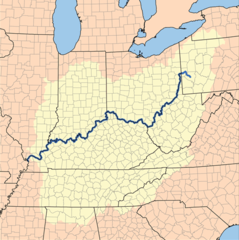
4871651569Ohio River ValleyControversial land that led to the French and Indian War; British win war and claim this land; region where British fur traders went; rich soil for farming.45
4871651570The Battle of Quebec(1759) British victory over French forces on the outskirts of Quebec. The surrender of Quebec marked the beginning of the end of French rule in North America. The battle was won when General James Wolfe scouts followed wash women up the cliffs on a secret passageway.46
4871651571General James WolfeCommander of a British fleet sailed to Quebec and defeated French Troops that were defending the city, British seized Quebec and took control of New France. He died in the battle and became a hero of English military.47
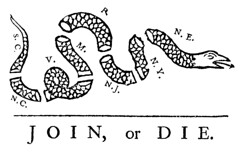
4871651572Join or DieFamous cartoon drawn by Ben Franklin which encouraged the colonies to join in fighting the British during the French and Indian War48
4871651573Albany Plan of UnionPlan proposed by Benjamin Franklin that sought to unite the 13 colonies for trade, military, and other purposes; the plan was turned down by the colonies & the Crown.49

GVHS AP US History Period 2 Flashcards

Terms : Hide Images
5114080613Anglicizationthe colonial american desire to emulate English society, including English taste in foods, customs, and architecture0
5114083647Chattel SlaveryAbsolute legal ownership of another person, including the right to buy or sell that person.1
5114087857DeismA popular Enlightenment era belief that there is a God, but that God isn't involved in people's lives or in revealing truths to prophets.2
5114090594Enlightenment ideasAll human beings are born free and equal with a right to life liberty and property. It is the duty of the government to protect the natural rights of its citizens. Enlightenment thinkers were primarily interested in changing the relationship between the people and their government. Government's decisions should be based on laws of nature and reason3
5114092736Freeholder idealLand owned in its entirety, without feudal dues or land-lord obligations. Freeholders had the legal right to improve, transfer, or sell their land4
5114096216MercantilismAn economic policy under which nations sought to increase their wealth and power by obtaining large amounts of gold and silver and by selling more goods than they bought5
5114100142Chesapeake ColoniesTerm for the colonies of Maryland and Virginia6
5114103495New england ColoniesThe term for the colonies of Massachusetts bay, Rhode Island, and New Hampshire. Colonies with long, cold winters and a strict focus on religion7
5114110595Southern ColoniesMaryland, Virginia, North Carolina, South Carolina, Georgia. Colonies with hot summers and mild winters, focus on cash crops which led to need for slaves8
5114116137Natural rightsLife, Liberty, and Property9
5114118285Overt resistanceoutright breaking of the rules or social expectations. Slaves were not always subtle in their efforts to gain freedom10
5114122576Covert resistancewhen slaves secretly or subtly resisted their masters (breaking tools, stealing food, etc)11
5114124961Print culturea growing concern with the secular as opposed to the religious issues during the Enlightenment led to this, in which books and newspapers achieved a status of their own12
5114126818Protestant evangelismChristianity based on emotionalism and spirituality. It was part of the First Great Awakening. Evangelism was a reaction to the Enlightenment priority of rationalism over emotionalism and spirituality. Led by George Whitefield.13
5114129682Royal coloniesColonies controlled by the British king through governors appointed by him and through the king's veto power over colonial laws.14
5114130898Proprietary coloniesColonies in which the proprietors (who had obtained their patents from the king) named the governors, subject to the king's approval.15
5114132809Salutary neglectAn English policy of not strictly enforcing laws in its colonies16
5114134686PuritansA religious group who wanted to purify the Church of England. They came to America for religious freedom and settled Massachusetts Bay.17
5114136162SeparatistsEnglish Protestants who would not accept allegiance in any form to the Church of England. Included the Pilgrims and Quakers18
5114186153Headright systemHeadrights were parcels of land consisting of about 50 acres which were given to colonists who brought indentured servants into America. They were used by the Virginia Company to attract more colonists.19
5114188459JamestownThe first permanent English settlement in North America, found in East Virginia20
5114190167House of Burgessesthe first elected legislative assembly in the New World established in the Colony of Virginia in 1619, representative colony set up by England to make laws and levy taxes but England could veto its legislative acts.21
5114195943PlymouthColony settled by the Pilgrims. It eventually merged with Massachusetts Bay colony.22
5114198148Mayflower Compact1620 - The first agreement for self-government in America. It was signed by the 41 men on the Mayflower and set up a government for the Plymouth colony.23
5114199509ImperialismA policy of extending a country's power and influence through diplomacy or military force.24

Pages

Subscribe to CourseNotes RSS

Need Help?

We hope your visit has been a productive one. If you're having any problems, or would like to give some feedback, we'd love to hear from you.

For general help, questions, and suggestions, try our dedicated support forums.

If you need to contact the Course-Notes.Org web experience team, please use our contact form.

Need Notes?

While we strive to provide the most comprehensive notes for as many high school textbooks as possible, there are certainly going to be some that we miss. Drop us a note and let us know which textbooks you need. Be sure to include which edition of the textbook you are using! If we see enough demand, we'll do whatever we can to get those notes up on the site for you!