AP Notes, Outlines, Study Guides, Vocabulary, Practice Exams and more!

AP World History Chapter 8 Vocabulary Flashcards

Terms : Hide Images
5396700390stateless societiesAfrican societies organized around kinship or other forms of obligation and lacking the concentration of political power and authority associated with states0
5396706621IfriqiyaArab term for eastern North Africa1
5396713982MaghribThe Arabic word for western north Africa2
5396716533AlmoravidsA puritanical reformist movement among the Islamic Berber tribes of northern Africa; controlled gold trade across Sahara; conquered Ghana in 1076; moved southward against African kingdoms of the savanna and westward into Spain.3
5396721262AlmohadisA reformist movement among the Islamic Berbers of northern Africa; later than the Almoravids; penetrated into sub-Sahara Africa.4
5396735729EthiopiaA Christian kingdom that developed in the highlands of eastern Africa under the dynasty of King Lalaibela; retained Christianity in the face of Muslim expansion elsewhere in Africa5
5396735730the SahelA semi-dry region that is mostly sparse grasses and thorny bushes.6
5396737957Sudanic statesStates trading to north Africa and mixing Islamic and indigenous ways.7
5396740332Mali EmpireFrom 1235-1400, this was a strong empire of Western African. With its trading cities of Timbuktu and Gao, it had many mosques and universities. The Empire was ruled by two great rulers, Sundiata and Mansa Musa. Thy upheld a strong gold-salt trade. The fall of the empire was caused by the lack of strong rulers who could govern well.8
5396741690JuulaMalinke merchants; formed small partnerships to carry out trade throughout Mali empire; eventually spread throughout much of West Africa9
5396744129Sundiatathe founder of Mali empire. He crushed his enemies and won control of the gold trade routes10
5396744130griotsProfessional oral historians who served as keepers of traditions and advisors to kings within the Mali Empire11
5396746316TimbuktuCity on the Niger River in the modern country of Mali. It was founded by the Tuareg as a seasonal camp sometime after 1000. As part of the Mali empire, Timbuktu became a major major terminus of the trans-Saharan trade and a center of Islamic learning.12
5396746317SonghaySuccessor state to Mali; dominated middle reaches of Niger valley; formed as independent kingdom under a Berber dynasty; capital at Gao; reached imperial status under Sunni Ali13
5396748747Askiaone of the last rulers of Songhai, before it broke apart, recognized as the Muslim ruler of the Niger River Valley14
5396748748Ali bin Muhammadled the Zanj revolt15
5396750751Hausa statesStates, such as Kano, among the Hausa of northern Nigeria; combined Islamic and indigenous beliefs.16
5396758321ShariaIslamic Law17
5396758322ZanjWhat is the Arabic term for the Swahili coast of Africa?18
5396760825Ibn BatutaMoroccan Muslim scholar, the most widely traveled individual of his time. He wrote a detailed account of his visits to Islamic lands from China to Spain and the western Sudan. Arab traveler who described African societies and cultures in his travel records19
5396763105demographyScientific study of human populations.20
5396764611demographic transitionchange in a population from high birth and death rates to low birth and death rates21
5396764612NokWest Africa's earliest known culture; lived in what is now Nigeria; between 500 B.C. and A.D. 200; first people known to smelt iron; fashioned iron into tools for farming and weapons for hunting22
5396764613YorubaA West African people who formed several kingdoms in what is now Benin and Southern Nigeria.23
5396773253Benina kingdom that arose near the Niger River delta in the 1300s and became a major West African state in the 1400s24
5396773254Kingdom of Congo1. Only Bantu kingdom25
5396775481Great ZimbabweCity, now in ruins (in the modern African country of Zimbabwe), whose many stone structures were built between about 1250 and 1450, when it was a trading center and the capital of a large state.26

AP World History Vocabulary Flashcards

Terms : Hide Images
7260002310Mandate of HeavenThe Chinese belief that there could only be one legitimate ruler of China at a time and that they had a blessing from the gods. A person in China couldn't be a ruler unless they were given the blessing of the gods.0
7260002899Agricultural RevolutionThe transition from hunting and gathering to farming crops. This was a major turning point in history, because it lead to the formation of civilizations.1
7260002900Code of HammurabiA code where punishments were based on class. This showed inequality among people of different classes.2
7260003322PatriarchyA system of society or government in which the father is head of the family and men are superior to women. Women were no longer equal to men, and they had less rights than the men did.3
7260004231PolytheismThe belief in and worship of many gods. Early religions worshiped many gods, including spirits of things in nature.4
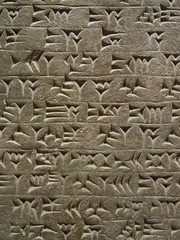
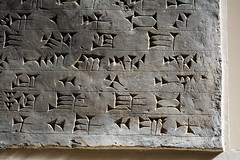
7260004611CuneiformWedge-shaped symbols on clay tablets representing objects, abstract ideas, sounds, and syllables. This was an early form of writing in Mesopotamia.5
7312357815Indo-EuropeanThe people of the Persian empire located on the Iranian plateau.6
7312357816SatrapsPersian governors that were placed in each of Persia's twenty-three provinces7
7312358898PersepolisA Persian imperial center that reflected the wealth and power of the Persian empire. The city had palaces and monuments that made it a symbol of authority.8
7312362216HellenesWhat the ancient Greeks called themselves when they first formed their civilization.9
7312362217CitizenshipThe people in Greece with citizenship were initially only elite men, but later, lower class men and farmers were allowed to have citizenship. Women, slaves, and foreigners were not granted citizenship.10
7312363390Alexander and his conquestsThe son of Philip II. Conquered many lands for Greece.11
7312365492AlexandriaThe largest Greek city in Egypt conquered by Alexander.12
7333809018Pater FamiliasHead of the household13
7333809019AugustusFirst ruler of Rome, originally named Octavian14
7333809020Pax RomanaRoman peace15
7333809021Qin ShihuangdiFirst emperor of China16
7333809022Han WudiEmperor of Han17
7333809023XiongnuPeople living beyond the northwest fronteir of China.18
7333809024Julius CaesarA military leader in Rome19
7359042135Filial Pietythe responsibility children have to respect, obey, and care for their parents20
7359042794DaoThe way21
7359047643Vedas and Upanishadscollections of poems, hymns, prayers, and rituals22
7359047644Brahmanthe World Soul and the final and ultimate reality23
7359048193Atmanthe human soul and part of Brahman24
7359048194Samsarareincarnation25
7359048195Karmaa principle where the human soul migrated from body to body based on one's actions26
7359049240Mokshaliberation from the illusion of human existence27
7359049241Nirvanaenlightenment28
7359050457Theravada vs. MahayanaTheravada, Teaching of the Elders, portrayed Buddha as a wise teacher, and Mahayana, Great Vehicle, provided help for believers on their voyage to enlightenment. Theravada was on your own and Mahayana was with help from others.29
73590512354 Noble Truthsthe four main ideas of Buddhism30
7359052347Noble Eight Fold PathBuddhist guide to life31
7442079502Ashokaa ruler of the Mauryan Empire in India who converted to Buddhism32
7442079503Saint PaulResponsible for much of the spread of Christianity33
7442082409Coptic ChristianityOrthodox form of Christianity from Egypt practiced in Ethiopia34
7442085887StoicsOne outwardly unaffected by pain or pleasure35
7496828766Wang MangTook over the Chinese emperor's throne in 8 CE. Tried to divide landowners' land among peasants with no land, but was opposed and assassinated in 23 CE.36
7496828767Scholar-gentryWell educated Chinese officials that were a part of China's bureaucracy37
7496831999Yellow Turban RebellionPeasants that were affected by the flooding of the Yellow River started a rebellion and wore yellow scarves on their heads to show support. In 184 CE, they had around 360,000 followers, but were suppressed by the Han military. However, they did weaken the economy and state, which assisted the fall of the Han dynasty a few years later.38
7496832000VarnasThe four ranked classes in India in 500 BCE39
7496833713JatisOccupationally based groups in India40
7496836080LatifundiaHuge estates in Rome41
7496838827SpartacusIn 73 BCE, he led seventy other slaves to freedom from a gladiator school, which attracted other slaves to revolt.42
7496840534PatriciansThe wealthy, hereditary aristocrats during the Roman era.43
7496840535PlebiansCommon people of Rome44
7534052700Coptic ChristianityA form of Christianity practiced in Ethiopia45
7534054875King Ezana of AxumAdopted the religion of Christianity at about the same time as Constantine in Rome46
7534054876Jenne-JenoAn urbanized city which at its peak housed about 40,000 people, and did not have a centralized political system47
7534054877TikalA city in the Mayan empire that had about 50,000 people48
7534058870TeotihuacanA Mesoamerican city that was formed before Columbus's exploration49
7534067555Gender ParallelismMen and women in the Aztec and Inca were separate but equal50
7557699438Silk RoadsTrading networks that stretched through Eurasia by land.51
7557699439XiongnuNomadic people in China that were taken over by the Han.52
7557701367Roman EmpireDiseases affected this empire because they were spread through trade on the Silk Roads.53
7557701368BuddhismThis religion changed and added new concepts through the Silk Road, such as the Greek's Herakles who was viewed as Buddah's protector.54
7557705238DunhuangAn oasis city in Central Asia the Buddhism spread to.55
7557705239MonsoonsThey are alternating wind currents that blew predictably eastward during the summer months and westward during the winter. Understanding them and a gradually accumulating technology of shipbuilding and oceanic navigation drew on the ingenuity of many peoples - Chinese, Malays, Indians, Arabs, Swahilis, and others.56

Summer Geography Vocab - Ap World History Flashcards

Terms : Hide Images
10250180562ArchipelagoA body of water with many scattered islands.0
10250185563CanalA waterway passage for ships and boats to conduct irrigation and drain excess water.1
10250221373CapeA high point of land that leads into a body of water.2
10250262418Eastern HemisphereThe side of the Earth that lies east from the Atlantic Ocean. Includes Europe, Australia, Asia, and Africa.3
10250927943Western HemisphereThe side of the Earth that lies in the west and includes North and South America.4
10250953960PeninsulaA small section of land that is surrounded by a body of water and connected to the main island only on one side.5
10251085337Terrace FarmingA type of farming where crops and plants are planted in terraces on the sides of hills and mountains.6
10251126250River ValleyA V shaped valley with a channel of water running between it.7
10252100992LatitudeThe distance between the north and the south equator.8
10252126672LongitudeThe distance between the east and west of a specific location.9
10252371061DesertificationLand degradation where dry areas of land lose their bodies of water, wildlife, and vegetation.10
10252402752EthnocentricViewing and judging cultures based on stereotypes and none to minimal research.11
10252436906ArableAn area that is capable of producing crops, like soil.12
10252447605IsthmusA long, narrow strip of land that is surrounded by a body of water.13
10252453222GulfA curved section of water that borders around a piece of land.14
10252457823PlateauAn elevated piece of land that lays flat but rises at one point in either the middle or sides.15
10252470981DeforestationThe clearance of a forest and or a heavily dense tree-filled area.16

AP World History: Islam Flashcards

Terms : Hide Images
5903500906BedouinNomadic pastoralists of the Arabian peninsula; culture based on camel and goat nomadism; early converts to Islam0
5903500908MeccaCity located in mountainous region along Red Sea in Arabian peninsula; founded by Umayyad clan of Quaraysh; site of Ka'ba; original home of Muhammad; location of cheif religious pilgrimage point in Islam1
5903500909UmayyadClan of Quraysh that dominated politics and commercial economy of Mecca; clan established a dynasty under this title as rulers of Islam, 661 to 7502
5903500912MedinaAlso known as Yahtrib; town located northeast of Mecca; grew date palms whose fruit was sold to bedouins; became refuge for Muhammad following flight from Mecca (hijra)3
5903500913AllahThe Arab term for the high god in pre-Islamic Arabia that was adopted by the followers of Muhammad and the Islamic faith4
5903500916MuhammadProphet of Islam; born c.570 to Banu Hashim clan of Quraysh tribe in Mecca; raised by fathers family; received revelations from Allah in 610 C.E. and thereafter; died in 6325
5903500917Khadijah(555-619)First wife of prophet Muhammad, who had worked for her as a trader6
5903500918Qur'anRecitations of revelations received by Muhammad; holy book of Islam7
5903500919Ali(c.599-661)Cousin and son-in-law of Muhammad; one of orthodox caliphs; focus for Shi'a8
5903500922Five pillarsThe obligatory religious duties of all Muslims; confession of faith, prayer, fasting during Ramadan, giving to the prayer, and hajj.9
5903500923RamadanIslamic month of religious observance requiring fasting from dawn to sunset10
5903500924HajjA Muslim's pilgrimage to the holy city of Mecca, to worship Allah at the Ka'ba11
5903500926CaliphThe political and religious successor to Muhammad12
5903500927Abu BakrThe first caliph or leader of the Muslim faithful elected after Muhammad's death in 632. Renown for his knowledge of the nomadic tribes who then dominated the Islamic community13
5903500929JihadsStruggles; often used for wars in defense of the faith, but also a term to indicate personal quests for religious understanding14
5903500934Mu'awiya(602-680)Leader of Umayyad clan; first Umayyad caliph following civil war with Ali15
5903500935SunnisPolitical and theological division with Islam; supported the Umayyads16
5903500936Shi'aAlso known as Shi'ites; political and theological division within Islam; followers of Ali17
5903500938DamascusSyrian city that was capital of Umayyad caliphate18
5903500943AbbasidDynasty that succeeded the Umayyads as caliphs within Islam; came to power in 750 C.E.19
5903500946BaghdadCapital of Abbasid dynasty located in Iraq near ancient Persian capital of Ctesiphon20
5903500949In what ways was the Islamic religion a faith that elevated the status and opportunities of women, and what were the constrains on this process? Was this true in all places to which Islam spread?Women gained more power such as property ownership. But this was not the case in places such as Africa and Southeast Asia21
5903500955CrusadesSeries of military adventures initially launched by western Christians to free Holy Land from Muslims; temporarily succeeded in capturing Jerusalem and establishing Christian kingdoms; later used for other purposes such as commercial wars and extermination of heresy22
5903500957Ibn Khaldun(1332-1406)A Muslim historian; developed concept that dynasties of nomadic conquerors had a cycle of three generations- strong, weak, dissolute23
5903500960UlamaOrthodox religious scholars within Islam; pressed for a more conservative and restrictive theology; increasingly opposed to non-Islamic ideas and scientific thinking24
5903500989Ibn SinaWrote the medical encyclopedia that was the basic medical textbook for the middle ages.25
5903500994ShariahIslamic law; defined among other things the patrilineal nature of Islamic inheritance26
5915263256Ibn RushdWrote the commentary of virtually all of Aristotle's works.27
5915267949Omar KhayyamWrote the Rubayat, which is one of the most familiar books of Middle28
5915297637Cordobamajor Islamic city in the middle ages and known for the mosque.29
5915305964Gabrielconsidered an archangel whom God is believed to have sent with revelation to various prophets, including Muhammad30
5915411563Eastern LiteratureTranscript of Ancient Middle Eastern Literature. Ancient Middle Eastern Literature What you need to know about. the Middle East... Best known for where civilization started.31
5915416646Genghis Khanwas the founder and Great Khan of the Mongol Empire32
5915432196Husseinson of Ali33
5915442885Abbadis Dynastythird of the Islamic caliphates to succeed the Islamic prophet Muhammad34
5915452153Fatimidsa member of a dynasty that ruled in parts of northern Africa, Egypt, and Syria35
5915456179Alhambrathe complete Arabic form of which was Qalat Al-Hamra, is a palace and fortress complex36
5915469004Astrolabevery ancient astronomical computer for solving problems relating to time and the position of the Sun and stars in the sky37
5915473423Sultana Muslim sovereign38
5915477910RubaiyatA traditional Persian verse form consisting of a collection of quatrains39
5915492713Hijrahmigration or journey of the Islamic prophet Muhammad and his followers from Mecca to Medina40
5915496994Viziera high official in some Muslim countries41
5915500121Minareta tall slender tower, typically part of a mosque, with a balcony42
5915502670Muezzina man who calls Muslims to prayer from the minaret of a mosque.43
5915518052Islam's contribution to AlgebraThey perfected it after it was created by the Babylonians44

AP World History- Chapter 15 Flashcards

Terms : Hide Images
10344506311Zheng HeAn imperial eunuch and Muslim, entrusted by the king emperor Yongle w/ a series of state voyages that took his gigantic ships through the Indian Ocean, from South East Asia to Africa0
10344506312ArawakAmerindian peoples who inhabited the greater Antilles of the Caribbean at the time of Columbus1
10344506313Henry the NavigatorPortuguese prince who promoted the study of navigation and directed voyages of exploration down the west coast of Africa2
10344506314CaravelA small, highly maneuverable three master ship used by the Portuguese and Spanish in the exploration of the Atlantic3
10344506315Gold CoastRegion of the Atlantic coast i west Africa occupied by modern Ghana4
10344506316Bartolomeu DiasPortuguese explorer who in 1488 led the first expedition to sail around the southern tip of Africa from the Atlantic and sight the Indian Ocean5
10344506317Vasco de GamaPortuguese explorer who led the first naval expedition from Europe to sail to India6
10344506318Christopher ColumbusGenoese mariner who in the services of Spain led expeditions across the Atlantic; reestablished contact between the peoples of the americas and the old world and opening the way to Spanish conquest and colonization7
10344506319Ferdinand MagellanPortuguese navigator who led the Spanish expedition; was the first to sail around the world8
10344506320ConquistadorsEarly 16th century Spanish adventurers who conquered Mexico, Central America, and Peru9
10344506321Hernan CortesSpanish explorer and conquistador who led the conquest of Aztec Mexico for Spain10
10344506322Moctezuma 2Aztec emperor who died woke in custody of the Spanish conquistador Herman Cortes11
10344506323AtahualpaLast ruling inca emperor of Peru; executed by the Spanish12
10344506324Francisco PizarroSpanish explorer who led the conquest of the inca empire of Peru13

AP World History study guide 2 Flashcards

Terms : Hide Images
8277014871What happened in 100 BCE to 900 CE?Silk Road in use linking China and Rome0
8277034573What is ummah?Arabic word meaning "community".1
8277110724What did the invention of dhow ships and lateen sails allow?The movement of goods over long distances in the monsoon winds of the Indian Ocean.2
8277261079The city-states traded with inland kingdoms like Great Zimbabwe to obtain what?Gold, ivory, and iron.3
8277307894What is Sharia?The Migration of Muhammad from Mecca to Medina in A.D. 622, marking the founding of Islam.4
8309791568600-1450 CEEra of forging new and strengthening old connections between various regions throughout the Afro-Eurasian World.5
8309851076What are the five pillars of Islam?Shahada: Faith, Salat: prayer, Zakāt: charity, Shawn: fasting, Hajj: pilgrimage to Mecca6
8309886894What are shi'ites?An adherent of the Shia branch of Islam7
8309898059What is Qu'ran?Holy book of Islam8
8309918723Who is Umayyad?member of a Muslim Dynasty that ruled the Islamic world from AD 660 (or 661) to 750 and Moorish Spain from 762 to 1031. The Dynasty claimed descent fro. Umayya, a distant relative of Muhammad9
8309949065What is the caliphateThe rule of reign of a caliph or chief Muslim ruler10
8374782803Who were the two fighting in Hundred Years' War?France and England11
8374849605What were the years of the Hundred Years' War?1337-1453 (116 years)12
8374993324Who was Joan of Arc?A national heroine of France, at age 18 she led the French army to victory over the English at Orléans. Captured a year later, Joan was burned at the stake as a heretic by the English and their French collaborators13
8375129203How did Joan of Arc die?She burned alive14
8416058921Slash and burn (shifting) agriculture terraced farmingMaize, cotton, cacao15
8416098980Classical Mesoamerica: Maya: name 2 things about when preists constructed elaborate calendars1. Solar based on agricultural cycle (365 days) and ritual (260 days) 2. wrote inscriptions on temples/monuments and books on paper or vellum16
8416252812Who was the first to unify central Mexico after the people of Teotihuacan?Toltecs17
8416261139Who were the two rulers?Most famous was Topiltizin, a present acossiated with god Quetzalcoatl (forced into exile)18

AP World History - Chapter 10 Flashcards

Terms : Hide Images
7860347690Aristotle and classical Greek learningSome works of the Greek philosopher Aristotle (384-322 B.C.E.) had always been known in Western Europe, but beginning in the eleventh century, medieval thought was increasingly shaped by a great recovery of Aristotle's works and a fascination with other Greek authors; this infusion of Greek rationalism into Europe's universities shaped intellectual development for several centuries.0
7860347691Byzantine Empire (pron. BIZ-an-teen)Term used by modern historians to refer to the surviving eastern Roman Empire during the medieval centuries; named after the ancient Greek city Byzantium, on the site of which the Roman emperor Constantine founded a new capital, Constantinople, in 330 C.E.1
7860347692caesaropapism (pron. SEEZ-ar-oh-PAPE-ism)A political-religious system in which the secular ruler is also head of the religious establishment, as in the Byzantine Empire.2
7860347693Charlemagne (pron. SHAHR-leh-mane)Ruler of the Carolingian Empire (r. 768-814) who staged an imperial revival in Western Europe.3
7860347694Christianity, Eastern OrthodoxBranch of Christianity that developed in the eastern part of the Roman Empire and gradually separated, mostly on matters of practice, from the branch of Christianity dominant in Western Europe; noted for the subordination of the Church to political authorities, a married clergy, the use of leavened bread in the Eucharist, and insistence on church councils as the ultimate authority in Christian belief and practice.4
7860347695Christianity, Roman CatholicWestern European branch of Christianity that gradually defined itself as separate from Eastern Orthodoxy, with a major break in 1054 C.E.. that has still not been healed; "Roman Catholic" was not commonly used until after the Protestant Reformation, but the term is just since, by the eleventh century, Western Christendom defined itself in centralized terms, with the bishop of Rome (the pope) as the ultimate authority in matters of doctrine.5
7860347696Constantinople (pron. con-stan-tih-NO-pul)New capital for the eastern half of the Roman Empire, established by Emperor Constantine in 330 C.E. on the site of the ancient Greek city of Byzantium; Constantinople's highly defensible and economically important site helped assure the city's cultural and strategic importance for many centuries.6
7860347697CrusadesModern term meaning "ventures of the cross," used to describe the "holy wars" waged by Western Christendom from 1095 until the end of the Middle Ages and beyond; Crusades could only be declared by the pope and were marked by participants swearing a vow and receiving an indulgence in return.7
7860347698Cyril and Methodius (pron. SIR-uhl, meth-ODE-ee-us)Ninth-century Byzantine missionaries to the Slavs whose development of Cyrillic script made it possible to write Slavic languages.8
7860347699Cyrillic (pron. sih-RIL-ik)Alphabet based on Greek letters that was developed by two Byzantine missionaries, Cyril and Methodius, to write Slavic languages.9
7860347700European citiesWestern Europe saw a major process of urbanization beginning in the eleventh century, with towns that created major trade networks and that were notable for the high degree of independence they often enjoyed.10
7860347701Greek fireForm of liquid fire that could be sprayed at the enemy; invented by the Byzantines and very important in their efforts to halt the Arab advance into Byzantine territory.11
7860347702guildAn association formed by people pursuing the same line of work that regulated their professions; it also provided a social and religious network for members.12
7860347703Holy Roman EmpireTerm invented in the twelfth century to describe the Germany-based empire founded by Otto I in 962 C.E.13
7860347704the West as a "hybrid civilization"The distinctive path of Western Europe in the centuries following the fall of the western Roman Empire, leading to a society that included elements of ancient Rome, the practices of Germanic invaders who formed new states, Christianity, and elements of pre-Roman culture that still survived.14
7860347705iconoclasm (pron. eye-KON-oh-klasm)The destruction of holy images; a term most often used to describe the Byzantine state policy of image destruction from 726 to 843.15
7860347706indulgenceA remission of the penalty (penance) for confessed sin that could be granted only by a pope, at first to Crusaders and later for a variety of reasons.16
7860347707JustinianByzantine emperor (r. 527-565 C.E.), noted for his short-lived reconquest of much of the former western Roman Empire and for his codification of Roman law.17
7860347708Kievan Rus (pron. key-YEV-an ROOS)State that emerged around the city of Kiev in the ninth century C.E.; a culturally diverse region that included Vikings as well as Finnic and Baltic peoples. The conversion of Vladimir, the grand prince of Kiev, to Orthodox Christianity in 988 had long-term implications for Russia.18
7860347709natural philosophyThe scientific study of nature, which developed, especially in Europe, in the later Middle Ages.19
7860347710Otto IKing of Germany (r. 936-973) who built a consolidated German-northern Italian state and was crowned emperor in 962, creating what became known in time as the "Holy Roman Empire."20
7860347711system of competing statesThe distinctive organization of Western European political life that developed after the fall of the western Roman Empire in the fifth century C.E. in which the existence of many small, independent states encouraged military and economic competition.21
7860347712VikingsScandinavian raiders who had an impact on much of Western Europe in the late eighth to eleventh centuries; their more peaceful cousins also founded colonies, including Newfoundland, Greenland, and Iceland.22
7860347713Vladimir, prince of Kiev (pron. vlad-IH-mir)Grand prince of Kiev (r. 978-1015 C.E.) whose conversion to Orthodox Christianity led to the incorporation of Russia into the sphere of Eastern Orthodoxy.23

AP World Chapter 13 Flashcards

Terms : Hide Images
5819176963DevshirmeThe tribute of boy children that the Ottoman Turks levied from their Christian subjects in the Balkans; the Ottomans raised the boys for service in the civil administration or in the elite Janissary infantry corps.0
5819183014the great dyingTerm used to describe the devastating demographic impact of European-borne epidemic diseases on the Americas.1
5819187638Qing DynastyRuling dynasty of China from 1644 to 1912; they were originally from Manchuria, which had conquered China.2
5819192103SiberiaRussia's great frontier region, a vast territory of what is now central and eastern Russia, most of it unsuited to agriculture but rich in mineral resources and fur-bearing animals.3
5819198501Mughal EmpireOne of the most successful empires of India, a state founded by Muslim Turks who invaded India in 1526; their rule was noted for efforts to create partnerships between Hindus and Muslims.4
5819201955MulattoesTerm commonly used for people of mixed African and European blood.5
5819206677Columbian ExchangeThe massive transatlantic interaction and exchange between the Americas and Afro-Eurasia that began in the period of European exploration and colonization.6
5819213355CortesSpanish conquistador (1485-1547) who led the expedition that conquered the Aztec Empire in modern Mexico.7
5819220433Settler ColoniesColonies in which the colonizing people settled in large numbers, rather than simply spending relatively small numbers to exploit the region; particularly noteworthy in the case of the British colonies in North America.8
5819229670Ottoman EmpireMajor Islamic state centered on Anatolia that came to include the Balkans, the Near East, and much of North Africa.9
5819236547Plantation ComplexAgricultural system based on African slavery that was used in Brazil, the Caribbean, and the southern colonies of North America.10
5819243181Little Ice Age and General CrisisA period of unusually cool temperatures that spanned much of the 17th Century early modern period, most prominently in the Northern Hemisphere. Varied from region to region, helped spark the General Crisis.11
5819250370AkbarThe most famous emperor of India's Mughal Empire (r. 1556-1605); his policies are noted for their efforts at religious tolerance and inclusion.12
5819260071Constantinople, 1453This area fell to the army of the Ottoman sultan Mehmed II "the Conqueror" in 1453, an event that marked the end of Christian Byzantium.13
5819267252MestizoLiterally, "mixed" a term used to describe the mixed-race population of Spanish colonial societies in the Americas.14
5819270725PeninsularesIn the Spanish colonies of Latin America, the term used to refer to people who had been born in Spain; they claimed superiority over Spaniards born in the Americas.15
5819275437yasakTribute that Russian rulers demanded from the native peoples of Siberia, most often in the form of furs.16
5819280765Dona MarinaNative American slave from an elite background who, in 1519, became Cortés's indispensible interpreter and strategist. She accompanied him during his conquest of the Aztec Empire and bore him a son. After the conquest, she was married off to another conquistador dying around 1530 C.E.17

AP World History: India Flashcards

Classical Civilization India

Terms : Hide Images
5273859130I. Framework for Indian History: Geography and a Formative Period...0
52738591311. Describe the contacts India had with other civilizations.open to influences from Middle East & Mediterranean world. Persian empires spilled into India at several points with artistic styles/political concepts. Alexander the Great briefly invaded India & =Indian contacts with Hellenistic culture. Influences from Middle East continued after classical age.1
52738591322. How did India's topography shape its civilization?subcontinent partially separated from rest of Asia in north by Himalayas. Northwest passes in mts. linked India to civ. in Middle East. India not isolated, but set apart within Asia; divisions in subcontinent >> political unity difficult. India= greater diversity than China. Agricultural regions: along Indus & Ganges Rivers; mountainous northern regions = herding economy; southern coastal rim, separated by moun¬tains & Deccan plateau= active trading /seafaring economy. India's separate regions >> economic diversity & racial & language differences.2
52738591333. Identify/significance: monsoonsSummer >> monsoon rains; sometimes too little or too late> drought>famine; too much >>catastrophic floods. With favorable monsoons >>Indian farmers plant/harvest 2 crops >> support large population.3
52738591344. Identify/significance: Aryansnomadic Indo-Europeans; migrated into Indus Valley> took over early Indus Valley civilization; gradually adapted to agriculture & impacted culture/social structure of new home. Vedic Age (1500-1000 B.C.E.) Indian agriculture extended from Indus River valley to more fertile Ganges valley; Aryans used iron tools to clear dense vegetation.4
52738591355. Identify/significance: Vedasoral literary epics of Aryans; later written in Sanskrit -first literary language of new culture.)5
52738591366. Identify/significance: Rig Vedafirst epic of Vedic Age=1028 hymns by priests dedicated to Aryan gods6
52738591377. Identify/significance: Mahabharata and Ramayana and UpanishadsNew stories of Epic Age (1000- 600 B.C.E.) includes the Mahabharata, India's greatest epic poem & the Ramayana; both deal with real & myth¬ical battles; reflect more settled agricul¬tural society & better-organized political units than the Rig-Veda. Upanishad= poems of Epic Age with mystical religious flavor.7
52738591388. Describe the influence of Aryans on family structure in India.patriarchal; extended fam¬ily (grandparents, parents, children)8
52738591399. Describe the development and characteristics of the caste system that began to take shape in the Vedic and Empire Ages. (varnas, Kshatriyas, Brahmans, Vaisyas, Sudras, Untouchables)caste system may have developed to establish relationships between Aryan conquerors & indigenous people. Aryan social classes (varnas) enforced divisions famil¬iar in agricultural societies. >> warrior or gov¬erning class- Kshatriyas & priestly class -Brahmans = top of social pyramid, fol¬lowed by traders / farmers -Vaisyas & common laborers- Sudras. A 5th group gradu¬ally evolved, later called untouchables, who were confined to unclean jobs. Gradually five social groups became hereditary, with mar¬riage between castes forbidden & punishable by death; basic castes divided into smaller subgroups, called jati, each with distinctive occupations & each tied to its social station by birth.9
527385914010. Characteristics of Aryan gods and goddesses and religious ideasThe Aryans brought distinctive religious ideas that included many gods/goddesses who regulated natural forces & had human qualities. This system = similarities to Greek & Scandinavian mythology because all derived from common Indo-European oral heritage. India constructed a complex religion that still exists.10
5273859141II. Patterns in Classical India...11
527385914211. How did the rhythm of Indian history differ from that of China?India= no structure of rising/falling dynasties like China. Political eras less clear than in clas¬sical Greece. Rhythm of Indian history irreg¬ular; marked by invasions from northwest.12
527385914312. Describe the political divisions in India from the end of the Epic Age until the 4th century.Indian plains divided into powerful regional states in n.India: some monarchies, others republics dominated by assemblies of priests & warriors. Warfare common.13
527385914413. Identify Chandragupta Maurya and describe his achievements.322 B.C.E.soldier Chandragupta Maurya seized power along Ganges River>>first of Mauryan dynasty /first ruler to unify much of subcontinent; might have bor¬rowed from Persian political models or example of Alexander the Great. Chandragupta& successors= large armies, thousands of chariots & elephant-borne troops. The Mauryan rulers developed bureau¬cracy, including postal service.14
527385914514. Describe Chandragupta's government.highly autocratic; based on ruler's personal & mili¬tary power; always protected by bodyguards. Style would surface periodically in Indian history, just as in Middle East, a region with which India had contacts.15
527385914615. Identify and describe the achievements of Ashoka and his conversion to Buddhism.Chandragupta's grandson, Ashoka (269—232 B.C.E.) =greater figure in India's history. Governor of 2 provinces= lavish lifestyle; studied nature; influenced by spiritualism of Brahmans & Buddhism; extended Mauryan conquests> gained control of all but southern tip of India by bloodthirsty methods. Ashoka eventually converted to Buddhism; he saw it as a kind of ethical guide that might unite & discipline diverse people under his rule. Ashoka vigorously spread Buddhism throughout India, sponsoring shrines for worshippers. Ashoka sent Bud¬dhist missionaries to Hellenistic kingdoms in Middle East & Sri Lanka. The "new" Ashoka urged humane behavior by his officials & insisted they oversee moral welfare of his empire.16
527385914716. How did Chandragupta and Ashoka improve trade and communications?sponsored extensive road network with wells/ rest stops; stability & expansion of empire's territory encouraged growing commerce.17
527385914817. What happened in India after Ashoka's death?(Kushans) Guptas) After Ashoka, empire began to fall apart >> regional kingdoms again. New invaders, the Kushans, pushed into central India from northwest. The greatest Kushan king, Kanishka, converted to Buddhism; it hurt this religion's popularity in India by associating it with foreign rule. Kushan state collapsed by 220 C.E. >>another hundred years of political instability. New line of kings, Guptas, created large empire in 320 C.E.18
527385914918. Describe the achievements of the Gupta rulers.Gupta empire was smaller & = no rulers as influential as great Mauryan rulers, but had greater impact. Gupta rulers preferred to negotiate with local princes & intermarry with their families>>>expanded influence without constant fighting. Two centuries of Gupta rule gave classical India its greatest period of political stability. Gupta empire over-turned in 535 C.E. by an invasion of nomadic war¬riors --the Huns-19
527385915019. How did political development in India compare to China or Greece and Rome?Classical India did not develop the solid political traditions and institutions of Chinese civilization, or the high level of political interest that would charac¬terize classical Greece and Rome.20
527385915120. What were the most persistent political features in India?Regionalism & diversity in political forms. There were autocratic kings & emperors, but also aristocratic assemblies in some regional states with power to consult & decide on major issues.21
527385915221. Explain how Gupta rulers tried to consolidate support.claimed they were appointed by gods to rule; favored Hinduism over Buddhism because Hindus believed in such gods. Guptas created taxation system= 1/6 of agri¬cultural produce. No extensive bureaucracy; allowed local rulers they had defeated to keep regional control if they recognized Gupta dominance; put personal representative at each ruler's court to ensure loyalty; no single language imposed; promoted San¬skrit= language of educated people, but this made no dent in diversity of popular regional languages.22
527385915322. In what ways was the Gupta period a golden age of Indian history?spread uniform law codes; like Mauryan rulers, they sponsored general ser¬vices, such as road building; > patrons of cultural activity, including university life, art, literature.23
527385915423. Describe the political culture of India.little formal political theory; few institutions /values other than regionalism. Chandragupta's chief minister, Kautilya, wrote treatise on politics telling rulers how to maintain power (similar to Legal¬ists). It encouraged authority but didn't spread political values or sense of importance of political service, in contrast to Confucianism & to interest in political ethics in Greece & Rome. Ashoka saw Buddhism as an ethic for good behavior & spiritual guidance. Bud¬dhist leaders not inter¬ested in politics; Indian religion didn't stress importance of politics, but viewed priests as sources of authority.24
527385915524. How did the caste system affect government and order?Caste rules regulated social relationships/work roles; religious encouragement in performance of caste duties did for Indian life what more conventional government structures did in many other cultures in promoting public order.25
527385915625. Explain how the Indian caste system became more complex.after Epic Age five initial classes sub-divided into 300 jati, which became further divided into a multitude of sub-castes. Hereditary principles grew stronger>>virtually impossible to rise above caste in which a person was born or to marry someone from a higher caste. Upward mobility could occur within castes. The system gave India most rigid overall framework for a social structure of any other classical civilizations.26
527385915726. How did the caste system affect society and culture in India?provided way for India's various races, conquerors & conquered, to live together without conflict & without full integration of cultures & values. Different kinds of people could live side by side in village or city, separated by caste. Castes promoted tolerance-this was useful, given India's varied peoples and beliefs. The caste system also meant that extensive outright slav¬ery was avoided. The lowest, untouchable castes were scorned, confined to poverty/ degrading work but their members were not directly owned by others.27
527385915827. What were the political consequences of caste system?rules governed marriages, jobs & social habits (eating /drinking); rules made detailed political administration less necessary; No state could command full loyalty from subjects= first loyalty to caste.28
527385915928. How did Hinduism help to produce continual and cultural cohesiveness in India?Hinduism gained ground on Buddhism under Guptas=clearest cultural cement of society; Hinduism is major system of belief in India today; promotes other features in Indian culture: contemporary Indian children are encouraged to exercise their imaginations longer than Western chil¬dren; some argue even Indian adults are less interested in agreed upon truths than in individually satisfying versions. This mind-set goes back to religious patterns cre¬ated in classical India, where Hinduism encouraged imaginative links with a higher, divine reality. Classical India, not source of enduring political institutions beyond local level, pro¬duced a civilization that would retain clear continuity & cultural cohesiveness from this point onward—even though the subcontinent was rarely politically united, at least under indigenous rulers.29
5273859160III. Religion and Culture...30
527385916129. How Hinduism differed from other religions.no single founder & no central figure; It unfolded gradually, sometimes in reaction to competing religions such as Buddhism or Islam. Hinduism pursued many religious approaches, from strictly rit¬ualistic ceremonial approach to high-soaring mysticism that sought to unite individual humans with an all-embracing divine principle. Part of Hinduism's success was the result of its ability to adapt to different needs of various groups & to change with circumstance.31
527385916230. Explain the beliefs of Hinduism as it became a more formal religion by the first centuries of the common era. (gurus, brahma, Vishnu, Shiva, reincarnation)mystics, called gurus as they gathered disciples & brahman priests agreed on certain doctrines, as Hinduism became an increas¬ingly formal religion by first centuries of the com¬mon era. The basic holy essence, called brahma, formed part of everything in this world. Every living creature participates in this divine principle. Divine aspects of brahma are manifested in forms of sev¬eral gods, including Vishnu, the preserver & Shiva, the destroyer. The world of our senses is far less important than the world of the divine soul; a proper life is devoted to seeking union with this soul. This quest may take many lifetimes, so Hindus stressed principle of reincarnation, in which souls do not die when bodies do but pass into other beings, either human or animal. Whether the soul it rises to a higher-caste person or falls to an animal, depends on how good a life the person has led. After many good lives, the soul reaches full union with the soul of brahma & worldly suffering ceases.32
527385916331. Identify/significance: Bhagavad Gita (dharma)concept of dharma directed attention to moral consequences of action. Each person must meet obligations of life. In the Bhagavad Gita, a classic sacred hymn, a warrior is sent to do battle against his own relatives. Fearful of killing them, he is advised by an incarnation of Brahma (Krishna) that he must carry out his duties. He will not really be killing his victims because their divine spirit will live on. This ethic urged that honorable behavior is compatible with spirituality & can lead to a final release from the life cycle & to unity with the divine essence.33
527385916432. Explain why Hinduism was able to spread through India and briefly to parts of Asia.It accommodated extreme spiri¬tuality & provided satisfying rules of conduct for ordinary life, including rituals & emphasis on distinction between good & evil behavior. It allowed many people to retain older beliefs/ ceremonie. It reinforced caste system, giving people in lower castes hope for a better time in lives to come & giving upper-caste people, including brahmans, satisfaction that if they behaved well, they might be rewarded by com-munion with the divine soul.34
527385916533. Explain how Siddhartha Gautama became Buddha and explain his beliefs.(nirvana) Indian prince born 563 B.C.E.> began to question fairness of earthly life with poverty/misery. Later called Buddha "enlightened one,">lived as Hindu mystic>felt he had found truth>gathered disciples & spread ideas. Buddha accepted Hindu beliefs of reincarnation, but he denied caste. He saw material world as trap that> pain/frustrations; men/women suffer as they struggle to hold on to youth, health, life though all are destined to pass away. Buddha saw sal¬vation in destruction of self & full union with divine essence in state of "nirvana"- a realm where suffering/decay are no more, a world beyond exis¬tence. Great stress placed on self-control. By arguing a holy life could be achieved through individual effort by people at every level of society, Buddhism denied spiritual value of caste & performance of rituals, but also of priests.35
527385916634. Explain how Buddhism spread and changed.It spread through example & teachings of groups of monks in monasteries who preached in the world. It attracted many follow¬ers in India; greatly spurred by conversion of emperor Ashoka. Increasingly, Buddha was seen as divine. Prayer/ contemplation at Buddhist holy places & works of charity/piety gave substance to idea of holy life on earth.36
527385916735. Why didn't Buddhism find a permanent following in India?Hindu opposition to Buddhism was strong; it was aided by influence of Gupta emperors. Hinduism showed adaptability by emphasizing its mystical side, thus keeping loyalties of many Indians.37
527385916836. Where were Buddhism's greatest successes?Buddhism's greatest successes, aided by the missionary encouragement of Ashoka and later the Kushan emperors, came in other parts of southeast Asia, including the island of Sri Lanka, off the south coast of India, and in China, Korea, and Japan. Still, pockets of Buddhists remained in India, particularly in the northeast.38
527385916937. Describe the characteristics of Indian drama under Guptas.stressed themes of romantic adventure- lovers separated & reunited after many perils; Contemporary Indian movies reflect tradi¬tion of romance & heroic action.39
527385917038. Identify/significance: NalandaGuptas supported vast university center (one of world's first) in town of Nalanda=attracted Indian brahmans & students from other parts of Asia. Nalanda = over 100 lecture halls, 3 large libraries, astronomical observatory. Curriculum: religion, philos¬ophy, medicine, architecture, agriculture.40
527385917139. Describe the accomplishments of Indian scientists.borrowed a little from Greek learning after conquests of Alexander Great>> advances in astronomy/ medicine; calculated length of solar year; improved mathematical measurements; astronomers calculated daily rotation of earth on its axis; predicted/ explained eclipses, developed theory of gravity, identified 7 planets with telescopes. Medical research hampered by reli¬gious prohibitions on dissection, but surgeons made advances in bone setting & plas¬tic surgery; inoculation against smallpox; hospitals stressed cleanliness & sterilization; doctors promoted high ethical standards.41
527385917240. Describe the accomplishments of Indian mathematicians.We use Indian number system today; we call it Arabic because Europeans imported it secondhand from Arabs. Indians invented concept of zero & >> decimal system. Indian numbering = writing as key human inventions. Indian mathematicians devel¬oped concept of negative numbers, calculated square roots & table of sines, & computed value of pi more accurately than Greeks.42
527385917341. Describe the characteristics of Indian art under Guptas.sculpture & painting moved from realistic portrayals of human form to more stylized representation. Indian artists painted people & animals captured in lively color= keen appreciation of nature. It could reflect reli¬gious values and could celebrate joys of life.43
527385917442. Explain how the cultural tone of India differed from that in the West or in China.Cultural tone of West was more rational and Chinese concentrated more on political ethics. In various cultural expressions, Indians developed an interest in spontaneity & imagination whether in fleshly plea¬sures or mystical union with divine essence.44
527385917543. How caste system affected daily life.described key features of Indian social/economic life; assigned people to occupations ®ulated marriages. Low-caste had few legal rights; servants often abused by masters, who were restrained only by ethical promptings of religion toward kindly treatment. Caste system made its mark on daily life & formal structure of society.45
527385917644. Describe the characteristics of family life and the role of women.Family life emphasized hierar¬chy/ dominance by husbands/fathers; rights of women >increasingly lim¬ited as Indian civilization took shape. Great epics stressed control by hus¬band/ father but recognized women's contributions. As agriculture >better organized &improved technology reduced women's economic contributions male authority expanded. Arranged marriage evolved --parents contracted unions for chil¬dren, especially daughters, at early ages, to spouses they had not met to ensure solid economic links; child brides contributed dowries of land or animals to family estates> girls drawn into new family structure with no voice.46
527385917745. Describe the characteristics of manufacturing in classical India.invented new uses for chem¬istry ;steel= best in world; ironmaking outdistanced European levels until a few centuries ago; techniques in textiles advanced as India was 1st first to manufacture cotton cloth, calico, cashmere. Most manufacturing done by artisans who formed guilds & sold goods from shops47
527385917846. Describe the characteristics of trade and merchant activity in classical India.Indian emphasis on trade and merchant activity was far greater than in China & greater than classical Mediterranean world. Indian mer¬chants =relatively high caste status; traveled over subcontinent & by sea to Middle East & East Asia. Seafaring peoples along southern coast, usually outside large empires of northern India were particularly active. These southern Indians, the Tamils, traded cotton, silks, dyes, drugs, gold, ivory, often earning great fortunes. From Middle East & Roman Empire, they brought back pottery, wine, metals, some slaves, and especially gold; trade with southeast Asia even more active; Indian mer¬chants transported sophisticated manufac¬tured goods & trappings of India's active culture to Malaysia & larger islands of Indonesia; also caravan trade developed with China48
527385917947. What was the role of agriculture in classical India?Economy=agricultural base; most people lived at margins of subsistence.49
5273859180V. Indian Influences...50
527385918148. Why was the Indian Ocean so important?Indian Ocean was most active linkage point among cultures. The Mediterranean, which channeled contact from the Middle East to north Africa &Europe was a close second. Indian dominance of waters of southern Asia & impressive creativity of Indian civilization, car¬ried goods & influence beyond subconti¬nent's borders.51
527385918249. Describe Indian influence on Southeast Asia.India didn't attempt political domination, dealt with regional king¬doms of Burma, Thailand, parts of Indonesia, Vietnam; but Indian travelers brought persuasive way of life. Many Indian mer¬chants married into local royal families; Indian-style temples were built; other forms of Indian art traveled widely. Buddhism spread from India to many parts of southeast Asia; Hinduism con¬verted many upper-class people, especially in Indonesian kingdoms.52
5273859183VI. China and India...53
527385918450. In what ways did India and China show the diversity that existed in the classical age?restraint of Chinese art/ poetry contrasted with dynamic styles of India.. China's political struc¬tures/values found little echo in India where caste> social rigidity much greater than in China. India's cultural emphasis=more other worldly than in China, despite Daoism; in sci¬ence= similar interest in pragmatic discoveries, Chinese placed greater stress on practical findings &Indians more into math¬ematics.54
527385918551. In what ways were China and India similar in the classical age?As agricultural societies both relied on large peasant class in close-knit villages with much cooperation. Cities & merchant activity played secondary role. Political power with those who controlled land. Power of husbands /fathers in family encompassed Indian & Chinese families.55
527385918652. In what ways did the ordinary people in India and China differ?Hindu peasants placed less emphasis on personal emotional restraint & detailed etiquette; expected different emotional interactions with family; Indian peasants less constrained than Chinese by efforts of large landlords to gain control of their land; there were wealthy landlords in India but system of village control of most land was more firmly entrenched than in China. Indian merchants played greater role than Chinese counterparts; more sea trade& commercial vitality. India's expanding cultural influence due to merchant activity,Chinese expansion involved govt. initiatives in gaining new territory & sending emissaries to satel¬lite states.56
5273859187Global Connections...57
527385918853. Why were the coastal areas of India important for centuries?= core area of expanding trading network that would eventually include most of Eastern Hemisphere. Indian manufactured goods- cotton textiles & bronze statuary> some of most coveted commodities. Indian merchants/sailors would carry them throughout Indian Ocean & to emporiums of Silk Roads that dominated overland trade beyond Himalaya Mountains.58

AP World History: Ancient World Flashcards

First set of words in the AP World History book by the Princeton Review.

Terms : Hide Images
8452731807AgricultureThe deliberate effort to modify a portion of Earth's surface through the cultivation of crops and the raising of livestock for sustenance or economic gain.0
8452731808Agrarianpertaining to land or its cultivation; Ex. agrarian reform, agrarian society1
8452731809Bands/ Clansextended family groups that generally lived together2
8452731810Barbarianwithout civilizing influences3
8452731811Bureaucracysystem of managing government through departments run by appointed officials (not elected)4
8452731812Civilizationa society in an advanced state of social development (e.g., with complex legal and political and religious organizations)5
8452731813City-Statesdifferent sections of land owned by the same country but ruled by different rulers (e.g. Greece)6
8452731814Classicalof or characteristic of a form or system felt to be of first significance before modern times7
8452731815Domesticationprocess of changing plants or animals to make them more useful to humans8
8452731816Economysystem by which goods and services are produced and distributed to meet people's needs9
8452731817Egalitariana person who believes in the equality of all people10
8452731818Emperorsupreme ruler of an empire11
8452731819Empiremany territories, countries, or peoples controlled by one government (also just any territory ruled by an emperor)12
8452731820Feudalisma political system and a social system where by a powerful lord would offer "protection" in return for "service"13
8452731821Foragingthe process of scavenging for food14
8452731822Hierarchya series of ordered groupings of people or things within a system15
8452731823HierarchicalOf, relating to, or arranged in a hierarchy16
8452731824Hunter-GathererA hunter-gatherer society is one whose primary subsistence method involves the direct procurement of edible plants and animals from the wild, foraging and hunting without significant recourse to the domestication of either plants nor animals17
8452731825Irrigationsupplying dry land with water by means of ditches, sprinklers, etc.18
8452731826Monarchya government in which power is in the hands of a single person who usually inherits their power19
8452731827Monotheismbelief in a single God20
8452731828NeolithicThe New Stone Age from circa 8500 to 4500 BCE: The period of the Stone Age associated with the ancient Agricultural Revolution(s)21
8452731829Nomadic(of groups of people) tending to travel and change settlements frequently22
8452731830Pastoralrelating to shepherds or herdsmen or devoted to raising sheep or cattle (e.g. pastoral peoples)23
8452731831PaleolithicThe Old Stone Age from circa 750,00 to 500,000 years BCE to 8,500 years BCE: The period of the Stone Age associated with the evolution of humans and the development of minor tools24
8452731832Philosophythe rational investigation of questions about existence, knowledge, and ethics25
8452731833Polytheismbelief in multiple Gods26
8452731834River Valleythe fertile land surrounding a river- the first civilizations arose near them27
8452731835Sedentaryremaining in one place28
8452731836Settlementthe act of colonizing or a small group of people in a sedentary position29
8452731837Subsistencethe necessities of life, the resources of survival30
8452731838Surplusa quantity much larger than is needed31
8452731839Sustenancethe act of sustaining life by food or providing a means of subsistence32
8452731840Theocracygovernment run by religious leaders33
8452731841Traditionalconsisting of or derived from tradition; customary practices34
8452731842Urbanizationthe social process whereby cities grow and societies become more urban35
8452731843Vassalslesser lords who pledged their service and loyalty to a greater lord -- in a military capacity36
8452731844Alexander the Greatking of Macedon, conqueror of Greece, Egypt, and Persia; founder of Alexandria (356-323 BC)37
8452731845Analects of Confucius"something that is repeated" - a collection of Confucius' famous sayings38
8452731846Bronze Agea period between the Stone and Iron ages, characterized by the manufacture and use of bronze tools and weapons39
8452731847Calendara system of timekeeping that defines the beginning and length and divisions of the year40
8452731848Code of Hammurabithe set of laws drawn up by Babylonian king Hammurabi dating to the 18th century BC, the earliest legal code known in its entirety41
8452731849CuneiformOne of the first written languages known: A system of writing in which wedge-shaped symbols represented words or syllables. It originated in Mesopotamia and was used initially for Sumerian and Akkadian but later was adapted to represent other languages of western Asia.42
8452731850Democracya political system in which the supreme power lies in a body of citizens who can elect people to represent them43
8452731851Eight Fold PathEight steps to end suffering and attain enlightenment according to Buddhist tradition.44
8452731852Four Noble Truthsas taught by the Buddha, the four basic beliefs that form the foundation of Buddhism45
8452731853Gothic MigrationsThe Migration period, also called the Barbarian Invasions or German: Völkerwanderung (wandering of the peoples), was a period of human migration that occurred roughly between the years 300 to 700 CE in Europe, marking the transition from Late Antiquity to the Early Middle Ages. These movements were catalyzed by profound changes within both the Roman Empire and the so-called 'barbarian frontier'. Migrating peoples during this period included the Goths, Vandals, Bulgars, Alans, Suebi, Frisians, and Franks, among other Germanic and Slavic tribes.46
8452731854Great Walla fortification 1,500 miles long built across northern China in the 3rd century BC47
8452731855Han Dynastyimperial dynasty that ruled China (most of the time from 206 BC to AD 220) and expanded its boundaries and developed its bureaucracy48
8452731856HellenismThe ideals and principles that spread from Greece through much of the ancient world. Much of its influence such as philosophy, athletics, and architecture penetrated the Middle East.49
8452731857The HunsFierce warriors from Central Asia- First invaded southeastern Europe and then launched raids on nearby kingdoms50
8452731858Indian Ocean Tradeconnected to Europe, Africa, and China.; worlds richest maritime trading network and an area of rapid Muslim expansion.51
8452731859Iron Agethe period following the Bronze Age; characterized by rapid spread of iron tools and weapons52
8452731860Jewish DiasporaA "scattering" of the Jewish people53
8452731861LegalismIn Chinese history, Legalism was one of the main philosophic currents during the Warring States Period- A philosophy of focusing on the text of written law to the exclusion of the intent of law, elevating strict adherence to law over justice, mercy and common sense54
8452731862Pax RomanaA period of peace and prosperity throughout the Roman Empire, lasting from 27 B.C. to A.D. 180.55
8452731863PyramidsHuge stone tombs with four triangle-shaped walls that met in a point on top56
8452731864Roman RepublicThe period from 507 to 31 B.C.E., during which Rome was largely governed by the aristocratic Roman Senate.57
8452731865Roman Senatea council of wealthy and powerful Romans that advised the city's leaders58
8452731866Shang CivilizationChina's first dynasty almost 2000 BCE59
8452731867Shi Huang Diharsh ruler who united China for the first time and used legalism in ruling (Qin China)60
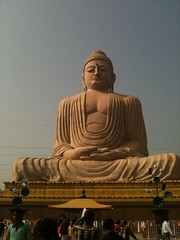
8452731868Siddhartha Gautamafounder of Buddhism; born a prince; left his father's wealth to find the cause of human suffering; also know as Buddha61
8452731869Silk Road TradeThe most famous of the trading routes established by pastoral nomads connecting the Chinese, Indian, Persian, and Mediterranean civilizations; transmitted goods and ideas among civilization.62
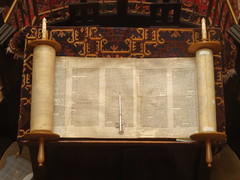
8452731870The Torahthe most sacred text of Judaism63
8452731871The Vedas of HinduismAryan hymns originally transmitted orally but written down in sacred books from the 6th century B.C.E.64
8452731872Zigguratsa temple or tomb of the ancient Assyrians, Sumerians, or Babylonians, having the form of a terraced pyramid of successively receding stories65
8452731873ChristianityMonotheistic religion born out of Judaism, preached by Jesus of Nazareth and later codified by his disciples. Persecuted by Romans early on; however, gained support under Constantine in the Rome.66
8452731874Buddhismoriginally preached by Siddhartha and codified by his disciples into the sutras. Rejected Vedic rituals and the caste system. Spread throughout SE Asia and China and split into Mahayana(Buddha as a God, local gods tacked on as Bodhisativas) and Theravada(original, strict non-theistic version).67
8452731875AsokaThird ruler of the Mauryan Empire in India (r. 270-232 B.C.E.). He converted to Buddhism and broadcast his precepts on inscribed stones and pillars, the earliest surviving Indian writing.68
8452731876HinduismTerm for a wide variety of beliefs and ritual practices that have developed in the Indian subcontinent since antiquity. It has roots in ancient Vedic, Buddhist, and south Indian religious concepts and practices.69
8452731877Trans Saharanroute across the sahara desert. Major trade route that traded for gold and salt, created caravan routes, economic benefit for controlling dessert, camels played a huge role in the trading70
8452731878MonsoonsMajor winds in the Indian Ocean that blew into India for half the year, and blew away from India for the other half. Helped facilitate trade in the Indian Ocean.71
8452731879Sumerianspeople who dominated Southern Mesopotamia through the end of the 3rd Millennium BCE. Responsible for the creation of irrigation technology, cuneiform, and religious conceptions.72
8452731880Indo-EuropeansGroups of people who came from the area north of the Caucasus mountains, which are between the Black and Caspian seas. Herded multiple animals. Rode into battle on chariots. The Indo-European language of Sanskrit, by the Aryans, are the basis of many languages today. Often accepted and adapted aspects of technology, religions, and social order of those with whom they came in contact.73
8452731881Before agriculture, men and women are believed to have a greater degree of equality. But after the rise of agriculture, most human societies became ________ as a result of greater male strength.Patriarchal74
8452731882caste systema set of rigid social categories that determined not only a person's occupation and economic potential, but also his or her position in society, there was virtually no social mobility75
8452731883Paleolithic(Old Stone Age) a long period of human development before the development of agriculture76
8452731884CarthageThis city has existed for nearly 3,000 years, developing from a Phoenician colony of the 1st millennium BC into the capital of the Carthaginian Empire. Controlled commerce in the Mediterranean prior to the rise of Roman Power. The expanding Roman Republic took control of many of its outposts after the two Punic Wars.77
8452731885HellenizationThe spread of Greek language and culture (Hellenism) throughout the Mediterranean, starting with t he conquests of Alexander the Great. Upon Alexander's death at the age of thirty-three (323 B.C.E.), his realm was divided among his leading generals. During their reigns and those of their successors, Hellenism (i.e., Greek culture) continued to flourish in major urban centers around the eastern Mediterranean (less so in rural areas). People traveling to different areas could communicate with people of other kingdoms through Greek. More than at any time in previous history, the eastern Mediterranean that emerged in Alexander's wake experienced a form of cultural unity and cosmopolitanism (a "cosmopolite" is a "citizen of the world," as opposed to a person who belongs to only one locality). The Roman Empire arose in the context of the Hellenistic world and took full advantage of its unity, promoting the use of Greek language, accepting aspects of Greek culture, and even taking over features of the Greek religion, to the point that the Greek and Roman gods came to be thought of as the same, only with different names. This complex unity achieved culturally through Hellenization and politically through the conquests of Rome is summed up by the term Greco-Roman world.78
8452731886DaoismChinese religion that believes the world is always changing and is devoid of absolute morality or meaning. They accept the world as they find it, avoid futile struggles, and deviate as little as possible from 'the way' or 'path' of nature.79
8452731887Bureaucratgovernment official80

Pages

Subscribe to CourseNotes RSS

Need Help?

We hope your visit has been a productive one. If you're having any problems, or would like to give some feedback, we'd love to hear from you.

For general help, questions, and suggestions, try our dedicated support forums.

If you need to contact the Course-Notes.Org web experience team, please use our contact form.

Need Notes?

While we strive to provide the most comprehensive notes for as many high school textbooks as possible, there are certainly going to be some that we miss. Drop us a note and let us know which textbooks you need. Be sure to include which edition of the textbook you are using! If we see enough demand, we'll do whatever we can to get those notes up on the site for you!