

Flashcards
AP World History Strayer Chapter 11 Vocabulary Flashcards
Terms : Hide Images
| 9047392781 | Pastoralism | *Definition:* Way of life in which people depend on herding of domesticated animals for food. *Significance:* Revolution of domestication, kinship-based groups, women were higher status, a decreased in population, and utilized all land/military strength of Mongols. |  | 0 |
| 9047392782 | Modun | *Definition:* Great ruler of Xiongnu Empire (210 - 174) and created a centralized, hierarchical system. *Significance:* United and centralized political system and helped create a model for future empires. He had a role in the Chinese and Roman collapse. |  | 1 |
| 9047392783 | Xiongnu | *Definition:* People of the Mongolian steppe lands north of China who formed a large-scale nomadic empire. *Significance:* Created a huge military confederation and centralized societies. A model for Turkic/Mongol empires. |  | 2 |
| 9047392784 | Turks | *Definition:* Turkish speakers from Central Asia, originally monads. *Significance:* Created series of nomadic empires, had a lasting impact when they became dominant in the Islamic heartland. |  | 3 |
| 9047392785 | Almoravid Empire | *Definition:* Islamic religious movement in Africa, sparked by Ibn Yasin after returning from a pilgrimage to Mecca. *Significance:* Occupied much of NorthWest Africa and Southern Spain where it had considerable prosperity with the golden trade. (Formed from expansions and spread of Islam). |  | 4 |
| 9047392786 | Temujin/ Chinggis Khan | *Definition:* Mongolian emperor whose empire stretched from the Black Sea to Pacific. *Significance:* Universal ruler, hardships as a kid led him to be a powerful ruler. He unified Mongols, expanded the empire, and created the largest land connected empire. |  | 5 |
| 9047392787 | Mongol World War | *Definition:* Term used to describe military campaigns, massive killings, and empire building done by Chinggis Khan. *Significance:* This contained China, Korea, Central Asia, Russia, the Middle East, and Eastern Europe. It allowed Mongol rule to expand. |  | 6 |
| 9047392788 | Yuan Dynasty China | *Definition:* Mongol dynasty that ruled China (1271 - 1368). *Significance:* Moved capital of China to present-day Beijing. Showed how Mongols made use of Chinese practices and was a new beginning for China. | 7 | |
| 9047392789 | Khubilai Khan | *Definition:* Grandson of Chinggis Khan and Mongol ruler of China ( 1271 - 1294). *Significance: Examples of how Mongols in China made use of Chinese values such as Daoism, Buddhism, Confucianism, and lowering taxes. |  | 8 |
| 9047392790 | Hulegu | *Definition:* Chinggis Khan's grandson who led the second assault on Persia (1251 - 1258). *Significance:* Became first il-Khan of Persia. He established and cemented Mongol presence in China. |  | 9 |
| 9047392791 | Khutulon | *Definition:* Girl, whose father was a Mongol ruler, excelled in horse riding, archery, wrestling, and military. *Significance:* She would only marry if they could beat her in wrestling. She eventually chose to marry. She shows the freedom of women under Mongol rule. She's also the reason men wrestle with open chests now. | 10 | |
| 9047392792 | Kipchak Khanate/ Golden Horde | *Definition:* Name of conquered Russia. *Significance:* Mongols had little to offer in steppe lands so they ruled from outside and exploited Russia. Moscow was the primary center for Mongol domination. Mongols were never actually in Russia. |  | 11 |
| 9047392793 | Black Death/Plague | *Definition:* Massive plague pandemic that swept through Eurasia (Bubonic plague) by fleas on rats. *Significance:* Fostered future economic growth for Europe and led to the decline of Mongol network and empire. Europe gained prominence. Lots of people died. |  | 12 |
Period 2- AP World History Flashcards
AP World History Period 2: 600 BCE to 600 CE
Terms : Hide Images
| 5639315465 | What factors shaped the features of early trade routes in the eastern hemisphere? | Climate and location of routes, typical trade goods, and the ethnicity of the people involved. | 0 | |
| 5639315466 | What are the 4 most significant trade routes of the period between 600BCE and 600CE? | 1. Eurasian Silk Roads 2. Trans-Saharan caravan routes 3. Indian Ocean sea lanes 4. Mediterranean sea lanes | 1 | |
| 5639315467 | What new technologies facilitated long-distance communication and exchange between 600BCE and 600CE? | Yokes, saddles, and stirrups permitted the use of domesticated pack animals. | 2 | |
| 5639315468 | What factors stimulated early exchanges along maritime routes from East Africa to East Asia? | Innovations in maritime technology and advanced knowledge of monsoon winds. Ex. Lateen sail and dhow ships. | 3 | |
| 5639315469 | What are the various forms of exchanges that took place between 600BCE and 600CE? | Trade goods, people, technology, religious and cultural beliefs, food crops, domesticated animals, and disease pathogens. | 4 | |
| 5639315470 | What crops spread from South Asia to the Middle East? | Rice and cotton. | 5 | |
| 5639315471 | What changes did the spread of crops encourage? | Changed in farming and irrigation techniques. | 6 | |
| 5639315472 | What religious and cultural traditions were transformed as they spread? | Christianity, Hinduism, and Buddhism. | 7 | |
| 5639315473 | The number and size of key states and empires grew dramatically by: | Imposing political unity. | 8 | |
| 5639315474 | What are the 6 key states/empires and their locations? | Southwest Asia: Persian Empire East Asia: Qin and Han Empires South Asia: Mauryan and Gupta Empires Mediterranean: Phoenecia, Greek City-states, Hellenistic and Roman empires Mesoamerica: Teotihuacan, Maya Andean South America: Moche | 9 | |
| 5639315475 | What did the rulers of empires create to organize their subjects? | Administrative institutions | 10 | |
| 5639315476 | Two important elements of imperial administrations are: | 1. Centralized government 2. Elaborate legal systems & bureaucracies | 11 | |
| 5639315477 | What regions hosted the most famous administrative institutions? | China, Persia, Rome, & South Asia | 12 | |
| 5639315478 | Name 4 ways in which imperial governments projected military power over large areas. | 1. Diplomacy 2. Developing supply lines 3. Building fortifications 4. Defensive walls and roads 5. Drawing new groups of military officers and soldiers from the local populations or conquered peoples | 13 | |
| 5639315479 | What function did cities play in Afro-Eurasia and the Americas? | 1. Centers of trade 2. Public performance of religious rituals 3. Political administration for states and empires | 14 | |
| 5639315480 | Name 2 important early imperial cities. | Rome & Teotihuacan | 15 | |
| 5639315481 | What did the social structures of early empires display? What groups were typically included? | Hierarchies / Included cultivators, laborers, slaves, artisans, merchants, elites, or caste groups | 16 | |
| 5639315482 | How did imperial societies maintain food production? | Relied on a range of methods such as peasant communities and slavery. | 17 | |
| 5639315483 | An important reason to produce surplus in imperial societies was: | To provide rewards for the loyalty of elites. | 18 | |
| 5639315484 | ___________ continued to shape gender and family relations in imperial societies. | Patriarchy | 19 | |
| 5639315485 | What specific empires created difficulties they could not manage? | Roman, Han, Persian, Mauryan, and Gupta | 20 | |
| 5639315486 | What types of difficulties did Empires create that often led to their collapse/decline/transformation? | Political, cultural, and administrative | 21 | |
| 5639315487 | How did empire create environmental issues and what did these issues lead to? | Successive mobilization of resources led to environmental damage which resulted in social tensions and economic difficulties by concentrating too much wealth in the hands of elites. | 22 | |
| 5639315488 | What sorts of external problems did empires face? | Issues along the frontier such as threat of invasions. | 23 | |
| 5639315489 | What are 2 important examples of empires' external problem? | Rome: Problems with northern and eastern neighbors Gupta: White Huns | 24 | |
| 5639315490 | The codification of the ________ scriptures further associated Judaism with monotheism. | Hebrew (Scriptures) | 25 | |
| 5639315491 | The Hebrew scriptures influenced the cultural and legal traditions of what area? | Mesopotamia | 26 | |
| 5639315492 | What trend influenced the Jewish diasporic communities in the Middle East? Which peoples were involved? | Conquest of Jewish states by Assyria, Babylonia, and Rome. | 27 | |
| 5639315493 | Sanskrit scriptures formed the basis of the __________ religions, which later became known as __________. | Vedic, Hinduism | 28 | |
| 5639315494 | What core beliefs did Buddhism preach? What scriptures were they recorded in? | Core beliefs: desire, suffering, and the search for enlightenment. Scriptures: Sutras & other misc. scriptures. | 29 | |
| 5639315495 | Buddhism was, in part, a reaction to ____________. | The Vedic beliefs and rituals dominant in South Asia. | 30 | |
| 5639315496 | Emperor _______________ of _____________ supported the spread of Buddhism. Buddhism was also spread through ___________________________. | Asoka / Mauryan Empire / efforts of missionaries and merchants and the establishment of educational institutions. | 31 | |
| 5639315497 | The philosophical belief system of ___________ came out of China. | Confucianism | 32 | |
| 5639315498 | Confucianism's main goal was: | to promote social harmony by outlining proper rituals and social relationships. | 33 | |
| 5639315499 | What are the core beliefs of Daoism? | Balance between humans and nature. | 34 | |
| 5639315500 | What role did Daoism play in the development of Chinese culture? | It influenced medical theories and practices, pottery, metallurgy, and architecture. | 35 | |
| 5639315501 | Christianity drew on which religious tradition? | Judaism | 36 | |
| 5639315502 | Initially, Christianity rejected _______________ influences. | Roman & Hellenistic | 37 | |
| 5639315503 | Christianity initially spread through ____________, and later through the support of ____________________. | Efforts of missionaries and merchants through many parts of Afro-Eurasia / Emporer Constantine | 38 | |
| 5639315504 | What are the cored ideas of Greco-Roman philosophy/science? | Logic, empirical observations, and the nature of political power and hierarchy. | 39 | |
| 5639315505 | What role did belief systems play in social systems? | Affected gender roles: Judaism & Christianity: encouraged monastic life Confucianism: emphasized filial piety | 40 | |
| 5639315506 | What belief systems continued alongside the codified, written belief systems? Why did these persist outside of core civilizations? | Shamanism/Animism persisted because of their daily reliance on the natural world. | 41 | |
| 5639315507 | Which major art forms were influenced by belief systems? Which important examples are provided in the Key Concept outline? | Literature, drama, architecture, and sculpture. / Ex. Greek plays, Indian epics | 42 |
AP World History Chapter 11 Vocabulary Flashcards
Terms : Hide Images
| 6725689894 | Almoravid Empire | Emerging out of an Islamic reform movement among the Sanhaja Berber pastoralists in the eleventh century, the Almoravid Empire incorporated a large part of northwestern Africa with its capital in Marrakesh. In 1086 it crossed into southern Spain where it offered vigorous opposition to Christian efforts to conquer the region. The empire had collapsed by the mid-twelfth century. (pron. al-muh-RAH-vid) | | 0 |
| 6725689895 | Black Death | Name later given to the massive plague pandemic that swept through Eurasia beginning in 1331; it is usually regarded as an outbreak of bubonic plague. |  | 1 |
| 6725689896 | Chinggis Khan | Title meaning "universal ruler" that was given to the Mongol leader Temujin in 1206 after he united the Mongols. (pron. CHENG-iz KAHN) |  | 2 |
| 6725689897 | Hulegu Khan | Grandson of Chinggis Khan (ca. 1217-1265) who became the first il-khan (subordinate khan) of Persia. (pron. hoo-LAY-goo KAHN) |  | 3 |
| 6725689898 | Khubilai Khan | Grandson of Chinggis Khan who ruled China from 1271 to 1294. (pron. KOO-bihlie KAHN) | | 4 |
| 6725689899 | Khutulun | A Mongol princess (ca. 1260-1306) whose exploits in battle and wrestling, along with her choice of husbands, provide insight into the relative freedom and influence of elite Mongol women in their societies. (pron. hoo-TE-yun) |  | 5 |
| 6725689900 | Kipchak Khanate | Name given to Russia by the Mongols after they conquered it and incorporated it into the Mongol Empire in the mid-thirteenth century; known to Russians as the "Khanate of the Golden Horde." (pron. KIP-chak KAHN-ate) |  | 6 |
| 6725689901 | Modun | Great ruler of the Xiongnu Empire (r. 210-174 B.C.E.) who created a centralized and hierarchical political system. (pron. moe-DOON) |  | 7 |
| 6725689902 | Mongol world war, the | Term used to describe half a century of military campaigns, massive killing, and empire building pursued by Chinggis Khan and his successors in Eurasia after 1209. | | 8 |
| 6725689903 | Pastoralism | An alternative kind of food-producing economy focused on the raising of livestock. Pastoralism emerged only in the Afro-Eurasian world, for in the Americas the absence of large animals that could be domesticated precluded a herding economy. |  | 9 |
| 6725689904 | Temujin | Birth name of the Mongol leader better known as Chinggis Khan (1162-1227). (pron.TEM-uh-jin) |  | 10 |
| 6725689905 | Turks | Turkic speakers from Central Asia, originally nomads, who spread westward into the Near East and into India; they created a series of nomadic empires between 552 and 965 C.E. but had a more lasting impact on world history when they became dominant in the Islamic heartland and founded a series of states and empires there. |  | 11 |
| 6725689906 | Xiongnu | People of the Mongolian steppe lands north of China who formed a large-scale nomadic empire in the third and second centuries B.C.E. (pron. SHE-OONG-noo) | | 12 |
| 6725689907 | Yuan dynasty | Mongol dynasty that ruled China from 1271 to 1368; its name means "great beginnings." (pron. yu-wen) |  | 13 |
Flashcards
AP World History Period 5 Acronym Flashcards
Terms : Hide Images
| 6290375775 | T | Technology- such as the steam engine and the Maxim machine gun | 0 | |
| 6290375776 | O | Opium Wars- Britain takes Hong Kong (this war was British "Narcos") | 1 | |
| 6290375777 | I | Industrialization and Imperialism- starts in Great Britain | 2 | |
| 6290375778 | R | Revolutions- American, French, and Hatian Revolutions are inspired by the Enlightenment | 3 | |
| 6290376603 | S | Scramble for Africa- Berlin Conference divides up Africa for Western Europe | 4 | |
| 6290376604 | M | Meiji Restoration- Japan rapidly modernizes by copying Western political and economic systems | 5 | |
| 6290376605 | E | Emancipation- slavery and serfdom are ended (Brazil the last country to abolish slavery in 1888) | 6 | |
| 6290376606 | N | Nationalism- pulls countries together and can break empires apart into nation states | 7 |
AP World History Flashcards
Terms : Hide Images
| 7098364882 | Paleolithic Period | cultural period of the stone age |  | 0 |
| 7098373664 | Specialization of labor | each operation of a system is carried out by one person of small group of people |  | 1 |
| 7098385158 | artisans | people who made items others needed |  | 2 |
| 7098385159 | clan | A group of related families |  | 3 |
| 7098385554 | textiles | items made of cloth |  | 4 |
| 7098385855 | Neolithic Revolution | a period dramatic changes to how people lived their lives based on the development of agriculture |  | 5 |
| 7098386462 | hunter-forager | those that survived by hunting animals and searching for seeds, nuts, fruits, and edible roots |  | 6 |
| 7098386599 | merchants | people who buy and sell goods for a living |  | 7 |
| 7098386600 | tribe | forms when multiple clans combined |  | 8 |
| 7098387010 | Jericho | one of humankind's first cities, built on the west bank of the Jordan river |  | 9 |
| 7098387747 | monotheism | the worship of only one deity |  | 10 |
| 7098387748 | Nomadic pastoralism | simple pastoralism, moving herd of animals from one pasture to another | | 11 |
| 7098388517 | Social stratification | social groups were based on control of resources and wealthy one could become |  | 12 |
| 7098388518 | artifacts | objects made by people in the past |  | 13 |
| 7098388844 | Catal Huyuk | one of the the first agricultural villages in the world, present-day Turkey |  | 14 |
| 7098388845 | Bronze Age | 3300-2300 B.C.E. describes period when use of bronze was widespread |  | 15 |
| 7098389216 | patriarchal | societies dominated by men |  | 16 |
| 7098389217 | Kinship group | several related families that moved together in search of food |  | 17 |
| 7098389639 | Homo sapiens sapiens | the group of modern humans |  | 18 |
| 7098389972 | Overfarming | a harmful agricultural practice resulting in the loss of soil nutrients |  | 19 |
| 7098390348 | Overgrazing | continual eating of grasses and their roots |  | 20 |
| 7098957450 | desertification | the creation of desert-like conditions |  | 21 |
| 7098957645 | division of labor | the assignment of different tasks to different people or groups |  | 22 |
| 7098957646 | theocrats | Rulers holding both religious and political power |  | 23 |
| 7098957913 | Indo-European | an overarching group of languages including English, French, Latin, and greek |  | 24 |
| 7098957914 | feudalism | a system of government based on land landowners and tenants |  | 25 |
| 7098958172 | environmental degradation | damage to or destruction of the natural environment |  | 26 |
| 7098958173 | barter | a system by which one thing is exchanged for another |  | 27 |
| 7098958400 | Golden Age | a period of peace, prosperity, and innovation |  | 28 |
| 7098958401 | papyrus | a type of plant that grew along the Nile River |  | 29 |
| 7098958626 | Mandate of Heaven | an idea that a just ruler's power was bestowed by the gods |  | 30 |
| 7098959011 | deforestation | is the clearing of trees, transforming a forest into cleared land. | 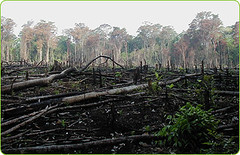 | 31 |
| 7098959012 | polytheistic | worshipping many gods |  | 32 |
| 7098960162 | ancestor veneration | Worship and respect for ancestors |  | 33 |
| 7098960370 | alphabetic script | a system of symbols that represent the sounds of speech |  | 34 |
| 7098960371 | empire | a large territory that included diverse cultural groups |  | 35 |
| 7098960585 | loess | a type of fertile soil that is yellow |  | 36 |
| 7098960586 | ziggurats | Sumerian large stepped pyramids |  | 37 |
| 7098960806 | cuneiform | world's first writing system created by Sumerians | 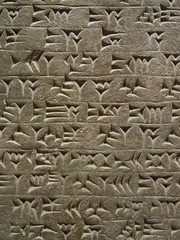 | 38 |
| 7098960807 | Sanskrit | Aryans sacred language |  | 39 |
| 7098961408 | city-states | a city that governs itself and its surrounding territory |  | 40 |
| 7105486581 | Royal Road | the most famous network of roads that encouraged trade |  | 41 |
| 7105487250 | syncretic | combining ideas from different sources |  | 42 |
| 7105487251 | aristocracy | government that was ruled by the nobles of the state |  | 43 |
| 7105487722 | direct democracy | a government of which citizens could vote directly |  | 44 |
| 7105487723 | hoplites | citizen soldiers |  | 45 |
| 7105488243 | aristocrats | rich landowners |  | 46 |
| 7105488464 | Socratic Method | method of learning through questions |  | 47 |
| 7105488465 | Zoroastrianism | faith that was based on the belief in one god, Ahura Mazda or "wise lord'' |  | 48 |
| 7105488834 | oligarchy | a government that was ruled by the wealthy landowners and merchants of a state |  | 49 |
| 7105488835 | representative democracy | citizens elect leaders to represent them and gives leaders the power to do what is needed |  | 50 |
| 7105489341 | archons | council of nobles |  | 51 |
| 7112449848 | merchants | people who buy and sell goods for a living |  | 52 |
| 7105489342 | Golden Mean | emphasis on moderation; avoiding extreme behaviors |  | 53 |
| 7105489835 | qanat | underground canals |  | 54 |
| 7105491108 | tyrants | leaders who seized power with the people's support |  | 55 |
| 7105491388 | Persian Wars | Series of conflicts fought between Greek states and the Persian Empire. |  | 56 |
| 7105491389 | helots | slaves |  | 57 |
| 7105492006 | caravanserai | combination inns and markets along the Royal Roads |  | 58 |
| 7105492007 | empiricism | one has learned from observation and evidence of the senses |  | 59 |
| 7105492338 | monarchies | Countries ruled by a king or queen |  | 60 |
| 7105492708 | democracy | all citizens of the state participated in the government |  | 61 |
| 7105492709 | Hellenistic Period | the time between the death of Alexander the great and the rise of the Roman domination. |  | 62 |
| 7105493325 | satraps | a ruler of a province who was responsible to the emperor |  | 63 |
| 7105494476 | Common currency | Created by Rome to make trade easier between different parts of the empire |  | 64 |
| 7110374999 | tribute | payments from the conquered to the conqueror |  | 65 |
| 7110375000 | hieroglyphics | Egyptians writing using pictures and symbols | 66 | |
| 7110375698 | Caracol | an observatory located in the city of Chichen Itza |  | 67 |
| 7110375699 | Teotihuacan | "birthplace of the gods" |  | 68 |
| 7110376149 | ayllus | small communities based on the idea of communal work |  | 69 |
| 7110376150 | Classic Period | highest peak of the Mayan civiliation |  | 70 |
| 7110376602 | Chichen Itza | location of the Caracol |  | 71 |
| 7110376603 | Olmec | First great civilization in central Mexico |  | 72 |
| 7110377234 | Mesoamerica | Middle America, including Mexico, Guatemala, and Belize |  | 73 |
| 7110377235 | Obsidian | hard glass rock |  | 74 |
| 7110377765 | Mayan | Ancient civilization that stretched from the southern part of Mexico into present day Belize, Honduras, and Guatemala |  | 75 |
| 7110377766 | Huaca del Sol | Temple of the Sun; a stepped pyramid |  | 76 |
| 7110378582 | mother civilization | Has influence on later civilizations |  | 77 |
| 7110379368 | Slash-and-burn agriculture | the process of cutting down trees and plants then burn that area to fertilize the area for the growth of crops |  | 78 |
| 7110379369 | Maya | people of the Olmec society that cultivated the lowlands of Mesoamerica |  | 79 |
| 7110379857 | Huaca de la Luna | Temple of the Moon; a terraced platform |  | 80 |
| 7110381805 | Moche | Early Peruvian culture |  | 81 |
AP World History (Period 2) Flashcards
Terms : Hide Images
| 9871932014 | Magnetic Compass | Navigational tool developed by China under the Song Dynasty that allowed Arab and Persian sailors to travel across the Indian Ocean | 0 | |
| 9871941550 | Dhows | Sailing vessels with lateen sails made during the Roman Empire, utilized by the Arabs and Persians; helped spread Islam | 1 | |
| 9871951516 | Sternpost Rudder | An object used to steer a ship created by the Chinese | 2 | |
| 9871956999 | Lateen Sail | Triangular-shaped sail that improved upon the traditional square sail, invented in the Early Roman Empire and spread to Southeast Asia | 3 | |
| 9871976115 | Long-distance Trade | This type of trade improved dramatically during 600 BCE - 600 CE due to developments in new trade routes across Afro-Eurasia | 4 | |
| 9871986556 | Vladimir of Kiev | Russian Prince who converted to Orthodox Christianity in 989 CE as a result of his exposure to Byzantium, his subjects soon followed | 5 | |
| 9871992747 | Moscow | This Russian city was named the world's third Rome after Constantinople fell | 6 | |
| 9872010020 | Byzantine Empire | Empire that stretched across the Eastern Roman Empire that later lost Anatolia in 1071 and the Sack of Constantinople in 1453 | 7 | |
| 9872033484 | Hagia Sophia | Massive church built by Justinian I that was later turned into a mosque | 8 | |
| 9872036710 | Silk | The Byzantine Empire finally learned how to produce this material after they realized the importance of it | 9 | |
| 9872043636 | Code of Justinian | A set of Roman Laws codified by Justinian I called the Corpus Iuris Civillis (Body of the Civil Law) | 10 | |
| 9872060991 | Constantine | Roman Emperor who accepted Christianity in 313 CE and relocated the capital of the Roman Empire to Constantinople so he could be closer to his enemies in the East | 11 | |
| 9872076494 | Germanic Tribes | These people that included the Visigoths (Odoacer), Huns (led by Atilla the Hun), Ostrogoths, and the Vandals (Geiseric) all led to the downfall of the Roman Empire after Diocletian split Rome between East and West | 12 | |
| 9872110800 | Romulus Augustulus | Rome's last emperor who was forced to Abdicate to Odoacer | 13 | |
| 9872117395 | Silk Road | Major Trade Route that connected the Han and Roman empires in classical times that facilitated the trade of goods, ideas, and disease. Revived by the Tang, Song, and Mongols. | 14 | |
| 9872133882 | Jesus | Jewish prophet and teacher whose major teachings were proper worship of God and love for fellow man. Challenged Roman civic life, Crucified | 15 | |
| 9872153939 | Mediterranean Trade | Trade route that connected North Africa, Egypt, Sicily, Syria, Palestine, Spain, and Rome around this namesake sea | 16 | |
| 9872164659 | Twelve Tables | First record of Roman Law in 450 BCE where basic rights were established, especially to defendants in court | 17 | |
| 9872191298 | Pax Romana | "Roman Peace", age that lasterd two and half centuries that allowed the Roman Empire to experience a Golden Age | 18 | |
| 9872194538 | Julius Caesar | Dictator of the Roman Empire who conquered Gaul (Lex Vatinia) and fought a civil war against Pompey The Great (Battle of Pharsalus). Later executed in 44 BCE by his own Senate in an attempt to restore the republic. Led the way for Octavius to become Emperor | 19 | |
| 9872236365 | Sulla | Dictator of the Roman Empire who established himself as dictator after the Battle of Colline Gate; started a civil war leading the way for the rise of Pompey The Great | 20 | |
| 9872256625 | Roman Republic | Type of Government that replaced Monarchy in Rome; established social unrest between the lower classes (Plebians) and upper classes (Patricians). | 21 | |
| 9872278853 | Aristotle | Greek philosopher who was a disciple of Plato that rejected the theory of forms and ideas; believed people could depend on reason and sense. Teacher of Alexander the Great | 22 | |
| 9872285437 | Socrates | Greek philosopher who developed a method of questioning aimed at exposing ethics and morality through a series of difficult questions; Plato (a student) would later record his writing. Commits suicide in 399 BCE after charged with corrupting the youth | 23 | |
| 9872303528 | Hellenistic Empire | Empire that grew during the reign of Alexander the Great and the subsequent division into three large states. Spread Greek culture from Greece to India | 24 | |
| 9872313554 | Athens | A city-state in classical Greece whose government was based on democratic principles. Displayed the world's first democracy; Woman enjoyed less freedom than other city-states | 25 | |
| 9872331269 | Pericles | Athenian leader who oversaw Athens' Golden Age who later died during the Peloponnesian War | 26 | |
| 9872343347 | Sparta | A city-state in classical Greece who conquered neighbors and forced them into servitude; frugal and militaristic where Women were associated with bearing strong children | 27 | |
| 9872357288 | Polis | Term for Greek city-state | 28 | |
| 9872365173 | Hinduism | Indian religion that spoke to needs and interests of average people; includes texts such as the Bhagavad Gita ("Sound of the Lord) where salvation could be met by obeying laws of the castes | 29 | |
| 9872384465 | Dharma | Hindu ethic of Righteousness (obey religious and moral laws) | 30 | |
| 9872388679 | Artha | Hindu ethic of Wealth (to uphold dharma and provide for family and society) | 31 | |
| 9872394209 | Kama | Hindu ethic of Desire (take pleasure in social, phyiscal, and sexual activites) | 32 | |
| 9872398445 | Moksha | Hindu ethic of salvation of the soul | 33 | |
| 9872403537 | Buddhism | "Religion" founded by Siddhartha Guatama, a Hindu Kshatriyan who left his family to become a holy man. Became the "enlightened one" and composed his Four Noble Truths to achieve Nirvana (spiritual independence). Appealed to lower castes, spread to Japan, China, and India. Split into Mahayan and Theravedic forms | 34 | |
| 9872423486 | Gupta Dynasty | Chandra Gupta laid foundations for this empire by making alliances with powerful families in the Ganges. Developed a government of both policy and administration. Did not impose uniform laws but brought peace and prosperity. Later fell to the White Huns | 35 | |
| 9872464348 | Mauryan Dynasty | Classical Indian Dynasty that developed out of a political void created by Persian emperor Darius, unified India from the Indus to the Ganges River | 36 | |
| 9872472502 | Ashoka | Mauryan leader who conquered the kingdom of Kalinga through battles and united the entire Indian subcontinent; built irrigation, roads, and supported religious tolerance and Buddhism. His death led to the decline of the Mauryan empire | 37 | |
| 9872494326 | Yellow Turban Rebellion | Rebellion of peasants following epidemics in late 2nd and early 3rd centuries that led to the downfall of the Han Dynasty | 38 | |
| 9872507319 | Emperor Wudi | Han emperor who had a problem recruiting qualified people for government thus establishing a university in 124 BCE, teachings based on Confucianism (Althugh Wudi was a Legalist). Led to rapid conquest of Vietnam, Korea, and the battles with the Xiongnu confederacy | 39 | |
| 9872526506 | Han Dynasty | Dynasty that succeeded the Qin dynasty by Liu Bang and established the longest lasting dynasty. Developed Silk Road as trade between India, Perisa, Mesopotamia, and Rome grew | 40 | |
| 9872555885 | Shi Huangdi | "First Emperor" of China, reigned fourteen years and established a central bureaucracy divided into provinces and districts. Disarmed local militaries, standardized laws, currencies, weights, and Script. Started the Great Wall of China | 41 | |
| 9872574739 | Qin Dynasty | Short lived Chinese Dynasty that succeeded the Zhou dynasty using Legalism to restore order and ending the Warring States period. Created a centralized bureaucracy and expanded China | 42 | |
| 9872588244 | Legalism | Major philsophy that emerged from the Warring States period; based on the idea of expanding and strengthening the state at all costs. Strict and harsh punishments. Used by Shi Huangdi during the Qin Dynasty | 43 | |
| 9872604510 | Daosim | Major philosophy that emerged from the Warring States period; contrary to Confucian beliefs, followers reflected on natural principles that govern the world; "the way of nature". In a nutshell, Humans should stop trying to achieve personal goals and live very simply in order to achieve harmony (less is more). Promotes self-sufficiency | 44 | |
| 9872631234 | Confucianism | Major philosophy that emerged from the Warring States period; just wanted to end the Warring States period. Said a good government is to hire people who are well-educated and conscientious. Had to have traits such as filial piety, propriety, diligence ect. | 45 | |
| 9872650257 | Confucius | Man who lived in China during the Warring States period and sought to restore order to China. Students of his teachings recorded his teachings in the Analects which influenced Chinese Government. | 46 | |
| 9872667338 | Zorastrianism | Persian religion that believed the material world is a blessing and allows the enjoyment of everything. Includes concept of good and evil and Heaven and Hell as reward or punishment | 47 | |
| 9872684062 | Royal Road | Persian route that connected Persia from Ephesus on the Aegean to Sardis in Anatolia to Susa in Iran built by Darius | 48 | |
| 9872698589 | Satraps | "Governors" of Persian provinces | 49 | |
| 9872698590 | Persian Wars | Wars fought between Greeks and Achaemenids, led to demise of the empire. Began due to Ionian Greek colonies revolting. Battle of Marathon, Battle of Plataea, Battle of Thermopolae, Battle of Salamis ect. were all key victories in these wars for the Greeks | 50 | |
| 9872750906 | Cyrus The Great | Founder of the Persian empire | 51 | |
| 9872750907 | Darius | Kinsman of Cyrus who extended the empire from the Indus River in the east to the Aegean Sea in the west, from Armenia in the north to the first waterfall of the Nile River in the south. Established Persepolis, center of the Persian Empire | 52 | |
| 9872763049 | Teotihuacan | City built in Mexican that developed due to surplus in fish and agriculture. 200,000 people, had a set calendar for planting and harvesting | 53 | |
| 9872773060 | Mayan Empire | Empire in Central America which included large ceremonial centers (pyramids, palaces, temples) of 40,000 people that disbanded in 800 CE for an unknown reason. Had Terrace farming. | 54 | |
| 9872798794 | Warring States | Period characterized by disunity in China (403-221 BCE) of independent Legalist states | 55 | |
| 9872813289 | Peloponnesian War | War fought between Athens and Sparta stemming from trade disputes that decimated both city-states which led to the eventual conquest of Macedon by Phillip II | 56 | |
| 9872827177 | Ptolemy | Scientist who put forth the theory that Earth was the center of the universe | 57 | |
| 9872834859 | Punic Wars | Series of 3 wars fought between Rome and Carthage where during the 2nd of these Wars, Hannibal would attempt a conquest of Italy before being defeated by Scipio | 58 | |
| 9872844972 | Shinto | Earliest Japanese religion "the way of the gods". Worships the kami and stresses obedience and proper behavior. | 59 | |
| 9872854713 | Axum | Civilization that developed in Ethiopia after the decline of the Kush in 200 CE. Never conquered other civilizations but traded. Christian civilization until Islamic penetration | 60 | |
| 9872868407 | Alexander the Great | Son of Phillip II who expanded Macedonian dominance past Greece through the Persian Empire all the way to India. After this man's death, his empire was divided between his generals, Antigonid, Ptolemaic, and Seleucid | 61 | |
| 9872884511 | Wu Ti | Often called the "Warrior Emperor" who ruled china from 141 - 87 BCE repelling Hun invaders and exapanding the Han Empire to Central Asia | 62 | |
| 9872901195 | Christianity | Religion originated with Jesus of Nazareth, a Jewish teacher who claimed to be the Son of God. Roman and Jewish leader would crucify him in 30 CE and events were based on the Old and New Testaments. | 63 | |
| 9872922182 | Edict of Milan | Edict passed by Constantine that made Christianity legal in the Roman Empire | 64 | |
| 9872928687 | King Clovis | King who led a Germanic Tribe (Franks) that built an empire from Germany through Belgium intro France. Converted to Roman Catholicism and placed his capital in Paris. Empire was divided after his death and eventually dissolved | 65 | |
| 9872942584 | Kush Civilization | Civilization that developed in northern Africa at the same time as Egypt; conquered parts of Egypt in 650 BCE but moved South later. Known for its center for ironworks and trade | 66 |
Dramby on AP World History 23-25 Flashcards
Terms : Hide Images
| 6237098848 | Population Revolution | Huge growth in population in Western Europe in 1730; prelude to industrialization | 0 | |
| 6237098849 | Proto-industrialization | Preliminary shift away from agri economy. Workers became full/part-time producers who worked at home in a capitalist system where materials, work, orders, and sales depended on urban merchants; prelude to the Industrial Revolution. | 1 | |
| 6237098850 | Toussaint L'Overture | 1791 Slave Rebellion leader on St. Domingue | 2 | |
| 6237098851 | Result of St. Domingue Slave Rebellion - 1791 | Creation of independent republic of Haiti in 1804 | 3 | |
| 6237098854 | Miguel De Hidalgo | Mexican Priest - independence movement with Indians and mestizos in 1810 - early victories and then captured and executed. | 4 | |
| 6237098855 | Conservative | Political viewpoint - opposed revolutionary goals, wants restoration and surviving church | 5 | |
| 6237098856 | Liberalism | Political ideology - limit state interference, representative govt, constitution and parliament | 6 | |
| 6237098857 | Centralists | National governments with lots of powers | 7 | |
| 6237098858 | Federalists | Latin America - regional govt over centralized govt. liked by liberals. | 8 | |
| 6237098859 | Augustin Iturbide | Conservative creole officer or Mexican army who joined independence movement. Emperor in 1821. | 9 | |
| 6237098860 | Simon Bolivar | Creole military officer in northern South America - victories in Venezuela, Columbia, and Equador (1817-1822) creating independent state of gran Columbia. | 10 | |
| 6237098861 | Gran Columbia | Independent state until 1830 when Columbia, Venezuela, and Equador became independent nations. | 11 | |
| 6237098862 | Jose De San Martin | Leader of Rio de la Plata movements leading to United Republic of Rio de la Plata independence (1816). Later he led independence movements in Chile and Peru. | 12 | |
| 6237098864 | Pedro I | Son of Jaoa VI in Brazil; aided in declaration of Brazilian independence in 1822 and became constitutional emperor. | 13 | |
| 6237098866 | Guano | Bird dropping used as fertilizer. Major Peruvian export (1850-1880) | 14 | |
| 6237098868 | Caudillos | Leaders who ruled by force in defiance of national policies (sometimes seized national govt.) | 15 | |
| 6237098869 | Monroe doctrine | US doctrine of 1823 that any act of colonization by Europeans would be considered rude. | 16 | |
| 6237098870 | Positivism | Philosophy based on ideas of Auguste Comte; stressed observation and scientific approaches to societal problems. | 17 | |
| 6237098871 | Augustus Comte | 19th ce French philosopher - founder of positivism | 18 | |
| 6237098872 | Antonio Lopez de Santa Anna | Mexican general who seized power after collapse of Mexican republic in 1835 | 19 | |
| 6237098873 | Manifest destiny | Belief that US rules from coast to coast | 20 | |
| 6237098874 | Treaty of Guadalupe - Hidalgo | Mexican - American treaty ; Mexico loses half of land to US | 21 | |
| 6237098875 | Benito Juarez | Indian lawyer and politician who led a liberal a liberal revolution against Santa anna; defeated by French who make Maximilian emperor; returned to power (1867-1872) | 22 | |
| 6237098876 | La Reforma | Name of Juarez's revolution | 23 | |
| 6237098877 | Maximilian von Habsburg | Austrian archduke proclaimed emperor of Mexico from French intervention in 1862. Executed 1867 after French withdrawal. | 24 | |
| 6237098878 | Gauchos | Cowboys, Mounted rural workers in Rio de la Plata region | 25 | |
| 6237098879 | Juan Manuel de Rosas | Federalist leader of Buenos Aires; took power in 1831; commanded loyalty of mounted rural workers- gauchos- restored local autonomy. | 26 | |
| 6237098880 | Argentine Republic | Replaced Buenos Aires in 1862 as a compromise between centralists and federalists. | 27 | |
| 6237098881 | Domingo F. Sarmiento | Liberal politician and president of argentine republic; author of facundo, critique of caudillo politics; increased international trade and launched reforms for education and transportation | 28 | |
| 6237098883 | Modernization | Gradually become like Europe and you will succeed ( industrialized, urban, modern) | 29 | |
| 6237098884 | Dependency theory | Development and under development go hand in hand. Development of Europe at expense of underdevelopment of dependent regions like Latin America | 30 | |
| 6237098885 | Porfirio Diaz | One of Juarez's generals, elected president of Mexico in 1876 and dominated politics for 35 years. | 31 | |
| 6237098887 | Spanish American war | Spain v US (1898) - leads to conquest of Puerto Rico and Philippines; permitted American intervention in carribean | 32 | |
| 6237098888 | Panama Canal | US supported independence movements along Panama then part of Columbia for rights for a canal across the Panamanian isthmus | 33 | |
| 6237098889 | Mexican-American War | Mexico v US (1846-1848); devastating defeat of Mexican forces and loss of one half of Mexican land to US. | 34 | |
| 6237098890 | American revolution | America rebelled against Britain and ended colonies and create U.S. | 35 | |
| 6237098891 | French Revolution (1789) | Overthrow of Bourbon monarchy through revolution beginning in 1789; created a republic and ends with napoletana French empire | 36 | |
| 6237098892 | Napoleons empire | Source of liberal movements and constitutions in Europe | 37 | |
| 6237098893 | Louis XVI. . . that's 16 | Bourbon ruler of France during radical phase of French Revolution- executed | 38 | |
| 6237098894 | Declaration of rights of man and citizen | Adopted during French Revolution - equality of citizens - document used for liberal movements | 39 | |
| 6237098895 | Guillotine | "Humane" execution during French Revolution and especially reign of terror | 40 | |
| 6237098896 | Napoleon Bonaparte (1819) | Army officer who ended democratic phase of French Revolution. He became emperor and then deposed and exiled. | 41 | |
| 6237098897 | Congress of Vienna (1815) | Met after Frances defeat to restore European balance of power | 42 | |
| 6237098898 | Radicals (19CE) | Western European political emphasis on broader voting rights and urged reforms favoring lower class. Liberalism extreme. | 43 | |
| 6237098899 | Socialism (19CE) | Political idealogy where state controls land and capitalism isn't big. Major equality. | 44 | |
| 6237098900 | Nationalism (19CE) | Unified belief and trust in nation. | 45 | |
| 6237098901 | Greek Revolution (1820) | Rebellion of Greeks against Ottoman Empire; key step in the Turkish Balkan empire disintegration | 46 | |
| 6237098903 | Belgian Revolution of 1830 | Belgian independence from Dutch; Belgians established their own monarchy | 47 | |
| 6237098904 | Reform Bill of 1832 | British lax extending vote to middle class men | 48 | |
| 6237098905 | James Watt (1770) | Created steam engine | 49 | |
| 6237098906 | Factory system | Greater organization of labor and intensification of labor | 50 | |
| 6237098907 | Luddites | British workers who responded after they lost their jobs to machines | 51 | |
| 6237098908 | Chartist movement (1840) | Unsuccessful attempt of British artisans to gain vote | 52 | |
| 6237098909 | French Revolution (1848) | Overthrew French monarchy from 1830 and briefly established second French republic | 53 | |
| 6237098910 | Revolutions of 1848 | Nationalist and liberalist movements in Italy, Germany, Austria-Hungary; temporary success and then were surpressed | 54 | |
| 6237098911 | Louis Pasteur | Discovers germs - creates purifying process | 55 | |
| 6237098912 | Benjamin Disraeli (1867) | Granted voting rights to middle class men - conservative politicians reforming to stay relevant | 56 | |
| 6237098913 | Count Camillo di Cavour (1858) | Architect of Italian unification - created constitutional monarchy under king piedmont | 57 | |
| 6237098914 | Otto von Bismarck (1871) | Conservative prime minister of Prussia; architect of German unification under Prussia; used liberal reforms to maintain stability | 58 | |
| 6237098915 | American Civil War (1861-1865) | Prevent secession of southern states and get rid of slavery;reunified US.; first time industrial progress used in war | 59 | |
| 6237098917 | Social question | Issues relating to workers and women in Western Europe during industrial revolution | 60 | |
| 6237098918 | Karl Marx | German socialist; saw history as power v not in power; said eventual proletarian dictatorship and social revolution | 61 | |
| 6237098919 | Revisionism | Socialist thought disagreeing with Marx; social and economic progress achieved through political institutions | 62 | |
| 6237098920 | Feminist movement | Education, job, right to vote; support from middle class women | 63 | |
| 6237098921 | Mass Leisure Culture | Industrialization led to extra time for vacation and sports and etc. | 64 | |
| 6237098922 | Charles Darwin | Evolution, adaptation; biologist | 65 | |
| 6237098923 | Albert Einstein (1900) | Math theories for planets, and electrical particles, theory of relativity | 66 | |
| 6237098924 | Sigmund Frued | Psychology questions | 67 | |
| 6237098925 | Romanticism (19CE) | Artistic and literary movement emotion over reason for human experience | 68 | |
| 6237098929 | Industrial Revolution (1740-20CE | Rapid population growth, increased agricultural activity, commercial revolution, new means of transportation, technological change and using machines in production | 69 | |
| 6237098930 | Age of Revolution (1775 - 1848) | period of political upheaval from american revolution through french revolution till slavery abolished in Brazil | 70 | |
| 6237098931 | Kingdom of Mataram (1670) | controlled most of Java - weakness of state allowed dutch to expand their control into Java | 71 | |
| 6237098932 | Sepoys | Indian troops serving the French and British, trained European style | 72 | |
| 6237098933 | Raj | British political establishment in India | 73 | |
| 6237098934 | Plassey (1757) | Brit E India Company v Bengal - Indian army under Siraj-ud-daula. ruler of Bengal; british victory gave them control of NW India | 74 | |
| 6237098935 | Robert Clive | architect of Brit victory at Plassey; established foundation of Raj in northern India | 75 | |
| 6237098937 | Princely States | ruled by Indian princes allied with Raj; agents of E India company at their courts to make sure they were loyal | 76 | |
| 6237098938 | Nabobs | Britons who go to India to make fortunes and come back to Britain rich | 77 | |
| 6237098939 | Charles Cornnwallis (1790) | british official reformed E India Company Corruption | 78 | |
| 6237098940 | Isandhlwana (1879) | Zulu defeat of British army; one of the few indigenous victories over European armies | 79 | |
| 6237098941 | Tropical Dependencies | W European possession in Africa, Asia, and S Pacific where minority European ruled majority indigenous population | 80 | |
| 6237098942 | White Dominions | type of settlement colony, such as those in N America and Australia, where European settlers make up majority of the population | 81 | |
| 6237098943 | Settler Colonies | S Africa, New Zealand, Algeria, Kenya, and Hawaii where minority European populations lived amongst majority indigenous (like tropical dependencies except no rule) | 82 | |
| 6237098944 | White Racial Supremacy | belief that white superior - before WW1 | 83 | |
| 6237098945 | Great Trek | Migration into S African interior of thousands of Afrikaners seeking to escape Brit control | 84 | |
| 6237098946 | Boer Republics (1850) | Independent states established in the interior by Afrikaners | 85 | |
| 6237098947 | Cecil Rhodes | Brit entrepreneur in S Africa; manipulated political situation to gain entry to diamonds and gold discovered in Boer Republics | 86 | |
| 6237098948 | Boer War (1899 - 1902) | British v Afrikaners; British victory and postwar policies left the African population under Afrikaner control | 87 | |
| 6237098949 | James Cook (1777 - 1779) | voyages to Hawaii opened islands to the West | 88 | |
| 6237098950 | Kamehameha | Hawaiian prince; with British backing created a unified kingdom by 1810; promoted the entry of Western ideas in commerce and social relations | 89 | |
| 6237098953 | Ram Mohum Roy (19CE) | Western - educated leader cooperated with British to outlaw sati | 90 | |
| 6237098954 | Natal | British colony in S Africa; developed after Boer Trek from Cape Colony; major commercial outpost of Durban | 91 |
Pages

Need Help?
We hope your visit has been a productive one. If you're having any problems, or would like to give some feedback, we'd love to hear from you.
For general help, questions, and suggestions, try our dedicated support forums.
If you need to contact the Course-Notes.Org web experience team, please use our contact form.
Need Notes?
While we strive to provide the most comprehensive notes for as many high school textbooks as possible, there are certainly going to be some that we miss. Drop us a note and let us know which textbooks you need. Be sure to include which edition of the textbook you are using! If we see enough demand, we'll do whatever we can to get those notes up on the site for you!
