AP Notes, Outlines, Study Guides, Vocabulary, Practice Exams and more!

AMSCO AP US History Chapter 9 Flashcards

AMSCO United States History 2015 Edition, Chapter 9 Sectionalism, 1820-1860

Terms : Hide Images
5672825650NortheastIn the early 19th century, the area which included New England and the Middle Atlantic states. (p. 173)0
5672825651Old NorthwestIn the early 19th century, the territory which stretched from Ohio to Minnesota. (p. 173)1
5672848664Industrial Northeastwide range of goods produced by 1830s. organized labor developed--common problems were long hours, low pay, and unsafe conditions Limits to improvement for workers: periodic depressions, employers and courts that were hostile to unions, cheap labor from immigration urban life--crowded housing, slums, poor sanitation, disease, high crime2
5674501739agricultural northwestregion: ohio, indiana, illinois, michigan, wisconsin, and minnesota--created by procedures from Northwest Ordinance tied to northern states by military campaigns of federal troops that drove out indians and building canals and railroads to establish common markets between Great Lakes and East Coast corn and wheat: new inventions of steel plow (John Deere) and mechanical reaper (Cyrus McCormick) more efficient farms and less labor needed. crops--feed hogs and cattle, supply distillers and brewers new cities developed along transportation points3
5672825652sectionalismLoyalty to a particular region of the country. (p. 173)4
5672825653NativistsNative-born Americans who reacted strongly against the immigrants, they feared the newcomers would take their jobs and weaken the culture of the Protestant and Anglo majority. (p. 176)5
5672825657Free African AmericansBy 1860 as many as 250,000 African Americans in the South were free citizens. Most of them lived in the cities where they could own property. However, they were not allowed to vote, join unions, or work in most skilled professions. (p. 179)6
5672825658plantersThe South's small wealthy elite that owned more than 100 slaves and more than 1000 acres. aristocracy in south and political power (p. 180)7
5674746759famersmajority of slaveholders had fewer than 20 and only several hundred acres. bulk of cotton crop produced here8
5674769099Southern citiesfew..primarily agricultural. Large southern cities were trading centers9
5672825659Codes of ChivalryThe Southern aristocratic planter class ascribed to a code of chivalrous conduct, which included a strong sense of personal honor, defense of womanhood, paternalistic attitudes toward all who were deemed inferior. (p. 180)10
5674778373Southern cultureeducation--upper class valued college education for children (farming, law, ministry, military) lower classes, beyond early elementary not available religion--Methodists and Baptists numbers grew--biblical justification for slavery Unitarians, Catholics, and Episcopalians decreased in numbers11
5672825660poor whitesThe term for the three-fourths of the South's white population who owned no slaves. Defended slavery in hopes of one day owning slaves. (p. 180)12
5672825661hillbilliesDerisive term for poor white subsistence farmers, they often lived in the hills and farmed less productive land. (p. 180)13
5672825662mountain menIn the 1820s, these were the earliest white people in the Rocky Mountains. They trapped for furs and served as guides for settlers traveling to the West coast. (p. 181)14
5672825663the WestThe term that referred to the new area that was being settled, the location changed as the white settlements moved westward. (p. 181)15
5672825664the frontierThe area that was newly settled in the West, it moved further west over time. (p. 181)16
5672825665Deep SouthThe cotton rich area of the lower Mississippi Valley. (p. 178)17
5672825666American Indian removalBy 1850, most American Indians were living west of the Mississippi River. The Great Plains provide temporary relief from white settlers encroaching on their territory. (p. 181)18
5672825667Great PlainsNative Americans in this area used the horse to hunt buffalo. Tribes such as the Cheyenne and the Sioux, became nomadic hunters following the buffalo herds. (p. 181)19
5672825668white settlersIn the 1840s and 1850s, they settled the Western frontier. They worked hard, lived in log cabins or sod huts. Disease and malnutrition were even greater dangers than attacks by American Indians. (p. 182)20
5672825669urbanizationEarly 19th century urban working class neighborhoods featured crowded housing, poor sanitation, infectious diseases, and high rates of crime. (p. 174)21
5672825670urban lifeThe North's urban population grew from about 5 percent of the population in 1800 to 15 percent by 1850. (p. 174)22
5672825671new citiesAfter 1820, Buffalo, Cleveland, Detroit, Chicago, Cincinnati, and St. Louis developed as transportation points for shipping agricultural products to the East, and receiving manufactured goods from the East. (p. 175)23
5672825672Irish potato famineFrom 1820 to 1860, almost 2 million immigrants came from Ireland. Most of them were tenant farmers driven from their homeland by potato crop failures. (p. 176)24
5672825673Roman CatholicMost of the Irish were this religion and they faced strong discrimination because of it. (p. 176)25
5672825674Tammany HallNew York City's Democratic organization. (p. 176)26
5672825675GermansIn the 1840s and 1850s, because of economic hardship and the failure of democratic revolutions, one million of these people came to the United States. They often established homesteads in the Old Northwest and generally prospered. (p. 176)27
5672825676immigrationFrom the 1830s to the 1850s, four million people came from northern Europe to the United States. major reasons: 1. inexpensive and relatively rapid ocean transporation 2. famines and revolutions in Europe that drove people from homelands 3. growing reputation of the US as a country offering economic opportunities and political freedom. Provided cheap labor and increased demand for goods Majority: Irish and German (p. 175)28
5672825677King CottonBy the 1850s, this agricultural product was by far the South's most important economic force. Textile industry and cotton gin increased demand and ability to produce. British textile mills provided majority of world's cloth...south provided majority of cotton (p. 177)29
5672825678Eli WhitneyThe United States inventor of the mechanical cotton gin, which made cotton affordable throughout the world. (p. 178)30
5672825679peculiar institutionA term that referred to slavery because many southern whites were uneasy with the fact that slaves were human beings yet treated so unfairly. Some used historical and religious arguments to support their claim that it was good for both slave and master. (p. 178)31
5672825680Denmark VeseyIn 1822, he led a major slave uprising which was quickly and violently suppressed. However, it gave hope to enslaved African Americans, drove Southern states to tighten already strict slave codes, and demonstrated to many the evils of slavery. (p. 179)32
5672825681Nat TurnerIn 1831, he led a major slave uprising. (p. 179)33
5672825682slave codesIn parts of the Deep South, slaves made up nearly 75 percent of the population. Fearing slave revolts, laws were passed which restricted blacks movements and education. (p. 178)34
5672825683Industrial RevolutionOriginally this revolution was centered in the textile industry, but by the 1830's, northern factories were producing a wide range of goods - everything from farm implements to clocks and shoes. (p. 174)35
5672825684unionsFor a brief period in the 1830s an increasing number of urban workers joined unions and participated in strikes. (p. 174)36
5672825685Commonwealth v. HuntIn 1842, the Massachusetts Supreme Court ruled that peaceful unions had the right to negotiate labor contracts with employers. (p. 174)37
5672825686ten-hour workdayDuring the 1840s and 1850s, most northern state legislatures passed laws establishing a ten-hour workday for industrial workers. (p. 174)38
5672825687Cyrus McCormickUnited States inventor and manufacturer of a mechanical reaper, which made farms more efficient. (p. 175)39
5672825688John DeereUnited States inventor of the steel plow, which made farms more efficient. (p. 175)40
5672825689Daniel WebsterA senator, who warned that sectionalism was dangerous for the United States. (p. 173)41
5672825690environmental damageThis term, described what occurred when settlers cleared forests and exhausted the soil. (p. 182)42
5672825691extinctionThis term, described what trappers and hunters did to the beaver and buffalo populations. (p. 182)43
5674669061slaveryincreased with cotton as much as 75% of Southern population most labored in fields, some learned skilled crafts or worked as house servants, in factories, or on construction gangs. Heavy capital investment at $2,000 per slave...one reason why South didn't industrialize...capital tied up in slaves44
5674696247slave lifeconditions varies, some treated well while other beaten regularly. Families separated at owners' will. Women vulnerable to sexual exploitation developed unique culture with language and religion45
5674708833slave resistancefew major uprisings most resistance in form of slowdowns, sabotage, and escape46

AMSCO AP US History Chapter 18 Flashcards

AMSCO United States History 2015 Edition, Chapter 18 The Growth of Cities and American Culture, 1865-1900

Terms : Hide Images
6736211179causes of immigrationForces in the United States driving this process were (1) political and religious freedom, (2) economic opportunities in the western U.S. and cities, (3) large steamships offered relatively inexpensive transportation. (p. 361)0
6736211180old immigrantsThrough the 1880s, they came to the United States from northern and western Europe. They were mostly Protestant and had a high-level of literacy. (p. 361)1
6736211181new immigrantsFrom the 1890s to 1914, they came to the United States from southern and eastern Europe. Mostly non-Protestant, poor and illiterate. (p. 361)2
6736211182Statue of LibertyBegan in the 1870's, by the French sculptor Frederic-Auguste Bartholdi. It opened in New York Harbor, in 1886. (p. 362)3
6736211183Chinese Exclusion Act of 1882It was the first bill regarding immigration. It placed a ban on all new immigrants from China. (p. 362)4
6736211184Immigration Act of 1882In 1882, this act placed restrictions on the immigration of undesirable persons, such as paupers, criminals, convicts, and mentally incompetent. (p. 362)5
6736211185Contract Labor Act of 1885Restricted the immigration of temporary workers, to protect American workers. (p. 362)6
6736211186American Protective AssociationA nativist society that was prejudiced against Roman Catholics. (p. 362)7
6736211187Ellis Island 1892An immigration center opened in 1892 in New York Harbor. (p. 362)8
6736211188melting pot vs. cultural diversityThe historian's term, melting pot, refers to immigrants leaving their old-world characteristics and adopting the United States characteristics. Other historians argue that first-generation immigrants maintained their cultural identity and only the second and third generations were assimilated in the U.S. society. (p. 373)9
6736211189cause of migrationIn the late 1800s, forces driving Europeans to migrate to the United States were (1) Displaced farmworkers by political turmoil and mechanization, (2) Overcrowding due to population boom, (3) Religious persecution. (p. 361)10
6736211190streetcar citiesIn these cities, people lived in residences many miles from their jobs and commuted to work by horse-drawn streetcars. (p. 363)11
6736211191steel-framed buildingsSkyscrapers were made possible by this type of building. The first, was the Home Insurance Company Building in Chicago. It was made possible by a steel skeleton, Otis elevator, and central steam heating system. (p. 363)12
6736211192tenements, povertyAs rich people left residences near the business district, the buildings were often divided into small crowded windowless apartments for the poor. (p. 363)13
6736211193ethnic neighborhoodsDifferent immigrant groups created distinct neighborhoods where they could maintain their distinct identity. (p. 363)14
6736211194residential suburbsBy 1900, suburbs had grown up around every major U.S. city. the United States became the world's first suburban nation. (p. 364)15
6736211195political machines, bossPolitical parties in major cities came under the control of tightly organized groups of politicians, known as political machines. Each machine had its boss, the top politician who gave orders and doled out government jobs. (p. 364)16
6736211196Tammany HallA political machine in New York City, which developed into a power center. (p. 364)17
6736211197urban reformersUrban reformers stated more than 400 settlement houses in the cities. They provided services to help poor immigrants. (p. 365)18
6736211198City Beautiful movementIn the 1890s, this movement included plans to remake America's cities with tree-lined boulevards, public parks, and public cultural attractions. (p. 364)19
6736211199Henry GeorgeA San Francisco journalist who authored "Progress and Poverty" in 1879 that called to attention the failings of laissez-faire capitalism along with the wealth polarization caused by industrialization. (p. 365)20
6736211200Edward BellamyIn 1888, he wrote "Looking Backward", a popular book of social criticism that that envisioned a future that had eliminated poverty, greed, and crime. (p. 365)21
6736211201Jane AddamsIn 1889, she started Hull House in Chicago, which was a settlement house which provide help to immigrants. (p. 365)22
6736211202settlement housesThey provide social services to new immigrants. (p. 365)23
6736211203Social GospelIn the 1880s and 1890s this movement espoused social justice for the poor based on Christian principles. (p. 365)24
6736211204Walter RauschenbuschThe leading figure of the Social Gospel movement, and a New York City minister. (p. 365)25
6736211205Cardinal GibbonsA Roman Catholic leader who supported organized labor. (p. 366)26
6736211206Dwight MoodyHe founded Moody Bible Institute, in 1889. It helped generations of urban evangelists to adapt traditional Christianity to city life. (p. 366)27
6736211207Salvation ArmyImported from England in 1879, this charity provided the basic necessities of life for the homeless and the poor while also preaching Christian Gospel. (p. 366)28
6736211208family size; divorceFamily size continued to drop as more people moved from the farms to the cities. Children were needed to do work on farms, but in the city they did not provide that advantage. Divorce rates increased as the legal grounds for divorce became more lenient. (p. 366)29
6736211209Susan B. Anthony, NAWSAIn 1890, one of the founders of the National American Womens Suffrage Association (NAWSA), which worked to secure voting rights for women. (p. 366)30
6736211210Francis Willard, WCTULeader of the Women's Christian Temperance Union (WCTU) which advocated total abstinence from alcohol. (p. 367)31
6736211211Antisaloon LeagueIn 1893, this organization became a powerful political force and by 1916 had persuaded twenty one states to close down all saloons and bars. (p. 367)32
6736211212Carrie NationShe raided saloons and smashed barrels of beer with a hatchet. (p. 367)33
6736211213kindergartenIn the late 1800s, the practice of sending children to kindergarten became popular. (p. 367)34
6736211214public high schoolIn the late 1800s, there was growing support for tax-supported public high schools. (p. 367)35
6736211215college elective systemIn the late 1800s, colleges started reducing the number of required courses and offered more elective courses. These were courses students could choose, and this increased the number of foreign language and science courses. (p. 368)36
6736211216Johns Hopkins UniversityThis university was founded in Baltimore in 1876, the first to specialize in advanced graduate studies. (p. 368)37
6736211217new social sciencesNew fields such as psychology, sociology, anthropology, and political science emerged. (p 368)38
6736211218Richard T. ElyHe attacked laissez-faire economic thought as dogmatic and outdated and used economics to study labor unions and trusts. (p. 368)39
6736211219Oliver Wendell HolmesHe taught that law should evolve with the times and not be bound by previous precedents or decisions. (p. 368)40
6736211220Clarence DarrowA famous lawyer, he argued that criminal behavior could be caused by an environment of poverty, neglect, and abuse. (p. 368)41
6736211221W.E.B. Du BoisA leading black intellectual, he advocated for equality for blacks, integrated schools, and equal access to higher education. (p. 368)42
6736211222realism, naturalismMark Twain became the first realist author and his books often showed the greed, violence, and racism in American society. Authors known for their naturalism focused in how emotions and experience shaped human experience. (p. 369)43
6736211223Mark TwainThe first great realist author, he is famous for his classic "The Adventures of Huckleberry Finn". (p. 369)44
6736211224Stephen CraneHe wrote in the 1890s about the human condition. His books included "Maggie: A Girl in the Streets" and the "Red Badge of Courage". (p. 369)45
6736211225Jack LondonHe wrote about the conflict between man and nature in books such as "The Call of the Wild". (p. 369)46
6736211226Theodore DreiserThe author of "Sister Carrie". Notable for its naturalism and controversy, as it ran contrary to the moral undercurrents of 1900. (p. 369)47
6736211227Winslow HomerThe foremost American painter of seascapes and watercolors. (p. 369)48
6736211228Thomas EakinsSpecialized in the painting of the working class and used serial-action photographs to study human anatomy. (p. 369)49
6736211229ImpressionismA painting technique that originating in France. (p. 370)50
6736211230James WhistlerAn American expat, he painted Arrangement in Grey and Black, popularly known as Whistler's Mother. It was a quintessential example of his study of color rather than subject. (p. 370)51
6736211231Mary CassattAn American impressionist painter known as a portrait painter. She spent much of her life in France. (p. 370)52
6736211232Ashcan SchoolAround 1900, they painted scenes of everyday life in poor urban neighborhoods. (p. 370)53
6736211233Armory ShowA New York painting exhibit in 1913 that featured abstract paintings. (p. 370)54
6736211234abstract artNon-representational art, not accepted by Americans until the 1950s. (p. 370)55
6736211235Henry Hobson RichardsonHis architectural designs of the 1870s, based on the Romanesque style, gave a gravity and stateliness to functional commercial buildings. (p. 370)56
6736211236Romanesque styleThis architecture style featured massive stone walls and rounded arches. (p. 370)57
6736211237Louis SullivanHe rejected historical architecture and focused on tall, steel-framed office buildings. He focused on building a form that followed function. A member of the Chicago School. (p. 370)58
6736211238form follows functionThe form of the building flowed from its function. (p. 370)59
6736211239Frank Lloyd WrightThe most famous architect of the 20th century, he developed an organic style that made his buildings fit in with their natural surroundings. (p. 370)60
6736211240organic architectureAn architectural style in which the building was in harmony with its natural surroundings. (p. 370)61
6736211241Frederick Law OlmstedThe originator of landscape architecture, he designed Central Park and grounds of the U.S. Capitol. (p. 371)62
6736211242growth of leisure timeThe growth of leisure time activities was a result of the reduction of work hours, improved transportation, advertizing, and the decline of restrictive values. (p. 371)63
6736211243John Philip SousaHe wrote a series of popular marches played in small town bandstands across the country. (p. 371)64
6736211244jazz, blues, ragtimeA form of music that combined African rhythms and western-style instruments and mixed improvisation with a structured band format. (p. 371)65
6736211245Jelly Roll MortonA famous African American jazz musician from New Orleans. (p. 371)66
6736211246Scott JoplinA black composer notable for his contribution to ragtime. He sold over one million copies of his song "Maple Leaf Rag". (p 371)67
6736211247mass circulation newspapersLarge circulation newspapers had been around since 1830, but the first to exceed one million subscribers was Joseph Pulitzer's New York World. (p. 371)68
6736211248Joseph PulitzerHe established the first newspaper to exceed over one million in circulation by filling it with sensational stories of crime and disaster. (p. 317)69
6736211249William Randolph HearstA newspaper publisher whose introduction of large headlines and sensational reporting changed American journalism. (p. 371)70
6736211250Ladies Home JournalBy the 1880s, advertising and new printing technology lead to this magazine which sold for only 10 cents. (p. 371)71
6736211251circus trainsThe national rail network made possible traveling circuses. (p. 371)72
6736211252Barnum & Bailey, Greatest Show on EarthA traveling circus that was very popular. (p. 371)73
6736211253Buffalo Bill Wild West ShowWilliam F. Cody brought this show to urban populations. (p. 372)74
6736211254spectator sports, boxing, baseballIn the late 19th century professional sports started. (p.372)75
6736211255amateur sports, bicycling, tennisThese were late 19th century sports of the middle and upper classes. (p. 372)76
6736211256social class and discriminationIn the late 19th century, sports such as golf and tennis became popular with wealth members of athletic clubs. The very rich pursued polo and yachting. (p. 372)77
6736211257country clubs, golf, polo, yachtsThese were late 19th century sports of the wealthy. (p. 372)78
6736211258corner saloon, pool hallsIn the late 19th century, young single men often centered their lives around these establishments. (p. 372)79

AMSCO AP US History Chapter 27 Flashcards

AMSCO United States History 2015 Edition, Chapter 27 The Eisenhower Years, 1952-1960

Terms : Hide Images
7563397467elections of 1952, 1956In these two presidential elections Dwight Eisenhower and Richard Nixon defeated Adlai Stevenson quite easily. (p. 580-581)0
7563397468Dwight EisenhowerThe United States general who supervised the invasion of Normandy and the defeat of Nazi Germany. In the election of 1952 he became the the 34th President of the United States. (p. 579)1
7563397469Adlai StevensonAn Illinois governor and the Democratic presidential nominee in 1952 and 1956. He lost both elections to Dwight Eisenhower and Richard Nixon. (p. 580)2
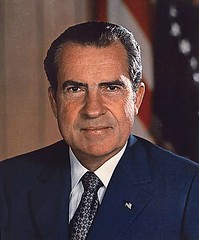
7563397470Richard NixonHe was vice president under Dwight Eisenhower. In 19868, he would become the 37th President of the United States, but in 1974 he resigned in disgrace after the Watergate scandal. (p. 580)3
7563397471modern RepublicanismPresident Eisenhower's term for his balanced and moderate approach to governing. Claiming he was liberal toward people but conservative about spending money. He helped balance the federal budget and lowered taxes without destroying existing social programs. (p. 580)4
7563397472Dept. of Health, Education and Welfare (HEW)In 1953, President Eisenhower consolidated welfare programs under this new department, run by Oveta Culp Hobby, the first woman in a Republican cabinet. (p. 580)5
7563397473soil-bank programPresident Eisenhower created this program as a way to reduce farm production, thereby increasing farm income. (p. 580)6
7563397474Highway Act; interstate highway systemThe most permanent legacy of the Eisenhower administration was this act passed in 1956. It created 42,000 miles of highway linking every major city in the nation. (p. 580)7
7563397475John Foster DullesIn the Eisenhower administration, he was the Secretary of State that pursued a policy of pushing the USSR and China to the brink of war. However, Eisenhower prevented him from carrying his ideas the extreme. (p. 581)8
7563397476brinksmanshipThe principle of pushing Communist nations to the brink of war, thinking they would back down because of American nuclear superiority. (p. 581)9
7563397477massive retaliationThis was Eisenhower's policy, it advocated the full use of American nuclear weapons to counteract even a Soviet ground attack in Europe. (p. 582)10
7563397478decolonizationAfter World War II, dozens of European colonies in Asia and Africa became independent countries. (p. 582)11
7563397479India, Pakistan, IndonesiaFrom 1947 to 1949, these three countries gained their independence. (p. 582)12
7563397480Third WorldTerm applied to a group of developing countries that often lacked stable political and economic institutions. Their need for foreign aid often made them pawns of the United States and the Soviet Union during the Cold War. (p. 582)13
7563397481CIA, covert actionUndercover intervention in foreign government by the CIA during Eisenhower's presidency. (p. 582)14
7563397482Iranian overthrowIn 1953, the CIA helped overthrow this government and established a monarch ruler with close ties to the U.S. He provided favorable oil prices and purchased American military arms. (p. 582)15
7563397483Korean armisticeIn July 1953, China and North Korea agreed to an armistice that would divide Korea into North Korea and South Korea near the 38th parallel. (p. 583)16
7563397484IndochinaIn the early 1950s, France was fighting to retake control of their colony in southeastern Asia. The French were defeated in 1954 and they agreed to give up Indochina, which was divided into the nations of Cambodia, Laos, and Vietnam. (p. 583)17
7563397485Ho Chi MinhThe North Vietnam Communist dictator who fought the French until 1954, and South Vietnam until 1975. (p. 583)18
7563397486Geneva ConferenceA 1954 conference between many countries that agreed to end hostilities and restore peace in French Indochina and Vietnam. (p. 583)19
7563397487division of VietnamBy the terms of the Geneva Convention, Vietnam would be temporarily divided at the 17 parallel until a general election could be held. A prolonged war (1954-1975) occurred between the Communist armies of North Vietnam who were supported by the Chinese and the non-communist armies of South Vietnam who were supported by the United States. (p. 583)20
7563397488domino theoryThe political theory that if one nation comes under Communist control then neighboring nations will also fall to Communist control. (p. 583)21
7563397489Southeast Asia Treaty OrganizationIn 1954, an international organization for collective defend and block further Communist gains is Southeast Asia. (p. 583)22
7563397490State of IsraelIn 1948, after a civil war in the British mandate territory of Palestine left the land divided between the Israelis and the Palestinians, this nation was founded. The United Nations oversaw the process and many neighboring countries fought against the creating of this Jewish state. (p. 584)23
7563397491Arab nationalismArab nationalist General Gamal Nasser of Egypt, asked the United States for funds to build the Aswan Dam on the Nile River. (p. 584)24
7563397492Suez Canal CrisisIn July 1956, Egypt sized the British and French owned Suez Canal. Britain and France carried out a surprise attack and retook the canal. The United States sponsored a U.N. resolution condemning the invasion of Egypt. Eventually Britain and France withdrew their troops. (p. 584)25
7563397493Eisenhower DoctrineThis 1957 doctrine, pledged United States economic and military aid to any Middle Eastern country threatened by Communism. (p. 584)26
7563397494Organization of Petroleum Exporting Countries (OPEC)In 1960, Saudi Arabia, Kuwait, Iraq, Iran, and Venezuela formed this organization of oil-producing nations. (p. 584)27
7563397495atoms for peaceIn 1953, President Eisenhower's proposal to the U.N. to slow down the arms race. (p. 585)28
7563397496spirit of GenevaThe 1955 meeting in Geneva, which produced the first thaw in the Cold War. (p. 585)29
7563397497open-skiesThe Soviets rejected this proposal for open aerial photography of eachothers territory in order to eliminate surprise nuclear attacks. (p. 585)30
7563397498Nikita KhrushchevThe ruler of the USSR from 1958-1964. He reduced government control of Soviet citizens and sought peaceful coexistence with the West. (p. 585)31
7563397499peaceful coexistenceIn early 1956, Soviet leader Nikita Khrushchev, gave a speech in which he denounced the crimes of Joseph Stalin and supported "peaceful coexistence" with the West. (p. 585)32
7563397500Hungarian revoltIn October 1956, Hungary actually succeeded in overthrowing a government backed by Moscow. The Soviets sent in tanks to crush the freedom fighters and restore control over Hungary. The United States took no action in the crisis and gave de facto recognition of the Soviet sphere of influence in Eastern Europe. (p. 586)33
7563397501Warsaw PactThis 1945 agreement formed formed an alliance of the Eastern European countries including the USSR, Albania, Bulgaria, Czechoslovakia, East Germany, Hungary, Poland, and Romania. (p. 586)34
7563397502SputnikIn 1957, the Soviet Union shocked the United States by launching the first space satellites into orbit around the earth. Fears of nuclear war were intensified since the missiles that launched the satellites could also deliver nuclear warheads anywhere in the world within minutes. (p. 586)35
7563397503NDEA, NASAIn 1958, Congress created the National Defense and Education Act (NDEA) and the National Aeronautics and Space Administration (NASA). (p. 586)36
7563397504U-2 incidentIn 1960, the Soviet military used a guided missile to shoot down an American U-2 spy plane over Soviet territory, revealing a formerly secret American tactic of the Cold War. (p. 586)37
7563397505Cuba, Fidel CastroA bearded socialist leader who overthrew a dictator in 1959 and established a Marxist socialist state in Cuba, only 90 miles from the United States. He nationalized American-owned businesses and the U.S. cut off trade with the country. (p. 587)38
7563397506military-industrial complexIn his farewell address, President Eisenhower warned the nation to "guard against the acquisition of unwarranted influence... by the military-industrial complex". (p. 587)39
7563397507Jackie RobinsonThe first African American player in major league baseball. His actions helped to bring about other opportunities for African Americans. (p. 588)40
7563397508causes of movementThe origins of the 1950s civil rights movement was the migration of African Americans to the North where they gained more political power. As the United States battled the Soviets for the hearts and minds of people around the world, it was clear that racial discrimination in the U.S. was a wrong that needed to be corrected. (p. 588)41
7563397509NAACPThe National Association for the Advancement of Colored People tried to protect the constitutional right of African Americans. (p. 588)42
7563397510desegregationThe action of incorporating a racial or religious group into a community. (p. 588)43
7563397511Brown v. Board of Education of TopekaIn May 1954, the Supreme Court agreed with Thurgood Marshal and ruled that "separate facilities are inherently unequal" and unconstitutional, and that school segregation should end immediately. (p. 588)44
7563397512Earl WarrenChief Justice of the Supreme Court, who presided over the Brown v. Board of Education of Topeka case, which overturned Plessy v. Ferguson. (p. 588)45
7563397513Southern ManifestoAfter the Brown v. Board of Education of Topeka Supreme Court decision, 101 members of Congress signed this manifesto condemning the Supreme Court for a "clear abuse of judicial power". (p. 588)46
7563397514Little Rock CrisisIn 1957, Governor Faubus used the Arkansas National Guard to prevent nine black students from entering Little Rock Central High School. President Eisenhower sent federal troops to ensure the black students could attend class. (p. 589)47
7563397515Rosa ParksIn 1955, in Montgomery, Alabama, a middle aged black woman refused to give up her seat on a bus, which led to her arrest for violating segregation laws. This triggered an African American protest of boycotting the city buses. (p. 589)48
7563397516Montgomery bus boycottRosa Park sparked a massive Afican American protest of the Montgomery, Alabama buses. (p. 589)49
7563397517Martin Luther King Jr.The minister of a Baptist church in Montgomery, Alabama, and a civil rights leader. (p. 589)50
7563397518Civil Rights acts of 1957, 1960The first civil rights laws since Reconstruction, they formed the Civil Rights Commission and provided some protection for the voting rights of blacks. (p. 590)51
7563397519Civil Rights CommissionCreated by civil rights laws of 1957 and 1960. (p. 590)52
7563397520Southern Christian Leadership Conference (SCLC)In 1957, Martin Luther King Jr. organized ministers and churches to create this civil rights organization. (p. 590)53
7563397521nonviolent protestTo call attention to the injustice of segregated facilities students would deliberately invite arrest by sitting in restricted areas. (p. 590)54
7563397522sit-in movementIn February 1960, African American college students in Greensboro, North Carolina created this protest after they were refused service at a segregated Woolworth's lunch counter. (p. 590)55
7563397523Student Nonviolent Coordinating Committee (SNCC)In 1960, an organization that called attention to the sit-in movement. (p. 590)56
7563397524immigration issuesIn the 1950s, Congress dropped the bans on Chinese and other Asian immigrants and eliminated race as barrier to naturalization. (p. 590)57
7563397525Operation WetbackIn the early 1950s, this program forced an estimated 3.8 million people to return to Mexico. (p. 590)58
7563397526homogeneityA description of American 1950s culture. (p. 590)59
7563397527popular cultureIn the 1950s, white suburbanites conformed to societal norms. (p. 590)60
7563397528paperbacksThis innovation in books, started in the 1950s, and led to the sales of a million copies per day by 1960. (p. 591)61
7563397529televisionA curiosity in the late 1940s, by 1961 there were 55 million of these devices in America. (p. 591)62
7563397530rock and rollTeenagers loved this popular music which was available as inexpensive records during the 1950s. (p. 591)63
7563397531consumer cultureIn the 1950s, consensus and conformity were hallmarks of the American culture. Television, advertising, and the middle-class move to the suburbs, contributed to this culture. (p. 590)64
7563397532fast foodThere was a proliferation of these restaurants in the 1950s. It began with the franchisment of McDonalds. (p. 591)65
7563397533credit cardsA new method of payment in the 1950s. (p. 591)66
7563397534conglomeratesIn the 1950s, large businesses with diversified holdings began to dominate industries such as food processing, hotels, transportation, insurance, and banking. (p. 591)67
7563397535social criticsIn the 1950s, conformity was valued. William Whyte documented the loss of individuality in his book, "The Organization Man" (p. 591)68
7563397536The Lonely CrowdIn 1958, this book by Harvard sociologist David Riesman criticised the replacement of inner direct individuals with other directed conformists. (p. 592)69
7563397537The Affluent SocietyIn 1958, economist by John Kenneth Galbraith wrote this book about the failure of wealthy American to address the need for increased social spending for the common good. (p. 592)70
7563397538The Catcher in the RyeA 1950s book by J. D. Salinger, it provided a classic commentary on phoniness as viewed by a troubled teenager. (p. 592)71
7563397539Catch-22A 1950s book by Joseph Heller that satirized the stupidity of the military and war. (p. 592)72
7563397540beatniksA group of rebellious writer and intellectuals led by Jack Kerouac and Allen Ginsberg. They advocated spontaneity, use of drugs, and rebellion against societal standards. (p. 592)73

AMSCO AP US History Chapter 31 Flashcards

AMSCO United States History 2015 Edition, Chapter 31 Challenges of the 21st Century, 2000-Present

Terms : Hide Images
7563405801political polarizationIn the 2000s the political parties became regionally divided. Traditional, religious, and anti-government voters were often in rural and suburban areas and voted Republican. Liberals were commonly found in urban areas and voted Democrat. (p. 679)0
7563405802Southern white conservativesSoutherners Newt Gingrich, Tom DeLay, and Trent Lott took over the leadership of the Republican party, making it more conservative and partisan. (p. 679)1
7563405803gerrymandered "safe seats"Democrats and Republicans manipulated congressional districts to create "safe seats", which rewarded partisanship and discouraged compromise in Congress. (p. 679)2
7563405804election of 2000In this presidential race Al Gore won the popular vote, George W. Bush won the electoral vote. It was the closest election since 1876. The Supreme Court settled the election in Bush's favor. (p. 680)3
7563405805George W. BushHe won the 2000 and 2004 presidential elections. He was the son of former president George H. W. Bush. (p. 680)4
7563405806Al GoreHe was Bill Clinton's vice president. In 2000 he lost a very close presidential election to George W. Bush. (p. 680)5
7563405807Bush v. GoreIn the 2000 election, Florida was the deciding state. George Bush led by 537 popular vote after a partial recount in that state. The Democrats asked for a manual recount. The Supreme Court majority ruled that the varying standards used in Florida's recount violated the Equal-Protection Clause of the 14th Amendment. Al Gore ended the election crisis by accepting the ruling. (p. 680)6
7563405808Bush tax cutsPresident George W. Bush cut taxes on the top tax bracket, gradually eliminated estate taxes, increased child tax credits, gave all taxpayers an immediate rebate. Bush pushed for tax cuts for stock dividends, capital gains, and married couples. (p. 680)7
7563405809No Child Left Behind ActThis act aimed to improve student performance and close the gap between rich students and poor students, gave students the right to transfer to better schools, stronger reading programs, and trained high-quality teachers. (p. 681)8
7563405810Enron, corporate corruptionThis large corporation falsified stated earnings and profits with the help of accounting companies. (p. 681)9
7563405811housing bubbleWhen the stock market gains turned down, many investors put their money into real estate, creating a speculative bubble that would burst in George W. Bush's second term. (p. 681)10
7563405812election of 2004In this presidential election George W. Bush was reelected, defeating Senator John Kerry. The Republicans energized their base of voters by focusing on the war against terrorism, more tax cuts, and opposition to gay marriage and abortion. (p. 684)11
7563405813John KerryIn 2004, this senator from Massachusetts was the Democratic presidential nominee. (p. 684)12
7563405814privatization of Social SecurityPresident Bush pushed Congress to privatize Social Security by encouraging Americans to invest part of their Social Security payroll deductions into various market investments. (p. 685)13
7563405815Hurricane KatrinaWhen the hurricane hit, FEMA failed to anticipate and respond to the crisis, resulting in more than 1,000 deaths, and tens of thousands of mostly poor people left in desperate conditions. (p. 685)14
7563405816corruption in CongressIn George W. Bush's second term, Republican's reputations were tarnished by scandals including, taking bribes from lobbyists, committing perjury and obstruction of justice, and having improper relations with congressional pages. (p. 685)15
7563405817John RobertsPresident George W. Bush appointed this conservative judge to the Supreme Court as chief justice. (p. 685)16
7563405818Samuel AlitoPresident George W. Bush appointed this conservative judge to the Supreme Court. (p. 685)17
7563405819Colin PowellThis general became George W. Bush's secretary of state, the first African American to hold the job. (p. 681)18
7563405820Islamic roots of anti-AmericanismAfter World War I, the Ottoman Empire, the last of Islamic empires, was replaced with Western-style secular nation states. The U.S. stationed troops in the Middle East after the Gulf War. Islamic religious fundamentalists objected to these actions. (p. 682)19
7563405821Al-Qaeda"The Base" preached jihad, which they defined as a holy war against "Jews and Crusaders", to restore an Islamic realm in the Middle East. (p. 682)20
7563405822Osama bin LadenThe founder of Al-Qaeda, the terrorist network responsible for the attacks of September 11, 2001, and other attacks. (p. 682)21
7563405823asymmetric warfareWarfare conducted by terrorists when combatants have highly unequal military capabilities, such as when terrorists or rebel groups fight strong states. (p. 682)22
7563405824bombing of U.S. embassiesIn 1998, terrorists bombed two U.S. embassies in Kenya and Tanzania. The U.S. responded by bombing Al-Qaeda camps in Afghanistan and the Sudan. (p. 682)23
7563405825U.S.S. ColeIn 2000, two suicide bombers in a small rubber boat nearly sank a billion dollar warship docked in Yemen, the USS Cole. (p. 682)24
7563405826World Trade CenterA group of buildings in New York City. Two of the largest tower buildings were attacked and destroyed on September 11, 2001. (p. 682)25
7563405827September 11, 2001On this date, know as 9/11, Al-Qaeda terrorists flew planes into World Trade Center twin towers, the Pentagon, and crashed a jetliner into a field in Pennsylvanian. Nearly 3,000 people were killed in the attacks. The attacks galvanized public opinion as nothing since the Pearl Harbor attack in 1941. (p. 682)26
7563405828Afghanistan, TalibanPresident Bush declared he wanted Osama bin Laden and other Al-Qaeda leaders "dead or alive". The Taliban refused to turn them over, so in response the U.S. quickly overthrew the Taliban government in Afghanistan. U.S. led troops pursued bin Laden to the mountains bordering Pakistan, but were unable to catch him. (p. 682)27
7563405829Hamid KarzaiHe became the head of the Afghanistan government in Kabul with the U.S. backing. However, Afghanistan remained unstable and divided by the Taliban insurgency and tribal conflicts. (p. 682)28
7563405830Homeland Security DepartmentPresident George W. Bush created this new department by combining more than 20 federal agencies with 170,000 employees. The agencies including the Secret Service, Coast Guard, and customs and immigration agencies. Many questioned why the FBI and CIA were left out of the new department. (p. 683)29
7563405831connect the dotsIn 2004, a bipartisan commission on terrorism criticized the FBI, CIA, and the Defense Department for failing to work together to "connect the dots" that may have uncovered the 9/11 plot. Congress followed up on their recommendations, creating a Director of National Intelligence position. (p. 683)30
7563405832Director of National IntelligenceThis newly created position was responsible for coordinating the intelligence activities of all agencies. (p. 683)31
7563405833Kyoto AccordThe Bush administration refused to join this climate agreement to prevent global warming. (p. 683)32
7563405834Bush DoctrineThis doctrine argued that the old policies of containment and deterrence were no longer effective in a world of stateless terrorism. It stated that to protect itself, the United States should take preemptive action against terrorist threats to its national security. (p. 683)33
7563405835unilateralist approachThe United States would pursue its own defense policy with little or no cooperation with other nations. (p. 683)34
7563405836axis of evilIn his 2002 State of the Union Address, President George W. Bush used this term for the countries of North Korea, Iraq, and Iran. (p. 683)35
7563405837WMDsWeapons of Mass destruction (p. 683)36
7563405838Saddam HusseinHe was the Iraq dictator in Iraq who invaded Kuwait. He refused to let the U.N. into Iraq for WMD inspections. (p. 683)37
7563405839U.N. inspectionsU.N. inspections failed to find WMD's in Iraq. However, the Bush administration continued to present claims of their existence based on intelligence information that proved to be false. (p. 683)38
7563405840Operation Iraq FreedomIn early 2003, President Bush declared that Iraq had not complied with numerous U.N. resolutions, and that "the game was over". In March 2003 the United States launched air attacks on Iraq, and within 4 weeks U.S., British, and other allies captured the capital city, Baghdad. (p. 684)39
7563405841regime changeWhen U.S. forces could not find WMDs in Iraq, criticism of the "regime change" mounted. (p. 684)40
7563405842war of choiceA term used for the Iraq War because it was not clear that is was a war that was required. (p. 684)41
7563405843Sunni vs. ShiiteAfter Saddam Hussein's death, the Sunni and Shiites attacked each other, and millions of Iraqis fled the country or were displaced. The Bush administration was widely criticized for going into Iraq without sufficient troops to control the country and to disband the Iraqi army. (p. 684)42
7563405844Abu Ghraib prisonPictures of the barbaric treatment of prisoners by U.S. troops in this prison further diminished America's reputation in Iraq and around the world. (p. 684)43
75634058452007 troop surgeIn early 2007, President George W. Bush sent an additional 30,000 troops in a "surge" to establish order in Iraq. (p. 684)44
7563405846securitizationWall Street packaged the high risk housing loans into a variety of complex investments , then sold them to unsuspecting investors around the world. (p. 685)45
7563405847liquidity crisisWhen the housing market bubble burst, banks and financial institutions faced failure resulting in this crisis. Banks either lacked funds or were unable to make the loans to businesses and consumers necessary for the day-to-day functioning of the economy. (p. 685)46
7563405848Fannie May, Freddie MacIn early 2008 the federal government took over these two quasi-governmental mortgage institutions. (p. 685)47
7563405849Lehman BrothersIn September 2008, this large Wall Street investment bank declared bankruptcy, which led to a panic in the financial industry. (p. 685)48
7563405850Troubled Assets Relief Program (TARP)The Economic Stabilization Act of 2008 created this controversial program. The federal government used $700 million to purchase failing assets, that included mortgages and mortgage-related securities, from financial institutions. Conservatives called it socialism, and liberals called it a bailout of the people who had caused the problems in the first place. (p. 685)49
7563405851poor regulation of financial institutionsThe causes of the Great Recession will be debated for years, causes include: Excessive deregulation of the financial industry Real estate bank fraud Federal Reserve kept interest rates too low Government efforts to promote home ownership (p. 685)50
7563405852election of 2008In this presidential election Democrats Barack Obama and Joseph Biden ran against Republicans John McCain and Sarah Palin. The Republican Bush administration was unpopular and the country faced was facing an economic crisis. Obama's message for change and his well-funded grassroots campaign led him to victory. (p. 686)51
7563405853Hillary ClintonIn 2008, this Democratic senator from New York was the early favorite in the Democrat primary race. (p. 686)52
7563405854Barack ObamaIn 2008, this young, charismatic, Democratic senator from Illinois became the first African American president of the United States. (p. 686)53
7563405855John McCainIn 2008, this Republican senator from Arizona was the Republican nominee for president. He was a Vietnam war hero who hoped to appeal to undecided voters. (p 686)54
7563405856Sarah PalinIn 2008, this Republican governor of Alaska was the vice presidential candidate, running with John McCain. (p. 686)55
7563405857effects of Great RecessionThe Great Recession started in late 2007. The stock market dropped dramatically but recovered by 2013, unemployment peaked at 10 percent in 2009 and stayed at 7 percent until 2013. Obama enacted a number of Keynesian programs to promote recovery. (p. 687)56
75634058582009 stimulus billThe American Recovery and Reinvestment Act of 2009 provided $787 billion economic stimulus package designed to create or save 3.5 billion jobs. It featured tax cuts, aid to state and local governments, and funding for construction projects, health care, education, and renewable energy. (p. 687)57
7563405859Dodd-Frank ActThis act was designed to improve regulations of banking and investment firms, and to protect taxpayers from future bailouts of "too big to fail" businesses. It also set up a Bureau of Consumer Protection to regulate mortgages and credit cards. (p. 687)58
7563405860aid to auto industryWith General Motors and and Chrysler near collapse, the Obama administration stepped in to help. The government temporarily took over General Motors while in bankruptcy, and guided the sale of Chrysler to Italian automaker Fiat. (p. 687)59
7563405861Affordable Care Act!in 2008, the U.S. "fee for service" medical system was the most expensive in the world, but produced mixed results. This healthcare act aimed to extend affordable health care insurance to more Americans through combinations of subsidies, mandates, and insurance exchanges while introducing medical and insurance reforms to control health care costs. Many Americans were confused by its complexity. (p. 687)60
7563405862budget deficitsThe Great Recession lowered federal income tax collected and increased spending on recovery programs. The annual federal deficit tripled to $1.75 trillion in 2009. The national debt rose to $16 trillion by 2012. (p. 688)61
7563405863Bowles-Simpson planThis plan would have eliminated the deficit by 2035 through $2 of spending cuts for every $1 increase in revenues. It was rejected by both parties. (p. 688)62
7563405864Tea PartyIn 2010, this group of loosely united conservatives and libertarians formed this movement. Many members focused on economic issues and limited government, but others focused on gun rights, prayer in schools, outlawing abortions, and preventing undocumented immigration. (p. 688)63
7563405865debt ceilingIn August 2011, as the debt ceiling closed in an agreement was reached to cut $900 billion in spending and cut an additional $1.4 trillion to be determined by a bipartisan committee. (p. 688)64
7563405866super-committeeThe bipartisan committee that was to determine what the $900 billion spending cuts were to be. (p. 688)65
7563405867U.S. credit ratingIn 2011, the uncertainty and gridlock in Washington led Standard & Poor's to downgrade the US AAA credit rating. (p. 688)66
7563405868election of 2012In this presidential election the Great Recession and Obamacare (new healthcare act) were the top issues. Barack Obama defeated Mitt Romney in this election. (p. 690)67
7563405869Mitt RomneyIn 2012, this conservative, Mormon, former governor of Massachusetts, was the Republican presidential candidate. (p. 690)68
7563405870Latino votersIn 2012, 1 in every 6 American voter was a Latino voter, and President Obama won 71 percent of the Latino votes in this election. (p. 690)69
7563405871sequester cutsIn 2013, Congress was unable to compromise on the budget so these cuts went into effect. (p. 690)70
75634058722013 shutdown of governmentIn October 2013, the Republican effort to defund the Affordable Care Act resulted in a shutdown of the government for 16 days, and threatened default on the national debt. The approval rating of Congress dropped to 10 percent. (p. 690)71
7563405873gun violenceMass shootings at a Colorado movie theater and a Connecticut school sparked another debate over guns. President Obama's proposals to tighten gun laws went nowhere because of gun rights advocates. (p. 690)72
7563405874Boston Marathon bombingFear of home-grown terrorism became real when two brothers set off two bombs at the finish line of the Boston Marathon killing three and injuring more than 250 people. The young men who did the bombing seemed motivated by extremist Islamic beliefs. (p. 690)73
7563405875ban on tortureIn 2009, President Obama placed a formal ban on torture by requiring that Army field manuals be used as the guide for interrogating terrorist suspects. (p. 687)74
7563405876withdrawal from IraqIn early 2009, President Obama developed a plan to wind down US ground combat operations in Iraq. In 2011, the last of U.S. forces were withdrawn. However, Sunni and Al-Qaeda insurgents continued to terrorize the majority Shiite government. (p. 688)75
7563405877Afghanistan surgePresident Obama made fighting Al-Qaeda and the Taliban in Afghanistan a priority. He sent an additional 47,000 troops to Afghanistan. The counter-terrorism surge proved effective in Afghanistan, but the increase in drone attacks on terrorists in Pakistan intensified anger against the U.S. (p. 689)76
7563405878death of bin LadenIn May 2011, he was killed by the U.S. in clandestine operation in Pakistan. (p. 689)77
7563405879drawdown in AfghanistanIn 2012, the U.S. and Afghanistan signed a long-term agreement which called for the U.S. to train and support the Afghanistan military, and for the U.S. to end combat missions by 2014. (p. 689)78
7563405880Arab SpringIn 2010, civil unrest and armed rebellion toppled governments in Tunisia, Libya, Egypt, and Yemen. (p. 689)79
7563405881fall of dictatorshipsArab spring, civil unrest and armed rebellions toppled dictatorships in North Africa and the Middle East. (p. 689)80
7563405882civil war in SyriaThe Syrian leader, Bashar al-Assad used poisonous gas on the people in the country who were rising up against him. Military action was avoided when the Syrians agreed to give up all their chemical weapons. (p. 691)81
7563405883"pivot" to AsiaEvents in the Middle East limited the president's planned "pivot" to Asia. The Obama administration realized that America's future would be closely tied to the Pacific Rim because within two decades the economies of Asia would soon be larger than the U.S. and Europe combined. (p. 689)82
7563405884euro crisisIn the early 2010s, the European Union was struggling with a debt crisis in Greece, Spain, and Ireland. It took German leadership to save the euro as a common currency. (p. 689)83
7563405885Sonia SotomayorPresident Obama appointed her to the Supreme Court in 2009. (p. 691)84
7563405886Elena KaganPresident Obama appointed her to the Supreme Court in 2010. (p. 691)85
7563405887Shelby County v. Holder (2013)In 2013, the Supreme Court struck down a key provision of the Voting Rights Act of 1965, that required that certain states with a history of voter discrimination obtain federal approval of any changes in voting laws. (p. 691)86
7563405888repeal of "Don't Ask, Don't Tell"In 2010, Congress repealed the Clinton era "Don't Ask, Don't Tell" to end discrimination of gays in the military. (p. 692)87
7563405889same-sex marriageIn 2013, the Supreme Court ruled that the 1996 Defense of Marriage Act, a California law, was unconstitutional. However the states remained divided, with fourteen allowing same sex marriage and thirty-five banning it (p. 692)88
75634058902nd Amendment and Heller caseIn 2008, the Supreme Court ruled that the 2nd amendment protects an individual's right to posses a firearm unconnected with service in a militia. (p. 692)89
7563405891campaign financingIn 2013, the Supreme Court heard arguments to overturn the federal limits on campaign contributions, which some worried would open the door to wider corruption of elected officials. (p. 691)90
7563405892Citizens UnitedIn 2010, the Supreme Court ruled that corporations were "legal persons" and had the same rights as individuals to buys ads to influence political elections. (p. 691)91
7563405893NFIB v. SebeliusIn 2012, the Supreme Court ruled that the federal government had the authority to require that individuals purchase health insurance because Congress had the authority to levy taxes. (p. 692)92

AP US History Unit 5 Vocab Flashcards

Terms : Hide Images
5920246377AssimilationProcess by which a person acquire the social and psychological characteristics of a group0
5920246378EspouseAdopt or support, or marry1
5920246379AntebellumOccurring or existing before a particular war, especially the American Civil War2
5920246380PrudenceThe quality of being prudent; cautiousness3
5920246381ExuberantFilled with or characterized by a lively energy and excitement4
5920246382AmeliorateMake something that's bad better5
5920246383JubilationA feeling of great happiness and triumph6
5920246384TurnpikeAn expressway, especially one on which a toll is charged7
5920246385CrosscurrentsA current in a river or sea that flows across another, or a process or tendency that is in conflict with another8
5920246386CockboatA small boat, one used as a tender to a larger boat9
5920246387BideRemain or stay somewhere10
5920246388GrandioseImpressive or magnificent in appearance or style, especially pretentiously so11
5920246389PlumbMeasure or test12
5920246390HypocriteA person who indulges in hypocrisy13
5920246391SuffrageThe right to vote in political elections14
5920246392SucculentTender, juicy, and tasty15
5920246393ChasteAbstaining from extramarital, or from all, sexual intercourse16
5920246394ScrupleA feeling of doubt or hesitation with regard to the morality or propriety of a course of action17
5920246395RescindRevoke, Cancel, or repeal18
5920246396WooTry to gain the love of someone, typically a women, especially with a view to marriage19
5920246397WhetSharpen the blade of a tool or weapon20
5920246398HaughtyArrogantly superior and disdainful21
5920246399WildcatA strike that is sudden and unofficial22
5920246400SuccumbFail to resist pressure, temptation, or some other negative force23
5920246401SupplantSupersede and replace24
5920246402BequestA legacy, something passed down25
5920246403MatronlyLike or characteristic of a married women, especially in being dignified and staid and typically associated with having a large or plump build26
5920246404MinstrelA medieval singer or musician, especially one who sang or recited lyric or heroic poetry to a musical accompaniment for the nobility27
5920246405ParlanceA particular way of speaking or using words, especially a way common to those with a particular job or intrest28
5920246406HamstringCripple a person or animal by cutting their hamstrings29
5920246407QuackeryPromotion of fraudulent or ignorant medical practices30
5920246408UnstintingGiven or given without restraint; unsparing31

Pages

Subscribe to CourseNotes RSS

Need Help?

We hope your visit has been a productive one. If you're having any problems, or would like to give some feedback, we'd love to hear from you.

For general help, questions, and suggestions, try our dedicated support forums.

If you need to contact the Course-Notes.Org web experience team, please use our contact form.

Need Notes?

While we strive to provide the most comprehensive notes for as many high school textbooks as possible, there are certainly going to be some that we miss. Drop us a note and let us know which textbooks you need. Be sure to include which edition of the textbook you are using! If we see enough demand, we'll do whatever we can to get those notes up on the site for you!