

AMSCO AP US History Chapter 21 Flashcards
AMSCO United States History 2015 Edition, Chapter 21 The Progressive Era, 1901-1917
Terms : Hide Images
| 6748822858 | urban middle class | Most Progressives were urban middle-class men and women. They included: doctors, lawyers, ministers, storekeepers, office workers, and middle managers. (p. 432) |  | 0 |
| 6748822859 | male and female | The Progressive were composed of both men and women. (p. 432) |  | 1 |
| 6748822860 | white, old stock Protestants | Native-born, their churches preached against vice and taught social responsibility. (p. 432) |  | 2 |
| 6748822861 | professional associations | Groups of individuals who share a common profession and are often organized for common political purposes related to that profession. (p. 432) |  | 3 |
| 6748822862 | Pragmatism | In the early 20th century this philosophy focused on using a practical approach to morals, ideals, and knowledge. They encouraged experimentation to find solutions that would produce a well-functioning democratic society. (p. 433) |  | 4 |
| 6748822863 | William James | In the early 20th century, he was an advocate of the new philosophy of pragmatism. He argued that people should take a practical approach to morals, ideals, and knowledge. (p. 433) |  | 5 |
| 6748822864 | John Dewey | He was a philosopher who believed in "learning by doing" which formed the foundation of progressive education. (p. 433) |  | 6 |
| 6748822865 | Frederick W. Taylor | An engineer who sought to eliminate wasted motion. Famous for scientific-management, especially time-management studies. (p. 433) |  | 7 |
| 6748822866 | scientific management | A management theory using efficiency experts to examine each work operation, then find ways to minimize the time needed to complete the work. (p. 433) |  | 8 |
| 6748822867 | Henry Demarest Lloyd | In 1894, he wrote the book "Wealth Against Commonwealth". He attacked the practices of Standard Oil and the railroads. (p. 434) |  | 9 |
| 6748822868 | Standard Oil Company | An oil trust with control of many oil refinery companies, which created a monopoly in the oil industry. (p. 434) |  | 10 |
| 6748822869 | Lincoln Steffans | He wrote "The Shame of the Cities" (1904) which described in detail the corruption that characterized big-city politics. (p. 434) |  | 11 |
| 6748822870 | Ida Tarbell | A leading muckraker and magazine editor, she exposed the corruption of the oil industry with her 1902 series "The History of the Standard Oil Company". (p. 434) |  | 12 |
| 6748822871 | Jacob Riis | In 1890, he wrote "How The Other Half Lives", which showed the terrible conditions of the tenement houses of the big cities where immigrants lived during the late 1800s. (p. 434) |  | 13 |
| 6748822872 | Theodore Dreiser | An American author who wrote "The Financier" and "The Titan", novels which portrayed the avarice and ruthlessness of an industrialist. (p. 434) | 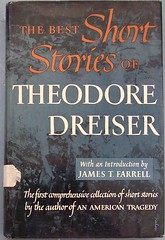 | 14 |
| 6748822873 | Australian ballot | A government printed ballot of uniform size and shape to be cast in secret that was adopted by many states around 1890. (p. 435) |  | 15 |
| 6748822874 | direct primary | A nominating process where voters directly select the candidates who will run for office. (p. 435) |  | 16 |
| 6748822875 | Robert La Follett | In 1903, this Progressive Wisconsin Governor introduced a new system which allowed the voters to directly choose party candidates (direct primary), rather than being selected by party bosses. (p. 435) |  | 17 |
| 6748822876 | Seventeenth Amendment | In 1913, this constitutional amendment was passed. It required that all U.S. senators be elected by a popular vote. (p. 435) |  | 18 |
| 6748822877 | direct election of senators | In 1899, Nevada became the first state to elect U.S. senators directly. Previously state legislatures had chosen them. (p. 435) |  | 19 |
| 6748822878 | initiative, referendum, and recall | Amendments to state constitutions made changes to politics. An initiative allowed reformers to circumvent state legislatures by submitting new legislature to the voters in a general direct election. A referendum is the method by which actions of the legislature could be returned to the electorate for approval. A recall allowed voters to remove a politician from office before their term was completed. (p. 435) |  | 20 |
| 6748822879 | municipal reform | City bosses and their corrupt alliance with local businesses such as trolley lines and utility companies were targeted for reform by Progressives. (p. 436) |  | 21 |
| 6748822880 | Samuel M. Jones | This Toledo mayor used "Golden Rule" as his middle name. He instituted free kindergartens, night schools, and public playgrounds. (p. 436) |  | 22 |
| 6748822881 | Tom L. Johnson | This Cleveland mayor devoted himself to the cause of tax reform and three-cent trolley fares. He fought for public controlled city utilities and services, but failed. (p. 436) |  | 23 |
| 6748822882 | commission plan | A city's government would be divided into several departments, which would each be placed under the control of an expert commissioner. (p. 436) |  | 24 |
| 6748822883 | city manager plan | Legislation designed to break up political machines and replace traditional political management of cities with trained professional urban planners and managers. (p. 436) |  | 25 |
| 6748822884 | Charles Evans Hughes | In New York, he battled fraudulent insurance companies. (p. 436) |  | 26 |
| 6748822885 | Hiram Johnson | In California, he fought against the economic and political power of the Southern Pacific Railroad. (p. 436) |  | 27 |
| 6748822886 | Wisconsin Idea | A series of Progressive measures that included a direct primary law, tax reform, and state regulatory commissions. (p. 436) |  | 28 |
| 6748822887 | regulatory commissions | Progressives created state regulatory commissions to monitor railroads, utilities, and business such as insurance. (p. 436) |  | 29 |
| 6748822888 | state Prohibition laws | By 1915, two-thirds of the states had passed these laws which prohibited the sale of alcohol. (p 437) |  | 30 |
| 6748822889 | National Child Labor Committee | They proposed child labor laws which were adopted by many of the states. (p. 437) |  | 31 |
| 6748822890 | compulsory school attendance | Many states passed laws, which made it mandatory for children to go to public schools. (p. 437) |  | 32 |
| 6748822891 | Florence Kelley | She was a reformer who promoted state laws which protected women from long working hours. (p. 437) |  | 33 |
| 6748822892 | National Consumers' League | This organization was formed in the 1890's, under the leadership of Florence Kelly. They attempted to mobilize the power of women as consumers to force retailers and manufacturing to improve wages and working conditions. (p. 437) |  | 34 |
| 6748822893 | Lochner v. New York | A 1905, this Supreme Court case ruled against a state law that limited workers to a ten-hour workday. (p 437) |  | 35 |
| 6748822894 | Muller v. Oregon | A 1908 Supreme Court case, it ruled that women needed special protection against working long hours. (p. 437) |  | 36 |
| 6748822895 | Triangle Shirtwaist fire | In 1911, a high-rise garment factory burned, killing 146 people, mostly women. (p. 437) |  | 37 |
| 6748822896 | Square Deal | Economic policy by President Theodore Roosevelt that favored fair relationships between companies and workers. (p. 438) |  | 38 |
| 6748822897 | anthracite coal miners' strike 1902 | Pennsylvania coal miners went on strike for an increase in pay and a shorter working day. When the mine owners refused to negotiate, President Theodore Roosevelt threatened to seize control of the mines. A compromise was finally agreed upon. (p. 438) | 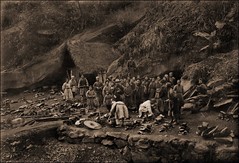 | 39 |
| 6748822898 | trust-busting | President Theodore Roosevelt broke up the railroads and Standard Oil by using the Sherman Antitrust Act. (p. 438) |  | 40 |
| 6748822899 | bad vs. good trusts | President Theodore Roosevelt did make a distinction between breaking up "bad trusts", which harmed the public and stifled competition, and regulating "good trusts" which through efficiency and low prices dominated a market. (p. 438) |  | 41 |
| 6748822900 | Elkins Act | This 1903 act allowed the Interstate Commerce Commission (ICC) to stop railroads from granting rebates to favored customers. (p. 438) |  | 42 |
| 6748822901 | Hepburn Act | This 1906 act tightened existing railroad regulation. It empowered the Interstate Commerce Commission to set maximum railroad rates and to examine railroad's financial records. (p. 438) |  | 43 |
| 6748822902 | Uptown Sinclair; "The Jungle" | He wrote "The Jungle" which described the Chicago stockyards and meatpacking industry. (p. 438) |  | 44 |
| 6748822903 | Pure Food and Drug Act | This 1906 act forbade the manufacture or sale of mislabeled or adulterated food or drugs, it gave the government broad powers to ensure the safety and efficacy of drugs in order to abolish the "patent" drug trade. (p. 438) |  | 45 |
| 6748822904 | Meat Inspection Act | This 1906 act provided federal inspectors to visit meatpacking plants to insure that they met sanitation standards. (p. 439) |  | 46 |
| 6748822905 | conservation of public lands | President Theodore Roosevelt's most original and lasting contribution in domestic policy may have been his efforts to protect the nation's natural resources. (p. 439) |  | 47 |
| 6748822906 | Newlands Reclamation Act | A 1902 act that provide public land for irrigation projects in western states. (p. 439) |  | 48 |
| 6748822907 | White House Conference of Governors | A conference at the White House which publicized the need for conservation. (p. 439) | 49 | |
| 6748822908 | Gifford Pinchot | First head of the U.S. Forest Service under President Theodore Roosevelt (p. 439) | 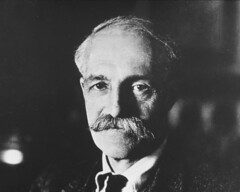 | 50 |
| 6748822909 | Socialist Party of American | This third party was dedicated to the welfare of the working class. Their platform called for radical reforms such as public ownership of the railroads, utilities, and even some major industries such as oil and steel. (p. 440) |  | 51 |
| 6748822910 | Eugene V. Debs | One of the founders of the Socialist party and the party's presidential candidate from 1900 to 1920. (p. 440) |  | 52 |
| 6748822911 | Bull Moose Party | Nickname for the new Progressive Party, which was formed to nominate Theodore Roosevelt in the 1912 presidential election. (p. 441) |  | 53 |
| 6748822912 | New Nationalism; New Freedom | In the election of 1912, the Theodore Roosevelt and Woodrow Wilson were the main competitors. Roosevelt called for a "New Nationalism", with more government regulation of business and unions, women's suffrage (voting rights), and more social welfare programs. Wilson supported a "New Freedom", which would limit both big business and big government, bring about reform by ending corruption, and revive competition by supporting small business. (p. 441) |  | 54 |
| 6748822913 | Mann-Elkins Act | This 1910 act gave the Interstate Commerce Commission the power to suspend new railroad rates and oversee telephone, telegraph, and cable companies. (p. 432) |  | 55 |
| 6748822914 | Sixteenth Amendment, federal income tax | Ratified in 1913, this constitutional amendment, explicitly permitted Congress to levy a federal income tax. (p. 439) |  | 56 |
| 6748822915 | Payne-Aldrich Tariff 1909 | In 1909, President William Howard Taft signed this bill which raised the tariffs on most imports. (p. 440) |  | 57 |
| 6748822916 | firing of Pinchot | In 1910, he was head of the Forest Service, but was fired by President Taft. (p. 440) | | 58 |
| 6748822917 | Underwood Tariff | In 1913, this tariff substantially lowered tariffs for the first time in over 50 years. To compensate for the reduced tariff revenues, the bill included a graduated income tax with rates from 1 to 6 percent. (p. 442) |  | 59 |
| 6748822918 | Federal Reserve Act | In 1914, this act created a central banking system, consisting of twelve regional banks governed by the Federal Reserve Board. It was an attempt to provide the United States with a sound yet flexible currency. It still plays a major role in the American economy today. (p. 442) |  | 60 |
| 6748822919 | Federal Reserve Board | This board was organized to supervise twelve district banks in the Federal Reserve Bank system. (p. 442) |  | 61 |
| 6748822920 | Clayton Antitrust Act | In 1914, this antitrust legislation strengthened the provisions in the Sherman Antitrust Act for breaking up monopolies. It exempted unions from being prosecuted as trusts. (p. 442) |  | 62 |
| 6748822921 | Federal Trade Commision | A federal regulatory agency, established in 1914 to prevent unfair business practices and help maintain a competitive economy. (p. 442) |  | 63 |
| 6748822922 | Federal Farm Loan Act | A 1916, 12 regional federal farm loan banks were established to provide farm loans at low interest rates. (p. 443) |  | 64 |
| 6748822923 | racial segregation laws | In the Progressive era (1901 - 1917), racial segregation was the rule in the South and the unofficial policy in the North. (p. 443) |  | 65 |
| 6748822924 | increased lynching | In the Progressive era, thousands of blacks were lynched (hung) by racist mobs. (p. 443) |  | 66 |
| 6748822925 | Booker T. Washington | This African American progressive argued that African Americans should concentrate on learning industrial skills in order to get better wages. (p. 443) |  | 67 |
| 6748822926 | W. E. B. Du Bois | This African American was a northerner with a college education. He argued that African American should demand equal political and social rights, which he believed were a prerequisite for economic independence. (p. 444) |  | 68 |
| 6748822927 | National Association for the Advancement of Colored People | This organization's mission was to abolish all forms of segregation and to increase educational opportunities for African Americans. (p. 444) |  | 69 |
| 6748822928 | National Urban League | Formed in 1911, this organization helped African Americans migrating from the south to northern cities. (p. 444) |  | 70 |
| 6748822929 | Carrie Chapman Catt | A suffragette, she worked to obtain the right for women to vote. She was president of the National Women's Suffrage Association, and founder of the International Woman Suffrage Alliance. Instrumental in obtaining passage of the 19th Amendment in 1920. (p. 445) |  | 71 |
| 6748822930 | National American Woman Suffrage Association | A group formed in the late 1800s to organize the women's suffrage movement. (p. 445) |  | 72 |
| 6748822931 | Alice Paul | A suffragette who focused on obtaining an amendment to the Constitution for women's suffrage (voting rights). (p. 445) |  | 73 |
| 6748822932 | National Woman's party | In 1916, Alice Paul formed this organization to focus on winning the support of Congress and the president for a Constitutional amendment for women's suffrage. (p. 445) |  | 74 |
| 6748822933 | Nineteenth Amendment | In 1920, this amendment passed which gave women the right to vote. (p. 445) |  | 75 |
| 6748822934 | League of Woman Voters | Organized by Carrie Chapman Catt. A civic organization dedicated to keeping voters informed about candidates and issues. (p. 445) |  | 76 |
| 6748822935 | Margaret Sanger | She founded an organization the became Panned Parenthood. They advocated for birth-control education. (p. 445) |  | 77 |
AMSCO AP US History Chapter 4 Flashcards
AMSCO United States History 2015 Edition, Chapter 4 Imperial Wars and Colonial Protest, 1754-1774
Terms : Hide Images
| 6652721841 | Patrick Henry | Young Virginian lawyer who coined the phrase "No taxation without representation" in his speech to the House of Burgesses. (p. 73) |  | 0 |
| 6652721842 | Stamp Act Congress | Representatives from nine colonies met in New York in 1765 and decided that only their own elected representatives had the power to approve taxes. (p. 73) |  | 1 |
| 6652721843 | Sons and Daughters of Liberty | Secret society organized to intimidated tax agents. Sometimes they destroyed revenue stamps and tarred and feathered tax collectors. (p. 73) |  | 2 |
| 6652721844 | John Dickinson; Letters from a Farmer in Pennsylvania | In 1767 and 1768, he argued that the idea of no taxation without representation, was an essential principle of English law. (p. 74) |  | 3 |
| 6652721845 | Samuel Adams | In 1768, he was one of the authors of the the Massachusetts Circular Letter which urged colonies to petition Parliament to repeal the Townshend Acts. (p. 74) |  | 4 |
| 6652721846 | James Otis | In 1768, he was one of the authors of the the Massachusetts Circular Letter which urged colonies to petition Parliament to repeal the Townshend Acts. (p. 74) |  | 5 |
| 6652721847 | Massachusetts Circular Letter | In 1768, this document was distributed to every colonial legislature. It urged the colonies to petition Parliament to repeal the Townshend Acts. (p. 74) |  | 6 |
| 6652721848 | Committees of Correspondence | Initiated by Samuel Adams in 1772, these letters spread news of suspicious or threatening acts by the British throughout the colonies. (p. 74) |  | 7 |
| 6652721849 | Intolerable Acts | Colonist name for the Coercive Acts of 1774, a series of acts created to punish the colonists for the Boston Tea Party. (p. 75) |  | 8 |
| 6652721850 | George III | In the 1760s, he was the King of England. (p. 71) |  | 9 |
| 6652721851 | Whigs | In the 1760s, this was the dominant political party in Parliament that wanted the American colonies to bear more of the cost of maintaining the British empire. (p. 71) |  | 10 |
| 6652721852 | Parliament | The legislative house of Great Britain. (p. 71) |  | 11 |
| 6652721853 | salutary neglect | Great Britain had exercised little direct control over the colonies and did not enforce its navigation laws. This changed after the French and Indian War, as the British adopted more forceful policies for taking control of the colonies. (p. 71) |  | 12 |
| 6652721854 | Lord Frederick North | New prime minister of Britain who convinced Parliament to repeal the Townshend Acts in 1770. (p. 74) |  | 13 |
| 6652721855 | Pontiac's Rebellion | In 1763, American Indian chief Pontiac led a major attack against the colonial settlements on the western frontier. The British did not rely on colonial forces, but instead sent their army to deal with the rebellion. This led to the creation of the Proclamation of 1763. (p. 72) |  | 14 |
| 6652721856 | Proclamation Act of 1763 | This proclamation prohibited colonists from settling west of the Appalachian Mountains. The British hoped it would prevent violence between Native Americans and colonists. The colonists were angry and disobeyed the law, moving to the west of the imaginary boundary in large numbers. (p. 72) |  | 15 |
| 6652721857 | Seven Years' War (French and Indian War) | War fought in the colonies from 1754 to 1763 between the English and the French for possession of the Ohio River Valley area. The English won the war and the Peace of Paris was negotiated in 1763. (p. 70) |  | 16 |
| 6652721858 | Albany Plan of Union | The British government called for representatives from several colonies to meet in Albany, New York in 1754, to provide for an inter-colonial government to recruit troops and collect taxes. Each colony was too jealous of its own taxation powers to accept the plan. (p. 70) |  | 17 |
| 6652721859 | Edward Braddock | In 1755, this general led an army from colonial Virginia, to attack the French near Ft. Duquesne. More than 2,000 of his British and colonial troops were defeated by a smaller force of French and American Indians. (p. 70) |  | 18 |
| 6652721860 | George Washington | He led a small militia from the Virginia colony, to halt the completion of the French fort in the Ohio River Valley, Fort Duquesne. In July 1974, he was forced to surrender to a superior force of Frenchmen and their American Indian allies. This was the beginning of the French and Indian War. (p. 70) |  | 19 |
| 6652721861 | Peace of Paris | Peace treaty signed to end the French and Indian War (The Seven Years' War) in 1763. Great Britain gained French Canada and Spanish Florida. France gave Spain its western territory. (p. 71) | | 20 |
| 6652721862 | Sugar Act | A 1764 British act which placed duties on foreign sugar and other luxuries. Its primary purpose was to raise money for the English Crown. (p. 72) |  | 21 |
| 6652721863 | Quartering ACT | This 1765 act required the colonists to provide food and living quarters for British soldiers. (p. 72) |  | 22 |
| 6652721864 | Stamp Act | This 1765 act required that revenue stamps be placed on almost all printed paper, such as legal documents, newspapers, and pamphlets. This was the first tax paid directly by the colonists, rather than merchants. Boycotts were effective in repealing this act. (p. 72) |  | 23 |
| 6652721865 | Declaratory Act | In 1766, Parliament declared that it had the right to tax and make laws for the colonies in all cases whatsoever. (p. 73) |  | 24 |
| 6652721866 | Townshend Acts | In 1767, Parliament enacted new taxes to be collected on imports of tea, glass, and paper. It also created the writs of assistance, which was a general license to search for smuggled goods anywhere. (p. 73) |  | 25 |
| 6652721867 | Writs of Assistance | A general license to search anywhere. (p. 73) |  | 26 |
| 6652721868 | Tea Act | In 1773, Parliament passed this act which taxed imported tea. The result was that British tea was even cheaper than smuggled Dutch tea. (p. 75) | 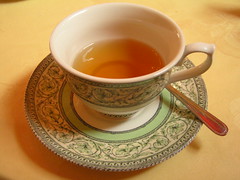 | 27 |
| 6652721869 | Coercive Acts | In 1774, after the Boston Tea Party, Great Britain created four Coercive Acts to punish the people of Boston and Massachusetts. (p. 75) | | 28 |
| 6652721870 | Port Act | One of the Coercive Acts, which closed the port of Boston, prohibiting trade in and out of the harbor until the destroyed tea was paid for. (p. 75) |  | 29 |
| 6652721871 | Massachusetts Government Act | One of the Coercive Acts, which reduced the power of the Massachusetts legislature while increasing the power of the royal governor. (p. 75) |  | 30 |
| 6652721872 | Administration of Justice Act | One of the Coercive Acts, which allowed royal officials accused of crimes to be tried in England instead of the colonies. (p. 75) |  | 31 |
| 6652721873 | Quebec Act | In 1774, this act organized the Canadian lands gained from France (Quebec). It established Roman Catholicism as the official religion, set up a government without a representative assembly, and set the Quebec border further south, at the Ohio River. (p. 75) |  | 32 |
| 6652721874 | Enlightenment | A European movement in literature and philosophy; used human reasoning to solve problems. (p. 76) |  | 33 |
| 6652721875 | Deism | Believe that God established natural laws in creating the universe, but that the role of divine intervention in human affairs was minimal. (p. 77) |  | 34 |
| 6652721876 | Rationalism | Trusted human reason to solve the many problems of life and society; emphasized reason, science, and respect for humanity. (p. 77) |  | 35 |
| 6652721877 | John Locke | English philosopher who said that all people have rights, simply because they are human and that people have a right and a responsibility to revolt against any government that failed to protect their rights. (p. 77) |  | 36 |
| 6652721878 | Jean-Jacques Rousseau | French philosopher who had a profound influence on educated Americans in the 1760s and 1770s. (p. 77) |  | 37 |
AMSCO AP US History Chapter 25 Flashcards
AMSCO United States History 2015 Edition, Chapter 25 Diplomacy and World War II, 1929-1945
Terms : Hide Images
| 6716918677 | Good Neighbor Policy | President Franklin Roosevelt's foreign policy of promoting better relations with Latin America by using economic influence rather than military force in the region. (p. 523) |  | 0 |
| 6716918678 | Pan-American conferences | In 1933, the United States attended a conference in Montevideo, Uruguay, in which we pledged to never again intervene in the internal affairs of any Latin American country. At a second conference in 1936, the U.S. agreed to the cooperation between the U.S. and Latin American countries to defend the Western Hemisphere against foreign invasion. (p. 523) |  | 1 |
| 6716918679 | Soviet Union recognized | The Republican presidents of the 1920's had refused to grant diplomatic recognition to the Communist regime that ruled the Soviet Union. President Franklin Roosevelt promptly changed this policy by granting recognition in 1933. (p. 524) |  | 2 |
| 6716918680 | Independence for Philippines | In 1934, President Roosevelt persuaded Congress to pass the Tydings-McDuffie Act which provided independence for the Philippines by 1946. (p. 524) |  | 3 |
| 6716918681 | reciprocal trade agreements | In 1934, Congress enacted a plan that would reduce tariffs for nations that reciprocated with comparable reductions for U.S. imports. (p. 524) | 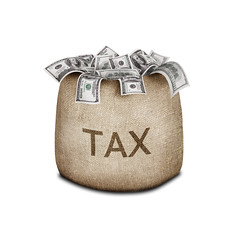 | 4 |
| 6716918682 | Japan takes Manchuria | In September 1931, Japanese troops invaded Manchuria, on China's eastern seaboard. The League of Nations passed a resolution condemning the action but did not take action. (p. 521) |  | 5 |
| 6716918683 | Stimson Doctrine | In 1932, Secretary of State Henry Stimson said the United States would not recognize territorial changes resulting from Japan's invasion of Manchuria. (p. 522) |  | 6 |
| 6716918684 | fascism | A political system in which people glorify their nation and their race through an aggressive show of force. Economic hardships led to the rise of military dictatorships, first in Italy, then in Japan and Germany. (p. 524) |  | 7 |
| 6716918685 | Italian Fascist party | In 1922, they seized power in Italy. They attracted dissatisfied war veterans, nationalists, and those afraid of rising communism. They marched on Rome and installed Mussolini in power. (p. 524) |  | 8 |
| 6716918686 | Benito Mussolini | He founded the Italian Fascist Party, and sided with Hitler and Germany in World War II. In 1945, he was overthrown and assassinated by the Italian Resistance. (p. 524) |  | 9 |
| 6716918687 | Ethiopia | In 1935, fascist Italy invaded this African nation. (p. 526) |  | 10 |
| 6716918688 | German Nazi party | This party arose in 1920's Germany in reaction to deplorable economic conditions after war and national resentments over the Treaty of Versailles. By 1933, the party under leader Adolph Hitler, had gained control of the German legislature. (p. 524) |  | 11 |
| 6716918689 | Adolf Hitler | Austrian-born founder of the German Nazi Party and chancellor of the Third Reich (1933-1945). His fascist philosophy, embodied in the book Mein Kampf attracted widespread support, and after 1934 he ruled as an absolute dictator. Hitler's pursuit of aggressive nationalist policies resulted in the invasion of Poland (1939) and the subsequent outbreak of World War II. His regime was infamous for the extermination of millions of people, especially European Jews. He committed suicide in 1945, when the collapse of the Third Reich was imminent. (p. 524) |  | 12 |
| 6716918690 | Axis Powers | Alliance of Germany, Italy, and Japan during World War II. |  | 13 |
| 6716918691 | Spanish Civil War | In 1936, a rebellion erupted in Spain after a coalition of Republicans, Socialists, and Communists was elected. General Francisco Franco led the rebellion. The revolt quickly became a civil war, by 1939 Franco had established a military dictatorship. (p. 525) |  | 14 |
| 6716918692 | Francisco Franco | In 1936, he plunged Spain into a Civil War. By 1939, Franco's Fascist had established a military dictatorship. (p. 525) |  | 15 |
| 6716918693 | Rhineland | In 1936, Adolf Hitler invaded this region. This was in violation of the Treaty of Versailles which had declared the area a demilitarized zone. (p. 526) |  | 16 |
| 6716918694 | Sudetenland | In 1938, Hitler insisted Germany had the right to take over an area in western Czechoslovakia. (p. 526) |  | 17 |
| 6716918695 | Munich | A 1938 conference, at which European leaders attempted to appease Hitler by turning over the Sudetenland to him in exchange for promise that he would not expand Germany's territory any further. (p. 526) |  | 18 |
| 6716918696 | appeasement | A policy of making concessions to an aggressor in the hopes of avoiding war. In the years 1935 to 1938, a series of military actions by Fascist dictatorships made Britain, France, and the United States nervous, but they did nothing to stop the actions. * 1935 - Italy invades Ethiopia * 1936 - German troops invade the Rhineland * 1937 - Japan invades China * 1938 - Germany takes the Sudetenland (p. 526) |  | 19 |
| 6716918697 | Poland; blitzkrieg | On September 1, 1939, Germany invaded this country using overwhelming air power and fast-moving tanks, a term of warfare called lightning war. Britain and France then declared war against Germany. (p. 528) |  | 20 |
| 6716918698 | isolationism | A policy of non-participation in international economic and political relations. A 1934 committee led by Senator Gerald Nye concluded the main reason for participation in World War I was because of the bankers and arm manufacturers greed. This caused the U.S. public to be against any involvement in the early stages of World War II. (p.. 525) |  | 21 |
| 6716918699 | Nye Committee | In 1934, a Senate committee led by South Dakota Senator Gerald Nye to investigate why America became involved in World War I. They concluded that bankers and arm manufacturers pushed the U.S. into the war so they could profit from selling military arms. This committee's work pushed America toward isolationism for the following years. (p. 525) |  | 22 |
| 6716918700 | Neutrality Acts | Laws passed by isolationists in the late 1930s, that were designed to keep the United States out of international wars. (p. 525) |  | 23 |
| 6716918701 | America First Committee | In 1940, after World War II had begun in Asia and Europe, isolationists became alarmed by President Roosevelt's support for Britain. To mobilize American public opinion against the war, they formed this committee. Charles A. Lindbergh was one of it spokesmen. (p. 525) |  | 24 |
| 6716918702 | Charles Lindbergh | In 1927, this U.S. aviator thrilled the world, by making the first nonstop flight from Long Island to Paris. In 1940, he was a speaker for the isolationist America First Committee. (p. 480, 525) |  | 25 |
| 6716918703 | Quarantine speech | In 1937, President Franklin D. Roosevelt made this speech after Japan invaded China. He proposed that democracies act together to "quarantine" Japan. Public reaction to the speech by the American public was negative, and the idea was abandoned. (p. 526) |  | 26 |
| 6716918704 | cash and carry | Policy adopted by the United States in 1939 to preserve neutrality, while aiding Great Britain. Great Britain could buy U.S. military arms if it paid in full and used its own ships to transport them. (p. 528) |  | 27 |
| 6716918705 | Selective Training and Service Act | In 1940, Roosevelt passed this law requiring all males aged 21 to 36 to register for military service. (p. 528) |  | 28 |
| 6716918706 | destroyers-for-bases deal | In September 1940, Roosevelt cleverly arranged a trade that would help Great Britain. The United States gave Britain fifty older but still serviceable US destroyers, in exchange the U.S. was given the right to build military bases on British Islands in the Caribbean. (p. 528) |  | 29 |
| 6716918707 | FDR, third term | In the 1940 presidential election, Franklin D. Roosevelt won a third term in office. (p. 529) |  | 30 |
| 6716918708 | Wendell Willkie | Franklin Roosevelt's Republican opponent in the 1940 Presidential election. (p. 529) |  | 31 |
| 6716918709 | Four Freedoms speech | A speech by President Franklin Roosevelt on January 6, 1941 that proposed lending money to Britain for the purchase of U.S. military weapons. He argued that the U.S. must help other nations defend "four freedoms" (freedom of speech, freedom of religion, freedom from want, and freedom from fear). (p. 529) |  | 32 |
| 6716918710 | Lend-Lease Act | In March 1941, this act permitted Britain to obtain all U.S. arms they needed on credit during World War II. (p. 529) |  | 33 |
| 6716918711 | Atlantic Charter | In August 1941, U.S. president Franklin D. Roosevelt and British prime minister Winston Churchill met aboard a ship off the coast of Newfoundland. They created this agreement which outlined the principles for peace after the war. (p. 530) |  | 34 |
| 6716918712 | escort convoys | In July 1941, the U.S. began to provide protection for British ship carrying U.S. arms being transported to Britain. (p. 530) |  | 35 |
| 6716918713 | oil and steel embargo | In September 1940, Japan joined the Axis powers. The United States responded by prohibiting export of steel and scrap iron to Japan and other countries. In July 1941, when Japan invaded French Indochina, the U.S. cut off Japanese access to many vital materials, including U.S. oil. (p. 530) |  | 36 |
| 6716918714 | Pearl Harbor | On December 7, 1941, a date that will live in infamy, this U.S. naval base in Honolulu, Hawaii was bombed by Japanese planes. 2,400 Americans were killed and 20 warships were sunk or severely damaged. The next day, the United States declared war on Japan. (p. 531) |  | 37 |
| 6716918715 | War Production Board | During World War II, President Roosevelt established this agency to allocated scarce materials, limit or stop the production of civilian goods, and distribute contracts among competing manufacturers. (p. 531) |  | 38 |
| 6716918716 | Office of Price Administration | This World War II federal agency regulated most aspects of civilian lives by freezing prices, wages, and rents and rationing commodities in order to control inflation. (p. 532) |  | 39 |
| 6716918717 | government spending, debt | During World War II federal spending increased 1000 percent between 1939 and 1945, and the gross national product grew by 15 percent or more each year. By the war's end, the national debt was $250 billion, five times what it had been in 1941. (p. 532) |  | 40 |
| 6716918718 | role of large corporations | During World War II, the 100 largest corporations accounted for 70 percent of wartime manufacturing. (p. 532) |  | 41 |
| 6716918719 | research and development | The United States government worked closely with industrial companies, universities, and research labs to create and improve technologies that could be used to defeat the enemy. (p. 532) |  | 42 |
| 6716918720 | Manhattan Project | Code name for the secret United States project set up in 1942 to develop atomic bombs for use in World War II. (p. 532) |  | 43 |
| 6716918721 | Office of War Information | Established by the government to promote patriotism and help keep Americans united behind the World War II effort. (p. 533) |  | 44 |
| 6716918722 | the Good War | The term for the unity of Americans supporting the democratic ideals in fighting World War II. (p. 533) |  | 45 |
| 6716918723 | wartime migration | During World War II, over 1.5 million African-Americans migrated from the South to job opportunities in the North and the West. (p. 533) |  | 46 |
| 6716918724 | civil rights, Double V | During World War II civil rights leaders encouraged African Americans to adopt the Double V slogan - one for victory, one for equality. (p 533) |  | 47 |
| 6716918725 | executive order on jobs | During World War II, President Roosevelt issued an executive order to prohibit discrimination in government and in businesses that received federal contracts. (p. 533) |  | 48 |
| 6716918726 | Smith v. Allwright | This Supreme Court case in 1944 ruled that it was unconstitutional to deny membership in political parties to African Americans as a way of excluding them from voting in primaries. (p. 533) |  | 49 |
| 6716918727 | Braceros program | A program the American and Mexican governments agreed to, in which contract laborers would be admitted to the United States for a limited time as migrant farm workers (p. 533) |  | 50 |
| 6716918728 | Japanese internment | In 1942, over 100,000 Japanese Americans living on the United States West coast were rounded up and put in internment camps. (p. 534) |  | 51 |
| 6716918729 | Korematsu v. U.S. | A 1944 Supreme Court case which upheld the order providing for the relocation of Japanese Americans. It was not until 1988 that Congress formally apologized and agreed to pay financial compensation to each survivor. (p. 534) |  | 52 |
| 6716918730 | Rosie the Riveter | A propaganda character designed to increase production of female workers in industrial jobs in the shipyards and defense plants during World War II. (p. 534) |  | 53 |
| 6716918731 | wartime solidarity | The New Deal helped immigrant groups feel more included, and serving together in combat or working together in defense plants helped to reduce prejudices. (p. 534) |  | 54 |
| 6716918732 | election of 1944 | In this presidential election, Franklin D. Roosevelt replaced his vice president with Harry S. Truman, as they ran against Republican Thomas Dewey. Roosevelt won an unprecedented fourth term, but he died within three months. (p. 534) |  | 55 |
| 6716918733 | Harry S. Truman | He became president on April 12, 1945, when President Franklin Roosevelt died suddenly. In August 1945, he order an atomic bomb be dropped on Hiroshima then on Nagasaki, to end the war with Japan. Japan surrendered on September 2, 1945. (p. 537, 538) |  | 56 |
| 6716918734 | Battle of the Atlantic | The protracted naval war to control the shipping lanes in the North Atlantic. (p. 535) |  | 57 |
| 6716918735 | strategic bombing | United States bomber carried out daylight bombing raids on military targets in Europe, but the lines between military and civilian targets became blurred as war went on. (p. 535) |  | 58 |
| 6716918736 | Dwight Eisenhower | The United States general who commanded the invasion of Normandy (D-Day), Casablanca and the defeat of Nazi Germany. (p. 536) |  | 59 |
| 6716918737 | D-Day | On June 6, 1944 the Allies landed in northern France with the largest invasion by sea in history. By the end of August Paris was liberated from the Nazis, and by September Allied troops had crossed the German border. (p. 536) |  | 60 |
| 6716918738 | Holocaust | A methodical plan, orchestrated by Germany's Adolph Hitler to eliminate Jews, non-conformists, homosexuals, non-Aryans, and mentally and physically disabled. Six million Jews and several million non-Jews would be murdered by the Nazis. (p. 536) |  | 61 |
| 6716918739 | island-hopping | The United States strategy in the Pacific, which called for capturing Japanese-held islands in the Pacific and moving on to others to bring the American military closer and closer to Japan itself. (p. 536) |  | 62 |
| 6716918740 | Battle of Midway | On June 4-7, 1942, the U.S. naval victory over the Japanese fleet at Midway Island. The Japanese lost four of their best aircraft carriers. The battle marked a turning point in the war in the Pacific. (p. 536) |  | 63 |
| 6716918741 | Douglas MacArthur | United States general who served as chief of staff and commanded Allied forces in the South Pacific during World War II. (p. 537) |  | 64 |
| 6716918742 | kamikaze attacks | Japanese pilots would deliberately crash their planes into American ships, killing themselves, but also inflicting severe damage to the ships. (p. 537) |  | 65 |
| 6716918743 | J. Robert Oppenheimer | American theoretical physicist and professor of physics. He led the top-secret Manhattan Project, which built the world's first atomic bomb. (p. 537) |  | 66 |
| 6716918744 | atomic bomb | A nuclear weapon in which enormous energy is released by nuclear fission. (p. 537) |  | 67 |
| 6716918745 | Hiroshima; Nagasaki | On August 6, 1945, the United States dropped the first atomic bomb on Hiroshima, Japan. Then on August 9, a second atomic bomb was dropped on Nagasaki. About 250,000 Japanese died as a result. Within a week after the second bomb was dropped, Japan agreed to surrender. (p. 537) |  | 68 |
| 6716918746 | Big Three | The leaders of the Allies during World War II included: Soviet Union - Joseph Stalin, Great Britain - Winston Churchill, United States - Franklin Roosevelt. (p. 537) |  | 69 |
| 6716918747 | Casablanca Conference | The conference attended by Roosevelt and Churchill in January 1943, to discuss the strategy to win World War II. The plan called for the invasion of Sicily and Italy by British and American troops. They resolved to accept nothing less than unconditional surrender of Axis powers. (p. 537) |  | 70 |
| 6716918748 | unconditional surrender | A surrender with any demands or requests. (p. 538) |  | 71 |
| 6716918749 | Tehran, Yalta, Potsdam | The three cities that held conferences for the leaders of the Allied powers, United States, Great Britain, and Soviet Union during World War II. (p. 538) |  | 72 |
| 6716918750 | United Nations | On October 24, 1945, this international organization formed after World War II to promote international peace, security, and cooperation. (p. 539) |  | 73 |
AP US History Period 1 Flashcards
Terms : Hide Images
| 7210631218 | maize cultivation | The growing of Indian corn, a staple of many Indians diets, leading many nomadic tribes to settle and develop great civilizations such as the Aztecs incas and Mayans. | 0 | |
| 7210631219 | hunter-gatherer economy | A nomadic way of life with no agriculture focused on following food sources including animals and wild plants | 1 | |
| 7210631220 | western hemisphere | The Americas |  | 2 |
| 7210631221 | west africa | A area of Africa that was previously unreachable until the invention of the caravel by the Portuguese, leading to exploitation of the region for its gold and slaves |  | 3 |
| 7210631222 | plantation-based agriculture | Large scale agriculture worked by slaves | 4 | |
| 7210631223 | capitalism | Economic system based on private investment and possessions | 5 | |
| 7210631224 | Cultural autonomy | Freedom of a group to express ones own culture without outside control i.g. The Christianization of the natives took away there Cultural autonomy | 6 | |
| 7210631225 | great basin | Desert area with no drainage to the ocean |  | 7 |
| 7210631226 | agricultural economy | economy based on the production of crops | 8 | |
| 7210631227 | spanish exploration | Colonization of the Americas by the conquistadors in search for gold, glory and god | 9 | |
| 7210631228 | encomienda system | A government system where natives were given to colonists to work in return for converting them to Christianity. | 10 | |
| 7210631229 | empire building | The Spanish increasing their empire through grafting their culture onto the natives and taking over the land | 11 | |
| 7210631230 | white superiority | The European idea they were superior to other cultures/ races and needed to enforce European culture/religion on them | 12 | |
| 7210631231 | Great Plains | The open plains of the Midwest where the natives adapted to roming the prairies on horseback | 13 | |
| 7210631232 | permanent villages | The settlements of Indians tribes based on the spread of agriculture | 14 | |
| 7210631233 | Portuguese exploration | Due to advancements in sailing technology the Portuguese were able to sail down the coast of Africa and open trade of gold and slaves, settle and make plantations and eventually find the way around Africa to the indies | 15 | |
| 7210631234 | slave labor | Forced labor of people considered property by the people in charge | 16 | |
| 7210631235 | feudalism | A political, economic, and social system based on the relationship between lord and vassal in order to provide protection | 17 | |
| 7210631236 | political sovereignty | the ability of a state to govern themselves without outside control | 18 | |
| 7210631237 | Colombian exchange | the exchange between the new world and the old world consisting of the old world bringing wheat, cows, horses, sheep, pigs, sugar, rice, coffee, smallpox, malaria and yellow fever. while the new world sent gold, silver, corn, potatoes, tobacco, and syphills |  | 19 |
| 7210636178 | joint-stock company | a company whose stock is owned jointly by the shareholders. | 20 |
AP US History - US Presidents Flashcards
Terms : Hide Images
| 6737183740 | George Washington | 1789-1797 Federalist Whiskey Rebellion; Judiciary Act; Farewell Address | | 0 |
| 6737183741 | John Adams | 1797-1801 Federalist XYZ Affair; Alien and Sedition Acts |  | 1 |
| 6737183742 | Thomas Jefferson | 1801-1809 Democratic-Republican Marbury v. Madison; Louisiana Purchase; Embargo of 1807 |  | 2 |
| 6737183743 | James Madison | 1809-1817 Democratic-Republican War of 1812; First Protective Tariff |  | 3 |
| 6737183744 | James Monroe | 1817-1825 Democratic-Republican Missouri Compromise of 1820; Monroe Doctrine |  | 4 |
| 6737183745 | John Quincy Adams | 1825-1829 Democratic-Republican "Corrupt Bargain"; "Tariff of Abominations" |  | 5 |
| 6737183746 | Andrew Jackson | 1829-1837 Democrat Nullification Crisis; Bank War; Indian Removal Act |  | 6 |
| 6737183747 | Martin Van Buren | 1837-1841 Democrat Trail of Tears; Specie Circular; Panic of 1837 |  | 7 |
| 6737183748 | William Henry Harrison | 1841 Whig "Tippecanoe and Tyler too!"; First Whig President |  | 8 |
| 6737183749 | John Tyler | 1841-1845 Whig "His Accidency"; Webster-Ashburton Treaty |  | 9 |
| 6737183750 | James Polk | 1845-1849 Democrat Texas annexation; Mexican War |  | 10 |
| 6737183751 | Zachary Taylor | 1849-1850 Whig Mexican War hero and staunch Unionist |  | 11 |
| 6737183752 | Millard Fillmore | 1850-1853 Whig Compromise of 1850 |  | 12 |
| 6737183753 | Franklin Pierce | 1853-1857 Democrat Kansas-Nebraska Act; Gadsden Purchase |  | 13 |
| 6737183754 | James Buchanan | 1857-1861 Democrat Dred Scott decision; Harpers Ferry raid |  | 14 |
| 6737183755 | Abraham Lincoln | 1861-1865 Republican Secession and Civil War; Emancipation Proclamation |  | 15 |
| 6737183756 | Andrew Johnson | 1865-1869 Democrat 13th and 14th amendments; Radical Reconstruction; Impeachment |  | 16 |
| 6737183757 | Ulysses Grant | 1869-1877 Republican 15th amendment; Panic of 1873 |  | 17 |
| 6737183758 | Rutherford Hayes | 1877-1881 Republican Compromise of 1877; labor unions and strikes |  | 18 |
| 6737183759 | James Garfield | 1881, Republican Brief resurgence of presidential authority; Increase in American naval power; Purge corruption in the Post Office |  | 19 |
| 6737183760 | Chester Arthur | 1881-1885 Republican Standard Oil trust created Edison lights up New York City |  | 20 |
| 6737183761 | Grover Cleveland | 1885-1889 (1st term), 1893-1897 (2nd term) Democrat Interstate Commerce Act; Dawes Act; Panic of 1893; Pullman Strike |  | 21 |
| 6737183762 | Benjamin Harrison | 1889-1893 Republican Sherman Anti-Trust Act; Closure of the frontier |  | 22 |
| 6737183763 | William McKinley | 1897-1901 Republican Spanish-American War; Open Door policy |  | 23 |
| 6737183764 | Theodore Roosevelt | 1901-1909 Republican Progressivism; Square Deal; Big Stick Diplomacy |  | 24 |
| 6737183765 | William Howard Taft | 1909-1913 Republican Dollar diplomacy NAACP founded |  | 25 |
| 6737183766 | Woodrow Wilson | 1913-1921 Democrat WWI; League of Nations; 18th and 19th amendments; Segregation of federal offices; First Red Scare |  | 26 |
| 6737183767 | Warren Harding | 1921-1923 Republican "Return to normalcy", return to isolationism; Tea Pot Dome scandal; Prohibition |  | 27 |
| 6737183768 | Calvin Coolidge | 1923-1929 Republican Small-government (laissez-faire) conservative |  | 28 |
| 6737183769 | Herbert Hoover | 1929-1933 Republican "American individualism"; Stock Market Crash; Dust Bowl; Hawley-Smoot Tariff |  | 29 |
| 6737183770 | Franklin Delano Roosevelt | 1933-1945 Democrat New Deal; WWII; Japanese Internment; "Fireside Chats" |  | 30 |
| 6737183771 | Harry Truman | 1945-1953 Democrat A-bomb; Marshall Plan; Korean War; United Nations |  | 31 |
| 6737183772 | Dwight Eisenhower | 1953-1961 Republican Brown v. Board of Education; Second Red Scare; Highway Act and suburbanization ("white flight"); Farewell Address warning of the military industrial complex |  | 32 |
| 6737183773 | John Kennedy | 1961-1963 Democrat Camelot; Bay of Pigs; Cuban Missile Crisis; Space program; Peace Corps |  | 33 |
| 6737183774 | Lyndon Johnson | 1963-1969 Democrat Civil and Voting Rights acts; Gulf of Tonkin Resolution; Great Society |  | 34 |
| 6737183775 | Richard Nixon | 1969-1974 Republican Environmental Protection Act; China visit; Moon Landing; Watergate | 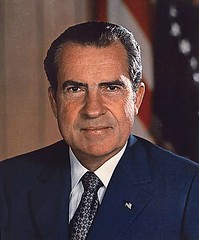 | 35 |
| 6737183776 | Gerald Ford | 1974-1977 Republican Pardoning of Nixon; OPEC crisis |  | 36 |
| 6737183777 | Jimmy Carter | 1977-1981 Democrat stagflation / energy crisis; Iran hostage crisis; Camp David Accords |  | 37 |
| 6737183778 | Ronald Reagan | 1981-1989 Republican Conservative revolution; Iran-Contra scandal |  | 38 |
| 6737183779 | George H. W. Bush | 1989-1993 Republican Persian Gulf War |  | 39 |
| 6737183780 | Bill Clinton | 1993-2001 Democrat NAFTA; Lewinsky scandal and impreachment |  | 40 |
| 6737183781 | George W. Bush | 2001-2008 Republican War on terrorism; Patriot Act; Tax cuts; "No Child Left Behind" |  | 41 |
| 6737183782 | Barack Obama | 2008-2017 Democrat Affordable Care Act | 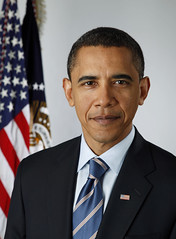 | 42 |
| 6737183783 | Donald Trump | 2017- Republican "Make America Great Again" |  | 43 |
AMSCO AP US History Chapter 11 Flashcards
AMSCO United States History 2015 Edition, Chapter 11 Society, Culture, and Reform, 1820-1860
Terms : Hide Images
| 7563267463 | utopian communities | Over one hundred of these experimental communities were started in the 1820s to 1860s period. (p. 210) |  | 0 |
| 7563267464 | Shakers | This early religious communal movement held property in common and separated men and women. (p. 210) |  | 1 |
| 7563267465 | Amana Colonies | A German religious communal movement in Ohio which emphasized simple living. (p. 210) |  | 2 |
| 7563267466 | Robert Owen | A Welsh industrialist and reformer who founded the New Harmony community. (p. 210) |  | 3 |
| 7563267467 | New Harmony | Nonreligious experimental socialist community founded to solve problems of inequity and alienation caused by the Industrial Revolution. (p. 210) |  | 4 |
| 7563267468 | Joseph Humphrey Noyes | He started a cooperative community in Oneida, New York. (p. 210) |  | 5 |
| 7563267469 | Oneida community | This community, started in 1848, was dedicated to social and economic equality. They shared property and spouses, and prospered by manufacturing silverware. (p. 210) |  | 6 |
| 7563267470 | Charles Fourier phalanxes | In the 1840s, this French socialist, advocated that people share working and living arrangements in communities. He wanted to solve problems of competitive society, but Americans were too individualistic. (p. 210) |  | 7 |
| 7563267471 | Horace Mann | He was the leading advocate of the public school movement. (p. 213) |  | 8 |
| 7563267472 | temperance | Reformers targeted alcohol as the cause of social ills. The movement started by using moral exhortation, then shifted to political action. Business leaders and politicians supported it because it improved productivity of industrial workers. (p. 212) |  | 9 |
| 7563267473 | American Temperance Society | Founded in 1826, by Protestant ministers and others, they encouraged total alcohol abstinence. (p. 212) |  | 10 |
| 7563267474 | Washingtonians | A temperance movement which argued that alcoholism was a disease that need practical helpful treatment. (p. 212) | | 11 |
| 7563267475 | Women's Christian Temperance Union | In the late 1870s, this women's organization was part of the temperance movement. (p. 212) |  | 12 |
| 7563267476 | asylum movement | In the 1820s and 1830s, this movement sought to improve the conditions for criminals, emotionally disturbed people, and paupers. They proposed setting up state-supported prisons, mental hospitals, and poorhouses. (p. 212) |  | 13 |
| 7563267477 | Dorothea Dix | A reformer who was responsible for improving conditions in jails, poorhouses and insane asylums throughout the U.S. and Canada. She succeeded in persuading many states to assume responsibility for the care of the mentally ill. (p. 212) |  | 14 |
| 7563267478 | Thomas Gallaudet | He started a school for the deaf. (p. 213) |  | 15 |
| 7563267479 | Samuel Gridley Howe | He started a school for the blind. (p. 213) |  | 16 |
| 7563267480 | penitentiaries | These institutions took the place of crude jails. They believed that structure and discipline would bring about moral reform. (p. 213) |  | 17 |
| 7563267481 | Auburn system | A prison system in New York which enforced rigid rules of discipline, while also providing moral instruction and work programs. (p. 213) | 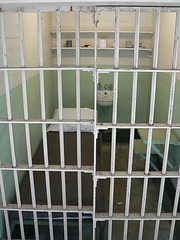 | 18 |
| 7563267482 | public school movement | In the 1840s, this movement to provide free education for all children spread rapidly throughout the nation. (p. 213) |  | 19 |
| 7563267483 | McGuffey readers | Elementary school textbooks that encouraged hard work, punctuality, and sobriety. (p. 213) |  | 20 |
| 7563267484 | American Peace Society | Founded in 1828, this society want to abolish war. (p. 216) |  | 21 |
| 7563267485 | American Colonization Society | Founded in 1817, this organization transported free black people to an African colony. This appealed to moderates, racists, and politicians. However, only 12,000 people were actually settled in Africa. (p. 215) |  | 22 |
| 7563267486 | American Antislavery Society | The organization was founded in 1833 by William Lloyd Garrison and others. They advocated the immediate abolition of all slavery in every state. (p. 215) |  | 23 |
| 7563267487 | abolitionism William Lloyd Garrison; The Liberator | In 1831, he started the radical abolitionist movement with the "The Liberator" newspaper. He advocated the immediate abolition of all slavery in every state. (p. 215) |  | 24 |
| 7563267488 | Liberty party | In 1840, this political party was formed in reaction to the radical abolitionists. They pledged to bring an end to slavery by political and legal means. (p. 215) |  | 25 |
| 7563267489 | Frederick Douglass; The North Star | In 1847, this former slave started the antislavery journal, "The North Star". (p. 215) |  | 26 |
| 7563267490 | Harriet Tubman | Famous abolitionist, born a slave, she assisted fugitive slaves to escape to free territory. (p. 215) |  | 27 |
| 7563267491 | David Ruggles | An African American leader who assisted fugitive slaves to escape to free territory. (p. 215) |  | 28 |
| 7563267492 | Sojourner Truth | A United States abolitionist and feminist who was freed from slavery and became a leading advocate for the abolition of slavery and the rights of women. (p. 215) |  | 29 |
| 7563267493 | William Still | An African American leader, who assisted fugitive slaves to escape to free territory. (p. 215) |  | 30 |
| 7563267494 | David Walker | An African American who advocated the most radical solution to the slavery question. He argued, that slaves should take action themselves by rising up in revolt against their owners. (p. 215) |  | 31 |
| 7563267495 | Henry Highland Garnet | An African American, who advocated the most radical solution to the slavery question. He argued that slaves should take action themselves by rising up in revolt against their owners. (p. 215) |  | 32 |
| 7563267496 | Nat Turner | In 1831, he led the largest slave rebellion in which 55 whites were killed. (p. 215) |  | 33 |
| 7563267497 | antebellum period | The period before the Civil War started in 1861. (p. 207) |  | 34 |
| 7563267498 | romantic movement | In early 19th century Europe, art and literature emphasized intuition and feelings, individual acts of heroism, and the study of nature. In America, similar themes were expressed by the transcendentalists. (p. 209) |  | 35 |
| 7563267499 | transcendentalists | They questioned the doctrines of established churches and business practices of the merchant class. They encouraged a mystical and intuitive way of thinking to discover the inner self and look for essence of God in nature. Artistic expression was more important than pursuit of wealth. They valued individualism and supported the antislavery movement. (p. 209) | 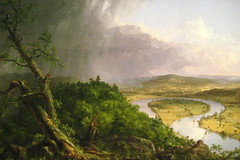 | 36 |
| 7563267500 | Ralph Waldo Emerson, "The American Scholar" | The best known transcendentalist, his essays and lectures expressed the individualistic and nationalistic spirit of Americans. He urged self-reliance, and independent thinking. (p. 209) |  | 37 |
| 7563267501 | Henry David Thoreau, "Walden", "On Civil Disobedience" | A pioneer ecologist and conservationist. He was an advocate of nonviolent protest against unjust laws. (p. 209) |  | 38 |
| 7563267502 | Brook Farm | An attempted communal experiment in Massachusetts to achieve a more natural union between intellectual and manual labor. (p. 207) |  | 39 |
| 7563267503 | George Ripley | This Protestant minister started a communal experiment at Brook Farm in Massachusetts to live out the transcendentalist ideals. (p. 207) |  | 40 |
| 7563267504 | feminists | The term for advocates of women's rights. (p. 214) |  | 41 |
| 7563267505 | Margaret Fuller | A feminist, writer, and editor in the women's movement. (p. 210) |  | 42 |
| 7563267506 | Theodore Parker | A theologian and radical reformer. (p. 210) |  | 43 |
| 7563267507 | George Caleb Bingham | An American realist artist, whose paintings depicted life on the frontier. (p. 211) |  | 44 |
| 7563267508 | William S. Mount | Contemporary of the Hudson River school. He began as a painter of history but moved to depicting scenes from everyday life. (p. 211) |  | 45 |
| 7563267509 | Thomas Cole | Founder of the Hudson River school, famous for his landscape paintings. (p. 211) |  | 46 |
| 7563267510 | Frederick Church | Central figure in the Hudson River School and pupil of Thomas Cole. He is known for his landscapes and for painting colossal views of exotic places. (p. 211) |  | 47 |
| 7563267511 | Hudson River school | In the 1830s, this genre of painting founded in the Hudson River area, portrayed everyday life of ordinary people in the natural world. (p. 211) |  | 48 |
| 7563267512 | Washington Irving | This author wrote fiction using American settings. (p. 211) |  | 49 |
| 7563267513 | James Fenimore Cooper | This author wrote novels that glorified the frontiersman as nature's nobleman. (p. 211) |  | 50 |
| 7563267514 | Nathaniel Hawthorne | Author of "The Scarlet Letter", which questioned the intolerance and conformity in American life. (p. 211) |  | 51 |
| 7563267515 | Sylvester Graham | An American dietary reformer who advocated whole wheat bread and graham crackers to promote good digestion. (p. 216) | 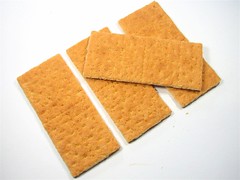 | 52 |
| 7563267516 | Amelia Bloomer | She urged women to wear pantalettes instead of long skirts. (p. 216) |  | 53 |
| 7563267517 | Second Great Awakening | A religious movement that occurred during the antebellum period. It was a reaction against rationalism (belief in human reason). It offered the opportunity of salvation to all. (p. 207) |  | 54 |
| 7563267518 | Timothy Dwight | President of Yale College, he helped initiate the Second Great Awakening. His campus revivals inspired many young men to become evangelical preachers. (p. 207) |  | 55 |
| 7563267519 | revivalism; revival camp meetings | In the early 1800s, this movement was a reaction against the rationalism of the Enlightenment. Successful preachers were audience-centered and easily understood by the uneducated. (p. 207) |  | 56 |
| 7563267520 | millennialism | In the early 1800s, this popular belief, that the world was about to end with the second coming of Jesus Christ. (p. 208) |  | 57 |
| 7563267521 | Church of Jesus Christ of Latter-Day Saints; Mormons | Founded by Joseph Smith in 1830. It was based on the Book of Mormon which traced a connection between the American Indians and the lost tribes of Israel. After Joseph Smith was murdered, Brigham Young led the religious group to establish the New Zion on the Great Salt Lake in Utah. (p. 208) |  | 58 |
| 7563267522 | Joseph Smith | Founded the Church of Jesus Christ of the Latter-Day Saints in New York in 1830. The church moved to Ohio, Missouri, Illinois, then finally to Utah. (p. 208) |  | 59 |
| 7563267523 | Brigham Young | After Joseph Smith was killed, he led the Mormon followers to Utah. (p. 208) |  | 60 |
| 7563267524 | New Zion | This was the religious community established by the Mormons on the banks of the Great Salt Lake in Utah. (p. 208) |  | 61 |
| 7563267525 | women's rights movement | Women started this movement because they resented the way men relegated them to secondary roles in the reform movements. (p. 214) |  | 62 |
| 7563267526 | cult of domesticity | After industrialization occurred women became the moral leaders in the home and educators of children. Men were responsible for economic and political affairs. (p. 214) |  | 63 |
| 7563267527 | Sarah Grimke, Angelina Grimke | Two sisters, born in South Carolina, they objected to male opposition to their antislavery activities. (p. 214) |  | 64 |
| 7563267528 | Letter of the Condition of Women and the Equality of the Sexes | Written by Angelina and Sarah Grimke, it protested males opposition to their abolitionist work. (p. 214) |  | 65 |
| 7563267529 | Lucretia Mott | A women's rights reformer who was not allowed to speak at an antislavery convention. (p. 214) | 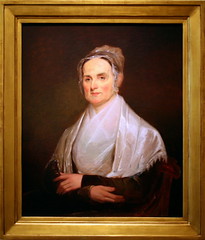 | 66 |
| 7563267530 | Elizabeth Cady Stanton | A women's rights reformer who was not allowed to speak at an antislavery convention. (p. 214) |  | 67 |
| 7563267531 | Seneca Falls Convention | In 1848, this was the first women's rights convention in U.S. history. They wrote a "Declaration of Sentiments", modeled after the Declaration of Independence, which declared all men and women equal and listed grievances. (p. 214) |  | 68 |
| 7563267532 | Susan B. Anthony | Social reformer who campaigned for womens rights, the temperance, and was an abolitionist. She helped form the National Woman Suffrage Association. (p. 214) |  | 69 |
AP US History: Colonization & Settlement Flashcards
Important vocabulary of the colonization of North America in the 17th century
Terms : Hide Images
| 5083277449 | Jamestown | 1st permanent English settlement in North America in 1607. |  | 0 |
| 5083277450 | John Smith | A captain famous for world travel. As a young man, he took control in Jamestown. He organized the colony and saved many people from death the next winter and coined the phrase "he who shall not work, shall not eat". He also initiated attacks on Natives. |  | 1 |
| 5083277451 | John Rolfe | He was one of the English settlers at Jamestown (and he married Pocahontas). He discovered how to successfully grow tobacco in Virginia and cure it for export, which made Virginia an economically successful colony. Eventually, he was killed in a Pequot attack. |  | 2 |
| 5083277452 | Pocohontas | An American Indian princess who saved the life of John Smith and helped form more peaceful relations with the Powhatan when she married John Rolfe but died of smallpox in England on a visit to Rolfe's family. Her remains are still there as the English government refuses to send her remains back to North America. |  | 3 |
| 5083277453 | Mayflower Compact | 1620 - The first agreement for self-government in America. It was signed by the 41 men on the Mayflower and set up a government for the Plymouth colony |  | 4 |
| 5083277454 | John Winthrop | As governor of Massachusetts Bay Colony, Winthrop (1588-1649) was instrumental in forming the colony's government and shaping its legislative policy. He envisioned the colony, centered in present-day Boston, as a "city upon a hill" from which Puritans would spread religious righteousness throughout the world. |  | 5 |
| 5083277455 | Puritans | A religious group who wanted to purify the Church of England. They came to America for religious freedom and settled Massachusetts Bay. |  | 6 |
| 5083277456 | Pilgrims | English Puritans who founded Plymouth colony in 1620 |  | 7 |
| 5083277457 | Massachusetts Charter | Allowed Puritans to take a charter with them and establish their own government in the New World. | 8 | |
| 5083277458 | Loss of Massachusetts Charter | Revoking of Mass. Charter by King George II due to the colonists refusal to obey by the Navigation Acts leading to anti-British feeling in the New England region. | 9 | |
| 5083277459 | New Amsterdam | A settlement established by the Dutch near the mouth of Hudson River and the southern end of Manhattan Island as a trade port for the Dutch trade empire. |  | 10 |
| 5083277460 | Great Migration of Puritans | 1630s- 70,000 refugees left England for New World increasing population of New England. |  | 11 |
| 5083277461 | New York | It was founded by the Dutch for trade and furs and became an English Colony in 1664, when the English were determined to end Dutch trade dominance, and took over the colony by invading New Amsterdam without having to fire a shot. |  | 12 |
| 5083277462 | Peter Stuyvesant | The governor of the Dutch colony of New Amsterdam, hated by the colonists. They surrendered the colony to the English on Sept. 8, 1664. |  | 13 |
| 5083277463 | House of Burgesses | 1619 - The Virginia House of Burgesses formed, the first legislative body in colonial America. It was made up of two representatives from teach town voted on by men who owned property. Later other colonies would adopt the Houses of Burgesses concept creating self-governing bodies in the colonies. |  | 14 |
| 5083277464 | Headright system | Headrights were parcels of land consisting of about 50 acres which were given to colonists who brought indentured servants into America. They were used by the Virginia Company to attract more colonists. |  | 15 |
| 5083277465 | Indentured servants | Colonists who received free passage to North America in exchange for working without pay for a certain number of years |  | 16 |
| 5083277466 | Bacon's Rebellion | 1676 - Nathaniel Bacon and other western Virginia settlers were angry at Virginia Governor Berkley for trying to appease the Doeg Indians after the Doegs attacked the western settlements. The frontiersmen formed an army, with Bacon as its leader, which defeated the Indians and then marched on Jamestown and burned the city. The rebellion ended suddenly when Bacon died of an illness. |  | 17 |
| 5083277467 | King Phillip's War/First Indian War | Under the leadership of Metacom, or King Phillip, the Wampanoag destroyed colonial towns, the colonists destroyed native farms, leading to the most deadly of Indian Wars. The war was disastrous for the natives leading to few surviving the war, and those that did left New England. |  | 18 |
| 5083277468 | royal colony | A colony ruled by governors appointed by a king |  | 19 |
| 5083277469 | proprietary colony | English colony in which the king gave land to proprietors in exchange for a yearly payment | 20 | |
| 5083277470 | town meetings | A purely democratic form of government common in the colonies, and the most prevalent form of local government in New England. In general, the town's voting population would meet once a year to elect officers, levy taxes, and pass laws. |  | 21 |
| 5083277471 | Salem Witch Trials | 1629 outbreak of witchcraft accusations in a Puritan village marked by an atmosphere of fear, hysteria, and unfounded accusations in courts with Puritan ministers who served as judges. 19 women were executed. |  | 22 |
| 5083277472 | Roger Williams | A dissenter who clashed with the Massachusetts Puritans over separation of church and state and was banished in 1636, after which he founded the colony of Rhode Island to the south. |  | 23 |
| 5083277473 | Intolerant | Not willing to accept ways of thinking different from one's own. The expansion of colonies in New England was a direct result of Puritan intolerance as dissenters were exiled and created new settlements. | 24 | |
| 5083277474 | Anne Hutcheson | One of the dissenters in Puritan Massachusetts held bible studies at her house and believed in a personal relationship with god. She moved to New Hampshire where she died along with her children from an Indian attack. |  | 25 |
| 5083277475 | Thomas Hooker | A Puritan minister who led about 100 settlers out of Massachusetts Bay to Connecticut because he believed that the governor and other officials had too much power. He wanted to set up a colony in Connecticut with strict limits on government. He wrote the first written constitution "The Fundamental Orders of Connecticut". This would become a cherished ideal of the colonial settlers that laws were written not arbitrary. |  | 26 |
| 5083277476 | Sir William Berkeley | The royal governor of Virginia. Adopted policies that favored large planters and neglected the needs of recent settlers in the "backcountry." One reason was that he had fur trade deals with the natives in the region. His shortcomings led to Bacon's Rebellion | 27 | |
| 5083277477 | William Penn | Established the colony of Pennsylvania as a "holy experiment". Freemen had the right to vote, provided leadership for self- government based on personal virtues and Quaker religious beliefs. His colony was religiously tolerant leading to diversity in the region. |  | 28 |
| 5083277478 | James Oglethorpe | Founded colony of Georgia as a chance for poor immigrants who were in debt to have a second chance at a comfortable life |  | 29 |
| 5083277479 | Lord Baltimore | 1694- He was the founder of Maryland, a colony which offered religious freedom, and a refuge for the persecuted Roman Catholics. |  | 30 |
| 5083277480 | Fundamental Orders of Connecticut | It has the features of a written constitution, and is considered by some as the first written Constitution. The Fundamental Orders of Connecticut is a short document, but contains some principles that were later applied in creating the United States government. Government is based in the rights of an individual, and the orders spell out some of those rights, as well as how they are ensured by the government. It provides that all free men share in electing their magistrates, and uses secret, paper ballots. It states the powers of the government, and some limits within which that power is exercised. |  | 31 |
| 5083277481 | Halfway Covenant | A Puritan church document; In 1662, the Halfway Covenant allowed partial membership rights to persons not yet converted into the Puritan church; It lessened the difference between the "elect" members of the church from the regular members; Women soon made up a larger portion of Puritan congregations. |  | 32 |
| 5083277482 | Dominion of New England | 1686 - The British government combined the colonies of Massachusetts, Rhode Island, New Hampshire, and Connecticut into a single province headed by a royal governor (Edmund Andros). The Dominion ended in 1692, when the colonists revolted and drove out Governor Andros. |  | 33 |
| 5083277483 | Acts of Trade and Navigation | Three acts that regulated colonial trade: 1st act: closed the colonies to all trade except that from English ships, and required the colonists to export certain goods, such as tobacco, to only English territories, 2nd act: (1663) demanded that everything being shipped from Europe to the colonies had to pass through England so they could tax the goods. 3rd act: 1673, was a reaction to the general disregard of the first two laws; it forced duties on the coastal trade among the colonies and supplied customs officials to enforce the Navigation Acts. |  | 34 |
| 5083277484 | Mercantilism | An economic policy under which nations sought to increase their wealth and power by obtaining large amounts of gold and silver and by selling more goods than they bought. |  | 35 |
| 5083277485 | Triangular Slave Trade | A practice, primarily during the eighteenth century, in which European ships transported slaves from Africa to Caribbean islands, molasses from the Caribbean to Europe, and trade goods from Europe to Africa. |  | 36 |
| 5083277486 | Middle Passage | A voyage that brought enslaved Africans across the Atlantic Ocean to North America and the West Indies. The conditions on the ships from Africa to the west led to the loss of hundreds of thousands of lives. |  | 37 |
| 5083277487 | Social mobility | Movement of individuals or groups from one position in a society's stratification system to another | 38 | |
| 5083277488 | Ben Franklin | A colonial businessman and scientist who was an example of American social mobility and individualism. He was a delegate from Pennsylvania in colonial meetings, and proposed the "Albany Plan of the Union" as a way to strengthen the colonies in the French and Indian War. He was a leading figure in the movement toward revolution, and as a diplomat to France to get help during the American Revolution |  | 39 |
| 5083277489 | Great Awakening | (1730s and 1740s) Religious movement characterized by emotional preaching (Jonathan Edwards & George Whitefield). It established American religious precedents such as camp meetings, revivals, and a "born again" philosophy. The first cultural movement to unite the thirteen colonies. It was associated with the democratization of religion, and a challenge to existing authorities and was an influence leading to the American Revolution. |  | 40 |
| 5083277490 | Jonathan Edwards | A leading minister during the Great Awakening, he delivered the famous sermon "Sinners in the Hands of an Angry God" promising that evildoers would pay a price on judgement day. |  | 41 |
| 5083277491 | African American Culture | Slave communities were rich with music, dance, basket-weaving, and pottery-making. Enslaved Africans brought them the arts and crafts skills of their various tribes. |  | 42 |
AMSCO AP US History Chapter 9 Flashcards
AMSCO United States History 2015 Edition, Chapter 9 Sectionalism, 1820-1860
Terms : Hide Images
| 7889409968 | Northeast | In the early 19th century, the area which included New England and the Middle Atlantic states. (p. 173) |  | 0 |
| 7889409969 | Old Northwest | In the early 19th century, the territory which stretched from Ohio to Minnesota. (p. 173) |  | 1 |
| 7889409970 | sectionalism | Loyalty to a particular region of the country. (p. 173) |  | 2 |
| 7889409971 | Nativists | Native-born Americans who reacted strongly against the immigrants, they feared the newcomers would take their jobs and weaken the culture of the Protestant and Anglo majority. (p. 176) |  | 3 |
| 7889409972 | American party | In the early 1850s, this party which opposed immigrants, nominated candidates for office. They were also called the Know-Nothing party. (p. 176) |  | 4 |
| 7889409973 | Supreme Order of the Star-Spangled Banner | A secret anti-foreign society in the 1840s. In the 1850s the society turned to politics by forming the American party. (p. 176) |  | 5 |
| 7889409974 | Know-Nothing Party | Nativists, also known as the American party. (p. 176) |  | 6 |
| 7889409975 | Free African Americans | By 1860 as many as 250,000 African Americans in the South were free citizens. Most of them lived in the cities where they could own property. However, they were not allowed to vote or work in most skilled professions. (p. 179) |  | 7 |
| 7889409976 | planters | The South's small wealthy elite that owned more than 100 slaves and more than 1000 acres. (p. 180) |  | 8 |
| 7889409977 | Codes of Chivalry | The Southern aristocratic planter class ascribed to a code of chivalrous conduct, which included a strong sense of personal honor, defense of womanhood, paternalistic attitudes toward all who were deemed inferior. (p. 180) |  | 9 |
| 7889409978 | poor whites | The term for the three-fourths of the South's white population who owned no slaves. (p. 180) |  | 10 |
| 7889409979 | hillbillies | Derisive term for poor white subsistence farmers, they often lived in the hills and farmed less productive land. (p. 180) |  | 11 |
| 7889409980 | mountain men | In the 1820s, these were the earliest white people in the Rocky Mountains. They trapped for furs and served as guides for settlers traveling to the West coast. (p. 181) |  | 12 |
| 7889409981 | the West | The term that referred to the new area that was being settled, the location changed as the white settlements moved westward. (p. 181) |  | 13 |
| 7889409982 | the frontier | The area that was newly settled in the West, it moved further west over time. (p. 181) |  | 14 |
| 7889409983 | Deep South | The cotton rich area of the lower Mississippi Valley. (p. 178) |  | 15 |
| 7889409984 | American Indian removal | By 1850, most American Indians were living west of the Mississippi River. The Great Plains provide temporary relief from white settlers encroaching on their territory. (p. 181) |  | 16 |
| 7889409985 | Great Plains | Native Americans in this area used the horse to hunt buffalo. Tribes such as the Cheyenne and the Sioux, became nomadic hunters following the buffalo herds. (p. 181) |  | 17 |
| 7889409986 | white settlers | In the 1840s and 1850s, they settled the Western frontier. They worked hard, lived in log cabins or sod huts. Disease and malnutrition were even greater dangers than attacks by American Indians. (p. 182) |  | 18 |
| 7889409987 | urbanization | Early 19th century urban working class neighborhoods featured crowded housing, poor sanitation, infectious diseases, and high rates of crime. (p. 174) |  | 19 |
| 7889409988 | urban life | The North's urban population grew from about 5 percent of the population in 1800 to 15 percent by 1850. (p. 174) |  | 20 |
| 7889409989 | new cities | After 1820, Buffalo, Cleveland, Detroit, Chicago, Cincinnati, and St. Louis developed as transportation points for shipping agricultural products to the East, and receiving manufactured goods from the East. (p. 175) |  | 21 |
| 7889409990 | Irish potato famine | From 1820 to 1860, almost 2 million immigrants came from Ireland. Most of them were tenant farmers driven from their homeland by potato crop failures. (p. 176) |  | 22 |
| 7889409991 | Roman Catholic | Most of the Irish were this religion and they faced strong discrimination because of it. (p. 176) |  | 23 |
| 7889409992 | Tammany Hall | New York City's Democratic organization. (p. 176) |  | 24 |
| 7889409993 | Germans | In the 1840s and 1850s, because of economic hardship and the failure of democratic revolutions, one million of these people came to the United States. They often established homesteads in the Old Northwest and generally prospered. (p. 176) |  | 25 |
| 7889409994 | immigration | From the 1830s to the 1850s, four million people came from northern Europe to the United States. (p. 175) |  | 26 |
| 7889409995 | King Cotton | By the 1850s, this agricultural product was by far the South's most important economic force. (p. 177) |  | 27 |
| 7889409996 | Eli Whitney | The United States inventor of the mechanical cotton gin, which made cotton affordable throughout the world. (p. 178) |  | 28 |
| 7889409997 | peculiar institution | A term that referred to slavery because many southern whites were uneasy with the fact that slaves were human beings yet treated so unfairly. Some used historical and religious arguments to support their claim that it was good for both slave and master. (p. 178) |  | 29 |
| 7889409998 | Denmark Vesey | In 1822, he led a major slave uprising which was quickly and violently suppressed. However, it gave hope to enslaved African Americans, drove Southern states to tighten already strict slave codes, and demonstrated to many the evils of slavery. (p. 179) |  | 30 |
| 7889409999 | Nat Turner | In 1831, he led a major slave uprising. (p. 179) | | 31 |
| 7889410000 | slave codes | In parts of the Deep South, slaves made up nearly 75 percent of the population. Fearing slave revolts, laws were passed which restricted blacks movements and education. (p. 178) |  | 32 |
| 7889410001 | Industrial Revolution | Originally this revolution was centered in the textile industry, but by the 1830's, northern factories were producing a wide range of goods - everything from farm implements to clocks and shoes. (p. 174) |  | 33 |
| 7889410002 | unions | For a brief period in the 1830s an increasing number of urban workers joined unions and participated in strikes. (p. 174) |  | 34 |
| 7889410003 | Commonwealth v. Hunt | In 1842, the Massachusetts Supreme Court ruled that peaceful unions had the right to negotiate labor contracts with employers. (p. 174) |  | 35 |
| 7889410004 | ten-hour workday | During the 1840s and 1850s, most northern state legislatures passed laws establishing a ten-hour workday for industrial workers. (p. 174) |  | 36 |
| 7889410005 | Cyrus McCormick | United States inventor and manufacturer of a mechanical reaper, which made farms more efficient. (p. 175) |  | 37 |
| 7889410006 | John Deere | United States inventor of the steel plow, which made farms more efficient. (p. 175) |  | 38 |
| 7889410007 | Daniel Webster | A senator, who warned that sectionalism was dangerous for the United States. (p. 173) |  | 39 |
| 7889410008 | environmental damage | This term, described what occurred when settlers cleared forests and exhausted the soil. (p. 182) |  | 40 |
| 7889410009 | extinction | This term, described what trappers and hunters did to the beaver and buffalo populations. (p. 182) |  | 41 |
American Revolution AP US History Flashcards
Luhtjarv said this set is 80% up to date. He is going to make some further edits.
Terms : Hide Images
| 5013807883 | 1st Continental Congress | Meeting during which the colonists wrote the Suffolk Resolves to protest the Intolerable Acts & agreed to a full boycott of goods, but rejected the Galloway Plan. |  | 0 |
| 5013807884 | 2nd Continental Congress | Meeting during which colonists chose Washington as Commander in Chief, wrote the Olive Branch Petition and appointed a committee to write the Dec. of Independence. |  | 1 |
| 5013807885 | Articles of Confederation | This document was the first constitution of the United States that set up a gov't that ultimately proved to be too weak and unable to collect taxes or settle disputes. |  | 2 |
| 5013807886 | Battle of Lexington & Concord | Impromptu skirmish between British and rebel forces that broke out as the former attempted to arrest 2 leaders and seize munitions, but suffered heavy casualties. |  | 3 |
| 5013807887 | Battle of Saratoga | Decisive military battle during the second phase of the Revolutionary War that ultimately convinced the French to ally with the Americans against the British. |  | 4 |
| 5013807888 | Battle of Yorktown | Decisive military battle that ended the third phase of the Revolutionary War, with French assistance, that convinced a majority of Whigs to move to surrender. |  | 5 |
| 5013807889 | Boston Massacre | Impromptu conflict between the British and colonists that resulted in the death of five colonists resulting in a mistakenly heard order to open fire. |  | 6 |
| 5013807890 | Boston Tea Party | Action taken by the Sons of Liberty to protest a British law that granted the East India Company a monopoly over a particular good - punished by Coercive Acts. |  | 7 |
| 5013807891 | Boycott | The act of refusing to buy goods or services from a particular provider or at all in the attempt to protest or make a greater political statement. | 8 | |
| 5013807892 | Committees of Correspondence | Groups of Sons of Liberty supporters spread throughout the English colonies who spread news and propaganda surrounding protest actions quickly and efficiently. | 9 | |
| 5013807893 | Common Sense | Pamphlet published by Thomas Paine in which he makes the argument that revolt is the only natural course of action, arguing against monarchies and island empires. |  | 10 |
| 5013807894 | Declaration of Independence | Jefferson largely authored this document that established that the British had violated their social contract with America, supported by a list of grievances. |  | 11 |
| 5013807895 | French and Indian War | Global conflict between the British and French empires that originated in the Ohio River Valley that ultimately led to the latter losing all North American land claims. |  | 12 |
| 5013807896 | Intolerable Acts | Parliamentary legislation that was the combination of the Coercive Acts and the Quebec Act that closed the port of Boston and took away jury trials and the charter. | 13 | |
| 5013807897 | Loyalists | Group of people who were never convinced by the arguments of the rebels and whose property, life and liberty were taken away in many cases by colonists. |  | 14 |
| 5013807898 | Navigation Acts | Laws whose intent was to reinforce the system of mercantilism by requiring that certain goods be shipped only to Britain and only on board British ships. |  | 15 |
| 5013807899 | Pontiac's Rebellion | Series of uprisings that took place directly after the French and Indian War as a unified group of natives attacked and seized nearly a dozen Northwest forts. | 16 | |
| 5013807900 | Proclamation of 1763 | Order issued by the king following the French and Indian War that forbid any colonists from settling west of the Appalachian Mountains to avoid native conflict. |  | 17 |
| 5013807901 | Quartering Act | Piece of legislation that required colonists to house and pay to sustain British soldiers who were stationed in North America in an attempt to preserve order. | 18 | |
| 5013807902 | Samuel Slater | This person is known as the "Father of the Industrial Revolution" who memorized factory plans from England to build his first ever mill in the U.S. in Rhode Island. |  | 19 |
| 5013807903 | Shay's Rebellion | Name given to the uprising in western Massachusetts led by a small white farmer unhappy by an unresponsive gov't that led to the downfall of the Articles of Confederation. |  | 20 |
| 5013807904 | Sons of Liberty | Group of rebels that protested British legislation and controls that was first organized by Samuel Adams, as seen in the Boston Massacre and Tea Party. |  | 21 |
| 5013807905 | Stamp Act | Direct tax on the English colonists on a series of 54 paper goods, including all legal documents and even playing cards that was protested heavily. |  | 22 |
| 5013807906 | Sugar Act | First act passed for the sole purpose of raising revenue; it collected a duty on rum and molasses products; few protested it since it was an indirect tax. |  | 23 |
| 5013807907 | Writs of Assistance | Search warrants that were used by the British after the French and Indian War to root out smugglers who were defying the Navigation Acts and tax laws. | 24 |
Pages

Need Help?
We hope your visit has been a productive one. If you're having any problems, or would like to give some feedback, we'd love to hear from you.
For general help, questions, and suggestions, try our dedicated support forums.
If you need to contact the Course-Notes.Org web experience team, please use our contact form.
Need Notes?
While we strive to provide the most comprehensive notes for as many high school textbooks as possible, there are certainly going to be some that we miss. Drop us a note and let us know which textbooks you need. Be sure to include which edition of the textbook you are using! If we see enough demand, we'll do whatever we can to get those notes up on the site for you!
