

AMSCO AP US History Chapter 20 Flashcards
AMSCO United States History 2015 Edition, Chapter 20 Becoming a World Power, 1898-1917
Terms : Hide Images
| 7563291500 | William Seward | Secretary of State who was responsible for purchasing Alaskan Territory from Russia. By purchasing Alaska, he expanded the territory of the country at a reasonable price. (p. 409) |  | 0 |
| 7563291501 | Monroe Doctrine | This doctrine stated that European powers could not interfere in the Western Hemisphere. In 1895 and 1896, the U.S. applied this doctrine to push Great Britain to arbitrate a boundary dispute between Venezuela and British colony of Guiana. (p. 412) |  | 1 |
| 7563291502 | French in Mexico | In 1865, Secretary of State William Seward invoked the Monroe Doctrine when Napoleon III sent French troops to occupy Mexico. He threatened U.S. military action unless France withdrew their troops, and they did. (p. 410) |  | 2 |
| 7563291503 | Alaska Purchase | In 1867, Secretary of State William Seward bought Alaska from Russia for $7.2 Million ("Seward's Folly"). (p. 410) |  | 3 |
| 7563291504 | Pan-American Conference (1889) | In 1889, this conference was called by Secretary of State James G. Blaine. It created an organization of cooperation between the United States and Latin American countries. (p. 412) |  | 4 |
| 7563291505 | James Blaine | In 1889, as secretary of state he arranged the first Pan-American Conference in Washington D.C. Various nations in the Western Hemisphere met to discuss trade and other issues. (p. 412) |  | 5 |
| 7563291506 | Venezuela boundary dispute | An issue between Venezuela and the neighbouring territory, the British colony of Guiana. The United States convince Great Britain to arbitrate the dispute. (p. 412) |  | 6 |
| 7563291507 | Cleveland and Olney | In 1895 and 1896, President Grover Cleveland and Secretary of State Richard Olney insisted that Great Britain agree to arbitrate the border dispute between Venezuela and the British colony of Guiana. (p. 412) |  | 7 |
| 7563291508 | Hawaii | In 1893, American settlers aided in the overthrow of Queen Liliuokalani. President McKinley completed the annexation of Hawaii in 1898. (p. 415) |  | 8 |
| 7563291509 | Queen Liliuokalani | The Hawaiian queen who was forced out of power by a revolution started by American business interests. (p. 414) |  | 9 |
| 7563291510 | Cleveland blocks annexation | In 1893, President Grover Cleveland block the annexation of Hawaii because he opposed imperalism. However, in 1898, President McKinley did annex Hawaii. (p. 414) |  | 10 |
| 7563291511 | international Darwinism | Darwin's concept of the survival of the fittest was applied not only to competition in the business world but also to competition among nations. Therefore, expansionist wanted the U.S. to demonstrate its strength by acquiring territories overseas. (p. 410) |  | 11 |
| 7563291512 | business and imperialists competitors | The United States was not alone in pursuing imperialism, which meant acquiring territory or gaining control over the political or economic life of other countries. Great Britain, France, Germany, Russia, and Japan tried to influence or possess weaker countries around the world. (p. 410) |  | 12 |
| 7563291513 | spreading religion and science | Some Protestant Americans believed that the United States had a religious duty to colonize other lands in order to spread Christianity and our superior science technology. (p. 411) |  | 13 |
| 7563291514 | Josiah Strong | This reverend believed that Protestant American had a religious duty to colonize other lands in order to spread Christianity and the benefits of their superior civilization . (p. 411) |  | 14 |
| 7563291515 | expansionist politicians | Republican politicians generally endorsed the use of foreign affairs to search for new markets. (p. 411) |  | 15 |
| 7563291516 | steel and steam navy | By 1900, The United States had the third largest navy in the world. (p. 411) |  | 16 |
| 7563291517 | Alfred Thayer Mahan | He was a U.S. Navy captain whose ideas on naval warfare and the importance of seapower changed how America viewed its navy. (p. 411) |  | 17 |
| 7563291518 | nationalist media | Newspapers and magazines published printed stories about ]distant and exotic places. This increased public interest and stimulated demands for a larger U.S. role in world affairs. (p. 411) |  | 18 |
| 7563291519 | Cuban revolt | In 1895, Cuban nationalists sabotaged and laid waste to Cuban plantations. Spain sent General Valeriano Weyler who put civilians into armed camps where many died. (p. 413) |  | 19 |
| 7563291520 | Valeriano Weyler | A general sent by Spain to stop the Cuban revolt. He forced civilians into armed camps, where tens of thousands died of starvation and disease. (p. 413) |  | 20 |
| 7563291521 | jingoism | An intense form of nationalism calling for an aggressive foreign policy. (p. 412) |  | 21 |
| 7563291522 | yellow journalism | Journalism that exploits, distorts, or exaggerates the news to create sensations and attract readers. (p. 413) |  | 22 |
| 7563291523 | De Lome Letter | Spanish Ambassador's letter that was leaked to the press and and published by American newspapers. It criticized President McKinley in insulting terms. Many considered it an official Spanish insult against U.S. national honor. (p. 413) |  | 23 |
| 7563291524 | sinking of the Maine | On February 15, 1898, the USS Maine battleship exploded in Havana Harbor. The yellow press accused Spain of blowing up the ship even though experts later concluded that the explosion was probably an accident. (p. 413) |  | 24 |
| 7563291525 | Teller Amendment | A resolution authorizing war, but it promised the U.S. would not annex Cuba after winning the Spanish-American war. (p. 414) |  | 25 |
| 7563291526 | a splendid little war | The ambassador to England wrote to his friend, Teddy Roosevelt, with these words because of low casualties in the war against Spain. (p. 414) |  | 26 |
| 7563291527 | invade the Philippines | Commodore George Dewey led a U.S. fleet to the Philippines where he defeated Spain. (p. 414) |  | 27 |
| 7563291528 | George Dewey | A United States naval officer remembered for his victory at Manila Bay, Philippines in the Spanish-American War. (p. 414) |  | 28 |
| 7563291529 | Rough Riders | Volunteer regiment of U.S. Cavalry led by Teddy Roosevelt during the Spanish American War. (p. 414) |  | 29 |
| 7563291530 | Theodore Roosevelt | He became that 26th President in 1901. He as an expansionist who increased the size of Navy, "Great White Fleet". He added the Roosevelt Corollary to Monroe Doctrine. His motto was to "speak softly and carry a big stick". He received the Nobel Peace Prize for mediation of end of Russo-Japanese war. Later arbitrated split of Morocco between Germany and France. (p. 417) |  | 30 |
| 7563291531 | Treaty of Paris: Puerto Rico | This treaty was signed on December 10, 1898 with Spain. It provided for: 1) Cuban independence, 2) Purchase of Puerto Rico and Guam, 3) Purchase of the Philippines. (p. 415) |  | 31 |
| 7563291532 | Guam and Philippines | On December 10, 1898, the Spanish-American War treaty was signed in Paris. Under the treaty the U.S. acquired Guam and also the Philippines. (p. 415) |  | 32 |
| 7563291533 | Emilio Aguinaldo | Filipino nationalist leader who led guerrilla fighters in a three year war against U.S. control of the Philippines. (p. 415) |  | 33 |
| 7563291534 | Anti-Imperialist League | Lead by William Jennings Bryan, they opposed further expansion in the Pacific. (p. 415) |  | 34 |
| 7563291535 | Insular cases | A series of Supreme Court cases from 1901 to 1903 which arose when the United States acquired the Philippines and Puerto Rico. The court ruled that constitutional rights were not automatically extended to territorial possessions and that the power to decide whether or not to grant such rights belonged to Congress. (p. 416) |  | 35 |
| 7563291536 | Platt Amendment | A 1901 amendment to an army appropriations bill that said Cuba would make no treaties that compromised its independence, permit the U.S. to maintain law and order in Cuba, and allow the U.S. to maintain naval bases in Cuba. (p 416) |  | 36 |
| 7563291537 | spheres of influence | The term when countries came to dominate trade and investment within a particular region and shut out competitors. In the 1890s, Russia, Japan, Great Britain, France, and Germany were all establishing close ties with China that disturbed the United States. (p. 417) |  | 37 |
| 7563291538 | John Hay | In 1899, as William McKinley's secretary of state, he sent a note to all the major countries involved in trade with China. He asked them to accept the concept of an Open Door, by which all nations would have equal trading privileges in China. The replies that he got were evasive, so he declared that all nations had accepted the Open Door policy. (p. 416) |  | 38 |
| 7563291539 | Open Door Policy | A policy proposed by the U.S. in 1899, under which all nations would have equal opportunities to trade in China. (p. 416) |  | 39 |
| 7563291540 | Boxer Rebellion | A 1900 rebellion in Beijing, China that was started by a secret society of Chinese who opposed the "foreign devils". An international force marched into Beijing and crushed the rebellion. (p. 417) |  | 40 |
| 7563291541 | U.S. joined international force | To protect American lives and property, U.S. troops participated in an international force that marched into Peking (Beijing) and quickly crushed the rebellion of the Boxers. (p. 417) |  | 41 |
| 7563291542 | Second Hay Note | In 1900, the U.S. was fearful that the international force sent to Beijing might try to occupy China. A second note was written to all the major imperialist countries, stating that China's territory must be preserved and that equal and impartial trade with all parts of China must be maintained. (p. 417) |  | 42 |
| 7563291543 | big-stick policy | Theodore Roosevelt's foreign policy motto was to "speak softly and carry a big stick". By acting boldly and decisively in a number of situation, Roosevelt attempt to build the reputation of the United States as a world power. (p. 417) |  | 43 |
| 7563291544 | TR supports Panama revolt | In 1903, President Theodore Roosevelt orchestrated a revolt for Panama's independence from Columbia. The revolt succeeded quickly and with little bloodshed. (p. 418) | | 44 |
| 7563291545 | Hay-Bunau-Varilla Treaty (1903) | In 1903, the Panama government signed this treaty with the United States. It granted the U.S. all rights to the 51 mile long and 10 mile wide Canal Zone, in exchange for U.S. protection. (p. 418) |  | 45 |
| 7563291546 | building the Panama Canal | This canal was started in 1904 and completed 10 years later. The building of this large canal was important because it would benefit American commerce and military capability. (p. 418) |  | 46 |
| 7563291547 | George Goethals | United States army officer and engineer who supervised the construction of the Panama Canal. (p. 418) |  | 47 |
| 7563291548 | William Gorgas | Army physician who helped eradicate yellow fever and malaria from Panama, so work on the Panama Canal could proceed. (p. 418) |  | 48 |
| 7563291549 | Roosevelt Corollary | Theodore Roosevelt's 1904 extension of the Monroe Doctrine. It stated that the United States would intervene in the Americas, on the behalf of European interests. (p. 418) |  | 49 |
| 7563291550 | Santo Domingo | The capital of the Dominican Republic. In 1904, European powers were ready to use military power here in order to force debt payments. (p. 418) |  | 50 |
| 7563291551 | Russo-Japanese War | In 1904, Russia and Japan went to war over imperial possessions in the region. In 1905, President Theodore Roosevelt arranged a successful treaty conference for the two foes at Portsmouth, New Hampshire. (p. 419) |  | 51 |
| 7563291552 | Treaty of Portsmouth (1905) | In 1905, the United States mediated the end of the Russo-Japanese War. Negotiating the treaty in the U.S. increased U.S. prestige. Roosevelt received a Nobel Peace Prize for the mediation. (p. 419) |  | 52 |
| 7563291553 | Nobel Peace Prize | For his work in settling the Russo-Japanese War, President Theodore Roosevelt was awarded the Nobel Peace Prize in 1906. (p. 420) |  | 53 |
| 7563291554 | segregation in San Francisco schools | In the early 20th century San Francisco schools required that Japanese American students attend segregated schools. In 1908, President Roosevelt worked out a "gentleman's agreement" with Japan, Japanese American students would be allowed to attend normal schools and Japan would restrict the emigration of Japanese workers to the United States. (p. 420) |  | 54 |
| 7563291555 | gentlemen's agreement | In 1908, an informal agreement between the United States and Japan. President Roosevelt agreed that Japanese American students would be allowed to attend normal schools in San Francisco and Japan agreed to curb the number of workers coming to the U.S. (p. 420) |  | 55 |
| 7563291556 | Great White Fleet | Sixteen United States battleships, painted white, were sent around the world to display American naval power. (p. 419 ) |  | 56 |
| 7563291557 | Algeciras Conference | In 1906, this conference held after the First Moroccan Crisis in which the dispute between Germany and France over control of Morocco was settled. (p. 420) |  | 57 |
| 7563291558 | Hague Conference | In 1907, the Second International Peace Conference at the Hague discussed rules for limiting warfare. (p. 420) |  | 58 |
| 7563291559 | Root-Takahira Agreement | In 1908, this executive agreement between the United States and Japan pledged mutual respect for each nation's possessions in the Pacific region and support for the Open Door policy in China. (p. 419) |  | 59 |
| 7563291560 | William Howard Taft | The 27th President of the United States, from 1909 to 1913. He adopted a foreign policy that was mildly expansionist but depended more on investors' dollars than on the military. His policy of promoting U.S. trade by supporting American business abroad was known as dollar diplomacy. (p. 420) |  | 60 |
| 7563291561 | role of American money | President Taft believed that private U.S. investment in China and Central America would lead to greater stability there. His policy, was thwarted by growing anti-imperliasm both in the U.S. and overseas. (p. 420) |  | 61 |
| 7563291562 | railroads in China | In 1911, President Taft succeeded in securing American participation in agreement to invest in railroads in China along with Germany and France. (p. 420) |  | 62 |
| 7563291563 | Manchurian problem | In 1911, the U.S. was excluded from investing in railroads in Manchuria because of a joint agreement between Russia and Japan, which was in direct defiance of the Open Door Policy. (p. 420) |  | 63 |
| 7563291564 | intervention in Nicaragua | In 1912, President Taft sent military troops here when a civil war broke out. (p. 420) |  | 64 |
| 7563291565 | Henry Cabot Lodge | A Republican senator, he was in favor building U.S. power through global expansion. He introduced the Lodge Corollary to the Monroe Doctrine. (p. 411) |  | 65 |
| 7563291566 | Lodge Corollary | In 1912, the Senate passed this resolution as an addition to the Monroe Doctrine. It stated that non-European powers (such as Japan) would be excluded from owning territory in Western Hemisphere. (p. 420) |  | 66 |
| 7563291567 | Woodrow Wilson | The 28th president of the United States from 1913 to 1921. This Democrats is known for his leadership during World War I, creating the Federal Reserve, Federal Trade Commission, Clayton Antitrust Act, progressive income tax, lower tariffs, women's suffrage (reluctantly), Treaty of Versailles, sought 14 points post-war plan, League of Nations (but failed to win U.S. ratification). He won the Nobel Peace Prize. (p. 421) |  | 67 |
| 7563291568 | anti-imperialism | President Woodrow Wilson differed from his Republican presidential predecessors. He believed that the U.S. should not expand its territory overseas. (p. 421) |  | 68 |
| 7563291569 | William Jennings Bryan | In 1913, he was Woodrow Wilson's secretary of state. He tried to demonstrate that the U.S. respected other nations' rights and would support the spread of democracy. (p. 421) |  | 69 |
| 7563291570 | Jones Act | In 1916, this act granted the Philippines full territorial status, guaranteed a bill of rights and universal male suffrage to Filipinos, and promised independence for the Philippines as soon as a stable government was established. (p. 422) |  | 70 |
| 7563291571 | Puerto Rico citizenship | In 1917, an act of Congress granted U.S. citizenship and limited self government for this island. (p. 422) |  | 71 |
| 7563291572 | Conciliation treaties | Wilson's commitment to democracy was shared by Secretary of State William Jennings Bryan. Bryan negotiated treaties in which nations pledged to submit disputes to international commissions and observe a one-year cooling-off period before taking military action. Thirty of these treaties were negotiated. (p. 422) | | 72 |
| 7563291573 | military intervention | President Woodrow Wilson used military action to influence Mexico, Central America, and the Caribbean. (p. 423) |  | 73 |
| 7563291574 | Mexican civil war | President Wilson's moral approach to foreign affairs was severely tested by a revolution and civil war in Mexico. He refused to recognize the military dictatorship of General Victoriano Huerta, who had seized power in Mexico in 1913 by arranging to assassinate the democratically elected president. (p. 423) |  | 74 |
| 7563291575 | General Huerta | In 1913, this Mexican revolutionary seized power in Mexico by killing the democratically elected president. (p. 423) |  | 75 |
| 7563291576 | Tampico incident | In April 1914, some U.S. sailors were arrested in Tampico, Mexico. President Wilson used the incident to send U.S. troops into northern Mexico. His real intent was to unseat the Huerta government there. After the Niagara Falls Conference, Huerta abdicated and the confrontation ended. (p. 423) |  | 76 |
| 7563291577 | ABC powers | The South American countries of Argentina, Brazil, and Chile, which attempted to mediate a dispute between Mexico and the United States in 1914. (p. 423) |  | 77 |
| 7563291578 | Pancho Villa | This Mexican leader led raids across the U.S.-Mexican border and murdered several people in Texas and New Mexico. (p. 423) |  | 78 |
| 7563291579 | expeditionary force | The name given to the group sent to capture Pancho Villa in Mexico. (p. 423) |  | 79 |
| 7563291580 | John J. Pershing | The U.S. general who chased Pancho Villa over 300 miles into Mexico but didn't capture him. (p. 423) |  | 80 |
AMSCO AP US History Chapter 15 Flashcards
AMSCO United States History 2015 Edition, Chapter 15 Reconstruction, 1863-1877
Terms : Hide Images
| 5563627327 | Civil Rights Act of 1866 | This act declared that all African Americans were U.S. citizens and also attempted to provide a shield against the operation of the Southern states' Black Codes. (p. 295) |  | 0 |
| 5563627328 | 14th Amendment | Ratified in 1868, this Constitutional amendment, declares that all persons born or naturalized in the United States were citizens, and it obligated the states to respect the rights of U.S. citizens and provide them with "equal protection of the laws" and "due process of law". Other parts of the amendment related to Congress' plan for Reconstruction. (p. 295) |  | 1 |
| 5563627329 | equal protection of the laws | Part of the 14th amendment, it emphasizes that the laws must provide equivalent "protection" to all people. (p. 295) |  | 2 |
| 5563627330 | due process of law | Part of the 14 Amendment, it denies the government the right, without due process, to deprive people of life, liberty, and property. (p. 295) |  | 3 |
| 5563627331 | 15h Amendment | Ratified in 1870, this Constitutional amendment, prohibited any state from denying or abridging a citizen's right to vote "on account of race, color, or previous condition of servitude." (p. 297) |  | 4 |
| 5563627332 | Civil Rights Act of 1875 | The last major piece of Reconstruction legislation, this law prohibited racial discrimination in all public accommodation and transportation. It also prohibited courts from excluding African Americans from juries. However, the law was poorly enforced. (p. 297) |  | 5 |
| 5563627333 | Jay Gould | In 1869, this Wall Street financier obtained the help of President Grant's brother in law, to corner the gold market. The Treasury Department broke the scheme, but after he had already made a huge profit. (p. 300) |  | 6 |
| 5563627334 | Credit Mobilier | In this affair, insiders gave stock to influential members of Congress, to avoid investigation of the huge profits they were making from government subsidies for building the transcontinental railroad. (p. 300) |  | 7 |
| 5563627335 | William (Boss) Tweed | This New York City politician, arranged schemes that allowed he and his cronies to steal about $200 million dollars from New York. He was eventually sentenced to prison in 1871. (p. 301) |  | 8 |
| 5563627336 | spoilsmen | In the 1870s, political manipulators such as Senator Roscoe Conkling and James Blaine, used patronage - giving jobs and government favors to their supporters. (p. 300) |  | 9 |
| 5563627337 | patronage | Term for one of the key inducements used by party machines. A job, promotion, or contract that is given for political reasons rather than for merit or competence. (p. 300) |  | 10 |
| 5563627338 | Thomas Nast | New York Times political cartoonist who exposed the abuses of the "Boss" Tweed ring. Tweed was eventually arrested and imprisoned in 1871. (p. 310) |  | 11 |
| 5563627339 | Liberal Republicans | In 1872, this party advocated civil service reform, an end of railroad subsidies, withdrawal of troops from the South, reduced tariffs, and free trade. |  | 12 |
| 5563627340 | Horace Greeley | In the presidential election of 1872, both the Liberal Republicans and the Democrats made this newspaper editor their nominee. He lost the election to Ulysses S. Grant, he died just days before the counting of the electoral vote count. (p. 301) |  | 13 |
| 5563627341 | Panic of 1873 | Economic panic caused by over speculation by financiers and over building by industry and railroads. In 1874, President Grant sided with the hard-money bankers who wanted gold backing of the money supply. He vetoed a bill calling for the release of additional greenbacks. (p. 302) |  | 14 |
| 5563627342 | greenbacks | Name given to paper money issued by the government, so called because the back side was printed with green ink. They were not redeemable for gold. (p 302) |  | 15 |
| 5563627343 | redeemers | By 1877, these Southern conservatives had taken control of state governments in the South. Their foundation rested on states rights, reduced taxes, reduced social programs, and white supremacy. (p. 302) |  | 16 |
| 5563627344 | Rutherford B. Hayes | He won the presidential election of 1876, which was a highly contested election. He was a Republican governor from Ohio. (p. 302) |  | 17 |
| 5563627345 | Samuel J. Tilden | In the presidential election of 1876, this New York reform governor was the Democrat nominee. He had gained fame for putting Boss Tweed behind bars. He collected 184 of the necessary 185 electoral votes, but was defeated by Rutherford B. Hayes, when all of the electoral votes from the contested states of South Carolina, Florida, and Louisiana went to Hayes. (p. 303) |  | 18 |
| 5563627346 | Compromise of 1877 | This informal deal settled the 1876 presidential election contest between Rutherford Hayes (Republican) and Samuel Tilden (Democrat). It was agreed that Hayes would become president. In return, he would remove all federal troops from the South and support the building of a Southern transcontinental railroad. (p. 303) |  | 19 |
| 5563627349 | Wade-Davis Bill | In 1864, this harsh Congressional Reconstruction bill stated that the president would appoint provisional governments for conquered states until a majority of voters took an oath of loyalty to the Union. It required the abolition of slavery by new state constitutions, only non-Confederates could vote for a new state constitution. President Lincoln refused to sign the bill, pocket vetoing it after Congress adjourned. (p. 292) |  | 20 |
| 5563627350 | Andrew Johnson | The 17th President of the United States from 1865 to 1869. This Southerner from Tennessee was Lincoln's vice president, and he became president after Lincoln was assassinated. He opposed radical Republicans who passed Reconstruction Acts over his veto. The first U.S. president to be impeached, he survived the Senate removal by only one vote. (p. 297) |  | 21 |
| 5563627351 | Freedmen's Bureau | In March 1865, an organization created at end of Civil War, which provided aid to the both black and whites in the South. It provided food, shelter, and medical aid for those made destitute by the Civil War. (p. 292) |  | 22 |
| 5563627352 | Black Codes | Southern state legislatures created these codes after the Civil War. They restricted the rights and movements of newly freed African Americans. 1) prohibited blacks from either renting land or borrowing money to buy land, 2) placed freemen into a form of semi bondage by forcing them, as "vagrants" and "apprentices" to sign work contracts, 3) prohibited blacks from testifying against whites in court. (p. 294) |  | 23 |
| 5563627354 | Radical Republicans | In the 1860s, this was the smaller portion of the Republican party than the moderates. They were led by Senator Charles Sumner and Congressman Thaddeus Stevens. They supported various programs that were most beneficial to the newly freed African Americans in the South. (p. 295) |  | 24 |
| 5563627355 | Charles Sumner | The leading Radical Republican in the Senate from Massechusetts. (p. 295) |  | 25 |
| 5563627356 | Thaddeus Stephens | This Pennsylvania Congressman was a Radical Republican. He hoped to revolutionize Southern society through an extended period of military rule in which blacks would be free to exercise their civil rights, receive education, and receive lands confiscated from planter class. (p. 295) |  | 26 |
| 5563627357 | Benjamin Wade | Radical Republican who endorsed woman's suffrage, rights for labor unions, and civil rights for northern blacks. (p. 295) |  | 27 |
| 5563627358 | Reconstruction Acts | In 1867, Congress passed three acts which placed the South under military occupation. They created five military districts in the former Confederate states, each under control of the Union army. To rejoin the Union, ex-Confederate states were required to ratify the 14th amendment and place guarantees in their state constitution that all adult males of all races would be guaranteed the right to vote. (p. 296) |  | 28 |
| 5563627359 | Tenure of Office Act | In 1867, this act prohibited the president from removing a federal official or military commander, without the approval of the Senate. The purpose of the law was purely political, to protect the Radical Republicans in Johnson's cabinet from dismissal. (p. 297) |  | 29 |
| 5563627360 | Edwin Stanton | He was President Andrew Johnson's secretary of war. President Johnson believed the new Tenure of Office Act was unconstitutional and he challenged the law, by dismissing him from his position. This led to Johnson's impeachment. (p. 297) |  | 30 |
| 5563627361 | impeachment | President Johnson was the first president impeached, for the charge of High Crimes and Misdemeanors on February 24, 1868. One of the articles of impeachment was violating the Tenure of Office Act. He had removed Edwin M. Stanton, the Secretary of War, from office. The impeachment failed, falling just one vote short. (p. 297) | | 31 |
| 5563627362 | scalawags | The term for White Republican Southerners who cooperated with and served in Reconstruction governments. (p. 298) |  | 32 |
| 5563627363 | carpetbaggers | The term for Northern newcomers who came to the South during Reconstruction. (p. 298) |  | 33 |
| 5563627365 | Hiram Revels | During the Reconstruction era, this black politician, was elected to the Mississippi senate seat that had been occupied by Jefferson Davis before the Civil War. (p. 298) |  | 34 |
| 5563627366 | sharecropping | Common form of farming for freed slaves in the South. They received a small plot of land, seed, fertilizer, tools from the landlord who usually took half of the harvest. It evolved into a new form of servitude. (p. 300) |  | 35 |
| 5563627367 | Ku Klux Klan | Founded in 1867, by ex-Confederate general, Nathaniel Bedford Forrest. This organization of white supremacists used lynchings, beatings, and threats to control the black population in the South. (p. 302) |  | 36 |
| 5563627368 | Force Acts (1870, 1871) | These act passed in 1870 and 1871, gave power to federal authorities to stop Ku Klux Klan violence and to protect the civil rights of citizens in the South. (p. 302) |  | 37 |
AMSCO AP US History Chapter 29 Flashcards
AMSCO United States History 2015 Edition, Chapter 29 Limits of a Superpower, 1969-1980
Terms : Hide Images
| 6717012467 | Henry Kissinger | Nixon's national security adviser, he later become secretary of state during Nixon's second term. He helped Nixon to fashion a realistic foreign policy that generally succeeded in reducing the tensions of the Cold War. (p. 625) |  | 0 |
| 6717012468 | Vietnamization | President Nixon announced that he would gradually withdraw U.S. troops from Vietnam and give the South Vietnamese the money, the weapons, and the training that they needed to take over the full conduct of the war. Under this policy, U.S. troops in South Vietnam went from over 540,000 in 1969 to under 30,000 in 1972. (p. 626) |  | 1 |
| 6717012469 | Nixon Doctrine | This doctrine declared that Asian allies would receive U.S. support but without the extensive use of U.S. ground forces. (p. 626) | | 2 |
| 6717012470 | Kent State | In April 1970, President Nixon expanded the war by using U.S. forces to invade Cambodia. A nationwide protest against this action on U.S. college campuses resulted in the killing of four youths by National Guard troops at Kent State in Ohio. (p. 626) |  | 3 |
| 6717012471 | My Lai | The American public was shocked to learn about a 1968 massacre of women and children by U.S. troops in the Vietnamese village of My Lai. (p. 626) |  | 4 |
| 6717012472 | Pentagon Papers | The New York Times published the Pentagon Papers, a secret government history documenting the mistakes and deceptions of government policy-makers in dealing with Vietnam. (p. 626) |  | 5 |
| 6717012473 | Paris Accords of 1973 | In January 1973, the North Vietnamese agreed to an armistice, in which the United States would withdraw the last of its troops and get back over 500 prisoners of war (POWs). The agreement also promised a cease-fire and free elections. However, the armistice did not end the war, but it allowed the United States to extricate itself. (p. 627) |  | 6 |
| 6717012474 | detente | President Nixon and Kissinger strengthened the U.S. position in the world by taking advantage of the rivalry between the two Communist giants, China and the Soviet Union. Their diplomacy was praised for bringing about detente, a reduction of Cold War tensions. (p. 627) |  | 7 |
| 6717012475 | China visit | After a series of secret negotiations with Chinese leaders, in February of 1972 Nixon astonished the world by traveling to Beijing to meet with Mao Zedong, the leader of Communist China. His visit initiated diplomatic exchanges that ultimately led to U.S. recognition of the Communist government. (p. 627) |  | 8 |
| 6717012476 | antiballistic missiles | President Nixon used his new relationship with China to put pressure on the Soviets to agree to a treaty limiting antiballistic missiles (ABMs). (p. 627) |  | 9 |
| 6717012477 | Strategic Arms Limitation Talks | President Nixon used his new relationship with China to put pressure on the Soviets to agree to a treaty limiting antiballistic missiles (ABMs), a new technology that would have expanded the arms race. After the first round of Strategic Arms Limitations Talks (SALT I), U.S. diplomats secured Soviet consent to a freeze on the number of ballistic missiles carrying nuclear warheads. While this agreement did not end the arms race, it was a significant step toward reducing Cold War tensions and bringing about detente. (p. 627) |  | 10 |
| 6717012478 | Middle East War (1973) | On October 6, 1973, the Syrians and Egyptians launched a surprise attack on Israel in an attempt to recover the lands lost in the Six-Day War of 1967. President Nixon ordered the U.S. nuclear forces on alert and airlifted almost $2 billion in arms to Israel to stem their retreat. The tide of battle quickly shifted in favor of the Israelis. (p. 631) |  | 11 |
| 6717012479 | OPEC; oil embargo | After October 1973 Arab Israel War, the Arab members of the Organization of Petroleum Exporting Countries (OPEC) placed an embargo on oil sold to Israel's supporters. The embargo caused a worldwide oil shortage and long lines at gas stations in the United States. (p. 631) |  | 12 |
| 6717012480 | New Federalism | In a program known as revenue sharing, or the New Federalism, Congress approved giving local governments $30 billion in block grants over five years to address local needs as they saw fit. Republicans hoped revenue sharing would check the growth of the federal government and return responsibility to the states, where it had rested before the New Deal. (p. 628) |  | 13 |
| 6717012481 | stagflation | The U.S. economy in the 1970s faced an unusual combination of economic slowdown and high inflation. To slow inflation, President Nixon at first tried to cut federal spending. When this policy contributed to a recession and unemployment, he adopted Keynesian economics and deficit spending. He surprised the nation by imposing a 90-day wage and price freeze. Next, he took the dollar off the gold standard, which helped to devalue it relative to foreign currencies. (p. 628) |  | 14 |
| 6717012482 | southern strategy | Having received just 43 percent of the popular vote in 1968, President Nixon was well aware of being a minority president. To win over the South, he asked the federal courts in that region to delay integration plans and busing orders. He also nominated two southern conservatives to the Supreme Court. The Senate refused to confirm them, and the courts rejected his requests for delayed integration. Nevertheless, his strategy played well with southern white voters. (p. 629) |  | 15 |
| 6717012483 | wage and price controls | In 1971, President Nixon imposed a 90-day wage and price freeze to slow inflation. (p. 628) |  | 16 |
| 6717012484 | off the gold standard | In 1971, President Nixon took the U.S. off the gold standard, which helped to devalue the U.S. dollar relative to foreign currencies. (p. 628) |  | 17 |
| 6717012485 | cost of living indexed | In 1972, Congress approved automatic increases for Social Security benefits based on the rise in the cost of living. (p. 628) |  | 18 |
| 6717012486 | Title IX | In 1972, Congress passed this statue to end sex discrimination in schools that received federal funding. (p. 628) |  | 19 |
| 6717012487 | Burger Court | In 1969, President Nixon appointed Warren E. Burger of Minnesota as chief justice to succeed the retiring Earl Warren. The Burger Court was more conservative than the Warren Court, but some of its decisions angered conservatives. (p. 629) |  | 20 |
| 6717012488 | Roe v. Wade | In 1973, the Supreme Court struck down many state laws prohibiting abortions as a violation of a women's right to privacy. (p. 629) |  | 21 |
| 6717012489 | election of 1972 | In the 1972 presidential election Richard Nixon easily won a second term by defeating Democratic Senator George McGovern of South Dakota. Nixon won every state except Massachusetts. (p. 629) |  | 22 |
| 6717012490 | George McGovern | In 1972, this Democratic Senator from South Dakota was a very liberal, antiwar, antiestablishment candidate for president. He was defeated easily by Richard Nixon. (p. 629) |  | 23 |
| 6717012491 | Watergate cover-up | In June 1972, a group of men hired by Nixon's reelection committee were caught breaking into the offices of the Democratic national headquarters in the Watergate complex. This break-in and attempted bugging were only part of a series of illegal activities. No proof demonstrated that Nixon had ordered the illegal activities. However, it was shown that Nixon participated in the illegal cover up of the scandal. (p. 630) |  | 24 |
| 6717012492 | plumbers | The president's aides created this group to stop leaks to the press as well as to discredit opponents. (p. 630) |  | 25 |
| 6717012493 | enemies list | The White House created this list of prominent Americans who opposed Nixon or the Vietnam War. (p. 630) |  | 26 |
| 6717012494 | United States v. Nixon | In the last days of the Watergate scandal, the court denied Nixon's claims to executive privilege and ordering him to turn over the Watergate tapes. (p. 629) |  | 27 |
| 6717012495 | War Powers Act | It was found that President Nixon had authorized 3,500 secret bombing raids in Cambodia, a neutral county. In November 1973, after a long struggle, Congress finally passed this act over Nixon's veto. This law required Nixon and any future president to report to Congress within 48 hours after taking military action and to obtain Congressional approval for any military action lasting more than 60 days. (p. 631) |  | 28 |
| 6717012496 | impeachment and resignation | The start of impeachment hearings in the House forced Nixon to eventually turn over the Watergate tapes, tape recordings of Nixon in his office. The tapes clearly implicated Nixon in the cover-up. The House Judiciary Committee voted three articles of impeachment: (1) obstruction of justice, (2) abuse of power, and (3) contempt of Congress. On August 9, 1974 Nixon resigned. (p. 632) |  | 29 |
| 6717012497 | imperial presidency | Cold War presidents had used national security, secrecy, executive privileged, and the mystique of the office to concentrate power into the White House. (p. 640) |  | 30 |
| 6717012498 | Gerald Ford | As vice president, he became president when Richard Nixon resigned on August 1, 1974. He was a likeable and unpretentious man, but his ability to be president was questioned by many in the media. (p. 632) |  | 31 |
| 6717012499 | pardon of Nixon | In his first month in office President Gerald Ford granted Richard Nixon a full and unconditional pardon for any crime he might have committed in office. (p. 632) |  | 32 |
| 6717012500 | reform of CIA | Former Congressman George H. W. Bush was appointed by President Ford to reform this agency after it had been accused of assassinating foreign leaders. (p. 633) |  | 33 |
| 6717012501 | fall of Saigon | In April 1975, the U.S supported government in Saigon fell and Vietnam became one country under Communist rule. (p. 633) |  | 34 |
| 6717012502 | Cambodia genocide | In 1975, the U.S. supported government in Cambodia fell to the Khmer Rouge, a radical Communist faction that killed over one million of its people in an effort to rid the country of western influence. (p 633) |  | 35 |
| 6717012503 | battle over inflation | In 1979-1980, inflation seemed completely out of control and reached the unheard of rate of 13 percent. (p. 636) |  | 36 |
| 6717012504 | Bicentennial | In 1976 the United States celebrated its 200th birthday. (p. 633) |  | 37 |
| 6717012505 | election of 1976 | In 1976 presidential election Democrat James Earl (Jimmy) Carter won a close election by defeating Gerald Ford. He was helped by running as an outsider and the voters memory of Watergate. (p. 634) |  | 38 |
| 6717012506 | James Earl (Jimmy) Carter | He was elected president in 1976. He was a former Democratic governor of Georgia. (p. 634) |  | 39 |
| 6717012507 | human rights | President Carter championed the cause of human rights around the world. He opposed the all-white oppressive governments of South Africa and Rhodesia. He cut aid to Argentina and Chile for their human rights violations. (p. 634) |  | 40 |
| 6717012508 | Panama Canal Treaty | In 1978, the Senate ratified a treaty that would gradually transfer control of the Panama Canal from the U.S. to Panama. (p. 634) |  | 41 |
| 6717012509 | Camp David Accords | In September 1978, President Carter arranged for leader of Egypt and Israel to met at the Camp David presidential retreat to provide a framework for a peace settlement between the two countries. (p. 635) |  | 42 |
| 6717012510 | Iranian hostage crisis | In November 1979, Iranian militants seized the U.S. embassy in Tehran, Iran and held more than 50 of the U.S. staff as hostages. The hostage crisis dragged on for the rest of Carter's presidency. (p. 635) |  | 43 |
| 6717012511 | recognition of China | In 1979, the U.S. ended its official recognition of the Chinese government in Taiwan and completed an exchange of ambassadors with the People's Republic of China. (p. 635) |  | 44 |
| 6717012512 | Soviet Afghanistan invasion | In December 1979, Soviet troops invaded Afghanistan, an action that ended a decade of improving U.S.-Soviet relations. (p. 635) |  | 45 |
| 6717012513 | Paul Volcker, high interest rates | In 1980, the chairman of the Federal Reserve Board pushed interest rates to 20 percent in order to combat inflation. (p. 636) |  | 46 |
| 6717012514 | malaise speech | In 1979, President Jimmy Carter gave a speech in which he blamed the U.S. problems on a "moral and spiritual crisis". (p. 636) |  | 47 |
| 6717012515 | cultural pluralism | The U.S. population became more racial diverse and diverse ethnic and cultural groups strove to celebrate their unique traditions. (p. 637) |  | 48 |
| 6717012516 | impact of 1965 immigration law | The end of ethnic quotas favoring Europeans opened the United States to immigrants from all parts of the world. (p. 637) |  | 49 |
| 6717012517 | Immigration Reform and Control Act of 1986 | This act penalize employers for hiring immigrants who had entered the country illegally or had overstayed their visas, while granting amnesty to undocumented immigrants arriving by 1982. (p. 637) |  | 50 |
| 6717012518 | Hispanic Americans | In 2000, they became the country's largest minority group. (p. 637) |  | 51 |
| 6717012519 | Cesar Chavez | In 1975, as leader of the United Farm Workers Organization he organized boycotts and eventually gained collective bargaining rights for farm workers. (p. 637) |  | 52 |
| 6717012520 | American Indian Movement | To achieve American Indian self-determination and revival of tribal traditions this organization was founded in 1968. (p. 638) |  | 53 |
| 6717012521 | Indian Self-Determination Act | In 1975, this act gave American Indian reservations and tribal lands greater control over internal programs, education, and law enforcement. (p. 638) |  | 54 |
| 6717012522 | gaming casinos | The American Indians attacked widespread unemployment and poverty on reservations by building these facilities. (p. 638) |  | 55 |
| 6717012523 | Asian Americans | In the 1980s, this group became the fastest growing minority population. (p. 639) |  | 56 |
| 6717012524 | gay liberation movement | By the mid 1970s, homosexuality was no longer classified as a mental illness and the federal Civil Service ended its ban on unemployment of homosexuals. (p. 639) |  | 57 |
| 6717012525 | Earth Day | In 1970, this annual celebration day, was created to show concerns about pollution and the destruction of the natural environment. (p. 639) |  | 58 |
| 6717012526 | Exxon Valdez accident | In 1989, this oil tanker ran aground and created a massive oil spill off the coast of Alaska. (p. 639) |  | 59 |
| 6717012527 | Three Mile Island | In 1979, this nuclear power plant accident in Pennsylvania turned public opinion against nuclear power. (p. 639) |  | 60 |
| 6717012528 | Chernobyl meltdown | In 1986, this nuclear plant in the Soviet Union exploded killing many people. (p. 639) |  | 61 |
| 6717012529 | Clean Air Act | In 1970, Congress passed this act to protect the air. (p. 639) |  | 62 |
| 6717012530 | Environmental Protection Agency (EPA) | In 1970, Congress created this agency to protect the environment. (p. 639) |  | 63 |
| 6717012531 | Clean Water Act | In 1972, Congress passed this act to protect the water. (p. 639) |  | 64 |
| 6717012532 | Environmental Superfund | In 1980, Congress created this fun to clean up toxic dumps, such as Love Canal in New York state. (p. 639) |  | 65 |
| 6717012533 | Endangered Species Act | In 1973, Congress passed this act to protect endangered species. (p. 639) |  | 66 |
AMSCO AP US History Chapter 9 Flashcards
AMSCO United States History 2015 Edition, Chapter 9 Sectionalism, 1820-1860
Terms : Hide Images
| 7563263957 | Northeast | In the early 19th century, the area which included New England and the Middle Atlantic states. (p. 173) |  | 0 |
| 7563263958 | Old Northwest | In the early 19th century, the territory which stretched from Ohio to Minnesota. (p. 173) |  | 1 |
| 7563263959 | sectionalism | Loyalty to a particular region of the country. (p. 173) |  | 2 |
| 7563263960 | Nativists | Native-born Americans who reacted strongly against the immigrants, they feared the newcomers would take their jobs and weaken the culture of the Protestant and Anglo majority. (p. 176) |  | 3 |
| 7563263961 | American party | In the early 1850s, this party which opposed immigrants, nominated candidates for office. They were also called the Know-Nothing party. (p. 176) |  | 4 |
| 7563263962 | Supreme Order of the Star-Spangled Banner | A secret anti-foreign society in the 1840s. In the 1850s the society turned to politics by forming the American party. (p. 176) |  | 5 |
| 7563263963 | Know-Nothing Party | Nativists, also known as the American party. (p. 176) |  | 6 |
| 7563263964 | Free African Americans | By 1860 as many as 250,000 African Americans in the South were free citizens. Most of them lived in the cities where they could own property. However, they were not allowed to vote or work in most skilled professions. (p. 179) |  | 7 |
| 7563263965 | planters | The South's small wealthy elite that owned more than 100 slaves and more than 1000 acres. (p. 180) |  | 8 |
| 7563263966 | Codes of Chivalry | The Southern aristocratic planter class ascribed to a code of chivalrous conduct, which included a strong sense of personal honor, defense of womanhood, paternalistic attitudes toward all who were deemed inferior. (p. 180) |  | 9 |
| 7563263967 | poor whites | The term for the three-fourths of the South's white population who owned no slaves. (p. 180) |  | 10 |
| 7563263968 | hillbillies | Derisive term for poor white subsistence farmers, they often lived in the hills and farmed less productive land. (p. 180) |  | 11 |
| 7563263969 | mountain men | In the 1820s, these were the earliest white people in the Rocky Mountains. They trapped for furs and served as guides for settlers traveling to the West coast. (p. 181) |  | 12 |
| 7563263970 | the West | The term that referred to the new area that was being settled, the location changed as the white settlements moved westward. (p. 181) |  | 13 |
| 7563263971 | the frontier | The area that was newly settled in the West, it moved further west over time. (p. 181) |  | 14 |
| 7563263972 | Deep South | The cotton rich area of the lower Mississippi Valley. (p. 178) |  | 15 |
| 7563263973 | American Indian removal | By 1850, most American Indians were living west of the Mississippi River. The Great Plains provide temporary relief from white settlers encroaching on their territory. (p. 181) |  | 16 |
| 7563263974 | Great Plains | Native Americans in this area used the horse to hunt buffalo. Tribes such as the Cheyenne and the Sioux, became nomadic hunters following the buffalo herds. (p. 181) |  | 17 |
| 7563263975 | white settlers | In the 1840s and 1850s, they settled the Western frontier. They worked hard, lived in log cabins or sod huts. Disease and malnutrition were even greater dangers than attacks by American Indians. (p. 182) |  | 18 |
| 7563263976 | urbanization | Early 19th century urban working class neighborhoods featured crowded housing, poor sanitation, infectious diseases, and high rates of crime. (p. 174) |  | 19 |
| 7563263977 | urban life | The North's urban population grew from about 5 percent of the population in 1800 to 15 percent by 1850. (p. 174) |  | 20 |
| 7563263978 | new cities | After 1820, Buffalo, Cleveland, Detroit, Chicago, Cincinnati, and St. Louis developed as transportation points for shipping agricultural products to the East, and receiving manufactured goods from the East. (p. 175) |  | 21 |
| 7563263979 | Irish potato famine | From 1820 to 1860, almost 2 million immigrants came from Ireland. Most of them were tenant farmers driven from their homeland by potato crop failures. (p. 176) |  | 22 |
| 7563263980 | Roman Catholic | Most of the Irish were this religion and they faced strong discrimination because of it. (p. 176) |  | 23 |
| 7563263981 | Tammany Hall | New York City's Democratic organization that used corrupt means to gain and keep votes. (p. 176) |  | 24 |
| 7563263982 | Germans | In the 1840s and 1850s, because of economic hardship and the failure of democratic revolutions, one million of these people came to the United States. They often established homesteads in the Old Northwest and generally prospered. (p. 176) |  | 25 |
| 7563263983 | immigration | From the 1830s to the 1850s, four million people came from northern Europe to the United States. (p. 175) |  | 26 |
| 7563263984 | King Cotton | By the 1850s, this agricultural product was by far the South's most important economic force. (p. 177) |  | 27 |
| 7563263985 | Eli Whitney | The United States inventor of the mechanical cotton gin, which made cotton affordable throughout the world. (p. 178) |  | 28 |
| 7563263986 | peculiar institution | A term that referred to slavery because many southern whites were uneasy with the fact that slaves were human beings yet treated so unfairly. Some used historical and religious arguments to support their claim that it was good for both slave and master. (p. 178) |  | 29 |
| 7563263987 | Denmark Vesey | In 1822, he led a major slave uprising which was quickly and violently suppressed. However, it gave hope to enslaved African Americans, drove Southern states to tighten already strict slave codes, and demonstrated to many the evils of slavery. (p. 179) |  | 30 |
| 7563263988 | Nat Turner | In 1831, he led a major slave uprising. (p. 179) |  | 31 |
| 7563263989 | slave codes | In parts of the Deep South, slaves made up nearly 75 percent of the population. Fearing slave revolts, laws were passed which restricted blacks movements and education. (p. 178) |  | 32 |
| 7563263990 | Industrial Revolution | Originally this revolution was centered in the textile industry, but by the 1830's, northern factories were producing a wide range of goods - everything from farm implements to clocks and shoes. (p. 174) |  | 33 |
| 7563263991 | unions | For a brief period in the 1830s an increasing number of urban workers joined unions and participated in strikes. (p. 174) |  | 34 |
| 7563263992 | Commonwealth v. Hunt | In 1842, the Massachusetts Supreme Court ruled that peaceful unions had the right to negotiate labor contracts with employers. (p. 174) |  | 35 |
| 7563263993 | ten-hour workday | During the 1840s and 1850s, most northern state legislatures passed laws establishing a ten-hour workday for industrial workers. (p. 174) |  | 36 |
| 7563263994 | Cyrus McCormick | United States inventor and manufacturer of a mechanical reaper, which made farms more efficient. (p. 175) |  | 37 |
| 7563263995 | John Deere | United States inventor of the steel plow, which made farms more efficient. (p. 175) |  | 38 |
| 7563263996 | Daniel Webster | A senator, who warned that sectionalism was dangerous for the United States. (p. 173) |  | 39 |
| 7563263997 | environmental damage | This term, described what occurred when settlers cleared forests and exhausted the soil. (p. 182) |  | 40 |
| 7563263998 | extinction | This term, described what trappers and hunters did to the beaver and buffalo populations. (p. 182) |  | 41 |
Flashcards
Flashcards
AMSCO AP US History Chapter 7 Flashcards
AMSCO United States History 2015 Edition, Chapter 7 The Age of Jefferson, 1800-1816
Terms : Hide Images
| 7997928184 | Thomas Jefferson | He stressed the basic principles of constitutional government and limited central government. He appeased the Federalists by maintaining the national bank and debt repayment plan of Hamilton, and carried on the neutrality policies of Washington and Adams. |  | 0 |
| 7997928185 | Louisiana Purchase | The purchase more that doubled the size of the United States, removed a European presence from the nation's borders, and extended the western frontier well beyond the Mississippi River. |  | 1 |
| 7997928186 | war hawks | Led by Henry Clay and John C. Calhoun they gained influence in the House of Representatives. They argued that war with Britain was the only way to defend American honor, gain Canada, and destroy American Indian resistance on the frontier. (p. 139) |  | 2 |
| 7997928187 | Henry Clay | In 1810, he was a Kentucky member of the House of Representatives. He was a war hawk who argued for war with Britain. (p. 139) |  | 3 |
| 7997928188 | John C. Calhoun | In 1810, he was a South Carolina member of the House of Representatives. He was a war hawk who argued for war with Britain. (p. 139) |  | 4 |
| 7997928192 | Battle of Tippecanoe | An 1811 battle, where U.S. troops led by William Henry Harrison did battle against American Indians led by Tecumseh. (p. 138) |  | 5 |
| 7997928193 | strict interpretation of Constitution | President Thomas Jefferson was committed to a strict interpretation of the Constitution and rejected Alexander Hamilton's argument that certain powers were implied. When Jefferson made the Louisiana Purchase he was troubled because the Constitution did not state explicitly that a president could purchase foreign land. He finally argued that the president's powers to make treaties allowed for the purchase. (p. 133) |  | 6 |
| 7997928194 | John Marshall | This Federalist Chief Justice of the Supreme Court served in the position for 34 years. His decisions in landmark cases generally strengthened the federal government, often at the expense of states rights. (p. 134) |  | 7 |
| 7997928195 | judicial review | In 1803, Marbury v. Madison case, the Marshall court established the doctrine of judicial review by ruling that a law passed by Congress was unconstitutional. From this point on, the Supreme Court could overrule the legislative or executive branches if they believed a law was unconstituional. (p. 134) |  | 8 |
| 7997928197 | Aaron Burr | new vice president was chosen for Jefferson's second term. He then organized a failed conspiracy, attempting to unite New England states and secede from the United States. In 1806 was tried for treason because of a plan to capture Mexico and possibly unite it with Louisiana. He was acquitted of the charge. (p. 135) |  | 9 |
| 7997928198 | Quids | In 1812, they were "Old" Democratic-Republicans who criticized the War of 1812 because it violated the classic Democratic-Republican commitment to limited federal power and the maintenance of peace. (p. 140) |  | 10 |
| 7997928199 | Hartford Convention (1814) | Bitterly opposed to the the War of 1812, some radical Federalist in the Northeast wanted to secede from the United States, but it was rejected. However, to limit the power of the Democratic-Republicans they adopted a proposal that a two-thirds vote of both houses would be required for any future declaration of war. |  | 11 |
| 7997928202 | Barbary pirates | The United States had been paying the Barbary states on the North African coast in exchange for safe passage of U.S. ships in the Mediterranean. President Jefferson stopped paying the tribute, and the U.S. fought the Barbary Wars from 1801 to 1805. There was no decisive victory but it did offer some protection to U.S. ships in the region. (p. 136) |  | 12 |
| 7997928204 | impressment | The British practice of taking American sailors from American ships and forcing them to serve in the British navy. (p. 136) |  | 13 |
| 7997928205 | Chesapeake-Leopard affair | In 1807, the British warship Leopard attacked the American warship Chesapeake. Three U.S. sailors were killed and four were taken captive. Many Americans demanded war but Jefferson used diplomacy and economic pressure in response. (p. 136) |  | 14 |
| 7997928206 | Embargo Act (1807) | In 1807, this act prohibited American trading ships from sailing to any foreign port. It was meant to force Britain and France to change their policies towards neutral vessels, by depriving them of American trade. The embargo backfired and brought greater economic hardship to the United States than Britain. |  | 15 |
| 7997928207 | James Madison | He was a contributor to The Federalist Papers. His presidency was marked by the War of 1812. (p. 137) |  | 16 |
| 7997928208 | Nonintercourse Act (1809) | In 1809, this act provided that America could now trade with all nations except Britain and France. (p. 137) |  | 17 |
| 7997928209 | Macon's Bill No. 2 (1810) | When economic hardships continued into 1810, Nathaniel Macon, a member of Congress, introduced a bill that restored U.S. trade with both Britain & France. It also provided that if either France or Britain formally agreed to respect neutral rights at sea, then the U.S. would prohibit trade with the foe of that nation. (p. 138) |  | 18 |
| 7997928210 | War of 1812 | A war between the United States and Great Britain caused by American outrage over the impressment of American sailors by the British and British aid to the Indians attacking the Americans on the western frontier. In December 1814 the Treaty of Ghent was reached and territory was returned to the pre-war status. |  | 19 |
| 7997928212 | Battle of Lake Erie | Probably the most important U.S. naval victory in the War of 1812. Captain Oliver Hazard Perry led the U.S. to victory against the British. (p. 140) |  | 20 |
| 7997928217 | Andrew Jackson | In the War of 1812 this U.S. general defeated the Creek nation at the Battle of Horseshoe Bend. The British were trying to control the Mississippi River and he defeated them at the Battle of New Orleans. He would later become the seventh president of the United States. (p. 141) |  | 21 |
| 7997928220 | Battle of New Orleans | On January 8, 1815, General Andrew Jackson led U.S. troops that defeated the British at New Orleans. At that time communications were much slower and the armies did not know that the Treaty of Ghent had ended the war two weeks earlier. (p. 141) |  | 22 |
| 7997928221 | Treaty of Ghent (1814) | The peace treaty that ended the War of 1812. The terms halted fighting, returned all conquered territory to the prewar claimant, and recognized the pre war boundary between Canada and the United States. (p. 141) |  | 23 |
| 7997928222 | Lewis and Clark Expedition | In 1804, Captain Meriwether Lewis and Lieutenant William Clark left St. Louis, Missouri on an expedition to the Pacific coast. They travelled up the Missouri River to the Great Divide, and then down the Columbia River to the Pacific Ocean. the expedition provided greater scientific knowledge of the region, stronger claims to the Oregon Territory, better relationships with the American Indians, and more accurate maps. (p. 134) |  | 24 |
| 7997928223 | Francis Scott Key | He wrote our national anthem while observing the British attack on Fort McHenry in Baltimore. (p. 141) |  | 25 |
Flashcards
AMSCO AP US History Chapter 18 Flashcards
AMSCO United States History 2015 Edition, Chapter 18 The Growth of Cities and American Culture, 1865-1900
Terms : Hide Images
| 7563286286 | causes of immigration | Forces in the United States driving this process were (1) political and religious freedom, (2) economic opportunities in the western U.S. and cities, (3) large steamships offered relatively inexpensive transportation. (p. 361) |  | 0 |
| 7563286287 | old immigrants | Through the 1880s, they came to the United States from northern and western Europe. They were mostly Protestant and had a high-level of literacy. (p. 361) |  | 1 |
| 7563286288 | new immigrants | From the 1890s to 1914, they came to the United States from southern and eastern Europe. Mostly non-Protestant, poor and illiterate. (p. 361) | | 2 |
| 7563286289 | Statue of Liberty | Began in the 1870's, by the French sculptor Frederic-Auguste Bartholdi. It opened in New York Harbor, in 1886. (p. 362) |  | 3 |
| 7563286290 | Chinese Exclusion Act of 1882 | It was the first bill regarding immigration. It placed a ban on all new immigrants from China. (p. 362) |  | 4 |
| 7563286291 | Immigration Act of 1882 | In 1882, this act placed restrictions on the immigration of undesirable persons, such as paupers, criminals, convicts, and mentally incompetent. (p. 362) |  | 5 |
| 7563286292 | Contract Labor Act of 1885 | Restricted the immigration of temporary workers, to protect American workers. (p. 362) |  | 6 |
| 7563286293 | American Protective Association | A nativist society that was prejudiced against Roman Catholics. (p. 362) |  | 7 |
| 7563286294 | Ellis Island 1892 | An immigration center opened in 1892 in New York Harbor. (p. 362) |  | 8 |
| 7563286295 | melting pot vs. cultural diversity | The historian's term, melting pot, refers to immigrants leaving their old-world characteristics and adopting the United States characteristics. Other historians argue that first-generation immigrants maintained their cultural identity and only the second and third generations were assimilated in the U.S. society. (p. 373) |  | 9 |
| 7563286296 | cause of migration | In the late 1800s, forces driving Europeans to migrate to the United States were (1) Displaced farmworkers by political turmoil and mechanization, (2) Overcrowding due to population boom, (3) Religious persecution. (p. 361) | | 10 |
| 7563286297 | streetcar cities | In these cities, people lived in residences many miles from their jobs and commuted to work by horse-drawn streetcars. (p. 363) |  | 11 |
| 7563286298 | steel-framed buildings | Skyscrapers were made possible by this type of building. The first, was the Home Insurance Company Building in Chicago. It was made possible by a steel skeleton, Otis elevator, and central steam heating system. (p. 363) |  | 12 |
| 7563286299 | tenements, poverty | As rich people left residences near the business district, the buildings were often divided into small crowded windowless apartments for the poor. (p. 363) |  | 13 |
| 7563286300 | Ghettos | Different immigrant groups created distinct neighborhoods where they could maintain their distinct identity. (p. 363) |  | 14 |
| 7563286301 | residential suburbs | By 1900, suburbs had grown up around every major U.S. city. the United States became the world's first suburban nation. (p. 364) |  | 15 |
| 7563286302 | political machines, boss | Political parties in major cities came under the control of tightly organized groups of politicians, known as political machines. Each machine had its boss, the top politician who gave orders and doled out government jobs. (p. 364) |  | 16 |
| 7563286303 | Tammany Hall | A political machine in New York City, which developed into a power center. (p. 364) | | 17 |
| 7563286304 | urban reformers | Urban reformers stated more than 400 settlement houses in the cities. They provided services to help poor immigrants. (p. 365) |  | 18 |
| 7563286305 | City Beautiful movement | In the 1890s, this movement included plans to remake America's cities with tree-lined boulevards, public parks, and public cultural attractions. (p. 364) |  | 19 |
| 7563286306 | Henry George | A San Francisco journalist who authored "Progress and Poverty" in 1879 that called to attention the failings of laissez-faire capitalism along with the wealth polarization caused by industrialization. (p. 365) |  | 20 |
| 7563286307 | Edward Bellamy | In 1888, he wrote "Looking Backward", a popular book of social criticism that that envisioned a future that had eliminated poverty, greed, and crime. (p. 365) |  | 21 |
| 7563286308 | Jane Addams | In 1889, she started Hull House in Chicago, which was a settlement house which provide help to immigrants. (p. 365) |  | 22 |
| 7563286309 | settlement houses | They provide social services to new immigrants. (p. 365) | | 23 |
| 7563286310 | Social Gospel | In the 1880s and 1890s this movement espoused social justice for the poor based on Christian principles. (p. 365) |  | 24 |
| 7563286311 | Walter Rauschenbusch | The leading figure of the Social Gospel movement, and a New York City minister. (p. 365) |  | 25 |
| 7563286312 | Cardinal Gibbons | A Roman Catholic leader who supported organized labor. (p. 366) |  | 26 |
| 7563286313 | Dwight Moody | He founded Moody Bible Institute, in 1889. It helped generations of urban evangelists to adapt traditional Christianity to city life. (p. 366) |  | 27 |
| 7563286314 | Salvation Army | Imported from England in 1879, this charity provided the basic necessities of life for the homeless and the poor while also preaching Christian Gospel. (p. 366) |  | 28 |
| 7563286315 | family size; divorce | Family size continued to drop as more people moved from the farms to the cities. Children were needed to do work on farms, but in the city they did not provide that advantage. Divorce rates increased as the legal grounds for divorce became more lenient. (p. 366) | 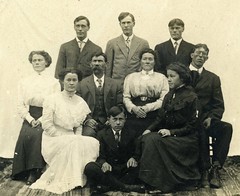 | 29 |
| 7563286316 | Susan B. Anthony, NAWSA | In 1890, one of the founders of the National American Womens Suffrage Association (NAWSA), which worked to secure voting rights for women. (p. 366) |  | 30 |
| 7563286317 | Francis Willard | Leader of the Women's Christian Temperance Union (WCTU) which advocated total abstinence from alcohol. (p. 367) |  | 31 |
| 7563286318 | Antisaloon League | In 1893, this organization became a powerful political force and by 1916 had persuaded twenty one states to close down all saloons and bars. (p. 367) |  | 32 |
| 7563286319 | Carrie Nation | She raided saloons and smashed barrels of beer with a hatchet. (p. 367) |  | 33 |
| 7563286320 | kindergarten | In the late 1800s, the practice of sending children to kindergarten became popular. (p. 367) |  | 34 |
| 7563286321 | public high school | In the late 1800s, there was growing support for tax-supported public high schools. (p. 367) |  | 35 |
| 7563286322 | college elective system | In the late 1800s, colleges started reducing the number of required courses and offered more elective courses. These were courses students could choose, and this increased the number of foreign language and science courses. (p. 368) |  | 36 |
| 7563286323 | Johns Hopkins University | This university was founded in Baltimore in 1876, the first to specialize in advanced graduate studies. (p. 368) |  | 37 |
| 7563286324 | new social sciences | New fields such as psychology, sociology, anthropology, and political science emerged. (p 368) |  | 38 |
| 7563286325 | Richard T. Ely | He attacked laissez-faire economic thought as dogmatic and outdated and used economics to study labor unions and trusts. (p. 368) |  | 39 |
| 7563286326 | Oliver Wendell Holmes | He taught that law should evolve with the times and not be bound by previous precedents or decisions. (p. 368) |  | 40 |
| 7563286327 | Clarence Darrow | A famous lawyer, he argued that criminal behavior could be caused by an environment of poverty, neglect, and abuse. (p. 368) |  | 41 |
| 7563286328 | W.E.B. Du Bois | A leading black intellectual, he advocated for equality for blacks, integrated schools, and equal access to higher education. (p. 368) |  | 42 |
| 7563286329 | realism, naturalism | Mark Twain became the first realist author and his books often showed the greed, violence, and racism in American society. Authors known for their naturalism focused in how emotions and experience shaped human experience. (p. 369) |  | 43 |
| 7563286330 | Mark Twain | The first great realist author, he is famous for his classic "The Adventures of Huckleberry Finn". (p. 369) |  | 44 |
| 7563286331 | Stephen Crane | He wrote in the 1890s about the human condition. His books included "Maggie: A Girl in the Streets" and the "Red Badge of Courage". (p. 369) |  | 45 |
| 7563286332 | Jack London | He wrote about the conflict between man and nature in books such as "The Call of the Wild". (p. 369) |  | 46 |
| 7563286333 | Theodore Dreiser | The author of "Sister Carrie". Notable for its naturalism and controversy, as it ran contrary to the moral undercurrents of 1900. (p. 369) | 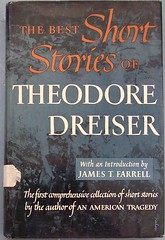 | 47 |
| 7563286334 | Winslow Homer | The foremost American painter of seascapes and watercolors. (p. 369) |  | 48 |
| 7563286335 | Thomas Eakins | Specialized in the painting of the working class and used serial-action photographs to study human anatomy. (p. 369) |  | 49 |
| 7563286336 | Impressionism | A painting technique that originating in France. (p. 370) | 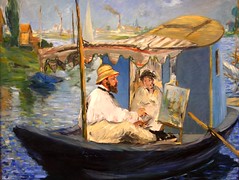 | 50 |
| 7563286337 | James Whistler | An American expat, he painted Arrangement in Grey and Black, popularly known as Whistler's Mother. It was a quintessential example of his study of color rather than subject. (p. 370) |  | 51 |
| 7563286338 | Mary Cassatt | An American impressionist painter known as a portrait painter. She spent much of her life in France. (p. 370) |  | 52 |
| 7563286339 | Ashcan School | Around 1900, they painted scenes of everyday life in poor urban neighborhoods. (p. 370) |  | 53 |
| 7563286340 | Armory Show | A New York painting exhibit in 1913 that featured abstract paintings. (p. 370) |  | 54 |
| 7563286341 | abstract art | Non-representational art, not accepted by Americans until the 1950s. (p. 370) |  | 55 |
| 7563286342 | Henry Hobson Richardson | His architectural designs of the 1870s, based on the Romanesque style, gave a gravity and stateliness to functional commercial buildings. (p. 370) |  | 56 |
| 7563286343 | Romanesque style | This architecture style featured massive stone walls and rounded arches. (p. 370) |  | 57 |
| 7563286344 | Louis Sullivan | He rejected historical architecture and focused on tall, steel-framed office buildings. He focused on building a form that followed function. A member of the Chicago School. (p. 370) |  | 58 |
| 7563286345 | form follows function | The form of the building flowed from its function. (p. 370) |  | 59 |
| 7563286346 | Frank Lloyd Wright | The most famous architect of the 20th century, he developed an organic style that made his buildings fit in with their natural surroundings. (p. 370) |  | 60 |
| 7563286347 | organic architecture | An architectural style in which the building was in harmony with its natural surroundings. (p. 370) |  | 61 |
| 7563286348 | Frederick Law Olmsted | The originator of landscape architecture, he designed Central Park and grounds of the U.S. Capitol. (p. 371) |  | 62 |
| 7563286349 | growth of leisure time | The growth of leisure time activities was a result of the reduction of work hours, improved transportation, advertizing, and the decline of restrictive values. (p. 371) |  | 63 |
| 7563286350 | John Philip Sousa | He wrote a series of popular marches played in small town bandstands across the country. (p. 371) |  | 64 |
| 7563286351 | jazz, blues, ragtime | A form of music that combined African rhythms and western-style instruments and mixed improvisation with a structured band format. (p. 371) |  | 65 |
| 7563286352 | Jelly Roll Morton | A famous African American jazz musician from New Orleans. (p. 371) |  | 66 |
| 7563286353 | Scott Joplin | A black composer notable for his contribution to ragtime. He sold over one million copies of his song "Maple Leaf Rag". (p 371) |  | 67 |
| 7563286354 | mass circulation newspapers | Large circulation newspapers had been around since 1830, but the first to exceed one million subscribers was Joseph Pulitzer's New York World. (p. 371) |  | 68 |
| 7563286355 | Joseph Pulitzer | He established the first newspaper to exceed over one million in circulation by filling it with sensational stories of crime and disaster. (p. 317) |  | 69 |
| 7563286356 | William Randolph Hearst | A newspaper publisher whose introduction of large headlines and sensational reporting changed American journalism. (p. 371) |  | 70 |
| 7563286357 | Ladies Home Journal | By the 1880s, advertising and new printing technology lead to this magazine which sold for only 10 cents. (p. 371) |  | 71 |
| 7563286358 | circus trains | The national rail network made possible traveling circuses. (p. 371) | 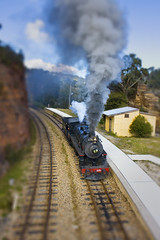 | 72 |
| 7563286359 | Barnum & Bailey, Greatest Show on Earth | A traveling circus that was very popular. (p. 371) |  | 73 |
| 7563286360 | Buffalo Bill Wild West Show | William F. Cody brought this show to urban populations. (p. 372) |  | 74 |
| 7563286361 | spectator sports, boxing, baseball | In the late 19th century professional sports started. (p.372) |  | 75 |
| 7563286362 | amateur sports, bicycling, tennis | These were late 19th century sports of the middle and upper classes. (p. 372) | 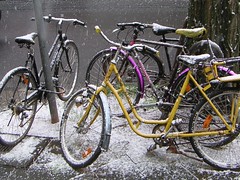 | 76 |
| 7563286363 | social class and discrimination | In the late 19th century, sports such as golf and tennis became popular with wealth members of athletic clubs. The very rich pursued polo and yachting. (p. 372) | 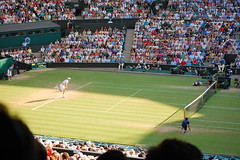 | 77 |
| 7563286364 | country clubs, golf, polo, yachts | These were late 19th century sports of the wealthy. (p. 372) |  | 78 |
| 7563286365 | corner saloon, pool halls | In the late 19th century, young single men often centered their lives around these establishments. (p. 372) | 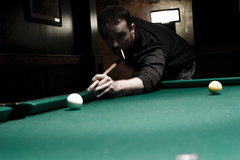 | 79 |
Pages

Need Help?
We hope your visit has been a productive one. If you're having any problems, or would like to give some feedback, we'd love to hear from you.
For general help, questions, and suggestions, try our dedicated support forums.
If you need to contact the Course-Notes.Org web experience team, please use our contact form.
Need Notes?
While we strive to provide the most comprehensive notes for as many high school textbooks as possible, there are certainly going to be some that we miss. Drop us a note and let us know which textbooks you need. Be sure to include which edition of the textbook you are using! If we see enough demand, we'll do whatever we can to get those notes up on the site for you!
