AP Notes, Outlines, Study Guides, Vocabulary, Practice Exams and more!

AMSCO AP US History Chapter 23 Flashcards

AMSCO United States History 2015 Edition, Chapter 23 The Modern Era of the 1920s

Terms : Hide Images
6760811736Warren HardingIn November 1920, he was elected the 29th president of the United States. He was a Republican whose slogan was: "Return to Normalcy". His term was marked by scandals and corruption, although he was never implicated in any of the scandals. In August 1923, he died while traveling in the West. (p. 475-476)0
6760811737Charles Evans HughesA former presidential candidate and Supreme Court justice who was appointed secretary of state by President Warren G. Harding. (p. 476)1
6760811738Andrew MellonA Pittsburgh industrialist and millionaire who was appointed secretary of the treasury by President Harding in 1921 and served under Coolidge and Hoover. (p. 476)2
6760811739Harry DaughertyAttorney General under President Harding who accepted bribes for agreeing not to prosecute certain criminal suspects. (p. 476)3
6760811740Albert FallSecretary of the Interior during Harding's administration. He was convicted of accepting bribes for granting oil leases near Teapot Dome, Wyoming. (p. 476)4
6760811741Teapot DomeA government scandal involving a former United States Navy oil reserve in Wyoming that was secretly leased to a private oil company in 1921. (p. 476)5
6760811742Fordney-McCumber Tariff ActThis tariff passed in 1922, raised tariffs on foreign manufactured goods by 25 percent. It helped domestic manufacturers, but limited foreign trade, and was one cause of the Great Depression of 1929. (p. 476, 488)6
6760811743Bureau of the BudgetFormed in 1921, this bureau created procedures for all government expenditures to be placed in a single budget for Congress to annually review and vote on. (p. 476)7
6760811744Calvin CoolidgeAs vice president, he became president when Warren Harding died in August 1923. He won the presidential election of 1924, but declined to run in 1928. He was a Republican who believed in limited government. He summarized his presidency and his era with the phrase: "The business of America is business". (p. 477)8
6760811745Herbert HooverWhen Calvin Coolidge decide not to run for president in 1928, he was the Republican presidential nominee. He promised to extend "Coolidge Prosperity", and won the election. (p. 477)9
6760811746Alfred E. SmithHe was the Democratic presidential candidate in the 1928 presidential election. He was the former governor of New York and his opponent in the presidential race was Republican Herbert Hoover. As a Roman Catholic and opponent of Prohibition, he appealed to immigrant urban voters. (p. 477)10
6760811747business prosperityFrom 1919 to 1929, manufacturing output rose a spectacular 64 percent due to increased productivity, energy technologies, and governmental policy which favored the growth of big business. (p. 478)11
6760811748standard of livingDuring the 1920s, the standard of living (physical things that make life more enjoyable) improved significantly for most Americans. Indoor plumbing and central heating became commonplace. By 1930, two-thirds of all homes had electricity. (p. 477)12
6760811749scientific managementA system of industrial management created and promoted in the early twentieth century by Frederick W. Taylor. It emphasized time-and-motion studies to improve factory performance. (p. 478)13
6760811750Henry FordBy 1914, he had perfected a system for manufacturing automobiles using an assembly line. (p. 478)14
6760811751assembly lineIn a factory, an arrangement where a product is moved from worker to worker, with each person performing a single task in the making of the product. (p. 478)15
6760811752open shopA company with a labor agreement under which union membership cannot be required as a condition of employment. (p. 479)16
6760811753welfare capitalismAn approach to labor relations in which companies voluntarily offer their employees improved benefits and higher wages in order to reduce their interest in joining unions. (p. 479)17
6760811754consumerismIn the 1920s, consumerism was fueled by: homes with electricity, electrical appliances, affordable automobiles, increased advertising, and purchasing on credit. (p. 478)18
6760811755electric appliancesIn the 1920s, refrigerators, stoves, vacuum cleaners, and washing machines became very popular as prices dropped due to reduced production costs and as electrical power to run them became more available. (p. 478)19
6760811756impact of the automobileIn the 1920s, this product had the largest impact on society. It caused a growth of cities and suburbs, and workers no longer needed to live near their factories. It provided job opportunities and was a much more efficient way of transportation. (p. 479)20
6760811757jazz ageName for the 1920s, because of the popularity of jazz, a new type of American music that combined African rhythms, blues, and ragtime. (p. 480)21
6760811758radio, phonographsAllowed mostly young people to listen to recorded music. The first radio station went on the air in 1920. Previously, newspapers had been the only form of mass communications. (p. 480)22
6760811759national networksNationwide radio networks enabled people all over the country to listen to the same news, sports, soap operas, quiz shows and comedies. (p. 480)23
6760811760HollywoodThe movie industry was centered here. The industry grew rapidly in the 1920s. Sound was introduced to movies in 1927. By 1929 over 80 million movie tickets were sold each week. (p. 480)24
6760811761movie starsIn the 1920s, sexy and glamorous movie stars such as Greta Garbo and Rudolf Valentino we idolized by millions. (p. 480)25
6760811762popular heroesAmericans shifted role models from politicians to sports heroes and movie stars. Sports heros included Jack Dempsey, Jim Thorpe, Babe Ruth, and Bobby Jones. However, the most celebrated was Charles Lindbergh who flew from Long Island to Paris in 1927. (p. 480)26
6760811763movie palacesOrnate, lavish single-screen movie theaters that emerged in the 1910s in the United States. (p. 480)27
6760811764role of womenIn the 1920s, the traditional separation of labor between men and women continued. Most middle-class women expected to spend their lives as homemakers and mothers. (p. 480)28
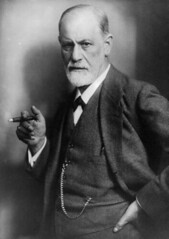
6760811765Sigmund FreudAustrian psychiatrist who originated psychoanalysis. (p. 481)29
6760811766morals and fashionsIn the 1920s, movies, novels, automobiles, and new dances encouraged greater promiscuity. Young women shocked their elders by wearing dresses hemmed at the knee (flapper look), cutting their hair short, smoking cigarettes, and driving cars. (p. 481)30
6760811767Margaret SangerShe founded American Birth Control League; which became Planned Parenthood in the 1940s. She advocated birth control awareness. (p. 481)31
6760811768high school educationIn the 1920s, universal high school education became a new American goal. By 1930, the number of high school graduates had doubled to over 25 percent of school-age adults. (p. 481)32
6760811769consumer cultureIn the 1920s, many writers were disillusioned with the materialism of the business oriented culture. (p. 481)33
6760811770Frederick Lewis AllenIn 1931, he wrote "Only Yesterday", a popular history book that portrayed the 1920s as a period of narrow-minded materialism. (p. 489)34
6760811771Only YesterdayA 1931 history book that portrayed the 1920s as a period of narrow-minded materialism in which the middle class abandoned Progressive reforms, embraced conservative Republican policies, and either supported or condoned nativism, racism, and fundamentalism. (p. 489)35
6760811772Gertrude SteinAmerican writer of experimental novels, poetry, essays, operas, and plays. She called the disillusioned writers of the 1920s, a "lost generation". (p. 481)36
6760811773Lost GenerationGroup of writers in 1920s, who shared the belief that they were lost in a greedy and materialistic world that lacked moral values. Many of them moved to Europe. (p. 481)37
6760811774F. Scott FitzgeraldA novelist and chronicler of the jazz age. His wife, Zelda and he were the "couple" of the decade. His novel, "The Great Gatsby" is considered a masterpiece about a gangster's pursuit of an unattainable rich girl. (p. 481)38
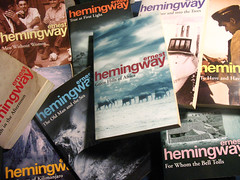
6760811775Ernest HemingwayOne of the most popular writers of the 1920s, he wrote "A Farewell to Arms". (p. 481)39
6760811776Sinclair LewisAmerican writer of the 1920s. He became the first American to receive a Nobel Prize in Literature. (p. 481)40
6760811777Ezra PoundExpatriate American poet and critic of the 1920s. (p. 481)41
6760811778T. S. EliotThomas Stearns Eliot was an essayist, publisher, playwright, literary and social critic, and one of the twentieth century's major poets. (p. 481)42
6760811779Eugene O'NeillAn American playwright of the 1920s. (p. 481)43
6760811780industrial designThe fusion of art and technology during the 1920s and 1930s created the new profession of industrial design. (p. 482)44
6760811781Art DecoThe 1920's modernistic art style that captured modernistic simplification of forms, while using machine age materials. (p. 482)45
6760811782Edward HopperA twentieth-century American painter, whose stark realistic paintings often convey a mood of solitude and isolation in common urban settings. (p. 482)46
6760811783regional artistsThomas Benton and Grant Wood celebrated the rural people and scenes of the American heartland. (p. 482)47
6760811784Grant WoodAn American Regional artist who focused on rural scenes in Iowa. He is best known for his painting "American Gothic". (p. 482)48
6760811785George GershwinHe was the son of Russian-Jewish immigrants. He blended jazz and classical music to produce "Rhapsody in Blue" and folk opera "Porgy and Bess". (p. 482)49
6760811786northern migrationBy 1930, almost 20 percent of African Americans out of the Southern United States to the North. (p. 482)50
6760811787Harlem RenaissanceThe largest African American community of almost 200,000 developed in the Harlem section of New York City. It became famous in the 1920s for its talented actors, artists, musicians, and writers. This term describes this period. (p. 483)51
6760811788Countee CullenA leading 1920s African American poet from Harlem. (p. 483)52
6760811789Langston HughesA leading 1920s African American poet from Harlem. (p. 483)53
6760811790James Weldon JohnsonA leading 1920s African American author from Harlem. (p. 483)54
6760811791Claude McKayA leading 1920s African American poet from Harlem. (p. 483)55
6760811792Duke EllingtonA leading 1920s African American jazz great from Harlem. (p. 483)56
6760811793Louis ArmstrongA leading 1920s African American jazz trumpeter from Harlem. (p. 483)57
6760811794Bessie SmithA leading 1920s African American blues singer from Harlem. (p. 483)58
6760811795Paul RobesonA leading 1920s African American singer from Harlem. (p. 483)59
6760811796Back to Africa movementEncouraged those of African descent to return to Africa. (p. 483)60
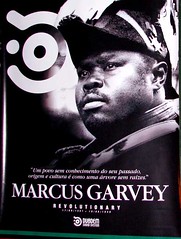
6760811797Marcus GarveyAfrican American leader during the 1920s who founded the Universal Negro Improvement Association and advocated mass migration of African Americans back to Africa. He was deported to Jamaica and his movement collapsed. (p. 483)61
6760811798black prideMany African American leaders agreed with Marcus Garvey's ideas on racial pride and self-respect. This influenced another generation in the 1960s. (p. 483)62
6760811799modernismThey took a historical and critical view of certain Bible passages and believed that they could accept Darwin's theory of evolution without abandoning their religion. (p. 483)63
6760811800fundamentalismA Protestant Christian movement emphasizing the literal truth of the Bible and opposing religious modernism (p. 483)64
6760811801revivalists: Billy Sunday, Aimee Semple McPhersonLeading radio evangelists such as Billy Sunday and Aimee Semple McPherson preached a fundamentalist message. (p 484)65
6760811802Scopes trialA 1925 Tennessee court case in which Clarence Darrow and William Jennings Bryan argued the issue of teaching evolution in public schools. (p. 484)66
6760811803Clarence DarrowA famed criminal defense lawyer, he defended John Scopes, a teacher who taught evolution in his Tennessee classroom. (p. 484)67
6760811804Volstead ActThe federal law of 1919 that established criminal penalties for manufacturing, transporting, or possessing alcohol. (p. 484)68
6760811805rural vs. urbanIn the 1920s, in the urban areas it was common to ignore the law and drink liquor in clubs or bars known as speakeasies. (p 484)69
6760811806organized crimeIn the 1920s, organized crime became big business, as bootleggers transported and sold liquor to many customers. (p. 484)70
6760811807Al CaponeA famous Chicago gangster who fought for control of the lucrative bootlegging (liquor) trade. (p. 484)71
676081180821st AmendmentThe amendment which ended the prohibition of alcohol in the United States, it repealed the 18th amendment. (p. 485)72
6760811809quota laws of 1921 and 1924Laws passed to limit immigration. (p. 485)73
6760811810Sacco and Vanzetti CaseA criminal case of two Italian men who were convicted of murder in 1921. They were prosecuted because they were Italians, atheists, and anarchists. After 6 years of appeals they were executed in 1927. (p. 485)74
6760811811Ku Klux KlanA secret society created by white southerners in 1866. They used terror and violence to keep African Americans from exercising their civil rights. (p. 486)75
6760811812Birth of a NationA popular silent film, which portrayed the KKK during Reconstruction as heros. (p. 486)76
6760811813blacks, Catholics and JewsThe KKK directed hostility toward these groups in the North. (p. 486)77
6760811814foreigners and CommunistsDuring the 1920s, widespread disillusionment with World War I, communism in the Soviet Union, and Europe's post war problems made Americans fearful of being pulled into another foreign war. (p. 486)78
6760811815disarmamentRepublican presidents of the 1920s tried to promote peace and also to scale back defense expenditures by arranging disarmament treaties (reduction in military equipment). (p. 486)79
6760811816Washington ConferenceA 1921 conference that placed limits on naval powers, respect of territory in the Pacific, and continued the Open Door policy in China. (p. 487)80
6760811817Five-Power Naval TreatyA 1922 treaty resulting from the Washington Armaments Conference that limited to a specific ratio the carrier and battleship tonnage of each nation. The five countries involved were: United States, Great Britain, Japan, France, and Italy. (p. 487)81
6760811818Nine-Power China TreatyA 1922 treaty affirming the sovereignty and territorial integrity of China as previously stated in the Open Door Policy. (p. 487)82
6760811819Kellogg-Briand TreatyThis treaty of 1928 renounced the use of force to achieve national ends. It was signed by Frank Kellogg of the United States and Aristide Briand of France, and most other nations. The international agreement proved ineffective. (p. 487)83
6760811820Latin America policyIn 1927, the United States signed an agreement with Mexico protecting U.S. interests in Mexico. (p. 487)84
6760811821war debtsDuring World War I the United States had loaned more than $10 billion to the Allies. After the war, the United States insisted that they pay back all the debt. Great Britain and France objected because they suffered much greater losses during the war than the United States. (p. 488)85
6760811822reparationsAs part of the Treaty of Versailles, Germany was ordered to pay $30 billion in reparations to the Allies. (p. 488)86
6760811823Dawes PlanA 1924 plan, created by Charles Dawes in which the United States banks would lend large sums to Germany. Germany would use the money to rebuild its economy and pay reparations to Great Britain and France. Then Great Britain and France would pay their war debts to the United States. After the 1929 stock market crash, the loans to Germany stopped. (p. 488)87

AMSCO AP US History Chapter 20 Flashcards

Terms : Hide Images
5991649601William SewardRepublican secretary of state for both Lincoln and Johnson: prevented G.B and France from entering the war with confeds, help U.S. annex Midway Islands, and gain rights to build a canal in Nicaragua. Congress agreed to purchase Alaska for 7.2 million dollars as a result of his lobbying and Russia's support in Civil War0
5991649602Monroe DoctrineThe Monroe Doctrine was a US foreign policy regarding Latin American countries in 1823. It stated that further efforts by European nations to colonize land or interfere with states in North or South America would be viewed as acts of aggression, requiring U.S. intervention.1
5991649603Pan-American Conference (1889)Secretary of State Blaine's repeated efforts to establish closer ties between the United States and its southern neighbors bore fruit in 1889 with this meeting. It was an organization for international cooperation on trade and other issues2
5991649604international DarwinismDarwin's concept of the survival of the fittest was applied to competition among nations and races for military advantage, colonies, and spheres of influence.3
5991649605steel and steam navyU.S. naval strategists persuaded Congress to finance the construction of modern steel ships and encouraged the acquisition of oversee islands - desired as coaling and supply stations4
5991649606Cuban revoltCuban nationalists renewed fighting and revolt after failing to overthrow Spanish colonial rule. They hoped to either force Spain to withdrawal or pull in the U.S. as an ally.5
5991649607Valeriano WeylerHe was a Spanish General referred to as "Butcher". He undertook to crush the Cuban rebellion by herding many civilians into barbed-wire reconcentration camps, where they could not give assistance to the armed insurrectionists.6
5991649608"jingoism"an intensive form of nationalism calling for an aggressive foreign policy7
5991649609"yellow journalism"sensationalistic reporting that featured bold and lurid headlines of crime, disaster and scandal8
5991649610De Lome Lettera Spanish letter leaked to the press and printed on the front page of Heart's Journal- critical against McKinley and man considered it an insult against U.S. national honor9
5991649611sinking of the Mainebattleship that exploded killing people on board, yellow press accused Spain of doing it on purpose, later proved to be accident10
5991649612Teller Amendmentdeclared that the United States had no intention of taking political control of Cuba and that, once peace was restored to the island , the Cuban people would control their own government11
5991649613"a splendid little war"referring to the Spanish American war and was because it was a swift U.S victory12
5991649614invasion of the PhilippinesRoosevelt (assistant secretary)ordered fleet by Commander George Dewey here - sea battle won quick;y land battle took a little more effort13
5991649615"Rough Riders"a regiment of volunteers led by Theodore Roosevelt who had resigned his navy post to take part in the war - cavalry charge14
5991649616Theodore Rooseveltassistant secretary of the navy who fought in the Spanish American War...later became president.15
5991649617Anti-Imperialist Leagueorganization led by William Jennings Bryan that rallied opposition to further acts of expansion in the Pacific16
5991649618Insular CasesA series of supreme court cases in which it was ruled that constitutional rights were not automatically extended to territorial possessions and that the power to decide whether or not to grant such rights belonged to Congress.17
5991649619Platt Amendment (1901)Cuba's acceptance of terms : to never sign a treaty with a foreign power that impaired its independence, to permit the United States to intervene in Cuba's affairs to preserve its independence and maintain law and order, to allow the U.S. to maintain naval bases in Cuba18
5991649620spheres of influenceRussia, Japan, Great Britain, France, and Germany had all established spheres of influence in China, meaning that they could dominate trade and investment within their sphere and shut out competitors.19
5991649621John HayMcKinley's secretary of state that took steps to prevent the U.S. from losing access to the lucrative China trade.20
5991649622Open Door Policypolicy by John Hay in which all nations would have equal trading privileges in China21
5991649623Boxer RebellionSociety of Harmonious Fists (secret society of Chinese nationalists) attacked foreign settlements and murdered dozens of Christian missionaries22
5991649624"big-stick policy"nickname given to Theodore Roosevelt's aggressive foreign policy23
5991649625Hay-Bunau-Varilla Treatytreaty between the new Panama and the U.S. that granted them all rights over the 51 mile long and 10 mile wide Canal Zone24
5991649626Roosevelt CorollaryRather than let Europeans intervene in Latin America, the U.S. would intervene whenever necessary25
5991649627Treaty of Portsmouthdiplomatic conference arranged by Theodore Roosevelt to end the conflict of the Russo-Japanese war26
5991649628Noble Peace Prize (1906)given to Theodore Roosevelt for his achievement of helping to settle the Russo-Japanese war27
5991649629gentlemen's agreementagreement in which the Japanese gov. secretly agreed to restrict the emigration of Japanese workers to the United States in return for Roosevelt persuading California to repeal its discriminatory laws28
5991649630Great White Fleetused to demonstrate U.S. naval power to Japan and other nations29
5991649631William Howard Taftadopted a foreign policy that was mildly expansionist but depended more on investors' dollars than on the navy's battleships30
5991649632Manchurian problemUnited States was excluded from an agreement between Russia and Japan to build railroads in Manchuria, jointly held sphere of influence which was in defiance of the Open Door Policy31
5991649633Lodge Corollaryresolution that states non-European powers would be excluded from owning territory in the Western Hemisphere - response to possible Japanese motives to acquire Baja Peninsula32
5991649634Woodrow Wilsonpresident elected in 1912 that called for a new freedom in government and promised a moral approach to foreign affairs - opposed big stick and dollar diplomacy policies33
5991649635anti-imperialismthose who did not believe that the U.S. should be looking to expand- possible reasons was that imperialism was morally wrong and/or economically unsound34
5991649636William Jennings BryanDemocratic nominee in 1900 who argued for free silver and vigorously attacked the growth of American imperialism also secretary of state under Woodrow Wilson- hoped to demonstrate U.S. respect for other nations and would support spread of democracy35
5991649637Conciliation treatiesprojects of William Jennings Bryan in which nations pledged to submit disputes to international commissions and observe a one year cooling off period before taking military action36
5991649638ABC powersThe South American countries of Argentina, Brazil, and Chile, which attempted to mediate a dispute between Mexico and the United States in 1914.37

AP US History Period 1-Mahan Flashcards

Terms : Hide Images
5624480038maize cultivationThe growing of Indian corn, a staple of many Indians diets, leading many nomadic tribes to settle and develop great civilizations such as the Aztecs incas and Mayans.0
5624480043capitalismEconomic system based on private investment and possessions1
5624480045great basinDesert area with no drainage to the ocean2
5624480047spanish explorationColonization of the Americas by the conquistadors in search for gold, glory and god3
5624480048encomienda systemA government system where natives were given to colonists to work in return for converting them to Christianity.4
5624480050white superiorityThe European idea they were superior to other cultures/ races and needed to enforce European culture/religion on them5
5624480051great plainsThe open plains of the Midwest where the natives adapted to roming the prairies on horseback6
5624480053Portuguese explorationDue to advancements in sailing technology the Portuguese were able to sail down the coast of Africa and open trade of gold and slaves, settle and make plantations and eventually find the way around Africa to the indies7
5624480055feudalismA political, economic, and social system based on the relationship between lord and vassal in order to provide protection8
5624480057Colombian exchangethe exchange between the new world and the old world consisting of the old world bringing wheat, cows, horses, sheep, pigs, sugar, rice, coffee, smallpox, malaria and yellow fever. while the new world sent gold, silver, corn, potatoes, tobacco, and syphills9

AMSCO AP US History Chapter 15 Flashcards

AMSCO United States History 2015 Edition, Chapter 15 Reconstruction, 1863-1877

Terms : Hide Images
8427708657Civil Rights Act of 1866This act declared that all African Americans were U.S. citizens and also attempted to provide a shield against the operation of the Southern states' Black Codes. (p. 295)0
842770865814th AmendmentRatified in 1868, this Constitutional amendment, declares that all persons born or naturalized in the United States were citizens, and it obligated the states to respect the rights of U.S. citizens and provide them with "equal protection of the laws" and "due process of law". Other parts of the amendment related to Congress' plan for Reconstruction. (p. 295)1
8427708659equal protection of the lawsPart of the 14th amendment, it emphasizes that the laws must provide equivalent "protection" to all people. (p. 295)2
8427708660due process of lawPart of the 14 Amendment, it denies the government the right, without due process, to deprive people of life, liberty, and property. (p. 295)3
842770866115h AmendmentRatified in 1870, this Constitutional amendment, prohibited any state from denying or abridging a citizen's right to vote "on account of race, color, or previous condition of servitude." (p. 297)4
8427708662Civil Rights Act of 1875The last major piece of Reconstruction legislation, this law prohibited racial discrimination in all public accommodation and transportation. It also prohibited courts from excluding African Americans from juries. However, the law was poorly enforced. (p. 297)5
8427708663Jay GouldIn 1869, this Wall Street financier obtained the help of President Grant's brother in law, to corner the gold market. The Treasury Department broke the scheme, but after he had already made a huge profit. (p. 300)6
8427708664Credit MobilierIn this affair, insiders gave stock to influential members of Congress, to avoid investigation of the huge profits they were making from government subsidies for building the transcontinental railroad. (p. 300)7
8427708665William (Boss) TweedThis New York City politician, arranged schemes that allowed he and his cronies to steal about $200 million dollars from New York. He was eventually sentenced to prison in 1871. (p. 301)8
8427708666spoilsmenIn the 1870s, political manipulators such as Senator Roscoe Conkling and James Blaine, used patronage - giving jobs and government favors to their supporters. (p. 300)9
8427708667patronageTerm for one of the key inducements used by party machines. A job, promotion, or contract that is given for political reasons rather than for merit or competence. (p. 300)10
8427708668Thomas NastNew York Times political cartoonist who exposed the abuses of the "Boss" Tweed ring. Tweed was eventually arrested and imprisoned in 1871. (p. 310)11
8427708669Liberal RepublicansIn 1872, this party advocated civil service reform, an end of railroad subsidies, withdrawal of troops from the South, reduced tariffs, and free trade.12
8427708670Horace GreeleyIn the presidential election of 1872, both the Liberal Republicans and the Democrats made this newspaper editor their nominee. He lost the election to Ulysses S. Grant, he died just days before the counting of the electoral vote count. (p. 301)13
8427708671Panic of 1873Economic panic caused by over speculation by financiers and over building by industry and railroads. In 1874, President Grant sided with the hard-money bankers who wanted gold backing of the money supply. He vetoed a bill calling for the release of additional greenbacks. (p. 302)14
8427708672greenbacksName given to paper money issued by the government, so called because the back side was printed with green ink. They were not redeemable for gold. (p 302)15
8427708673redeemersBy 1877, these Southern conservatives had taken control of state governments in the South. Their foundation rested on states rights, reduced taxes, reduced social programs, and white supremacy. (p. 302)16
8427708674Rutherford B. HayesHe won the presidential election of 1876, which was a highly contested election. He was a Republican governor from Ohio. (p. 302)17
8427708675Samuel J. TildenIn the presidential election of 1876, this New York reform governor was the Democrat nominee. He had gained fame for putting Boss Tweed behind bars. He collected 184 of the necessary 185 electoral votes, but was defeated by Rutherford B. Hayes, when all of the electoral votes from the contested states of South Carolina, Florida, and Louisiana went to Hayes. (p. 303)18
8427708676Compromise of 1877This informal deal settled the 1876 presidential election contest between Rutherford Hayes (Republican) and Samuel Tilden (Democrat). It was agreed that Hayes would become president. In return, he would remove all federal troops from the South and support the building of a Southern transcontinental railroad. (p. 303)19
8427708677presidential reconstructionPresident Abraham Lincoln believed that the Southern states could not leave the Union and therefore never did leave. He consider them a disloyal minority. After Lincoln's assassination, President Andrew Johnson attempted to carry out Lincoln's plan for reconstruction. (p. 292)20
8427708678Proclamation of Amnesty and ReconstructionIn 1863, President Lincoln's proclamation set up a process for political reconstruction, creating state governments in the South so that Unionists were in charge rather than secessionists. It include a full presidential pardon for most Confederates who took an oath of allegiance to the Union and the U.S. Constitution, and accepted the emancipation of slaves. It also reestablished state governments as soon as at least 10 percent of the voters in the state took the loyalty oath. In practice, the proclamation meant that each Southern state would need to rewrite its state constitution to eliminate existence of slavery. (p. 292)21
8427708679Wade-Davis BillIn 1864, this harsh Congressional Reconstruction bill stated that the president would appoint provisional governments for conquered states until a majority of voters took an oath of loyalty to the Union. It required the abolition of slavery by new state constitutions, only non-Confederates could vote for a new state constitution. President Lincoln refused to sign the bill, pocket vetoing it after Congress adjourned. (p. 292)22
8427708680Andrew JohnsonThe 17th President of the United States from 1865 to 1869. This Southerner from Tennessee was Lincoln's vice president, and he became president after Lincoln was assassinated. He opposed radical Republicans who passed Reconstruction Acts over his veto. The first U.S. president to be impeached, he survived the Senate removal by only one vote. (p. 297)23
8427708681Freedmen's BureauIn March 1865, an organization created at end of Civil War, which provided aid to the both black and whites in the South. It provided food, shelter, and medical aid for those made destitute by the Civil War. (p. 292)24
8427708682Black CodesSouthern state legislatures created these codes after the Civil War. They restricted the rights and movements of newly freed African Americans. 1) prohibited blacks from either renting land or borrowing money to buy land, 2) placed freemen into a form of semi bondage by forcing them, as "vagrants" and "apprentices" to sign work contracts, 3) prohibited blacks from testifying against whites in court. (p. 294)25
8427708683Congressional ReconstructionIn the spring of 1866, many in Congress were unhappy with President Andrew Johnson's policies and this led to the second round of reconstruction. Its creation was dominated by Congress and featured policies that were harsher on Southern whites and more protective of freed African Americans. (p. 295)26
8427708684Radical RepublicansIn the 1860s, this was the smaller portion of the Republican party than the moderates. They were led by Senator Charles Sumner and Congressman Thaddeus Stevens. They supported various programs that were most beneficial to the newly freed African Americans in the South. (p. 295)27
8427708685Charles SumnerThe leading Radical Republican in the Senate from Massechusetts. (p. 295)28
8427708686Thaddeus StephensThis Pennsylvania Congressman was a Radical Republican. He hoped to revolutionize Southern society through an extended period of military rule in which blacks would be free to exercise their civil rights, receive education, and receive lands confiscated from planter class. (p. 295)29
8427708687Benjamin WadeRadical Republican who endorsed woman's suffrage, rights for labor unions, and civil rights for northern blacks. (p. 295)30
8427708688Reconstruction ActsIn 1867, Congress passed three acts which placed the South under military occupation. They created five military districts in the former Confederate states, each under control of the Union army. To rejoin the Union, ex-Confederate states were required to ratify the 14th amendment and place guarantees in their state constitution that all adult males of all races would be guaranteed the right to vote. (p. 296)31
8427708689Tenure of Office ActIn 1867, this act prohibited the president from removing a federal official or military commander, without the approval of the Senate. The purpose of the law was purely political, to protect the Radical Republicans in Johnson's cabinet from dismissal. (p. 297)32
8427708690Edwin StantonHe was President Andrew Johnson's secretary of war. President Johnson believed the new Tenure of Office Act was unconstitutional and he challenged the law, by dismissing him from his position. This led to Johnson's impeachment. (p. 297)33
8427708691impeachmentPresident Johnson was the first president impeached, for the charge of High Crimes and Misdemeanors on February 24, 1868. One of the articles of impeachment was violating the Tenure of Office Act. He had removed Edwin M. Stanton, the Secretary of War, from office. The impeachment failed, falling just one vote short. (p. 297)34
8427708692scalawagsThe term for White Republican Southerners who cooperated with and served in Reconstruction governments. (p. 298)35
8427708693carpetbaggersThe term for Northern newcomers who came to the South during Reconstruction. (p. 298)36
8427708694Blanche K. BruceDuring the Reconstruction era, he represented Mississippi as a Republican U.S. Senator, from 1875 to 1881. He was the first black to serve a full term in the Senate. (p. 298)37
8427708695Hiram RevelsDuring the Reconstruction era, this black politician, was elected to the Mississippi senate seat that had been occupied by Jefferson Davis before the Civil War. (p. 298)38
8427708696sharecroppingCommon form of farming for freed slaves in the South. They received a small plot of land, seed, fertilizer, tools from the landlord who usually took half of the harvest. It evolved into a new form of servitude. (p. 300)39
8427708697Ku Klux KlanFounded in 1867, by ex-Confederate general, Nathaniel Bedford Forrest. This organization of white supremacists used lynchings, beatings, and threats to control the black population in the South. (p. 302)40
8427708698Force Acts (1870, 1871)These act passed in 1870 and 1871, gave power to federal authorities to stop Ku Klux Klan violence and to protect the civil rights of citizens in the South. (p. 302)41
8427708699Amnesty Act of 1872This act removed the last of the restrictions on ex-Confederates, except for the top leaders. Allowed southern conservatives to vote for Democrats to retake control of state governments. (p. 302)42

AMSCO AP US History Chapter 2 Flashcards

AMSCO United States History 2015 Edition, Chapter 2 The Thirteen Colonies and the British Empire, 1607-1754

Terms : Hide Images
6635508797Cecil Calvert, Second Lord BaltimoreIn 1634, Cecil Calvert (Second Lord Baltimore) was the son of George Calvert (First Lord Baltimore). Cecil Calvert set about making his father's dream of a Maryland colony that would be a haven for Catholics in America. (p. 27)0
6635508798Act of TolerationThe first colonial statue granting religious freedom to all Christians, but it called for death of all non-Christians. It was created to provide a safe haven for Catholics. (p.27)1
6635508799Roger WilliamsA respected Puritan minister who believed that the individual's conscience was beyond the control of any civil or church authority. He was banished from the Bay colony for his beliefs. In 1636, he founded the settlement of Providence. (p. 29)2
6635508800ProvidenceThis settlement has founded in 1636 by Roger Williams. (p. 29)3
6635508801Anne HutchinsonThis Puritan believed in antinomianism and was banished from the Bay colony because of her beliefs. In 1638, she founded the colony of Portsmouth. (p. 29)4
6635508802antinomianismThe idea that faith alone, not deeds, is necessary for salvation. (p. 29)5
6635508803Rhode IslandIn 1644, Parliament granted Roger Williams a charter, joining Providence and Portsmouth into a single colony, Rhode Island. (p. 30)6
6635508804Halfway covenantIn the 1660s, people could now take part in church services and activities without making a formal commitment to Christ. It was created because the next generation of colonists were less committed to religious faith, but churches still needed members. (p. 31)7
6635508805QuakersMembers of the Religious Society of Friends who believed in the equality of men and women, nonviolence, and resistance to military service. (p. 34)8
6635508806William PennIn 1861, the royal family paid a large debt by granting his family a large parcel of American land. This Quaker, formed a colony that he named Pennsylvania. (p. 34)9
6635508807Holy ExperimentWilliam Penn put his Quaker beliefs to the test in his colony, Pennsylvania. He wanted the colony to provide a religious refuge for Quakers and other persecuted people, enact liberal ideas in government, and generate income and profits for himself. (p. 34)10
6635508808Charter of LibertiesIn 1701, the Pennsylvania colony created this written constitution which guaranteed freedom of worship for all and unrestricted immigration. (p. 34)11
6635508809rice plantationsThese plantations required a large land area and many slaves. (p. 37)12
6635508810tobacco farmsAs Tobacco prices fell, rice and indigo became the most profitable crops. (p. 37)13
6635508811John CabotFirst Englishman to explore lands in North America which England would later settle in the early 1600's. (p. 25)14
6635508812JamestownIn 1607, the first permanent English colony in America was founded at this location. The Virginia Company, was a a joint-stock company chartered by England's King James I. (p. 25)15
6635508813Captain John SmithBecause of his forceful leadership, Jamestown barely survived its first five years. (p. 25)16
6635508814John RolfeHe helped Jamestown develop a new variety of tobacco which became popular in Europe and became a profitable crop. (p. 25)17
6635508815PocahontasShe was the American Indian wife of John Rolfe in early settlement days in Jamestown. (p. 25)18
6635508816PuritansGroup of dissenters that wanted to purify the Church of England. In 1630 they founded the Massachusetts Bay Colony at Boston. (p. 26)19
6635508817SeparatistsRadical dissenters to the Church of England, they were known by this name because they wanted to organized a completely separate church that was independent of royal control. They became known as Pilgrims, because of the travels. (p. 26)20
6635508818PilgrimsThey were radical dissenters to the Church of England. They moved to Holland, then in 1620, they sailed to America on the Mayflower in search of religious freedom. They established a new colony at Plymouth on the Massachusetts coast. (p. 26)21
6635508819MayflowerIn 1620, the boat that the Pilgrims sailed to Plymouth. (p. 26)22
6635508820Plymouth ColonyThis colony was started by the Pilgrims at Plymouth (Massechusetts). In the first winter nearly half of them perished. They were helped by friendly American Indians and celebrated the first Thanksgiving in 1621. (p. 26)23
6635508821John WinthropIn 1630, he led about a thousand Puritans to America and and founded Boston and several other towns. (p. 26)24
6635508822Great MigrationThis movement started because of a civil war in England. Nearly 15,000 settlers came to the Massachusetts Bay Colony. (p. 26)25
6635508823VirginiaSir William Berkeley, the royal governor of Virginia use dictatorial powers to govern on behalf of the large planters. (p. 29)26
6635508824Thomas HookerIn 1636, he led a large group of Boston Puritans dissatisfied with the Massachusetts Bay colony to found Hartford, which is now Connecticut. In 1639 they drew up the first written constitution in American history. (p. 30)27
6635508825John DavenportIn 1637, he founded a settlement south of Hartford, by the name of New Haven. (p. 30)28
6635508826ConnecticutIn 1665, New Haven and Hartford joined to form the colony of Connecticut under a royal charter. (p. 30)29
6635508827New HampshireHoping to increase royal control in the colonies, King Charles II separated New Hampshire from Massachusetts in 1679 and made it a royal colony. (p. 31)30
6635508828The CarolinasIn 1663, King Charles II granted eight nobles the Carolinas. In 1729, the Carolinas were split into two royal colonies. In South Carolina, the economy was based on the fur trade and growing food for the West Indies, which led to many plantations. In North Carolina, there were many small tobacco farms and fewer plantations. (p. 32)31
6635508829New YorkIn 1664, King Charles II granted his brother, the Duke of York (future King James II) the land now known as New York. James took control of the Dutch colony that was located there, but the Dutch were treated fairly. James was unpopular because of his taxes and refusal to institute a representative government. Finally in 1683, he agreed to grant broad civil and political rights to the colony. (p. 33)32
6635508830New JerseyThe territory of New York was split. In 1674, land was granted to Lord John Berkeley and Sir George Carteret. Eventually they sold to the Quakers. In 1702, the two Jerseys were combined into a single royal colony, New Jersey. (p. 33)33
6635508831PennsylvaniaIn 1861, the royal family paid a large debt by granting William Penn's father a large parcel of American land. He then formed a colony from the land. (p. 34)34
6635508832DelawareIn 1702, William Penn granted the lower three colonies of Pennsylvania their own assembly. In effect, Delaware became a separate colony, even though its governor was the same as Pennsylvaniaá until the American revolution. (p. 34)35
6635508833GeorgiaIn 1732, Georgia was formed to provide a buffer between wealthy Georgia and Spanish controlled Florida, and to provide a place for the many debtors of England to begin again. (p. 34)36
6635508834James OglethorpeFounder of Georgia's first settlement, Savannah, in 1733. He acted as governor of Georgia and had strict laws which included a ban on rum and slavery. (p. 35)37
6635508835WampanoagsAn American Indian tribe led by Metacom. (p. 31)38
6635508836MetacomThis American Indian chief was known to the colonists as King Philip. He joined together the Native American tribes to fight the colonists in King Philip's War, a war that lasted from 1675 to 1676. (p. 31)39
6635508837King Philip's WarFrom 1675 to 1676, the American Indian chief Metacom (King Philip), waged a vicious war against the English settlers in southern New England. (p. 31)40
6635508838Mayflower CompactIn 1620, while they were sailing to America on the Mayflower, the Pilgrims created this document that pledged them to make decisions by the will of the majority. It was a rudimentary written constitution. (p. 27)41
6635508839Virginia House of BurgessesIn 1619, just 12 years after the founding of Jamestown, Virginia's colonists organized the first representative assembly in America, the Virginia House of Burgesses. (p. 27)42
6635508840Sir William BerkeleyRoyal Governor of Virginia who favored large plantation owners and did not support or protect smaller farms from Indian raids. He put down Bacon's rebellion in 1676. (p. 29)43
6635508841Bacon's RebellionIn 1676, Nathaniel Bacon led a group of army volunteers that raided Native American villages, fought the governor's forces, and set fire to Jamestown. The rebellion lost momentum when Bacon died of dysentery. The rebellion was caused by the Governor's unfair favoritism of large plantation owners and refusal to protect small farms from Native American raids. (p. 29)44
6635508842Fundamental Orders of ConnecticutIn 1639, the Hartford settlers drew up the first written constitution in America. It established a representative government made up of a legislature elected by the people and a governor chosen by the legislature. (p. 30)45
6635508843New England ConfederationIn 1643, Plymouth, Massachusetts Bay, Connecticut, and New Haven colonies formed a military alliance to deal with the threat from the Native Americans. It lasted until 1684. (p. 31)46
6635508844Frame of Government (1682)In 1682-1683, William Penn provided the Pennsylvania colony with a Frame of Government which guaranteed a representative assembly elected by landowners and a written constitution. (p. 34)47
6635508845corporate coloniesColonies operated by joint-stock companies during the early years of the colonies, such as Jamestown. (p. 24)48
6635508846royal coloniesColonies under the direct authority and rule of the king's government, such as Virginia after 1624. (p. 24)49
6635508847proprietary coloniesColonies under the authority of individuals granted charters of ownership by the king, such as Maryland and Massachusetts. (p. 24)50
6635508848Chesapeake ColoniesIn 1632, the area once known as the Virginia colony, has divided into the Virginia and Maryland colony. Maryland became the first proprietary colony. (p. 27)51
6635508849joint-stock companyCorporate colonies, such as Jamestown, were operated by joint-stock companies, at least during the colony's early years. (p. 24)52
6635508850Virginia CompanyEngland's King James I chartered the Virginia Company, a joint-stock company that founded the first permanent English colony in America at Jamestown in 1607. (p. 25)53
6635508851mercantilismAn economic policy in which the colonies were to provide raw materials to the parent country of growth and profit of the parent country. (p. 35)54
6635508852Navigation ActsBetween 1650 and 1673 England passed a series of acts which establish rules for colonial trade. * Trade to and from the colonies could be carried only by English or colonial-built ships, which could be operated only by English or colonial crews. * All goods imported in the colonies, except some perishables, had to pass through the ports in England. * Specified goods from the colonies could be exported only to England. (p. 35)55
6635508853Dominion of New EnglandJames II wanted to increase royal control in the colonies, so he combined them into larger units and abolished their representative assemblies. The Dominion of New England was combined New York, New Jersey, and the other New England colonies into a single unit. (p. 36)56
6635508854Sir Edmund AndrosIn 1686, King James II combined New York, New Jersey, and additional New England colonies into a single unit called the Dominion of New England. He was sent England to govern the dominion. he was very unpopular by levying new taxes, limiting town meetings, and revoking land titles. (p. 36)57
6635508855Glorious RevolutionIn 1688, King James II was deposed and replaced with William and Mary. This brought the end to the Dominion of New England, and the colonies operated under their previous structure. (p. 37)58
6635508856indentured servantsYoung people from England under contract with a master who paid for their passage. Worked for a specified period for room and board, then they were free. (p. 28)59
6635508857headright systemA method for attracting immigrants, Virginia offered 50 acres of land to each immigrant who paid for passage to America and to any plantation owner who paid for an immigrants passage. (p. 28)60
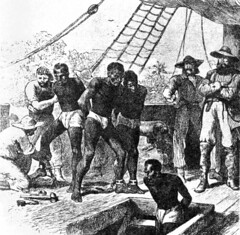
6635508858slaveryThe first slaves arrived in the colonies in 1619, they were not slaves for life, but worked for a period of time, like an indentured servant. Then discriminatory laws were passed, slaves and their offspring were kept in permanent bondage. (p. 28)61
6635508859triangular tradeMerchants traded colonist rum for African slaves, African slaves for West Indies sugar cane, and sugar cane was brought back to the colonies to make rum. (p. 37)62
6635508860Middle PassageVoyage from West Africa to the West Indies. It was miserable for the slaves transported and many died. (p. 38)63

AP US History Chapter 1 Sample Vocabulary Flashcards

Terms : Hide Images
7266371914Canadian ShieldFirst part of the North American landmass to emerge above sea level.0
7266371915IncasHighly advanced South American civilization that occupied present day Peru until it was conquered by Spanish forces in 1532. They developed sophisticated agricultural techniques, such as terrace farming, in order to sustain large, complex societies in the Andes Mountains.1
7266371916Aztecs NativeAmerican empire that controlled present day Mexico until 1521, when they were conquered by Spanish Hernan Cortez. The Aztecs maintained control over their vast empire through a system of trade and tribute. They came to be known for their advances in mathematics and writing and their use of human sacrifices in religious ceremonies.2
7266371917Nation-statesThe term commonly describes these societies in which political legitimacy and authority overlay a large degree of cultural commonality.3
7266371918Cahokia (ca. 1100 C.E.)This is a Mississippian (mound builders) settlement near present day St. Louis that was home to as many as 25,000 Native Americans.4
7266371919Three-sister farmingAgricultural system used by North American Indians as early as 1000 C.E.; maize (corn), beans, and squash were grown together to maximize harvests.5
7266371920MiddlemenIn trade, those dealers who operate between the original producers of goods and retail merchant that sell to consumers. After the 11th Century, European exploration was largely driven by a desire to get Asian goods without paying heavy tolls to Muslim middlemen.6
7266371921CaravelSmall vessel with a high deck and three triangular sails. Caravels could sail into the wind, allowing European sailors to explore the western shores of Africa, which had previously been made inaccessible due to prevailing winds on the homeward journey.7
7266371922PlantationLarge scale agricultural enterprise growing commercial crops (crops for sale) and usually employing slave labor. European settlers established plantations in Africa, South America, the Caribbean (West Indies), and the American South.8
7266371923Columbian ExchangeThe transfer of goods, crops, and diseases between New and Old World societies after 1492.9
7266371924Treaty of Tordesillas 1494Signed by Spain and Portugal, it divided the territories of the New World. Spain received most of the territories in the Americas, and Portugal was compensated with titles to lands in Africa and Asia.10
7266371925EncomiendaSpanish government's policy to "commend" or give Indians to certain colonists in return for the promise to Christianize them. This was part of a broader effort to subdue Indian tribes in the West Indies and in North America.11
7266371926Noche triste (June 30, 1520)Called the "sad night" when the Aztecs attacked Hernan Cortez and his forces in the Aztec capital of Tenochtitlan, killing hundreds. Cortez laid siege to the city the following year, beginning the fall of the Aztec empire and bringing three centuries of Spanish rule.12
7266371927CapitalismEconomic system characterized by private property, generally free trade, and open markets. European colonization of the Americas helped bring about Europe's transition to capitalism.13
7266371928MestizosPeople of mixed Indian and European heritage, notably in Mexico.14
7266371929Conquistadores16th Century Spaniards who settles across the Americas, from present day Colorado to Argentina, resulting in the eventual conquest of the Aztec and Incan empires.15
7266371930Battle of Acoma (1599)The battle was fought between Spaniards under Don Juan Onate and the Pueblo Indians in present day New Mexico. The Spanish crushed the Pueblo peoples and established the territory of New Mexico in 1609.16
7266371931Pope's Rebellion (1680)Pueblo Indian rebellion that drove Spanish settlers from New Mexico.17
7266371932Black LegendFalse notion that Spanish conquerors did little but butcher the Indians and steal their gold in the name of Christianity.18
7266371933Christopher ColumbusGenovese (Italian) explorer who stumbled upon the West Indies in 1492 while in search of a new water route to Asia. Columbus19
7266371934Francisco CoronadoSpanish conquistador who ventured from western Mexico through present day Arizona and up to present day Kansas in search of the fabled "city of gold". No gold was discovered.20
7266371935Francisco PizarroSpanish conquistador who crushed the Incas in 1532 and founded the city of Lima, Peru.21
7266371936Bartolome de Las CasasReform minded Spanish missionary who worked to abolish the encomienda system and documented the mistreatment of Indians in the Spanish colonies.22
7266371937Hernan CortezSpanish conquistador who defeated the Aztec empire and claimed Mexico for Spain.23
7266371938Malinche (Dona Marina)Indian slave woman who was an interpreter for Hernan Cortez on his conquest of the Aztecs. She later married one of Cortez's soldiers, who took her with him back to Spain.24
7266371939MoctezumaLast of the Aztec rulers, who saw his powerful empire crumble under the force of the Spanish invasion led by Hernan Cortez.25
7266371940Giovanni Caboto (John Cabot)Italian explorer sent by England's King Henry VII to explore the northeastern coast of North America in 1497 and 1498.26
7266371941Robert de La SalleFrench explorer who led an expedition down the Mississippi River in the 1680s.27
7266371942Father Junipero SerraFranciscan priest who established the chain of missions along the California coast, beginning in San Diego in 1769, with the goal to convert the native peoples to Christianity and civilize them.28

Pages

Subscribe to CourseNotes RSS

Need Help?

We hope your visit has been a productive one. If you're having any problems, or would like to give some feedback, we'd love to hear from you.

For general help, questions, and suggestions, try our dedicated support forums.

If you need to contact the Course-Notes.Org web experience team, please use our contact form.

Need Notes?

While we strive to provide the most comprehensive notes for as many high school textbooks as possible, there are certainly going to be some that we miss. Drop us a note and let us know which textbooks you need. Be sure to include which edition of the textbook you are using! If we see enough demand, we'll do whatever we can to get those notes up on the site for you!