AP Notes, Outlines, Study Guides, Vocabulary, Practice Exams and more!

Chapter 35 AP World History Flashcards

Terms : Hide Images
9675134687AbsolutismA political system in which a ruler holds total power0
9675146188AhimsaHindu belief in nonviolence and reverence for all life1
9675155341Anti-SemitismA mindset that people of Jewish heritage were inferior to other races2
9675166915Bauhausa German style of architecture begun by Walter Gropius in 1919 - design school founded in Germany3
9675186413Collectivizationa system in which private farms are eliminated and peasants work land owned by the government4
9675198478ConservatismA belief that limited government insures order competitive markets and personal opportunity.5
9675212226EugenicsScience dealing with improving hereditary qualities6
9675218750Fascisman authoritarian and nationalistic right-wing system of government and social organization.7
9675232779Five-Year Plansplans outlined by Joseph Stalin in 1928 for the development of the Soviet Union's economy including increased industrial production8
9675249758Great PurgeA campaign of terror directed at eliminating anyone who threatened Stalin's power9
9675262467Guomindangthe Chinese political party founded in 1911 by Sun Yat-sen10
9675271439Harijansmeans "children of God" and was Gandhi's designation for the untouchables11
9675281657HinduismA religion native to India, featuring belief in many gods and reincarnation12
9675298974India ActBritish modification of self-rule (1937) that was offered to India after policy of repression failed13
9675313238KeynesianismAn economic theory of total spending in the economy and its effects on output and inflation. John Maynard Keynes14
9675334398Kristallnact"Night of Broken Glass" an anti-Jewish movement in November of 193815
9675341540KulaksWealthy peasants who resisted Stalin16
9675347566LebensraumHitler's expansionist theory based on a drive to acquire "living space" for the German people17
9675365360Long March1934 retreat by Mao Zedong and his followers from the Guomindang18
9675372867May Fourth MovementA 1919 protest in China against the Treaty of Versailles and foreign influence.19
9688500949New DealFranklin Roosevelt's economic reform program designed to solve the problems of the Great Depression20
9688526774New Economic Policy1921 plan that permitted some capitalist activity in Russia in order to increase food production. Also known as NEP.21
9688546610Nuremberg Laws1935 laws defining the status of Jews and withdrawing citizenship from persons of non-German blood.22
9688573611Paris Peace Accords1973 cease-fire agreement where the US agreed to withdraw their troops from South Vietnam23
9688595374Planned Scarcityan economic theory in which most goods can be produced in great abundance with minimal human labor needed24
9688647168Psychoanalytic TheoryFreud's theory that unconscious forces act as determinants of personality25
9688677487Satyagrahaliterally means "truth force," it was Gandhi's name for his non-violent resistance26
9688693511Smoot-Hawley TariffHigh-tariff law that contributed to a global economic downturn in the 1930's27
9688711195SovietsA Russian council composed of representatives from the workers and soldiers.28
9688725429Theory of Relativity(physics) the theory that space and time are relative concepts rather than absolute concepts created by Albert Einstein29
9688752018Uncertainty PrincipleTheory that suggests that all physical laws are based on doubt - Werner Heisenberg30
9688774160Urduofficial language of Pakistan31
9688781918War CommunismThe Russian policy of nationalizing industry and seizing private land during the civil war.32
9688796188Weimar RepublicGerman republic founded after the WWI and the downfall of the German Empire's monarchy.33

Unit 6: AP World History Flashcards

Terms : Hide Images
6849225512Mohandas Gandhi-South Asia -Leader of the Indian independence movement and advocate of non-violent resistance. Became leader of the Indian National Congress in 1920. He was assassinated for attempting to stop Hindu- Muslim riots0
6849229932Indian National Congress-South Asia -A movement and political party founded in 1855 to demand greater Indian participation in government. Its membership was middle class and was led by Gandhi. Appealed to the poor and organized mass protests1
6849233090Salt March-South Asia -Gandhi led a march over 240 miles to protest the British monopoly on salt in India2
6849234951Civil Disobedience-South Asia -Launched by Gandhi, with the salt march to the sea to oppose British taxes, this movement became the most significant organized challenge to British authority since the non- cooperation movement of 1920-19223
6849238987India/ Pakistan Partition-South Asia -After India's independence from Britain in 1947, India divided into Hindu dominated by normally secular India and Muslim Pakistan4
6849241546Pan- Arabanism-Southwest Asia (Middle East) -A nationalist movement built on the shared heritage of Arabs who lived in the lands from the Arabian Peninsula from North Africa5
6849243652Zionism-Southwest Asia (Middle East) -A movement for Jews to return to the promised land6
6849246927Israeli-Palestinian Conflict/ Partition-Southwest Asia (Middle East) -A conflict between the Israelis and the Arabs in the Middle East. The United Nations established Israel, a nation under control of Jews in Palestine in the late 1940s, in territory inhabited by Palistinian Arabs7
6849251134Iranian Revolution of 1979-Southwest Asia (Middle East) -A revolution led by Ayatollah Khomeini in which the people transformed Iran from a pro-western nation into a fundamentalist Islamic nation. It becomes a religious theocracy8
6849255727Ayatollah Khomeini-Southwest Asia (Middle East) -Leader of Iranian Revolution- group of students supporting seize of the US Embassy in 1979- begins stage of anti-US sentiment, fundamentalist theocracy9
6849257906Fundamentalist Movements-Southwest Asia (Middle East) -Occurring within all major world regions, fundamentalism is a self- proclaimed return to the "fundamentals" of religion and is marked by a militant piety and exclusivism10
6849261749Al- Qaeda-Southwest Asia (Middle East) -International organization of fundamentalist Islamic militants, headed by Osama Bin Laden11
6849275239Communism-Europe: WWI, WWII, and Cold War Terms -A form of government in which wealth is equally distributed among the people, government steps in when necessary12
6849277102Anti- Nuclear Movement-Europe: WWI, WWII, and Cold War Terms -A reaction/movement spurred in reaction to the nuclear arms race, fought over the ideals of nuclear weapons13
6849279619NATO-Europe: WWI, WWII, and Cold War Terms -Collective self defense against soviet threat in North Atlantic, expanded the role of the US in European Affairs14
6849282473Warsaw Pact-Europe: WWI, WWII, and Cold War Terms -Response to NATO, members include the USSR and its satellite nations15
6849286182Cold War-Europe: WWI, WWII, and Cold War Terms -Conflict over government systems, no real fighting occurred between the two superpowers of US and the USSR16
6849287235Holocaust-Europe: WWI, WWII, and Cold War Terms -Nazis' program during WWII to kill people they considered undesirable, some 6 million Jews perished along with millions of Poles, Gypsies, Communists, Socialists, and others17
6849291066Nuremburg Trials-Europe: WWI, WWII, and Cold War Terms -The trials where leaders of Germany were tried as war criminals18
6849291911League of Nations-Europe: WWI, WWII, and Cold War Terms -International organization founded in 1919 to promote world peace and cooperation but greatly was weakened by the US's refusal to join19
6849296235Treaty of Versailles-Europe: WWI, WWII, and Cold War Terms -The treaty imposed on Germany by France, Great Britain, the US, and other allied powers of WWI, it demanded that Germany dismantle its military and give up some lands to Poland, it was resented by many Germans20
6849298883Trench Warfare-Europe: WWI, WWII, and Cold War Terms -Fighting with trenches, mines, and barbed wire, horrible living conditions, great slaughter, no gains, stalemate, used in WWI21
6849301023Total War-Europe: WWI, WWII, and Cold War Terms -A state in which all of a country's resources go towards the war effort, usually follows large propaganda efforts22
6849303540Propaganda-Europe: WWI, WWII, and Cold War Terms -Government sponsored media coverage of the war designed to disseminate one sided versions of an argument, promotes only what the government wants the people to see23
6849306360Totalitarianism-Europe: WWI, WWII, and Cold War Terms -The practice of a government and or a leader who aims to control the political, economic, social, intellectual, and cultural lives of its citizens in a way that fulfills a particular goal24
6849308640Stalin-Europe: WWI, WWII, and Cold War Terms -Leader of Russia after Lenin's death, ruled strictly using fear as a motive, came up with the Five Year Plan25
6849310414Great Purge-Europe: WWI, WWII, and Cold War Terms -Stalin's purification of Russia, he killed all who opposed him or seemly opposed him, sent many to the gulag26
6849314924Five Year Plans-Europe: WWI, WWII, and Cold War Terms -Stalin's plans to rapidly industrialize Russia through the production of steel, electricity, and machinery27
6849318430Russian Revolution of 1917-Europe: WWI, WWII, and Cold War Terms -Massive upheaval that overthrew the Romanov dynasty in Russia and ended with the seizure of power by the Bolsheviks under the leadership of Lenin, created the USSR28
6849320726Bolsheviks-Europe: WWI, WWII, and Cold War Terms -Russian revolutionary party led by Vladimir Lenin and later renamed the Communist Party29
6849322946Hitler-Europe: WWI, WWII, and Cold War Terms -A radical German nationalist during WWI, led the National Socialist German Workers Party, the Nazis, in the 1920s and was dictator of Germany in 193230
6849325001Dascism-Europe: WWI, WWII, and Cold War Terms -Political philosophy that became predominant in Italy and then Germany during the 1920s and 1930s; attacked weakness of Democracy and Corruption of Capitalism31
6849331886Appeasement-Europe: WWI, WWII, and Cold War Terms -Satisfying the demands of dissatisfied powers in an effort to maintain peace and stability32
6851903257Ho Chi Minh-East Asia -A nationalist who appealed to nationalist feelings to oppose the United States troops and to unite the country under a single communist government33
6851911459Nanjing Massacre-East Asia -Brutal warfare against civilians and repressive occupation where Japanese forces used methods of warfare that led to mass death and suffering34
6851921247"The Way"-East Asia -Many traditions or religious philosophies in East Asia focus on this aka Tao35
6851926767Chiang Kai-Shek-East Asia -Nationalist who was fighting against the communist forces36
6851930266Mao Zedong-East Asia -Communist leader, collectivized farms and led to a food surplus in China37
6851935958Great Leap Forward-East Asia -Economic policy of Mao Zedong introduced in 1958; proposed small-scale industrialization projects integrated into peasant communities led to economic disaster and ended in 196038
6851946583Mao's Cultural Revolution-East Asia -A massive campaign led by Mao Zedong in the mid 1960s to combat the capitalist tendencies that he believed reached into even the highest ranks of the communist party; this campaign threw China into chaos39
6851956109Tiananmen Square Protests-East Asia -People peacefully assembled to push for greater democracy in China; when the demonstrators refused to disperse the government sent in troops and tanks40
6851978400Containment-North America/United States -A policy of creating strategic alliances in order to check the expansion of a hostile power or ideology or to force it to negotiate peacefully41
6851984943Truman Doctrine-North America/United States -President Truman's policy of providing economic and military aid to any country threatened by communism or totalitarian ideology42
6851990631Marshall Plan-North America/United States -A plan that the US came up with to revive war torn economics of Europe, this plan offered $13 billion in aid to Western and Southern Europe43
6851998838Wilson's 14 Points-North America/United States -A statement made by Wilson about the war aims of the Allies44
6852001205Self- Determination-North America/United States -An ideology with the ideal that people with the same language, ethnic background, and political ideals should have the right to form sovereign states, fighting for independence from European nations45
6852010317Isolationism-North America/United States -A policy of non-participation in international political and economic relations46
6852014061Great Depression-North America/United States -Worldwide economic depression that began in 1929 with the New York stock market crash and continued in many areas until the outbreak of WWII47
6852017925Martin Luther King Jr.-North America/United States -US Baptist minister and civil rights leader, a noted orator, he opposed discrimination against blacks by organizing nonviolent resistance and peaceful mass demonstrations, was assassinated in Memphis, Tennessee48
6852026135New Deal-North America/United States -President FDR's precursor of the modern welfare states; programs to combat economic depression enacted a number of social insurance measures and used government spending to stimulate the economy; increased power of the state and the state's intervention in the US social and economic life49
6852036041Reaganomics-North America/United States -Belief that a combination of monetarism, lower federal spending, and supply-sided economics will stimulate the economy50
6852058662Rwandan Genocide-Africa -100 days left 800,000 Tutsi dead and more than 2 million Hutu refugees were sent or fled to Zaire where many died from disease, percentage-wise was the most devastating genocide in recent history51
6852067698Nelson Mandela-Africa -Became leader of the African national congress, an organization determined to end the apartheid government52
6852073422Apartheid/ Anti-apartheid movements-Africa -A policy of strict racial segregation imposed in South Africa to permit the continued dominance of Whites politically and economically53
6852079782Decolonization-Africa -Process in which many African states won their independence from Western colonial rule, in most cases by negotiated settlement with gradual political reforms and a program of investment rather than through military confrontation54
6852096377Environmentalism-The World Today/Miscellaneous -20th century movement to preserve the natural world in the face of spiraling human ability to alter the world environment55
6852103865Globalization-The World Today/Miscellaneous -Commonly used to refer to the massive growth of international economic transactions from around 1950 to the present, increased interconnections56
6852107276Global Warming-The World Today/Miscellaneous -A worldwide scientific consensus that the increased burning of fossil fuels and the loss of trees have begun to warm the earth's atmosphere artificially57
6852112369Green Revolution-The World Today/Miscellaneous -Program of improved irrigation methods and the introduction to high yield seeds and fertilizers and pesticides to improve agricultural production; was especially successful in Asia but was also used in Latin America58

ap literature summer vocabulary Flashcards

Terms : Hide Images
7278108025proscribeto prohibit or put outside the law0
7278111167debauch profligacyengage in wild and corruptive living, immorality1
7278118045licentious prurient salaciousimmoral lewd, corruptive2
7278128351demagoguepolitical leader who seeks support by appearing to popular desires rather than by using rational argument3
7278141585umbrageoffense4
7278143180travailsuffering and hardship5
7278144838veracity veracioustruth6
7278148345voracious rapacious rapacitygreedy, grasping7
7278155118encomiumgreat praise8
7278155119banalordinary, dull; prosaic9
7278161244dereliction derelictfailure to perform an official duty or responsibility10
7278163620travestya force11
7278165572anathemaanything forbidden socially12
7278169590perfidy perfidious treachery treacheroustreason or double dealing13
7278179148ignominy ignominiousdisgraceful14
7278180489pyrrhicsome win or victory accomplished as too great a cost15
7278183320surfeitan excess or overabundance16
7278187964dourgloomy, solemn17
7278189449slothfullazy, indolent18
7278191411pithy terse laconicbrief to the point19
7278195749orotund bloviating bombasticwordy, pompous20
7278208364pejorativefull of ones self21
7278208367nemesisone that inflicts retribution or vengeance22
7278215255acquisitivegreedy or materialistic23
7278217528pariahan outcast (from Hindu caste system)24
7278219971paradigma model or pattern25
7278221826ebullient ebulliencebuoyant, bubbly, enthusiastic26
7278224670culpableguilt27
7278226314exculpatefree of blame28
7278268456recondite esoteric abstruse obscurelittle known, highly specialized, known to a few29
7278272238peremptoryfinal, irrevocable30
7278274314countermandto go against31
7278276895pertinaciousfrom tenacious, persistent32
7278278980lambentsoftly radiant33
7278280576peccadillominor faults34
7278280577cupidityinordinate desire for wealth35
7278293723tawdry meretriciouscheap and common36
7278293724internecinedeadly for everyone involved37
7278296436imbroglioconfused mess38
7278297527impetusa push39
7278300709perspicaciousof acute mental vision or discernment40
7278304318confluenceflowing together41
7278306019effluenceflowing out of42
7278307484simplisticTOO simple43
7278310699convolutedcomplicated44
7278315019ablutionsliterally a religious word meaning purified with water; shaving, shower45
7278324866abstemiouscomes from abstain46
7278326883amulet talismanlucky47
7278331513mitigate alleviateto lessen to make "softer"48
7278347978analogousfrom analogy49
7278351798apparition specter wraithghost50
7278355654artifice ruse machination stratagem ploy gambitclever trick51
7278355655atrophy degeneration attenuateweaken, wasting away52
7278402053guilecunning53
7278402054beguileto charm someone54
7278403634bereftgrieving because of loss55
7278405045flaccidlimp or flabby56
7278410070premonition presentiment prescience misgivingprevious notice or warning57
7278439047gourmandize gourmet gourmand1. to eat voraciously 2. connoisseur 3. slob58
7278445753ubiquitousoccurring everywhere59
7278447550admonishgive friendly, earnest advice or encouragement exhort; importune60
7278454833caveata warning61
7278454834derogate denigrate disparge malignto blacken or defame someone62
7278460289traduce pilloryto publicly ridicule someone63
7278461674cosseted cossetto pamper someone or treat him as a pet64
7278466208acquiesced capitulated accededto give into65
7278483228beleagueredtroubled, harassed, besieged66
7278485952machiavellianruthless and scheming, usually political67
7278491356draconianunduly harsh68
7278494471extirpate eradicate annihilateto wipe out69
7278500144attritionfailure rate70
7278497971decimatepartially eradicate71
7278502493tangential peripheralaround the outside or something; not relevant to issue at hand72
7278508834germanerelevant73
7278514343exacerbateto make worse or worsen74
7278518053abrogate terminateto end75
7278518054truncateto reduce in size by cutting off76
7278522326synergy synergistichappy cooperation77
7278536626ersatzan inferior or unconventional substitute78
7278564350inexorable ineluctableinevitable or bound to happen79
7278566159desultorywandering; aimless80
7278568295quotidianeveryday events81
7278571245sanctimonioustoo "holier than thou"; used when person is being negative82
7278573190sanctimonythe act of acting sanctimonious83
7278581927pontificatepreachy84
7278585349inureto become accustomed to85
7278585350parseread carefully86
7278587106peruseskim quickly87
7360255526gourmandizeto eat voraciously88
7360256751gourmeta connoisseur89
7360257348gourmandslob90

AP Literature Common Literary Terms Flashcards

Terms : Hide Images
7066352011AllegoryA narrative or description having a second meaning beneath the surface one. A story in which characters, things, and events represent qualities or concepts. The interaction of these things is meant to reveal an abstraction or a truth.0
7066352012AlliterationThe repetition at close intervals of initial identical consonant sounds. Or vowel sounds in successive words or syllables that repeat.1
7066352013AllusionAn indirect reference to something with which the reader is expected to be familiar. Allusions are usually literary, historical, biblical, or mythological.2
7066352014AnaphoraRepetition of a word, phrase, or clause at the beginning of two or more sentences in a row.3
7066352015ApostropheAn address to the dead as if living; to the inanimate as if animate; to the absent as if present; to the unborn as if alive.4
7066352016ArchetypeHero or villain or other type of character.5
7066352017AssonanceRepetition of a vowel sound within two or more words in close proximity. "Fake" and "lake" denote rhyme. "Lake" and "fate" demonstrate assonance.6
7066352018CacophonyThe use of inharmonious sounds in close conjunction for effect. Opposite of euphony.7
7066352019CharacterizationThe method an author uses to develop characters in a work. Can be direct or indirect.8
7066352020ConceitUnusual or surprising extended comparison between two very different things. A special kind of metaphor or complicated analogy.9
7066352021ConnotationRather than the dictionary definition, the associations associated by a word. Implied meaning rather than literal meaning or denotation.10
7066352022ConsonanceRepetition of a consonant sound within two or more words in close proximity11
7066352023DictionWord choice, particularly as an element of style. Different types and arrangements have significant effects on meaning.12
7066352024Dramatic IronyWhen the reader is aware of an inconsistency between a fictional or nonfictional character's perception of a situation and the truth of that situation.13
7066352025ElegyA formal sustained poem lamenting the death of a particular person.14
7066352026EpigraphA quotation of aphorism at the beginning of a literary work suggestive of a theme.15
7066352027EpiphanyA major character's moment of realization or awareness.16
7066352028EuphemismThe use of a word or phrase that is less direct, but it is also considered less distasteful or less offensive than another. "He is at rest" instead of "He is dead."17
7066352029EuphonyThe use of compatible, harmonious sounds to produce a pleasing, melodious effect.18
7066352030Figurative LanguageA word or words that are inaccurate literally, but describe by calling to mind sensations or responses that the thing described evokes. Can be metaphors or similes.19
7066352031Figure of SpeechA form of expression in which words are used out of the usual sense in order to make the meaning more specific.20
7066352032Flat CharacterA character constructed around a single idea or quality; a flat character is immediately recognizable.21
7066352033FoilA character whose trains are the opposite of another and who thus points up the strengths and weaknesses of the other character.22
7066352034GrotesqueRefers to strangely unusual representations characterized by distortions or incongruities. The fiction of Edgar Allen Poe is often described as grotesque.23
7066352035HyperboleConscious exaggeration used to heighten effect. Often humorous.24
7066352036ImageA word or group of words, either figurative or literal, used to describe a sensory experience or an object perceived by the senses.25
7066352037ImageryThe use of images, especially in a pattern of related images, often figurative, to create a strong unified sensory impression.26
7066352038IronyWhen a ready is aware of a reality that differs from a character's perception of reality. The literal meaning of a writer's words may be verbal irony. It is a discrepancy between expectation and reality.27
7066352039LitotesOpposite of hyperbole; understatement.28
7066352040MetaphorA comparison of two things, often unrelated.29
7066352041Dead MetaphorSo overused that its original impact has been lost.30
7066352042Extended MetaphorOne developed at length and involves several points of comparison.31
7066352043Mixed MetaphorWhen two metaphors are jumbled together, often illogically.32
7066352044MetonymyDesignation of one thing with something closely associated with it. Calling the king the CROWN.33
7066352045MoodAn atmosphere created by a writer's word choice (diction) and the details selected. Syntax is also a determiner of mood because sentence strength, length, and complexity affect pacing.34
7066352046MotifA frequently recurrent character, incident, or concept in literature.35
7066352047OnomatopoeiaThe use of a word whose pronunciation suggests its meaning. "Buzz."36
7066352048OxymoronA rhetorical antithesis. Juxtaposing two contradictory terms like "wise fool" or "deafening silence."37
7066352049ParableA short story from which a lesson may be drawn.38
7066352050ParadoxA seemingly contradictory statement or situation which is actually true. This rhetorical device is often used for emphasis or simply to attract attention.39
7066352051ParodyAn exaggerated imitation of a usually more serious work for humorous purposes. The writer of a parody used the quirks of style or the imitated piece in extreme or ridiculous ways.40
7066352052PersonaA writer often adopts a fictional voice to tell a story. Persona or voice is usually determined by a combination of subject matter and audience.41
7066352053PersonificationFigurative language in which inanimate objects, animals, ideas, or abstractions are endowed with human traits or human form.42
7066352054Point of ViewThe perspective from which a fictional or nonfictional story is told. First-person (reliable or unreliable), second-person, and third-person (omniscient, objective, limited) point of view are commonly used.43
7066363662Aphorismsuccinct observation that contains a general truth44

AP Literature Terms Flashcards

The Glossary of Literary Terms for the AP English Literature and Composition Test

Terms : Hide Images
7364062271AestheticAppealing to the senses and qualities of beauty.0
7364062272AllegoryA story in which each aspect of the story has a symbolic meaning outside the tale itself.1
7364062273AlliterationThe repetition of sounds at the beginning of words.2
7364062274AllusionA reference to another work or famous figure.3
7364062275Anachronism"Misplaced in time." An aspect of a story that doesn't belong in its supposed time setting.4
7364062276AnalogyA comparison, usually involving two or more symbolic parts, employed to clarify an action or a relationship.5
7364062277AnecdoteA short story; usually interesting or amusing to make some point.6
7364062278AntecedentThe word, phrase, or clause that determines what a pronoun refers to.7
7364062279AnthropomorphismWhen inanimate objects are given human characteristics. Often confused with personification.8
7364062280AnticlimaxOccurs when an action produces far smaller results than one had been led to expect.9
7364062281AntiheroA protagonist who is markedly unheroic: morally weak, cowardly, dishonest, or any number of other unsavory qualities. Consider Winston in 1984.10
7364062282AphorismA short and usually witty saying.11
7364062283ApostropheA figure of speech wherein the speaker addresses someone or something that is not present; often abstract. Usually begins with "O...".12
7364062284ArchaismThe use of deliberately old-fashioned language.13
7364062285AsideA speech (usually just a short comment) made by an actor to the audience, as though momentarily stepping outside of the action on stage.14
7364062286AssonanceThe repeated use of vowel sounds: "Old king Cole was a merry old soul."15
7364062287BalladA long, narrative poem, usually in meter and rhyme. Typically has a naive folksy quality.16
7364062288BombastPretentious, exaggeratedly learned language.17
7364062289CacophonyIn poetry, using deliberately harsh, awkward sounds.18
7364062290CaricatureA portrait (verbal or otherwise) that exaggerates a facet of personality.19
7364062291CatharsisA release of strong emotions. Refers to the "cleansing" of emotion an audience member experiences during a play.20
7364062292ChorusIn Greek drama, the group of citizens who act as the common man and provide "voice of reason" and commentary on the play.21
7364062293NeologismA new word, usually one invented on the spot.22
7364062294ColloquialismA word or phrase used in everyday conversational English that isn't a part of accepted "school-book" English. Informal diction.23
7364062295Conceit (Controlling Image)A startling or unusual metaphor, or to a metaphor developed and expanded upon several lines.24
7364062296DenotationA word's literal meaning.25
7364062297ConnotationEverything other than the literal meaning that a word suggests or implies.26
7364062298ConsonanceThe repetition of consonant sounds within or at the end of words words (rather than at their beginnings)27
7364062299CoupletA pair of lines that end in rhyme28
7364062300DictionThe words an author chooses to use.29
7364062301SyntaxThe ordering and structuring of words within a sentence; also consider punctuation.30
7364062302DirgeA song for the dead. Its tone is typically slow, heavy, depressed, and melancholy31
7364062303DoggerelCrude, simplistic verse, often in sing-song rhyme, like limericks. Subject matter is tired and trite, sounds heavy-handed.32
7364062304Dramatic IronyWhen the audience knows something that the characters in the drama do not.33
7364062305ElegyA type of poem that meditates on death or mortality in a serious, thoughtful, usually mournful manner.34
7364062306EnjambmentThe continuation of a syntactic unit from one line or couplet of a poem to the next with no pause.35
7364062307EpicA very long narrative poem on a serious theme in a dignified style; typically deal with glorious or profound subject matter.36
7364062308EpitaphLines that commemorate the dead at their burial place.37
7364062309EuphemismA word or phrase that takes the place of a harsh, unpleasant, or impolite reality.38
7364062310EuphonyWhen sounds blend harmoniously.39
7364062311ExplicitTo say or write something directly and clearly.40
7364062312Feminine rhymeLines rhymed by their final two syllables. Properly, the penultimate syllables are stressed and the final syllables are unstressed.41
7364062313FoilA secondary character whose purpose is to highlight the characteristics of a main character, usually by contrast.42
7364062314FootThe basic rhythmic unit of a line of poetry, formed by a combination of two or three syllables, either stressed or unstressed.43
7364062315ForeshadowingAn event of statement in a narrative that in miniature suggests a larger event that comes later.44
7364062316Free versepoetry written without a regular rhyme scheme or metrical pattern45
7364062317HubrisExcessive pride or arrogance.46
7364062318HyperboleExaggeration or deliberate overstatement.47
7364062319ImplicitTo say or write something that suggests and implies but never says it directly or clearly.48
7364062320In media resLatin for "in the midst of things," i.e. beginningin the middle of the action.49
7364062321InversionSwitching the customary order of elements in a sentence or phrase. Inverted syntax is common in Shakespeare.50
7364062322Verbal ironyA statement made in which the speaker intentionally says the opposite of what they mean.51
7364062323Masculine rhymeA rhyme ending on the final stressed syllable (regular old rhyme)52
7364062324MelodramaA form of cheesy theater in which the hero is very, very good, the villain mean and rotten, and the heroine oh-so-pure.53
7364062325MetaphorA comparison or analogy that states one thing IS another.54
7364062326SimileA comparison or analogy that typically uses like or as.55
7364062327MetonymyA word (a part) that is used to stand for something else that it has attributes of or is associated with (the whole). Ex: All hands on deck! Ex: Go check out John's new wheels!56
7364062328NemesisThe protagonist's arch enemy or supreme and persistent difficulty.57
7364062329ObjectivityTreatment of subject matter in an impersonal manner or from an outside view.58
7364062330SubjectivityA treatment of subject matter that uses the interior or personal view of a single observer and is typically colored with that observer's emotional responses.59
7364062331OnomatopoeiaWords that sound like what they mean60
7364062332JuxtaposeTo place things next to each other to invite contrast or dissimilarity.61
7364062333OxymoronWords that seem to be opposites of each other that work together in the broader context. Ex: jumbo shrimp; pretty ugly.62
7364062334ParableA simple story used to illustrate a moral or spiritual lesson.63
7364062335ParadoxA situation or statement that seems to contradict itself, but on closer inspection reveals some sort of greater truth.64
7364062336ParaphraseTo restate phrases and sentences in your own words.65
7364062337Parenthetical phraseA phrase set off by commas that interrupts the flow of a sentence with some commentary or added detail.66
7364062338ParodyThe work that results when a specific work is exaggerated to ridiculousness.67
7364062339PastoralA poem set in tranquil nature or even more specifically, one about shepherds.68
7364062340PersonaThe speaker created by the author that is not the author himself/herself. Consider "Death of The Ball Turret Gunner".69
7364062341PersonificationWhen an inanimate object takes on human shape.70
7364062342Point of ViewThe perspective from which the action of a novel is presented.71
7364062343Omniscient point of viewA third person narrator who sees into each character's mind and understands all the action going on.72
7364062344Limited Omniscient point of viewA third person narrator who generally reports only what one character sees (=limited), and who only reports the thoughts of that one privileged character.73
7364062345Third person objective point of viewA thrid person narrator who only reports on what would be visible to a camera. Does not know what the character is thinking unless the character speaks it.74
7364062346First personA narrator who is a character in the story and tells the tale from his or her point of view. Uses "I".75
7364062347Stream of ConsciousnessAuthor places the reader inside the main character's head and makes the reader privy to all of the character's thoughts as they scroll through her consciousness.76
7364062348ProtagonistThe main character of a novel or play77
7364062349PunThe usually humorous use of a word in such a way to suggest two or more meanings78
7364062350RefrainA line or set of lines repeated several times over the course of a poem.79
7364062351Rhetorical questionA question that suggests an answer.80
7364062352SoliloquyA speech spoken by a character alone on stage, meant to convey the impression that the audience is listening to the character's thoughts.81
7364062353StanzaA group of lines roughly analogous in function in verse to the paragraphs function in prose.82
7364062354Stock charactersStandard or cliched character types.83
7364062355SummaryA simple retelling of what you've just read.84
7364062356SymbolismA device in literature where an object represents an idea.85
7364062357TechniqueThe methods and tools of the author.86
7364062358ThemeA main idea of the overall work; a central idea.87
7364062359ThesisThe main position of an argument. The central claim that will be supported.88
7364062360Tragic flawIn a tragedy, this is the weakness of a character in an otherwise good (or even great) individual that ultimately leads to his demise.89
7364062361Unreliable narratorWhen the first person narrator is crazy, a liar, very young, or for some reason not entirely credible.90
7364062362UtopiaAn idealized place. Imaginary communities in which people are able to live in happiness, prosperity, and peace.91
7364062363OdeA poem in praise of something divine or noble92
7364062364IambA poetic foot -- light, heavy93
7364062365TrocheeA poetic foot -- heavy, light94
7364062366SpondeeA poetic foot -- heavy, heavy95
7364062367AnapestA poetic foot -- light, light, heavy96
7364062368DactylA poetic foot -- heavy, light, light97
7364062369PentameterA poetic line with five feet.98
7364062370TetrameterA poetic line with four feet99
7364062371TrimeterA poetic line with three feet100
7364062372Blank Verseunrhymed iambic pentameter.101
7364062373AsyndetonThe absence or omission of conjunctions (and, but, yet, etc.) between parts of a sentence.102
7364062374PolysyndetonWhen several coordinating conjunctions are used in close succession (ex: He went to the store, and bought some milk, and took it home, and fed the dog, and kissed his mom).103
7364062375ProsodyThe overall picture of rhythm/meter in a poem that includes the baseline rhythm/meter and mentions of variations.104
7364062376ScansionThe act of reading and measuring the stresses and un-stresses to find the rhythm & meter of a poem.105
7364062377MotifA repeating idea, image, word, etc., that supports the development of a theme.106
7364062378CaesuraA pause in a line of poetry as evidenced by punctuation (commas, colons, semicolons, etc.).107
7364062379imageryLanguage that strongly appeals to the 5 senses. Usually creates strong mental pictures or the sense that you can so clearly hear/touch/taste/smell whatever is being described.108
7364062380blank verseunrhymed iambic pentameter109
7364062381heroic coupleta couplet (two lines) of rhymed iambic pentameter110
7364062382situational ironyWhen the outcome is the opposite of what is expected; a direct reversal.111
7364062383English sonnet3 quatrains and a couplet: abab, cdcd, efef, gg.112
7364062384Italian sonnetAn octave followed by a sestet: abba, abba, cd,cd,cd/cde,cde/cdc,cdc.113
7364062385Ballad stanzaA quatrain with alternating lines of 6 and 8 syllables: abcb.114

AP Literature List 12 Vocabulary Flashcards

Terms : Hide Images
5927364746elegiac(adj) expressing sorrow or lamentation:0
5927364747fecund(adj) very productive or creative intellectually1
5927364748infirmity(n) a moral weakness or failing.2
5927364749malady(n) any disorder or disease of the body, especially one that is chronic or deepseated.3
5927364750nuance(n) a subtle difference or distinction in expression, meaning, response, etc.4
5927364751profligate(adj) utterly and shamelessly immoral or dissipated; thoroughly dissolute.5
5927364752remonstrance(n) a protest6
5927364753scintillate(v) to emit as sparks; flash forth.7
5927364754terse(adj) neatly or effectively concise; brief and pithy, as language.8
5927364755vitiate(v) to debase; corrupt; pervert.9

AP World History: Ancient World Flashcards

First set of words in the AP World History book by the Princeton Review.

Terms : Hide Images
7156182466AgricultureThe deliberate effort to modify a portion of Earth's surface through the cultivation of crops and the raising of livestock for sustenance or economic gain.0
7156182467Agrarianpertaining to land or its cultivation; Ex. agrarian reform, agrarian society1
7156182468Bands/ Clansextended family groups that generally lived together2
7156182469Barbarianwithout civilizing influences3
7156182470Bureaucracysystem of managing government through departments run by appointed officials (not elected)4
7156182471Civilizationa society in an advanced state of social development (e.g., with complex legal and political and religious organizations)5
7156182472City-Statesdifferent sections of land owned by the same country but ruled by different rulers (e.g. Greece)6
7156182473Classicalof or characteristic of a form or system felt to be of first significance before modern times7
7156182474Domesticationprocess of changing plants or animals to make them more useful to humans8
7156182475Economysystem by which goods and services are produced and distributed to meet people's needs9
7156182476Egalitariana person who believes in the equality of all people10
7156182477Emperorsupreme ruler of an empire11
7156182478Empiremany territories, countries, or peoples controlled by one government (also just any territory ruled by an emperor)12
7156182479Feudalisma political system and a social system where by a powerful lord would offer "protection" in return for "service"13
7156182480Foragingthe process of scavenging for food14
7156182481Hierarchya series of ordered groupings of people or things within a system15
7156182482HierarchicalOf, relating to, or arranged in a hierarchy16
7156182483Hunter-GathererA hunter-gatherer society is one whose primary subsistence method involves the direct procurement of edible plants and animals from the wild, foraging and hunting without significant recourse to the domestication of either plants nor animals17
7156182484Irrigationsupplying dry land with water by means of ditches, sprinklers, etc.18
7156182485Monarchya government in which power is in the hands of a single person who usually inherits their power19
7156182486Monotheismbelief in a single God20
7156182487NeolithicThe New Stone Age from circa 8500 to 4500 BCE: The period of the Stone Age associated with the ancient Agricultural Revolution(s)21
7156182488Nomadic(of groups of people) tending to travel and change settlements frequently22
7156182489Pastoralrelating to shepherds or herdsmen or devoted to raising sheep or cattle (e.g. pastoral peoples)23
7156182490PaleolithicThe Old Stone Age from circa 750,00 to 500,000 years BCE to 8,500 years BCE: The period of the Stone Age associated with the evolution of humans and the development of minor tools24
7156182491Philosophythe rational investigation of questions about existence, knowledge, and ethics25
7156182492Polytheismbelief in multiple Gods26
7156182493River Valleythe fertile land surrounding a river- the first civilizations arose near them27
7156182494Sedentaryremaining in one place28
7156182495Settlementthe act of colonizing or a small group of people in a sedentary position29
7156182496Subsistencethe necessities of life, the resources of survival30
7156182497Surplusa quantity much larger than is needed31
7156182498Sustenancethe act of sustaining life by food or providing a means of subsistence32
7156182499Theocracygovernment run by religious leaders33
7156182500Traditionalconsisting of or derived from tradition; customary practices34
7156182501Urbanizationthe social process whereby cities grow and societies become more urban35
7156182502Vassalslesser lords who pledged their service and loyalty to a greater lord -- in a military capacity36
7156182503Alexander the Greatking of Macedon, conqueror of Greece, Egypt, and Persia; founder of Alexandria (356-323 BC)37
7156182504Analects of Confucius"something that is repeated" - a collection of Confucius' famous sayings38
7156182505Bronze Agea period between the Stone and Iron ages, characterized by the manufacture and use of bronze tools and weapons39
7156182506Calendara system of timekeeping that defines the beginning and length and divisions of the year40
7156182507Code of Hammurabithe set of laws drawn up by Babylonian king Hammurabi dating to the 18th century BC, the earliest legal code known in its entirety41
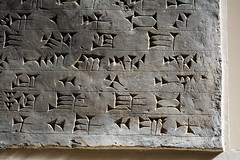
7156182508CuneiformOne of the first written languages known: A system of writing in which wedge-shaped symbols represented words or syllables. It originated in Mesopotamia and was used initially for Sumerian and Akkadian but later was adapted to represent other languages of western Asia.42
7156182509Democracya political system in which the supreme power lies in a body of citizens who can elect people to represent them43
7156182510Eight Fold PathEight steps to end suffering and attain enlightenment according to Buddhist tradition.44
7156182511Four Noble Truthsas taught by the Buddha, the four basic beliefs that form the foundation of Buddhism45
7156182512Gothic MigrationsThe Migration period, also called the Barbarian Invasions or German: Völkerwanderung (wandering of the peoples), was a period of human migration that occurred roughly between the years 300 to 700 CE in Europe, marking the transition from Late Antiquity to the Early Middle Ages. These movements were catalyzed by profound changes within both the Roman Empire and the so-called 'barbarian frontier'. Migrating peoples during this period included the Goths, Vandals, Bulgars, Alans, Suebi, Frisians, and Franks, among other Germanic and Slavic tribes.46
7156182513Great Walla fortification 1,500 miles long built across northern China in the 3rd century BC47
7156182514Han Dynastyimperial dynasty that ruled China (most of the time from 206 BC to AD 220) and expanded its boundaries and developed its bureaucracy48
7156182515HellenismThe ideals and principles that spread from Greece through much of the ancient world. Much of its influence such as philosophy, athletics, and architecture penetrated the Middle East.49
7156182516The HunsFierce warriors from Central Asia- First invaded southeastern Europe and then launched raids on nearby kingdoms50
7156182517Indian Ocean Tradeconnected to Europe, Africa, and China.; worlds richest maritime trading network and an area of rapid Muslim expansion.51
7156182518Iron Agethe period following the Bronze Age; characterized by rapid spread of iron tools and weapons52
7156182519Jewish DiasporaA "scattering" of the Jewish people53
7156182520LegalismIn Chinese history, Legalism was one of the main philosophic currents during the Warring States Period- A philosophy of focusing on the text of written law to the exclusion of the intent of law, elevating strict adherence to law over justice, mercy and common sense54
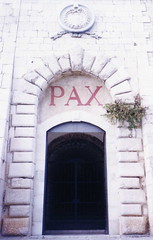
7156182521Pax RomanaA period of peace and prosperity throughout the Roman Empire, lasting from 27 B.C. to A.D. 180.55
7156182522PyramidsHuge stone tombs with four triangle-shaped walls that met in a point on top56
7156182523Roman RepublicThe period from 507 to 31 B.C.E., during which Rome was largely governed by the aristocratic Roman Senate.57
7156182524Roman Senatea council of wealthy and powerful Romans that advised the city's leaders58
7156182525Shang CivilizationChina's first dynasty almost 2000 BCE59
7156182526Shi Huang Diharsh ruler who united China for the first time and used legalism in ruling (Qin China)60
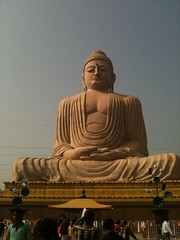
7156182527Siddhartha Gautamafounder of Buddhism; born a prince; left his father's wealth to find the cause of human suffering; also know as Buddha61
7156182528Silk Road TradeThe most famous of the trading routes established by pastoral nomads connecting the Chinese, Indian, Persian, and Mediterranean civilizations; transmitted goods and ideas among civilization.62
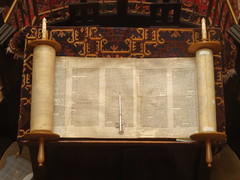
7156182529The Torahthe most sacred text of Judaism63
7156182530The Vedas of HinduismAryan hymns originally transmitted orally but written down in sacred books from the 6th century B.C.E.64
7156182531Zigguratsa temple or tomb of the ancient Assyrians, Sumerians, or Babylonians, having the form of a terraced pyramid of successively receding stories65
7156182532ChristianityMonotheistic religion born out of Judaism, preached by Jesus of Nazareth and later codified by his disciples. Persecuted by Romans early on; however, gained support under Constantine in the Rome.66
7156182533Buddhismoriginally preached by Siddhartha and codified by his disciples into the sutras. Rejected Vedic rituals and the caste system. Spread throughout SE Asia and China and split into Mahayana(Buddha as a God, local gods tacked on as Bodhisativas) and Theravada(original, strict non-theistic version).67
7156182534AsokaThird ruler of the Mauryan Empire in India (r. 270-232 B.C.E.). He converted to Buddhism and broadcast his precepts on inscribed stones and pillars, the earliest surviving Indian writing.68
7156182535HinduismTerm for a wide variety of beliefs and ritual practices that have developed in the Indian subcontinent since antiquity. It has roots in ancient Vedic, Buddhist, and south Indian religious concepts and practices.69
7156182536Trans Saharanroute across the sahara desert. Major trade route that traded for gold and salt, created caravan routes, economic benefit for controlling dessert, camels played a huge role in the trading70
7156182537MonsoonsMajor winds in the Indian Ocean that blew into India for half the year, and blew away from India for the other half. Helped facilitate trade in the Indian Ocean.71
7156182538Sumerianspeople who dominated Southern Mesopotamia through the end of the 3rd Millennium BCE. Responsible for the creation of irrigation technology, cuneiform, and religious conceptions.72
7156182539Indo-EuropeansGroups of people who came from the area north of the Caucasus mountains, which are between the Black and Caspian seas. Herded multiple animals. Rode into battle on chariots. The Indo-European language of Sanskrit, by the Aryans, are the basis of many languages today. Often accepted and adapted aspects of technology, religions, and social order of those with whom they came in contact.73
7156182540Before agriculture, men and women are believed to have a greater degree of equality. But after the rise of agriculture, most human societies became ________ as a result of greater male strength.Patriarchal74
7156182541caste systema set of rigid social categories that determined not only a person's occupation and economic potential, but also his or her position in society, there was virtually no social mobility75
7156182542Paleolithic(Old Stone Age) a long period of human development before the development of agriculture76
7156182543CarthageThis city has existed for nearly 3,000 years, developing from a Phoenician colony of the 1st millennium BC into the capital of the Carthaginian Empire. Controlled commerce in the Mediterranean prior to the rise of Roman Power. The expanding Roman Republic took control of many of its outposts after the two Punic Wars.77
7156182544HellenizationThe spread of Greek language and culture (Hellenism) throughout the Mediterranean, starting with t he conquests of Alexander the Great. Upon Alexander's death at the age of thirty-three (323 B.C.E.), his realm was divided among his leading generals. During their reigns and those of their successors, Hellenism (i.e., Greek culture) continued to flourish in major urban centers around the eastern Mediterranean (less so in rural areas). People traveling to different areas could communicate with people of other kingdoms through Greek. More than at any time in previous history, the eastern Mediterranean that emerged in Alexander's wake experienced a form of cultural unity and cosmopolitanism (a "cosmopolite" is a "citizen of the world," as opposed to a person who belongs to only one locality). The Roman Empire arose in the context of the Hellenistic world and took full advantage of its unity, promoting the use of Greek language, accepting aspects of Greek culture, and even taking over features of the Greek religion, to the point that the Greek and Roman gods came to be thought of as the same, only with different names. This complex unity achieved culturally through Hellenization and politically through the conquests of Rome is summed up by the term Greco-Roman world.78
7156182545DaoismChinese religion that believes the world is always changing and is devoid of absolute morality or meaning. They accept the world as they find it, avoid futile struggles, and deviate as little as possible from 'the way' or 'path' of nature.79

Pages

Subscribe to CourseNotes RSS

Need Help?

We hope your visit has been a productive one. If you're having any problems, or would like to give some feedback, we'd love to hear from you.

For general help, questions, and suggestions, try our dedicated support forums.

If you need to contact the Course-Notes.Org web experience team, please use our contact form.

Need Notes?

While we strive to provide the most comprehensive notes for as many high school textbooks as possible, there are certainly going to be some that we miss. Drop us a note and let us know which textbooks you need. Be sure to include which edition of the textbook you are using! If we see enough demand, we'll do whatever we can to get those notes up on the site for you!