

Ap world history chapters 18 and 19 vocab Flashcards
Terms : Hide Images
| 13519273568 | Scramble for Africa | The European's flurry of colonializations in Africa. | 0 | |
| 13519273569 | British Raj | The name for the British government's military rule of India between 1858 and 1947. | 1 | |
| 13519273570 | Leopold II | Belgian king who ruthlessly exploited the natives on his African land for personal gain. | 2 | |
| 13519273571 | New Imperialism | The late-nineteenth-century drive by European countries to create vast political empires abroad. | 3 | |
| 13519273572 | Submarine cables | underwater telegraphic cables, allowed for unprecedented international communication | 4 | |
| 13519273573 | 1869 | Suez Canal completed | 5 | |
| 13519273574 | Sepoy Mutiny/Rebellion | an 1857 rebellion of Hindu and Muslim soldiers against the British in India | 6 | |
| 13519273575 | Berlin Conference | Meeting at which Europeans agreed on rules for colonizing Africa | 7 | |
| 13519273576 | Dynamo | A machine that generates electricity | 8 | |
| 13519273577 | Sick Man of Europe | Ottoman Empire | 9 | |
| 13519273578 | Taiping Rebellion | a mid-19th century rebellion against the Qing Dynasty in China, led by Hong Xiuquan | 10 | |
| 13519273579 | Opium War | a conflict between Britain and China, lasting from 1839 to 1842, over Britain's opium trade in China | 11 | |
| 13519273580 | Tanzimat | A set of reforms designed to remake the Ottoman Empire on a western European model | 12 | |
| 13519273581 | Treaty ports | ports that must remain open for international trade because of the signing of various treaties | 13 | |
| 13519273582 | Meiji Restoration | the modernization and industrialization of Japan in the 1800's | 14 | |
| 13519273583 | Young Turks | Young rebellious people in the Ottoman Empire who forced the Sultan to reform | 15 | |
| 13519273584 | Extraterritoriality | Right of foreigners to be protected by the laws of their own nation. | 16 | |
| 13519273585 | 1853 | Commodore Perry opens Japan | 17 | |
| 13519273586 | Matthew Perry | commodore of the US Navy who opened up Japan with the Treaty of Kanagawa | 18 | |
| 13519273587 | Treaty of nanking | a treaty with Britain and China that gave Hong Kong to Britain and opened 4 cities for trade | 19 | |
| 13519273588 | Russo-Japanese War | War between Russia and Japan; Japan wins and takes parts of Manchuria under its control. | 20 | |
| 13519273589 | Self-Strengthening Movement | A late nineteenth century movement in which the Chinese modernized their army and encouraged Western investment in factories and railways | 21 |
Period 4 - AP World History Flashcards
Hello, welcome to the ultimate study guide for the AP World History exam. Have fun, and good luck. This is basically a compilation of every notecard term in the unit.
Terms : Hide Images
| 13535680684 | Early Modern Period | the time period of 1450 - 1750 (it is called this because events occurring in this time directly shape regional/political units of todays world) | 0 | |
| 13535680685 | Catholic Reformation | the church's actions to revive their reputation and membership roles in 1545 (regained control of most of southern Europe, Austria, Poland, and much of Hungary) | 1 | |
| 13535680686 | Jesuits | a religious order converting people to return to the church (went to Asia + Americas in 1500's) | 2 | |
| 13535680687 | Thirty Years War | War within the Holy Roman Empire between German Protestants and their allies (Sweden, Denmark, France) and the emperor and his ally, Spain; ended in 1648 after great destruction with Treaty of Westphalia | 3 | |
| 13535680688 | English Civil War | This was the revolution as a result of whether the sovereignty would remain with the king or with the Parliament. Eventually, the kingship was abolished. | 4 | |
| 13535680689 | Scientific Revolution | a new vision of science developed during the renaissance in the 17th + 18th century | 5 | |
| 13535680690 | Scholasticism | Scholars based their inquiry on the principles established by the church, which sometimes resulted in clases between science and religion | 6 | |
| 13535680691 | Humanism | interest in the capabilities and accomplishments of individuals | 7 | |
| 13535680692 | Patrons | supporters of the arts, with payment and such, they found talented artists, often when they were young | 8 | |
| 13535680693 | Medici | was a powerful family of Florence in the mid to late 1400s that sponsored artists as a rich merchant family |  | 9 |
| 13535680694 | Johan Gutenberg | a German goldsmith and printer, who created the printing press, in 1454 |  | 10 |
| 13535680695 | Nicolo Machiavelli | a Renaissance writer who wrote, "The Prince" which was a famous philosophical view of the ideal political leader in the 16th century, in Italian city states | 11 | |
| 13535680696 | Protestant Reformation | a religious movement of the 16th century that began as an attempt to reform the Roman Catholic Church and resulted in the creation of Protestant churches |  | 12 |
| 13535680697 | Indulgences | The Catholic Church's grants of salvation for money in the 1500s, and was part of the growing corruption of the church. |  | 13 |
| 13535680698 | John Calvin | A protestant who established a variation of his beliefs on a stern and vengeful God. |  | 14 |
| 13535680699 | Anglican Church | A form of Christianity established by Henry VIII that was not decided on the grounds of religious belief, but because the pope would not allow him to divorce his wife. |  | 15 |
| 13535680700 | Martin Luther | a German monk who wrote the 95 theses in 1517, which were 95 propositions that criticized the Catholic Church |  | 16 |
| 13535680702 | Deism | God built the universe and let it run. Clockmaker theory. |  | 17 |
| 13535680705 | Renaissance | A heightened intellectual and artistic advance from about 1450s, that changed Europe forever |  | 18 |
| 13535680706 | Adam Smith | He analyzed the natural law of supply and demand that governed economies in his classic book, "The Wealth of Nations" | 19 | |
| 13535680707 | New Monarchies | Monarchies that emerged that differed from their medieval predecessors in having greater centralization of power, more regional boundaries, and stronger representative institutions | 20 | |
| 13535680708 | Constitutional Monarchy | States where rulers shared power with a parliament, a body of representatives selected by the nobility and urban citizens | 21 | |
| 13535680709 | Gentry | the most powerful members of a society, and landowners that affected the style of the old aristocracy |  | 22 |
| 13535680710 | Enlightenment | the emphasis on human abilities and accomplishments and the importance of independent and rational thought | 23 | |
| 13535680711 | John Locke | sought to understand the impact of the "laws of nature" on human liberties | 24 | |
| 13535680712 | Thomas Hobbes | English materialist and political philosopher who advocated absolute sovereignty as the only kind of government that could resolve problems caused by the selfishness of human beings (1588-1679) | 25 | |
| 13535680713 | Voltaire | wrote witty criticisms of the French monarchy and the Roman Catholic Church. He believed both institutions to be despotic and intolerant, limiting freedoms | 26 | |
| 13535680714 | Hapsburg | A powerful family with land claims all over Europe from Spain to Italy to the Netherlands to Hungary, as all the Holy Roman Emperor's had been Hapsburg since 1273 |  | 27 |
| 13535680715 | Holy Roman Empire | a place/time where religion remained very important, and religious issues continued to fragment, and strong kings emerged in the 16th century |  | 28 |
| 13535680716 | Reconquista | the retaking of land in Iberia by Spain and Portugal in a religious crusade to expand. This conquest advanced in waves over several centuries. |  | 29 |
| 13535680718 | Divine Right | with God's blessing of the king's authority, the legitimacy of royalty across Europe was enhanced, and occurred under the reign of Louis XIV during the 17th and 18th centuries |  | 30 |
| 13535680719 | Louis XIV | Understood the importance of a "theatre state", by building a magnificent palace at Versailles, and the apex of absolutism occurred under him |  | 31 |
| 13535680721 | Capitalism | an economic system based on private ownership of property and business that provide goods to be bough and sold in a free manner | 32 | |
| 13535680722 | Mercantilism | the responsibility of government to promote the states economy to improve the revenues and limit imports to prevent profits from going to outsiders (allows industry to develop their own business) |  | 33 |
| 13535680723 | Joint-stock Companies | these companies organized commercial ventures on a large scale by allowing investors to buy and sell shares. The new capitalist system largely replaced the old guild system of the middle ages. | 34 | |
| 13535680724 | Bourgeoise | middle class; factory owners who put long hours and much of their profits into their businesses | 35 | |
| 13535680725 | Balance of Power | states forming a temporary alliance to prevent the state form being too powerful. (Russia emerged as a major power in Europe after its mediterranean armies got Sweden in the GNW) | 36 | |
| 13535680726 | Versailles | a place where Louis' palace was built symbolizing the French's triumph over the traditional rights of the nobility and clergy. This kept nobles away from plotting rebellions, and 'distracted europe'. |  | 37 |
| 13535680727 | Zheng He | led expiditions in Chinese junks across the atlantic ocean, with one goal being to assert Chinas power after the demise of the Yuan dynasty. |  | 38 |
| 13535680728 | Henry the Navigator | the third son of the portuguese king; devoted his life to navigation, creating a navigation school, which became a magnet for the cartographers of the world | 39 | |
| 13535680729 | Caravel | a new ship developed by the portuguese, which was much smaller than the junk, but size allowed for exploration of shallower coastal areas |  | 40 |
| 13535680730 | Vasco da Gama | set out to find the tip of Africa and connect it to the Indian Ocean, and discovered the fastest and safest ways to travel to Portugal |  | 41 |
| 13535680731 | Christopher Columbus | A Genoese mariner who convinced Isabella and Ferdinand to sponsor a voyage across the Atlantic after he was turned down by the Genoese and Portugal. He believed he could reach east Asia by sailing West. | 42 | |
| 13535680732 | Treaty of Tordesillas | a treaty making Spain and Portugal land claim boundary. Portugal pushes its explorations to India and beyond. |  | 43 |
| 13535680733 | Magellan | had a ship that was first to circumnavigate the glove, even though Magellan himself died in the phillipines |  | 44 |
| 13535680734 | Conquistadors | went to search for gold and convert the natives to Christianity in the interior of Mexico |  | 45 |
| 13535680735 | Cortes | sought to find the Aztec capital, and took over the Aztec land - with help of Amerindians, disease, and technology | 46 | |
| 13535680736 | Moctezuma | the Aztec emperor, who welcome the Spaniards at Tenochtitlan, seeing them as god-like. This was a mistake, as this allowed everyone to conquer him. | 47 | |
| 13535680737 | Francisco Pizzaro | led a group of soldiers to the Andes to find the Inca. The Incas were weak; Pizzaro conquered and got gold. |  | 48 |
| 13535680738 | Ethnocentrism | the term that describes the tendency of human beings to view their own culture as superior |  | 49 |
| 13535680739 | De La Casas | a conquistador priest who dedicated himself to protecting Amerindian rights |  | 50 |
| 13535680740 | Franciscans | peoples who converted new world people to christianity, and took care of the poor. | 51 | |
| 13535680741 | Encomenderos | Spanish settlers who were in charge of the natives working on the encomiendas | 52 | |
| 13535680742 | Peninsularies | a fading social class in the new world, composed of the people born in the old world | 53 | |
| 13535680743 | Mestizos | composed of European and Amerindian children, part of the castas |  | 54 |
| 13535680744 | Mulattoes | composed of European and African children, also part of the castas |  | 55 |
| 13535680746 | Bartholomew Dias | set out to find the tip of Africa and connect beyond it to the Indian Ocean, as well as discovering the fastest and safest ways back to Portugal |  | 56 |
| 13535680747 | Encomienda | the system in which conquistadors had forced natives to do work for them |  | 57 |
| 13535680748 | Creoles | composed of those born in the new world; a quickly growing class |  | 58 |
| 13535680749 | Protestant work ethic | a work ethic of the protestants that encouraged individual endeavors towards gaining wealth | 59 | |
| 13535680750 | Dutch East India Company | a joint stock company that specialized in the spice and luxury trade of the East Indies and quickly gained control of Dutch Trading in the Pacific |  | 60 |
| 13535680752 | Indentured Servitude | a system which was usually ethnically the same as a free settler, but he or she was bound by an "indenture" (contract) to work for a person for four to seven years, in exchange for payment of the new world voyage | 61 | |
| 13535680753 | Columbian exchange | the global diffusion of crops, other plants, human beings, animals, and distance that took place after the European exploring voyages of the New World |  | 62 |
| 13535680754 | Middle Passage | the first leg of the atlantic circuit, where ships took slaves to the new world |  | 63 |
| 13535680755 | Manila Galleons | ships that traveled across the pacific ocean picking up and trading goods, like Asian luxury goods, and silver |  | 64 |
| 13535680756 | Pilgrims | settled first in New England, and wanted to break away completely from the Church of England, sought to pursue spiritual ends in new lands | 65 | |
| 13535680757 | Puritans | wanted to purify Church of England, not break with it | 66 | |
| 13535680759 | African Diaspora | The spreading of Africans to many other parts of the world, especially the Americas. This is one of the most important demographic changes during 1450 - 1750 |  | 67 |
| 13535680761 | Shah Abbas I | brought the Safavids to the peak of the power, slave infantrymen |  | 68 |
| 13535680762 | Devshirme | a system that required Christian's of the area to contribute young boys to be the sultans slaves |  | 69 |
| 13535680764 | Gunpowder Empires | an age of time where almost all powerful states used guns to build control/attack (included Russia, Ming and Qing, Japan, the Ottoman Empire, the Safavid and the Mughal empire) |  | 70 |
| 13535680765 | Suleiman the Magnificent | ruled the Ottomans as the empire reached the height of its power. The Ottomans controlled much of the water traffic between the Black Sea and the Mediterranean sea |  | 71 |
| 13535680766 | Janissaries | Checked the military power of the sultan, being an elite military group |  | 72 |
| 13535680767 | Vizier | head of the imperial administration in the Ottoman empire who took care of the day to day work of the empire, aiding the Sultan | 73 | |
| 13535680768 | Safavid Empire | an empire that grew from a turkish nomadic group, that were Shi'ite muslims |  | 74 |
| 13535680769 | Imams | heirs of Muhammad according to Shi'ite muslims | 75 | |
| 13535680770 | Babur | founded the Mughal empire, claimed to be a descendant of Timur and Genghis Khan (1526) |  | 76 |
| 13535680771 | Akbar | the grandson of Babur, who brought the height of the Mughal empire. Also expanded his empire to control much of the subcontinent. | 77 | |
| 13535680772 | Taj Mahal | a building of beauty built as a tomb for Mumtaz Mahal's wife. |  | 78 |
| 13535680773 | Sati | the ritual suicide of widows by jumping into their husbands pyres, representing the low status of women | 79 | |
| 13535680774 | Mughal Empire | an empire that that was a mixture of Mongol and Turkish peoples from Central Asia, which dominated India until the early 1700s |  | 80 |
| 13535680775 | Sikhism | started by Nanuk, who became the first Guru of Sikhism. Sikhism was a following of people who formed a community free of caste divisions |  | 81 |
| 13535680776 | Ivan IV | Ivan the Terrible (his nickname) reflected problems that tsars faced as power increased |  | 82 |
| 13535680778 | Kabuki | a form of drama that consisted of several acts and separate skits with singing, dancing, and elaborate staging. (Actors became well known starts) |  | 83 |
| 13535680780 | Boyars | The nobility of the Russia feudal based economic system. They also had military responsibilities to overlords, including the tsar |  | 84 |
| 13535680782 | Peter the Great | The tsar of Russia in 1682 to 1724, who was most responsible for transforming Russia into a great world power. He understood how things worked globally, and expanded water ports |  | 85 |
| 13535680783 | St. Petersburg | The "Window to the West" established by Peter the Great, which was a capital built on the shoes of the newly accessed Baltic Sea (a port for the new navy + allowed closer access to western countries) | 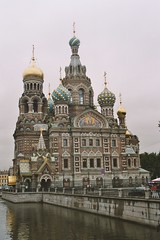 | 86 |
| 13535680784 | Table of Ranks | A system by Peter the Great that allowed officials to attain gov't posistions based on merit, not on aristocracy status (reorganization of Bureaucracy) | 87 | |
| 13535680785 | Tsar | a derivative of "Caesar", establishing a "3rd rome". This was a major propaganda for Russia | 88 | |
| 13535680786 | Daimyo | Japanese territorial lords, who held local control of areas. Some Daimyos had more influence than others, but each maintained his own governments and had his own samurai | 89 | |
| 13535680787 | Tokugawa leyasu | Founder of the Tokugawa shogunate |  | 90 |
| 13535680788 | Tokugawa Shogunate | a centralized government established in 1603 in present day Tokyo. Also called a tent government, which was temporary | 91 | |
| 13535680791 | Qing Dynasty | The name of the empire after the Ming; seized China from the emperors who could no longer defend their borders from the Manchu | 92 | |
| 13535680792 | Forbidden City | was the home of the emperor and his family, which expanded service people to 20,000; as the government returned to Beijing from Manjing |  | 93 |
| 13535680793 | Kowtow | a special, often deep bow to the Chinese emperor. In the Qing dynasty, those who came to see the emperor had to do a special bow consisting of 3 separate kneeling |  | 94 |
Flashcards
AP World History LEQ Flashcards
Terms : Hide Images
| 13333871770 | Asia Labor | A) Civil Service Exam B) More labor of Men & Women C) Agriculture D) Leaders/Military | 0 | |
| 13333871771 | Asia State | A) Tribute [Korea, Vietnam] B) Military (Civil Service) C) Metocracy D) Dynasties | 1 | |
| 13333871772 | Arab Global | A) Thrived B) Women can own property C) Literature & Learning D) Spread of Culture | 2 | |
| 13333875291 | Europe Labor | A) Labor becomes expensive B) Peasant Uprises C) Agriculture D) Military | 3 | |
| 13333875292 | Europe State | A) Gov't empires charged B) More leaders C) Social mobility D) Growth of financial institutions | 4 | |
| 13333878196 | Europe Global | A) Traded w/ others B) Short distance trade C) Spread of Religion D) Mining | 5 | |
| 13333881355 | Arab Labor | A) More workers B) Taught Certain Things C) Military D) Nomads | 6 | |
| 13333881356 | Arab State | A) Consoled Islamic State B) Standard Religon C) Polythestic D) Caliphs | 7 | |
| 13333881357 | Asia Global | A) Silk Road B) Imported many goods C) Agriculture D) Spreading Culture | 8 |
Flashcards
Flashcards
Flashcards
AP Psychology AP Review Flashcards
Terms : Hide Images
| 12178837667 | psychology | the study of behavior and mental processes | 0 | |
| 12178837668 | psychology's biggest question | Which is more important in determining behavior, nature or nurture? | 1 | |
| 12178837669 | psychology's three levels of analysis | biopsychosocial approach (looks at the biological, psychological, and social-cultural approaches together) | 2 | |
| 12178837670 | biological approach | genetics, close-relatives, body functions | 3 | |
| 12178837671 | evolutionary approach | species - helped with survival (ancestors) | 4 | |
| 12178837672 | psychodynamic approach | (Freud) subconscious, repressed feelings, unfulfilled wishes | 5 | |
| 12178837673 | behavioral approach | learning (classical and operant) observed | 6 | |
| 12178837674 | cognitive approach | thinking affects behavior | 7 | |
| 12178837675 | humanistic approach | becoming a better human (behavior, acceptance) | 8 | |
| 12178837676 | social-cultural approach | cultural, family, environment | 9 | |
| 12178837677 | two reasons of why experiments are important | hindsight bias + overconfidence | 10 | |
| 12178837678 | types of research methods | descriptive, correlational, and experimental | 11 | |
| 12178837679 | descriptive methods | case study survey naturalistic observation (DON'T SHOW CAUSE/EFFECT) | 12 | |
| 12178837680 | case study | studies one person in depth may not be typical of population | 13 | |
| 12178837681 | survey | studies lots of people not in depth | 14 | |
| 12178837682 | naturalistic observation | observe + write facts without interference | 15 | |
| 12178837683 | correlational method | shows relation, but not cause/effect scatterplots show research | 16 | |
| 12178837684 | correlation coefficient | + 1.0 (both increase) 0 (no correlation - 1.0 (one increases, other decreases) | 17 | |
| 12178837685 | experimental method | does show cause and effect | 18 | |
| 12178837686 | population | type of people who are going to be used in experiment | 19 | |
| 12178837687 | sample | actual people who will be used (randomness reduces bias) | 20 | |
| 12178837688 | random assignment | chance selection between experimental and control groups | 21 | |
| 12178837689 | control group | not receiving experimental treatment receives placebo | 22 | |
| 12178837690 | experimental group | receiving treatment/drug | 23 | |
| 12178837691 | independent variable | drug/procedure/treatment | 24 | |
| 12178837692 | dependent variable | outcome of using the drug/treatment | 25 | |
| 12178837693 | confounding variable | can affect dependent variable beyond experiment's control | 26 | |
| 12178837694 | scientific method | theory hypothesis operational definition revision | 27 | |
| 12178837695 | theory | general idea being tested | 28 | |
| 12178837696 | hypothesis | measurable/specific | 29 | |
| 12178837697 | operational definition | procedures that explain components | 30 | |
| 12178837698 | mode | appears the most | 31 | |
| 12178837699 | mean | average | 32 | |
| 12178837700 | median | middle | 33 | |
| 12178837701 | range | highest - lowest | 34 | |
| 12178837702 | standard deviation | how scores vary around the mean | 35 | |
| 12178837703 | central tendency | single score that represents the whole | 36 | |
| 12178837704 | bell curve | (natural curve) |  | 37 |
| 12178837705 | ethics of testing on animals | need to be treated humanly basically similar to humans | 38 | |
| 12178837706 | ethics of testing on humans | consent debriefing no unnecessary discomfort/pain confidentiality | 39 | |
| 12178837707 | sensory neurons | travel from sensory receptors to brain | 40 | |
| 12178837708 | motor neurons | travel from brain to "motor" workings | 41 | |
| 12178837709 | interneurons | (in brain and spinal cord) connecting motor and sensory neurons | 42 | |
| 12178837902 | neuron |  | 43 | |
| 12178837710 | dendrites | receive messages from other neurons | 44 | |
| 12178837711 | myelin sheath | protects the axon | 45 | |
| 12178837712 | axon | where charges travel from cell body to axon terminal | 46 | |
| 12178837713 | neurotransmitters | chemical messengers | 47 | |
| 12178837714 | reuptake | extra neurotransmitters are taken back | 48 | |
| 12178837715 | excitatory charge | "Let's do it!" | 49 | |
| 12178837716 | inhibitory charge | "Let's not do it!" | 50 | |
| 12178837717 | central nervous system | brain and spinal cord | 51 | |
| 12178837718 | peripheral nervous system | somatic nervous system autonomic nervous system | 52 | |
| 12178837719 | somatic nervous system | voluntary movements | 53 | |
| 12178837720 | autonomic nervous system | involuntary movements (sympathetic and parasympathetic nervous systems) | 54 | |
| 12178837721 | sympathetic nervous system | arousing | 55 | |
| 12178837722 | parasympathetic nervous system | calming | 56 | |
| 12178837723 | neural networks | more connections form with greater use others fall away if not used | 57 | |
| 12178837724 | spinal cord | expressway of information bypasses brain when reflexes involved | 58 | |
| 12178837725 | endocrine system | slow uses hormones in the blood system | 59 | |
| 12178837726 | master gland | pituitary gland | 60 | |
| 12178837727 | brainstem | extension of the spinal cord responsible for automatic survival | 61 | |
| 12178837728 | reticular formation (if stimulated) | sleeping subject wakes up | 62 | |
| 12178837729 | reticular formation (if damaged) | coma | 63 | |
| 12178837730 | brainstem (if severed) | still move (without purpose) | 64 | |
| 12178837731 | thalamus | sensory switchboard (does not process smell) | 65 | |
| 12178837732 | hypothalamus | basic behaviors (hunger, thirst, sex, blood chemistry) | 66 | |
| 12178837733 | cerebellum | nonverbal memory, judge time, balance emotions, coordinate movements | 67 | |
| 12178837734 | cerebellum (if damaged) | difficulty walking and coordinating | 68 | |
| 12178837735 | amygdala | aggression, fear, and memory associated with these emotions | 69 | |
| 12178837736 | amygdala (if lesioned) | subject is mellow | 70 | |
| 12178837737 | amygdala (if stimulated) | aggressive | 71 | |
| 12178837738 | hippocampus | process new memory | 72 | |
| 12178837739 | cerebrum | two large hemispheres perceiving, thinking, and processing | 73 | |
| 12178837740 | cerebral cortex | only in higher life forms | 74 | |
| 12178837741 | association areas | integrate and interpret information | 75 | |
| 12178837742 | glial cells | provide nutrients to myelin sheath marks intelligence higher proportion of glial cells to neurons | 76 | |
| 12178837743 | frontal lobe | judgement, personality, processing (Phineas Gage accident) | 77 | |
| 12178837744 | parietal lobe | math and spatial reasoning | 78 | |
| 12178837745 | temporal lobe | audition and recognizing faces | 79 | |
| 12178837746 | occipital lobe | vision | 80 | |
| 12178837747 | corpus callosum | split in the brain to stop hyper-communication (eliminate epileptic seizures) | 81 | |
| 12178837748 | Wernicke's area | interprets auditory and hearing | 82 | |
| 12178837749 | Broca's area | speaking words | 83 | |
| 12178837750 | plasticity | ability to adapt if damaged | 84 | |
| 12178837751 | sensation | what our senses tell us | 85 | |
| 12178837752 | bottom-up processing | senses to brain | 86 | |
| 12178837753 | perception | what our brain tells us to do with that information | 87 | |
| 12178837754 | top-down processing | brain to senses | 88 | |
| 12178837755 | inattentional blindness | fail to "gorilla" because attention is elsewhere | 89 | |
| 12178837756 | cocktail party effect | even with tons of stimuli, we are able to pick out our name, etc. | 90 | |
| 12178837757 | change blindness | giving directions and person is changed and we don't notice | 91 | |
| 12178837758 | choice blindness | when defending the choice we make, we fail to notice choice was changed | 92 | |
| 12178837759 | absolute threshold | minimum stimulation needed in order to notice 50% of the time | 93 | |
| 12178837760 | signal detection theory | we notice what is more important to us (rather hear a baby crying) | 94 | |
| 12178837761 | JND (just noticeable difference) | (Weber's law) difference between different stimuli noticed in proportion | 95 | |
| 12178837762 | sensory adaptation | tired of noticing (Brain says, "Been there, done that. Next?" | 96 | |
| 12178837763 | rods | night time | 97 | |
| 12178837764 | cones | color | 98 | |
| 12178837765 | parallel processing | notice color, form, depth, movement, etc. | 99 | |
| 12178837766 | Young-Helmholtz trichromatic theory | 3 corresponding color receptors (RGB) | 100 | |
| 12178837767 | Hering's opponent-process theory | after image in opposite colors (RG, YB, WB) | 101 | |
| 12178837768 | trichromatic + opponent-process | Young-Helmholtz -> color stimuli Hering -> en route to cortex | 102 | |
| 12178837769 | frequency we hear most | human voice | 103 | |
| 12178837770 | Helmoltz (hearing) | we hear different pitches in different places in basilar membrane (high pitches) | 104 | |
| 12178837771 | frequency theory | impulse frequency (low pitches) | 105 | |
| 12178837772 | Helmholtz + frequency theory | middle pitches | 106 | |
| 12178837773 | Skin feels what? | warmth, cold, pressure, pain | 107 | |
| 12178837774 | gate-control theory | small fibers - pain large fibers - other senses | 108 | |
| 12178837775 | memory of pain | peaks and ends | 109 | |
| 12178837776 | smell | close to memory section (not in thalamus) | 110 | |
| 12178837777 | grouping | Gestalt make sense of pieces create a whole | 111 | |
| 12178837778 | grouping groups | proximity similarity continuity connectedness closure | 112 | |
| 12178837779 | make assumptions of placement | higher - farther smaller - farther blocking - closer, in front | 113 | |
| 12178837780 | perception = | mood + motivation | 114 | |
| 12178837781 | consciousness | awareness of ourselves and the environment | 115 | |
| 12178837782 | circadian rhythm | daily biological clock and regular cycle (sleep and awake) | 116 | |
| 12178837783 | circadian rhythm pattern | - activated by light - light sensitive retinal proteins signal brains SCN (suprachiasmatic nucleus) - pineal gland decreases melatonin | 117 | |
| 12178837784 | What messes with circadian rhythm? | artificial light | 118 | |
| 12178837785 | The whole sleep cycle lasts how long? | 90 minutes | 119 | |
| 12178837786 | sleep stages | relaxed stage (alpha waves) stage 1 (early sleep) (hallucinations) stage 2 (sleep spindles - bursts of activity) (sleep talk) stage 3 (transition phase) (delta waves) stage 4 (delta waves) (sleepwalk/talk + wet the bed) stage 5 (REM) (sensory-rich dreams) (paradoxical sleep) | 120 | |
| 12178837787 | purpose of sleep | 1. recuperation - repair neurons and allow unused neural connections to wither 2. making memories 3. body growth (children sleep more) | 121 | |
| 12178837788 | insomnia | can't sleep | 122 | |
| 12178837789 | narcolepsy | fall asleep anywhere at anytime | 123 | |
| 12178837790 | sleep apnea | stop breathing in sleep | 124 | |
| 12178837791 | night terrors | prevalent in children | 125 | |
| 12178837792 | sleepwalking/sleeptalking | hereditary - prevalent in children | 126 | |
| 12178837793 | dreaming (3) | 1. vivid bizarre intense sensory experiences 2. carry fear/survival issues - vestiges of ancestors' survival ideas 2. replay previous day's experiences/worries | 127 | |
| 12178837794 | purpose of dreaming (5 THEORIES) | 1. physiological function - develop/preserve neural pathways 2. Freud's wish-fulfillment (manifest/latent content) 3. activation synthesis - make sense of stimulation originating in brain 4. information processing 5. cognitive development - reflective of intelligence | 128 | |
| 12178837795 | 1. Can hypnosis bring you back in time? 2. Can hypnosis make you do things you wouldn't normally do? 3. Can it alleviate pain? 4. What state are you in during hypnosis? 5. Who is more susceptible? | 1. cannot take you back in time 2. cannot make you do things you won't do 3. can alleviate pain 4. fully conscious ((IMAGINATIVE PEOPLE MORE SUSCEPTIBLE)) | 129 | |
| 12178837796 | depressants | slows neural pathways | 130 | |
| 12178837797 | alcohol | ((depressant)) disrupts memory formation (REM) lowers inhibition expectancy effect | 131 | |
| 12178837798 | barbituates (tranquilizers) | ((depressant)) reduce anxiety | 132 | |
| 12178837799 | opiates | ((depressant)) pleasure reduce anxiety/pain | 133 | |
| 12178837800 | stimulants | hypes neural processing | 134 | |
| 12178837801 | methamphetamine | ((stimulant)) heightens energy euphoria affects dopamine | 135 | |
| 12178837802 | caffeine | ((stimulant)) | 136 | |
| 12178837803 | nicotine | ((stimulant)) CNS releases neurotransmitters calm anxiety reduce pain affects (nor)epinephrine and dopamine | 137 | |
| 12178837804 | cocaine | ((stimulant)) euphoria affects dopamine, serotonin, and norepinephrine | 138 | |
| 12178837805 | hallucinogen | excites neural activity | 139 | |
| 12178837806 | ecstasy | ((hallucinogen)) reuptake is blocked affects dopamine and serotonin | 140 | |
| 12178837807 | LSD | ((hallucinogen)) affects sensory/emotional "trip" (+/-) affects serotonin | 141 | |
| 12178837808 | marijuana | ((hallucinogen)) amplify sensory experience disrupts memory formation | 142 | |
| 12178837809 | learning | organism changing behavior due to experience (association of events) | 143 | |
| 12178837810 | types of learning | classical operant observational | 144 | |
| 12178837811 | famous classical psychologists | Pavlov and Watson | 145 | |
| 12178837812 | famous operant psychologist | Skinner | 146 | |
| 12178837813 | famous observational psychologists | Bandura | 147 | |
| 12178837814 | classical conditioning | outside stimulus | 148 | |
| 12178837815 | Pavlov's experiment | Step 1: US (food) -> UR (salivation) Step 2: NS (bell) -> US (food) -> UR (salivation) Later... CS (bell) -> CR (salivation) | 149 | |
| 12178837816 | Watson's experiment | white rat was given to Little Albert Step 1: US (noise) -> UR (cry) Step 2: NS (rat) -> US (noise) -> UR (cry) Later... CS (rat) -> CR (cry) | 150 | |
| 12178837817 | generalization | any small, white fluffy creature will make Albert cry now | 151 | |
| 12178837818 | discriminate | any large, white fluffy creature won't make Albert cry | 152 | |
| 12178837819 | extinction | stop "treating" with conditioned response | 153 | |
| 12178837820 | spontaneous recovery | bring stimulus back after a while | 154 | |
| 12178837821 | operant conditioning | control by organism | 155 | |
| 12178837822 | Skinner's experiment | operant chamber / Skinner box (lead to shaping) | 156 | |
| 12178837823 | shaping | get animal closer to doing what you want them to do | 157 | |
| 12178837824 | reinforcers | want to continue behavior (positive reinforcement: give money to do laundry) (negative reinforcement: do to avoid nagging) | 158 | |
| 12178837825 | punishments | want to stop behavior (positive reinforcement: smack) (negative reinforcement: take away phone) | 159 | |
| 12178837826 | fixed ratio | happens a certain number of times (Starbucks punch card) | 160 | |
| 12178837827 | variable ratio | happens an unpredictable number of times (winning the lottery) | 161 | |
| 12178837828 | organism must do these (2 times) | fixed ratio and variable ratio | 162 | |
| 12178837829 | fixed interval | happens at a certain time (mailman comes to the house at 10:00 AM) | 163 | |
| 12178837830 | variable interval | happens at any time (receive texts from friends) | 164 | |
| 12178837831 | these things happen regardless (2 times) | fixed interval and variable interval | 165 | |
| 12178837832 | Which (fixed/variable) conditions better? | variable | 166 | |
| 12178837833 | criticisms of Skinner | doesn't take into account intrinsic motivation | 167 | |
| 12178837834 | intrinsic motivation | doing something for yourself, not the reward | 168 | |
| 12178837835 | extrinsic motivation | doing something for reward | 169 | |
| 12178837836 | Skinner's legacy | use it personally, at school, and at work | 170 | |
| 12178837837 | famous observational experiment | Bandura's Bobo doll | 171 | |
| 12178837838 | famous observational psychologist | Bandura | 172 | |
| 12178837839 | mirror neurons | "feel" what is observed happens in higher order animals | 173 | |
| 12178837840 | Bobo doll experiment legacy | violent video games/movies desensitize us see good: do good see evil: do evil | 174 | |
| 12178837841 | observational learning | biological behaviors work best | 175 | |
| 12178837842 | habituation | get used to it -> stop reacting | 176 | |
| 12178837843 | examples for observational learning | lectures and reading | 177 | |
| 12178837844 | serotonin involved with memory | speeds the connection between neurons | 178 | |
| 12178837845 | LTP | ((long-term potentiation)) strengthens potential neural forming (associated with speed) | 179 | |
| 12178837846 | CREB | protein that can switch genes on/off with memory and connection of memories | 180 | |
| 12178837847 | glutamate involved with memory | neurotransmitter that enhances LTP | 181 | |
| 12178837848 | glucose involved with memory | released during strong emotions ((signaling important event to be remembered)) | 182 | |
| 12178837849 | flashbulb memory | type of memory remembered because it was an important/quick moment | 183 | |
| 12178837850 | amygdala (memory) | boosts activity of proteins in memory-forming areas to fight/flight | 184 | |
| 12178837851 | cerebellum (memory) | forms and stores implicit memories ((classical conditioning)) | 185 | |
| 12178837852 | hippocampus (memory) | active during sleep (forming memories) ((information "moves" after 48 hours)) | 186 | |
| 12178837853 | memory | learning over time contains information that can be retrieved | 187 | |
| 12178837854 | processing stages | encoding -> storage -> retrieval | 188 | |
| 12178837855 | encoding | information going in | 189 | |
| 12178837856 | storage | keeping information in | 190 | |
| 12178837857 | retrieval | taking information out | 191 | |
| 12178837858 | How long is sensory memory stored? | seconds | 192 | |
| 12178837859 | How long is short-term memory stored? | less than a minute | 193 | |
| 12178837860 | How many bits of information is stored in short-term memory? | 7 | 194 | |
| 12178837861 | How many chunks of information is stored in short-term memory? | 4 | 195 | |
| 12178837862 | How many seconds of words is stored in short-term memory? | 2 | 196 | |
| 12178837863 | short term memory goes to ______________ | working memory | 197 | |
| 12178837864 | working memory | make a connection and process information to mean something | 198 | |
| 12178837865 | working memory goes to _________________ | long-term memory | 199 | |
| 12178837866 | How much is stored in long-term memory? | LIMITLESS | 200 | |
| 12178837867 | implicit memory | naturally do | 201 | |
| 12178837868 | explicit memory | need to explain | 202 | |
| 12178837869 | automatic processing | space, time, frequency, well-learned information | 203 | |
| 12178837870 | effortful processing | processing that requires effort | 204 | |
| 12178837871 | spacing effect | spread out learning over time | 205 | |
| 12178837872 | serial position effect | primary/recency effect | 206 | |
| 12178837873 | primary effect | remember the first things in a list | 207 | |
| 12178837874 | recency effect | remember the last things in a list | 208 | |
| 12178837875 | effortful processing (4 things) | 1. recency effect 2. spacing effect 3. testing effect 4. serial position effect | 209 | |
| 12178837876 | semantic encoding (1) meaning (2) how to | make meaning out of something --- chunk, hierarchy, or connect to you | 210 | |
| 12178837877 | if we can't remember a memory... | 1. change memory to suit us 2. fill in the blanks with logical story | 211 | |
| 12178837878 | misinformation effect | not correct information | 212 | |
| 12178837879 | imagination inflation | imagine or visualize something that isn't real | 213 | |
| 12178837880 | source amnesia | what is the truth? (is it a dream, story, memory, etc.?) | 214 | |
| 12178837881 | priming | association (setting you up) | 215 | |
| 12178837882 | context | environment helps with memory | 216 | |
| 12178837883 | state-dependency | you may remember something if you go back to the state you were in (go back to high) | 217 | |
| 12178837884 | mood-congruency | emotion will bring back similar emotional memories | 218 | |
| 12178837885 | forgetting curve | forget after 5 days forget after 5 years | 219 | |
| 12178837886 | the forgetting curve was created by | Ebbinghaus | 220 | |
| 12178837887 | proactive interference | old information interferes with the new | 221 | |
| 12178837888 | retroactive interference | new information interferes with the old | 222 | |
| 12178837889 | children can't remember before age __ | 3 | 223 | |
| 12178837890 | Loftus | connected to abuse cases/childhood | 224 | |
| 12178837891 | prototypes | generalize | 225 | |
| 12178837892 | problem-solving (4) | trial + error algorithms heuristic (representative + availability) insight - "AHA!" | 226 | |
| 12178837893 | against problem-solving | fixation | 227 | |
| 12178837894 | mental set | what has worked in the past | 228 | |
| 12178837895 | functional fixedness | only way to do this is with this | 229 | |
| 12178837896 | Chomsky (nature or nurture?) | "born with language" (nature) | 230 | |
| 12178837897 | Skinner (nature or nurture?) | language is learned (nurture) | 231 | |
| 12178837898 | grammar is _________ | universal | 232 | |
| 12178837899 | phonemes | smallest sound unit | 233 | |
| 12178837900 | morphemes | smallest meaning unit | 234 |
Flashcards
Pages

Need Help?
We hope your visit has been a productive one. If you're having any problems, or would like to give some feedback, we'd love to hear from you.
For general help, questions, and suggestions, try our dedicated support forums.
If you need to contact the Course-Notes.Org web experience team, please use our contact form.
Need Notes?
While we strive to provide the most comprehensive notes for as many high school textbooks as possible, there are certainly going to be some that we miss. Drop us a note and let us know which textbooks you need. Be sure to include which edition of the textbook you are using! If we see enough demand, we'll do whatever we can to get those notes up on the site for you!
