AP Notes, Outlines, Study Guides, Vocabulary, Practice Exams and more!

AP World History Timeline Flashcards

Terms : Hide Images
9966001851Beginnings of agriculture8000 BCE0
9966001852Beginning of Bronze Age (early civilization)3000 BCE1
9966001853Hammurabi's Code18th Century BCE2
9966001854cuneiform/hieroglyphics3000 BCE3
9966001855Egyptian Empire2500-30 BCE4
9966001856Hinduism starts1700 BCE5
9966001857Early alphabetic script1500 BCE6
9966001858Iron Age1300 BCE7
9966001859Assyrian Empire10th-7th Century BCE8
9966001860Hinduism takes over India900 BCE9
9966001861Life of Buddha, Confucius, Lao Tsu (beginnings of Confucianism, Buddhism, Taoism)6th century BCE10
9966001862Greek Golden Age - philosophers5th century BCE11
9966001863Alexander the Great323 BCE12
9966001864Qin unified China221 BCE13
9966001865Silk Road emerges200s BCE14
9966001866Julius Caesar dictator46-44 BCE15
9966001867Beginnings of Christianity32 CE16
9966001868End of Pax Romana180 CE17
9966001869End of Han Dynasty220 CE18
9966001870Roman capital moved to Constantinople33319
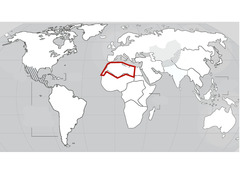
9966001871Beginning of Trans-Saharan Trade Routes4th Century20
9966001872Fall of Rome47621
9966001873Start of Middle Ages47622
9966001874Justinian rule of Byzantine Empire52723
9966001875Rise of Islam63224
9966001876Battle of Tours (end of Muslim move into France)73225
99660018771st Schism (Great Schism) in the Christian Church105426
9966001878Norman conquest of England106627
9966001879Seljuk Turks defeat Byzantine Empire107128
9966001880First Crusade109529
9966001881Manga Carta (limits king's power)121530
9966001882Mongols sack Baghdad125831
9966001883Marco Polo's travels1271-129532
9966001884Renaissance1300-160033
9966001885Mansa Musa's pilgrimage132434
9966001886Travels of Ibn Battuta1325-134935
9966001887Bubonic plague in Europe1347-134836
9966001888Silk Road not as vital due to maritime trade1400s37
9966001889Rise of the Ottomans143338
9966001890Gutenberg Press143739
9966001891Ottomans capture Constantinople145340
9966001892Dias rounded Cape of Good Hope148841
9966001893End of the Middle Ages149242
9966001894Columbus sailed the ocean blue/ Reconquista of Spain149243
9966001895Slaves to Americas150244
9966001896Martin Luther/95 theses151745
9966001897Cortes conquered the Aztecs152146
9966001898Pizzaro conquered the Incas153347
9966001899Defeat of the Spanish Armada by the British158848
9966001900Beginning of Tokugawa Shogunate160049
9966001901Foundation of Jamestown160750
996600190230 years war1618-164851
9966001903Glorious Revolution/English Bill of Rights168952
99660019047 Years War/French and Indian War1756-1763 CE53
9966001905American Revolution/Smith writes Wealth of Nations177654
9966001906French Revolution178955
9966001907Haitian Independence180456
9966001908Congress of Vienna1814-181557
9966001909Independence in Latin America1820's58
99660019101st Opium War in China183959
9966001911European revolutions/Marx & Engles write Communist Manifesto184860
9966001912Commodore Perry opens Japan185361
9966001913End of Russian serfdom/Italian unification186162
9966001914Emancipation Proclamation in US186363
9966001915German Unification187164
9966001916Berlin Conference-Division of Africa188565
9966001917Spanish American War-US acquires Philippines, Guam, & Puerto Rico189866
9966001918Boer War- British in control of South Africa189967
9966001919Russo-Japanese War190568
9966001920Mexican Revolution1910-192069
9966001921Chinese Revolution191170
9966001922World War I191471
9966001923Russian Revolution191772
9966001924Treaty of Versailles-end of WWI191973
9966001925Stock Market Crash192974
9966001926Japanese invasion of Manchuria193175
9966001927Italian invasion of Ethiopia193576
9966001928German blitzkrieg in Poland193977
9966001929Pearl Harbor, entry of US into WWII194178
9966001930End of WWII194579
9966001931Independence and partition of India194780
9966001932Birth of Israel194881
9966001933Chinese Communist Revolution194982
9966001934Korean War1950-195383
9966001935Vietnamese defeat French195484
9966001936De-Stalinization/nationalization of Suez Canal195685
9966001937Cuban Revolution195986
9966001938Cuban Missile Crisis196287
99660019396-Day War/ Chinese Cultural Revolution196788
9966001940Yom Kippur War197389
9966001941Iranian Revolution197990
99660019421st Palestinian Intifada198791
9966001943Tiananmen Square/Fall of Berlin Wall198992
9966001944Apartheid ends199193
9966001945Fall of USSR/1st Gulf War199194
9966001946Genocide in Rwanda/1st all-race elections in South America199495
99660019479/11 Attacks200196

AP World History: Packet B, Module 5 Flashcards

Terms : Hide Images
10871462666(I) MesopotamiaA region between the Tigris and Euphrates rivers that developed the first urban societies -In the Bronze Age this area included Sumer and the Akkadian, Babylonian and Assyrian empires -In the Iron Age, it was ruled by the Neo-Assyrian and Neo-Babylonian empires0
10871462667(I) Fertile CrescentThe Tigris and Euphrates Rivers gave life to the first known agricultural villages in this area about 10,000 years ago and the first known cities about 5,000 years ago -Includes Mesopotamia, Palestine, and the Nile1
10871462668(I) CataractParts of the Nile that are not navigable due to waterfalls and rapids2
10871462669(I) PapyrusA reed that grows along the banks of the Nile River in Egypt -From it was produced a coarse, paper-like writing medium used by the Egyptians and many other peoples in the ancient Mediterranean and Middle East3
10871462670(I) LevantA region on the eastern coast of the Mediterranean Sea north of the Arabian Peninsula and south of Turkey, usually including the area of Israel, Jordan, Lebanon, Palestine, and Syria4
10871462671(I) CreteIsland that was home to the first European civilization to have complex political and social structures and advanced technologies like those found in western Asia and northeastern Africa5
10871462672(I) Yellow (Huang He) RiverCradle of Chinese civilization, country's second longest river6
10871462673(I) Yangtze (Chian Jang) RiverLongest river in China + Asia7
10871462674(I) LoessA fine, light silt deposited by wind and water -Constitutes the fertile soil of the Yellow River Valley in northern China8
10871462675(I) MesoamericaRegion of great geographic and climatic diversity, extremely active geologically9
10871462676(I) LlamaA hoofed animal indigenous to the Andes Mountains in South America -Only domesticated beast of burden in the Americas before the arrival of Europeans -Provided meat and wool -Use of llamas to transport goods made possible specialized production and trade among people living in different ecological zones and fostered the integration of these zones by Chavín and later Andean states10
10871462677(C) ScribesIn the governments of many ancient societies, a professional position reserved for men who had undergone the lengthy training required to be able to read and write using cuneiform, hieroglyphics, or other early, cumbersome writing systems11
10871462678(C) AnthropomorphicLike humans in form and conduct12
10871462679(C) ZigguratA massive pyramidal stepped tower made of mud bricks -Associated with religious complexes in ancient Mesopotamian cities, but its function is unknown13
10871462680(C) AmuletSmall charm meant to protect the bearer from evil -Found frequently in archaeological excavations in Mesopotamia and Egypt, amulets reflect the religious practices of the common people14
10871462681(C) MetallurgyMesopotamians refined ores containing copper and alloying them with arsenic or tin to make bronze15
10871462682(C) BronzeAlloy of copper with a small amount of tin (or sometimes arsenic) -Harder and more durable than copper alone -Bronze Age: when bronze was the primary metal for tools and weapons16
10871462683(C) Ma'atEgyptian term for the concept of divinely created and maintained order in the universe -The divine ruler was the earthly guarantor of this order17
10871462684(C) PyramidA large, triangular stone monument, used in Egypt and Nubia as a burial place for the king -The largest pyramids, erected during the Old Kingdom near Memphis, reflect the Egyptian belief that the proper and spectacular burial of the divine ruler would guarantee the continued prosperity of the land18
10871462685(C) Osiris, Isis, HorusOsiris: god who once ruled Egypt, slain by jealous brother Seth Isis: Osiris's devoted sister and wife who reconstructed Osiris who became the king of the Underworld Horus: Osiris's son, took revenge on Seth19
10871462686(C) Mummification/MummyBody preserved by chemical processes or special natural circumstances, often in the belief that the deceased will need it again in the afterlife20
10871462687(C) ShawabtisSmall figures that play the part of servants and take the place of the deceased in case the afterlife required periodic compulsory labor21
10871462688(C) Iron AgeHistorians' term for the period during which iron was the primary metal for tools and weapons -The advent of iron technology began at different times in different parts of the world22
10871462689(C) Shaft GravesBurial sites of elite members of Mycenaean Greek society in the mid-second millennium B.C.E -At the bottom of deep shafts lined with stone slabs, the bodies were laid out along with gold and bronze jewelry, implements, weapons, and masks23
10871462690(C) Homer/'Iliad'Homer: author of the 'Iliad' 'Iliad': Homer's tale of the Achaean's ten-year siege and eventual destruction of Troy (city on the fringes of Hittite territory controlling the sea route between the Mediterranean and Black Seas)24
10871462691(C) Library of AshurbanipalA large collection of writings drawn from the ancient literary, religious, and scientific traditions of Mesopotamia -Was assembled by the seventh-century B.C.E. Assyrian ruler Ashurbanipal -The many tablets unearthed by archaeologists constitute one of the most important sources of present-day knowledge of the long literary tradition of Mesopotamia25
10871462692(C) Oracle BonesShoulder bones of cattle and bottom shells of turtles employed by Shang rulers to obtain information from ancestral spirits and gods26
10871462693(C) 'Book of Songs'Provides glimpses into lives, activities, and feelings of a diverse cross-section of early Chinese people of different classes and regions27
10871462694(P) SumeriansThe people who dominated southern Mesopotamia through the end of the third millennium B.C.E.28
10871462695(P) SemiticFamily of languages long spoken across parts of western Asia and northern Africa -In antiquity these languages included Hebrew, Aramaic, and Phoenician -Most widespread modern member of the Semitic family is Arabic29
10871462696(P) City-StateSmall independent state consisting of an urban center and the surrounding agricultural territory -A characteristic political form in early Mesopotamia, Archaic and Classical Greece, Phoenicia, and early Italy30
10871462697(P) Lugal"Big man", king, emerged in third millennium B.C.E., leads armies in time of war, extended authority in peacetime, assumed key judicial and ritual functions31
10871462698(P) SargonRuler of the city of Akkad around 2350 B.C.E., first to unite many cities under one king and capital32
10871462699(P) AkkadiansLived in Akkad, city located along western bank of the Euphrates River, first ancient Semitic-speaking empire of Mesopotamia33
10871462700(P) AmoritesAncient Semitic-speaking nomads from Syria, founded a new city at Babylon after fall of Third Dynasty of Ur34
10871462701(P) BabylonThe largest and most important city in Mesopotamia -Achieved particular eminence as the capital of the Amorite king Hammurabi in the eighteenth century B.C.E.35
10871462702(P) HammurabiAmorite ruler of Babylon (r. 1792-1750 B.C.E.) -Conquered many city-states in southern and northern Mesopotamia and is best known for a code of laws, inscribed on a black stone pillar, illustrating the principles to be used in legal cases36
10871462703(P) Code of HammurabiInscribed on a polished black stone pillar, provided judges with a lengthy set of examples illustrating principles to use in deciding cases -Many offenses were met with severe physical punishments and, not infrequently, the death penalty37
10871462704(P) King MenesRuler from the south who unified Upper and Lower Egypt -Founder of the First Dynasty38
10871462705(P) Old Kingdom'Age of the Pyramids', 3rd millenium BC, Egypt attained its first continuous peak of civilization39
10871462706(P) Middle Kingdom'Period of Reunification' or 'Golden Age', ancient Egypt's Classical Age where culture produced some of its greatest art and literature works -Period of economic, social, and political stability40
10871462707(P) New Kingdom'Egyptian Empire', Egypt's most prosperous time -Period in ancient Egyptian history between the 16th century BC and the 11th century BC, covering the Eighteenth, Nineteenth, and Twentieth Dynasties of Egypt41
10871462708(P) Intermediate PeriodsTimes of political fragmentation and cultural decline that separated the "Kingdoms"42
10871462709(P) PharaohThe central figure in the ancient Egyptian state -Believed to be an earthly manifestation of the gods, he used his absolute power to maintain the safety and prosperity of Egypt43
10871462710(P) MemphisThe capital of Old Kingdom Egypt, near the head of the Nile Delta -Early rulers were interred in the nearby pyramids44
10871462711(P) ThebesCapital city of Egypt and home of the ruling dynasties during the Middle and New Kingdoms -Monarchs were buried across the river in the Valley of the Kings45
10871462712(P) Djoser, Khufu, KhafreDjoser: Third Dynasty King, constructed stepped pyramid at Saqqara around 2630 B.C.E. Khufu and Khafre: pharaohs that erected huge pyramids at Giza, several miles north of Saqqara between 2550 and 2490 B.C.E.46
10871462713(P) NubiaHad rich sources of gold, home to some of Africa's earliest kingdoms -Ancient region in northeastern Africa47
10871462714(P) HarappaSite of one of the great cities of the Indus Valley civilization of the third millennium B.C.E. -Was located on the northwest frontier of the zone of cultivation (in modern Pakistan)48
10871462715(P) Mohenjo-DaroLargest of the cities of the Indus Valley civilization, centrally located in the extensive floodplain of the Indus River in contemporary Pakistan49
10871462716(P) KassitesOriginated as tribal groups in Zagros Mountains and migrated into southern Mesopotamia, controlled Babylonia after the fall of the Old Babylonian Empire50
10871462717(P) AssyriansSemitic people living in the northern reaches of Mesopotamia, traded ambitiously and pursued economic interests51
10871462718(P) HittitesA people from central Anatolia who established an empire in Anatolia and Syria in the Late Bronze Age -With wealth from the trade in metals and military power based on chariot forces, the Hittites vied with New Kingdom Egypt for control of Syria-Palestine before falling to unidentified attackers ca. 1200 B.C.E.52
10871462719(P) Hyksos"Princes of Foreign Lands", possessed advantageous military technology (war chariot and composite bow), interacted with Egyptian culture -Semitic people that migrated from Syria-Palestine region into eastern Nile Delta53
10871462720(P) HatshepsutQueen of Egypt (r. 1473-1458 B.C.E.) -She dispatched a naval expedition to Punt (possibly northeast Sudan or Eritrea), the faraway source of myrrh -Evidence of opposition to a woman as ruler, and after her death her name and image were frequently defaced54
10871462721(P) AkhenatenEgyptian pharaoh (r. 1353-1335 B.C.E.) -Built a new capital at Amarna, fostered a new style of naturalistic art, and created a religious revolution by imposing worship of the sun-disk55
10871462722(P) AtenDisk of the sun, worshipped by Amenhotep/Akhenaten56
10871462723(P) Amon (Amon-Re)Chief god57
10871462724(P) NefertitiWife of Akhenaten58
10871462725(P) TutankhamunBoy-king, (r. 1333-1323 b.c.e.), famous solely because his was the only royal tomb found by archaeologists that had not been pillaged by robbers, reveals both in his name (meaning "beautiful in life is Amon") and in his insignificant reign the ultimate failure of Akhenaten's revolution59
10871462726(P) Ramesses IIA long-lived ruler of New Kingdom Egypt (r. 1290-1224 B.C.E.) -Reached an accommodation with the Hittites of Anatolia after a standoff in battle at Kadesh in Syria -Built on a grand scale throughout Egypt60
10871462727(P) MinoanProsperous civilization on the Aegean island of Crete in the second millennium B.C.E. -Minoans engaged in far-flung commerce around the Mediterranean and exerted powerful cultural influences on the early Greeks61
10871462728(P) MycenaeSite of a fortified palace complex in southern Greece that controlled a Late Bronze Age kingdom -In Homer's epic poems, Mycenae was the base of King Agamemnon, who commanded the Greeks besieging Troy -Contemporary archaeologists call the complex Greek society of the second millennium B.C.E. "Mycenaean"62
10871462729(P) Neo-Assyrian EmpireAn empire extending from western Iran to Syria-Palestine, conquered by the Assyrians of northern Mesopotamia between the tenth and seventh centuries B.C.E. -Used force and terror and exploited the wealth and labor of their subjects -Also preserved and continued the cultural and scientific developments of Mesopotamian civilization63
10871462730(P) Mass DeportationForcible removal and relocation of large numbers of people or entire populations -Practiced by Assyrian and Persian Empires, meant as warning of consequences of rebellion -Also brought skilled and unskilled labor to imperial center64
10871462731(P) NinevehOldest and most-populous city (capital) of ancient Assyrian empire65
10871462732(P) ChaldaeanNeo-Babylonian Dynasty, revived Babylonia, took over much of territory of Assyrian Empire and fostered a cultural renaissance66
10871462733(P) MedesOf NW Iran, took over Assyrian homeland and northern plain as far as eastern Anatolia67
10871462734(P) Neo-Babylonian KingdomUnder the Chaldaeans (nomadic kinship groups that settled in southern Mesopotamia in the early first millennium B.C.E.), Babylon again became a major political and cultural center in the seventh and sixth centuries B.C.E. -After participating in the destruction of Assyrian power, the monarchs Nabopolassar and Nebuchadnezzar took over the southern portion of the Assyrian domains68
10871462735(P) Xia DynastyFirst dynasty in traditional Chinese history, first to adhere to policy of dynastic succession69
10871462736(P) Shang DynastyShang: the dominant people in the earliest Chinese dynasty for which we have written records (ca. 1766-1045 B.C.E.)70
10871462737(P) AnyangWhere most tombs of Shang royal and elite families (contains large quantities of valuable objects and musical instruments) were excavated71
10871462738(P) Zhou DynastyDynasty that took over the dominant position in north China from the Shang and created the concept of the Mandate of Heaven to justify their rule -The Zhou era, particularly the vigorous early period (1045-771 B.C.E.), was remembered in Chinese tradition as a time of prosperity and benevolent rule72
10871462739(P) Mandate of HeavenChinese religious and political ideology developed by the Zhou, according to which it was the prerogative of Heaven, the chief deity, to grant power to the ruler of China and to take away that power if the ruler failed to conduct himself justly and in the best interests of his subjects73
10871462740(P) WuKing that distributed territories to relatives and allies, which they were to administer and profit from so long as they remained loyal to them -Regional rulers gave parts of their holdings to supporters, created feudal system74
10871462741(P) Spring and Autumn PeriodFirst part of the Eastern and Zhou era, states were frequently at odds with each other, warfare was persistent75
10871462742(P) Sunzi/'Art of War'Approaches war as a chess game in which the successful general employs deception, intuits the energy potential inherent in the landscape, and psychologically manipulates both friend and foe -The best victories are achieved without fighting so that one can incorporate the unimpaired resources of the other side76
10871462743(P) Warring States PeriodSecond half of the Eastern Zhou era because scale and intensity of rivalry and warfare between states accelerated77
10871462744(P) Qin DynastyFirst imperial dynasty of ancient China78
10871462745(P) LegalismSchool of thought in Chinese philosophy, emphasizes need for order above all other human concerns79
10871462746(P) OlmecThe first Mesoamerican civilization -Between ca. 1200 and 400 B.C.E., the Olmec people of central Mexico created a vibrant civilization that included intensive agriculture, wide-ranging trade, ceremonial centers, and monumental construction -The Olmec had great cultural influence on later Mesoamerican societies, passing on artistic styles, religious imagery, sophisticated astronomical observation for the construction of calendars, and a ritual ball game80
10871462747(P) San Lorenzo/La VentaSan Lorenzo: largest and most important Olmec center, projected political and military power La Venta: became preeminent Olmec venter when San Lorenzo was abandoned or destroyed81
10871462748(P) Early Horizon PeriodPeriod 900 B.C.E. to 200 C.E. in Andean history82
10871462749(P) ChavínThe first major urban civilization in South America (900-250 B.C.E.) -Capital, Chavín de Huántar, was located high in the Andes Mountains of Peru -Chavín became politically and economically dominant in a densely populated region that included two distinct ecological zones, the Peruvian coastal plain and the Andean foothills83
10871462750(P) Chavín de HuantarCapital city of Chavín84
10871462751(P) Indo-EuropeansFrom north of Mesopotamia, migrated south into Western Asia and Indus Valley, massive migration that threatened all early civilizations except for China85
10871462752(P) Aryan MigrationsAryans from the north spilled into Indus Valley and took control of Indus River Valley civilization (which disappeared)86
10871462753(P) PhoeniciansBy ~2000 B.C.E., small group of seafaring people from coastal area of eastern Mediterranean Sea had set up colonies in North Africa and southern Europe -Traveled widely over entire Mediterranean area -Spread maritime skills and set basis for alphabets in Greece, Rome, and many modern languages87
10871462754(P) IsraelitesOriginated ~2000 B.C.E. in Mesopotamian city of Ur with founder of religion, Abraham -Were monotheistic, which was distinctly different from other people of area -Migrated to Egypt to escape drought, became slaves, then returned to Canaan under king Moses88
10871462755(P) AryansHerding peoples that originated in Caucasus area, began migrating in many directions ~mid 2nd millennium B.C.E. -Invaded Indian subcontinent, decimating Indus Valley -Remained nomadic until settling in Ganges area as agriculturalists (pushed caste system)89
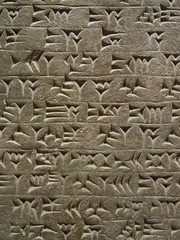
10871462756(E) CuneiformA system of writing in which wedge-shaped symbols represented words or syllables -Originated in Mesopotamia and was used initially for Sumerian and Akkadian but later was adapted to represent other languages of western Asia -Literacy was confined to a relatively small group of administrators and scribes90
10871462757(E) HieroglyphicsA system of writing in which pictorial symbols represented sounds, syllables, or concepts -Was used for official and monumental inscriptions in ancient Egypt -Because of the long period of study required to master this system, literacy in hieroglyphics was confined to a relatively small group of scribes and administrators91
10871462758(E) Linear BA set of syllabic symbols, derived from the writing system of Minoan Crete, used in the Mycenaean palaces of the Late Bronze Age to write an early form of Greek -Was used primarily for palace records, and the surviving Linear B tablets provide substantial information about the economic organization of Mycenaean society and tantalizing clues about political, social, and religious institutions92
10871462759(S) Three Classes of Babylonia1) Free, landowning class, largely living in the cities, which included royalty, high-ranking officials, warriors, priests, merchants, and some artisans and shopkeepers (2) Dependent farmers and artisans, whose legal attachment to royal, temple, or private estates made them the primary rural work force (3) Slaves, primarily employed in domestic service.93
10871462760(S) Comparing Social StructuresMesopotamia, Egypt, Indus Valley, Shang China, Meso- and South America94

AP Literature Literary Movements Flashcards

Terms : Hide Images
11222790579Angry Young Men(1950s-1980s)A group of male British writers who created visceral plays and fiction at odds with the political establishment and a self-satisfied middle class. John Osborne's play "Look Back in Anger" is one of the seminal works of this movement.0
11222828690Beat Generation (1950s-1960s)A group of American writers in the 1950s and 1960s who sought release and illumination through a bohemian counterculture of sex, drugs, and Zen Buddhism. Writers such as Jack Kerouac (On The Road) and Allen Ginsberg (Howl) gained fame by giving readings in coffeehouses, often accompanied by jazz music. ( After WW2)1
11222832550BildungsromanA literary genre that focuses on the psychological and moral growth of the protagonist from youth to adulthood. Emotional maturation.2
11222849776Black Comedy/Dark HumorDisturbing or absurd material presented in a humorous manner, usually with the intention of confronting uncomfortable truths. Joseph Heller's Catch 22 is a notable example.3
11222874545Commedia dell'arte(1500s-1700s)Improvisational comedy first developed in Renaissance Italy that involved stock characters and centered around a set scenario. The elements of farce and buffoonery in commedia dell'arte, as well as its standard characters and plot intrigues, have had a tremendous influence on Western comedy, and can still be seen in contemporary drama and television sitcoms.4
11222934425Dadaism (1916-1922)An avant-garde movement that began in response to the devastation of World War I. Based in Paris and led by the poet Tristan Tzara, the Dadaists produced nihilistic and antilogical prose, poetry, and art, and rejected the traditions, rules, and ideals of prewar Europe.5
11222952431Didactic LiteratureLiterature intended to instruct or educate. For example, Virgil's Georgics contains farming advice in verse form.6
11222968635Elizabethan PoetryThe period coinciding with the reign of England's Queen Elizabeth I(1558-1603), considered to be the literary height of the English Renaissance. Poets and dramatists drew inspiration from Italian forms and genres such as the love sonnet, the pastoral, and the allegorical epic.7
11223015085Epic PoetryLengthy narrative poetry that describes the deeds of a heroic figure, often of cultural importance, in elevated language. Beowulf or Virgil's Aeneid are famous examples.8
11223057113ExplicationA close reading of a text that identifies and explains the figurative language and forms found within the work.9
11223068564Gothic LiteratureA genre of late-18th-century literature that featured brooding, mysterious settings and plots and set the stage for what we now call "horror stories." Horace Walpole's Castle of Otranto, set inside a medieval castle, was the first major gothic novel.10
11223112345Harlem Renaissancea flowering of African-American literature,art, and music during the 1920s in NYC. W.E.B. DuBois's "The Souls of Black Folk" anticipated the movement.11
11223149091History PlaysOne of the three main genres in the Western theatre alongside tragedy and comedy, although it originated in its modern form thousands of years later than the other primary genres. For this reason, it is often treated as a subset of tragedy. A play in this genre is known as a history play and is based on a historical narrative, often set in the medieval or early modern past.12
11223206921IntertextualityThe various relationships a text may have with other texts, through allusions, borrowing of formal or thematic elements, or simply by reference to traditional literary forms. The term is important to structuralists and post-structuralists who argue that texts relate primarily to one another and not to an external reality.13
11223262699Literary Theory and CriticismInterpretive tools to help readers think more deeply and insightfully about literature.14
11223266822Lost GenerationA term used to describe the generations of writers, many that came to maturity during World War I. Notable members of this group F. Scott Fitzgerald. and artists disillusioned with the consumer culture of the 1920s.15
11223356436Magic realism (c. 1935-present)A style of writing, popularized by Jorge Luis Borges, Gabriel García Márquez, Günter Grass, and others, that combines realism with moments of dream-like fantasy within a single prose narrative. Something so moving its magical.16
11223367600MetafictionFiction that concerns the nature of fiction itself, either by reinterpreting a previous fictional work or by drawing attention to its own fictional status.17
11223373540Metaphysical PoetsA group of 17th-century poets who focused on philosophical issues. Their work combined indirect language with complex images, paradoxes, and conceits. Robert Herrick, Abraham Cowley, John Donne, and Andrew Marvel are examples. Poetic emotion in an unexpected expressed emotion/action.18
11223398884Modernism(1890s-1940s)A literary and artistic movement that provided a radical break with traditional modes of Western art, thought, religion, social conventions, and morality. Major themes of this period include the attack in notions of hierarchy; experimentation in new forms of narrative, such as a stream of consciousness; doubt about the existence of knowable, objective reality.19
11223452714Naturalism (1865-1900)A literary movement that used detailed realism to suggest that social conditions, heredity, and environment had inescapable force in shaping human character. Leading writers in the movement include Emile Zola.20
11223465887Neoclassicism (c. 1660-1798)A literary movement, inspired by the rediscovery of classical works of ancient Greece and Rome that emphasized balance, restraint, and order. Neoclassicism roughly coincided with the Enlightenment, which espoused reason over passion. Notable neoclassical writers include Edmund Burke, John Dryden, Samuel Johnson, Alexander Pope, and Jonathan Swift.21
11223470614New CriticismThis approach discourages the use of history and biography in interpreting a literary work. Instead, it encourages readers to discover the meaning of a work through a detailed analysis of the text itself.22
11223478903Pastoral PoetryA celebration of the rustic life of shepherds, usually written by a sophisticated, urban writer. Christopher Marlowe's " the Passionate Shepard to his Love" epitomizes pastoral topics.23
11223510707Postmodernism (c. 1945-present)A notoriously ambiguous term, especially as it refers to literature, postmodernism can be seen as a response to the elitism of high modernism as well as to the horrors of World War II. Postmodern literature is characterized by a disjointed, fragmented writing; a pastiche of high and low culture that reflects the absence of tradition and structure in a world driven by technology and consumerism. Morrison, Nabokov, Pynchon, Vonnegut among authors.24
11223514435Post-structuralismA movement that compromised Deconstruction and the laster works of Foucault. It criticized structuralism for its claim to scientific objectivity, including the assumption that the system of signs with which language operates is stable.25
11223561030Realism (1830-1900)A loose term that can refer to any work that aims at an honest portrayal over sensationalism, exaggeration, and melodrama. Technically, realism refers to a late-19th century literary movement-primarily French, English, and American- that aimed at the accurate detailed portrayal of ordinary, contemporary life. Many of the 19th century's greatest novelists, such as Charles Dickens as classified realists.26
11223636459Romanticism(1798-1832)A literary and artistic movement that reacted against the restraint and universalism of the Englishtenment. Celebrated spontaneity,imagination, subjectivity, and the purity of nature.27
11223687039Structuralism(1920s-1930s)An intellectual movement that read texts as an interrelated system of signs that refer to one another rather than to any external "meaning" that is fixed either by the author or reader.28
11223730305SurrealismAn avant-garde movement, based primarily France that sought to break down the boundaries between rational and irrational, conscious and unconscious, through a variety of literary and artistic experiments.29
11223777160Symbolists (1870s-1890s)A group of French poets who reacted against realism with a poetry of suggestion based on private symbols, and experimented with new poetic forms such as free verse and the prose poem. The symbolists—Stéphane Mallarmé, Arthur Rimbaud, and Paul Verlaine are the most well known—were influenced by Charles Baudelaire. In turn, they had a seminal influence on the modernist poetry of the early 20th century.30
11223798823Theater of Absurd (1930s-1970s)Drama using row abandonment of conventional dramatic form to portray the futility of human struggle in a senseless world. Major exponents include Samual Beckett, whose work focused largely on the idea of existentialism and expressed what happens when human existence has no meaning.31
11223999191Transcendentalism (1835-1860)An American philosophical and spiritual movement, based in New England, that focused on the primacy of the individual conscience and rejected materialism in favor of closer communion with nature.32

AP World History Foundational Vocabulary- Politics Flashcards

Terms : Hide Images
10487531751administrationa team of executive branch officials0
10487532507AuthoritarianismA political system in which a small group of individuals exercises power over the state without being constitutionally responsible to the public.1
10487533434Balance of Poweran equilibrium of power sufficient to discourage or prevent one nation or party from imposing its will on or interfering with the interests of another2
10487535107Bureaucracya system of government in which most of the important decisions are made by state officials rather than by elected representatives.3
10487538328CentralizationDegree to which decision-making authority is restricted to higher levels of management in an organization.4
10487539453Cityan inhabited place of greater size, population, or importance than a town or village5
10487540143city-stateA sovereign state comprising a city and its immediate hinterland.6
10487540800Consolidationunification; process of becoming firmer or stronger; V. consolidate: merge; strengthen7
10487542341Coup d'etatA sudden overthrow of the government by a small group8
10487542342DecentralizationDegree to which decision-making authority is given to lower levels in an organization's hierarchy.9
10487543477DiplomacyThe practice of conducting negotiations between countries10
10487544362EmpireA group of states or territories controlled by one ruler11
10487544899Eunucha man who has been castrated and is incapable of reproduction12
10487545738Imperialrelating to an empire13
10487546695InfrastructureFundamental facilities and systems serving a country, city, or area, as transportation and communication systems, power plants, and schools14
10487548488institutiona long-lasting pattern of organization in a community15
10487551466juntaa military group ruling a country after seizing power16
10487553478Mobilizationthe process of assembling troops and supplies and making them ready for war17
10487554026MonarchyA government ruled by a king or queen18
10487554677RegionAn area distinguished by a unique combination of trends or features.19
10487554678Revolutiona forcible overthrow of a government or social order in favor of a new system.20
10487555603SecessionFormal withdrawal of states or regions from a nation21
10487556787StateAn area organized into a political unit and ruled by an established government with control over its internal and foreign affairs.22
10487557460Suffragethe right to vote23
10487557462TheocracyA government controlled by religious leaders24
10487559525TransregionalThe exchange of goods, services, culture, and traditions across political or geographic boundaries25
10487560010TributeMoney paid for protection26

World Regions - AP World History Flashcards

Terms : Hide Images
10563559428Americas(North, South, and Central America)0
10563560541Europe1
10563562869Africa2
10563563805Asia3
10563564953Oceania4
10563566634Central Asia5
10563568922Middle EastAlso known as Southwest Asia6
10563570896Southwest AsiaAlso known as the Middle East7
10563577048Latin America and the Caribbean8
10563578865South Asia9
10563580867Southeast Asia10
10563582713East Asia11
10563584309North America12
10563586878North Africa13
10563589637West Africa14
10563591229Central Africa15
10563592399East Africa16
10563595347South Africa17

AP World History Unit 1 Flashcards

Terms : Hide Images
11035153290Hunting and GatheringMeans of obtaining subsistence by humans before the mastery of sedentary agriculture; normally typical of tribal social organization0
11035153291NeolithicThe New Stone Age between 8000 and 5000 B.C.E.; period in which adaptation of sedentary agriculture occurred; domestication of plants and animals accomplished1
11035153292NomadsCattle- and sheep-herding societies normally found on the fringes of civilized societies; commonly referred to as "barbarian" by civilized societies2
11035153293CultureCombination of ideas, objects, and patterns of behavior that result from human social interaction3
11035153294Neolithic/Agricultural/Agrarian revolutionOccurred between 8000 and 5000 B.C.E.; transition from hunting and gathering to sedentary agriculture4
11035153295PastoralismA nomadic agricultural lifestyle based on herding domesticated animals; tended to produce independent people capable of challenging sedentary agricultural societies5
11035153296MesopotamiaLiterally "between the rivers"; the civilization that arose in the alluvial plain of the Tigris-Euphrates river valleys6
11035153297SumeriansPeople who migrated into Mesopotamia circa 4000 B.C.E.; created the first civilization within the region; organized area into city-states7
11035153298CuneiformA form of writing developed by the Sumerians using a wedge-shaped stylus and clay tablets8
11035153299City-stateA form of political organization typical of Mesopotamian civilization; consisted of agricultural hinterlands ruled by an urban-based king9
11035153300ZigguratsMassive towers usually associated with Mesopotamian temple connections10
11035153301Babylonian EmpireUnified all of Mesopotamia circa 1800 B.C.E.; collapsed due to foreign invasion circa 1600 B.C.E.11
11035153302HammurabiThe most important Babylonian ruler; responsible for codification of the law12
11035153303PharaohThe term used to denote the kings of ancient Egypt; considered a god as well as a political and military leader. The term, "great house" refers to the palace of the pharaohs13
11035153304PyramidsMonumental architecture typical of Old Kingdom Egypt; used as burial sites for pharaohs14
11035153305HieroglyphsForm of writing developed in ancient Egypt; more pictorial than Mesopotamian cuneiform15
11035153306MonotheismThe exclusive worship of one god; introduced by Jews into Middle Eastern civilization16
11035153307PhoeniciansSeafaring civilization located on the shores of the eastern Mediterranean; established colonies throughout the Mediterranean; extensive trade, communication networks, early alphabetical script17
11035153308Harappa and Mohenjo DaroMajor urban complexes of Harappan civilization; laid out on planned grid pattern18
11035153309AryansIndo-European nomadic, warlike, pastorialists who replaced Harappan civilization19
11035153310Huanghe (Yellow) River BasinSite of the development of sedentary agriculture in China20
11035153311Shang1st Chinese dynasty21
11035153312Big GeographyA term that draws attention to the global nature of world history.22
11035153313PaleolithicThe period that ended about 3,000 years after the end of the last Ice Age, it lasted until about 10,000 years ago. (Old Stone Age) The period of the Stone Age associated with the evolution of humans. It predates the Neolithic period.23
11035153314Path of migration for humans during Paleolithic eraFrom Africa to Eurasia, Australia, and the Americas24
11035153315EglitarianBelieving in the equality of all peoples25
11035153316Pastoralists were often the developers and disseminators of of ____ and ___ that transformed warfare in agrarian civilizationsnew weapons modes of transportation26
11035153317_____ developed in this period continued to have strong influences in later periodsNew religious beliefs27
11035153318Mediterranean SeaSea connecting Mesopotamia, Anatolia, and N. Africa28
11035153319PolytheismBelief in more than one god29
11035153320Nile RiverPrincipal water source of water flowing through North Africa (site of sophisticated cultural development); flooded regularly and enriched the soil in the process30
11035153321historythe study of past events and changes in the development, transmission and transformation of cultural practices31
11035153322stone agethe earliest known period of human culture, marked by the creation and use of stone tools and other nonmetallic substances32
11035153323foragersFood collectors who gather, fish, or hunt33
11035153324city-stateA sovereign state comprising a city and its immediate surrounding area34
11035153325Babylonan ancient city of Mesopotamia known for its wealth, luxury, and vice.35
11035153326HammurabiBabylonian king who codified the laws of Sumer and Mesopotamia (died 1750 BCE)36
11035153327scribea person who copies or writes out documents; often a record keeper37
11035153328cuneiformA form of writing developed by the Sumerians (Mesopotamia) using a wedge shaped stylus and clay tablets.38
11035153329bronzeA metal that is a mixture of copper and tin39
11035153330paleolithicstone age period when human used stone tools and survived by hunting and foraging40
11035153331Homo sapienshuman species derived from apes with more brain capacity for intelligence41
11035153332venus figurinespaleolithic female figurines that emphasize physical attributes associated with fecundity42
11035153333cave paintingspaleolithic cave paintings that emphasize hunting--Lascaux France is most famous43
11035153334pastoralismthe process of domestication, raising, and herding of animals44
11035153335specialization of laborpeople in civilizations could be assigned different jobs and statuses in society due to having a surplus of food45
11035153336patriarchythe idea that males have a right to rule and reign over states and families46
11035153337civilizationlarge scale communities that had certain characteristics in common such as: recordkeeping, complex institutions (government, economy, organized religion), cities, specialization of labor, long-distance trade, technology47
11035153338Euphrates and Tigristwo principle Mesopotamian rivers48
11035153339Sumerearliest Mesopotamian city state49
11035153340Babylonsecond oldest Mesopotamian city state, succeeds Sumer, most important king was Hammurabi50
11035153341Hammurabi's Codefirst law code in the world, of Babylonia, dealt with legal contracts and responsibility for wrong doing51
11035153342bronze metallurgyalloy of copper, tin, and zinc, this metal began to be produced from about 2800 BCE improved military equipment, agricultural knives, and plows52
11035153343iron metallurgya changeable metal, less hard than bronze, but more flexible, developed around 1500 BCE by the Hittites53
11035153344wheelround object used to move heavy weights and to create vehicles first in Sumer54
11035153345cuneiforma very early form of writing, from Sumer in Mesopotamia, done by pressing a cone-shaped stylus into soft clay55
11035153346Epic of Gilgameshepic Mesopotamian poem that highlights the stresses of civilization56
11035153347Egypta founding civilization along the Nile in Northeastern Africa57
11035153348HieroglyphicsEgyptian writing (pictographs & symbols representing sounds+ideas)58
11035153349Harrappa & Mohenjo DaroTwo early, very large, and complex Indus Valley city states. Little is known about these but their size and complexities imply central planning.59
11035153350Indus RiverRiver in Northern India on which the first Indian civilizations were built; flooded twice a year in a predictable manner60
11035153351VedasA belief system based on the caste system brought into India by peoples probably from the Caucasus between about 5000 and 4000 BCE61
11035153352VarnaCaste system of India: Brahmin, Khsatriya, Vaishya, Shudra--people could not move out of the caste they were born into62
11035153353Chinaearliest civilization in Asia63
11035153354Huang He and Yangzi Hetwo rivers in China that supported early civilization64
11035153355Shang DynastyThe dominant people in the earliest Chinese dynasty for which we have written records (ca. 1750-1027 B.C.E.). Ancestor worship, divination by means of oracle bones, and the use of bronze vessels for ritual purposes were major elements of this culture.65
11035153356HinduismTerm for a wide variety of beliefs and ritual practices that have developed in the Indian subcontinent since antiquity. It has roots in ancient Vedic, Buddhist, and south Indian religious concepts and practices.66
11035153357ZoroastrianismFounded by Zoroaster; taught that humans had the freedom to choose between right and wrong, and that goodness would triumph in the end. Marked by dualism between God = Good and the Evil. Influenced Christianity. Was one of the first monotheistic religions.67
11035153358JudaismMonotheistic (belief in one god), founded by Abraham, code of law found in the Torah (first 5 books of the Bible), led to the development of two other Abrahamic religions: Christianity and Islam.68
11035153359ConfucianismThe system of ethics, education, and statesmanship taught by Confucius and his disciples, stressing love for humanity, ancestor worship, reverence for parents, and harmony in thought and conduct.69
11035153360Mandate of HeavenA political theory of ancient China in which the emperor is given the power to rule by a divine sources. This tie could be severed by ineffectual rule70
11035153361Oracle bonesbones on which the ruling class in China wrote questions and had them divined by the priestly class71
11035153362Mesoamericacultural area in the Americas extending from central America to present-day Peru72
11035153363Olmecthe first major civilization in Mexico73
11035153364MayaMesoamerican civilization in and near the Yucatan Peninsula--had the first and only pre-Columbian writing system in the Americans74
11035153365ChavinMesoamerican civilization in present-day Peru that had highly developed art and architectural practices75
11035153366CarthageCity located in present-day Tunisia, founded by Phoenicians ca. 800 B.C.E. It became a major commercial center and naval power in the western Mediterranean until defeated by Rome in the third century B.C.E. (p. 107)76
11035153367irrigation systemsreplacement or supplementation of rainfall with water from another source in order to grow crops77
11035153368Indus River Valley Civilizationan ancient civilization thriving along the Indus River in what is now Pakistan and western India. This civilization is also sometimes referred to as the Harappan or Harappa-Mohenjodaro Civilization of the Indus Valley, in reference to the excavated cities of Harappa and Mohenjodaro78
11035153369Persian Warsa series of conflicts between the Greek world and the Persian Empire that started about 500 BC and lasted until 448 BC.79
11035153370Alexander the GreatUnited Ancient Greece; Hellenistic Age, conquered a large empire.80
11035153371Socrates and PlatoGreek philosopher and his student81

Pages

Subscribe to CourseNotes RSS

Need Help?

We hope your visit has been a productive one. If you're having any problems, or would like to give some feedback, we'd love to hear from you.

For general help, questions, and suggestions, try our dedicated support forums.

If you need to contact the Course-Notes.Org web experience team, please use our contact form.

Need Notes?

While we strive to provide the most comprehensive notes for as many high school textbooks as possible, there are certainly going to be some that we miss. Drop us a note and let us know which textbooks you need. Be sure to include which edition of the textbook you are using! If we see enough demand, we'll do whatever we can to get those notes up on the site for you!