AP Notes, Outlines, Study Guides, Vocabulary, Practice Exams and more!

AP Statistics Flashcards

Terms : Hide Images
10593060722populationall the cases we wish to know about0
10593061873Samplethe cases we actually examine in seeking to understand the much larger population1
10593063502variablesomething that holds the same characteristic for many cases2
10593065688categorical variablea variable that names categories (whether with words or numerals)3
10593070473quantitative dataa variable in which the numbers act as numerical values. They always have units4
10593077892independencevariables are said to be this if the conditional distribution of one variable is the same for each category of the other5
10593086370shapeto describe this part of a distribution, look for single vs. multiple modes, symmetry vs. skewness, outliers and gaps6
10593099990centerthe place in the distribution of a variable that you would point to if you wanted to attempt to summarize the entire distribution with a single number. Mean and median would show this.7
10593108145spreada numerical summary of how tightly the values are clustered around the center. IQR and standard deviation would show this8
10593113588modea hump or local high point in the shape of the distribution of a variable (uni or bi)9
10593116265uniforma distribution that's roughly flat10
10593125198symmetrica distribution is this if the two halves on either side of the center look approximately like mirror images of each other (use mean or median to determine center)11
10593127775skeweda distribution is this if one tail stretches out farther than the other (use median to determine center)12
10593134831outlierextreme value that doesn't appear to belong with the rest of the data. It is calculated as any point that is 1.5 (IQR) from either end of the box in a boxplot.13
10593137578medianmiddle value of the data14
10593138934rangedifference between highest and lowest values in data set.15
10593140636Interquartile Rangethe different between the first and third quartiles. It is usually reported along with the median16
10593148973meansumming all the data values and dividing by the count (n)17
10593154112standard deviationtells on average how far data falls from the mean. It is the square root of the variance.18
10593251042Upper fenceQ3 + 1.5 (IQR)19
10593252196Lower fenceQ1 - 1.5(IQR)20

AP List 14 Flashcards

Terms : Hide Images
9642804574Animosityhatred, antagonism0
9642804575Censuredisapproving, critical1
9642804576Dichotomya division into two parts2
9642804577Extrapolateextend, predict3
9642804578Incongruousnot fitting in, out of place4
9642804579Maladyillness5
9642804580Palpableeasily felt, easily perceived6
9642804581Pretentiouspompous, self important7
9642804582Scrutinizeexamine carefully8
9642804583Unfetterset free9

Learning (AP Psychology) Flashcards

Terms : Hide Images
8262240195LearningRelatively permanent change in an organisms behavior due to experience0
8262240196Associative LearningDefined: learn by putting together two events Example: Expect to hear thunder after viewing lightening1
8262240198Pavlov, IvanContribution: developed the theory of "classical conditioning" while working with dogs Significance: Father of Classical Conditioning2
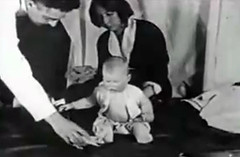
8262240199Watson, John BContribution: applies Classical Conditioning to Humans through the "Little Albert" Experiment Significance: Creates "Behaviorism" Theory3
8262240201Skinner, B.F.Contributions: Invented the Operant chamber, aka his ________ box, to use in his research of animal learning. Significance: Father & Developer of Operant Conditioing4
8262240202Bandura, AlbertContribution: Studied how children mimic others behaviors and repeat that same behavior Significance: Creates "Observational Learning" Theory5
8262240203Thorndike, EdwardContribution: studied cats in puzzle boxes and recorded their behaviors Significance: Creates "Law of Effect" theory6
8262240204Garcia, JohnContribution: Demonstrated the significance of biological processes in classical conditioning Significance: Creates "Taste Aversions" theory7
8262240206Tolman, EdwardContribution: demonstrated the significance of cognitive processes in operant conditioning by studying rats in mazes Significance: Creates the "Latent Learning" theory8
8262240207Pavlov's DogsFirst experiment that created and demonstrate the theory of classical conditioning9
8262240208Little AlbertFirst experiment to demonstrate how emotions can be classically conditioned in humans Provides a foundation for the "Behaviorism Theory"10
8262240209Classical ConditioningLearning that takes place when two or more stimuli are paired together UCS = UCR; NS + UCS = UCR; & CS = CR11
8262240210BehaviorismPsychologist: John B. Watson Defined: a theory that made psychology an objective science by making it based on observable (and only observable) events, not the unconscious or conscious mind.12
8262240211Unconditioned StimulusPart of Classical Conditioning It is the stimulus that triggers a natural reflexive response. Pavlov's Dogs: "Meat" Little Albert: "Loud noise"13
8262240212Unconditioned ResponsePart of Classical Conditioning It is the unlearned, naturally occurring response to the stimulus Pavlov's Dogs: It was the "Salivating to the Meat" Little Albert: "Screaming at the Loud Noise"14
8262240213Conditioned StimulusPart of Classical Conditioning It initially has no effect but after conditioning, it triggers a natural reflexive response. Pavlov's Dogs: It was the "Bell" Little Albert: "White Mouse"15
8262240214Conditioned ResponsePart of Classical Conditioning Occurs after conditioning when the conditioned stimulus (CS) triggers an innate response Pavlov's Dogs: It was the "Salivating to the Bell" Little Albert: "Screaming/Crying"16
8262240215Neutral Stimulusdoes not caused an unconditioned response but eventually becomes the CS17
8262240217ExtinctionClassical Conditioning: The disappearance of a behavior because CS no longer paired with the UCS Operant Conditioning: The disappearance of a behavior because it is no longer reinforced or punished18
8262240218Spontaneous RecoveryClassical Conditioning: When a previous CR returns after it has been extinguished Operant Conditioning: Occurs when a response begins again after extinction19
8262240219Stimulus GeneralizationClassical Conditioning: When the NS and the CS are different. (Example: Little Albert being afraid of any thing that is white and furry) Operant Conditioning: When a reinforced/punished behavior occurs in a setting/situation where it was NOT learned (Example: Not cursing at home or at school)20
8262240220Stimulus DiscriminationClassical Conditioning: When the NS and the CS are the same (Example: Little Albert being afraid of a white mouse) Operant Conditioning: When a reinforced/punished behavior occurs in a setting/situation where it was learned (Example: Cursing only at home because it is acceptable but not at school)21
8262240221Higher Order ConditioningWhen the first CS is paired with a second CS The second CS is presented briefly before the first CS22
8262240222Taste AversionsPsychologist: Garcia Defined: If you ingest an unusual food or drink and then become nauseous, you will probably develop an aversion to the food or drink. Significance: Violates the acquisition principles of classical conditioning23
8262240223Learned HelplessnessDefined: Exposure to inescapable and uncontrollable aversive (bad) events produces passive behavior Study: Seligman delivering shocks to dogs Example: If a student consistently fails math, they may start to give up or a sports team that consistently loses may start to belive they can't win24
8262240224Biological PreparednessDefined: humans and animals have predisposed fears that help us survive Examples; Phobia of heights keeps us away from danger25
8262240225Operant conditioningDefined: Learning is based on the association of one's behavior and its consequences. Consequences are reinforced or punished Example: You choose to break curfew based on the consequences26
8262240226Law of EffectPsychologist: Edward Thorndike Defined: if a behavior results in a satisfying consequence, it will likely be repeated whereas; if a behavior results in a unsatisfying consequence, it will NOT likely be repeated Example: If you complement your mother and she lets you stay out past curfew, you will complement her again27
8262240227Skinner BoxAlso known as: Operant Chamber Description: A chamber containing a bar or key that an animal (rat or pigeon) can manipulate in order to obtain a reward28
8262240228Positive ReinforcementPart of Operant Conditioning Adding something to increase the likelihood of a behavior occuring again Example: Receiving $5 for every "A" in high school29
8262240229Negative ReinforcementPart of Operant Conditioning Increasing the likelihood of a behavior occurring again by removing a negative stimuli Example: Taking aspirin to relieve a headache30
8262240230Primary ReinforcersReinforcers that are rewarding such as food, water, rest, whose natural properties are reinforcing.31
8262240231Secondary ReinforcersDefined: Reinforcers that are rewarding because we learned that are reinforcing. Example: praise, money, the chance to play video games.32
8262240232Immediate ReinforcerDefined: when you are immediately rewarded for a behavior (it's all about the short run) Example: skipping school and enjoying time with friends33
8262240233Delayed ReinforcerDefined: when you complete a behavior but not awarded immediately (it's all about the long run) Example: getting good grades in school and attending class in order to get a good job in the future34
8262240234Positive PunishmentPart of Operant Conditioning Adding something to decrease the likelihood of a behavior occurring again Example: Spanking and yelling35
8262240235Negative PunishmentPart of Operant Conditioning Removing something to decrease the likelihood of a behavior occurring again Example: Grounding36
8262240236Concerns regarding PunishmentIt does not teach the learner appropriate behavior and can also increase violent behavior in the learner Example: If your psychology teacher taught you everything you didn't need to know for the AP Psych Exam37
8262240238Discriminative StimulusDefined: the stimulus that elicits a response after association with reinforcement Example: Calling your friend one name but not using that same name with your parents38
8262240239Superstitious BehaviorDefined: if a random reinforcement follows an event, the event will likely be repeated. Example: a lucky shirt, shoes, etc.39
8262240240Continuous Reinforcement ScheduleDefined: When every behavior is reinforced Example: a multiple choice test Significance: best for "establishing" a behavior40
8262240241Partial Reinforcement ScheduleDefined: When a random behavior is reinforced Example: Fixed Ratio, Variable Ratio, Fixed Interval, Variable Interval Significance: best for "maintaining" a behavior41
8262240242Fixed-Ratio ScheduleDefined: schedule of reinforcement after a set number of responses. Example: Being paid for every 10 pizzas made42
8262240243Variable-Ratio ScheduleDefined: schedule of reinforcement after a varying number of responses. Example: playing a slot machine43
8262240244Fixed-Interval ScheduleDefined: schedule of reinforcement after a fixed amount of time has passed Example: cramming for an exam44
8262240245Variable-Interval ScheduleDefined: schedule of reinforcement after varying amounts of time Example: pop (surprise) quizzes in class45
8262240246Latent LearningDefined: Learning that occurs but is not apparent until there is an incentive to demonstrate it Example: Tolman's rats would only complete the maze if there was cheese for them at the end of the maze46
8262240247Cognitive MapsDefined: having the ability or know how to accomplish a particular task Example: Tolman's rats knew how to complete the maze47
8262240248Instinctive DriftDefined: when animals revert to instinctive behaviors rather than the operantly conditioned behaviors Examples: Rats will not walk backward, chickens won't hit a ball and run to first base, and pigs won't put wooden dollars into a piggy bank48
8262240249Insight LearningDefined: suddenly knowing the solution to the problem Example: When taking a test and the previous answer comes to you without effort49
8262240250Intrinsic MotivationDefined: the desire to perform a behavior effectively and for its own sake—rewards can carry hidden costs. Example: reading books because you find them rewarding50
8262240251Extrinsic MotivationDefined: the desire to perform a behavior to receive external rewards or avoid threatened punishment. Example: reading a book because you need to get a good grade in your English class51
8262240252Observational LearningDefined: learn by watching others Example: BoBo Doll Study52
8262240253BoBo Doll StudyPsychologist: Bandura Description: Children watched (through a one way glass)a confederate play with the BoBo doll and then played with the BoBo doll in the same way as the confederate Significance: used to develop "observational learning"53
8262240255DensensitizationDefined: after viewing a similar act/behavior, you become less emotionally responsive (indifferent or unaware) to the stimulus Example: The first murder on TV is shocking but becomes less shocking as you watch violent television54
8262240256Pro-Social ModelingDefined: People who show nonviolent, helpful behavior prompt similar behavior in others Significance: When parents help their grandparents, the children will likely do the same55
8262240257Anti-Social ModelingDefined: People show violent, selfish behavior prompts similar behaviors in others Significance: Watching violent TV prompts similar behaviors in others (pro-wrestling, etc.)56

Unit 5 - AP Myers Flashcards

States of Consciousness

Terms : Hide Images
6782710839consciousnessour awareness of ourselves and our environment0
6782710840circadian rhythmthe biological clock; regular bodily rhythms that occur on a 24-hour cycle1
6782710841REM sleeprapid eye moment sleep; a recurring sleep stage during which vivid dreams commonly occur. Also known as paradoxical sleep, because the muscles are relaxed (except for minor twitches) but other body systems are active2
6782710842alpha wavesthe relatively slow brain waves of a relaxed, awake state3
6782710843sleepperiodic, natural loss of consciousness - as distinct from unconsciousness resulting from a coma, general anesthesia, or hibernation4
6782710844hallucinationsfalse sensory experiences, such as seeing something in the absence of an external visual stimulus5
6782710845delta wavesthe large, slow brain waves associated with deep sleep6
6782710846NREM sleepnon-rapid eye movement sleep; encompasses all sleep stages except for REM sleep7
6782710847insomniarecurring problems in falling or staying asleep8
6782710848narcolepsya sleep disorder characterized by uncontrollable sleep attacks. The sufferer may lapse directly into REM sleep, often at inopportune times9
6782710849sleep apneaa sleep disorder characterized by temporary cessations of breathing during sleep and repeated momentary awakenings10
6782710850night terrorsa sleep disorder characterized by a high arousal and an appearance of being terrified; unlike nightmares, night terrors occur during Stage 4 sleep, within two or three hours of falling asleep, and are seldom remembered11
6782710851dreama sequence of images, emotions, and thoughts passing through a sleeping person's mind. Dreams are notable for their hallucinatory imagery, discontinuities, and incongruities, and for the dreamer's delusional acceptance of the content and later difficulties remembering it12
6782710852manifest contentaccording to Freud, the remembered story line of a dream (as distinct from its latent, or hidden, content)13
6782710853latent contentaccording to Freud, the underlying meaning of a dream (as distinct from its manifest content)14
6782710854REM reboundthe tendency for REM sleep to increase following REM sleep deprivation (created by repeated awakenings during REM sleep)15
6782710855hypnosisa social interaction in which one person suggests to another that certain perceptions, feelings thoughts or behaviors will spontaneously occur16
6782710856posthypnotic suggestionsa suggestion, made during a hypnosis session, to be carried out after the subject is no longer hypnotized; used by some clinicians to help control undesired symptoms and behaviors17
6782710857dissociationa split in consciousness, which allows some thoughts and behaviors to occur simultaneously with others18
6782710858psychoactive druga chemical substance that alters perceptions and moods19
6782710859tolerancethe diminishing effect with regular use of the same dose of a drug, requiring the user to take larger and larger doses before experiencing the drug's effect20
6782710860withdrawalthe discomfort and distress that follow discontinuing the use of an addictive drug21
6782710861physical dependencea physiological need for a drug, marked by unpleasant withdrawal symptoms when the drug is discontinued22
6782710862psychological dependencea psychological need to use a drug, such as to relieve negative emotions23
6782710863addictioncompulsive drug craving and use, despite adverse consequences24
6782710864depressantsdrugs (such as alcohol, barbiturates, and opiates) that reduce activity and slow body functions25
6782710865barbituratesdrugs that depress the activity of the central nervous system, reducing anxiety but impairing memory and judgment26
6782710866opiatesopium and its derivatives, (such as morphine and heroin); they depress neural activity, temporarily lessening pain and anxiety27
6782710867stimulantsdrugs (such as caffeine, nicotine, and more powerful amphetamines, cocaine, and ecstasy) that excite neural activity and speed up the body functions28
6782710868amphetaminesdrugs that stimulate neural activity, causing sped-up body functions and associated energy and mood changes29
6782710869methamphetaminea powerfully addictive drug that stimulates the central nervous system, with sped-up body functions and associated energy and mood changes; over time, appears to reduce baseline dopamine levels30
6782710870ecstasy (MDMA)a synthetic stimulant and mild hallucinogen. produces euphoria and social intimacy, but with short term health risks and longer-term harm to serotonin-producing neurons and to mood and cognition31
6782710871hallucinogenspsychedlic drugs, such as LSD, that distort perception and evoke sensory images in the absence of sensory input32
6782710872LSDa powerful hallucigenic drug; also known as acid33
6782710873near-death experiencean altered state of consciousness reported after a close brush with death (such as cardiac arrest); often similar to drug-induced hallucinations34
6782710874THCthe major active ingredient in marijuana; triggers a variety of effects, including mild hallucinations35
6782710875homeostasisa state of psychological equilibrium obtained when tension or a drive has been reduced or eliminated36
6782710876activation-synthesis theorytheory that dreams reflect inputs from brain activation originating in the pons, which the forebrain then attempts to weave into a story37
6782710877biofeedbacka training program in which a person is given information about physiological processes (heart rate or blood pressure) that is not normally available with the goal of gaining conscious control of them38
6782710878meditationthe act of deep thinking or reflection39
6782710879William DementSleep researcher who discovered and coined the phrase "rapid eye movement" (REM) sleep.40
6782710880Sigmund Freudconsidered dreams the key to understanding our inner conflict41
6782710881Ernest Hilgardbelieved hypnosis invovles not only social influences but also a special state of dissociation42

AP Psychology AP Review Flashcards

Terms : Hide Images
9284233541psychologythe study of behavior and mental processes0
9284233542psychology's biggest questionWhich is more important in determining behavior, nature or nurture?1
9284233543psychology's three levels of analysisbiopsychosocial approach (looks at the biological, psychological, and social-cultural approaches together)2
9284233544biological approachgenetics, close-relatives, body functions3
9284233545evolutionary approachspecies - helped with survival (ancestors)4
9284233546psychodynamic approach(Freud) subconscious, repressed feelings, unfulfilled wishes5
9284233547behavioral approachlearning (classical and operant) observed6
9284233548cognitive approachthinking affects behavior7
9284233549humanistic approachbecoming a better human (behavior, acceptance)8
9284233550social-cultural approachcultural, family, environment9
9284233551two reasons of why experiments are importanthindsight bias + overconfidence10
9284233552types of research methodsdescriptive, correlational, and experimental11
9284233553descriptive methodscase study survey naturalistic observation (DON'T SHOW CAUSE/EFFECT)12
9284233554case studystudies one person in depth may not be typical of population13
9284233555surveystudies lots of people not in depth14
9284233556naturalistic observationobserve + write facts without interference15
9284233557correlational methodshows relation, but not cause/effect scatterplots show research16
9284233558correlation coefficient+ 1.0 (both increase) 0 (no correlation - 1.0 (one increases, other decreases)17
9284233559experimental methoddoes show cause and effect18
9284233560populationtype of people who are going to be used in experiment19
9284233561sampleactual people who will be used (randomness reduces bias)20
9284233562random assignmentchance selection between experimental and control groups21
9284233563control groupnot receiving experimental treatment receives placebo22
9284233564experimental groupreceiving treatment/drug23
9284233565independent variabledrug/procedure/treatment24
9284233566dependent variableoutcome of using the drug/treatment25
9284233567confounding variablecan affect dependent variable beyond experiment's control26
9284233568scientific methodtheory hypothesis operational definition revision27
9284233569theorygeneral idea being tested28
9284233570hypothesismeasurable/specific29
9284233571operational definitionprocedures that explain components30
9284233572modeappears the most31
9284233573meanaverage32
9284233574medianmiddle33
9284233575rangehighest - lowest34
9284233576standard deviationhow scores vary around the mean35
9284233577central tendencysingle score that represents the whole36
9284233578bell curve(natural curve)37
9284233579ethics of testing on animalsneed to be treated humanly basically similar to humans38
9284233580ethics of testing on humansconsent debriefing no unnecessary discomfort/pain confidentiality39
9284233581sensory neuronstravel from sensory receptors to brain40
9284233582motor neuronstravel from brain to "motor" workings41
9284233583interneurons(in brain and spinal cord) connecting motor and sensory neurons42
9284233776neuron43
9284233584dendritesreceive messages from other neurons44
9284233585myelin sheathprotects the axon45
9284233586axonwhere charges travel from cell body to axon terminal46
9284233587neurotransmitterschemical messengers47
9284233588reuptakeextra neurotransmitters are taken back48
9284233589excitatory charge"Let's do it!"49
9284233590inhibitory charge"Let's not do it!"50
9284233591central nervous systembrain and spinal cord51
9284233592peripheral nervous systemsomatic nervous system autonomic nervous system52
9284233593somatic nervous systemvoluntary movements53
9284233594autonomic nervous systeminvoluntary movements (sympathetic and parasympathetic nervous systems)54
9284233595sympathetic nervous systemarousing55
9284233596parasympathetic nervous systemcalming56
9284233597neural networksmore connections form with greater use others fall away if not used57
9284233598spinal cordexpressway of information bypasses brain when reflexes involved58
9284233599endocrine systemslow uses hormones in the blood system59
9284233600master glandpituitary gland60
9284233601brainstemextension of the spinal cord responsible for automatic survival61
9284233602reticular formation (if stimulated)sleeping subject wakes up62
9284233603reticular formation (if damaged)coma63
9284233604brainstem (if severed)still move (without purpose)64
9284233605thalamussensory switchboard (does not process smell)65
9284233606hypothalamusbasic behaviors (hunger, thirst, sex, blood chemistry)66
9284233607cerebellumnonverbal memory, judge time, balance emotions, coordinate movements67
9284233608cerebellum (if damaged)difficulty walking and coordinating68
9284233609amygdalaaggression, fear, and memory associated with these emotions69
9284233610amygdala (if lesioned)subject is mellow70
9284233611amygdala (if stimulated)aggressive71
9284233612hippocampusprocess new memory72
9284233613cerebrumtwo large hemispheres perceiving, thinking, and processing73
9284233614cerebral cortexonly in higher life forms74
9284233615association areasintegrate and interpret information75
9284233616glial cellsprovide nutrients to myelin sheath marks intelligence higher proportion of glial cells to neurons76
9284233617frontal lobejudgement, personality, processing (Phineas Gage accident)77
9284233618parietal lobemath and spatial reasoning78
9284233619temporal lobeaudition and recognizing faces79
9284233620occipital lobevision80
9284233621corpus callosumsplit in the brain to stop hyper-communication (eliminate epileptic seizures)81
9284233622Wernicke's areainterprets auditory and hearing82
9284233623Broca's areaspeaking words83
9284233624plasticityability to adapt if damaged84
9284233625sensationwhat our senses tell us85
9284233626bottom-up processingsenses to brain86
9284233627perceptionwhat our brain tells us to do with that information87
9284233628top-down processingbrain to senses88
9284233629inattentional blindnessfail to "gorilla" because attention is elsewhere89
9284233630cocktail party effecteven with tons of stimuli, we are able to pick out our name, etc.90
9284233631change blindnessgiving directions and person is changed and we don't notice91
9284233632choice blindnesswhen defending the choice we make, we fail to notice choice was changed92
9284233633absolute thresholdminimum stimulation needed in order to notice 50% of the time93
9284233634signal detection theorywe notice what is more important to us (rather hear a baby crying)94
9284233635JND (just noticeable difference)(Weber's law) difference between different stimuli noticed in proportion95
9284233636sensory adaptationtired of noticing (Brain says, "Been there, done that. Next?"96
9284233637rodsnight time97
9284233638conescolor98
9284233639parallel processingnotice color, form, depth, movement, etc.99
9284233640Young-Helmholtz trichromatic theory3 corresponding color receptors (RGB)100
9284233641Hering's opponent-process theoryafter image in opposite colors (RG, YB, WB)101
9284233642trichromatic + opponent-processYoung-Helmholtz -> color stimuli Hering -> en route to cortex102
9284233643frequency we hear mosthuman voice103
9284233644Helmoltz (hearing)we hear different pitches in different places in basilar membrane (high pitches)104
9284233645frequency theoryimpulse frequency (low pitches)105
9284233646Helmholtz + frequency theorymiddle pitches106
9284233647Skin feels what?warmth, cold, pressure, pain107
9284233648gate-control theorysmall fibers - pain large fibers - other senses108
9284233649memory of painpeaks and ends109
9284233650smellclose to memory section (not in thalamus)110
9284233651groupingGestalt make sense of pieces create a whole111
9284233652grouping groupsproximity similarity continuity connectedness closure112
9284233653make assumptions of placementhigher - farther smaller - farther blocking - closer, in front113
9284233654perception =mood + motivation114
9284233655consciousnessawareness of ourselves and the environment115
9284233656circadian rhythmdaily biological clock and regular cycle (sleep and awake)116
9284233657circadian rhythm pattern- activated by light - light sensitive retinal proteins signal brains SCN (suprachiasmatic nucleus) - pineal gland decreases melatonin117
9284233658What messes with circadian rhythm?artificial light118
9284233659The whole sleep cycle lasts how long?90 minutes119
9284233660sleep stagesrelaxed stage (alpha waves) stage 1 (early sleep) (hallucinations) stage 2 (sleep spindles - bursts of activity) (sleep talk) stage 3 (transition phase) (delta waves) stage 4 (delta waves) (sleepwalk/talk + wet the bed) stage 5 (REM) (sensory-rich dreams) (paradoxical sleep)120
9284233661purpose of sleep1. recuperation - repair neurons and allow unused neural connections to wither 2. making memories 3. body growth (children sleep more)121
9284233662insomniacan't sleep122
9284233663narcolepsyfall asleep anywhere at anytime123
9284233664sleep apneastop breathing in sleep124
9284233665night terrorsprevalent in children125
9284233666sleepwalking/sleeptalkinghereditary - prevalent in children126
9284233667dreaming (3)1. vivid bizarre intense sensory experiences 2. carry fear/survival issues - vestiges of ancestors' survival ideas 2. replay previous day's experiences/worries127
9284233668purpose of dreaming (5 THEORIES)1. physiological function - develop/preserve neural pathways 2. Freud's wish-fulfillment (manifest/latent content) 3. activation synthesis - make sense of stimulation originating in brain 4. information processing 5. cognitive development - reflective of intelligence128
92842336691. Can hypnosis bring you back in time? 2. Can hypnosis make you do things you wouldn't normally do? 3. Can it alleviate pain? 4. What state are you in during hypnosis? 5. Who is more susceptible?1. cannot take you back in time 2. cannot make you do things you won't do 3. can alleviate pain 4. fully conscious ((IMAGINATIVE PEOPLE MORE SUSCEPTIBLE))129
9284233670depressantsslows neural pathways130
9284233671alcohol((depressant)) disrupts memory formation (REM) lowers inhibition expectancy effect131
9284233672barbituates (tranquilizers)((depressant)) reduce anxiety132
9284233673opiates((depressant)) pleasure reduce anxiety/pain133
9284233674stimulantshypes neural processing134
9284233675methamphetamine((stimulant)) heightens energy euphoria affects dopamine135
9284233676caffeine((stimulant))136
9284233677nicotine((stimulant)) CNS releases neurotransmitters calm anxiety reduce pain affects (nor)epinephrine and dopamine137
9284233678cocaine((stimulant)) euphoria affects dopamine, serotonin, and norepinephrine138
9284233679hallucinogenexcites neural activity139
9284233680ecstasy((hallucinogen)) reuptake is blocked affects dopamine and serotonin140
9284233681LSD((hallucinogen)) affects sensory/emotional "trip" (+/-) affects serotonin141
9284233682marijuana((hallucinogen)) amplify sensory experience disrupts memory formation142
9284233683learningorganism changing behavior due to experience (association of events)143
9284233684types of learningclassical operant observational144
9284233685famous classical psychologistsPavlov and Watson145
9284233686famous operant psychologistSkinner146
9284233687famous observational psychologistsBandura147
9284233688classical conditioningoutside stimulus148
9284233689Pavlov's experimentStep 1: US (food) -> UR (salivation) Step 2: NS (bell) -> US (food) -> UR (salivation) Later... CS (bell) -> CR (salivation)149
9284233690Watson's experimentwhite rat was given to Little Albert Step 1: US (noise) -> UR (cry) Step 2: NS (rat) -> US (noise) -> UR (cry) Later... CS (rat) -> CR (cry)150
9284233691generalizationany small, white fluffy creature will make Albert cry now151
9284233692discriminateany large, white fluffy creature won't make Albert cry152
9284233693extinctionstop "treating" with conditioned response153
9284233694spontaneous recoverybring stimulus back after a while154
9284233695operant conditioningcontrol by organism155
9284233696Skinner's experimentoperant chamber / Skinner box (lead to shaping)156
9284233697shapingget animal closer to doing what you want them to do157
9284233698reinforcerswant to continue behavior (positive reinforcement: give money to do laundry) (negative reinforcement: do to avoid nagging)158
9284233699punishmentswant to stop behavior (positive reinforcement: smack) (negative reinforcement: take away phone)159
9284233700fixed ratiohappens a certain number of times (Starbucks punch card)160
9284233701variable ratiohappens an unpredictable number of times (winning the lottery)161
9284233702organism must do these (2 times)fixed ratio and variable ratio162
9284233703fixed intervalhappens at a certain time (mailman comes to the house at 10:00 AM)163
9284233704variable intervalhappens at any time (receive texts from friends)164
9284233705these things happen regardless (2 times)fixed interval and variable interval165
9284233706Which (fixed/variable) conditions better?variable166
9284233707criticisms of Skinnerdoesn't take into account intrinsic motivation167
9284233708intrinsic motivationdoing something for yourself, not the reward168
9284233709extrinsic motivationdoing something for reward169
9284233710Skinner's legacyuse it personally, at school, and at work170
9284233711famous observational experimentBandura's Bobo doll171
9284233712famous observational psychologistBandura172
9284233713mirror neurons"feel" what is observed happens in higher order animals173
9284233714Bobo doll experiment legacyviolent video games/movies desensitize us see good: do good see evil: do evil174
9284233715observational learningbiological behaviors work best175
9284233716habituationget used to it -> stop reacting176
9284233717examples for observational learninglectures and reading177
9284233718serotonin involved with memoryspeeds the connection between neurons178
9284233719LTP((long-term potentiation)) strengthens potential neural forming (associated with speed)179
9284233720CREBprotein that can switch genes on/off with memory and connection of memories180
9284233721glutamate involved with memoryneurotransmitter that enhances LTP181
9284233722glucose involved with memoryreleased during strong emotions ((signaling important event to be remembered))182
9284233723flashbulb memorytype of memory remembered because it was an important/quick moment183
9284233724amygdala (memory)boosts activity of proteins in memory-forming areas to fight/flight184
9284233725cerebellum (memory)forms and stores implicit memories ((classical conditioning))185
9284233726hippocampus (memory)active during sleep (forming memories) ((information "moves" after 48 hours))186
9284233727memorylearning over time contains information that can be retrieved187
9284233728processing stagesencoding -> storage -> retrieval188
9284233729encodinginformation going in189
9284233730storagekeeping information in190
9284233731retrievaltaking information out191
9284233732How long is sensory memory stored?seconds192
9284233733How long is short-term memory stored?less than a minute193
9284233734How many bits of information is stored in short-term memory?7194
9284233735How many chunks of information is stored in short-term memory?4195
9284233736How many seconds of words is stored in short-term memory?2196
9284233737short term memory goes to ______________working memory197
9284233738working memorymake a connection and process information to mean something198
9284233739working memory goes to _________________long-term memory199
9284233740How much is stored in long-term memory?LIMITLESS200
9284233741implicit memorynaturally do201
9284233742explicit memoryneed to explain202
9284233743automatic processingspace, time, frequency, well-learned information203
9284233744effortful processingprocessing that requires effort204
9284233745spacing effectspread out learning over time205
9284233746serial position effectprimary/recency effect206
9284233747primary effectremember the first things in a list207
9284233748recency effectremember the last things in a list208
9284233749effortful processing (4 things)1. recency effect 2. spacing effect 3. testing effect 4. serial position effect209
9284233750semantic encoding (1) meaning (2) how tomake meaning out of something --- chunk, hierarchy, or connect to you210
9284233751if we can't remember a memory...1. change memory to suit us 2. fill in the blanks with logical story211
9284233752misinformation effectnot correct information212
9284233753imagination inflationimagine or visualize something that isn't real213
9284233754source amnesiawhat is the truth? (is it a dream, story, memory, etc.?)214
9284233755primingassociation (setting you up)215
9284233756contextenvironment helps with memory216
9284233757state-dependencyyou may remember something if you go back to the state you were in (go back to high)217
9284233758mood-congruencyemotion will bring back similar emotional memories218
9284233759forgetting curveforget after 5 days forget after 5 years219
9284233760the forgetting curve was created byEbbinghaus220
9284233761proactive interferenceold information interferes with the new221
9284233762retroactive interferencenew information interferes with the old222
9284233763children can't remember before age __3223
9284233764Loftusconnected to abuse cases/childhood224
9284233765prototypesgeneralize225
9284233766problem-solving (4)trial + error algorithms heuristic (representative + availability) insight - "AHA!"226
9284233767against problem-solvingfixation227
9284233768mental setwhat has worked in the past228
9284233769functional fixednessonly way to do this is with this229
9284233770Chomsky (nature or nurture?)"born with language" (nature)230
9284233771Skinner (nature or nurture?)language is learned (nurture)231
9284233772grammar is _________universal232
9284233773phonemessmallest sound unit233
9284233774morphemessmallest meaning unit234

AP World History Period 2 Flashcards

Terms : Hide Images
10798136756Ahura MazdaIn Zoroastrianism, the good god who rules the world.0
10798136757Alexander the GreatAlexander III of Macedon (356-323 B.C.E.), conqueror of the Persian Empire and part of northwest India.1
10798136758AryansIndo-European pastoralists who moved into India about the time of the collapse of the Indus Valley civilization; their role in causing this collapse is still debated by historians.2
10798136759AshokaThe most famous ruler of the Mauryan Empire (r. 268-232 B.C.E.), who converted to Buddhism and tried to rule peacefully and with tolerance.3
10798136760Caesar AugustusThe great-nephew and adopted son of Julius Caesar who emerged as sole ruler of the Roman state at the end of an extended period of civil war (r. 31 B.C.E.-14 C.E.).4
10798136761Cyrus (the Great)Founder of the Persian Empire (r. 557-530 B.C.E.); a ruler noted for his conquests, religious tolerance, and political moderation.5
10798136762Darius IGreat king of Persia (r. 522-486 B.C.E.) following the upheavals after Cyrus's death; completed the establishment of the Persian Empire.6
10798136763Greco-Persian WarsTwo major Persian invasions of Greece, in 490 B.C.E. and 480 B.C.E., in which the Persians were defeated on both land and sea.7
10798136764Gupta EmpireAn empire of India (320-550 C.E.).8
10798136765Han dynastyChinese dynasty that restored unity in China softened legalist policies. Begun in 202 B.C. by Liu Bang, the Han ruled China for more than 400 years.9
10798136766Hellenistic eraThe period from 323 to 30 B.C.E. in which Greek culture spread widely in Eurasia in the kingdoms ruled by Alexander's political successors.10
10798136767HerodotusGreek historian known as the "father of history" (ca. 484-ca. 425 B.C.E.). His Histories enunciated the Greek view of a fundamental divide between East and West, culminating in the Greco-Persian Wars of 490-480 B.C.E.11
10798136768hopliteA heavily armed Greek infantryman. Over time, the ability to afford a military wares and to fight for the city came to define Greek citizenship.12
10798136769IoniaThe territory of Greek settlements on the coast of Anatolia; the main bone of contention between the Greeks and the Persian Empire.13
10798136770Mandate of HeavenThe ideological underpinning of Chinese emperors, this was the belief that a ruler held authority by command of divine force as long as he ruled morally and benevolently.14
10798136771Battle of MarathonAthenian victory over a Persian invasion in 490 B.C.E.15
10798136772Mauryan EmpireA major empire (322-185 B.C.E.) that encompassed most of India.16
10798136773PatriciansWealthy, privileged Romans who dominated early Roman society.17
10798136774Pax RomanaThe "Roman peace," a term typically used to denote the stability and prosperity of the early Roman Empire, especially in the first and second centuries C.E.18
10798136775Peloponnesian WarGreat war between Athens (and allies) and Sparta (and allies), lasting from 431 to 404 B.C.E. The conflict ended in the defeat of Athens and the closing of Athens's Golden Age.19
10798136776PersepolisThe capital and greatest palace-city of the Persian Empire, destroyed by Alexander the Great.20
10798136777Persian EmpireA major empire that expanded from the Iranian plateau to incorporate the Middle East from Egypt to India; flourished from around 550 to 330 B.C.E.21
10798136778PlebiansPoorer, less privileged Romans who gradually won a role in Roman politics.22
10798136779Punic WarsThree major wars between Rome and Carthage in North Africa, fought between 264 and 146 B.C.E., that culminated in Roman victory and control of the western Mediterranean.23
10798136780Qin DynastyA short-lived (221-206 B.C.E.) but highly influential Chinese dynasty that succeeded in reuniting China at the end of the Warring States period.24
10798136781Qin ShihuangdiLiterally "first emperor" (r. 221-210 B.C.E.) forcibly reunited China and established a strong and repressive state.25
10798136782SolonAthenian statesman and lawmaker (fl. 594-560 B.C.E.) whose reforms led the Athenians toward democracy.26
10798136783WudiHan emperor (r. 141-86 B.C.E.) who began the Chinese civil service system by establishing an academy to train imperial bureaucrats.27
10798136784XiongnuNomadic peoples to the north of the Great Wall of China who were a frequent threat to the stability of the Chinese state.28
10798136785AristotleA Greek polymath philosopher (384-322 B.C.E.); student of Plato and teacher of Alexander the Great.29
10798136786AtmanThe human soul, which in classic Hindu belief seeks union with Brahman.30
10798136787Bhagavad GitaA great Hindu epic text, part of the much larger Mahabharata, which affirms the performance of caste duties as a path to religious liberation.31
10798136788BrahmanThe "World Soul" or final reality in upanishadic Hindu belief.32
10798136789BrahminsThe priestly caste of India.33
10798136790BuddhismThe cultural/religious tradition first enunciated by Siddhartha Gautama34
10798136791ConfucianismThe Chinese philosophy first enunciated by Confucius, advocating the moral example of superiors as the key element of social order.35
10798136792ConfuciusThe founder of Confucianism (551-479 B.C.E.); an aristocrat of northern China who proved to be the greatest influence on Chinese culture in its history.36
10798136793ConstantineRoman emperor (r. 306-337 C.E.) whose conversion to Christianity paved the way for the triumph of Christianity in Europe.37
10798136794DaodejingThe central text of Daoism; translated as The Way and Its Power.38
10798136795DaoismA Chinese philosophy/popular religion that advocates simplicity and understanding of the world of nature, founded by the legendary figure Laozi.39
10798136796Filial pietyThe honoring of one's ancestors and parents, a key element of Confucianism.40
10798136797Greek rationalismA secularizing system of scientific and philosophic thought that developed in classical Greece in the period 600 to 300 B.C.E.; it emphasized the power of education and human reason to understand the world in nonreligious terms.41
10798136798HinduismA word derived from outsiders to describe the vast diversity of indigenous Indian religious traditions.42
10798136799HippocratesA very influential Greek medical theorist (ca. 460-ca. 370 B.C.E.); regarded as the father of medicine.43
10798136800Jesus of NazarethThe prophet/god of Christianity(ca. 4 B.C.E.-ca. 30 C.E.).44
10798136801YahwehA form of the Hebrew name of God used in the Bible. The monotheistic religion developed by the Hebrews, emphasizing a sole personal god with concerns for social justice.45
10798136802KarmaIn Hinduism, the determining factor of the level at which the individual is reincarnated, based on purity of action and fulfillment of duty in the prior existence.46
10798136803LaoziA legendary Chinese philosopher of the sixth century B.C.E.; regarded as the founder of Daoism.47
10798136804LegalismA Chinese philosophy distinguished by an adherence to clear laws with vigorous punishments.48
10798136805Mahayana"Great Vehicle," the popular development of Buddhism in the early centuries of the Common Era, which gives a much greater role to supernatural beings and proved to be more popular than original (Theravada) Buddhism.49
10798136806MokshaIn Hindu belief, liberation from separate existence and union with Brahman.50
10798136807NirvanaThe end goal of Buddhism, in which individual identity is "extinguished" into a state of serenity and great compassion.51
10798136808PlatoA disciple of Socrates whose Dialogues convey the teachings of his master while going beyond them to express Plato's own philosophy; lived from 429 to 348 B.C.E.52
10798136809PythagorasA major Greek philosopher (ca. 560-ca. 480 B.C.E.) who believed that an unchanging mathematical order underlies the apparent chaos of the world.53
10798136810Siddhartha Gautama (the Buddha)The Indian prince turned ascetic (ca. 566-ca. 486 B.C.E.) who founded Buddhism.54
10798136811SocratesThe first great Greek philosopher to turn rationalism toward questions of human existence (469-399 B.C.E.).55
10798136812Theravada"The Teaching of the Elders," the early form of Buddhism according to which the Buddha as a wise teacher but not divine and which emphasizes practices rather than beliefs.56
10798136813UpanishadsIndian mystical and philosophical works, written between 800 and 400 B.C.E.57
10798136814VedasThe earliest religious texts of India, a collection of ancient poems, hymns, and rituals that were transmitted orally before being written down ca. 600 B.C.E.58
10798136815Warring States PeriodPeriod in China from 403 to 221 B.C.E. that was typified by disorder and political chaos.59
10798136816Yin and YangExpression of the Chinese belief in the unity of opposites.60
10798136817ZarathustraA Persian prophet, traditionally dated to the sixth or seventh century B.C.E. (but perhaps much older), who founded Zoroastrianism.61
10798136818ZoroastrianismPersian monotheistic religion founded by the prophet Zarathustra.62
10798136819caste as varna and jatiThe system of social organization in India that has evolved over millennia; it is based on an original division of the populace into four inherited classes, with the addition of thousands of social distinctions based on occupation, which became the main cell of social life in India.63
10798136820dharmaIn Indian belief, performance of the duties appropriate to an individual's caste; good performance will lead to rebirth in a higher caste.64
10798136821helotsThe dependent, semi-enslaved class of ancient Sparta whose social discontent prompted the militarization of Spartan society.65
10798136822KshatriyaThe Indian social class of warriors and rulers.66
10798136823latifundiaHuge estates operated by slave labor that flourished in parts of the Roman Empire67
10798136824PericlesA prominent and influential statesman of ancient Athens (ca. 495-429 B.C.E.); presided over Athens's Golden Age.68
10798136825scholar-gentry classA term used to describe members of China's landowning families, reflecting their wealth from the land and the privilege that they derived as government officials.69
10798136826SudraThe lowest Indian social class of varna; regarded as servants of their social betters; eventually included peasant farmers70
10798136827the "three submissions"In Chinese Confucian thought, the notion that a woman is permanently subordinate to male control: first that of her father, then of her husband, and finally of her son.71
10798136828UntouchablesAn Indian social class that emerged below the Sudras and whose members performed the most unclean and polluting work.72
10798136829VaisyaThe Indian social class that was originally defined as farmers but eventually comprised merchants.73
10798136830AxumClassical-era kingdom of East Africa, in present-day Eritrea and northern Ethiopia; flourished from 100 to 600 C.E. and adopted Christianity.74
10798136831Bantu expansionGradual migration of peoples from their homeland in what is now southern Nigeria and the Cameroons into most of eastern and southern Africa, a process that began around 3000 B.C.E. and continued for several millennia. The agricultural techniques and ironworking technology of these farmers gave them an advantage over the gathering and hunting peoples they encountered.75
10798136832Coptic ChristianityThe Egyptian variety of Christianity, distinctive in its belief that Christ has only a single, divine nature.76
10798136833Silk RoadTrade route stretching from China into Europe.77
10798136834syncretisma blending of beliefs and practices from different religions into one faith78
10798136835monasticismThe lifestyle of a monk or nun, characterized by prayer and solitude79

AP Psychology AP Review Flashcards

Terms : Hide Images
10699938428psychologythe study of behavior and mental processes0
10699938429psychology's biggest questionWhich is more important in determining behavior, nature or nurture?1
10699938430psychology's three levels of analysisbiopsychosocial approach (looks at the biological, psychological, and social-cultural approaches together)2
10699938431biological approachgenetics, close-relatives, body functions3
10699938432evolutionary approachspecies - helped with survival (ancestors)4
10699938433psychodynamic approach(Freud) subconscious, repressed feelings, unfulfilled wishes5
10699938434behavioral approachlearning (classical and operant) observed6
10699938435cognitive approachthinking affects behavior7
10699938436humanistic approachbecoming a better human (behavior, acceptance)8
10699938437social-cultural approachcultural, family, environment9
10699938438two reasons of why experiments are importanthindsight bias + overconfidence10
10699938439types of research methodsdescriptive, correlational, and experimental11
10699938440descriptive methodscase study survey naturalistic observation (DON'T SHOW CAUSE/EFFECT)12
10699938441case studystudies one person in depth may not be typical of population13
10699938442surveystudies lots of people not in depth14
10699938443naturalistic observationobserve + write facts without interference15
10699938444correlational methodshows relation, but not cause/effect scatterplots show research16
10699938445correlation coefficient+ 1.0 (both increase) 0 (no correlation - 1.0 (one increases, other decreases)17
10699938446experimental methoddoes show cause and effect18
10699938447populationtype of people who are going to be used in experiment19
10699938448sampleactual people who will be used (randomness reduces bias)20
10699938449random assignmentchance selection between experimental and control groups21
10699938450control groupnot receiving experimental treatment receives placebo22
10699938451experimental groupreceiving treatment/drug23
10699938452independent variabledrug/procedure/treatment24
10699938453dependent variableoutcome of using the drug/treatment25
10699938454confounding variablecan affect dependent variable beyond experiment's control26
10699938455scientific methodtheory hypothesis operational definition revision27
10699938456theorygeneral idea being tested28
10699938457hypothesismeasurable/specific29
10699938458operational definitionprocedures that explain components30
10699938459modeappears the most31
10699938460meanaverage32
10699938461medianmiddle33
10699938462rangehighest - lowest34
10699938463standard deviationhow scores vary around the mean35
10699938464central tendencysingle score that represents the whole36
10699938465bell curve(natural curve)37
10699938466ethics of testing on animalsneed to be treated humanly basically similar to humans38
10699938467ethics of testing on humansconsent debriefing no unnecessary discomfort/pain confidentiality39
10699938468sensory neuronstravel from sensory receptors to brain40
10699938469motor neuronstravel from brain to "motor" workings41
10699938470interneurons(in brain and spinal cord) connecting motor and sensory neurons42
10699938662neuron43
10699938471dendritesreceive messages from other neurons44
10699938472myelin sheathprotects the axon45
10699938473axonwhere charges travel from cell body to axon terminal46
10699938474neurotransmitterschemical messengers47
10699938475reuptakeextra neurotransmitters are taken back48
10699938476excitatory charge"Let's do it!"49
10699938477inhibitory charge"Let's not do it!"50
10699938478central nervous systembrain and spinal cord51
10699938479peripheral nervous systemsomatic nervous system autonomic nervous system52
10699938480somatic nervous systemvoluntary movements53
10699938481autonomic nervous systeminvoluntary movements (sympathetic and parasympathetic nervous systems)54
10699938482sympathetic nervous systemarousing55
10699938483parasympathetic nervous systemcalming56
10699938484neural networksmore connections form with greater use others fall away if not used57
10699938485spinal cordexpressway of information bypasses brain when reflexes involved58
10699938486endocrine systemslow uses hormones in the blood system59
10699938487master glandpituitary gland60
10699938488brainstemextension of the spinal cord responsible for automatic survival61
10699938489reticular formation (if stimulated)sleeping subject wakes up62
10699938490reticular formation (if damaged)coma63
10699938491brainstem (if severed)still move (without purpose)64
10699938492thalamussensory switchboard (does not process smell)65
10699938493hypothalamusbasic behaviors (hunger, thirst, sex, blood chemistry)66
10699938494cerebellumnonverbal memory, judge time, balance emotions, coordinate movements67
10699938495cerebellum (if damaged)difficulty walking and coordinating68
10699938496amygdalaaggression, fear, and memory associated with these emotions69
10699938497amygdala (if lesioned)subject is mellow70
10699938498amygdala (if stimulated)aggressive71
10699938499hippocampusprocess new memory72
10699938500cerebrumtwo large hemispheres perceiving, thinking, and processing73
10699938501cerebral cortexonly in higher life forms74
10699938502association areasintegrate and interpret information75
10699938503glial cellsprovide nutrients to myelin sheath marks intelligence higher proportion of glial cells to neurons76
10699938504frontal lobejudgement, personality, processing (Phineas Gage accident)77
10699938505parietal lobemath and spatial reasoning78
10699938506temporal lobeaudition and recognizing faces79
10699938507occipital lobevision80
10699938508corpus callosumsplit in the brain to stop hyper-communication (eliminate epileptic seizures)81
10699938509Wernicke's areainterprets auditory and hearing82
10699938510Broca's areaspeaking words83
10699938511plasticityability to adapt if damaged84
10699938512sensationwhat our senses tell us85
10699938513bottom-up processingsenses to brain86
10699938514perceptionwhat our brain tells us to do with that information87
10699938515top-down processingbrain to senses88
10699938516inattentional blindnessfail to "gorilla" because attention is elsewhere89
10699938517cocktail party effecteven with tons of stimuli, we are able to pick out our name, etc.90
10699938518change blindnessgiving directions and person is changed and we don't notice91
10699938519choice blindnesswhen defending the choice we make, we fail to notice choice was changed92
10699938520absolute thresholdminimum stimulation needed in order to notice 50% of the time93
10699938521signal detection theorywe notice what is more important to us (rather hear a baby crying)94
10699938522JND (just noticeable difference)(Weber's law) difference between different stimuli noticed in proportion95
10699938523sensory adaptationtired of noticing (Brain says, "Been there, done that. Next?"96
10699938524rodsnight time97
10699938525conescolor98
10699938526parallel processingnotice color, form, depth, movement, etc.99
10699938527Young-Helmholtz trichromatic theory3 corresponding color receptors (RGB)100
10699938528Hering's opponent-process theoryafter image in opposite colors (RG, YB, WB)101
10699938529trichromatic + opponent-processYoung-Helmholtz -> color stimuli Hering -> en route to cortex102
10699938530frequency we hear mosthuman voice103
10699938531Helmoltz (hearing)we hear different pitches in different places in basilar membrane (high pitches)104
10699938532frequency theoryimpulse frequency (low pitches)105
10699938533Helmholtz + frequency theorymiddle pitches106
10699938534Skin feels what?warmth, cold, pressure, pain107
10699938535gate-control theorysmall fibers - pain large fibers - other senses108
10699938536memory of painpeaks and ends109
10699938537smellclose to memory section (not in thalamus)110
10699938538groupingGestalt make sense of pieces create a whole111
10699938539grouping groupsproximity similarity continuity connectedness closure112
10699938540make assumptions of placementhigher - farther smaller - farther blocking - closer, in front113
10699938541perception =mood + motivation114
10699938542consciousnessawareness of ourselves and the environment115
10699938543circadian rhythmdaily biological clock and regular cycle (sleep and awake)116
10699938544circadian rhythm pattern- activated by light - light sensitive retinal proteins signal brains SCN (suprachiasmatic nucleus) - pineal gland decreases melatonin117
10699938545What messes with circadian rhythm?artificial light118
10699938546The whole sleep cycle lasts how long?90 minutes119
10699938547sleep stagesrelaxed stage (alpha waves) stage 1 (early sleep) (hallucinations) stage 2 (sleep spindles - bursts of activity) (sleep talk) stage 3 (transition phase) (delta waves) stage 4 (delta waves) (sleepwalk/talk + wet the bed) stage 5 (REM) (sensory-rich dreams) (paradoxical sleep)120
10699938548purpose of sleep1. recuperation - repair neurons and allow unused neural connections to wither 2. making memories 3. body growth (children sleep more)121
10699938549insomniacan't sleep122
10699938550narcolepsyfall asleep anywhere at anytime123
10699938551sleep apneastop breathing in sleep124
10699938552night terrorsprevalent in children125
10699938553sleepwalking/sleeptalkinghereditary - prevalent in children126
10699938554dreaming (3)1. vivid bizarre intense sensory experiences 2. carry fear/survival issues - vestiges of ancestors' survival ideas 2. replay previous day's experiences/worries127
10699938555purpose of dreaming (5 THEORIES)1. physiological function - develop/preserve neural pathways 2. Freud's wish-fulfillment (manifest/latent content) 3. activation synthesis - make sense of stimulation originating in brain 4. information processing 5. cognitive development - reflective of intelligence128
106999385561. Can hypnosis bring you back in time? 2. Can hypnosis make you do things you wouldn't normally do? 3. Can it alleviate pain? 4. What state are you in during hypnosis? 5. Who is more susceptible?1. cannot take you back in time 2. cannot make you do things you won't do 3. can alleviate pain 4. fully conscious ((IMAGINATIVE PEOPLE MORE SUSCEPTIBLE))129
10699938557depressantsslows neural pathways130
10699938558alcohol((depressant)) disrupts memory formation (REM) lowers inhibition expectancy effect131
10699938559barbituates (tranquilizers)((depressant)) reduce anxiety132
10699938560opiates((depressant)) pleasure reduce anxiety/pain133
10699938561stimulantshypes neural processing134
10699938562methamphetamine((stimulant)) heightens energy euphoria affects dopamine135
10699938563caffeine((stimulant))136
10699938564nicotine((stimulant)) CNS releases neurotransmitters calm anxiety reduce pain affects (nor)epinephrine and dopamine137
10699938565cocaine((stimulant)) euphoria affects dopamine, serotonin, and norepinephrine138
10699938566hallucinogenexcites neural activity139
10699938567ecstasy((hallucinogen)) reuptake is blocked affects dopamine and serotonin140
10699938568LSD((hallucinogen)) affects sensory/emotional "trip" (+/-) affects serotonin141
10699938569marijuana((hallucinogen)) amplify sensory experience disrupts memory formation142
10699938570learningorganism changing behavior due to experience (association of events)143
10699938571types of learningclassical operant observational144
10699938572famous classical psychologistsPavlov and Watson145
10699938573famous operant psychologistSkinner146
10699938574famous observational psychologistsBandura147
10699938575classical conditioningoutside stimulus148
10699938576Pavlov's experimentStep 1: US (food) -> UR (salivation) Step 2: NS (bell) -> US (food) -> UR (salivation) Later... CS (bell) -> CR (salivation)149
10699938577Watson's experimentwhite rat was given to Little Albert Step 1: US (noise) -> UR (cry) Step 2: NS (rat) -> US (noise) -> UR (cry) Later... CS (rat) -> CR (cry)150
10699938578generalizationany small, white fluffy creature will make Albert cry now151
10699938579discriminateany large, white fluffy creature won't make Albert cry152
10699938580extinctionstop "treating" with conditioned response153
10699938581spontaneous recoverybring stimulus back after a while154
10699938582operant conditioningcontrol by organism155
10699938583Skinner's experimentoperant chamber / Skinner box (lead to shaping)156
10699938584shapingget animal closer to doing what you want them to do157
10699938585reinforcerswant to continue behavior (positive reinforcement: give money to do laundry) (negative reinforcement: do to avoid nagging)158
10699938586punishmentswant to stop behavior (positive reinforcement: smack) (negative reinforcement: take away phone)159
10699938587fixed ratiohappens a certain number of times (Starbucks punch card)160
10699938588variable ratiohappens an unpredictable number of times (winning the lottery)161
10699938589organism must do these (2 times)fixed ratio and variable ratio162
10699938590fixed intervalhappens at a certain time (mailman comes to the house at 10:00 AM)163
10699938591variable intervalhappens at any time (receive texts from friends)164
10699938592these things happen regardless (2 times)fixed interval and variable interval165
10699938593Which (fixed/variable) conditions better?variable166
10699938594criticisms of Skinnerdoesn't take into account intrinsic motivation167
10699938595intrinsic motivationdoing something for yourself, not the reward168
10699938596extrinsic motivationdoing something for reward169
10699938597Skinner's legacyuse it personally, at school, and at work170
10699938598famous observational experimentBandura's Bobo doll171
10699938599famous observational psychologistBandura172
10699938600mirror neurons"feel" what is observed happens in higher order animals173
10699938601Bobo doll experiment legacyviolent video games/movies desensitize us see good: do good see evil: do evil174
10699938602observational learningbiological behaviors work best175
10699938603habituationget used to it -> stop reacting176
10699938604examples for observational learninglectures and reading177
10699938605serotonin involved with memoryspeeds the connection between neurons178
10699938606LTP((long-term potentiation)) strengthens potential neural forming (associated with speed)179
10699938607CREBprotein that can switch genes on/off with memory and connection of memories180
10699938608glutamate involved with memoryneurotransmitter that enhances LTP181
10699938609glucose involved with memoryreleased during strong emotions ((signaling important event to be remembered))182
10699938610flashbulb memorytype of memory remembered because it was an important/quick moment183
10699938611amygdala (memory)boosts activity of proteins in memory-forming areas to fight/flight184
10699938612cerebellum (memory)forms and stores implicit memories ((classical conditioning))185
10699938613hippocampus (memory)active during sleep (forming memories) ((information "moves" after 48 hours))186
10699938614memorylearning over time contains information that can be retrieved187
10699938615processing stagesencoding -> storage -> retrieval188
10699938616encodinginformation going in189
10699938617storagekeeping information in190
10699938618retrievaltaking information out191
10699938619How long is sensory memory stored?seconds192
10699938620How long is short-term memory stored?less than a minute193
10699938621How many bits of information is stored in short-term memory?7194
10699938622How many chunks of information is stored in short-term memory?4195
10699938623How many seconds of words is stored in short-term memory?2196
10699938624short term memory goes to ______________working memory197
10699938625working memorymake a connection and process information to mean something198
10699938626working memory goes to _________________long-term memory199
10699938627How much is stored in long-term memory?LIMITLESS200
10699938628implicit memorynaturally do201
10699938629explicit memoryneed to explain202
10699938630automatic processingspace, time, frequency, well-learned information203
10699938631effortful processingprocessing that requires effort204
10699938632spacing effectspread out learning over time205
10699938633serial position effectprimary/recency effect206
10699938634primary effectremember the first things in a list207
10699938635recency effectremember the last things in a list208
10699938636effortful processing (4 things)1. recency effect 2. spacing effect 3. testing effect 4. serial position effect209
10699938637semantic encoding (1) meaning (2) how tomake meaning out of something --- chunk, hierarchy, or connect to you210
10699938638if we can't remember a memory...1. change memory to suit us 2. fill in the blanks with logical story211
10699938639misinformation effectnot correct information212
10699938640imagination inflationimagine or visualize something that isn't real213
10699938641source amnesiawhat is the truth? (is it a dream, story, memory, etc.?)214
10699938642primingassociation (setting you up)215
10699938643contextenvironment helps with memory216
10699938644state-dependencyyou may remember something if you go back to the state you were in (go back to high)217
10699938645mood-congruencyemotion will bring back similar emotional memories218
10699938646forgetting curveforget after 5 days forget after 5 years219
10699938647the forgetting curve was created byEbbinghaus220
10699938648proactive interferenceold information interferes with the new221
10699938649retroactive interferencenew information interferes with the old222
10699938650children can't remember before age __3223
10699938651Loftusconnected to abuse cases/childhood224
10699938652prototypesgeneralize225
10699938653problem-solving (4)trial + error algorithms heuristic (representative + availability) insight - "AHA!"226
10699938654against problem-solvingfixation227
10699938655mental setwhat has worked in the past228
10699938656functional fixednessonly way to do this is with this229
10699938657Chomsky (nature or nurture?)"born with language" (nature)230
10699938658Skinner (nature or nurture?)language is learned (nurture)231
10699938659grammar is _________universal232
10699938660phonemessmallest sound unit233
10699938661morphemessmallest meaning unit234

Pages

Subscribe to CourseNotes RSS

Need Help?

We hope your visit has been a productive one. If you're having any problems, or would like to give some feedback, we'd love to hear from you.

For general help, questions, and suggestions, try our dedicated support forums.

If you need to contact the Course-Notes.Org web experience team, please use our contact form.

Need Notes?

While we strive to provide the most comprehensive notes for as many high school textbooks as possible, there are certainly going to be some that we miss. Drop us a note and let us know which textbooks you need. Be sure to include which edition of the textbook you are using! If we see enough demand, we'll do whatever we can to get those notes up on the site for you!