AP Notes, Outlines, Study Guides, Vocabulary, Practice Exams and more!

AMSCO AP US History Chapter 16 Flashcards

AMSCO United States History 2015 Edition, Chapter 16 The Rise of Industrial America, 1865-1900

Terms : Hide Images
8817600167Cornelius VanderbiltHe merged local railroads into the New York Entral Railroad, which ran from New York City to Chicago. (p. 320)0
8817600170Union Pacific and Central PacificTwo railroad companies, one starting in Sacramento, California and the other in Omaha, Nebraska were completed in Utah in 1869 to create the first first transcontinental railroad. (p. 321)1
8817600172railroads and time zonesThe United States was divided into four time zones by the railroad industry. (p. 320)2
8817600174Jay Gould, watering stockEntered railroad business for quick profits. He would sell off assets inflate the value of a corporation's assets and profits before selling its stock to the public. (p. 321)3
8817600175rebates and poolsIn a scramble to survive, railroads offered rebates (discounts) to favored shippers, while charging exorbitant freight rates to smaller customers. They also created secret agreements with competing railroads to fix rates and share traffic. (p. 321)4
8817600177Panic of 1893In 1893, this financial panic led to the consolidation of the railroad industry. (p. 321)5
8817600179Andrew CarnegieA Scottish emigrant, in the 1870s he started manufacturing steel in Pittsburgh. His strategy was to control every stage of the manufacturing process from mining the raw materials to transporting the finished product. His company Carnegie Steel became the world's largest steel company. (p. 323)6
8817600180vertical integrationA business strategy by which a company would control all aspects of a product from raw material mining to transporting the finished product. Pioneered by Andrew Carnegie. (p. 323)7
8817600181U.S. SteelIn 1900, Andrew Carnegie sold Carnegie Steel to a group headed by J. P. Morgan. They formed this company, which was the largest enterprise in the world, employing 168,000 people, and controlling more than three-fifths of the nation's steel business. (p. 323)8
8817600182John D. RockefellerHe started Standard Oil in 1863. By 1881, Standard Oil Trust controlled 90 percent of the oil refinery business. His companies produced kerosene, which was used primarily for lighting at the time. The trust that he created consisted of various acquired companies, all managed by a board of trustees he controlled. (p. 323)9
8817600183horizontal integrationBuying companies out and combining the former competitors under one organization. This strategy was used by John D. Rockefeller to build Standard Oil Trust. (p. 323)10
8817600184Standard Oil TrustIn 1881, the name of John D. Rockefeller's company, which controlled 90 percent of the oil refinery business in the United States. (p. 323)11
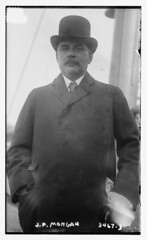
8817600186J. P. MorganA banker who took control and consolidated bankrupt railroads in the Panic of 1893. In 1900, he led a group in the purchase of Carnegie Steel, which became U.S. Steel. (p. 321, 323)12
8817600188Second Industrial RevolutionThe term for the industrial revolution after the Civil War. In the early part of the 19th century producing textiles, clothing, and leather goods was the first part of this revolution. After the Civil War, this second revolution featured increased production of steel, petroleum, electric power, and industrial machinery. (p. 323)13
8817600189Bessemer processIn the 1850s, Henry Bessemer discovered this process. By blasting air through molten iron you could produce high-quality steel. (p. 323)14
8817600190transatlantic cableIn 1866, Cyrus W. Field's invention allowed messages to be sent across the oceans. (p. 325)15
8817600191Alexander Graham BellIn 1876, he invented the telephone. (p. 325)16
8817600192Thomas EdisonPossibly the greatest inventor of the 19th century. He established the first modern research labratory, which produced more than a thousand patented inventions. These include the phonograph, first practical electric light bulb, dynamo for electric power generation, mimeograph machine, and a motion picture camera. (p. 326)17
8817600195George WestinghouseHe held more than 400 patents. He invented the high-voltage alternating current transformer, which made possible the nationwide electrial power system. (p. 326)18
8817600200Sears-RoebuckMail order company that used the improved rail system to ship to rural customers. (p. 326)19
8817600201packaged foodsBrand name foods created by Kellogg and Post became common items in American homes. (p. 326)20
8817600203Gustavus SwiftHe changed American eating habits by making mass-produced meat and vegetable products. (p. 326)21
8817600204advertisingThis new technique was important to creating the new consumer economy. (p. 326)22
8817600206federal land grants and loansThe federal government provided land and loans to the railroad companies in order to encourage expansion of the railroads. (p. 320)23
8817600208Interstate Commerce Act of 1886This act, created in 1886, did little to regulate the railroads. (p. 322)24
8817600210Sherman Antitrust Act of 1890In 1890, Congress passed this act, which prohibited any "contract, combination, in the form of trust or otherwise, or conspiracy in restraint of trade or commerce." The U.S. Department of Justice secured few convictions until the law was strenghted during the Progressive era. (p. 324)25
8817600216Knights of LaborStarted in 1869 as a secret national labor union. It reached a peak of 730,000 members. (p. 330)26
8817600217Haymarket bombingOn May 4, 1886 workers held a protest in which seven police officers were killed by a protester's bomb. (p. 330)27
8817600218American Federation of LaborThe labor union focused on just higher wages and improved working conditions. By 1901 they had one million members. (p. 330)28
8817600219Samuel GompersHe led the American Federation of Labor until 1924. (p. 330)29
8817600220Pullman StikeIn 1894, workers at Pullman went on strike. The American Railroad Union supported them when they refused to transport Pullman rail cars. The federal government broke the strike. (p. 331)30
8817600221Eugene DebsThe American Railroad Union leader, who supported the Pullman workers. The government broke the strike and he was sent to jail for six months. (p. 331)31
8817600229Protestant work ethicThe believe that hard work and material success are signs of God's favor. (p. 325)32
8817600231laissez-faire CapitalismIn the late 19th century, american industrialists supported the theory of no government intervention in the economy, even as they accepted high tariffs and federal subsidies. (p. 324)33
8817600232concentration of wealthBy the 1890s, the richest 10 percent of the U.S. population controlled 90 percent of the nation's wealth. (p. 326)34
8817600233Social DarwinismThe belief that government's helping poor people weakened the evolution of the species by preserving the unfit. (p. 324)35
8817600235survival of the fittestThe belief that Charles Darwin's ideas of natural selection in nature applied to the economic marketplace. (p. 324)36
8817600236Gospel of WealthSome Americans thought religion ideas justified the great wealth of successful industrialists. (p. 325)37
8817600237Horatio Alger Stories self-made manHis novels portrayed young men who became wealth through honesty, hard work and a little luck. In reality these rags to riches stories were somewhat rare. (p. 327)38

AMSCO AP US History Chapter 19 Flashcards

AMSCO United States History 2015 Edition, Chapter 19 The Politics of the Gilded Age, 1877-1900

Terms : Hide Images
8817816467laissez-faire economics and politicsThe idea that government should do little to interfer with the free market. (p. 380)0
8817816474patronage politicsThe use of government resources to reward individuals for their electoral support. (p. 381)1
8817816475corrupt politiciansParty patronage, the process of providing jobs to faithful party members was more important than policy issues during the Gilded Age. (p. 381)2
8817816491Stalwarts, Halfbreeds, and MugwumpsGroups which competed for lucrative jobs in the patronage system. (p. 381)3
8817816493assassination of James GarfieldPresident James Garfield was shot while preparing to board a train. He died after an 11 week struggle. (p. 383)4
8817816494Chester A. ArthurHe became president after James Garfield died of a gun shot wound. (p. 383)5
8817816495Pendleton Act of 1881Set up by the Civil Service Commission, it created a system where federal jobs were awarded based on competitive exams. (p. 384)6
8817816498Grover ClevelandIn 1884, he was elected president of the United States. He was the first Democratic president since 1856. (p. 383)7
8817816505"hard" money vs. "soft" moneyMoney backed by gold vs. paper money not backed by specie (gold or silver). (p. 384)8
8817816506banks, creditors vs. debtorsDebtors wanted more "easy, soft" money in circulation. On the opposite side creditors stood for "hard, sound" money - meaning currency backed by gold. (p. 384)9
8817816507Panic of 1873, "Crime of 73"Congress stopped making silver coins. (p. 385)10
8817816508Specie Resumption Act of 1875Congress sided with creditors and investors when it passed this act which withdrew all greenbacks (paper money not backed by gold or silver) from circulation. (p. 385)11
8817816509Greenback partyThis political party was formed by supporters of paper money not backed by gold or silver. (p. 384)12
8817816510James B. WeaverIn 1892, he was the Populist candidate for president. He is one of the few third party candidates in history to have ever won any electoral votes. (p. 387)13
8817816511Bland-Allison Act of 1878In 1878, this act allowed a limited coinage of silver each month at the standard silver-to-gold ratio of 16 to 1. (p. 385)14
8817816512Sherman Silver Purchase Act of 1890This act increased the coinage of silver but it was not enough to satisfy the farmers and miners. (p. 386)15
8817816513run on gold reserves, J.P. Morgan bail outA decline in silver prices encouraged investors to trade their silver dollars for gold dollars. The gold reserve fell dangerously low and President Grover Cleveland was forced to repeal the Sherman Silver Purchase Act of 1890. The president then turned to J.P. Morgan to borrow $65 million in gold to support the dollar and the gold standard. (p. 387)16
8817816514repeal of Sherman Silver Purchase ActA decline in silver prices encouraged investors to trade their silver dollars for gold dollars. The gold reserve fell dangerously low and President Grover Cleveland was forced to repeal the Sherman Silver Purchase Act of 1890. (p. 387)17
8817816515election of 1888, Harrison "Billion Dollar Congress"In 1888, the Republican Benjamin Harrison became the president and the Republicans controlled Congress. They passed the first billion dollar budget in U.S. history. (p. 386)18
8817816516rise of the Populist PartyIn 1892, delegates met in Omaha, Nebraska to draft a political platform that would reduce the power of trusts and bankers. They nominated James Weaver as their candidate for president. (p. 386)19
8817816517Farmers' Alliances in South and WestIn 1890, this group of discontented farmers elected senators, representatives, governors, and majorities in state legislatures in the West. (p. 386)20
8817816518Alliance of whites and blacks in SouthThe Populist party tried to form a political alliance with these poor farmers. (p. 387)21
8817816519Thomas WatsonHe was from Georgia and he appealed to poor farmers of both races to join the Populists party. (p. 387)22
8817816520reformers vs. rasism in SouthIn the presidential election of 1892, Southern Democrats feared the Populist party and used every technique possible to keep blacks from voting. (p. 387)23
8817816521Omaha PlatformIn 1892, the Populist party met in Omaha, Nebraska to draft this political platform and nominate a presidential candidate. (p 386)24
8817816522government regulation and ownershipThe Populist movement attacked laissez-faire capitalism and attempted to form a political alliance between poor whites and poor blacks. (p. 387)25
8817816523election of 1892, Cleveland returnsThe 1892 presidential election was between President Benjamin Harrison and former president Grover Cleveland. Cleveland became the only president to win a presidential election after having left the office. (p. 387)26
8817816524Panic of 1893In 1893, the stock market crashed as a result of speculation in railroad companies. One of the worst and longest depressions in U.S. history. (p. 387)27
8817816525Coxey's Army, March on WashingtonIn 1894, Populist Jacob A. Coxey led a march to Washington to demand that the federal government spend $500 million on public works programs. (p. 388)28
8817816526Coin's Financial SchoolIn 1894, this book taught Americans that unlimited silver coining would end the economic problems. (p. 388)29
8817816527William Jennings BryanThe 1896 Democratic nominee for president. (p. 388)30
8817816528"Cross of Gold" SpeechWilliam Jennings Bryan gave this speech at the 1896 Democratic convention. The prosilver and anti-gold speech assured him of the nomination. (p. 389)31
8817816534gold standard and higher tariffIn 1897, William McKinley became president just as gold discoveries in Alaska increased the money supply under the gold standard. The Dingley Tariff increased the tariff rate to 46 percent. (p. 390)32

AMSCO AP US History Chapter 22 Flashcards

AMSCO United States History 2015 Edition, Chapter 22 World War I and its Aftermath, 1914-1920

Terms : Hide Images
9772826206Allied PowersIn World War I, Great Britain, France, and Russia were known by this name. (p. 455)0
9772826207Central PowersIn World War I, Germany, Austria-Hungary, and Ottoman Empire were known by this name. (p. 455)1
9772826208neutralityA declaration of a country that it will not choose sides in a war. The Unites States was a neutral country at the beginning of World War I. (p. 455)2
9772826209submarine warfareGermany's greatest hope against British sea power was this new type of warfare. (p. 455)3
9772826210LusitaniaOn May 7, 1915 a British passenger ship was sunk by German torpedoes and 128 American passengers died. The sinking greatly turned American opinion against the Germans, and moved the country towards war. (p. 455).4
9772826256Sussex PledgeIn March 1916 an unarmed merchant ship, the Sussex, was sunk by the Germans. Germany made a pledge that they would not sink anymore merchant ships without warning. This kept the U.S. out of the war for a little while longer. (p. 456)5
9772826211propagandaBritain controlled the daily war news that was cabled to the United States. They supplied the American press with many stories of German soldier committing atrocities. (p. 457)6
9772826212ethnic supportIn the early part of World War I Americans supported neutrality. However, 30 per-cent were first or second generation immigrants and their support was usually based on their ancestry. (p. 456)7
9772826213preparednessThe United States was not prepared to fight a war and initial President Wilson resisted action. However, in late 1915 he pushed for an expansion of the armed forces. (p. 458)8
9772826214election of 1916Election between Woodrow Wilson (Democrat) and Charles Evans Hughes (Republican). Wilson won the election, his slogan was: "He kept us out of war". (p. 458)9
9772826215Robert LaFolletteThis Congressman was one of the few who voted against the World War I declaration of war. (p. 460)10
9772826216Jeanette RankinThe first woman to serve in Congress. She one of the few in Congress who voted against the World War I declaration of war. (p. 460)11
9772826217Edward HouseIn 1915, he was President Wilson chief foreign policy adviser. He traveled to London, Paris, and Berlin to negotiate a peace settlement, but was unsuccessful. (p. 459)12
9772826218Zimmermann telegramIn March 1917, the U.S. newspapers carried the story that Britain had intercepted a telegram from the German government to the Mexican government offering German support if Mexico declared war against the U.S. (p. 459)13
9772826257Russian RevolutionThe revolution against the autocratic tsarist government which led to the abdication of Nicholas II and the creation of a republic in March 1917. (p. 459)14
9772826219declaration of warIn April 1917, President Wilson asked Congress for a declaration of war against Germany. (p. 460)15
9772826220war industry boardsDuring World War I, they set production priorities and established centralized control over raw materials and prices. (P. 460)16
9772826221Food AdministrationDuring World War I, this government agency was headed by Herbert Hoover and was established to increase the production of food for overseas shipment to the troops. (p. 460)17
9772826222Railroad AdministrationDuring World War I, this agency took public control of the railroads to coordinate traffic and promote standard equipment. (p. 460)18
9772826223National War Labor BoardDuring World War I, former president William Howard Taft led this organization, which arbitrated disputes between workers and employers. (p. 461)19
9772826224taxes and bondsPresident Wilson raised $33 million in two years by increasing taxes and selling Liberty Bonds. (p. 461)20
9772826258Selective Service ActIn 1917, this law provided for the registration of all American men between the ages of 21 and 30 for a military draft. Men were chosen by lottery. Eventually, 2.8 million were called by lottery, in addition to the nearly 2 million who volunteered. (p. 462)21
9772826225service of African AmericansIn World War I, nearly 400,000 African Americans served in segregated military units. (p 462)22
9772826226Committee on Public InformationA propaganda organization that created numerous posters, short films, and pamphlets explaining the war to Americans and encouraging them to purchase war bonds to gain support for World War I. (p. 461)23
9772826227George CreelHead of the Committee on Public Information. He persuaded the nation's artists and advertising agencies to create thousands of paintings, posters, cartoons, and sculptures promoting the war. (p. 461)24
9772826228anti-German hysteriaDuring World War I, Germans were labeled as the cause of the war and targeted with negative ads and comments. (p. 461)25
9772826259Espionage ActIn 1917, this law imposed sentences of up to twenty years on anyone found guilty of aiding the enemy, obstructing recruitment of soldiers, or encouraging disloyalty. (p. 461)26
9772826260Sedition ActIn 1918, this law made it a crime to criticize the government or government officials. Opponents claimed that it violated citizens' rights to freedom of speech and freedom of the press, guaranteed by the First Amendment. About 1000 people were jailed because of the law, one of them was Eugene Debs. (p. 461)27
9772826229Eugene DebsHe was one of the founders of the Socialist party that was dedicated to the welfare of the working class. Starting in 1900, he was the Socialist party's presidential nominee in five elections. Around 1920, he was sentenced to ten years in federal prison for speaking out against World War I. (p. 440, 461)28
9772826261Schenck v. United StatesA 1919 Supreme Court case, in which the constitutionality of the Espionage Act was upheld in the case of a man who was imprisoned for distributing pamphlets against the draft. Justice Oliver Wendell Holmes said the right to free speech could be limited when it represented a "clear and present danger" to public safety. (p. 461)29
9772826230wartime jobs for womenAs men joined the military many of their former jobs were taken by women. (p. 462)30
9772826231attitudes toward suffrageWomen's contribution to the war effort prompted President Wilson and Congress to support the 19th amendment. (p. 462)31
9772826232migration of blacks and HispanicsDuring World War I, many Mexicans crossed the border to take jobs in agriculture and mining. African Americans moved to the North for new job opportunities. (p. 462)32
9772826233Bolsheviks withdrawA second revolution in Russia by Bolsheviks (Communists) took it out of World War I. (p. 463)33
9772826234American Expeditionary ForceIn the summer of 1918, hundreds of thousands of American troops went to France as members of this force under General John J. Pershing. (p. 463)34
9772826235John J. PershingU.S. general who led the American Expeditionary Force into France in World War I. (p. 463)35
9772826236Western frontIn World War I, the region of Northern France where the forces of the Allied Powers and the Central Powers battled each other. (p. 463)36
9772826237November 11, 1918On this date, Germany signed a World War I armistice in which they agreed to surrender their arms, give up much of their navy, and evacuate occupied territory. (p. 463)37
9772826238peace without victoryIn January 1917, before the U.S. had entered the war, Woodrow Wilson said the the United States would insist on this. (p. 464)38
9772826239Fourteen PointsAfter the end of World War I, President Woodrow Wilson outlined a plan for achieving a lasting peace. It called for self-determination, freedom of the seas, free trade, end to secret agreements, reduction of arms, and a general association of nations. (p. 464)39
9772826240Wilson in ParisIn January 1919, President Wilson traveled to the World War I peace conference held at the Palace of Versailles outside Paris. (p. 464)40
9772826262Big FourThe term for the the four most important leaders (on the Allied side) during Word War I and at the Paris Peace Conference. They were Woodrow Wilson - United States, David Lloyd George - Great Britain, George Clemenceau - France, and Vittorio Orlando - Italy. (p. 465)41
9772826263Treaty of VersaillesThe World War I peace conference which included the victorious Allied Powers (United States, Great Britain, and France). The defeated Germany agreed to the following terms: 1) Germany had to disarm. 2) Germany had to pay war reparations. 3) Germany had to acknowledge guilt for causing the war. 4) Germany could not manufacture any weapons. 5) Germany had to accept French occupation of the Rhineland for 15 years. 6) Territories taken from Germany: Austria-Hungary, and Russia were given their independence (Estonia, Latvia, Lithuania, Finland, Poland, Czechoslovakia, and Yugoslavia) 7) Signers joined the League of Nations which includes Article X; that each member nation would stand ready to protect the independence and territorial integrity of the other nations. (p. 465)42
9772826241self determinationIn World War I, territories one controlled by Germany, Austria-Hungary, and Russia were taken by the Allies. Applying the principle of self-determination, independence was granted to Estonia, Latvia, Lithuania, Finland, and Poland; and the new nations of Czechoslovakia and Yugoslavia were established. (p. 465)43
9772826264League of NationsInternational organization founded in 1919 to promote world peace and cooperation. However, it was greatly weakened by the refusal of the United States to join. (p. 466)44
9772826242Article XThe Treaty of Versailles required signers join the League of Nations. The League of Nations charter, Article X, called on each member nation to be ready to protect the independence and territorial integrity of the other nations. (p. 465)45
9772826243election of 1918In this mid-term congressional election Republicans gained control of both houses of Congress. This was a problem for Democrat President Woodrow Wilson because he need Republican votes to ratify the Treaty of Versailles. (p. 466)46
9772826265Henry Cabot LodgeIn 1919, after World War I, he led a group of senators known as the "reservationists", who would accept the U.S. joining the League of Nations if certain reservations were added to the agreement. The United States never ratified the Treaty of Versailles nor joined the League of Nations. (p. 466)47
9772826244IrreconcilablesIn 1919, senators who voted against the Treaty of Versailles because it required the United States to join the League of Nations. (p. 466)48
9772826245ReservationistsIn 1919, senators who pledged to vote in favor of the Treaty of Versailles if certain changes were made. They were led by Henry Cabot Lodge. (p. 466)49
9772826246Wilson's strokePresident Woodrow Wilson went on a speaking tour to rally public support for the Treaty of Versailles which required joining the League of Nations. In September 1919, he collapsed after delivering a speech in Colorado. He returned to Washington and a few days later suffered a massive stroke from which he never recovered. (p. 466)50
9772826247rejection of treatyThe Treaty of Versailles required the U.S. to join the League of Nations. It was never ratified by Congress. (p. 466)51
9772826248recession, loss of jobsIn 1921, the U.S. plunged into recession and 10 percent of the workforce was unemployed. (p. 467)52
9772826249falling farm pricesAfter World War I, European farm product came back on the market, farm prices fell, which hurt farmers in the United States. (p. 466)53
9772826266Red ScareAfter World War I, anti-communist hysteria caused this phenomenon. (p. 467)54
9772826250anti-radical hysteriaAfter World War I, xenophobia, (intense or irrational dislike of foreign people) increased. This lead to restrictions of immigration in the 1920s. (p. 467)55
9772826251Palmer raidsPrompted by a series of unexplained bombings, in 1920, this operation was coordinated by Attorney General Mitchell Palmer. Federal marshals raided the homes of suspected radicals and the headquarters of radical organizations in many cities. (p. 467)56
9772826252xenophobiaIntense or irrational dislike of foreign peoples. (p. 467)57
9772826253strikes of 1919Major strike in Seattle where 60,000 unionists held a peaceful strike for higher pay. Boston police went on strike to protest firing of police officers who tried to unionize and Governor Calvin Coolidge sent in National Guard. U.S. Steel Corporation had a strike, after considerable violence, the strike was broken by state and federal troops. (p. 467)58
9772826254Boston police strikeOfficers went on strike to protest the firing of a few officers because they tried to unionize. (p. 467)59
9772826255race riotsThe migration of African Americans to the north led to rioting in East St. Louis and Chicago, where 40 people were killed. (p. 467)60

AMSCO AP US History Chapter 23 Flashcards

AMSCO United States History 2015 Edition, Chapter 23 The Modern Era of the 1920s

Terms : Hide Images
9772830232Warren HardingIn November 1920, he was elected the 29th president of the United States. He was a Republican whose slogan was: "Return to Normalcy". His term was marked by scandals and corruption, although he was never implicated in any of the scandals. In August 1923, he died while traveling in the West. (p. 475-476)0
9772830233Charles Evans HughesA former presidential candidate and Supreme Court justice who was appointed secretary of state by President Warren G. Harding. (p. 476)1
9772830234Andrew MellonA Pittsburgh industrialist and millionaire who was appointed secretary of the treasury by President Harding in 1921 and served under Coolidge and Hoover. (p. 476)2
9772830235Harry DaughertyAttorney General under President Harding who accepted bribes for agreeing not to prosecute certain criminal suspects. (p. 476)3
9772830236Albert FallSecretary of the Interior during Harding's administration. He was convicted of accepting bribes for granting oil leases near Teapot Dome, Wyoming. (p. 476)4
9772830237Teapot DomeA government scandal involving a former United States Navy oil reserve in Wyoming that was secretly leased to a private oil company in 1921. (p. 476)5
9772830238Fordney-McCumber Tariff ActThis tariff passed in 1922, raised tariffs on foreign manufactured goods by 25 percent. It helped domestic manufacturers, but limited foreign trade, and was one cause of the Great Depression of 1929. (p. 476, 488)6
9772830239Bureau of the BudgetFormed in 1921, this bureau created procedures for all government expenditures to be placed in a single budget for Congress to annually review and vote on. (p. 476)7
9772830240Calvin CoolidgeAs vice president, he became president when Warren Harding died in August 1923. He won the presidential election of 1924, but declined to run in 1928. He was a Republican who believed in limited government. He summarized his presidency and his era with the phrase: "The business of America is business". (p. 477)8
9772830241Herbert HooverWhen Calvin Coolidge decide not to run for president in 1928, he was the Republican presidential nominee. He promised to extend "Coolidge Prosperity", and won the election. (p. 477)9
9772830242Alfred E. SmithHe was the Democratic presidential candidate in the 1928 presidential election. He was the former governor of New York and his opponent in the presidential race was Republican Herbert Hoover. As a Roman Catholic and opponent of Prohibition, he appealed to immigrant urban voters. (p. 477)10
9772830245scientific managementA system of industrial management created and promoted in the early twentieth century by Frederick W. Taylor. It emphasized time-and-motion studies to improve factory performance. (p. 478)11
9772830246Henry FordBy 1914, he had perfected a system for manufacturing automobiles using an assembly line. (p. 478)12
9772830247assembly lineIn a factory, an arrangement where a product is moved from worker to worker, with each person performing a single task in the making of the product. (p. 478)13
9772830248open shopA company with a labor agreement under which union membership cannot be required as a condition of employment. (p. 479)14
9772830249welfare capitalismAn approach to labor relations in which companies voluntarily offer their employees improved benefits and higher wages in order to reduce their interest in joining unions. (p. 479)15
9772830253jazz ageName for the 1920s, because of the popularity of jazz, a new type of American music that combined African rhythms, blues, and ragtime. (p. 480)16
9772830256HollywoodThe movie industry was centered here. The industry grew rapidly in the 1920s. Sound was introduced to movies in 1927. By 1929 over 80 million movie tickets were sold each week. (p. 480)17
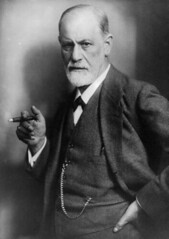
9772830261Sigmund FreudAustrian psychiatrist who originated psychoanalysis. (p. 481)18
9772830263Margaret SangerShe founded American Birth Control League; which became Planned Parenthood in the 1940s. She advocated birth control awareness. (p. 481)19
9772830266Frederick Lewis AllenIn 1931, he wrote "Only Yesterday", a popular history book that portrayed the 1920s as a period of narrow-minded materialism. (p. 489)20
9772830267Only YesterdayA 1931 history book that portrayed the 1920s as a period of narrow-minded materialism in which the middle class abandoned Progressive reforms, embraced conservative Republican policies, and either supported or condoned nativism, racism, and fundamentalism. (p. 489)21
9772830268Gertrude SteinAmerican writer of experimental novels, poetry, essays, operas, and plays. She called the disillusioned writers of the 1920s, a "lost generation". (p. 481)22
9772830269Lost GenerationGroup of writers in 1920s, who shared the belief that they were lost in a greedy and materialistic world that lacked moral values. Many of them moved to Europe. (p. 481)23
9772830270F. Scott FitzgeraldA novelist and chronicler of the jazz age. His wife, Zelda and he were the "couple" of the decade. His novel, "The Great Gatsby" is considered a masterpiece about a gangster's pursuit of an unattainable rich girl. (p. 481)24
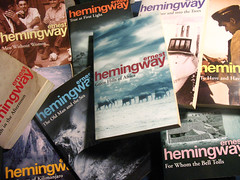
9772830271Ernest HemingwayOne of the most popular writers of the 1920s, he wrote "A Farewell to Arms". (p. 481)25
9772830272Sinclair LewisAmerican writer of the 1920s. He became the first American to receive a Nobel Prize in Literature. (p. 481)26
9772830273Ezra PoundExpatriate American poet and critic of the 1920s. (p. 481)27
9772830274T. S. EliotThomas Stearns Eliot was an essayist, publisher, playwright, literary and social critic, and one of the twentieth century's major poets. (p. 481)28
9772830275Eugene O'NeillAn American playwright of the 1920s. (p. 481)29
9772830276industrial designThe fusion of art and technology during the 1920s and 1930s created the new profession of industrial design. (p. 482)30
9772830277Art DecoThe 1920's modernistic art style that captured modernistic simplification of forms, while using machine age materials. (p. 482)31
9772830278Edward HopperA twentieth-century American painter, whose stark realistic paintings often convey a mood of solitude and isolation in common urban settings. (p. 482)32
9772830280Grant WoodAn American Regional artist who focused on rural scenes in Iowa. He is best known for his painting "American Gothic". (p. 482)33
9772830281George GershwinHe was the son of Russian-Jewish immigrants. He blended jazz and classical music to produce "Rhapsody in Blue" and folk opera "Porgy and Bess". (p. 482)34
9772830283Harlem RenaissanceThe largest African American community of almost 200,000 developed in the Harlem section of New York City. It became famous in the 1920s for its talented actors, artists, musicians, and writers. This term describes this period. (p. 483)35
9772830284Countee CullenA leading 1920s African American poet from Harlem. (p. 483)36
9772830285Langston HughesA leading 1920s African American poet from Harlem. (p. 483)37
9772830286James Weldon JohnsonA leading 1920s African American author from Harlem. (p. 483)38
9772830287Claude McKayA leading 1920s African American poet from Harlem. (p. 483)39
9772830288Duke EllingtonA leading 1920s African American jazz great from Harlem. (p. 483)40
9772830289Louis ArmstrongA leading 1920s African American jazz trumpeter from Harlem. (p. 483)41
9772830290Bessie SmithA leading 1920s African American blues singer from Harlem. (p. 483)42
9772830291Paul RobesonA leading 1920s African American singer from Harlem. (p. 483)43
9772830292Back to Africa movementEncouraged those of African descent to return to Africa. (p. 483)44
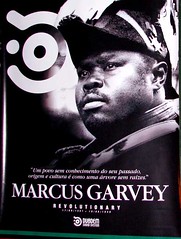
9772830293Marcus GarveyAfrican American leader during the 1920s who founded the Universal Negro Improvement Association and advocated mass migration of African Americans back to Africa. He was deported to Jamaica and his movement collapsed. (p. 483)45
9772830295modernismThey took a historical and critical view of certain Bible passages and believed that they could accept Darwin's theory of evolution without abandoning their religion. (p. 483)46
9772830296fundamentalismA Protestant Christian movement emphasizing the literal truth of the Bible and opposing religious modernism (p. 483)47
9772830297revivalistsLeading radio evangelists such as Billy Sunday and Aimee Semple McPherson preached a fundamentalist message. (p 484)48
9772830298Scopes trialA 1925 Tennessee court case in which Clarence Darrow and William Jennings Bryan argued the issue of teaching evolution in public schools. (p. 484)49
9772830299Clarence DarrowA famed criminal defense lawyer, he defended John Scopes, a teacher who taught evolution in his Tennessee classroom. (p. 484)50
9772830300Volstead ActThe federal law of 1919 that established criminal penalties for manufacturing, transporting, or possessing alcohol. (p. 484)51
9772830303Al CaponeA famous Chicago gangster who fought for control of the lucrative bootlegging (liquor) trade. (p. 484)52
977283030421st AmendmentThe amendment which ended the prohibition of alcohol in the United States, it repealed the 18th amendment. (p. 485)53
9772830305quota laws of 1921 and 1924Laws passed to limit immigration. (p. 485)54
9772830306Sacco and Vanzetti CaseA criminal case of two Italian men who were convicted of murder in 1921. They were prosecuted because they were Italians, atheists, and anarchists. After 6 years of appeals they were executed in 1927. (p. 485)55
9772830307Ku Klux KlanA secret society created by white southerners in 1866. They used terror and violence to keep African Americans from exercising their civil rights. (p. 486)56
9772830308Birth of a NationA popular silent film, which portrayed the KKK during Reconstruction as heros. (p. 486)57
9772830311disarmamentRepublican presidents of the 1920s tried to promote peace and also to scale back defense expenditures by arranging disarmament treaties (reduction in military equipment). (p. 486)58
9772830312Washington ConferenceA 1921 conference that placed limits on naval powers, respect of territory in the Pacific, and continued the Open Door policy in China. (p. 487)59
9772830313Five-Power Naval TreatyA 1922 treaty resulting from the Washington Armaments Conference that limited to a specific ratio the carrier and battleship tonnage of each nation. The five countries involved were: United States, Great Britain, Japan, France, and Italy. (p. 487)60
9772830314Nine-Power China TreatyA 1922 treaty affirming the sovereignty and territorial integrity of China as previously stated in the Open Door Policy. (p. 487)61
9772830315Kellogg-Briand TreatyThis treaty of 1928 renounced the use of force to achieve national ends. It was signed by Frank Kellogg of the United States and Aristide Briand of France, and most other nations. The international agreement proved ineffective. (p. 487)62
9772830316Latin America policyIn 1927, the United States signed an agreement with Mexico protecting U.S. interests in Mexico. (p. 487)63
9772830318reparationsAs part of the Treaty of Versailles, Germany was ordered to pay $30 billion in reparations to the Allies. (p. 488)64
9772830319Dawes PlanA 1924 plan, created by Charles Dawes in which the United States banks would lend large sums to Germany. Germany would use the money to rebuild its economy and pay reparations to Great Britain and France. Then Great Britain and France would pay their war debts to the United States. After the 1929 stock market crash, the loans to Germany stopped. (p. 488)65

AMSCO AP US History Chapter 21 Flashcards

AMSCO United States History 2015 Edition, Chapter 21 The Progressive Era, 1901-1917

Terms : Hide Images
9772819902PragmatismIn the early 20th century this philosophy focused on using a practical approach to morals, ideals, and knowledge. They encouraged experimentation to find solutions that would produce a well-functioning democratic society. (p. 433)0
9772819903William JamesIn the early 20th century, he was an advocate of the new philosophy of pragmatism. He argued that people should take a practical approach to morals, ideals, and knowledge. (p. 433)1
9772819904John DeweyHe was a philosopher who believed in "learning by doing" which formed the foundation of progressive education. (p. 433)2
9772819905Frederick W. TaylorAn engineer who sought to eliminate wasted motion. Famous for scientific-management, especially time-management studies. (p. 433)3
9772819906scientific managementA management theory using efficiency experts to examine each work operation, then find ways to minimize the time needed to complete the work. (p. 433)4
9772819907Henry Demarest LloydIn 1894, he wrote the book "Wealth Against Commonwealth". He attacked the practices of Standard Oil and the railroads. (p. 434)5
9772819908Standard Oil CompanyAn oil trust with control of many oil refinery companies, which created a monopoly in the oil industry. (p. 434)6
9772819909Lincoln SteffansHe wrote "The Shame of the Cities" (1904) which described in detail the corruption that characterized big-city politics. (p. 434)7
9772819910Ida TarbellA leading muckraker and magazine editor, she exposed the corruption of the oil industry with her 1902 series "The History of the Standard Oil Company". (p. 434)8
9772819911Jacob RiisIn 1890, he wrote "How The Other Half Lives", which showed the terrible conditions of the tenement houses of the big cities where immigrants lived during the late 1800s. (p. 434)9
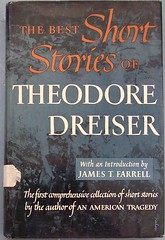
9772819912Theodore DreiserAn American author who wrote "The Financier" and "The Titan", novels which portrayed the avarice and ruthlessness of an industrialist. (p. 434)10
9772819913Australian ballotA government printed ballot of uniform size and shape to be cast in secret that was adopted by many states around 1890. (p. 435)11
9772819914direct primaryA nominating process where voters directly select the candidates who will run for office. (p. 435)12
9772819915Robert La FollettIn 1903, this Progressive Wisconsin Governor introduced a new system which allowed the voters to directly choose party candidates (direct primary), rather than being selected by party bosses. (p. 435)13
9772819916Seventeenth AmendmentIn 1913, this constitutional amendment was passed. It required that all U.S. senators be elected by a popular vote. (p. 435)14
9772819918initiative, referendum, and recallAmendments to state constitutions made changes to politics. An initiative allowed reformers to circumvent state legislatures by submitting new legislature to the voters in a general direct election. A referendum is the method by which actions of the legislature could be returned to the electorate for approval. A recall allowed voters to remove a politician from office before their term was completed. (p. 435)15
9772819919municipal reformCity bosses and their corrupt alliance with local businesses such as trolley lines and utility companies were targeted for reform by Progressives. (p. 436)16
9772819920Samuel M. JonesThis Toledo mayor used "Golden Rule" as his middle name. He instituted free kindergartens, night schools, and public playgrounds. (p. 436)17
9772819921Tom L. JohnsonThis Cleveland mayor devoted himself to the cause of tax reform and three-cent trolley fares. He fought for public controlled city utilities and services, but failed. (p. 436)18
9772819922commission planA city's government would be divided into several departments, which would each be placed under the control of an expert commissioner. (p. 436)19
9772819923city manager planLegislation designed to break up political machines and replace traditional political management of cities with trained professional urban planners and managers. (p. 436)20
9772819924Charles Evans HughesIn New York, he battled fraudulent insurance companies. (p. 436)21
9772819925Hiram JohnsonIn California, he fought against the economic and political power of the Southern Pacific Railroad. (p. 436)22
9772819926Wisconsin IdeaA series of Progressive measures that included a direct primary law, tax reform, and state regulatory commissions. (p. 436)23
9772819929National Child Labor CommitteeThey proposed child labor laws which were adopted by many of the states. (p. 437)24
9772819931Florence KelleyShe was a reformer who promoted state laws which protected women from long working hours. (p. 437)25
9772819932National Consumers' LeagueThis organization was formed in the 1890's, under the leadership of Florence Kelly. They attempted to mobilize the power of women as consumers to force retailers and manufacturing to improve wages and working conditions. (p. 437)26
9772819933Lochner v. New YorkA 1905, this Supreme Court case ruled against a state law that limited workers to a ten-hour workday. (p 437)27
9772819934Muller v. OregonA 1908 Supreme Court case, it ruled that women needed special protection against working long hours. (p. 437)28
9772819935Triangle Shirtwaist fireIn 1911, a high-rise garment factory burned, killing 146 people, mostly women. (p. 437)29
9772819936Square DealEconomic policy by President Theodore Roosevelt that favored fair relationships between companies and workers. (p. 438)30
9772819937anthracite coal miners' strike 1902Pennsylvania coal miners went on strike for an increase in pay and a shorter working day. When the mine owners refused to negotiate, President Theodore Roosevelt threatened to seize control of the mines. A compromise was finally agreed upon. (p. 438)31
9772819940Elkins ActThis 1903 act allowed the Interstate Commerce Commission (ICC) to stop railroads from granting rebates to favored customers. (p. 438)32
9772819941Hepburn ActThis 1906 act tightened existing railroad regulation. It empowered the Interstate Commerce Commission to set maximum railroad rates and to examine railroad's financial records. (p. 438)33
9772819942Uptown Sinclair; "The Jungle"He wrote "The Jungle" which described the Chicago stockyards and meatpacking industry. (p. 438)34
9772819943Pure Food and Drug ActThis 1906 act forbade the manufacture or sale of mislabeled or adulterated food or drugs, it gave the government broad powers to ensure the safety and efficacy of drugs in order to abolish the "patent" drug trade. (p. 438)35
9772819944Meat Inspection ActThis 1906 act provided federal inspectors to visit meatpacking plants to insure that they met sanitation standards. (p. 439)36
9772819946Newlands Reclamation ActA 1902 act that provide public land for irrigation projects in western states. (p. 439)37
9772819947White House Conference of GovernorsA conference at the White House which publicized the need for conservation. (p. 439)38
9772819948Gifford PinchotFirst head of the U.S. Forest Service under President Theodore Roosevelt (p. 439)39
9772819949Socialist Party of AmericanThis third party was dedicated to the welfare of the working class. Their platform called for radical reforms such as public ownership of the railroads, utilities, and even some major industries such as oil and steel. (p. 440)40
9772819950Eugene V. DebsOne of the founders of the Socialist party and the party's presidential candidate from 1900 to 1920. (p. 440)41
9772819951Bull Moose PartyNickname for the new Progressive Party, which was formed to nominate Theodore Roosevelt in the 1912 presidential election. (p. 441)42
9772819952New Nationalism; New FreedomIn the election of 1912, the Theodore Roosevelt and Woodrow Wilson were the main competitors. Roosevelt called for a "New Nationalism", with more government regulation of business and unions, women's suffrage (voting rights), and more social welfare programs. Wilson supported a "New Freedom", which would limit both big business and big government, bring about reform by ending corruption, and revive competition by supporting small business. (p. 441)43
9772819953Mann-Elkins ActThis 1910 act gave the Interstate Commerce Commission the power to suspend new railroad rates and oversee telephone, telegraph, and cable companies. (p. 432)44
9772819954Sixteenth AmendmentRatified in 1913, this constitutional amendment, explicitly permitted Congress to levy a federal income tax. (p. 439)45
9772819955Payne-Aldrich Tariff 1909In 1909, President William Howard Taft signed this bill which raised the tariffs on most imports. (p. 440)46
9772819957Underwood TariffIn 1913, this tariff substantially lowered tariffs for the first time in over 50 years. To compensate for the reduced tariff revenues, the bill included a graduated income tax with rates from 1 to 6 percent. (p. 442)47
9772819958Federal Reserve ActIn 1914, this act created a central banking system, consisting of twelve regional banks governed by the Federal Reserve Board. It was an attempt to provide the United States with a sound yet flexible currency. It still plays a major role in the American economy today. (p. 442)48
9772819959Federal Reserve BoardThis board was organized to supervise twelve district banks in the Federal Reserve Bank system. (p. 442)49
9772819960Clayton Antitrust ActIn 1914, this antitrust legislation strengthened the provisions in the Sherman Antitrust Act for breaking up monopolies. It exempted unions from being prosecuted as trusts. (p. 442)50
9772819961Federal Trade CommisionA federal regulatory agency, established in 1914 to prevent unfair business practices and help maintain a competitive economy. (p. 442)51
9772819962Federal Farm Loan ActA 1916, 12 regional federal farm loan banks were established to provide farm loans at low interest rates. (p. 443)52
9772819965Booker T. WashingtonThis African American progressive argued that African Americans should concentrate on learning industrial skills in order to get better wages. (p. 443)53
9772819966W. E. B. Du BoisThis African American was a northerner with a college education. He argued that African American should demand equal political and social rights, which he believed were a prerequisite for economic independence. (p. 444)54
9772819967National Association for the Advancement of Colored PeopleThis organization's mission was to abolish all forms of segregation and to increase educational opportunities for African Americans. (p. 444)55
9772819968National Urban LeagueFormed in 1911, this organization helped African Americans migrating from the south to northern cities. (p. 444)56
9772819969Carrie Chapman CattA suffragette, she worked to obtain the right for women to vote. She was president of the National Women's Suffrage Association, and founder of the International Woman Suffrage Alliance. Instrumental in obtaining passage of the 19th Amendment in 1920. (p. 445)57
9772819970National American Woman Suffrage AssociationA group formed in the late 1800s to organize the women's suffrage movement. (p. 445)58
9772819971Alice PaulA suffragette who focused on obtaining an amendment to the Constitution for women's suffrage (voting rights). (p. 445)59
9772819972National Woman's partyIn 1916, Alice Paul formed this organization to focus on winning the support of Congress and the president for a Constitutional amendment for women's suffrage. (p. 445)60
9772819973Nineteenth AmendmentIn 1920, this amendment passed which gave women the right to vote. (p. 445)61
9772819974League of Woman VotersOrganized by Carrie Chapman Catt. A civic organization dedicated to keeping voters informed about candidates and issues. (p. 445)62
9772819975Margaret SangerShe founded an organization the became Panned Parenthood. They advocated for birth-control education. (p. 445)63

AMSCO AP US History Chapter 30 Flashcards

AMSCO United States History 2015 Edition, Chapter 30 Conservative Resurgence, 1980-2000

Terms : Hide Images
9772870086Milton FriedmanFree market economist who gave evidence in the 1970s of a steady shift to the right, away from the liberalism of the 1960s. (p. 654)0
9772870087political action committees (PACs)Political action committees which became a force for change. Opposed big government, New Deal liberalism, gun control, feminism, gay rights, welfare, affirmative action, sexual permissiveness, abortion, and drug use. (p. 654)1
9772870088Proposition 13In 1978, California voters passed this measure that sharply cut property taxes. (p. 654)2
9772870089Arthur LafferConservative economist who believed that tax cuts would increase government revenues. (p. 655)3
9772870090religious fundamentalismPeople who attacked secular humanism as a godless creed taking over public education. They campaigned for the return of prayers and the teaching of the Biblical account of creation in public schools. (p. 655)4
9772870091televangelistsPat Robertson, Oral Roberts, and Jim Baker brought in 100 million viewers in which religion became an instrument of electoral politics. (p. 655)5
9772870092Moral MajorityReligion became an instrument for electoral politics when an evangelist from Virginia, Jerry Falwell founded this organization, which helped financed campaigns to unseat liberal members of Congress. (p. 655)6
9772870093abortion rights; Roe v. WadeThe legalization of abortion in the 1973 Roe v. Wade Supreme Court case, sparked the right-to-life movement. The movement united Catholics and fundamentalist Protestants, who believed that life begins at conception. (p. 655)7
9772870094reverse discriminationAfter years of stagflation in the 1970s, many whites blamed their troubles on affirmative action, calling it reverse discrimination. (p. 655)8
9772870095Regents of University of California v. BakkeThe admissions policies of one medical school were challenged. The Supreme Court ruled that while race could be considered, the school had created racial quotas, which were unconstitutional. Conservatives used this decision to intensified their campaign to end all preferences based on race and ethnicity. (p. 655)9
9772870097Ronald ReaganHe was president from 1981 to 1988, he led a conservative movement against détente with the Soviet Union and the growth of the federal government. Some people credit him with America's victory in the Cold War while others fault his insensitive social agenda and irresponsible fiscal policies. (p. 656)10
9772870098supply-side economics (Reaganomics)This economic theory argued that tax cuts and reduced government spending would increase investment by the private sector, which would lead to increased production, jobs, and prosperity. (p. 656)11
9772870099"trickle down" economicsReaganomics was compared to the "trickle-down" economics of the 1920s, in which wealthy Americans prospered, and some of their increased spending benefited the middle class and the poor. (p. 656)12
9772870100Economic Recovery Tax ActA measure signed by Reagan in 1981 which cut personal income taxes by 25 percent over three years, cut the corporate income tax, capital gains tax, and the gift and inheritance taxes. It offered the wealthy a broad array of other tax concessions. (p. 656)13
9772870102PACTO strikeReagan took a tough stand against unions, he fired thousands of striking federal air traffic controllers for violating their contract and decertified their union. (p. 657)14
9772870103Sandra Day O'ConnorPresident Reagan appointed this conservative judge to the Supreme Court, she was the first woman to serve on the Court. (p. 658)15
9772870104William RehnquistDuring the Reagan administration, he was the new Supreme Court chief justice. Under his leadership the court scaled back on affirmative action in hiring and promotions and limited Roe v. Wade influence by allowing states to impose some restrictions on abortions. (p. 658)16
9772870109Strategic Defense Initiative (Star Wars)An ambitious plan for building a high-tech system of laser and particle beams to destroy enemy missiles before they could reach the United States. Critics called it "Star Wars" and argued that the costly program would only escalate the arms races. (p. 659)17
9772870110Nicaragua; SandinistasIn Central America, Reagan supported right-wing dictators as long as they were friendly to the United States and anti-Communists. In Nicaragua, a Marxist movement known as the Sandinistas had overthrown the dictator. The U.S. responded by providing military aid to the "contras" in their efforts to remove the Sandinistas. (p. 660)18
9772870111Boland AmendmentIn 1985, the Democrats passed this amendment which prohibited further aid to the contras in Nicaragua. (p. 660)19
9772870112Iran-contra affairIran and Iraq were at war, the United States sold antitank and antiaircraft missiles to Iran's government for their help in freeing Americans held hostage by radical Arab group. The U.S. then used the profits from the sale to fund the contras in Nicaragua. This violated the Boland Amendment and congressional budget authority. (p. 660)20
9772870113Beirut bombingsIn April 1983, an Arab suicide bomber killed 63 people at the U.S. embassy in Beirut. A few months later, an Arab terrorist drove a bomb-filled truck into a U.S. Marines barracks, killing 241 servicemen. (p. 660)21
9772870114Palestine Liberation Organization (PLO)The terrorist group that Israel fought with U.S. support. (p. 660)22
9772870115Yasser ArafatThe PLO leader who agreed in 1988 to recognize Israel's right to exist. (p. 661)23
9772870116evil empireReagan's term for the Soviet Communists and also "focus of evil in the modern world". (p. 659)24
9772870117Mikhail Gorbachev; glasnost, perestroikaNew Soviet leader who impletmented changes in their domestic politics with these reforms: 1) glasnost: an openness to end political repression and move toward greater political freedom for Soviet citizens. 2) perestroika: reconstruction of the Soviet economy by introducing some free-market practices. (p. 661)25
9772870118tear down this wallReagan said this in a speech in front of the Berlin Wall to challenge Mikhail Gorbachev into falling through with his reforms. (p. 661)26
9772870119INF agreementWith this agreement, Reagan and Gorbachev agreed to remove and destroy all intermediate-range missiles. (p. 661)27
9772870120Tiananmen SquareIn 1989, Chinese pro democracy students demonstrated for freedom in Beijing's Tiananmen Square. The Chinese government crushed the protest with tanks, killing hundreds. (p 662)28
9772870121Soviet satellitesGorbachev declared that he would no longer support the various Communist governments of Eastern Europe with Soviet armed forces. (p 662)29
9772870122Poland, Lech WalesaStarting in Poland 1989 the election of Lech Walesa, the leader of the once-outlawed Solidarity movement, the communist party fell from power in many countries in eastern Europe. (p. 663)30
9772870123Berlin Wall fallsIn 1989, the Communists in East Germany were forced out of power after protesters tore down the Berlin Wall. In October 1990, the two Germanys reunited into one country. (p. 663)31
9772870124Soviet Union breakupMany republics declared independence; the Soviet government was clearly powerless to stop the fragmentation. The Communist Party and Soviet government became powerless and ceased to exist. (p. 663)32
9772870125Russia Republic, CISBoris Yeltsin, joined with nine former Soviet republics to form a loose confederation, The Common Wealth of Independent States. (p. 663)33
9772870126Boris YeltsinPresident of the Russian Republic, he formed the Commonwealth of Independent States (CIS). He disbanded the Communist party in Russia and attempted to establish a democracy and a free-market economy. (p. 663)34
9772870127START I and IIIn 1991, U.S. President George H. W. Bush and Gorbachev signed the START I agreement which reduced the number of nuclear warheads to under 10,000 for each side. In 1992, President Bush and Yeltsin signed the START II agreement which reduced the number of nuclear weapons to just over 3,000 each. The U.S offered economic assistance to the troubled Russian economy. (p. 663)35
9772870128Yugoslavia civil warYugoslavia started to disintegrate in 1991, a civil war broke out in Bosnia and Herzegovina in 1992. (p. 664)36
9772870130George H. W. BushHe won the 1988 presidential election. He was president during the Persian Gulf War. His ability to quickly bring the war to a conclusion while suffering relatively few casualties resulted in a very high approval rating of nearly 90 percent after the war. (p. 662)37
9772870131Panama invasionIn December 1989, President George H. W. Bush ordered the invasion of Panama to remove the autocratic General Manuel Noriega. The alleged purpose of the invasion was to stop Noriega from using his country as a drug pipeline to the United States. U.S. troops remained in Panama until elections established a more credible government. (p. 664)38
9772870132Saddam HusseinIn August 1990, this Iraqi dictator invaded oil-rich Kuwait. This invasion threatened Western oil sources. (p. 664)39
9772870133Persian Gulf WarAfter Saddam Hussein invaded oil rich Kuwait, President George H. W. Bush built a coalition of United Nations members to pressure Hussein to withdraw from Kuwait. The U.N. embargo had little effect. In January 1991, the massive Operation Desert Storm brought air strikes down on Iraq. After only 100 hours of fighting on the ground, Iraq conceded defeat. (p. 664)40
9772870134Operation Desert StormMassive operation in which more than 500,000 Americans were joined by military units from 28 nations. For 5 weeks they carried out relentless airstrikes and followed up with an invasion led by U.S. General Norman Schwarzkopf. After 100 hours of ground fighting, Iraq conceded defeat. (p. 664)41
9772870135Clarence ThomasPresident George H. W. Bush nominated this man to replace the retiring Thurgood Marshall on the Supreme Court. It was controversial because of his conservative views on judicial issues and the charges of sexual harassment against him. Nevertheless, the Senate confirmed him. (p. 664)42
9772870137Americans With Disabilities ActIn 1990, this act prohibited the discrimination against citizens with physical and mental disabilities in hiring, transportation, and public accommodation. (p. 665)43
9772870139William (Bill) ClintonHe served as president from 1993 to 2000. He was a moderate "New Democrat" who focused on economic issues such as jobs, education, and health care. (p. 666)44
9772870140H. Ross PerotHe was a Texas billionaire, who entered the 1992 presidential election as an independent. He received nearly 20% of the vote, the best showing by an independent since Teddy Roosevelt in 1912. (p. 666)45
9772870142don't ask, don't tellPresident Clinton failed to end discrimination against gays in the military and settled for the rule, "Don't ask, don't tell". Under this policy a member of the military could still be dismissed for being gay or lesbian but was not required to provide sexual orientation information. (p. 666)46
9772870143NAFTANorth American Free Trade Agreement, which created a free-trade zone with Canada and Mexico. (p. 667)47
9772870144Brady BillThis bill mandated a five-day waiting period for the purchase of handguns. (p. 666)48
9772870145National Rifle Association (NRA)In 1974, this organization, which led the gun lobby, was angered when the Anti-Crime Bill banned the sale of most assault rifles. (p. 666)49
9772870146deficit reduction budgetIn 1994, Congress passed this budget which included $225 billion in spending cuts and $241 billion in tax increases. Part of the budget would go towards increased spending on education and job training. (p. 666)50
9772870147Anti-Crime BillBill Clinton's bill that provided $30 billion in funding for more police protection and crime prevention programs, also banned the sale of most assault rifles. (p. 666)51
9772870149Newt GingrichNew Speaker of the House, who led the Republicans in an attack on federal programs and spending, outlined in their campaign manifesto "Contract with America". (p. 667)52
9772870150Contract with AmericaRepublican plan headed by Newt Gingrich that focused on scaling back the government, balancing the budget, and cutting taxes. (p. 667)53
9772870152Oklahoma City bombingIn 1995, a federal building in Oklahoma City was bombed by militia-movement extremists. The bombing took 169 lives, the worse act of domestic terrorism in the nation's history until the attack on 9/11. (p. 667)54
9772870153welfare reformThe 1996 budget reform which left Medicare and Social Security benefits intact, limited welfare benefits to five years under the Personal Responsibility and Work Opportunity Act. (p. 667)55
9772870156Clinton impeachmentIn December 1998, the House voted to impeach President Bill Clinton on two counts, perjury and obstruction of justice. Neither impeachment charge was upheld by the Senate. (p. 669)56
9772870157Madeleine K. AlbrightIn 1997, she became the first woman to serve as secretary of state. (p. 669)57
9772870159Northern Ireland accordsIn 1998, the U.S. played a key diplomatic role in negotiating an end to British rule and the armed conflict in Northern Ireland. (p. 669)58
9772870160Yugoslavia breakupSerbian dictator, Slobodan Milosevic carried out a series of armed conflicts to suppress independence movements in the former Yugoslav provinces of Slovenia, Croatia, Bosnia-Herzegovina, and Kosovo. (p. 670)59
9772870161Balkan Wars; Bosnia, KosovoDiplomacy, bombing, and NATO ground troops stopped the bloodshed in Bosnia in 1995, then in Kosovo in 1999. These were the worst battles Europe had seen since World War II. (p. 670)60
9772870162ethnic cleansingHundred of thousands of ethnic and religious minorities were killed in Bosnia and Kosovo by the Serbian dictator Milosevic. (p. 670)61
9772870163nuclear proliferationIn the 1990s there were growing nuclear programs in North Korea, India, and Pakistan. (p. 670)62
9772870164West Bank, Gaza StripIsrael granted home rule to the Palestinians in the Gaza Strip and parts of the West Bank territories, and signed a peace treaty with Jordan in 1994. Israeli-Palestinian peace process slowed down after the assassination of the Israeli Prime Minister Yitzhak Rabin in 1995. (p. 670)63
9772870165European Union (EU); euroIn 2002, the European Union (EU) became a unified market of 15 nations, 12 of which adopted the euro as their currency. The EU grew to include 27 European nations by 2007, including ten former satellites of the USSR. (p. 669)64
9772870166World Trade OrganizationIn 1994, this organization was established to oversee trade agreements, enforce trade rules, and settle disputes. (p. 670)65
9772870167World Bank, G-8This powerful bank made loans to and supervised the economic policies of poorer nations with debt problems. The Group of Eight, made up of the world's largest industrial powers (Canada, France, Germany, Italy, Japan, Russia, United Kingdom, and United States), controlled two-thirds of the world's wealth. (p 670)66
9772870168China, India, BrazilIn the 21st century, these three countries would soon surpass many of the older industrial powers. The growing gap between rich and poor nations of the world caused tensions. (p. 671)67
9772870170prosperity of 1990sDuring President Clinton's two terms in office the U.S. enjoyed the longest peacetime economic expansion in history, with annual growth rates of more than 4 percent. (p 668)68
9772870171technology boomIn the 1990's national productivity was improved by personal computers, software, Internet, cable, and wireless communications. (p. 668)69
9772870172Internet, e-commerceThe 1990s saw growth in the Internet and in electronic commerce (purchases made online). (p. 668)70
9772870173rise of South and WestThe 2000 census reported the population of the United States was 281.4 million people. The fastest growing regions were the West and the South. Greater populations meant more congressional representatives and electoral votes. (p. 671)71
9772870174Immigration Act of 1986This act attempted to create a fair entry process for immigrants, but failed to stop the problem of illegal entry into the U.S. from Mexico. It was criticized for granting amnesty to undocumented immigrants from Mexico and the Americas. (p. 671)72

AP US History Chapter 17 Henretta 7th edition Flashcards

Terms : Hide Images
7847453640Granger LawsEconomic regulation laws that resulted from Greenback pressure and rural protest group, the National Grange of the Patrons of Husbandry; their purpose was to regulate corporations and stimulate the economy0
7847453641Vertical IntegrationOne company controlling the whole process of manufacturing their product1
7847453642Horizontal IntegrationOne company controlling prices in order to absorb other companies under one corporate umbrella2
7847453643Pooling(of two or more people or organizations) put (money or other assets) into a common fund.3
7847453644Holdingstocks, property, and other financial assets in someone's possession.4
7847453645Jim CrowA blackface character, and the name for a set of laws segregating whites and African Americans5
7847453646CarnegieSteel mogul during the 19th century6
7847453647VanderbiltRailroad mogul7
7847453648SwiftProducer of frozen, canned and packaged foods who pioneered horizontal and vertical integration8
7847453649RockefellerOil tycoon9
7847453650Social DarwinismSurvival of the fittest applied to society and economy, said that only the strongest within society should have resources and that helping the poor was a disservice to society10
7847453651Plessy v. FergusonPlessy was arrested for sitting in a white train coach, Supreme Court ruled that it was constitutional to enforce different accomadations, "separate but equal"11
7847453652U.S. v E.C. Knight Co.The Supreme Court ruled that the Sherman Antitrust Act could only be applied to commerce, not manufacturing12
7847453653Chinese Exclusion Act1882 law that prohibited the immigration of Chinese laborers13
7847453654Sherman Antitrust Act1890 law banning any trust that restrained interstate trade or commerce14
7847453655Laissez-faireCapitalist idea that stated that government should not interfere with the peoples economy15
7847453656White Primaryprimary election in which only white voters are eligible to participate16
7847453657Grandfather ClauseAttempt to keep African Americans from voting by only allowing those whose Grandfather could read or write prior to the Civil War to vote17
7847453658Poll TestsTests given to keep African Americans from voting18
7847453659Poll TaxesRequired a tax to be paid when voting, it was also an attempt to keep blacks out of the polls19
7847453660seperate but equalracially segregated but ostensibly ensuring equal opportunities to all races20
7847453661Black CodesSouthern laws designed to restrict the rights of the newly freed black slaves21
784745366213th AmendmentAbolished Slavery22
784745366314th AmendmentGave African Americans citizenship and restricted public discrimination23
7847453664Redeemerswhite Democrats who used their political power to oppress the Black community and try to bring back Southern society before the Civil War24
7847453665InterracialBetween, among, or involving people of different races25
7847453666SegregationSeparation of people based on racial, ethnic, or other differences26
7847453667Miscegenationthe interbreeding of people considered to be of different racial types, a mixing of cultures27
7847453668Booker T. WashingtonAfrican American who wanted blacks to focus on education and getting a marketable skill, founded the Tuskeegee Institute28
7847453669W.E.B. DuBoisBlack civil rights activist who wrote books and stuff29

AMSCO AP US History Chapter 7 Flashcards

AMSCO United States History 2015 Edition, Chapter 7 The Age of Jefferson, 1800-1816

Terms : Hide Images
9803056968Thomas JeffersonHe was George Washington's first secretary of state. A Democrat-Republican, he was the nation's third president from 1801 to 1809. He stressed the basic principles of constitutional government and limited central government. He appeased the Federalists by maintaining the national bank and debt repayment plan of Hamilton, and carried on the neutrality policies of Washington and Adams. He reduced the size of the military, eliminated some federal jobs, repealed excise taxes, and lowered the national debt. In 1803, he made the Louisiana Purchase from France. (p. 131)0
9803056969Louisiana PurchaseIn 1803, President Thomas Jefferson purchased the Louisiana territory from France for $15 million. The purchase more that doubled the size of the United States, removed a European presence from the nation's borders, and extended the western frontier well beyond the Mississippi River. (p. 133)1
9803056970war hawksThe 1810 congressional election brought a group of young Democratic-Republicans to Congress. Led by Henry Clay and John C. Calhoun they gained influence in the House of Representatives. They argued that war with Britain was the only way to defend American honor, gain Canada, and destroy American Indian resistance on the frontier. (p. 139)2
9803056971Henry ClayIn 1810, he was a Kentucky member of the House of Representatives. He was a war hawk who argued for war with Britain. (p. 139)3
9803056972John C. CalhounIn 1810, he was a South Carolina member of the House of Representatives. He was a war hawk who argued for war with Britain. (p. 139)4
9803056973TecumsehThis Shawnee warrior, who along with his brother, attempted to unite all American Indian tribes east of the Mississippi River. (p. 138)5
9803057006ProphetThis Shawnee religious leader, who along with his brother, attempted to unite all American Indian tribes east of the Mississippi River. (p. 138)6
9803056974William Henry HarrisonIn 1811, this governor of the Indiana Territory, destroyed Shanee headquarters and put an end to Tecumseh's efforts to form an American Indian confederacy. (p. 138)7
9803056975Battle of TippecanoeAn 1811 battle, where U.S. troops led by William Henry Harrison did battle against American Indians led by Tecumseh. (p. 138)8
9803056976strict interpretation of ConstitutionPresident Thomas Jefferson was committed to a strict interpretation of the Constitution and rejected Alexander Hamilton's argument that certain powers were implied. When Jefferson made the Louisiana Purchase he was troubled because the Constitution did not state explicitly that a president could purchase foreign land. He finally argued that the president's powers to make treaties allowed for the purchase. (p. 133)9
9803056977John MarshallThis Federalist Chief Justice of the Supreme Court served in the position for 34 years. His decisions in landmark cases generally strengthened the federal government, often at the expense of states rights. (p. 134)10
9803056978judicial reviewIn 1803, Marbury v. Madison case, the Marshall court established the doctrine of judicial review by ruling that a law passed by Congress was unconstitutional. From this point on, the Supreme Court could overrule the legislative or executive branches if they believed a law was unconstituional. (p. 134)11
9803057007Marbury v. MadisonA Supreme Court case in 1803 where Chief Justice John Marshall ruled that a law passed by Congress was unconstitutional. This established the doctrine of judicial review, where the Supreme Court could overrule actions taken by the legislative and executive branches of the government. (p. 134)12
9803056979Aaron BurrHe was Thomas Jefferson's vice president from 1801 to 1804. A new vice president was chosen for Jefferson's second term. He then organised a failed conspiracy, attempting to unite New England states and secede from the United States. He killed Alexander Hamilton in a duel. In 1806 was tried for treason because of a plan to capture Mexico and possibly unite it with Louisiana. He was acquitted of the charge. (p. 135)13
9803056980QuidsIn 1812, they were "Old" Democratic-Republicans who criticized the War of 1812 because it violated the classic Democratic-Republican commitment to limited federal power and the maintenance of peace. (p. 140)14
9803056981Hartford Convention (1814)In December 1814, a special convention was held in Hartford, Connecticut. Bitterly opposed to the the War of 1812, some radical Federalist in the Northeast wanted to secede from the United States, but it was rejected. However, to limit the power of the Democratic-Republicans they adopted a proposal that a two-thirds vote of both houses would be required for any future declaration of war. (p. 141)15
9803056982Napoleon BonaparteIn the War of 1812 the United States based their hope for victory on Napoleon successfully fighting the British in Europe. However, in the spring of 1814, Napoleon's losses enabled the British to increase their forces in North America. (p. 141)16
9803056983Toussaint I'OuvertureHe led a rebellion against French rule on the island of Santo Domingo which resulted in heavy French losses. (p. 132)17
9803056984Barbary piratesThe United States had been paying the Barbary states on the North African coast in exchange for safe passage of U.S. ships in the Mediterranean. President Jefferson stopped paying the tribute, and the U.S. fought the Barbary Wars from 1801 to 1805. There was no decisive victory but it did offer some protection to U.S. ships in the region. (p. 136)18
9803056985neutralityAround 1804, the Napoleonic wars dominated Europe. Britain was seizing U.S. ships, confiscating the cargo and forcing sailors to join the British navy. This made it difficult for President Jefferson to maintain a position of not taking sides in the conflict. (p. 136)19
9803056986impressmentThe British practice of taking American sailors from American ships and forcing them to serve in the British navy. (p. 136)20
9803056987Chesapeake-Leopard affairIn 1807, the British warship Leopard attacked the American warship Chesapeake. Three U.S. sailors were killed and four were taken captive. Many Americans demanded war but Jefferson used diplomacy and economic pressure in response. (p. 136)21
9803056988Embargo Act (1807)In 1807, this act prohibited American trading ships from sailing to any foreign port. It was meant to force Britain and France to change their policies towards neutral vessels, by depriving them of American trade. The embargo backfired and brought greater economic hardship to the United States than Britain. In 1809 it was repealed. (p 136)22
9803056989James MadisonThe fourth President of the United States from 1809 to 1817. A Democrat-Republican and a close friend of Thomas Jefferson. A member of the Continental Congress and the Constitutional Convention, he strongly supported ratification of the Constitution. He was a contributor to The Federalist Papers. His presidency was marked by the War of 1812. (p. 137)23
9803056990Nonintercourse Act (1809)In 1809, this act provided that America could now trade with all nations except Britain and France. (p. 137)24
9803056991Macon's Bill No. 2 (1810)When economic hardships continued into 1810, Nathaniel Macon, a member of Congress, introduced a bill that restored U.S. trade with both Britain & France. It also provided that if either France or Britain formally agreed to respect neutral rights at sea, then the U.S. would prohibit trade with the foe of that nation. (p. 138)25
9803056992War of 1812A war between the United States and Great Britain caused by American outrage over the impressment of American sailors by the British and British aid to the Indians attacking the Americans on the western frontier. The War Hawks (young westerners led by Henry Clay and John C. Calhoun) argued for war in Congress. American troops attempted an invasion of Canada, but it was repulsed by British defenders. Numerous naval battles occurred and at one point the British marched through Washington, D.C. and burned the White House. In December 1814 the Treaty of Ghent was reached and territory was returned to the pre-war status. Two weeks later, Andrew Jackson's troops defeated the British at the Battle of New Orleans, not knowing that a peace treaty had already been signed. (p. 138)26
9803056993Old IronsidesThe nickname for the U.S. warship, Constitution. In 1812, it raised American morale by sinking a British ship off the coast of Nova Scotia. (p. 140)27
9803056994Battle of Lake ErieProbably the most important U.S. naval victory in the War of 1812. Captain Oliver Hazard Perry led the U.S. to victory against the British. (p. 140)28
9803056995Oliver Hazard PerryThis naval captain won the Battle of Lake Erie in the War of 1812. His famous quote was, "We have met the enemy, and they are ours." (p. 140)29
9803056996Battle of the Thames RiverThis naval battle, near Detroit, was led by General William Henry Harrison. The U.S. defeated the British, and the American Indian Tecumseh was killed. (p. 140)30
9803056997Thomas MacdonoughIn 1814, this U.S. naval commander defeated a British fleet on Lake Champlain. As a result the British had to retreat and abandon their plan to invade New York and New England. (p. 140)31
9803056998Battle of Lake ChamplainA battle where the British fleet was defeated and was forced to retreat and to abandon their plans to invade New York and New England. (p. 140)32
9803056999Andrew JacksonIn the War of 1812 this U.S. general defeated the Creek nation at the Battle of Horseshoe Bend. The British were trying to control the Mississippi River and he defeated them at the Battle of New Orleans. He would later become the seventh president of the United States. (p. 141)33
9803057000Battle of Horseshoe BendIn March 1814, General Andrew Jackson defeated the Creek nation, an important British ally. The battle was fought in present-day Alabama and ended American Indian resistance in that area. (p. 141)34
9803057001Creek NationThis American Indian tribe was an important British ally in the War of 1812 until being defeated by Andrew Jackson. (p. 141)35
9803057002Battle of New OrleansOn January 8, 1815, General Andrew Jackson led U.S. troops that defeated the British at New Orleans. At that time communications were much slower and the armies did not know that the Treaty of Ghent had ended the war two weeks earlier. (p. 141)36
9803057003Treaty of Ghent (1814)The peace treaty that ended the War of 1812. The terms halted fighting, returned all conquered territory to the prewar claimant, and recognized the pre war boundary between Canada and the United States. (p. 141)37
9803057004Lewis and Clark ExpeditionIn 1804, Captain Meriwether Lewis and Lieutenant William Clark left St. Louis, Missouri on an expedition to the Pacific coast. They travelled up the Missouri River to the Great Divide, and then down the Columbia River to the Pacific Ocean. the expedition provided greater scientific knowledge of the region, stronger claims to the Oregon Territory, better relationships with the American Indians, and more accurate maps. (p. 134)38
9803057005Francis Scott KeyHe wrote our national anthem while observing the British attack on Fort McHenry in Baltimore. (p. 141)39
9803057008The Star Spangled BannerThe United States national anthem composed by Francis Scott Key in 1814. (p. 141)40

AMSCO AP US History Chapter 13 Flashcards

AMSCO United States History 2015 Edition, Chapter 13 The Union in Peril, 1848-1861

Terms : Hide Images
9803076287free-soil movementThis movement did not oppose slavery in the South, but they did not want the Western states to allow slavery. (p. 247)0
9803076321Free-Soil partyIn 1848, Northerns organized this party to advocate that the new Western states not allow slavery and provide free homesteads. Their slogan was, "free soil, free labor, free men". (p. 248)1
9803076288conscience WhigsWhigs that opposed slavery. (p. 248)2
9803076289barnburnersAntislavery Democrats, whose defection threatened to destroy the the Democratic party. (p 248)3
9803076290New England Emigrant Aid CompanyNorthern abolitionist and Free-Soilers set up this company to pay for the transportation of antislavery settlers to the Kansas Territory. They did this to shift the balance of power against slavery in this new territory. (p. 253)4
9803076291bleeding KansasAfter 1854, the conflicts between antislavery and proslavery forces exploded in the Kansas Territory. (p. 252)5
9803076292Pottawatomie CreekIn 1856, abolitionist John Brown and his sons attacked this proslavery farm settlement and killed five settlers. (p. 253)6
9803076293Lecompton constitutionIn 1857, President James Buchanan asked that Congress accept this document and admit Kansas as a slave state. Congress did not accept it. (p. 255)7
9803076294popular sovereigntyAround 1850, this term referred to the idea that each new territory could determine by vote whether or not to allow slavery would be allowed in that region. (p. 248)8
9803076295Lewis CassThis Democratic senator from Michigan, proposed popular sovereignty as the solution to the slavery question in the territories. (p. 248)9
9803076322Henry ClayHe proposed the Compromise of 1850. (p. 249)10
9803076296Zachary TaylorThe twelfth president of the United States from 1849 to 1850. He was a general and hero in the Mexican War. He was elected to the presidency in 1848, representing the Whig party. He died suddenly in 1850 and Millard Fillmore became the president. (p 248, 249)11
9803076297Compromise of 1850Henry Clay proposed and it was signed into law by President Millard Fillmore. It proposed: * Admit California to the Union as a free state * Divide the remainder of the Mexican Cession into New Mexico and Utah (popular sovereignty) * Give land in dispute between Texas and New Mexico to federal government in return for paying Texas' public debt of 10 million * Ban slave trade in D. C., but permit slaveholding * New Fugitive Slave Law to be enforced (p. 249)12
9803076298Stephen A. DouglasIn 1854, he devised the Kansas-Nebraska Act, which in effect overturned the Missouri Compromise, and allowed the South the opportunity to expand slavery. In 1858, he debated Abraham Lincoln in a famous series of seven debates in the campaign for the Illinois senate seat. He won the campaign for reelection to the Senate, but he alienated Southern Democrats. In 1860, he won the Democratic presidential nomination, but Southern Democrats nominated their own candidate, John Breckinridge. He was easily defeated by Abraham Lincoln in the presidential election that year. (p. 252, 256, 258)13
9803076299Millard FillmoreThe thirteenth president of the United States, serving from 1850 until 1853, and the last member of the Whig Party to hold that office. He was the second Vice President to become president upon the death of a sitting President, when he succeeded Zachary Taylor. As vice president he helped pass the Compromise of 1850. (p. 249, 255)14
9803076300Kansas-Nebraska ActThis 1854 act, sponsored by Senator Stephen A Douglas, would build a transcontinental railroad through the central United States. In order gain approval in the South, it would divide the Nebraska territory into Nebraska and Kansas and allow voting to decide whether to allow slavery. This increased regional tensions because it effectively repealed the Missouri Compromise, which had already determined that this area would not allow slavery. (p. 252)15
9803076301Crittenden compromiseIn the winter of 1860-1861, Senator John Crittenden proposed a constitutional amendment to appease the South. He proposed that slavery would be allowed in all areas south of the 36 30 line. The Republicans rejected the proposal because it would allow extension of slavery into the new territories. (p. 260)16
9803076302Franklin PierceThe fourteenth President of the United States from 1853 to 1857. A Democrat from New Hampshire, he was acceptable to Southern Democrats because he supported the Fugitive Slave Law. (p. 252)17
9803076303Know-Nothing partyThis political party started in the mid-1850s. Also known as the American party, they were mostly native-born Protestant Americans. Their core issue was opposition to Catholics and immigrants who were entering Northern cities in large numbers. (p. 254)18
9803076304Republican partyThis political party formed in 1854, in response to the passage of the Kansas-Nebraska Act. It was composed of a coalition of Free-Soilers, antislavery Whigs, and Democrats. Although not abolitionist, it sought to block the spread of slavery in the territories. (p. 254)19
9803076305John C. FremontIn the presidential election of 1856, this California senator was the Republican nominee. The Republican platform called for no expansion of slavery, free homesteads, and a probusiness protective tariff. He lost the election to James Buchanan, but won 11 of the 16 free states, which foreshadowed the emergence of a powerful Republican party. (p. 255)20
9803076306James BuchananThe fifteenth President of the United States from 1857 to 1861. He tried to maintain a balance between proslavery and antislavery factions, but his moderate views angered radicals in both North and South, and he was unable to forestall the secession of South Carolina to December 20, 1860. During his term: "Bleeding Kansas" (1856), Caning of Senator Sumner (1856), Lecompton Constitution (1857), Dred Scott case (1857) (p. 255)21
9803076307election of 1860In this presidential election, the Republican candidate, Abraham Lincoln won. Lincoln won all the northern states, while John C. Breckinridge, a South Democrat, won all the southern states. The South felt like it no longer had a voice in national politics and a number of states soon seceded from the Union. (p. 258)22
9803076323sucessionThe election of Abraham Lincoln was the final event that caused the southern states to leave the Union. In December 1860, South Carolina voted unanimously to secede. Within the next six weeks Georgia, Florida, Alabama, Mississippi, Louisiana, and Texas had all seceded. In February 1861, representatives of seven states met in Montgomery, Alabama to create the Confederate States of America. (p. 259)23
9803076308Fugitive Slave LawCongress passed a second version of this law in 1850. The law's chief purpose was to track down runaway slaves who had escaped to a Northern state, capture them, and return them to their Southern owners. Enforcement of the law in the North was sometimes opposed even though there were penalties for hiding a runaway slave or obstructing enforcement of the law. (p. 250)24
9803076309Underground RailroadA network of people who helped thousands of enslaved people escape to the North by providing transportation and hiding places. (p. 250)25
9803076310Harriet TubmanBorn a slave, she escaped to the North and became the most renowned conductor on the Underground Railroad, leading more than 300 slaves to freedom. (p. 250)26
9803076311Dred Scott v. SandfordAn 1857 Supreme Court case, in which Chief Justice Roger Taney ruled that African Americans (free or slave), were not citizens of the United States, that Congress could not exclude slavery from any federal territory, and that the Missouri Compromise was unconstitutional. The ruling delighted Southern Democrats and infuriated Northern Republicans. (p. 255)27
9803076324Roger TaneyHe was a Southern Democrat and chief justice of the Supreme Court during the Dred Scott v. Sandford case. (p. 255)28
9803076325Abraham LincolnHe was elected president of the United States in 1860. He was a Republican, who ran on a platform that appealed to those in the North and the West. It called for the exclusion of slavery in the new territories, a protective tariff for industry, free land for homesteaders, and a railroad to the Pacific. (p. 258)29
9803076312Lincoln-Douglas debatesIn 1858, Stephen Douglas and Abraham Lincoln had seven debates in the campaign for the Illinois senate seat. Lincoln was not an abolitionist, but he attacked Douglas's seeming indifference to slavery as a moral issue. Although Lincoln lost the election to Douglas, he emerged as a national figure and leading contender for the Republican nomination for president. (p. 256)30
9803076313house-divided speechThe speech given by Abraham Lincoln when accepting the Republican nomination for the Illinois senate seat. He said, "This government cannot endure permanently half slave and half free". (p. 256)31
9803076314Freeport DoctrineDoctrine developed by Stephen Douglas that said slavery could not exist in a community if the local citizens did not pass laws (slave codes) maintaining it. This angered Southern Democrats. (p. 257)32
9803076315Sumner-Brooks incidentThis incident took place in 1856, when Congressman Preston Brooks severely beat Massachusetts Senator Charles Sumner. The attack occurred in the Senate chamber, after Sumner gave a vitriolic speech, "The Crime Against Kansas". (p. 254)33
9803076326John BrownHe led his four sons and some former slaves, in an attack on the federal arsenal, called the Harpers Ferry raid. (p. 257)34
9803076316Harpers Ferry raidIn October 1859, John Brown led his four sons and some former slaves, in an attack on the federal arsenal at Harpers Ferry. His impractical plan was to obtain guns to arm Virginia's slaves, whom he hoped would rise up in a general revolt. He and six of his followers were captured and hanged. Southern whites saw the raid as proof of the north's true intentions - to use slave revolts to destroy the South. (p. 257)35
9803076317Harriet Beecher Stowe, Uncle Tom's CabinIn 1852, she wrote this influential book about the conflict between a slave named Tom, and a brutal white slave owner, Simon Legree. It caused a generation of Northerners and many Europeans to regard all slave owners as cruel and inhuman. Southerners believed it to be proof of Northern prejudice against the Southern way of life. (p. 250)36
9803076318Hinton R. Helper, Impending Crisis of the SouthIn 1857, he wrote this nonfiction book, that attacked slavery using statistics to demonstrate to fellow Southerners that slavery weakened the South's economy. Southern states banned the book, but it was widely read in the North. (p. 250)37
9803076319George Fitzhugh, Sociology of the SouthIn 1854, he wrote this proslavery book which argued that slavery was a positive good for slave and master alike. He was the boldest and most well known of proslavery authors. He questioned the principle of equal rights for unequal men and attacked the capitalist wage system as worse than slavery. (p. 251)38

Pages

Subscribe to CourseNotes RSS

Need Help?

We hope your visit has been a productive one. If you're having any problems, or would like to give some feedback, we'd love to hear from you.

For general help, questions, and suggestions, try our dedicated support forums.

If you need to contact the Course-Notes.Org web experience team, please use our contact form.

Need Notes?

While we strive to provide the most comprehensive notes for as many high school textbooks as possible, there are certainly going to be some that we miss. Drop us a note and let us know which textbooks you need. Be sure to include which edition of the textbook you are using! If we see enough demand, we'll do whatever we can to get those notes up on the site for you!