AP Notes, Outlines, Study Guides, Vocabulary, Practice Exams and more!

AP World Period 1 Mills Flashcards

From Hunting and Gathering to Civilizations, 2.5 million-1000 B.C.E.: Origins

Terms : Hide Images
7309726975Hunting and GatheringMeans of obtaining subsistence by humans before the mastery of sedentary agriculture; normally typical of tribal social organization0
7309726976CivilizationSocieties with reliance on sedentary agriculture, ability to produce food surpluses, and existence of nonfarming elites, along with merchant and manufacturing groups1
7309726977NeolithicThe New Stone Age between 8000 and 5000 B.C.E.; period in which adaptation of sedentary agriculture occurred; domestication of plants and animals accomplished2
7309726978NomadsCattle- and sheep-herding societies normally found on the fringes of civilized societies; commonly referred to as "barbarian" by civilized societies3
7309726979CultureCombination of ideas, objects, and patterns of behavior that result from human social interaction4
7309726980Agrarian revolutionOccurred between 8000 and 5000 B.C.E.; transition from hunting and gathering to sedentary agriculture5
7309726981PastoralismA nomadic agricultural lifestyle based on herding domesticated animals; tended to produce independent people capable of challenging sedentary agricultural societies6
7309726982Catal HuyukEarly urban culture based on sedentary agriculture; located in modern southern Turkey; larger in population than Jericho, had greater degree of social stratification7
7309726983Bronze AgeFrom 4000 to 3000 B.C.E.; increased use of plow, metalworking; development of wheeled vehicles, writing8
7309726984MesopotamiaLiterally "between the rivers"; the civilization that arose in the alluvial plain of the Tigris-Euphrates river valleys9
7309726986SumeriansPeople who migrated into Mesopotamia circa 4000 B.C.E.; created the first civilization within the region; organized area into city-states10
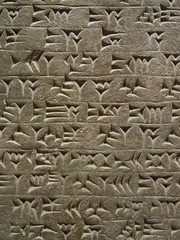
7309726987CuneiformA form of writing developed by the Sumerians using a wedge-shaped stylus and clay tablets11
7309726988City-stateA form of political organization typical of Mesopotamian civilization; consisted of agricultural hinterlands ruled by an urban-based king12
7309726989ZigguratsMassive towers usually associated with Mesopotamian temple connections13
7309726990Babylonian EmpireUnified all of Mesopotamia circa 1800 B.C.E.; collapsed due to foreign invasion circa 1600 B.C.E.14
7309726991HammurabiThe most important Babylonian ruler; responsible for codification of the law15
7309726992PharaohThe term used to denote the kings of ancient Egypt; the term, "great house" refers to the palace of the pharaohs16
7309726993PyramidsMonumental architecture typical of Old Kingdom Egypt; used as burial sites for pharaohs17
7309726994HieroglyphsForm of writing developed in ancient Egypt; more pictorial than Mesopotamian cuneiform18
7309726995KushAfrican state that developed along the upper reaches of the Nile circa 1000 B.C.E.; conquered Egypt and ruled it for several centuries19
7309726996MonotheismThe exclusive worship of one god; introduced by Jews into Middle Eastern civilization20
7309726997PhoeniciansSeafaring civilization located on the shores of the eastern Mediterranean; established colonies throughout the Mediterranean21
7309726998Harappa and Mohenjo DaroMajor urban complexes of Harappan civilization; laid out on planned grid pattern22
7309726999AryansIndo-European nomadic, warlike, pastorialists who replaced Harappan civilization23
7309727000Huanghe (Yellow) River BasinSite of the development of sedentary agriculture in China24
7309727001Shang1st Chinese dynasty25
7309727002OraclesShamans or priests in Chinese society who foretold the future through interpreting animal bones cracked by heat; inscriptions on bones led to Chinese writing26
7309727005PaleolithicThe period that ended about 3,000 years after the end of the last Ice Age, it lasted until about 10,000 years ago. (Old Stone Age) The period of the Stone Age associated with the evolution of humans. It predates the Neolithic period.27
7309727006Path of migration for humans during Paleolithic eraFrom Africa to Eurasia, Australia, and the Americas28
7309727007EgalitarianBelieving in the equality of all peoples29
7309727009Neolithic RevolutionGlobal conversion to agriculture over hunter-gatherer lifestyles30
7309727010Patriarchya system of society or government in which men hold the power and women are largely excluded from it.31
7309727011Permanent agricultural villages emerged first in the lands of the eastern Mediterranean, possibly as a response to what?climatic change32

Contemporary Era AP World History Set 2 (Cards 13-24) Flashcards

Terms : Hide Images
6972152116Russian (Bolshevik) Revolution, 1917-Massive revolutionary upheaval in 1917 that overthrew the Romanov dynasty in Russia and ended with the seizure of power by Bolsheviks under the leadership of Lenin. - Vladimir Lenin: lead the Bolshevik Party (Communist) to victory during the Russian revolution and the civil war that followed; became 1st leader of the USSR; attempted to shape the future of the Soviet Union, warning against the unchecked power of party members o Brest-Litovsk Treaty: Treaty brokered by Lenin to get Russia out of WWI; Russia lost substantial territory to the Germans. o New Economic Policy: Lenin's improvement of healthcare and schooling, made allowances for some private enterprise; helped return stability to to the USSR.0
6972152117Great Depression 1929-39- International economic crisis following the First World War; began with collapse of American stock market in 1929 ("Black Tuesday"); o Causes: Inflation - prices of items go up, but value doesn't; Overproduction of farm goods - cheap prices; Reliance on US loans to Europe economic gap; protectionism - high tariffs to protect home industry o Effects: massive unemployment; failed banks; rise of radical ideologies; USSR-not a huge part of global trading world - doesn't effect them; WWII ends it o contradicted optimistic assumptions of 19th century1
6972152118Franklin Delano Roosevelt (1882-1945)-U.S. President that brought America through the great Depression and World War II. o "New Deal": Roosevelt's plan that helped pull America of the Depression and employed many urban workers on public service projects; influenced by the principles of John Maynard Keynes, stating that government spending should increase during business slumps and be curbed during booms.2
6972152119Spanish Civil War (1936-39)-war broke out in 1936, and made the new European alignment that found the Western democracies on one side and the fascist states on the other; General Francisco Franco led an army from Spanish Morocco against the republic, won control with German & Italian help. o Guernica: a Spanish town that was brutally bombed and was full of innocent civilians it was supposed to encourage fear, Picasso painted a famous painting capturing the atrocity3
6972152120Benito Mussolini (1883-1945)-Fascist dictator of Italy (1922-1943); led Italy to conquer Ethiopia (1935), joined Germany in the Axis pact (1936), and allied Italy with Germany in World War II; was overthrown in 1943 when the Allies invaded Italy. o An uber nationalist, totalitarian political ideology; that tends to be antidemocratic, anti-marxist, anti-parliamentary, and often anti-semitic; also used to describe a number of right-wing dictatorships that arose across Europe between the wars; system of government characterized by strict social and economic control and a strong, centralized government usually headed by a dictator; first found in Italy by Mussolini; Fascist regimes sought to make the world safe for the middle class, small businesses, owners of moderate amounts of property, and small farmers. o Fascist Corporatist Economy: an anti-capitalist economy where government controlled corporations and had political influence through them; found in Italy & Germany in the 1930s4
6972152128Adolf Hitler (1889-1945)- Austrian, became a radical German nationalist during World War I, led the National Socialist German Workers' Party-the Nazi Party-in the 1920s and became dictator of Germany in 1933; led Germany into World War II o book written by Hitler, later became the basic book of Nazi goals and ideology, with basic ideas on "racial purification" o systematic effort of the Nazi state to exterminate all European Jews and other groups deemed racially inferior o Munich Conference: 1938 conference at which European leaders attempted to appease Hitler by turning over part of Czechoslovakia to him in exchange for promise that Germany would not expand Germany's territory any further5
6972152130WWII (1939-1945)-global conflict that involved the vast majority of the world's countries—including all of the great powers—eventually forming two opposing military alliances: the Allies and the Axis; directly involved more than 100 million people from over 30 countries; many countries were in a state of "total war"- o caused by problems not settled at Versailles; weak German govt. replaced by totalitarian Nazi Party; China/Japan tension (Japan invaded Manchuria in 1931 & China in 1937, killed thousands at the "Rape of Nanking") o US brought into the war on Dec. 7th, 1941 when japan launched a surprise attack at Pearl harbor, Hawaii o British and American fie-bombing of Dresden in World War II towards the end of the war killed at 35,000-135,000 civilians and destroyed the entire city center. o DDay: on June 6th, 1944 over a million Allied troops stormed the beaches at Normandy and began the process of re-taking France; turning point of World War II o Hiroshima and Nagasaki: atomic bombing attacks against the Empire of Japan by the US; killed over 200, 00 people; beginning of the atomic age6
6972152132Joseph Stalin (1878-1953)-dictator who transformed the Soviet Union from an agricultural company into a massive industrialized superpower through his iron will and oppression of the people via a command economy (socialist principles of centralized planning and state ownership) o Five Year Plans: economic reforms centered around heavy industry that was designed to strengthen the power of the Soviet Union; did not focus on consumer goods; and created collectives (system in which private farms were eliminated, instead, the government owned all the land while the peasants worked on it;) allowed the Soviet Union to industrialize fast7
6972152134Chinese Civil War (1927-36; 46-50)-represented an ideological split between the Communist CPC and the Kuomintang's brand of Nationalism (led by Chiang-Kai Shek) -communists took control of mainland China creating the People's Republic of China, forced the Kuomintang to retreat to Taiwan8
6972152136Mao Zedong (1893-1976)- communist leader who advocated the role of the peasantry in revolution; led the Communists to victory and ruled the People's Republic of China from 1949 to 1976 o Mao solidified the party and his leadership during the Long March: 6,000 mile retreat of Chinese Communists from southeastern to northwestern China. o Mao implemented the Great Leap Forward (1958-62) to rapidly transform the country from an agrarian economy into a modern socialist society through rapid industrialization and collectivization; widely considered to have caused massive famine o Cultural Revolution (1966-76): sociopolitical movement initiated by Mao to restore his dominance over China, to instill revolutionary values in the younger generation, purging remnants of capitalist and traditional elements from Chinese society; paralyzed China politically and negatively affected the country's economy and society9
6972152138Winston Churchill (1874-1965)-great wartime leader; rallied the British with his speeches, infectious confidence, and bulldog determination; led the British during WWII; advocated strengthening ties between the United States and Britain; known for his "iron curtain" speech (symbolizes the efforts by the Soviet Union to block itself and its satellite states from open contact with the West and non-Soviet-controlled areas; on the east side of the Iron Curtain were the countries that were connected to or influenced by the Soviet Union);10
6972152140War Conferences-meetings between the Allied leadership discussing war strategy & the post-war world; helped start the Cold war o Tehran (1943): 1st major meeting between the Big Three (US, Britain, Russia) at which they planned the 1944 assault on France and agreed to divide Germany into zones of occupation after the war o Yalta (1945): agreed upon Soviet entry into the war against Japan, organization of the United Nations; left eastern Europe to the Soviet Union o Potsdam (July 1945): Allied leaders Truman, Stalin and Churchill met in Germany to discuss the future of Europe & set up zones of control in Germany; mentioned an unspecified "powerful new weapon" to Stalin11

AP World History Chapter 3 key terms and concepts Flashcards

Terms : Hide Images
4837206551Code of HammurabiA series of laws publicized at the order of King Hammurabi of Babylon (d. 1750 B.C.E.). Not actually a code, but a number of laws that proclaim the king's commitment to social order.0
4837208159cradle of civilizationCommonly used term for southern Mesopotamia (in present-day Iraq).1
4837208722cuneiformWedge-shaped writing in the form of symbols incised into clay tablets; used in Mesopotamia from around 3100 B.C.E. to the beginning of the Common Era.2
4837210846Egypt:"the gift of the Nile"Egypt is often known as "the gift of the Nile" because the region would not have been able to support a significant human population without the Nile's annual inundation, which provided rich silt deposits and made agriculture possible.3
4837226247Epic of GilgameshThe most famous extant literary work from ancient Mesopotamia, it tells the story of one man's quest for immortality.4
4837227821HarappaA major city of the Indus Valley civilization; flourished around 2000 B.C.E.5
4837228747HatshepsutAncient Egypt's most famous queen; reigned 1472-1457 B.C.E.6
4837229932HebrewsA smaller early civilization whose development of a monotheistic faith that provided the foundation of modern Judaism, Christianity, and Islam assured them a significant place in world history.7
4837232501hieroglyphsAncient Egyptian writing system; literally, "sacred carvings"—so named because the Greeks saw them prominently displayed in Egyptian temples.8
4837233917HittitesAn Indo-European civilization established in Anatolia in the eighteenth century B.C.E.9
4837238975HyksosA pastoral group of unknown ethnicity that invaded Egypt and ruled in the north from 1650 to 1535 B.C.E. Their dominance was based on their use of horses, chariots, and bronze technology.10
4837241553Indus Valleyhome of a major civilization that emerged in what is now Pakistan during the third millennium B.C.E., in the valleys of the Indus and Saraswati rivers, noted for the uniformity of its elaborately planned cities over a large territory11
4837243864Mandate of HeavenThe ideological underpinning of Chinese emperors, this was the belief that a ruler held authority by command of divine force as long as he ruled morally and benevolently.12
4837245179MesopotamiaThe "land between the rivers" Tigris and Euphrates, in what is now Iraq.13
4837260566Minoan civilizationAn advanced civilization that developed on the island of Crete around 2500 B.C.E.14
4837261892Mohenjo DaroA major city of the Indus Valley civilization; flourished around 2000 B.C.E.15
4837262672Norte Chico/Carala region along the central coast of Peru, home of a civilization that developed in the period 3000-1800 B.C.E. Caral was the largest of some twenty-five urban centers that emerged in the area at that time.16
4837263903NubiaA civilization to the south of Egypt in the Nile Valley, noted for development of an alphabetic writing system and a major ironworking industry by 500 B.C.E.17
4837264726Olmec civilizationAn early civilization that developed along the coast of the Gulf of Mexico around 1200 B.C.E.18
4837267009oracle bonesIn Chinese civilization, animal bones that were heated and the cracks then interpreted as prophecies. The prophecies were written on the bone and provide our earliest written sources for ancient China.19
4837267963patriarchyLiterally "rule of the father"; a social system of male dominance.20
4837268756pharaohA king of Egypt. The term literally means "the palace" and only came into use in the New Kingdom, but it is generally employed in reference to all ancient Egyptian rulers.21
4837270445PhoeniciansA civilization in the area of present-day Lebanon, creators of the first alphabetic writing system.22
4837272186pyramidMonumental tomb for an Egyptian pharaoh; mostly built during the Old Kingdom (2663-2195 B.C.E.). Pyramids are also found in Meroë to the south of Egypt.23
4837273466quipuA series of knotted cords, used for accounting and perhaps as a form of writing in the Norte Chico civilization.24
4837275881rise of the stateA process of centralization that took place in the First Civilizations, growing out of the greater complexity of urban life in recognition of the need for coordination, regulation, adjudication, and military leadership.25
4837277645salinizationThe buildup of minerals in soil, decreasing its fertility; can be caused by long-term irrigation.26
4837279573SanxingduAn ancient city of China that developed independently from the Shang dynasty.27
4837280868Shang dynastyPeriod of Chinese history from 1766 to 1122 B.C.E.28
4837282359Son of HeavenTitle of the ruler of China, first known from the Zhou dynasty. It acknowledges the ruler's position as intermediary between heaven and earth.29
4837286075TeotihuacanThe largest city of ancient Mesoamerica; flourished around 500 C.E.30
4837288277UrukThe largest city of ancient Mesopotamia.31
4837289671Xia dynastyA legendary series of monarchs of early China, traditionally dated to 2200-1766 B.C.E.32
4837292280Zhou dynastyPeriod of Chinese history from 1122 to 256 B.C.E.33
4837293133zigguratA Mesopotamian stepped pyramid. Unlike an Egyptian pyramid,it was a solid structure of baked brick, an artificial hill at the summit of which stood a temple.34

AP World History Vocabulary Flashcards

Terms : Hide Images
10133754408May fourth movementa 1919 protest in China against the Treaty of Versailles and foreign influence0
10133754409Tehran conferencea 1943 meeting of leaders of the United States, Great Britain, and the Soviet Union; it agreed on the opening of a second front in France1
10133754410Potsdam conferencea 1945 meeting of the leaders of Great Britain, the United States, and the Soviet Union in which it was agreed that the Soviet Union would be given control of eastern Europe and that Germany would be divided into zones of occupation2
10133754411Geneva Conferencea 1954 conference that divided Vietnam at the seventh parallel3
10133754412Helsinki accordsa 1975 political and human rights agreement signed in Helsinki, Finland, by Western European countries and the Soviet Union4
10133754413cultural revolutiona Chinese movement from 1966 to 1976 intended to establish an egalitarian society of peasants and workers.5
10133754414European Economic CommunityA Common Market organized in 1958 which reduced tariffs among member nations and created a common tariff policy for other world nations6
10133754415Spanish civil wara conflict from 1936-1939 that resulted in the installation of fascist dictator Francisco Franco as ruler of Spain; Franco's forces were backed by Germany and Italy, whereas the Soviet Union supported the opposing republican forces7
10133754416Kabuki theatera form of Japanese theater developed in the 17th century that features colorful scenery and costumes and an exaggerated style of acting8
10133754417Coalitiona government based on temporary alliances of several political parties9
10133754418Yalta conferencea meeting of the leaders of the Soviet Union, Great Britain, and the United States in 1945; the Soviet Union agreed to enter the war against Japan in exchange for influence in the Eastern European states. The Yalta Conference also made plans for the establishment of a new international organization.10
10133754419Iron curtaina metaphorical description of the divide between the Communist East and Democratic Western Europe11
10133754420Welfare statea nation in which the government plays an active role in providing services such as social security to its citizens12
10133754421British commonwealthA political community consisting of the United Kingdom, its dependencies, and former colonies of Great Britain that are now sovereign nations; currently called the Commonwelath of Nations13
10133754422Fascisma political movement that is characterized by extreme nationalism, one-party rule, and the denial of individual rights14
10133754423Alliance for progressa program of economic aid for Latin America in exchange for pledge to establish democratic institutions; part of U.S. President Kennedy's international program15
10133754424Pan-Slavic movementA Russian attempt to unite all Slavic nations into a commonwealth relationship under the influence of Russia.16
10133754425Cubisma school of art in which persons and objects are represented by geometric forms.17
10133754426Al-Qaedaa terrorist group based in Afghanistan in the late 20th and early 21st centuries18
10133754427Ayatollaha traditional Muslim religious ruler19
10133754428Russificationa tsarist program that required non-Russians to speak only Russian and provided education only for those groups loyal to Russia20
10133754429Mandatea type of colony in which the government is overseen by another nation, as in the Middle Eastern mandates placed under European control after WWI21
10133754430Marshall plana U.S. plan to support the recovery and reconstruction of Western Europe after WWII22
10133754431international space stationa vehicle sponsored by 16 nations that circles the earth while carrying out experiments23
10133754432Berlin walla wall, built by the East German Communist government, to separate the Democratic Western Berlin24
10133754433world bankan agency of the United Nations that offers loans to countries to promote trade and economic development25
10133754434import substitution industrializationan economic system that attempts to strengthen a country's industrial power by restricting foreign imports26
10133754435World Trad Organizationan international organization begun in 1995 to promote and organize world trade27
10133754436International Monetary fundan international organization founded in 1944 to promote market economies and free trade28
10133754437European Unionan organization designed to reduce trade barriers and promote economic unity in Europe; it was formed in 1993 to replace the European Community.29
10133754438North American Free Trade Organizationan organization that prohibits tariffs and other trade barriers between Mexico, the United States, and Canada (NAFTA)30
10133754439GuomindangChina's Nationalist political party founded by Sun Yat-sen in 1912 and based on democratic principles; in 1925, the party was taken over by Jiang Jieshi, who made it into a more authoritarian party.31
10133754440containmentCold War policy of the United States whose purpose was to prevent the spread of communism32
10133754441government of India Actthe British law passed in 1935 which increased suffrage and turned provincial governments over to Indian leaders33
10133754442central powersin WWI, Germany, Austria-Hungary, Bulgaria, the Ottoman Empire, and other nations who fought with them against the Allies34
10133754443Allied powersin WWI, the nations of Great Britain, France, Russia, the United States, and others that fought against the Central Powers; in WWII, the group of nations including Great Britain, France, the Soviet Union, and the United States, that fought against the Axis Powers35
10133754444League of nationsinternational organization founded after WWI to promote peace and cooperation among nations36
10133754445service industriesoccupations that provided a service rather than a manufactured or agricultural product37
10133754446Organization of Petroleum Exporting CountriesOrganization formed in 1950 by oil-producing countries to regulate oil supplies and prices (OPEC)38
10133754447evangelicalpertaining to preaching the Gospel (the good news) or pertaining to theologically conservative Christians.39
10133754448five year plansplans for industrial production first introduced in the Soviet Union in 1928 by Stalin; they succeeded in making the Soviet Union a major industrial power by the end of the 1930s40
10133754449Appeasementpolicy of Great Britain and France of making concessions in Hitler in the 1930s41
10133754450KulaksRussian peasants who became wealthy under Lenin's New Economic Policy42
10133754451AfrikanersSouth Africans who were descended from the Dutch who settled in south Africa in the 17th century43
10133754452Hubble space telescopeTelescope able to peer deep into space44
10133754453Treaty of Brest-Litovskthe 1918 treaty ending WWI between Germany and the Soviet Union45
10133754454Treaty of Versaillesthe 1919 peace treaty between Germany and the Allied nations; it blamed the war on Germany and assessed heavy reparations and large territorial losses on the part of Germany46
10133754455Glasnostthe 1985 policy of Mikhail Gorbachev that allowed openness of expression of ideas in the Soviet Union47
10133754456Persian gulf warthe 1991 war between Iraq and a U.S. led coalition to liberate Kuwait from an Iraqi invasion48
10133754457Deoxyribonucleic acidthe blueprint of heredity49
10133754458No theaterthe classical Japanese drama with music and dances performed on a simple stage by elaborately dressed actors50
10133754459Brinkmanshipthe Cold War policy of the Soviet Union and the United States of threatening to go to war at a sign of aggression on the part of either power51
10133754460Collectivizationthe combination of several small farms into a large government controlled farm52
10133754461Great leap forwardthe diasastrous economic policy introduced by Mao Zedong that proposed the implementation of small scale industrial projects on individual peasant communities53
10133754462Sputnikthe first man-made satellite, launched by the Soviet Union54
10133754463Anschlussthe German annexation of Austria prior to WWII55
10133754464United Nationsthe international organization founded in 1945 to establish peace and cooperation among nations56
10133754465Holocaustthe Nazi program during WWII that killed 6 million Jews and other groups considered undesirable57
10133754466Reparationsthe payment of war debts by the losing side58
10133754467Great depressionthe severe worldwide economic downturn that began in the late 1920s and continued into the 1930s throughout many regions of the world59
10133754468Apartheidthe South African policy of separation of the races60
10133754469McDonaldizationthe spread of American culture and values around the world61
10133754470Eurothe standard currency introduced and adopted by the majority of members of the European Union in January 200262
10133754471Genocidethe systematic killing of an entire ethnic group63
10133754472Cold warthe tense diplomatic relationship between the United States and the Soviet Union after World War II64
10133754473Mass consumerismtrade in products designed to appeal to a global market65
10133754474National Organization For WomenU.S. organization founded in 1969 to campaign for women's rights66
10133754475New DealU.S. President Roosevelt's program to relieve the economic problems of the Great Depression; it increased government involvement in the society of the United States67
10133754476CartelsUnions of independent businesses in order to regulate production, prices, and the marketing of goods68
10133754477Korean ConflictWars between Communist North Korea, aided by China, and Capitalist South Korea, aided by the United States69
10133754478Cuban missile crisisWhen in 1962, the Soviets constructed nuclear missiles in Cuba which brought days of tense confrontation between Khrushchev and the U.S. President Kennedy. Khrushchev ultimately backed down, and the missiles were removed.70
10133754479Declaration of Independencea document modeled after the political philosophies of John Locke. It altered the natural rights identified by John Locke to include "life, liberty, and the pursuit of happiness."71
10133754480self-strengthening movementa late nineteenth-century movement in which the Chinese modernized their army and encouraged western investment in factories and railways72
10133754481Romanticisma literary and artistic movement in nineteenth-century Europe; emphasized emotion over reason73
10133754482Queua long ponytail that Chinese men were forced to wear in order to distinguish them from Manchus74
10133754483Domestic Systema manufacturing method in which the stages of the manufacturing process are carried out in private homes rather than a private setting75
10133754484Maorisa member of a Polynesian group that settled in New Zealand about 800CE.76
10133754485Declaration of the Rights of Man and of the Citizena statement of political rights adopted by the French National Assembly during the French Revolution77
10133754486Declaration of the Rights of the Women and the Femalea statement of the rights of women written by Olympe de Gouges in response to the Declaration of the Rights of Man.78
10133754487communisman economic system in which the state controls the means of production79
10133754488liberalisman Enlightenment philosophy that favored civil rights, the protection of private property, and representative government80
10133754489Guanobird droppings used as fertilizer; a major trade item of Peru in the late nineteenth century81
10133754490Suez Canalcanal constructed by Egypt across the Isthmus of Suez in 186982
10133754491Napoleonic Codecollection of laws that standardized French law under the rule of Napoleon Bonaparte83
10133754492Spanish-American Warconflict between the United States and Spain that began the rise of the United States as a world power. Spanish Civil War: a conflict from 1936 - 1939 that resulted in the installation of fascist dictator Francisco Franco as a ruler of Spain; Franco's forces were backed by Germany and Italy, whereas the Soviet Union supported the opposing republican forces (1898).84
10133754493Economic Imperialismcontrol of a country's economy by the business of another nation85
10133754494Revolutions of 1848democratic and nationalistic revolutions, most of them unsuccessful, that swept through Europe86
10133754495Spheres of Influencedivisions of a country in which a particular foreign nation enjoys economic privileges87
10133754496Jacobinsextreme radicals during the French Revolution88
10133754497Theory of Relativityidea which argued that time and space are relative to one another89
10133754498Theory of Natural Selectionidea, first proposed by Charles Darwin, that species survive due to favorable characteristics90
10133754499bourgeousieIn France, the class of merchants and artisans who were members of the Third Estate and initiators of the French Revolution; in Marxist theory, a term referring to factory owners91
10133754500proletarianin Marxist theory, the class of workers in an industrial society92
10133754501conservatismin nineteenth-century Europe, a movement that supported monarchies, aristocracies, and state-established churches93
10133754502factors of productionLand, Labor, Capital, Entrepreneurship, which existed in Britain which allowed it to lead in the Industrial Revolution94
10133754503zaibatsularge industrial organization created in Japan during the industrialization of the late nineteenth century95
10133754504conscriptionmilitary draft96
10133754505Tanzimet Reformsnineteenth century reforms by Ottoman rulers designed to make government and military more efficient97
10133754506Monroe Doctrinepolicy issued by the United States in which it declared that the Western Hemisphere was off limits to colonization by other powers98
10133754507Indian National Congresspolitical party that became the leader of the Indian nationalist movement99
10133754508Congress of Viennarestored legitimate monarchs to the thrones of Europe and to create a balance of power100
10133754509Boxer Rebellionrevolt against foreign residents of China101
10133754510Sepoy Rebellionrevolt of Indian soldiers against the British; caused by a military practice in violation of the Muslim and Hindu faiths (1857)102
10133754511natural rightsrights that belong to every person and that no government may take away103
10133754512Great Trekslaveholding Boers, who in 1834, left the Cape Colony and moved to the interior of Africa104
10133754513Young Turkssociety founded in 1889 in the Ottoman Empire; its goal was to restore the constitution of 1876 and reform the empire105
10133754514BoersSouth Africans of Dutch descent106
10133754515SepoysSouth Asian soldiers who served in the British army in India107
10133754516Revolution of 1905strikes by urban workers and peasants in Russia; prompted by shortages of food and by Russia's loss to Japan in 1905108
10133754517entrepreneurshipthe ability to combine the factors of land, labor and capital to create factory production109
10133754518Social Darwinismthe application of Darwin's philosophy of natural selection to human society110
10133754519Separation of Powersthe division of powers among the legislative, executive and judicial branches of government111
10133754520estatesthe divisions of society in pre-revolutionary France112
10133754521imperialismthe establishment of colonial empires113
10133754522enclosure movementthe fencing of pasture land in England beginning prior to the Industrial Revolution114
10133754523Bill of Rightsthe first ten amendments to the constitution of the United States115
10133754524Qing DynastyThe Manchurian invaders who ruled China from 1644 to the early 1900s116
10133754525Berlin Conferencethe meeting of European imperialist powers to divide Africa among them117
10133754526Capitalthe money and equipment needed to engage in industrialization118
10133754527Feminismthe movement to achieve women's rights119
10133754528Reign of Terrorthe period of the most extreme violence during the French Revolution120
10133754529Manifest Destinythe policy in the US that led to its expansion from the Atlantic to the Pacific121
10133754530Meiji Restorationthe restoration of the Meiji emperor in Japan in 1868 that began a program of industrialization and centralization of Japan following the end of the Tokugawa Shogunate.122
10133754531extraterritorialitythe right of foreigners to live under the laws of their home country rather than those of the host country123
10133754532dumathe Russian parliament124
10133754533Rajthe Sanskrit name for the British government in India125
10133754534Gran Columbiathe temporary union of the northern portion of South America after the independence movements led by Simon Bolivar126
10133754535Estates-Generalthe traditional legislative body of France127
10133754536Industrial Revolutionthe transition between the domestic system of manufacturing and the mechanization of production in a factory setting128
10133754537Treaty of Nankingtreaty ending the Opium War that ceded Hong Kong to the British (1842)129
10133754538pogromsviolence against Jews in tsarist Russia130
10133754539Opium Warwar between Great Britain and China began with the Qing dynasty's refusal to allow continued opium importation into China; British victory resulted in the Treaty of Nanking (1839-1842)131
10133754540Sino-Japanese Warwar between Japan and China, in 1895, over control over Korea132
10133754541Russo-Japanese Warwar between Russia and Japan over Manchurian territory; resulted in the defeat of Russia by the Japanese Navy133
10133754542Boer Warwar between the British and the Dutch over Dutch independence in South Africa; resulted in British victory. (1899 - 1902)134
10133754543radicalismWestern European political philosophy during the nineteenth century; advocated democracy and reforms favoring lower classes135
10133754544Enlightenmentintellectual movement that applied methods of the Scientific Revolution to the study of human society (17th century)136
10133754545Enclosure MovementGB: rich landowners enclosed the land and got Parliament to give them title to the commons that had previously been open to everyone to use137
10133754546entrepreneursnew group in late 18th century. money came from manufacturing.138
10133754547laissez-faire economicsEuropean economic policy of the 16th - 18th centuries that held that there was a limited amount of wealth available; key to the attainment of wealth was the acquisition of colonies139
10133754548indulgencea document whose purchase was said to grant the bearer the forgiveness of sins140
10133754549scientific revolutionEuropean intellectual movement in the 17th century that established the basis for modern science141
10133754550parliamentary monarchya govt with a king/queen whose power is limited by the power of parliament142
10133754551factoran agent with trade privileges in early Russia143
10133754552taj mahalwhite marble mausoleum built in Agra, India, by the mogul emperor shah Japan for his favorite wife144
10133754553mercantilismeconomic concept that holds that the govt shouldn't interfere with or regulate business and industries145
10133754554creolesa term used in colonial Spanish America to describe a person born in the Americas of European parents146
10133754555northwest passagepassage through the North America continent that was sought early by explorers to North America as a route to trade with the east147
10133754556enlightenmenta philosophical movement in 18th century Europe that was based on reason and the concept that education and training could improve human society148
10133754557viceroyaltya political unit ruled by a viceroy that was the basis of organization of the Spanish colonies149
10133754558encomiendaa practice in the Spanish colonies that granted land and the labor of native Americans on that land to European colonists150
10133754559devshirmepractice of the Ottoman Empire to take Christian boys from their home communities to serve as janissaries151
10133754560caravelsmall, easily steerable ship used by the Spanish and Portuguese in their explorations152
10133754561protestant reformationreligious movement began by matin Luther in 1517 that attempted to reform the beliefs and practices of the Roman Catholic Church; resulted from the formation of new Christian denominations153
10133754562capitalisman economic system based on private ownership and opportunity for profit making154
10133754563northern renaissanceextension of the Italian Renaissance to the nations of Northern Europe; the northern Renaissance took on a more religious nature than the Italian Renaissance155
10133754564philosophiesFrench enlightenment social thinkers156
10133754565mulattoin Spanish and Portuguese colonies a person of mixed African and European descent157
10133754566divine rightthe belief of absolute rulers that their right to govern is granted by god158
10133754567treaty of tordesillasthe 1494 treaty in which the pope divided unexplored territories between Spain and portugal159
10133754568sovereigntyself rule160
10133754569cossacksRussians who conquered and settled Siberia in the 16th and 17th centuries161
10133754570boyarsRussian nobility162
10133754571mughal dynastyrulers who controlled most of India in the 16th and 17th centuries163
10133754572absolute monarchyrule by a king/queen who's power is not limited164
10133754573natural lawsprinciples that govern nature165
10133754574manchuspeople from northeastern Asia who founded China's Qing dynasty166
10133754575Jesuitsmembers of the society of Jesus, a Roman Catholic missionary and educational order founded by Ignacio's of Loyola in 1534167
10133754576janissariesmembers of the ottoman army, often slaves, who were taken from Christian lands168
10133754577qing dynastymanchurian rule of China beginning in 1644 and lasting until 1914169
10133754578peninsularesIn the Spanish colonies, those who were born in europe170
10133754579mestizosin the Spanish colonies, persons of mixed European and native descent171
10133754580repartamientoin the Spanish colonies, a replacement for the encomienda system that limited the number of working hours for laborers and provided fair wages172
10133754581ninety-five thesework by Martin Luther where he laid out his arguments against the Roman Catholic church173
10133754582dutch learningwestern learning embraced by some Japanese in the 18th century174
10133754583estates-generalthe traditional legislative body of france175
10133754584catholic reformationreligious reform movement within the Roman Catholic church that occurred in response to the Protestant reformation. it reaffirmed catholic beliefs and promoted education.176
10133754585reconqistathe recapture of Muslim held lands in Spain by Christian forces; it was completed in 1492177
10133754586excommunicationpractice of the Roman Catholic and other Christian churches of prohibiting participation in the sacraments to those who do not comply with church teachings or practices178
10133754587middle passagethe portion of the trans-Atlantic trade that involved the passage of africans from Africa to the americas179
10133754588purdahthe Hindu custom of secluding women180
10133754589tokugawa shogunatethe feudal rulers of japan who moved the capital to edo. ruled from 1603 -1868181
10133754590commercial revolutionthe expansion of trade and commerce in Europe in the 16th and 17th century182
10133754591colombian exchangeexchange of foods, crops, disease and livestock between eastern and western hemispheres after the voyages of columbus183
10133754592triangular tradethe 18th century trade network between Europe, Africa and the Americas184
10133754593heliocentric revolutionthe concept that the sun is in the center185
10133754594deismthe concept of God common to the scientific revolution; the God was believed to have set the world in motion and then allowed it to operate by natural laws186
10133754595hagia Sophiathe church in Constantinople that was converted to a mosque after the ottoman conquest187
10133754596glorious revolutionthe bloodless overthrow of English king James and the placement of William and Mary on the English throne188
10133754597predestinationthe belief of protestant reformer John Calvin that God had chosen some people for heaven and others for hell189

AP World History - middle east Flashcards

Terms : Hide Images
7872424064Islam, one, AllahThe fastest growing religion in the world...is centered around the belief in...god called...0
7872424065Arabian PeninsulaWhere were the Bedouins living in the 6th century?1
7872424066Nomadic, tribal, and polytheisticThe Bedouin culture was mostly...2
7872424067SheikhsWho ruled each clan or tribe in the Bedouin culture?3
7872424068Polygyny...is when a man has more than one wife at a time4
7872424069PolytheisticWere the Bedouins polytheistic or monotheistic?5
7872424070Arabian Peninsula6
7872424071MeccaCity in Saudi Arabia that is considered to be a holy city7
7872424072Relic, wordThe black stone of Mecca is a...because it has the...of God8
7872424073Honesty, generosityThe Bedouin tribes valued...and...9
7872424074Land trade, camelsThe Bedouins...routes with...formed the basis of the Arabian economy10
7872424075Water travel...eventually became more popular than overland routes11
7872424076MerchantMuhammad was a...12
7872424077Caravan managerMuhammad became a...13
7872424078Revelations, AllahMuhammad experienced...that he attributed to the angel of the deity...14
7872424079QuranAn Islamic sacred book said to be the literal word of God15
7872424080YesDid it take long for Muhammad to gather followers of Allah?16
7872424081ProphetMuhammad is the last...17
7872424082MedinaThe city that Muhammad and his followers fled to when they were persecuted, and where the first Muslim community was:18
7872424083HegiraThe name of the flight of Muhammad and his followers because of persecution19
7872424084Ka'abaThe most important holy building of Islam20
7872424085Military conquest, movementA way that Islam was spread was...and the...of people21
7872424086EgalitarianIslam is an...religion22
7872424087WasWhen Islam was spread through military conquest and they had conquered a region, Islamic rule was/wasn't tolerant of the religion23
7872424088MonotheisticWas Islam polytheistic or monotheistic?24
7872424089Salvation and hope, Allah, QuranPrinciples of Islam: The ideas of...of an afterlife, the importance of submission to the will of...and a belief in the...as the sacred book25
7872424090Five PillarsCore set of obligations for Muslims26
7872424091God, Allah, five, alms, Ramadan, pilgrimageBelief in one...called... Praying...times a day Giving...to the poor Fasting during the month of... Making a...to Mecca once in your life27
7872424092JihadConcept of struggle to strive in the way of Allah and to improve both oneself and society28
7872424093ShariahA code of law that outlines behavioral requirements for daily life that was developed after Muhammad's death. (Based on the Quran)29
7872424094Ali and Abu BakrAfter Muhammad's death, who were the two people that were running to become the leader of the Islamic community?30
7872424095CaliphReligious ruler31
7872424096BakrWho became the first caliph?32
7872424097AliWho became the fourth caliph?33
7872424098SunnisSupporters of Abu Bakr34
7872424099Shia, ShiitesSupporters of Ali became the...group, also known as...35
7872424100Byzantine, Persian Sassanid, taxesWhen Bakr seized lands from the...Empire and the...Empire, he didn't force religious conversion. Instead the...were lower if you converted.36
7872424101Merchants, generals, and armies, UmayyadWhen Ali was assassinated a group of...took power and founded the...Dynasty37
7872424102SunniWas the Umayyad Dynasty in Damascus and Córdoba Sunni or Shia?38
7872424103DamascusWhere was the Umayyad Dynasty moved to? (From Medina)39
7872424104Abbasids, Umayyads, BaghdadThe...conquered the...and made a new city for their capital called...40
7872424105CaliphateAn Islamic state41
7872424106BaghdadWhere were the Abbasids?42
7872424107LearningBaghdad became the center of...43
7872424108PaperThe invention of thicker...was an achievement of Baghdad44
7872424109Hierarchical, bureaucracyThe Abbasids became increasingly...with a continually growing...45
7872424110ViziersPrime ministers in the Abbasid Empire46
7872424111AssassinationBeing a ruler in the Abbasid empire because you risked potential...attempts47
7872424112Attacks from outside groupsThe Abbasid Empire suffered from...48
7872424113Group that defeated the AbbasidsThe Mongols49
7872424114Economic, militaryThe Abbasids faced both...and...troubles50
7872424115CordobaWhere did the Umayyads move their capital to after it was moved to Damascus?51
7872424116Islamic expansion, Western EuropeThe loss of the Battle of Tours for the Islamic military marked the limit of...into...52
7872424117Tolerant, AbbasidsUmayyad rulers in Córdoba were...in terms of religion, like the..in Baghdad53
7872424118TradeThe Umayyad rulers in Córdoba promoted...54
7872424119DhowsThe trade that was promoted by the Umayyad rulers in Córdoba occured because of goods traveling ships called...55
7872424120LearningThe Islamic state in Córdoba, Spain became a center for...56
7872424121Aristotle, GreekIslamic scholars saved the works of...and other...thinkers57
7872424122Farmers, sailors, nomadsBefore Muhammad there were more...and...than pastoral...58
7872424123Byzantine, Islamic, Muslims, Christians, and JewsTrade between the...and the...empires created contacts between the religious groups:...59
7872424124Weren't, rulerWhen Islamic expansion occurred, the Islamic soldiers were/weren't allowed to own property that they took over, which allowed the people's lives to not be changed greatly. They would just be paying to a different...60
7872424125Merchants, European, AsianThe role of...in Islamic society was greater than in other...and...societies at the time.61
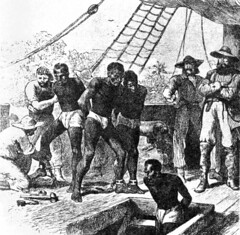
7872424126DidIslam did/didn't allow slavery.62
7872424127No, couldn't MuslimsWhen slaves converted to Islam, were the owners allowed to keep them enslaved? Y/N? Because Muslims could/couldn't enslave other...63
7872424128Slave women,Did slave women or wives have more independence?64
7872424129Markets, buySlave women were allowed to go to...or run errands. They could gather enough money to...their freedom.65
7872424130HijabHeadscarf/veil used by women to cover their heads66
7872424131Raised, love, devotion, educated, businessMuhammad...the status of women by treating his wives with...and...Also Muhammad's first wife was...and owned her own...67
7872424132HigherIslamic women had a...status than Christian and Jewish women68
7872424133UmmaA whole community of Muslims69
7872424134HaremThe separate part of a Muslim household for the wives, concubines, and the women's children70
7872424135SufisA new Islamic group in India and Persia71
7872424136Rituals, chants, GodThe Sufis followed...and...to attempt to unite with...72

AP World History (Unit 1) Flashcards

Foundations

Terms : Hide Images
8625807908Prehistory vs. historyPrehistory was the period of time before writing had been invented while history is any time after writing had been invented where humans now know exactly what had happened rather than making assumptions0
8625807909Features of civilization1: complex institutions 2: advanced technology 3: advanced city 4: written communication 5: specialization of labor1
8625807910Stages of hominid development- STAGE 1 (4,000,000 BCE - 1,000,000 BCE): Hominids / Australopithecines [had apposable thumbs] / Homo Habilis ["man of skills", found in east Africa, created stone tools] - STAGE 2 (1,600,000 BCE - 30,000 BCE): Homo Erectus ["upright human being", bipedalism, larger and more varied tools, first hominid to migrate from Africa to Europe and Asia, first to use fire - 500,000 BCE] - STAGE 3 (200,000 BCE - 10,000 BCE): Homo Sapiens ["wise human being"] / Neanderthrals (200,000 BCE - 30,000 BCE) [first to bury their dead, made clothes from animal skins, lived in caves and tents] / Cro-Magnons (40,000 BCE - 10,000 BCE) [homo sapiens sapiens = "wise, wise humans", replaced Neanderthrals]2
8625807911"Out of Africa" thesis vs. multiregional thesisThe "Out of Africa" thesis states that Homo sapiens sapiens emerged in Africa and then migrated from there, and is the most widely accepted theory by scientists, while the multiregional thesis states homo sapiens sapiens emerged simutaneously throughtout the world and descended from earlier hominid groups that had already left Africa3
8625807912Paleolithic Era- "Old Stone Age" - a long period of human development before the development of agriculture4
8625807913Neolithic Era- "New Stone Age" - 10,000 - 4000 BCE - was marked by the discovery and mastery of agriculture5
8625807914Family units, clans, tribesA group of people sharing common ancestry6
8625807915Foraging societies- nomadic - small communities / population - no political system - economic distribution is more equal - acquire their subsistence from the resources around them, without cultivating the earth7
8625807916Nomadic hunters/gatherers- a group of people who have no fixed home and move according to the seasons from place to place in search of food, water, and grazing land - normally the men would hunt and the women would be the gatherers8
8625807917Ice AgeA cold period marked by episodes of extensive glaciation9
8625807918Civilization- literally means "living in cities" - contains five features of civilitzation: complex institutions, advanced technology, advanced city, written communcation, and specialization of labor10
8625807919Neolithic Revolution- began around 8,000 BCE - it was the gradual shift from a nomadic lifestyle of hunting and gathering to a settled, stationary lifestyle with agricultural production and domestication of animals11
8625807920Domestication of plants and animals- the taming of animals and plants for human use, such as work or as food - this allowed the humans to remain in one place12
8625807921Nomadic pastoralism- a form of agriculture where livestock are herded either seasonally or continuously in order to find fresh pastures on which to graze - commonly practiced in regions with little arable land13
8625807922Migratory farmersFarmers that continue to migrate, instead of settling, after using up the land14
8625807923Patrilineal/patrilocal- patrilineal relates to a social system in which inheritance rights and family descent is traced though the father - patrilocal refers to the pattern where married couples live with or near the husband's parents/family15
8625807924Irrigation systemsReplacement of rainfall with water from another source (like natural ponds, lakes, streams, and wells) in order to grow crops16
8625807925MetalworkingThe process of working with metals to create individual parts, assemblies, or large scale structures17
8625807926EthnocentrismThe tendency to view one's own culture and ethnic group as superior to all other cultures and ethnic groups and as the standard for judging the worth of the others foreign ways18
8625807927ForagingThe act of searching for food and provisions19
8625807928Sedentary agriculture- farming system in which the farmer remains settled in one place - domestication of plants and animals20
8625807929Shifting cultivationA form of subsistence agriculture in which people shift activity from one field to another; each field is used for crops for relatively few years and left fallow for a relatively long period21
8625807930Slash-and-burn agricultureA form of agriculture in which an area of forest is cleared by cutting and burning and is then planted, usually for several seasons, before being left to return to forest22
8625807931MatrilinealIt relates to a social system in which family descent and inheritance rights are traced through the mother23
8625807932Cultural diffusionA social process resulting in the transfer of beliefs, values, and social activities (like games or sports) from one society to another24
8625807933Independent inventionThe development of the same culture trait or pattern in many different culture hearths (that developed independently of each other) as a result of comparable needs and circumstances.25
8625807934Specialization of laborThe specialization of cooperative labour in specific, circumscribed tasks and roles26
8625807935Gender division of labor- feature of the Stone Age society - due to basic physical differences, various food-gathering tasks and everyday activities tended to be assigned by sex. Although, this did not necessarily mean men's roles were superior to women. But over time, gender division of labor led to inequality of sexes, despite technological advances that have made physical differences less important.27
8625807936Metallurgy and metalworking- metallurgy: the study of metals and their properties / the science and technology of extracting metals form their ores, refining them, and preparing them for use - metalworking: the process of working with metals to create individual parts, assemblies, or large scale structures28
8625807937Fertile Crescentan arc of cultivable land characterized by wooded hillsides and alluvial valleys which runs northwestward along the Zagros Mountains of Iran, loops around the northern rim of the Syrian Desert, and extends southward parallel to the eastern shore of the Mediterranean - the Tigris-Euphrates and Jordan river valleys are also conventionally considered part of the Fertile Crescent - the earlist physical traces of farming settlements in the world are located in this region29
8625807938Gilgamesh- ancient Sumerian king (city-state of Uruk) - ruled: 2700 BCE - credited with having been a demigod of superhuman strength who built a great city wall to defend his people from external threats - the 'Epic of Gilgamesh' is thought to be the first story30
8625807939Hammurabi's Law Code- established high standards of behavior and stern punishments for violators - relied heavily on the principle of 'lex talionis' (the law of retaliation / an eye for an eye) - there was no way of escaping it.. Hammurabi had statues all over his kingdom with the laws inscribed onto it so that everyone knew what they were31
8625807940Egypt- ruled by pharohs - agriculture-based society - patriarchal society - built irrigation systems / pyramids as royal tombs - hieroglyphic writing - referred to the area of the ribbon of land bordering the lower third of the Nile - the Red/Mediterranean Sea and hostile deserts discouraged foreign invaders32
8625807941Egyptian Book of the Dead- a common name for the ancient Egyptian funerary texts - constituted a collection of spells, charms, passwords, numbers and magical formulas for use by the deceased in the afterlife, describing many of the basic tenets of Egyptian mythology. - intended to guide the dead through the various trials that they would encounter before reaching the underworld - knowledge of the appropriate spells was considered essential to achieving happiness after death33
8625807942Pyramids- monumental architecture typical of Old Kingdom Egypt - used as burial sites for pharaohs - within the pyramid was everything the deceased needed in the after life; including possessions, gold, jewels, and jars containing their vital organs that were removed during mummification - massive structure with a rectangular base and four triangular sides34
8625807943Hieroglyphics- system of writing in which pictorial symbols represented sounds, syllables, or concepts - used for official and monumental inscriptions in ancient Egypt35
8625807944Indus valley civilization- first society here was the Harappan - there isn't very much information on it because most Harappan physical remains are now below the water table and scholars can't decipher records - reflected a strong concern for fertility - Aryans migrated here (they had a well-defined social order) - built dams (to prevent flood), city walls, a fortified citadel, and a large granary36
8625807945Early China- agriculture-based society - written communication - specialized labor - absence of organized religion of official priesthood - society based on family - patriarchal - occasionally women played prominent roles - bronze metallurgy - horse drawn chariots - pottery - East & Central Asia37
8625807946The CeltsThe first ethnic group to establish a widespread presence in Europe - society based on close-knit tribal groups - lived north of Danube River - they remain in France, Britain and Spain - 500 BCE: began to migrate - no written language, oral tradition- myths, songs, folktales - conquered by the Romans38
8625807947The Hitties and iron weapons- Indo-European migrants - introduced iron metallurgy to Mesopotamians39
8625807948The Assyrians and cavalary warfare- built a powerful and intimidating army by organizing forces into standardized units under command of professional officers appointed because of merit, skill, bravery, rather than noble birth/family connections - supplemented infantry with cavalry forces and light horse-drawn chariots (borrowed from Hittites)40
8625807949The Persian Empire- Ancient Middle Eastern empire comprising modern day Iran. The Persian Empire dominated the Middle East from the middle of the 6th century BCE to about the end of the 5th century BCE - later conquered by Alexander the Great.41
8625807950The Hebrews and monotheism- this group was the first and only religion of the time to worship only one god - Yaweh -Abraham is considered to be the father of the Hebrews42
8625807951The Phoenicians and the alphabet- this group created the alphabet in which many modern languages have evolved from - became one of the most widely used writing systems, spread by Phoenician merchants across the Mediterranean world, where it was assimilated by many other cultures and evolved - began in 1050 BC, and gradually died out during the Hellenistic period as its evolved forms replaced it43
8625807952The Lydians and coinage- this group invented the coin - Greek city-states adopted coinage from this group and it is still used in modern times44
8625807953Greek city-states- Ancient Greece was made up of city-states, also known as Polis - they were developed out of the political chaos of the 1100's (BCE) - each Polis was independent and so a range of political institutions developed across the Balkan Peninsula and Aegean Islands - the largest city-states were Athens and Sparta45
8625807954DemocracyA political system in which the supreme power lies in a body of citizens who can elect people to represent them46
8625807955Persian Wars- conflicts between Greek city-states and the Persian Empire - ranging from the Ionian Revolt (499-494 B.C.E.) through Darius's punitive expedition that failed at Marathon - chronicled by Herodotus.47
8625807956Peloponnesian WarThe Delian League, once formed to unite the Greeks against the Persians, was increasingly dominated by the Athenians, who felt free to use its treasury to finance public building projects in their polis; this behavior by the arrogant Athenians caused much resentment among other League members and, with the involvement of Sparta, ultimately resulted in a disastorous civil conflict which is the Peloponnesian War.48
8625807957Alexander the Greatsuccessor of Philip II; attempted to combine Greek and Persian cultures; great leader49
8625807958Hellenistic EraThe time between the death of Alexander the Great in 323 BCE and the expansion of the Roman empire.50
8625807959HomerAncient Greek epic poet who is believed to have written the Iliad and the Odyssey51
8625807960Socrates and Plato- two ancient Greek philosophers who concluded that the mind is separable from the body and continues after the body dies - were rationalists (truth is reached not via our senses but via our thoughts)52
8625807961Aristotle- Greek philosopher - a pupil of Plato / the tutor of Alexander the Great / the author of works on logic, metaphysics, ethics, natural sciences, politics, and poetics - he profoundly influenced Western thought - disagreed with Plato's theory / promoted a moderate democracy, order, and acceptance of roles / taught geocentrism (earth is center of universe) / defined the four elements53
8625807962Western scientific thought- scientific method - basis for modern science54
8625807963Roman RepublicThe ancient Roman state from 509 BC until Augustus assumed power in 27 BC. was governed by an elected Senate but dissatisfaction with the Senate led to civil wars that culminated in a brief dictatorship by Julius Caesar.55
8625807964Plebians and patriciansPlebians were Roman common people while patricians were Roman aristocrats and wealthy classes56
8625807965Punic WarsA series of three wars between Rome and Carthage (264-146 B.C.); resulted in the destruction of Carthage and Rome's dominance over the western Mediterranean.57
8625807966Julius Caesar- Roman military and political leader - He was instrumental in the transformation of the Roman Republic into the Roman Empire - Dictator58
8625807967Roman EmpireThe territories ruled by ancient Rome which at one time encompassed most of the Mediterranean world and parts of France, England, and Germany. The empire lasted from 27 BCE to 395 CE.59
8625807968Qin, Han, Tang Dynasties- First three dynasties of China that we have recordings of. - First of 'centralized' China.60
8625807969Shi Huangdi- founder of the Qin Dynasty (from 247 BC to 221 BCE), - the first emperor of a unified China61
8625807970Chinese tributary systemForm of conducting diplomatic and political relations with China before the fall of the Qin Dynasty62
8625807971The Silk RoadAncient trade routes that extended from the Roman empire in the west to China in the east63
8625807972Nara and Heian JapanVast division of classical Japanese history, running from 794 to 1185. The Heian period is considered the peak of the Japanese imperial court and noted for its art, especially poetry and literature. Nara: agricultural in nature, centered around villages. Most of the villagers followed the Shinto religion, based around the worship of natural and ancestral spirits.64
8625807973The Fujiwara clandominated the Japanese politics of Heian period65
8625807974Lady Murasaki and "The Talke of Genji"First novel of Japanese literature66
8625807975Central Asia and MongoliaHistorically been closely tied to its nomadic people and the Silk Road. As a result, it has acted as a crossroads for the movement of people, goods, and ideas between Europe, the Middle East, South Asia, and East Asia67
8625807976The Aryan invasion of IndiaAryans invaded and destroyed Indus River civilization, settled, moved to Ganges River.68
8625807977DravidiansOne of the main groups of people in India; probably descended from the Indus River culture that flourished at the dawn of Indian civilization over 4,000 yrs. ago69
8625807978Indian caste system- simple division of society into four castes: Brahmin (Priests/Priestesses), Kshatriya (Warriors), Vaishya (Skilled Workers), Shudra (Unskilled workers), with the "Untouchables" (Dalit) below everyone - arranged in a hierarchy - socially the caste system was more complicated, with many more castes and sub-castes and other divisions (like Jati)70
8625807979Ashoka- third ruler of the Mauryan Empire in India (r. 270-232 BCE) - he converted to Buddhism - stone edicts (the earliest surviving Indian writing) - built wells, inns, and trees on roads to facilitate trade - grandson of Chanragupta Maurya71
8625807980Constantinople/Byzantine EmpireMade into second capital by Constantine in attempts to help Rome turn its economy around72
8625807981Justinian- Byzantine emperor in the 6th century CE - reconquered much of the territory previously ruled by Rome - initiated an ambitious building program (he built the Hagia Sofia) - known for issuing most famous compilation of Roman Law73
8625807982Early Medieval Europe "Dark Ages"A period in history between the last emperor of Rome, 475 A.D., and the Renaissance, about 1450 (15th century). Art production during this period was dominated by the Catholic Church.74
8625807983FeudalismA political system in which nobles are granted the use of lands that legally belong to their king, in exchange for their loyalty, military service, and protection of the people who live on the land75
8625807984Charlemagne- became King of the Franks in 768 CE - he built an empire spanning present-day France, Germany, and part of Italy - a close ally of the Church, he was crowned Emperor of the Romans by Pope Leo III in 800 CE after helping the pope defeat rebellious Roman nobles - he also spread Christianity to the conquered peoples on the fringes of his Empire76
8625807985Mohammed and the foundation of IslamIn 610 or earlier, he received the first of many revelations: Allah transmitted to him through the angel Gabriel. Believed in the five pillars: (1) "There is no God but Allah, and Muhammad is his Prophet." (2) Pray facing Mecca five times a day. (3) Fast during the month of Ramadan which enhances community solidarity and allowed the faithful to demonstrate their fervor. (4) The zakat, tithe for charity, strengthened community cohesion. (5) The haji, pilgrimage to the holy city Mecca, to worship Allah at the Ka'ba.77
8625807986Umayyad and Abbasid caliphatesUmayyad: Clan of Quraysh that dominated politics and commercial economy of Mecca; clan later able to establish dynasty as rulers of Islam. Abbasid: Dynasty that succeeded the Umayyads as caliphs within Islam (750 C.E.) A caliph is a political and religious successor to Muhammad.78
8625807987Bantu and their migrationsskilled farmers and herders who moved from West Africa to south and east in search of fertile land when Sahara started drying out; they spread knowledge of farming, ironworking knowledge, and language across African continent from 500 B.C. and A.D. 1500.79
8625807988Nubia- area south of Egypt - the kingdom of Kush in Nubia invaded and dominated Egypt from 750 to 664 BCE80
8625807989Ghana- kingdom in West Africa during the fifth thought the thirteenth centuries whose rulers eventually converted to Islam - its power and wealth was based on dominating trans-Saharan trade81
8625807990Olmec- early Mesoamerican society (1st) - 1200-100 BCE - centered around sites at San Lorenzo, La Venta, Tres Zapotes and that influenced later Maya - the "rubber people"82
8625807991Maya- brilliant Central American society - 300 - 1100 - known for math, astronomy, and a sophisticated written language83
8625807992Andean societies- Second millenium BCE - in the central Andes and Pacific coast of South America - semi/urbanized cultures - economic surplus?84
8625807993Mississippian culture- last of the mound-building cultures of North America - flourished between 800 and 1300 C.E. - featured large towns and ceremonial centers - lacked stone architecture of Central America.85
8625807994Anasazi- Native American culture flourishing in southern Colorado and Utah and Northern New Mexico and Arizona from about 100 AD - descendents include the present-day Pueblo people - culture includes Basket Maker phase, and later marked by creation of cliff dwellings and expert artisanship - they worshipped in subterranean buildings called kivas86
8625807995Cultural diffusion vs. independent innovationCultural diffusion is a social process resulting in the transfer of beliefs, values, and social activities (like games or sports) from one society to another while independent innovation is the development of the same culture trait or pattern in many different culture hearths (the developed independently of each other) as a result of comparable needs and circumstances87
8625807996Aristocracy- a government in which power is in the hands of a hereditary ruling class or nobility - the wealthiest, most priveliged members of society88
8625807997Parliamentary bodiesSenate and voting bodies?89
8625807998OligarchyA government in which only a small group of people hold the power90
8625807999Republics/Democracies- Republic: state or country that is led by people who do not base their political power on any principle beyond the control of the people living in that state or country. - Democracy: form of government in which policy is decided by the preference of the majority in a decision-making process, usually elections or referendums, open to all or most citizens.91
8625808000Theocracy- a government thought to be guided by a divine power - controlled by religious leaders92
8625808001Slavery vs. serfdom- Slavery: the condition of being owned by another person and being made to work without wages - Serfdom: A medieval peasant who was forced to work the land of a lord's manor in exchange for protection. They were little more than slaves.93
8625808002Warstate of widespread conflict between states, organisations, or relatively large groups of people, which is characterised by the use of violent, physical force between combatants or upon civilians94
8625808003Trade routessequence of pathways and stopping places used for the commercial transport of cargo95
8625808004Polynesian migrationsmariners with canoes who migrated to Hawaii, Samoa, Fiji, Tahiti, New Zealand, Marquesas, and Easter Island96
8625808005Eurasia's great age of migrationsPeople, mainly from Central Asia, migrated outward. In particular, Europe was flooded by an influx of Germanic and Asiatic invaders that were seen as barbaric invaders but eventually settled there.97
8625808006PolytheismBelief in more than one God98
8625808007Zoroastiranism- Persian religion based on the teaching of the 6th century BCE prophet Zarathustra - its emphasis on the duality of good and evil and on the role of individuals in determining their own fate would influence later religions99
8625808008The Ten Commandments- Hebrew law governing religioius belief and behavior - set forth by God and brought to the people by Moses100
8625808009The Torah- first five books of the Old Testament (in the bible) - most sacred book in Judaism101
8625808010The TalmudThe collection of ancient rabbinic writings on Jewish law and tradition (the Mishna and the Gemara) that constitute the basis of religious authority in Orthodox Judaism102
8625808011YHWHThe Hebrew name for God, sometimes translated into "I AM" or "the One Who Is" or "The One Who Causes to Be What Is"103
8625808012AbrahamThe first patriarch in the Bible. Abraham was asked by God to sacrifice his son, Isaac, and was rewarded for being prepared to do so. He is considered by Jewish people as the father of the Israelites through his son Isaac, and by Muslims as the father of Arab peoples through his son Ishmael.104
8625808013Moses and the Exodus from Egypt - PassoverPassover to celebrate the day the Jews were led out of Egypt and into their land by Moses.105
8625808014David and Solomon- kingdom period of the Hebrews with the capital in Jerusalem - at this time the Egyptian and Hittite Empires were receding and it allowed for the Hebrews to establish a kingdom - King David ruled Israel from 990 BCE to 968 BCE; and his son Solomon ruled after him until 928 BCE. David enlarged his kingdom and brought it to the peak of political and military power. Solomon "ruled over all the kingdoms west of the Euphrates River from Tiphsah to Gaza; he was at peace with all his neighbors"106
8625808015Jewish DiasporaThe global dispersion of the Jewish people from their ancestral homeland (in modern-day Israel), with a history dating back millennia.107
8625808016Vedism (Rig-Veda)early Indian religion, heavy emphasis on the 4 Vedas, priests very important-performed complex rituals, sacrifice brought you closer to the gods108
8625808017Hinduism (Upanishads, Mahabharata, Bhagavad-Gita)Upanishads- later books of the Vedas; contained sophisticated and sublime philosophical ideas (concerning the relations of humans, God, and the universe); sacred writings in Hinduism; utilized by Brahmans to restore religious authority Mahabharata- Massive ancient Indian epic that was developed orally for centuries; it tells of an epic civil war between two family branches. Bhagavad-Gita - the sacred 'song of God' composed about 200 BC and incorporated into the Mahabharata (a Sanskrit epic)109
8625808018Samsara, Karma, DharmaSamsara- the Hindu cycle of death and rebirth (reincarnation) Karma- the belief that a person's actions determines their destiny in their next incarnation Dharma- a person's religious and moral duties110
8625808019Brahma, Vishnu, Shiva- Gods of Hinduism: 1: Brahma- god of creation 2: Vishnu- god of protection 3: Shiva- god of destruction111
8625808020Laws of Manu200 BCE > 200 CE - support of caste system112
8625808021Buddhism- founded by Siddhartha Guatama (the Buddha) - originated between 535 and 528 BCE - based on the 4 Noble Truths - no caste system - promoted by King Ashoka (Mauryan Dynasty)113
8625808022Four Noble Truths- the foundation of Buddhist thought 1: life is pain 2: pain is caused by desire 3: elimination of desire will bring an end to pain 4: living a life based on the Noble Eightfold Path will eliminate desire114
8625808023Eightfold Path- final truth of the Buddhist Four Noble Truths that called for leading a life of balance and constant contemplation115
8625808024Siddhartha Gautama- founder of Buddism - born a prince but left his father's wealth to find the cause of human suffering - he wandered the forests of India for 6 years seeking enlightenment - he believed in the Four Noble Truths and the Eightfold Path where you aim to reach nirvana - known as the Buddha116
8625808025Nirvana- Buddhist concept of a state of spiritual perfection and enlightenment in which distracting passions are eliminated117
8625808026Theravada (Hinayana and Mahayana Buddhism)In Hinayana, the Buddha is the Teacher and in Mahayana the Buddha is God.118
8625808027Daoism- Chinese philosophy with origins in the Zhou Dynasty - associated with legendary philosopher Laozi - self-sufficient - created to try and end the period of warring states - "Wu Wei" - SOCIAL and politcal - coexist with nature - go with the flow119
8625808028Tao-te Ching and the I Chingthe philosophical book in verse supposedly written by Lao-tzu120
8625808029Laozi- the "Old Master" who encouraged people to give up worldly desires in favor of nature - founder of Daoism121
8625808030Confucianism- philosophy based on the teachings of the Chinese philosopher Kong Fuzi (Confucius) - created to try and end the period of warring states - social and political - 3 principles: Ren, Li, Xiao - focused on education (liberal arts) - junzi - optimistic122
8625808031Analects- main book of Confucianism - profoundly influenced Chinese political and cultural traditions - after his death, some of his pupils compiled the master's sayings and teachings and it became known as this123
8625808032K'ung Fu-tza (Confucius)- Western name for the Chinese philosopher Kongzi (551-479 BCE) - his doctrine of duty and public service had a great influence on subsequent Chinese thought and served as a code of conduct for government officials - founder of Confucianism124
8625808033Mandate of HeavenChinese religious and political ideology developed by the Zhou, was the prerogative of Heaven, the chief deity, to grant power to the ruler of China.125
8625808034Judeo-Christian traditiona set of beliefs and ethics held in common by Judaism and Christianity126
8625808035Jesus of Nazareth- born in Bethlehem and active in Nazareth - his life and teachings are the basis of Christianity - believing him to be the son of God, his disciples proclaimed him the Messiah and savior of humankind127
8625808036The Bible (Old and New Testament)- holiest book of Christianity - split up in two: the Old Testament and the New Testament128
8625808037Crucifixion and Resurrection (Easter)- Crucifixion: the son of God, Jesus, died on the cross in which all sins were forgiven / Good Friday - Resurrection: three days after the Crucifixion of Jesus, he rose again / Easter Sunday129
8625808038Peter and PaulApostles of Jesus who spread his teachings / Christianity after his death130
8625808039Constantine and the Edict of MilanThe persecution of Christians ended in 313 CE when emperor Constantine issued the Edict of Milan. He granted freedom of religion to all citizens. They also gave back property that was seized from Christians. Constantine was influenced to do this because his mother was a devout Christian131
8625808040Saint AugustineHe worked to reconcile Christianity with Greek and Roman philosophical traditions, especially Platonism, and to articulate Christianity in terms that were familiar and persuasive to the educated classes132
8625808041Eastern Orthodoxy and Roman Catholicism (Great Schism of 1054)Divided medieval Christianity into Eastern (Greek) and Western (Latin) branches, which later became known as the Eastern Orthodox Church and the Roman Catholic Church133
8625808042Islam (the Qur'an)- Islam's holy book (Similar to the Bible and Torah) - the transcription of Muhammad's revelations from the angel Gabriel134
8625808043Allah- God of the monotheistic religion of Islam135
8625808044Mohammed- 570-632 CE - born in Mecca / died in Medina - founder of Islam - regarded by Muslims as a prophet of God - his teachings make up the Qu'ran, the Muslim holy book - came to beleive that one true God, Allah was speaking to him through the archangle Gabriel and he passed the religion onto others136
8625808045Mecca- city in western Saudi Arabia - birthplace of the Prophet Muhammad - ritual center of the Islamic religion (holiest city of Islam)137
8625808046The Kaaba- a cuboidal building in Mecca and is the most sacred site in Islam - focal point for prayer138
8625808047Medina (the Hegira)- Medina is the second holiest city of Islam, after Mecca - The Hegira was the flight of Mohammed from Mecca to Median which was instrumental to the founding of the religion of Islam139
8625808048Sunni vs. Shiite- two branches of Islam - Sunni: members acknowledge the first four caliphs as the rightful successors of Muhammad - Shiite: believes that its religious leader should be chosen based on heredity140
8625808049SufismA mystic tradition within Islam that teaches that people can find God's love by having a personal relationship with God.141
8625808050Nomadic hunters/gatherers- a group of people who have no fixed home and move according to the seasons from place to place in search of food, water, and grazing land - normally the men would hunt and the women would be the gatherers142
8625808051Climate changesAny change in global temperatures and precipitation over time due to natural variability or to human activity.143
8625808052Ice AgeA cold period marked by episodes of extensive glaciation alternating with episodes of relative warmth144
8625808053Civilization- literally means "living in cities" - contains five features of civilitzation: complex institutions, advanced technology, advanced city, written communcation, and specialization of labor145
8625808054Neolithic Revolution- began around 8,000 BCE - it was the gradual shift from a nomadic lifestyle of hunting and gathering to a settled, stationary lifestyle with agricultural production and domestication of animals146

P/ap World history Flashcards

Vocabulary

Terms : Hide Images
7196353027absolutism (absolute rule, absolute monarchy)• centralized power • divine right • Louis XIV, Suleiman the Magnificent, the Greats0
7196353028Agrarianconcerning farms, farmers, or the use of land1
7196353029AgricultureFarming2
7196353030AristocracyA government in which power is in the hands of a hereditary ruling class or nobility3
7196353031BureaucracyA system of managing government through departments run by appointed officials4
7196353032CapitalismAn economic system based on private ownership of capital5
7196353033City statea city that with its surrounding territory forms an independent state.6
7196353034Civilizationthe stage of human social development and organization that is considered most advanced.7
7196353035ColonialismThe practice of directly controlling and settling foreign territories8
7196353036commercialrelated to business9
7196353037Communismthe idea that society should be based on public ownership and communal control of property10
7196353038CultureBeliefs, customs, and traditions of a specific group of people.11
7196353039DeforestationDestruction of forests12
7196353040deity (n)a god or goddess13
7196353041Democracygovernment by the people14
7196353042Diffusionthe spreading of something more widely15
7196353043Domesticationthe taming of animals for human use, such as work or as food16
7196353044DynastyA series of rulers from the same family17
7196353045EconomicsThe study of how people seek to satisfy their needs and wants by making choices18
7196353046EmpireA group of states or territories controlled by one ruler19
7196353047EpidemicA widespread outbreak of an infectious disease.20
7196353048Feudalismthe dominant social system in medieval Europe21
7196353049GenocideDeliberate extermination of a racial or cultural group22
7196353050Globalizationthe process of countries becoming more open to foreign trade and investment23
7196353051Hierarchyranking24
7196353052Ideologiessystems of thought and belief25
7196353053ImperialismA policy of extending a country's power and influence through diplomacy or military force.26
7196353054IndustrializationThe development of industries for the machine production of goods.27
7196353055KingdomFirst and largest category used to classify organisms28
7196353056labor systemssystem of labor in which people do specialized jobs29
7196353057Manorialismthe economic system of the Middle Ages30
7196353058Maritimerelating to the sea31
7196353059MarxismA body of thought deriving its main elements from Karl Marx's ideas32
7196353060Matrilinealof or based on kinship with the mother or the female line33
7196353061MedievalAnother name for the Middle Ages.34
7196353062Mercantilismbelief in the benefits of profitable trading; commercialism.35
7196353063Merchantspeople who buy and sell goods for profit; business people36
7196353064Migrationthe movement of people from place to place37
7196353065MonotheismBelief in one God38
7196353066NationalismA strong feeling of pride in and devotion to one's country39
7196353067Nation stateA state that is independent of other states40
7196353068Neolithic"New Stone Age"41
7196353069Nobilitya class of people having high birth or rank42
7196353070NomadsPeople who move often from place to place43
7196353071OligarchyA government ruled by a few powerful people44
7196353072PaleolithicOld stone age45
7196353073PandemicA worldwide epidemic.46
7196353074PapacyThe office or authority of the pope47
7196353075partitiona division into pieces48
7196353076PastoralHaving to do with the country49
7196353077PatrilinealOf, relating to, or based on relationship to the father or descent through the male line50
7196353078Politicalhaving a definite policy or system of government51
7196353079PolytheismBelief in many gods52
7196353080prehistoricbefore written history53
7196353081Reformto change54
7196353082ReligionThe service and worship of God or the supernatural.55
7196353083RenaissanceRebirth56
7196353084RevolutionThe movement of an object around another object57
7196353085Scribewrite58
7196353086SecularNon-religious59
7196353087Slavea person who is the legal property of another and is forced to obey them.60
7196353088Socialrefers to interactions and relationships with other people61
7196353089Socialismthe factors of production are owned by the public and operate for the welfare of all62
7196353090Sovereigntysupreme power or authority63
7196353091specializationA focus on a particular activity or area of study64
7196353092Statea nation or territory considered as an organized political community under one government.65
7196353093Sufferagethe right to vote66
7196353094TechnologyApplication of science to help people67
7196353095Textilescloth items68
7196353096TheocracyA government controlled by religious leaders69
7196353097Urbancity70
7196353098Westernizationadoption of western ideas, technology, and culture71

AP World History Period 2 Flashcards

Terms : Hide Images
7808603888Christianitythe religion based on the person and teachings of Jesus of Nazareth, or its beliefs and practices0
7808610132Judaismthe monotheistic religion of the Jews1
7808625729Hinduisma major religious and cultural tradition of South Asia, developed from Vedic religion.2
7808652297Buddhisma religion, originated in India by Buddha (Gautama) and later spreading to China, Burma, Japan, Tibet, and parts of southeast Asia.3
7808677630Ancestor Venerationthe custom of venerating deceased ancestors who are considered still a part of the family and whose spirits are believed to have the power to intervene in the affairs of the living.4
7808712966Animismthe belief in a supernatural power that organizes and animates the material universe.5
7808725503Bodhisattvaa person who is able to reach nirvana but delays doing so out of compassion in order to save suffering beings.6
7808739414Caste Systemis a class structure that is determined by birth. If you are born rich you are rich. If you are born poor you are poor.7
7808767153City-statea city that with its surrounding territory forms an independent state.8
7808782161Classicalrelating to ancient Greek or Latin literature, art, or culture.9
7808792954Codificationthe action or process of arranging laws or rules according to a system or plan.10
7808832867Diaspora/diasporic communitiesIn Greek diaspora means "scatter about". The Greek Empire was scattered around Europe. Making them divided.11
7808872573Enlightenmentthe action of enlightening or the state of being enlightened12
7808902895Filial pietyIn confucian it is a virtue of respect for one's parents, elders, and ancestors.13
7808935292HellenisticThe Empire that was created by Alexander The Great. It spread through the Mediterranean and East Asia.14
7808999386Manifestationan event, action, or object that clearly shows or embodies something, especially a theory or an abstract idea.15
7809031972Merchanta person or company involved in wholesale trade, especially one dealing with foreign countries or supplying merchandise to a particular trade.16
7809036571Missionariesa person sent on a religious mission, especially one sent to promote Christianity in a foreign country.17
7809051141Monarchya form of government with a monarch at the head18
7809065127Monasticrelating to monks, nuns, or others living under religious vows, or the buildings in which they live19
7809080958Monsoon WindsSeasonal in the Indian Ocean.20
7809097066Rajasthe element or mode of prakriti associated with passion, energy, and movement21
7809132272Alexander the GreatConqueror of the Persian Empire.22

AP World Unit 5 Flashcards

Terms : Hide Images
8700218965Population revolutionhuge growth in population in western Europe beginning about 1730; prelude to industrialization. Connected to Agricultural Revolution0
8700218966Proto-industrializationpreliminary shift away from an agricultural economy; workers become full-or part-time producers who worked at home in a capitalist system in which materials, work, orders, and sales depended on urban merchants; prelude to the Industrial Revolution.1
8700218967French RevolutionOverthrow of the Bourbon monarchy through a revolution beginning in 1789; created a republic and eventually ended with Napoleon's French Empire; the source of many liberal movements and constitutions in Europe2
8700218968Louis XVIBourbon ruler of France who was executed during the radical phase (the Reign of Terror) of the French Revolution. Wife: Marie Antoinette, also executed. Versailles!3
8700218969Declaration of the Rights of Man and the CitizenAdopted during the French Revolution; proclaimed the equality of French citizens; became a source document for later liberal movements.4
8700218970Thomas PaineWrote both Common Sense and Rights of Man, thus participating in both the American and French Revolutions5
8700218971GuillotineIntroduced as a method of humane execution; utilized during the French Revolution against thousands of individuals, especially during the Reign of Terror.6
8700218972Maximilien RobespierreLeader of the radical phase of the French Revolution; presided over the Reign of Terror; arrested and executed by moderate revolutionaries.7
8700218973Napoleon BonaparteArmy officer who rose in rank during the wars of the French Revolution; ended the democratic phase of the revolution; became emperor; deposed and exiled in 1815.8
8700218974Congress of ViennaMet in 1815 after the defeat of Napoleonic France to restore the European balance of power.9
8700218975Holy AllianceAlliance between Russia, Prussia, and Austria in defense of the established order; formed by the most conservative monarchies of Europe during the Congress of Vienna10
8700218976LiberalismPolitical ideology that flourished in 19th-century western Europe; stressed limited state interference in private life, representation of the people in government; urged importance of constitutional rule and parliaments11
8700218977Radicalsfollowers of a 19th-century western European political emphasis: advocated broader voting rights than liberals; urged reforms favoring the lower classes.12
8700218978SocialismPolitical ideology in 19th-century Europe; attacked private property in the name of equality; wanted state control of the means of production and an end to the capitalistic exploitation of the working class.13
8700218979NationalismEuropean 19th-century viewpoint; often allied with other "isms"; urged the importance of national unity; valued a collective identity based on ethnic origins14
8700218980Greek RevolutionRebellion of the Greeks against the Ottoman Empire in 1820; a key step in the disintegration of the Turkish Balkan empire15
8700218981French Revolution of 1830second revolution against the Bourbon dynasty; a liberal movement that created a bourgeois government under a moderate monarchy16
8700218982Belgian Revolution of 1830produced Belgian independence from the Dutch; established a constitutional monarchy.17
8700218983Reform Bill of 1832British legislation that extended the vote to most male members of the middle class18
8700218984James Wattdevised a steam engine in the 1770's that could be used for production in many industries; a key step in the Industrial Revolution.19
8700218985Factory systemintensification of all of the processes of production at a single site during the Industrial Revolution; involved greater organization of labor and increased discipline20
8700218986Revolutions of 1848the nationalist and liberal movements within the Habsburg Empire (Italy, Germany, Austria, Hungary); after temporary success they were suppressed.21
8700218987Benjamin DisraeliBritish politician; granted the vote to working-class males in 1867; an example of conservative politicians keeping stability through reform.22
8700218988Camillo di Cavourarchitect of Italian unification in 1858; created a constitutional Italian monarchy under the King of Piedmont23
8700218989Otto von BismarckConservative prime minister of Prussia; architect of German unification under the Prussian king in 1871; utilized liberal reforms to maintain stability.24
8700218990Karl MarxGerman socialist who saw history as a class struggle between groups out of power and those controlling the means of production; preached the inevitability of social revolution and the creation of a proletarian dictatorship. Father of Communism. Wrote Communist Manifesto and Das Capital.25
8700218991Feminist movementssought legal and economic gains for women, among them equal access to professions and higher education; came to concentrate on the right to vote; won initial support from middle-class women.26
8700218992Mass leisure culturean aspect of the later Industrial Revolution; decreased time at work and offered opportunities for new forms of leisure time, such as vacation trips and team sports.27
8700218993Charles DarwinBiologist who developed the theory of evolution of the species; argued that all living forms evolved through the successful ability to adapt in a struggle for survival. Provided foundation for secularization of the West.28
8700218994Albert EinsteinFormulated mathematical theories to explain the behavior of planetary motion and the movement of electrical particles; about 1900 issued the theory of relativity29
8700218995Sigmund FreudViennese physician who developed theories of the workings of the human unconscious; argued that behavior is determined by impulses30
8700218996Friedrich NietzscheGerman philosopher of the late 19th century who challenged the foundations of Christianity and traditional morality. He was interested in the enhancement of individual and cultural health, and believed in life, creativity, power, and the realities of the world we live in, rather than those situated in a world beyond.. "Beyond Good and Evil," "God is Dead"31
8700218997Romanticism19th-century western European artistic and literary movement; held that emotion and impression, not reason, were the keys to the mysteries of human experience and nature; sought to portray passions, not calm reflection.32
8700218998American exceptionalismHistorical argument that the development of the United States was largely individualistic and that contact with Europe was incidental to American formation.33
8700218999Triple Alliancealliance between Germany, Austria-Hungary, and Italy at the end of the 19th century; part of the European balance of power system before World War I34
8700219000Triple Ententeagreement between Britain, Russia, and France in 1907; part of the European balance of power system before World War I35
8700219001Balkan nationalismMovements to create independent states and reunite ethnic groups in the Balkans; provoked crises within the European alliance system that ended with the outbreak of World War I.36
8700219002SepoysIndian troops, trained in European style, serving the British East India Company.37
8700219003Rajthe British political establishment in India.38
8700219004Plassey (1757)battle between the troops of the British East India Company and the Indian ruler of Bengal; British victory gave them control of northeast India.39
8700219005Princely statesRuled by Indian princes allied with the Raj; agents of the East India Company were stationed at their courts to ensure loyalty.40
8700219006NabobsName given to British who went to India to make fortunes through graft and exploitation; returned to Britain to live richly41
8700219007Charles CornwallisBritish official who reformed East India Company corruption during the 1790s (yes, the same Charles Cornwallis who had earlier surrendered to Washington at Yorktown)42
8700219008Isandhlwana (1879)Zulu (Southern Africa) defeat of a British army; one of the few indigenous victories over 19th-century European armies.43
8700219009Tropical dependenciesWestern European possessions in Africa, Asia, and the South Pacific where small numbers of Europeans ruled large indigenous populations.44
8700219010Settler coloniescolonies—as South Africa, New Zealand, Algeria, Kenya, and Hawaii—where minority European populations lived among majority indigenous peoples45
8700219011White racial supremacybelief in the inherent superiority of whites over the rest of humanity; peaked in the period before World War I46
8700219012Great Trekmigration into the South African interior of thousands of Afrikaners seeking to escape British control.47
8700219013AfrikanersSouth Africans descended from Dutch and French settlers of the seventeenth century. Their Great Trek founded new settler colonies in the nineteenth century. Though a minority among South Africans, they held political power after 191048
8700219014Boer republicsIndependent states—the Orange Free State and Transvaal—established during the 1850s in the South African interior by Afrikaners.49
8700219015Cecil RhodesBritish entrepreneur in South Africa; manipulated the political situation to gain entry to the diamonds and gold discovered in the Boer republics50
8700219016Boer War (1899-1902)Fought between the British and Afrikaners; British victory and post-war policies left Africans under Afrikaner control.51
8700219017James Cookhis voyages to Hawaii from 1777 to 1779 opened the islands to the West52
8700219018Toussaint L'OvertureLeader of the slave rebellion on the French island of St. Domingue in 1791; led to the creation of the independent republic of Haiti in 1804.53
8700219019Miguel de HidalgoMexican priest who established an independence movement among Indians and mestizos in 1810; after early victories he was captured and executed.54
8700219020Augustín de IturbideConservative Creole officer in the Mexican army who joined the independence movement; made emperor in 1821.55
8700219021Simon BolívarCreole military officer in northern South America; won victories against the Spanish in Venezuela, Colombia, and Ecuador between 1817 and 1822 that led to the independent state of Gran Colombia. The Latin American version of George Washington56
8700219022Gran ColombiaExisted as an independent state until 1830 when Colombia, Venezuela, and Ecuador became separate independent nations.57
8700219023José de San MartínLeader of movements in Rio de la Plata that led to the independence of the United Provinces of the Rio de la Plata by 1816; later led independence movements in Chile and Peru.58
8700219024Caudillosleaders in independent Latin America who dominated local areas by force in defiance of national policies; sometimes seized the national government.59
8700219025Monroe DoctrineUnited States declaration of 1823 that any attempt by a European country to colonize the Americas would be considered an unfriendly act.60
8700219026Guanobird droppings utilized as fertilizer; a major Peruvian export between 1850 and 1880.61
8700219027Positivisma philosophy based on the ideas of Auguste Comte; stressed observation and scientific approaches to the problems of society.62
8700219028Antonio López de Santa AnnaMexican general who seized power after the collapse of the Mexican republic in 1835.63
8700219029Manifest Destinybelief in the United States that it was destined to rule from the Atlantic to the Pacific64
8700219030Mexican-American War(1846-1848); American expansion leads to dispute over California and Texas.65
8700219031Treaty of Guadalupe-Hidalgo (1848)ratified by the United States; Mexico lost one-half of national its territory.66
8700219032Benito JuárezIndian lawyer and politician who led a liberal revolution (La Reforma) against Santa Anna; defeated by the French who made Maximilian emperor; returned to power from 1867 to 1872.67
8700219033Fazendascoffee estates that spread into the Brazilian interior between 1840 and 1860; caused intensification of slavery68
8700219034Dependency theorythe belief that development and underdevelopment were not stages but were part of the same process; that development and growth of areas like western Europe were achieved at the expense of underdevelopment of dependent regions like Latin America.69
8700219035Spanish-American WarFought between Spain and the United States beginning in 1898; resulted in annexation of Puerto Rico and the Philippines; permitted American intervention in the Caribbean.70
8700219036Panama CanalThe United States supported an independence movement in Panama, then part of Colombia, in return for the exclusive rights for a canal across the Panama isthmus. Took over construction of Canal from the French71
8700219037Tanzimat reformsWestern-style reforms within the Ottoman Empire between 1839 and 1876; included a European-influenced constitution in 187672
8700219038Ottoman Society for Union and ProgressYoung Turks; intellectuals and political agitators seeking the return of the 1876 constitution; gained power through a coup in 1908.73
8700219039MamluksRulers of Egypt under the Ottomans; defeated by Napoleon in 1798; revealed the vulnerability of the Muslim world.74
8700219040Muhammad Alicontrolled Egypt following the French withdrawal; began a modernization process based on Western models, but failed to greatly change Egypt; died in 1848.75
8700219041Khedivesdescendants of Muhammad Ali and rulers of Egypt until 1952.76
8700219042Suez Canalbuilt to link the Mediterranean and Red seas; opened in 1869; British later occupied Egypt to safeguard their financial and strategic interests.77
8700219043Lin Zexu19th-century Chinese official charged during the 1830s with ending the opium trade in southern China; set off the events leading to the Opium War.78
8700219044Opium Warfought between Britain and Qing China beginning in 1839 to protect the British trade in opium; British victory demonstrated Western superiority over China.79
8700219045Taiping Rebellionmassive rebellion in southern China in the 1850s and 1860s led by Hong Xinquan; sought to overthrow the Qing dynasty and Confucianism.80
8700219046Boxer Rebellionpopular outburst aimed at expelling foreigners from China; put down by intervention of the Western powers.81
8700219047Sun Yat-sen(1866-1925); Chinese revolutionary leader of the Chinese Revolution of 1911, of scholar-gentry background.82
8700219048Crimean War (1854-1856)began with a Russian attack on the Ottoman Empire; France and Britain joined on the Ottoman side; resulted in a Russian defeat because of Western industrial might; led to Russian reforms under Alexander II.83
8700219049Emancipation of the serfsAlexander II in 1861 ended serfdom in Russia; serfs did not obtain political rights and had to pay the aristocracy for lands gained.84
8700219050Trans-Siberian railroadconstructed during the 1870s and 1880s to connect European Russia with the Pacific; increased the Russian role in Asia.85
8700219051IntelligentsiaRussian term for articulate intellectuals as a class; desired radical change in the Russian political and economic system; wished to maintain a Russian culture distinct from the West.86
8700219052Anarchistspolitical groups that thought the abolition of formal government was a first step to creating a better society; became important in Russia and was the modern world's first large terrorist movement.87
8700219053Russo-Japanese War1904-05; Russian expansion into northern China leads to war; rapid Japanese victory followed.88
8700219054Russian Revolution of 1905Defeat by Japan marked by strikes by urban workers and insurrections among the peasantry; resulted in temporary reforms.89
8700219055DumaRussian national assembly created as one of the reforms following the Revolution of 1905; progressively stripped of power during the reign of Nicholas II.90
8700219056Matthew PerryAmerican naval officer; in 1853 insisted under threat of bombardment on the opening of ports to American trade91
8700219057Meiji Restorationpower of the emperor restored with Emperor Mutsuhito in 1868; took name of Meiji, the Enlightened One; ended shogunate and began a reform period.92
8700219058DietJapanese parliament established as part of the constitution of 1889; able to advise government but not control it.93
8700219059Zaibatsuhuge industrial business combinations created in Japan during the 1890s94
8700219060Sino-Japanese War (1894-1895)Fought in Korea between Japan and Qing China; Japanese victory demonstrated its arrival as new industrial power.95
8700219061Yellow perilWestern term for perceived threat from Japanese imperialism.96
8700219062Most important men of French RevolutionRobespierre, Danton, and Paine97
8700226809Jose martiCuban poet and journalist in exile in New York and launched a revolution in 189598

Pages

Subscribe to CourseNotes RSS

Need Help?

We hope your visit has been a productive one. If you're having any problems, or would like to give some feedback, we'd love to hear from you.

For general help, questions, and suggestions, try our dedicated support forums.

If you need to contact the Course-Notes.Org web experience team, please use our contact form.

Need Notes?

While we strive to provide the most comprehensive notes for as many high school textbooks as possible, there are certainly going to be some that we miss. Drop us a note and let us know which textbooks you need. Be sure to include which edition of the textbook you are using! If we see enough demand, we'll do whatever we can to get those notes up on the site for you!