AP Notes, Outlines, Study Guides, Vocabulary, Practice Exams and more!

AP US History Period 8 (1945-1980) Flashcards

Terms : Hide Images
9730026789United NationsAn international organization whose stated aims are to facilitate co-operation in international law, international security, economic development, social progress and human rights issues. It was founded in 1945 at the signing of the United Nations Charter by 50 countries, replacing the League of Nations, founded in 1919.0
9730026790Yalta ConferenceFDR, Churchill and Stalin met at Yalta. Russia agreed to declare war on Japan after the surrender of Germany and in return FDR and Churchill promised the USSR concession in Manchuria and the territories that it had lost in the Russo-Japanese War1
9730026791Potsdam ConferenceJuly 26, 1945 - Allied leaders Truman, Stalin and Churchill met in Germany to set up zones of control and to inform the Japanese that if they refused to surrender at once, they would face total destruction.2
9730026793LevittownIn 1947, William Levitt used mass production techniques to build inexpensive homes in surburban New York to help relieve the postwar housing shortage. Levittown became a symbol of the movement to the suburbs in the years after WWII.3
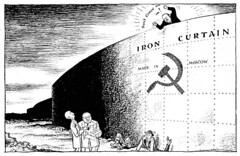
9730026794Iron CurtainA political barrier that isolated the peoples of Eastern Europe after WWII, restricting their ability to travel outside the region4
9730026795Truman Doctrine1947, President Truman's policy of providing economic and military aid to any country threatened by communism or totalitarian ideology, mainly helped Greece and Turkey5
9730026796Marshall PlanA United States program of economic aid for the reconstruction of Europe (1948-1952)6
9730026797Berlin BlockadeThe blockade was a Soviet attempt to starve out the allies in Berlin in order to gain supremacy. The blockade was a high point in the Cold War, and it led to the Berlin Airlift.7
9730026798Korean WarThe conflict between Communist North Korea and Non-Communist South Korea. The United Nations (led by the United States) helped South Korea.8
9730026799McCarthyismThe term associated with Senator Joseph McCarthy who led the search for communists in America during the early 1950s through his leadership in the House Un-American Activities Committee.9
9730026800Brown v Board of Education, 19541954 - The Supreme Court overruled Plessy v. Ferguson, declared that racially segregated facilities are inherently unequal and ordered all public schools desegregated.10
9730026801Montgomery Bus BoycottIn 1955, after Rosa Parks was arrested for refusing to give up her seat on a city bus, Dr. Martin L. King led a boycott of city busses. After 11 months the Supreme Court ruled that segregation of public transportation was illegal.11
9730026802Interstate Highway Act1956 law that authorized the spending of $32 billion to build 41,000 miles of highway12
9730026803Little Rock ArkansasIncident where President Eisenhower sent federal troops to allow black students into the high school.13
9730026804SputnikFirst artificial Earth satellite, it was launched by Moscow in 1957 and sparked U.S. fears of Soviet dominance in technology and outer space. It led to the creation of NASA and the space race. Led the US to focus on Math & Science in American schools.14
9730026805Sit insProtests by black college students, 1960-1961, who took seats at "whites only" lunch counters and refused to leave until served; in 1960 over 50,000 participated in sit-ins across the South. Their success prompted the formation of the Student Non-Violent Coordinating Committee.15
9730026806NASAThe National Aeronautics and Space Administration (NASA) is the United States government agency responsible for the civilian space program as well as aeronautics and aerospace research.16
9730026807Berlin WallA fortified wall surrounding West Berlin, Germany, built in 1961 to prevent East German citizens from traveling to the West. Its demolition in 1989 symbolized the end of the Cold War. This wall was both a deterrent to individuals trying to escape and a symbol of repression to the free world.17
9730026808Bay of PigsIn April 1961, a group of Cuban exiles organized and supported by the U.S. Central Intelligence Agency landed on the southern coast of Cuba in an effort to overthrow Fidel Castro. When the invasion ended in disaster, President Kennedy took full responsibility for the failure.18
9730026809Freedom Rides1961 event organized by CORE and SNCC in which an interracial group of civil rights activists tested southern states' compliance to the Supreme Court ban of segregation on interstate buses19
9730026810Cuban Missile CrisisAn international crisis in October 1962, the closest approach to nuclear war at any time between the U.S. and the USSR. When the U.S. discovered Soviet nuclear missiles on Cuba, President John F. Kennedy demanded their removal and announced a naval blockade of the island; the Soviet leader Khrushchev acceded to the U.S. demands a week later, on condition that US doesn't invade Cuba20
9730026811Rachel CarsonUnited States biologist remembered for her opposition to the use of pesticides that were hazardous to wildlife (1907-1964) in her book Silent Spring. Considered the birth of environmentalism21
9730026812March on WashingtonHeld in 1963 to show support for the Civil Rights Bill in Congress. Martin Luther King gave his famous "I have a dream..." speech. 250,000 people attended the rally22
9730026813JFK AssassinatedNovember 1963, President John F Kennedy was assassinated in Dallas, Texas.23
9730026814Civil Rights Act of 19641964; banned discrimination in public acomodations, prohibited discrimination in any federally assisted program, outlawed discrimination in most employment; enlarged federal powers to protect voting rights and to speed school desegregation; this and the voting rights act helped to give African-Americans equality on paper, and more federally-protected power so that social equality was a more realistic goal24
9730026815Voting Rights Act of 19651965; invalidated the use of any test or device to deny the vote and authorized federal examiners to register voters in states that had disenfranchised blacks; as more blacks became politically active and elected black representatives, it rboguth jobs, contracts, and facilities and services for the black community, encouraging greater social equality and decreasing the wealth and education gap25
9730026816Gulf of Tonkin Resolution1964 Congressional resolution that authorized President Johnson to commit US troops to south vietnam and fight a war against north Vietnam26
9730026817Cesar Chavez1927-1993. Farm worker, labor leader, and civil-rights activist who helped form the National Farm Workers Association, later the United Farm Workers.27
9730026818Malcolm X1952; renamed himself X to signify the loss of his African heritage; converted to Nation of Islam in jail in the 50s, became Black Muslims' most dynamic street orator and recruiter; his beliefs were the basis of a lot of the Black Power movement built on seperationist and nationalist impulses to achieve true independence and equality. Assassinated in 1965 by the Nation of Islam.28
9730026819Stonewall RiotIn New York City, 1969 - Triggered activist protests among gays and lesbians - police raided gay bar - people fought back - became symbol of oppression of gays, began the gay pride movement29
9730026820WoodstockA free music festival that attracted more than 400,000 young people to a farm in upstate New York in August 196930
9730026821Earth DayA holiday conceived of by environmental activist and Senator Gaylord Nelson to encourage support for and increase awareness of environmental concerns; first celebrated on March 22, 197031
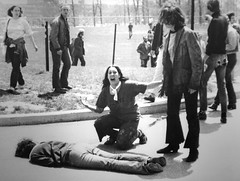
9730026822Kent State MassacreProtests to the war that lead to National Guard being called in and shot students because they burned the ROTC building. Three students were killed, 1970.32
9730026823Nixon in ChinaFebruary 21, 1972 - Nixon visited for a week to meet with Chairman Mao Tse-Tung for improved relations with China, Called "ping-pong diplomacy" because Nixon played ping pong with Mao during his visit. Nixon agreed to support China's admission to the United Nations.33
9730026824SALT I TreatyA five-year agreement between the U.S. and the Soviet Union, sighned in 1972, that limited the nations' numbers of intercontinental ballistic missiles and submarine-launched missiles.34
9730026825Roe v WadeEstablished national abortion guidelines; trimester guidelines; no state The 1973 Supreme Court decision holding that a state ban on all abortions was unconstitutional. The decision forbade state control over abortions during the first trimester of pregnancy, permitted states to limit abortions to protect the mother's health in the second trimester, and permitted states to protect the fetus during the third trimester.35
9730026826Watergate1972; Nixon feared loss so he approved the Commission to Re-Elect the President to spy on and espionage the Democrats. A security gaurd foiled an attempt to bug the Democratic National Committe Headquarters, exposing the scandal. Seemingly contained, after the election Nixon was impeached and stepped down36
9730026827Jimmy Carter(1977-1981), Created the Department of Energy and the Depatment of Education. He was criticized for his return of the Panama Canal Zone, and because of the Soviet war in Afghanistan, he enacted an embargo on grain shipments to USSR and boycotted the 1980 Olympics in Moscow and his last year in office was marked by the takeover of the American embassy in Iran, fuel shortages, and the Soviet Invasion of Afghanistan, which caused him to lose to Ronald Regan in the next election.37
9730026828Camp David Accords(1978) were negotiated at the presidential retreat of Camp David by Egypt's Anwar Sadat and Israel Menachem Begin; they were brokered by U.S. President Jimmy Carter. They led to a peace treaty the next year that returned the Sinai Peninsula to Egypt, guaranteed Israeli access to the Red Sea and Suez Canal, and more-or-less normalized diplomatic and economic relations between the two countries. This isolated Egypt from the other Arab countries and led to Sadat's assassination in 1981.38
9730026829Iran Hostage CrisisIn November 1979, revolutionaries stormed the American embassy in Tehran and held 52 Americans hostage. The Carter administration tried unsuccessfully to negotiate for the hostages release. On January 20, 1981, the day Carter left office, Iran released the Americans, ending their 444 days in captivity.39
9730026830Salt II TreatyThis treaty was a controversial experiment of negotiations between Jimmy Carter and Leonid Brezhnev from 1977 to 1979 between the U.S. and the Soviet Union, which sought to curtail the manufacture of strategic nuclear weapons.40
9730026836Tehran Conference (1943)Meeting between the Big Three; decided that a second front would attack Germany through France; implication was that Russia would be responsible for liberating Eastern Europe; Churchill was not in favor of it, but it made sense militarily41
9730026837Casablanca Conference (1943)(Jan 1943), Franklin Roosevelt and Winston Churchill met and agreed on the terms of "unconditional surrender."42
9730026840Nuremberg TrialSeries of trials in 1945 conducted by an International Military Tribunal in which former Nazi leaders were charged with crimes against peace, crimes against humanity, and war crimes.43

AMSCO AP US History Chapter 12 Flashcards

Terms : Hide Images
5147382140manifest destinyThe belief that the United States had a divine mission to extend its power and civilization across the breadth of North America. (p. 230)0
5147382141TexasThe Republic of Texas was an independent nation, it's annexation was by a joint resolution of Congress, supported by President-elect Polk, was approved in 1845. Land from the Republic of Texas later became parts of New Mexico, Colorado, Oklahoma, Kansas, and Wyoming. (p. 233)1
5147382142Stephen AustinKnown as the Father of Texas, led the second and ultimately successful colonization of the region by bringing 300 families from Missouri. (p. 231)2
5147382143Antonio Lopez de Santa AnnaA Mexican general and dictator, who dominated Mexican politics for a quarter of a century. He was elected president, but didn't serve; instead he overthrew the government and established himself as a dictator. He commanded the Mexican army that stormed The Alamo during the Texas Revolution of 1835 and 1836 and killed all 187 defenders, but he was shortly afterward defeated and captured by Sam Houston's Texans.3
5147382144Sam HoustonUnited States politician and military leader who fought to gain independence for Texas from Mexico and to make it a part of the United States; First president of the Republic of Texas4
5147382145Alamomission and fort that was the site of a siege and battle during the Texas Revolution, which resulted in the massacre of all its defenders; the event helped galvanize the Texas rebels and eventually led to their victory at the Battle of San Jacinto and independence from Mexico.5
5147382146John TylerHe was elected Vice President, then he became the tenth president (1841-1845) when Harrison died. He was responsible for the annexation of Mexico after receiving a mandate from Polk. He opposed many parts of the Whig program for economic recovery. (p. 231)6
5147382147Aroostook WarAn undeclared confrontation in 1838-39 between the United States and Great Britain (lumbermen) over the international boundary between British North America (Canada) and Maine. The dispute resulted in a mutually accepted border between the state of Maine and the provinces of New Brunswick and Quebec.7
5147382148Webster-Ashburton TreatyIn this 1842 treaty US Secretary of State Daniel Webster and British ambassador Lord Alexander Ashburton created a treaty splitting New Brunswick territory into Maine and British Canada. It also settled the boundary of the Minnesota territory. (p. 232)8
5147382149Oregon territoryFor twenty years, the British and the United States agreed to jointly occupy this region. But in the mid-1840s this region became a political issue in the United States, with many expansionists willing to risk war to get all of the territory, including present-day British Columbia (54 40 or fight!). In 1846, Britain and the United States agreed to extend the 49th Parallel, forming the modern border between Canada and the United States. The settlers quickly applied for territorial status, which Congress granted in 1849. The territory was gradually split up, and in 1859, it—with its present borders—became the 33rd state. (p. 232)9
5147382150Fifty-four Forty or FightThe slogan of the supporters of James K. Polk's plan for Oregon. They wanted the border of the territory to be on 54' 40° and were willing to fight Britain about it. Eventually 49 degrees was adopted as the border and there was no violence. (p. 232)10
5147382151James K. PolkThe eleventh U.S. president (1845-1849). Polk was a slave owning southerner dedicated to Democratic party. In 1844, he was a "dark horse" candidate for president. He favored American expansion, especially advocating the annexation of Texas, California, and Oregon. He was a protege of Andrew Jackson. (p. 232)11
5147382152Mexican War (1846-1847)an armed conflict between the United States and Mexico from 1846 to 1848 because U.S. annexation of Texas, which Mexico considered part of its territory despite the 1836 Texas Revolution. Whig Party and anti-slavery elements strongly opposed. The War forced Mexican give Alta California and New Mexico in exchange for $18 million. Mexico accepted the Rio Grande as its national border, and the loss of Texas.12
5147382153Zachary TaylorCommander of the Army of Occupation on the Texas border. He took the Army into the disputed territory between the Nueces and Rio Grande Rivers and built a fort on the north bank of the Rio Grande River. When the Mexican Army tried to capture the fort, his force engaged in is a series of engagements that led to the Mexican War. His victories in the war and defeat of Santa Ana made him a national hero.13
5147382154Stephen KearneyHe was another leader in command during the Mexican War (although had an army smaller than Taylor's). He led a small army that captured Santa Fe successfully. He then went to California to help in the invasion there.14
5147382155John C. FremontOverthrew Mexican rule in northern California (June 1846) and proclaimed California to be an independent republic.15
5147382156California; Bear Flag RepublicIn June 1846 John C. Fremont quickly overthrew Mexican rule in Northern California to create this independent republic. (p. 234)16
5147382157Winfield ScottA general selected to invade central Mexico. The army of 14,000 under his command succeeded in taking the coastal city of Vera Cruz and then captured Mexico City in September 1847. (p. 234)17
5147382158Treaty of Guadalupe HidalgoTreaty that ended the Mexican War in 1848. Under its terms Mexico gave up all claims to Texas north of the Rio Grande and ceded California and the Utah and New Mexico territories to the United States. The United States paid Mexico fifteen million dollars and assumed responsibility for any claims of American citizens against Mexico. (p. 234)18
5147382159Mexican CessionHistorical name for the former Mexican provinces of California and New Mexico that was ceded to the U.S. by Mexico in 1848 under the Treaty of Guadalupe Hidalgo following the Mexican-American War. It leads to slavery debate and breakup of Union. (p 234)19
5147382160Wilmot ProvisoIn 1846, the first year of the Mexican War, this bill would forbid slavery in any of the new territories acquired from Mexico. the bill passed the House twice, but was defeated in the Senate. (p. 234)20
5147382161Ostend ManifestoThe United States offer to purchase Cuba from Spain. When the plan leaked to the press in the United States it provoked an angry reaction from antislavery members of Congress, forcing President Pierce to drop the scheme. (p. 236)21
5147382162Franklin PierceHe was the fourteenth president. (p. 236)22
5147382163Walker ExpeditionAn expedition by a southern adventurer who tried to take Baja California from Mexico in 1853. He took over Nicaragua in 1855 to develop a proslavery empire. His scheme collapsed when he was killed by Honduran authorities. (p. 236)23
5147382164Clayton-Bulwer TreatyAn 1850 treaty between the U.S. and Great Britain agreeing that neither country would try to obtain exclusive rights to a canal across the Isthmus of Panama. (p. 236)24
5147382165Gadsden PurchaseIn 1853 the U.S. acquired land (present day southern New Mexico and Arizona) from Mexico for $10 million. (p. 236)25
5147382166Great American DesertIn the 1850s and 1860s these lands between the Mississippi River and the Pacific Coast, this vast arid territory included the Great Plains, the Rocky Mountains, and the Western Plateau. (p. 236)26
5147382167mountain menThe first non-native people to open the Far West. These fur trappers who spent most of their time in the Rocky Mountains, included James Beckwourth, Jim Bridger, Kit Carson, and Jedediah Smith. (p. 237)27
5147382168overland trailsThe long and arduous trek usually began in St. Joseph or Independence Missouri or in Iowa and followed the river valleys through the Great Plains, months later, the wagon trains would finally reach the foothills of the Rockies or face the hardships of the southwestern deserts. Disease was a much greater threat than Indian attack.28
5147382169mining frontierThe discovery of gold in California in 1848 caused the first flood of newcomers to the West. A series of gold strikes and silver strikes in what became the states of Colorado, Nevada, Idaho, Montana, Arizona, and South Dakota kept a steady flow of hopeful young prospectors pushing into the West. (p. 237)29
5147382170gold rush; silver rushThe gold rush to California (1848-1850) was followed by gold or silver rushes in Colorado, Nevada, the Black Hills of the Dakotas, and other western territories, created a mining boom. (p 237)30
5147382171farming frontierIn the 1830s and 1840s pioneer families moved west to start homesteads and begin farming. Government programs allowed settlers to purchase inexpensive parcels of land. (p. 237)31
5147382172urban frontierWestern cities that arose as a result of railroads, mineral wealth, and farming. They included San Francisco, Denver, and Salt Lake City. (p. 238)32
5147382173Elias HoweThe U.S. inventor of the sewing machine, which moved much of clothing production from the home to factories. (p. 238)33
5147382174Samuel F. B. MorseIn 1844 he invented the electric telegraph which allowed communication over longer distances. (p. 238)34
5147382175federal land grantsIn 1850 the U.S. government gave 2.6 million acres of federal land to build the Illinois Central railroad from Lake Michigan to Gulf of Mexico. (p. 238)35
5147382176industrial technologyAfter 1840 industrialization spread to Northeast, new factories produced shoes, sewing machines, ready-to-wear clothing, firearms, precision tools, and iron products. (p. 238)36
5147382177railroadsThis became America's largest industry, it required immense amounts of capital and labor and gave rise to complex business organizations. Local and state governments gave the industry tax breaks and special loans to finance growth. (p. 238)37
5147382178foreign commerce; exports and importsThe growth in manufactured goods as well as in agriculture products caused a significant growth of exports and imports. Other factors also players a role in the expansion of US trade during this time. (p. 238, 239)38
5147382179Matthew C. Perry; JapanCommodore of the U.S. Navy who was sent by federal government to persuade Japan to open up a port for trade. (p. 239)39
5147382180Panic of 1857Financial crash sharply lowered Midwest farmers prices and cause unemployment in the Northern cities. The South was not affected as much because cotton prices remained high. (p. 239)40

Period 2: 1607-1754 AP US History Flashcards

Terms : Hide Images
7267177309congregationalismChurch and town organization independent (no state control) and non-hierarchical; Citizenship = church membership (covenant); New England and Middle colonies; Puritans, Quakers, Baptists, etc.0
7267177310covenantAgreement between church members to form an independent church congregation; Membership was tied to citizenship.1
7267177311Richard HakluytEnglish writer who extravagantly exhorted his countrymen to undertake the colonization of the New World after defeat of the Spanish Armada.2
7267177312Sir Francis DrakeThe most famous of the "sea dogs" (English Privateers); Plundered his way all around the planet; Financially supported by Queen Elizabeth; Knighted by queen because defying Spanish protest.3
7267177313Destruction of the Spanish Armada16th century England vs. Spain naval war; Marked the beginning of the end of the Spanish Empire and opened the path for the British Empire to flourish.4
7267177314CalvinismA major branch of Protestantism; The credo of many American foundational settlers including English Puritans, Scottish Presbyterians, French Hugenots, and Dutch Reformed Church in America5
7267177315Barbadoslocated in Caribbean; where the settlers in Carolina come from6
7267177316Joint Stock CompanyA commercial venture in which multiple shareholders invest and spread risk; e.g. Hudson's Bay Company, Virginia Company, Dutch West India Company7
7267177317Hudson's Bay Companyone of the Joint-stock companies founded in England for the purpose of trapping and fur trading.8
7267177318Navigation ActsA series of economic regulations set by England starting in 1651 in order to gain control over its' colonies; Inspired by merchantilist policies9
7267177319Queen ElizabethA.K.A. Virginia, the "virgin" queen; An ambitious ruler, she secured the Protestant Reformtation in England and reigned during the destruction of the Spanish Armada, Drake's circumnavigation, the English Renaissance (Shakespeare!), and the beginning of the British Empire.10
7267177320Sir Walter RaleighA dashing courtier favored by Queen Elizabeth; Launched the first English colony in the New World in 1585 on Roanoke Island, off the coast of Virginia (present day North Carolina); The colony was a failure due to England's preoccupation with war with Spain.11
7267177321Roanoke colonyLocated in present day North Carolina; Known as "The Lost colony" established by Sir Walter Raleigh in 1585, disappeared during the first Anglo-Spanish War.12
7267177322Virginia Company of LondonA joint-stock company that established the first enduring English colony in the New World at Jamestown.13
7267177323Plantation economylarge scale agriculture worked by slaves, especially sugar and tobacco plantation.14
7267177324Chesapeake BayLarge estuary between Maryland and Virginia; Site of both Jamestown and St. Marys.15
7267177325JamestownThe first permanent English settlement in North America; Founded in 1607 as a joint-venture of the Virginia Company.16
7267177326MarylandProprietary colony established on the Chesapeake Bay; George Calvert and Lord Baltimore were its proprietors; Established as a Catholic haven in the largely Protestant British Americas.17
7267177327Powhatan confederacyA group of native American tribes in 17th century that settled in Virginia and came into conflict with the Virginia colonists.18
7267177328Lord De La WarrGovernor of Jamestown; "he shall not work shall not eat"19
7267177329Anglo-Powhatan Wars1614-1644; Series of wars between English Virginia Company settlers and local Indian tribes; "Irish tactics" used; Settled by Marriage of Pocahontas and John Rolfe; Led to the banishment of Chesapeake Indians and English encroachment of land.20
7267177330"starving time"Jamestown winter of 1609 to 1610; Only 60 of the 400 colonists survived because they didn't found plants or the methods to grow crops; Most colonists were gentlemen "adventurers" who refused to work or didn't know how to grow crops.21
7267177331House of BurgessesThe first representative legislative body formed in 1619 in Virginia; Evolved into a "planter oligarchy" that represented the wealthy plantation owners, and a competitor to the Parliament in London.22
7267177332Maryland Acts of TolerationIn 1649, passed in Maryland, guaranteeing rights to Christians of all denominations; A measure to protect Maryland's Catholics.23
7267177333Headright SystemNew immigrants were enticed to come to the New World with the offer of 50 arces (1 arce= 4047m2)24
7267177334Bacon's Rebellion1676 rebellion of discontent landless servants in Virginia; Exposed the weakness of the indentured servant system to the ruling planter oligarchy, who thereafter relied more and more on African slaves.25
7267177335Lord BaltimoreCatholic proprietor of the colony of Maryland; Permitted religious freedom to all Christian colonists in a mesure to protect Catholics.26
7267177336John RolfeVirginia "father of tobacco"; Husband of Pocahontas.27
7267177337Indentured servantPotential England immigrants sign a contact with wealthy Virginians to work for a certain years in the New World in exchange of the passage over the Atlantic.28
7267177338VirginiaThe first colony of the British Empire; Established during the rule of Queen Elizabeth I.29
7267177339QuebecFrench major colony in Canada.30
7267177340Jesuit"Society of Jesus"; Catholic missionaries.31
7267177341HuguenotsFrench Protestants32
7267177342Metis PeopleDescendant of French and indigenous people33
7267177343Fundamental Orders of ConnecticutFirst written constitution in the New World (and all of Western Tradition); established townhall style of government similar to much of Puritan New England.34
7267177344PilgrimsTraveler on a holy journey; Puritan separatists who first settled Plymouth in New England35
7267177345PuritansA group of English Reformed Protestants who sought to "purify" the Church of England36
7267177346ProtestantismThe "reformed" Christian faith that emerged from Martin Luther's 16th century protests against the corruption and control of the Catholic Church; A major religious and political force in the English colonies of the New World.37
7267177347Town hall meetingA form of direct democratic rule, used principally in New England where most or all the members of a community come together to participate in direct democratic government.38
7267177348Congregational churchProtestant churches practicing congregationalist church governance; The independence of each congregation in New England mirrored the independence of each town and its political organization.39
7267177349Royal charterA formal document issued by a monarch as letters patent, granting a right or power to an individual or a body corporate.40
7267177350CharterThe grant of authority or rights, stating that the granter formally recognizes the prerogative of the recipient to exercise the rights specified; 3 types: Royal, Commercial, Proprietary.41
7267177351Plymouth colonyFounded by a group of Separatists who came to be known as the Pilgrims; the first sizable permanent English settlement in the New England region,https://o.quizlet.com/YWD0OaZqPqntAaSERr.dQA_m.jpg42
7267177352Roger WilliamsA Puritan, an early proponent of religious freedom and separation of church and state; he was expelled from the colony of Massachusetts and began the colony of Providence Plantation.43
7267177353ProvidenceColony established by the puritan dissenter Roger Williams; Later merged with Portsmouth to form the colony of Rhode Island.44
7267177354Anne HutchinsonAn important participant in the Antinomian Controversy; banished from the Massachusetts Bay Colony and formed Portsmouth (later merged into Rhode Island).45
7267177355John WinthropOne of the leading figures in the founding of the Massachusetts Bay Colony; his vision of the colony as a Puritan "city upon a hill" dominated New England colonial development.46
7267177356MayflowerThe ship that transported the first English Separatists—Pilgrims—in 1620.47
7267177357SeparatistPuritans who felt needed to separate from the Church of England.48
7267177358"city upon a hill"In the 1630 sermon "A Model of Christian Charity" preached by Puritan John Winthrop. Winthrop admonished the future Massachusetts Bay colonists that their new community would be "as a city upon a hill", the ideal community, watched by the world.49
7267177359Mayflower CompactThe first governing document of Plymouth Colony, written by the male passengers of the Mayflower, consisting of separatist Congregationalists.50
7267177360Salem Witch TrialsA series of hearings and prosecutions of people accused of witchcraft in colonial Massachusetts between February 1692 and May 1693; Religious fear that resulted from unrest in the colonies.51
7267177361slave codesSeries of laws in southern plantation colonies that established Africans as lifelong slaves and a cornerstone of the plantation economy.52
7267177362King Philip's WarAKA Metacom's War; Savage conflict between New England colonists and local Indian tribes; Both sides resorted to brutal massacre tactics; Defeat of Indians resulted in white land expansion.53
7267177363Middle ColoniesNew York, New Jersey, Pennsylvania, Delaware; Dominated by Quakers.54
7267177364Supreme gonverner of Anglican ChurchThe Supreme Governor of the Church of England is a title held by the British monarch that signifies titular leadership over the Church of England; Since the English Reformation under the Tudors, the monarch has been the head of the church; One of the major problems Puritans, Quakers, and other groups had with the Anglican church.55
7267177365JamaicaAn island in Caribbean sea. Visited by Columbus in 1494 and Colonized by Spanish who enslaved or killed the Natives. Became a major sugar colony of the British Empire in the 17th century.56
7267177366South CarolinaPlantation colony established by the eight nobles (lords proprietor) after the restoration of King Charles II; Mostly rural plantations, but has primary settlement at Charles Town.57
7267177367"buffer colony"A colony established to serve primarily as a defensive boundary against a competing colonial power; California and Georgia, for example.58
7267177368North CarolinaA relatively poor and underdeveloped colony settled by landless squatters from Virginia59
7267177369"holy experiment"William Penn's term for the ideal government that would uphold religious freedom and attract virtuous settlers; Largely a Quaker ideal; Its failure was apparent after Penn's death when settlers came into conflict with natives and Quakers lost political power for advocating nonviolence in the face of Indian and competing colonial power threat.60
7267177370Philadelphia"The city of brotherly love" established by William Penn; It was by far the largest and most important city in the English colonies on the eve of the Revolution.61
7267177371mercantilismThe driving economic philosophy of the colonial powers in the 17th and 18th centuries; Colonial competition was a zero-sum game; Trade imbalances (more imports than exports) were evil; Colonies served the mother country and were not allowed to compete economically.62
7267177372New NetherlandDutch colony in Northern America; Established as a trading center; Later taken by the English and renamed New York.63
7267177373Gullah cultureBlack people off the coast of South Carolina; Speak an English-based creole language containing many African loanwords and grammar; Their isolation is an example of how many Africans held onto their traditional culture despite enslavement and Christianization.64

AP US History: Reconstruction Flashcards

Terms : Hide Images
6216666502black codesLaws denying most legal rights to newly freed slaves; passed by southern states following the Civil War Any code of law that defined and especially limited the rights of former slaves after the Civil War.0
6216666503black reconstructionBlacks could vote and had rights, but black codes kept them virtually enslaved. They did get more political power, however.1
6216666504John Wilkes Booth..., was an American stage actor who, as part of a conspiracy plot, assassinated Abraham Lincoln, the 16th President of the United States, at Ford's Theatre in Washington, D.C. on April 14, 1865.2
6216666505carpetbaggersA derogatory term applied to Northerners who migrated south during the Reconstruction to take advantage of opportunities to advance their own fortunes by buying up land from desperate Southerners and by manipulating new black voters to obtain lucrative government contracts.3
6216666506Civil Rights Act of 18661964; banned discrimination in public acomodations, prohibited discrimination in any federally assisted program, outlawed discrimination in most employment; enlarged federal powers to protect voting rights and to speed school desegregation; this and the voting rights act helped to give African-Americans equality on paper, and more federally-protected power so that social equality was a more realistic goal4
6216666507compromise of 1877-Ended Reconstruction. Republicans promise 1) Remove military from South, 2) Appoint Democrat to cabinet (David Key postmaster general), 3) Federal money for railroad construction and levees on Mississippi river; as long as Hayes became the president5
6216666508copperheadsA group of northern Democrats who opposed abolition and sympathized with the South during the Civil War.6
6216666509Jefferson DavisAn American statesman and politician who served as President of the Confederate States of America for its entire history from 1861 to 1865.7
6216666510election of 1866Johnson took to the road and used his infamous, "swing around the circle" speeches to attack Congressional opponents; appealed to racial prejudices of whites; Republicans accused Johnson of being a drunkard and a traitor and used antisouthern prejudices by employing a campaign tactic known as "waving the bloody shirt"-inflaming the hatreds of northern voters by reminding them of the hardships of war; Johnson won but Republicans owned both House and Senate8
6216666511election of 1876Ended reconstruction because neither canidate had an electorial majority. Hayes was elected, and then ended reconstruction as he secretly promised9
6216666512Force Acts of 1870-71Restricted Ku Klux Klan. Banned and sometimes arrested KKK members.10
621666651313th AmendmentAbolish slavery11
621666651414th Amendment1) Citizenship for African Americans, 2) Repeal of 3/5 Compromise, 3) Denial of former confederate officials from holding national or state office, 4) Repudiate (reject) confederate debts12
621666651515th amendmentAmendment that extended suffrage to all races.13
6216666516freedmen1865 - Agency set up to aid former slaves in adjusting themselves to freedom. It furnished food and clothing to needy blacks and helped them get jobs14
6216666517Freedmen's BureauOrganization run by the army to care for and protect southern Blacks after the Civil War15
6216666518impeachmentA formal accusation of misconduct in office against a public official, famously used against Andrew Johnson after he disobeyed the Tenure of Office Act.16
6216666519Andrew Johnson17th President of the United States17
6216666520Ku Klux KlanA secret society created by white southerners in 1866 that used terror and violence to keep African Americans from obtaining their civil rights.18
6216666521Military Reconstruction Act of 18671867; divided the South into five districts and placed them under military rule; required Southern States to ratify the 14th amendment; guaranteed freedmen the right to vote in convention to write new state constitutions19
6216666522radical republicansAfter the Civil War, a group that believed the South should be harshly punished and thought that Lincoln was sometimes too compassionate towards the South.20
6216666523redeemer governmentsConservative white democrats many of them planters or businessmen who reclaimed control of South following the end of reconstruction21
6216666524sharecropperA person who works fields rented from a landowner and pays the rent and repays loans by turning over to the landowner a share of the crops. You usually go into debt and cant come out.22
6216666525state-suicide theoryThe Southern states had relinquished their rights when they seceded. This, in effect, was suicide.23
6216666526Thaddeus StevensA Radical Republican who believed in harsh punishments for the South. Leader of the Radical Republicans in Congress.24
6216666527Charles SumnerA leader of the Radical republicans along with Thaddeus Stevens. He was from Massachusetts and was in the senate. His two main goals were breaking the power of wealthy planters and ensuring that freedmen could vote25
6216666528Tenure of Office Act of 1867Radical attempt to further diminish Andrew Johnson's authority by providing that the president could not remove any civilian official without Senate approval; Johnson violated the law by removing Edwin Stanton as secretary of war, and the House of Representatives impeached him over his actions26

AP US History Semester 1 REVIEW Flashcards

Terms : Hide Images
5759277873Colombian exchangethe exchange between the new world and the old world consisting of the old world bringing wheat, cows, horses, sheep, pigs, sugar, rice, coffee, smallpox, malaria and yellow fever. while the new world sent gold, silver, corn, potatoes, tobacco, and syphills0
8358434888mercantilismEuropean economic system that encouraged countries to export goods and discouraged imports. Using the resources from colonies was a key factor.1
8358678376SmallpoxDisease from Europe that wiped out the majority of Native Americans and caused the fall of the Aztec Empire. Africans were less susceptible and so were imported to replace Native labor.2
5759277824Federalist PartyFirst American political party led by Alexander Hamilton. They were in support of the Constitution, as it gave the government more power. They believed in national banks, tariffs, an elite ruling class, and good relations with Britain. They had major influences and impacts on out national government and its debt.3
8358811591PuritansReligious separatists that wanted to be separate from the Church of England. They fled persecution in England and found refuge in New England colonies.4
8358356148JamestownFirst permanent British colony. Most colonists died. Initially they were looking for gold, then shifted to planting Tobacco as a cash crop.5
8358386233Fur TradeThis was a main part of the economy for French colonists. Required that they work closely with Native Americans.6
8358835430Bacon's Rebellion1676. Angry former indentured servants, mostly from West VA resented East planters. They were very poor, had little land, and were squatting in the west of the colony. They were angered by the lack of protection from Indian attacks.7
8358909910First Great Awakening1730s-40s. Protestant religious revival that swept Protestant Europe and British American colonies. Emphasized personal emotional relationship with god, rather than following of traditional church doctrine.8
8358943041Declaration of IndependenceDocument written by Thomas Jefferson. Says "all men are created equal"9
8358958385Articles of ConfederationConstitution government. More like a military alliance between colonies. Created a congress, but no executive or judicial branches of govt.10
8358719905Pueblo RevoltUprising of indigenous people against the Spanish colonizers in Santa Fe New Mexico. The Revolt killed 400 Spanish and drove the rest out of the province.11
5759277825Anti-Federalist PartyA group of members that opposed the creation of a stronger US federal government and the Constitution. They were led by Patrick Henry and Thomas Jefferson. They believed in a weak central government and strong state governments. They supported small farmers and landowners. They helped in preventing the Federalists from creating a political system like that of the British.12
5759277826Whig PartyPolitical Party created in opposition to Andrew Jackson. They supported government programs, reforms, and public schools. They called for internal improvements like canals, railroads, and telegraph lines.13
5759277830Louisiana PurchaseU.S. purchased France's claim to the territory of east of the Mississippi River. It doubled the size of the US, removed France's presence in the region, and it protected US trade access and free passage.14
5759277831US Mexican WarWar that ended with the Treaty of Guadalupe-Hidalgo, the U.S. paid $15 million for 525,000 square miles of land.15
5759277832Gadsden PurchaseLand purchased by the US in a present-day southern Arizona and southwestern New Mexico. It attempted to resolve conflicts that lingered after the Mexican-American War. 185316
5759277833Erie CanalA canal in New York running from Albany to Buffalo. It created a navigable water route from the Atlantic Ocean to the Great Lakes which gave the western states direct access tot he ocean without shipping goods downstream on Mississippi River.17
5759277834Boston MassacreThe killing of five colonists by British soldiers. It was the culmination of the tensions in the American colonies. It made many colonists rally together to counter the evil British. Changed people's mind about the British. (1770)18
5759277835Boston Tea PartyPolitical protest by the Sons of Liberty. They destroyed an entire shipment of tea sent by the East India company in defiance of the Tea Act by throwing the chests into the sea. It showed that the American colonies had grown tired of arbitrary taxation by the British. (1773)19
5759277836Popular SovereigntyA belief that ultimate power resides in the people. The people are able to vote for if they want slavery or not. This became the law in Kansas and Nebraska after the Kansas Nebraska Act.20
5759277837Second Great AwakeningA Protestant religious revival movement in the early 1800s. It revived the emotional side of religion, weakened church authority, involved new people (including people of color and women) and played a role in social reform.21
5759277838French and Indian WarWar between England and France fought in the American colonies. Hostilities intensified between the two as they both attempted to colonize land in the Ohio Valley. It marked the beginning of conflicts between Great Britain and the American colonists. (1754-1763)22
5759277839Revolutionary WarWar fought between the American colonies and England. American colonies won war and gained independence. (1775-1783)23
5759277840Nullification CrisisA sectional crisis when South Carolina declared that the Tariffs of 1828 and 1832 were unconstitutional and therefore void. It showed that the economic and political interests of the North and South were drifting, as they had opposing ideas.24
5759277845Slave TradeEuropean trade agreement with Africa dealing with slaves brought from Africa. Integral part of Triangle Trade between the Americas, Africa, and Europe.25
5759277865CottonThe most important cash crop in the South by 1850 that needed a large labor force.26
5759277867American SystemAn economic system pioneered by Henry Clay which created a high tariff to support internal improvements such as road-building. This approach was intended to allow the United States to grow and prosper by themselves This would eventually help America industrialize and become an economic power.27
5759277871Spoils SystemJackson's patronage system, which allowed men to buy their way into office. This resulted in a very corrupt governmental office, but was celebrated by some as more democratic by removing career government w.28
5759277874Encomienda SystemsSpanish government's policy to "commend", or give, Indians to certain colonists in return for the promise to Christianize them. Part of a broader Spanish effort to subdue Indian tribes in the West Indies and on the North American mainland.29

AMSCO AP US History Chapter 23 Flashcards

AMSCO United States History 2015 Edition, Chapter 23 The Modern Era of the 1920s

Terms : Hide Images
6274622913Warren HardingIn November 1920, he was elected the 29th president of the United States. He was a Republican whose slogan was: "Return to Normalcy". His term was marked by scandals and corruption, although he was never implicated in any of the scandals. In August 1923, he died while traveling in the West. (p. 475-476)0
6274622914Charles Evans HughesA former presidential candidate and Supreme Court justice who was appointed secretary of state by President Warren G. Harding. (p. 476)1
6274622915Andrew MellonA Pittsburgh industrialist and millionaire who was appointed secretary of the treasury by President Harding in 1921 and served under Coolidge and Hoover. (p. 476)2
6274622916Harry DaughertyAttorney General under President Harding who accepted bribes for agreeing not to prosecute certain criminal suspects. (p. 476)3
6274622917Albert FallSecretary of the Interior during Harding's administration. He was convicted of accepting bribes for granting oil leases near Teapot Dome, Wyoming. (p. 476)4
6274622918Teapot DomeA government scandal involving a former United States Navy oil reserve in Wyoming that was secretly leased to a private oil company in 1921. (p. 476)5
6274622919Fordney-McCumber Tariff ActThis tariff passed in 1922, raised tariffs on foreign manufactured goods by 25 percent. It helped domestic manufacturers, but limited foreign trade, and was one cause of the Great Depression of 1929. (p. 476, 488)6
6274622920Bureau of the BudgetFormed in 1921, this bureau created procedures for all government expenditures to be placed in a single budget for Congress to annually review and vote on. (p. 476)7
6274622921Calvin CoolidgeAs vice president, he became president when Warren Harding died in August 1923. He won the presidential election of 1924, but declined to run in 1928. He was a Republican who believed in limited government. He summarized his presidency and his era with the phrase: "The business of America is business". (p. 477)8
6274622922Herbert HooverWhen Calvin Coolidge decide not to run for president in 1928, he was the Republican presidential nominee. He promised to extend "Coolidge Prosperity", and won the election. (p. 477)9
6274622923Alfred E. SmithHe was the Democratic presidential candidate in the 1928 presidential election. He was the former governor of New York and his opponent in the presidential race was Republican Herbert Hoover. As a Roman Catholic and opponent of Prohibition, he appealed to immigrant urban voters. (p. 477)10
6274622924business prosperityFrom 1919 to 1929, manufacturing output rose a spectacular 64 percent due to increased productivity, energy technologies, and governmental policy which favored the growth of big business. (p. 478)11
6274622925standard of livingDuring the 1920s, the standard of living (physical things that make life more enjoyable) improved significantly for most Americans. Indoor plumbing and central heating became commonplace. By 1930, two-thirds of all homes had electricity. (p. 477)12
6274622926scientific managementA system of industrial management created and promoted in the early twentieth century by Frederick W. Taylor. It emphasized time-and-motion studies to improve factory performance. (p. 478)13
6274622927Henry FordBy 1914, he had perfected a system for manufacturing automobiles using an assembly line. (p. 478)14
6274622928assembly lineIn a factory, an arrangement where a product is moved from worker to worker, with each person performing a single task in the making of the product. (p. 478)15
6274622929open shopA company with a labor agreement under which union membership cannot be required as a condition of employment. (p. 479)16
6274622930welfare capitalismAn approach to labor relations in which companies voluntarily offer their employees improved benefits and higher wages in order to reduce their interest in joining unions. (p. 479)17
6274622931consumerismIn the 1920s, consumerism was fueled by: homes with electricity, electrical appliances, affordable automobiles, increased advertising, and purchasing on credit. (p. 478)18
6274622932electric appliancesIn the 1920s, refrigerators, stoves, vacuum cleaners, and washing machines became very popular as prices dropped due to reduced production costs and as electrical power to run them became more available. (p. 478)19
6274622933impact of the automobileIn the 1920s, this product had the largest impact on society. It caused a growth of cities and suburbs, and workers no longer needed to live near their factories. It provided job opportunities and was a much more efficient way of transportation. (p. 479)20
6274622934jazz ageName for the 1920s, because of the popularity of jazz, a new type of American music that combined African rhythms, blues, and ragtime. (p. 480)21
6274622935radio, phonographsAllowed mostly young people to listen to recorded music. The first radio station went on the air in 1920. Previously, newspapers had been the only form of mass communications. (p. 480)22
6274622936national networksNationwide radio networks enabled people all over the country to listen to the same news, sports, soap operas, quiz shows and comedies. (p. 480)23
6274622937HollywoodThe movie industry was centered here. The industry grew rapidly in the 1920s. Sound was introduced to movies in 1927. By 1929 over 80 million movie tickets were sold each week. (p. 480)24
6274622938movie starsIn the 1920s, sexy and glamorous movie stars such as Greta Garbo and Rudolf Valentino we idolized by millions. (p. 480)25
6274622939popular heroesAmericans shifted role models from politicians to sports heroes and movie stars. Sports heros included Jack Dempsey, Jim Thorpe, Babe Ruth, and Bobby Jones. However, the most celebrated was Charles Lindbergh who flew from Long Island to Paris in 1927. (p. 480)26
6274622940movie palacesOrnate, lavish single-screen movie theaters that emerged in the 1910s in the United States. (p. 480)27
6274622941role of womenIn the 1920s, the traditional separation of labor between men and women continued. Most middle-class women expected to spend their lives as homemakers and mothers. (p. 480)28
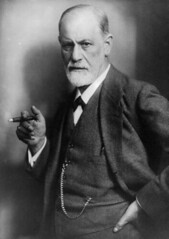
6274622942Sigmund FreudAustrian psychiatrist who originated psychoanalysis. (p. 481)29
6274622943morals and fashionsIn the 1920s, movies, novels, automobiles, and new dances encouraged greater promiscuity. Young women shocked their elders by wearing dresses hemmed at the knee (flapper look), cutting their hair short, smoking cigarettes, and driving cars. (p. 481)30
6274622944Margaret SangerShe founded American Birth Control League; which became Planned Parenthood in the 1940s. She advocated birth control awareness. (p. 481)31
6274622945high school educationIn the 1920s, universal high school education became a new American goal. By 1930, the number of high school graduates had doubled to over 25 percent of school-age adults. (p. 481)32
6274622946consumer cultureIn the 1920s, many writers were disillusioned with the materialism of the business oriented culture. (p. 481)33
6274622947Frederick Lewis AllenIn 1931, he wrote "Only Yesterday", a popular history book that portrayed the 1920s as a period of narrow-minded materialism. (p. 489)34
6274622948Only YesterdayA 1931 history book that portrayed the 1920s as a period of narrow-minded materialism in which the middle class abandoned Progressive reforms, embraced conservative Republican policies, and either supported or condoned nativism, racism, and fundamentalism. (p. 489)35
6274622949Gertrude SteinAmerican writer of experimental novels, poetry, essays, operas, and plays. She called the disillusioned writers of the 1920s, a "lost generation". (p. 481)36
6274622950Lost GenerationGroup of writers in 1920s, who shared the belief that they were lost in a greedy and materialistic world that lacked moral values. Many of them moved to Europe. (p. 481)37
6274622951F. Scott FitzgeraldA novelist and chronicler of the jazz age. His wife, Zelda and he were the "couple" of the decade. His novel, "The Great Gatsby" is considered a masterpiece about a gangster's pursuit of an unattainable rich girl. (p. 481)38
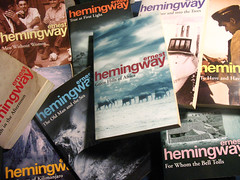
6274622952Ernest HemingwayOne of the most popular writers of the 1920s, he wrote "A Farewell to Arms". (p. 481)39
6274622953Sinclair LewisAmerican writer of the 1920s. He became the first American to receive a Nobel Prize in Literature. (p. 481)40
6274622954Ezra PoundExpatriate American poet and critic of the 1920s. (p. 481)41
6274622955T. S. EliotThomas Stearns Eliot was an essayist, publisher, playwright, literary and social critic, and one of the twentieth century's major poets. (p. 481)42
6274622956Eugene O'NeillAn American playwright of the 1920s. (p. 481)43
6274622957industrial designThe fusion of art and technology during the 1920s and 1930s created the new profession of industrial design. (p. 482)44
6274622958Art DecoThe 1920's modernistic art style that captured modernistic simplification of forms, while using machine age materials. (p. 482)45
6274622959Edward HopperA twentieth-century American painter, whose stark realistic paintings often convey a mood of solitude and isolation in common urban settings. (p. 482)46
6274622960regional artistsThomas Benton and Grant Wood celebrated the rural people and scenes of the American heartland. (p. 482)47
6274622961Grant WoodAn American Regional artist who focused on rural scenes in Iowa. He is best known for his painting "American Gothic". (p. 482)48
6274622962George GershwinHe was the son of Russian-Jewish immigrants. He blended jazz and classical music to produce "Rhapsody in Blue" and folk opera "Porgy and Bess". (p. 482)49
6274622963northern migrationBy 1930, almost 20 percent of African Americans out of the Southern United States to the North. (p. 482)50
6274622964Harlem RenaissanceThe largest African American community of almost 200,000 developed in the Harlem section of New York City. It became famous in the 1920s for its talented actors, artists, musicians, and writers. This term describes this period. (p. 483)51
6274622965Countee CullenA leading 1920s African American poet from Harlem. (p. 483)52
6274622966Langston HughesA leading 1920s African American poet from Harlem. (p. 483)53
6274622967James Weldon JohnsonA leading 1920s African American author from Harlem. (p. 483)54
6274622968Claude McKayA leading 1920s African American poet from Harlem. (p. 483)55
6274622969Duke EllingtonA leading 1920s African American jazz great from Harlem. (p. 483)56
6274622970Louis ArmstrongA leading 1920s African American jazz trumpeter from Harlem. (p. 483)57
6274622971Bessie SmithA leading 1920s African American blues singer from Harlem. (p. 483)58
6274622972Paul RobesonA leading 1920s African American singer from Harlem. (p. 483)59
6274622973Back to Africa movementEncouraged those of African descent to return to Africa. (p. 483)60
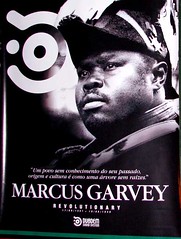
6274622974Marcus GarveyAfrican American leader during the 1920s who founded the Universal Negro Improvement Association and advocated mass migration of African Americans back to Africa. He was deported to Jamaica and his movement collapsed. (p. 483)61
6274622975black prideMany African American leaders agreed with Marcus Garvey's ideas on racial pride and self-respect. This influenced another generation in the 1960s. (p. 483)62
6274622976modernismThey took a historical and critical view of certain Bible passages and believed that they could accept Darwin's theory of evolution without abandoning their religion. (p. 483)63
6274622977fundamentalismA Protestant Christian movement emphasizing the literal truth of the Bible and opposing religious modernism (p. 483)64
6274622978revivalists: Billy Sunday, Aimee Semple McPhersonLeading radio evangelists such as Billy Sunday and Aimee Semple McPherson preached a fundamentalist message. (p 484)65
6274622979Scopes trialA 1925 Tennessee court case in which Clarence Darrow and William Jennings Bryan argued the issue of teaching evolution in public schools. (p. 484)66
6274622980Clarence DarrowA famed criminal defense lawyer, he defended John Scopes, a teacher who taught evolution in his Tennessee classroom. (p. 484)67
6274622981Volstead ActThe federal law of 1919 that established criminal penalties for manufacturing, transporting, or possessing alcohol. (p. 484)68
6274622982rural vs. urbanIn the 1920s, in the urban areas it was common to ignore the law and drink liquor in clubs or bars known as speakeasies. (p 484)69
6274622983organized crimeIn the 1920s, organized crime became big business, as bootleggers transported and sold liquor to many customers. (p. 484)70
6274622984Al CaponeA famous Chicago gangster who fought for control of the lucrative bootlegging (liquor) trade. (p. 484)71
627462298521st AmendmentThe amendment which ended the prohibition of alcohol in the United States, it repealed the 18th amendment. (p. 485)72
6274622986quota laws of 1921 and 1924Laws passed to limit immigration. (p. 485)73
6274622987Sacco and Vanzetti CaseA criminal case of two Italian men who were convicted of murder in 1921. They were prosecuted because they were Italians, atheists, and anarchists. After 6 years of appeals they were executed in 1927. (p. 485)74
6274622988Ku Klux KlanA secret society created by white southerners in 1866. They used terror and violence to keep African Americans from exercising their civil rights. (p. 486)75
6274622989Birth of a NationA popular silent film, which portrayed the KKK during Reconstruction as heros. (p. 486)76
6274622990blacks, Catholics and JewsThe KKK directed hostility toward these groups in the North. (p. 486)77
6274622991foreigners and CommunistsDuring the 1920s, widespread disillusionment with World War I, communism in the Soviet Union, and Europe's post war problems made Americans fearful of being pulled into another foreign war. (p. 486)78
6274622992disarmamentRepublican presidents of the 1920s tried to promote peace and also to scale back defense expenditures by arranging disarmament treaties (reduction in military equipment). (p. 486)79
6274622993Washington ConferenceA 1921 conference that placed limits on naval powers, respect of territory in the Pacific, and continued the Open Door policy in China. (p. 487)80
6274622994Five-Power Naval TreatyA 1922 treaty resulting from the Washington Armaments Conference that limited to a specific ratio the carrier and battleship tonnage of each nation. The five countries involved were: United States, Great Britain, Japan, France, and Italy. (p. 487)81
6274622995Nine-Power China TreatyA 1922 treaty affirming the sovereignty and territorial integrity of China as previously stated in the Open Door Policy. (p. 487)82
6274622996Kellogg-Briand TreatyThis treaty of 1928 renounced the use of force to achieve national ends. It was signed by Frank Kellogg of the United States and Aristide Briand of France, and most other nations. The international agreement proved ineffective. (p. 487)83
6274622997Latin America policyIn 1927, the United States signed an agreement with Mexico protecting U.S. interests in Mexico. (p. 487)84
6274622998war debtsDuring World War I the United States had loaned more than $10 billion to the Allies. After the war, the United States insisted that they pay back all the debt. Great Britain and France objected because they suffered much greater losses during the war than the United States. (p. 488)85
6274622999reparationsAs part of the Treaty of Versailles, Germany was ordered to pay $30 billion in reparations to the Allies. (p. 488)86
6274623000Dawes PlanA 1924 plan, created by Charles Dawes in which the United States banks would lend large sums to Germany. Germany would use the money to rebuild its economy and pay reparations to Great Britain and France. Then Great Britain and France would pay their war debts to the United States. After the 1929 stock market crash, the loans to Germany stopped. (p. 488)87

Pages

Subscribe to CourseNotes RSS

Need Help?

We hope your visit has been a productive one. If you're having any problems, or would like to give some feedback, we'd love to hear from you.

For general help, questions, and suggestions, try our dedicated support forums.

If you need to contact the Course-Notes.Org web experience team, please use our contact form.

Need Notes?

While we strive to provide the most comprehensive notes for as many high school textbooks as possible, there are certainly going to be some that we miss. Drop us a note and let us know which textbooks you need. Be sure to include which edition of the textbook you are using! If we see enough demand, we'll do whatever we can to get those notes up on the site for you!