

AP US History - US Presidents Flashcards
Terms : Hide Images
| 9856524949 | George Washington | 1789-1797 Federalist Whiskey Rebellion; Judiciary Act; Neutrality; Farewell Address |  | 0 |
| 9856524950 | John Adams | 1797-1801 Federalist XYZ Affair; Alien and Sedition Acts |  | 1 |
| 9856524951 | Thomas Jefferson | 1801-1809 Democratic-Republican Marbury v. Madison; Louisiana Purchase; Embargo of 1807 |  | 2 |
| 9856524952 | James Madison | 1809-1817 Democratic-Republican War of 1812; First Protective Tariff |  | 3 |
| 9856524953 | James Monroe | 1817-1825 Democratic-Republican Missouri Compromise of 1820; Monroe Doctrine |  | 4 |
| 9856524954 | John Quincy Adams | 1825-1829 Democratic-Republican "Corrupt Bargain"; "Tariff of Abominations" |  | 5 |
| 9856524955 | Andrew Jackson | 1829-1837 Democrat Nullification Crisis; Bank War; Indian Removal Act |  | 6 |
| 9856524956 | Martin Van Buren | 1837-1841 Democrat Trail of Tears; Specie Circular; Panic of 1837 |  | 7 |
| 9856524957 | William Henry Harrison | 1841 Whig "Tippecanoe and Tyler too!"; First Whig President |  | 8 |
| 9856524958 | John Tyler | 1841-1845 Whig "His Accidency"; Webster-Ashburton Treaty |  | 9 |
| 9856524959 | James Polk | 1845-1849 Democrat Texas annexation; Mexican War |  | 10 |
| 9856524960 | Zachary Taylor | 1849-1850 Whig Mexican War hero and staunch Unionist |  | 11 |
| 9856524961 | Millard Fillmore | 1850-1853 Whig Compromise of 1850 |  | 12 |
| 9856524962 | Franklin Pierce | 1853-1857 Democrat Kansas-Nebraska Act; Gadsden Purchase |  | 13 |
| 9856524963 | James Buchanan | 1857-1861 Democrat Dred Scott decision; Harpers Ferry raid |  | 14 |
| 9856524964 | Abraham Lincoln | 1861-1865 Republican Secession and Civil War; Emancipation Proclamation |  | 15 |
| 9856524965 | Andrew Johnson | 1865-1869 Democrat 13th and 14th amendments; Radical Reconstruction; Impeachment |  | 16 |
| 9856524966 | Ulysses Grant | 1869-1877 Republican 15th amendment; Panic of 1873 |  | 17 |
| 9856524967 | Rutherford Hayes | 1877-1881 Republican Compromise of 1877; labor unions and strikes |  | 18 |
| 9856524968 | James Garfield | 1881, Republican Brief resurgence of presidential authority; Increase in American naval power; Purge corruption in the Post Office |  | 19 |
| 9856524969 | Chester Arthur | 1881-1885 Republican Standard Oil trust created Edison lights up New York City |  | 20 |
| 9856524970 | Grover Cleveland | 1885-1889 (1st term), 1893-1897 (2nd term) Democrat Interstate Commerce Act; Dawes Act; Panic of 1893; Pullman Strike |  | 21 |
| 9856524971 | Benjamin Harrison | 1889-1893 Republican Sherman Anti-Trust Act; Closure of the frontier |  | 22 |
| 9856524972 | William McKinley | 1897-1901 Republican Spanish-American War; Open Door policy |  | 23 |
| 9856524973 | Theodore Roosevelt | 1901-1909 Republican Progressivism; Square Deal; Big Stick Diplomacy |  | 24 |
| 9856524974 | William Howard Taft | 1909-1913 Republican Dollar diplomacy NAACP founded |  | 25 |
| 9856524975 | Woodrow Wilson | 1913-1921 Democrat WWI; League of Nations; 18th and 19th amendments; Segregation of federal offices; First Red Scare |  | 26 |
| 9856524976 | Warren Harding | 1921-1923 Republican "Return to normalcy", return to isolationism; Tea Pot Dome scandal; Prohibition |  | 27 |
| 9856524977 | Calvin Coolidge | 1923-1929 Republican Small-government (laissez-faire) conservative |  | 28 |
| 9856524978 | Herbert Hoover | 1929-1933 Republican "American individualism"; Stock Market Crash; Dust Bowl; Hawley-Smoot Tariff |  | 29 |
| 9856524979 | Franklin Delano Roosevelt | 1933-1945 Democrat New Deal; WWII; Japanese Internment; "Fireside Chats" |  | 30 |
| 9856524980 | Harry Truman | 1945-1953 Democrat A-bomb; Marshall Plan; Korean War; United Nations |  | 31 |
| 9856524981 | Dwight Eisenhower | 1953-1961 Republican Brown v. Board of Education; Second Red Scare; Highway Act and suburbanization ("white flight"); Farewell Address warning of the military industrial complex |  | 32 |
| 9856524982 | John Kennedy | 1961-1963 Democrat Camelot; Bay of Pigs; Cuban Missile Crisis; Space program; Peace Corps |  | 33 |
| 9856524983 | Lyndon Johnson | 1963-1969 Democrat Civil and Voting Rights acts; Gulf of Tonkin Resolution; Great Society |  | 34 |
| 9856524984 | Richard Nixon | 1969-1974 Republican Environmental Protection Act; China visit; Moon Landing; Watergate | 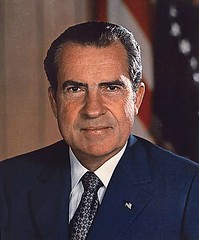 | 35 |
| 9856524985 | Gerald Ford | 1974-1977 Republican Pardoning of Nixon; OPEC crisis |  | 36 |
| 9856524986 | Jimmy Carter | 1977-1981 Democrat stagflation / energy crisis; Iran hostage crisis; Camp David Accords |  | 37 |
| 9856524987 | Ronald Reagan | 1981-1989 Republican Conservative revolution; Iran-Contra scandal |  | 38 |
| 9856524988 | George H. W. Bush | 1989-1993 Republican Persian Gulf War |  | 39 |
| 9856524989 | Bill Clinton | 1993-2001 Democrat NAFTA; Lewinsky scandal and impreachment |  | 40 |
| 9856524990 | George W. Bush | 2001-2008 Republican War on terrorism; Patriot Act; Tax cuts; "No Child Left Behind" |  | 41 |
| 9856524991 | Barack Obama | 2008-2017 Democrat Affordable Care Act | 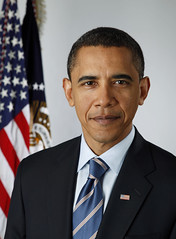 | 42 |
| 9856524992 | Donald Trump | 2017-? Republican "Make America Great Again" |  | 43 |
AP US History Period 7 (1890-1945) Flashcards
Terms : Hide Images
| 6351838010 | The Great Depression | The deepest and longest-lasting economic downturn in the history of the Western industrialized world. In the United States, the Great Depression began soon after the stock market crash of October 1929, which sent Wall Street into a panic and wiped out millions of investors. | 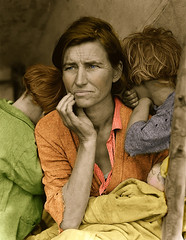 | 0 |
| 6351838011 | Progressive Era | A period of widespread social activism and political reform across the United States, from the 1890s to 1920s. |  | 1 |
| 6351838012 | Prohibition | A nationwide constitutional ban on the production, importation, transportation and sale of alcoholic beverages that remained in place from 1920 to 1933. |  | 2 |
| 6351838013 | Women's suffrage | The women's right to vote, granted by the 19th amendment to the U.S. Constitution (1920). |  | 3 |
| 6351838014 | preservationists | Those who attempt to maintain in their present condition areas of the Earth that are so far untouched by humans. |  | 4 |
| 6351838015 | conservationists | Those who advocate for the sustainable use and management of natural resources including wildlife, water, air, and earth deposits, both -- renewable and non-renewable. | | 5 |
| 6351838016 | Welfare State | A system whereby the government undertakes to protect the health and well-being of its citizens, especially those in financial or social need, by means of grants, pensions, and other benefits. The foundations for the modern welfare state in the US were laid by the New Deal programs of President Franklin D. Roosevelt. |  | 6 |
| 6351838017 | Liberalism | A viewpoint or ideology associated with free political institutions and religious toleration, as well as support for a strong role of government in regulating capitalism and constructing the welfare state. |  | 7 |
| 6351838018 | mass media | Diversified mediatechnologies that are intended to reach a large audience by mass communication. |  | 8 |
| 6351838019 | The Great Migration | The movement of 6 million African-Americans out of the rural Southern United States to the urban Northeast, Midwest, and West that occurred between 1910 and 1970. |  | 9 |
| 6351838020 | imperialist | A policy of extending a country's power and influence through diplomacy or military force. |  | 10 |
| 6351838021 | isolationism | A category of foreign policies institutionalized by leaders who asserted that their nations' best interests were best served by keeping the affairs of other countries at a distance. |  | 11 |
| 6351838022 | Spanish-American War | A conflict fought between Spain and the United States in 1898. Hostilities began in the aftermath of sinking of the USS Maine in Havana harbor leading to American intervention in the Cuban War of Independence. |  | 12 |
| 6351838023 | Treaty of Versailles | One of the peace treaties at the end of World War I. It ended the state of war between Germany and the Allied Powers. Signed on 28 June 1919, exactly five years after the assassination of Archduke Franz Ferdinand. |  | 13 |
| 6351838024 | League of Nations | An intergovernmental organization founded on 10 January 1920 as a result of the Paris Peace Conference that ended the First World War. It lacked an armed force to enforce policy and was not joined by the United States. |  | 14 |
| 6351838025 | fascism | An authoritarian and nationalistic right-wing system of government and social organization. |  | 15 |
| 6351838026 | totalitarianism | A political system where the state recognizes no limits to its authority and strives to regulate every aspect of public and private life wherever feasible. |  | 16 |
| 6351838027 | Axis Powers | Germany, Italy, and Japan, which were allied before and during World War II. |  | 17 |
| 6351838028 | Allied Powers | U.S., Britain, France, which were allied before and during World War II. |  | 18 |
| 6351838029 | Nazi Concentration Camp | A guarded compound for the detention or imprisonment of aliens, members of ethnic minorities, political opponents. Primarily Jewish Europeans during WWII. |  | 19 |
| 6351838030 | Holocaust | A genocide in which Adolf Hitler's Nazi Germany and its collaborators killed about six million Jews and members from other fringe social groups during World War II. |  | 20 |
| 6351838031 | Internment of Japanese Americans | Forced relocation and incarceration in camps in the interior of the U.S. of between 110,000 and 120,000 people of Japanese ancestry who had lived on the Pacific coast. |  | 21 |
| 6351838032 | Pacific "Island Hopping" | A military strategy employed by the Allies in the Pacific War against Japan and the Axis powers during World War II. The idea was to bypass heavily fortified Japanese positions and instead concentrate the limited Allied resources on strategically important islands that were not well defended but capable of supporting the drive to the main islands of Japan. |  | 22 |
| 6351838033 | D-Day | The landing operations on Tuesday, 6 June 1944 of the Allied invasion of Normandy in Operation Overlord during World War II. |  | 23 |
| 6351838034 | atomic bomb | A "fission" bomb dropped on Nagasaki and Hiroshima at the end of World War II. |  | 24 |
| 6351838035 | americanization | The process of assimilating American character, manner, ideals, culture, and so on. |  | 25 |
| 6351838036 | sphere of influence | The territory of weaker states where a powerful state exercises the dominant control. |  | 26 |
| 6351838037 | partition | In politics, the act of dividing a weaker territory or government among several more powerful states. |  | 27 |
| 6351838038 | bellicose | Disposed to fight or go to war. |  | 28 |
| 6351838039 | banana republic | A disparaging term for the small nations of Central America, with particular reference to their political instability and poor, single-crop economies. |  | 29 |
| 6351838040 | progressive | In politics, one who believes in continuing progress, improvement, or reform. |  | 30 |
| 6351838041 | exposé | A disclosure or revelation considered embarrassing to those involved. |  | 31 |
| 6351838042 | direct primary | In politics, the nomination of a party's candidates for office through a special election of that party's voters. |  | 32 |
| 6351838043 | initiative | In politics, the procedure whereby voters can, through petition, present proposed legislation directly to the electorate. |  | 33 |
| 6351838044 | referendum | The submission of a law, proposed or already in effect, to a direct vote of the electorate. |  | 34 |
| 6351838045 | recall | In politics, a procedure for removing an official from office through popular election or other means. |  | 35 |
| 6351838046 | insubordination | Deliberate disobedience to proper authority. |  | 36 |
| 6351838047 | entrepreneurship | The process whereby an individual initiates a business at some risk in order to expand it and thereby earn a profit. |  | 37 |
| 6351838048 | self-determination | In politics, the right of a people (usually based on ethnicity) to shape its own national identity and form a government, without outside coercion of influence. |  | 38 |
| 6351838049 | graduated income tax | A tax on income in which the taxation rates are progressively higher for those whit higher income. |  | 39 |
| 6351838050 | levy | A forcible tax or other imposition. | 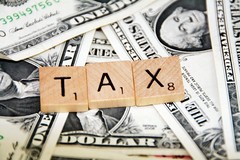 | 40 |
| 6351838051 | enclave | A small territory surrounded by foreign or hostile territory. Enclaves were common among newly-arrived immigrant groups (e.g. "Chinatown" in San Francisco). |  | 41 |
| 6351838052 | censor | An official who examines publications, mail, literature, and so forth in order to remove or prohibit the distribution of material deemed dangerous or offensive. |  | 42 |
| 6351838053 | Northern Securities Co. v. U. S. (1904) | Re-established the authority of the federal government to fight monopolies under the Sherman Anti-Trust Act. |  | 43 |
| 6351838054 | Muller v. Oregon (1908) | First case to use the "Brandeis brief"; recognized a 10-hour work day for women laundry workers on the grounds of health and community concerns. |  | 44 |
| 6351838055 | Schenck v. U. S. (1919) | Unanimously upheld the Espionage Act of 1917 which declared that people who interfered with the war effort were subject to imprisonment; declared that the 1st Amendment right to freedom of speech was not absolute; free speech could be limited if its exercise presented a "clear and present danger." |  | 45 |
| 6351838056 | Korematsu v. U. S. (1941) | The court upheld the constitutionality of detention camps for Japanese-Americans during World War 2. |  | 46 |
| 6351838057 | belligerent | (adj.) given to fighting, warlike; combative, aggressive; (n.) one at war, one engaged in war |  | 47 |
| 6351838058 | Open Door Policy | The policy that China should be open to trade with all of the major powers, and that all, including the United States, should have equal right to trade there. This was the official American position toward China as announced by Secretary of State John Hay in 1899. |  | 48 |
| 6351838059 | socialism | An economic and governmental system based on public ownership of the means of production and exchange. |  | 49 |
| 6351838060 | Eugene Debs | Prominent socialist leader (and five time presidential candidate) who founded the American Railroad Union and led the 1894 Pullman Strike |  | 50 |
| 6351838061 | Roosevelt Corollary | Roosevelt's 1904 extension of the Monroe Doctrine, stating that the United States has the right to protect its economic interests in South And Central America by using military force. |  | 51 |
| 6351838062 | Industrial Workers of the World (IWW) | Founded in 1905, this radical union, also known as the Wobblies aimed to unite the American working class into one union to promote labor's interests. It worked to organize unskilled and foreign-born laborers, advocated social revolution, and led several major strikes. Stressed solidarity. |  | 52 |
| 6351838063 | Pure Food and Drug Act | Forbade the manufacture or sale of mislabeled or adulterated food or drugs, it gave the government broad powers to ensure the safety and efficacy of drugs in order to abolish the "patent" drug trade. Still in existence as the FDA. |  | 53 |
| 6351838064 | Teddy Roosevelt | Twenty-sixth president of the United States; he focused his efforts on trust busting, environment conservation, and strong foreign policy. | | 54 |
| 6351838065 | William Taft | 27th president of the U.S.; he angered progressives by moving cautiously toward reforms and by supporting the Payne-Aldrich Tariff; he lost Roosevelt's support and was defeated for a second term. |  | 55 |
| 6351838066 | Triangle Shirtwaist Fire | March 1911 fire in New York factory that trapped young women workers inside locked exit doors; nearly 50 ended up jumping to their death; while 100 died inside the factory; led to the establishment of many factory reforms, including increasing safety precautions for workers |  | 56 |
| 6351838067 | segregation | Separation of people based on racial, ethnic, or other differences. Common in the South after the Civil War through the 1960s. | 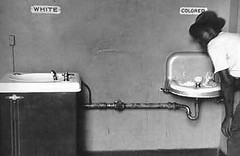 | 57 |
| 6351838068 | Harlem Renaissance | Black literary and artistic movement centered in Harlem that lasted from the 1920s into the early 1930s that both celebrated and lamented black life in America; Langston Hughes and Zora Neale Hurston were two famous writers of this movement. |  | 58 |
| 6351838069 | Fourteen Points | The war aims outlined by President Wilson in 1918, which he believed would promote lasting peace; called for self-determination, freedom of the seas, free trade, end to secret agreements, reduction of arms and a league of nations. |  | 59 |
| 6351838070 | Red Scare | A social/political movement designed to prevent a socialist/communist/radical movement in this country by finding "radicals," incarcerating them, deporting them, and subverting their activities. Periods of Red Scare occurred after both World Wars in the United States. |  | 60 |
| 6351838071 | Sedition Act | A law passed by Congress in 1918 (during World War I) to make it illegal to say anything disloyal, profane, or abusive about the government or the war effort in WWI. Seen as a military necessity by some for effectively fighting in WWI. |  | 61 |
| 6351838072 | Emergency Quota Act | A government legislation that limited the number of immigrants from Europe which was set at 3% of the nationality currently in the U.S. It greatly limited the number of immigrants who could move to the U.S. And it reflected the isolationist and anti-foreign feeling in America as well as the departure from traditional American ideals. |  | 62 |
| 6351838073 | Scopes Trial | Also known as the Scopes Monkey Trial; 1925 court case argued by Clarence Darrow and William Jennings Bryan in which the issue of teaching evolution in public schools was debated. Highlighted the growing divide between rural (more conservative) and urban (more liberal) interests in the United States. |  | 63 |
| 6351838074 | Sacco and Vanzetti Trial | Nicola Sacco and Bartolomeo Vanzetti were Italian immigrants charged with murdering a guard and robbing a shoe factory in Braintree, Massachusetts. The trial lasted from 1920-1927. Convicted on circumstantial evidence; many believed they had been framed for the crime because of their anarchist and pro-union activities. |  | 64 |
| 6351838075 | Kellog-Briand Pact | Idealistic agreement signed in 1928 in which nations agreed not to pose the threat of war against one another. |  | 65 |
| 6351838076 | Herbert Hoover | Republican president at the outset of the Great Depression. As a Republican, he believed that the federal government should not interfere in economic problems; the severity of the Great Depression forced his hand to provide some federal assistance to those in need, but he mostly left these efforts to the states. |  | 66 |
| 6351838077 | Smoot-Hawley Tariff | One of Herbert Hoover's earliest efforts to protect the nation's farmers following the onset of the Great Depression. Tariff raised rates to an all-time high. | 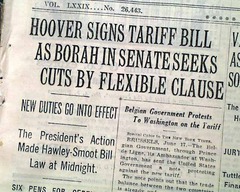 | 67 |
| 6351838078 | Platt Amendment | This amendment to the new Cuban constitution authorized U.S. intervention in Cuba to protect its interests. Cuba pledged not to make treates with other countries that might compromise its independence, and it granted naval bases to the United States, most notable being Guantanamo Bay. |  | 68 |
| 6351838079 | Indian Reorganization Act | Government legislation that allowed the Indians a form of self-government and thus willingly shrank the authority of the U.S. government. It provided the Indians direct ownership of their land, credit, a constitution, and a charter in which Indians could manage their own affairs. |  | 69 |
| 6351838080 | Zoot Suit Riots | A series of riots in 1944 during World War II that broke out in Los Angeles, California, between Anglo American sailors and Marines stationed in the city, and Latino youths, who were recognizable by the zoot suits they favored. |  | 70 |
| 6351838081 | Yalta Conference | FDR, Churchill and Stalin met at Yalta. Russia agreed to declare war on Japan after the surrender of Germany and in return FDR and Churchill promised the USSR concession in Manchuria and the territories that it had lost in the Russo-Japanese War. |  | 71 |
| 6351838082 | William Jennings Bryan | United States lawyer and politician who advocated free silver and prosecuted John Scopes (1925) for teaching evolution in a Tennessee high school (1860-1925). |  | 72 |
| 6351838083 | Woodrow Wilson | (1856-1924) President of the United States (1913-1921) and the leading figure at the Paris Peace Conference of 1919. He was unable to persuade the U.S. Congress to ratify the Treaty of Versailles or join the League of Nations. | | 73 |
| 6351838084 | United Nations | An international organization formed after WWII to promote international peace, security, and cooperation. |  | 74 |
| 6351838085 | communism | A political theory derived from Karl Marx, advocating class war and leading to a society in which all property is publicly owned and each person works and is paid according to their abilities and needs. |  | 75 |
| 6351838086 | Bolshevik Revolution | The overthrow of Russia's Provisional Government in the fall of 1917 by Lenin and his Bolshevik forces, made possible by the government's continuing defeat in the war, its failure to bring political reform, and a further decline in the conditions of everyday life. |  | 76 |
AMSCO AP US History Chapter 1 Flashcards
AMSCO United States History 2015 Edition, Chapter 1 A New World of Many Cultures, 1491-1607
Terms : Hide Images
| 7235435824 | corn | The Mayas and the Incas cultivated it as an important stable food supply in Mexico/South America. (p. 2) |  | 0 |
| 7235435825 | horses | It was not until the 17th century that the American Indians acquired these animals from the Spanish. (p. 4) |  | 1 |
| 7235435826 | disease | When Europeans came to America they brought smallpox and measles to which the natives had no resistance. Millions of American Indians died from these diseases. (p. 8) |  | 2 |
| 7235435827 | encomienda system | King of Spain gave grants of land and natives (as slaves) to individual Spaniards. (p. 8) |  | 3 |
| 7235435828 | asiento system | This system required that a tax be paid to the King of Spain, for slaves that were imported to the Americas. (p. 8) | 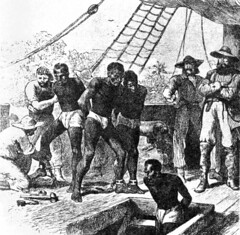 | 4 |
| 7235435829 | slavery | As far back as the 1500s the Spanish brought captured Africans to America to provide free labor. (p. 11) |  | 5 |
| 7235435830 | land bridge | Some time between 10,000 and 40,000 years ago, people migrated from Asia to the Americas, across this area that connected Siberia and Alaska. (p. 2) |  | 6 |
| 7235435831 | Adena-Hopewell | This American Indian culture centered in Ohio created large earthen mounds as tall as 300 feet. (p. 4) |  | 7 |
| 7235435832 | Hokokam, Anasazi, and Pueblos | These American Indians were located in the New Mexico and Arizona region. They developed farming using irrigation systems. (p. 4) |  | 8 |
| 7235435833 | Woodland mound builders | American Indian tribe east of the Mississippi that prospered because of a rich food supply. (p. 4) |  | 9 |
| 7235435834 | Lakota Sioux | American Indian tribe that started using horses in the 17th century. This allowed them to change from farming to nomadic buffalo hunting. (p. 4) |  | 10 |
| 7235435835 | Mayas | From A.D. 300 to 800, this highly developed civilization built large cities in what is today's southern Mexico and Guatemala. (p. 2) |  | 11 |
| 7235435836 | Incas | This highly developed civilization developed a vast South American empire based in Peru. (p. 2) |  | 12 |
| 7235435837 | Aztecs | Starting about 1300, this civilization flourished in central Mexico. (p. 2) |  | 13 |
| 7235435838 | conquistadores | These Spanish explorers and conquerors of the Americas sent ships loaded with gold and silver back to Spain making it the richest and most powerful nation in Europe. (p. 8) |  | 14 |
| 7235435839 | Hernan Cortes | He conquered the Aztecs in Mexico. (p. 8) |  | 15 |
| 7235435840 | Native Americans | The first people to settle North America arrived as many as 40,000 years ago. They came from Asia and may have crossed by a land bridge connecting Siberia and Alaska. (p. 1) |  | 16 |
| 7235435841 | Francisco Pizarro | He conquered the Incas in Peru. (p. 8) |  | 17 |
| 7235435842 | New Laws of 1542 | Bartolome de Las Casas convinced the King of Spain to institute these laws, which ended American Indian slavery, ended forced Indian labor, and began the process of ending the encomienda systems. (p. 11) |  | 18 |
| 7235435843 | Roanoke Island | In 1587, Sir Walter Raleigh attempted to establish a settlement here, but it failed. (p. 9) |  | 19 |
| 7235435844 | compass | One aspect of the Renaissance was a gradual increase in scientific knowledge and technological change. Europeans made improvements in the inventions of others. this invention was used in sailing. (p. 5) |  | 20 |
| 7235435847 | Protestant Reformation | In the early 1500s, certain Christians in Germany, England, France, Holland, and other northern European countries revolted against the authority of the pope in Rome. (p. 6) |  | 21 |
| 7235435849 | Christopher Columbus | He spent 8 years seeking financial support for his plan to sail west from Europe to the "Indies". In 1492, he sailed from the Canary Islands to an island in the Bahamas. His success in discovering lands on the other side of the ocean brought him a burst of glory in Spain. (p. 7) |  | 22 |
| 7235435850 | Treaty of Tordesillas (1494) | In 1494, this treaty between Spain and Portugal, moved the line of demarcation that the pope had established a few degrees to the west. (p. 8) |  | 23 |
| 7235435851 | slave trade | Since ancient times people in Europe, Africa, and Asia had enslaved pepoe captured in wars. In the 15 century the Portuguese began trading for slaves from West Africa. They used slaves to work in sugar plantation off the coast of Africa. Using slaves was so profitable that when the Europeans settled in the Americas, they instituted the slave system there. (p, 6) |  | 24 |
| 7235435852 | nation-state | In the 15th century, small kingdoms and multiethnic empires were being replaced by nation-states. Nation-states were countries in which the majority of people shared a common culture and common loyalty toward a central government. (p. 6) |  | 25 |
| 7235435853 | Algonquian | The American Indians had 20 language families and 400 distinct languages. This tribe in the Northeast was one of the largest. (p. 4) |  | 26 |
| 7235435855 | Iroquois Confederation | A political union of five independent American Indian tribes in the Mohawk Valley of New York. (p. 5) |  | 27 |
| 7235435856 | longhouses | American Indians along the Pacific Coast lived in the these plank houses. (p. 4) |  | 28 |
| 7235435859 | Samuel de Champlain | He established the first permanent French settlement at Quebec, a fortified village on the St. Lawrence River. (p., 10) |  | 29 |
| 7235435860 | Henry Hudson | This English sailor was hired by the Dutch government to seek a westward passage to Asia through North America. In 1609, while searching for the passage, he sailed up a broad river that would later be named the Hudson River. (p 10) |  | 30 |
| 7235435861 | Bartolome de Las Casas | A Spanish priest who was an advocate for better treatment of Indians. (p. 11) | | 31 |
| 7235435862 | Valladolid Debate | In 1550-1551, in Valladolid, Spain, a formal debate concerning the role of American Indians in the Spanish colonies. (p. 11) |  | 32 |
| 7235435863 | Juan Gines de Sepulveda | In the Valladolid Debate, this Spaniard argued that the American Indians were less than human. (p. 11) |  | 33 |
AMSCO AP US History Chapter 22 Flashcards
AMSCO United States History 2015 Edition, Chapter 22 World War I and its Aftermath, 1914-1920
Terms : Hide Images
| 5217562308 | Allied Powers | In World War I, Great Britain, France, and Russia were known by this name. (p. 455) |  | 0 |
| 5217562309 | Central Powers | In World War I, Germany, Austria-Hungary, and Ottoman Empire were known by this name. (p. 455) |  | 1 |
| 5217562310 | neutrality | A declaration of a country that it will not choose sides in a war. The Unites States was a neutral country at the beginning of World War I. (p. 455) |  | 2 |
| 5217562311 | submarine warfare | Germany's greatest hope against British sea power was this new type of warfare. (p. 455) |  | 3 |
| 5217562312 | Lusitania | On May 7, 1915 a British passenger ship was sunk by German torpedoes and 128 American passengers died. The sinking greatly turned American opinion against the Germans, and moved the country towards war. (p. 455). |  | 4 |
| 5217562287 | Sussex Pledge | In March 1916 an unarmed merchant ship, the Sussex, was sunk by the Germans. Germany made a pledge that they would not sink anymore merchant ships without warning. This kept the U.S. out of the war for a little while longer. (p. 456) |  | 5 |
| 5217823195 | propaganda | Britain controlled the daily war news that was cabled to the United States. They supplied the American press with many stories of German soldier committing atrocities. (p. 457) |  | 6 |
| 5217562314 | ethnic support | In the early part of World War I Americans supported neutrality. However, 30 per-cent were first or second generation immigrants and their support was usually based on their ancestry. (p. 456) |  | 7 |
| 5217562315 | preparedness | The United States was not prepared to fight a war and initial President Wilson resisted action. However, in late 1915 he pushed for an expansion of the armed forces. (p. 458) |  | 8 |
| 5217562316 | election of 1916 | Election between Woodrow Wilson (Democrat) and Charles Evans Hughes (Republican). Wilson won the election, his slogan was: "He kept us out of war". (p. 458) |  | 9 |
| 5217562317 | Robert LaFollette | This Congressman was one of the few who voted against the World War I declaration of war. (p. 460) |  | 10 |
| 5217562318 | Jeanette Rankin | The first woman to serve in Congress. She one of the few in Congress who voted against the World War I declaration of war. (p. 460) |  | 11 |
| 5217562319 | Edward House | In 1915, he was President Wilson chief foreign policy adviser. He traveled to London, Paris, and Berlin to negotiate a peace settlement, but was unsuccessful. (p. 459) |  | 12 |
| 5217562320 | Zimmermann telegram | In March 1917, the U.S. newspapers carried the story that Britain had intercepted a telegram from the German government to the Mexican government offering German support if Mexico declared war against the U.S. (p. 459) |  | 13 |
| 5217562291 | Russian Revolution | The revolution against the autocratic tsarist government which led to the abdication of Nicholas II and the creation of a republic in March 1917. (p. 459) |  | 14 |
| 5217562322 | declaration of war | In April 1917, President Wilson asked Congress for a declaration of war against Germany. (p. 460) |  | 15 |
| 5217562323 | war industry boards | During World War I, they set production priorities and established centralized control over raw materials and prices. (P. 460) |  | 16 |
| 5217562324 | Food Administration | During World War I, this government agency was headed by Herbert Hoover and was established to increase the production of food for overseas shipment to the troops. (p. 460) |  | 17 |
| 5217562325 | Railroad Administration | During World War I, this agency took public control of the railroads to coordinate traffic and promote standard equipment. (p. 460) |  | 18 |
| 5217562326 | National War Labor Board | During World War I, former president William Howard Taft led this organization, which arbitrated disputes between workers and employers. (p. 461) |  | 19 |
| 5217562327 | taxes and bonds | President Wilson raised $33 million in two years by increasing taxes and selling Liberty Bonds. (p. 461) |  | 20 |
| 5217562297 | Selective Service Act | In 1917, this law provided for the registration of all American men between the ages of 21 and 30 for a military draft. Men were chosen by lottery. Eventually, 2.8 million were called by lottery, in addition to the nearly 2 million who volunteered. (p. 462) |  | 21 |
| 5217562329 | service of African Americans | In World War I, nearly 400,000 African Americans served in segregated military units. (p 462) |  | 22 |
| 5217562330 | Committee on Public Information | A propaganda organization that created numerous posters, short films, and pamphlets explaining the war to Americans and encouraging them to purchase war bonds to gain support for World War I. (p. 461) |  | 23 |
| 5217562331 | George Creel | Head of the Committee on Public Information. He persuaded the nation's artists and advertising agencies to create thousands of paintings, posters, cartoons, and sculptures promoting the war. (p. 461) |  | 24 |
| 5217562332 | anti-German hysteria | During World War I, Germans were labeled as the cause of the war and targeted with negative ads and comments. (p. 461) |  | 25 |
| 5217562294 | Espionage Act | In 1917, this law imposed sentences of up to twenty years on anyone found guilty of aiding the enemy, obstructing recruitment of soldiers, or encouraging disloyalty. (p. 461) |  | 26 |
| 5217562295 | Sedition Act | In 1918, this law made it a crime to criticize the government or government officials. Opponents claimed that it violated citizens' rights to freedom of speech and freedom of the press, guaranteed by the First Amendment. About 1000 people were jailed because of the law, one of them was Eugene Debs. (p. 461) | | 27 |
| 5217562335 | Eugene Debs | He was one of the founders of the Socialist party that was dedicated to the welfare of the working class. Starting in 1900, he was the Socialist party's presidential nominee in five elections. Around 1920, he was sentenced to ten years in federal prison for speaking out against World War I. (p. 440, 461) |  | 28 |
| 5217562296 | Schenck v. United States | A 1919 Supreme Court case, in which the constitutionality of the Espionage Act was upheld in the case of a man who was imprisoned for distributing pamphlets against the draft. Justice Oliver Wendell Holmes said the right to free speech could be limited when it represented a "clear and present danger" to public safety. (p. 461) |  | 29 |
| 5217562337 | wartime jobs for women | As men joined the military many of their former jobs were taken by women. (p. 462) |  | 30 |
| 5217918265 | attitudes toward suffrage | Women's contribution to the war effort prompted President Wilson and Congress to support the 19th amendment. (p. 462) |  | 31 |
| 5217925274 | migration of blacks and Hispanics | During World War I, many Mexicans crossed the border to take jobs in agriculture and mining. African Americans moved to the North for new job opportunities. (p. 462) |  | 32 |
| 5217562338 | Bolsheviks withdraw | A second revolution in Russia by Bolsheviks (Communists) took it out of World War I. (p. 463) |  | 33 |
| 5217562339 | American Expeditionary Force | In the summer of 1918, hundreds of thousands of American troops went to France as members of this force under General John J. Pershing. (p. 463) |  | 34 |
| 5217562340 | John J. Pershing | U.S. general who led the American Expeditionary Force into France in World War I. (p. 463) |  | 35 |
| 5217562341 | Western front | In World War I, the region of Northern France where the forces of the Allied Powers and the Central Powers battled each other. (p. 463) |  | 36 |
| 5217562342 | November 11, 1918 | On this date, Germany signed a World War I armistice in which they agreed to surrender their arms, give up much of their navy, and evacuate occupied territory. (p. 463) |  | 37 |
| 5217562343 | peace without victory | In January 1917, before the U.S. had entered the war, Woodrow Wilson said the the United States would insist on this. (p. 464) |  | 38 |
| 5217562344 | Fourteen Points | After the end of World War I, President Woodrow Wilson outlined a plan for achieving a lasting peace. It called for self-determination, freedom of the seas, free trade, end to secret agreements, reduction of arms, and a general association of nations. (p. 464) |  | 39 |
| 5217562345 | Wilson in Paris | In January 1919, President Wilson traveled to the World War I peace conference held at the Palace of Versailles outside Paris. (p. 464) |  | 40 |
| 5217562301 | Big Four | The term for the the four most important leaders (on the Allied side) during Word War I and at the Paris Peace Conference. They were Woodrow Wilson - United States, David Lloyd George - Great Britain, George Clemenceau - France, and Vittorio Orlando - Italy. (p. 465) |  | 41 |
| 5217562300 | Treaty of Versailles | The World War I peace conference which included the victorious Allied Powers (United States, Great Britain, and France). The defeated Germany agreed to the following terms: 1) Germany had to disarm. 2) Germany had to pay war reparations. 3) Germany had to acknowledge guilt for causing the war. 4) Germany could not manufacture any weapons. 5) Germany had to accept French occupation of the Rhineland for 15 years. 6) Territories taken from Germany: Austria-Hungary, and Russia were given their independence (Estonia, Latvia, Lithuania, Finland, Poland, Czechoslovakia, and Yugoslavia) 7) Signers joined the League of Nations which includes Article X; that each member nation would stand ready to protect the independence and territorial integrity of the other nations. (p. 465) |  | 42 |
| 5532731029 | self determination | In World War I, territories one controlled by Germany, Austria-Hungary, and Russia were taken by the Allies. Applying the principle of self-determination, independence was granted to Estonia, Latvia, Lithuania, Finland, and Poland; and the new nations of Czechoslovakia and Yugoslavia were established. (p. 465) | | 43 |
| 5217562302 | League of Nations | International organization founded in 1919 to promote world peace and cooperation. However, it was greatly weakened by the refusal of the United States to join. (p. 466) |  | 44 |
| 5217562349 | Article X | The Treaty of Versailles required signers join the League of Nations. The League of Nations charter, Article X, called on each member nation to be ready to protect the independence and territorial integrity of the other nations. (p. 465) |  | 45 |
| 5217562350 | election of 1918 | In this mid-term congressional election Republicans gained control of both houses of Congress. This was a problem for Democrat President Woodrow Wilson because he need Republican votes to ratify the Treaty of Versailles. (p. 466) |  | 46 |
| 5217562303 | Henry Cabot Lodge | In 1919, after World War I, he led a group of senators known as the "reservationists", who would accept the U.S. joining the League of Nations if certain reservations were added to the agreement. The United States never ratified the Treaty of Versailles nor joined the League of Nations. (p. 466) |  | 47 |
| 5217562352 | Irreconcilables | In 1919, senators who voted against the Treaty of Versailles because it required the United States to join the League of Nations. (p. 466) |  | 48 |
| 5217562353 | Reservationists | In 1919, senators who pledged to vote in favor of the Treaty of Versailles if certain changes were made. They were led by Henry Cabot Lodge. (p. 466) |  | 49 |
| 5217933879 | Wilson's stroke | President Woodrow Wilson went on a speaking tour to rally public support for the Treaty of Versailles which required joining the League of Nations. In September 1919, he collapsed after delivering a speech in Colorado. He returned to Washington and a few days later suffered a massive stroke from which he never recovered. (p. 466) |  | 50 |
| 5217562354 | rejection of treaty | The Treaty of Versailles required the U.S. to join the League of Nations. It was never ratified by Congress. (p. 466) |  | 51 |
| 5217939079 | recession, loss of jobs | In 1921, the U.S. plunged into recession and 10 percent of the workforce was unemployed. (p. 467) |  | 52 |
| 5217562355 | falling farm prices | After World War I, European farm product came back on the market, farm prices fell, which hurt farmers in the United States. (p. 466) |  | 53 |
| 5217562307 | Red Scare | After World War I, anti-communist hysteria caused this phenomenon. (p. 467) |  | 54 |
| 5217562356 | anti-radical hysteria | After World War I, xenophobia, (intense or irrational dislike of foreign people) increased. This lead to restrictions of immigration in the 1920s. (p. 467) |  | 55 |
| 5217562357 | Palmer raids | Prompted by a series of unexplained bombings, in 1920, this operation was coordinated by Attorney General Mitchell Palmer. Federal marshals raided the homes of suspected radicals and the headquarters of radical organizations in many cities. (p. 467) |  | 56 |
| 5217562358 | xenophobia | Intense or irrational dislike of foreign peoples. (p. 467) |  | 57 |
| 5217562359 | strikes of 1919 | Major strike in Seattle where 60,000 unionists held a peaceful strike for higher pay. Boston police went on strike to protest firing of police officers who tried to unionize and Governor Calvin Coolidge sent in National Guard. U.S. Steel Corporation had a strike, after considerable violence, the strike was broken by state and federal troops. (p. 467) |  | 58 |
| 5217562360 | Boston police strike | Officers went on strike to protest the firing of a few officers because they tried to unionize. (p. 467) |  | 59 |
| 5217562361 | race riots | The migration of African Americans to the north led to rioting in East St. Louis and Chicago, where 40 people were killed. (p. 467) |  | 60 |
Flashcards
Flashcards
Period 4: 1800-1848 AP US History Flashcards
Terms : Hide Images
| 8196498855 | Federalist | Political party created in the 1790s led by Alexander Hamilton; favored a stronger national government; supported primarily by the bankers and moneyed interests |  | 0 |
| 8196498856 | Democratic-Republicans | Political party created in the 1790's; led by Thomas Jefferson; favored limited government and state rights; supported primarily by the "common man" | | 1 |
| 8196498857 | Election of 1800 | (AKA Revolution of 1800) election that led to a peaceful transfer of power from the Federalist party to the Democratic Republican Party |  | 2 |
| 8196498858 | Hartford Convention, 1814 | Meeting of Federalists during the War of 1812 discuss strategy to gain more power in government; viewed as unpatriotic by many; as a result, the Federalist Party was no longer a significant force in American politics |  | 3 |
| 8196498859 | Era of Good Feelings | Term used to describe the time period after the 2nd Party System in the United States after the Federalist Party fell from the national stage, leaving only the Democratic Party; associated with the presidency of James Monroe |  | 4 |
| 8196498860 | Democrats | Political party that brought Andrew Jackson into office in 1829; part of the 2nd Party System of the United States; supported Jeffersonian ideas of limited government and individualism; drew its support from the "common Man" | | 5 |
| 8196498861 | Whig Party | Political Party created in 1834 as a coalition of anti-Jackson political leaders and dedicated to internal improvements funded by the national government |  | 6 |
| 8196498862 | Andrew Jackson | Leader of the Democrats who became the seventh president of the US (1829-1837); known for his opposition to the 2nd Bank of the US, the Indian Removal Act, and opposition to nullification | | 7 |
| 8196498863 | Henry Clay | Leader of the Whig Party who proposed an "American System" to make the United States economically self-sufficient, mostly through protective tariffs; worked to keep the Union together through political compromise |  | 8 |
| 8196498864 | Nullification Crisis (1832-1833) | After South Carolina declared the federal tariff null and void, President Jackson obtained a Force Bill to use military actions against South Carolina; ended with a compromise to lower tariffs over an extended time; overall significance was the challenge of states to ignore federal law (later on with laws regarding slavery). |  | 9 |
| 8196498865 | John C. Calhoun | South Carolina political leader who defended slavery as a positive good and advocated the doctrine of nullification, a policy in which state could nullify federal law. |  | 10 |
| 8196498866 | John Marshall | Appointed to the Supreme Court by John Adams in 1801; served as a chief justice until 1835; legal decisions gave the Supreme Court more power, strengthened the federal government, and supported protection of private property. |  | 11 |
| 8196498867 | Cotton Belt | Southern region in the US where most of the cotton is grown/deep; stretched from South Carolina to Georgia to the new states in the southwest frontier; had the highest concentration of slaves |  | 12 |
| 8196498868 | Judicial Review | The power of the Supreme Court to review the constitutionality of laws passed by Congress |  | 13 |
| 8196498869 | Market Economy | Economic system based on the unregulated buying and selling of goods and services; prices are determined by the forces of supply and demand |  | 14 |
| 8196498870 | Embargo Act (1807) | Passed by President Jefferson in order to pressure Britain and France to stop impressment and support the American rights to free trade with the other; a government-order ban on international trade; went into effect in 1808 and closed down virtually all U.S. trade with foreign nations; led to steep depression in the economy |  | 15 |
| 8196498871 | Panic of 1819 | Financial panic that began when the Second Bank of the US tightened credit and recalled government loans after the price of cotton dropped |  | 16 |
| 8196498872 | Second Bank of the United States (1816) | Privately owned bank that operated as both a commercial and fiscal agent for the US government; established in 1816 under a charter that was supposed to last 20 years; Andrew Jackson was critical of the bank and its potential for corruption; ended when Jackson vetoed the extension of its charter and won reelection in the process |  | 17 |
| 8196498873 | Tariff of 1816 | First protective tariff in US history; designed primarily to help America's textile industry |  | 18 |
| 8196498874 | Tariff of Abominations 1828 | Tariff with such high rates that it set off tension between northerners and southerners over tariff issues (called the Nullification Crisis) |  | 19 |
| 8196498875 | Panic of 1837 | Economic collapse caused primarily by President Jackson's destruction of the Second Bank of the United States |  | 20 |
| 8196498876 | Slave Codes | Laws that established the status of slaves denying them basic rights and classifying them as the property of slaveholders |  | 21 |
| 8196498877 | Second Great Awakening | An upsurge in religious activity that began around 1800 and was characterized by emotional revival meetings; led to several reform movements (temperance, abolition) designed to perfect society with religious morals |  | 22 |
| 8196498878 | Charles Finney | Presbyterian minister who is credited and is known as the "Father of modern Revivalism"; advocated the abolition of slavery and equal education for women and African Americans |  | 23 |
| 8196498879 | Elizabeth Cady Stanton | Advocate of women right's, including the right to vote; organized (with Lucretia Mott) the first women's rights convention at Seneca Falls, NY |  | 24 |
| 8196498880 | Dorothea Dix | Pioneer in the moment for special treatment for the mentally ill |  | 25 |
| 8196498881 | Horace Mann | Massachusetts educator who called for publicly funded education for all children; called the "Father of Public Education in America" |  | 26 |
| 8196498882 | Utopian Communities | Idealistic reform movement based on the belief that a perfect society could be created on Earth; significant Utopian experiments were established at New Harmony, Indiana, Book Farm, Massachusetts and the Oneida Community in New York; usually such attempts were short-lived |  | 27 |
| 8196498883 | William Lloyd Garrison | Radical abolitionist in Massachusetts who published the liberator, an antislavery newspaper |  | 28 |
| 8196498884 | Hudson River School 1825-1875 | The first native school of painting in the US; painted primarily landscapes; themes included deep nationalism, grandeur of nature, and transcendentalism |  | 29 |
| 8196498885 | Transcendentalism | Philosophical and literary movement that believed God existed within human being and nature; believed intuition was the highest source of knowledge; advocated for introspection by surrounding oneself with nature |  | 30 |
| 8196498886 | Ralph Waldo Emerson | Philosopher, writer, and poet who became a central figure in the Transcendalist movement in American |  | 31 |
| 8196498887 | Henry David Thoreau | Writer and naturalist; with Ralph Waldo Emerson, he was one of America's best known transcendentalists |  | 32 |
| 8196498889 | Samuel Slater | Known as the "Father of the American Industrial Revolution"; brought British textile technology to the United States to create the first factory |  | 33 |
| 8196498890 | John Deere | Invented the steel plow in 1837, which revolutionized farming; the steel plow broke up soil without the soil getting stuck to the plow |  | 34 |
| 8196498891 | Lowell System | Method of factory management that evolved in the textile mills of Lowell, MA |  | 35 |
| 8196498892 | Erie Canal (1817-1825) | 350 mile canal built by the state of NY that stretched from Buffalo to Albany; the canal revolutionized shipping in NY and opened up new markets (evidence of the Market Revolution) |  | 36 |
| 8196498893 | National Road (1811) | AKA Cumberland Road; first significant road built in the US at the expense of the federal government; stretched from the Potomac River to the Ohio River |  | 37 |
| 8196498895 | Cult of Domesticity | The belief that a woman's proper role in life was found in domestic pursuits (raising children, taking care of the house); strongly believed by many throughout the 19th century |  | 38 |
| 8196498896 | Louisiana Purchase (1803) | U.S. purchased the Louisiana Territory from France for $15 million, doubling the size of the U.S. and giving the U.S. full control of the Mississippi River |  | 39 |
| 8196498897 | Lewis and Clark expedition (1804-1806) | Expedition to explore the Louisiana Territory led by Meriwether Lewis and William Clark |  | 40 |
| 8196498898 | War Hawks | Members of Congress from the West and South elected in 1810 who wanted war with Britain in the hopes of annexing new territory and ending British trade with the Indians of the Northwest |  | 41 |
| 8196498899 | War of 1812 | 1812-1815, War between the U.S. and Great Britain caused primarily by the perceived British violation of American neutral rights on the high seas (impressment); ended with an agreement of "status quo ante" (a return to how things were before the war) |  | 42 |
| 8196498901 | Monroe Doctrine (1823) | President Monroe's unilateral declaration that the Americas would be closed to further European colonization and that the U.S. would not allow European interference in the affairs of the Western Hemisphere; in return the U.S. pledged to stay out of European conflicts and affairs; significant foreign policy state that lasted through most of the 19th century |  | 43 |
| 8196498904 | Tecumseh | Shawnee leader who attempted to establish an Indian confederacy among tribes from around the continent that he hoped would be a barrier to white expansion; defeated at the Battle of Tippecanoe in 1811 by U.S. forces led by General William Henry Harrison, slowing the momentum of Pan-Indian unity |  | 44 |
| 8196498905 | Indian Removal Act (1830) | Law that provided for the removal of all Indian tribes east of the Mississippi and the purchase of Indian lands for white resettlement |  | 45 |
| 8196498906 | Worcester v. Georgia (1832) | A Supreme Court ruling that declared a state did not have the power to enforce laws on lands that were not under state jurisdiction; John Marshall wrote that the state of Georgia did not have the power to remove Indians; this ruling was largely ignored by President Andrew Jackson |  | 46 |
| 8196498907 | Trail of Tears (1838) | Forced march of the Cherokee people from Georgia to Indian Territory in the winter; a large percentage of Cherokee died on the journey |  | 47 |
| 8196498908 | The American System | Consisted of three mutually reinforcing parts: (1) a tariff to protect and promote American industry; (2) a national bank to foster commerce; (3) federal subsidies for roads, canals, and other "internal improvements" to develop profitable markets for agriculture; supported heavily by Henry Clay | | 48 |
| 8196498909 | Missouri Compromise (1820) | Admitted Missouri as a slave state and Maine as a free state, maintaining the balance between slave and free states in representation in the federal government; established a geographic line that would determine whether new states (made from the western territories) would be added to the union as slave or free states |  | 49 |
| 8196498910 | Spoils System | Public offices given as a reward for political support. Most iconically used by Andrew Jackson after his first election, which then became a precedent for future federal leaders. |  | 50 |
| 8196498911 | Marbury v. Madison (1803, Marshall) | The Court established its role as the arbiter of the constitutionality of federal laws, the principle is known as judicial review. |  | 51 |
| 8196498914 | interchangeable parts | Parts that were identical and which could be substituted for one another; developed by Eli Whitney for the manufacturing of muskets; became a hallmark of the American factory system |  | 52 |
| 8196498915 | tariff | A tax imposed on imported goods and services. Tariffs are used to restrict trade, as they increase the price of imported goods and services, making them more expensive to consumers. | | 53 |
| 8196498916 | embargo | A government order prohibiting commerce in or out of a port |  | 54 |
| 8196525349 | Erie Canal | A canal between the New York cities of Albany and Buffalo, completed in 1825. The canal, considered a marvel of the modern world at the time, allowed western farmers to ship surplus crops to sell in the North and allowed northern manufacturers to ship finished goods to sell in the West. Connected Great Lakes farms and western markets with New York City leading to its rise as a center of trade and commerce. | 55 | |
| 8196529109 | Steamboat | Invented by Fulton and revolutionized river transportation | 56 | |
| 8196545569 | Haitian Revolution | A major influence of the Latin American revolutions because of its success; the only successful slave revolt in history; it is led by Toussaint L'Overture. | 57 | |
| 8196550501 | Bank War | Andrew Jackson vetoed the recharter bill of the Second Bank of the United States on July 10, 1832, which was a blow against monopolies, "New England aristocrats", and foreign domination, but a victory for labor. Jackson created pet banks and destabilized the national currency. | 58 | |
| 8196557211 | Corrupt Bargain | what Jackson and followers called the Clay/Adams deal that kept him from election in 1824. | 59 | |
| 8196560362 | Nullification Crisis | Conflict that resulted when South Carolina voided federal tariffs and threatened to secede | 60 | |
| 8196569159 | Nat Turner | the largest and deadliest slave uprising in U.S. history; resulted in new laws (South) prohibiting education of slaves and free black people, restricting rights of assembly and other civil rights for free black people, and requiring white ministers to be present at all worship services. | 61 | |
| 8196574168 | Mormons | members of the Church of Jesus Christ of Latter-Day Saints founded by Joseph Smith in 1830; Relocated to Utah to escape religious persecution, settling in Salt Lake City, Utah | 62 | |
| 8196601758 | Temperance | Moderation, or sometimes total abstinence, as regards drinking alcohol. | 63 | |
| 8196603986 | Nativist | One who advocates favoring native-born citizens over aliens or immigrants. | 64 | |
| 8196607761 | Irish | Poorest Immigrant group. Came to US due to potato famine. Often hated by Americans. | 65 | |
| 8196612702 | Germans | Immigrant group that settled in farming communities in the midwest | 66 | |
| 8196623259 | Era of Good Feelings | the decline of the Federalist Party and the end of the war of 1812 gave rise to a time of political cooperation - associated with the presidency of James Monroe | 67 | |
| 8196627216 | Jacksonian Democracy | The time period 1829 to 1837 when Andrew Jackson was president. This era was also known as the Age of the Common Man. | 68 | |
| 8196632954 | Impressment | Practice of the British navy of stealing Americans and forcing them into service in the British Navy. | 69 | |
| 8196646908 | Missouri Compromise | An 1820 compromise crafted by Henry Clay, it consisted of three bills. * Admit Missouri as a slave-holding state * Admit Maine as a free state * Prohibit slavery in the rest of the Louisiana Territory north of latitude 36 30 | 70 | |
| 8196649755 | King Andrew | Nickname given to President Andrew Jackson when his opponents did not like his use of the veto power. | 71 | |
| 8196656620 | Force Act | Permitted Andrew Jackson to organize troops to prevent South Carolina from secession. | 72 | |
| 8196662040 | Results of the War of 1812 | -American Nationalism -War Heroes -Death of the Federalist Party | 73 | |
| 8196674902 | Southern Defense of Slavery | southerners held a widespread belief that blacks were inferior to whites and that the slavery was good for black - also understood that the southern cotton economy was dependent on slave labor | 74 | |
| 8196677840 | Frederick Douglas | Former slave who became a significant leader in the abolitionist movement - Known for his great oratorical skills | 75 | |
| 8196683331 | Slave Spirituals | Music created by slaves for the purpose of religion, work and recreation - became the foundation for later styles of music known as gospel, jazz, and blues | 76 |
AMSCO AP US History Chapter 10 Flashcards
AMSCO United States History 2015 Edition, Chapter 10 The Age of Jackson, 1824-1844
Terms : Hide Images
| 5488077317 | Indian Removal Act | In 1830, this act forced the resettlement of thousands of Native Americans west of the Mississippi. (p. 195) |  | 0 |
| 5488077318 | Cherokee Nation v. Georgia | In 1831, this Supreme Court case ruled that the Cherokees were not a foreign nation with the right to sue in a federal court. (p. 195) |  | 1 |
| 5488077319 | Worcester v. Georgia | In 1832, this Supreme Court case ruled that the laws of Georgia had no force within the Cherokee territory. However, President Jackson sided with Georgia and the decision could not be enforced without Jackson's support. (p 196) |  | 2 |
| 5488077320 | Cherokee trail of tears | In 1838, the U.S. Army forced 15,000 Cherokees to leave Georgia and march to Oklahoma. 4,000 Cherokees died on the trip. (p. 196) | | 3 |
| 5488077321 | Bank of the United States | In 1832, President Andrew Jackson vetoed this bank's recharter bill, denouncing the bank as a private monopoly that enriched the wealthy and foreigners. (p. 197) |  | 4 |
| 5488077322 | Nicholas Biddle | During the 1830s, he was president of the Bank of the United States. (p. 197) |  | 5 |
| 5488077323 | Roger Taney | He was Andrew Jackson's secretary of Treasury. In an attempt to destroy the Bank of the United States, he transferred funds from the national bank to various state banks. (p. 198) |  | 6 |
| 5488077324 | pet banks | A term for the state banks. President Andrew Jackson was trying to destroy the Bank of the United States, so he transferred federal funds to these state banks. (p. 198) |  | 7 |
| 5488077325 | Specie Circular | To check inflationary, President Jackson issued a presidential order that required all future purchases of federal lands be made with gold or silver rather than paper bank notes. (p. 198) |  | 8 |
| 5488077326 | Panic of 1837 | Just as Martin Van Buren became the president, the country suffered a financial panic as many banks closed their doors. (p. 199) | | 9 |
| 5488077327 | Martin Van Buren | He won the 1836 presidential election as a Democratic. He had been Andrew Jackson's vice president. (p. 198) | | 10 |
| 5488077328 | common man | Between 1824 and 1840, the middle and lower classes became more involved in politics. Several factors contributed to this including new suffrage laws, changes in political parties and campaigns, improved education, and increased newspaper circulation. (p. 192) |  | 11 |
| 5488077329 | universal white male sufferage | In the 1810s, new Western states adopted state constitutions that allowed all white males to vote and hold office. Most Eastern states soon followed suit. Voting for president rose from about 350,000 in 1824 to 2.4 million in 1840. (p. 192) |  | 12 |
| 5488077330 | party nominating convention | In the 1830s, caucuses were replaced by this public process of nominating candidates in a large hall. (p. 192) |  | 13 |
| 5488077331 | King Caucus | A closed door meeting of a political party's leaders in Congress which nominated candidates. (p. 192) |  | 14 |
| 5488077332 | popular election of president | In the 1832 presidential election, all states except South Carolina, allowed voters to choose their state's slate of presidential electors. (p. 192) |  | 15 |
| 5488077333 | Anti-Masonic Party | A political party, that attacked the secret societies of Masons and accused them of belonging to a privileged, anti democratic elite. (p. 192) |  | 16 |
| 5488077334 | Workingmen's Party | A political third party that was not as large as the Democrat or Whig party. (p. 192) |  | 17 |
| 5488077335 | popular campaigning | Campaigns of the 1830s and 1840s featured parades and large rallies with free food and drink. (p. 193) |  | 18 |
| 5488077336 | spoils system | President Andrew Jackson appointed people to federal jobs strictly according to whether they had campaigned for the Democratic party. Previous office holders were fired and replaced with a loyal Democrat. (p. 193) |  | 19 |
| 5488077337 | rotation in office | President Andrew Jackson's policy of limiting a person to one term in office so he could then appoint a Democrat to replace them. (p. 193) |  | 20 |
| 5488077338 | Henry Clay | He was secretary of state under President John Quincy Adams. He was President Andrew Jackson's chief opponent. In 1832, he challenged Jackson by persuading Congress to pass a bank-recharter bill. (p. 197) | | 21 |
| 5488077339 | corrupt bargain | The term that Andrew Jackson and followers called the Adams and Clay deal of the 1824 election. The House of Representatives had to choose the president and Henry Clay used his influence have John Quincy Adams elected. (p. 194) |  | 22 |
| 5488077340 | John Quincy Adams | In 1824, he was elected president. Henry Clay used his influence in the House of Representatives to provide him with enough votes to win the election. Clay was made secretary of state. (p. 194) | | 23 |
| 5488077341 | Tariff of 1828; tariff of abominations | In 1828, during John Quincy Adams' term, Congress created a new tariff law which pleased northern manufacturers, but alienated southern planters. (p. 194) | | 24 |
| 5488077342 | Revolution of 1828 | In the 1828 election, Andrew Jackson became president after a mudslinging campaign. Jackson was a champion of the working class and middle class (common man). p. 195) | | 25 |
| 5488077343 | Andrew Jackson | He won the 1828 presidential election easily, winning every state west of the Appalachians. He was know as "Old Hickory" and presented himself as a comman man. (p. 195) |  | 26 |
| 5488077344 | role of the president | President Andrew Jackson presented himself as the representative of all the people and the protector of the common man against abused of power by the rich and privileged. He thought this was the role he should play. (p. 195) |  | 27 |
| 5488077345 | Peggy Eaton affair | When President Jackson's secretary of war's wife was the target of malicious gossip by other cabinet wives, Jackson supported her. The majority of cabinet resign because Jackson tried to force the wives to accept Peggy Eaton. (p. 195) |  | 28 |
| 5488077346 | states' rights | President Andrew Jackson favored this form of power for the state governments. (p. 196) |  | 29 |
| 5488077347 | nullification crisis | In 1832, South Carolina passed a resolution forbidding the collection of tariffs in the state, which was nullifying a federal law at the state level. President Jackson threatened South Carolina with the use of federal troops and a compromise was reached. (p. 197) | | 30 |
| 5488077348 | Webster-Hayne debate | In 1830, Daniel Webster of Massachusetts, debated Robert Hayne of South Carolina on the nature of the federal union under the Constitution. Daniel Webster declared that a state could not defy or leave the union. (p. 196) |  | 31 |
| 5488077349 | John C. Calhoun | He was Andrew Jackson's vice president, but he opposed Jackson on nullification theory. He advanced the theory that a state had the right to declare a federal law null and void. (p. 196) |  | 32 |
| 5488077350 | Proclamation to the People of South Carolina | President Andrew Jackson's edict stating nullification and disunion were treason. (p. 197) |  | 33 |
| 5488077351 | two-party system | This system developed in the 1820s. Supporters of Andrew Jackson were Democrats, while supporters of Henry Clay were Whigs. (p. 197) |  | 34 |
| 5488077352 | Democrats | In the 1820s, this party was led by Andrew Jackson. It harked back to the old Republican party of Thomas Jefferson. (p. 197) |  | 35 |
| 5488077353 | Whigs | In the 1820s, this party was led by Henry Clay. It was similar to the old Federalist party of Alexander Hamilton. (p. 197) |  | 36 |
| 5488077354 | log cabin and hard cider campaign | The term for the 1840 presidential campaign. Popular war hero, William Henry Harrison was the Whig candidate. He used log cabins and hard cider to portray his down-home heritage. He attacked Martin Van Buren as an aristocrat. Harrison and John Tyler won the election. (p. 199) |  | 37 |
Flashcards
Pages

Need Help?
We hope your visit has been a productive one. If you're having any problems, or would like to give some feedback, we'd love to hear from you.
For general help, questions, and suggestions, try our dedicated support forums.
If you need to contact the Course-Notes.Org web experience team, please use our contact form.
Need Notes?
While we strive to provide the most comprehensive notes for as many high school textbooks as possible, there are certainly going to be some that we miss. Drop us a note and let us know which textbooks you need. Be sure to include which edition of the textbook you are using! If we see enough demand, we'll do whatever we can to get those notes up on the site for you!
