AP Notes, Outlines, Study Guides, Vocabulary, Practice Exams and more!

AMSCO AP US History Chapter 25 Flashcards

AMSCO United States History 2015 Edition, Chapter 25 Diplomacy and World War II, 1929-1945

Terms : Hide Images
5115119408Good Neighbor PolicyPresident Franklin Roosevelt's foreign policy of promoting better relations with Latin America by using economic influence rather than military force in the region. (p. 523)0
5115119409Pan-American conferencesIn 1933, the United States attended a conference in Montevideo, Uruguay, in which we pledged to never again intervene in the internal affairs of any Latin American country. At a second conference in 1936, the U.S. agreed to the cooperation between the U.S. and Latin American countries to defend the Western Hemisphere against foreign invasion. (p. 523)1
5115119410Soviet Union recognizedThe Republican presidents of the 1920's had refused to grant diplomatic recognition to the Communist regime that ruled the Soviet Union. President Franklin Roosevelt promptly changed this policy by granting recognition in 1933. (p. 524)2
5115119411Independence for PhilippinesIn 1934, President Roosevelt persuaded Congress to pass the Tydings-McDuffie Act which provided independence for the Philippines by 1946. (p. 524)3
5115119412reciprocal trade agreementsIn 1934, Congress enacted a plan that would reduce tariffs for nations that reciprocated with comparable reductions for U.S. imports. (p. 524)4
5115119413Japan takes ManchuriaIn September 1931, Japanese troops invaded Manchuria, on China's eastern seaboard. The League of Nations passed a resolution condemning the action but did not take action. (p. 521)5
5115119414Stimson DoctrineIn 1932, Secretary of State Henry Stimson said the United States would not recognize territorial changes resulting from Japan's invasion of Manchuria. (p. 522)6
5115119415fascismA political system in which people glorify their nation and their race through an aggressive show of force. Economic hardships led to the rise of military dictatorships, first in Italy, then in Japan and Germany. (p. 524)7
5115119416Italian Fascist partyIn 1922, they seized power in Italy. They attracted dissatisfied war veterans, nationalists, and those afraid of rising communism. They marched on Rome and installed Mussolini in power. (p. 524)8
5115119417Benito MussoliniHe founded the Italian Fascist Party, and sided with Hitler and Germany in World War II. In 1945, he was overthrown and assassinated by the Italian Resistance. (p. 524)9
5115119418EthiopiaIn 1935, fascist Italy invaded this African nation. (p. 526)10
5115119419German Nazi partyThis party arose in 1920's Germany in reaction to deplorable economic conditions after war and national resentments over the Treaty of Versailles. By 1933, the party under leader Adolph Hitler, had gained control of the German legislature. (p. 524)11
5115119420Adolf HitlerAustrian-born founder of the German Nazi Party and chancellor of the Third Reich (1933-1945). His fascist philosophy, embodied in the book Mein Kampf attracted widespread support, and after 1934 he ruled as an absolute dictator. Hitler's pursuit of aggressive nationalist policies resulted in the invasion of Poland (1939) and the subsequent outbreak of World War II. His regime was infamous for the extermination of millions of people, especially European Jews. He committed suicide in 1945, when the collapse of the Third Reich was imminent. (p. 524)12
5115119421Axis PowersAlliance of Germany, Italy, and Japan during World War II.13
5115119422Spanish Civil WarIn 1936, a rebellion erupted in Spain after a coalition of Republicans, Socialists, and Communists was elected. General Francisco Franco led the rebellion. The revolt quickly became a civil war, by 1939 Franco had established a military dictatorship. (p. 525)14
5115119423Francisco FrancoIn 1936, he plunged Spain into a Civil War. By 1939, Franco's Fascist had established a military dictatorship. (p. 525)15
5115119424RhinelandIn 1936, Adolf Hitler invaded this region. This was in violation of the Treaty of Versailles which had declared the area a demilitarized zone. (p. 526)16
5115119425SudetenlandIn 1938, Hitler insisted Germany had the right to take over an area in western Czechoslovakia. (p. 526)17
5115119426MunichA 1938 conference, at which European leaders attempted to appease Hitler by turning over the Sudetenland to him in exchange for promise that he would not expand Germany's territory any further. (p. 526)18
5115119427appeasementA policy of making concessions to an aggressor in the hopes of avoiding war. In the years 1935 to 1938, a series of military actions by Fascist dictatorships made Britain, France, and the United States nervous, but they did nothing to stop the actions. * 1935 - Italy invades Ethiopia * 1936 - German troops invade the Rhineland * 1937 - Japan invades China * 1938 - Germany takes the Sudetenland (p. 526)19
5115119428Poland; blitzkriegOn September 1, 1939, Germany invaded this country using overwhelming air power and fast-moving tanks, a term of warfare called lightning war. Britain and France then declared war against Germany. (p. 528)20
5115119429isolationismA policy of non-participation in international economic and political relations. A 1934 committee led by Senator Gerald Nye concluded the main reason for participation in World War I was because of the bankers and arm manufacturers greed. This caused the U.S. public to be against any involvement in the early stages of World War II. (p.. 525)21
5115119430Nye CommitteeIn 1934, a Senate committee led by South Dakota Senator Gerald Nye to investigate why America became involved in World War I. They concluded that bankers and arm manufacturers pushed the U.S. into the war so they could profit from selling military arms. This committee's work pushed America toward isolationism for the following years. (p. 525)22
5115119431Neutrality ActsLaws passed by isolationists in the late 1930s, that were designed to keep the United States out of international wars. (p. 525)23
5115119432America First CommitteeIn 1940, after World War II had begun in Asia and Europe, isolationists became alarmed by President Roosevelt's support for Britain. To mobilize American public opinion against the war, they formed this committee. Charles A. Lindbergh was one of it spokesmen. (p. 525)24
5115119433Charles LindberghIn 1927, this U.S. aviator thrilled the world, by making the first nonstop flight from Long Island to Paris. In 1940, he was a speaker for the isolationist America First Committee. (p. 480, 525)25
5115119434Quarantine speechIn 1937, President Franklin D. Roosevelt made this speech after Japan invaded China. He proposed that democracies act together to "quarantine" Japan. Public reaction to the speech by the American public was negative, and the idea was abandoned. (p. 526)26
5115119435cash and carryPolicy adopted by the United States in 1939 to preserve neutrality, while aiding Great Britain. Great Britain could buy U.S. military arms if it paid in full and used its own ships to transport them. (p. 528)27
5115119436Selective Training and Service ActIn 1940, Roosevelt passed this law requiring all males aged 21 to 36 to register for military service. (p. 528)28
5115119437destroyers-for-bases dealIn September 1940, Roosevelt cleverly arranged a trade that would help Great Britain. The United States gave Britain fifty older but still serviceable US destroyers, in exchange the U.S. was given the right to build military bases on British Islands in the Caribbean. (p. 528)29
5271078212FDR, third termIn the 1940 presidential election, Franklin D. Roosevelt won a third term in office. (p. 529)30
5115119438Wendell WillkieFranklin Roosevelt's Republican opponent in the 1940 Presidential election. (p. 529)31
5115119439Four Freedoms speechA speech by President Franklin Roosevelt on January 6, 1941 that proposed lending money to Britain for the purchase of U.S. military weapons. He argued that the U.S. must help other nations defend "four freedoms" (freedom of speech, freedom of religion, freedom from want, and freedom from fear). (p. 529)32
5115119440Lend-Lease ActIn March 1941, this act permitted Britain to obtain all U.S. arms they needed on credit during World War II. (p. 529)33
5115119441Atlantic CharterIn August 1941, U.S. president Franklin D. Roosevelt and British prime minister Winston Churchill met aboard a ship off the coast of Newfoundland. They created this agreement which outlined the principles for peace after the war. (p. 530)34
5115119442escort convoysIn July 1941, the U.S. began to provide protection for British ship carrying U.S. arms being transported to Britain. (p. 530)35
5115119443oil and steel embargoIn September 1940, Japan joined the Axis powers. The United States responded by prohibiting export of steel and scrap iron to Japan and other countries. In July 1941, when Japan invaded French Indochina, the U.S. cut off Japanese access to many vital materials, including U.S. oil. (p. 530)36
5115119444Pearl HarborOn December 7, 1941, a date that will live in infamy, this U.S. naval base in Honolulu, Hawaii was bombed by Japanese planes. 2,400 Americans were killed and 20 warships were sunk or severely damaged. The next day, the United States declared war on Japan. (p. 531)37
5115119445War Production BoardDuring World War II, President Roosevelt established this agency to allocated scarce materials, limit or stop the production of civilian goods, and distribute contracts among competing manufacturers. (p. 531)38
5115119446Office of Price AdministrationThis World War II federal agency regulated most aspects of civilian lives by freezing prices, wages, and rents and rationing commodities in order to control inflation. (p. 532)39
5115119447government spending, debtDuring World War II federal spending increased 1000 percent between 1939 and 1945, and the gross national product grew by 15 percent or more each year. By the war's end, the national debt was $250 billion, five times what it had been in 1941. (p. 532)40
5271088995role of large corporationsDuring World War II, the 100 largest corporations accounted for 70 percent of wartime manufacturing. (p. 532)41
5115119448research and developmentThe United States government worked closely with industrial companies, universities, and research labs to create and improve technologies that could be used to defeat the enemy. (p. 532)42
5115119449Manhattan ProjectCode name for the secret United States project set up in 1942 to develop atomic bombs for use in World War II. (p. 532)43
5115119450Office of War InformationEstablished by the government to promote patriotism and help keep Americans united behind the World War II effort. (p. 533)44
5115119451the Good WarThe term for the unity of Americans supporting the democratic ideals in fighting World War II. (p. 533)45
5115119452wartime migrationDuring World War II, over 1.5 million African-Americans migrated from the South to job opportunities in the North and the West. (p. 533)46
5271096617civil rights, Double VDuring World War II civil rights leaders encouraged African Americans to adopt the Double V slogan - one for victory, one for equality. (p 533)47
5271101579executive order on jobsDuring World War II, President Roosevelt issued an executive order to prohibit discrimination in government and in businesses that received federal contracts. (p. 533)48
5115119455Smith v. AllwrightThis Supreme Court case in 1944 ruled that it was unconstitutional to deny membership in political parties to African Americans as a way of excluding them from voting in primaries. (p. 533)49
5115119456Braceros programA program the American and Mexican governments agreed to, in which contract laborers would be admitted to the United States for a limited time as migrant farm workers (p. 533)50
5115119457Japanese internmentIn 1942, over 100,000 Japanese Americans living on the United States West coast were rounded up and put in internment camps. (p. 534)51
5115119458Korematsu v. U.S.A 1944 Supreme Court case which upheld the order providing for the relocation of Japanese Americans. It was not until 1988 that Congress formally apologized and agreed to pay financial compensation to each survivor. (p. 534)52
5115119459Rosie the RiveterA propaganda character designed to increase production of female workers in industrial jobs in the shipyards and defense plants during World War II. (p. 534)53
5271115214wartime solidarityThe New Deal helped immigrant groups feel more included, and serving together in combat or working together in defense plants helped to reduce prejudices. (p. 534)54
5115119460election of 1944In this presidential election, Franklin D. Roosevelt replaced his vice president with Harry S. Truman, as they ran against Republican Thomas Dewey. Roosevelt won an unprecedented fourth term, but he died within three months. (p. 534)55
5115119461Harry S. TrumanHe became president on April 12, 1945, when President Franklin Roosevelt died suddenly. In August 1945, he order an atomic bomb be dropped on Hiroshima then on Nagasaki, to end the war with Japan. Japan surrendered on September 2, 1945. (p. 537, 538)56
5115119462Battle of the AtlanticThe protracted naval war to control the shipping lanes in the North Atlantic. (p. 535)57
5115119463strategic bombingUnited States bomber carried out daylight bombing raids on military targets in Europe, but the lines between military and civilian targets became blurred as war went on. (p. 535)58
5115119464Dwight EisenhowerThe United States general who commanded the invasion of Normandy (D-Day), Casablanca and the defeat of Nazi Germany. (p. 536)59
5115119465D-DayOn June 6, 1944 the Allies landed in northern France with the largest invasion by sea in history. By the end of August Paris was liberated from the Nazis, and by September Allied troops had crossed the German border. (p. 536)60
5115119466HolocaustA methodical plan, orchestrated by Germany's Adolph Hitler to eliminate Jews, non-conformists, homosexuals, non-Aryans, and mentally and physically disabled. Six million Jews and several million non-Jews would be murdered by the Nazis. (p. 536)61
5115119467island-hoppingThe United States strategy in the Pacific, which called for capturing Japanese-held islands in the Pacific and moving on to others to bring the American military closer and closer to Japan itself. (p. 536)62
5115119468Battle of MidwayOn June 4-7, 1942, the U.S. naval victory over the Japanese fleet at Midway Island. The Japanese lost four of their best aircraft carriers. The battle marked a turning point in the war in the Pacific. (p. 536)63
5115119469Douglas MacArthurUnited States general who served as chief of staff and commanded Allied forces in the South Pacific during World War II. (p. 537)64
5115119470kamikaze attacksJapanese pilots would deliberately crash their planes into American ships, killing themselves, but also inflicting severe damage to the ships. (p. 537)65
5115119471J. Robert OppenheimerAmerican theoretical physicist and professor of physics. He led the top-secret Manhattan Project, which built the world's first atomic bomb. (p. 537)66
5115119472atomic bombA nuclear weapon in which enormous energy is released by nuclear fission. (p. 537)67
5115119473Hiroshima; NagasakiOn August 6, 1945, the United States dropped the first atomic bomb on Hiroshima, Japan. Then on August 9, a second atomic bomb was dropped on Nagasaki. About 250,000 Japanese died as a result. Within a week after the second bomb was dropped, Japan agreed to surrender. (p. 537)68
5115119474Big ThreeThe leaders of the Allies during World War II included: Soviet Union - Joseph Stalin, Great Britain - Winston Churchill, United States - Franklin Roosevelt. (p. 537)69
5115119475Casablanca ConferenceThe conference attended by Roosevelt and Churchill in January 1943, to discuss the strategy to win World War II. The plan called for the invasion of Sicily and Italy by British and American troops. They resolved to accept nothing less than unconditional surrender of Axis powers. (p. 537)70
5115119476unconditional surrenderA surrender with any demands or requests. (p. 538)71
5115119477Tehran, Yalta, PotsdamThe three cities that held conferences for the leaders of the Allied powers, United States, Great Britain, and Soviet Union during World War II. (p. 538)72
5115119478United NationsOn October 24, 1945, this international organization formed after World War II to promote international peace, security, and cooperation. (p. 539)73

AMSCO AP US History Chapter 18 Flashcards

AMSCO United States History 2015 Edition, Chapter 18 The Growth of Cities and American Culture, 1865-1900

Terms : Hide Images
5097694028causes of immigrationForces in the United States driving this process were (1) political and religious freedom, (2) economic opportunities in the western U.S. and cities, (3) large steamships offered relatively inexpensive transportation. (p. 361)0
5097696196old immigrantsThrough the 1880s, they came to the United States from northern and western Europe. They were mostly Protestant and had a high-level of literacy. (p. 361)1
5097696197new immigrantsFrom the 1890s to 1914, they came to the United States from southern and eastern Europe. Mostly non-Protestant, poor and illiterate. (p. 361)2
5097683101Statue of LibertyBegan in the 1870's, by the French sculptor Frederic-Auguste Bartholdi. It opened in New York Harbor, in 1886. (p. 362)3
5097683102Chinese Exclusion Act of 1882It was the first bill regarding immigration. It placed a ban on all new immigrants from China. (p. 362)4
5097705214Immigration Act of 1882In 1882, this act placed restrictions on the immigration of undesirable persons, such as paupers, criminals, convicts, and mentally incompetent. (p. 362)5
5097723852Contract Labor Act of 1885Restricted the immigration of temporary workers, to protect American workers. (p. 362)6
5097731142American Protective AssociationA nativist society that was prejudiced against Roman Catholics. (p. 362)7
5097683103Ellis Island 1892An immigration center opened in 1892 in New York Harbor. (p. 362)8
5097746866melting pot vs. cultural diversityThe historian's term, melting pot, refers to immigrants leaving their old-world characteristics and adopting the United States characteristics. Other historians argue that first-generation immigrants maintained their cultural identity and only the second and third generations were assimilated in the U.S. society. (p. 373)9
5097746867cause of migrationIn the late 1800s, forces driving Europeans to migrate to the United States were (1) Displaced farmworkers by political turmoil and mechanization, (2) Overcrowding due to population boom, (3) Religious persecution. (p. 361)10
5097755882streetcar citiesIn these cities, people lived in residences many miles from their jobs and commuted to work by horse-drawn streetcars. (p. 363)11
5097768353steel-framed buildingsSkyscrapers were made possible by this type of building. The first, was the Home Insurance Company Building in Chicago. It was made possible by a steel skeleton, Otis elevator, and central steam heating system. (p. 363)12
5097773245tenements, povertyAs rich people left residences near the business district, the buildings were often divided into small crowded windowless apartments for the poor. (p. 363)13
5097779589ethnic neighborhoodsDifferent immigrant groups created distinct neighborhoods where they could maintain their distinct identity. (p. 363)14
5097783417residential suburbsBy 1900, suburbs had grown up around every major U.S. city. the United States became the world's first suburban nation. (p. 364)15
5097683108political machines, bossPolitical parties in major cities came under the control of tightly organized groups of politicians, known as political machines. Each machine had its boss, the top politician who gave orders and doled out government jobs. (p. 364)16
5097785545Tammany HallA political machine in New York City, which developed into a power center. (p. 364)17
5097788770urban reformersUrban reformers stated more than 400 settlement houses in the cities. They provided services to help poor immigrants. (p. 365)18
5097791110City Beautiful movementIn the 1890s, this movement included plans to remake America's cities with tree-lined boulevards, public parks, and public cultural attractions. (p. 364)19
5097683109Henry GeorgeA San Francisco journalist who authored "Progress and Poverty" in 1879 that called to attention the failings of laissez-faire capitalism along with the wealth polarization caused by industrialization. (p. 365)20
5097683110Edward BellamyIn 1888, he wrote "Looking Backward", a popular book of social criticism that that envisioned a future that had eliminated poverty, greed, and crime. (p. 365)21
5097810440Jane AddamsIn 1889, she started Hull House in Chicago, which was a settlement house which provide help to immigrants. (p. 365)22
5097813609settlement housesThey provide social services to new immigrants. (p. 365)23
5097813610Social GospelIn the 1880s and 1890s this movement espoused social justice for the poor based on Christian principles. (p. 365)24
5097683113Walter RauschenbuschThe leading figure of the Social Gospel movement, and a New York City minister. (p. 365)25
5097823335Cardinal GibbonsA Roman Catholic leader who supported organized labor. (p. 366)26
5097683114Dwight MoodyHe founded Moody Bible Institute, in 1889. It helped generations of urban evangelists to adapt traditional Christianity to city life. (p. 366)27
5097683115Salvation ArmyImported from England in 1879, this charity provided the basic necessities of life for the homeless and the poor while also preaching Christian Gospel. (p. 366)28
5182541856family size; divorceFamily size continued to drop as more people moved from the farms to the cities. Children were needed to do work on farms, but in the city they did not provide that advantage. Divorce rates increased as the legal grounds for divorce became more lenient. (p. 366)29
5097845097Susan B. Anthony, NAWSAIn 1890, one of the founders of the National American Womens Suffrage Association (NAWSA), which worked to secure voting rights for women. (p. 366)30
5097848312Francis Willard, WCTULeader of the Women's Christian Temperance Union (WCTU) which advocated total abstinence from alcohol. (p. 367)31
5097848313Antisaloon LeagueIn 1893, this organization became a powerful political force and by 1916 had persuaded twenty one states to close down all saloons and bars. (p. 367)32
5097852168Carrie NationShe raided saloons and smashed barrels of beer with a hatchet. (p. 367)33
5097854021kindergartenIn the late 1800s, the practice of sending children to kindergarten became popular. (p. 367)34
5097856231public high schoolIn the late 1800s, there was growing support for tax-supported public high schools. (p. 367)35
5097857954college elective systemIn the late 1800s, colleges started reducing the number of required courses and offered more elective courses. These were courses students could choose, and this increased the number of foreign language and science courses. (p. 368)36
5097861699Johns Hopkins UniversityThis university was founded in Baltimore in 1876, the first to specialize in advanced graduate studies. (p. 368)37
5097863816new social sciencesNew fields such as psychology, sociology, anthropology, and political science emerged. (p 368)38
5097867232Richard T. ElyHe attacked laissez-faire economic thought as dogmatic and outdated and used economics to study labor unions and trusts. (p. 368)39
5097683123Oliver Wendell HolmesHe taught that law should evolve with the times and not be bound by previous precedents or decisions. (p. 368)40
5097683125Clarence DarrowA famous lawyer, he argued that criminal behavior could be caused by an environment of poverty, neglect, and abuse. (p. 368)41
5097874064W.E.B. Du BoisA leading black intellectual, he advocated for equality for blacks, integrated schools, and equal access to higher education. (p. 368)42
5189177015realism, naturalismMark Twain became the first realist author and his books often showed the greed, violence, and racism in American society. Authors known for their naturalism focused in how emotions and experience shaped human experience. (p. 369)43
5097683128Mark TwainThe first great realist author, he is famous for his classic "The Adventures of Huckleberry Finn". (p. 369)44
5097683130Stephen CraneHe wrote in the 1890s about the human condition. His books included "Maggie: A Girl in the Streets" and the "Red Badge of Courage". (p. 369)45
5097683131Jack LondonHe wrote about the conflict between man and nature in books such as "The Call of the Wild". (p. 369)46
5097683132Theodore DreiserThe author of "Sister Carrie". Notable for its naturalism and controversy, as it ran contrary to the moral undercurrents of 1900. (p. 369)47
5097683133Winslow HomerThe foremost American painter of seascapes and watercolors. (p. 369)48
5097683134Thomas EakinsSpecialized in the painting of the working class and used serial-action photographs to study human anatomy. (p. 369)49
5182598533ImpressionismA painting technique that originating in France. (p. 370)50
5097683135James WhistlerAn American expat, he painted Arrangement in Grey and Black, popularly known as Whistler's Mother. It was a quintessential example of his study of color rather than subject. (p. 370)51
5097683136Mary CassattAn American impressionist painter known as a portrait painter. She spent much of her life in France. (p. 370)52
5097916155Ashcan SchoolAround 1900, they painted scenes of everyday life in poor urban neighborhoods. (p. 370)53
5189203527Armory ShowA New York painting exhibit in 1913 that featured abstract paintings. (p. 370)54
5097921841abstract artNon-representational art, not accepted by Americans until the 1950s. (p. 370)55
5097683137Henry Hobson RichardsonHis architectural designs of the 1870s, based on the Romanesque style, gave a gravity and stateliness to functional commercial buildings. (p. 370)56
5097925887Romanesque styleThis architecture style featured massive stone walls and rounded arches. (p. 370)57
5097683138Louis SullivanHe rejected historical architecture and focused on tall, steel-framed office buildings. He focused on building a form that followed function. A member of the Chicago School. (p. 370)58
5189252198form follows functionThe form of the building flowed from its function. (p. 370)59
5097683139Frank Lloyd WrightThe most famous architect of the 20th century, he developed an organic style that made his buildings fit in with their natural surroundings. (p. 370)60
5189261113organic architectureAn architectural style in which the building was in harmony with its natural surroundings. (p. 370)61
5097942357Frederick Law OlmstedThe originator of landscape architecture, he designed Central Park and grounds of the U.S. Capitol. (p. 371)62
5189268274growth of leisure timeThe growth of leisure time activities was a result of the reduction of work hours, improved transportation, advertizing, and the decline of restrictive values. (p. 371)63
5097683141John Philip SousaHe wrote a series of popular marches played in small town bandstands across the country. (p. 371)64
5097683142jazz, blues, ragtimeA form of music that combined African rhythms and western-style instruments and mixed improvisation with a structured band format. (p. 371)65
5097967021Jelly Roll MortonA famous African American jazz musician from New Orleans. (p. 371)66
5097683143Scott JoplinA black composer notable for his contribution to ragtime. He sold over one million copies of his song "Maple Leaf Rag". (p 371)67
5189300902mass circulation newspapersLarge circulation newspapers had been around since 1830, but the first to exceed one million subscribers was Joseph Pulitzer's New York World. (p. 371)68
5097683144Joseph PulitzerHe established the first newspaper to exceed over one million in circulation by filling it with sensational stories of crime and disaster. (p. 317)69
5097683145William Randolph HearstA newspaper publisher whose introduction of large headlines and sensational reporting changed American journalism. (p. 371)70
5097986806Ladies Home JournalBy the 1880s, advertising and new printing technology lead to this magazine which sold for only 10 cents. (p. 371)71
5189324436circus trainsThe national rail network made possible traveling circuses. (p. 371)72
5097997746Barnum & Bailey, Greatest Show on EarthA traveling circus that was very popular. (p. 371)73
5098001923Buffalo Bill Wild West ShowWilliam F. Cody brought this show to urban populations. (p. 372)74
5098003778spectator sports, boxing, baseballIn the late 19th century professional sports started. (p.372)75
5098008447amateur sports, bicycling, tennisThese were late 19th century sports of the middle and upper classes. (p. 372)76
5189423875social class and discriminationIn the late 19th century, sports such as golf and tennis became popular with wealth members of athletic clubs. The very rich pursued polo and yachting. (p. 372)77
5098014874country clubs, golf, polo, yachtsThese were late 19th century sports of the wealthy. (p. 372)78
5098033173corner saloon, pool hallsIn the late 19th century, young single men often centered their lives around these establishments. (p. 372)79

AP US History Period 6 (1865-1898) Flashcards

Terms : Hide Images
6029298279People's (Populist) PartyAn agrarian-populist political party in the United States For a few years, 1892-96, it played a major role as a left-wing force in American politic Drew support from angry farmers in the West and South and operated on the left-wing of American politic Highly critical of capitalism, especially banks and railroads Allied itself with the labor movement.0
6029298280assimilationthe process by which a person or a group's language and/or culture come to resemble those of another group1
6029298281social servicesa range of public services provided by governmental or private organizations. Aimed at creating effective organizations, building stronger communities, and promoting equality and opportunity. Include benefits of education, health care, job training and subsidized housing2
6029298282The Gilded AgeMeans something is gold covered The late 19th century, from the 1870s to about 1900. Term derived from writer Mark Twain's 1873 The Gilded Age: A Tale of Today, which satirized an era of serious social problems masked by a thin gold gilding of economic progress.3
6029298283Social DarwinismTerm coined in the late 19th century to describe the idea that humans, like animals and plants, compete in a struggle for existence in which natural selection results in "survival of the fittest." Provided a justification for the enormous wealth and power wielded by industrialists in the latter half of the 19th century.4
6029298284Gospel of WealthAn essay written by Andrew Carnegie in June of 1889 that describes the responsibility of philanthropy by the new upper class of self-made rich. Promoted the idea of philanthropy5
6029298285Jane AddamsA pioneer American settlement activist/reformer, social worker, public philosopher, sociologist, author, and leader in women's suffrage and world peace. She created the first Hull House. Co-winner of 1931 Nobel Peace Prize.6
6029298286Plessy v. Ferguson1896 - Legalized segregation in publicly owned facilities on the basis of "separate but equal."7
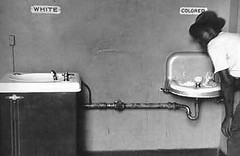
6029298287racial segregationthe separation of humans into ethnic or racial groups in daily life. Generally applies to activities such as eating in a restaurant, drinking from a water fountain, using a public toilet, attending school, going to the movies, riding on a bus, or in the rental or purchase of a home.8
6029298288free enterprisean economic system that permits unrestricted entrepreneurial business activity associated with laissez-faire capitalism9
6029298289trustA set of companies managed by a small group known as trustees, who can prevent companies in the trust from competing with each other.10
6029298290socialistone who believes in the ownership and control of the major means of production by the whole community rather than by individuals or corporations11
6029298291radicalone who believes in fundamental change in a political, economic, or social system12
6029298292lockoutthe refusal by an employer to allow employees to work unless they agree to his or her terms13
6029298293cooperativean organization for producing, marketing, or consuming goods in which the members share the benefits14
6029298294anarchistone who believes that formal, coercive government is wrong in principle15
6029298295tenementa multi-dwelling building, often poor or overcrowded16
6029298296sweatshopa factory where employees are forced to work long hours under difficult conditions for meager wages17
6029298297paupera poor person, often one who lives on tax-supported charity18
6029298298tycoona wealthy businessperson, especially one who openly displays power and position19
6029298299filibusterto utilize the technique of obstructing legislation by tactics such as making long speeches and introducing irrelevant amendments20
6029298300landslidean overwhelming majority of votes for one side in an election21
6029298301reservein finance, the portion of money held back from circulation by a bank or treasury, which provides backing for its notes or loans22
6029298302bimetallismthe legalized concurrent use of two precious metals as currency at a fixed ratio of value in US History associated with the Free Silver movement23
6029298305Wabash v. Illinois (1886)Declared state-passed Granger laws that regulated interstate commerce unconstitutional.24
6029298306U. S. v. E. C. Knight Co. (1895)Due to a narrow interpretation of the Sherman Anti-Trust Act, the Court undermined the authority of the federal government to act against monopolies.25
6029298307Frontier Thesisstereotypical thesis that west represented individualism, democracy, economic freedom, and starting over Turner's idea26
6029298308Land Grantsland given by government to universities and railroad companies27
6029298309Dawes Act1887 land given to individual Indians to discourage tribal mindset encouraged Indians to farm for a living instead of communally owning land28
6029298310Bureau of Indian Affairsdesigned to assimilate Native Americans (children particularly) into American culture29
6029298311Open Rangethe idea that cattle can be grazed on large tracts of public and/or private property invention of barbed wire ended this idea and drove many small cattle ranches out of business and off their small plots of land30
6029298312Vertical IntegrationStrategy to maximize profits by attempting to own every step of the manufacturing process (ex. Carnegie Steel)31
6029298313Horizontal IntegrationStrategy to maximize profits by attempting to purchase competing companies in the same industry; monopoly-building (ex. Rockefeller's Standard Oil)32
6029298314Knights of LaborAmerican labor organization in the 1880s led by Terence V. Powderly. Organized a wide range of workers, including skilled and unskilled, and had broad reform goals.33
6029298315Haymarket Riot1886 Labor dispute in Chicago that ended with a bomb being thrown at police resulting in many deaths. Led to an unfavorable public opinion of organized labor especially the Knights of Labor34
6029298316American Federation of Labor (AFL)An organization of various trade unions that fought for specific reforms Wanted better wages, fewer hours, better working conditions Founded by Samuel Gompers35
6029298317Homestead Steel StrikesViolent labor conflict in Carnegie's mills Henry Frick (manager) announced pay cut Strike had to be put down by state militia36
6029298318Urbanizationmovement of people from rural communities and settlements to big cities37
6029298319"New Immigrants"immigrants from southern and eastern Europe such as Poland, Italy, etc. that arrived in the US during & after the 1880s38
6029298320Chinese Exclusion ActFirst law limiting immigration based on race; effectively stopped immigration from China through the end of WWII.39
6029298321Political MachineUnofficial political organization that works to win elections in order to exercise power Sometimes referred to as a shadow government Rose to power in the late 1800s because of ill-equipped local governments that failed to meet the needs of growing urban populations40
6029298322Tammany HallPolitical machine of New York City that was well-known for its corruption Lead by William Boss Tweed41
6029298323Pendelton Civil Service Act, 1883Standardized an exam for federal employees so that people were awarded jobs on merit rather than political affiliations Made it illegal to remove federal employees without just cause.42
6029298324Sherman Antitrust ActOutlawed monopolistic business practices not effective initially without a strong progressive federal government that would enforce it.43
6029298325Grange Movement and Farmers AllianceGrassroots movements that attempted to address the plight of farmers in the late 1800s; attempted to regulate railroads and enlarge opportunity for credit evolved into Populist movement.44
6029298326William Jennings BryanDemocratic presidential hopeful that was a member of the Populist Party free silver advocate "Do not crucify mankind on a cross of gold".45
6029298327Seward's Folly or Seward's Ice BoxSecretary of State William Seward's negotiation of the purchase of Alaska from Russia in 1867. At the time everyone thought this was a mistake to buy Alaska the "ice box" but it turned out to be the biggest bargain since the Louisiana purchase.46
6029298328Susan B. AnthonySocial reformer who campaigned for women's rights, the temperance, and was an abolitionist, helped form the National Woman Suffrage Association.47
6029298329Laissez-Faire EconomicsThis was an economic philosophy begun by Adam Smith in his book, Wealth of Nations, that stated that business and the economy would run best with no interference from the government. This economic thought dominated most of the time period of the Industrial Revolution.48
6029298330New SouthAfter the Civil War, southerners promoted a new vision for a self-sufficient southern economy built on modern capitalist values, industrial growth, and improved transportation. In reality, this growth was fairly slow.49
6029298331AmericanizationProcess of assimilating immigrants into American culture by teaching English, American history, and citizenship.50
6029298332middle classa social class made up of skilled workers, professionals, business people, and wealthy farmers51
6029298333Interstate Commerce Act1887 Created the Interstate Commerce Commission (ICC) to regulate railroads to be fairer to farmers First legislation to regulate corporations Ineffective because government failed to enforce it.52
6029298334Andrew CarnegieA Scottish-born American industrialist and philanthropist who founded the Carnegie Steel Company in 1892. By 1901, his company dominated the American steel industry. Great philanthropist53
6029298335Transcontinental RailroadRailroad that would cross the continent and connect the East to the West Opened new markets and helped spur the Industrial Revolution Completed in 1869 at Promontory, UT54
6029298336Social GospelLate 19th-century movement Protestant movement preaching that all true Christians should be concerned with the plight of immigrants and other poor residents of American cities and should financially support efforts to improve lives of these poor urban dwellers. Settlement houses were often financed by funds raised by ministers of this movement.55
6029298337Standard OilJohn D. Rockefeller's company that gained a monopoly over the world petroleum market with the practice of trusts and swift elimination of competition. By 1890, owned 90% of the US oil market56
6029298338Carnegie SteelA steel producing company created by Andrew Carnegie to manage business at his steel mills in the Pittsburgh, Pennsylvania area in the late 19th century Significance: had a monopoly in the steel industry. vertical integrations.57
6029298339John D. RockefellerWealthy owner of Standard Oil Company. Considered to be a robber baron who used ruthless tactics to eliminate other businesses. Built trusts and used money to influence government.58
6029298340Industrial RevolutionPeriod characterized by the rapid social and economic changes in manufacturing and agriculture that occurred in England during the late 18th century and rapidly diffused to other parts of the developed world. In the US, this occurred during the period roughly 1825-1925.59
6029298341AlaskaThe last frontier of the North American continent. It was purchased from Russia in 1867 and was considered to be worthless land; however, in time, this was proven false60
6029298342Central Pacific RailroadStarted in CA & pushed eastward Eventually connected with the Union Pacific RR in Promontory Point, UT Hired Chinese laborers to complete the work61
6029298343Union Pacific RailroadRR that started in Omaha, NE Connected with Central Pacific RR in Promontory Point, UT Hired inexpensive Irish laborers62
6029298344Wyoming & women's suffrageWY was the 1st state to provide women the right to vote in 1870 Sometimes referred to as the "Land of Freedom"63
6029298345"old immigrants"Immigrants who had come to the US before the 1880s Mainly from England and Northern Europe64
6029298346Yellowstone National ParkEstablished in 1872 by US Congress 1st national park65
6029298348Panic of 1873Financial panic in which banks closed and the stock market crashed66
6029298349US SteelLargest steel company of the US Created by JP Morgan by merging with Carnegie Steel Largest corporation in existence at the time67
6029298350Bessemer ProcessWay to manufacture steel quickly & cheaply68
6029298351Battle of Little Bighorn1876- Indian leaders Sitting Bull & Crazy Horse defeated Gen. Custer & his troops69
6029298352Nez Perce WarConflict between the Nez Perce & the US gov't Chief Joseph finally agrees to surrender & relocate to reservation70
6029298353Great Railway Strike of 1877RR workers initiated a strike in 1877 when they were told there would be a pay cut71
6029298354A Century of DishonorWritten by Helen Hunt Jackson Exposed mistreatment of Native Americans by US gov't & settlers72
6029298355James GarfieldBecame president in 1880 Republican Assassinated after only 4 months Promoted civil service reform, but died before it could be enacted73
6029298356JP MorganBanker that controlled 2/3 of RRs and eventually merged with Carnegie's steel company Formed US Steel Considered a robber baron74
6029298357Captains of IndustryOwners & mangers of large industrial enterprises who wielded great political & economic power More positive term in contrast to "robber barons"75
6029298358Robber BaronsRefers to industrialists or big business owners who gained huge profits by paying employees low wages Drove competition out of business by selling goods much cheaper76
6029298359Hull HouseSettlement home designed as a welfare agency for needy family Provided social & education opportunities for working class Worked to improve conditions caused by poverty Est. by Jane Addams in Chicago77
6029298360Jacob RiisDanish immigrant Report who pointed out terrible conditions of tenement houses Author of How the Other Half Lives (1890)78
6029298361Wounded Knee1890 Last Native American battle 300 Native killed by US military79
6029298362Ellis IslandImmigration processing center in NY Harbor80
6029298363Pullman StrikePullman RR car announced pay cut American Railway Union boycotts the use of the Pullman cars US mail failed to be delivered US gov't sent injunction to end boycott SCOTUS ruled injunction was constitutional81
6029298364Homestead ActGave settlers 160 acres of land if they lived on the land for 6 months and cultivated crops82

AP US History Period 2 (1607-1754) Flashcards

Important vocabulary of the colonization of North America in the 17th century.

Terms : Hide Images
4887859390Jamestown1st permanent English settlement in North America in 1607.0
4887859391John SmithA captain famous for world travel. As a young man, he took control in Jamestown. He organized the colony and saved many people from death the next winter and coined the phrase "he who shall not work, shall not eat". He also initiated attacks on Natives.1
4887859392John RolfeHe was one of the English settlers at Jamestown (and he married Pocahontas). He discovered how to successfully grow tobacco in Virginia and cure it for export, which made Virginia an economically successful colony. Eventually, he was killed in a Pequot attack.2
4887859393PocohontasAn American Indian princess who saved the life of John Smith and helped form more peaceful relations with the Powhatan when she married John Rolfe but died of smallpox in England on a visit to Rolfe's family. Her remains are still there as the English government refuses to send her remains back to North America.3
4887859394Mayflower Compact1620 - The first agreement for self-government in America. It was signed by the 41 men on the Mayflower and set up a government for the Plymouth colony4
4887859395John WinthropAs governor of Massachusetts Bay Colony, Winthrop (1588-1649) was instrumental in forming the colony's government and shaping its legislative policy. He envisioned the colony, centered in present-day Boston, as a "city upon a hill" from which Puritans would spread religious righteousness throughout the world.5
4887859396PuritansA religious group who wanted to purify the Church of England. They came to America for religious freedom and settled Massachusetts Bay.6
4887859397PilgrimsEnglish Puritans who founded Plymouth colony in 16207
4887859398Massachusetts CharterAllowed Puritans to take a charter with them and establish their own government in the New World.8
4887859399Loss of Massachusetts CharterRevoking of Mass. Charter by King George II due to the colonists refusal to obey by the Navigation Acts leading to anti-British feeling in the New England region.9
4887859400New AmsterdamA settlement established by the Dutch near the mouth of Hudson River and the southern end of Manhattan Island as a trade port for the Dutch trade empire.10
4887859401Great Migration of Puritans1630s- 70,000 refugees left England for New World increasing population of New England.11
4887859402New YorkIt was founded by the Dutch for trade and furs and became an English Colony in 1664, when the English were determined to end Dutch trade dominance, and took over the colony by invading New Amsterdam without having to fire a shot.12
4887859403Peter StuyvesantThe governor of the Dutch colony of New Amsterdam, hated by the colonists. They surrendered the colony to the English on Sept. 8, 1664.13
4887859404House of Burgesses1619 - The Virginia House of Burgesses formed, the first legislative body in colonial America. It was made up of two representatives from teach town voted on by men who owned property. Later other colonies would adopt the Houses of Burgesses concept creating self-governing bodies in the colonies.14
4887859405Headright systemHeadrights were parcels of land consisting of about 50 acres which were given to colonists who brought indentured servants into America. They were used by the Virginia Company to attract more colonists.15
4887859406Indentured servantsColonists who received free passage to North America in exchange for working without pay for a certain number of years16
4887859407Bacon's Rebellion1676 - Nathaniel Bacon and other western Virginia settlers were angry at Virginia Governor Berkley for trying to appease the Doeg Indians after the Doegs attacked the western settlements. The frontiersmen formed an army, with Bacon as its leader, which defeated the Indians and then marched on Jamestown and burned the city. The rebellion ended suddenly when Bacon died of an illness.17
4887859408King Phillip's WarUnder the leadership of Metacom, or King Phillip, the Wampanoag destroyed colonial towns, the colonists destroyed native farms, leading to the most deadly of Indian Wars. The war was disastrous for the natives leading to few surviving the war, and those that did left New England.18
4887859409royal colonyA colony ruled by governors appointed by a king19
4887859410proprietary colonyEnglish colony in which the king gave land to proprietors in exchange for a yearly payment20
4887859411town meetingsA purely democratic form of government common in the colonies, and the most prevalent form of local government in New England. In general, the town's voting population would meet once a year to elect officers, levy taxes, and pass laws.21
4887859412Salem Witch Trials1629 outbreak of witchcraft accusations in a Puritan village marked by an atmosphere of fear, hysteria, and unfounded accusations in courts with Puritan ministers who served as judges. 19 women were executed.22
4887859413Roger WilliamsA dissenter who clashed with the Massachusetts Puritans over separation of church and state and was banished in 1636, after which he founded the colony of Rhode Island to the south.23
4887859414IntolerantNot willing to accept ways of thinking different from one's own. The expansion of colonies in New England was a direct result of Puritan intolerance as dissenters were exiled and created new settlements.24

AMSCO AP US History Chapter 23 Flashcards

AMSCO United States History 2015 Edition, Chapter 23 The Modern Era of the 1920s

Terms : Hide Images
8974340659Warren HardingIn November 1920, he was elected the 29th president of the United States. He was a Republican whose slogan was: "Return to Normalcy". His term was marked by scandals and corruption, although he was never implicated in any of the scandals. In August 1923, he died while traveling in the West. (p. 475-476)0
8974340660Harry DaughertyAttorney General under President Harding who accepted bribes for agreeing not to prosecute certain criminal suspects. (p. 476)1
8974340661Albert FallSecretary of the Interior during Harding's administration. He was convicted of accepting bribes for granting oil leases near Teapot Dome, Wyoming. (p. 476)2
8974340662Teapot DomeA government scandal involving a former United States Navy oil reserve in Wyoming that was secretly leased to a private oil company in 1921. (p. 476)3
8974340663Fordney-McCumber Tariff ActThis tariff passed in 1922, raised tariffs on foreign manufactured goods by 25 percent. It helped domestic manufacturers, but limited foreign trade, and was one cause of the Great Depression of 1929. (p. 476, 488)4
8974340665Calvin CoolidgeAs vice president, he became president when Warren Harding died in August 1923. He won the presidential election of 1924, but declined to run in 1928. He was a Republican who believed in limited government. He summarized his presidency and his era with the phrase: "The business of America is business". (p. 477)5
8974340666Herbert HooverWhen Calvin Coolidge decide not to run for president in 1928, he was the Republican presidential nominee. He promised to extend "Coolidge Prosperity", and won the election. (p. 477)6
8974340667Alfred E. SmithHe was the Democratic presidential candidate in the 1928 presidential election. He was the former governor of New York and his opponent in the presidential race was Republican Herbert Hoover. As a Roman Catholic and opponent of Prohibition, he appealed to immigrant urban voters. (p. 477)7
8974340668standard of livingDuring the 1920s, the physical things that make life more enjoyable improved significantly for most Americans. Indoor plumbing and central heating became commonplace. By 1930, two-thirds of all homes had electricity. (p. 477)8
8974340670Henry FordBy 1914, he had perfected a system for manufacturing automobiles using an assembly line. (p. 478)9
8974340671assembly lineIn a factory, an arrangement where a product is moved from worker to worker, with each person performing a single task in the making of the product. (p. 478)10
8974340674consumerismIn the 1920s, this economic mindset was fueled by: homes with electricity, electrical appliances, affordable automobiles, increased advertising, and purchasing on credit. (p. 478)11
8974340675electric appliancesIn the 1920s, refrigerators, stoves, vacuum cleaners, and washing machines became very popular as prices dropped due to reduced production costs and as electrical power to run them became more available. (p. 478)12
8974340676automobileIn the 1920s, this product had the largest impact on society. It caused a growth of cities and suburbs, and workers no longer needed to live near their factories. It provided job opportunities and was a much more efficient way of transportation. (p. 479)13
8974340677jazz ageName for the 1920s, because of the popularity of jazz, a new type of American music that combined African rhythms, blues, and ragtime. (p. 480)14
8974340678radioAllowed mostly young people to listen to recorded music. The first radio station went on the air in 1920. Previously, newspapers had been the only form of mass communications. (p. 480)15
8974340679HollywoodThe movie industry was centered here. The industry grew rapidly in the 1920s. Sound was introduced to movies in 1927. By 1929 over 80 million movie tickets were sold each week. (p. 480)16
8974340682flappersIn the 1920s, some young women shocked their elders by wearing dresses hemmed at the knee, cutting their hair short, smoking cigarettes, and driving cars. (p. 481)17
8974340683Margaret SangerShe founded American Birth Control League; which became Planned Parenthood in the 1940s. She advocated birth control awareness. (p. 481)18
8974340685Lost GenerationGroup of writers in 1920s, who shared the belief that they were lost in a greedy and materialistic world that lacked moral values. Many of them moved to Europe. (p. 481)19
8974340686F. Scott FitzgeraldA novelist and chronicler of the jazz age. His wife, Zelda and he were the "couple" of the decade. His novel, "The Great Gatsby" is considered a masterpiece about a gangster's pursuit of an unattainable rich girl. (p. 481)20
8974340693Art DecoThe 1920's modernistic art style that captured modernistic simplification of forms, while using machine age materials. (p. 482)21
8974340696Great MigrationBy 1930, almost 20 percent of African Americans moved out of the Southern United States to the North. (p. 482)22
8974340697Harlem RenaissanceThe largest African American community of almost 200,000 developed in the Harlem section of New York City. It became famous in the 1920s for its talented actors, artists, musicians, and writers. This term describes this period. (p. 483)23
8974340698Langston HughesA leading 1920s African American poet from Harlem. Poems include "Dream Deferred", "The Negro Speaks of Rivers", "I, Too", and "Let America Be America Again" (p. 483)24
8974340699Duke EllingtonA leading 1920s African American jazz great from Harlem. (p. 483)25
8974340700Louis ArmstrongA leading 1920s African American jazz trumpeter from Harlem. (p. 483)26
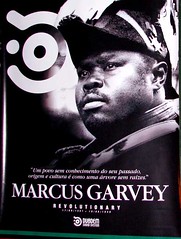
8974340703Marcus GarveyAfrican American leader during the 1920s who founded the Universal Negro Improvement Association and advocated mass migration of African Americans back to Africa. He was deported to Jamaica and his movement collapsed. (p. 483)27
8974340704black prideMany African American leaders agreed with Marcus Garvey's ideas on racial pride and self-respect. This influenced another generation in the 1960s. (p. 483)28
8974340705modernismThey took a historical and critical view of certain Bible passages and believed that they could accept Darwin's theory of evolution without abandoning their religion. (p. 483)29
8974340706fundamentalismA Protestant Christian movement emphasizing the literal truth of the Bible and opposing religious modernism (p. 483)30
8974340707Scopes trialA 1925 Tennessee court case in which Clarence Darrow and William Jennings Bryan argued the issue of teaching evolution in public schools. (p. 484)31
8974340708Clarence DarrowA famed criminal defense lawyer, he defended John Scopes, a teacher who taught evolution in his Tennessee classroom. (p. 484)32
8974340709Volstead ActThe federal law of 1919 that established criminal penalties for manufacturing, transporting, or possessing alcohol. (p. 484)33
8974340710organized crimeIn the 1920s, this type of crime became big business, as bootleggers transported and sold liquor to many customers. (p. 484)34
8974340711Al CaponeA famous Chicago gangster who fought for control of the lucrative bootlegging (liquor) trade. (p. 484)35
897434071221st AmendmentThe amendment which ended the prohibition of alcohol in the United States, it repealed the 18th amendment. (p. 485)36
8974340713quota laws of 1921 and 1924Laws passed to limit immigration. (p. 485)37
8974340714Sacco and Vanzetti CaseA criminal case of two Italian men who were convicted of murder in 1921. They were prosecuted because they were Italians, atheists, and anarchists. After 6 years of appeals they were executed in 1927. An example of the effects of the First Red Scare. (p. 485)38
8974340715Ku Klux KlanA secret society created by white southerners in 1866. They used terror and violence to keep African Americans from exercising their civil rights. (p. 486)39
8974340716Birth of a NationA popular silent film, which portrayed the KKK during Reconstruction as heroes. One of the most influential films in history due to its advanced technology and film-making techniques. (p. 486)40
8974340717Blacks, Catholics and JewsThe KKK directed hostility toward these groups in the North. (p. 486)41
8974340722reparationsAs part of the Treaty of Versailles, Germany was ordered to pay $30 billion to the Allies. (p. 488)42
8974340723Dawes PlanA 1924 plan, created by Charles Dawes in which the United States banks would lend large sums to Germany. Germany would use the money to rebuild its economy and pay reparations to Great Britain and France. Then Great Britain and France would pay their war debts to the United States. After the 1929 stock market crash, the loans to Germany stopped. (p. 488)43

AMSCO AP US History Chapter 15 Flashcards

AMSCO United States History 2015 Edition, Chapter 15 Reconstruction, 1863-1877

Terms : Hide Images
5064955214Civil Rights Act of 1866This act declared that all African Americans were U.S. citizens and also attempted to provide a shield against the operation of the Southern states' Black Codes. (p. 295)0
506495521514th AmendmentRatified in 1868, this Constitutional amendment, declares that all persons born or naturalized in the United States were citizens, and it obligated the states to respect the rights of U.S. citizens and provide them with "equal protection of the laws" and "due process of law". Other parts of the amendment related to Congress' plan for Reconstruction. (p. 295)1
5064955216equal protection of the lawsPart of the 14th amendment, it emphasizes that the laws must provide equivalent "protection" to all people. (p. 295)2
5064955217due process of lawPart of the 14 Amendment, it denies the government the right, without due process, to deprive people of life, liberty, and property. (p. 295)3
506495522115h AmendmentRatified in 1870, this Constitutional amendment, prohibited any state from denying or abridging a citizen's right to vote "on account of race, color, or previous condition of servitude." (p. 297)4
5064955222Civil Rights Act of 1875The last major piece of Reconstruction legislation, this law prohibited racial discrimination in all public accommodation and transportation. It also prohibited courts from excluding African Americans from juries. However, the law was poorly enforced. (p. 297)5
5064955230Jay GouldIn 1869, this Wall Street financier obtained the help of President Grant's brother in law, to corner the gold market. The Treasury Department broke the scheme, but after he had already made a huge profit. (p. 300)6
5064955231Credit MobilierIn this affair, insiders gave stock to influential members of Congress, to avoid investigation of the huge profits they were making from government subsidies for building the transcontinental railroad. (p. 300)7
5064955232William (Boss) TweedThis New York City politician, arranged schemes that allowed he and his cronies to steal about $200 million dollars from New York. He was eventually sentenced to prison in 1871. (p. 301)8
5064955228spoilsmenIn the 1870s, political manipulators such as Senator Roscoe Conkling and James Blaine, used patronage - giving jobs and government favors to their supporters. (p. 300)9
5064955229patronageTerm for one of the key inducements used by party machines. A job, promotion, or contract that is given for political reasons rather than for merit or competence. (p. 300)10
5064955233Thomas NastNew York Times political cartoonist who exposed the abuses of the "Boss" Tweed ring. Tweed was eventually arrested and imprisoned in 1871. (p. 310)11
5064955234Liberal RepublicansIn 1872, this party advocated civil service reform, an end of railroad subsidies, withdrawal of troops from the South, reduced tariffs, and free trade.12
5064955235Horace GreeleyIn the presidential election of 1872, both the Liberal Republicans and the Democrats made this newspaper editor their nominee. He lost the election to Ulysses S. Grant, he died just days before the counting of the electoral vote count. (p. 301)13
5064955236Panic of 1873Economic panic caused by over speculation by financiers and over building by industry and railroads. In 1874, President Grant sided with the hard-money bankers who wanted gold backing of the money supply. He vetoed a bill calling for the release of additional greenbacks. (p. 302)14
5064955237greenbacksName given to paper money issued by the government, so called because the back side was printed with green ink. They were not redeemable for gold. (p 302)15
5064955238redeemersBy 1877, these Southern conservatives had taken control of state governments in the South. Their foundation rested on states rights, reduced taxes, reduced social programs, and white supremacy. (p. 302)16
5064955242Rutherford B. HayesHe won the presidential election of 1876, which was a highly contested election. He was a Republican governor from Ohio. (p. 302)17
5064955243Samuel J. TildenIn the presidential election of 1876, this New York reform governor was the Democrat nominee. He had gained fame for putting Boss Tweed behind bars. He collected 184 of the necessary 185 electoral votes, but was defeated by Rutherford B. Hayes, when all of the electoral votes from the contested states of South Carolina, Florida, and Louisiana went to Hayes. (p. 303)18
5064955244Compromise of 1877This informal deal settled the 1876 presidential election contest between Rutherford Hayes (Republican) and Samuel Tilden (Democrat). It was agreed that Hayes would become president. In return, he would remove all federal troops from the South and support the building of a Southern transcontinental railroad. (p. 303)19
5077050056presidential reconstructionPresident Abraham Lincoln believed that the Southern states could not leave the Union and therefore never did leave. He consider them a disloyal minority. After Lincoln's assassination, President Andrew Johnson attempted to carry out Lincoln's plan for reconstruction. (p. 292)20
5064955206Proclamation of Amnesty and ReconstructionIn 1863, President Lincoln's proclamation set up a process for political reconstruction, creating state governments in the South so that Unionists were in charge rather than secessionists. It include a full presidential pardon for most Confederates who took an oath of allegiance to the Union and the U.S. Constitution, and accepted the emancipation of slaves. It also reestablished state governments as soon as at least 10 percent of the voters in the state took the loyalty oath. In practice, the proclamation meant that each Southern state would need to rewrite its state constitution to eliminate existence of slavery. (p. 292)21
5064955207Wade-Davis BillIn 1864, this harsh Congressional Reconstruction bill stated that the president would appoint provisional governments for conquered states until a majority of voters took an oath of loyalty to the Union. It required the abolition of slavery by new state constitutions, only non-Confederates could vote for a new state constitution. President Lincoln refused to sign the bill, pocket vetoing it after Congress adjourned. (p. 292)22
5064955208Andrew JohnsonThe 17th President of the United States from 1865 to 1869. This Southerner from Tennessee was Lincoln's vice president, and he became president after Lincoln was assassinated. He opposed radical Republicans who passed Reconstruction Acts over his veto. The first U.S. president to be impeached, he survived the Senate removal by only one vote. (p. 297)23
5064955209Freedmen's BureauIn March 1865, an organization created at end of Civil War, which provided aid to the both black and whites in the South. It provided food, shelter, and medical aid for those made destitute by the Civil War. (p. 292)24
5064955210Black CodesSouthern state legislatures created these codes after the Civil War. They restricted the rights and movements of newly freed African Americans. 1) prohibited blacks from either renting land or borrowing money to buy land, 2) placed freemen into a form of semi bondage by forcing them, as "vagrants" and "apprentices" to sign work contracts, 3) prohibited blacks from testifying against whites in court. (p. 294)25
5077061935Congressional ReconstructionIn the spring of 1866, many in Congress were unhappy with President Andrew Johnson's policies and this led to the second round of reconstruction. Its creation was dominated by Congress and featured policies that were harsher on Southern whites and more protective of freed African Americans. (p. 295)26
5064955211Radical RepublicansIn the 1860s, this was the smaller portion of the Republican party than the moderates. They were led by Senator Charles Sumner and Congressman Thaddeus Stevens. They supported various programs that were most beneficial to the newly freed African Americans in the South. (p. 295)27
5077077041Charles SumnerThe leading Radical Republican in the Senate from Massechusetts. (p. 295)28
5064955212Thaddeus StephensThis Pennsylvania Congressman was a Radical Republican. He hoped to revolutionize Southern society through an extended period of military rule in which blacks would be free to exercise their civil rights, receive education, and receive lands confiscated from planter class. (p. 295)29
5064955213Benjamin WadeRadical Republican who endorsed woman's suffrage, rights for labor unions, and civil rights for northern blacks. (p. 295)30
5064955218Reconstruction ActsIn 1867, Congress passed three acts which placed the South under military occupation. They created five military districts in the former Confederate states, each under control of the Union army. To rejoin the Union, ex-Confederate states were required to ratify the 14th amendment and place guarantees in their state constitution that all adult males of all races would be guaranteed the right to vote. (p. 296)31
5064955219Tenure of Office ActIn 1867, this act prohibited the president from removing a federal official or military commander, without the approval of the Senate. The purpose of the law was purely political, to protect the Radical Republicans in Johnson's cabinet from dismissal. (p. 297)32
5077083363Edwin StantonHe was President Andrew Johnson's secretary of war. President Johnson believed the new Tenure of Office Act was unconstitutional and he challenged the law, by dismissing him from his position. This led to Johnson's impeachment. (p. 297)33
5064955220impeachmentPresident Johnson was the first president impeached, for the charge of High Crimes and Misdemeanors on February 24, 1868. One of the articles of impeachment was violating the Tenure of Office Act. He had removed Edwin M. Stanton, the Secretary of War, from office. The impeachment failed, falling just one vote short. (p. 297)34
5064955223scalawagsThe term for White Republican Southerners who cooperated with and served in Reconstruction governments. (p. 298)35
5064955224carpetbaggersThe term for Northern newcomers who came to the South during Reconstruction. (p. 298)36
5064955225Blanche K. BruceDuring the Reconstruction era, he represented Mississippi as a Republican U.S. Senator, from 1875 to 1881. He was the first black to serve a full term in the Senate. (p. 298)37
5064955226Hiram RevelsDuring the Reconstruction era, this black politician, was elected to the Mississippi senate seat that had been occupied by Jefferson Davis before the Civil War. (p. 298)38
5064955227sharecroppingCommon form of farming for freed slaves in the South. They received a small plot of land, seed, fertilizer, tools from the landlord who usually took half of the harvest. It evolved into a new form of servitude. (p. 300)39
5064955239Ku Klux KlanFounded in 1867, by ex-Confederate general, Nathaniel Bedford Forrest. This organization of white supremacists used lynchings, beatings, and threats to control the black population in the South. (p. 302)40
5064955240Force Acts (1870, 1871)These act passed in 1870 and 1871, gave power to federal authorities to stop Ku Klux Klan violence and to protect the civil rights of citizens in the South. (p. 302)41
5064955241Amnesty Act of 1872This act removed the last of the restrictions on ex-Confederates, except for the top leaders. Allowed southern conservatives to vote for Democrats to retake control of state governments. (p. 302)42

AMSCO AP US History Chapter 6, AMSCO AP US History Chapter 5, AMSCO AP US History Chapter 4 Flashcards

AMSCO United States History 2015 Edition, Chapter 6 The Constitution and the New Republic, 1787-1800

Terms : Hide Images
8452643081Framers of the ConstitutionIn the summer of 1787, 55 delegates met in Philadelphia to create a federal constitution. As a group they were wealthy, white, male, educated and most were heavily involved in state governments. (p. 104)0
8452643082FederalistsFavored a strong central government, and a Constitution to improve on the Articles of Confederation. They were most common along the Atlantic coast and in the large cities. (p. 106)1
8452643083Anti-FederalistArgued that the proposed Constitution contained no protection of individual rights, and that it gave the federal government too much power. They tended to be small farmers and settlers on the western frontier. (p. 106)2
8452643084The Federalist PapersSeries of essays, later published as a book, written by James Madison, Alexander Hamilton, and John Jay. It argued effectively in favor of Constitution. (p. 106)3
8452643085Bill of Rights; amendmentsThe first ten amendments to the Constitution, added to protect the rights of individual citizens, and adopted in 1781. (p. 108)4
8452643086Washington's Farewell AddressIn late 1796, George Washington wrote this address for publication in newspapers. It warned Americans: not to get involved in European affairs, not to make permanent alliances in foreign affairs, not to from political parties, and not to fall into sectionalism. (p. 115)5
8452643088Alien and Sedition ActsActs by the Federalists, which authorized the president to deport dangerous aliens, and detain enemy aliens in wartime. Made it illegal for newspaper editors to criticize the president or Congress. (p. 117)6
8452643089Kentucky and Virginia ResolutionsIn 1799, two states passed resolutions that argued states had the right to nullify laws passed at the federal level. (p. 117)7
8452643090slave tradeAt the Constitutional Convention it was agreed that the slaves could be imported for twenty more years, until 1808. At that time, Congress could vote to abolish the practice. (p. 105)8
8452643091infant industriesThis was part of Federalist Alexander Hamilton's economic plan. The term for new and developing industries, which were supported by placing high tariffs on imported goods. (p. 110)9
8452643092national bankThis was part of Federalist Alexander Hamilton's economic plan. He favored a bank for depositing government funds and printing banknotes that could provide the basis for a stable U.S. currency. (p. 110)10
8452643093tariffs; excise taxesThis was part of Federalist Alexander Hamilton's economic plan. High tariffs were placed on imported goods to help new and developing industries. (p. 110)11
8452643094Battle of Fallen TimbersIn 1794, the U.S. Army led by General Anthony Wayne defeated the American Indians at this battle in northwestern Ohio. (p. 113)12
8452643095Treaty of GreenvilleIn this treaty in 1795, the American Indians surrendered claims to the Ohio Valley and promised to open it to settlement. (p. 113)13
8452643096Public Land Act (1796)In 1796, this act established orderly procedures for dividing and selling federal lands at reasonable prices. (p. 113)14
8452643097Mt. Vernon ConferenceIn 1785, George Washington hosted a conference at his home, in Mt. Vernon, Virginia. It led to the Annapolis Convention of 1786. (p. 104)15
8452643098Annapolis ConventionIn 1786, only five states sent delegates to this convention. However, it led to Constitutional Convention of 1787. (p. 104)16
8452643099Constitutional ConventionIn the summer of 1787, 55 delegates from the thirteen states, excluding Rhode Island, met in Philadelphia, Pennsylvania. The purpose was to create the Constitution, which would replace the Articles of Confederation. (p. 104)17
8452643100checks and balancesSo that one one branch of government could not dominate, the Constitution divided the government into three branches: 1) executive branch led by the president, 2) legislative branch consisting of the Senate and the House of Representatives 3) judicial branch lead by the Supreme Court (p. 109)18
8452643101Virginia PlanJames Madison's proposal at the Constitutional Convention, which favored the large states. (p. 105)19
8452643102New Jersey PlanThe counter proposal to the Virginia plan at the Constitutional Convention, it favored the small states. (p 105)20
8452643103Connecticut Plan; Great CompromiseThe compromise solution that was adopted at the Constitutional Convention. It was created by Roger Sherman of Connecticut, it provided for a two house Congress. In the Senate, states would have two senators each, but in the House of Representatives, each state would be represented according to the size of its population. (p. 105)21
8452643104House of RepresentativesPart of the legislative branch, representation would be based on population of each state. (p. 105)22
8452643105SenatePart of the legislative branch, there would be two senators from each state. (p. 105)23
8452643106Three Fifths CompromiseAt the Constitutional Convention it was agreed that each slave would be counted as three-fifths of a person for the purpose of determining a state's level of taxation and representation. (p. 105)24
8452643107Commercial CompromiseAt the Constitutional Convention Congress was allowed to regulate interstate and foreign commerce, including placing tariffs on foreign imports but prohibited for placing taxes on exports. (p. 105)25
8452643108electoral college systemThis system would determine the president of the United States. Each state was given a number of electors equal to the total of their number of representatives and senators. These electors would then vote to determine the president. (p. 106)26
8452643109Legislative branchThe branch of the federal government that makes the laws, consisting of the Senate and the House of Representatives. (p. 105)27
8452643110CongressThe legislative branch consisting of the Senate and the House of Representatives. (p. 105)28
8452643111executive departments; cabinetGeorge Washington organized new departments of the executive (law-enforcing) branch. These appointments had to be confirmed by the Senate. The term for the heads of the executive departments appointed by the president. (p. 110)29
8452643112Judiciary Act (1789)In 1789, this act established a Supreme Court with one chief justice and five associate justices. The Supreme Court was able to rule on the constitutionality of state courts. It provided for a system of thirteen district courts and three courts of appeals. (p. 110)30
8452643113federal courtsThirteen district courts and three courts of appeals created by the Judiciary Act. (p. 110)31
8452643114Supreme CourtThe only court mentioned in the Constitution. Although, other federal courts were created. (p. 110)32
8452643115national debtThis was part of Federalist Alexander Hamilton's economic plan. He insisted that the federal government assume the war debts of the states and pay off the national debt at face value. (p. 110)33
8452643116Whiskey RebellionIn 1794, a group of farmers in western Pennsylvania, refused to pay a federal excise tax (tax on a specific product) on whiskey they were producing. President Washington responded by using 15,000 militiamen to stop the rebellion with almost no bloodshed. (p. 113)34
8452643117Federalists eraThe period of U.S. history in the 1790s when Federalists, led by Alexander Hamilton, dominated the government. (p. 114)35
8452643118Democratic-Republican PartyPolitical party that were against the Federalists. They opposed strong central government and favored states rights. They were led by Thomas Jefferson. (p. 114)36
8452643119political partiesNot anticipated by founders of the United States. However, buy 1787, the Federalists and Democratic-Republicans parties were forming to push their agendas. (p. 113)37
8452643120two-term traditionIn 1796, George Washington decided to step down after two terms (four years per term) as president. This set the precedent, until Franklin Delano Roosevelt won four elections. In 1951, the 22nd amendment made two-term limit part of the Constitution. (p. 115)38
8452643121Revolution of 1800In the 1800 election, Democratic-Republicans came into power in both the executive and legislative branches of government. They defeated the Federalists and peacefully took power, which was an uncommon event at that time in history. (p. 118)39
8452643122French RevolutionAmericans generally supported the French people's aspiration to establish a republic, but many were horrified by the reports of mob hysteria and mass executions. Thomas Jefferson and his supporters argued that the U.S. should join France in its defensive war against Britain. However, George Washington believed that the U.S. was too young a nation and not strong enough to engage in a European war. (p. 111)40
8452643123Proclamation of Neutrality (1793)In 1793, President George Washington issued a proclamation the U.S. would remain neutral in the war between Britain and France. (p. 111)41
8452643124Jay Treaty (1794)In 1794, this treaty with Britain, was negotiated by Chief Justice John Jay. The U.S. wanted Britain to stop seizing U.S. ships and impressing our sailors. However, the treaty said nothing about ship seizures, and Britain only agreed to evacuate posts on the U.S. frontier. (p. 111)42
8452643125Pinckney Treaty (1795)In 1795, Thomas Pinckney, the U.S. minister to Spain, negotiated this treaty with Spain. Spain agreed to open the lower Mississippi and New Orleans to trade. The right of deposit was granted to Americans so they could transfer cargos in New Orleans without paying duties. It was agreed that Spain would only control area south of the 31st parallel. (p 112)43
8452643126Right of depositUnited States ships gained right to transfer cargoes in New Orleans without Spanish duties. (p. 112)44
8452643127XYZ AffairPresident John Adams sent a delegation to Paris to negotiate over U.S. merchant ships being attacked by French ships. French ministers names were never revealed, requested bribes. President Adams resisted a call for war, by sending a new delegation to France. (p. 116)45
8452643128Intolerable ActsIn 1774, the British Parliament passed the Intolerable Acts, which intensified the conflict between the colonies and Great Britain. (p. 85)46
8452643129First Continental CongressIn September 1774, all of the colonies except Georgia sent delegates to a convention in Philadelphia. The purpose was to determine how the colonies should react to the threat to their rights and liberties caused by Intolerable Acts. (p. 85)47
8452643130Suffolk ResolvesThe First Continental Congress adopted this statement. It rejected the Intolerable Acts and called for their repeal. It also urged the colonies to make military preparations and organize boycotts against British goods. (p. 86)48
8452643131Declaration for Rights and GrievancesThe First Continental Congress passed this resolutions urging the king to make right colonial grievances and restore colonial rights. (p. 86)49
8452643132economic sanctionsIn September 1774, the First Continental Congress created the Continental Association, a network of committees to enforce the economic sanctions of the Suffolk Resolves. (p. 86)50
8452643133Second Continental CongressIn May 1775, representatives met in Philadelphia. They adopted the Declaration of the Causes and Necessities for Taking Up Arms. In July 1775 they sent the Olive Branch Petition to King George III. (p. 87)51
8452643134Olive Branch PetitionIn July 1775, the Second Continental Congress tried a last effort for peace. Colonists pledged their loyalty and asked the king to go to Parliament to secure peace and protect their colonial rights. (p. 87)52
8452643135Declaration of the Causes and Necessities for Taking Up ArmsIn May 1775, in Philadelphia, delegates to the Sencond Continental Congress met. This declaration called on all colonies to provide troops to the central government. (p. 87, 128)53
8452643136Declaration of IndependenceThis declaration, written by Thomas Jefferson, declared independence and expressed the basic principles of the American revolution. It was ratified on July 4, 1776. (p. 88)54
8452643137Land Ordinance of 1785A policy that established surveying and selling of western lands. It was part of the Articles of Confederation. (p. 93)55
8452643138Northwest Ordinance of 1787Created the Northwest Territory (area north of the Ohio River and west of Pennsylvania), established conditions for creating new states. Granted limited self-government and prohibited slavery in the region. (p. 93)56
8452643139LexingtonOn April 18, 1775 British soldiers in Boston marched to this town to seize colonial military supplies. This is where the first shot of the Revolutionary War was fired. (p. 86)57
8452643140ConcordAfter the British had marched to Lexington, they marched on to this town to destroy colonial military supplies. (p. 86)58
8452643141Battle of Bunker HillOn June 17, 1775 a colonial militia lost this battle to British on the outskirts of Boston. However, the British suffered heavy casualties in this first true battle of the Revolutionary War. (p. 87)59
8452643142Battle of SaratogaIn October 1777, General John Burgoyne's British forces were defeated by American Generals Horatio Gates and Benedict Arnolds army. This was a turning point of the war because it led to the French joining the war against Great Britain. (p. 90)60
8452643143Battle of YorktownIn 1781, the last major battle of the Revolutionary War was fought on the shores of Chesapeake Bay. Supported by French naval and military forces, Washington's army forced the surrender of a large British army commanded by General Charles Cornwallis. (p. 90)61
8452643144Articles of ConfederationAdopted by Congress in 1777, it created a central government with limited powers. In 1788, it was was replaced by the Constitution. (p. 91)62
8452643145unicameral LegislatureThe Articles of Confederation established a central government that consisted of just one body, a Congress. In this unicameral (one-house) legislature, each state was given one vote, with at least 9 of 13 votes required to pass important laws. (p. 92)63
8452643146absolute monarchAlthough France had this kind of government, King Louis XVI decided to help the colonies succeed in their rebellion in order to weaken Great Britain. (p. 90)64
8452643147Prohibitory ActIn August 1775, Britain's King George III agreed to this act passed by Parliament, and declared the colonies were in rebellion. (p. 87)65
8452643148Treaty of ParisIn 1783, this treaty between Britain and the United States brought an end to the Revolutionary War. It stated that: 1. Britain would recognize the existence of the US. 2. The Mississippi River would be the western border of the US. 3. Americans would have fishing rights off the coast of Canada. 4. Americans would pay debts owed to British merchants and honor Loyalist claims for property confiscated during the war. (p. 91)66
8452643149PatriotsMost of these soldiers came from New England or Virginia and wanted freedom for the colonies. (p. 88)67
8452643150Loyalists (Tories)The pro-British Loyalists, the majority of this group tended to be wealthy and conservative and many were clergy and government officials. (p. 89)68
8452643151MinutemenThe colonial militia. (p. 86)69
8452643152ContinentalsPaper money issued by Congress which became almost worthless due to inflation. (p. 90)70
8452643153Valley ForgeWashington's troops spent the harsh winter of 1777-1778 here after losing Philadelphia to the British. (p. 89)71
8452643154Shay's RebellionDaniel Shays led other farmers in this uprising against high state taxes, imprisonment for debt, and lack of paper money. (p. 93)72
8452643155Stamp Act CongressRepresentatives from nine colonies met in New York in 1765 and decided that only their own elected representatives had the power to approve taxes. (p. 73)73
8452643156Sons and Daughters of LibertySecret society organized to intimidated tax agents. Sometimes they destroyed revenue stamps and tarred and feathered tax collectors. (p. 73)74
8452643157Massachusetts Circular LetterIn 1768, this document was distributed to every colonial legislature. It urged the colonies to petition Parliament to repeal the Townshend Acts. (p. 74)75
8452643158Committees of CorrespondenceInitiated by Samuel Adams in 1772, these letters spread news of suspicious or threatening acts by the British throughout the colonies. (p. 74)76
8452643159Intolerable ActsColonist name for the Coercive Acts of 1774, a series of acts created to punish the colonists for the Boston Tea Party. (p. 75)77
8452643160WhigsIn the 1760s, this was the dominant political party in Parliament that wanted the American colonies to bear more of the cost of maintaining the British empire. (p. 71)78
8452643161ParliamentThe legislative house of Great Britain. (p. 71)79
8452643162salutary neglectGreat Britain had exercised little direct control over the colonies and did not enforce its navigation laws. This changed after the French and Indian War, as the British adopted more forceful policies for taking control of the colonies. (p. 71)80
8452643163Pontiac's RebellionIn 1763, American Indian chief led a major attack against the colonial settlements on the western frontier. The British did not rely on colonial forces, but instead sent their army to deal with the rebellion. This led to the creation of the Proclamation of 1763. (p. 72)81
8452643164Proclamation Act of 1763This proclamation prohibited colonists from settling west of the Appalachian Mountains. The British hoped it would prevent violence between Native Americans and colonists. The colonists were angry and disobeyed the law, moving to the west of the imaginary boundary in large numbers. (p. 72)82
8452643165Seven Years' War (French and Indian War)War fought in the colonies from 1754 to 1763 between the English and the French for possession of the Ohio River Valley area. The English won the war and the Peace of Paris was negotiated in 1763. (p. 70)83
8452643166Albany Plan of UnionThe British government called for representatives from several colonies to meet in New York in 1754, to provide for an inter-colonial government to recruit troops and collect taxes. Each colony was too jealous of its own taxation powers to accept the plan. (p. 70)84
8452643167Peace of ParisPeace treaty signed to end the French and Indian War in 1763. Great Britain gained French Canada and Spanish Florida. France gave Spain its western territory. (p. 71)85
8452643168Sugar ActA 1764 British act which placed duties on foreign sugar and other luxuries. Its primary purpose was to raise money for the English Crown. (p. 72)86
8452643169Quartering ACTThis 1765 act required the colonists to provide food and living quarters for British soldiers. (p. 72)87
8452643170Stamp ActThis 1765 act required that revenue stamps be placed on almost all printed paper, such as legal documents, newspapers, and pamphlets. This was the first tax paid directly by the colonists, rather than merchants. Boycotts were effective in repealing this act. (p. 72)88
8452643171Declaratory ActIn 1766, Parliament declared that it had the right to tax and make laws for the colonies in all cases whatsoever. (p. 73)89
8452643172Townshend ActsIn 1767, Parliament enacted new taxes to be collected on imports of tea, glass, and paper. It also created the writs of assistance, which was a general license to search for smuggled goods anywhere. (p. 73)90
8452643173Writs of AssistanceA general license to search anywhere. (p. 73)91
8452643174Tea ActIn 1773, Parliament passed this act which taxed imported tea. The result was that British tea was even cheaper than smuggled Dutch tea. (p. 75)92
8452643175Coercive ActsIn 1774, after the Boston Tea Party, Great Britain created these four acts to punish the people of Boston and Massachusetts. (p. 75)93
8452643176Port ActOne of the Coercive Acts, which closed the port of Boston, prohibiting trade in and out of the harbor until the destroyed tea was paid for. (p. 75)94
8452643177Massachusetts Government ActOne of the Coercive Acts, which reduced the power of the Massachusetts legislature while increasing the power of the royal governor. (p. 75)95
8452643178Administration of Justice ActOne of the Coercive Acts, which allowed royal officials accused of crimes to be tried in England instead of the colonies. (p. 75)96
8452643179Quebec ActIn 1774, this act organized the Canadian lands gained from France (Quebec). It established Roman Catholicism as the official religion, set up a government without a representative assembly, and set the border further south, at the Ohio River. (p. 75)97
8452643180EnlightenmentA European movement in literature and philosophy; used human reasoning to solve problems. (p. 76)98
8452643181DeismBelieve that God established natural laws in creating the universe, but that the role of divine intervention in human affairs was minimal. (p. 77)99
8452643182RationalismTrusted human reason to solve the many problems of life and society; emphasized reason, science, and respect for humanity. (p. 77)100

Pages

Subscribe to CourseNotes RSS

Need Help?

We hope your visit has been a productive one. If you're having any problems, or would like to give some feedback, we'd love to hear from you.

For general help, questions, and suggestions, try our dedicated support forums.

If you need to contact the Course-Notes.Org web experience team, please use our contact form.

Need Notes?

While we strive to provide the most comprehensive notes for as many high school textbooks as possible, there are certainly going to be some that we miss. Drop us a note and let us know which textbooks you need. Be sure to include which edition of the textbook you are using! If we see enough demand, we'll do whatever we can to get those notes up on the site for you!