

AP US History Period 6 (1865-1914) Flashcards
Terms : Hide Images
| 7459081537 | People's (Populist) Party | An agrarian-populist political party in the United States. For a few years, 1892-96, it played a major role as a left-wing force in American politics. Drew support from angry farmers in the West and South and operated on the left-wing of American politics. Highly critical of capitalism, especially banks and railroads. Allied itself with the labor movement. |  | 0 |
| 7459081538 | assimilation | the process by which a person or a group's language and/or culture come to resemble those of another group |  | 1 |
| 7459081539 | The Gilded Age | The late 19th century, from the 1870s to about 1900. Term derived from writer Mark Twain's 1873 The Gilded Age: A Tale of Today, which satirized an era of serious social problems masked by a thin gold gilding of economic progress. | 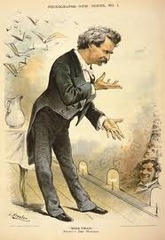 | 2 |
| 7459081540 | Social Darwinism | Term coined in the late 19th century to describe the idea that humans, like animals and plants, compete in a struggle for existence in which natural selection results in "survival of the fittest." Provided a justification for the enormous wealth and power wielded by industrialists in the latter half of the 19th century. |  | 3 |
| 7459081541 | Gospel of Wealth | An essay written by Andrew Carnegie in June of 1889 that describes the responsibility of philanthropy by the new upper class of self-made rich. |  | 4 |
| 7459081542 | Jane Addams | A pioneer American settlement activist/reformer, social worker, public philosopher, sociologist, author, and leader in women's suffrage and world peace. She created the first Hull House. Co-winner of 1931 Nobel Peace Prize. |  | 5 |
| 7459081543 | Plessy v. Ferguson | 1896 - Legalized segregation in publicly owned facilities on the basis of "separate but equal." |  | 6 |
| 7459081544 | racial segregation | the separation of humans into ethnic or racial groups in daily life. Generally applies to activities such as eating in a restaurant, drinking from a water fountain, using a public toilet, attending school, going to the movies, riding on a bus, or in the rental or purchase of a home. | 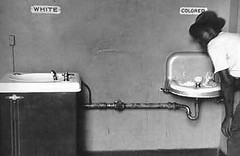 | 7 |
| 7459081545 | trust | A set of companies managed by a small group known as trustees, who can prevent companies in the trust from competing with each other. |  | 8 |
| 7459081546 | socialist | one who believes in the ownership and control of the major means of production by the whole community rather than by individuals or corporations |  | 9 |
| 7459081547 | radical | one who believes in fundamental change in a political, economic, or social system |  | 10 |
| 7459081548 | anarchist | one who believes that formal, coercive government is wrong in principle |  | 11 |
| 7459081549 | tenement | a multi-dwelling building, often poor or overcrowded |  | 12 |
| 7459081550 | prohibition | forbidding by law the manufacture, sale, or consumption of liquor |  | 13 |
| 7459081551 | lobbyist | someone who promotes an interest or cause before a political body, often for pay |  | 14 |
| 7459081552 | Plessy v. Ferguson (1896) | Legalized racial segregation in publicly owned facilities on the basis of "separate but equal." |  | 15 |
| 7459081553 | Land Grants | land given by government to universities and railroad companies |  | 16 |
| 7459081554 | Dawes Act | land given to individual Indians to discourage tribal mindset; encouraged Indians to farm for a living instead of communally owning land |  | 17 |
| 7459081555 | Open Range | the idea that cattle can be grazed on large tracts of public and/or private property; invention of barbed wire ended this idea and drove many small cattle ranches out of business and off their small plots of land |  | 18 |
| 7459081556 | Vertical Integration | Strategy to maximize profits by attempting to own every step of the manufacturing process (ex. Carnegie Steel) |  | 19 |
| 7459081557 | Horizontal Integration | Strategy to maximize profits by attempting to purchase competing companies in the same industry; monopoly-building (ex. Rockefeller's Standard Oil) | | 20 |
| 7459081558 | Knights of Labor | American labor organization in the 1880s led by Terence V. Powderly. Organized a wide range of workers, including skilled and unskilled, and had broad reform goals. |  | 21 |
| 7459081559 | Haymarket Riot | Labor dispute in Chicago that ended with a bomb being thrown at police resulting in many deaths. Led to an unfavorable public opinion of organized labor. |  | 22 |
| 7459081560 | American Federation of Labor | An organization of various trade unions that fought for specific reforms (as opposed to broad changes supported by the Knights of Labor). |  | 23 |
| 7459081561 | Homestead and Pullman Strikes | Industrial lockouts and strikes that showed battle between corporations and labor unions. Ended with government intervention on the side of big business. |  | 24 |
| 7459081562 | Urbanization | movement of people from rural communities and settlements to big cities |  | 25 |
| 7459081563 | "New Immigrants" | immigrants from southern and eastern Europe such as Poland, Italy, etc. that arrived in the US in the latter half of the 19th century |  | 26 |
| 7459081564 | Chinese Exclusion Act | First law limiting immigration based on race; effectively stopped immigration from China through the end of WWII. |  | 27 |
| 7459081565 | Political Machine | Unofficial political organization that works to win elections in order to exercise power; sometimes referred to as a shadow government; rose to power in the late 1800s because of ill-equipped local governments that failed to meet the needs of growing urban populations |  | 28 |
| 7459081566 | Tammany Hall | Political machine of New York City that was well-known for its corruption; lead by William Boss Tweed |  | 29 |
| 7459081567 | Grange Movement and Farmers Alliance | Grassroots movements that attempted to address the plight of farmers in the late 1800s; attempted to regulate railroads and enlarge opportunity for credit; evolved into Populist movement. |  | 30 |
| 7459081568 | William Jennings Bryan | Democratic presidential hopeful that was a member of the Populist Party; free silver advocate; "Do not crucify mankind on a cross of gold". |  | 31 |
| 7459081569 | New South | After the Civil War, southerners promoted a new vision for a self-sufficient southern economy built on modern capitalist values, industrial growth, and improved transportation. In reality, this growth was fairly slow. |  | 32 |
| 7459081570 | Americanization | Process of assimilating immigrants into American culture by teaching English, American history, and citizenship. |  | 33 |
| 7459081571 | middle class | a social class made up of skilled workers, professionals, business people, and wealthy farmers |  | 34 |
| 7459081572 | Andrew Carnegie | A Scottish-born American industrialist and philanthropist who founded the Carnegie Steel Company in 1892. By 1901, his company dominated the American steel industry. |  | 35 |
| 7459081573 | transcontinental railroads | a railroad that would cross the continent and connect the East to the West; opened new markets and helped spur the Industrial Revolution |  | 36 |
| 7459081574 | Social Gospel | Late 19th-century movement Protestant movement preaching that all true Christians should be concerned with the plight of immigrants and other poor residents of American cities and should financially support efforts to improve lives of these poor urban dwellers. Settlement houses were often financed by funds raised by ministers of this movement. |  | 37 |
| 7459081575 | Standard Oil | John D. Rockefeller's company that gained a monopoly over the world petroleum market with the practice of trusts and swift elimination of competition. |  | 38 |
| 7459081576 | Carnegie Steel | A steel producing company created by Andrew Carnegie to manage business at his steel mills in the Pittsburgh, Pennsylvania area in the late 19th century. Significance: had a monopoly in the steel industry. vertical integrations. |  | 39 |
| 7459081577 | John D. Rockefeller | Wealthy owner of Standard Oil Company. Considered to be a robber baron who used ruthless tactics to eliminate other businesses. Built trusts and used money to influence government. | | 40 |
| 7459081578 | Industrial Revolution | Period characterized by the rapid social and economic changes in manufacturing and agriculture that occurred in England during the late 18th century and rapidly diffused to other parts of the developed world. In the US, this occurred during the period roughly 1825-1925. |  | 41 |
AMSCO AP US History Chapter 31 Flashcards
AMSCO United States History 2015 Edition, Chapter 31 Challenges of the 21st Century, 2000-Present
Terms : Hide Images
| 5065318941 | political polarization | In the 2000s the political parties became regionally divided. Traditional, religious, and anti-government voters were often in rural and suburban areas and voted Republican. Liberals were commonly found in urban areas and voted Democrat. (p. 679) |  | 0 |
| 5065318942 | Southern white conservatives | Southerners Newt Gingrich, Tom DeLay, and Trent Lott took over the leadership of the Republican party, making it more conservative and partisan. (p. 679) | 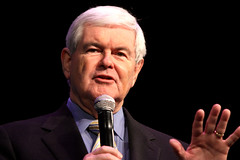 | 1 |
| 5065318943 | gerrymandered "safe seats" | Democrats and Republicans manipulated congressional districts to create "safe seats", which rewarded partisanship and discouraged compromise in Congress. (p. 679) |  | 2 |
| 5065318944 | election of 2000 | In this presidential race Al Gore won the popular vote, George W. Bush won the electoral vote. It was the closest election since 1876. The Supreme Court settled the election in Bush's favor. (p. 680) |  | 3 |
| 5065318945 | George W. Bush | He won the 2000 and 2004 presidential elections. He was the son of former president George H. W. Bush. (p. 680) |  | 4 |
| 5065318946 | Al Gore | He was Bill Clinton's vice president. In 2000 he lost a very close presidential election to George W. Bush. (p. 680) |  | 5 |
| 5065318947 | Bush v. Gore | In the 2000 election, Florida was the deciding state. George Bush led by 537 popular vote after a partial recount in that state. The Democrats asked for a manual recount. The Supreme Court majority ruled that the varying standards used in Florida's recount violated the Equal-Protection Clause of the 14th Amendment. Al Gore ended the election crisis by accepting the ruling. (p. 680) |  | 6 |
| 5065318948 | Bush tax cuts | President George W. Bush cut taxes on the top tax bracket, gradually eliminated estate taxes, increased child tax credits, gave all taxpayers an immediate rebate. Bush pushed for tax cuts for stock dividends, capital gains, and married couples. (p. 680) |  | 7 |
| 5065318949 | No Child Left Behind Act | This act aimed to improve student performance and close the gap between rich students and poor students, gave students the right to transfer to better schools, stronger reading programs, and trained high-quality teachers. (p. 681) |  | 8 |
| 5065318950 | Enron, corporate corruption | This large corporation falsified stated earnings and profits with the help of accounting companies. (p. 681) |  | 9 |
| 5065318952 | housing bubble | When the stock market gains turned down, many investors put their money into real estate, creating a speculative bubble that would burst in George W. Bush's second term. (p. 681) |  | 10 |
| 5065318953 | election of 2004 | In this presidential election George W. Bush was reelected, defeating Senator John Kerry. The Republicans energized their base of voters by focusing on the war against terrorism, more tax cuts, and opposition to gay marriage and abortion. (p. 684) |  | 11 |
| 5065318954 | John Kerry | In 2004, this senator from Massachusetts was the Democratic presidential nominee. (p. 684) |  | 12 |
| 5065318955 | privatization of Social Security | President Bush pushed Congress to privatize Social Security by encouraging Americans to invest part of their Social Security payroll deductions into various market investments. (p. 685) |  | 13 |
| 5065318956 | Hurricane Katrina | When the hurricane hit, FEMA failed to anticipate and respond to the crisis, resulting in more than 1,000 deaths, and tens of thousands of mostly poor people left in desperate conditions. (p. 685) |  | 14 |
| 5065318957 | corruption in Congress | In George W. Bush's second term, Republican's reputations were tarnished by scandals including, taking bribes from lobbyists, committing perjury and obstruction of justice, and having improper relations with congressional pages. (p. 685) |  | 15 |
| 5065318958 | John Roberts | President George W. Bush appointed this conservative judge to the Supreme Court as chief justice. (p. 685) |  | 16 |
| 5065318959 | Samuel Alito | President George W. Bush appointed this conservative judge to the Supreme Court. (p. 685) |  | 17 |
| 5065318961 | Colin Powell | This general became George W. Bush's secretary of state, the first African American to hold the job. (p. 681) |  | 18 |
| 5065318962 | Islamic roots of anti-Americanism | After World War I, the Ottoman Empire, the last of Islamic empires, was replaced with Western-style secular nation states. The U.S. stationed troops in the Middle East after the Gulf War. Islamic religious fundamentalists objected to these actions. (p. 682) |  | 19 |
| 5065318963 | Al-Qaeda | "The Base" preached jihad, which they defined as a holy war against "Jews and Crusaders", to restore an Islamic realm in the Middle East. (p. 682) |  | 20 |
| 5065318964 | Osama bin Laden | The founder of Al-Qaeda, the terrorist network responsible for the attacks of September 11, 2001, and other attacks. (p. 682) |  | 21 |
| 5065318965 | asymmetric warfare | Warfare conducted by terrorists when combatants have highly unequal military capabilities, such as when terrorists or rebel groups fight strong states. (p. 682) |  | 22 |
| 5065318966 | bombing of U.S. embassies | In 1998, terrorists bombed two U.S. embassies in Kenya and Tanzania. The U.S. responded by bombing Al-Qaeda camps in Afghanistan and the Sudan. (p. 682) |  | 23 |
| 5065318967 | U.S.S. Cole | In 2000, two suicide bombers in a small rubber boat nearly sank a billion dollar warship docked in Yemen, the USS Cole. (p. 682) |  | 24 |
| 5065318968 | World Trade Center | A group of buildings in New York City. Two of the largest tower buildings were attacked and destroyed on September 11, 2001. (p. 682) |  | 25 |
| 5065318969 | September 11, 2001 | On this date, know as 9/11, Al-Qaeda terrorists flew planes into World Trade Center twin towers, the Pentagon, and crashed a jetliner into a field in Pennsylvanian. Nearly 3,000 people were killed in the attacks. The attacks galvanized public opinion as nothing since the Pearl Harbor attack in 1941. (p. 682) |  | 26 |
| 5065318970 | Afghanistan, Taliban | President Bush declared he wanted Osama bin Laden and other Al-Qaeda leaders "dead or alive". The Taliban refused to turn them over, so in response the U.S. quickly overthrew the Taliban government in Afghanistan. U.S. led troops pursued bin Laden to the mountains bordering Pakistan, but were unable to catch him. (p. 682) |  | 27 |
| 5065318971 | Hamid Karzai | He became the head of the Afghanistan government in Kabul with the U.S. backing. However, Afghanistan remained unstable and divided by the Taliban insurgency and tribal conflicts. (p. 682) |  | 28 |
| 5065318972 | Homeland Security Department | President George W. Bush created this new department by combining more than 20 federal agencies with 170,000 employees. The agencies including the Secret Service, Coast Guard, and customs and immigration agencies. Many questioned why the FBI and CIA were left out of the new department. (p. 683) |  | 29 |
| 5065318973 | connect the dots | In 2004, a bipartisan commission on terrorism criticized the FBI, CIA, and the Defense Department for failing to work together to "connect the dots" that may have uncovered the 9/11 plot. Congress followed up on their recommendations, creating a Director of National Intelligence position. (p. 683) |  | 30 |
| 5065318974 | Director of National Intelligence | This newly created position was responsible for coordinating the intelligence activities of all agencies. (p. 683) |  | 31 |
| 5065318975 | Kyoto Accord | The Bush administration refused to join this climate agreement to prevent global warming. (p. 683) |  | 32 |
| 5065318976 | Bush Doctrine | This doctrine argued that the old policies of containment and deterrence were no longer effective in a world of stateless terrorism. It stated that to protect itself, the United States should take preemptive action against terrorist threats to its national security. (p. 683) | | 33 |
| 5065318977 | unilateralist approach | The United States would pursue its own defense policy with little or no cooperation with other nations. (p. 683) | | 34 |
| 5065318978 | axis of evil | In his 2002 State of the Union Address, President George W. Bush used this term for the countries of North Korea, Iraq, and Iran. (p. 683) |  | 35 |
| 5065318979 | WMDs | Weapons of Mass destruction (p. 683) |  | 36 |
| 5065318980 | Saddam Hussein | He was the Iraq dictator in Iraq who invaded Kuwait. He refused to let the U.N. into Iraq for WMD inspections. (p. 683) |  | 37 |
| 5065318981 | U.N. inspections | U.N. inspections failed to find WMD's in Iraq. However, the Bush administration continued to present claims of their existence based on intelligence information that proved to be false. (p. 683) |  | 38 |
| 5065318982 | Operation Iraq Freedom | In early 2003, President Bush declared that Iraq had not complied with numerous U.N. resolutions, and that "the game was over". In March 2003 the United States launched air attacks on Iraq, and within 4 weeks U.S., British, and other allies captured the capital city, Baghdad. (p. 684) |  | 39 |
| 5065318983 | regime change | When U.S. forces could not find WMDs in Iraq, criticism of the "regime change" mounted. (p. 684) | | 40 |
| 5065318984 | war of choice | A term used for the Iraq War because it was not clear that is was a war that was required. (p. 684) |  | 41 |
| 5065318985 | Sunni vs. Shiite | After Saddam Hussein's death, the Sunni and Shiites attacked each other, and millions of Iraqis fled the country or were displaced. The Bush administration was widely criticized for going into Iraq without sufficient troops to control the country and to disband the Iraqi army. (p. 684) |  | 42 |
| 5065318986 | Abu Ghraib prison | Pictures of the barbaric treatment of prisoners by U.S. troops in this prison further diminished America's reputation in Iraq and around the world. (p. 684) |  | 43 |
| 5065318987 | 2007 troop surge | In early 2007, President George W. Bush sent an additional 30,000 troops in a "surge" to establish order in Iraq. (p. 684) |  | 44 |
| 5065318988 | securitization | Wall Street packaged the high risk housing loans into a variety of complex investments , then sold them to unsuspecting investors around the world. (p. 685) |  | 45 |
| 5065318989 | liquidity crisis | When the housing market bubble burst, banks and financial institutions faced failure resulting in this crisis. Banks either lacked funds or were unable to make the loans to businesses and consumers necessary for the day-to-day functioning of the economy. (p. 685) |  | 46 |
| 5065318990 | Fannie May, Freddie Mac | In early 2008 the federal government took over these two quasi-governmental mortgage institutions. (p. 685) |  | 47 |
| 5065318991 | Lehman Brothers | In September 2008, this large Wall Street investment bank declared bankruptcy, which led to a panic in the financial industry. (p. 685) |  | 48 |
| 5065318992 | Troubled Assets Relief Program (TARP) | The Economic Stabilization Act of 2008 created this controversial program. The federal government used $700 million to purchase failing assets, that included mortgages and mortgage-related securities, from financial institutions. Conservatives called it socialism, and liberals called it a bailout of the people who had caused the problems in the first place. (p. 685) |  | 49 |
| 5065318993 | poor regulation of financial institutions | The causes of the Great Recession will be debated for years, causes include: Excessive deregulation of the financial industry Real estate bank fraud Federal Reserve kept interest rates too low Government efforts to promote home ownership (p. 685) |  | 50 |
| 5065318994 | election of 2008 | In this presidential election Democrats Barack Obama and Joseph Biden ran against Republicans John McCain and Sarah Palin. The Republican Bush administration was unpopular and the country faced was facing an economic crisis. Obama's message for change and his well-funded grassroots campaign led him to victory. (p. 686) |  | 51 |
| 5065318995 | Hillary Clinton | In 2008, this Democratic senator from New York was the early favorite in the Democrat primary race. (p. 686) |  | 52 |
| 5065318996 | Barack Obama | In 2008, this young, charismatic, Democratic senator from Illinois became the first African American president of the United States. (p. 686) | 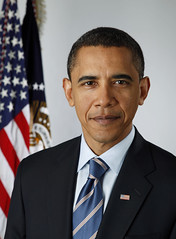 | 53 |
| 5065318997 | John McCain | In 2008, this Republican senator from Arizona was the Republican nominee for president. He was a Vietnam war hero who hoped to appeal to undecided voters. (p 686) |  | 54 |
| 5065318998 | Sarah Palin | In 2008, this Republican governor of Alaska was the vice presidential candidate, running with John McCain. (p. 686) |  | 55 |
| 5065318999 | effects of Great Recession | The Great Recession started in late 2007. The stock market dropped dramatically but recovered by 2013, unemployment peaked at 10 percent in 2009 and stayed at 7 percent until 2013. Obama enacted a number of Keynesian programs to promote recovery. (p. 687) |  | 56 |
| 5065319000 | 2009 stimulus bill | The American Recovery and Reinvestment Act of 2009 provided $787 billion economic stimulus package designed to create or save 3.5 billion jobs. It featured tax cuts, aid to state and local governments, and funding for construction projects, health care, education, and renewable energy. (p. 687) |  | 57 |
| 5065319001 | Dodd-Frank Act | This act was designed to improve regulations of banking and investment firms, and to protect taxpayers from future bailouts of "too big to fail" businesses. It also set up a Bureau of Consumer Protection to regulate mortgages and credit cards. (p. 687) |  | 58 |
| 5065319002 | aid to auto industry | With General Motors and and Chrysler near collapse, the Obama administration stepped in to help. The government temporarily took over General Motors while in bankruptcy, and guided the sale of Chrysler to Italian automaker Fiat. (p. 687) |  | 59 |
| 5065319003 | Affordable Care Act | !in 2008, the U.S. "fee for service" medical system was the most expensive in the world, but produced mixed results. This healthcare act aimed to extend affordable health care insurance to more Americans through combinations of subsidies, mandates, and insurance exchanges while introducing medical and insurance reforms to control health care costs. Many Americans were confused by its complexity. (p. 687) |  | 60 |
| 5065319004 | budget deficits | The Great Recession lowered federal income tax collected and increased spending on recovery programs. The annual federal deficit tripled to $1.75 trillion in 2009. The national debt rose to $16 trillion by 2012. (p. 688) |  | 61 |
| 5065319005 | Bowles-Simpson plan | This plan would have eliminated the deficit by 2035 through $2 of spending cuts for every $1 increase in revenues. It was rejected by both parties. (p. 688) |  | 62 |
| 5065319006 | Tea Party | In 2010, this group of loosely united conservatives and libertarians formed this movement. Many members focused on economic issues and limited government, but others focused on gun rights, prayer in schools, outlawing abortions, and preventing undocumented immigration. (p. 688) |  | 63 |
| 5065319007 | debt ceiling | In August 2011, as the debt ceiling closed in an agreement was reached to cut $900 billion in spending and cut an additional $1.4 trillion to be determined by a bipartisan committee. (p. 688) |  | 64 |
| 5065319008 | super-committee | The bipartisan committee that was to determine what the $900 billion spending cuts were to be. (p. 688) |  | 65 |
| 5065319009 | U.S. credit rating | In 2011, the uncertainty and gridlock in Washington led Standard & Poor's to downgrade the US AAA credit rating. (p. 688) |  | 66 |
| 5065319010 | election of 2012 | In this presidential election the Great Recession and Obamacare (new healthcare act) were the top issues. Barack Obama defeated Mitt Romney in this election. (p. 690) |  | 67 |
| 5065319011 | Mitt Romney | In 2012, this conservative, Mormon, former governor of Massachusetts, was the Republican presidential candidate. (p. 690) |  | 68 |
| 5065319012 | Latino voters | In 2012, 1 in every 6 American voter was a Latino voter, and President Obama won 71 percent of the Latino votes in this election. (p. 690) |  | 69 |
| 5065319013 | sequester cuts | In 2013, Congress was unable to compromise on the budget so these cuts went into effect. (p. 690) |  | 70 |
| 5065319014 | 2013 shutdown of government | In October 2013, the Republican effort to defund the Affordable Care Act resulted in a shutdown of the government for 16 days, and threatened default on the national debt. The approval rating of Congress dropped to 10 percent. (p. 690) |  | 71 |
| 5065319015 | gun violence | Mass shootings at a Colorado movie theater and a Connecticut school sparked another debate over guns. President Obama's proposals to tighten gun laws went nowhere because of gun rights advocates. (p. 690) |  | 72 |
| 5065319016 | Boston Marathon bombing | Fear of home-grown terrorism became real when two brothers set off two bombs at the finish line of the Boston Marathon killing three and injuring more than 250 people. The young men who did the bombing seemed motivated by extremist Islamic beliefs. (p. 690) |  | 73 |
| 5065319017 | ban on torture | In 2009, President Obama placed a formal ban on torture by requiring that Army field manuals be used as the guide for interrogating terrorist suspects. (p. 687) |  | 74 |
| 5065319018 | withdrawal from Iraq | In early 2009, President Obama developed a plan to wind down US ground combat operations in Iraq. In 2011, the last of U.S. forces were withdrawn. However, Sunni and Al-Qaeda insurgents continued to terrorize the majority Shiite government. (p. 688) |  | 75 |
| 5065319019 | Afghanistan surge | President Obama made fighting Al-Qaeda and the Taliban in Afghanistan a priority. He sent an additional 47,000 troops to Afghanistan. The counter-terrorism surge proved effective in Afghanistan, but the increase in drone attacks on terrorists in Pakistan intensified anger against the U.S. (p. 689) |  | 76 |
| 5065319020 | death of bin Laden | In May 2011, he was killed by the U.S. in clandestine operation in Pakistan. (p. 689) | | 77 |
| 5065319021 | drawdown in Afghanistan | In 2012, the U.S. and Afghanistan signed a long-term agreement which called for the U.S. to train and support the Afghanistan military, and for the U.S. to end combat missions by 2014. (p. 689) |  | 78 |
| 5065319022 | Arab Spring | In 2010, civil unrest and armed rebellion toppled governments in Tunisia, Libya, Egypt, and Yemen. (p. 689) |  | 79 |
| 5065319023 | fall of dictatorships | Arab spring, civil unrest and armed rebellions toppled dictatorships in North Africa and the Middle East. (p. 689) |  | 80 |
| 5065319024 | civil war in Syria | The Syrian leader, Bashar al-Assad used poisonous gas on the people in the country who were rising up against him. Military action was avoided when the Syrians agreed to give up all their chemical weapons. (p. 691) |  | 81 |
| 5065319025 | "pivot" to Asia | Events in the Middle East limited the president's planned "pivot" to Asia. The Obama administration realized that America's future would be closely tied to the Pacific Rim because within two decades the economies of Asia would soon be larger than the U.S. and Europe combined. (p. 689) |  | 82 |
| 5065319026 | euro crisis | In the early 2010s, the European Union was struggling with a debt crisis in Greece, Spain, and Ireland. It took German leadership to save the euro as a common currency. (p. 689) |  | 83 |
| 5065319027 | Sonia Sotomayor | President Obama appointed her to the Supreme Court in 2009. (p. 691) |  | 84 |
| 5065319028 | Elena Kagan | President Obama appointed her to the Supreme Court in 2010. (p. 691) |  | 85 |
| 5065319029 | Shelby County v. Holder (2013) | In 2013, the Supreme Court struck down a key provision of the Voting Rights Act of 1965, that required that certain states with a history of voter discrimination obtain federal approval of any changes in voting laws. (p. 691) |  | 86 |
| 5065319030 | repeal of "Don't Ask, Don't Tell" | In 2010, Congress repealed the Clinton era "Don't Ask, Don't Tell" to end discrimination of gays in the military. (p. 692) |  | 87 |
| 5065319031 | same-sex marriage | In 2013, the Supreme Court ruled that the 1996 Defense of Marriage Act, a California law, was unconstitutional. However the states remained divided, with fourteen allowing same sex marriage and thirty-five banning it (p. 692) |  | 88 |
| 5065319032 | 2nd Amendment and Heller case | In 2008, the Supreme Court ruled that the 2nd amendment protects an individual's right to posses a firearm unconnected with service in a militia. (p. 692) |  | 89 |
| 5065319033 | campaign financing | In 2013, the Supreme Court heard arguments to overturn the federal limits on campaign contributions, which some worried would open the door to wider corruption of elected officials. (p. 691) |  | 90 |
| 5065319034 | Citizens United | In 2010, the Supreme Court ruled that corporations were "legal persons" and had the same rights as individuals to buys ads to influence political elections. (p. 691) |  | 91 |
| 5065319035 | NFIB v. Sebelius | In 2012, the Supreme Court ruled that the federal government had the authority to require that individuals purchase health insurance because Congress had the authority to levy taxes. (p. 692) |  | 92 |
Flashcards
AP Language Terms (Part I) Flashcards
Terms : Hide Images
| 3270071732 | Abstract Language | Language describing ideas and qualities rather than observable or specific things, people or places. The observable or "physical" is usually described in concrete. | 0 | |
| 3270074115 | Ad hominem | Latin for "against man." When a writer personally attacks his or her opponents of their arguments. | 1 | |
| 3270075901 | Allegory | A story, fictional or nonfictional, in which characters, things and events represent qualities or concepts. The interaction of these characters, things and events is meant to reveal an abstraction of the truth. These characters, etc. may be symbolic of the ideas referred to. | 2 | |
| 3270079262 | Alliteration | The repetition of the intitial identical consonant sounds; use for emphasis and style. | 3 | |
| 3270083478 | Allusion | An indirect reference to something (usually a literary text) with which the reader is supposed ot be familiar. This is often used with humorous intent, to establish a connection between writer and reader, or to make a subtle point. | 4 | |
| 3270087603 | Ambiguity | An event or situation that may be interpreted in more than one way. Also, the manner of expression of such an event or situation ca be this. Unintentional use of this is usually vagueness. | 5 | |
| 3270090856 | Anachronism | An event, object, custom, person or thing that is out of order in time. | 6 | |
| 3270100351 | Analogy | A comparison to a directly parallel case. Used by writers to argue that a claim resonable for one case is reasonable for a chosen other case. | 7 | |
| 3270114198 | Anaphora | Repetition of a word, phrase or clause at the beginning of two or more sentences in a row. This a deliberate form or repition and helps make the writer's point more coherent. (i.e. "The voice of the Lord is powerful. The voice of the Lord is majestic.") | 8 | |
| 3270128700 | Anastrophe | Inversion of the usual order of words. | 9 | |
| 3270129155 | Anecdote | A brief recounting of a relevant episode. These are often interjected into fictional or nonfictional texts as a way of developing a point or interjecting humor. | 10 | |
| 3270133489 | Annotation | Explanatory notes added to a text to explain, cite sources, or give bibliographical data. | 11 | |
| 3270136035 | Anthimeria | The use of a word as if it were a member of a different word class (part of speech); typically, the use of a noun as if it were a verb. (i.e. Facebook me later.) | 12 | |
| 3270138547 | Antecedent | The word, phrase, or clause to which a pronoun refers. | 13 | |
| 3270141503 | Anthithesis | A balancing of two opposite or contrasting words, phrases, or clauses. (i.e. "from rags to riches... the world will little note nor long remember...") | 14 | |
| 3270143691 | Antonomasia | The identification of a person by an epithet or appellative that is not his name (i.e. "his lordship"). | 15 | |
| 3270145791 | Aphorism | A short, often witty statement of a principle or truth about life. | 16 | |
| 3270150710 | Aposiopesis | A breaking off from speech, usually because of rising emotion or excitement. (i.e. "Touch me one more time, and I swear ---.") | 17 | |
| 3270146272 | Apostrophe | Usually in poety but sometimes in prose; the device of calling out to an imaginary, dead, or absent person or to a place, thing or personified abstraction. (i.e. "Oh, you cruel streets of Manhattan, how I detest you!") | 18 | |
| 3270153541 | Argument | A single assertion or series of assertions presented and defended by the author. | 19 | |
| 3270154576 | Argumentation | Writing that attempts to prove the validity of a point of view or an idea by presenting reasoned, valid points; persuasive writing is a form of this. | 20 | |
| 3270155859 | Assonance | Repetition of a vowel sound within two or more words in close proximity. | 21 | |
| 3270175261 | Asyndeton | Commas used (with no conjunction) to separate a series of words. The parts are empasized equally when the conjunction is omitted; in addition, the use of commas with no intervening conjunction speeds up the flow of the sentence. These sentences take the form of X, Y, Z as opposed to X, Y, and Z. (i.e. "He was tall, handsome, foreign, intriguing.") | 22 | |
| 3270207521 | Authority | Arguments that draw on recognized experts or persons with highly relevant experience are said to rest on this. Readers are expected to accept claims if they are in agreement with this expert's view. | 23 | |
| 3270210855 | Backing | Support or evidence for a claim in an argument. | 24 | |
| 3270211524 | Bathos | Insincere or overdon sentimentatlity; may address a sudden change in emotion; may be used to create humor but might be misinterpreted as poor judgment on the part of the writer. | 25 | |
| 3270229528 | Balance | Construction in which both halves of the sentence (or paragraphs, presentation of a longer work) are about the same length and importance. | 26 | |
| 3270230621 | Begging the Question | Often called circular reasoning, this occurs when the believability of the evidence depends on the believability of the claim. | 27 | |
| 3270232304 | Bombast | Inflated, pretentious language | 28 | |
| 3270232483 | Burlesque | Broad parody; where as a parody will imitate and exaggerate a specific work (i.e. "Romeo and Juliet") this term means that and entire style or form, such as myths, are exaggerated into ridiculousness. | 29 | |
| 3270238149 | Cacophony | Harsh, awkward, or dissonant sounds used deliberately in poetry or prose; the opposite of euphony. | 30 | |
| 3270239183 | Caricature | Descriptive writing that greatly exaggerates a specific feature of a person's appearance or a face of personality. | 31 | |
| 3270241693 | Causal Relationship | A writer asserts that one thing results from another. To show how one thing produces or brings about another is often relevant in stabling a logical argument. (Cause/Effect) | 32 | |
| 3270256774 | Chiasmus | Arrangement fo repeated thought in the pattern of XYYX; this is often short an dsummarizes a main idea. (i.e. "I drilled him and crammed him and crammed him and drilled him.") [sometimes called Antimetabole] | 33 | |
| 3270258245 | Classicism | The principles and styles admired in the classics of Greek and Roman literature, such as objectivity, sensiblilty, restraint, and formality. | 34 | |
| 3270260333 | Coherence | Quality of a piece of writing in which all the parts contribute to the development of the cental idea, theme or organizing principle. | 35 | |
| 3270261306 | Colloquialism | A word or phrase used in everyday conversation and informal writing but that is inappropriate in formal witing. (i.e. "Huck Finn") | 36 | |
| 3270263657 | Common Knowledge | Shared beliefs or assumptions; a writer may argue that if something if widely believed, then readers should accept it. | 37 | |
| 3270264562 | Conceit | An elaborate figure of speech in which two seemingly dissimilar things or situations are compared. | 38 | |
| 3270265795 | Concrete Language | Language that describes specific, observable things, people or places, rather than ideas or qualities; the opposite of this is abstract language. | 39 | |
| 3270267011 | Connotation | Rather than the dictionary definition, the associations suggested by a word; implied meaning rather than literal meaning or denotation. | 40 | |
| 3270303915 | Conundrum | A riddle whose answer is or involves a pun; it may also be a paradox or difficult problem. | 41 | |
| 3270304727 | Consonance | Repetition of a consonant sound within two or more words in close proximity. | 42 | |
| 3270305715 | Conventional | Following certain conventions, or traditional techniques use of writing (i.e. the five paragraph theme). An over-reliance on this may result in a lack of originality. | 43 | |
| 3270309164 | Denotation | Literal meaning of a word as defined in a dictionary. | 44 | |
| 3270309665 | Description | The picturing in words of something or someone through detailed observation of color, motion, sound, taste, smell, and touch; one of the four modes of discource. | 45 | |
| 3270310938 | Descriptive detail | Graphic, exact, and accurate presentation of the characteristics of a person, place or thing. | 46 | |
| 3270312017 | Diction | Word choice, particularly as an element of style. Different types and arrangements of words have significant effects on meaning. (i.e. Academic essays do not typically contain slang and are less colorful.) | 47 | |
| 3270315677 | Didactic | A term used to describe fiction or nonfiction that teaches a specific lesson/moral or provides a model of correct behavior or thinking; may be dry and pomous. | 48 | |
| 3271674602 | Digression | The portion of discourse that wanders or departs from the main subject or topic. | 49 | |
| 3271676594 | Discourse | Spoken or written language, including literary works (i.e. description, exposition, narrion, persuasion). | 50 | |
| 3271684641 | Dissonance | Harsh or grating sounds that do not go together. | 51 | |
| 3271685901 | Dramatic Irony | When the reader is aware of an inconsistency between a fictional or nonfictional character's perception of a situation and the truth of the situation. | 52 | |
| 3271689277 | Dysphemism | A deliberate subsitution of a disagreeable, offensive, or disparaging word for an otherwise inoffensive term (i.e. pig instead of policeman). | 53 | |
| 3271695345 | Either-Or Reasoning | When the writer reduces an argument or issue to two polar opposites and ignores any alternatives. | 54 | |
| 3271697197 | Elegy | A poem or prose selection that laments or mediates on the death of someone or something of value. | 55 | |
| 3271699697 | Elliptical | Sentence structure which leaves out something in the second half. Usually, there is subject-verb-object combination in the first half of the sencence, and the second half of the sentence will repeat the structure but omit the verb and use a comma to indicate the left out material. | 56 | |
| 3271742374 | Emotional Appeal | When a writer appeals to an audience's emotions (often through pathos) to excite and involve them in the argument. | 57 | |
| 3271744796 | Epigram | A concise, witty saying in poetry or prose that either stands alone or is part of a larger work; it may also refer to a short poem of this type. | 58 | |
| 3271747377 | Epigraph | A quotation or aphorism at the beginning of a literary work - suggestive of theme. | 59 | |
| 3271752080 | Epiplexis | A device in which the speaker reproaches his audience in order to arouse, incite, or convince them. | 60 | |
| 3271759373 | Epistophe | Ending successive sentences or clauses with the same word or words for emphasis. (i.e. "They loved football. They ate football. They slept football.") | 61 | |
| 3271763484 | Equivocation | When a writer uses the same term in two different senses in an argument. | 62 | |
| 3271767460 | Etymology | An account of the history of a particular word or element of a word; the study of historical linguistic change, esp. as manifested in individual words. | 63 | |
| 3271804538 | Euphemism | A figure of speech in which an indirect statement is substituted from a direct one in an effort to avoid bluntness. (i.e. "passed away" "vintage") | 64 | |
| 3271822603 | Euphony | A succession of harmonious sounds used in poetry or prose; the opposite of cacophony. | 65 | |
| 3271825498 | Ethical Appeal | When a writer tries to persuade the audience to respect and believe him or her based on a presentation of image of self through the text. Reputation is sometimes a factor in these, but in all cases the aim is to gain the audience's confidence. | 66 | |
| 3271833325 | Ethos | The fundamental character or spirit of a culture; the character or disposition of community, group, or person; the moral element that determines a fictional character's actions rather than his thoughts or emotions. | 67 | |
| 3271841761 | Example | An individual instance taken to be representative of a general pattern. Arguing by using this is considered reliable if what is used is demonstrably true or factual as well as relevant. | 68 | |
| 3271846112 | Exegesis | A detailed analysis or interpretation of a work of prose or poetry. | 69 | |
| 3271874987 | Exemplum | A brief tale used in medieval times to illustrate a sermon or to teach a lesson. | 70 | |
| 3271885319 | Explication | The act of interpreting or discovering the meaning of a text. This usually involves close reading and special attention to figurative language. | 71 | |
| 3271894783 | Expose | A factual piece of writing that reveals the weaknesses, faults, frailties, or other shortcomings. | 72 | |
| 3271902010 | Exposition | Background information provided by a writer to enhance a reader's understanding of the context of a fictional or nonfictional story. | 73 | |
| 3271907046 | Extended Metaphor | A sustained comparison that is developed throughout a piece of writing. | 74 | |
| 3271911227 | False Analogy | When two cases are not sufficiently parallel to lead readers to accept a claim of connection between them. | 75 | |
| 3271919717 | Fiction | A product of a writer's imagination, usually made up of character, plot, setting, point of view, and theme. This is often described as lies told with the consent of the reader. | 76 | |
| 3271926766 | Figurative Language | A word or words that are inaccurate literally, but describe by calling to mind sensations or reponses that the thing described evokes. This may be in the form of metaphors or similes, both of which are nonliteral comparisons. (i.e. "All the world's a stage.") | 77 | |
| 3271935966 | Figures of Speech | Expressions, such as similes, metaphors, and personifications, that make imaginative, rather than literal, comparisons or associations. | 78 | |
| 3271942234 | Folklore | Traditional stories, songs, dances, and customs that are preserved among people; this usually precedes literature, being passed down orally from generation to generation until recorded by scholars. | 79 | |
| 3272011379 | Foreshadowing | The use of a hint or clue to suggest a larger event that occurs later in the work. | 80 | |
| 3272013836 | Form | The shape or structure of a literary work. | 81 | |
| 3272014744 | Generalization | When a writer bases a claim upon an isolated example or asserts that a claim is certain rather than probable. Sweeping forms of these occur when a writer asserts that a claim applies to all instances instead of some. | 82 | |
| 3272023770 | Genre | A type or literary work, such as a novel or poem; there are also sub forms of this, such as science fiction or sonnet, within the larger forms of this. | 83 | |
| 3272047567 | Harangue | A forceful tirade, sermon, or lecture. | 84 | |
| 3272048718 | Homily | A lecture or sermon on a religious or moral theme meant to guide human behavior. | 85 | |
| 3272050384 | Hubris | The excessive pride or ambition that leads a tragic hero to disregard warning of impending doom, eventually causing his or her downfall. | 86 | |
| 3272059024 | Humor | Anything that causes laughter or amusement; up until the end of the Renaissance, this meant a person's temperament. | 87 | |
| 3272062819 | Hyperbole | Conscious exaggeration used to heighten effect: overstatement for rhetorical effect. Not intended literally, this is often humorous. | 88 | |
| 3272070587 | Hypophora | A figure of speech where the speaker poses a question and then answers the question. (Also referred to as anthypophora or antipophora.) | 89 | |
| 3272076614 | Idiom | A use of words, a grammatical construction peculiar to a given language, an expression which cannot be translated literally into a second language. (i.e. flat broke, on the wagon; "It's raining cats and dogs.") | 90 | |
| 3272082795 | Idyll | A short descriptive narrative, usually a poem, about an idealized country life; also called a pastoral. | 91 | |
| 3272087238 | Image | A word or words, either figurative or literal, used to describe a sensory experience or an object perceived by the sense - this is always a concrete representation. | 92 | |
| 3272091304 | Imagery | The use of images, especially in a pattern of realted images, often figurative, to create a strong, unified sensory impression. | 93 | |
| 3272094723 | Indirect quotation | A rendering of a quotation in which actual words are not stated but only approximated or paraphrased. | 94 | |
| 3272099455 | Induction | The process that moves from a given series of specifics to a generalization. | 95 | |
| 3272101685 | Inference | A conclusion one can draw from presented details. | 96 | |
| 3272104129 | Interior Monologue | Writing that records the conversation that occurs inside a character's head. | 97 | |
| 3272106939 | Invective | Harsh, abusive language directed against a person or cause. | 98 | |
| 3272110009 | Inversion | Variation of the normal word order (subject first, then verb, then complement) which puts a modifier or the verb as first in the sentence. The element that appears first is emphasized more than the subject. | 99 | |
| 3272117840 | Irony | When a reader is aware of the reality that differs from a character's perception of reality (the dramatic form of this). The literal meaning of a writer's words may be the verbal from of this. | 100 | |
| 3272125666 | Jargon | The language of a profession; also, confused speech, resulting particularly from the mingling of several languages/dialects. The result of this is language that may sound uncouth or outlandish, producing gibberish or nonsense. | 101 | |
| 3272132777 | Lampoon | A crude, coarse, often bitter satire ridiculing the appearance or character of a person or situation. | 102 |
AMSCO AP US History Chapter 8 Flashcards
AMSCO United States History 2015 Edition Chapter 8 Nationalism and Economic Development, 1816-1848
Terms : Hide Images
| 6683061473 | Era of Good Feelings | Term to describe James Monroe's period as president (1817-1825). The Democratic-Republican party dominated politics. On the surface everything looked fine, however there were conflicts over tariffs, the national bank, internal improvements, and public land sales. (p. 150) |  | 0 |
| 6683061474 | sectionalism | The Era of Good Feelings was damaged by the sectional controversy of the Missouri Compromise. Sectionalist tension over slavery became apparent during this period (1817-1825). (p. 150, 157) |  | 1 |
| 6683061475 | James Monroe | The fifth President of the United States (1817-1825). His administration was marked by the Tariff of 1816, Rush-Bagot Agreement with Britain (1817), acquisition of Florida (1819), the Missouri Compromise (1820), and the profession of the Monroe Doctrine (1823). (p 151) |  | 2 |
| 6683061476 | cultural nationalism | A new generation was interested in expanding west, had little interest in European politics, and patriotic themes were everywhere in society. (p. 151) |  | 3 |
| 6683061477 | economic nationalism | Political movement to subsidize internal improvements such as roads and canals. Also the protecting of US industries from European competition. (p. 151) |  | 4 |
| 6683061478 | Tariff of 1816 | The first protective tariff in U.S. history. It helped protect American industry from British competition by placing a tax on imported British manufactured goods. (p. 151) |  | 5 |
| 6683061479 | protective tariff | A tax on imported goods that is intended to protect a nation's businesses from foreign competition. (p. 151) |  | 6 |
| 6683061480 | Henry Clay; American System | His proposed plan for advancing the nation's economic growth consisted of three parts: 1) protective tariffs, 2) a national bank, and 3) internal improvements. The internal improvements, to be funded by the national government, were not approved because James Monroe felt that the Constitution did not allow it. (p. 152) |  | 7 |
| 6683061481 | Second Bank of the United States | This institution was chartered in 1816 under President James Madison and became a depository for federal funds and a creditor for (loaning money to) state banks. It became unpopular after being blamed for the Panic of 1819. Suspicion of corruption and mismanagement haunted it, until its charter expired in 1836. (p. 152) |  | 8 |
| 6683061482 | Panic of 1819 | In 1819, this was the first major financial panic since the Constitution had been ratified. Many state banks closed, and unemployment, bankruptcies, and imprisonment for debt increased sharply. the depression was most severe in the West, where many people had speculated on land. (p. 153) |  | 9 |
| 6683061483 | Lancaster Turnpike | Built in the 1790s, this first highway was developed in response to the ineffectiveness of slow water transportation and uncertain road transportation. It stretched from Philadelphia to Lancaster and inspired many other turnpike projects. (p. 161) |  | 10 |
| 6683061484 | National (Cumberland) Road | A paved highway that extended more than a thousand miles from Maryland to Illinois. It was built using state and federal money over many years (1811-1852). One of the few roads crossing state boundaries. (p. 161) |  | 11 |
| 6683061485 | Erie Canal | A New York canal, completed in 1825, that linked the economies of western and eastern cities. It lead to more canal building, lower food prices in the East, more settlers in the West, and stronger economic ties between the regions. (p. 161) | 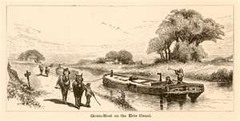 | 12 |
| 6683061486 | Robert Fulton; steamboats | In 1807, he built a boat powered by a steam engine. Commercial steamboat lines soon made river shipping faster and cheaper. (p. 161) |  | 13 |
| 6683061487 | railroads | A major economic development of the 1820s. By the 1830s they were competing directly competing with canals as a method for carrying passengers and freight. Towns such as Cleveland, Cincinnati, Detroit, and Chicago soon became booming commercial centers. (p. 161) |  | 14 |
| 6683061488 | Eli Whitney; interchangeable parts | In 1793, he built the first cotton gin, which would have a huge impact on the Southern economy. During the War of 1812 he devised a system to make rifles with mass produced interchangeable parts. (p. 162) |  | 15 |
| 6683061489 | corporations | In 1811, New York state passed a law that made it easier for business to incorporate and raise capital by selling shares of stock. Owners of a corporation only risked the money they had invested in a venture. This allowed large sums of money to be raised to build factories, canals, and railroads. (p. 162) |  | 16 |
| 6683061490 | Samuel Slater | British-born textile producer and one of the first industrialists in America. In 1791, he helped establish the nation's first factory using cotton spinning machine technology. (p. 162) |  | 17 |
| 6683061491 | factory system | In the 1820s, New England emerged as the country's leading manufacturing center because of abundant water power to drive machinery and seaports to ship goods. (p. 162) |  | 18 |
| 6683061492 | Lowell System; textile mills | The system that recruited young farm women to work in textile mills and house them in company dormitories. (p. 163) |  | 19 |
| 6683061493 | industrialization | Caused a shift from farming economy to using manufacturing machines in a factory economy. (p. 164) | | 20 |
| 6683061494 | specialization | Farmers produced food, workers in the cities produced manufactured goods. (p. 164) |  | 21 |
| 6683061495 | unions | Trade unions were organized as early as the 1790s when the factory system started to take hold. A prime goal of the early unions was a 10 hour workday. (p. 163) |  | 22 |
| 6683061496 | cotton gin | In 1793, this machine was invented by Eli Whitney. It removed seeds from cotton fibers so cotton could be processed quickly and cheaply. As a result more cotton was grown in the South and more slaves were needed in the cotton fields. (p. 162) |  | 23 |
| 6683061497 | market revolution | This revolution was a result of specialization on the farm, growth of the cities, industrialization, and the development of modern capitalism. It brought the end of self-sufficient households and a growing interdependence among people. (p. 164) | | 24 |
| 6683061498 | John Marshall | Chief Justice of the Supreme Court from 1801 to 1835. A Federalist, whose decisions favored the central government and the rights of property against advocates of state's rights. Several of his decisions became landmark ruling that defined the relationship between the central government and the states. (p. 153) |  | 25 |
| 6683061499 | Fletcher v. Peck | An 1810 Supreme Court case, in which Georgia tried to revoke a land grant on the grounds that it had been obtained by corruption. The Supreme Court ruled that a state cannot arbitrarily interfere with a person's property rights. Since the land grant was a legal contract, it could not be repealed. This was the first time that the Supreme Court declared a state law to be unconstitutional and invalid. (p. 154) |  | 26 |
| 6683061500 | McCulloch v. Maryland | This 1819 Supreme Court case, ruled that states could not tax a federal institution, the Bank of the United States. The court ruled that, even though no clause in the Constitution specifically mentions a national bank, the Constitution gives the federal government the implied power to create one. (p. 154) |  | 27 |
| 6683061501 | Dartmouth College v. Woodward | An 1819 Supreme Court case, in which New Hampshire attempted to change Dartmouth College from a private college into a public institution. The court struck down the state law as unconstitutional, arguing that a contract for a private corporation could not be altered by the state. (p. 154) |  | 28 |
| 6683061502 | Gibbons v. Ogden | This 1821 Supreme Court case ruled that New York state could not grant a monopoly to a steamboat company. This case established the federal government's control of interstate commerce. (p. 154) |  | 29 |
| 6683061503 | implied powers | Even though a power is not specifically stated in the Constitution, it may be possible for the federal government to exercise a power. (p. 154) |  | 30 |
| 6683061504 | Tallmadge Amendment | Proposed solution to Missouri becoming a state. It forbade slavery in Missouri and said that all black children would be free after the age of 25. It did not pass in the Senate and angered the South. (p. 156) |  | 31 |
| 6683061505 | Missouri Compromise | An 1820 compromise, that allowed Missouri to join the Union as a slave state, and Maine to join as a free state. It also established a line across the southern border of Missouri (36°,30') stating that except for the state of Missouri, all states north of that line must be states without slavery. (p. 157) |  | 32 |
| 6683061506 | Stephen Decatur | In 1815, this naval officer led a U.S. fleet to force the leaders of North Africa to allow safe American shipping in the Mediterranean. (p. 157) |  | 33 |
| 6683061507 | Rush-Bagot Agreement | An 1817 disarmament pact between U.S. and Britain, it strictly limited Naval armament on the Great Lakes. The agreement was extended to place limits on U.S. and Canadian border fortifications. (p. 157) |  | 34 |
| 6683061508 | Treaty of 1818 | Treaty between U.S. and Britain which 1) shared fishing rights off the coast of Newfoundland, 2) joint occupation of the Oregon Territory for ten years, 3) set the northern limits of the Louisiana Territory at the 49th parallel. (p. 157) |  | 35 |
| 6683061509 | Andrew Jackson | In 1817, this general lead a militia force to Florida where he destroyed Seminole villages and hung Seminole sympathizers. He would later become president. (p. 158) |  | 36 |
| 6683061510 | Florida Purchase Treaty | An 1819 treaty, in which Spain turned over Florida and the Oregon Territory to the United States. The U.S. agree to assume $5 million debt and give up any claims in Texas. (p. 158) |  | 37 |
| 6683061511 | Monroe Doctrine | An 1823 doctrine by President James Monroe, warning European powers to refrain from seeking any new territories in the Americas. The United States largely lacked the power to back up the pronouncement, which was actually enforced by the British, who sought unfettered access to Latin American markets. (p. 158) |  | 38 |
Flashcards
Period 2: 1607-1754 AP US History Flashcards
Terms : Hide Images
| 8061426389 | congregationalism | Church and town organization independent (no state control) and non-hierarchical; Citizenship = church membership (covenant); New England and Middle colonies; Puritans, Quakers, Baptists, etc. | 0 | |
| 8061426390 | covenant | Agreement between church members to form an independent church congregation; Membership was tied to citizenship. | 1 | |
| 8061426391 | Richard Hakluyt | English writer who extravagantly exhorted his countrymen to undertake the colonization of the New World after defeat of the Spanish Armada. | 2 | |
| 8061426392 | Sir Francis Drake | The most famous of the "sea dogs" (English Privateers); Plundered his way all around the planet; Financially supported by Queen Elizabeth; Knighted by queen because defying Spanish protest. |  | 3 |
| 8061426393 | Destruction of the Spanish Armada | 16th century England vs. Spain naval war; Marked the beginning of the end of the Spanish Empire and opened the path for the British Empire to flourish. |  | 4 |
| 8061426394 | Calvinism | A major branch of Protestantism; The credo of many American foundational settlers including English Puritans, Scottish Presbyterians, French Hugenots, and Dutch Reformed Church in America | 5 | |
| 8061426395 | Barbados | located in Caribbean; where the settlers in Carolina come from |  | 6 |
| 8061426396 | Joint Stock Company | A commercial venture in which multiple shareholders invest and spread risk; e.g. Hudson's Bay Company, Virginia Company, Dutch West India Company | 7 | |
| 8061426397 | Hudson's Bay Company | one of the Joint-stock companies founded in England for the purpose of trapping and fur trading. |  | 8 |
| 8061426398 | Navigation Acts | A series of economic regulations set by England starting in 1651 in order to gain control over its' colonies; Inspired by merchantilist policies |  | 9 |
| 8061426399 | Queen Elizabeth | A.K.A. Virginia, the "virgin" queen; An ambitious ruler, she secured the Protestant Reformtation in England and reigned during the destruction of the Spanish Armada, Drake's circumnavigation, the English Renaissance (Shakespeare!), and the beginning of the British Empire. |  | 10 |
| 8061426400 | Sir Walter Raleigh | A dashing courtier favored by Queen Elizabeth; Launched the first English colony in the New World in 1585 on Roanoke Island, off the coast of Virginia (present day North Carolina); The colony was a failure due to England's preoccupation with war with Spain. |  | 11 |
| 8061426401 | Roanoke colony | Located in present day North Carolina; Known as "The Lost colony" established by Sir Walter Raleigh in 1585, disappeared during the first Anglo-Spanish War. |  | 12 |
| 8061426402 | Virginia Company of London | A joint-stock company that established the first enduring English colony in the New World at Jamestown. |  | 13 |
| 8061426403 | Plantation economy | large scale agriculture worked by slaves, especially sugar and tobacco plantation. |  | 14 |
| 8061426404 | Chesapeake Bay | Large estuary between Maryland and Virginia; Site of both Jamestown and St. Marys. |  | 15 |
| 8061426405 | Jamestown | The first permanent English settlement in North America; Founded in 1607 as a joint-venture of the Virginia Company. | 16 | |
| 8061426406 | Maryland | Proprietary colony established on the Chesapeake Bay; George Calvert and Lord Baltimore were its proprietors; Established as a Catholic haven in the largely Protestant British Americas. |  | 17 |
| 8061426407 | Powhatan confederacy | A group of native American tribes in 17th century that settled in Virginia and came into conflict with the Virginia colonists. | 18 | |
| 8061426408 | Lord De La Warr | Governor of Jamestown; "he shall not work shall not eat" | 19 | |
| 8061426409 | Anglo-Powhatan Wars | 1614-1644; Series of wars between English Virginia Company settlers and local Indian tribes; "Irish tactics" used; Settled by Marriage of Pocahontas and John Rolfe; Led to the banishment of Chesapeake Indians and English encroachment of land. | 20 | |
| 8061426410 | "starving time" | Jamestown winter of 1609 to 1610; Only 60 of the 400 colonists survived because they didn't found plants or the methods to grow crops; Most colonists were gentlemen "adventurers" who refused to work or didn't know how to grow crops. |  | 21 |
| 8061426411 | House of Burgesses | The first representative legislative body formed in 1619 in Virginia; Evolved into a "planter oligarchy" that represented the wealthy plantation owners, and a competitor to the Parliament in London. | 22 | |
| 8061426412 | Maryland Acts of Toleration | In 1649, passed in Maryland, guaranteeing rights to Christians of all denominations; A measure to protect Maryland's Catholics. | 23 | |
| 8061426413 | Headright System | New immigrants were enticed to come to the New World with the offer of 50 arces (1 arce= 4047m2) | 24 | |
| 8061426414 | Bacon's Rebellion | 1676 rebellion of discontent landless servants in Virginia; Exposed the weakness of the indentured servant system to the ruling planter oligarchy, who thereafter relied more and more on African slaves. | 25 | |
| 8061426415 | Lord Baltimore | Catholic proprietor of the colony of Maryland; Permitted religious freedom to all Christian colonists in a mesure to protect Catholics. | 26 | |
| 8061426416 | John Rolfe | Virginia "father of tobacco"; Husband of Pocahontas. | 27 | |
| 8061426417 | Indentured servant | Potential England immigrants sign a contact with wealthy Virginians to work for a certain years in the New World in exchange of the passage over the Atlantic. | 28 | |
| 8061426418 | Virginia | The first colony of the British Empire; Established during the rule of Queen Elizabeth I. | 29 | |
| 8061426419 | Quebec | French major colony in Canada. |  | 30 |
| 8061426420 | Jesuit | "Society of Jesus"; Catholic missionaries. | 31 | |
| 8061426421 | Huguenots | French Protestants | 32 | |
| 8061426422 | Metis People | Descendant of French and indigenous people | 33 | |
| 8061426423 | Fundamental Orders of Connecticut | First written constitution in the New World (and all of Western Tradition); established townhall style of government similar to much of Puritan New England. | 34 | |
| 8061426424 | Pilgrims | Traveler on a holy journey; Puritan separatists who first settled Plymouth in New England |  | 35 |
| 8061426425 | Puritans | A group of English Reformed Protestants who sought to "purify" the Church of England | 36 | |
| 8061426426 | Protestantism | The "reformed" Christian faith that emerged from Martin Luther's 16th century protests against the corruption and control of the Catholic Church; A major religious and political force in the English colonies of the New World. | 37 | |
| 8061426427 | Town hall meeting | A form of direct democratic rule, used principally in New England where most or all the members of a community come together to participate in direct democratic government. | 38 | |
| 8061426428 | Congregational church | Protestant churches practicing congregationalist church governance; The independence of each congregation in New England mirrored the independence of each town and its political organization. | 39 | |
| 8061426429 | Royal charter | A formal document issued by a monarch as letters patent, granting a right or power to an individual or a body corporate. | 40 | |
| 8061426430 | Charter | The grant of authority or rights, stating that the granter formally recognizes the prerogative of the recipient to exercise the rights specified; 3 types: Royal, Commercial, Proprietary. | 41 | |
| 8061426431 | Plymouth colony | Founded by a group of Separatists who came to be known as the Pilgrims; the first sizable permanent English settlement in the New England region,https://o.quizlet.com/YWD0OaZqPqntAaSERr.dQA_m.jpg | 42 | |
| 8061426432 | Roger Williams | A Puritan, an early proponent of religious freedom and separation of church and state; he was expelled from the colony of Massachusetts and began the colony of Providence Plantation. | 43 | |
| 8061426433 | Providence | Colony established by the puritan dissenter Roger Williams; Later merged with Portsmouth to form the colony of Rhode Island. | 44 | |
| 8061426434 | Anne Hutchinson | An important participant in the Antinomian Controversy; banished from the Massachusetts Bay Colony and formed Portsmouth (later merged into Rhode Island). |  | 45 |
| 8061426435 | John Winthrop | One of the leading figures in the founding of the Massachusetts Bay Colony; his vision of the colony as a Puritan "city upon a hill" dominated New England colonial development. |  | 46 |
| 8061426436 | Mayflower | The ship that transported the first English Separatists—Pilgrims—in 1620. | 47 | |
| 8061426437 | Separatist | Puritans who felt needed to separate from the Church of England. | 48 | |
| 8061426438 | "city upon a hill" | In the 1630 sermon "A Model of Christian Charity" preached by Puritan John Winthrop. Winthrop admonished the future Massachusetts Bay colonists that their new community would be "as a city upon a hill", the ideal community, watched by the world. | 49 | |
| 8061426439 | Mayflower Compact | The first governing document of Plymouth Colony, written by the male passengers of the Mayflower, consisting of separatist Congregationalists. |  | 50 |
| 8061426440 | Salem Witch Trials | A series of hearings and prosecutions of people accused of witchcraft in colonial Massachusetts between February 1692 and May 1693; Religious fear that resulted from unrest in the colonies. | 51 | |
| 8061426441 | slave codes | Series of laws in southern plantation colonies that established Africans as lifelong slaves and a cornerstone of the plantation economy. | 52 | |
| 8061426442 | King Philip's War | AKA Metacom's War; Savage conflict between New England colonists and local Indian tribes; Both sides resorted to brutal massacre tactics; Defeat of Indians resulted in white land expansion. |  | 53 |
| 8061426443 | Middle Colonies | New York, New Jersey, Pennsylvania, Delaware; Dominated by Quakers. | 54 | |
| 8061426444 | Supreme gonverner of Anglican Church | The Supreme Governor of the Church of England is a title held by the British monarch that signifies titular leadership over the Church of England; Since the English Reformation under the Tudors, the monarch has been the head of the church; One of the major problems Puritans, Quakers, and other groups had with the Anglican church. | 55 | |
| 8061426445 | Jamaica | An island in Caribbean sea. Visited by Columbus in 1494 and Colonized by Spanish who enslaved or killed the Natives. Became a major sugar colony of the British Empire in the 17th century. |  | 56 |
| 8061426446 | South Carolina | Plantation colony established by the eight nobles (lords proprietor) after the restoration of King Charles II; Mostly rural plantations, but has primary settlement at Charles Town. |  | 57 |
| 8061426447 | "buffer colony" | A colony established to serve primarily as a defensive boundary against a competing colonial power; California and Georgia, for example. | 58 | |
| 8061426448 | North Carolina | A relatively poor and underdeveloped colony settled by landless squatters from Virginia |  | 59 |
| 8061426449 | "holy experiment" | William Penn's term for the ideal government that would uphold religious freedom and attract virtuous settlers; Largely a Quaker ideal; Its failure was apparent after Penn's death when settlers came into conflict with natives and Quakers lost political power for advocating nonviolence in the face of Indian and competing colonial power threat. | 60 | |
| 8061426450 | Philadelphia | "The city of brotherly love" established by William Penn; It was by far the largest and most important city in the English colonies on the eve of the Revolution. | 61 | |
| 8061426451 | mercantilism | The driving economic philosophy of the colonial powers in the 17th and 18th centuries; Colonial competition was a zero-sum game; Trade imbalances (more imports than exports) were evil; Colonies served the mother country and were not allowed to compete economically. | 62 | |
| 8061426452 | New Netherland | Dutch colony in Northern America; Established as a trading center; Later taken by the English and renamed New York. | 63 | |
| 8061426453 | Gullah culture | Black people off the coast of South Carolina; Speak an English-based creole language containing many African loanwords and grammar; Their isolation is an example of how many Africans held onto their traditional culture despite enslavement and Christianization. | 64 |
AMSCO AP US History Chapter 2 Flashcards
AMSCO United States History 2015 Edition, Chapter 2 The Thirteen Colonies and the British Empire, 1607-1754
Terms : Hide Images
| 4963820013 | Cecil Calvert, Second Lord Baltimore | In 1634, Cecil Calvert (Second Lord Baltimore) was the son of George Calvert (First Lord Baltimore). Cecil Calvert set about making his father's dream of a Maryland colony that would be a haven for Catholics in America. (p. 27) |  | 0 |
| 4963820014 | Act of Toleration | The first colonial statue granting religious freedom to all Christians, but it called for death of all non-Christians. It was created to provide a safe haven for Catholics. (p.27) | 1 | |
| 4963820021 | Roger Williams | A respected Puritan minister who believed that the individual's conscience was beyond the control of any civil or church authority. He was banished from the Bay colony for his beliefs. In 1636, he founded the settlement of Providence. (p. 29) |  | 2 |
| 5578846696 | Providence | This settlement has founded in 1636 by Roger Williams. (p. 29) | | 3 |
| 4963820023 | Anne Hutchinson | This Puritan believed in antinomianism and was banished from the Bay colony because of her beliefs. In 1638, she founded the colony of Portsmouth. (p. 29) |  | 4 |
| 4963820024 | antinomianism | The idea that faith alone, not deeds, is necessary for salvation. (p. 29) |  | 5 |
| 4963820025 | Rhode Island | In 1644, Parliament granted Roger Williams a charter, joining Providence and Portsmouth into a single colony, Rhode Island. (p. 30) |  | 6 |
| 4963820031 | Halfway covenant | In the 1660s, people could now take part in church services and activities without making a formal commitment to Christ. It was created because the next generation of colonists were less committed to religious faith, but churches still needed members. (p. 31) |  | 7 |
| 4963820042 | Quakers | Members of the Religious Society of Friends who believed in the equality of men and women, nonviolence, and resistance to military service. (p. 34) |  | 8 |
| 4963820043 | William Penn | In 1861, the royal family paid a large debt by granting his family a large parcel of American land. This Quaker, formed a colony that he named Pennsylvania. (p. 34) |  | 9 |
| 4963820044 | Holy Experiment | William Penn put his Quaker beliefs to the test in his colony, Pennsylvania. He wanted the colony to provide a religious refuge for Quakers and other persecuted people, enact liberal ideas in government, and generate income and profits for himself. (p. 34) |  | 10 |
| 4963820046 | Charter of Liberties | In 1701, the Pennsylvania colony created this written constitution which guaranteed freedom of worship for all and unrestricted immigration. (p. 34) |  | 11 |
| 4963820037 | rice plantations | These plantations required a loarge land area and many slaves. (p. 37) |  | 12 |
| 4963820038 | tobacco farms | As Tobacco prices fell, rice and indigo became the most profitable crops. (p. 37) |  | 13 |
| 4963820059 | John Cabot | First Englishman to explore lands in North America which England would later settle in the early 1600's. (p. 25) |  | 14 |
| 4963820072 | Jamestown | In 1607, the first permanent English colony in America was founded at this location. The Virginia Company, was a a joint-stock company chartered by England's King James I. (p. 25) |  | 15 |
| 4963820060 | Captain John Smith | Because of his forceful leadership, Jamestown barely survived its first five years. (p. 25) |  | 16 |
| 4963820061 | John Rolfe | He helped Jamestown develop a new variety of tobacco which became popular in Europe and became a profitable crop. (p. 25) |  | 17 |
| 4963820073 | Pocahontas | She was the American Indian wife of John Rolfe in early settlement days in Jamestown. (p. 25) |  | 18 |
| 4963820063 | Puritans | Group of dissenters that wanted to purify the Church of England. In 1630 they founded the Massachusetts Bay Colony at Boston. (p. 26) |  | 19 |
| 5578888779 | Separatists | Radical dissenters to the Church of England, they were known by this name because they wanted to organized a completely separate church that was independent of royal control. They became known as Pilgrims, because of the travels. (p. 26) |  | 20 |
| 4963820062 | Pilgrims | They were radical dissenters to the Church of England. They moved to Holland, then in 1620, they sailed to America on the Mayflower in search of religious freedom. They established a new colony at Plymouth on the Massachusetts coast. (p. 26) | | 21 |
| 5578893077 | Mayflower | In 1620, the boat that the Pilgrims sailed to Plymouth. (p. 26) |  | 22 |
| 5578894520 | Plymouth Colony | This colony was started by the Pilgrims at Plymouth (Massechusetts). In the first winter nearly half of them perished. They were helped by friendly American Indians and celebrated the first Thanksgiving in 1621. (p. 26) |  | 23 |
| 4963820064 | John Winthrop | In 1630, he led about a thousand Puritans to America and and founded Boston and several other towns. (p. 26) | | 24 |
| 5578898333 | Great Migration | This movement started because of a civil war in England. Nearly 15,000 settlers came to the Massachusetts Bay Colony. (p. 26) |  | 25 |
| 5578901129 | Virginia | Sir William Berkeley, the royal governor of Virginia use dictatorial powers to govern on behalf of the large planters. (p. 29) |  | 26 |
| 4963820026 | Thomas Hooker | In 1636, he led a large group of Boston Puritans dissatisfied with the Massachusetts Bay colony to found Hartford, which is now Connecticut. In 1639 they drew up the first written constitution in American history. (p. 30) |  | 27 |
| 4963820028 | John Davenport | In 1637, he founded a settlement south of Hartford, by the name of New Haven. (p. 30) |  | 28 |
| 4963820029 | Connecticut | In 1665, New Haven and Hartford joined to form the colony of Connecticut under a royal charter. (p. 30) |  | 29 |
| 4963820030 | New Hampshire | Hoping to increase royal control in the colonies, King Charles II separated New Hampshire from Massachusetts in 1679 and made it a royal colony. (p. 31) |  | 30 |
| 4963820036 | The Carolinas | In 1663, King Charles II granted eight nobles the Carolinas. In 1729, the Carolinas were split into two royal colonies. In South Carolina, the economy was based on the fur trade and growing food for the West Indies, which led to many plantations. In North Carolina, there were many small tobacco farms and fewer plantations. (p. 32) |  | 31 |
| 4963820039 | New York | In 1664, King Charles II granted his brother, the Duke of York (future King James II) the land now known as New York. James took control of the Dutch colony that was located there, but the Dutch were treated fairly. James was unpopular because of his taxes and refusal to institute a representative government. Finally in 1683, he agreed to grant broad civil and political rights to the colony. (p. 33) |  | 32 |
| 4963820040 | New Jersey | The territory of New York was split. In 1674, land was granted to Lord John Berkeley and Sir George Carteret. Eventually they sold to the Quakers. In 1702, the two Jerseys were combined into a single royal colony, New Jersey. (p. 33) |  | 33 |
| 5578952674 | Pennsylvania | In 1861, the royal family paid a large debt by granting William Penn's father a large parcel of American land. He then formed a colony from the land. (p. 34) |  | 34 |
| 4963820047 | Delaware | In 1702, William Penn granted the lower three colonies of Pennsylvania their own assembly. In effect, Delaware became a separate colony, even though its governor was the same as Pennsylvaniaá until the American revolution. (p. 34) |  | 35 |
| 4963820048 | Georgia | In 1732, Georgia was formed to provide a buffer between wealthy Georgia and Spanish controlled Florida, and to provide a place for the many debtors of England to begin again. (p. 34) |  | 36 |
| 4963820049 | James Oglethorpe | Founder of Georgia's first settlement, Savannah, in 1733. He acted as governor of Georgia and had strict laws which included a ban on rum and slavery. (p. 35) |  | 37 |
| 4963820033 | Wampanoags | An American Indian tribe led by Metacom. (p. 31) |  | 38 |
| 4963820034 | Metacom | This American Indian chief was known to the colonists as King Philip. He joined together the Native American tribes to fight the colonists in King Philip's War, a war that lasted from 1675 to 1676. (p. 31) |  | 39 |
| 5578960595 | King Philip's War | From 1675 to 1676, the American Indian chief Metacom (King Philip), waged a vicious war against the English settlers in southern New England. (p. 31) |  | 40 |
| 4963820066 | Mayflower Compact | In 1620, while they were sailing to America on the Mayflower, the Pilgrims created this document that pledged them to make decisions by the will of the majority. It was a rudimentary written constitution. (p. 27) |  | 41 |
| 4963820068 | Virginia House of Burgesses | In 1619, just 12 years after the founding of Jamestown, Virginia's colonists organized the first representative assembly in America, the Virginia House of Burgesses. (p. 27) |  | 42 |
| 4963820016 | Sir William Berkeley | Royal Governor of Virginia who favored large plantation owners and did not support or protect smaller farms from Indian raids. He put down Bacon's rebellion in 1676. (p. 29) |  | 43 |
| 4963820017 | Bacon's Rebellion | In 1676, Nathaniel Bacon led a group of army volunteers that raided Native American villages, fought the governor's forces, and set fire to Jamestown. The rebellion lost momentum when Bacon died of dysentery. The rebellion was caused by the Governor's unfair favoritism of large plantation owners and refusal to protect small farms from Native American raids. (p. 29) |  | 44 |
| 4963820027 | Fundamental Orders of Connecticut | In 1639, the Hartford settlers drew up the first written constitution in America. It established a representative government made up of a legislature elected by the people and a governor chosen by the legislature. (p. 30) |  | 45 |
| 4963820032 | New England Confederation | In 1643, Plymouth, Massachusetts Bay, Connecticut, and New Haven colonies formed a military alliance to deal with the threat from the Native Americans. It lasted until 1684. (p. 31) |  | 46 |
| 4963820045 | Frame of Government (1682) | In 1682-1683, William Penn provided the Pennsylvania colony with a Frame of Government which guaranteed a representative assembly elected by landowners and a written constitution. (p. 34) |  | 47 |
| 4963820008 | corporate colonies | Colonies operated by joint-stock companies during the early years of the colonies, such as Jamestown. (p. 24) |  | 48 |
| 4963820009 | royal colonies | Colonies under the direct authority and rule of the king's government, such as Virginia after 1624. (p. 24) |  | 49 |
| 4963820010 | proprietary colonies | Colonies under the authority of individuals granted charters of ownership by the king, such as Maryland and Massachusetts. (p. 24) |  | 50 |
| 4963820011 | Chesapeake Colonies | In 1632, the area once known as the Virginia colony, has divided into the Virginia and Maryland colony. Maryland became the first proprietary colony. (p. 27) | | 51 |
| 4963820069 | joint-stock company | Corporate colonies, such as Jamestown, were operated by joint-stock companies, at least during the colony's early years. (p. 24) |  | 52 |
| 4963820070 | Virginia Company | England's King James I chartered the Virginia Company, a joint-stock company that founded the first permanent English colony in America at Jamestown in 1607. (p. 25) | | 53 |
| 4963820050 | mercantilism | An economic policy in which the colonies were to provide raw materials to the parent country of growth and profit of the parent country. (p. 35) |  | 54 |
| 4963820051 | Navigation Acts | Between 1650 and 1673 England passed a series of acts which establish rules for colonial trade. * Trade to and from the colonies could be carried only by English or colonial-built ships, which could be operated only by English or colonial crews. * All goods imported in the colonies, except some perishables, had to pass through the ports in England. * Specified goods from the colonies could be exported only to England. (p. 35) |  | 55 |
| 4963820052 | Dominion of New England | James II wanted to increase royal control in the colonies, so he combined them into larger units and abolished their representative assemblies. The Dominion of New England was combined New York, New Jersey, and the other New England colonies into a single unit. (p. 36) |  | 56 |
| 4963820053 | Sir Edmund Andros | In 1686, King James II combined New York, New Jersey, and additional New England colonies into a single unit called the Dominion of New England. He was sent England to govern the dominion. he was very unpopular by levying new taxes, limiting town meetings, and revoking land titles. (p. 36) |  | 57 |
| 4963820054 | Glorious Revolution | In 1688, King James II was deposed and replaced with William and Mary. This brought the end to the Dominion of New England, and the colonies operated under their previous structure. (p. 37) |  | 58 |
| 4963820018 | indentured servants | Young people from England under contract with a master who paid for their passage. Worked for a specified period for room and board, then they were free. (p. 28) |  | 59 |
| 4963820019 | headright system | A method for attracting immigrants, Virginia offered 50 acres of land to each immigrant who paid for passage to America and to any plantation owner who paid for an immigrants passage. (p. 28) |  | 60 |
| 4963820020 | slavery | The first slaves arrived in the colonies in 1619, they were not slaves for life, but worked for a period of time, like an indentured servant. Then discriminatory laws were passed, slaves and their offspring were kept in permanent bondage. (p. 28) |  | 61 |
| 4963820055 | triangular trade | Merchants traded colonist rum for African slaves, African slaves for West Indies sugar cane, and sugar cane was brought back to the colonies to make rum. (p. 37) |  | 62 |
| 4963820057 | Middle Passage | Voyage from West Africa to the West Indies. It was miserable for the slaves transported and many died. (p. 38) |  | 63 |
Flashcards
Pages

Need Help?
We hope your visit has been a productive one. If you're having any problems, or would like to give some feedback, we'd love to hear from you.
For general help, questions, and suggestions, try our dedicated support forums.
If you need to contact the Course-Notes.Org web experience team, please use our contact form.
Need Notes?
While we strive to provide the most comprehensive notes for as many high school textbooks as possible, there are certainly going to be some that we miss. Drop us a note and let us know which textbooks you need. Be sure to include which edition of the textbook you are using! If we see enough demand, we'll do whatever we can to get those notes up on the site for you!
