AP Notes, Outlines, Study Guides, Vocabulary, Practice Exams and more!

AMSCO AP US History Chapter 6 Flashcards

AMSCO United States History 2015 Edition, Chapter 6 The Constitution and the New Republic, 1787-1800

Terms : Hide Images
7563253744James MadisonHe is one of the people who wrote the Constitution, and he is known as the Father of the Constitution. He was later elected president in 1808, and served for two terms. (p. 104)0
7563253745Alexander HamiltonOne of the authors of the Federalist Papers. He favored a strong central government. He was George Washington's secretary of the treasury. (p. 106)1
7563253746Framers of the ConstitutionIn the summer of 1787, 55 delegates met in Philadelphia to create a federal constitution. As a group they were wealthy, white, male, educated and most were heavily involved in state governments. (p. 104)2
7563253747Gouverneur MorrisLeader who helped write the Constitution. (p. 105)3
7563253748John DickinsonLeader who helped write the Constitution. (p. 105)4
7563253749FederalistsFavored a strong central government, and a Constitution to improve on the Articles of Confederation. They were most common along the Atlantic coast and in the large cities. (p. 106)5
7563253750Anti-FederalistArgued that the proposed Constitution contained no protection of individual rights, and that it gave the federal government too much power. They tended to be small farmers and settlers on the western frontier. (p. 106)6
7563253751The Federalist PapersSeries of essays, later published as a book, written by James Madison, Alexander Hamilton, and John Jay. It argued effectively in favor of Constitution. (p. 106)7
7563253752Bill of Rights; amendmentsThe first ten amendments to the Constitution, added to protect the rights of individual citizens, and adopted in 1781. (p. 108)8
7563253753Washington's Farewell AddressIn late 1796, George Washington wrote this address for publication in newspapers. It warned Americans: not to get involved in European affairs, not to make permanent alliances in foreign affairs, not to from political parties, and not to fall into sectionalism. (p. 115)9
7563253754permanent alliancesGeorge Washington's farewell address warned against in having permanent alliances in foreign affairs. (p. 115)10
7563253755Alien and Sedition ActsActs by the Federalists, which authorized the president to deport dangerous aliens, and detain enemy aliens in wartime. Made it illegal for newspaper editors to criticize the president or Congress. (p. 117)11
7563253756Kentucky and Virginia ResolutionsIn 1799, two states passed resolutions that argued states had the right to nullify laws passed at the federal level. (p. 117)12
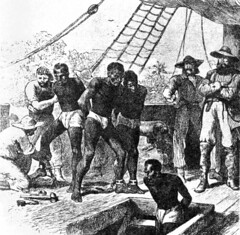
7563253757slave tradeAt the Constitutional Convention it was agreed that the slaves could be imported for twenty more years, until 1808. At that time, Congress could vote to abolish the practice. (p. 105)13
7563253758infant industriesThis was part of Federalist Alexander Hamilton's economic plan. The term for new and developing industries, which were supported by placing high tariffs on imported goods. (p. 110)14
7563253759national bankThis was part of Federalist Alexander Hamilton's economic plan. He favored a bank for depositing government funds and printing banknotes that could provide the basis for a stable U.S. currency. (p. 110)15
7563253760tariffs; excise taxesThis was part of Federalist Alexander Hamilton's economic plan. High tariffs were placed on imported goods to help new and developing industries. (p. 110)16
7563253761Battle of Fallen TimbersIn 1794, the U.S. Army led by General Anthony Wayne defeated the American Indians at this battle in northwestern Ohio. (p. 113)17
7563253762Treaty of GreenvilleIn this treaty in 1795, the American Indians surrendered claims to the Ohio Valley and promised to open it to settlement. (p. 113)18
7563253763Public Land Act (1796)In 1796, this act established orderly procedures for dividing and selling federal lands at reasonable prices. (p. 113)19
7563253764Mt. Vernon ConferenceIn 1785, George Washington hosted a conference at his home, in Mt. Vernon, Virginia. It led to the Annapolis Convention of 1786. (p. 104)20
7563253765Annapolis ConventionIn 1786, only five states sent delegates to this convention. However, it led to Constitutional Convention of 1787. (p. 104)21
7563253766Constitutional ConventionIn the summer of 1787, 55 delegates from the thirteen states, excluding Rhode Island, met in Philadelphia, Pennsylvania. The purpose was to create the Constitution, which would replace the Articles of Confederation. (p. 104)22
7563253767checks and balancesSo that one one branch of government could not dominate, the Constitution divided the government into three branches: 1) executive branch led by the president, 2) legislative branch consisting of the Senate and the House of Representatives 3) judicial branch lead by the Supreme Court (p. 109)23
7563253768Virginia PlanJames Madison's proposal at the Constitutional Convention, which favored the large states. (p. 105)24
7563253769New Jersey PlanThe counter proposal to the Virginia plan at the Constitutional Convention, it favored the small states. (p 105)25
7563253770Connecticut Plan; Great CompromiseThe compromise solution that was adopted at the Constitutional Convention. It was created by Roger Sherman of Connecticut, it provided for a two house Congress. In the Senate, states would have two senators each, but in the House of Representatives, each state would be represented according to the size of its population. (p. 105)26
7563253771House of RepresentativesPart of the legislative branch, representation would be based on population of each state. (p. 105)27
7563253772SenatePart of the legislative branch, there would be two senators from each state. (p. 105)28
7563253773Three Fifths CompromiseAt the Constitutional Convention it was agreed that each slave would be counted as three-fifths of a person for the purpose of determining a state's level of taxation and representation. (p. 105)29
7563253774Commercial CompromiseAt the Constitutional Convention Congress was allowed to regulate interstate and foreign commerce, including placing tariffs on foreign imports but prohibited for placing taxes on exports. (p. 105)30
7563253775electoral college systemThis system would determine the president of the United States. Each state was given a number of electors equal to the total of their number of representatives and senators. These electors would then vote to determine the president. (p. 106)31
7563253776Legislative branchThe branch of the federal government that makes the laws, consisting of the Senate and the House of Representatives. (p. 105)32
7563253777CongressThe legislative branch consisting of the Senate and the House of Representatives. (p. 105)33
7563253778executive departments; cabinetGeorge Washington organized new departments of the executive (law-enforcing) branch. These appointments had to be confirmed by the Senate. The term for the heads of the executive departments appointed by the president. (p. 110)34
7563253779Henry KnoxPresident Washington's secretary of war. (p. 110)35
7563253780Edmund RandolphPresident George Washington's attorney general. (p. 110)36
7563253781Judiciary Act (1789)In 1789, this act established a Supreme Court with one chief justice and five associate justices. The Supreme Court was able to rule on the constitutionality of state courts. It provided for a system of thirteen district courts and three courts of appeals. (p. 110)37
7563253782federal courtsThirteen district courts and three courts of appeals created by the Judiciary Act. (p. 110)38
7563253783Supreme CourtThe only court mentioned in the Constitution. Although, other federal courts were created. (p. 110)39
7563253784national debtThis was part of Federalist Alexander Hamilton's economic plan. He insisted that the federal government assume the war debts of the states and pay off the national debt at face value. (p. 110)40
7563253785Whiskey RebellionIn 1794, a group of farmers in western Pennsylvania, refused to pay a federal excise tax (tax on a specific product) on whiskey they were producing. President Washington responded by using 15,000 militiamen to stop the rebellion with almost no bloodshed. (p. 113)41
7563253786Federalists eraThe period of U.S. history in the 1790s when Federalists, led by Alexander Hamilton, dominated the government. (p. 114)42
7563253787Democratic-Republican PartyPolitical party that were against the Federalists. They opposed strong central government and favored states rights. They were led by Thomas Jefferson. (p. 114)43
7563253788political partiesNot anticipated by founders of the United States. However, buy 1787, the Federalists and Democratic-Republicans parties were forming to push their agendas. (p. 113)44
7563253789two-term traditionIn 1796, George Washington decided to step down after two terms (four years per term) as president. This set the precedent, until Franklin Delano Roosevelt won four elections. In 1951, the 22nd amendment made two-term limit part of the Constitution. (p. 115)45
7563253790John AdamsIn 1796, this Federalist, was elected as the second president of the United States. In 1800, he lost the presidential election to Thomas Jefferson, a Democratic-Republican. (p. 115, 117)46
7563253791Revolution of 1800In the 1800 election, Democratic-Republicans came into power in both the executive and legislative branches of government. They defeated the Federalists and peacefully took power, which was an uncommon event at that time in history. (p. 118)47
7563253792French RevolutionAmericans generally supported the French people's aspiration to establish a republic, but many were horrified by the reports of mob hysteria and mass executions. Thomas Jefferson and his supporters argued that the U.S. should join France in its defensive war against Britain. However, George Washington believed that the U.S. was too young a nation and not strong enough to engage in a European war. (p. 111)48
7563253793Proclamation of Neutrality (1793)In 1793, President George Washington issued a proclamation the U.S. would remain neutral in the war between Britain and France. (p. 111)49
7563253794"Citizen" GenetEdmund Gent, the French minister to the United States, objected to Washington's neutrality in the war between Britain and France. He appealed directly to the American people to support the French cause. France removed him from his position at the United States' request. (p. 111)50
7563253795Jay Treaty (1794)In 1794, this treaty with Britain, was negotiated by Chief Justice John Jay. The U.S. wanted Britain to stop seizing U.S. ships and impressing our sailors. However, the treaty said nothing about ship seizures, and Britain only agreed to evacuate posts on the U.S. frontier. (p. 111)51
7563253796Pinckney Treaty (1795)In 1795, Thomas Pinckney, the U.S. minister to Spain, negotiated this treaty with Spain. Spain agreed to open the lower Mississippi and New Orleans to trade. The right of deposit was granted to Americans so they could transfer cargos in New Orleans without paying duties. It was agreed that Spain would only control area south of the 31st parallel. (p 112)52
7563253797Right of depositUnited States ships gained right to transfer cargoes in New Orleans without Spanish duties. (p. 112)53
7563253798XYZ AffairPresident John Adams sent a delegation to Paris to negotiate over U.S. merchant ships being attacked by French ships. French ministers, known as X, Y, and Z, because there names were never revealed, requested bribes. President Adams resisted a call for war, by sending a new delegation to France. (p. 116)54

AMSCO AP US History Chapter 19 Flashcards

AMSCO United States History 2015 Edition, Chapter 19 The Politics of the Gilded Age, 1877-1900

Terms : Hide Images
5102351318laissez-faire economics and politicsThe idea that government should do little to interfer with the free market. (p. 380)0
5102351319divided electorateIn the late 1800s, Republicans kept memories of the Civil War alive to remind war veterans of the pain caused by the Southern Democrats. Democrats could count on winning every former Confederate state. (p. 381)1
5102351320identity politicsPolitical activity and ideas based on the shared experiences of an ethnic, religious, or social group emphasizing gaining power and benefits for the group rather than pursuing ideological goals. (p. 381)2
5102351321"Rum, Romanism, and Rebellion"In the 1884 election, the Democratic party was labeled with this phrase. (p. 383)3
5102351322close electionsNational elections between 1856 and 1912, were very evenly matched. The objective was to get out the vote and not alienate voters on the issues. (p. 381)4
5102351323divided governmentGovernance divided between the parties, as when one party holds the presidency and the other party controls one or both houses of Congress. (p. 381)5
5102351324weak presidentsThe Gilded Age presidents were not memorable and only served one term. (p. 380)6
5102351325patronage politicsThe use of government resources to reward individuals for their electoral support. (p. 381)7
5102351326corrupt politiciansParty patronage, the process of providing jobs to faithful party members was more important than policy issues during the Gilded Age. (p. 381)8
5102351327Union veterans, "bloody shirt"A form of politics that involved reminding Union veterans of how the Southern Democrats had caused the Civil War. (p. 381)9
5102351328Whig past, pro-businessRepublicans followed the tradition of Hamilton and the Whigs, supporting a pro-business economic program of high protective tariffs. (p. 381)10
5516457538Hamiltonian traditionThe Hamilton tradition supported a strong central government. (p. 381)11
5516458147social reformers, temperanceThe core of Republican support came from middle-class Anglo-Saxon Protestants who supported temperance or prohibition, along with business men. (p. 381)12
5102351329Anglo-Saxon heritageMost supported Republicans and temperance or prohibition. (p. 381)13
5102351330Protestant religionThese religious groups usually supported Republicans. (p. 381)14
5102351331African AmericansAround 1890, a bill to protect voting rights of African Americans passed the House but was defeated in the Senate. (p. 386)15
5102351332former Confederacy, "Solid South"From 1877 until the 1950s, the Democrats could count on winning every election here. (p. 381)16
5102351333states rights, limited governmentDemocrats of the Gilded Age were in favor of these ideas. (p. 381)17
5102351334Jeffersonian traditionDemocrats of the Gilded Age followed this tradition, which included states rights and limited government. (p. 381)18
5102351335big-city political machinesIn the North, one source of Democratic strength came from big-city political machines. (p. 381)19
5102351336immigrant voteIn the North, one source of Democratic strength came from the immigrant vote. (p. 381)20
5102351337against prohibitionThe Catholics, Lutherans, and Jews were generally against this policy. (p. 381)21
5102351338Catholics, Luterans, JewsDemocrats were usually from these religions and they were against temperance and prohibition campaigns. (p. 381)22
5102351339federal government jobsDuring the Gilded Age, these jobs were given to those who were loyal their political party. (p. 381)23
5102351340Stalwarts, Halfbreeds, and MugwumpsGroups which competed for lucrative jobs in the patronage system. (p. 381)24
5102351341Election of 1880In 1880, James A. Garfield was elected president in a very close election. His vice president was Chester A. Arthur. (p. 382)25
5102351342assassination of James GarfieldPresident James Garfield was shot while preparing to board a train. He died after an 11 week struggle. (p. 383)26
5102351343Chester A. ArthurHe became president after James Garfield died of a gun shot wound. (p. 383)27
5102351344Pendleton Act of 1881Set up by the Civil Service Commission, it created a system where federal jobs were awarded based on competitive exams. (p. 384)28
5102351345civil service reformPublic outrage over the assassination of President Garfield pushed Congress to remove some jobs from control of party patronage. (p. 384)29
5102351346election of 1884Grover Cleveland won the 1884 presidential election. (p. 383)30
5102351347Grover ClevelandIn 1884, he was elected president of the United States. He was the first Democratic president since 1856. (p. 383)31
5102351348high tariffIn the 1890s, tariffs provided more than half of the federal revenue. Some Democrats objected to the tariffs because the raised the price on consumer goods and made it for difficult for farmers to sell to export because foreign countries enacted their own tariffs. (p. 385)32
5102351349business vs. consumersSome people objected to the high tariffs because the raised the prices on consumer goods. (p. 385)33
5102351350Cleveland threatens lower tariffToward the end of Grover Cleveland's first term he urged Congress to lower the tariff rates. (p. 385)34
5102351351McKinley Tariff of 1890In 1890, this tariff raised the tax on foreign products to a peacetime high of 48 percent. (p 386)35
5102351352Wilson-Gorman Tariff of 1894This tariff provided a moderate reduction in tariff rates and levied a 2 percent income tax. (p. 388)36
5102351353Dingley Tariff of 1897Increased the tariff rate to more than 46 percent and made gold the official standard of U.S. currency. (p. 390)37
5102351354"hard" money vs. "soft" moneyMoney backed by gold vs. paper money not backed by specie (gold or silver). (p. 384)38
5102351355banks, creditors vs. debtorsDebtors wanted more "easy, soft" money in circulation. On the opposite side creditors stood for "hard, sound" money - meaning currency backed by gold. (p. 384)39
5102351356Panic of 1873, "Crime of 73"Congress stopped making silver coins. (p. 385)40
5102351357Specie Resumption Act of 1875Congress sided with creditors and investors when it passed this act which withdrew all greenbacks (paper money not backed by gold or silver) from circulation. (p. 385)41
5102351358Greenback partyThis political party was formed by supporters of paper money not backed by gold or silver. (p. 384)42
5102351359James B. WeaverIn 1892, he was the Populist candidate for president. He is one of the few third party candidates in history to have ever won any electoral votes. (p. 387)43
5102351360Bland-Allison Act of 1878In 1878, this act allowed a limited coinage of silver each month at the standard silver-to-gold ratio of 16 to 1. (p. 385)44
5102351361Sherman Silver Purchase Act of 1890This act increased the coinage of silver but it was not enough to satisfy the farmers and miners. (p. 386)45
5102351362run on gold reserves, J.P. Morgan bail outA decline in silver prices encouraged investors to trade their silver dollars for gold dollars. The gold reserve fell dangerously low and President Grover Cleveland was forced to repeal the Sherman Silver Purchase Act of 1890. The president then turned to J.P. Morgan to borrow $65 million in gold to support the dollar and the gold standard. (p. 387)46
5102351363repeal of Sherman Silver Purchase ActA decline in silver prices encouraged investors to trade their silver dollars for gold dollars. The gold reserve fell dangerously low and President Grover Cleveland was forced to repeal the Sherman Silver Purchase Act of 1890. (p. 387)47
5102351364election of 1888, Harrison "Billion Dollar Congress"In 1888, the Republican Benjamin Harrison became the president and the Republicans controlled Congress. They passed the first billion dollar budget in U.S. history. (p. 386)48
5102351365rise of the Populist PartyIn 1892, delegates met in Omaha, Nebraska to draft a political platform that would reduce the power of trusts and bankers. They nominated James Weaver as their candidate for president. (p. 386)49
5102351366Farmers' Alliances in South and WestIn 1890, this group of discontented farmers elected senators, representatives, governors, and majorities in state legislatures in the West. (p. 386)50
5102351367Alliance of whites and blacks in SouthThe Populist party tried to form a political alliance with these poor farmers. (p. 387)51
5102351368Thomas WatsonHe was from Georgia and he appealed to poor farmers of both races to join the Populists party. (p. 387)52
5102351369reformers vs. rasism in SouthIn the presidential election of 1892, Southern Democrats feared the Populist party and used every technique possible to keep blacks from voting. (p. 387)53
5102351370Omaha PlatformIn 1892, the Populist party met in Omaha, Nebraska to draft this political platform and nominate a presidential candidate. (p 386)54
5102351371government regulation and ownershipThe Populist movement attacked laissez-faire capitalism and attempted to form a political alliance between poor whites and poor blacks. (p. 387)55
5102351372election of 1892, Cleveland returnsThe 1892 presidential election was between President Benjamin Harrison and former president Grover Cleveland. Cleveland became the only president to win a presidential election after having left the office. (p. 387)56
5102351373Panic of 1893In 1893, the stock market crashed as a result of speculation in railroad companies. One of the worst and longest depressions in U.S. history. (p. 387)57
5102351374Coxey's Army, March on WashingtonIn 1894, Populist Jacob A. Coxey led a march to Washington to demand that the federal government spend $500 million on public works programs. (p. 388)58
5102351375Coin's Financial SchoolIn 1894, this book taught Americans that unlimited silver coining would end the economic problems. (p. 388)59
5102351376William Jennings BryanThe 1896 Democratic nominee for president. (p. 388)60
5102351377"Cross of Gold" SpeechWilliam Jennings Bryan gave this speech at the 1896 Democratic convention. The prosilver and anti-gold speech assured him of the nomination. (p. 389)61
5102351378fusion of Democrats and PopulistsIn the 1896 presidential election the Democrats and Populists both nominated William Jennings Bryan for president in fused campaign. (p. 389)62
5102351379unlimited coinage of silver at 16 to 1In 1896, the Democrats favored silver coinage at this traditional but inflationary rate. (p. 389)63
5102351380"Gold Bug" DemoratsDemocrats who favored gold. (p. 389)64
5102351381Mark Hanna, Money and mass mediaA master of high-finance politics, he managed William McKinley's winning presidential campaign by focusing on getting favorable publicity in newspapers. (p. 390)65
5102351382McKinley victoryWilliam McKinley won the presidential election of 1896 by carrying the all the Northeast and the upper Midwest. (p. 389)66
5102351383gold standard and higher tariffIn 1897, William McKinley became president just as gold discoveries in Alaska increased the money supply under the gold standard. The Dingley Tariff increased the tariff rate to 46 percent. (p. 390)67
5102351384rise of modern urban industrial societyThe 1896 election was a victory for big business, urban centers, conservative economics, and moderate middle-class values. Rural America lost its dominance of American politics. (p. 390)68
5102351385decline of traditional rural-agricultualThe 1896 election marked the point of decline of rural America's power in national politics. (p. 390)69
5102351386start of the modern presidencyWilliam McKinley emerged as the first modern president, he would make America an important country in international affairs. (p. 390)70
5102351387era of Republican dominanceThe election of McKinley in 1896 started an era of Republican dominance of the presidency (seven of next nine elections) and Congress. (p. 390)71

AMSCO AP US History Chapter 20 Flashcards

AMSCO United States History 2015 Edition, Chapter 20 Becoming a World Power, 1898-1917

Terms : Hide Images
5065107517William SewardSecretary of State who was responsible for purchasing Alaskan Territory from Russia. By purchasing Alaska, he expanded the territory of the country at a reasonable price. (p. 409)0
5065107518Monroe DoctrineThis doctrine stated that European powers could not interfere in the Western Hemisphere. In 1895 and 1896, the U.S. applied this doctrine to push Great Britain to arbitrate a boundary dispute between Venezuela and British colony of Guiana. (p. 412)1
5065107519French in MexicoIn 1865, Secretary of State William Seward invoked the Monroe Doctrine when Napoleon III sent French troops to occupy Mexico. He threatened U.S. military action unless France withdrew their troops, and they did. (p. 410)2
5065107520Alaska PurchaseIn 1867, Secretary of State William Seward bought Alaska from Russia for $7.2 Million ("Seward's Folly"). (p. 410)3
5065107521Pan-American Conference (1889)In 1889, this conference was called by Secretary of State James G. Blaine. It created an organization of cooperation between the United States and Latin American countries. (p. 412)4
5065107522James BlaineIn 1889, as secretary of state he arranged the first Pan-American Conference in Washington D.C. Various nations in the Western Hemisphere met to discuss trade and other issues. (p. 412)5
5065107523Venezuela boundary disputeAn issue between Venezuela and the neighbouring territory, the British colony of Guiana. The United States convince Great Britain to arbitrate the dispute. (p. 412)6
5516971867Cleveland and OlneyIn 1895 and 1896, President Grover Cleveland and Secretary of State Richard Olney insisted that Great Britain agree to arbitrate the border dispute between Venezuela and the British colony of Guiana. (p. 412)7
5065107524HawaiiIn 1893, American settlers aided in the overthrow of Queen Liliuokalani. President McKinley completed the annexation of Hawaii in 1898. (p. 415)8
5065107526Queen LiliuokalaniThe Hawaiian queen who was forced out of power by a revolution started by American business interests. (p. 414)9
5516972573Cleveland blocks annexationIn 1893, President Grover Cleveland block the annexation of Hawaii because he opposed imperalism. However, in 1898, President McKinley did annex Hawaii. (p. 414)10
5065107527international DarwinismDarwin's concept of the survival of the fittest was applied not only to competition in the business world but also to competition among nations. Therefore, expansionist wanted the U.S. to demonstrate its strength by acquiring territories overseas. (p. 410)11
5516973348business and imperialists competitorsThe United States was not alone in pursuing imperialism, which meant acquiring territory or gaining control over the political or economic life of other countries. Great Britain, France, Germany, Russia, and Japan tried to influence or possess weaker countries around the world. (p. 410)12
5065107528spreading religion and scienceSome Protestant Americans believed that the United States had a religious duty to colonize other lands in order to spread Christianity and our superior science technology. (p. 411)13
5065107529Josiah StrongThis reverend believed that Protestant American had a religious duty to colonize other lands in order to spread Christianity and the benefits of their superior civilization . (p. 411)14
5516973533expansionist politiciansRepublican politicians generally endorsed the use of foreign affairs to search for new markets. (p. 411)15
5516973720steel and steam navyBy 1900, The United States had the third largest navy in the world. (p. 411)16
5065107530Alfred Thayer MahanHe was a U.S. Navy captain whose ideas on naval warfare and the importance of seapower changed how America viewed its navy. (p. 411)17
5516974452nationalist mediaNewspapers and magazines published printed stories about ]distant and exotic places. This increased public interest and stimulated demands for a larger U.S. role in world affairs. (p. 411)18
5065107531Cuban revoltIn 1895, Cuban nationalists sabotaged and laid waste to Cuban plantations. Spain sent General Valeriano Weyler who put civilians into armed camps where many died. (p. 413)19
5065107532Valeriano WeylerA general sent by Spain to stop the Cuban revolt. He forced civilians into armed camps, where tens of thousands died of starvation and disease. (p. 413)20
5065107533jingoismAn intense form of nationalism calling for an aggressive foreign policy. (p. 412)21
5065107534yellow journalismJournalism that exploits, distorts, or exaggerates the news to create sensations and attract readers. (p. 413)22
5065107535De Lome LetterSpanish Ambassador's letter that was leaked to the press and and published by American newspapers. It criticized President McKinley in insulting terms. Many considered it an official Spanish insult against U.S. national honor. (p. 413)23
5065107536sinking of the MaineOn February 15, 1898, the USS Maine battleship exploded in Havana Harbor. The yellow press accused Spain of blowing up the ship even though experts later concluded that the explosion was probably an accident. (p. 413)24
5065107537Teller AmendmentA resolution authorizing war, but it promised the U.S. would not annex Cuba after winning the Spanish-American war. (p. 414)25
5065107538a splendid little warThe ambassador to England wrote to his friend, Teddy Roosevelt, with these words because of low casualties in the war against Spain. (p. 414)26
5516975133invade the PhilippinesCommodore George Dewey led a U.S. fleet to the Philippines where he defeated Spain. (p. 414)27
5065107539George DeweyA United States naval officer remembered for his victory at Manila Bay, Philippines in the Spanish-American War. (p. 414)28
5065107540Rough RidersVolunteer regiment of U.S. Cavalry led by Teddy Roosevelt during the Spanish American War. (p. 414)29
5065107541Theodore RooseveltHe became that 26th President in 1901. He as an expansionist who increased the size of Navy, "Great White Fleet". He added the Roosevelt Corollary to Monroe Doctrine. His motto was to "speak softly and carry a big stick". He received the Nobel Peace Prize for mediation of end of Russo-Japanese war. Later arbitrated split of Morocco between Germany and France. (p. 417)30
5065107542Treaty of Paris: Puerto RicoThis treaty was signed on December 10, 1898 with Spain. It provided for: 1) Cuban independence, 2) Purchase of Puerto Rico and Guam, 3) Purchase of the Philippines. (p. 415)31
5516975798Guam and PhilippinesOn December 10, 1898, the Spanish-American War treaty was signed in Paris. Under the treaty the U.S. acquired Guam and also the Philippines. (p. 415)32
5065107544Emilio AguinaldoFilipino nationalist leader who led guerrilla fighters in a three year war against U.S. control of the Philippines. (p. 415)33
5065107545Anti-Imperialist LeagueLead by William Jennings Bryan, they opposed further expansion in the Pacific. (p. 415)34
5065107546Insular casesA series of Supreme Court cases from 1901 to 1903 which arose when the United States acquired the Philippines and Puerto Rico. The court ruled that constitutional rights were not automatically extended to territorial possessions and that the power to decide whether or not to grant such rights belonged to Congress. (p. 416)35
5065107547Platt AmendmentA 1901 amendment to an army appropriations bill that said Cuba would make no treaties that compromised its independence, permit the U.S. to maintain law and order in Cuba, and allow the U.S. to maintain naval bases in Cuba. (p 416)36
5065107548spheres of influenceThe term when countries came to dominate trade and investment within a particular region and shut out competitors. In the 1890s, Russia, Japan, Great Britain, France, and Germany were all establishing close ties with China that disturbed the United States. (p. 417)37
5065107549John HayIn 1899, as William McKinley's secretary of state, he sent a note to all the major countries involved in trade with China. He asked them to accept the concept of an Open Door, by which all nations would have equal trading privileges in China. The replies that he got were evasive, so he declared that all nations had accepted the Open Door policy. (p. 416)38
5065107550Open Door PolicyA policy proposed by the U.S. in 1899, under which all nations would have equal opportunities to trade in China. (p. 416)39
5065107551Boxer RebellionA 1900 rebellion in Beijing, China that was started by a secret society of Chinese who opposed the "foreign devils". An international force marched into Beijing and crushed the rebellion. (p. 417)40
5516976554U.S. joined international forceTo protect American lives and property, U.S. troops participated in an international force that marched into Peking (Beijing) and quickly crushed the rebellion of the Boxers. (p. 417)41
5516976832Second Hay NoteIn 1900, the U.S. was fearful that the international force sent to Beijing might try to occupy China. A second note was written to all the major imperialist countries, stating that China's territory must be preserved and that equal and impartial trade with all parts of China must be maintained. (p. 417)42
5065107552big-stick policyTheodore Roosevelt's foreign policy motto was to "speak softly and carry a big stick". By acting boldly and decisively in a number of situation, Roosevelt attempt to build the reputation of the United States as a world power. (p. 417)43
5516977753TR supports Panama revoltIn 1903, President Theodore Roosevelt orchestrated a revolt for Panama's independence from Columbia. The revolt succeeded quickly and with little bloodshed. (p. 418)44
5065107553Hay-Bunau-Varilla Treaty (1903)In 1903, the Panama government signed this treaty with the United States. It granted the U.S. all rights to the 51 mile long and 10 mile wide Canal Zone, in exchange for U.S. protection. (p. 418)45
5065107554building the Panama CanalThis canal was started in 1904 and completed 10 years later. The building of this large canal was important because it would benefit American commerce and military capability. (p. 418)46
5065107555George GoethalsUnited States army officer and engineer who supervised the construction of the Panama Canal. (p. 418)47
5065107556William GorgasArmy physician who helped eradicate yellow fever and malaria from Panama, so work on the Panama Canal could proceed. (p. 418)48
5065107557Roosevelt CorollaryTheodore Roosevelt's 1904 extension of the Monroe Doctrine. It stated that the United States would intervene in the Americas, on the behalf of European interests. (p. 418)49
5065107558Santo DomingoThe capital of the Dominican Republic. In 1904, European powers were ready to use military power here in order to force debt payments. (p. 418)50
5065107559Russo-Japanese WarIn 1904, Russia and Japan went to war over imperial possessions in the region. In 1905, President Theodore Roosevelt arranged a successful treaty conference for the two foes at Portsmouth, New Hampshire. (p. 419)51
5065107560Treaty of Portsmouth (1905)In 1905, the United States mediated the end of the Russo-Japanese War. Negotiating the treaty in the U.S. increased U.S. prestige. Roosevelt received a Nobel Peace Prize for the mediation. (p. 419)52
5516977920Nobel Peace PrizeFor his work in settling the Russo-Japanese War, President Theodore Roosevelt was awarded the Nobel Peace Prize in 1906. (p. 420)53
5516978634segregation in San Francisco schoolsIn the early 20th century San Francisco schools required that Japanese American students attend segregated schools. In 1908, President Roosevelt worked out a "gentleman's agreement" with Japan, Japanese American students would be allowed to attend normal schools and Japan would restrict the emigration of Japanese workers to the United States. (p. 420)54
5065107561gentlemen's agreementIn 1908, an informal agreement between the United States and Japan. President Roosevelt agreed that Japanese American students would be allowed to attend normal schools in San Francisco and Japan agreed to curb the number of workers coming to the U.S. (p. 420)55
5065107562Great White FleetSixteen United States battleships, painted white, were sent around the world to display American naval power. (p. 419 )56
5065107563Algeciras ConferenceIn 1906, this conference held after the First Moroccan Crisis in which the dispute between Germany and France over control of Morocco was settled. (p. 420)57
5065107564Hague ConferenceIn 1907, the Second International Peace Conference at the Hague discussed rules for limiting warfare. (p. 420)58
5065107565Root-Takahira AgreementIn 1908, this executive agreement between the United States and Japan pledged mutual respect for each nation's possessions in the Pacific region and support for the Open Door policy in China. (p. 419)59
5065107566William Howard TaftThe 27th President of the United States, from 1909 to 1913. He adopted a foreign policy that was mildly expansionist but depended more on investors' dollars than on the military. His policy of promoting U.S. trade by supporting American business abroad was known as dollar diplomacy. (p. 420)60
5516979614role of American moneyPresident Taft believed that private U.S. investment in China and Central America would lead to greater stability there. His policy, was thwarted by growing anti-imperliasm both in the U.S. and overseas. (p. 420)61
5065107567railroads in ChinaIn 1911, President Taft succeeded in securing American participation in agreement to invest in railroads in China along with Germany and France. (p. 420)62
5516980362Manchurian problemIn 1911, the U.S. was excluded from investing in railroads in Manchuria because of a joint agreement between Russia and Japan, which was in direct defiance of the Open Door Policy. (p. 420)63
5065107568intervention in NicaraguaIn 1912, President Taft sent military troops here when a civil war broke out. (p. 420)64
5065107569Henry Cabot LodgeA Republican senator, he was in favor building U.S. power through global expansion. He introduced the Lodge Corollary to the Monroe Doctrine. (p. 411)65
5065107570Lodge CorollaryIn 1912, the Senate passed this resolution as an addition to the Monroe Doctrine. It stated that non-European powers (such as Japan) would be excluded from owning territory in Western Hemisphere. (p. 420)66
5065107571Woodrow WilsonThe 28th president of the United States from 1913 to 1921. This Democrats is known for his leadership during World War I, creating the Federal Reserve, Federal Trade Commission, Clayton Antitrust Act, progressive income tax, lower tariffs, women's suffrage (reluctantly), Treaty of Versailles, sought 14 points post-war plan, League of Nations (but failed to win U.S. ratification). He won the Nobel Peace Prize. (p. 421)67
5065107572anti-imperialismPresident Woodrow Wilson differed from his Republican presidential predecessors. He believed that the U.S. should not expand its territory overseas. (p. 421)68
5065107573William Jennings BryanIn 1913, he was Woodrow Wilson's secretary of state. He tried to demonstrate that the U.S. respected other nations' rights and would support the spread of democracy. (p. 421)69
5065107574Jones ActIn 1916, this act granted the Philippines full territorial status, guaranteed a bill of rights and universal male suffrage to Filipinos, and promised independence for the Philippines as soon as a stable government was established. (p. 422)70
5065107575Puerto Rico citizenshipIn 1917, an act of Congress granted U.S. citizenship and limited self government for this island. (p. 422)71
5065107576Conciliation treatiesWilson's commitment to democracy was shared by Secretary of State William Jennings Bryan. Bryan negotiated treaties in which nations pledged to submit disputes to international commissions and observe a one-year cooling-off period before taking military action. Thirty of these treaties were negotiated. (p. 422)72
5065107577military interventionPresident Woodrow Wilson used military action to influence Mexico, Central America, and the Caribbean. (p. 423)73
5065107578Mexican civil warPresident Wilson's moral approach to foreign affairs was severely tested by a revolution and civil war in Mexico. He refused to recognize the military dictatorship of General Victoriano Huerta, who had seized power in Mexico in 1913 by arranging to assassinate the democratically elected president. (p. 423)74
5065107579General HuertaIn 1913, this Mexican revolutionary seized power in Mexico by killing the democratically elected president. (p. 423)75
5065107580Tampico incidentIn April 1914, some U.S. sailors were arrested in Tampico, Mexico. President Wilson used the incident to send U.S. troops into northern Mexico. His real intent was to unseat the Huerta government there. After the Niagara Falls Conference, Huerta abdicated and the confrontation ended. (p. 423)76
5065107581ABC powersThe South American countries of Argentina, Brazil, and Chile, which attempted to mediate a dispute between Mexico and the United States in 1914. (p. 423)77
5065107582Pancho VillaThis Mexican leader led raids across the U.S.-Mexican border and murdered several people in Texas and New Mexico. (p. 423)78
5065107583expeditionary forceThe name given to the group sent to capture Pancho Villa in Mexico. (p. 423)79
5065107584John J. PershingThe U.S. general who chased Pancho Villa over 300 miles into Mexico but didn't capture him. (p. 423)80

AMSCO AP US History Chapter 3 Flashcards

AMSCO United States History 2015 Edition, Chapter 3 Colonial Society in the 18th Century

Terms : Hide Images
4965246687English cultural dominationIn the 18th century, cultural life in the colonies was dominated by English culture. Architecture, painting, and literature were strongly influenced by the English. (p. 50)0
4965246699Benjamin WestPainter who went to England to acquire the necessary training and financial support to establish himself as a prominent artist. (p. 51)1
4965246700John CopleyPainter who went to England to acquire the necessary training and financial support to establish himself as a prominent artist. (p. 51)2
4965246702Benjamin FranklinHe was the most popular and successful American writer of the 18th century. (p. 51)3
4965246703Poor Richard's AlmanackWritten by Benjamin Franklin, this book written in 1732 and annually revised, contained aphorisms and advice. (p. 51)4
4965246704Phillis WheatleyHer poetry is noteworthy for her triumph over slavery and the quality of her verse. (p. 51)5
4965246705John BartramSelf-taught botanist from Philadelphia. (p. 51)6
4965246707professions; religion, medicine, lawMinisters, physicians, and lawyers were all respected careers in the 18th century colonies. (p. 52)7
4965246689religious tolerationThe overwhelming majority of colonists were Protestants. Jews, Catholics, and Quakers suffered from the most serious discrimination and even persecution. (p. 49)8
4965246694established churchChurches that were financed by the government. (p. 49)9
4965246695Great AwakeningThis religious movement was at its peak in the 1730s and 1740s. It was characterized by fervent expressions of religious feeling among masses of people. (p. 49)10
4965246696Jonathan EdwardsThis reverend from Massachusetts argued that God was rightfully angry with human sinfulness. Those who repented could be saved by God's grace, but those who did not would suffer eternal damnation. (p. 49)11
4965246697George WhitefieldHe came to the colonies from England in 1739. He spread the Great Awakening throughout the colonies, sometime attracting crowds of 10,000 people. His sermons stressed that God was all powerful and would save only those who openly professed belief in Jesus Christ. He taught that ordinary people could understand scripture without depending on ministers to lead them. (p. 50)12
4965246701Cotton MatherThis minister from Massachusetts, was the author of several widely read religious tracts. (p. 51)13
4965246706sectarianThe first colonial colleges were sectarian, meaning they promoted the doctrines of a particular religion. The Puritans founded Harvard in Cambridge, Massachusetts, in 1636. (p. 51)14
5422233430nonsectarianIn the mid 18th century, one nonsectarian colleges was founded. The College of Philadelphia (later University of Pennsylvania) was founded, with no religious sponsors. (p. 52)15
4965246693subsistence farmingIn the mid 18th century the colonies had little manufacturing and were devoted almost entirely to agriculture. In New England colonies, most farms were under 100 acres and farming was limited to subsistence levels that provided just enough for a farm family to survive. In the southern colonies, most people lived on small subsistence family farms with no slaves. (p. 48)16
4965246685J. Hector St. John CrevecoeurIn 1782, this Frenchman wrote , "America is a new man, who acts upon new principles; he must therefore entertain new ideas, and form new opinions. From involuntary idleness, servile dependence, and useless labor, he has passed to toils of a very different nature, rewarded by ample subsistence. This is an American." (p. 45)17
4965246692colonial familiesIn the mid 18th century, there was an abundance of fertile land and a dependable food supply in the colonies. This attracted thousands of European settlers each year and supported the raising of large families. (p. 45)18
5422235665GermansThis group of immigrants settled chiefly on the rich farmlands west of Philadelphia. By 1775, they comprised 6 percent of the colonial population. (p. 46)19
5422236151Scotch-IrishThese English-speaking people emigrated from northern Ireland. They were known as Scotch-Irish because their ancestors had moved to Ireland from Scotland. By 1775, they comprised 7 percent of the colonial population. (p.46)20
5422236152Huguenots; Dutch; SwedesThe Huguenots (French Protestants), the Dutch, and the Swedes came to the colonies. By 1775, these groups comprised 5 percent of the colonial population. (p. 46)21
5422236794AfricansThe largest single group of non-English immigrants did not come to America by choice. By 1775, the African American population (slave and free) comprised 20 percent of the colonial population. About 90 percent were in the southern colonies. (p. 46)22
4965246686immigrantsNewcomers to the colonies, were mostly Protestant, and came from England, Scotland, Wales, and Ireland, and Western and Central Europe. Some left Europe to escape religious persecution and wars. Others sought economic opportunities in farming, or setting up shop as an artisan or merchant. Africans were also brought in large numbers to the colonies, albeit unwillingly. (p. 45)23
4965246691social mobilityEveryone in colonial society, except African Americans, could improve their standard of living and social status with hard work. (p. 47)24
4965246690hereditary aristocracyThere was no hereditary aristocracy in the colonies. Their class system was based on economics with wealthy landowners at the top. Craft workers and small farmers made up the majority of the population. (p. 47)25
4965246708John Peter ZengerIn 1735, he published a true, but unflattering article about New York's royal governor. According to English common law at the time this was a criminal act, but he was acquitted by a jury. This encouraged newspapers in the colonies to take greater risks in criticising the government. (p. 52)26
4965246709Andrew HamiltonIn 1735, he was the lawyer for John Peter Zenger in the Zenger case. (p. 52)27
5422239229EnlightenmentIn the 18th century, some colonists were attracted to this European movement in literature and philosophy. They believed that human reason could be used to solve most of humanity's problems. They reasoned that while the state is supreme, it is bound to follow natural law based on the rights of individual. (p. 53)28
4965246710colonial governorsIn 1750, there were 13 colonies. In the eight royal colonies the governors were appointed by the King, in the three proprietary colonies the governors were appointed by the proprietors, and in Rhode Island and Connecticut the governors were elected by popular vote. (p. 54)29
4965246711colonial legislaturesIn every colony, the legislature consisted of two houses. In every colony, the members of the lower house were elected by eligible voters. In the royal and proprietary colonies, the members of the upper house were appointed by the king or the proprietor. Only in Rhode Island and Connecticut, the members of both houses were elected by eligible voters. (p. 54)30
4965246712town meetingsThe dominant form of local government in the New England colonies, in which the people of the town would regularly come together to vote directly on public issues. (p. 54)31
4965246713county governmentIn the southern colonies, the local government was carried on by a sheriff and other officials who served a large territory called a county. (p. 54)32
4965246714limited democracyIn the mid 18th century, colonial democracy was limited to mostly white men that owned land. Those barred from voting included white women, poor white men, all slaves, and most free blacks. (p. 54)33

Pages

Subscribe to CourseNotes RSS

Need Help?

We hope your visit has been a productive one. If you're having any problems, or would like to give some feedback, we'd love to hear from you.

For general help, questions, and suggestions, try our dedicated support forums.

If you need to contact the Course-Notes.Org web experience team, please use our contact form.

Need Notes?

While we strive to provide the most comprehensive notes for as many high school textbooks as possible, there are certainly going to be some that we miss. Drop us a note and let us know which textbooks you need. Be sure to include which edition of the textbook you are using! If we see enough demand, we'll do whatever we can to get those notes up on the site for you!