AP Notes, Outlines, Study Guides, Vocabulary, Practice Exams and more!

AMSCO AP US History Chapter 30 Flashcards

AMSCO United States History 2015 Edition, Chapter 30 Conservative Resurgence, 1980-2000

Terms : Hide Images
6597951931Milton FriedmanFree market economist who gave evidence in the 1970s of a steady shift to the right, away from the liberalism of the 1960s. (p. 654)0
6597951932political action committees (PACs)Political action committees which became a force for change. Opposed big government, New Deal liberalism, gun control, feminism, gay rights, welfare, affirmative action, sexual permissiveness, abortion, and drug use. (p. 654)1
6597951933Proposition 13In 1978, California voters passed this measure that sharply cut property taxes. (p. 654)2
6597951934Arthur LafferConservative economist who believed that tax cuts would increase government revenues. (p. 655)3
6597951935religious fundamentalismPeople who attacked secular humanism as a godless creed taking over public education. They campaigned for the return of prayers and the teaching of the Biblical account of creation in public schools. (p. 655)4
6597951936televangelistsPat Robertson, Oral Roberts, and Jim Baker brought in 100 million viewers in which religion became an instrument of electoral politics. (p. 655)5
6597951937Moral MajorityReligion became an instrument for electoral politics when an evangelist from Virginia, Jerry Falwell founded this organization, which helped financed campaigns to unseat liberal members of Congress. (p. 655)6
6597951938abortion rights; Roe v. WadeThe legalization of abortion in the 1973 Roe v. Wade Supreme Court case, sparked the right-to-life movement. The movement united Catholics and fundamentalist Protestants, who believed that life begins at conception. (p. 655)7
6597951939reverse discriminationAfter years of stagflation in the 1970s, many whites blamed their troubles on affirmative action, calling it reverse discrimination. (p. 655)8
6597951940Regents of University of California v. BakkeThe admissions policies of one medical school were challenged. The Supreme Court ruled that while race could be considered, the school had created racial quotas, which were unconstitutional. Conservatives used this decision to intensified their campaign to end all preferences based on race and ethnicity. (p. 655)9
6597951941election of 1980Ronald Reagan won this presidential election, defeating Jimmy Carter because of the Iranian hostage crisis and America's stagflation. It was significant because the Senate had Republican majority and more seats in the house allowing them to pass many key Republican programs. The 1980 election ended a half-century of Democratic dominance of Congress. (p. 655)10
6597951942Ronald ReaganHe was president from 1981 to 1988, he led a conservative movement against détente with the Soviet Union and the growth of the federal government. Some people credit him with America's victory in the Cold War while others fault his insensitive social agenda and irresponsible fiscal policies. (p. 656)11
6597951943supply-side economics (Reaganomics)This economic theory argued that tax cuts and reduced government spending would increase investment by the private sector, which would lead to increased production, jobs, and prosperity. (p. 656)12
6597951944"trickle down" economicsReaganomics was compared to the "trickle-down" economics of the 1920s, in which wealthy Americans prospered, and some of their increased spending benefited the middle class and the poor. (p. 656)13
6597951945Economic Recovery Tax ActA measure signed by Reagan in 1981 which cut personal income taxes by 25 percent over three years, cut the corporate income tax, capital gains tax, and the gift and inheritance taxes. It offered the wealthy a broad array of other tax concessions. (p. 656)14
6597951946business deregulationReagan followed up on the promise of "getting governmnet off the backs of people" by reducing federal regulations on business and industry. Restrictions were eased on savings and loans, mergers and takeovers by large corporations, and environmental protection. (p. 657)15
6597951947PACTO strikeReagan took a tough stand against unions, he fired thousands of striking federal air traffic controllers for violating their contract and decertified their union. (p. 657)16
6597951948Sandra Day O'ConnorPresident Reagan appointed this conservative judge to the Supreme Court, she was the first woman to serve on the Court. (p. 658)17
6597951949William RehnquistDuring the Reagan administration, he was the new Supreme Court chief justice. Under his leadership the court scaled back on affirmative action in hiring and promotions and limited Roe v. Wade influence by allowing states to impose some restrictions on abortions. (p. 658)18
6597951950growth of upper incomesIn the 1980s, well educated workers and yuppies (young urban professionals) enjoyed higher incomes from the deregulated marketplace while the standard of living for the middle class remained stagnant or declined. (p. 658)19
6597951951budget and trade deficitsPresident Reagan's tax cuts combined with large increases in military spending lead to federal deficits of more than $200 million a year. During his two terms the national debt tripled from $900 million to $2.7 trillion. The U.S. trade deficit reached $150 billion a year. (p. 658)20
6597951952election of 1984In this presidential election, Ronald Reagan ran against Walter Mondale, who chose Geraldine Ferraro as the first woman for vice presidential candidate. Reagan won by a landslide winning every state except for Mondale's home state of Minnesota. (p. 658)21
6597951953expand militaryPresident Reagan expanded the military to fight against the Soviet Union which he referred to as the "evil empire". The defense budget grew from $171 billion in 1981 to $300 billion in 1985. (p. 659)22
6597951954Strategic Defense Initiative (Star Wars)An ambitious plan for building a high-tech system of laser and particle beams to destroy enemy missiles before they could reach the United States. Critics called it "Star Wars" and argued that the costly program would only escalate the arms races. (p. 659)23
6597951955Nicaragua; SandinistasIn Central America, Reagan supported right-wing dictators as long as they were friendly to the United States and anti-Communists. In Nicaragua, a Marxist movement known as the Sandinistas had overthrown the dictator. The U.S. responded by providing military aid to the "contras" in their efforts to remove the Sandinistas. (p. 660)24
6597951956Boland AmendmentIn 1985, the Democrats passed this amendment which prohibited further aid to the contras in Nicaragua. (p. 660)25
6597951957Iran-contra affairIran and Iraq were at war, the United States sold antitank and antiaircraft missiles to Iran's government for their help in freeing Americans held hostage by radical Arab group. The U.S. then used the profits from the sale to fund the contras in Nicaragua. This violated the Boland Amendment and congressional budget authority. (p. 660)26
6597951958Beirut bombingsIn April 1983, an Arab suicide bomber killed 63 people at the U.S. embassy in Beirut. A few months later, an Arab terrorist drove a bomb-filled truck into a U.S. Marines barracks, killing 241 servicemen. (p. 660)27
6597951959Palestine Liberation Organization (PLO)The terrorist group that Israel fought with U.S. support. (p. 660)28
6597951960Yasser ArafatThe PLO leader who agreed in 1988 to recognize Israel's right to exist. (p. 661)29
6597951961evil empireReagan's term for the Soviet Communists and also "focus of evil in the modern world". (p. 659)30
6597951962Mikhail Gorbachev; glasnost, perestroikaNew Soviet leader who impletmented changes in their domestic politics with these reforms: 1) glasnost: an openness to end political repression and move toward greater political freedom for Soviet citizens. 2) perestroika: reconstruction of the Soviet economy by introducing some free-market practices. (p. 661)31
6597951963tear down this wallReagan said this in a speech in front of the Berlin Wall to challenge Mikhail Gorbachev into falling through with his reforms. (p. 661)32
6597951964INF agreementWith this agreement, Reagan and Gorbachev agreed to remove and destroy all intermediate-range missiles. (p. 661)33
6597951965Tiananmen SquareIn 1989, Chinese pro democracy students demonstrated for freedom in Beijing's Tiananmen Square. The Chinese government crushed the protest with tanks, killing hundreds. (p 662)34
6597951966Soviet satellitesGorbachev declared that he would no longer support the various Communist governments of Eastern Europe with Soviet armed forces. (p 662)35
6597951967Poland, Lech WalesaStarting in Poland 1989 the election of Lech Walesa, the leader of the once-outlawed Solidarity movement, the communist party fell from power in many countries in eastern Europe. (p. 663)36
6597951968Berlin Wall fallsIn 1989, the Communists in East Germany were forced out of power after protesters tore down the Berlin Wall. In October 1990, the two Germanys reunited into one country. (p. 663)37
6597951969Soviet Union breakupMany republics declared independence; the Soviet government was clearly powerless to stop the fragmentation. The Communist Party and Soviet government became powerless and ceased to exist. (p. 663)38
6597951970Russia Republic, CISBoris Yeltsin, joined with nine former Soviet republics to form a loose confederation, The Common Wealth of Independent States. (p. 663)39
6597951971Boris YeltsinPresident of the Russian Republic, he formed the Commonwealth of Independent States (CIS). He disbanded the Communist party in Russia and attempted to establish a democracy and a free-market economy. (p. 663)40
6597951972START I and IIIn 1991, U.S. President George H. W. Bush and Gorbachev signed the START I agreement which reduced the number of nuclear warheads to under 10,000 for each side. In 1992, President Bush and Yeltsin signed the START II agreement which reduced the number of nuclear weapons to just over 3,000 each. The U.S offered economic assistance to the troubled Russian economy. (p. 663)41
6597951973Yugoslavia civil warYugoslavia started to disintegrate in 1991, a civil war broke out in Bosnia and Herzegovina in 1992. (p. 664)42
6597951974election of 1988In this presidential election George H. W. Bush defeated Michael Dukakis. Bush had been Reagan's vice president. (p. 662)43
6597951975George H. W. BushHe won the 1988 presidential election. He was president during the Persian Gulf War. His ability to quickly bring the war to a conclusion while suffering relatively few casualties resulted in a very high approval rating of nearly 90 percent after the war. (p. 662)44
6597951976Panama invasionIn December 1989, President George H. W. Bush ordered the invasion of Panama to remove the autocratic General Manuel Noriega. The alleged purpose of the invasion was to stop Noriega from using his country as a drug pipeline to the United States. U.S. troops remained in Panama until elections established a more credible government. (p. 664)45
6597951977Saddam HusseinIn August 1990, this Iraqi dictator invaded oil-rich Kuwait. This invasion threatened Western oil sources. (p. 664)46
6597951978Persian Gulf WarAfter Saddam Hussein invaded oil rich Kuwait, President George H. W. Bush built a coalition of United Nations members to pressure Hussein to withdraw from Kuwait. The U.N. embargo had little effect. In January 1991, the massive Operation Desert Storm brought air strikes down on Iraq. After only 100 hours of fighting on the ground, Iraq conceded defeat. (p. 664)47
6597951979Operation Desert StormMassive operation in which more than 500,000 Americans were joined by military units from 28 nations. For 5 weeks they carried out relentless airstrikes and followed up with an invasion led by U.S. General Norman Schwarzkopf. After 100 hours of ground fighting, Iraq conceded defeat. (p. 664)48
6597951980Clarence ThomasPresident George H. W. Bush nominated this man to replace the retiring Thurgood Marshall on the Supreme Court. It was controversial because of his conservative views on judicial issues and the charges of sexual harassment against him. Nevertheless, the Senate confirmed him. (p. 664)49
6597951981no new taxesPresident George H. W. Bush had promised "no new taxes" during the presidential campaign, but he agreed to accept the Democratic Congress' proposed $133 billion in new taxes. (p. 665)50
6597951982Americans With Disabilities ActIn 1990, this act prohibited the discrimination against citizens with physical and mental disabilities in hiring, transportation, and public accommodation. (p. 665)51
6597951983election of 1992In the 1992 presidential election, Democrat Bill Clinton defeated George H. W. Bush. Clinton presented himself as a moderate "New Democrat" who focused on economic issues. (p. 666)52
6597951984William (Bill) ClintonHe served as president from 1993 to 2000. He was a moderate "New Democrat" who focused on economic issues such as jobs, education, and health care. (p. 666)53
6597951985H. Ross PerotHe was a Texas billionaire, who entered the 1992 presidential election as an independent. He received nearly 20% of the vote, the best showing by an independent since Teddy Roosevelt in 1912. (p. 666)54
6597951986failure of health reformPresident Clinton asked Hillary Rodham Clinton (his wife) to head a task force to propose a plan for universal health coverage. It ran into opposition from the insurance industry, small business organizations, and the Republicans. It failed to pass. (p. 666)55
6597951987don't ask, don't tellPresident Clinton failed to end discrimination against gays in the military and settled for the rule, "Don't ask, don't tell". Under this policy a member of the military could still be dismissed for being gay or lesbian but was not required to provide sexual orientation information. (p. 666)56
6597951988NAFTANorth American Free Trade Agreement, which created a free-trade zone with Canada and Mexico. (p. 667)57
6597951989Brady BillThis bill mandated a five-day waiting period for the purchase of handguns. (p. 666)58
6597951990National Rifle Association (NRA)In 1974, this organization, which led the gun lobby, was angered when the Anti-Crime Bill banned the sale of most assault rifles. (p. 666)59
6597951991deficit reduction budgetIn 1994, Congress passed this budget which included $225 billion in spending cuts and $241 billion in tax increases. Part of the budget would go towards increased spending on education and job training. (p. 666)60
6597951992Anti-Crime BillBill Clinton's bill that provided $30 billion in funding for more police protection and crime prevention programs, also banned the sale of most assault rifles. (p. 666)61
6597951993election of 1994In these midterm elections, Republicans gained control of both houses of Congress for the first time since 1954. (p. 667)62
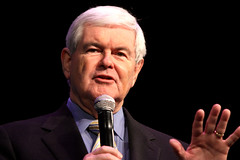
6597951994Newt GingrichNew Speaker of the House, who led the Republicans in an attack on federal programs and spending, outlined in their campaign manifesto "Contract with America". (p. 667)63
6597951995Contract with AmericaRepublican plan headed by Newt Gingrich that focused on scaling back the government, balancing the budget, and cutting taxes. (p. 667)64
6597951996government shutdownsThe confrontations of between Newt Gingrich and President Clinton resulted in two shutdowns of the federal government in late 1995. Many Americans blamed overzealous Republicans in Congress for the shutdown. (p 667)65
6597951997Oklahoma City bombingIn 1995, a federal building in Oklahoma City was bombed by militia-movement extremists. The bombing took 169 lives, the worse act of domestic terrorism in the nation's history until the attack on 9/11. (p. 667)66
6597951998welfare reformThe 1996 budget reform which left Medicare and Social Security benefits intact, limited welfare benefits to five years under the Personal Responsibility and Work Opportunity Act. (p. 667)67
6597951999balanced budgetsThe spending cuts and tax increases during President Clinton's first term, along with record growth in the economy, created this budget in 1998. (p. 667)68
6597952000election of 1996In this presidential election, Democrats Bill Clinton and Al Gore defeated Republicans Bob Dole and Jack Kemp. (p. 668)69
6597952001Clinton impeachmentIn December 1998, the House voted to impeach President Bill Clinton on two counts, perjury and obstruction of justice. Neither impeachment charge was upheld by the Senate. (p. 669)70
6597952002Madeleine K. AlbrightIn 1997, she became the first woman to serve as secretary of state. (p. 669)71
6597952003humanitarian missionsIn 1993, United States soldiers were killed in the civil war in Somalia while on a humanitarian mission. In 1994, President Clinton sent 20,000 troops into Haiti to restore its elected president after a military coup. (p. 669)72
6597952004Northern Ireland accordsIn 1998, the U.S. played a key diplomatic role in negotiating an end to British rule and the armed conflict in Northern Ireland. (p. 669)73
6597952005Yugoslavia breakupSerbian dictator, Slobodan Milosevic carried out a series of armed conflicts to suppress independence movements in the former Yugoslav provinces of Slovenia, Croatia, Bosnia-Herzegovina, and Kosovo. (p. 670)74
6597952006Balkan Wars; Bosnia, KosovoDiplomacy, bombing, and NATO ground troops stopped the bloodshed in Bosnia in 1995, then in Kosovo in 1999. These were the worst battles Europe had seen since World War II. (p. 670)75
6597952007ethnic cleansingHundred of thousands of ethnic and religious minorities were killed in Bosnia and Kosovo by the Serbian dictator Milosevic. (p. 670)76
6597952008nuclear proliferationIn the 1990s there were growing nuclear programs in North Korea, India, and Pakistan. (p. 670)77
6597952009West Bank, Gaza StripIsrael granted home rule to the Palestinians in the Gaza Strip and parts of the West Bank territories, and signed a peace treaty with Jordan in 1994. Israeli-Palestinian peace process slowed down after the assassination of the Israeli Prime Minister Yitzhak Rabin in 1995. (p. 670)78
6597952010European Union (EU); euroIn 2002, the European Union (EU) became a unified market of 15 nations, 12 of which adopted the euro as their currency. The EU grew to include 27 European nations by 2007, including ten former satellites of the USSR. (p. 669)79
6597952011World Trade OrganizationIn 1994, this organization was established to oversee trade agreements, enforce trade rules, and settle disputes. (p. 670)80
6597952012World Bank, G-8This powerful bank made loans to and supervised the economic policies of poorer nations with debt problems. The Group of Eight, made up of the world's largest industrial powers (Canada, France, Germany, Italy, Japan, Russia, United Kingdom, and United States), controlled two-thirds of the world's wealth. (p 670)81
6597952013China, India, BrazilIn the 21st century, these three countries would soon surpass many of the older industrial powers. The growing gap between rich and poor nations of the world caused tensions. (p. 671)82
6597952014effects on jobsWorkers and unions in the richest nations often resented globalization, because they lost their jobs to cheaper labor markets in the developing world. (p. 671)83
6597952015prosperity of 1990sDuring President Clinton's two terms in office the U.S. enjoyed the longest peacetime economic expansion in history, with annual growth rates of more than 4 percent. (p 668)84
6597952016technology boomIn the 1990's national productivity was improved by personal computers, software, Internet, cable, and wireless communications. (p. 668)85
6597952017Internet, e-commerceThe 1990s saw growth in the Internet and in electronic commerce (purchases made online). (p. 668)86
6597952018rise of South and WestThe 2000 census reported the population of the United States was 281.4 million people. The fastest growing regions were the West and the South. Greater populations meant more congressional representatives and electoral votes. (p. 671)87
6597952019Immigration Act of 1986This act attempted to create a fair entry process for immigrants, but failed to stop the problem of illegal entry into the U.S. from Mexico. It was criticized for granting amnesty to undocumented immigrants from Mexico and the Americas. (p. 671)88
6597952020growth of HispanicsIn 2000, the Hispanic population was the fasted growing segment of the population and emerged as the largest minority part in the nation. (p. 671)89
6597952021"graying" AmericaIn 2000, 35 million people were over 65, but the fastest growing segment of the population were those 85 and over. As the baby-boom generation aged, concerns about health care, prescription drugs, senior housing, and Social Security increased. (p. 671)90
6597952022single-parent familiesIn the 1990s there was a decline of traditional family, and a growing number of single-parent families. By 2000, there were 12.8 million single-parent families. (p. 671)91
6597952023distribution of incomeIn 1999, the top fifth of American households received more than half of all income. (p. 672)92
6597952024concentration of wealthAmong industrialized nations, the United States had the largest gap between the lowest and the highest paid workers and the greatest concentration of wealth at the top. (p. 672)93
6597952025debate over freedomFreedom is a main theme in American history, but an essentially contested concept. Through the years it has meant many different things to different people: freedom to enslave others, equal rights for all, liberation from big government and federal regulations, unregulated capitalism, among others. (p. 672)94

AMSCO AP US History Chapter 10 Flashcards

AMSCO United States History 2015 Edition, Chapter 10 The Age of Jackson, 1824-1844

Terms : Hide Images
5674848035Indian Removal ActIn 1830, this act forced the resettlement of thousands of Native Americans west of the Mississippi. (p. 195)0
5674848036Cherokee Nation v. GeorgiaIn 1831, this Supreme Court case ruled that the Cherokees were not a foreign nation with the right to sue in a federal court. (p. 195)1
5674848037Worcester v. GeorgiaIn 1832, this Supreme Court case ruled that the laws of Georgia had no force within the Cherokee territory. However, President Jackson sided with Georgia and the decision could not be enforced without Jackson's support. (p 196)2
5674848038Cherokee trail of tearsIn 1838, the U.S. Army forced 15,000 Cherokees to leave Georgia and march to Oklahoma. 4,000 Cherokees died on the trip. (p. 196)3
5674848039Bank of the United StatesIn 1832, President Andrew Jackson vetoed this bank's recharter bill, denouncing the bank as a private monopoly that enriched the wealthy and foreigners. (p. 197)4
5674848040Nicholas BiddleDuring the 1830s, he was president of the Bank of the United States. (p. 197)5
5674848041Roger TaneyHe was Andrew Jackson's secretary of Treasury. In an attempt to destroy the Bank of the United States, he transferred funds from the national bank to various state banks. (p. 198)6
5674848042pet banksA term for the state banks. President Andrew Jackson was trying to destroy the Bank of the United States, so he transferred federal funds to these state banks. (p. 198)7
5674848043Specie CircularTo check inflationary, President Jackson issued a presidential order that required all future purchases of federal lands be made with gold or silver rather than paper bank notes. (p. 198)8
5674848044Panic of 1837Just as Martin Van Buren became the president, the country suffered a financial panic as many banks closed their doors. Many blamed on Van Whigs blamed Democrats and laissez-faire economic policies. (p. 199)9
5674848045Martin Van BurenHe won the 1836 presidential election as a Democratic. He had been Andrew Jackson's vice president. (p. 198)10
5674848046common manBetween 1824 and 1840, the middle and lower classes became more involved in politics. Several factors contributed to this including new suffrage laws, changes in political parties and campaigns, improved education, and increased newspaper circulation. (p. 192)11
5674848047universal white male sufferageIn the 1810s, new Western states adopted state constitutions that allowed all white males to vote and hold office. Most Eastern states soon followed suit. Voting for president rose from about 350,000 in 1824 to 2.4 million in 1840. (p. 192)12
5674848048party nominating conventionIn the 1830s, caucuses were replaced by this public process of nominating candidates in a large hall. (p. 192)13
5674848049King CaucusA closed door meeting of a political party's leaders in Congress which nominated candidates. (p. 192)14
5674848050popular election of presidentIn the 1832 presidential election, all states except South Carolina, allowed voters to choose their state's slate of presidential electors. (p. 192)15
5674888474third partieswhile only two large parties could hope towin presidency, other parties emerged such as the Anti-Masonic party and Workingmen's party.16
5674848053popular campaigningCampaigns of the 1830s and 1840s featured parades and large rallies with free food and drink. (p. 193)17
5674848054spoils systemPresident Andrew Jackson appointed people to federal jobs strictly according to whether they had campaigned for the Democratic party. Previous office holders were fired and replaced with a loyal Democrat. (p. 193)18
5674848055rotation in officePresident Andrew Jackson's policy of limiting a person to one term in office so he could then appoint a Democrat to replace them. (p. 193)19
5674848056Henry ClayHe was secretary of state under President John Quincy Adams. He was President Andrew Jackson's chief opponent. In 1832, he challenged Jackson by persuading Congress to pass a bank-recharter bill. (p. 197)20
5674848057corrupt bargainThe term that Andrew Jackson and followers called the Adams and Clay deal of the 1824 election. The House of Representatives had to choose the president and Henry Clay used his influence have John Quincy Adams elected. (p. 194)21
5674848058John Quincy AdamsIn 1824, he was elected president. Henry Clay used his influence in the House of Representatives to provide him with enough votes to win the election. Clay was made secretary of state. (p. 194)22
5674848059Tariff of 1828; tariff of abominationsIn 1828, during John Quincy Adams' term, Congress created a new tariff law which pleased northern manufacturers, but alienated southern planters. (p. 194)23
5674848060Revolution of 1828In the 1828 election, Andrew Jackson became president after a mudslinging campaign. Jackson was a champion of the working class and middle class (common man). p. 195)24
5674848061Andrew JacksonHe won the 1828 presidential election easily, winning every state west of the Appalachians. He was know as "Old Hickory" and presented himself as a comman man. (p. 195)25
5674848062role of the presidentPresident Andrew Jackson presented himself as the representative of all the people and the protector of the common man against abused of power by the rich and privileged. He thought this was the role he should play. (p. 195)26
5674848064states' rightsPresident Andrew Jackson favored this form of power for the state governments. (p. 196)27
5674848065nullification crisisIn 1832, South Carolina passed a resolution forbidding the collection of tariffs in the state, which was nullifying a federal law at the state level. President Jackson threatened South Carolina with the use of federal troops and a compromise was reached. (p. 197)28
5674848067John C. CalhounHe was Andrew Jackson's vice president, but he opposed Jackson on nullification theory. He advanced the theory that a state had the right to declare a federal law null and void. (p. 196)29
5674848069two-party systemThis system developed in the 1820s. Supporters of Andrew Jackson were Democrats, while supporters of Henry Clay were Whigs. (p. 197)30
5674848070DemocratsIn the 1820s, this party was led by Andrew Jackson. It harked back to the old Republican party of Thomas Jefferson. Supported: local rule, limited govt, free trade, opportunities for white males. Concerned with: monopolies, national bank, high tariffs, high land prices voter base: South and West Urban workers (p. 197)31
5674848072log cabin and hard cider campaignThe term for the 1840 presidential campaign. Popular war hero, William Henry Harrison was the Whig candidate. He used log cabins and hard cider to portray his down-home heritage. He attacked Martin Van Buren as an aristocrat. Harrison and John Tyler won the election. (p. 199)32
5674848071WhigsIn the 1820s, this party was led by Henry Clay. It was similar to the old Federalist party of Alexander Hamilton. Supported: American System of national bank, fedl funding of internal improvements, and protective tariff concerned with: immigration Voter base: New England and Mid-Atlantic states protestant of English heritage urban professionals (p. 197)33
5675013055Trail of Tearsforce of 15,000 Cherokees out of Georgia to reservations in the West. 4,000 Cherokees died34
5675030838bank vetoJackson vetoed the charter of the Second National Bank because he believed it was a monopoly. It received federal deposits and attempted to serve the public by cushioning the ups and downs of the national economy.35

AMSCO AP US History Chapter 17 Flashcards

AMSCO United States History 2015 Edition Chapter 17 The Last West and the New South, 1865-1900

Terms : Hide Images
5810892726The Great American DesertName given to lands between the Mississippi and the Pacific Coast before 1860. There was very little rainfall in this area and the conditions were poor for settlement. (p. 339)0
5810892731boomtownsA town that grew in mining areas where there were rushes. These usually didn't last because the gold usually ran out, or there was no gold at all. (p. 340)1
5810892732Chinese Exclusion Act of 1882In 1862, this act was passed to prohibit further immigration by Chinese laborers to the United States. (p. 341)2
5810892735cattle (long) drivesMoving the cattle from Texas to railroad towns in Kansas. (p. 342)3
5810892737Joseph GliddenHe invented barbed wire to help farmers fence in their lands on the plains. (p. 342)4
5810892738Homestead ActIn 1862, this act offered 160 acres of public land free to any family that settled on it for 5 years. (p. 342)5
5810892742The Indian Appropriation Actended recognition of tribes as independent nations by the federal government and nullified previous treaties made with the tribes. (p. 345)6
5810892744Little Big HornIn 1876, the Sioux Indians, led by Crazy Horse and Sitting Bull, massacred the U.S. 7th Cavalry led by General Custer. This was the last major battle between the U.S. Army and the American Indians. (p. 345)7
5810892745assimilationistsThe idea that Native Americans should be integrated into American society by becoming educated, adopting American culture, customs, and Christianity. (p. 345)8
5810945471Carlisle Schoolrun by Richard Pratt who believed Native Americans could assimilate to US life, brought native children far from homeland and gave them English names and immersed them in American sports, clothes, and church, they were taught farming and carpentry9
5810955698"Kill the Indian, save the man."Famous quote by Richard Pratt, who sought to assimilate the Native Americans into American culture.10
5810892746Helen Hunt JacksonThe author of "A Century of Dishonor", which created sympathy for Native Americans, but also generated support for ending American Indian culture through assimilation. (p. 345)11
5810892747Dawes Act of 1887This act supported the idea of assimilation of the American Indians. It divided tribal lands into plots of up to 160 acres. U.S. citizenship was granted to those who stayed on the land for 25 years and adopted the habits of American life. (p. 345)12
5810892748Ghost Dance movementThis religious movement was a last effort of Native Americans to resist U.S. government domination and drive whites from their ancestral lands. In an effort to suppress the movement, at the Battle of Wounded Knee more that 200 American Indians were killed. This battle marked the end of the Indian Wars. (p. 345)13
5810892749Indian Reorganization Act of 1934In 1934, this act promoted the re-establishment of tribal organization and culture. Today, more than 3 million American Indians, belonging to 500 tribes, live within the United States. (p. 346)14
5810892757Forest Reserve Act of 1891Authorized the President to set aside public forests as National Parks and other reserves. This act withdrew federal timberland from development and regulated their use. (p. 347)15
5810892758Forest Management Act of 1897allowed the Secretary of the Interior to manage forest preserves,harvesting of timber, mining of mineral resources, and use of water on forest reservations.16
5810892759John Muirfought for conservation of resources by writing articles that led Teddy Roosevelt to expand national parks (347)17
5810892760"New South"After the Civil War, the South was in a period of recovery. There was a new vision for a self-sufficient southern economy built on economic diversity and laissez-faire capitalism. (p. 347)18
5810892768George Washington CarverAn African-American scientist, who promoted planting of diverse crops such as peanuts, sweet potatoes, and soybeans. (p. 348)19
5810892769Tuskegee InstituteAn industrial and agricultural school established by Booker T. Washington to train blacks. (p. 348)20
5810892771Civil Rights Cases of 1883the Supreme Court ruled that Congress could not legislate against the racial discrimination practiced by private citizens, which included public businesses...essentially legalized segregation with regard to private property. 34921
5810892772Plessy v. FergusonAn 1896, Supreme Court landmark case, which ruled that separate but equal accommodations in public places were constitutional and did not violate the 14th amendment. (p. 349)22
5810892773Jim Crow lawsIn the 1870s, the South passed segregation laws which required separate washrooms, drinking fountains, park benches, and most other public facilities, for blacks and whites. (p. 349)23
5810892774literacy tests, poll taxes, grandfather clausesAfter Reconstruction, these various political and legal devices were created to prevent southern blacks from voting.24
5810892776lynch mobsIn the 1890s, more than 1,400 African American men were hung by a mob without trial by these Southern groups.25
5810892779Ida B. WellsShe was the editor of a black newspaper, campaigned against lynching and Jim Crow laws, activist for anti-lynching laws and co-founder of the NAACP with W.E.B. Dubois.26
5810892780Booker T. WashingtonFamous African-American, who established an industrial and agricultural school for African Americans in 1881. In 1900, he organized the National Negro Business League to support businesses owned by African Americans. (p. 350)27
5810892785National Grange MovementIn 1868, this organization was created primarily as a social and educational help for farmers. (p. 351)28
5810892786cooperativesGrangers established these business, owned and run by the farmers, to save the costs charged by middlemen. (p. 351)29
5810892788Munn v. IllinoisSupreme Court case in 1877, which upheld the right of a state to regulate businesses of a public nature, such as railroads. (p. 352)30
5810892789Wabash v. IllinoisSupreme Court case in 1886, which ruled that individual states could not regulate interstate commerce. (p. 352)31
5810892790Interstate Commerce Commissionindependent federal agency that supervised and set rates for carriers that transported goods and people between states; had the power to investigate and prosecute pools, rebates, and other discriminatory practices. (p. 352)32
5811085454Populist MovementMovement of farmers in the late 1800s to become politically involved to protect their interest in America; movement wanted to expand the money supply and regulate Big Business.33

AMSCO AP US History Chapter 12 Flashcards

AMSCO United States History 2015 Edition, Chapter 12 Territorial and Economic Expansion, 1830-1860

Terms : Hide Images
5563485612manifest destinyThe belief that the United States had a divine mission to extend its power and civilization across the breadth of North America. (p. 230)0
5563485614Elias HoweThe U.S. inventor of the sewing machine, which moved much of clothing production from homes to factories. (p. 238)1
5563485615Samuel F. B. MorseIn 1844, he invented the electric telegraph which allowed communication over longer distances. (p. 238)2
5563485617Panic of 1857Financial crash which sharply lowered Midwest farmers prices and caused unemployment in the Northern cities. The South was not affected as much because cotton prices remained high. (p. 239)3
5563485618Great American DesertIn the 1850s and 1860s, the arid area between the Mississippi River and the Pacific Coast, was known by this name. (p. 236)4
5563485622mining frontierThe discovery of gold in California in 1848 caused the first flood of newcomers to the West. A series of gold strikes and silver strikes in what became the states of Colorado, Nevada, Idaho, Montana, Arizona, and South Dakota kept a steady flow of hopeful young prospectors pushing into the West. (p. 237)5
5563485625farming frontierIn the 1830s and 1840s pioneer families moved west to start homesteads and begin farming. Government programs allowed settlers to purchase inexpensive parcels of land. (p. 237)6
5563485628John TylerHe was elected Vice President, then he became the tenth president (1841-1845) when Benjamin Harrison died. He was responsible for the annexation of Mexico after receiving a mandate from Polk. He opposed many parts of the Whig program for economic recovery. (p. 231)7
5563485629Oregon territoryThis was a vast territory on the Pacific coast that stretched as far north as the Alaskan border. Originally the United States was interested in all the territory, but in 1846 Britain and the U.S. agreed to divide the territory at the 49th Parallel, today's border between Canada and the United States. (p. 232)8
5563485630Fifty-four Forty or FightThe slogan of James K. Polk's plan for the Oregon Territory. They wanted the border of the territory to be on 54' 40° latitude (near present-day Alaska) and were willing to fight Britain over it. Eventually, 49 degrees latitude was adopted as the northern border of the United States, and there was no violence. (p. 232)9
5563485631James K. PolkThe eleventh U.S. president (1845-1849). Polk was a slave owning southerner dedicated to Democratic party. In 1844, he was a "dark horse" candidate for president, and a protege of Andrew Jackson. He favored American expansion, especially advocating the annexation of Texas, California, and Oregon. (p. 232)10
5563485632Wilmot ProvisoIn 1846, the first year of the Mexican War, this bill would forbid slavery in any of the new territories acquired from Mexico. the bill passed the House twice, but was defeated in the Senate. (p. 234)11
5563485633Franklin PierceIn 1852, he was elected the fourteenth president of the United States. (p. 236)12
5563485634Ostend ManifestoThe United States offer to purchase Cuba from Spain. When the plan leaked to the press in the United States, it provoked an angry reaction from antislavery members of Congress, forcing President Franklin Pierce to drop the plan. (p. 235)13
5563485636Stephen AustinIn the 1820s, his father had obtained and large land grant in Texas. He brought 300 families from Missouri to settle in Texas. (p. 231)14
5563485637Antonio Lopez de Santa AnnaIn 1834, he established himself as dictator of Mexico and attempted to enforce Mexico's laws in Texas. In March 1836 a group of American settlers revolted and declared Texas to be an independent republic. He then led an army which attacked the Alamo in San Antonio, killing all the American defenders. Shortly after that, Sam Houston led an army that captured him and he was forced to sign a treaty that recognized the independence of Texas. (p. 231)15
5563485638Sam HoustonIn March 1836, he led a group of American settlers that revolted against Mexico and declared Texas to be an independent republic. He led an army that captured Santa Anna and forced him to sign a treaty that recognized Texas as an independent republic. As the first president of the Republic of Texas, he applied to the U.S. government for Texas to be added as a new state. It was many years before the U.S. would act to add Texas as a state. (p. 231)16
5563485639AlamoThe mission and fort that was the site of a siege and battle during the Texas Revolution, which resulted in the massacre of all its defenders. The event helped galvanize the Texas rebels and led to their victory at the Battle of San Jacinto. Eventually Texas would join the United States. (p. 231)17
5563485640Aroostook WarIn the early 1840s, there was a dispute over the the British North America (Canada) and Maine border. Open fighting broke out between rival groups of lumbermen. The conflict was soon resolved by the Webster-Ashburton Treaty of 1842. (p. 231)18
5563485641Webster-Ashburton TreatyIn this 1842 treaty US Secretary of State Daniel Webster and British ambassador Lord Alexander Ashburton created a treaty splitting New Brunswick territory into Maine and British Canada. It also settled the boundary of the Minnesota territory. (p. 232)19
5563485642Rio Grande; Nueces RiverIn the 1840s the United States believed the southern Texas border was the Rio Grande River. Mexico believed the border was further north on the Nueces River. (p. 233)20
5563485643Mexican War (1846-1847)A war between the United States and Mexico from 1846 to 1848. President James Polk attempted to purchase California and the New Mexico territories and resolve the disputed Mexico-Texas border. Fighting broke out before the negotiations were complete and the war lasted about two years, ending when the United States troops invaded Mexico City. (p. 233-235)21
5563485644Zachary TaylorIn 1845, this U.S. general, moved his troops into disputed territory in Texas, between the Nueces and Rio Grande Rivers. Eleven of his soldiers were killed by Mexican troops and President James Polk used the incident to justify starting the Mexican War. He used of force of 6,000 to invade northern Mexico and won a major victory at Buena Vista. In 1848, he was elected president. (p. 233, 234)22
5563485645Winfield ScottThis U.S. general invaded central Mexico with an army of 14,000. They took the coastal city of Vera Cruz and then captured Mexico City in September 1847. (p. 234)23
5563485646Stephen KearneyThis U.S. general led a small army of less than 1,500 that succeeded in taking Santa Fe, the New Mexico territory, and southern California during the Mexican War. (p. 234)24
5563485647John C. FremontIn June 1846, he overthrew Mexican rule in northern California and proclaimed California to be an independent republic, the Bear Flag Republic. (p. 234)25
5563485648California; Bear Flag RepublicIn June 1846, John C. Fremont quickly overthrew Mexican rule in Northern California to create this independent republic. (p. 234)26
5563485649Treaty of Guadalupe HidalgoIn 1848, this treaty ended the Mexican War. Under its terms, Mexico recognized the Rio Grande as the border with Texas, Mexico ceded the California and New Mexico territories to the United States. The United States agreed to pay Mexico $15 million and assumed responsibility for any claims of American citizens against Mexico. (p. 234)27
5563485650Mexican CessionHistorical name for the former Mexican provinces of California and New Mexico that were ceded to the U.S. by Mexico in 1848 under the Treaty of Guadalupe Hidalgo. (p 234)28
5563485651Walker ExpeditionAn expedition by a Southern adventurer who unsuccessfully tried to take Baja California from Mexico in 1853. He took over Nicaragua in 1855 to develop a proslavery empire. His scheme collapsed when a coalition of Central American countries invaded and defeated him, and he was executed. (p. 236)29
5563485652Clayton-Bulwer TreatyAn 1850 treaty between the U.S. and Great Britain agreeing that neither country would attempt to take exclusive control of any future canal route in Central America. (p. 236)30
5563485653Gadsden PurchaseIn 1853, the U.S. acquired land (present day southern New Mexico and Arizona) from Mexico for $10 million. (p. 236)31
5563485656Matthew C. Perry; JapanCommodore of the U.S. Navy who was sent to force Japan to open up its ports to trade with the U.S. (p. 239)32

AMSCO AP US History Chapter 14 Flashcards

AMSCO United States History 2015 Edition Chapter 14 The Civil War, 1861-1865

Terms : Hide Images
7563275884border statesDuring the Civil War the term for the the states of Delaware, Maryland, Kentucky and Missouri. Keeping these states in the Union was a primary political and military goal of President Lincoln. They were slave states, but did not secede. (p. 269)0
7563275885Confederate States of AmericaIn February 1861, representatives of South Carolina, Georgia, Florida, Alabama, Mississippi, Louisiana, and Texas met in Montgomery, Alabama to form this new country. After the attack on Fort Sumter, the states of Virginia, North Carolina, Tennessee, Arkansas also seceded and joined the Confederacy. The Confederate capital was moved to Richmond, Virginia. The Confederate Constitution was modeled after the U.S. Constitution, except that it provided a single six-year term for the president and gave the president an item veto (power to veto part of a bill). (p. 269, 270)1
7563275886Jefferson DavisHe served as President of the Confederate States during the Civil War. (p. 270)2
7563275887Alexander H. StephensHe served as vice president of the Confederate States of America during the Civil War. He acted in defense of states' rights, and even urged the secession of Georgia in response to the "despotic" actions of the Confederate government. (p. 270)3
7563275888Second American RevolutionA term sometimes used for the Civil War. (p. 282)4
7563275889greenbacksName given to paper money issued by the Union government during the Civil War. They bills were not redeemable for gold, which contributed to creeping inflation. (p. 280)5
7563275890Morrill Tariff ActIn 1861, this tariff act raised rates to increase revenue and protect American manufacturers. (p. 281)6
7563275891Morrill Land Grant ActIn 1862, this act encouraged states to use the sale of federal land grants to maintain agricultural and technical colleges. (p. 281)7
7563275892Pacific Railway ActIn 1862, this act authorized the building of a transcontinental railroad over a northern route in order to link the economies of California and the western territories to the eastern states. (p. 281)8
7563275893Homestead ActIn 1862, this act promoted settlement of the Great Plains by offering parcels of 160 acres of public land free to any person or family that farmed that land for at least five years. (p. 281)9
7563275894Fort SumterA federal fort in the harbor of Charleston, South Carolina. It was cut off from vital supplies because the South controlled the harbor. President Lincoln announced that he was sending provisions to the Union fort. On April 12, 1861, Carolina guns opened on the Union, and the Civil War began. (p. 269)10
7563275895Bull RunIn July 1861, 30,000 federal troops marched from Washington D.C. to attack Confederate forces near Bull Run Creek at Manassas Junction, Virginia. In the first major battle of the Civil War, Union forces seemed close to victory, but then Confederate reinforcements counterattacked and sent the inexperienced Union troops in retreat. (p. 271)11
7563275896Thomas (Stonewall) JacksonIn July 1861, at the First Battle of Bull Run, this Confederate general counterattacked the Union and sent their troops in a retreat back to Washington D.C. (p. 271)12
7563275897Winfield ScottHe was the Union General-in-Chief at the start of the Civil War. (p. 271)13
7563275898Anaconda PlanThe Union's Civil War plan, created by General Winfield Scott. It called for the U.S. Navy to blockade Southern ports cutting off essential supplies from reaching the Confederacy. (p. 271)14
7563275899George McClellanThe commander of the Union army in the East. After extensive training of his army, he invaded Virginia in March 1862. The Union army was stopped as a result of brilliant tactical moves by the Confederate army. After five months he was forced to retreat to the Potomac, and was replaced by General John Pope. (p. 271)15
7563275900Robert E. LeeConfederate general who defeated the Union at the Second Battle of Bull Run. At the Battle of Antietam (in Maryland) he was unable to break through the Union line and had to retreat back to Virginia. At Fredericksburg, Virginia his army suffered 5,000 casualties compared to 12,000 casualties for the Union army. His army was finally defeated and he surrendered to Union General Grant at Appomattox Court House on April 9, 1865. (p. 272 273, 277, 278)16
7563275901AntietamThis battle took place in September 1862, when Confederate General Robert E. Lee moved his troops into Union territory in Maryland. The Union army met them at Antietam Creek, in Sharpsburg, Maryland. It was the bloodiest single-day battle in American history, with more than 22,000 killed or wounded. Unable to break through the Union lines the Confederate army retreated to Virginia. The win was important because it stopped the Confederate invasion of the North and gave Lincoln the victory he was waiting for. He could now act against slavery. (p. 273)17
7563275902FredericksburgOn December 13, 1862, General Ambrose Burnside launched a frontal attack on General Lee's strong position at this Virginia city. The Union army suffered 12,000 casualties (dead or wounded), while the Confederates only 5,000 casualties. (p. 273)18
7563275903Monitor vs. MerrimacFirst engagement ever between two iron-clad naval vessels. On March 9, 1862, the two ships battled for five hours, ending in a draw. This marked a turning point in naval warfare, wooden ships would be replaced by ironclad ones. (p. 273)19
7563275904Ulysses S. GrantIn early 1862, this Union general led his troops from Illinois to capture Fort Henry and Fort Donelson on the Cumberland River (branch of the Mississippi). These victoires opened up the state of Mississippi to attack by the Union. A Confederate army surprised him at Shiloh, Tennessee, but the his army held its ground and finally forced the Confederates to retreat after 23,000 total casualties. In July 1863, he captured Vicksburg, Mississippi and the Union now controlled the Mississippi River. In early 1864 Lincoln made him commander of all the Union armies. As General Robert E. Lee tried to flee to mountains with army of less than 30,000 men he cut off his army and forced them to surrender at Appomattox Court House. (p. 273, 274, 277, 278)20
7563275905ShilohMajor battle in the American Civil War, fought in 1862, in southwestern Tennessee. Confederate forces led by Albert Johnston launched a surprise attack against the Union army led by General Ulysses S. Grant. The Union army held its ground and finally forced the Confederates to retreat after 23,000 casualties (dead and wounded) on both sides. (p. 274)21
7563275906David FarragutHe led the Union navy when they captured New Orleans, in April 1862. (p. 274)22
7563275907GettysburgOn July 1, 1863, General Robert E. Lee led a Confederate army into Pennsylvania. He surprised the Union troops, and started the most crucial and bloodiest battle of the war. There were 50,000 casualties, but the Confederate army eventually retreated to Virginia, never to regain the offensive. (p. 277)23
7563275908VicksburgIn May 1863, Union General Ulysses S. Grant began an artillery bombardment of this Mississippi city, which last for seven weeks. On July 4, 1863, the Confederates finally surrendered the city, along with 29,000 soldiers. The Union now controlled the full length of the Mississippi River. (p. 277)24
7563275909Sherman's MarchUnion General William Tecumseh Sherman led a force of 100,000 troops on a destructive march through Georgia. Destroying everything in their path, they captured Atlanta, Georgia in September 1864, then marched into Savannah by that December, then they captured and burned Columbia, South Carolina in February 1865. (p. 277)25
7563275910Appomattox Court HouseSite of the surrender of the Confederate army led by Robert E. Lee to Union commander Ulysses S. Grant, on April 9, 1865. (p. 278)26
7563275911executive powerDuring the Civil War, President Abraham Lincoln acted in unprecedented ways, often without the approval of Congress. He called for 75,000 volunteers to stop the Confederacy, authorized spending for the war, and suspended habeas corpus. (p. 270)27
7563275912habeas corpusThis is the term for the constitutional right to be informed of charges and to be given a fair trial. During the Civil War Abraham Lincoln suspended this right, and arrested an estimated 13,000 people on suspicion of aiding the Confederates. (p. 279)28
7563275913insurrectionA term President Lincoln used, to describe the Confederacy actions at the start of the Civil War. (p. 269)29
7563275914Confiscation actsSeries of acts passed by the Union government, designed to liberate slaves in Confederate states. The second act in July 1862, freed slaves from anyone engaged in rebellion against the United States (Union). (p. 275)30
7563275915Emancipation ProclamationAfter the Battle of Antietam, on September 22, 1862, President Lincoln warned that enslaved people in all states still in rebellion on January 1, 1863 would be freed. He also urged the border states to draft plans for emancipation of slaves in their states. On January 1, 1863, Lincoln as promised issued this famous proclamation. This led to slaves joining the Union army and increased Union support from Europe. (p. 276)31
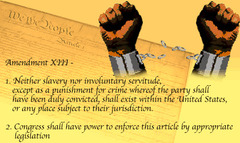
756327591613th AmendmentThis constitutional amendment, ratified in December 1865, forbade slavery and involuntary servitude in all states. (p. 276)32
7563275917Ex Parte MilliganIn 1866, the Supreme Court ruled that the government had acted improperly in Indiana where, certain civilians had been subject to a military trial during the war. The Court ruled that such trials could be used only when regular civilian courts were unavailable. (p. 279)33
7563275918draft riotsIn July 1863 riots against the draft erupted in New York City. Some 117 people were killed before federal troops and a temporary suspension of the draft restored order. (p. 280)34
7563275919CopperheadsNorthern Democrats who opposed the Civil War and wanted a negotiated peace. (p. 279)35
7563275920election of 1864In this presidential election, the Democrats nominated the popular General George McClellan. The Republicans renamed to the Unionist party, nominated President Abraham Lincoln. Abraham Lincoln won the election, however McClellan did win 45 percent of the popular vote. (p. 278)36
7563275921Trent AffairIn 1861, the Confederacy sent diplomats to Britain on a British steamer, to gain recognition for their government. A Union ship captured both men and took them as prisoners of war. The British threatened war if they were not released, and Lincoln gave into their demands. However, the diplomats were not able to get recognition for the Confederacy, from Britain or France. (p. 274)37
7563275922AlabamaA Confederate war ship purchased from Britain. It captured more than 60 Union merchant ships before being sunk off the coast of France. (p. 274)38
7563275923Laird ramsThese ships with iron rams could have been used against the Union's naval blockade. However, the Union persuaded the British government to cancel the sale of these ships to the Confederacy, rather than risk war with the Union. (p. 274)39
7563275924John Wilkes BoothAn American stage actor who, as part of a conspiracy plot, assassinated President Abraham Lincoln at Ford's Theatre in Washington, D.C., on April 14, 1865. (p. 278)40
7563275925segregated black troopsAlmost 200,000 African Americans joined the Union army during the Civil War. (p. 276)41
7563275926Massachusetts 54th RegimentAn all black regiment in the Civil War. (p. 276)42
7563275927women in the workplaceAs men went off to battle in the Civil War, women stepped into the labor vacuum, operated farms and took factory jobs customarily held by men. (p. 282)43
7563275928women in nursingDuring the Civil War women played a critical role as military nurses. (p. 282)44
7563275929war's long term effectsThe Civil War had long term effects on women. The field of nursing was now open to women for the first time. The enormous responsibilities undertaken by women gave impetus to the movement to obtain equal voting rights for women. (p. 282)45
75632759304 million freedmenWith the passage of the thirteenth amendment in 1865, 4 million African Americans were now free. (p. 282)46

AMSCO AP US History Chapter 27 Flashcards

AMSCO United States History 2015 Edition, Chapter 27 The Eisenhower Years, 1952-1960

Terms : Hide Images
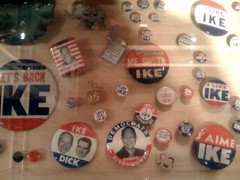
6716930608elections of 1952, 1956In these two presidential elections Dwight Eisenhower and Richard Nixon defeated Adlai Stevenson quite easily. (p. 580-581)0
6716930609Dwight EisenhowerThe United States general who supervised the invasion of Normandy and the defeat of Nazi Germany. In the election of 1952 he became the the 34th President of the United States. (p. 579)1
6716930610Adlai StevensonAn Illinois governor and the Democratic presidential nominee in 1952 and 1956. He lost both elections to Dwight Eisenhower and Richard Nixon. (p. 580)2
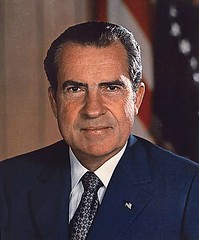
6716930611Richard NixonHe was vice president under Dwight Eisenhower. In 19868, he would become the 37th President of the United States, but in 1974 he resigned in disgrace after the Watergate scandal. (p. 580)3
6716930612modern RepublicanismPresident Eisenhower's term for his balanced and moderate approach to governing. Claiming he was liberal toward people but conservative about spending money. He helped balance the federal budget and lowered taxes without destroying existing social programs. (p. 580)4
6716930613Dept. of Health, Education and Welfare (HEW)In 1953, President Eisenhower consolidated welfare programs under this new department, run by Oveta Culp Hobby, the first woman in a Republican cabinet. (p. 580)5
6716930614soil-bank programPresident Eisenhower created this program as a way to reduce farm production, thereby increasing farm income. (p. 580)6
6716930615Highway Act; interstate highway systemThe most permanent legacy of the Eisenhower administration was this act passed in 1956. It created 42,000 miles of highway linking every major city in the nation. (p. 580)7
6716930616John Foster DullesIn the Eisenhower administration, he was the Secretary of State that pursued a policy of pushing the USSR and China to the brink of war. However, Eisenhower prevented him from carrying his ideas the extreme. (p. 581)8
6716930617brinksmanshipThe principle of pushing Communist nations to the brink of war, thinking they would back down because of American nuclear superiority. (p. 581)9
6716930618massive retaliationThis was Eisenhower's policy, it advocated the full use of American nuclear weapons to counteract even a Soviet ground attack in Europe. (p. 582)10
6716930619decolonizationAfter World War II, dozens of European colonies in Asia and Africa became independent countries. (p. 582)11
6716930620India, Pakistan, IndonesiaFrom 1947 to 1949, these three countries gained their independence. (p. 582)12
6716930621Third WorldTerm applied to a group of developing countries that often lacked stable political and economic institutions. Their need for foreign aid often made them pawns of the United States and the Soviet Union during the Cold War. (p. 582)13
6716930622CIA, covert actionUndercover intervention in foreign government by the CIA during Eisenhower's presidency. (p. 582)14
6716930623Iranian overthrowIn 1953, the CIA helped overthrow this government and established a monarch ruler with close ties to the U.S. He provided favorable oil prices and purchased American military arms. (p. 582)15
6716930624Korean armisticeIn July 1953, China and North Korea agreed to an armistice that would divide Korea into North Korea and South Korea near the 38th parallel. (p. 583)16
6716930625IndochinaIn the early 1950s, France was fighting to retake control of their colony in southeastern Asia. The French were defeated in 1954 and they agreed to give up Indochina, which was divided into the nations of Cambodia, Laos, and Vietnam. (p. 583)17
6716930626Ho Chi MinhThe North Vietnam Communist dictator who fought the French until 1954, and South Vietnam until 1975. (p. 583)18
6716930627Geneva ConferenceA 1954 conference between many countries that agreed to end hostilities and restore peace in French Indochina and Vietnam. (p. 583)19
6716930628division of VietnamBy the terms of the Geneva Convention, Vietnam would be temporarily divided at the 17 parallel until a general election could be held. A prolonged war (1954-1975) occurred between the Communist armies of North Vietnam who were supported by the Chinese and the non-communist armies of South Vietnam who were supported by the United States. (p. 583)20
6716930629domino theoryThe political theory that if one nation comes under Communist control then neighboring nations will also fall to Communist control. (p. 583)21
6716930630Southeast Asia Treaty OrganizationIn 1954, an international organization for collective defend and block further Communist gains is Southeast Asia. (p. 583)22
6716930631State of IsraelIn 1948, after a civil war in the British mandate territory of Palestine left the land divided between the Israelis and the Palestinians, this nation was founded. The United Nations oversaw the process and many neighboring countries fought against the creating of this Jewish state. (p. 584)23
6716930632Arab nationalismArab nationalist General Gamal Nasser of Egypt, asked the United States for funds to build the Aswan Dam on the Nile River. (p. 584)24
6716930633Suez Canal CrisisIn July 1956, Egypt sized the British and French owned Suez Canal. Britain and France carried out a surprise attack and retook the canal. The United States sponsored a U.N. resolution condemning the invasion of Egypt. Eventually Britain and France withdrew their troops. (p. 584)25
6716930634Eisenhower DoctrineThis 1957 doctrine, pledged United States economic and military aid to any Middle Eastern country threatened by Communism. (p. 584)26
6716930635Organization of Petroleum Exporting Countries (OPEC)In 1960, Saudi Arabia, Kuwait, Iraq, Iran, and Venezuela formed this organization of oil-producing nations. (p. 584)27
6716930636atoms for peaceIn 1953, President Eisenhower's proposal to the U.N. to slow down the arms race. (p. 585)28
6716930637spirit of GenevaThe 1955 meeting in Geneva, which produced the first thaw in the Cold War. (p. 585)29
6716930638open-skiesThe Soviets rejected this proposal for open aerial photography of eachothers territory in order to eliminate surprise nuclear attacks. (p. 585)30
6716930639Nikita KhrushchevThe ruler of the USSR from 1958-1964. He reduced government control of Soviet citizens and sought peaceful coexistence with the West. (p. 585)31
6716930640peaceful coexistenceIn early 1956, Soviet leader Nikita Khrushchev, gave a speech in which he denounced the crimes of Joseph Stalin and supported "peaceful coexistence" with the West. (p. 585)32
6716930641Hungarian revoltIn October 1956, Hungary actually succeeded in overthrowing a government backed by Moscow. The Soviets sent in tanks to crush the freedom fighters and restore control over Hungary. The United States took no action in the crisis and gave de facto recognition of the Soviet sphere of influence in Eastern Europe. (p. 586)33
6716930642Warsaw PactThis 1945 agreement formed formed an alliance of the Eastern European countries including the USSR, Albania, Bulgaria, Czechoslovakia, East Germany, Hungary, Poland, and Romania. (p. 586)34
6716930643SputnikIn 1957, the Soviet Union shocked the United States by launching the first space satellites into orbit around the earth. Fears of nuclear war were intensified since the missiles that launched the satellites could also deliver nuclear warheads anywhere in the world within minutes. (p. 586)35
6716930644NDEA, NASAIn 1958, Congress created the National Defense and Education Act (NDEA) and the National Aeronautics and Space Administration (NASA). (p. 586)36
6716930645U-2 incidentIn 1960, the Soviet military used a guided missile to shoot down an American U-2 spy plane over Soviet territory, revealing a formerly secret American tactic of the Cold War. (p. 586)37
6716930646Cuba, Fidel CastroA bearded socialist leader who overthrew a dictator in 1959 and established a Marxist socialist state in Cuba, only 90 miles from the United States. He nationalized American-owned businesses and the U.S. cut off trade with the country. (p. 587)38
6716930647military-industrial complexIn his farewell address, President Eisenhower warned the nation to "guard against the acquisition of unwarranted influence... by the military-industrial complex". (p. 587)39
6716930648Jackie RobinsonThe first African American player in major league baseball. His actions helped to bring about other opportunities for African Americans. (p. 588)40
6716930649causes of movementThe origins of the 1950s civil rights movement was the migration of African Americans to the North where they gained more political power. As the United States battled the Soviets for the hearts and minds of people around the world, it was clear that racial discrimination in the U.S. was a wrong that needed to be corrected. (p. 588)41
6716930650NAACPThe National Association for the Advancement of Colored People tried to protect the constitutional right of African Americans. (p. 588)42
6716930651desegregationThe action of incorporating a racial or religious group into a community. (p. 588)43
6716930652Brown v. Board of Education of TopekaIn May 1954, the Supreme Court agreed with Thurgood Marshal and ruled that "separate facilities are inherently unequal" and unconstitutional, and that school segregation should end immediately. (p. 588)44
6716930653Earl WarrenChief Justice of the Supreme Court, who presided over the Brown v. Board of Education of Topeka case, which overturned Plessy v. Ferguson. (p. 588)45
6716930654Southern ManifestoAfter the Brown v. Board of Education of Topeka Supreme Court decision, 101 members of Congress signed this manifesto condemning the Supreme Court for a "clear abuse of judicial power". (p. 588)46
6716930655Little Rock CrisisIn 1957, Governor Faubus used the Arkansas National Guard to prevent nine black students from entering Little Rock Central High School. President Eisenhower sent federal troops to ensure the black students could attend class. (p. 589)47
6716930656Rosa ParksIn 1955, in Montgomery, Alabama, a middle aged black woman refused to give up her seat on a bus, which led to her arrest for violating segregation laws. This triggered an African American protest of boycotting the city buses. (p. 589)48
6716930657Montgomery bus boycottRosa Park sparked a massive Afican American protest of the Montgomery, Alabama buses. (p. 589)49
6716930658Martin Luther King Jr.The minister of a Baptist church in Montgomery, Alabama, and a civil rights leader. (p. 589)50
6716930659Civil Rights acts of 1957, 1960The first civil rights laws since Reconstruction, they formed the Civil Rights Commission and provided some protection for the voting rights of blacks. (p. 590)51
6716930660Civil Rights CommissionCreated by civil rights laws of 1957 and 1960. (p. 590)52
6716930661Southern Christian Leadership ConferenceIn 1957, Martin Luther King Jr. organized ministers and churches to create this civil rights organization. (p. 590)53
6716930662nonviolent protestTo call attention to the injustice of segregated facilities students would deliberately invite arrest by sitting in restricted areas. (p. 590)54
6716930663sit-in movementIn February 1960, African American college students in Greensboro, North Carolina created this protest after they were refused service at a segregated Woolworth's lunch counter. (p. 590)55
6716930664Student Nonviolent Coordinating CommitteeIn 1960, an organization that called attention to the sit-in movement. (p. 590)56
6716930665immigration issuesIn the 1950s, Congress dropped the bans on Chinese and other Asian immigrants and eliminated race as barrier to naturalization. (p. 590)57
6716930666Operation WetbackIn the early 1950s, this program forced an estimated 3.8 million people to return to Mexico. (p. 590)58
6716930667homogeneityA description of American 1950s culture. (p. 590)59
6716930668popular cultureIn the 1950s, white suburbanites conformed to societal norms. (p. 590)60
6716930669paperbacksThis innovation in books, started in the 1950s, and led to the sales of a million copies per day by 1960. (p. 591)61
6716930670televisionA curiosity in the late 1940s, by 1961 there were 55 million of these devices in America. (p. 591)62
6716930671rock and rollTeenagers loved this popular music which was available as inexpensive records during the 1950s. (p. 591)63
6716930672consumer cultureIn the 1950s, consensus and conformity were hallmarks of the American culture. Television, advertising, and the middle-class move to the suburbs, contributed to this culture. (p. 590)64
6716930673fast foodThere was a proliferation of these restaurants in the 1950s. (p. 591)65
6716930674credit cardsA new method of payment in the 1950s. (p. 591)66
6716930675conglomeratesIn the 1950s, large businesses with diversified holdings began to dominate industries such as food processing, hotels, transportation, insurance, and banking. (p. 591)67
6716930676social criticsIn the 1950s, conformity was valued. William Whyte documented the loss of individuality in his book, "The Organization Man" (p. 591)68
6716930677The Lonely CrowdIn 1958, this book by Harvard sociologist David Riesman criticised the replacement of inner direct individuals with other directed conformists. (p. 592)69
6716930678The Affluent SocietyIn 1958, economist by John Kenneth Galbraith wrote this book about the failure of wealthy American to address the need for increased social spending for the common good. (p. 592)70
6716930679The Catcher in the RyeA 1950s book by J. D. Salinger, it provided a classic commentary on phoniness as viewed by a troubled teenager. (p. 592)71
6716930680Catch-22A 1950s book by Joseph Heller that satirized the stupidity of the military and war. (p. 592)72
6716930681beatniksA group of rebellious writer and intellectuals led by Jack Kerouac and Allen Ginsberg. They advocated spontaneity, use of drugs, and rebellion against societal standards. (p. 592)73

AMSCO AP US History Chapter 18 Flashcards

AMSCO United States History 2015 Edition, Chapter 18 The Growth of Cities and American Culture, 1865-1900

Terms : Hide Images
6003357662causes of immigrationForces in the United States driving this process were (1) political and religious freedom, (2) economic opportunities in the western U.S. and cities, (3) large steamships offered relatively inexpensive transportation. (p. 361)0
6003357663old immigrantsThrough the 1880s, they came to the United States from northern and western Europe. They were mostly Protestant and had a high-level of literacy. (p. 361)1
6003357664new immigrantsFrom the 1890s to 1914, they came to the United States from southern and eastern Europe. Mostly non-Protestant, poor and illiterate. (p. 361)2
6003357665Statue of LibertyBegan in the 1870's, by the French sculptor Frederic-Auguste Bartholdi. It opened in New York Harbor, in 1886. (p. 362)3
6003357666Chinese Exclusion Act of 1882It was the first bill regarding immigration. It placed a ban on all new immigrants from China. (p. 362)4
6003357667Immigration Act of 1882In 1882, this act placed restrictions on the immigration of undesirable persons, such as paupers, criminals, convicts, and mentally incompetent. (p. 362)5
6003357668Contract Labor Act of 1885Restricted the immigration of temporary workers, to protect American workers. (p. 362)6
6003357669American Protective AssociationA nativist society that was prejudiced against Roman Catholics. (p. 362)7
6003357670Ellis Island 1892An immigration center opened in 1892 in New York Harbor. (p. 362)8
6003357671melting pot vs. cultural diversityThe historian's term, melting pot, refers to immigrants leaving their old-world characteristics and adopting the United States characteristics. Other historians argue that first-generation immigrants maintained their cultural identity and only the second and third generations were assimilated in the U.S. society. (p. 373)9
6003357672cause of migrationIn the late 1800s, forces driving Europeans to migrate to the United States were (1) Displaced farmworkers by political turmoil and mechanization, (2) Overcrowding due to population boom, (3) Religious persecution. (p. 361)10
6003357673streetcar citiesIn these cities, people lived in residences many miles from their jobs and commuted to work by horse-drawn streetcars. (p. 363)11
6003357674steel-framed buildingsSkyscrapers were made possible by this type of building. The first, was the Home Insurance Company Building in Chicago. It was made possible by a steel skeleton, Otis elevator, and central steam heating system. (p. 363)12
6003357675tenements, povertyAs rich people left residences near the business district, the buildings were often divided into small crowded windowless apartments for the poor. (p. 363)13
6003357676ethnic neighborhoodsDifferent immigrant groups created distinct neighborhoods where they could maintain their distinct identity. (p. 363)14
6003357677residential suburbsBy 1900, suburbs had grown up around every major U.S. city. the United States became the world's first suburban nation. (p. 364)15
6003357678political machines, bossPolitical parties in major cities came under the control of tightly organized groups of politicians, known as political machines. Each machine had its boss, the top politician who gave orders and doled out government jobs. (p. 364)16
6003357679Tammany HallA political machine in New York City, which developed into a power center. (p. 364)17
6003357680urban reformersUrban reformers stated more than 400 settlement houses in the cities. They provided services to help poor immigrants. (p. 365)18
6003357681City Beautiful movementIn the 1890s, this movement included plans to remake America's cities with tree-lined boulevards, public parks, and public cultural attractions. (p. 364)19
6003357682Henry GeorgeA San Francisco journalist who authored "Progress and Poverty" in 1879 that called to attention the failings of laissez-faire capitalism along with the wealth polarization caused by industrialization. (p. 365)20
6003357683Edward BellamyIn 1888, he wrote "Looking Backward", a popular book of social criticism that that envisioned a future that had eliminated poverty, greed, and crime. (p. 365)21
6003357684Jane AddamsIn 1889, she started Hull House in Chicago, which was a settlement house which provide help to immigrants. (p. 365)22
6003357685settlement housesThey provide social services to new immigrants. (p. 365)23
6003357686Social GospelIn the 1880s and 1890s this movement espoused social justice for the poor based on Christian principles. (p. 365)24
6003357687Walter RauschenbuschThe leading figure of the Social Gospel movement, and a New York City minister. (p. 365)25
6003357688Cardinal GibbonsA Roman Catholic leader who supported organized labor. (p. 366)26
6003357689Dwight MoodyHe founded Moody Bible Institute, in 1889. It helped generations of urban evangelists to adapt traditional Christianity to city life. (p. 366)27
6003357690Salvation ArmyImported from England in 1879, this charity provided the basic necessities of life for the homeless and the poor while also preaching Christian Gospel. (p. 366)28
6003357691family size; divorceFamily size continued to drop as more people moved from the farms to the cities. Children were needed to do work on farms, but in the city they did not provide that advantage. Divorce rates increased as the legal grounds for divorce became more lenient. (p. 366)29
6003357692Susan B. Anthony, NAWSAIn 1890, one of the founders of the National American Womens Suffrage Association (NAWSA), which worked to secure voting rights for women. (p. 366)30
6003357693Francis Willard, WCTULeader of the Women's Christian Temperance Union (WCTU) which advocated total abstinence from alcohol. (p. 367)31
6003357694Antisaloon LeagueIn 1893, this organization became a powerful political force and by 1916 had persuaded twenty one states to close down all saloons and bars. (p. 367)32
6003357695Carrie NationShe raided saloons and smashed barrels of beer with a hatchet. (p. 367)33
6003357696kindergartenIn the late 1800s, the practice of sending children to kindergarten became popular. (p. 367)34
6003357697public high schoolIn the late 1800s, there was growing support for tax-supported public high schools. (p. 367)35
6003357698college elective systemIn the late 1800s, colleges started reducing the number of required courses and offered more elective courses. These were courses students could choose, and this increased the number of foreign language and science courses. (p. 368)36
6003357699Johns Hopkins UniversityThis university was founded in Baltimore in 1876, the first to specialize in advanced graduate studies. (p. 368)37
6003357700new social sciencesNew fields such as psychology, sociology, anthropology, and political science emerged. (p 368)38
6003357701Richard T. ElyHe attacked laissez-faire economic thought as dogmatic and outdated and used economics to study labor unions and trusts. (p. 368)39
6003357702Oliver Wendell HolmesHe taught that law should evolve with the times and not be bound by previous precedents or decisions. (p. 368)40
6003357703Clarence DarrowA famous lawyer, he argued that criminal behavior could be caused by an environment of poverty, neglect, and abuse. (p. 368)41
6003357704W.E.B. Du BoisA leading black intellectual, he advocated for equality for blacks, integrated schools, and equal access to higher education. (p. 368)42
6003357705realism, naturalismMark Twain became the first realist author and his books often showed the greed, violence, and racism in American society. Authors known for their naturalism focused in how emotions and experience shaped human experience. (p. 369)43
6003357706Mark TwainThe first great realist author, he is famous for his classic "The Adventures of Huckleberry Finn". (p. 369)44
6003357707Stephen CraneHe wrote in the 1890s about the human condition. His books included "Maggie: A Girl in the Streets" and the "Red Badge of Courage". (p. 369)45
6003357708Jack LondonHe wrote about the conflict between man and nature in books such as "The Call of the Wild". (p. 369)46
6003357709Theodore DreiserThe author of "Sister Carrie". Notable for its naturalism and controversy, as it ran contrary to the moral undercurrents of 1900. (p. 369)47
6003357710Winslow HomerThe foremost American painter of seascapes and watercolors. (p. 369)48
6003357711Thomas EakinsSpecialized in the painting of the working class and used serial-action photographs to study human anatomy. (p. 369)49
6003357712ImpressionismA painting technique that originating in France. (p. 370)50
6003357713James WhistlerAn American expat, he painted Arrangement in Grey and Black, popularly known as Whistler's Mother. It was a quintessential example of his study of color rather than subject. (p. 370)51
6003357714Mary CassattAn American impressionist painter known as a portrait painter. She spent much of her life in France. (p. 370)52
6003357715Ashcan SchoolAround 1900, they painted scenes of everyday life in poor urban neighborhoods. (p. 370)53
6003357716Armory ShowA New York painting exhibit in 1913 that featured abstract paintings. (p. 370)54
6003357717abstract artNon-representational art, not accepted by Americans until the 1950s. (p. 370)55
6003357718Henry Hobson RichardsonHis architectural designs of the 1870s, based on the Romanesque style, gave a gravity and stateliness to functional commercial buildings. (p. 370)56
6003357719Romanesque styleThis architecture style featured massive stone walls and rounded arches. (p. 370)57
6003357720Louis SullivanHe rejected historical architecture and focused on tall, steel-framed office buildings. He focused on building a form that followed function. A member of the Chicago School. (p. 370)58
6003357721form follows functionThe form of the building flowed from its function. (p. 370)59
6003357722Frank Lloyd WrightThe most famous architect of the 20th century, he developed an organic style that made his buildings fit in with their natural surroundings. (p. 370)60
6003357723organic architectureAn architectural style in which the building was in harmony with its natural surroundings. (p. 370)61
6003357724Frederick Law OlmstedThe originator of landscape architecture, he designed Central Park and grounds of the U.S. Capitol. (p. 371)62
6003357725growth of leisure timeThe growth of leisure time activities was a result of the reduction of work hours, improved transportation, advertizing, and the decline of restrictive values. (p. 371)63
6003357726John Philip SousaHe wrote a series of popular marches played in small town bandstands across the country. (p. 371)64
6003357727jazz, blues, ragtimeA form of music that combined African rhythms and western-style instruments and mixed improvisation with a structured band format. (p. 371)65
6003357728Jelly Roll MortonA famous African American jazz musician from New Orleans. (p. 371)66
6003357729Scott JoplinA black composer notable for his contribution to ragtime. He sold over one million copies of his song "Maple Leaf Rag". (p 371)67
6003357730mass circulation newspapersLarge circulation newspapers had been around since 1830, but the first to exceed one million subscribers was Joseph Pulitzer's New York World. (p. 371)68
6003357731Joseph PulitzerHe established the first newspaper to exceed over one million in circulation by filling it with sensational stories of crime and disaster. (p. 317)69
6003357732William Randolph HearstA newspaper publisher whose introduction of large headlines and sensational reporting changed American journalism. (p. 371)70
6003357733Ladies Home JournalBy the 1880s, advertising and new printing technology lead to this magazine which sold for only 10 cents. (p. 371)71
6003357734circus trainsThe national rail network made possible traveling circuses. (p. 371)72
6003357735Barnum & Bailey, Greatest Show on EarthA traveling circus that was very popular. (p. 371)73
6003357736Buffalo Bill Wild West ShowWilliam F. Cody brought this show to urban populations. (p. 372)74
6003357737spectator sports, boxing, baseballIn the late 19th century professional sports started. (p.372)75
6003357738amateur sports, bicycling, tennisThese were late 19th century sports of the middle and upper classes. (p. 372)76
6003357739social class and discriminationIn the late 19th century, sports such as golf and tennis became popular with wealth members of athletic clubs. The very rich pursued polo and yachting. (p. 372)77
6003357740country clubs, golf, polo, yachtsThese were late 19th century sports of the wealthy. (p. 372)78
6003357741corner saloon, pool hallsIn the late 19th century, young single men often centered their lives around these establishments. (p. 372)79

US AP History Period 1 Flashcards

Terms : Hide Images
7312501988How did early Americans reach North and South America?They crossed a land bridge from Asia0
7312501989When was the land bridge formed? What was it made of?During the ice age, ice/land1
7312501990What were the Indians doing when they crossed the land bridge?Following food or herds2
7312501991What were the most complex Indian communities?Mayan, Inca and Aztecs3
7312501992What did the cultivation of maize do?Transform nomadic hunter-gather societies into settled farming communities4
7312501993What kinds of items did Europeans desire from Persia and China?Silk, Spices, Oils/Perfumes5
7312501994What were the Spanish 3 motives for exploration?1. God 2. Gold 3. Glory6
7312501995Which direction did Portugal head to reach Asia and India?South along the West coast of Africa.7
7312501996Who married to make Spain whole?Ferdinand of Aragon and Isabella of Castille8
7312501997Where did Columbus land?Hispainola9
7312501998Columbus died thinking what?That he had found a trade route to Asia and that he had landed on the outskirts of India10
7312501999When Spain and Portugal went to the pope to see how to divide the world, the pope made what?The Treaty of Tordesillas11
7312502000What did the Treaty of Tordesillas say?Divided the trade routes to Asia: Spain gets the route across the Atlantic and Portugal gets the route around Africa. Also, Spain got a lot of land in the New World and Portugal got present-day Brazil.12
7312502001Who came to the New World once it was discovered?Spanish conquistadors13
7312502002Who conquered the Aztecs? Who conquered the Incas?Cortes-Aztecs Pizzaro- Incas14
7312502003What are the 2 things the Spanish give the Indians in exchange for their work (in the Encomienda System)1. Provide food, shelter, and good treatment to the Indians 2. Convert them to Christians15
7312502004What was the Encomienda System basically?Slavery16
7312502005Who worked for Indian's rights?Bartolome de las Casas17
7312502006What happened when the Spanish ran out of Indians to do work?They went and got Africans18
7312502007Who was the explorer sent by England to the New World? Where did he explore?John Cabot- coastline of North America19
7312502008Who was an explorer sent by Spain to the New World? (not Columbus) Where did he explore?Vasco Nunez de Balboa- Pacific Ocean20
7312502009What is Ferdinand Magellan credited with?The 1st circumnavigation of the earth21
7312502010When the Spanish moved north, what did they establish? Where?A fort (outpost) in St. Augustine, Fl22
7312502011What is the Biological (Columbian) Exchange?Exchange of plants, animals, and diseases between Old World and New World after the time of Columbus.23
7312502012What 3 crops from the Americas ended up being staple crops in Europe?1. Corn 2. Beans 3. Potatoes24
7312502013What was the "big" animal brought to the Americas that changed Indian life?Horses25
7312502014What diseases were from the Old World and went to the New World?Smallpox, malaria, yellow fever, influenza26
7312502015What disease did the Indians give Europeans?Syphillis27
7312502016Columbian ExchangeAn exchange of goods, ideas and skills from the Old World (Europe, Asia and Africa) to the New World (North and South America) and vice versa.28
7312502017EncomiendaA grant of land made by Spain to a settler in the Americas, including the right to use Native Americans as laborers on it29
7312502018Atlantic slave tradeLasted from 16th century until the 19th century. Trade of African peoples from Western Africa to the Americas. 98% of Africans were sent to the Caribbean, South and Central America.30
7312502019Bartolome de las CasasFirst bishop of Chiapas, in southern Mexico. He devoted most of his life to protecting Amerindian peoples from exploitation. His major achievement was the New Laws of 1542, which limited the ability of Spanish settlers to compel Amerindians to labor; however his suggestion to replace Natives with Africans was won he would regret.31
7312502020MaizeAn early form of corn grown by Native Americans32
7312502021AnasaziA Native American who lived in what is now southern Colorado and Utah and northern Arizona and New Mexico and who built cliff dwellings33
7312502022IroquoisA later native group to the eastern woodlands. They blended agriculture and hunting living in common villages constructed from the trees and bark of the forests34
7312502023CherokeeAre a Native American people historically settled in the Southeastern United States (principally Georgia, the Carolinas and Eastern Tennessee). Linguistically, they are part of the Iroquoian-language family. In the 19th century, historians and ethnographers recorded their oral tradition that told of the tribe having migrated south in ancient times from the Great Lakes region, where other Iroquoian-speaking peoples were located.35
7312502024InuitA member of a people inhabiting the Arctic (northern Canada or Greenland or Alaska or eastern Siberia)36
7312502025MayaMesoamerican civilization concentrated in Mexico's Yucatan Peninsula and in Guatemala and Honduras but never unified into a single empire. Major contributions were in mathematics, astronomy, and development of the calendar.37
7312502026Aztec(1200-1521) 1300, they settled in the valley of Mexico. Grew corn. Engaged in frequent warfare to conquer others of the region. Worshipped many gods (polytheistic). Believed the sun god needed human blood to continue his journeys across the sky. Practiced human sacrifices and those sacrificed were captured warriors from other tribes and those who volunteered for the honor.38
7312502027IncaTheir empire stretched from what is today Ecuador to central Chili in the Andes Mountain region of South America. Called the Children of the Sun.39
7312502028TenochtitlanCapital of the Aztec Empire, located on an island in Lake Texcoco. Its population was about 150,000 on the eve of Spanish conquest. Mexico City was constructed on its ruins.40
7312502029Aztec calendar365 days, divided into 18 months each with 20 days.41
7312502030Terrace farmingThe cutting out of flat areas (terraces) into near vertical slopes to allow farming. Terrace farms appears as steps cut into a mountainside. This adaptation allowed both the early Chinese, and the Inca of Mesoamerica to grow enough food for their large populations.42
7312502031NomadEarly, simplistic man that migrated across the land bridge.43
7312502032Causes for European interest in exploration?The Holy Crusades, Renaissance and The Protestant Reformation.44
7312502033Martin LutherBroke away from the Catholic Church because of his 95 problems with the Catholic Church.45
7312502034King Henry VIIIBroke away from the Catholic Church because of his disagreement with his inability to get divorced; which eventually led to civil unrest in his country.46
7312502035New FranceEstablished in Canada and along the Mississippi River, focused on fur trade.47

Pages

Subscribe to CourseNotes RSS

Need Help?

We hope your visit has been a productive one. If you're having any problems, or would like to give some feedback, we'd love to hear from you.

For general help, questions, and suggestions, try our dedicated support forums.

If you need to contact the Course-Notes.Org web experience team, please use our contact form.

Need Notes?

While we strive to provide the most comprehensive notes for as many high school textbooks as possible, there are certainly going to be some that we miss. Drop us a note and let us know which textbooks you need. Be sure to include which edition of the textbook you are using! If we see enough demand, we'll do whatever we can to get those notes up on the site for you!