AP Notes, Outlines, Study Guides, Vocabulary, Practice Exams and more!

ap Flashcards

Terms : Hide Images
4812143236Abdominal cavitySuperior portion of the abdominopelvic cavity that contains the stomach, spleen, liver, gallbladder, most of the small intestine, and part of the large intestine0
4812146411Abdominopelvic cavityA cavity inferior to the diaphragm that is subdivided into a superior abdominal cavity and an inferior pelvic cavity.1
4812150091Active transportThe movement of substances across cell membranes against a concentration gradient, requiring the expenditure of cellular energy (ATP).2
4812153815AnabolismSynthetic, energy-requiring reactions whereby small molecules are built up into larger ones.3
4812159858AnaphaseThe third stage of mitosis in which the chromatids that have separated at the centromeres move to opposite poles of the cell.4
4812163536AnaplasiaThe loss of tissue differentiation and function that is characteristic of most malignancies.5
4812166747Anatomical positionA position of the body universally used in anatomical descriptions in which the body is erect, the head is level, the eyes face forward, the upper limbs are at the sides, the palms face forward, and the feet are flat on the floor.6
4812168759AnatomyThe structure or study of the structure of the body and the relation of its parts to each other.7
4812171286AngiogenesisThe formation of blood vessels in the extraembryonic mesoderm of the yolk sac, connecting stalk, and chorion at the beginning of the third week of development.8
4812175744ApoptosisProgrammed cell death; a normal type of cell death that removes unneeded cells during embryological development, regulates the number of cells in tissues, and eliminates many potentially dangerous cells such as cancer cells.9
4812203977Aqueous humorThe watery fluid, similar in composition to cerebrospinal fluid, that fills the anterior cavity of the eye.10
4812206878AtomsUnit of matter that makes up a chemical element; consists of a nucleus (containing positively charged protons and uncharged neutrons) and negatively charged electrons that orbit the nucleus.11
4812224765AtrophyA decrease in the size of cells, with a subsequent decrease in the size of the affected tissue or organ; wasting away.12
4812228583AuscultationExamination by listening to sounds in the body.13
4812231801AutolysisSelf-destruction of cells by their own lysosomal digestive enzymes after death or in a pathological process.14
4812240202AutophagyProcess by which worn-out organelles are digested within lysosomes.15
4812253497AutopsyThe examination of the body after death.16
4812256706Blood plasmaExtracellular fluid within blood vessels.17
4812259472Body cavitiesA space within the body that contains various internal organs.18
4812261451Bulk-phase endocytosisA process by which most body cells can ingest membrane-surrounded droplets of interstitial fluid.19
4812264688CancerA group of diseases characterized by uncontrolled or abnormal cell division.20
4812266363CatabolismChemical reactions that break down complex organic compounds into simple ones, with the net release of energy.21
4812269101Cell biologyThe study of cellular structure and function. Also called cytology.22
4812277778Cell cycleGrowth and division of a single cell into two identical cells; consists of interphase and cell division.23
4812280036Cell divisionProcess by which a cell reproduces itself that consists of a nuclear division (mitosis) and a cytoplasmic division (cytokinesis); types include somatic and reproductive.24
4812282233CellsThe basic structural and functional unit of all organisms; the smallest structure capable of performing all the activities vital to life.25
4812284053CentriolesPaired, cylindrical structures of a centrosome, each consisting of a ring of microtubules and arranged at right angles to each other26
4812285884CentromereThe constricted portion of a chromosome where the two chromatids are joined; serves as the point of attachment for the microtubules that pull chromatids during anaphase of cell division.27
4812288721CentrosomeA dense network of small protein fibers near the nucleus of a cell, containing a pair of centrioles and pericentriolar material.28
4812290708Cerebrospinal fluidA fluid produced by ependymal cells that cover choroid plexuses in the ventricles of the brain; the fluid circulates in the ventricles, the central canal, and the subarachnoid space around the brain and spinal cord.29
4812292420CholesterolClassified as a lipid, the most abundant steroid in animal tissues; located in cell membranes and used for the synthesis of steroid hormones and bile salts.30
4812295268ChromatidsOne of a pair of identical connected nucleoprotein strands that are joined at the centromere and separate during cell division, each becoming a chromosome of one of the two daughter cells.31
4812307969ChromosomeOne of the small, threadlike structures in the nucleus of a cell, normally 46 in a human diploid cell, that bears the genetic material; composed of DNA and proteins (histones) that form a delicate chromatin thread during interphase; becomes packaged into compact rodlike structures that are visible under the light microscope during cell division.32
4812311956CiliaA hair or hairlike process projecting from a cell that may be used to move the entire cell or to move substances along the surface of the cell.33
4812412999Control centerPart of a feedback system that sets the range of values within which a controlled condition should be maintained, evaluates input from receptors, and generates output commands.34
4812415152Cranial cavityA subdivision of the dorsal body cavity formed by the cranial bones and containing the brain.35
4812417933Crossing-overThe exchange of a portion of one chromatid with another during meiosis. It permits an exchange of genes among chromatids and is one factor that results in genetic variation of progeny.36
4812420940CytokinesisDistribution of the cytoplasm into two separate cells during cell division; coordinated with nuclear division (mitosis).37
4812423861CytoplasmCytosol plus all organelles except the nucleus.38
4812426102CytoskeletonComplex internal structure of cytoplasm consisting of microfilaments, microtubules, and intermediate filaments.39
4812428668CytosolSemifluid portion of cytoplasm in which organelles and inclusions are suspended and solutes are dissolved. Also called intracellular fluid.40
4812431159DiagnosisDistinguishing one disease from another or determining the nature of a disease from signs and symptoms by inspection, palpation, laboratory tests, and other means.41
4812433332DiaphragmAny partition that separates one area from another, especially the dome-shaped skeletal muscle between the thoracic and abdominal cavities. Also a dome-shaped device that is placed over the cervix, usually with a spermicide, to prevent conception.42
4812441067DifferentiationThe development of a cell from an unspecialized state to a specialized state.43
4812444534DiffusionA passive process in which there is a net or greater movement of molecules or ions from a region of high concentration to a region of low concentration until equilibrium is reached.44
4812447002DiseaseAn illness characterized by a recognizable set of signs and symptoms.45
4812449684DysplasiaAlteration in the size, shape, and organization of cells due to chronic irritation or inflammation.46
4812451378EffectorAn organ of the body, either a muscle or a gland, that is innervated by somatic or autonomic motor neurons.47
4812453413EndocytosisThe uptake into a cell of large molecules and particles by vesicles formed from the plasma membrane.48
4812456867Endoplasmic reticulum (ER)A network of channels running through the cytoplasm of a cell that serves in intracellular transportation, support, storage, synthesis, and packaging of molecules.49
4812460928EnzymesA substance that accelerates chemical reactions; an organic catalyst, usually a protein.50
4812462434EpidemiologyStudy of the occurrence and transmission of diseases and disorders in human populations.51
4812468189ExocytosisA process in which membrane-enclosed secretory vesicles form inside the cell, fuse with the plasma membrane, and release their contents into the interstitial fluid; achieves secretion of materials from a cell.52
4812471317Extracellular fluidFluid outside body cells, such as interstitial fluid and plasma.53
4812473779Feedback systemCycle of events in which the status of a body condition is monitored, evaluated, changed, remonitored, and reevaluated.54
4812477171FlagellaA hairlike, motile process on the extremity of a bacterium, protozoan, or sperm cell.55
4812480084FrontalA plane at a right angle to a midsagittal plane that divides the body or organs into anterior and posterior portions. Also called a coronal (kō-RŌ-nal) plane.56
4812481811GenesBiological unit of heredity; a segment of DNA located in a definite position on a particular chromosome; a sequence of DNA that codes for a particular mRNA, rRNA, or tRNA.57
4812486584GenomeThe complete set of genes of an organism.58
4812490188GeriatricsThe branch of medicine devoted to the medical problems and care of elderly persons.59
4812492999Germ cellA gamete (sperm or oocyte) or any precursor cell destined to become a gamete.60
4812496218Golgi complexAn organelle in the cytoplasm of cells consisting of four to six flattened sacs (cisternae), stacked on one another, with expanded areas at their ends; functions in processing, sorting, packaging, and delivering proteins and lipids to the plasma membrane, lysosomes, and secretory vesicles.61
4812499306GrowthAn increase in size due to an increase in (1) the number of cells, (2) the size of existing cells as internal components increase in size, or (3) the size of intercellular substances.62
4812502063Haploid (N) cellsHaving half the number of chromosomes characteristically found in the somatic cells of an organism; characteristic of mature gametes.63
4812506771HeadThe superior part of a human, cephalic to the neck. The superior or proximal part of a structure.64
4812510434HemolysisThe escape of hemoglobin from the interior of a red blood cell into the surrounding medium; results from disruption of the cell membrane by toxins or drugs, freezing or thawing, or hypotonic solutions.65
4812513119HomeostasisThe condition in which the body's internal environment remains relatively constant within physiological limits.66
4812519682Homologous chromosomesTwo chromosomes that belong to a pair.67
4812529788Hypertonic solutionSolution that causes cells to shrink due to loss of water by osmosis.68
4812533413Hypotonic solutionSolution that causes cells to swell and perhaps rupture due to gain of water by osmosis.69
4812535658InferiorAway from the head or toward the lower part of a structure. Also called caudal (KAW-dal).70
4812537826Intermediate filamentsProtein filament, ranging from 8 to 12 nm in diameter, that may provide structural reinforcement, hold organelles in place, and give shape to a cell.71
4812557944InterphaseThe period of the cell cycle between cell divisions, consisting of the G1 (gap or growth) phase, when the cell is engaged in growth, metabolism, and production of substances required for division; S (synthesis) phase, during which chromosomes are replicated; and G2 phase.72
4812560730Interstitial fluidThe portion of extracellular fluid that fills the microscopic spaces between the cells of tissues; the internal environment of the body. Also called intercellular or tissue fluid73
4812563460Intracellular fluidFluid located within cells.74
4812565768Isotonic solutionA solution having the same concentration of impermeable solutes as cytosol.75
4812570723LigandA chemical substance that binds to a specific receptor.76
4812572709Lipid bilayerArrangement of phospholipid, glycolipid, and cholesterol molecules in two parallel sheets in which the hydrophilic "heads" face outward and the hydrophobic "tails" face inward; found in cellular membranes.77
4812578786LysosomesAn organelle in the cytoplasm of a cell, enclosed by a single membrane and containing powerful digestive enzymes.78
4812580885Median planeA vertical plane dividing the body into right and left halves. Situated in the middle.79
4812583751MediastinumThe broad, median partition between the pleurae of the lungs that extends from the sternum to the vertebral column in the thoracic cavity.80
4812585563MeiosisA type of cell division that occurs during production of gametes, involving two successive nuclear divisions that result in cells with the haploid (n) number of chromosomes.81
4812587368MembraneA thin, pliable tissue that covers, lines, partitions, or connects structures82
4812590270MeningesThree membranes covering the brain and spinal cord, called the dura mater, arachnoid mater, and pia mater.83
4812592432MetabolismAll the biochemical reactions that occur within an organism, including the synthetic (anabolic) reactions and decomposition (catabolic) reactions.84
4812595200MetaphaseThe second stage of mitosis, in which chromatid pairs line up on the metaphase plate of the cell.85
4812599176MetaplasiaThe transformation of one type of cell into another.86
4812599177MicrotubulesCylindrical protein filament, from 18 to 30 nm in diameter, consisting of the protein tubulin; provides support, structure, and transportation.87
4812600916MicrovilliMicroscopic, fingerlike projections of the plasma membranes of cells that increase surface area for absorption, especially in the small intestine and proximal convoluted tubules of the kidneys.88
4812600917MidlineAn imaginary vertical line that divides the body into equal left and right sides.89
4812604552Midsagittal planeA vertical plane through the midline of the body that divides the body or organs into equal right and left sides. Also called a median plane.90
4812605601MitochondriaA double membraned organelle that plays a central role in the production of ATP; known as the "powerhouse" of the cell.91
4812607794MitosisThe orderly division of the nucleus of a cell that ensures that each new nucleus has the same number and kind of chromosomes as the original nucleus. The process includes the replication of chromosomes and the distribution of the two sets of chromosomes into two separate and equal nuclei.92
4812610018MoleculesTwo or more atoms joined together.93
4812611084NeckThe part of the body connecting the head and the trunk. A constricted portion of an organ.94
4812612600Negative feedback systemA feedback system that reverses a change in a controlled condition.95
4812613746NucleoliSpherical bodies within a cell nucleus composed of protein, DNA, and RNA that are the sites of the assembly of small and large ribosomal subunits.96
4812616548NucleosomeStructural subunit of a chromosome consisting of histones and DNA.97
4812617502NucleusA spherical or oval organelle of a cell that contains the hereditary factors of the cell, called genes. A cluster of unmyelinated nerve cell bodies in the central nervous system. The central part of an atom made up of protons and neutrons.98
4812618464Oblique planeA plane that passes through the body or an organ at an angle between the transverse plane and either the midsagittal, parasagittal, or frontal plane.99
4812620968OrganellesA permanent structure within a cell with characteristic morphology that is specialized to serve a specific function in cellular activities.100
4812623715Organism .A total living form; one individual101
4812623716OrgansA structure composed of two or more different kinds of tissues with a specific function and usually a recognizable shape.102
4812625850OsmosisThe net movement of water molecules through a selectively permeable membrane from an area of higher water concentration to an area of lower water concentration until equilibrium is reached.103
4812625851Parasagittal planeA vertical plane that does not pass through the midline and that divides the body or organs into unequal left and right portions.104
4812627177Pelvic cavityInferior portion of the abdominopelvic cavity that contains the urinary bladder, sigmoid colon, rectum, and internal female and male reproductive structures.105
4812629618Pericardial cavitySmall potential space between the visceral and parietal layers of the serous pericardium that contains pericardial fluid.106
4812629619PericardiumA loose-fitting membrane that encloses the heart, consisting of a superficial fibrous layer and a deep serous layer.107
4812631373PeritoneumThe largest serous membrane of the body that lines the abdominal cavity and covers the viscera within it.108
4812632696PeroxisomesOrganelle similar in structure to a lysosome that contains enzymes that use molecular oxygen to oxidize various organic compounds; such reactions produce hydrogen peroxide; abundant in liver cells.109
4812632818PhagocytesBody cells that engulf large solid particles.110
4812634979PhagocytosisThe process by which phagocytes ingest and destroy microbes, cell debris, and other foreign matter.111
48126364271 PhysiologyScience that deals with the functions of an organism or its parts.112
4812637331Plasma membraneOuter, limiting membrane that separates the cell's internal parts from extracellular fluid or the external environment.113
4812637395PleuraThe serous membrane that covers the lungs and lines the walls of the chest and the diaphragm.114
4812639394Pleural cavitiesSmall potential space between the visceral and parietal pleurae.115
4812639441Positive feedback systemFeedback system that strengthens a change in one of the body's controlled conditions.116
4812642017ProphaseThe first stage of mitosis during which chromatid pairs are formed and aggregate around the metaphase plate of the cell.117
4812644354ProteasomesTiny cellular organelle in cytosol and nucleus containing proteases that destroy unneeded, damaged, or faulty proteins.118
4812647005ProteomicsThe study of the proteome (all of an organism's proteins) in order to identify all of the proteins produced; it involves determining the three-dimensional structure of proteins so that drugs can be designed to alter protein activity to help in the treatment and diagnosis of disease.119
4812648071Proto-oncogenesGene responsible for some aspect of normal growth and development; it may transform into an oncogene, a gene capable of causing cancer.120
4812650739ReceptorA specialized cell or a distal portion of a neuron that responds to a specific sensory modality, such as touch, pressure, cold, light, or sound, and converts it to an electrical signal (generator or receptor potential). A specific molecule or cluster of molecules that recognizes and binds a particular ligand.121
4812652742Receptor-mediated endocytosisA highly selective process whereby cells take up specific ligands, which usually are large molecules or particles, by enveloping them within a sac of plasma membrane.122
4812654850ReproductionThe formation of new cells for growth, repair, or replacement; the production of a new individual.123
4812656463Reproductive cell divisionType of cell division in which gametes (sperm and oocytes) are produced; consists of meiosis and cytokinesis124
4812657131RibosomesA cellular structure in the cytoplasm of cells, composed of a small subunit and a large subunit that contain ribosomal RNA and ribosomal proteins; the site of protein synthesis.125
4812659505Sagittal planeA plane that divides the body or organs into left and right portions.126
4812659506Selective permeabilityThe property of a membrane by which it permits the passage of certain substances but restricts the passage of others.127
4812661397Serous membraneA membrane that lines a body cavity that does not open to the exterior. The membrane that lines the pleural, pericardial, and peritoneal cavities.128
4812662858Sex chromosomesThe twenty-third pair of chromosomes, designated X and Y, which determine the genetic sex of an individual; in males, the pair is XY; in females, XX.129
4812664915Sodium-potassium pumpAn active transport pump located in the plasma membrane that transports sodium ions out of the cell and potassium ions into the cell at the expense of cellular ATP. It functions to keep the ionic concentrations of these ions at physiological levels. Also called the Na+-K+ ATPase.130
4812666805SuperiorToward the head or upper part of a structure. Also called cephalic or cranial.131
4812668820SynapsisThe pairing of homologous chromosomes during prophase I of meiosis.132
4812671593SystemAn association of organs that have a common function.133
4812671594TelophaseThe final stage of mitosis.134
4812672855Thoracic cavityCavity superior to the diaphragm that contains two pleural cavities, the mediastinum, and the pericardial cavity.135
4812672903TissuesA group of similar cells and their intercellular substance joined together to perform a specific function.136
4812675878Transverse planeA plane that divides the body or organs into superior and inferior portions. Also called a cross-sectional or horizontal plane.137
4812676894TrunkThe part of the body to which the upper and lower limbs are attached.138
4812678808Vertebral (spinal) canalA cavity within the vertebral column formed by the vertebral foramina of all the vertebrae and containing the spinal cord.139

ap Flashcards

Terms : Hide Images
4200548651lymphaden/o0
4200548652spleno1
4200550397mediastino2
4200550398nephr/o3
4200551872pyelo4
4200554066vesico5
4200554067ophthalmo6
4200555397globin7
4200555398endo8
4200557023hepato9
4200560627cholecysto10
4200560628dynia11
4200560629orchido12
4200562447partum13
4200562448pleuro14
4200562449poiesis15
4200564393techy16
4200564394vasculo17
4200565991peritoneo18
4200565992oopharo19
4200567423myelo20
4200567424brody21
4200567425cephalo22
4200568747thrombo23
4200578731radicul/o24

THE AP! Flashcards

Terms : Hide Images
5886511216Fall of Constantinople (1453)Ottomans take, scholars flee leads to spread of ideas which leads to renaissance. End of Byzantine Empire and intros turks to Europe.0
5886511217Black Death (1347-1352)plague, killed 1/3-1/2 of population, ended feudalism, rise of middle class 3 responses 1) seclusion 2) deep religion 3) eat, drink, be merry1
5886511218Decameron (1350)Boccacio's book on Florence plague2
5886511219Hundred Year's War (1337-1453)England vs France over claim to French throne, rise of nationalism, end of chivalry, political centralization, English Parliament created3
5886511220Humanismback to the classics, human achievement matters. Italians emphasized study of ancient latin texts4
5886511221Petrarch "Father of Humanism" (1304-1347)credited for starting Renaissance, revived classic texts (Cicero), created term "humanism", death marked start of Renaissance... wore loral leaves for ancient greece5
5886511222Machiavelli and The Prince (1469-1527) (Prince, 1513)civic humanist, "ends justify the means," secular in stating religion as a tool. Described how a ruler needed to act in order to maintain power. Basic text of western political science.6
5886511223Castiglione (1478-1529) (Courtier, 1528)"The Courtier" model for Renaissance man. Serve court not God, new idea.7
5886511224Printing pressGutenberg, SPREAD OF IDEAS8
5886511225Renaissance Era (1350-1550)began in Florence, patronage led to new art, the Medici's. "rebirth" of new ideas, humanism, secularism, individualism.9
5886511226Renaissance (art)classicism, humanism, secularism, individualism North: dark, religious, royalty Italian: secular, humanist, wealthy merchant10
5886511227Vernacular literatureDante's "Divine Comedy" Chaucer's "Canterbury Tales" literacy increases from 14th cen., taking texts and translating them into common language, more people read ancient ideas11
5886511228Donatello (1386-1466)"Bronze David" 1st freestanding nude since classical time, one of the Masters12
5886511229Michelangelo (1475-1564)"Marble David", "Creation of Adam" (Sistine chapel), "Pieta" (triangle symmetry), "Last Judgment," patronized by Pope Julius II. Master of Renaissance... moving into science, revolutionized sculptor13
5886511230Naturalism (art)emphasis on nature, secular, big in Northern Renaissance, realistic rather than spiritual ideal14
5886511231Raphael (1483-1520)"School of Athens," humanist, secular, individualist, loved to paint women, painted so many that he let go of them which allowed his art to spread15
5886511232Leonardo da Vinci (1452-1519)"Mona Lisa," "Lady with Ermine," "Last Supper," "Vitruvian Man," also interested in science. Symmetry and "sfumato" (smoky background)16
5886511233Rembrandt (1606-1669)Dutch Golden Age Master, painter/etcher17
5886511234Mannerism (art) 1500'sartificial qualities, elongated figures, instability, intellectually sophisticated18
5886511235Baroque 1600'sexaggerated, encouraged by Catholic Church as response to Reformation, think broken, includes tension19
5886511236El Greco (1541-1614)Spanish Renaissance, "the Greek," altarpieces20
5886511237Rubens (1577-1640)Baroque, heavy figures, history paintings, counter-reformation alter pieces21
5886511238Scientific Revolution 1550s-1600sparadigm shift, challenging old views leads to discovery... struggle between tradition and new views22
5886511239Copernicus (1473-1543)heliocentric universe, glorify God23
5886511240Galileo (1564-1642)experimental method, law of inertia, challenged Aristotle's "matter and form," tried in inquisition by Pope Urban VIII, challenged idea of "form" and "matter"24
5886511241Newton (1642-1726)SYNTHESIS, law of universal gravitation, laws of motion. His book Prinicipia presented 3 laws of motion and created Calculus.25
5886511242Harvey (1578-1657)circulatory system, heart like pump, modern medicine26
5886511243Paracelsus (1491-1531)sickness a chemical imbalance, pioneered drugs, studied alkahest(idea of an atom)27
5886511244Bacon (1561-1626)Empiricism, inductive reasoning through observation, practical, useful knowledge.28
5886511245Descartes (1596-1650)Cartesian Dualism, reality reduced to mind and matter, deductive reasoning, geometry29
5886511246Kepler (1571-1630)proved Copernican hypothesis with math, laws of planetary motion, Created idea of elliptical orbits, discredits Ptolemaic system30
5886511247Richard III (R. 1483-85)died in Battle of Bosworth, last York king, scoliosis, last warrior king31
5886511248The Tudorsbegan with Henry VII (Lancaster) after Wars of the Roses32
5886511249Star Chamber 1500s-1600scourt to try nobles and reduce aristocratic power, used by Henry VII, example of royal abuse, unfair trials33
5886511250Ferdinand and Isabella (R. late 1400s-early 1500s)political unification of Spain, unify in 1479, national church, Inquisition, Reconquista of land from Muslims, currency34
5886511251Concordat of Bologna (1516)Pope Leo X and Francis I, pope gets $ and king gets church control in France35
5886511252Peace of Augsburg (1555)let German princes chose religion in their state36
5886511253Thirty Years' War (1618-1648)ended wars over Religion, bad for Germany, good for France, promotes rise of diplomacy37
5886511254Edict of Nantes (1598)issued by Henry IV of France, politique, allowed Huguenots38
5886511255Peace of Westphalia (1648)ended 30YW, ended Catholic Ref. in Germany, renewed Augsburg, dissolved HRE39
5886511256New forms of warfarestate had cannons, centralization as individuals can't afford same weaponry, limited noble power40
5886511257Nobles of the robebankers, merchants, judges etc. in France, self made men. treated almost like nobles bc of their intelligence41
5886511258Jean Bodin (1530-1596)advocates strong central government, "theory of sovereignty" ruler had rights to tax, control, make laws etc.42
5886511259Hugo Grotius (1583-1645)idea of universal code, based on natural law, reduce gov't to a system, of reason and order43
5886511260The Habsburgs (1438-1740)ruled HRE, only united by Catholicism...until reformation44
5886511261English Civil War (1642-1651)Parliamentarians and Royalists fight over government, Charles I vs Oliver Cromwell. Monarchy vs Parliament45
5886511262Charles I (R. 1625-1649)first public beheading of monarch, was an absolutist and wouldn't work with Parliament, son of James I46
5886511263James I (R. 1603 -1625King James Bible (1611), ruled first Scotland than Scotland and England, Protestant, believed in divine right47
5886511264Oliver Cromwell (R. 1653-1658) as "Lord Protector"Parliamentarian, puritan, lead Commonwealth of England, became dictator of the protectorate48
5886511265Louis XIII (R. 1610-1643)2nd Bourbon king, overseen by Richelieu, Duchy of Brittany, took power as young child49
5886511266Cardinal Richelieu "Red Eminence" (1585-1642)Catholic, shady dealings, Machiavellian methods, rose to power by his own means, politique50
5886511267Protestant Reformationbreak from Rome, Lutheranism, Anglicanism, Calvinism, prompted predominantly by Henry VIII and Martin Luther, reach salvation through grace, not through actions in church51
5886511268Indulgencesforgiveness of sins for $52
5886511269St. Teresa of Avila"Ecstasy of St. Teresa," she got women involved in the church during Counter Reformation, connected with God in a dream and this led her to want to help reform53
5886511270Index of Prohibited Booksbooks banned by Catholic Church in Counter Reformation54
5886511271Inquisition (Roman, 1542)Pope Paul III established the Congregation of the Holy Office of the Inquisition, tried Protestants etc..... group inside Catholic church who would combat heresy55
5886511272Book of Common Prayer (1549)Thomas Cranmer for Anglican Church, under reign of Edward VI, included order and prayers for Church of England56
5886511273Catholic ReformationCatholic response to Protestant Reformation 1) Council of Trent 2) Jesuits 3) Spiritual Revival 4) revived papacy57
5886511274Christian Humanismclassics combined with Catholicism, in making Bible accessible (Erasmus, Luther, Calvin), reform and deepen spiritual lives58
5886511275Erasmus (1466-1536)"Praise of Folly," humanist, education is means of reform59
5886511276Sir Thomas More (1478-1535)opposed Protestant Reformation, wrote "Utopia," canonized as martyr60
5886511277Luther & 95 Theses (1517)arguments against indulgences and other immoralities in Catholic Church "faith alone, grace alone, scripture alone"61
5886511278Calvin (1509-1564)Geneva became mode of ideal Reformed community, Protestantism in Switzerland, compelling force of international protestantism62
5886511279Anabaptiststhose who delay baptism until one chooses Christ, "radicals", separation of church and state like how it is in the New Testament63
5886511280Jesuit OrderSuper Catholics, Ignatius Loyola, very successful goals: 1) education 2) missions 3) fight Protestantism64
5886511281Council of Trent (1545-1563)called by Pope Paul III to: 1) affirm doctrine of 7 sacracments 2) reform church (trying to get people back to the faith)65
5886511282Henry VIII (with Reformation) (R. 1509-1547)Catholic turned Protestant bc he wanted to divorce wife, founder of Anglicanism with Act of Supremacy (1534), dissolved monasteries for $$66
5886511283Elizabeth I (with religion) (R. 1558-1603)Anglican, had national church but "did not want to make windows" (politique) national unity of greater importance that having one religion, daughter of Henry and Anne, defeats Spanish Armada67
5886511284HuguenotsFrench protestants68
5886511285Puritansreligion under Cromwell, those who fled to NW and created New England when royalists regained power over England (when Elizabeth came to power) wanted to purify church of england from all forms of Catholicism69
5886511286French Wars of Religion (1562-98)weak monarchy under boy kings dominated by Catherine d'Medici, St. Bartholomew's Massacre, War of 3 Henries: 1) Henry III of Valois 2) Henry of Guise 3) Henry of Navarre (wins to become 1st Bourbon) Henry saves France with politique "Paris well worth a mass" Burbon Fam (Huguenots) vs Guise Fam (protestants)70
5886511287St. Bartholomew's Massacre (1572)20,000 Huguenots killed, organized by Catherine d'Medici during Margaret of Valois and Henry of Navarre's marriage71
5886511288Henry IV (R. 1589-1610)Protestant turns Catholic to save France, wins War of the 3 Henries, 1st Bourbon king, Edict of Nantes 1598, politque "Paris well worth a mass"72
5886511289Philip II England (R. 1556-1558) Spain (R. 1556-1598)married to Mary Tudor, Catholic, defeated by Elizabeth I with his Spanish Armada73
5886511290Spanish Armada (1588)Spanish naval forces defeated against all odds bc of a storm, decisive win for England, leads to English Golden Age74
5886511291Commercial motives of explorationland in NW, goods, crops, slaves, prove strength75
5886511292Religious motives of explorationconversions to either Catholicism or Protestantism76
5886511293MercantilismEXPORT don't import, gold and silver, changed European trade patterns, originally pursued by Colbert with France77
5886511294Navigational technologycharts/maps, atlas, new ships, compass78
5886511295Military technologyhandguns, continued use of gunpowder, arequebus, 1st standing army (James II),faster ships, new metals79
5886511296Portuguese in Africa, Asia, and South Americafirst country to enslave in NW, enslaved up to 4 million, also wanted: spices, dyes, wood, ivory80
5886511297Spain in the Americas, Caribbean, and the PacificSpanish government allowed slave trade with Asiento (1518), Portugal got Africa and Spain the Americas, Columbus81
5886511298France (exploration)attempt to find Northern Passage, settled Canada, originally involved for spice trade82
5886511299England (exploration)attempt to find Northern Passage, settled New England, British East India Company83
5886511300Netherlands (exploration)discovers New England in attempt to become a commercial power, FUR TRADE84
5886511301The Columbian Exchangeexchange between Old and New World, trade of foods, livestock, goods, diseases85
5886511302African slave tradeformatted in a triangle between NW, OW, Africa86
5886511303Economic changesnew social patterns and economic elite go hand in hand with banking/finance innovations87
5886511304Double-entry bookkeepingaccounting88
5886511305Bank of Amsterdam1st European national bank89
5886511306The Dutch East India Companymonopoly on spice trade, went to India etc.90
5886511307The British East India CompanyTEA! acted as a sovereign power like a state, had stockholders91
5886511308Gentry in Englandnew class of landowners created by Henry VIII's Dissolution of the Monasteries, boosted economy92
5886511309Hidalgos in Spainnobles with out hereditary title (self-made men), landowners93
5886511310Subsistence agriculture3 crop field rotation and later 4 crop rotations ex: wheat, oats, clover, turnips94
5886511311Price Revolution 1400s-1600spopulation increases, urbanization, huge inflation, gold and silver coming from NW, leads to market economy and widens gap between rich and poor95
5886511312Enclosure movement 1700scombination of small plots to make enclosed big plots, bad for poor farmers, good for production, led to market oriented farming96
5886511313Serfdom codified in the eastMaria Theresa kept serfdom while others abolished it nobles dominated peasants lives and took away their rights , but reduced lords' power over serfs97
5886511314German Peasant revolts (1524-1525)inspired but rejected by Luther, who wanted church reform but not civil reform, includes thousands and organized but ultimately a failure98
5886511315Expansion of citiescity sizes more than double, commoners go to cities for work ex: London grows in size more than 40%99
5886511316Effects of population growthimproved production, lack of jobs/land leads to moving to new areas in Europe or moving to NW, increase in poverty100
5886511317Effects of migration to citiessanitation issue, poverty/crime, employment shortage, strained resources101
5886511318Calvin's Genevamodel for reformed Christian society102
5886511319La Querelle des FemmesFrench debate about women's societal role, emergence of feminism103
5886511320European Marriage Patternlate marriage given each spouse sought economic independence, improved economy and restrained population growth104
5886511321Blood sportsanimal fighting for amusement105
5886511322Charivarimock serenade in derision of a person, used to censor unwanted behavior106
5886511323Stockadespublic punishment, deterrent107
5886511324Witchcraft accusations 1400s-1700sin both Catholic and Protestant regions, most in Scotland, 300,000 convicted, mostly unmarried women and social outcasts108
5886511325Absolute Monarchysovereignty is main goal, all aspects of state (church, nobility, etc.) controlled109
5886511326James I of England House of Stuart Scotland (R. 1567-1625) England (R. 1603-1625)King James Bible (1611), tolerated Catholics, sent Virginia Company to create Jamestown in NW, ignored Parliament led to civil war, began witch hunts, translated bible to King James Version110
5886511327Louis XIV of France House of Bourbon (R. 1643-1715)"sun king," Revocation of Edict of Nantes (1598) replaced with Fontainebleau, Versailles, Louisiana111
5886511328Jean-Baptiste Colbert (1619-1683)worked under Louis XIV, mercantilism, followed Dutch model to make French economically successful112
5886511329Frederick II of Prussia House of Hohenzollern (R. 1740-1786)allowed religious and intellectual freedom, "first subject of the state," educated the masses, strong military power113
5886511330Enlightened absolutismthink but OBEY, freedoms given to an end, rationality, religious toleration114
5886511331Partition of Poland (1772, 1793, 1795)3 divisions of Poland by RAP out of fear of Poland's constitutional monarchy, wipes Poland off of map, threatened balance of power115
5886511332Peter the Great House of Romanov (R. 1682-1721)westernized Russia, created military bureaucracy, founded St. Petersburg, absolute116
5886511333Catherine the Great House of Romanov (R. 1762-1796)"self-declared autocrat," largely westernized Russia, educated her people, Jews and Muslims were tolerated, killed her husband to gain power117
5886511334English Bill of Rights (1689)inspired American Declaration of Independence, many of the same components118
5886511335The Dutch Republicmerchant oligarchy, religious tolerance, Dutch Golden Age119
5886511336Maria Theresa House of Habsburg HRE Empress (R. 1745-1765) Ruler of Austria, Croatia, Hungary (R. 1740-1780)founded hospitals, SCHOOLS, decreased papacy and nobility's power in state, created central bureaucracy120
5886511337Battle of Vienna (1683)central European kingdoms vs Ottomans, Siege of Vienna, largest cavalry charge in history, end of ottoman empire121
5886511338Louis XIV's wars (1661-1715)all attempts for French land gain, 4 wars and other smaller conflicts, aka 9 years war122
5886511339War of Spanish Succession (1701-1714)triggered by death of heirless Charles II King of Spain, throne given to Louis XIV's grandson caused concern of Bourbon monopoly, led to wars. France vs. HRE123
5886511340Voltaire (1694-1778)"Candide," anti-war, separation of church and state, freedom of religion124
5886511341Diderot (1713-1784)"Diderot's Encyclopedia" synthesized his period's general knowledge into accessible form, led to greater literacy etc.125
5886511342Locke "Father of Liberalism" (1632-1704)empiricism, mind blank slate at birth and all acquired by experience, "Two Treatises on Government", supported self gov and natural rights126
5886511343Montesquieu (1689-1755)"The Spirit of the Laws," SEPERATION OF POWERS 1) executive, 2) legislative, 3) judiciary..... ideas basis of constitution127
5886511344Beccaria (1738-1798)"Essays on Crimes and Punishments," innocent until proven guilty, laws to preserve order not punish128
5886511345Olympe de Gouges (1748-1793)French feminist in Revolution, killed by guillotine in radical phase "Declaration of the Rights of Women", playwright129
5886511346Rousseau (1712-1778)"The Social Contract," humans good by nature but corrupted by society, GENERAL WILL is always correct, inspired French to overthrow monarch, direct democracy130
5886511347Wollstonecraft (1759-1797)"A Vindication of the Rights of Woman," pioneer of modern feminism, also education reform131
5886511348Salons and academiesintellectual discussion in groups hosted by wealthy elite which led to spread of ideas, led to Enlightenment ideas passed down to lower classes132
5886511349Kant (1724-1804)central figure in modern philosophy/democracy, idea of the "nonage," used rationalism and empiricism, HUMAN AUTONAMY, human mind=human experience133
5886511350development of "public opinion"GENRAL WILL, also spread of literacy with accessible literature134
5886511351Mercantilism (2)after France's success with mercantilism, other countries followed suit, but couldn't work with everyone exporting and not importing135
5886511352Adam Smith (1723-1790)free market LAISSEZ FAIRE economy, "Wealth of Nations" first modern work of economics, division of labor and invisible hand136
5886511353Anne Robert Jacques Turgot (1727-1781)advocate for economic liberalism, "Reflexions" says land is the only source of wealth, theory of interest rate137
5886511354Natural religionHume's "Natural History of Religion," some kind of higher power but not necessarily God138
5886511355religious toleranceEnlightened absolutists, Elizabeth I "to not make windows," Edict of Nantes, Westphalia, Augsburg139
5886511356Deism, Skepticism, atheismdeism: intelligent being, not necessarily God skepticism: question all atheism: no God140
5886511357David Hume (1711-1776)said all religion "traces, in the end, to dread of the unknown" so based on fear, not reason141
5886511358Baron d'Holbach (1724-1789)"The System of Nature," noted atheist, body as clock logic142
5886511359Baroque art and music 1600s-1700sreply to controlled, dull art of Protestant Reformation/mannerism, "broken" included Bernini, Rubens, Bach, palace at Versailles143
5886511360J.S. Bach (1685-1750)Baroque composer known for harmony, artistic beauty and intellectual depth in music144
5886511361Neoclassicismdrawing again from the "classics", decorative and visual arts, derived from Ancient Greece and Rome145
5886511362Dutch ArtJan Van Eyck, Rembrandt, Breughel146
5886511363Rembrandt (1606-1669)methods: chiaroscuro types of work: prints, painting the Dutch master, self portraits and bible scenes147
5886511364Vermeer (1632-1675)depicted middle class life ex: Girl with a Pearl Earring148
5886511365Daniel Defoe (1660-1731)"Robinson Crusoe,"(whit and black man characters) pioneer of novel form in English literature, early idea of "white man's burden"149
5886511366Goethe (1749-1832)"Faust," against radical rationalism, stated necessity of art in society, poet/Enlightenment, Sturm and Drang school led to emergence of Romanticism150
5886511367mass politics (1880-1914)result of rise of mass society w/ Industrial Revolution, major rise in political interest/action151
5886511368Nationalismrose greatly as a result of Napoleon's wars, countries identified as countries152
5886511369emergence of Romanticism end of 18th centurycombination of reaction to Industrial Revolution, Enlightenment, rationalization of nature, sublimity, awe etc. EMOTION, included: Byron, Keats etc.153
5886511370Main causes of the revolutionsuccess of American Revolution, financial issues/debt, Enlightenment thought, estates and Old Regime, conflict between Bourgeoisie and nobility154
5886511371Declaration of the Rights of Man and of the Citizen (1789)establishes natural rights and freedoms for all men155
5886511372Abbe Sieyès (1748-1863)"What is the 3rd Estate?", 1st estate member who brought a voice to the masses156
5886511373The Jacobin RepublicRadicals key players: Robespierre, Danton, Marat157
5886511374Marie Antoinette (R. 1774-1792)represented hated French extravagance158
5886511375Louis XVI (R. 1774-1792)clung to Old Regime and executed for it159
5886511376Jean-Paul Marat (1743-1793)killed by Charlotte Courday, martyr of Revolution160
5886511377La MarseillesFrench national anthem, created in one night during the Revolution161
5886511378Robespierre (1758-1794)head of Committee on Public Safety, said "virtue powerless without fear" Justification for use of terror162
5886511379Reign of Terror (1793-1794)radical phase, people tried for being "enemies of the revolution", GUILLOTINE163
5886511380Toussaint L'Ouverture & the slave revolt in Saint DomingueHaiti formed, slavery abolished in French colonies164
5886511381Napoleon Bonaparte (R. 1804-1814)French hero but also tyrant, Napoleonic Code, domestic reforms and incredible military successes165
5886511382Concordat of 1801Napoleon and Pope Pius VII, re-established Catholicism in France under the understanding Napoleon controlled the church166
5886511383Napoleonic Code (Civil Code of 1804)established security of wealth and private property, equality of men before law, made women dependents167
5886511384Women during French RevolutionMarch on Versailles in October Days, Olympe de Gouges, Wollstonecraft, Courday168
5886511385Napoleon military tacticsfailed invasion of Russia, dissolved HRE, Continental System, European Campaign and many more169
5886511386Responses to Napoleons expansionrise of French nationalism and other nationalism170
5886511387The Congress of Vienna (1814-1815)BRAP and Bourbon France conference, led by Austria Goals: peace plan for Europe, defeat Bonaparte171
5886511388Free market economyAdam Smith's Laissez Faire, economic liberalism, no control by government (this is how it all was before government kicked in, then this movement to return to the old ways)172
5886511389Le Chapelier laws (1791)ban on guilds by National Assembly173
5886511390Thomas Malthus (1766-1864)Malthusian population theory, population will outgrow food supply, however not proponent of birth control (don't be confused by Malthusian league, who was, and who used his name and idea of exponential population growth for their purposes)174
5886511391Swift's Modest Proposalsatire that says the Irish could solve problems of poverty by killing and eating their children175
5886511392The Agricultural Revolution 1700stime of great agricultural progress all SET: Scientific Revolution Entrepreneurship Technology (new)176
5886511393cottage industriesproduction through working at home system177
5886511394Bank of England (1694)included system of money and credit, government backing but commercially run meant less risk178
5886511395Mercantilism exploited coloniestook resources, captured slaves, created unrest ex: warfare in Africa179
5886511396Middle Passagestage of Atlantic Triangle Trade180
5886511397European consumer cultureproduction of goods controlled by demand, start of modern economy181
5886511398Columbian Exchangebetween New and Old World182
5886511399Triangle Tradeincluded slaves, cash crop, manufactured goods between Africa, America, Europe183
5886511400Sugar, tobacco, rum, etc.some of the goods imported in Triangle Trade system (rum and tobacco in America, sugar made in Europe, slave labor from Africa)184
5886511401population growthinoculation reduced smallpox mortality, plague goes away, food supply and population increase185
5886511402smallpox inoculationpioneered by Lady Wortley Montague who witnessed them in Asia and brought them to England186
5886511403Consumer Revolution (1600-1750)increase of buying luxury goods caused by emergence of disposable income, new marketing methods187
5886511404Changes to private liveshomes include private spaces, readily accessible literature leads to introspection188
5886511405Boudoirswomen's private rooms189
5886511406new consumer goods in homesporcelain, Wedgewood, cotton and linen décor, mirrors, prints, TP190
5886511407new leisure venuescoffee and chocolate houses, taverns, theatres, dance halls, opera, idea of celebrity emerges191
5886511408Changes to child-raisingmore time/resources dedicated as child mortality rates decreased192
5886511409Commercial Revolution 1200s to 1700speriod of economic expansion, colonialism and mercantilism193

AP Flashcards

Terms : Hide Images
6034687843the Sforza familywho controlled Naples for a brief period of time0
6034693576Francesco Petrachfather of humanism, promoted a revival of classical studies1
6034698954Jan Van Eyckused oil painting, painting himself into bible scences2
6034705516Erasmusa great humanist writer3
6034709356Francois Rabelaisfrench physician and monk who wrote comical stories, stories about giants4
6034716430Miguel de Cervantesspanish humanist that described the end of the middle ages, knights were totally over5
6034727355Don Quixote de la Manchabook about chivalry being over6
6034734956Thomas Mooremost famous english humanist, wrote utopia7
6034739878The DecameronItlaian writer Boccaccio is best known for8
6034745219contents of the Decamerona series of stories told by the peasants waiting in villa to avoid the plague9
6034753505Baldassare Castiglionewrote the courtier10
6034754616the courtier containsinstructions of how to be a renaissance man11
6034761245Niccolo Machiavelliwrote the Prince12
6034763297The Prince taughtrulers how to govern13
6034766693Machiavelli"the end justifies the means"14
6034771060William Shakespeare and Christopher Marlowebest known english playwrites15
6034773793Giottofirst painters to paint in series of Frescoes16
6034780911The Mona Lisa and the Last SuperLeonardo da Vinci17
6034786427The Statue of David and the Sistine ChapelMichelangelo is best known for18
6034788913Pope Julius IIwho hired Michelangelo to paint the ceiling of the sistine chapel19
6034794473Donatellosculpted the bronze statue of David20
6034799905Sofonisba Anguissolafirst female painter to gain reputation21
6034806805Portraits of her sisters and King Phillip II of SpainSodonisba Anguissola22
6034814789Peter Bruegeldutch but combined Italian technique23
6034821648Albrecht Durerwood carving24
6034824066Four Horsemen of the ApocalypseAlbrecht Durer25
6034825842Giovanni BelliniPortrait of doge of Leonardo26
6034830382PietaMichelangelo27
6034832198Hunters in the SnowPieter Bruegel28
6034836202Arnolfini PortraitJan van Eyck29
6034839480Statue of DavidMichelangelo30
6034843285crucifixion arena chapelGiotto31
6034846010The Mona LisaLeonardo Davinci32
6034849323The Last SupperLeonardo Davinci33
6034852330ceiling of the sistine chapelMichelangelo34
6034854412Bronze Statue of DavidDonatello35
6034857471The school of AthensRaphael Santi36
6034862906peasant lifePieter Bruegal37
6034868906wanted to rebuild St. Peter's BasilicaPope Leo x38
6034873759best at selling indulgencesJohn Tetzel39
6034875750who invented the printing pressJohann Gutenberg40
6034879167holy roman emperor decided to act against LutherCharles V41
6034882535conference of german princesthe Diet of Worms42
6034890113hid Martin LutherPrince Frederick of Saxony43
6034894177supported a religious reformation based on bibleHuldrech Zwingli44
6034911512John Calvin started protestant movement atGeneva, Switzerland45
6034914091predestinationJohn Calvin46

AP Flashcards

AP

Terms : Hide Images
6612708732Which is not a primary function of the respiratory systemRegulation of water balance, transport RBCs0
6612708733Ventilation is also known asBreathing1
6612708734The lower respiratory tract includesAll of the bronchial branches, lungs, and trachea2
6612708735Alveolar ventilation refers to theMvmt of air into and out of the alveoli3
6612708736The lungs are enclosed in ___ membranesPleural4
6612708737Type I alveolar cellsAllow rapid diffusion of gases through their membranes5
6612708738SurfactantHelps prevent the alveoli from escaping6
6612708739Air entering the body is filtered, warmed and humidified by theUpper respiratory tract7
6612708740If a student inhales deeplyVital capacity8
6612708741In the lungsBlood flow rate is higher and blood pressure is lower than in systemic circulation9
6612708742Histamines primary role in the respiratory sy is as aBronchoconstrictor10
6612708743Samuel suffers from cystic fibrosisThick secretions that exceed the ability of the resp track to remove them11
6612708744Breathing involves active inspiratory and expiratory mvmts calledHyperpnea12
6612708745The resp rate times the tidal volume corrected for dead space is theAlveolar ventilation13
6612708746In a condition known as pleursy theres excess flyid in pleural space. How would this affect pulmonary ventiliationBreathing would be labored and difficult14
6612708747Of the factors that influence diffusion of respiratory gases, the most variable and therefore, important factor to consider is theConcentration gradient15
6612708748The process by whixh dissolved gases are exchange btwn the blood and interstitial fluid isHypercapnia16
6612708749Lung pathology most likely to result from certain kinds of heart diseasePulmonary edema17
6612708750Most CO2 in the blood is transported asBicarbonate ion18
6612708751Most of the oxygen transported by the blood isBound to hemoglobin19
6612708752Which of the following would make the oxygen hemoglobin curve shift rightIncreased H+20
6612708753The most important chemical regulator of respiration isCarbon dioxide21
6612708754An increase in the level od CO2 in the blood willIncrease the rate of breathing22
6612708755Protective reflexes of the lungs includeCoughing and bronchoconstriction23
6612708756For maximum efficiency in loading oxygen in the lungsThe temp should be slightly lower than normal body temp24
6612708757If the neural connections btwn the pons and medulla are severedPulmonary ventilation will decrease25
6612708758Jane lives in indianaDecreased PO2 in alveolialveoli26
6612708759A molecule that blocks the activity of carbonic anahydrase wouldCause an increase in blood pH27
6614671504The chloride shift occurs whenBicarbonate leaves rbcs28

AMSCO AP US History Chapter 8 Flashcards

AMSCO United States History 2015 Edition Chapter 8 Nationalism and Economic Development, 1816-1848

Terms : Hide Images
9544911577Era of Good FeelingsTerm to describe James Monroe's period as president (1817-1825). The Democratic-Republican party dominated politics. On the surface everything looked fine, however there were conflicts over tariffs, the national bank, internal improvements, and public land sales. (p. 150)0
9544911578sectionalismThe Era of Good Feelings was damaged by the sectional controversy of the Missouri Compromise. Sectionalist tension over slavery became apparent during this period (1817-1825). (p. 150, 157)1
9544911579James MonroeThe fifth President of the United States (1817-1825). His administration was marked by the Tariff of 1816, Rush-Bagot Agreement with Britain (1817), acquisition of Florida (1819), the Missouri Compromise (1820), and the profession of the Monroe Doctrine (1823). (p 151)2
9544911580cultural nationalismA new generation was interested in expanding west, had little interest in European politics, and patriotic themes were everywhere in society. (p. 151)3
9544911581economic nationalismPolitical movement to subsidize internal improvements such as roads and canals. Also the protecting of US industries from European competition. (p. 151)4
9544911582Tariff of 1816The first protective tariff in U.S. history. It helped protect American industry from British competition by placing a tax on imported British manufactured goods. (p. 151)5
9544911583protective tariffA tax on imported goods that is intended to protect a nation's businesses from foreign competition. (p. 151)6
9544911584Henry Clay; American SystemHis proposed plan for advancing the nation's economic growth consisted of three parts: 1) protective tariffs, 2) a national bank, and 3) internal improvements. The internal improvements, to be funded by the national government, were not approved because James Monroe felt that the Constitution did not allow it. (p. 152)7
9544911585Second Bank of the United StatesThis institution was chartered in 1816 under President James Madison and became a depository for federal funds and a creditor for (loaning money to) state banks. It became unpopular after being blamed for the Panic of 1819. Suspicion of corruption and mismanagement haunted it, until its charter expired in 1836. (p. 152)8
9544911586Panic of 1819In 1819, this was the first major financial panic since the Constitution had been ratified. Many state banks closed, and unemployment, bankruptcies, and imprisonment for debt increased sharply. the depression was most severe in the West, where many people had speculated on land. (p. 153)9
9544911587Lancaster TurnpikeBuilt in the 1790s, this first highway was developed in response to the ineffectiveness of slow water transportation and uncertain road transportation. It stretched from Philadelphia to Lancaster and inspired many other turnpike projects. (p. 161)10
9544911588National (Cumberland) RoadA paved highway that extended more than a thousand miles from Maryland to Illinois. It was built using state and federal money over many years (1811-1852). One of the few roads crossing state boundaries. (p. 161)11
9544911589Erie CanalA New York canal, completed in 1825, that linked the economies of western and eastern cities. It lead to more canal building, lower food prices in the East, more settlers in the West, and stronger economic ties between the regions. (p. 161)12
9544911590Robert Fulton; steamboatsIn 1807, he built a boat powered by a steam engine. Commercial steamboat lines soon made river shipping faster and cheaper. (p. 161)13
9544911591railroadsA major economic development of the 1820s. By the 1830s they were competing directly competing with canals as a method for carrying passengers and freight. Towns such as Cleveland, Cincinnati, Detroit, and Chicago soon became booming commercial centers. (p. 161)14
9544911592Eli Whitney; interchangeable partsIn 1793, he built the first cotton gin, which would have a huge impact on the Southern economy. During the War of 1812 he devised a system to make rifles with mass produced interchangeable parts. (p. 162)15
9544911593corporationsIn 1811, New York state passed a law that made it easier for business to incorporate and raise capital by selling shares of stock. Owners of a corporation only risked the money they had invested in a venture. This allowed large sums of money to be raised to build factories, canals, and railroads. (p. 162)16
9544911594Samuel SlaterBritish-born textile producer and one of the first industrialists in America. In 1791, he helped establish the nation's first factory using cotton spinning machine technology. (p. 162)17
9544911595factory systemIn the 1820s, New England emerged as the country's leading manufacturing center because of abundant water power to drive machinery and seaports to ship goods. (p. 162)18
9544911596Lowell System; textile millsThe system that recruited young farm women to work in textile mills and house them in company dormitories. (p. 163)19
9544911597industrializationCaused a shift from farming economy to using manufacturing machines in a factory economy. (p. 164)20
9544911598specializationFarmers produced food, workers in the cities produced manufactured goods. (p. 164)21
9544911599unionsTrade unions were organized as early as the 1790s when the factory system started to take hold. A prime goal of the early unions was a 10 hour workday. (p. 163)22
9544911600cotton ginIn 1793, this machine was invented by Eli Whitney. It removed seeds from cotton fibers so cotton could be processed quickly and cheaply. As a result more cotton was grown in the South and more slaves were needed in the cotton fields. (p. 162)23
9544911601market revolutionThis revolution was a result of specialization on the farm, growth of the cities, industrialization, and the development of modern capitalism. It brought the end of self-sufficient households and a growing interdependence among people. (p. 164)24
9544911602John MarshallChief Justice of the Supreme Court from 1801 to 1835. A Federalist, whose decisions favored the central government and the rights of property against advocates of state's rights. Several of his decisions became landmark ruling that defined the relationship between the central government and the states. (p. 153)25
9544911603Fletcher v. PeckAn 1810 Supreme Court case, in which Georgia tried to revoke a land grant on the grounds that it had been obtained by corruption. The Supreme Court ruled that a state cannot arbitrarily interfere with a person's property rights. Since the land grant was a legal contract, it could not be repealed. This was the first time that the Supreme Court declared a state law to be unconstitutional and invalid. (p. 154)26
9544911604McCulloch v. MarylandThis 1819 Supreme Court case, ruled that states could not tax a federal institution, the Bank of the United States. The court ruled that, even though no clause in the Constitution specifically mentions a national bank, the Constitution gives the federal government the implied power to create one. (p. 154)27
9544911605Dartmouth College v. WoodwardAn 1819 Supreme Court case, in which New Hampshire attempted to change Dartmouth College from a private college into a public institution. The court struck down the state law as unconstitutional, arguing that a contract for a private corporation could not be altered by the state. (p. 154)28
9544911606Gibbons v. OgdenThis 1821 Supreme Court case ruled that New York state could not grant a monopoly to a steamboat company. This case established the federal government's control of interstate commerce. (p. 154)29
9544911607implied powersEven though a power is not specifically stated in the Constitution, it may be possible for the federal government to exercise a power. (p. 154)30
9544911608Tallmadge AmendmentProposed solution to Missouri becoming a state. It forbade slavery in Missouri and said that all black children would be free after the age of 25. It did not pass in the Senate and angered the South. (p. 156)31
9544911609Missouri CompromiseAn 1820 compromise, that allowed Missouri to join the Union as a slave state, and Maine to join as a free state. It also established a line across the southern border of Missouri (36°,30') stating that except for the state of Missouri, all states north of that line must be states without slavery. (p. 157)32
9544911610Stephen DecaturIn 1815, this naval officer led a U.S. fleet to force the leaders of North Africa to allow safe American shipping in the Mediterranean. (p. 157)33
9544911611Rush-Bagot AgreementAn 1817 disarmament pact between U.S. and Britain, it strictly limited Naval armament on the Great Lakes. The agreement was extended to place limits on U.S. and Canadian border fortifications. (p. 157)34
9544911612Treaty of 1818Treaty between U.S. and Britain which 1) shared fishing rights off the coast of Newfoundland, 2) joint occupation of the Oregon Territory for ten years, 3) set the northern limits of the Louisiana Territory at the 49th parallel. (p. 157)35
9544911613Andrew JacksonIn 1817, this general lead a militia force to Florida where he destroyed Seminole villages and hung Seminole sympathizers. He would later become president. (p. 158)36
9544911614Florida Purchase TreatyAn 1819 treaty, in which Spain turned over Florida and the Oregon Territory to the United States. The U.S. agree to assume $5 million debt and give up any claims in Texas. (p. 158)37
9544911615Monroe DoctrineAn 1823 doctrine by President James Monroe, warning European powers to refrain from seeking any new territories in the Americas. The United States largely lacked the power to back up the pronouncement, which was actually enforced by the British, who sought unfettered access to Latin American markets. (p. 158)38

Terminology for AP Language and Composition Flashcards

Terms : Hide Images
4659263308AlliterationThe repetition of the same sound or beginning of consecutive0
4659273978AllusionAn indirect reference, often to another text or an histortic event1
4659286958AnalogyAn extended comparison between two seemingly dissimilar things2
4659291639AnaphoraThe repetition of words at the beginning of successive clauses3
4659322564AnecdoteA short account of an intrestesting event4
4659331821AnnotationExplanatory or critical notes added to a text5
4659336261Antecedentthe noun to which a later pronoun refers6
4659370909AntimetaboleThe repetition of words in an inverterted order to sharpen a contrast.7
4659374560AntithesisParallel structure that juxtaposes contrasting ideas8
4678673058AphorismA short, astute statement of a general truth9
4678674453AppositiveA word or phrase that renames a nearby noun or pronoun.10
4678675995Archaic dictionThe use of words common to an earlier time period; antiquated language.11
4678702346ArgumentA statement put forth and supported by evidence.12
4678702566Aristotelian triangleA diagram that represents a rhetorical situation as the relationship among the speaker, the subject, and the audience13
4678703075AssertionAn emphatic statement; declaration. An assertion supported by evidence becomes an argument.14
4678704847AssumptionA belief or statement taken for granted without proof.15
4678705767AttitudeThe speaker's position on a subject as revealed through his or her tone.16
4678706358AudienceOne's listener or readership; those to whom a speech or piece of writing is addressed.17
4678707186AuthorityA reliable, respected source—someone with knowledge.18
4678707828BiasPrejudice or predisposition toward one side of a subject or issue.19
4678708512CiteIdentifying a part of a piece of writing as being derived from a source.20
4678708794ClaimAn assertion, usually supported by evidence.21
4678709190Close readingA careful reading that is attentive to organization, figurative language, sentence structure, vocabulary, and other literary and structural elements of a text.22
4678709786Colloquial/ismAn informal or conversational use of language.23
4678710131Common groundShared beliefs, values, or positions.24
4678711279Complex sentenceA sentence that includes one independent clause and at least one dependent clause.25
4678711787ConcessionA reluctant acknowledgment or yielding.26
4678712068ConnotationThat which is implied by a word, as opposed to the word's literal meaning (see denotation).27
4678713017ContextWords, events, or circumstances that help determine meaning.28
4678713407CoordinationGrammatical equivalence between parts of a sentence, often through a coordinating conjunction such as and, or but.29
4678714161CounterargumentA challenge to a position; an opposing argument.30
4678714690Cumulative sentenceAn independent clause followed by subordinate clauses or phrases that supply additional detail.31
4678715199Declarative sentenceA sentence that makes a statement.32
4678715572DeductionReasoning from general to specific.33
4678715903DenotationThe literal meaning of a word; its dictionary definition.34
4678716074DictionWord choice.35
4678716411DocumentationBibliographic information about the sources used in a piece of writing.36
4678716785ElegiacMournful over what has passed or been lost; often used to describe tone.37
4678717292EpigramA brief witty statement.38
4678717660EthosA Greek term referring to the character of a person; one of Aristotle's three rhetorical appeals39
4678718068Figurative languageThe use of tropes or figures of speech; going beyond literal meaning to achieve literary effect40
4678718689Figure of speechAn expression that strives for literary effect rather than conveying a literal meaning.41
4678726056HyperboleExaggeration for the purpose of emphasis.42
4678726391ImageryVivid use of language that evokes a reader's senses (sight, smell, taste,touch, hearing).43
4678727255Imperative sentenceA sentence that requests or commands.44
4678727542InductionReasoning from specific to general.45
4678727985InversionA sentence in which the verb precedes the subject.46
4680521597IronyA contradiction between what is said and what is meant; incongruity between action and result.47
4680521953JuxtapositionPlacement of two things side by side for emphasis.48
4680523212LogosA Greek term that means "word"; an appeal to logic; one of Aristotle's three rhetorical appeals49
4680523668MetaphorA figure of speech or trope through which one thing is spoken of as though it were something else, thus making an implicit comparison.50
4680523937MetonymyUse of an aspect of something to represent the whole.51
4680524591OccasionAn aspect of context; the cause or reason for writing.52
4680524903OxymoronA figure of speech that combines two contradictory terms.53
4680525132ParadoxA statement that seems contradictory but is actually true.54
4680525821ParallelismThe repetition of similar grammatical or syntactical patterns.55
4680526852ParodyA piece that imitates and exaggerates the prominent features of another; used for comic effect or ridicule.56
4680527272PathosA Greek term that refers to suffering but has come to be associated with broader appeals to emotion; one of Aristotle's three rhetorical appeals57
4680528305PersonaThe speaker, voice, or character assumed by the author of a piece ofwriting.58
4680528868PersonificationAssigning lifelike characteristics to inanimate objects.59
4680529267PolemicAn argument against an idea, usually regarding philosophy, politics, or religion.60
4680529456PolysyndetonThe deliberate use of a series of conjunctions.61
4680530015Premise: major, minorTwo parts of a syllogism. The concluding sentence of asyllogism takes its predicate from the major premise and its subject from the minor premise.62
4680530531Major premiseAll mammals are warm-blooded.63
4680530975Minor premiseAll horses are mammals.64
4680531381ConclusionAll horses are warm-blooded65
4680531383PropagandaA negative term for writing designed to sway opinion rather than present information.66
4680531709PurposeOne's intention or objective in a speech or piece of writing.67
4680532699RefuteTo discredit an argument, particularly a counterargument.68
4680533116RhetoricThe study of effective, persuasive language use; according to Aristotle,use of the "available means of persuasion."69
4680533516Rhetorical modesPatterns of organization developed to achieve a specific purpose; modes include but are not limited to narration, description, comparison and contrast, cause and effect, definition, exemplification, classification and division, process analysis, and argumentation.70
4680534281Rhetorical questionA question asked more to produce an effect than to summon an answer.71
4680534414Rhetorical triangleA diagram that represents a rhetorical situation as the relationship among the speaker, the subject, and the audience72
4680534756SatireAn ironic, sarcastic, or witty composition that claims to argue for something, but actually argues against it.73
4680534912SchemeA pattern of words or sentence construction used for rhetorical effect.74
4680535135Sentence patternsThe arrangement of independent and dependent clauses into known sentence constructions—such as simple, compound, complex, or compound-complex.75
4680535504Sentence varietyUsing a variety of sentence patterns to create a desired effect.76
4680535629SimileA figure of speech that uses "like" or "as" to compare two things.77
4680536174Simple sentenceA statement containing a subject and predicate; an independent clause.78
4680536435SourceA book, article, person, or other resource consulted for information.79
4680536570SpeakerA term used for the author, speaker, or the person whose perspective (real or imagined) is being advanced in a speech or piece of writing.80
4680536792Straw manA logical fallacy that involves the creation of an easily refutable position; misrepresenting, then attacking an opponent's position.81
4680537172StyleThe distinctive quality of speech or writing created by the selection and arrangement of words and figures of speech.82
4680537389SubjectIn rhetoric, the topic addressed in a piece of writing.83
4680537847Subordinate clauseCreated by a subordinating conjunction, a clause that modifies an independent clause.84
4680538035SubordinationThe dependence of one syntactical element on another in a sentence.85
4680538148SyllogismA form of deductive reasoning in which the conclusion is supported by a major and minor premise86
4680538260SyntaxSentence structure.87
4680538594SynthesizeCombining or bringing together two or more elements to produce something more complex.88
4680538663ThesisThe central idea in a work to which all parts of the work refer.89
4680538947Thesis statementA statement of the central idea in a work, may be explicit or implicit.90
4680539089ToneThe speaker's attitude toward the subject or audience.91
4680539541Topic sentenceA sentence, most often appearing at the beginning of a paragraph, that announces the paragraph's idea and often unites it with the work's thesis.92
4680539696TropeArtful diction; the use of language in a nonliteral way; also called a figure of speech.93
4680539994UnderstatementLack of emphasis in a statement or point; restraint in language often used for ironic effect.94
4680540105VoiceIn grammar, a term for the relationship between a verb and a noun (active or passive voice). In rhetoric, a distinctive quality in the style and tone of writing.95
4680540260ZeugmaA construction in which one word (usually a verb) modifies or governs—often in different, sometimes incongruent ways—two or more words in a sentence.96

AP World History Period 1 Flashcards

From Hunting and Gathering to Civilizations, 2.5 million-1000 B.C.E.: Origins

Terms : Hide Images
8386342267Hunting and GatheringMeans of obtaining subsistence by humans before the mastery of sedentary agriculture; normally typical of tribal social organization0
8386342268CivilizationSocieties with reliance on sedentary agriculture, ability to produce food surpluses, and existence of nonfarming elites, along with merchant and manufacturing groups1
8386342269NeolithicThe New Stone Age between 8000 and 5000 B.C.E.; period in which adaptation of sedentary agriculture occurred; domestication of plants and animals accomplished2
8386342270NomadsCattle- and sheep-herding societies normally found on the fringes of civilized societies; commonly referred to as "barbarian" by civilized societies3
8386342271CultureCombination of ideas, objects, and patterns of behavior that result from human social interaction4
8386342272PastoralismA nomadic agricultural lifestyle based on herding domesticated animals; tended to produce independent people capable of challenging sedentary agricultural societies5
8386342273Bronze AgeFrom 4000 to 3000 B.C.E.; increased use of plow, metalworking; development of wheeled vehicles, writing6
8386342274MesopotamiaLiterally "between the rivers"; the civilization that arose in the alluvial plain of the Tigris-Euphrates river valleys7
8386342275Potter's wheelA technological advance in pottery making; invented circa 6000 B.C.E.; encouraged faster and higher-quality ceramic pottery products8
8386342276SumeriansPeople who migrated into Mesopotamia circa 4000 B.C.E.; created the first civilization within the region; organized area into city-states9
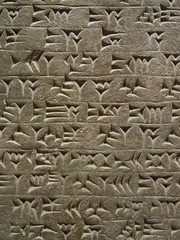
8386342277CuneiformA form of writing developed by the Sumerians using a wedge-shaped stylus and clay tablets10
8386342278City-stateA form of political organization typical of Mesopotamian civilization; consisted of agricultural hinterlands ruled by an urban-based king11
8386342279ZigguratsMassive towers usually associated with Mesopotamian temple connections12
8386342280Babylonian EmpireUnified all of Mesopotamia circa 1800 B.C.E.; collapsed due to foreign invasion circa 1600 B.C.E.13
8386342281Hammurabi's CodeEarliest known written set of laws, created by the Babylonian leader14
8386342282PharaohThe term used to denote the kings of ancient Egypt15
8386342283PyramidsMonumental architecture typical of Old Kingdom Egypt; used as burial sites for pharaohs16
8386342284HieroglyphsForm of writing developed in ancient Egypt; more pictorial than Mesopotamian cuneiform17
8386342285KushAfrican state that developed along the upper reaches of the Nile circa 1000 B.C.E.; conquered Egypt and ruled it for several centuries18
8386342286MonotheismThe exclusive worship of one god; introduced by Jews into Middle Eastern civilization19
8386342287PhoeniciansSeafaring civilization located on the shores of the eastern Mediterranean; established colonies throughout the Mediterranean20
8386342288Harappa and Mohenjo DaroMajor urban complexes of Harappan civilization; laid out on planned grid pattern21
8386342289AryansIndo-European nomadic, warlike, pastoralists who replaced Harappan civilization, brought early ideas of caste system to India22
8386342290Huanghe (Yellow) River BasinSite of the development of sedentary agriculture in China23
8386342291Shang1st Chinese dynasty24
8386342292OraclesShamans or priests in Chinese society who foretold the future through interpreting animal bones cracked by heat; inscriptions on bones led to Chinese writing25
8386342293PaleolithicThe period that ended about 3,000 years after the end of the last Ice Age, it lasted until about 10,000 years ago. (Old Stone Age) The period of the Stone Age associated with the evolution of humans. It predates the Neolithic period.26
8386342294Path of migration for humans during Paleolithic eraFrom Africa to Eurasia, Australia, and the Americas27
8386342295EglitarianBelieving in the equality of all peoples28
8386342296Humans developed a wider range of ____ specially adapted to different environments from tropics to tundratools29
8386342297Neolithic RevolutionGlobal conversion to agriculture over hunter-gatherer lifestyles30
8386342298PatriarchyFather based, culture in which males are dominant31
8386342299Pastoralists were often the developers and disseminators of of ____ and ___ that transformed warfare in agrarian civilizationsnew weapons modes of transportation32
8386342300name one mode of new transportation by the pastoralistsChariots Horseback riding33
8386342301____ arose independently in all early civilization and then were diffused to associated regionssystems of record keeping34
8386342302_____ developed in this period continued to have strong influences in later periodsNew religious beliefs35

Pages

Subscribe to CourseNotes RSS

Need Help?

We hope your visit has been a productive one. If you're having any problems, or would like to give some feedback, we'd love to hear from you.

For general help, questions, and suggestions, try our dedicated support forums.

If you need to contact the Course-Notes.Org web experience team, please use our contact form.

Need Notes?

While we strive to provide the most comprehensive notes for as many high school textbooks as possible, there are certainly going to be some that we miss. Drop us a note and let us know which textbooks you need. Be sure to include which edition of the textbook you are using! If we see enough demand, we'll do whatever we can to get those notes up on the site for you!