

Flashcards
AP Literature Poetry Terms Flashcards
Terms : Hide Images
| 11115067439 | alliteration | the repetition of identical or similar consonant sounds, normally at the beginning of words. | 0 | |
| 11115067440 | allusion | a reference in a work of literature to something outside the work | 1 | |
| 11115067441 | anaphora | the deliberate repetition of the first part of a line in subsequent lines | 2 | |
| 11115067442 | antithesis | a figure of speech characterized by strongly contrasting words, clauses, sentences, or ideas | 3 | |
| 11115067443 | apostrophe | a figure of speech in which someone, a abstract quality, or a nonexistent personage is directly addressed as though present | 4 | |
| 11115067444 | assonance | the repetition of identical or similar vowel sounds | 5 | |
| 11115067445 | asyndeton | a rhetorical term for a style which omits conjunctions between words, phrases, or clauses producing a hurried rhythm | 6 | |
| 11115067446 | ballad meter | a four-line stanza rhymed abcb in which lines one and three have four feet and lines two and four have three feet | 7 | |
| 11115067447 | blank verse | unrhymed iambic pentameter, meter of most of Shakespeare's plays | 8 | |
| 11115067448 | cacophony | a harsh, unpleasant combination of sounds or tones | 9 | |
| 11115067450 | caesura | a pause, usually near the middle of a line of verse, usually indicated by the sense of the line | 10 | |
| 11115067456 | chiasmus | rhetorical device in which two or more clauses are balanced against each other by the reversal of their structures in order to produce an artistic effect | 11 | |
| 11115067453 | conceit | an ingenious and fanciful notion or conception, usually expressed through an elaborate analogy, and pointing to a striking parallel between two seemingly dissimilar things, a brief metaphor | 12 | |
| 11115067449 | consonance | the repetition of similar consonant sounds in a group of words | 13 | |
| 11115067451 | couplet | a two-line stanza, usually with end-rhymes the same | 14 | |
| 11115067452 | devices of sound | rhyme, alliteration, assonance, consonance, and onomatopoeia used for many reasons, including creating a general effect of pleasant or of discordant sound, to imitate another sound, or to reflect a meaning. | 15 | |
| 11115067471 | diction | the use of words in a literary work, can be formal, informal, colloquial or slang | 16 | |
| 11115067479 | didactic poem | a poem which is intended primarily to teach a lesson. | 17 | |
| 11115067454 | dramatic poem | a poem which employs a dramatic form or some element or elements of dramatic techniques as a means of achieving poetic ends. The dramatic monologue is an example. | 18 | |
| 11115067485 | elegy | a sustained and formal poem setting forth the poet's meditations upon death or another solemn theme | 19 | |
| 11115067488 | ellipsis | A linguistically appropriate omission of words that are mutually understood and thus unnecessary | 20 | |
| 11115067491 | end-stopped | a line with a pause at the end. Lines that end with a period, a comma, a colon, a semicolon, an exclamation point, or a question mark are end-stopped lines | 21 | |
| 11115067495 | enjambment | the continuation of the sense and grammatical construction from one line of poetry to the next | 22 | |
| 11115067497 | extended metaphor | an implied analogy, or comparison, which is carried throughout a stanza or an entire poem | 23 | |
| 11153540669 | euphony | a style in which combinations of words pleasant to the ear predominate | 24 | |
| 12988604242 | eye rhyme | rhyme that appears correct from spelling, but is half-rhyme or slant rhyme from the pronunciation | 25 | |
| 12988604243 | feminine rhyme | a rhyme of two syllables, one stressed and one unstressed | 26 | |
| 12988604244 | figurative language | writing that uses figures of speech (as opposed to literal language or that which is actual or specifically denoted | 27 | |
| 12988604245 | free verse | poetry which is not written in a traditional meter but is still rhythmical. | 28 | |
| 12988604246 | heroic couplet | two end-stopped iambic pentameter lines rhymed aa, bb, cc with the thought usually completed in the two-line unit. | 29 | |
| 12988604247 | hyperbole | a deliberate, extravagant, and often outrageous exaggeration. | 30 | |
| 12988604248 | imagery | the visual auditory, or tactile images evoked by the words of a literary work or the images that figurative language evokes. | 31 | |
| 12988604249 | irony | the contrast between actual meaning and the suggestion of another meaning. Types of irony are verbal, socratic, dramatic, and situational. | 32 | |
| 12988604250 | internal rhyme | rhyme that occurs within a line, rather than at the end. The following lines contain internal | 33 | |
| 12988604251 | litote | an intentional use of understatement for ironic effect | 34 | |
| 12988604252 | lyric poem | any short poem that presents a single speaker who expresses thoughts and feelings. | 35 | |
| 12988604253 | malapropism | the use of an incorrect word in place of a similar sounding word for humorous effect. | 36 | |
| 12988604254 | masculine rhyme | rhyme that falls on the stressed and concluding syllables of the rhyme-words. | 37 | |
| 12988604255 | metaphor | a figurative use of language in which a comparison is expressed without the use of a comparative term like "as," "like," or "than." | 38 | |
| 12988604256 | meter | the repetition of a regular rhythmic unit in a line of poetry. The meter of a poem emphasizes the musical quality of the language and often relates directly to the subject matter of the poem. | 39 | |
| 12988604257 | menotymy | figure of speech which is characterized by the substitution of a term naming an object closely associated with the word in mind for the word itself. | 40 | |
| 12988604258 | mixed metaphors | the mingling of one metaphor with another immediately following with which the first is incongruous | 41 | |
| 12988604259 | narrative poem | a non-dramatic poem which tells a story or presents a narrative, whether simple or complex, long or short, like epics or ballads | 42 | |
| 12988604260 | non-sequitor | a statement not connected in a logical or clear way to anything that has come before it. | 43 | |
| 12988604261 | octave | an eight-line stanza. Most commonly, octave refers to the first division of an Italian sonnet. | 44 | |
| 12988604262 | onnomatopoeia | the use of words whose sound suggests their meaning. | 45 | |
| 12988604263 | oxymoron | a form of paradox that combines a pair of contrary terms into a single expression. This combination usually serves the purpose of shocking the reader into awareness. "wise fool" | 46 | |
| 12988604264 | paradox | a situation or action or feeling that appears to be contradictory but on inspection turns out to be true or at least to make sense. | 47 | |
| 12988604265 | parallelism | a similar grammatical structure within a line or lines of poetry. | 48 | |
| 13658216852 | polystndeton | repetition of conjugations | 49 | |
| 13658216853 | quatrain | 4 line stanza | 50 | |
| 13658216854 | refrain | a line or set of lines repeated several times over the course of a poem | 51 | |
| 13658216855 | scancion | the process of analyzing a poem's meter | 52 | |
| 13658220146 | synecdoche | a figure of speech in which a part is made to represent the whole or vice versa | 53 |
Flashcards
Flashcards
AP US History Period 1 Flashcards
Terms : Hide Images
| 14750512295 | maize cultivation | The growing of Indian corn, a staple of many Indians diets, leading many nomadic tribes to settle and develop great civilizations such as the Aztecs incas and Mayans. | 0 | |
| 14750512296 | hunter-gatherer economy | A nomadic way of life with no agriculture focused on following food sources including animals and wild plants | 1 | |
| 14750512297 | western hemisphere | The Americas |  | 2 |
| 14750512298 | west africa | A area of Africa that was previously unreachable until the invention of the caravel by the Portuguese, leading to exploitation of the region for its gold and slaves |  | 3 |
| 14750512299 | plantation-based agriculture | Large scale agriculture worked by slaves | 4 | |
| 14750512300 | capitalism | Economic system based on private investment and possessions | 5 | |
| 14750512301 | Cultural autonomy | Freedom of a group to express ones own culture without outside control i.g. The Christianization of the natives took away there Cultural autonomy | 6 | |
| 14750512302 | great basin | Desert area with no drainage to the ocean |  | 7 |
| 14750512303 | agricultural economy | economy based on the production of crops | 8 | |
| 14750512304 | spanish exploration | Colonization of the Americas by the conquistadors in search for gold, glory and god | 9 | |
| 14750512305 | encomienda system | A government system where natives were given to colonists to work in return for converting them to Christianity. | 10 | |
| 14750512306 | empire building | The Spanish increasing their empire through grafting their culture onto the natives and taking over the land | 11 | |
| 14750512307 | white superiority | The European idea they were superior to other cultures/ races and needed to enforce European culture/religion on them | 12 | |
| 14750512308 | great plains | The open plains of the Midwest where the natives adapted to roming the prairies on horseback | 13 | |
| 14750512309 | permanent villages | The settlements of Indians tribes based on the spread of agriculture | 14 | |
| 14750512310 | Portuguese exploration | Due to advancements in sailing technology the Portuguese were able to sail down the coast of Africa and open trade of gold and slaves, settle and make plantations and eventually find the way around Africa to the indies | 15 | |
| 14750512311 | slave labor | Forced labor of people considered property by the people in charge | 16 | |
| 14750512312 | feudalism | A political, economic, and social system based on the relationship between lord and vassal in order to provide protection | 17 | |
| 14750512313 | political autonomy | the ability of a state to govern themselves without outside control | 18 | |
| 14750512314 | Colombian exchange | the exchange between the new world and the old world consisting of the old world bringing wheat, cows, horses, sheep, pigs, sugar, rice, coffee, smallpox, malaria and yellow fever. while the new world sent gold, silver, corn, potatoes, tobacco, and syphills |  | 19 |
Flashcards
AP Terms Flashcards
Terms : Hide Images
| 14633516187 | Absolute | A word free from limitations or qualifications ("best," "all," "unique," "perfect") | 0 | |
| 14633516188 | Abstract | words or phrases denoting ideas, qualities, and conditions that exist but cannot be seen. Love is an example of this term; so are happiness, beauty, and patriotism. | 1 | |
| 14633516189 | Allegory | The device of using character and/or story elements symbolically to represent an abstraction in addition to the literal meaning. | 2 | |
| 14633516190 | Alliteration | The repetition of sounds, especially initial consonant sounds in two or more neighboring words (as in "she sells sea shells"). Although the term is not frequently in the multiple-choice section, you can look for alliteration in any essay passage. The repetition can reinforce meaning, unify ideas, supply musical sound, and/or echo the sense of the passage. | 3 | |
| 14633516191 | Allusion | A direct or indirect reference to something which is presumably commonly known, such as an event, book, myth, place, or work of art. Allusions can be historical, literary, religious, topical, or mythical. There are many more possibilities, and a work may simultaneously use multiple layers of allusion. | 4 | |
| 14633516192 | Ambiguity | the multiple meanings, either intentional or unintentional, of a word, phrase, sentence, or passage. | 5 | |
| 14633516193 | Analogy | a similarity or comparison between two different things or the relationship between them. This can explain something unfamiliar by associating it with or pointing out its similarity to something familiar. It can also make writing more vivid, imaginative, or intellectually engaging. | 6 | |
| 14633516194 | Anaphora | repetition of the same word or group of words at the beginning of successive clauses (Example: "In books I find the dead as if they were alive; in books I foresee things to come; in books warlike affairs are set forth; from books come for the laws of peace.") | 7 | |
| 14633516195 | Anecdote | A brief narrative that focuses on a particular incident or event. This will be related in some way to the topic presented and can provide laughter, truth, character features, or caution. | 8 | |
| 14633516196 | Antecedent | The word, phrase, or clause referred to by a pronoun. | 9 | |
| 14633516197 | Antithesis | the opposition or contrast of ideas; the direct opposite. | 10 | |
| 14633516198 | Aphorism | A terse statement of known authorship which expresses a general truth or a moral principle. (If the authorship is unknown, the statement is generally considered to be a folk proverb.) | 11 | |
| 14633516199 | Apostrophe | A figure of speech that directly addresses an absent or imaginary person or a personified abstraction, such as liberty or love. It is an address to someone or something that cannot answer. The effect may add familiarity or emotional intensity. | 12 | |
| 14633516200 | Appositive | a noun or noun phrase that renames another noun right beside it (Ex: The insect, a cockroach, is crawling across the table.) | 13 | |
| 14633516201 | Assonance | repetition of vowel sounds to create internal rhyming within phrases or sentences. Ex: Men sell the wedding bells. | 14 | |
| 14633516202 | Asyndeton | a construction in which elements are presented in a series without conjunctions ("They spent the day wondering, searching, thinking, understanding.") | 15 | |
| 14633516203 | Atmosphere | the emotions created by the entirety of a literary work, established partly by the author's choice of objects that are described. Even such elements as a description of the weather can contribute to this. Frequently it foreshadows events. Perhaps it can create a mood. | 16 | |
| 14633516204 | Caricature | A verbal description, the purpose of which is to exaggerate or distort, for comic effect, a person's distinctive physical features or other characteristics. | 17 | |
| 14633516205 | Chiasmas | A statement consisting of two parallel parts in which the second part is structurally reversed ("Susan walked in, and out rushed Mary.") | 18 | |
| 14633516206 | Cliché | an expression that has been overused to the extent that its freshness has worn off ("the time of my life," "at the drop of a hat") | 19 | |
| 14633516207 | Coherence | the principle of clarity and logical adherence to a topic that binds together all parts of a composition. | 20 | |
| 14633516208 | Colloquialism | The use of slang or informalities in speech or writing. Not generally acceptable for formal writing. They give a work a conversational, familiar tone. These expressions in writing include local or regional dialects. | 21 | |
| 14633516209 | Complex Sentence | a sentence with one independent clause and one or more dependent clauses. | 22 | |
| 14633516210 | Conceit | A fanciful expression, usually in the form of an extended metaphor or surprising analogy between seemingly dissimilar objects. This displays intellectual cleverness as a result of the unusual comparison being made. | 23 | |
| 14633516211 | Concrete | set of words or terms denoting objects or conditions that are palpable, visible, or otherwise evident to the senses. This is the opposite of abstract. | 24 | |
| 14633516212 | Connotation | The non-literal, associative meaning of a word; the implied, suggested meaning. This may involve ideas, emotions, or attitudes. | 25 | |
| 14633516213 | Denotation | The strict, literal, dictionary definition of a word, devoid of any emotion, attitude, or color. (Example: the denotation of a knife would be a utensil used to cut; the connotation of a knife might be fear, violence, anger, foreboding, etc.) | 26 | |
| 14633516214 | Diction | Related to style, this term refers to the writer's word choices, especially with regard to their correctness, clearness, or effectiveness. | 27 | |
| 14633516215 | Didactic | From the Greek, this term literally means "teaching." These words have the primary aim of teaching or instructing, especially the teaching of moral or ethical principles. | 28 | |
| 14633516216 | Euphemism | From the Greek for "good speech," this is a more agreeable or less offensive substitute for a generally unpleasant word or concept and may be used to adhere to standards of social or political correctness or to add humor or ironic understatement. Saying "earthly remains" rather than "corpse" is an example of this term. | 29 | |
| 14633516217 | Extended Metaphor | a metaphor developed at great length, occurring frequently in or throughout a work. | 30 | |
| 14633516218 | Figurative Language | writing or speech that is not intended to carry literal meaning and is usually meant to be imaginative and vivid. | 31 | |
| 14633516219 | Homily | This term means "sermon," but more informally, it can include any serious talk, speech, or lecture involving moral or spiritual advice. | 32 | |
| 14633516220 | Hyperbole | A figure of speech using deliberate exaggeration or overstatement. (The literal Greek meaning is "overshoot.") | 33 | |
| 14633516221 | Idiom | an expression in a given language that cannot be understood from the literal meaning of the words in the expression; or, a regional speech or dialect ("fly on the wall," "cut to the chase") | 34 | |
| 14633516222 | Imagery | The sensory details or figurative language used to describe, arouse emotion, or represent abstractions. On a physical level, this uses terms related to the five senses: visual, auditory, tactile, gustatory, and olfactory. On a broader and deeper level, however, one image can represent more than one thing. | 35 | |
| 14633516223 | Inference/Infer | to draw a reasonable conclusion from the information presented. | 36 | |
| 14633516224 | Invective | an emotionally violent, verbal denunciation or attack using strong, abusive language | 37 | |
| 14633516225 | Inverted Syntax | a sentence constructed so that the predicate comes before the subject (ex: in the woods I am walking) | 38 | |
| 14633516226 | Irony | the contrast between what is stated explicitly and what is really meant, or the difference between what appears to be and what is actually true. | 39 | |
| 14633516227 | Verbal Irony | when the words literally state the opposite of the writer's (or speaker's) meaning. | 40 | |
| 14633516228 | Situational Irony | when events turn out the opposite of what was expected; when what the characters and readers think ought to happen is not what does happen. | 41 | |
| 14633516229 | Dramatic Irony | when facts or events are unknown to a character in a play or piece of fiction but known to the reader, audience, or other characters in the work. | 42 | |
| 14633516230 | Juxtaposition | placing two elements side by side to present a comparison or contrast. | 43 | |
| 14633516231 | Litotes | a form of understatement that involves making an affirmative point by denying its opposite. Examples: "not a bad idea," "not many," "it isn't very serious," "I have this tiny little tumor on the brain (Catcher in the Rye)" | 44 | |
| 14633516232 | Loose Sentence (Non-Periodic Sentence) | A type of sentence in which the main idea (independent clause) comes first, followed by dependent grammatical units such as phrases and clauses. Example: I arrived at the San Diego airport after a long, bumpy ride and multiple delays. The sentence could stop at: I arrived at the San Diego airport. | 45 | |
| 14633516233 | Malapropism | the mistaken substitution of one word for another word that sounds similar ("The doctor wrote a subscription.") | 46 | |
| 14633516234 | Metaphor | a figure of speech using implied comparison of seemingly unlike things or the substitution of one for the other, suggesting some similarity. | 47 | |
| 14633516235 | Metonymy | a term from the Greek meaning "changed label" or "substitute name," this term is a figure of speech in which the name of one object is substituted for that of another closely associated with it. For example, a news release that claims "the White House declared" rather than "the President declared" is using this figure of speech. The substituted term generally carries a more potent emotional impact. | 48 | |
| 14633516236 | Mood | The prevailing atmosphere or emotional aura of a work. | 49 | |
| 14633516237 | Narrative | the telling of a story or an account of an event of series of events. | 50 | |
| 14633516238 | Onomatopoeia | a figure of speech in which natural sounds are imitated in the sounds of words. Simple examples include words as buzz, hiss, hum, crack, whinny, and murmur. If you note examples of onomatopoeia in an essay passage, not the effect. | 51 | |
| 14633516239 | Oxymoron | From the Greek for "pointedly foolish," an this is a figure of speech wherein the author groups apparently contradictory terms to suggest a paradox. Simple examples include "jumbo shrimp" and "cruel kindness." | 52 | |
| 14633516240 | Paradox | A statement that appears to be self-contradictory or opposed to common sense but upon closer inspection contains some degree of truth or validity. | 53 | |
| 14633516241 | Parenthetical | a comment that interrupts the immediate subject, often to qualify or explain. Example: Strawberry jam, for instance, doesn't make a good spaghetti sauce. | 54 | |
| 14633516242 | Polysyndeton | the use, for rhetorical effect, of more conjunctions that is necessary or natural. | 55 | |
| 14633516243 | Parallelism | Also referred to as parallel construction or parallel structure, this term comes from Greek roots meaning "beside one another." It refers to the grammatical or rhetorical framing of words, phrases, sentences, or paragraphs to give structural similarity. | 56 | |
| 14633516244 | Parody | A work that closely imitates the style or content of another with the specific aim of comic effect and/or ridicule. It exploits peculiarities of an author's expression (propensity to use too many parentheses, certain favorite words, etc.) | 57 | |
| 14633516245 | Pedantic | an adjective that describes words, phrases, or general tone that is overly scholarly, academic, or bookish (language that might be described as "show-offy;" using big words for the sake of using big words) | 58 | |
| 14633516246 | Periodic Sentence | The opposite of loose sentence, a sentence that presents its central meaning in a main clause at the end. This independent clause is preceded by a phrase or clause that cannot stand alone. The effect of a periodic sentence is to add emphasis and structural variety. It is also a much stronger sentence that the loose sentence. (Example: After a long, bumpy flight and multiple delays, I arrived at the San Diego airport.) | 59 | |
| 14633516247 | Personification | a figure of speech in which the author presents or describes concepts, animals, or inanimate objects by endowing them with human attributes or emotions. Personification is used to make these abstractions, animals, or objects appear more vivid to the reader. | 60 | |
| 14633516248 | Point of View | in literature, the perspective from which a story is told. | 61 | |
| 14633516249 | First Person Narrator | tells the story with the first person pronoun, "I," and is a character in the story. This narrator can be the protagonist, a secondary character, or an observing character. | 62 | |
| 14633516250 | Third Person Narrator | relates the events with the third person pronouns, "he," "she," and "it." | 63 | |
| 14633516251 | Third Person Omniscent | in which the narrator, with godlike knowledge, presents the thoughts and actions of any or all characters. | 64 | |
| 14633516252 | Third Person Limited Omniscent | in which the narrator presents the feelings and thoughts of only one character, presenting only the actions of all the remaining characters. | 65 | |
| 14633516253 | Repetition | the duplication, either exact of approximate, of any element of language, such as sound, word, phrase, clause, sentence, or grammatical pattern. | 66 | |
| 14633516254 | Rhetoric | from the Greek for "orator," this term describes the principles governing the art of writing effectively, eloquently, and persuasively. | 67 | |
| 14633516255 | Rhetorical Modes | this flexible term describes the variety, the conventions, and the purposes of the major kinds of writing | 68 | |
| 14633516256 | Exposition | the purpose is to explain and analyze information by presenting an idea, relevant evidence, and appropriate discussion. | 69 | |
| 14633516257 | Argumentation | the purpose is to prove the validity of an idea, or point of view, by presenting sound reasoning, discussion, and argument that thoroughly convince the reader. | 70 | |
| 14633516258 | Persuasive | a type of argumentation having an additional aim of urging some form of action. | 71 | |
| 14633516259 | Description | the purpose is to recreate, invent, or visually present a person, place, event or action so that the reader can picture that being described. Sometimes an author engages all five senses in description; good descriptive writing can be sensuous and picturesque. Descriptive writing may be straightforward and objective or highly emotional and subjective. | 72 | |
| 14633516260 | Narration | the purpose is to tell a story or narrate an event or series of events. | 73 | |
| 14633516261 | Rhetorical Question | a question posed with no expectation of receiving an answer. | 74 | |
| 14633516262 | Sarcasm | from the Greek meaning "to tear flesh," it involves bitter, caustic language that is meant to hurt or ridicule someone or something. When well done, it can be witty and insightful; when poorly done it is simply cruel. | 75 | |
| 14633516263 | Satire | a work that targets human vices and follies or social institutions and conventions for reform or ridicule. Regardless of whether or not the work aims to reform human behavior, satire is best seen as a style of writing rather than a purpose for writing. It can be recognized by the many devices used effectively by the satirist: irony, wit, parody, caricature, hyperbole, understatement, and sarcasm. The effects of satire are varied, depending on the writer's goal, but good satire, often humorous, is thought provoking and insightful about the human condition. | 76 | |
| 14633516264 | Semantics | the branch of linguistics that studies the meaning of words, their historical and psychological development, their connotations, and their relation to one another. | 77 | |
| 14633516265 | Style | An evaluation of the sum of the choices an author makes in blending diction, syntax, figurative language, and other literary devices. | 78 | |
| 14633516266 | Syllepsis | a construction in which one word is used in two different senses ("After he threw the ball, he threw a fit.") | 79 | |
| 14633516267 | Syllogism | from the Greek for "reckoning together," this term is a deductive system of formal logic that presents two premises (the first one called "major" and the second called "minor") that inevitably lead to a sound conclusion. o Major premise: All men are mortal. o Minor premise: Socrates is a man. o Conclusion: Therefore, Socrates is a mortal. This term's conclusion is valid only if each of the two premises is valid. | 80 | |
| 14633516268 | Symbol/Symbolism | Generally, anything that represents itself and stands for something else. | 81 | |
| 14633516269 | Synecdoche | a figure of speech in which a part of something is used to represent the whole or, occasionally, the whole is used to represent a part. Examples: to refer to a boat as a "sail"; to refer to a car as "wheels"; to refer to the violins, violas, etc. in an orchestra as "the strings." **Different than metonymy, in which one thing is represented by another thing that is commonly physically associated with it (but is not necessarily a part of it), i.e., referring to a monarch as "the crown" or the President as "The White House." | 82 | |
| 14633516270 | Synesthesia | when one kind of sensory stimulus evokes the subjective experience of another. Ex: the sight of red ants makes you itchy. In literature, this refers to the practice of associating two or more different senses in the same image. Example: Red Hot Chili Peppers' song title, "Taste the Pain." | 83 | |
| 14633516271 | Syntax | the way an author chooses to join words into phrases, clauses, and sentences. | 84 | |
| 14633516272 | Theme | the central idea or message of a work, the insight it offers into life. | 85 | |
| 14633516273 | Thesis | In expository writing, this is the sentence or group of sentences that directly expresses the author's opinion, purpose, meaning, or position. | 86 | |
| 14633516274 | Tone | Similar to mood, this term describes the author's attitude toward his material, the audience, or both. | 87 | |
| 14633516275 | Transition | a word or phrase that links different ideas. | 88 | |
| 14633516276 | Understatement | the ironic minimalizing of fact, this term presents something as less significant than it is. The effect can frequently be humorous and emphatic. | 89 | |
| 14633516277 | Wit | in modern usage, intellectually amusing language that surprises and delights. | 90 |
AP US History Period 3 Flashcards
Terms : Hide Images
| 13704855097 | The French and Indian War (7 years war) | 1754-1763 War between French and British in American colonies. Colonists moving into French land in Ohio River Valley Ended with Treaty of Paris 1963 |  | 0 |
| 13705077726 | French Colonists | Samuel de Champlain founded Quebec 1608. Motives- fur trading, catholic jesuit missionaries | 1 | |
| 13705077727 | Albany Plan | 7yrs war. British coordinating war effort and colonian defense. Wanted to get iroquois to join them. Albany Plan of Union by Benjamin Franklin 1754 to unite the 13 colonies for trade, military, and other purposes; turned down by the colonies and the Crown | 2 | |
| 13704855098 | Proclamation Act of 1763 | Line drawn by British Parliament, colonists not allowed to settle past Appalachian mountains |  | 3 |
| 13704855100 | Common Sense | 1776 pamphlet written by Thomas Paine to get people to want independence |  | 4 |
| 13705077728 | Navigation Acts | Control colonial trade. Violators tried in Vice-Admirality Courts | 5 | |
| 13705077729 | Sons of Liberty | Secret society formed to oppose British policies. Organized boycotts. Samuel Adams, Paul Revere Daughters of liberty organised "spinning bees" | 6 | |
| 13705165884 | Commitees of Correspondence | 1772 by Samuel Adams. Keep communication and help towns and colonies share information about resisting British laws. Colonial unity. | 7 | |
| 13705165885 | Boston Tea Party (1773) | British passed Coercive Acts 1774 "Intolerable Acts" Colonists responded with Suffolk Resolves- rejected act and resorted to boycotting British goods | 8 | |
| 13705165886 | 1st Continental Congress | 1774. Wanted to repair relationship with England | 9 | |
| 13705165887 | 2nd Continental Congress | 1775 Sent the "Olive Branch Petition". Created a continental army with George Washington as the leader. Agreed to write a formal letter declaring their independence from England. | 10 | |
| 13704855101 | The Declaration Of Independence | 1776 document written by colonist elites to British King and Parliament stating independence and what all was wrong with British rule and the King |  | 11 |
| 13704855102 | Battle of Saratoga | Revolutionary war. British and Americans in country side, Americans win by a lot and show they have a chance |  | 12 |
| 13704855103 | French American Alliance | Formed after battle of Saratoga when Americans proved to French they can win and French are allies because they want to damage an age old enemy |  | 13 |
| 13704855104 | Treaty of Paris 1783 | 1783 ended the American Revolutionary War. Boundary extended to Mississippi river. Franklin, Adams, John Jay |  | 14 |
| 13704855105 | Enlightenment | A movement in the 18th century that advocated the use of reason in the reappraisal of accepted ideas and social institutions. |  | 15 |
| 13704855106 | John Locke | English philosopher who advocated the idea of a "social contract" in which government powers are derived from the consent of the governed and in which the government serves the people; also said people have natural rights to life, liberty and property. |  | 16 |
| 13704855107 | George Whitefield | Credited with starting the Great Awakening, also a leader of the "New Lights." |  | 17 |
| 13704855108 | Great Awakening | a religious movement that became widespread in the American colonies in the 1730s and 1740s |  | 18 |
| 13704855109 | Ben Franklin | A delegate from Pennsylvania and proposed the "Albany Plan of the Union" as a way to strengthen colonies. | 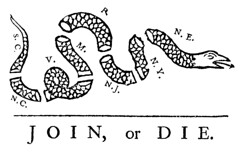 | 19 |
| 13704855111 | Sugar Act of 1764 | An act that raised tax revenue in the colonies for the crown. It also increased the duty on foreign sugar imported from the West Indies. |  | 20 |
| 13704855112 | Virtual Representation | The political theory that a class of persons is represented in a lawmaking body without direct vote. |  | 21 |
| 13704855114 | Townshend Acts | A tax that the British Parliament passed in 1767 that was placed on leads, glass, paint and tea |  | 22 |
| 13704855115 | Popular Sovereignty | A belief that ultimate power resides in the people. |  | 23 |
| 13704855116 | Thomas Jefferson | Wrote the Declaration of Independence |  | 24 |
| 13704855119 | Patriots | (also known as Revolutionaries, Continentals, Rebels, or American Whigs) were those colonists of the Thirteen Colonies who rejected British rule during the American Revolution and declared the United States of America as an independent nation in July 1776. |  | 25 |
| 13704855120 | Tories/Loyalists | Colonists who favored remaining under British control |  | 26 |
| 13704855121 | Bill of Rights | The first ten amendments to the Constitution |  | 27 |
| 13704855122 | Articles of Confederation | 1st Constitution of the U.S. 1781-1788 (weaknesses-no executive, no judicial, no power to tax, no power to regulate trade) |  | 28 |
| 13704855123 | Shay's Rebellion | 1787. Post-war depression, farmers hard hit. Ex-Revolutionary War soilders demanded lower taxes, end of foreclosures, paper $, and end of imprisonment for debt |  | 29 |
| 13704855124 | Republican Motherhood | The idea that American women had a special responsibility to cultivate "civic virtue" in their children |  | 30 |
| 13704855125 | Northwest Ordinance | 1787, it is considered one of the most significant achievements of the Articles of Confederation. It established a system for setting up governments in the western territories so they could eventually join the Union on an equal footing with the original 13 states |  | 31 |
| 13704855126 | Federalist Papers | A collection of 85 articles written by Alexander Hamilton, John Jay, and James Madison under the name "Publius" to defend the Constitution in detail. |  | 32 |
| 13704855127 | Federalists | Supported a strong central government and ratification of the Constitution |  | 33 |
| 13704855128 | Antifederalists | Weaker national government |  | 34 |
| 13704855129 | Constitutional Convention 1787 | To revise Articles of Confed. Great Compromise- 2 senators per state and House of Representatives based on population 3/5 compromise and end to slave trade in 1808 Create new, stronger centeral govm. |  | 35 |
| 13704855130 | Whiskey Rebellion | In 1794, farmers in Pennsylvania rebelled against Hamilton's excise tax on whiskey, and several federal officers were killed in the riots caused by their attempts to serve arrest warrants on the offenders. In October, 1794, the army, led by Washington, put down the rebellion. The incident showed that the new government under the Constitution could react swiftly and effectively to such a problem, in contrast to the inability of the government under the Articles of Confederation to deal with Shay's Rebellion. |  | 36 |
| 13704855131 | XYZ Affair | A 1797 incident in which French officials demanded a bribe from U.S. diplomats |  | 37 |
| 13704855132 | Bank of the United States (BUS) | Alexander Hamilton economic plan. Jefferson opposed the bank; he thought it was un-constitutional. nevertheless, it was created. This issue brought about the issue of implied powers. It also helped start political parties, this being one of the major issues of the day. |  | 38 |
| 13704855133 | Alien and Sedition Acts | Series of four laws enacted in 1798 to reduce the political power of recent immigrants |  | 39 |
| 13705942097 | French Revolution (1789) | Federalists pro-England, Jeffersonian (Democratic) Republicans pro-French. Wanted extension of our own liberty English immpressment of U.S ships Proclamation of Neutrality 1793 | 40 | |
| 13705942098 | Jeffersonian Republicans | Agrarian vision, south and west, strict interpretation of constitution, state rights | 41 | |
| 13705942099 | Washington's Farewell Address | 1796, warned against the dangers of political parties and foreign alliances. | 42 |
AP Language Literary Terms, AP Language terms Flashcards
Terms : Hide Images
| 13981177235 | Cumulative (Loose) Sentence | begins with a main clause that is followed by phrases and/or clauses that modify the main clause. These phrases or clauses add information to the main or independent clause. | 0 | |
| 13981177236 | Periodic Sentence | a sentence that, by leaving the completion of its main clause to the end, produces an effect of suspense. |  | 1 |
| 13981177237 | Litotes/Understatement | a figure of speech in which a negative statement is used to affirm a positive statement. | 2 | |
| 13981177238 | Warrant | expresses the assumption necessarily shared by the speaker and the audience. | 3 | |
| 13981177239 | Ethos | an appeal to ethics and it is a means of convincing someone of the character or credibility of the persuader. | 4 | |
| 13981177240 | Pathos | an appeal to emotion, and is a way of convincing an audience of an argument by creating an emotional response. | 5 | |
| 13981177241 | Logos | an appeal to logic, and is a way of persuading an audience by reason. | 6 | |
| 13981177242 | Concession | an acknowledgement that an opposing argument may be true or reasonable. | 7 | |
| 13981177243 | Syllogism | A logical structure that uses the major premise and minor premise to reach a necessary conclusion. |  | 8 |
| 13981177244 | Major premise | contains the term that is the predicate of the conclusion. |  | 9 |
| 13981177245 | Minor premise | contains the term that is the subject of the conclusion. | | 10 |
| 13981177246 | Induction | a logical process wherein you reason from particulars to universal, using specific cases in order to draw a conclusion, which is also called a generalization. | 11 | |
| 13981177247 | Deduction | a logical process wherein you reach a conclusion by starting with a general principle or universal truth (a major premise). | 12 | |
| 13981177248 | Equivocation | a fallacy of argument in which a lie is given the appearance of truth, or in which the truth is misrepresented in deceptive language. | 13 | |
| 13981177249 | Refutation | a denial of the validity of an opposing argument. | 14 | |
| 13981177250 | Diction | a speaker's choice of words. Analysis of diction looks at these choices and what they add to the speaker's message. | 15 | |
| 13981177251 | Simile | a figure of speech used to explain or clarify an idea by comparing it explicitly to something else, using words like, as, or as though. |  | 16 |
| 13981177252 | Metaphor | figure of speech that compares two unlike things without using like or as. | 17 | |
| 13981177253 | Anaphora | the intentional repetition of beginning clauses in order to create an artistic effect. |  | 18 |
| 13981177254 | Rhetoric | it is the art of finding ways of persuading an audience. | 19 | |
| 13981177255 | Allusion | brief reference to a person, event, or place (real or fictitious) to to a work of art. | 20 | |
| 13981177256 | Hyperbole | deliberate exaggeration used for emphasis or to produce a comic or ironic effect; an overstatement to make a point. | 21 | |
| 13981177257 | Personification | attribution of a lifelike quality to an inanimate object or an idea. | 22 | |
| 13981177258 | Asyndeton | omission of conjunctions between coordinate phrases, clauses, or words. | 23 | |
| 13981177259 | Polysyndeton | the deliberate use of multiple conjunctions between coordinate phrases, clauses or words. |  | 24 |
| 13981177260 | Parallelism | similarity of structure in a pair or series of related words, phrases, or clauses. | 25 | |
| 13981177261 | Antithesis | opposition, or contrast or ideas or words in a parallel construction. | 26 | |
| 13981177262 | Enumeration | to mention separately as if in counting; name one by one; specify, as in list |  | 27 |
| 13981177263 | Rhetorical Question | Figure of speech in the form of a question posed for the rhetorical effect rather than for the purpose of getting an answer. Ex.) Are you stupid? | 28 | |
| 13981177264 | Chiasmus | the reversal in the order of words in two otherwise parallel phrases. Ex.) He went to the country, the country went to him. |  | 29 |
| 13981177265 | Rebuttal | In the Toulon model, a rebuttal gives voice to possible objections. |  | 30 |
| 13981177266 | Fallacy of Argument | a flaw in the structure of an argument that renders its conclusion invalid or suspect. |  | 31 |
| 13981177267 | Bandwagon Appeal | a fallacy of argument in which a course of action is recommended on the grounds that everyone else is following it. | 32 | |
| 13981177268 | Begging the Question | a fallacy of argument in which a claim is based on the very grounds that are in doubt or dispute. | 33 | |
| 13981177269 | Anecdote | a brief story used to illustrate a point or claim. |  | 34 |
| 13981177270 | Modes of Disclosure | Exposition- illustrates a point Narration- tells a story Description- creates a sensory image Argumentation- takes a position on an issue and defends it. | 35 | |
| 13981177271 | Example | a specific event, person, or detail of an idea cited and/or developed to support or illustrate a thesis or topic. | 36 | |
| 13981177272 | Contrast/ Comparison | a method of presenting similarities and differences between or among at least two persons, places, things, ideas, etc. may be organized by: Subject by subject Point by point Combination | 37 | |
| 13981177273 | Cause and Effect | establishes a relationship: B is the result of A. | 38 | |
| 13981177274 | Classification | separates items into major categories and details the characteristics of each group is placed within the category. | 39 | |
| 13981177275 | Process | simply "how to" do something is done. It can have one of two purposes. It can either give instructions or inform the reader about how something is done. | 40 | |
| 13981177276 | Definition | identifies the class to which a specific term belongs and those characteristics which make it different from all the other items in that class. | 41 | |
| 13981177277 | Narration | is nothing more than storytelling. There is a beginning, a middle, and an end. | 42 | |
| 13981177278 | Description | writing that appeals to the senses. It can be objective, which is scientific or clinical, or it can be impressionistic, which tries to involve the reader's emotions or feelings. | 43 | |
| 13981177279 | Dogmatism | a fallacy of argument in which a claim is supported on the grounds that it's the only conclusion acceptable within a given community. | 44 | |
| 13981177280 | False Dilemma or Dichotomy | a fallacy of argument in which a complicated issue is misrepresented as offering only two possible alternatives, one of which is often made to seem vastly preferable to the other. | 45 | |
| 13981177281 | False authority | a fallacy of argument in which a claim is based on the expertise of someone who lacks appropriate credentials. | 46 | |
| 13981177282 | Faulty causality | a fallacy of argument making the unwarranted assumption that because one event follows another, the first event causes the second. Also called post hoc, ergo propter hoc, this forms the basis of many superstitions. | 47 | |
| 13981177283 | Hasty generalization | a fallacy of argument in which an inference is drawn from insufficient data. | 48 | |
| 13981177284 | Non sequitor | a fallacy of argument in which claims, reasons, or warrants fail to connect logically; one point doesn't follow from another. | 49 | |
| 13981177297 | Allegory | The device of using character and/or story elements symbolically to represent an abstraction in addition to the literal meaning. A story in which each aspect of the story has a symbolic meaning outside the tale itself. | 50 | |
| 13981177298 | Alliteration | The repetition of sounds, especially initial consonant sounds in two or more neighboring words (as in "she sells sea shells"). |  | 51 |
| 13981177299 | Allusion | A direct or indirect reference to something which is presumably commonly known, such as an event, book, myth, place, or work of art. | 52 | |
| 13981177300 | Ambiguity | The multiple meanings, either intentional or unintentional, of a word, phrase, sentence, or passage. |  | 53 |
| 13981177301 | Analogy | A similarity or comparison between two different things or the relationship between them. | 54 | |
| 13981177302 | Antecedent | The word, phrase, or clause referred to by a pronoun. | 55 | |
| 13981177303 | Antithesis | the opposition or contrast of ideas; the direct opposite. |  | 56 |
| 13981177304 | Aphorism | A terse statement of known authorship which expresses a general truth or a moral principle. (If the authorship is unknown, the statement is generally considered to be a folk proverb.) | 57 | |
| 13981177305 | Apostrophe | A prayer like figure of speech that directly addresses an absent or imaginary person or a personified abstraction, such as liberty or love. It is an address to someone or something that cannot answer. | 58 | |
| 13981177306 | Atmosphere | The emotional nod created by the entirety of a literary work, established partly by the setting and partly by the author's choice of objects that are described. | 59 | |
| 13981177307 | Caricature | a verbal description, the purpose of which is to exaggerate or distort, for comic effect, a person's distinctive physical features or other characteristics. | 60 | |
| 13981177308 | Clause | A grammatical unit that contains both a subject and a verb. | 61 | |
| 13981177309 | Colloquial/Colloquialism | The use of slang or informalities in speech or writing. | 62 | |
| 13981177310 | Literary Conceit | A fanciful expression, usually in the form of an extended metaphor or surprising analogy between seemingly dissimilar objects; displays intellectual cleverness through unusual comparisons that make good sense | 63 | |
| 13981177311 | Connotation | The non-literal, associative meaning of a word; the implied, suggested meaning. | 64 | |
| 13981177312 | Denotation | The strict, literal, dictionary definition of a word, devoid of any emotion, attitude, or color. | 65 | |
| 13981177313 | Diction | Related to style, diction refers to the writer's word choices, especially with regard to their correctness, clearness, or effectiveness. | 66 | |
| 13981177314 | Didactic | From the Greek, didactic literally means "teaching." | 67 | |
| 13981177315 | Euphemism | From the Greek for "good speech," euphemisms are a more agreeable or less offensive substitute for a generally unpleasant word or concept - POLITICALLY CORRECT | 68 | |
| 13981177316 | Extended Metaphor | A metaphor developed at great length, occurring frequently in or throughout a work. | 69 | |
| 13981177317 | Figurative Language | Writing or speech that is not intended to carry literal meaning and is usually meant to be imaginative and vivid | 70 | |
| 13981177318 | Figure of speech | A device used to produce figurative language. Many compare dissimilar things. Figures of speech include apotrophe hyperbole irony metaphor oxymoron paradox personification simile syneddoche understatement | 71 | |
| 13981177319 | Genre | The major category into which a literary work fits. The basic divisions of literature are prose, poetry, and drama. | 72 | |
| 13981177320 | Homily | This term literally means "sermon," but more informally, it can include any serious talk, speech, or lecture involving moral or spiritual advice. | 73 | |
| 13981177321 | Hyperbole | A figure of speech using deliberate exaggeration or overstatement. (The literal Greek meaning is "overshoot.") | 74 | |
| 13981177322 | Imagery | The sensory details or figurative language used to describe, arouse emotion, or represent abstractions. | 75 | |
| 13981177323 | Inference/infer | To draw a reasonable conclusion from the information presented. | 76 | |
| 13981177324 | Invective | an emotionally violent, verbal denunciation or attack using strong, abusive language. | 77 | |
| 13981177325 | Irony/ironic | The contrast between what is stated explicitly and what is really meant, or the difference between what appears to be and what is actually true. | 78 | |
| 13981177326 | Loose sentence/non-periodic sentence | A type of sentence in which the main idea (independent clause) comes first, followed by dependent grammatical units such as phrases and clauses. | 79 | |
| 13981177327 | Metaphor | A figure of speech using implied comparison of seemingly unlike things or the substitution of one for the other, suggesting some similarity. | 80 | |
| 13981177328 | Metonymy | A figure of speech in which the name of one object is substituted for that of another closely associated with it. | 81 | |
| 13981177329 | Mood | The prevailing atmosphere or emotional aura of a work. | 82 | |
| 13981177330 | Narrative | The telling of a story or an account of an event or series of events. | 83 | |
| 13981177331 | Onomatopoeia | A figure of speech in which natural sounds are imitated in the sounds of words. | 84 | |
| 13981177332 | Oxymoron | Oxymoron is a figure of speech wherein the author groups apparently contradictory terms to suggest a paradox. | 85 | |
| 13981177333 | Paradox | A statement that appears to be self-contradictory or opposed to common sense but upon closer inspection contains some degree of truth or validity. | 86 | |
| 13981177334 | Parallelism | the use of successive verbal constructions in poetry or prose that correspond in grammatical structure, sound, meter, meaning, etc. | 87 | |
| 13981177335 | Parody | A work that closely imitates the style or content of another with the specific aim of comic effect and/or ridicule. | 88 | |
| 13981177336 | Pedantic | An adjective that describes words, phrases, or general tone that is overly scholarly, academic, or bookish (language that might be described as "show-offy"; using big words for the sake of using big words). | 89 | |
| 13981177337 | Periodic sentence | The opposite of loose sentence, a sentence that presents its central meaning in a main clause at the end. | 90 | |
| 13981177338 | Personification | A figure of speech in which the author presents or describes concepts, animals, or inanimate objects by endowing them with human attributes or emotions. | 91 | |
| 13981177339 | Point of view | In literature, the perspective from which a story is told. | 92 | |
| 13981177340 | Prose | written or spoken language in its ordinary form, without metrical structure. | 93 | |
| 13981177341 | Repetition | The duplication, either exact or approximate, of any element of language, such as a sound, word, phrase, clause, sentence, or grammatical pattern. | 94 | |
| 13981177342 | Rhetoric | From the Greek for "orator," this term describes the principles governing the art of writing effectively, eloquently, and persuasively. | 95 | |
| 13981177343 | Sarcasm | Involves bitter, caustic language that is meant to hurt or ridicule someone or something. | 96 | |
| 13981177344 | Satire | A work that targets human vices and follies or social institutions and conventions for reform or ridicule. | 97 | |
| 13981177345 | Subordinate clause | Like all clauses, this word group contains both a subject and a verb (plus any accompanying phrases or modifiers), but unlike the independent clause, this clause cannot stand alone; it does not express a complete thought. | 98 | |
| 13981177346 | Syllogism | A deductive system of formal logic that presents two premises (the first one called "major" and the second called "minor") that inevitably lead to a sound conclusion. | 99 | |
| 13981177347 | Symbol/symbolism | Generally, anything that represents itself and stands for something else. | 100 | |
| 13981177348 | Syntax | The way an author chooses to join words into phrases, clauses, and sentences. | 101 | |
| 13981177349 | Theme | The central idea or message of a work, the insight it offers into life. | 102 | |
| 13981177350 | Thesis | The sentence or group of sentences that directly expresses the author's opinion, purpose, meaning, or position. | 103 | |
| 13981177351 | Tone | Describes the author's attitude toward his material, the audience, or both. | 104 | |
| 13981177352 | Transition | A word or phrase that links different ideas. Used especially, although not exclusively, in expository and argumentative writing, effectively signal a shift from one idea to another. | 105 | |
| 13981177353 | Understatement | the ironic minimalizing of fact; presents something as less significant than it is. | 106 | |
| 13981177354 | Wit | in modern usage, intellectually amusing language that surprises and delights. | 107 | |
| 13981177355 | Slippery Slope | This is the failure to provide evidence to support a claim that one event will lead to a catastrophic chain of events. | 108 | |
| 13981177356 | Straw man | When a writer argues against a claim that nobody actually holds or is universally considered weak. | 109 | |
| 13981177357 | Ethos | An appeal to credibility. The writer is seeking to convince you that he or she has the background, history, skills, and/or expertise to speak on the issue. | 110 | |
| 13981177358 | Juxtaposition | Making on idea more dramatic by placing it next to its opposite. | 111 | |
| 13981177359 | Logos | An appeal to reason. | 112 | |
| 13981177360 | Pathos | An appeal to emotion. | 113 | |
| 13981177361 | Rhetorical Question | A question whose answer is assumed. | 114 | |
| 13981177362 | Simile | A critical figure of speech in an argument when what is unknown is compared to something that is known using the word "like," "as," or "than" in order to better perceive its importance. | 115 | |
| 13981177363 | rhetorical appeal | the persuasive devices by which a writer tries to sway an audience's attention and response to any given work. See logos, ethos, and pathos. | 116 | |
| 13981177364 | descriptive detail | When an essay uses this phrase, look for the writer's sensory description. | 117 | |
| 13981177365 | Anaphora | Figure of repetition that occurs when the first word or set of words in one sentence, clause, or phrase is/are repeated at or very near the beginning of successive sentences, clauses, or phrases; repetition of the initial words over successive phrases or clauses | 118 | |
| 13981177366 | Anecdote | A brief story that illustrates or makes a point | 119 | |
| 13981177367 | Appeal to authority | A fallacy in which a speaker or writer seeks to persuade not by giving evidence but by appealing to the respect people have for a famous person or institution. | 120 | |
| 13981177368 | Argumentation | one of the four forms of discourse which uses logic, ethics, and emotional appeals (logos, ethos, pathos) to develop an effective means to convince the reader to think or act in a certain way. | 121 | |
| 13981177369 | Assonance | Repetition of a vowel sound within two or more words in close proximity | 122 | |
| 13981177370 | Asyndeton | A series of words separated by commas (with no conjunction). | 123 | |
| 13981177371 | tone | A speaker's, author's, or character's disposition toward or opinion of a subject. | 124 | |
| 13981177372 | audience | One's listener or readership; those to whom a speech or piece of writing is addressed. | 125 | |
| 13981177373 | Begging the question | Often called circular reasoning, __ occurs when the believability of the evidence depends on the believability of the claim. | 126 | |
| 13981177285 | understatement | "I have to have this operation. It isn't very serious. I have this tiny little tumor on the brain." Holden Caulfield, Catcher in the Rye | 127 | |
| 13981177286 | allusion | The rise in poverty will unlock the Pandora's box of crimes. | 128 | |
| 13981177287 | hyperbole | "I'll love you, dear, I'll love you/Till China and Africa meet,/And the river jumps over the mountain" | 129 | |
| 13981177288 | invective | "I cannot but conclude the bulk of your natives to be the most pernicious race of little odious vermin that nature ever suffered to crawl upon the surface of the earth." Jonathan Swift Gulliver's Travels | 130 | |
| 13981177289 | antithesis | "To err is human; to forgive divine." Alexander Pope "An Essay on Criticism" | 131 | |
| 13981177290 | euphemism | "I am one, sir, that comes to tell you your daughter and the Moor are now making the beast with two backs." William Shakespeare Othello | 132 | |
| 13981177291 | paradox | "Whatever you do will be insignificant, but it is very important that you do it." -Gandhi | 133 | |
| 13981177292 | alliteration | "His soul swooned slowly as he heard the snow falling faintly through the universe and faintly falling, like the descent of their last end, upon all the living and the dead." | 134 | |
| 13981177293 | oxymoron | "Yet I should kill thee with much cherishing. / Good night, good night! Parting is such sweet sorrow, / That I shall say good night till it be morrow." | 135 | |
| 13981177294 | personification | "Pearl Button swung on the little gate in front of the House of Boxes. It was the early afternoon of a sunshiny day with little winds playing hide-and-seek in it." | 136 | |
| 13981177295 | inverted syntax | "Patience you must have, my young padawan." | 137 |
Pages

Need Help?
We hope your visit has been a productive one. If you're having any problems, or would like to give some feedback, we'd love to hear from you.
For general help, questions, and suggestions, try our dedicated support forums.
If you need to contact the Course-Notes.Org web experience team, please use our contact form.
Need Notes?
While we strive to provide the most comprehensive notes for as many high school textbooks as possible, there are certainly going to be some that we miss. Drop us a note and let us know which textbooks you need. Be sure to include which edition of the textbook you are using! If we see enough demand, we'll do whatever we can to get those notes up on the site for you!
