

AP Language EXAM!!!! Flashcards
Terms : Hide Images
| 13975137388 | Allegory | The device of using character and/or story elements symbolically to represent an abstraction in addition to the literal meaning. In some allegories, for example, an author may intend the characters to personify an abstraction lie hope or freedom. The allegorical meaning usually deals with moral truth or a generalization about human existence. A story, poem, or picture that can be interpreted to reveal a hidden meaning, typically a moral or political one. |  | 0 |
| 13975137389 | Alliteration | The repetition of sounds, especially initial consonants in tow or more neighboring words (as in "she sells sea shells). Although the term is not used frequently in the multiple-choice section, you can look for alliteration in any essay passage. The repetition can reinforce meaning, unify ideas, supply a musical sound, and/or echo the sense of the passage. |  | 1 |
| 13975137390 | Allusion | A direct or indirect reference to something which is presumably commonly known, such as an event, book, myth, place, or work of art. Allusions can be historical, literary, religious, topical, or mythical. There are many more possibilities, and a work may simultaneously use multiple layers of allusion. |  | 2 |
| 13975137391 | Ambiguity (am-bi-gyoo-i-tee) | The multiple meanings, either intentional or unintentional, of a word, phrase, sentence, or passage. |  | 3 |
| 13975137392 | Analogy | A similarity or comparison between two different things or the relationship between them. An analogy can explain something unfamiliar by associating it with or pointing out its similarity to something more familiar. Analogies can also make writing more vivid, imaginative, or intellectually engaging. Ex. He that voluntarily continues ignorance is guilty of all the crimes which ignorance produces, as to him |  | 4 |
| 13975137393 | Anaphora (uh-naf-er-uh) | One of the devices of repetition, in which the same expression (word or words) is repeated at the beginning of two or more lines, clauses, or sentences. |  | 5 |
| 13975137394 | Anecdote | A short narrative detailing particulars of an interesting episode or event. The term most frequently refers to an incident in the life of a person |  | 6 |
| 13975137395 | Antecedent (an-tuh-seed-nt) | The word, phrase, or clause referred to by a pronoun. The AP Language exam occasionally asks for the antecedent of a given pronoun in a long, complex sentence or in a group of sentences. |  | 7 |
| 13975137396 | Antithesis (an-tih-theh-sis) | Figure of balance in which two contrasting ideas are intentionally juxtaposed, usually through parallel structure; a contrasting of opposing ideas in adjacent phrases, clauses, or sentences. Antithesis creates a definite and systematic relationship between ideas. |  | 8 |
| 13975137397 | Aphorism | A terse statement of know authorship which expresses a general truth or a moral principle. (If the authorship is unknown, the statement is generally considered to be a folk proverb.) An aphorism can be a memorable summation of the author's point. |  | 9 |
| 13975137398 | Apostrophe | A figure of speech that directly addresses an absent or imaginary person or a personified abstraction, such as liberty or love. It is an address to someone or something that cannot answer. The effect is to give vent to or display intense emotion, which can no longer be held back: |  | 10 |
| 13975137399 | Asyndeton (uh-sin-di-tuhn) | consists of omitting conjunctions between words, phrases, or clauses. This can give the effect of unpremeditated multiplicity, of an extemporaneous rather than a labored account. Asyndetic lists can be more emphatic than if a final conjunction were used. |  | 11 |
| 13975137400 | Atmosphere | The emotional mood created by the entirety of a literary work, established partly by the setting and partly by the author's choice of objects that are described. Even such elements as description of the weather can contribute to the atmosphere. Frequently atmosphere forshadows events. Perhaps it can create a mood. |  | 12 |
| 13975137401 | Chiasmus (kahy-az-muhs) | (From the Greek word for "criss-cross," a designation baed on the Greek letter "chi," written X). Chiasmus is a figure of speech in which two successive phrases or clauses are parallel in syntax, but reverse the order of the analogous words. |  | 13 |
| 13975137402 | Clause | a grammatical unit that contains both a subject and a verb. An independent, or main, clause expresses a complete thought and can sand alone as a sentence. A dependent, or subordinate clause cannot stand alone as a sentence and must be accompanied by an independent clause. The point that you want to consider is the question of what or why the author subordinates one element to the other. You should also become aware of making effective use of subordination in your own writing. |  | 14 |
| 13975137403 | Colloquial/colloquialism (kuj-loh-kwee-uhl) | The use of slang or informalities in speech or writing. Not generally acceptable for formal writing, colloquialisms give a work a conversational, familiar tone. Colloquial expressions in writing include local or regional dialects. |  | 15 |
| 13975137404 | Coherence | A principle demanding that the parts of any composition be arranged so that the meaning of the whole may be immediately clear and intelligible. Words, phrases, clauses within the sentence; and sentences, paragraphs, and chpters in larger pieces of writing are the unit that by their progressive and logical arrangement, make for coherence. |  | 16 |
| 13975137405 | Conceit | A fanciful expression, usually in the form of an extended metaphor or surprising analogy between seemingly dissimilar objects. A conceit displays intellectual cleverness as a result of the unusual comparison being made. |  | 17 |
| 13975137406 | Connotation | - The nonliteral, associative meaning of a word; the implied, suggested meaning. Connotations may involve ideas, emotions, or attitudes. |  | 18 |
| 13975137407 | Denotation | The strict, literal, dictionary definition of a word, devoid of any emotion attitude, or color. |  | 19 |
| 13975137408 | Diacope | repetition of a word or phrase after an intervening word or phrase: word/phrase X, . . ., word/phrase X. |  | 20 |
| 13975137409 | Diction | Related to style, diction refers to the writer's word choices, especially with regard to their correctness, clearness, or effectiveness. For the AP exam, you should be able to describe an author's diction (for example, formal or informal, ornate or plain) and understand the ways in which diction can complement the author's purpose. Diction, combined with syntax, figurative language, literary devices, etc., creates an author's style. |  | 21 |
| 13975137410 | Didactic (dahy-dak-tik) | From the Greek, didactic literally means "teaching." Didactic works have the primary aim of teaching or instructing, especially the teaching of moral or ethical principles. |  | 22 |
| 13975137411 | Enumeratio | Figure of amplification in which a subject is divided into constituent parts or details, and may include a listing of causes, effects, problems, solutions, conditions, and consequences; the listing or detailing of the parts of something. |  | 23 |
| 13975137412 | Expletive (ek-spli-tiv) | Figure of emphasis in which a single word or short phrase, usually interrupting normal speech, is used to lend emphasis to the words on either side of the expletive. |  | 24 |
| 13975137413 | Euphemism (yoo-fuh-miz-uhm) | From the Greek for "good speech," euphemisms are a more agreeable or less offensive substitute for a generally unpleasant word or concept. The euphemism may be sued to adhere to standards of social or political correctness or to add humor or ironic understatement. |  | 25 |
| 13975137414 | Exposition | In essays, one of the four chief types of composition, the others being argumentation, description, and narration. The purpose of exposition is to explain something. In drama, the exposition is the introductory material, which creates the tone, gives the setting, and introduces the characters and conflict. |  | 26 |
| 13975137415 | Extended metaphor | A metaphor developed at great length, occurring frequently in or throughout the work. |  | 27 |
| 13975137416 | Figurative language | - Writing or speech that is not intended to carry literal meaning and is usually meant to be imaginative and vivid. |  | 28 |
| 13975137417 | Figure of speech | A device used to produce figurate language. Many compare dissimilar things. Figures of speech include apostrophe, hyperbole, irony, metaphor, metonymy, oxymoron, paradox, personification, simile, synecdoche, and understatement. |  | 29 |
| 13975137418 | Generic conventions | This term describes traditions for each genre. These conventions help to define each genre; for example, they differentiate an essay and journalistic writing or an autobiography and political writing. On the AP language exam, try to distinguish the unique features of a writer's work from those dictated by convention. |  | 30 |
| 13975137419 | Genre | The major category into which a literary work fits. The basic divisions of literature are prose, poetry, and drama. However, genre is a flexible term; within these broad boundaries exist many subdivisions that are often called genres themselves. For example, prose can be divided into fiction (novels and short stories) or nonfiction (essays, biographies, autobiographies, etc). Poetry can be divided into lyric, dramatic, narrative, epic, etc. Drama can be divided into tragedy, comedy, melodrama, farce, etc. ON the AP language exam, expect the majority of the passages to be from the following genres: autobiography, biography, diaries, criticism, essays, and journalistic, political, scientific, and nature writing. |  | 31 |
| 13975137420 | Homily (hom-uh-lee) | This term literally means "sermon," but more informally, it can include any serious talk, speech, or lecture involving moral or spiritual advice. |  | 32 |
| 13975137421 | Hyperbole (hahy-pur-buh-lee) | A figure of speech using deliberate exaggeration or overstatement. Hyperboles often have a comic effect; however, a serious effect is also possible. Often, hyperbole produces irony. |  | 33 |
| 13975137422 | Hypophora | Figure of reasoning in which one or more questions is/are asked and then answered, often at length, by one and the same speaker; raising and responding to one's own question(s). A common usage is to ask the question at the beginning of a paragraph and then use the paragraph to answer it. You can use hypophora to raise questions which you think the reader obviously has on his/her mind and would like to see formulated and answered. |  | 34 |
| 13975137423 | Imagery | The sensory details or figurative language used to describe, arouse emotion, or represent abstractions. On a physical level, imager y uses terms related to the five senses; we refer to visual, auditory, tactile, gustatory, or olfactory imagery. On a broader and deeper level, however, one image can represent more than one thing. For example, a rose may present visual imagery while also representing the color in a woman's cheeks and/or symbolizing some degree of perfection (It is the highest flower on the Great Chain of Being). An author may use complex imagery while simultaneously employing other figure s of speech, especially metaphor and simile. In addition, this term can apply to the total of all the images in a work. ON the AP exam, pay attention to how an author creates imagery and to the effect of this imagery. |  | 35 |
| 13975137424 | Inference/infer | To draw a reasonable conclusion from the information presented. When a multiple-choice question asks for an inference to be drawn from a passage, the most direct, most reasonable inference is the safest answer choice. If an inference is implausible, it's unlikely to be the correct answer. Note that if the answer choice is directly stated, it is not inferred and is wrong. You must be careful to note the connotation - negative or positive - of the choices. |  | 36 |
| 13975137425 | Invective | an emotionally violent, verbal denunciation or attach using strong, abusive language. | 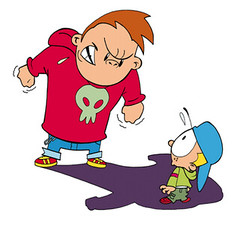 | 37 |
| 13975137426 | Irony/ironic | The contrast between what is stated explicitly and what is really meant. The difference between what appears to be and what actually is true. In general, there are three major types of irony used in language; (1) In a verbal irony, the words literally state the opposite of the writer's (or speaker's) true meaning. (2) In situational irony, events turn out the opposite of what was expected. What the characters and the readers think ought to happen. (3) In dramatic irony, facts or events are unknown to a character in a play or piece of fiction, but know to the reader, audience, or other characters in the work. Irony is used for many reasons, but frequently, it's used to create poignancy or humor. |  | 38 |
| 13975137427 | Juxtaposition (juhk-stuh-puh-zish-uhn) | When two words, phrases, images, ideas are placed close together or side by side for comparison or contrast. |  | 39 |
| 13975137428 | Litotes (lahy-toh-teez) | From the Greek word "simple" or "plain." Litotes is a figure of thought in which a point is affirmed by negating its opposite. It is a special form of understatement, where the surface denial serves, through ironic contrast, to reinforce the underlying assertion. |  | 40 |
| 13975137429 | Loose sentence | a type of sentence in which the main idea (independent clause) comes first, followed by wdependent grammatical units such as phrases and clauses. If a period were placed at the end of the independent clause, the clause would be a complete sentence. A work containing many loose sentences often seems informal, relaxed, and conversational. Generally loose sentences create loose style. |  | 41 |
| 13975137430 | Metaphor | A figure of speech using implied comparison of seemingly unlike things or the substitution of one for the other, suggesting some similarity. Metaphorical language makes writing more vivid, imaginative, thought provoking, and meaningful. |  | 42 |
| 13975137431 | Metonymy (mi-ton-uh-mee) | A term from the Greek meaning "changed label" or "substitute name." Metonymy is a figure of speech in which the name of one object is substituted for that of another closely associated with it. A news release that claims "the White House declared" rather that "the President declared" is using metonymy. The substituted term generally carries a more potent emotional response. |  | 43 |
| 13975137432 | Mood | This term has two distinct technical meanings in English writing. The first meaning is grammatical and eals with verbal units and a speaker's attitude. The indicative mood is used only for factual sentences. For example, "Joe eats too quickly." The subjective mod is used to express conditions contrary to fact. For example, "If I were you, I'd get another job." The imperative mood is used for commands. For example, "Shut the door!" The second meaning of mood is literary, meaning the prevailing atmosphere or emotional aura of a work. Setting, tone, and events can affect the mood. In this usage, mood is similar to tone and atmosphere. |  | 44 |
| 13975137433 | Narrative | The telling of a story or an account of an event or series of events. |  | 45 |
| 13975137434 | Onomatopoeia (on-uh-mat-uh-pee-uh) | A figure of speech in which natural sounds are imitated in the sounds of words. Simple examples include such words as buzz, hiss, hum, crack, whinny, and murmur. If you not eexamples of onomatopoeia in an essay passage, note the effect. |  | 46 |
| 13975137435 | Oxymoron | From the Greek for "pointedly foolish," an oxymoron is a figure of speech wherein the author groups apparently contradictory terms to suggest a paradox. Simple examples include "jumbo shrimp" and "cruel kindness." This term does not usually appear in the multiple-choice questions, but there is a chance that you might find it in an essay. Take note of the effect which the author achieves with this term. |  | 47 |
| 13975137436 | Paradox | A statement that appears to be self-contradictory or opposed to common sense but upon closer inspection contains some degree of truth or validity. |  | 48 |
| 13975137437 | Parallelism | Also referred to as parallel construction or parallel structure, this term comes from Greek roots meaning "beside one another." It refers to the grammatical or rhetorical framing of words, phrases, sentences, or paragraphs to give structural similarity. This can involve, but is not limited to repetition of a grammatical element such as a preposition or verbal phrase. A famous example of parallelism begins Charles Dickens's novel A Tale of Two Cities: "It was the best of times, it was the worst of times, it was the age of wisdom, it was the age of foolishness, it was the epoch of belief, it was the epoch of incredulity . . ." The effects of parallelism are numerous, but frequently they act as an organizing force to attract the reader's attention, add emphasis and organization, or simply provide a musical rhythm. |  | 49 |
| 13975137438 | Parody | A work that closely imitates the style or content of another with the specific aim of comic effect and/or ridicule. As comedy, parody distorts or exaggerated distinctive features of the original. As ridicule, it mimics the work by repeating and borrowing words, phrases, or characteristics in order to illuminate weaknesses in the original. Well-written parody offers enlightenment about the original, but poorly written parody offers only ineffectual imitation. Usually an audience must grasp literary allusion and understand the work being parodied in order to fully appreciate the nuances of the newer work. Occasionally, however, parodies take on a life of their own and don't require knowledge of the original |  | 50 |
| 13975137439 | Pedantic (puh-dan-tik) | An adjective that describes words, phrases, or general tone that is overly scholarly, academic, or bookish. |  | 51 |
| 13975137440 | Periodic sentence | A sentence that presents its central meaning in a main clause at the end. This independent clause is preceded by a phrase or clause that cannot stand alone. For example: "Ecstatic with my AP score, I let out a loud, joyful shout!" The effect of a periodic sentence is to add emphasis and structural variety. It is also a much stronger sentence than the loose sentence. |  | 52 |
| 13975137441 | Personification | A figure of speech in which the author presents or describes concepts, animals, or inanimate objects by endowing them with human attributes or emotions. Personification is used to make these abstractions, animal, or objects appear more vivid to the reader. |  | 53 |
| 13975137442 | Polysyndeton (paulee-sin-dih-tawn) | Figure of addition and emphasis which intentionally employs a series of conjunctions (FANBOYS: for, and, nor, but, or, yet, so) not normally found in successive words, phrases or clauses; the deliberate and excessive use of conjunctions in successive words or clauses. The effect is a feeling of multiplicity, energetic enumeration, and building up - a persistence or intensity. |  | 54 |
| 13975137443 | Predicate adjective | One type of subject complement is an adjective, group of adjectives, or adjective clause that follows a linking verb. It is an the predicate of the sentence, and modifies, or describes, the subject. |  | 55 |
| 13975137444 | Predicate nominative | A second type of subject complement - a noun, group of nouns, or noun clause that names the subject. It, like the predicate adjective, follows a linking verb and is located in the predicate of the sentence. |  | 56 |
| 13975137445 | Prose | One of the major divisions of genre, prose refers to fiction and non-fiction, including all its forms. In prose the printer determines the length of the line; in poetry, the poet determines the length of the line |  | 57 |
| 13975137446 | Repetition | The duplication, either exact or approximate, of any element of language, such as a sound, word, phrase, clause, sentence, or grammatical pattern. |  | 58 |
| 13975137447 | Rhetoric | From the Greek for "orator," this term describes the principles governing the art of writing effectively, eloquently, and persuasively. | 59 | |
| 13975137448 | Rhetorical modes | This flexible term describes the variety, the conventions, and purposes of the major kinds of writing. The four most common rhetorical modes and their purposes are as follows: (1) The purpose of exposition (or expository writing) is to explain and analyze information by presenting an idea, relevant evidence, and appropriate discussion. The AP language exam essay questions are frequently expository topics. (2) The purpose of argumentation is to prove the validity of an idea, or point of view, by presenting sound reasoning, discussion, and argument that thoroughly convince the reader. Persuasive writing is a type of argumentation having an additional aim of urging some form of action. (3) The purpose of description is to re-create, invent, or visually present a person, place, event or action so that the reader can picture that being described. Sometimes an author engages all five senses in description; good descriptive writing can be sensuous and picturesque. Descriptive writing may be straightforward and objective or highly emotional and subjective. (4) The purpose of narration is to tell a story or narrate an event or series of events. This writing mode frequently uses the tools of descriptive writing. These four modes are sometimes referred to as mode of discourse. |  | 60 |
| 13975137449 | Rhetorical Question [erotesis] | - differs from hypophora in that it is not answered by the writer because its answer is obvious or obviously desired, and usually just a yes or no answer would suffice. It is used for effect, emphasis, or provocation, or for drawing a conclusionary statement from the fact at hand. |  | 61 |
| 13975137450 | Sarcasm | From the Greek meaning "to tear flesh," sarcasm involves bitter, caustic language that is meant to hurt or ridicule someone or something. It may use irony is a device, but not all ironic statements are sarcastic, that is, intended to ridicule. When well done, sarcasm can be witty and insightful; when done poorly, it's simply cruel |  | 62 |
| 13975137451 | Satire | A work that targets human vices and follies or social institutions and conventions for reform or ridicule. Regardless of whether or not the work aims to reform human behavior, satire is best seen as a style of writing rather than a purpose for writing. It can be recognized by the many devices used effectively the satirist: irony, wit, parody, caricature, hyperbole, understatement, and sarcasm. The effects of satire are varied, depending on the writer's goal, but good satire, often humorous, is thought provoking and insightful about the human condition. |  | 63 |
| 13975137452 | Semantics | The branch of linguistics that studies the meaning of words, their historical and psychological development, their connotations, and their relation to one another |  | 64 |
| 13975137453 | Style | The consideration of style has two purposes: (1) An evaluation of the sum of the choices an author makes in blending diction, syntax, figurative language, and other literary devices. Some authors' styles are so idiosyncratic that we can quickly recognize works by the same author (or a writer emulating that author's style)/ Compare, for example, Jonathan's Swift to George Orwell or William Faulkner to Ernest Hemingway. We can analyze and describe an author's personal style and make judgments on how appropriate it is to the author's purpose. Styles can be called flowery, explicit, succinct, rambling, bombastic, commonplace, incisive, or laconic, to name only a few examples. (2) Classification of authors to a group and comparison of an author to similar authors. By means of such classification and comparison, we can see how an author's style reflects and helps to define a historical period, such as the Renaissance of the Victorian period, or a literary movement, such as the romantic, transcendental or realist movement. | | 65 |
| 13975137454 | Subject complement | The word (with any accompanying phrases) or clauses that follows a linking verb and complements, or completes, the subject of the sentence by either (1) renaming it or (2) describing it. The former is the technically a predicate nominative, the latter a predicate adjective. Multiple-choice questions. |  | 66 |
| 13975137455 | Subordinate clause | Like all clauses, this word group contains both a subject and a verb (plus any accompanying phrases or modifiers), but unlike the independent clause, the subordinate clause cannot stand alone; it does not express a complete thought. Also called a dependent clause, the subordinate clause depends on a main clause, sometimes called an independent clause, to complete its meaning. Easily recognized key words and phrases usually begin these clauses 0 for example: although, because, unless, if even though, since, as soon as, while who, when , where, how and that. |  | 67 |
| 13975137456 | Syllogism (sil- uh-jiz-uhm) | From the Greek for "reckoning together, " a syllogism (or syllogistic-reasoning or syllogistic logic is a deductive system of formal logic that presents two premises (the firs one called "major" and the second, "minor") that inevitably lead to a sound conclusion. A frequently cited example proceeds as follows; |  | 68 |
| 13975137457 | Symbol/symbolism | Generally, anything that represents itself and stands for something else. Usually a symbol is something concrete - such as object, action, character, or scene - that represents something more abstract. However, symbols, and symbolism can be much more complex. One system classifies symbols in three categories: (1) Natural symbols are objects and occurrences from nature to represent ideas commonly associated with them (dawn symbolizing hope or a new beginning, a rose symbolizing love, a tree symbolizing knowledge). (2) Conventional symbols are those that have been invested with meaning by a group (religious symbols such as a cross or Star of David; national symbols, such as a flag or an eagle; or group symbols, such as a skull an crossbones for pirates or the scales of justice for lawyers). (3) Literary symbols are sometimes also conventional in the sense that they are found in a variety of works and are generally recognized. However, a work's symbols may be more complicated as is the whale in Moby Dick and the jungle in Heart of Darkness. On the AP exam, try to determine what abstraction an object is a symbol for and to what extent it is successful in representing that abstraction. |  | 69 |
| 13975137458 | Synecdoche (si-nek-duh-kee) | is a type of metaphor in which the part stands for the whole, the whole for a part, the genus for the species, the species for the genus, the material for the thing made, or in short, any portion , section, or main quality for the whole or the thing itself (or vice versa). |  | 70 |
| 13975137459 | Syntax | The way an author chooses to join words into phrases, clauses, and sentences. Syntax is similar to diction, but you can differentiate them by thinking of syntax as the groups of words, while diction refers to the individual words. In the multiple-choice section, expect to be asked some questions about how an author manipulates syntax. In the essay section, you will need to analyze how syntax produces effects. |  | 71 |
| 13975137460 | Theme | The central idea or message of a work, the insight it offers into life. Usually theme is unstated in fictional works, but in nonfiction, the theme may be directly stated, especially in exposityr or argumentative writing. |  | 72 |
| 13975137461 | Thesis | In expository writing, the thesis statement is the sentence or a group of sentences that directly expresses the author's opinion, purpose, meaning, or position. Expository writing is usually judged by analyzing how accurately, effectively, and thoroughly a writer has proved the thesis. |  | 73 |
| 13975137462 | Tone | Similar to mood, tone describes the author's attitude toward his material, the audience, or both. Tone is easier to determine in spoken language than in written language. Considering how a work would sound if ti were read aloud can help in identifying an author's tone. Some words describing tone are playful, serious, businesslike, sarcastic, humorous, formal, ornate, sardonic, and somber |  | 74 |
| 13975137463 | Transition | A word or phrase that links different ideas. Used especially, although not exclusively, in expository and argumentative writing, transitions effectively signal a shift from one idea to another. A few commonly used transitional words or phrases are furthermore, consequently, nevertheless, for example, in addition, likewise, similarly and on the contrary. More sophisticated writers use more subtle means of transition. We will discuss these methods later. |  | 75 |
| 13975137464 | Understatement | The ironic minimizing of fact, understatement presents something as less significant than it is. The effect can frequently be humorous and emphatic. Understatement is the opposite of hyperbole. | 76 | |
| 13975137465 | Undertone | An attitude that may lie under the ostensible tone of the piece. Under a cheery surface, for example, a work may have threatening undertones. William Blake's "The Chimney Sweeper" from the Songs of Innocence has a grim undertone. |  | 77 |
| 13975137466 | Wit | In modern usage, intellectually amazing language that surprises and delights. A witty statement is humorous, while suggesting the speaker's verbal power in creating ingenious and perceptive remarks. Wit usually uses terse language that makes a pointed statement. Historically, wit originally meant basic understanding. Its meaning evolved to include speed of understanding, and finally (in the early seventeenth century), it grew to mean quick perception including creative fancy and a quick tongue to articulate an answer that demanded the same quick perception. |  | 78 |
| 13975160009 | periodic sentence | sentence whose main clause is withheld until the end | 79 |
AP language all vocab Flashcards
Terms : Hide Images
| 13825285656 | caveat | caution to prevent misunderstanding | 0 | |
| 13825285644 | Abrogate (verb) | to abolish, officially | 1 | |
| 13825285645 | affable [adjective] | friendly | 2 | |
| 13825285646 | Charlatan (noun) | an intellectual fraud | 3 | |
| 13825285647 | irrefragable | indisputable (impossible to contradict) | 4 | |
| 13825285648 | Vacillate (verb) | to go back and forth | 5 | |
| 13825285649 | stellar | excellent | 6 | |
| 13825285650 | circumvent | to go around | 7 | |
| 13825285651 | precipitious | dangerously steep | 8 | |
| 13825285652 | sordid | filthy | 9 | |
| 13825285653 | incidentally (adv) | by the way | 10 | |
| 13825285654 | protract | to prolong | 11 | |
| 13825285655 | effervescent | fizzy or bubbly | 12 | |
| 13825285657 | gregarious | outgoing; sociable | 13 | |
| 13825285658 | Exarcerbate | to make something worse | 14 | |
| 13825285659 | recalcitrant | stubbornness to authority | 15 | |
| 13825285660 | vindicate | to prove right or free from guilt | 16 | |
| 13825285661 | harbinger | a sign of something to come | 17 | |
| 13825285662 | circumspect | careful in decision making | 18 | |
| 13825285663 | untenable | indefensible | 19 | |
| 13825285664 | embellish | to decorate | 20 | |
| 13825285665 | placid | peaceful | 21 | |
| 13825285666 | mollify | to soften | 22 | |
| 13825285667 | indelible | incapable of being removed | 23 | |
| 13825285668 | purveyor | one who provides or supplies | 24 | |
| 13825285669 | explicate | to explain | 25 | |
| 13825285670 | sophomoric | immature | 26 | |
| 13825285671 | frivolous | lacking in seriousness | 27 | |
| 13825285672 | assuage | to relieve | 28 | |
| 13825285673 | truncate | to shorten by cutting | 29 | |
| 13825285674 | pensive | (adj.) thoughtfully reflective | 30 | |
| 13825285675 | extrapolate S | To reason from the known to the unknown | 31 | |
| 13825285676 | ruse | an act( designed ) to confuse or mislead, - | 32 | |
| 13825285677 | germane | relevant, | 33 | |
| 13825285678 | penchant | A liking for | 34 | |
| 13825285679 | augment | to make greater or , increase | 35 | |
| 13825285680 | ubiquitous | Existing all at once | 36 | |
| 13825285681 | erudite | (adj.) scholarly, | 37 | |
| 13825285682 | assiduously (adv) | diligently | 38 | |
| 13825285683 | imbue (v) | To instill | 39 | |
| 13825285684 | resonate | To echo | 40 | |
| 13825285685 | pejorative (adj) | belittling .to put down | 41 | |
| 13825285686 | cogent | convincing | 42 | |
| 13825285687 | codify | To arrange laws into a systematic format | 43 | |
| 13825285688 | decry | To publicly denounce | 44 | |
| 13825285689 | enjoin | To prohibit | 45 | |
| 13825285690 | perfunctory | done as a matter of routine | 46 | |
| 13825285691 | tantamount | Equivalent | 47 | |
| 13825285692 | espouse (v) | to adopt as ones own | 48 | |
| 13825285693 | cognizant | Aware | 49 | |
| 13825285694 | abate | (v.) to lessen | 50 | |
| 13825285695 | mutlifarious | having great variety | 51 | |
| 13825285696 | odious | repulsive | 52 | |
| 13825285697 | dissemble | (v.) to disguise or conceal | 53 | |
| 13825285698 | aggrandize | (v.) to increase | 54 | |
| 13825285699 | inexorably (adv) | Unyielding | 55 | |
| 13825285700 | urbane | Civil, well manner | 56 | |
| 13825285701 | ascertain | to find out | 57 | |
| 13825285702 | deride | to ridicule, | 58 | |
| 13825285703 | clandestinely | secretly | 59 | |
| 13825285704 | cogitate | to ponder | 60 | |
| 13825285705 | fallacious | Logically false | 61 | |
| 13825285706 | Hubris | excessive pride | 62 | |
| 13825285707 | intemperate | lacking in self-control | 63 | |
| 13825285708 | embody | To personify, | 64 | |
| 13825285709 | Jocular | playful | 65 | |
| 13825285710 | malign | (v.)to speak evilly about | 66 | |
| 13825285711 | malediction | An evil curse placed on someone | 67 | |
| 13825285712 | capitulate | (v.)to surrender | 68 | |
| 13825285713 | recapitulate | to summarize | 69 | |
| 13825285714 | juxtapose | to place side by side | 70 | |
| 13825285715 | feckless | Senseless | 71 | |
| 13825285716 | circumlocution | roundabout way of speaking to be vague | 72 | |
| 13825285717 | verbose | wordy | 73 | |
| 13825285718 | engender | to bring about | 74 | |
| 13825285719 | pariah | social outcast | 75 | |
| 13825285720 | expunge | to obliterate, | 76 | |
| 13825285721 | lethargy | sluggishness | 77 | |
| 13825285722 | rarefield | Distant from ordinary people | 78 | |
| 13825285723 | mordant | bitingly sarcastic | 79 | |
| 13825285724 | obviate | to anticipate and prevent | 80 | |
| 13825285725 | unquivocal | Leaving no doubt | 81 | |
| 13825285726 | scrutinize | to examine thoroughly | 82 | |
| 13825285727 | malodorous | Smelling bad , stinky | 83 | |
| 13825285728 | insolence | rude behavior | 84 | |
| 13825285729 | formulate | To create or to devise | 85 | |
| 13825285730 | paragon | Perfect example of a model of exellence | 86 | |
| 13825285731 | largess | Great generosity | 87 | |
| 13825285732 | potentate | Powerful ruler | 88 | |
| 13825285733 | misnomer | An inaccurate name or designation | 89 | |
| 13825285734 | trechant | Thoroughly Inciteful Treacherous analysis of thanknyou next | 90 | |
| 13825285735 | equivocate | (v.) to use unclear language on purpose or deliberately | 91 | |
| 13825285736 | roustabout | An unskilled laborer Ex stripper | 92 | |
| 13825285737 | plausible | probable or apperently possible Plausible conclusión | 93 | |
| 13825285738 | inane | Foolish | 94 | |
| 13825285739 | Postumously | Done after death | 95 | |
| 13825285740 | indomitable | unconquerable or imposible to defeat | 96 | |
| 13825285741 | furtive | secretive | 97 | |
| 13825285742 | illicit | unlawful | 98 | |
| 13825285743 | splendiferous | splendid; | 99 | |
| 13825285744 | proscribe | to forbid | 100 | |
| 13825285745 | generate | (v.) to bring into existence She passed out flyers to generate support | 101 | |
| 13825285746 | disheveled | Untidy or disorderly | 102 | |
| 13825285747 | countenance | Ones facial expression We could tell by Mary's countenance that she finally scored a date | 103 | |
| 13825285748 | countenance verb | approve; I under no circumstances countenance cheating in my class | 104 | |
| 13825285749 | prescribe | To recommend a course of action Prescribe | 105 | |
| 13825285750 | tawdry | (adj.) shows but cheap The woman's tawdry was clearly made of plastic and we all knew it | 106 | |
| 13825285751 | virulent | Toxic or extremely harmful | 107 | |
| 13825285752 | galvanize | to motivate to action | 108 | |
| 13825285753 | prescient | having foresight | 109 | |
| 13825285754 | condone | To allow bad behavior | 110 | |
| 13825285755 | specious | Seemingly true but misleading | 111 | |
| 13825285756 | crestfallen | sad | 112 | |
| 13825285757 | nonplus | To puzzle or bewilder | 113 | |
| 13825285758 | skullduggery | trickery; underhandedness | 114 | |
| 13825285759 | Taxonomy | the classification of something | 115 | |
| 13825285760 | remiss | negligent | 116 | |
| 13825285761 | bellicose | warlike | 117 | |
| 13825285762 | parlance | The specific word choices a particular group uses or makes | 118 | |
| 13825285763 | resplendent | Colorful in appearance | 119 | |
| 13825285764 | alleviate | to make less severe | 120 | |
| 13825285765 | conciliatory | Tending to make amends | 121 | |
| 13825285766 | moniker | a name or nickname | 122 | |
| 13825285767 | insatiable | incapable of being satisfied | 123 | |
| 13825285768 | delineate | To describe accurately | 124 | |
| 13825285769 | indubitable | without a doubt | 125 | |
| 13825285770 | raze | (v.) to tear down, destroy completely; to demolish | 126 | |
| 13825285771 | minutiae | Tiny, unimportant details | 127 | |
| 13825285772 | carp | to complain or nag | 128 | |
| 13825285773 | enigma | something puzzling or mysterious | 129 | |
| 13825285774 | Glean | To extract or take from | 130 | |
| 13825285775 | fraught | filled with | 131 | |
| 13825285776 | diatribe | a bitter forceful attack against something or someone | 132 | |
| 13825285777 | frenetic | frenzied, widely energetic | 133 | |
| 13825285778 | allay | (To reduce (fears or concerns) | 134 | |
| 13825285779 | nuance | a slight difference or distinction (in meaning) | 135 | |
| 13825285780 | recant | To formally withdraw something said | 136 | |
| 13825285781 | benefactor | Patrón | 137 | |
| 13825285782 | impeccable | flawless | 138 | |
| 13825285783 | pedantic | Making mountains out of mole hill | 139 | |
| 13825285784 | assertion | a bold confident statement | 140 | |
| 13825285785 | coherent | (adj.) logically held together | 141 | |
| 13825285786 | didactic | intended to instruct | 142 | |
| 13825285787 | exculpate | to clear from guilt | 143 | |
| 13825285788 | incontrovertible | indisputable | 144 | |
| 13825285789 | listless | lacking energy | 145 | |
| 13825285790 | convoluted | extremely complex or complicated | 146 | |
| 13825285791 | obscure | not well known | 147 | |
| 13825285792 | impede | To obstruct or slow the progress | 148 | |
| 13825285793 | quandary | A dilemma | 149 | |
| 13825285794 | Discourse | written or spoken communication | 150 | |
| 13825285795 | cryptic | mysterious | 151 | |
| 13825285796 | indolent | lazy | 152 | |
| 13825285797 | Coup | Violent political takeover | 153 | |
| 13825285798 | proliferate | To increase rapidly in numbers | 154 | |
| 13825285799 | vilify | To publicly shame | 155 | |
| 13825285800 | malfeasance | Wrong doing by a public official | 156 | |
| 13825285801 | timorous | fearful | 157 | |
| 13825285802 | corroborate | To confirm with evidence | 158 | |
| 13825285803 | Cajole | To coax (persuade) with flattery | 159 | |
| 13825285804 | Peninent | Remorseful | 160 | |
| 13825285805 | disparity | a great difference (between a and b ) | 161 | |
| 13825285806 | frenetic | frenzied, | 162 | |
| 13825285807 | tenuous | A weak (case a lawyer presents ) | 163 | |
| 13825285808 | impinge | To impact negatively ( on or upon) | 164 | |
| 13825285809 | hegemony | The dominant leadership of one social class over another | 165 | |
| 13825285810 | schism | A great divide Or split | 166 | |
| 13825285811 | Watershed | A turning point in history ( a watershed event or moment) | 167 | |
| 13825285812 | parochial | Having a narrow perspective | 168 | |
| 13825285813 | squander | to waste foolishly | 169 | |
| 13825285814 | opulent | lavish | 170 | |
| 13825285815 | imperious | (adj.) overbearing | 171 | |
| 13825285816 | auspicious | promising success | 172 | |
| 13825285817 | proximity | (n.) nearness, closeness in time and space ( in procimity to) | 173 | |
| 13825285818 | disparage | to belittle | 174 | |
| 13825285819 | prognosticate | to predict with evidence | 175 | |
| 13825285820 | cofound | to confuse | 176 | |
| 13825285821 | parity | equality | 177 | |
| 13825285822 | Fatous | foolish | 178 | |
| 13825285823 | expiate | (v.) to make amends | 179 | |
| 13825285824 | ebullience | intense enthusiasm | 180 | |
| 13825285825 | inveterate | Deeply established (like traditions or habits ) | 181 | |
| 13825285826 | ingrate | an ungrateful person | 182 | |
| 13825285827 | efficacy | effectiveness | 183 | |
| 13825285828 | arbiter | a person who settles a dispute | 184 | |
| 13825285829 | ostentatious | showy | 185 | |
| 13825285830 | denigrate | To criticize unfairly | 186 | |
| 13825285831 | efface | to wipe out or erase | 187 | |
| 13825285832 | mercurial | Unpredictable with respect to changes in mood | 188 | |
| 13825285833 | soporific | tending to induce sleep | 189 | |
| 13825285834 | indifferent | not caring one way or the other | 190 | |
| 13825285835 | staid | unemotional | 191 | |
| 13825285836 | nocturnal | active at night | 192 | |
| 13825285837 | diurnal | active during the day | 193 | |
| 13825285838 | florid | excessively decorated or rosy appearance | 194 | |
| 13825285839 | reclamation | the act of making something useful again | 195 | |
| 13825285840 | moribund | Near death or at the point of death | 196 | |
| 13825285841 | prosaic | dull or boring | 197 | |
| 13825285842 | castigate | To scold severely | 198 | |
| 13825285843 | flippant | disrespectful lack of seriousness ( like saying whatever ) | 199 | |
| 13825285844 | Belabor (v) | to work on excessively | 200 | |
| 13825285845 | Denote (v) | to indicate | 201 | |
| 13825285846 | Eschew (v) | to avoid | 202 | |
| 13825285847 | Taciturn ( adj) | Always silent | 203 | |
| 13825285848 | Credence (n) | The belief in something as true | 204 | |
| 13825285849 | envince (v) | to show clearly | 205 | |
| 13825285850 | nefarious (adj) | wicked or villainous | 206 | |
| 13825285851 | ostensibly (adv) | supposedly | 207 | |
| 13825285852 | Bastión (n) | A fortress | 208 | |
| 13825285853 | jettison (v) | To discard or get rid of | 209 | |
| 13825285854 | Emulate (v) | To imitate with intent of surpassing | 210 | |
| 13825285855 | Euphemism (n) | Substitution of a non offensive word for one that is considered offensive | 211 | |
| 13825285856 | gainsay (v) | to contradict | 212 | |
| 13825285857 | innate (adj) | inborn or natural | 213 | |
| 13825285858 | felicity (n) | extreme happiness | 214 | |
| 13825285859 | elucidate (v) | To clarify | 215 | |
| 13825285860 | onerous (adj) | burdensome | 216 | |
| 13825285861 | Robust (adj) | strong and healthy | 217 | |
| 13825285862 | dolt (n) | a stupid person | 218 | |
| 13825285863 | attenuate (v) | To reduce in force | 219 | |
| 13825285864 | placate (v) | To appease or pacify | 220 | |
| 13825285865 | Abject (adj) | Of the lowest kind | 221 | |
| 13825285866 | nascent ( adj) | Newly formed or beginning to form | 222 | |
| 13825285867 | Abide (v) | To accept and act accordingly | 223 | |
| 13825285868 | ameliorate (v) | To make something bad better | 224 | |
| 13825285869 | nadir (n) | The lowest point | 225 | |
| 13825285870 | pungent (adj) | Sharp to the senses | 226 | |
| 13825285871 | Rife (adj) | abundant | 227 | |
| 13825285872 | Adept (adj) | skilled or proficient | 228 | |
| 13825285873 | Surreptitiously (adv) | secretly | 229 | |
| 13825285874 | eviscerate (v) | To deprive of essential parts | 230 | |
| 13825285875 | Copious (adj) | abundant | 231 | |
| 13825285876 | parsimonious (adj) | Extremely stingy | 232 | |
| 13825285877 | propensity (n) | A tendency or inclination | 233 | |
| 13825285878 | Garner (v) | to gather | 234 | |
| 13825285879 | foible (n) | A flaw or character weakness | 235 | |
| 13825285880 | sacrosanct (adj) | sacred | 236 | |
| 13825285881 | ignominious (adj) | shameful | 237 | |
| 13825285882 | portend (v) | To indicate in advance something negative | 238 | |
| 13825285883 | deftly (adv) | skillfully | 239 |
AP US History Period 4 (1800-1848) Flashcards
AMSCO United States History 2015 Edition, Period 4: 1800 - 1848 Chapter 7 - 11
Terms : Hide Images
| 11519218458 | Second Great Awakenings | Religious movement that began in the early decades of the 19th century. Reaction against the rationalism of the Enlightenment. In the northern states it touched off social reform. |  | 0 |
| 11519218494 | market revolution | Starting in the early 19th century, produced vast economic growth, mass produced goods. |  | 1 |
| 11519218495 | Thomas Jefferson | Washington's first secretary of state. A Democrat-Republican, he was the nation's third president from 1801 to 1809. |  | 2 |
| 11519218496 | Battle of New Orleans | General Andrew Jackson won this in 1815. The War of 1812 had officially ended two weeks earlier, but word had not yet reached the United States. |  | 3 |
| 11519218497 | Era of Good Feelings | Term to describe James Monroe's period as president (1817-1825). The Democratic-Republicans party dominated politics. |  | 4 |
| 11519218459 | Jacksonian Democracy | The time period 1829 to 1837, also known as the Age of the Common Man. |  | 5 |
| 11519218498 | Indian Removal Act | President Andrew Jackson supported this. By 1835 most of the eastern tribes had reluctantly moved to an area in today's Oklahoma. |  | 6 |
| 11519218499 | Romanticism in art and literature | Evoked the wonder of the nation's landscape. The Hudson River School of painters were the most prominent. |  | 7 |
| 11519218500 | Nullification Crisis | In 1832, South Carolina passed a resolution forbidding the collection of tariffs in the state. Jackson threatened use of federal troops against South Carolina. |  | 8 |
| 11519218501 | Elizabeth Cady Stanton | A women's rights reformer who was not allowed to speak at an antislavery convention. |  | 9 |
| 11519218502 | cotton gin | This machine was invented by Eli Whitney in 1793. It removed seeds from plant fibers. |  | 10 |
| 11519218503 | War Hawks | Led by Henry Clay and John C. Calhoun; argued that war with Britain was the only way to defend American honor, gain Canada, and destroy American Indian resistance on the frontier. | 11 | |
| 11519218460 | William Lloyd Garrison | Advocated the immediate emancipation of slaves without compensation to their owners. He was also the writer of the "Liberator." | 12 | |
| 11519218461 | Lucretia Mott | Early feminist who advocated for women's rights and against slavery. | 13 | |
| 11519218504 | Republican Motherhood/Cult of Domesticity | After industrialization occurred women became the moral leaders in the home and educators of children. Men were responsible for economic and political affairs. |  | 14 |
| 11519218462 | Sectionalism: The North | Largely urban population that worked in factories. | 15 | |
| 11519218463 | Sectionalism: The South | Largely agricultural, mostly cotton from 1830-1850. | 16 | |
| 11519218464 | Sectionalism: The West | Largely trapping and hunting, citizens lived a secluded life away from others. | 17 | |
| 11519218465 | Democratic-Republicans | Favored the common man, weak central government, hated the National Bank, was pro-immigration, wanted slow and cautious westward expansion. | 18 | |
| 11519218466 | Federalists | Favored the wealthy and educated, strong central government, supported the National Bank, limited immigration, slow/against westward expansion. | 19 | |
| 11519218467 | National Republicans | Favored the wealthy and educated, strong central government, supported the National Bank, favored internal improvements. | 20 | |
| 11519218468 | Whigs | Favored the wealthy and educated, strong central government, supported the National Bank and Internal Improvements, limited immigration, slow/against westward expansion; above all else HATED Andrew Jackson. | 21 | |
| 11519218469 | Impressment | Practice of the British navy of stealing Americans and forcing them into service in the British Navy. | 22 | |
| 11519218470 | Treaty of Ghent | Ended the War of 1812, establish status quo antebellum. | 23 | |
| 11519218471 | Oliver Hazard Perry | "We have met the enemy, and they are ours." Battle of Lake Erie. | 24 | |
| 11519218472 | Frances Scott Key | Wrote the Star Spangled banner at the Battle of Fort McHenry. | 25 | |
| 11519218505 | Monroe Doctrine | Warning European powers to refrain from seeking any new territories in the Americas. |  | 26 |
| 11519218506 | Missouri Compromise | An 1820 compromise crafted by Henry Clay; prohibited slavery in the rest of the Louisiana Territory north of latitude 36 30. |  | 27 |
| 11519218473 | King Andrew | Nickname given to President Andrew Jackson when his opponents did not like his use of the veto power. |  | 28 |
| 11519218507 | Nat Turner Rebellion | In 1831, this Virginia slave led a revolt in which 55 whites were killed. In retaliation, whites killed hundreds of African American and put down the revolt. |  | 29 |
| 11519218474 | Marbury v. Madison | Established the Supreme Court's policy of judicial review. |  | 30 |
| 11519218508 | American System | Henry Clay proposed this to advance the nation's economy. It consisted of: * Protective Tariffs: * National Bank * Internal Improvements |  | 31 |
| 11519218509 | The Lowell Mill Factory | The system that recruited young farm women to work in the textile mills. They were housed in company dormitories near the mills. | | 32 |
| 11519218510 | Seneca Falls Convention | In 1848 women's rights movement wrote a "Declaration of Sentiments", which declared all men and women equal and listed grievances. |  | 33 |
| 11519218511 | Transcendentalists | They questioned the doctrines of established churches and business practices of the merchant class. Mystical and intuitive way of thinking to discover inner self and look for essence of God in nature. | 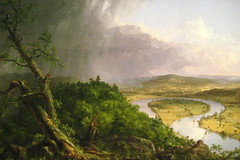 | 34 |
| 11519218512 | Trail of Tears | In 1838 the U.S. Army forced 15,000 Cherokees to leave Georgia and move to Oklahoma. 4,000 Cherokees died on the march. |  | 35 |
| 11519218513 | Hartford Convention (1814) | A meeting was held due to opposition to the the War of 1812; some radical Federalist in the Northeast want to secede from the United States, but that it was rejected. |  | 36 |
| 11519218475 | Panic 1837 | Was a result of Jackson's defeat of the National Bank. | 37 | |
| 11519218476 | Martin Van Buren | Became President after Andrew Jackson, won the election because of Jackson's popularity. Was faced with economic troubles. | 38 | |
| 11519218477 | Tippecanoe and Tyler Too! | William Henry Harrison's campaign slogan. | 39 | |
| 11519218478 | Tecumseh | He said, "They have pushed us from the seas to the lakes, we can go no further." Advocated fighting Americans to stop westward progression and renew British alliances. | 40 | |
| 11519218479 | The Prophet | Advocated relocation rather than fighting Americans westward progression in order to preserve remnants of Native culture. | 41 | |
| 11519218480 | The Embargo of 1807 | Cut off all US trade with the world, attempting to maintain American neutrality. | 42 | |
| 11519218481 | Macon's Bill no. 2 | Allowed the US to trade with either Great Britain or France depending on who recognized American sovereignty and neutrality first. | 43 | |
| 11519218482 | Adams-Onis Treaty | Grave the United States Florida in exchange for taking on Spain's $5 million debt to American citizens. | 44 | |
| 11519218483 | Old Hickory | Nickname for Andrew Jackson gained from the Battle of New Orleans. |  | 45 |
| 11519218484 | Treaty of 1818 | Granted the United States join occupation of Oregon with Great Britain. | 46 | |
| 11519218485 | Worcester v. Georgia | Supreme Court case regarding Cherokee rights to land in the United States. | 47 | |
| 11519218486 | John Q. Adams | Elected in 1824 as a result of a bargain struck by Henry Clay. | 48 | |
| 11519218487 | The Tariff of 1828 | Increased taxes on imported goods to almost 50%; which positively effected American manufacturing. | 49 | |
| 11519218488 | Force Bill | Permitted Andrew Jackson to organize troops to prevent South Carolina from secession. | 50 | |
| 11519218489 | Increased Voter Turnout | -elimination of landownership, -increased news circulation, -increased education/literacy -changes to candidate selection | 51 | |
| 11519218490 | Henry Clay | Created the Tariff of 1833 to solve the Nullification Crisis, developed the American System, Speaker of the House, Secretary of State under JQA, Whig leaders, leader of the War Hawks. | 52 | |
| 11519218491 | Virginia Dynasty | Thomas Jefferson, James Madison, James Monroe |  | 53 |
| 11519218492 | Results of the War of 1812 | -American Nationalism -War Heroes -Death of the Federalist Party | 54 |
Flashcards
Flashcards
Flashcards
AP Literature- unit 11 Flashcards
Terms : Hide Images
| 12669754342 | Apostate | one who forsakes his or her religion, party, or cause | 0 | |
| 12669754343 | bravado | false bravery | 1 | |
| 12669754344 | Consensus | general agreement | 2 | |
| 12669754345 | Constrict | to squeeze tightly | 3 | |
| 12669754346 | Dichotomy | a division into two parts | 4 | |
| 12669754347 | effusive | highly demonstrative; unrestrained | 5 | |
| 12669754348 | Euphoria | A feeling of great happiness or well-being | 6 | |
| 12669754349 | Gothic | a gloomy setting and grotesque or violent; a type of medieval architecture | 7 | |
| 12669754350 | Impasse | dead end | 8 | |
| 12669754351 | Lugubrious | mournful; gloomy | 9 | |
| 12669754352 | metamorphosis | change of form | 10 | |
| 12669754353 | Mystique | an aura or attitude of mystery or veneration surrounding something or someone | 11 | |
| 12669754354 | non sequitur | something that does not logically follow | 12 | |
| 12669754355 | Parlous | full of danger or risk, perilous | 13 | |
| 12669754356 | Punctilio | a minute detail of conduct or procedure; an instant of time | 14 | |
| 12669754357 | Quagmire | soft, soggy mud or slush; a difficult or entrapping situation | 15 | |
| 12669754358 | quixotic | idealistic but impractical | 16 | |
| 12669754359 | raconteur | a person skilled at telling stories | 17 | |
| 12669754360 | Sine qua non | an essential or indispensable element or condition | 18 | |
| 12669754361 | Vendetta | prolonged feud marked by bitter hostility | 19 |
Flashcards
Flashcards
Pages

Need Help?
We hope your visit has been a productive one. If you're having any problems, or would like to give some feedback, we'd love to hear from you.
For general help, questions, and suggestions, try our dedicated support forums.
If you need to contact the Course-Notes.Org web experience team, please use our contact form.
Need Notes?
While we strive to provide the most comprehensive notes for as many high school textbooks as possible, there are certainly going to be some that we miss. Drop us a note and let us know which textbooks you need. Be sure to include which edition of the textbook you are using! If we see enough demand, we'll do whatever we can to get those notes up on the site for you!
