

AP World History-Chapter 12-China Commercial Revolution Flashcards
Terms : Hide Images
| 11414802439 | Buddhist conversion in China | Increased after Shi Le (converted( decision to grant tax free land to Buddhists monasteries-conflicted with Confucianism and family-by 600 Buddhism firmly implanted in country side |  | 0 |
| 11414969309 | Chakravartin | Literally "turner of the wheel," a Buddhist term for the ideal ruler who patronized Buddhism but never became a monk. | 1 | |
| 11415151388 | Sui / Tang rulers model for governing | Buddhist rulers - Use Buddhism to unify with government supported monasteries | 2 | |
| 11415180182 | Emperor Wu | (r. 685-705) The sole woman to rule China as emperor in her own right; she called herself emperor and founded a new dynasty, the Zhou (690-705), that replaced the Tang dynasty until her death in 705, when the Tang dynasty was restored.-promoted Buddhism | 3 | |
| 11415292310 | tax system | used equal field system-nine ranks for households and assigning amount of land and tax paid-great control of large area | 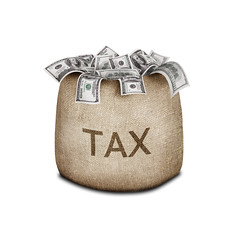 | 4 |
| 11415372127 | education system | under Tang was based on Confucius teachings- top 5% jobs for those that passed written Confucian examination | 5 | |
| 11415382518 | Tang after 755 | In decline-less territory lost battles to Abbasid in central Asia | 6 | |
| 11415410725 | Au Lushan Rebellion | Military leader attempted to overthrow emperor-unsuccessful but weakened emperor and lost loyalty of some of the miltary | 7 | |
| 11415476461 | Chang 'an - layout and markets | checkerboard pattern with wide streets-two markets one domestic goods and one for foreign-largest city in world at the time-no central meeting place like Rome | 8 | |
| 11415502648 | Tibetan expansion | in the 700s expanded into Tang territory and briefly conquered Chang 'an during the Lushan rebellion | 9 | |
| 11415598956 | Three kingdoms period -contact with China | The period of Korean history from 313 to 668 when the Koguryo, Paekche, and Silla kingdoms all fought for control of the Korean peninsula and exercised profound cultural influence on Japan.-Removed Chinese control in the 300's-in 6oos Silla unified all of Korea | 10 | |
| 11415623906 | adoption of Buddhism in Korea | same as China-rulers saw it as an opportunity to strengthen their dynasties-used with confucianism to rule. | 11 | |
| 11415638547 | Korea/ Japan contact | Korean fleeing warfare in Korea fled to Japan bringing Buddhism and bone rank social structure | 12 | |
| 11415660975 | Buddhism in Japan | Brought over by Korean travelers who adopted it in China. In the mid-700s, the Japanese court officially accepted Buddhism. Eventually spread through Japanese society. However, it mixed with Shinto rituals, gods and goddesses. | 13 | |
| 11415762713 | Tang blueprint in Japan | adopted Buddhism- more central control with land reforms and tax system -much to avoid being conquered | 14 | |
| 11415768493 | Chinese influences in Japan | check bored capital city in Nara, Buddhism, land reforms, Tang code of laws | 15 | |
| 11433612356 | Bureaucracy | A large, complex organization composed of appointed officials-officials all took civil service exam-centralized goverment | 16 | |
| 11433634101 | Five Dynasty Period | The period between the Tang and the Song-ruled by different regional governers | 17 | |
| 11433654639 | establishment of the Northern and Southern Song | capital at Kaifeng- used central government with bureaucracy to rule-less power in hands of generals | 18 | |
| 11433666657 | Song political structure | civilian rule with bureaucrats-six ministries to run country | 19 | |
| 11433673425 | role of ministries | Civil appointments, Rites, Works, Punishments, and war | 20 | |
| 11433683824 | administrative districts | 220 prefectures -20 larger units called circuits - magistrates with subordinates below that who collected taxes | 21 | |
| 11433697615 | rise of the JIn and conflict with the Song | Jin (Jurchen) declared their own dynasty in the Manchuria area- partnered with song to defeat KItan but then attacked the Northern Song | 22 | |
| 11433724037 | role of gunpowder in Song military | The Jin used against the Song with flamethrowers and bombs | 23 | |
| 11433729373 | Hangzhou | China's capital during the Southern Song dynasty, with a population of more than a million people. | 24 | |
| 11433740552 | Southern Song rule, population; treaty with Jurchen | 1/2 million people migrated south-South signed treaty with North acknowledging the superiority of JUrchen and tribute paid-but left alone | 25 | |
| 11433766869 | commercial revolution: China before and after | before self sufficient farming in barter economy to cash crops and dependence on the market place afterwards | 26 | |
| 11433802912 | rice farming, land use, technologies, effects on population, role of government | rice grown in South-new crop twice the food: used chain pumps and irrigationincreased population, increased cash crops-used paper money to keep up with commerce | 27 | |
| 11433838124 | role of paper money on economy, trade | used to encourage trade-debate over how much to print-replaced hard to carry bronze coins | 28 | |
| 11433859192 | iron; small and large scale production, goods produced, impact on society | China had large government and private iron making factories-rice surplus freed workers-compared to industrial revolution of Britain | 29 | |
| 11433870374 | footbinding reasons and impact | caused by increased wealth in China-seen as more attractive by men-families wanted women to marry higher social statues-feet were kept from growing at age ten | 30 | |
| 11433900048 | changes in women's lives | 12 and 13th centuries women were more educated because of wealth- still not allowed to take the civil service exam | 31 | |
| 11433909272 | Song epitaphs | biographies about women put on tombstone-tells us that more women were educated | 32 | |
| 11433912650 | woodblock printing | a form of printing in which an entire page is carved into a block of wood-lowered cost of books-increased literacy and more could take teh civil service exam | 33 | |
| 11433922855 | movable type | blocks of metal or wood, each bearing a single character, that can be arranged to make up a page for printing-hard with so many Chinese characters | 34 | |
| 11433929538 | Impact of Movable Type Printing on economy, government | more educated people and more people wanting to take civil service exam-more qualified people in government | 35 | |
| 11433974135 | civil service exams, reasons for it, types, who took it | merit based bureaucracy based on Confucius teachings, poetry and writing; initially open to well established families who could afford tutors-but some could attend village school. | 36 | |
| 11433989793 | impact of exam on literacy and learning | increased both | 37 | |
| 11433991634 | negatives of exam | shadow privilege where sons and relatives of high officials got to take an easier exam -cheating occured and so much competition for high ranking government jobs some choose not to take it | 38 | |
| 11447220848 | Chinese religious practice | Usually a mix of Daoist, Buddhism and Neo confucianism | 39 | |
| 11447229587 | Zhu Xi and the white Deer Academy | rejected Buddhism-more modern Confucianism-looking for patterns to understand things-became popular | 40 | |
| 11447253676 | Neo_confucianism: sage, student relationships, conversations | look for the principle in things- the air or qi-achieve sagehood-studied conversations between Confucius and students | 41 | |
| 11447291080 | spread of Neo-Confucianism | students willingness to risk low scores on the civil service exam by writing in Neo Confucian style helped the spread- had to write in this way to pass in latter years-eventually reached Korea, Japan, and Vietnam | 42 | |
| 11447298679 | worthy | A Neo Confucian who displayed the virtues of being educated, honest and concerned about his communities welfare | 43 | |
| 11447305691 | women and Buddhist monasteries | one of the few places women could go unaccompanied by men-they listened to Buddhist texts- some became nuns (more men as monk during Song) | 44 | |
| 11447327690 | Examples of Chinese influence: Japan | -Chinese Writing -Confucianism -Chinese Bureaucracy -Buddhism -artistic expresseion | 45 | |
| 11447333040 | Examples of Chinese influence: Vietnam | -Buddhism -Agriculture and Irrigation -Confucian concepts -Importance of the extended family -civil service examinations -military organization and tech | 46 | |
| 11447350069 | impact of steel-needle compass on travel, trade | Allowed the Chinese starting in the 12 century to go deepwater far trading expeditions-before they stayed close to coastline- now they could go to Vietnam, Cambodia and Southeast Asia | 47 | |
| 11447353447 | Zhao Rugua description of foreign peoples | wrote about trade items and people outside of China-Japan, Vietnam, and Korea | 48 | |
| 11447370755 | Chinese influence in Vietnam: government, education | Buddhism shared, they used mandate of heaven like China-at times were part of the Han and Tang or independent but subordinate to China-used civil service exam- used a modified Tang lew code | 49 | |
| 11447372974 | Vietnam and trade with China | traded rhino horns, elephant tusks, camphor, musk and sandalwood | 50 | |
| 11447377863 | founding of Koryo dynasty | where Korea got its name from, defeated rival dynasty in 936-modeled government after Tang China | 51 | |
| 11447380988 | Chinese influence on Korea | Korean court organized in a similar manner to China Modeled capital - Kumsong - after changan Took chinese writings back to Korea Confucianism popular for elite, chan Buddhism popular for peasants government same | 52 | |
| 11447384116 | Korean Printing | used woodblock printing and movable type for Buddhist texts-oldest printed book from Korea | 53 | |
| 11447389166 | Establishment of Kamakura period | shogun period-military leaders ruled on behalf of the emperor | 54 | |
| 11447391365 | Shogun and administration of government | shoguns ruled for emperor-used family clans to govern-supported by Buddhism and confucianism | 55 | |
| 11447392809 | Zen Buddhism | a Japanese school of Mahayana Buddhism emphasizing the value of meditation and intuition. | 56 |
Flashcards
Flashcards
AP World History Strayer Chapter 3 Flashcards
Chapter 3- Eurasian Empires
Terms : Hide Images
| 15778431467 | Alexander the Great | Alexander III of Macedonia, conqueror of the Persian Empire and part of northwestern India. |  | 0 |
| 15778431468 | Ashoka | The most famous ruler of the Mauryan empire; he converted to Buddhism and tried to rule peacefully and with tolerance. |  | 1 |
| 15778431469 | Athenian Democracy | A radical form of direct democracy in which much of the free male population of Athens had the franchise and officeholders were chosen by lot. |  | 2 |
| 15778431470 | Caesar Augustus | The great-nephew and adopted son of Julius Caesar who emerged as sole ruler of the Roman state at the end of an extended period of civil war. | 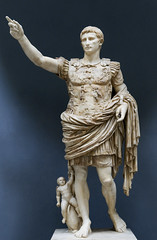 | 3 |
| 15778431471 | Greco Persian War | Two major Persian invasions of Greece, in which the Persians were defeated on both land and sea each time. |  | 4 |
| 15778431472 | Han Dynasty | Dynasty that ruled China, creating a durable state based on Shihuangdi's state-building acheivement. |  | 5 |
| 15778431473 | Hellenistic Era | The period in which Greek culture spread widely into Eurasia in the kingdoms ruled by Alexander's political successors. |  | 6 |
| 15778431474 | Mauryan Empire | A major empire founded by Chandragupta that encompassed most of India and unified the Indian subcontinent. |  | 7 |
| 15778431475 | pax Romana | The "Roman Peace," a term typically used to denote the stability and prosperity of the early Roman Empire. |  | 8 |
| 15778431476 | Persian Empire | A major empire that expanded from the Iranian plateau to incorporate the Middle East from Egypt to India. |  | 9 |
| 15778431477 | Qin Shihuangdi | First emperor from the Qin that forcibly reunited China and established a strong and repressive state. |  | 10 |
| 15778431478 | Trung Trac | The older of two sisters that lead the Vietnamese Revolution. She lived from 12 - 43 C.E and rather than being captured in war after her troops were badly defeated, legend says she committed suicide in honor of her family. |  | 11 |
| 15778431479 | Empire | States, political systems that exercise coercive power; often multi-national, aggressive, and often conquer, rule and extract resources from other states. |  | 12 |
| 15778431480 | Imperial State | A state that imposes its will on other states politically, economically and socially. |  | 13 |
| 15778431481 | Persia government | imperial system with monarchs and governors with spies | 14 | |
| 15778431482 | Persian culture | many different cultures | 15 | |
| 15778431483 | Persian features | canal irrigation, imperial centers, coinage, | 16 | |
| 15778431484 | Greek government | small competing city states with huge involvement in politics with citizenship and voting | 17 | |
| 15778431485 | greek culture | shared same language and religion | 18 | |
| 15778431486 | features greek | smelting of metals | 19 | |
| 15778431487 | persia collapsed due to | alexander the great burning the capital | 20 | |
| 15778431488 | greek collapsed due to | invasion of rome | 21 | |
| 15778431489 | rome government | went from being republic with patricians(wealthy) and plebeians (poor) that voted to an empire | 22 | |
| 15778431490 | rome culture | Christianity spread took gods from perisa and jewish had religious rituals and public buildings good gov=good laws | 23 | |
| 15778431491 | rome features | had law code and brutal army as well as public works and latin alphabet | 24 | |
| 15778431492 | rome collapsed | invade by Germanic speaking people , too big did not reassemble absence of bureaucratic tradition | 25 | |
| 15778431493 | china government | at first qin with legalism then han with confusicainam son of heaven | 26 | |
| 15778431494 | china culture | the great wall, buddhism assimilated non chinese people good gov=good men | 27 | |
| 15778431495 | china features | had character for writing, lead to air pollution civil service system | 28 | |
| 15778431496 | china collapsed | tension between castrated court and Confucian scholars, had disease and invaded by barbaric states did reassemble die to beucracy | 29 | |
| 15778431497 | india government | towns of small republics had empires | 30 | |
| 15778431498 | india culture | range of ethnic culutral and linguistic diversity but with distinct religion - hinduism and buddhism | 31 | |
| 15778431499 | india features | had hospitals medicine math astronomy cotton textiles | 32 |
Flashcards
Flashcards
AP World History 3.1 Flashcards
Terms : Hide Images
| 3801854131 | 5 pillars of Islam | 1. Statement of Faith "there is no god but God and Muhammad is his prophet" 2. Pray 5 times a day facing Mecca 3. Charity/Alms 4. Fasting during Ramadan 5. Hajj pilgrimage 1 time in life to Mecca | 0 | |
| 3801858223 | Caliph | A successor. | 1 | |
| 11812816682 | Caliphate | Rule of the Caliph / Government. | 2 | |
| 11812831092 | Abbasio Caliphate | 750-1258 / 1261-1517 - Rule during first Islamic, Golden Age. | 3 | |
| 11812862597 | Dar-al-islam | All under Islam. Decentralized/Safe travel. | 4 | |
| 11812877874 | Koranic Arabic / Quravic Classical | Unique form of poetry, language Muslims learn to have a common language to trade. | 5 | |
| 11812887839 | Bedouin | honor, faith, and dignity was key Semi-nomadic pastoralist. | 6 | |
| 11812901070 | Muhammad | Sent to a different tribe because his family thought it would be a better life. | 7 | |
| 11812910965 | Ka'Bah | Place centered around Mecca, symbolic, peace, made a trade of silk, linen and sents, mixture of culture, sacred space no fighting or killing. | 8 | |
| 11812946224 | Al-Amen | Very successful and becomes married to a business woman. | 9 | |
| 11812972084 | Prophet | A person who talks to God , and when they talk it's gods words not theirs. | 10 | |
| 11812987777 | Muslim - Islamic | Those who surrender to God, one who summits. practices Islam. submission, to religion. | 11 | |
| 11813006119 | Qur'an | Word of God, powerful and cosmic testimony. Delivers faithful words. | 12 | |
| 11813032377 | Hijrah | Journey to Yathrib marks year 1 in calendar. | 13 | |
| 11813040407 | Medina | City of the prophet. | 14 | |
| 11813051096 | Mosque | A place of worship for Muslims. | 15 | |
| 11813073398 | Church of St. John the Baptist | Shared two faiths in one church building. | 16 | |
| 11813086608 | Dome of the rock mosque | Sacred shrine at the site where Muslims believed that Muhammad ascended into heaven and was a statement of power. | 17 | |
| 11813106409 | Shi'a | Type of Muslim. | 18 | |
| 11813113070 | Sunni | People who decide the new successor. | 19 | |
| 11813118227 | Abu Bakr | The first Caliph, takes over after Muhammad. | 20 |
AP Psychology AP Review Flashcards
Terms : Hide Images
| 13909869650 | psychology | the study of behavior and mental processes | 0 | |
| 13909869651 | psychology's biggest question | Which is more important in determining behavior, nature or nurture? | 1 | |
| 13909869652 | psychology's three levels of analysis | biopsychosocial approach (looks at the biological, psychological, and social-cultural approaches together) | 2 | |
| 13909869653 | biological approach | genetics, close-relatives, body functions | 3 | |
| 13909869654 | evolutionary approach | species - helped with survival (ancestors) | 4 | |
| 13909869655 | psychodynamic approach | (Freud) subconscious, repressed feelings, unfulfilled wishes | 5 | |
| 13909869656 | behavioral approach | learning (classical and operant) observed | 6 | |
| 13909869657 | cognitive approach | thinking affects behavior | 7 | |
| 13909869658 | humanistic approach | becoming a better human (behavior, acceptance) | 8 | |
| 13909869659 | social-cultural approach | cultural, family, environment | 9 | |
| 13909869660 | two reasons of why experiments are important | hindsight bias + overconfidence | 10 | |
| 13909869661 | types of research methods | descriptive, correlational, and experimental | 11 | |
| 13909869662 | descriptive methods | case study survey naturalistic observation (DON'T SHOW CAUSE/EFFECT) | 12 | |
| 13909869663 | case study | studies one person in depth may not be typical of population | 13 | |
| 13909869664 | survey | studies lots of people not in depth | 14 | |
| 13909869665 | naturalistic observation | observe + write facts without interference | 15 | |
| 13909869666 | correlational method | shows relation, but not cause/effect scatterplots show research | 16 | |
| 13909869667 | correlation coefficient | + 1.0 (both increase) 0 (no correlation - 1.0 (one increases, other decreases) | 17 | |
| 13909869668 | experimental method | does show cause and effect | 18 | |
| 13909869669 | population | type of people who are going to be used in experiment | 19 | |
| 13909869670 | sample | actual people who will be used (randomness reduces bias) | 20 | |
| 13909869671 | random assignment | chance selection between experimental and control groups | 21 | |
| 13909869672 | control group | not receiving experimental treatment receives placebo | 22 | |
| 13909869673 | experimental group | receiving treatment/drug | 23 | |
| 13909869674 | independent variable | drug/procedure/treatment | 24 | |
| 13909869675 | dependent variable | outcome of using the drug/treatment | 25 | |
| 13909869676 | confounding variable | can affect dependent variable beyond experiment's control | 26 | |
| 13909869677 | scientific method | theory hypothesis operational definition revision | 27 | |
| 13909869678 | theory | general idea being tested | 28 | |
| 13909869679 | hypothesis | measurable/specific | 29 | |
| 13909869680 | operational definition | procedures that explain components | 30 | |
| 13909869681 | mode | appears the most | 31 | |
| 13909869682 | mean | average | 32 | |
| 13909869683 | median | middle | 33 | |
| 13909869684 | range | highest - lowest | 34 | |
| 13909869685 | standard deviation | how scores vary around the mean | 35 | |
| 13909869686 | central tendency | single score that represents the whole | 36 | |
| 13909869687 | bell curve | (natural curve) |  | 37 |
| 13909869688 | ethics of testing on animals | need to be treated humanly basically similar to humans | 38 | |
| 13909869689 | ethics of testing on humans | consent debriefing no unnecessary discomfort/pain confidentiality | 39 | |
| 13909869690 | sensory neurons | travel from sensory receptors to brain | 40 | |
| 13909869691 | motor neurons | travel from brain to "motor" workings | 41 | |
| 13909869692 | interneurons | (in brain and spinal cord) connecting motor and sensory neurons | 42 | |
| 13909869884 | neuron |  | 43 | |
| 13909869693 | dendrites | receive messages from other neurons | 44 | |
| 13909869694 | myelin sheath | protects the axon | 45 | |
| 13909869695 | axon | where charges travel from cell body to axon terminal | 46 | |
| 13909869696 | neurotransmitters | chemical messengers | 47 | |
| 13909869697 | reuptake | extra neurotransmitters are taken back | 48 | |
| 13909869698 | excitatory charge | "Let's do it!" | 49 | |
| 13909869699 | inhibitory charge | "Let's not do it!" | 50 | |
| 13909869700 | central nervous system | brain and spinal cord | 51 | |
| 13909869701 | peripheral nervous system | somatic nervous system autonomic nervous system | 52 | |
| 13909869702 | somatic nervous system | voluntary movements | 53 | |
| 13909869703 | autonomic nervous system | involuntary movements (sympathetic and parasympathetic nervous systems) | 54 | |
| 13909869704 | sympathetic nervous system | arousing | 55 | |
| 13909869705 | parasympathetic nervous system | calming | 56 | |
| 13909869706 | neural networks | more connections form with greater use others fall away if not used | 57 | |
| 13909869707 | spinal cord | expressway of information bypasses brain when reflexes involved | 58 | |
| 13909869708 | endocrine system | slow uses hormones in the blood system | 59 | |
| 13909869709 | master gland | pituitary gland | 60 | |
| 13909869710 | brainstem | extension of the spinal cord responsible for automatic survival | 61 | |
| 13909869711 | reticular formation (if stimulated) | sleeping subject wakes up | 62 | |
| 13909869712 | reticular formation (if damaged) | coma | 63 | |
| 13909869713 | brainstem (if severed) | still move (without purpose) | 64 | |
| 13909869714 | thalamus | sensory switchboard (does not process smell) | 65 | |
| 13909869715 | hypothalamus | basic behaviors (hunger, thirst, sex, blood chemistry) | 66 | |
| 13909869716 | cerebellum | nonverbal memory, judge time, balance emotions, coordinate movements | 67 | |
| 13909869717 | cerebellum (if damaged) | difficulty walking and coordinating | 68 | |
| 13909869718 | amygdala | aggression, fear, and memory associated with these emotions | 69 | |
| 13909869719 | amygdala (if lesioned) | subject is mellow | 70 | |
| 13909869720 | amygdala (if stimulated) | aggressive | 71 | |
| 13909869721 | hippocampus | process new memory | 72 | |
| 13909869722 | cerebrum | two large hemispheres perceiving, thinking, and processing | 73 | |
| 13909869723 | cerebral cortex | only in higher life forms | 74 | |
| 13909869724 | association areas | integrate and interpret information | 75 | |
| 13909869725 | glial cells | provide nutrients to myelin sheath marks intelligence higher proportion of glial cells to neurons | 76 | |
| 13909869726 | frontal lobe | judgement, personality, processing (Phineas Gage accident) | 77 | |
| 13909869727 | parietal lobe | math and spatial reasoning | 78 | |
| 13909869728 | temporal lobe | audition and recognizing faces | 79 | |
| 13909869729 | occipital lobe | vision | 80 | |
| 13909869730 | corpus callosum | split in the brain to stop hyper-communication (eliminate epileptic seizures) | 81 | |
| 13909869731 | Wernicke's area | interprets auditory and hearing | 82 | |
| 13909869732 | Broca's area | speaking words | 83 | |
| 13909869733 | plasticity | ability to adapt if damaged | 84 | |
| 13909869734 | sensation | what our senses tell us | 85 | |
| 13909869735 | bottom-up processing | senses to brain | 86 | |
| 13909869736 | perception | what our brain tells us to do with that information | 87 | |
| 13909869737 | top-down processing | brain to senses | 88 | |
| 13909869738 | inattentional blindness | fail to "gorilla" because attention is elsewhere | 89 | |
| 13909869739 | cocktail party effect | even with tons of stimuli, we are able to pick out our name, etc. | 90 | |
| 13909869740 | change blindness | giving directions and person is changed and we don't notice | 91 | |
| 13909869741 | choice blindness | when defending the choice we make, we fail to notice choice was changed | 92 | |
| 13909869742 | absolute threshold | minimum stimulation needed in order to notice 50% of the time | 93 | |
| 13909869743 | signal detection theory | we notice what is more important to us (rather hear a baby crying) | 94 | |
| 13909869744 | JND (just noticeable difference) | (Weber's law) difference between different stimuli noticed in proportion | 95 | |
| 13909869745 | sensory adaptation | tired of noticing (Brain says, "Been there, done that. Next?" | 96 | |
| 13909869746 | rods | night time | 97 | |
| 13909869747 | cones | color | 98 | |
| 13909869748 | parallel processing | notice color, form, depth, movement, etc. | 99 | |
| 13909869749 | Young-Helmholtz trichromatic theory | 3 corresponding color receptors (RGB) | 100 | |
| 13909869750 | Hering's opponent-process theory | after image in opposite colors (RG, YB, WB) | 101 | |
| 13909869751 | trichromatic + opponent-process | Young-Helmholtz -> color stimuli Hering -> en route to cortex | 102 | |
| 13909869752 | frequency we hear most | human voice | 103 | |
| 13909869753 | Helmoltz (hearing) | we hear different pitches in different places in basilar membrane (high pitches) | 104 | |
| 13909869754 | frequency theory | impulse frequency (low pitches) | 105 | |
| 13909869755 | Helmholtz + frequency theory | middle pitches | 106 | |
| 13909869756 | Skin feels what? | warmth, cold, pressure, pain | 107 | |
| 13909869757 | gate-control theory | small fibers - pain large fibers - other senses | 108 | |
| 13909869758 | memory of pain | peaks and ends | 109 | |
| 13909869759 | smell | close to memory section (not in thalamus) | 110 | |
| 13909869760 | grouping | Gestalt make sense of pieces create a whole | 111 | |
| 13909869761 | grouping groups | proximity similarity continuity connectedness closure | 112 | |
| 13909869762 | make assumptions of placement | higher - farther smaller - farther blocking - closer, in front | 113 | |
| 13909869763 | perception = | mood + motivation | 114 | |
| 13909869764 | consciousness | awareness of ourselves and the environment | 115 | |
| 13909869765 | circadian rhythm | daily biological clock and regular cycle (sleep and awake) | 116 | |
| 13909869766 | circadian rhythm pattern | - activated by light - light sensitive retinal proteins signal brains SCN (suprachiasmatic nucleus) - pineal gland decreases melatonin | 117 | |
| 13909869767 | What messes with circadian rhythm? | artificial light | 118 | |
| 13909869768 | The whole sleep cycle lasts how long? | 90 minutes | 119 | |
| 13909869769 | sleep stages | relaxed stage (alpha waves) stage 1 (early sleep) (hallucinations) stage 2 (sleep spindles - bursts of activity) (sleep talk) stage 3 (transition phase) (delta waves) stage 4 (delta waves) (sleepwalk/talk + wet the bed) stage 5 (REM) (sensory-rich dreams) (paradoxical sleep) | 120 | |
| 13909869770 | purpose of sleep | 1. recuperation - repair neurons and allow unused neural connections to wither 2. making memories 3. body growth (children sleep more) | 121 | |
| 13909869771 | insomnia | can't sleep | 122 | |
| 13909869772 | narcolepsy | fall asleep anywhere at anytime | 123 | |
| 13909869773 | sleep apnea | stop breathing in sleep | 124 | |
| 13909869774 | night terrors | prevalent in children | 125 | |
| 13909869775 | sleepwalking/sleeptalking | hereditary - prevalent in children | 126 | |
| 13909869776 | dreaming (3) | 1. vivid bizarre intense sensory experiences 2. carry fear/survival issues - vestiges of ancestors' survival ideas 2. replay previous day's experiences/worries | 127 | |
| 13909869777 | purpose of dreaming (5 THEORIES) | 1. physiological function - develop/preserve neural pathways 2. Freud's wish-fulfillment (manifest/latent content) 3. activation synthesis - make sense of stimulation originating in brain 4. information processing 5. cognitive development - reflective of intelligence | 128 | |
| 13909869778 | 1. Can hypnosis bring you back in time? 2. Can hypnosis make you do things you wouldn't normally do? 3. Can it alleviate pain? 4. What state are you in during hypnosis? 5. Who is more susceptible? | 1. cannot take you back in time 2. cannot make you do things you won't do 3. can alleviate pain 4. fully conscious ((IMAGINATIVE PEOPLE MORE SUSCEPTIBLE)) | 129 | |
| 13909869779 | depressants | slows neural pathways | 130 | |
| 13909869780 | alcohol | ((depressant)) disrupts memory formation (REM) lowers inhibition expectancy effect | 131 | |
| 13909869781 | barbituates (tranquilizers) | ((depressant)) reduce anxiety | 132 | |
| 13909869782 | opiates | ((depressant)) pleasure reduce anxiety/pain | 133 | |
| 13909869783 | stimulants | hypes neural processing | 134 | |
| 13909869784 | methamphetamine | ((stimulant)) heightens energy euphoria affects dopamine | 135 | |
| 13909869785 | caffeine | ((stimulant)) | 136 | |
| 13909869786 | nicotine | ((stimulant)) CNS releases neurotransmitters calm anxiety reduce pain affects (nor)epinephrine and dopamine | 137 | |
| 13909869787 | cocaine | ((stimulant)) euphoria affects dopamine, serotonin, and norepinephrine | 138 | |
| 13909869788 | hallucinogen | excites neural activity | 139 | |
| 13909869789 | ecstasy | ((hallucinogen)) reuptake is blocked affects dopamine and serotonin | 140 | |
| 13909869790 | LSD | ((hallucinogen)) affects sensory/emotional "trip" (+/-) affects serotonin | 141 | |
| 13909869791 | marijuana | ((hallucinogen)) amplify sensory experience disrupts memory formation | 142 | |
| 13909869792 | learning | organism changing behavior due to experience (association of events) | 143 | |
| 13909869793 | types of learning | classical operant observational | 144 | |
| 13909869794 | famous classical psychologists | Pavlov and Watson | 145 | |
| 13909869795 | famous operant psychologist | Skinner | 146 | |
| 13909869796 | famous observational psychologists | Bandura | 147 | |
| 13909869797 | classical conditioning | outside stimulus | 148 | |
| 13909869798 | Pavlov's experiment | Step 1: US (food) -> UR (salivation) Step 2: NS (bell) -> US (food) -> UR (salivation) Later... CS (bell) -> CR (salivation) | 149 | |
| 13909869799 | Watson's experiment | white rat was given to Little Albert Step 1: US (noise) -> UR (cry) Step 2: NS (rat) -> US (noise) -> UR (cry) Later... CS (rat) -> CR (cry) | 150 | |
| 13909869800 | generalization | any small, white fluffy creature will make Albert cry now | 151 | |
| 13909869801 | discriminate | any large, white fluffy creature won't make Albert cry | 152 | |
| 13909869802 | extinction | stop "treating" with conditioned response | 153 | |
| 13909869803 | spontaneous recovery | bring stimulus back after a while | 154 | |
| 13909869804 | operant conditioning | control by organism | 155 | |
| 13909869805 | Skinner's experiment | operant chamber / Skinner box (lead to shaping) | 156 | |
| 13909869806 | shaping | get animal closer to doing what you want them to do | 157 | |
| 13909869807 | reinforcers | want to continue behavior (positive reinforcement: give money to do laundry) (negative reinforcement: do to avoid nagging) | 158 | |
| 13909869808 | punishments | want to stop behavior (positive reinforcement: smack) (negative reinforcement: take away phone) | 159 | |
| 13909869809 | fixed ratio | happens a certain number of times (Starbucks punch card) | 160 | |
| 13909869810 | variable ratio | happens an unpredictable number of times (winning the lottery) | 161 | |
| 13909869811 | organism must do these (2 times) | fixed ratio and variable ratio | 162 | |
| 13909869812 | fixed interval | happens at a certain time (mailman comes to the house at 10:00 AM) | 163 | |
| 13909869813 | variable interval | happens at any time (receive texts from friends) | 164 | |
| 13909869814 | these things happen regardless (2 times) | fixed interval and variable interval | 165 | |
| 13909869815 | Which (fixed/variable) conditions better? | variable | 166 | |
| 13909869816 | criticisms of Skinner | doesn't take into account intrinsic motivation | 167 | |
| 13909869817 | intrinsic motivation | doing something for yourself, not the reward | 168 | |
| 13909869818 | extrinsic motivation | doing something for reward | 169 | |
| 13909869819 | Skinner's legacy | use it personally, at school, and at work | 170 | |
| 13909869820 | famous observational experiment | Bandura's Bobo doll | 171 | |
| 13909869821 | famous observational psychologist | Bandura | 172 | |
| 13909869822 | mirror neurons | "feel" what is observed happens in higher order animals | 173 | |
| 13909869823 | Bobo doll experiment legacy | violent video games/movies desensitize us see good: do good see evil: do evil | 174 | |
| 13909869824 | observational learning | biological behaviors work best | 175 | |
| 13909869825 | habituation | get used to it -> stop reacting | 176 | |
| 13909869826 | examples for observational learning | lectures and reading | 177 | |
| 13909869827 | serotonin involved with memory | speeds the connection between neurons | 178 | |
| 13909869828 | LTP | ((long-term potentiation)) strengthens potential neural forming (associated with speed) | 179 | |
| 13909869829 | CREB | protein that can switch genes on/off with memory and connection of memories | 180 | |
| 13909869830 | glutamate involved with memory | neurotransmitter that enhances LTP | 181 | |
| 13909869831 | glucose involved with memory | released during strong emotions ((signaling important event to be remembered)) | 182 | |
| 13909869832 | flashbulb memory | type of memory remembered because it was an important/quick moment | 183 | |
| 13909869833 | amygdala (memory) | boosts activity of proteins in memory-forming areas to fight/flight | 184 | |
| 13909869834 | cerebellum (memory) | forms and stores implicit memories ((classical conditioning)) | 185 | |
| 13909869835 | hippocampus (memory) | active during sleep (forming memories) ((information "moves" after 48 hours)) | 186 | |
| 13909869836 | memory | learning over time contains information that can be retrieved | 187 | |
| 13909869837 | processing stages | encoding -> storage -> retrieval | 188 | |
| 13909869838 | encoding | information going in | 189 | |
| 13909869839 | storage | keeping information in | 190 | |
| 13909869840 | retrieval | taking information out | 191 | |
| 13909869841 | How long is sensory memory stored? | seconds | 192 | |
| 13909869842 | How long is short-term memory stored? | less than a minute | 193 | |
| 13909869843 | How many bits of information is stored in short-term memory? | 7 | 194 | |
| 13909869844 | How many chunks of information is stored in short-term memory? | 4 | 195 | |
| 13909869845 | How many seconds of words is stored in short-term memory? | 2 | 196 | |
| 13909869846 | short term memory goes to ______________ | working memory | 197 | |
| 13909869847 | working memory | make a connection and process information to mean something | 198 | |
| 13909869848 | working memory goes to _________________ | long-term memory | 199 | |
| 13909869849 | How much is stored in long-term memory? | LIMITLESS | 200 | |
| 13909869850 | implicit memory | naturally do | 201 | |
| 13909869851 | explicit memory | need to explain | 202 | |
| 13909869852 | automatic processing | space, time, frequency, well-learned information | 203 | |
| 13909869853 | effortful processing | processing that requires effort | 204 | |
| 13909869854 | spacing effect | spread out learning over time | 205 | |
| 13909869855 | serial position effect | primary/recency effect | 206 | |
| 13909869856 | primary effect | remember the first things in a list | 207 | |
| 13909869857 | recency effect | remember the last things in a list | 208 | |
| 13909869858 | effortful processing (4 things) | 1. recency effect 2. spacing effect 3. testing effect 4. serial position effect | 209 | |
| 13909869859 | semantic encoding (1) meaning (2) how to | make meaning out of something --- chunk, hierarchy, or connect to you | 210 | |
| 13909869860 | if we can't remember a memory... | 1. change memory to suit us 2. fill in the blanks with logical story | 211 | |
| 13909869861 | misinformation effect | not correct information | 212 | |
| 13909869862 | imagination inflation | imagine or visualize something that isn't real | 213 | |
| 13909869863 | source amnesia | what is the truth? (is it a dream, story, memory, etc.?) | 214 | |
| 13909869864 | priming | association (setting you up) | 215 | |
| 13909869865 | context | environment helps with memory | 216 | |
| 13909869866 | state-dependency | you may remember something if you go back to the state you were in (go back to high) | 217 | |
| 13909869867 | mood-congruency | emotion will bring back similar emotional memories | 218 | |
| 13909869868 | forgetting curve | forget after 5 days forget after 5 years | 219 | |
| 13909869869 | the forgetting curve was created by | Ebbinghaus | 220 | |
| 13909869870 | proactive interference | old information interferes with the new | 221 | |
| 13909869871 | retroactive interference | new information interferes with the old | 222 | |
| 13909869872 | children can't remember before age __ | 3 | 223 | |
| 13909869873 | Loftus | connected to abuse cases/childhood | 224 | |
| 13909869874 | prototypes | generalize | 225 | |
| 13909869875 | problem-solving (4) | trial + error algorithms heuristic (representative + availability) insight - "AHA!" | 226 | |
| 13909869876 | against problem-solving | fixation | 227 | |
| 13909869877 | mental set | what has worked in the past | 228 | |
| 13909869878 | functional fixedness | only way to do this is with this | 229 | |
| 13909869879 | Chomsky (nature or nurture?) | "born with language" (nature) | 230 | |
| 13909869880 | Skinner (nature or nurture?) | language is learned (nurture) | 231 | |
| 13909869881 | grammar is _________ | universal | 232 | |
| 13909869882 | phonemes | smallest sound unit | 233 | |
| 13909869883 | morphemes | smallest meaning unit | 234 |
Flashcards
Pages

Need Help?
We hope your visit has been a productive one. If you're having any problems, or would like to give some feedback, we'd love to hear from you.
For general help, questions, and suggestions, try our dedicated support forums.
If you need to contact the Course-Notes.Org web experience team, please use our contact form.
Need Notes?
While we strive to provide the most comprehensive notes for as many high school textbooks as possible, there are certainly going to be some that we miss. Drop us a note and let us know which textbooks you need. Be sure to include which edition of the textbook you are using! If we see enough demand, we'll do whatever we can to get those notes up on the site for you!
