

AP US History - US Presidents Flashcards
Terms : Hide Images
| 10090662420 | George Washington | 1789-1797 Federalist Whiskey Rebellion; Judiciary Act; Farewell Address |  | 0 |
| 10090662421 | John Adams | 1797-1801 Federalist XYZ Affair; Alien and Sedition Acts |  | 1 |
| 10090662422 | Thomas Jefferson | 1801-1809 Democratic-Republican Marbury v. Madison; Louisiana Purchase; Embargo of 1807 |  | 2 |
| 10090662423 | James Madison | 1809-1817 Democratic-Republican War of 1812; First Protective Tariff |  | 3 |
| 10090662424 | James Monroe | 1817-1825 Democratic-Republican Missouri Compromise of 1820; Monroe Doctrine |  | 4 |
| 10090662425 | John Quincy Adams | 1825-1829 Democratic-Republican "Corrupt Bargain"; "Tariff of Abominations" |  | 5 |
| 10090662426 | Andrew Jackson | 1829-1837 Democrat Nullification Crisis; Bank War; Indian Removal Act |  | 6 |
| 10090662427 | Martin Van Buren | 1837-1841 Democrat Trail of Tears; Specie Circular; Panic of 1837 |  | 7 |
| 10090662428 | William Henry Harrison | 1841 Whig "Tippecanoe and Tyler too!"; First Whig President |  | 8 |
| 10090662429 | John Tyler | 1841-1845 Whig "His Accidency"; Webster-Ashburton Treaty |  | 9 |
| 10090662430 | James Polk | 1845-1849 Democrat Texas annexation; Mexican War |  | 10 |
| 10090662431 | Zachary Taylor | 1849-1850 Whig Mexican War hero and staunch Unionist |  | 11 |
| 10090662432 | Millard Fillmore | 1850-1853 Whig Compromise of 1850 |  | 12 |
| 10090662433 | Franklin Pierce | 1853-1857 Democrat Kansas-Nebraska Act; Gadsden Purchase |  | 13 |
| 10090662434 | James Buchanan | 1857-1861 Democrat Dred Scott decision; Harpers Ferry raid |  | 14 |
| 10090662435 | Abraham Lincoln | 1861-1865 Republican Secession and Civil War; Emancipation Proclamation |  | 15 |
| 10090662436 | Andrew Johnson | 1865-1869 Democrat 13th and 14th amendments; Radical Reconstruction; Impeachment |  | 16 |
| 10090662437 | Ulysses Grant | 1869-1877 Republican 15th amendment; Panic of 1873 |  | 17 |
| 10090662438 | Rutherford Hayes | 1877-1881 Republican Compromise of 1877; labor unions and strikes |  | 18 |
| 10090662439 | James Garfield | 1881, Republican Brief resurgence of presidential authority; Increase in American naval power; Purge corruption in the Post Office |  | 19 |
| 10090662440 | Chester Arthur | 1881-1885 Republican Standard Oil trust created Edison lights up New York City |  | 20 |
| 10090662441 | Grover Cleveland | 1885-1889 (1st term), 1893-1897 (2nd term) Democrat Interstate Commerce Act; Dawes Act; Panic of 1893; Pullman Strike |  | 21 |
| 10090662442 | Benjamin Harrison | 1889-1893 Republican Sherman Anti-Trust Act; Closure of the frontier |  | 22 |
| 10090662443 | William McKinley | 1897-1901 Republican Spanish-American War; Open Door policy |  | 23 |
| 10090662444 | Theodore Roosevelt | 1901-1909 Republican Progressivism; Square Deal; Big Stick Diplomacy |  | 24 |
| 10090662445 | William Howard Taft | 1909-1913 Republican Dollar diplomacy NAACP founded |  | 25 |
| 10090662446 | Woodrow Wilson | 1913-1921 Democrat WWI; League of Nations; 18th and 19th amendments; Segregation of federal offices; First Red Scare |  | 26 |
| 10090662447 | Warren Harding | 1921-1923 Republican "Return to normalcy", return to isolationism; Tea Pot Dome scandal; Prohibition |  | 27 |
| 10090662448 | Calvin Coolidge | 1923-1929 Republican Small-government (laissez-faire) conservative |  | 28 |
| 10090662449 | Herbert Hoover | 1929-1933 Republican "American individualism"; Stock Market Crash; Dust Bowl; Hawley-Smoot Tariff |  | 29 |
| 10090662450 | Franklin Delano Roosevelt | 1933-1945 Democrat New Deal; WWII; Japanese Internment; "Fireside Chats" |  | 30 |
| 10090662451 | Harry Truman | 1945-1953 Democrat A-bomb; Marshall Plan; Korean War; United Nations |  | 31 |
| 10090662452 | Dwight Eisenhower | 1953-1961 Republican Brown v. Board of Education; Second Red Scare; Highway Act and suburbanization ("white flight"); Farewell Address warning of the military industrial complex |  | 32 |
| 10090662453 | John Kennedy | 1961-1963 Democrat Camelot; Bay of Pigs; Cuban Missile Crisis; Space program; Peace Corps |  | 33 |
| 10090662454 | Lyndon Johnson | 1963-1969 Democrat Civil and Voting Rights acts; Gulf of Tonkin Resolution; Great Society |  | 34 |
| 10090662455 | Richard Nixon | 1969-1974 Republican Environmental Protection Act; China visit; Moon Landing; Watergate | 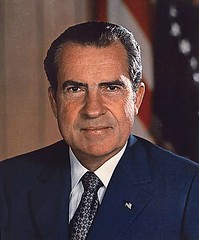 | 35 |
| 10090662456 | Gerald Ford | 1974-1977 Republican Pardoning of Nixon; OPEC crisis |  | 36 |
| 10090662457 | Jimmy Carter | 1977-1981 Democrat stagflation / energy crisis; Iran hostage crisis; Camp David Accords |  | 37 |
| 10090662458 | Ronald Reagan | 1981-1989 Republican Conservative revolution; Iran-Contra scandal |  | 38 |
| 10090662459 | George H. W. Bush | 1989-1993 Republican Persian Gulf War |  | 39 |
| 10090662460 | Bill Clinton | 1993-2001 Democrat NAFTA; Lewinsky scandal and impreachment |  | 40 |
| 10090662461 | George W. Bush | 2001-2008 Republican War on terrorism; Patriot Act; Tax cuts; "No Child Left Behind" |  | 41 |
| 10090662462 | Barack Obama | 2008-2017 Democrat Affordable Care Act | 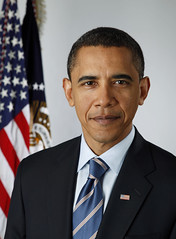 | 42 |
| 10090662463 | Donald Trump | 2017-? Republican "Make America Great Again" |  | 43 |
Period 2: 1607-1754 AP US History Flashcards
Terms : Hide Images
| 7559032927 | congregationalism | Church and town organization independent (no state control) and non-hierarchical; Citizenship = church membership (covenant); New England and Middle colonies; Puritans, Quakers, Baptists, etc. | 0 | |
| 7559032928 | covenant | Agreement between church members to form an independent church congregation; Membership was tied to citizenship. | 1 | |
| 7559032929 | Richard Hakluyt | English writer who extravagantly exhorted his countrymen to undertake the colonization of the New World after defeat of the Spanish Armada. | 2 | |
| 7559032930 | Sir Francis Drake | The most famous of the "sea dogs" (English Privateers); Plundered his way all around the planet; Financially supported by Queen Elizabeth; Knighted by queen because defying Spanish protest. |  | 3 |
| 7559032931 | Destruction of the Spanish Armada | 16th century England vs. Spain naval war; Marked the beginning of the end of the Spanish Empire and opened the path for the British Empire to flourish. |  | 4 |
| 7559032932 | Calvinism | A major branch of Protestantism; The credo of many American foundational settlers including English Puritans, Scottish Presbyterians, French Hugenots, and Dutch Reformed Church in America | 5 | |
| 7559032933 | Barbados | located in Caribbean; where the settlers in Carolina come from |  | 6 |
| 7559032934 | Joint Stock Company | A commercial venture in which multiple shareholders invest and spread risk; e.g. Hudson's Bay Company, Virginia Company, Dutch West India Company | 7 | |
| 7559032935 | Hudson's Bay Company | one of the Joint-stock companies founded in England for the purpose of trapping and fur trading. |  | 8 |
| 7559032936 | Navigation Acts | A series of economic regulations set by England starting in 1651 in order to gain control over its' colonies; Inspired by merchantilist policies |  | 9 |
| 7559032937 | Queen Elizabeth | A.K.A. Virginia, the "virgin" queen; An ambitious ruler, she secured the Protestant Reformtation in England and reigned during the destruction of the Spanish Armada, Drake's circumnavigation, the English Renaissance (Shakespeare!), and the beginning of the British Empire. |  | 10 |
| 7559032938 | Sir Walter Raleigh | A dashing courtier favored by Queen Elizabeth; Launched the first English colony in the New World in 1585 on Roanoke Island, off the coast of Virginia (present day North Carolina); The colony was a failure due to England's preoccupation with war with Spain. |  | 11 |
| 7559032939 | Roanoke colony | Located in present day North Carolina; Known as "The Lost colony" established by Sir Walter Raleigh in 1585, disappeared during the first Anglo-Spanish War. |  | 12 |
| 7559032940 | Virginia Company of London | A joint-stock company that established the first enduring English colony in the New World at Jamestown. |  | 13 |
| 7559032941 | Plantation economy | large scale agriculture worked by slaves, especially sugar and tobacco plantation. |  | 14 |
| 7559032942 | Chesapeake Bay | Large estuary between Maryland and Virginia; Site of both Jamestown and St. Marys. |  | 15 |
| 7559032943 | Jamestown | The first permanent English settlement in North America; Founded in 1607 as a joint-venture of the Virginia Company. | 16 | |
| 7559032944 | Maryland | Proprietary colony established on the Chesapeake Bay; George Calvert and Lord Baltimore were its proprietors; Established as a Catholic haven in the largely Protestant British Americas. |  | 17 |
| 7559032945 | Powhatan confederacy | A group of native American tribes in 17th century that settled in Virginia and came into conflict with the Virginia colonists. | 18 | |
| 7559032946 | Lord De La Warr | Governor of Jamestown; "he shall not work shall not eat" | 19 | |
| 7559032947 | Anglo-Powhatan Wars | 1614-1644; Series of wars between English Virginia Company settlers and local Indian tribes; "Irish tactics" used; Settled by Marriage of Pocahontas and John Rolfe; Led to the banishment of Chesapeake Indians and English encroachment of land. | 20 | |
| 7559032948 | "starving time" | Jamestown winter of 1609 to 1610; Only 60 of the 400 colonists survived because they didn't found plants or the methods to grow crops; Most colonists were gentlemen "adventurers" who refused to work or didn't know how to grow crops. |  | 21 |
| 7559032949 | House of Burgesses | The first representative legislative body formed in 1619 in Virginia; Evolved into a "planter oligarchy" that represented the wealthy plantation owners, and a competitor to the Parliament in London. | 22 | |
| 7559032950 | Maryland Acts of Toleration | In 1649, passed in Maryland, guaranteeing rights to Christians of all denominations; A measure to protect Maryland's Catholics. | 23 | |
| 7559032951 | Headright System | New immigrants were enticed to come to the New World with the offer of 50 arces (1 arce= 4047m2) | 24 | |
| 7559032952 | Bacon's Rebellion | 1676 rebellion of discontent landless servants in Virginia; Exposed the weakness of the indentured servant system to the ruling planter oligarchy, who thereafter relied more and more on African slaves. | 25 | |
| 7559032953 | Lord Baltimore | Catholic proprietor of the colony of Maryland; Permitted religious freedom to all Christian colonists in a mesure to protect Catholics. | 26 | |
| 7559032954 | John Rolfe | Virginia "father of tobacco"; Husband of Pocahontas. | 27 | |
| 7559032955 | Indentured servant | Potential England immigrants sign a contact with wealthy Virginians to work for a certain years in the New World in exchange of the passage over the Atlantic. | 28 | |
| 7559032956 | Virginia | The first colony of the British Empire; Established during the rule of Queen Elizabeth I. | 29 | |
| 7559032957 | Quebec | French major colony in Canada. |  | 30 |
| 7559032958 | Jesuit | "Society of Jesus"; Catholic missionaries. | 31 | |
| 7559032959 | Huguenots | French Protestants | 32 | |
| 7559032960 | Metis People | Descendant of French and indigenous people | 33 | |
| 7559032961 | Fundamental Orders of Connecticut | First written constitution in the New World (and all of Western Tradition); established townhall style of government similar to much of Puritan New England. | 34 | |
| 7559032962 | Pilgrims | Traveler on a holy journey; Puritan separatists who first settled Plymouth in New England |  | 35 |
| 7559032963 | Puritans | A group of English Reformed Protestants who sought to "purify" the Church of England | 36 | |
| 7559032964 | Protestantism | The "reformed" Christian faith that emerged from Martin Luther's 16th century protests against the corruption and control of the Catholic Church; A major religious and political force in the English colonies of the New World. | 37 | |
| 7559032965 | Town hall meeting | A form of direct democratic rule, used principally in New England where most or all the members of a community come together to participate in direct democratic government. | 38 | |
| 7559032966 | Congregational church | Protestant churches practicing congregationalist church governance; The independence of each congregation in New England mirrored the independence of each town and its political organization. | 39 | |
| 7559032967 | Royal charter | A formal document issued by a monarch as letters patent, granting a right or power to an individual or a body corporate. | 40 | |
| 7559032968 | Charter | The grant of authority or rights, stating that the granter formally recognizes the prerogative of the recipient to exercise the rights specified; 3 types: Royal, Commercial, Proprietary. | 41 | |
| 7559032969 | Plymouth colony | Founded by a group of Separatists who came to be known as the Pilgrims; the first sizable permanent English settlement in the New England region,https://o.quizlet.com/YWD0OaZqPqntAaSERr.dQA_m.jpg | 42 | |
| 7559032970 | Roger Williams | A Puritan, an early proponent of religious freedom and separation of church and state; he was expelled from the colony of Massachusetts and began the colony of Providence Plantation. | 43 | |
| 7559032971 | Providence | Colony established by the puritan dissenter Roger Williams; Later merged with Portsmouth to form the colony of Rhode Island. | 44 | |
| 7559032972 | Anne Hutchinson | An important participant in the Antinomian Controversy; banished from the Massachusetts Bay Colony and formed Portsmouth (later merged into Rhode Island). |  | 45 |
| 7559032973 | John Winthrop | One of the leading figures in the founding of the Massachusetts Bay Colony; his vision of the colony as a Puritan "city upon a hill" dominated New England colonial development. |  | 46 |
| 7559032974 | Mayflower | The ship that transported the first English Separatists—Pilgrims—in 1620. | 47 | |
| 7559032975 | Separatist | Puritans who felt needed to separate from the Church of England. | 48 | |
| 7559032976 | "city upon a hill" | In the 1630 sermon "A Model of Christian Charity" preached by Puritan John Winthrop. Winthrop admonished the future Massachusetts Bay colonists that their new community would be "as a city upon a hill", the ideal community, watched by the world. | 49 | |
| 7559032977 | Mayflower Compact | The first governing document of Plymouth Colony, written by the male passengers of the Mayflower, consisting of separatist Congregationalists. |  | 50 |
| 7559032978 | Salem Witch Trials | A series of hearings and prosecutions of people accused of witchcraft in colonial Massachusetts between February 1692 and May 1693; Religious fear that resulted from unrest in the colonies. | 51 | |
| 7559032979 | slave codes | Series of laws in southern plantation colonies that established Africans as lifelong slaves and a cornerstone of the plantation economy. | 52 | |
| 7559032980 | King Philip's War | AKA Metacom's War; Savage conflict between New England colonists and local Indian tribes; Both sides resorted to brutal massacre tactics; Defeat of Indians resulted in white land expansion. |  | 53 |
| 7559032981 | Middle Colonies | New York, New Jersey, Pennsylvania, Delaware; Dominated by Quakers. | 54 | |
| 7559032982 | Supreme gonverner of Anglican Church | The Supreme Governor of the Church of England is a title held by the British monarch that signifies titular leadership over the Church of England; Since the English Reformation under the Tudors, the monarch has been the head of the church; One of the major problems Puritans, Quakers, and other groups had with the Anglican church. | 55 | |
| 7559032983 | Jamaica | An island in Caribbean sea. Visited by Columbus in 1494 and Colonized by Spanish who enslaved or killed the Natives. Became a major sugar colony of the British Empire in the 17th century. |  | 56 |
| 7559032984 | South Carolina | Plantation colony established by the eight nobles (lords proprietor) after the restoration of King Charles II; Mostly rural plantations, but has primary settlement at Charles Town. |  | 57 |
| 7559032985 | "buffer colony" | A colony established to serve primarily as a defensive boundary against a competing colonial power; California and Georgia, for example. | 58 | |
| 7559032986 | North Carolina | A relatively poor and underdeveloped colony settled by landless squatters from Virginia |  | 59 |
| 7559032987 | "holy experiment" | William Penn's term for the ideal government that would uphold religious freedom and attract virtuous settlers; Largely a Quaker ideal; Its failure was apparent after Penn's death when settlers came into conflict with natives and Quakers lost political power for advocating nonviolence in the face of Indian and competing colonial power threat. | 60 | |
| 7559032988 | Philadelphia | "The city of brotherly love" established by William Penn; It was by far the largest and most important city in the English colonies on the eve of the Revolution. | 61 | |
| 7559032989 | mercantilism | The driving economic philosophy of the colonial powers in the 17th and 18th centuries; Colonial competition was a zero-sum game; Trade imbalances (more imports than exports) were evil; Colonies served the mother country and were not allowed to compete economically. | 62 | |
| 7559032990 | New Netherland | Dutch colony in Northern America; Established as a trading center; Later taken by the English and renamed New York. | 63 | |
| 7559032991 | Gullah culture | Black people off the coast of South Carolina; Speak an English-based creole language containing many African loanwords and grammar; Their isolation is an example of how many Africans held onto their traditional culture despite enslavement and Christianization. | 64 |
Flashcards
AMSCO AP US History Chapter 9 Flashcards
AMSCO United States History 2015 Edition, Chapter 9 Sectionalism, 1820-1860
Terms : Hide Images
| 5522646274 | Northeast | In the early 19th century, the area which included New England and the Middle Atlantic states. (p. 173) |  | 0 |
| 5522646275 | Old Northwest | In the early 19th century, the territory which stretched from Ohio to Minnesota. (p. 173) |  | 1 |
| 5522646276 | sectionalism | Loyalty to a particular region of the country. (p. 173) |  | 2 |
| 5522646277 | Nativists | Native-born Americans who reacted strongly against the immigrants, they feared the newcomers would take their jobs and weaken the culture of the Protestant and Anglo majority. (p. 176) |  | 3 |
| 5522646278 | American party | In the early 1850s, this party which opposed immigrants, nominated candidates for office. They were also called the Know-Nothing party. (p. 176) |  | 4 |
| 5522646279 | Supreme Order of the Star-Spangled Banner | A secret anti-foreign society in the 1840s. In the 1850s the society turned to politics by forming the American party. (p. 176) |  | 5 |
| 5522646280 | Know-Nothing Party | Nativists, also known as the American party. (p. 176) |  | 6 |
| 5522646281 | Free African Americans | By 1860 as many as 250,000 African Americans in the South were free citizens. Most of them lived in the cities where they could own property. However, they were not allowed to vote or work in most skilled professions. (p. 179) |  | 7 |
| 5522646282 | planters | The South's small wealthy elite that owned more than 100 slaves and more than 1000 acres. (p. 180) |  | 8 |
| 5522646283 | Codes of Chivalry | The Southern aristocratic planter class ascribed to a code of chivalrous conduct, which included a strong sense of personal honor, defense of womanhood, paternalistic attitudes toward all who were deemed inferior. (p. 180) |  | 9 |
| 5522646284 | poor whites | The term for the three-fourths of the South's white population who owned no slaves. (p. 180) |  | 10 |
| 5522646285 | hillbillies | Derisive term for poor white subsistence farmers, they often lived in the hills and farmed less productive land. (p. 180) |  | 11 |
| 5522646286 | mountain men | In the 1820s, these were the earliest white people in the Rocky Mountains. They trapped for furs and served as guides for settlers traveling to the West coast. (p. 181) |  | 12 |
| 5522646287 | the West | The term that referred to the new area that was being settled, the location changed as the white settlements moved westward. (p. 181) |  | 13 |
| 5522646288 | the frontier | The area that was newly settled in the West, it moved further west over time. (p. 181) |  | 14 |
| 5522646289 | Deep South | The cotton rich area of the lower Mississippi Valley. (p. 178) |  | 15 |
| 5522646290 | American Indian removal | By 1850, most American Indians were living west of the Mississippi River. The Great Plains provide temporary relief from white settlers encroaching on their territory. (p. 181) |  | 16 |
| 5522646291 | Great Plains | Native Americans in this area used the horse to hunt buffalo. Tribes such as the Cheyenne and the Sioux, became nomadic hunters following the buffalo herds. (p. 181) |  | 17 |
| 5522646292 | white settlers | In the 1840s and 1850s, they settled the Western frontier. They worked hard, lived in log cabins or sod huts. Disease and malnutrition were even greater dangers than attacks by American Indians. (p. 182) |  | 18 |
| 5522646293 | urbanization | Early 19th century urban working class neighborhoods featured crowded housing, poor sanitation, infectious diseases, and high rates of crime. (p. 174) |  | 19 |
| 5522646294 | urban life | The North's urban population grew from about 5 percent of the population in 1800 to 15 percent by 1850. (p. 174) |  | 20 |
| 5522646295 | new cities | After 1820, Buffalo, Cleveland, Detroit, Chicago, Cincinnati, and St. Louis developed as transportation points for shipping agricultural products to the East, and receiving manufactured goods from the East. (p. 175) |  | 21 |
| 5522646296 | Irish potato famine | From 1820 to 1860, almost 2 million immigrants came from Ireland. Most of them were tenant farmers driven from their homeland by potato crop failures. (p. 176) |  | 22 |
| 5522646297 | Roman Catholic | Most of the Irish were this religion and they faced strong discrimination because of it. (p. 176) |  | 23 |
| 5522646298 | Tammany Hall | New York City's Democratic organization. (p. 176) |  | 24 |
| 5522646299 | Germans | In the 1840s and 1850s, because of economic hardship and the failure of democratic revolutions, one million of these people came to the United States. They often established homesteads in the Old Northwest and generally prospered. (p. 176) |  | 25 |
| 5522646300 | immigration | From the 1830s to the 1850s, four million people came from northern Europe to the United States. (p. 175) |  | 26 |
| 5522646301 | King Cotton | By the 1850s, this agricultural product was by far the South's most important economic force. (p. 177) |  | 27 |
| 5522646302 | Eli Whitney | The United States inventor of the mechanical cotton gin, which made cotton affordable throughout the world. (p. 178) |  | 28 |
| 5522646303 | peculiar institution | A term that referred to slavery because many southern whites were uneasy with the fact that slaves were human beings yet treated so unfairly. Some used historical and religious arguments to support their claim that it was good for both slave and master. (p. 178) |  | 29 |
| 5522646304 | Denmark Vesey | In 1822, he led a major slave uprising which was quickly and violently suppressed. However, it gave hope to enslaved African Americans, drove Southern states to tighten already strict slave codes, and demonstrated to many the evils of slavery. (p. 179) |  | 30 |
| 5522646305 | Nat Turner | In 1831, he led a major slave uprising. (p. 179) |  | 31 |
| 5522646306 | slave codes | In parts of the Deep South, slaves made up nearly 75 percent of the population. Fearing slave revolts, laws were passed which restricted blacks movements and education. (p. 178) |  | 32 |
| 5522646307 | Industrial Revolution | Originally this revolution was centered in the textile industry, but by the 1830's, northern factories were producing a wide range of goods - everything from farm implements to clocks and shoes. (p. 174) |  | 33 |
| 5522646308 | unions | For a brief period in the 1830s an increasing number of urban workers joined unions and participated in strikes. (p. 174) |  | 34 |
| 5522646309 | Commonwealth v. Hunt | In 1842, the Massachusetts Supreme Court ruled that peaceful unions had the right to negotiate labor contracts with employers. (p. 174) |  | 35 |
| 5522646310 | ten-hour workday | During the 1840s and 1850s, most northern state legislatures passed laws establishing a ten-hour workday for industrial workers. (p. 174) |  | 36 |
| 5522646311 | Cyrus McCormick | United States inventor and manufacturer of a mechanical reaper, which made farms more efficient. (p. 175) |  | 37 |
| 5522646312 | John Deere | United States inventor of the steel plow, which made farms more efficient. (p. 175) |  | 38 |
| 5522646313 | Daniel Webster | A senator, who warned that sectionalism was dangerous for the United States. (p. 173) |  | 39 |
| 5522646314 | environmental damage | This term, described what occurred when settlers cleared forests and exhausted the soil. (p. 182) |  | 40 |
| 5522646315 | extinction | This term, described what trappers and hunters did to the beaver and buffalo populations. (p. 182) |  | 41 |
AMSCO AP US History Chapter 7 Flashcards
AMSCO United States History 2015 Edition, Chapter 7 The Age of Jefferson, 1800-1816
Terms : Hide Images
| 5522652835 | Thomas Jefferson | He was George Washington's first secretary of state. A Democrat-Republican, he was the nation's third president from 1801 to 1809. He stressed the basic principles of constitutional government and limited central government. He appeased the Federalists by maintaining the national bank and debt repayment plan of Hamilton, and carried on the neutrality policies of Washington and Adams. He reduced the size of the military, eliminated some federal jobs, repealed excise taxes, and lowered the national debt. In 1803, he made the Louisiana Purchase from France. (p. 131) | | 0 |
| 5522652836 | Louisiana Purchase | In 1803, Jefferson purchased the Louisiana territory from France for $15 million. The purchase more that doubled the size of the United States, removed a European presence from the nation's borders, and extended the western frontier well beyond the Mississippi River. (p. 133) |  | 1 |
| 5522652837 | war hawks | The 1810 congressional election brought a group of young Democratic-Republicans to Congress. Led by Henry Clay and John C. Calhoun they gained influence in the House of Representatives. They argued that war with Britain was the only way to defend American honor, gain Canada, and destroy American Indian resistance on the frontier. (p. 139) |  | 2 |
| 5522652838 | Henry Clay | In 1810, he was a Kentucky member of the House of Representatives. He was a war hawk who argued for war with Britain. (p. 139) |  | 3 |
| 5522652839 | John C. Calhoun | In 1810, he was a South Carolina member of the House of Representatives. He was a war hawk who argued for war with Britain. (p. 139) |  | 4 |
| 5522652840 | Tecumseh | This Shawnee warrior, who along with his brother, attempted to unite all American Indian tribes east of the Mississippi River. (p. 138) |  | 5 |
| 5522652841 | Prophet | This Shawnee religious leader, who along with his brother, attempted to unite all American Indian tribes east of the Mississippi River. (p. 138) |  | 6 |
| 5522652842 | William Henry Harrison | In 1811, this governor of the Indiana Territory, destroyed Shanee headquarters and put an end to Tecumseh's efforts to form an American Indian confederacy. (p. 138) | | 7 |
| 5522652843 | Battle of Tippecanoe | An 1811 battle between William Henry Harrison U.S. troops and American Indians led by Tecumseh. (p. 138) |  | 8 |
| 5522652844 | strict interpretation of Constitution | President Thomas Jefferson was committed to a strict interpretation of the Constitution and rejected Alexander Hamilton's argument that certain powers were implied. When Jefferson made the Louisiana Purchase he was troubled because the Constitution did not state explicitly that a president could purchase foreign land. He finally argued that the president's powers to make treaties allowed for the purchase. (p. 133) |  | 9 |
| 5522652845 | John Marshall | This Federalist Chief Justice of the Supreme Court served in the position for 34 years. His decisions in landmark cases generally strengthened the federal government, often at the expense of states rights. (p. 134) |  | 10 |
| 5522652846 | judicial review | In 1803, Marbury v. Madison case, the Marshall court established the doctrine of judicial review by ruling that a law passed by Congress was unconstitutional. From this point on, the Supreme Court could overrule the legislative or executive branches if they believed a law was unconstituional. (p. 134) |  | 11 |
| 5522652847 | Marbury v. Madison | A Supreme Court case in 1803 where Chief Justice John Marshall ruled that a law passed by Congress was unconstitutional. This established the doctrine of judicial review, where the Supreme Court could overrule actions taken by the legislative and executive branches of the government. (p. 134) |  | 12 |
| 5522652848 | Aaron Burr | He was Thomas Jefferson's vice president from 1801 to 1804. A new vice president was chosen for Jefferson's second term. He then organised a failed conspiracy, attempting to unite New England states and secede from the United States. He killed Alexander Hamilton in a duel. In 1806 was tried for treason because of a plan to capture Mexico and possibly unite it with Louisiana. He was acquitted of the charge. (p. 135) |  | 13 |
| 5522652849 | Quids | In 1812, they were "Old" Democratic-Republicans who criticized the War of 1812 because it violated the classic Democratic-Republican commitment to limited federal power and the maintenance of peace. (p. 140) |  | 14 |
| 5522652850 | Hartford Convention (1814) | In December 1814, a special convention was held in Hartford, Connecticut. Bitterly opposed to the the War of 1812, some radical Federalist in the Northeast wanted to secede from the United States, but it was rejected. However, to limit the power of the Democratic-Republicans they adopted a proposal that a two-thirds vote of both houses would be required for any future declaration of war. (p. 141) |  | 15 |
| 5522652851 | Napoleon Bonaparte | In the War of 1812 the United States based their hope for victory on Napoleon successfully fighting the British in Europe. However, in the spring of 1814, Napoleon's losses enabled the British to increase their forces in North America. (p. 141) |  | 16 |
| 5522652852 | Toussaint I'Ouverture | He led a rebellion against French rule on the island of Santo Domingo which resulted in heavy French losses. (p. 132) |  | 17 |
| 5522652853 | Barbary pirates | The United States had been paying the Barbary states on the North African coast in exchange for safe passage of U.S. ships in the Mediterranean. President Jefferson stopped paying the tribute, and the U.S. fought the Barbary Wars from 1801 to 1805. There was no decisive victory but it did offer some protection to U.S. ships in the region. (p. 136) |  | 18 |
| 5522652854 | neutrality | Around 1804, the Napoleonic wars dominated Europe. Britain was seizing U.S. ships, confiscating the cargo and forcing sailors to join the British navy. This made it difficult for President Jefferson to maintain a position of not taking sides in the conflict. (p. 136) |  | 19 |
| 5522652855 | impressment | The British practice of taking American sailors from American ships and forcing them to serve in the British navy. (p. 136) |  | 20 |
| 5522652856 | Chesapeake-Leopard affair | In 1807, the British warship Leopard attacked the American warship Chesapeake. Three U.S. sailors were killed and four were taken captive. Many Americans demanded war but Jefferson used diplomacy and economic pressure in response. (p. 136) |  | 21 |
| 5522652857 | Embargo Act (1807) | In 1807, this act prohibited American trading ships from sailing to any foreign port. It was meant to force Britain and France to change their policies towards neutral vessels, by depriving them of American trade. The embargo backfired and brought greater economic hardship to the United States than Britain. In 1809 it was repealed. (p 136) |  | 22 |
| 5522652858 | James Madison | The fourth President of the United States from 1809 to 1817. A Democrat-Republican and a close friend of Thomas Jefferson. A member of the Continental Congress and the Constitutional Convention, he strongly supported ratification of the Constitution. He was a contributor to The Federalist Papers. His presidency was marked by the War of 1812. (p. 137) |  | 23 |
| 5522652859 | Nonintercourse Act (1809) | In 1809, this act provided that America could now trade with all nations except Britain and France. (p. 137) |  | 24 |
| 5522652860 | Macon's Bill No. 2 (1810) | When economic hardships continued into 1810, Nathaniel Macon, a member of Congress, introduced a bill that restored U.S. trade with both Britain & France. It also provided that if either France or Britain formally agreed to respect neutral rights at sea, then the U.S. would prohibit trade with the foe of that nation. (p. 138) |  | 25 |
| 5522652861 | War of 1812 | A war between the United States and Great Britain caused by American outrage over the impressment of American sailors by the British and British aid to the Indians attacking the Americans on the western frontier. The War Hawks (young westerners led by Henry Clay and John C. Calhoun) argued for war in Congress. American troops attempted an invasion of Canada, but it was repulsed by British defenders. Numerous naval battles occurred and at one point the British marched through Washington, D.C. and burned the White House. In December 1814 the Treaty of Ghent was reached and territory was returned to the pre-war status. Two weeks later, Andrew Jackson's troops defeated the British at the Battle of New Orleans, not knowing that a peace treaty had already been signed. (p. 138) |  | 26 |
| 5522652862 | Old Ironsides | The nickname for the U.S. warship, Constitution. In 1812, it raised American morale by sinking a British ship off the coast of Nova Scotia. (p. 140) |  | 27 |
| 5522652863 | Battle of Lake Erie | Probably the most important U.S. naval victory in the War of 1812. Captain Oliver Hazard Perry led the U.S. to victory against the British. (p. 140) |  | 28 |
| 5522652864 | Oliver Hazard Perry | This naval captain won the Battle of Lake Erie in the War of 1812. His famous quote was, "We have met the enemy, and they are ours." (p. 140) |  | 29 |
| 5522652865 | Battle of the Thames River | This naval battle, near Detroit, was led by General William Henry Harrison. The U.S. defeated the British, and the American Indian Tecumseh was killed. (p. 140) |  | 30 |
| 5522652866 | Thomas Macdonough | In 1814, this U.S. naval commander defeated a British fleet on Lake Champlain. As a result the British had to retreat and abandon their plan to invade New York and New England. (p. 140) |  | 31 |
| 5522652867 | Battle of Lake Champlain | A battle where the British fleet was defeated and was forced to retreat and to abandon their plans to invade New York and New England. (p. 140) |  | 32 |
| 5522652868 | Andrew Jackson | In the War of 1812 this U.S. general defeated the Creek nation at the Battle of Horseshoe Bend. The British were trying to control the Mississippi River and he defeated them at the Battle of New Orleans. He would later become the seventh president of the United States. (p. 141) |  | 33 |
| 5522652869 | Battle of Horseshoe Bend | In March 1814, General Andrew Jackson defeated the Creek nation, an important British ally. The battle was fought in present-day Alabama and ended American Indian resistance in that area. (p. 141) |  | 34 |
| 5522652870 | Creek Nation | This American Indian tribe was an important British ally in the War of 1812 until being defeated by Andrew Jackson. (p. 141) |  | 35 |
| 5522652871 | Battle of New Orleans | On January 8, 1815, General Andrew Jackson led U.S. troops that defeated the British at New Orleans. At that time communications were much slower and the armies did not know that the Treaty of Ghent had ended the war two weeks earlier. (p. 141) |  | 36 |
| 5522652872 | Treaty of Ghent (1814) | The peace treaty that ended the War of 1812. The terms halted fighting, returned all conquered territory to the prewar claimant, and recognized the pre war boundary between Canada and the United States. (p. 141) |  | 37 |
| 5522652873 | Lewis and Clark Expedition | In 1804, Captain Meriwether Lewis and Lieutenant William Clark left St. Louis, Missouri on an expedition to the Pacific coast. They travelled up the Missouri River to the Great Divide, and then down the Columbia River to the Pacific Ocean. the expedition provided greater scientific knowledge of the region, stronger claims to the Oregon Territory, better relationships with the American Indians, and more accurate maps. (p. 134) |  | 38 |
| 5522652874 | Francis Scott Key | He wrote our national anthem while observing the British attack on Fort McHenry in Baltimore. (p. 141) |  | 39 |
| 5522652875 | The Star Spangled Banner | The United States national anthem composed by Francis Scott Key in 1814. (p. 141) |  | 40 |
AMSCO AP US History Chapter 24 Flashcards
AMSCO United States History 2015 Edition, Chapter 24 The Great Depression and the New Deal, 1929-1939
Terms : Hide Images
| 9037905633 | stock market crash | A boom stock market of 1928 led to a sell off starting in October 1929. Within three years the stock market would decline to one-ninth of its peak. This event is typically what marks the beginning of the Great Depression, although it was not the main cause. (p. 497) |  | 0 |
| 9037905634 | Black Tuesday | On October 29, 1929, millions of panicky investors sold their stocks, as the bottom fell out of the stock market. (p. 497) |  | 1 |
| 9037905635 | buying on the margin | This purchase method allowed people to borrow most of the cost of the stock, making down payments as low as 10 percent. Investors depended on the price of the stock increasing so they could repay their loans. (p. 497) |  | 2 |
| 9037905636 | uneven income distribution | Wages had risen relatively little compared to the large increases in productivity and corporate profits. Economic success was not shared by all, as the top 5 percent of the richest Americans received over 33 percent of all income. (p. 497) |  | 3 |
| 9037905637 | excessive debt | Consumers and businesses believed the economic boom was permanent so they increased borrowing, which later led to loan defaults and bank failures. (p. 498) |  | 4 |
| 9037905638 | overproduction | Business growth, aided by increased productivity and use of credit, led businesses to continue to produce goods that had no buyers. Workers with stagnant wages could not continue to purchase these goods, leading to decreased prices which led to decreased profits for businesses. (p. 498) |  | 5 |
| 9037905639 | Federal Reserve | During the Great Depression, this group followed a tight money policy. Instead of trying to stabilize banks, the money supply and prices, they tried to preserve the gold standard. (p. 498) |  | 6 |
| 9037905640 | debts and high tariffs | Leading up to the Great Depression, the United States insisted on full World War I loan repayments and high tariffs on imports. This weakened Europe and contributed to the worldwide depression. (p. 498) |  | 7 |
| 9037905641 | Gross Domestic Product | The value of all the goods and services produced by a nation in one year. In 1929, the United States GDP was $104 billion, but it dropped to $56 billion in 1932. (p. 498) |  | 8 |
| 9037905642 | unemployment | By 1933 25% of the workforce, not including farmers, did not have employment. (p. 498) |  | 9 |
| 9037905643 | bank failure | When banks were forced to close due to bank panics, in which people who had deposited their money pulled out all their funds. During the Great Depression 20 percent of all banks failed. (p. 498) |  | 10 |
| 9037905644 | Herbert Hoover | He was President of the United States at the time of the stock market crash. He thought that prosperity would soon return. He was slow to call for legislative action and he thought public relief should come from the state and local governments, not the federal government. (p. 500) |  | 11 |
| 9037905646 | Hawley-Smoot Tariff | In June 1930, President Hoover signed into law the highest tariff rates on European imports in history, ranging from 31 to 49 percent. In retaliation, European countries enacted their own tariffs on American goods. This reduced trade for all nations and worsened the worldwide depression. (p. 500) | 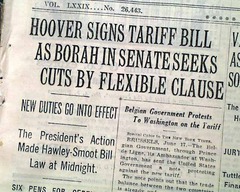 | 12 |
| 9037905648 | Farm Board | It was authorized to help farmers stabilize prices by temporarily holding surplus grain and cotton in storage. (p. 500) |  | 13 |
| 9037905649 | Reconstruction Finance Corporation | In 1932, Congress funded this government-owned corporation as a measure for propping up faltering railroads, banks, life insurance companies, and other financial institutions. President Hoover thought that emergency loans would stabilize key business and the benefits would "trickle down" to smaller businesses and ultimately bring recovery. (p. 501) |  | 14 |
| 9037905650 | Twentieth Amendment | Also known as the lame-duck amendment, this amendment shortened the period between the presidential election and inauguration. The new president's term would start on January 20. (p. 502) |  | 15 |
| 9037905651 | bonus march | Thousands of unemployed World War I veterans marched to Washington, D.C. and set up encampments to demand immediately payment of the bonuses promised to them at a later date. The Army, led by General Douglas MacArthur broke up the encampment. (p. 501) |  | 16 |
| 9037905652 | Franklin D. Roosevelt | This Democratic candidate won the 1932 presidential election. As a candidate, he promised a "new deal" for the American people, the repeal of Prohibition, aid for the unemployed, and cuts in government spending. (p. 502) |  | 17 |
| 9037905653 | Eleanor Roosevelt | She was the most active first lady in history, writing a newspaper column, giving speeches, and traveling the country. She served as the president's social conscience and influenced him to support minorities. (p. 502) |  | 18 |
| 9037905654 | New Deal | Franklin D. Roosevelt's plan to help people at the bottom of the economic pyramid. (p. 503) |  | 19 |
| 9037905655 | relief, recovery, reform | The New Deal included the three R's: immediate help people out of work, longer term assistance for business and the economy, and changes of American economic institutions to prevent another Depression from happening. (p. 503) |  | 20 |
| 9037905656 | Frances Perkins | Roosevelt's secretary of labor, she was the first woman to serve in a president's cabinet. (p. 503) |  | 21 |
| 9037905657 | Hundred Days | On March 4, 1933, Franklin Roosevelt started his term and called Congress into a one hundred day session. They passed into law all of Roosevelt's legislation. (p. 503) |  | 22 |
| 9037905659 | fireside chats | President Franklin Roosevelt would hold these casual-format talks on the radio addressing the America public and explaining new government policies. Intended to increase public confidence in the economy and government. (p. 504) |  | 23 |
| 9037905660 | Federal Deposit Insurance Corporation | This agency guaranteed individual bank deposits up to a certain amount. Intended to increase public confidence in banks and making deposits in banks again. (p. 504) |  | 24 |
| 9037905661 | Public Works Administration | Directed by Secretary of the Interior Harold Ickes, it allotted money to state and local governments for building roads, bridges, dams, and other public works. (p. 504) |  | 25 |
| 9037905662 | Civilian Conservation Corp | This organization employed young men for projects on federal lands and paid their families small monthly sums. Red Rocks Amphitheater was built thanks to the CCC in the 1930s. (p. 504) |  | 26 |
| 9037905663 | Tennessee Valley Authority | A government corporation that hired thousands of people in the Tennessee Valley, to build dams, operate electric power plants, control flooding, and erosion, and manufacture fertilizer. (p. 505) |  | 27 |
| 9037905664 | National Recovery Administration | Directed by Hugh Johnson, this agency attempted to guarantee reasonable profits for business and fair wages and hours for labor. The complex program operated with limited success for two years before the Supreme Court declared it unconstitutional. (p. 505) |  | 28 |
| 9037905666 | Securities and Exchange Commission | This agency was created to regulate the stock market and to place strict limits on the kind of speculative practices that led to the 1929 stock crash. (p. 505) |  | 29 |
| 9037905667 | Federal Housing Administration | It insured bank loans for building new houses and repairing old ones. (p. 505) |  | 30 |
| 9037905668 | Works Progress Administration | This agency created in 1935, part of the Second New Deal, it was much more ambitious than earlier efforts. Between 1935 and 1940 up to 3.4 million people were hired to construct bridges, roads, airports, and public buildings. Artists, writers, actors, and photographers were also employed. (p. 506) |  | 31 |
| 9037905669 | Wagner Act | A 1935 act that guaranteed a worker's right to join a union and a union's right to bargain collectively. It outlawed business practices that were unfair to labor. (p. 507) |  | 32 |
| 9037905670 | Social Security Act | In 1935, this act created a federal insurance program based on the automatic collection of taxes from employees and employers throughout people's working careers. This act was created to assist the poor, unemployed, children, and handicapped. (p. 507) |  | 33 |
| 9037905672 | recession of 1937 | In the winter of 1937 the economy went into recession again. The new Social Security tax had reduced consumer spending and at the same time Roosevelt had cut back government spending in hopes of balancing the budget. (p. 511) | 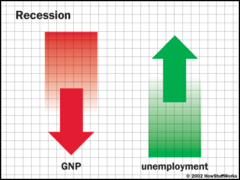 | 34 |
| 9037905673 | Father Charles Coughlin | A Catholic priest who founded the National Union for Social Justice, which called for issuing inflated currency and nationalizing all banks. His radio program attacks on the New Deal were anti-Semitic and Fascist. (p. 508) |  | 35 |
| 9037905675 | Huey Long | He proposed a "Share Our Wealth" program that promised a minimum annual income of $5000 for every American family to be paid for by taxing the wealthy. In 1935 he challenged Roosevelt's leadership of the Democratic party by becoming a candidate for president but was soon assassinated. (p. 509) |  | 36 |
| 9037905676 | Supreme Court | In the 1930s, this organization was controlled by Republicans who opposed the New Deal. In 1935, they declared two of President Roosevelt's recovery programs unconstitutional. (p. 509) |  | 37 |
| 9037905677 | court packing plan | President Franklin Roosevelt proposed a plan that allowed the president to appoint a new Supreme Court justice for each current justice over the age of 70. Congress refused to pass this legislation. This "court packing plan" would have allowed Roosevelt to appoint new Democratic justices. (p. 509) |  | 38 |
| 9037905681 | Fair Labor Standards Act | In 1938 this act established a minimum wage, a maximum standard workweek with extra pay for overtime, and child labor restrictions. (p. 511) |  | 39 |
| 9037905682 | minimum wage | Establish minimum pay for workers, initially set at 40 cents per hour. (p. 511) |  | 40 |
| 9037905683 | Dust Bowl | A severe drought in the early 1930s and poor farming practices led to this environmental disaster. High winds away large amounts of topsoil. Took place in the Great Plains areas including Oklahoma, Kansas, Nebraska, parts of Colorado and Texas. (p. 512) |  | 41 |
| 9037905684 | Okies | Derogatory term used to describe the poor farmers who left their farms in the great plains and moved westward into California. | 42 | |
| 9037905685 | John Steinbeck | A novelist that wrote about hardships in his classic study of economic heartbreak in 1939, "The Grapes of Wrath". (p. 512) |  | 43 |
| 9037905689 | Bracero Program | Made in agreement with Mexico in 1942, this program encouraged Mexican workers to move to the United States in exchange for a living wage, good working conditions, and a guarantee of non-discrimination. Led to a dependency on Mexican workers in the west and ultimately an increase in undocumented workers due to the demand from businesses to hire Mexican workers. |  | 44 |
AP US History Period 8 (1945-1980) Flashcards
Terms : Hide Images
| 6734362461 | United Nations | An international organization whose stated aims are to facilitate co-operation in international law, international security, economic development, social progress and human rights issues. It was founded in 1945 at the signing of the United Nations Charter by 50 countries, replacing the League of Nations, founded in 1919. | 0 | |
| 6734362462 | Yalta Conference | FDR, Churchill and Stalin met at Yalta. Russia agreed to declare war on Japan after the surrender of Germany and in return FDR and Churchill promised the USSR concession in Manchuria and the territories that it had lost in the Russo-Japanese War |  | 1 |
| 6734362463 | Potsdam Conference | July 26, 1945 - Allied leaders Truman, Stalin and Churchill met in Germany to set up zones of control and to inform the Japanese that if they refused to surrender at once, they would face total destruction. |  | 2 |
| 6734362464 | Rosie the Riveter | A propaganda character designed to increase production of female workers in the factories. It became a rallying symbol for women to do their part. |  | 3 |
| 6734362465 | Levittown | In 1947, William Levitt used mass production techniques to build inexpensive homes in surburban New York to help relieve the postwar housing shortage. Levittown became a symbol of the movement to the suburbs in the years after WWII. |  | 4 |
| 6734362466 | Iron Curtain | A political barrier that isolated the peoples of Eastern Europe after WWII, restricting their ability to travel outside the region | 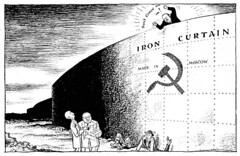 | 5 |
| 6734362467 | Truman Doctrine | 1947, President Truman's policy of providing economic and military aid to any country threatened by communism or totalitarian ideology, mainly helped Greece and Turkey |  | 6 |
| 6734362468 | Marshall Plan | A United States program of economic aid for the reconstruction of Europe (1948-1952) |  | 7 |
| 6734362469 | Berlin Blockade | The blockade was a Soviet attempt to starve out the allies in Berlin in order to gain supremacy. The blockade was a high point in the Cold War, and it led to the Berlin Airlift. |  | 8 |
| 6734362470 | Korean War | The conflict between Communist North Korea and Non-Communist South Korea. The United Nations (led by the United States) helped South Korea. |  | 9 |
| 6734362471 | McCarthyism | The term associated with Senator Joseph McCarthy who led the search for communists in America during the early 1950s through his leadership in the House Un-American Activities Committee. |  | 10 |
| 6734362472 | Brown v Board of Education, 1954 | 1954 - The Supreme Court overruled Plessy v. Ferguson, declared that racially segregated facilities are inherently unequal and ordered all public schools desegregated. |  | 11 |
| 6734362473 | Montgomery Bus Boycott | In 1955, after Rosa Parks was arrested for refusing to give up her seat on a city bus, Dr. Martin L. King led a boycott of city busses. After 11 months the Supreme Court ruled that segregation of public transportation was illegal. |  | 12 |
| 6734362474 | Interstate Highway Act | 1956 law that authorized the spending of $32 billion to build 41,000 miles of highway |  | 13 |
| 6734362475 | Little Rock Arkansas | Incident where President Eisenhower sent federal troops to allow nine black students into the high school (1957) |  | 14 |
| 6734362476 | Sputnik | First artificial Earth satellite, it was launched by Moscow in 1957 and sparked U.S. fears of Soviet dominance in technology and outer space. It led to the creation of NASA and the space race. Led the US to focus on Math & Science in American schools. |  | 15 |
| 6734362477 | Sit ins | Protests by black college students, 1960-1961, who took seats at "whites only" lunch counters and refused to leave until served; in 1960 over 50,000 participated in sit-ins across the South. Their success prompted the formation of the Student Non-Violent Coordinating Committee. |  | 16 |
| 6734362478 | NASA | The National Aeronautics and Space Administration (NASA) is the United States government agency responsible for the civilian space program as well as aeronautics and aerospace research. |  | 17 |
| 6734362479 | Berlin Wall | A fortified wall surrounding West Berlin, Germany, built in 1961 to prevent East German citizens from traveling to the West. Its demolition in 1989 symbolized the end of the Cold War. This wall was both a deterrent to individuals trying to escape and a symbol of repression to the free world. |  | 18 |
| 6734362480 | Bay of Pigs | In April 1961, a group of Cuban exiles organized and supported by the U.S. Central Intelligence Agency landed on the southern coast of Cuba in an effort to overthrow Fidel Castro. When the invasion ended in disaster, President Kennedy took full responsibility for the failure. |  | 19 |
| 6734362481 | Freedom Rides | 1961 event organized by CORE and SNCC in which an interracial group of civil rights activists tested southern states' compliance to the Supreme Court ban of segregation on interstate buses |  | 20 |
| 6734362482 | Cuban Missile Crisis | An international crisis in October 1962, the closest approach to nuclear war at any time between the U.S. and the USSR. When the U.S. discovered Soviet nuclear missiles on Cuba, President John F. Kennedy demanded their removal and announced a naval blockade of the island; the Soviet leader Khrushchev acceded to the U.S. demands a week later, on condition that US doesn't invade Cuba |  | 21 |
| 6734362483 | Rachel Carson | United States biologist remembered for her opposition to the use of pesticides that were hazardous to wildlife (1907-1964) in her book Silent Spring. Considered the birth of environmentalism |  | 22 |
| 6734362484 | March on Washington | Held in 1963 to show support for the Civil Rights Bill in Congress. Martin Luther King gave his famous "I have a dream..." speech. 250,000 people attended the rally |  | 23 |
| 6734362485 | JFK Assassinated | November 1963, President John F Kennedy was assassinated in Dallas, Texas. |  | 24 |
| 6734362486 | Civil Rights Act of 1964 | 1964; banned discrimination in public acomodations, prohibited discrimination in any federally assisted program, outlawed discrimination in most employment; enlarged federal powers to protect voting rights and to speed school desegregation; this and the voting rights act helped to give African-Americans equality on paper, and more federally-protected power so that social equality was a more realistic goal |  | 25 |
| 6734362487 | Voting Rights Act of 1965 | 1965; invalidated the use of any test or device to deny the vote and authorized federal examiners to register voters in states that had disenfranchised blacks; as more blacks became politically active and elected black representatives, it rboguth jobs, contracts, and facilities and services for the black community, encouraging greater social equality and decreasing the wealth and education gap |  | 26 |
| 6734362488 | Gulf of Tonkin Resolution | 1964 Congressional resolution that authorized President Johnson to commit US troops to south vietnam and fight a war against north Vietnam |  | 27 |
| 6734362489 | Cesar Chavez | 1927-1993. Farm worker, labor leader, and civil-rights activist who helped form the National Farm Workers Association, later the United Farm Workers. |  | 28 |
| 6734362490 | Malcolm X | 1952; renamed himself X to signify the loss of his African heritage; converted to Nation of Islam in jail in the 50s, became Black Muslims' most dynamic street orator and recruiter; his beliefs were the basis of a lot of the Black Power movement built on seperationist and nationalist impulses to achieve true independence and equality. Assassinated in 1965 by the Nation of Islam. |  | 29 |
| 6734362491 | Stonewall Riot | In New York City, 1969 - Triggered activist protests among gays and lesbians - police raided gay bar - people fought back - became symbol of oppression of gays, began the gay pride movement |  | 30 |
| 6734362492 | Woodstock | A free music festival that attracted more than 400,000 young people to a farm in upstate New York in August 1969 |  | 31 |
| 6734362493 | Earth Day | A holiday conceived of by environmental activist and Senator Gaylord Nelson to encourage support for and increase awareness of environmental concerns; first celebrated on March 22, 1970 |  | 32 |
| 6734362494 | Kent State Massacre | Protests to the war that lead to National Guard being called in and shot students because they burned the ROTC building. Three students were killed, 1970. | 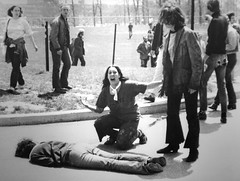 | 33 |
| 6734362495 | Nixon in China | February 21, 1972 - Nixon visited for a week to meet with Chairman Mao Tse-Tung for improved relations with China, Called "ping-pong diplomacy" because Nixon played ping pong with Mao during his visit. Nixon agreed to support China's admission to the United Nations. |  | 34 |
| 6734362496 | SALT I Treaty | A five-year agreement between the U.S. and the Soviet Union, sighned in 1972, that limited the nations' numbers of intercontinental ballistic missiles and submarine-launched missiles. |  | 35 |
| 6734362497 | Roe v Wade | Established national abortion guidelines; trimester guidelines; no state The 1973 Supreme Court decision holding that a state ban on all abortions was unconstitutional. The decision forbade state control over abortions during the first trimester of pregnancy, permitted states to limit abortions to protect the mother's health in the second trimester, and permitted states to protect the fetus during the third trimester. |  | 36 |
| 6734362498 | Watergate | 1972; Nixon feared loss so he approved the Commission to Re-Elect the President to spy on and espionage the Democrats. A security gaurd foiled an attempt to bug the Democratic National Committe Headquarters, exposing the scandal. Seemingly contained, after the election Nixon was impeached and stepped down |  | 37 |
| 6734362499 | Jimmy Carter | (1977-1981), Created the Department of Energy and the Depatment of Education. He was criticized for his return of the Panama Canal Zone, and because of the Soviet war in Afghanistan, he enacted an embargo on grain shipments to USSR and boycotted the 1980 Olympics in Moscow and his last year in office was marked by the takeover of the American embassy in Iran, fuel shortages, and the Soviet Invasion of Afghanistan, which caused him to lose to Ronald Regan in the next election. |  | 38 |
| 6734362500 | Camp David Accords | (1978) were negotiated at the presidential retreat of Camp David by Egypt's Anwar Sadat and Israel Menachem Begin; they were brokered by U.S. President Jimmy Carter. They led to a peace treaty the next year that returned the Sinai Peninsula to Egypt, guaranteed Israeli access to the Red Sea and Suez Canal, and more-or-less normalized diplomatic and economic relations between the two countries. This isolated Egypt from the other Arab countries and led to Sadat's assassination in 1981. |  | 39 |
| 6734362501 | Iran Hostage Crisis | In November 1979, revolutionaries stormed the American embassy in Tehran and held 52 Americans hostage. The Carter administration tried unsuccessfully to negotiate for the hostages release. On January 20, 1981, the day Carter left office, Iran released the Americans, ending their 444 days in captivity. |  | 40 |
| 6734362502 | Salt II Treaty | This treaty was a controversial experiment of negotiations between Jimmy Carter and Leonid Brezhnev from 1977 to 1979 between the U.S. and the Soviet Union, which sought to curtail the manufacture of strategic nuclear weapons. |  | 41 |
Period 2: 1607-1754 AP US History Flashcards
Terms : Hide Images
| 7732653717 | congregationalism | Church and town organization independent (no state control) and non-hierarchical; Citizenship = church membership (covenant); New England and Middle colonies; Puritans, Quakers, Baptists, etc. | 0 | |
| 7732653718 | covenant | Agreement between church members to form an independent church congregation; Membership was tied to citizenship. | 1 | |
| 7732653719 | Richard Hakluyt | English writer who extravagantly exhorted his countrymen to undertake the colonization of the New World after defeat of the Spanish Armada. | 2 | |
| 7732653720 | Sir Francis Drake | The most famous of the "sea dogs" (English Privateers); Plundered his way all around the planet; Financially supported by Queen Elizabeth; Knighted by queen because defying Spanish protest. | | 3 |
| 7732653721 | Destruction of the Spanish Armada | 16th century England vs. Spain naval war; Marked the beginning of the end of the Spanish Empire and opened the path for the British Empire to flourish. | | 4 |
| 7732653722 | Calvinism | A major branch of Protestantism; The credo of many American foundational settlers including English Puritans, Scottish Presbyterians, French Hugenots, and Dutch Reformed Church in America | 5 | |
| 7732653723 | Barbados | located in Caribbean; where the settlers in Carolina come from | | 6 |
| 7732653724 | Joint Stock Company | A commercial venture in which multiple shareholders invest and spread risk; e.g. Hudson's Bay Company, Virginia Company, Dutch West India Company | 7 | |
| 7732653725 | Hudson's Bay Company | one of the Joint-stock companies founded in England for the purpose of trapping and fur trading. | | 8 |
| 7732653726 | Navigation Acts | A series of economic regulations set by England starting in 1651 in order to gain control over its' colonies; Inspired by merchantilist policies | | 9 |
| 7732653727 | Queen Elizabeth | A.K.A. Virginia, the "virgin" queen; An ambitious ruler, she secured the Protestant Reformtation in England and reigned during the destruction of the Spanish Armada, Drake's circumnavigation, the English Renaissance (Shakespeare!), and the beginning of the British Empire. | | 10 |
| 7732653728 | Sir Walter Raleigh | A dashing courtier favored by Queen Elizabeth; Launched the first English colony in the New World in 1585 on Roanoke Island, off the coast of Virginia (present day North Carolina); The colony was a failure due to England's preoccupation with war with Spain. | | 11 |
| 7732653729 | Roanoke colony | Located in present day North Carolina; Known as "The Lost colony" established by Sir Walter Raleigh in 1585, disappeared during the first Anglo-Spanish War. | | 12 |
| 7732653730 | Virginia Company of London | A joint-stock company that established the first enduring English colony in the New World at Jamestown. | | 13 |
| 7732653731 | Plantation economy | large scale agriculture worked by slaves, especially sugar and tobacco plantation. | | 14 |
| 7732653732 | Chesapeake Bay | Large estuary between Maryland and Virginia; Site of both Jamestown and St. Marys. | | 15 |
| 7732653733 | Jamestown | The first permanent English settlement in North America; Founded in 1607 as a joint-venture of the Virginia Company. | 16 | |
| 7732653734 | Maryland | Proprietary colony established on the Chesapeake Bay; George Calvert and Lord Baltimore were its proprietors; Established as a Catholic haven in the largely Protestant British Americas. | | 17 |
| 7732653735 | Powhatan confederacy | A group of native American tribes in 17th century that settled in Virginia and came into conflict with the Virginia colonists. | 18 | |
| 7732653736 | Lord De La Warr | Governor of Jamestown; "he shall not work shall not eat" | 19 | |
| 7732653737 | Anglo-Powhatan Wars | 1614-1644; Series of wars between English Virginia Company settlers and local Indian tribes; "Irish tactics" used; Settled by Marriage of Pocahontas and John Rolfe; Led to the banishment of Chesapeake Indians and English encroachment of land. | 20 | |
| 7732653738 | "starving time" | Jamestown winter of 1609 to 1610; Only 60 of the 400 colonists survived because they didn't found plants or the methods to grow crops; Most colonists were gentlemen "adventurers" who refused to work or didn't know how to grow crops. | | 21 |
| 7732653739 | House of Burgesses | The first representative legislative body formed in 1619 in Virginia; Evolved into a "planter oligarchy" that represented the wealthy plantation owners, and a competitor to the Parliament in London. | 22 | |
| 7732653740 | Maryland Acts of Toleration | In 1649, passed in Maryland, guaranteeing rights to Christians of all denominations; A measure to protect Maryland's Catholics. | 23 | |
| 7732653741 | Headright System | New immigrants were enticed to come to the New World with the offer of 50 arces (1 arce= 4047m2) | 24 | |
| 7732653742 | Bacon's Rebellion | 1676 rebellion of discontent landless servants in Virginia; Exposed the weakness of the indentured servant system to the ruling planter oligarchy, who thereafter relied more and more on African slaves. | 25 | |
| 7732653743 | Lord Baltimore | Catholic proprietor of the colony of Maryland; Permitted religious freedom to all Christian colonists in a mesure to protect Catholics. | 26 | |
| 7732653744 | John Rolfe | Virginia "father of tobacco"; Husband of Pocahontas. | 27 | |
| 7732653745 | Indentured servant | Potential England immigrants sign a contact with wealthy Virginians to work for a certain years in the New World in exchange of the passage over the Atlantic. | 28 | |
| 7732653746 | Virginia | The first colony of the British Empire; Established during the rule of Queen Elizabeth I. | 29 | |
| 7732653747 | Quebec | French major colony in Canada. | | 30 |
| 7732653748 | Jesuit | "Society of Jesus"; Catholic missionaries. | 31 | |
| 7732653749 | Huguenots | French Protestants | 32 | |
| 7732653750 | Metis People | Descendant of French and indigenous people | 33 | |
| 7732653751 | Fundamental Orders of Connecticut | First written constitution in the New World (and all of Western Tradition); established townhall style of government similar to much of Puritan New England. | 34 | |
| 7732653752 | Pilgrims | Traveler on a holy journey; Puritan separatists who first settled Plymouth in New England | | 35 |
| 7732653753 | Puritans | A group of English Reformed Protestants who sought to "purify" the Church of England | 36 | |
| 7732653754 | Protestantism | The "reformed" Christian faith that emerged from Martin Luther's 16th century protests against the corruption and control of the Catholic Church; A major religious and political force in the English colonies of the New World. | 37 | |
| 7732653755 | Town hall meeting | A form of direct democratic rule, used principally in New England where most or all the members of a community come together to participate in direct democratic government. | 38 | |
| 7732653756 | Congregational church | Protestant churches practicing congregationalist church governance; The independence of each congregation in New England mirrored the independence of each town and its political organization. | 39 | |
| 7732653757 | Royal charter | A formal document issued by a monarch as letters patent, granting a right or power to an individual or a body corporate. | 40 | |
| 7732653758 | Charter | The grant of authority or rights, stating that the granter formally recognizes the prerogative of the recipient to exercise the rights specified; 3 types: Royal, Commercial, Proprietary. | 41 | |
| 7732653759 | Plymouth colony | Founded by a group of Separatists who came to be known as the Pilgrims; the first sizable permanent English settlement in the New England region,https://o.quizlet.com/YWD0OaZqPqntAaSERr.dQA_m.jpg | 42 | |
| 7732653760 | Roger Williams | A Puritan, an early proponent of religious freedom and separation of church and state; he was expelled from the colony of Massachusetts and began the colony of Providence Plantation. | 43 | |
| 7732653761 | Providence | Colony established by the puritan dissenter Roger Williams; Later merged with Portsmouth to form the colony of Rhode Island. | 44 | |
| 7732653762 | Anne Hutchinson | An important participant in the Antinomian Controversy; banished from the Massachusetts Bay Colony and formed Portsmouth (later merged into Rhode Island). | | 45 |
| 7732653763 | John Winthrop | One of the leading figures in the founding of the Massachusetts Bay Colony; his vision of the colony as a Puritan "city upon a hill" dominated New England colonial development. | | 46 |
| 7732653764 | Mayflower | The ship that transported the first English Separatists—Pilgrims—in 1620. | 47 | |
| 7732653765 | Separatist | Puritans who felt needed to separate from the Church of England. | 48 | |
| 7732653766 | "city upon a hill" | In the 1630 sermon "A Model of Christian Charity" preached by Puritan John Winthrop. Winthrop admonished the future Massachusetts Bay colonists that their new community would be "as a city upon a hill", the ideal community, watched by the world. | 49 | |
| 7732653767 | Mayflower Compact | The first governing document of Plymouth Colony, written by the male passengers of the Mayflower, consisting of separatist Congregationalists. | | 50 |
| 7732653768 | Salem Witch Trials | A series of hearings and prosecutions of people accused of witchcraft in colonial Massachusetts between February 1692 and May 1693; Religious fear that resulted from unrest in the colonies. | 51 | |
| 7732653769 | slave codes | Series of laws in southern plantation colonies that established Africans as lifelong slaves and a cornerstone of the plantation economy. | 52 | |
| 7732653770 | King Philip's War | AKA Metacom's War; Savage conflict between New England colonists and local Indian tribes; Both sides resorted to brutal massacre tactics; Defeat of Indians resulted in white land expansion. | | 53 |
| 7732653771 | Middle Colonies | New York, New Jersey, Pennsylvania, Delaware; Dominated by Quakers. | 54 | |
| 7732653772 | Supreme gonverner of Anglican Church | The Supreme Governor of the Church of England is a title held by the British monarch that signifies titular leadership over the Church of England; Since the English Reformation under the Tudors, the monarch has been the head of the church; One of the major problems Puritans, Quakers, and other groups had with the Anglican church. | 55 | |
| 7732653773 | Jamaica | An island in Caribbean sea. Visited by Columbus in 1494 and Colonized by Spanish who enslaved or killed the Natives. Became a major sugar colony of the British Empire in the 17th century. | | 56 |
| 7732653774 | South Carolina | Plantation colony established by the eight nobles (lords proprietor) after the restoration of King Charles II; Mostly rural plantations, but has primary settlement at Charles Town. | | 57 |
| 7732653775 | "buffer colony" | A colony established to serve primarily as a defensive boundary against a competing colonial power; California and Georgia, for example. | 58 | |
| 7732653776 | North Carolina | A relatively poor and underdeveloped colony settled by landless squatters from Virginia | | 59 |
| 7732653777 | "holy experiment" | William Penn's term for the ideal government that would uphold religious freedom and attract virtuous settlers; Largely a Quaker ideal; Its failure was apparent after Penn's death when settlers came into conflict with natives and Quakers lost political power for advocating nonviolence in the face of Indian and competing colonial power threat. | 60 | |
| 7732653778 | Philadelphia | "The city of brotherly love" established by William Penn; It was by far the largest and most important city in the English colonies on the eve of the Revolution. | 61 | |
| 7732653779 | mercantilism | The driving economic philosophy of the colonial powers in the 17th and 18th centuries; Colonial competition was a zero-sum game; Trade imbalances (more imports than exports) were evil; Colonies served the mother country and were not allowed to compete economically. | 62 | |
| 7732653780 | New Netherland | Dutch colony in Northern America; Established as a trading center; Later taken by the English and renamed New York. | 63 | |
| 7732653781 | Gullah culture | Black people off the coast of South Carolina; Speak an English-based creole language containing many African loanwords and grammar; Their isolation is an example of how many Africans held onto their traditional culture despite enslavement and Christianization. | 64 |
Flashcards
Pages

Need Help?
We hope your visit has been a productive one. If you're having any problems, or would like to give some feedback, we'd love to hear from you.
For general help, questions, and suggestions, try our dedicated support forums.
If you need to contact the Course-Notes.Org web experience team, please use our contact form.
Need Notes?
While we strive to provide the most comprehensive notes for as many high school textbooks as possible, there are certainly going to be some that we miss. Drop us a note and let us know which textbooks you need. Be sure to include which edition of the textbook you are using! If we see enough demand, we'll do whatever we can to get those notes up on the site for you!
