AP Notes, Outlines, Study Guides, Vocabulary, Practice Exams and more!

AMSCO AP US History Chapter 19 Flashcards

AMSCO United States History 2018 Edition, Chapter 19 The Politics of the Gilded Age, 1877-1900

Terms : Hide Images
8952451159laissez-faire economics and politicsThe idea that government should do little to interfer with the free market. (p. 380)0
8952451165weak presidentsThe Gilded Age presidents were not memorable and only served one term. Many avoided problems arising from growth of industry and cities. (p. 380)1
8952451166patronage politicsThe use of government resources to reward individuals for their electoral support. (p. 381)2
8952451167corrupt politiciansParty patronage, the process of providing jobs to faithful party members was more important than policy issues during the Gilded Age. (p. 381)3
8952451169Whig past, pro-businessRepublicans followed the tradition of Hamilton and the Whigs, supporting a pro-business economic program of high protective tariffs. (p. 381)4
8952451171social reformers, temperanceThe core of Republican support came from middle-class Anglo-Saxon Protestants who supported temperance or prohibition, along with business men. (p. 381)5
8952451173Protestant religionThese religious groups usually supported Republicans. (p. 381)6
8952451174African AmericansAround 1890, a bill to protect voting rights of African Americans passed the House but was defeated in the Senate. (p. 386)7
8952451175former Confederacy, "Solid South"From 1877 until the 1950s, the Democrats could count on winning every election here. (p. 381)8
8952451176states rights, limited governmentDemocrats of the Gilded Age were in favor of these ideas; Jeffersonian tradition. (p. 381)9
8952451178big-city political machinesIn the North, one source of Democratic strength came from big-city political machines. (p. 381)10
8952451179immigrant voteIn the North, one source of Democratic strength came from the immigrant vote. (p. 381)11
8952451180against prohibitionThe Catholics, Lutherans, and Jews were generally against this policy. (p. 381)12
8952451182federal government jobsDuring the Gilded Age, these jobs were given to those who were loyal their political party. (p. 381)13
8952451183Stalwarts, Halfbreeds, and MugwumpsGroups which competed for lucrative jobs in the patronage system. (p. 381)14
8952451184Election of 1880In 1880, James A. Garfield was elected president in a very close election. His vice president was Chester A. Arthur. (p. 382)15
8952451186Chester A. ArthurHe became president after James Garfield died of a gun shot wound. (p. 383)16
8952451187Pendleton Act of 1881Set up by the Civil Service Commission, it created a system where federal jobs were awarded based on competitive exams. (p. 384)17
8952451188civil service reformPublic outrage over the assassination of President Garfield pushed Congress to remove some jobs from control of party patronage. (p. 384)18
8952451190Grover ClevelandIn 1884, he was elected president of the United States. He was the first Democratic president since 1856. (p. 383)19
8952451191high tariffIn the 1890s, tariffs provided more than half of the federal revenue. Some Democrats objected to the tariffs because the raised the price on consumer goods and made it for difficult for farmers to sell to export because foreign countries enacted their own tariffs. (p. 385)20
8952451192business vs. consumersSome people objected to the high tariffs because the raised the prices on consumer goods. (p. 385)21
8952451193Cleveland threatens lower tariffToward the end of Grover Cleveland's first term he urged Congress to lower the tariff rates. (p. 385)22
8952451194McKinley Tariff of 1890In 1890, this tariff raised the tax on foreign products to a peacetime high of 48 percent. (p 386)23
8952451195Wilson-Gorman Tariff of 1894This tariff provided a moderate reduction in tariff rates and levied a 2 percent income tax. (p. 388)24
8952451196Dingley Tariff of 1897Increased the tariff rate to more than 46 percent and made gold the official standard of U.S. currency. (p. 390)25
8952451197"hard" money vs. "soft" moneyMoney backed by gold vs. paper money not backed by specie (gold or silver). (p. 384)26
8952451198banks, creditors vs. debtorsDebtors wanted more "easy, soft" money in circulation. On the opposite side creditors stood for "hard, sound" money - meaning currency backed by gold. (p. 384)27
8952451199Panic of 1873, "Crime of 73"Congress stopped making silver coins. (p. 385)28
8952451200Specie Resumption Act of 1875Congress sided with creditors and investors when it passed this act which withdrew all greenbacks (paper money not backed by gold or silver) from circulation. (p. 385)29
8952451201Greenback partyThis political party was formed by supporters of paper money not backed by gold or silver. (p. 384)30
8952451203Bland-Allison Act of 1878In 1878, this act allowed a limited coinage of silver each month at the standard silver-to-gold ratio of 16 to 1. (p. 385)31
8952451204Sherman Silver Purchase Act of 1890This act increased the coinage of silver but it was not enough to satisfy the farmers and miners. (p. 386)32
8952451205run on gold reserves, J.P. Morgan bail outA decline in silver prices encouraged investors to trade their silver dollars for gold dollars. The gold reserve fell dangerously low and President Grover Cleveland was forced to repeal the Sherman Silver Purchase Act of 1890. The president then turned to J.P. Morgan to borrow $65 million in gold to support the dollar and the gold standard. (p. 387)33
8952451206repeal of Sherman Silver Purchase ActA decline in silver prices encouraged investors to trade their silver dollars for gold dollars. The gold reserve fell dangerously low and President Grover Cleveland was forced to repeal the Sherman Silver Purchase Act of 1890. (p. 387)34
8952451207election of 1888, Harrison "Billion Dollar Congress"In 1888, the Republican Benjamin Harrison became the president and the Republicans controlled Congress. They passed the first billion dollar budget in U.S. history. (p. 386)35
8952451208rise of the Populist PartyIn 1892, delegates met in Omaha, Nebraska to draft a political platform that would reduce the power of trusts and bankers. They nominated James Weaver as their candidate for president. (p. 386)36
8952451209Farmers' Alliances in South and WestIn 1890, this group of discontented farmers elected senators, representatives, governors, and majorities in state legislatures in the West. (p. 386)37
8952451210Alliance of whites and blacks in SouthThe Populist party tried to form a political alliance with these poor farmers. (p. 387)38
8952451212reformers vs. rasism in SouthIn the presidential election of 1892, Southern Democrats feared the Populist party and used every technique possible to keep blacks from voting. (p. 387)39
8952451213Omaha PlatformIn 1892, the Populist party met in Omaha, Nebraska to draft this political platform and nominate a presidential candidate. (p 386)40
8952451215election of 1892, Cleveland returnsThe 1892 presidential election was between President Benjamin Harrison and former president Grover Cleveland. Cleveland became the only president to win a presidential election after having left the office. (p. 387)41
8952451216Panic of 1893In 1893, the stock market crashed as a result of speculation in railroad companies. One of the worst and longest depressions in U.S. history. (p. 387)42
8952451217Coxey's Army, March on WashingtonIn 1894, Populist Jacob A. Coxey led a march to Washington to demand that the federal government spend $500 million on public works programs. (p. 388)43
8952451218Coin's Financial SchoolIn 1894, this book taught Americans that unlimited silver coining would end the economic problems. (p. 388)44
8952451219William Jennings BryanThe 1896 Democratic nominee for president. (p. 388)45
8952451220"Cross of Gold" SpeechWilliam Jennings Bryan gave this speech at the 1896 Democratic convention. The prosilver and anti-gold speech assured him of the nomination. (p. 389)46
8952451221fusion of Democrats and PopulistsIn the 1896 presidential election the Democrats and Populists both nominated William Jennings Bryan for president in fused campaign. (p. 389)47
8952451222unlimited coinage of silver at 16 to 1In 1896, the Democrats favored silver coinage at this traditional but inflationary rate. (p. 389)48
8952451225McKinley victoryWilliam McKinley won the presidential election of 1896 by carrying the all the Northeast and the upper Midwest. (p. 389)49
8952451226gold standard and higher tariffIn 1897, William McKinley became president just as gold discoveries in Alaska increased the money supply under the gold standard. The Dingley Tariff increased the tariff rate to 46 percent. (p. 390)50
8952451227rise of modern urban industrial societyThe 1896 election was a victory for big business, urban centers, conservative economics, and moderate middle-class values. Rural America lost its dominance of American politics. (p. 390)51
8952451228decline of traditional rural-agricultualThe 1896 election marked the point of decline of rural America's power in national politics. (p. 390)52
8952451229start of the modern presidencyWilliam McKinley emerged as the first modern president, he would make America an important country in international affairs. (p. 390)53
8952451230era of Republican dominanceThe election of McKinley in 1896 started an era of Republican dominance of the presidency (seven of next nine elections) and Congress. (p. 390)54

AP US History KM Flashcards

Terms : Hide Images
9704512471KamikazeJapanese suicide pilots who crashed their planes into US ships, WWII0
9704512472Kansas-Nebraska actstates that people of a territory had the right to decide own laws, decided whether or not territory was free or slave, led to Bleeding Kansas1
9704512473Kentucky-Virginia Resolutions1798 by Jefferson and Madison, written to nullify Alien and Sedition Acts, also led to compact theory that gave states more power than fed gov2
9704512474knights of laborLabor Union of unskilled workers, their strikes led to the 8 hour work day, very large and unorganized3
9704512475korean warBegan 1950 when North Korea (baked by Soviets) invaded South Korea, US got involved to stop communism, ended in stalemate4
9704512476laissez-faireCapitalist concept of government non-interference in matters of business and economics5
9704512477lame ducknickname for President during his last few weeks in office6
9704512478large policyBold foreign policy that advocated colonizations of distant land, advocated construction of a canal through central america7
9704512479League of NationsOriginally proposed by Wilson, tried to ensure international stability8
9704512480Lend-Lease ActGave FDR the right to sell, transfer, exchange equipment to any country to help it defend itself against the Axis powers, sent $31 billion to Britain9
9704512481levittownWilliam Levitt used mass production to build inexpensive homes in suburban NY after WWII10
9704512482the liberatoranti-slavery newspaper written by William lloyd Garrison, advocated emancipation11
9704512483loose constructionistsbelieve Constitution should be interpreted loosely, promoted by Hamilton12
9704512484lost generationrefers to group of US writers who lived in Paris 20's and 30's, bitter about WWI, included Hemingway and F. Scott Fitzgerald13
9704512485louisiana purchasesecured US control of Mississippi River, doubled the size of the nation, Jefferson14
9704512486manhattan projectsecret project of US to develop atomic bomb15
9704512487manifest densitysaid it was in the right of Americans to expand territory west16
9704512488marshall plan1947, sent money to Europe to rebuild post war society (WWII) and prevent communism17
9704512489mayflower compact1620, First example of self-government in America, provided law and order to plymouth colony18
9704512490mcCarthyism1950's, McCarthy accused many Americans of being communist, term now associated with unsubstantiated claims and paranoia19
9704512491mechanizationdevelopment of engine driven machines in agriculture, increased the productivity20
9704512492mercantilismnations economy should be coordinated for the good of the whole nation, profitable trading21
9704512493mercenariesprofession soldier who serves in an army for pay22
9704512494middle passagejourney across Atlantic where Africans were transported to Americas and traded for sugar and tobacco, many died23
9704512495minutemenRevolutionary War, local militiamen who fought against British24
9704512496missionary diplomacy"Moral diplomacy," foreign policy proposed by Wilson to condemn imperialism, spread democracy and promote peace25
9704512497missouri compromise1820, Missouri entered as slave state, Maine entered as free, Congress made line across Mississippi saying all states north must be free26
9704512498monopolyexclusive control over business or industry. Carnegie, Rockefelle27
9704512499monroe doctrineJames Monroe to Europe- no new colonies or US would respond aggressively, US wouldn't interfere in Europe's affairs28
9704512500muckrakersnickname for reporters who attempted to find corruption or wrongdoing in industries and expose it to the public. Ida Tarbell, Upton Sinclair29

AP US History Chapter 4 Terms Flashcards

Terms : Hide Images
4893040176Tenancy-To rent land0
4893056616Competency-Ability for a family to keep their household independent through future generations1
4893100939Household Mode of Production-Practice where families traded labor and goods -Helped New-England free holders survive on small farms2
4893110075Squatters-People who illegally settle on land they do not own -Hoped to acquire it on legal terms3
4893115931Redemptioner-Indentured servants that formed contracts after arriving in America -Families had increased flexibility with contract terms4
4893124629Enlightenment-Cultural movement in Europe -Used reason to reevaluate previous doctrines that were accepted in society -Caused people to think more logically and rationally5
4893140398Pietism-Evangelical Christian movement -Emphasized Bible study -Emphasized individual relationship with God -One of two biggest cultural movements in Europe6
4893157238Natural Rights-Rights that all people are entitled to -Life, liberty, property7
4893168965Deism-Belief that God created the universe then left it to run using natural laws -Adopted by small number of urban artisans, wealthy virginia planters, and seaport merchants -Was not an established religion8
4893181361Revival-Renewal of enthusiasm in Christian beliefs9
4893187405Old Lights-Conservative ministers who opposed the enthusiasm displayed by evangelical preachers10
4893194949New Lights-Evangelical preachers who believed that Christian faith was intellectual and emphasized spiritual rebirth -Allowed women to speak in public11
4893206920Consumer Revolution-Increase in consumption of manufactured goods -Raised living standards -Landed many consumers and colonies in debt -Increase in transatlantic trade made Americans more dependent on overseas credit and markets12
4893218901Regulators-Landowning protesters -Demanded the government provide western colonies with more courts, fairer taxation, and greater representation in the assembly -Ultimately failed to seize power from eastern elites13

AMSCO AP US History Chapter 28 Flashcards

AMSCO United States History 2015 Edition, Chapter 28 Promise and Turmoil, The 1960s

Terms : Hide Images
6609093006Election of 1960In this election, Democrat John F. Kennedy ran against Republican Richard M. Nixon. Television was perhaps the most decisive factor in this very close race which Kennedy won. (p. 601)0
6609093007John F. KennedyIn 1960, this 43 year old senator from Massachusetts appeared more vigorous and comfortable on the first televised debates than Richard Nixon. He won the presidency in a very close election, that many Republicans including Nixon, said had been stolen by illegal voting in some Democrat controlled polls. (p. 601)1
6609093008New FrontierPresident Kennedy proposed new domestic programs such as aid to education, federal support of health care, urban renewal, and civil rights. These programs did not become law until many of them passed in the Lyndon Johnson administration. (p. 601)2
6609093009Jacqueline KennedyAs first lady in the early 1960s, she brought style, glamor, and appreciation of the arts to the White House. (p. 601)3
6609093010Robert KennedyHe was attorney general during his brother John Kennedy's administration. In 1964, he was elected as a senator in New York. In 1968, he decided to enter the presidential race after Eugene McCarthy's strong showing in New Hampshire. On June 5, 1968, he won a major victory in the California Democratic primary but was shot and killed just after his victory speech. (p. 616)4
6609093011race to the moonPresident Kennedy committed the U.S. to land on the moon by the end of the 1960s decade. (p. 602)5
6609093012assassination in DallasOn November 22, 1963, in Dallas, Texas, after just two and a half years in office, President John Kennedy was shot and killed. (p. 603)6
6609093013Warren CommissionChief Justice Earl Warren headed this commission which concluded that Lee Harvey Oswald was the lone assassin in President Kennedy's murder. Many unanswered questions lead to various theories about the assassination. For many Americans, this marked the beginning of the loss of credibility in government. (p. 604)7
6609093014Peace CorpsIn 1961, President Kennedy set up this organization, which recruited young American volunteers to give technical aid to developing countries. (p. 602)8
6609093015Alliance for ProgressIn 1961, President Kennedy created this organization to promote land reform and economic development in Latin America. (p. 602)9
6609093016Trade Expansion ActIn 1962, this act authorized tariff reduction with the recently formed European Economic Community (Common Market) of Western European nations. (p. 602)10
6609093017Bay of PigsIn April 1961, the Central Intelligence Agency (CIA) trained Cuban exiles to attempt the invasion of Cuba and the overthrow of Fidel Castro. The invasion failed and Castro tightened his grip on Cuba. (p. 602)11
6609093018Berlin WallIn 1961, the East Germans, with Soviet backing built this wall around West Berlin to stop East Germans from escaping to West Germany. (p. 602)12
6609093019Cuban missile crisisIn October 1962 the United States discovered that the Soviets were building underground offensive missile sites in Cuba. President Kennedy responded by announcing a naval blockade of Cuba until the missiles were removed. Nuclear war seemed possible until Soviet premier Nikita Khrushchev agreed to remove the missiles in exchange for a pledge that the U.S. would not invade Cuba and the U.S. would remove some missiles from Turkey. (p. 602)13
6609093020flexible responsePresident Kennedy increased spending on conventional arms and mobile military forces. This type of military force could be used in response to smaller wars in Africa and Southeast Asia and avoid the possibility of having to use nuclear weapons in these conflicts. (p. 603)14
6609093021Nuclear Test Ban TreatyIn 1963, the United States and 100 other nations signed this agreement to end the testing of nuclear weapons in the atmosphere. (p. 603)15
6609093022Lyndon JohnsonOn November 22, 1963, just two hours after John Kennedy's assassination he took presidential oath of office aboard an airplane at the Dallas airport. In the 1964 presidential election he easily defeated Senator Barry Goldwater. In 1968, he decided to not run for president again. (p. 604)16
6609093023Great SocietyPresident Lyndon Johnson was determined to expand the social reforms of the New Deal and passed a long list of new programs that would have a lasting effect on American society. (p. 604)17
6609093024War on PovertyIn 1964, President Johnson declared "an unconditional war on poverty". (p. 604)18
6609093025Michael Harrington, "The Other America"In 1962 this best-selling book that focused on the 40 million Americans living in poverty. (p. 604)19
6609093026Election of 1964In this presidential election, Democrats Lyndon Johnson and Hubert Humphrey ran against the very conservative Senator Barry Goldwater of Arizona. Johnson and Humphrey easily won, capturing 61 percent of the popular vote. (p. 605)20
6609093027Barry GoldwaterThe Republican presidential candidate in 1964. He was an Arizona Senator who advocated ending the welfare state, including TVA and Social Security. (p. 605)21
6609093028Medicare; MedicaidThis first program provides health insurance program for all people 65 years of age and older. This second program provides funds to states to pay for medical care for the poor and disabled. (p. 605)22
6609093029Elementary and Secondary Education ActThis 1965 act provided federal funds to poor school districts, funds for special education, and funds to expand Head Start. (p. 605)23
6609093030Immigrant ActThis 1965 act abolished discriminatory quotas based on national origins. (p. 605)24
6609093031National Foundation on the Arts and HumanitiesThis agency formed in 1965 provided federal funding for the arts and for creative and scholarly projects. (p. 605)25
6609093032DOT and HUDPresident Lyndon Johnson established the Department of Transportation (DOT) and the Department of Housing and Urban Development (HUD). (p. 606)26
6609093033Ralph Nader, "Unsafe at Any Speed"His 1965 book lead Congress to pass automobile industry regulations that would save thousands of lives. (p. 606)27
6609093034Rachel Carson, "Silent Spring"Her 1962 book exposed the use of pesticides and would lead Congress to pass clean air and water laws. (p. 606)28
6609093035Lady Bird JohnsonThis first lady contributed to improving the environment with her Beautify America campaign which lead to the Highway Beautification Act. (p. 606)29
6609093036Civil Rights Act of 1964This act made segregation illegal in all public facilities and gave the federal government additional powers to enforce school desegregation. (p. 606)30
6609093037Equal Employment Opportunity CommissionThis agency was created to end discrimination in employment on the basis of race, religion, sex, or national origin. (p. 606)31
660909303824th AmendmentIn 1964, this amendment abolished the practice of collecting a poll tax, one of the measures that discouraged poor people from voting. (p. 606)32
6609093039Voting Rights Act of 1965In 1965, this act ended literacy tests and provided federal registrars in areas in which blacks were kept from voting. (p. 606)33
6609093040James MeredithIn 1962, a young African American air force veteran who attempted to enroll in the University of Mississippi. President Kennedy sent 400 federal marshals and 3,000 troops to protect his rights to attend the university. (p. 607)34
6609093041George WallaceIn 1968, he was the American Independent party presidential candidate. The growing hostility of many whites to federal desegregation, antiwar protests, and race riots was tapped by his campaign. (p. 616)35
6609093042Martin Luther King Jr.In August 1963, he led 200,000 people in a peaceful March on Washington. (p. 607)36
6609093043March on WashingtonIn August 1963, Dr. Martin Luther King led one of the largest and most the successful demonstrations in U.S. history when about 200,000 blacks and whites took part in this peaceful march. The highlight was Dr. King's famous "I Have a Dream Speech" at the Lincoln Memorial. (p. 607)37
6609093044"I Have a Dream" SpeechThe greatest speech in American history (according to americanrhetoric.com). It was the highlight of the August 1963 March on Washington in which Dr. Martin Luther King in front of the Lincoln Memorial made an emotional appeal for the end of racial prejudice. (p. 607)38
6609093045March to MontgomeryIn 1965, this was a voting rights march from Selma Alabama to the capitol in Montgomery. Television showed protesters being beaten and tear gassed and the march was a turning point in the civil rights movement. President Johnson sent federal troops to protect the marchers. (p. 607)39
6609093046Black MuslimsTheir leader Elijah Muhammad preached black nationalism, separatism, and self-improvement. (p. 608)40
6609093047Malcom XHe acquired a reputation as the Black Muslim movement's most controversial voice. He criticized Martin Luther King as "an Uncle Tom" and advocated self-defense against white violence. (p. 608)41
6609093048Student Nonviolent Coordinating CommitteeThis civil rights organization of young blacks, influenced by Malcolm X, repudiated non-violence and advocated "black power" and racial separatism. (p. 608)42
6609093049Congress of Racial EqualityThis civil rights organization of young blacks was influenced by Malcolm X. (p. 608)43
6609093050Stokely CarmichaelThe leader of the Student Nonviolent Coordinating Committee (SNCC) repudiated non-violence and advocated "black power" and racial separatism. (p. 608)44
6609093051Black PanthersIn 1966, this organization was founded by Huey Newton, Bobby Seale and other militants as a revolutionary socialist movement advocating self-rule for American blacks. (p. 608)45
6609093052Watts riots, race riotsIn the summer of 1965 the arrest of a black motorist in the Watts neighborhood of Los Angeles led to a six-day riot that resulted in the deaths of 34 people and the destruction of 700 buildings. (p. 608)46
6609093053de facto segregationSegregation and discrimination caused by racists attitudes in the North and the West. (p. 608)47
6609093054Kerner CommissionIn 1968, this federal investigation of many riots concluded that racism and segregation were chiefly responsible and that the U.S. was becoming "two societies, one black, one white-separate and unequal". (p. 608)48
6609093055King assassinationIn April 1968, while standing on a motel balcony in Memphis, Tennessee Martin Luther King was shot and killed by a white man. Riots erupted in hundreds of cities across the U.S. and resulted in 46 deaths. (p. 609)49
6609093056Warren CourtThe Supreme Court under Earl Warren. It had an impact on the nation comparable to that of the John Marshall Court. (p. 609)50
6609093057Mapp v. OhioIn 1961, this Supreme Court case ruled that illegally seized evidence cannot be used in court against the accused. (p. 609)51
6609093058Gideon v. WainwrightIn 1966, this Supreme Court case ruled that that state courts must provide counsel for poor defendants. (p. 609)52
6609093059Escobedo v. IllinoisIn 1964, the Supreme Court ruling that required the police to inform an arrested person of his or her right to remain silent. (p. 609)53
6609093060Miranda v. ArizonaIn 1966, the Supreme Court extended the ruling in Escobedo to include the right to a lawyer being present during questioning by the police. (p. 609)54
6609093061reapportionmentThe process of reallocating seats in the House of Representatives. (p. 609)55
6609093062Baker v. CarrIn 1962, the Supreme Court declared it was unconstitutional for one house of a state legislature to draw district lines that strongly favored rural areas, to the disadvantage of large cities. (p. 609)56
6609093063one man, one voteThis principle meant that election districts would have to be redrawn to provide equal representation for all of a state's citizens. (p. 609)57
6609093064Yates v. Unted StatesIn 1957, the Supreme Court ruled that the first amendment protected radical and revolutionary speech, even by Communists, unless it was a "clear and present danger" to the safety of the country. (p. 610)58
6609093065separation of church and stateEngel vs. Vitale ruled that state laws requiring prayers and Bible readings in the public schools violated the first amendments provision for this. (p. 610)59
6609093066Engel v. VitaleIn 1962, the Supreme Court ruled that state laws requiring prayers and Bible readings in the public schools violated the first amendment's provision for separation of church and state. (p. 610)60
6609093067Griswold v. ConnecticutIn 1965, the Supreme Court ruled that in recognition of a citizen's right to privacy, a state could not prohibit the use of contraceptives by adults. (p. 610)61
6609093068privacy and contraceptivesIn 1965, the Supreme Court ruled in Griswold v. Connecticut case that a citizen's had the right to privacy, and a state could not prohibit the use of contraceptives by adults. (p. 610)62
6609093069Students for a Democratic SocietyIn 1962, this group of radical students led by Tom Hayden issued a declaration of purposes known as the Port Huron Statement. It called for university decisions to be made through a participatory democracy. (p. 610)63
6609093070New LeftActivists and intellectuals who supported Tom Hayden's ideas. (p. 610)64
6609093071WeathermenThey were the most radical fringe of the SDS, they embraced violence and vandalism in their attacks on American institutions. (p. 611)65
6609093072countercultureExpressed by young people in their rebellious styles of dress, music, drug use, and for some, communal living. (p. 611)66
6609093073WoodstockIn the summer of 1969, about 500,000 million young people descended on upper New York State farm for what turned into a free music festival. In the early morning hours of the last day Jimi Hendrix played his jaw dropping version of the "Stars Spangled Banner" featuring amplifier feedback to convey bombs falling, jets overhead, and cries of human anguish. (p. 611)67
6609093074Alfred KinseyIn the late 1940s he did pioneering surveys of sexual practice. (p. 611)68
6609093075sexual revolutionOne aspect of counterculture that continued beyond the 1960s was a change in many Americans' attitudes toward sexual expression. (p. 611)69
6609093076women's movementThe increased education and employment of women in the 1950s, the civil rights movement, and the sexual revolution all contributed to a renewal of this movement in the 1960s. (p. 612)70
6609093077Betty Friedan, "The Feminine Mystique"She gave the women's movement a new direction by encouraging middle-class women to seek fulfillment in professional careers rather than confining themselves to the roles of wife, mother, and homemaker. (p. 612)71
6609093078National Organization for WomenIn 1966, this organization was formed. They adopted activist tactics of other civil rights movements to secure equal treatment of women, especially for job opportunities. (p. 612)72
6609093079Equal Pay ActIn 1963, this act prohibited discrimination in employment and compensation on the basis of gender. (p. 612)73
6609093080Equal Rights Amendment (ERA)This proposed constitutional amendment stated that "equality of rights under the law shall not be denied or abridged by the United States or by any state on account of sex". It just missed being passed. (p. 612)74
6609093081military advisorsBy 1963, the United States was becoming more involved in helping South Vietnam. President Kennedy provided military advisors and 16,000 support troops, but not combat troops. (p. 613)75
6609093082fall of DiemIn 1963, South Vietnam's leader was overthrown and killed by South Vietnamese generals. (p. 613)76
6609093083Tonkin Gulf ResolutionIn 1964, North Vietnamese gunboats allegedly fired on U.S. warships off the coast of Vietnam. Congress gave approval for President Johnson to wage war in Vietnam. (p. 613)77
6609093084escalation of troopsIn April 1965, President Johnson used U.S. combat troops in Vietnam for the first time. Johnson continued a step-by-step escalation and by March 1969 there were 540,000 troops deployed to Vietnam. (p. 613)78
6609093085General WestmorelandCommander of U.S. armed forces in Vietnam. (p. 614)79
6609093086credibility gapThe media's term for President Johnson's reluctance to speak frankly with the American people about the scope and costs of the Vietnam war. (p. 614)80
6609093087Tet OffensiveIn January 1968, the Vietcong (North Vietnam troops) launched an all-out surprise attack on almost every provincial capital and American base in South Vietnam. The U.S. military counterattacked and recovered the lost territory. However, the destruction viewed on television in the United States, appeared as a setback for the U.S. efforts. (p. 615)81
6609093088hawks and dovesHawks believed that the Vietnam War was part of a Soviet-backed Communist master plan to conquer all of Southeast Asia. Doves believed it was a civil war, fought by Vietnamese nationalists and some Communists who wanted to unite their country by overthrowing a corrupt Saigon government. (p. 615)82
6609093089LBJ withdrawsOn March 23, 1968, President Johnson made a television address in which he said that the U.S. would limit bombing of North Vietnam and negotiate peace. He also announced that he would not run for president in 1968. (p. 615)83
6609093090Eugene McCarthyThe first antiwar candidate to challenge for the 1968 Democratic presidential nomination. (p. 615)84
6609093091RFK assassinationOn June 5, 1968, after he had won the California Democratic primary Robert F. Kennedy (RFK) was shot and killed by an Arab nationalist. (p. 616)85
6609093092Hubert HumphreyThe liberal Democratic candidate in the presidential election of 1968. He had been Lyndon Johnson's vice president. (p. 616)86
6609093093Chicago conventionThe 1968 Democratic Convention was held in Chicago. Television showed what looked like a "police riot" as antiwar protesters were brutally beaten. (p. 616)87
6609093094white backlashIn the 1968 presidential election, the growing hostility of many whites to federal desegregation, antiwar protests, and race riots was tapped by Governor George Wallace of Alabama. He became the American Independent party's presidential candidate. (p. 616)88
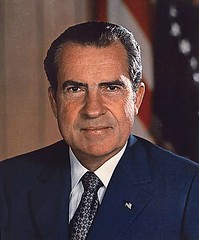
6609093095Richard NixonHe served as vice president under Eisenhower from 1953 to 1960. He was nominated as the Republican candidate for president in 1960, but lost the close election to John Kennedy. In 1968 he was elected president, and again in 1972. However, he was forced to resign the presidency in 1974. (p. 600)89

AMSCO AP US History Chapter 23 Flashcards

AMSCO United States History 2015 Edition, Chapter 23 The Modern Era of the 1920s

Terms : Hide Images
9052443334Warren HardingNov. 1920-29th president of the US (R) Slogan was: "Return to Normalcy". Term marked by scandals and corruption, although was never implicated in any of the scandals. In August 1923, he died while traveling in the West.0
9052443335Charles Evans HughesFormer presidential candidate and Supreme Court justice who was appointed secretary of state by President Warren G. Harding.1
9052443336Andrew MellonPittsburgh industrialist and millionaire who was appointed secretary of the treasury by President Harding in 1921 and served under Coolidge and Hoover.2
9052443337Harry DaughertyAttorney General under President Harding who accepted bribes for agreeing not to prosecute certain criminal suspects.3
9052443338Albert FallSecretary of the Interior during Harding's administration. Was convicted of accepting bribes for granting oil leases near Teapot Dome, Wyoming.4
9052443339Teapot DomeGovernment scandal involving a former US Navy oil reserve in Wyoming that was secretly leased to a private oil company in 1921.5
9052443340Fordney-McCumber Tariff ActTariff passed in 1922, raised tariffs on foreign manufactured goods by 25%. Helped domestic manufacturers, but limited foreign trade, was one cause of the Great Depression of 1929.6
9052443341Bureau of the BudgetFormed in 1921, this bureau created procedures for all gov. expenditures to be placed in a single budget for Congress to annually review and vote on.7
9052443342Calvin CoolidgeAs VP, he became president when Warren Harding died in August 1923. Won the election of 1924, declined to run in 1928. He was a Republican who believed in limited gov. Dummarized his presidency and his era with the phrase: "The business of America is business".8
9052443343Herbert HooverRepublican presidential nominee in 1928. Promised to extend "Coolidge Prosperity", and won election.9
9052443344Alfred E. SmithWas Democratic presidential candidate in 1928 election. Former governor of New York and his opponent in the presidential race was Republican Herbert Hoover. As a Roman Catholic and opponent of Prohibition, he appealed to immigrant urban voters.10
9052443345Business ProsperityFrom 1919-1929, manufacturing output rose a spectacular 64% due to increased productivity, energy technologies, and governmental policy which favored growth of big business.11
9052443346Standard of LivingDuring 1920s, the standard of living (physical things that make life more enjoyable) improved significantly for most Americans. Indoor plumbing and central heating became commonplace. By 1930, 2/3 of all homes had electricity.12
9052443347Scientific ManagementSystem of industrial management created and promoted in early 20th century by Frederick W. Taylor. Emphasized time-and-motion studies to improve factory performance.13
9052443348Henry Ford1914-perfected a system for manufacturing automobiles using an assembly line.14
9052443349Assembly LineIn a factory, an arrangement where a product is moved from worker to worker, with each person performing a single task in making of the product.15
9052443350Open ShopCompany with a labor agreement under which union membership cannot be required as a condition of employment.16
9052443351Welfare CapitalismApproach to labor relations in which companies voluntarily offer their employees improved benefits and higher wages in order to reduce their interest in joining unions.17
9052443352ConsumerismIn 1920s, it was fueled by: homes with electricity, electrical appliances, affordable automobiles, increased advertising, and purchasing on credit.18
9052443353Electric Appliances1920s-refrigerators, stoves, vacuum cleaners, and washing machines became very popular as prices dropped due to reduced production costs and as electrical power to run them became more available.19
9052443354Impact of the Automobile1920s-this product had largest impact on society. Caused a growth of cities and suburbs, and workers no longer needed to live near their factories. It provided job opportunities and was a much more efficient way of transportation.20
9052443355Jazz AgeName for 1920s, because of the popularity of jazz, a new type of American music that combined African rhythms, blues, and ragtime.21
9052443356Radio, PhonographsAllowed mostly young people to listen to recorded music. The 1st radio station went on air in 1920. Previously, newspapers had been the only form of mass communications.22
9052443357National NetworksNationwide radio networks enabled people all over the country to listen to the same news, sports, soap operas, quiz shows and comedies.23
9052443358HollywoodMovie industry was centered here. Industry grew rapidly in 1920s. Sound was introduced to movies in 1927. By 1929 over 80 million movie tickets were sold each week.24
9052443359Movie StarsIn 1920s, sexy and glamorous movie stars such as Greta Garbo and Rudolf Valentino were idolized by millions.25
9052443360Popular HeroesAmericans shifted role models from politicians to sports heroes and movie stars. Sport heros included Jack Dempsey, Jim Thorpe, Babe Ruth, and Bobby Jones. Most celebrated was Charles Lindbergh who flew from Long Island to Paris in 1927.26
9052443361Movie PalacesOrnate, lavish 1-screen movie theaters that emerged in the 1910s in the US.27
9052443362Role of WomenIn 1920s, traditional separation of labor between men and women continued. Most middle-class women expected to spend their lives as homemakers and mothers.28
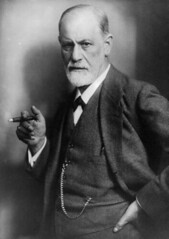
9052443363Sigmund FreudAustrian psychiatrist who originated psychoanalysis.29
9052443364Morals and FashionsIn 1920s, movies, novels, automobiles, and new dances encouraged greater promiscuity. Young women shocked their elders by wearing dresses hemmed at the knee (flapper look), cutting their hair short, smoking cigarettes, and driving cars.30
9052443365Margaret SangerFounded American Birth Control League; which became Planned Parenthood in 40s. Advocated birth control awareness.31
9052443366High School EducationUniversal high school education became new American goal. 1930-number of high school graduates had doubled to over 25% of school-age adults.32
9052443367Consumer CultureMany writers were disillusioned with materialism of the business oriented culture.33
9052443368Frederick Lewis Allen1931-wrote "Only Yesterday", a popular history book that portrayed the 1920s as a period of narrow-minded materialism.34
9052443369Only Yesterday1931 history book that portrayed 1920s as a period of narrow-minded materialism in which the middle class abandoned Progressive reforms, embraced conservative Republican policies, and either supported or condoned nativism, racism, and fundamentalism.35
9052443370Gertrude SteinAmerican writer of experimental novels, poetry, essays, operas, and plays. She called the disillusioned writers of the 1920s, a "lost generation".36
9052443371Lost GenerationGroup of writers in 1920s, who shared the belief that they were lost in a greedy and materialistic world that lacked moral values. Many of them moved to Europe.37
9052443372F. Scott FitzgeraldNovelist and chronicler of the jazz age. His wife, Zelda and he were the "couple" of the decade. His novel, "The Great Gatsby" is considered a masterpiece about a gangster's pursuit of an unattainable rich girl.38
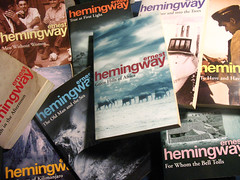
9052443373Ernest Hemingway1 of the most popular writers of the 1920s, wrote "A Farewell to Arms".39
9052443374Sinclair LewisAmerican writer of 1920s. Became the 1st American to receive a Nobel Prize in Literature.40
9052443375Ezra PoundExpatriate American poet and critic of the 1920s.41
9052443376T. S. EliotWas an essayist, publisher, playwright, literary and social critic, and one of the 20th century's major poets.42
9052443377Eugene O'NeillAmerican playwright of the 1920s.43
9052443378Industrial DesignFusion of art and technology during the 20s and 30s created this new profession44
9052443379Art Deco1920's modernistic art style that captured modernistic simplification of forms, while using machine age materials.45
9052443380Edward Hopper20th century American painter, whose stark realistic paintings often convey a mood of solitude and isolation in common urban settings.46
9052443381Regional ArtistsThomas Benton and Grant Wood celebrated rural people and scenes of the American heartland.47
9052443382Grant WoodAmerican Regional artist who focused on rural scenes in Iowa. Best known for his painting "American Gothic".48
9052443383George GershwinSon of Russian-Jewish immigrants. Blended jazz and classical music to produce "Rhapsody in Blue" and folk opera "Porgy and Bess".49
9052443384Northern Migration1930-almost 20% of African Americans out of the South to the North.50
9052443385Harlem RenaissanceLargest African American community of almost 200,000 developed in Harlem section of NYC. Became famous in the 20s for its talented actors, artists, musicians, and writers. This term describes this period.51
9052443386Countee CullenLeading 1920s African American poet from Harlem.52
9052443387Langston HughesLeading 1920s African American poet from Harlem.53
9052443388James Weldon JohnsonLeading 1920s African American author from Harlem.54
9052443389Claude McKayLeading 1920s African American poet from Harlem.55
9052443390Duke EllingtonLeading 1920s African American jazz great from Harlem.56
9052443391Louis ArmstrongLeading 1920s African American jazz trumpeter from Harlem.57
9052443392Bessie SmithLeading 1920s African American blues singer from Harlem.58
9052443393Paul RobesonLeading 1920s African American singer from Harlem.59
9052443394Back to Africa movementEncouraged those of African descent to return to Africa.60
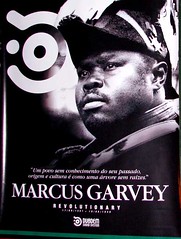
9052443395Marcus GarveyAfrican American leader during 1920s who founded Universal Negro Improvement Association and advocated mass migration back to Africa. Deported to Jamaica and his movement collapsed.61
9052443396Black PrideMany African American leaders agreed with Marcus Garvey's ideas on racial pride and self-respect. This influenced another generation in the 1960s.62
9052443397ModernismTook a historical and critical view of certain Bible passages and believed that they could accept Darwin's theory of evolution without abandoning their religion.63
9052443398FundamentalismProtestant Christian movement emphasizing the literal truth of the Bible and opposing religious modernism64
9052443399Revivalists: Billy Sunday, Aimee Semple McPhersonLeading radio evangelists such as Billy Sunday and Aimee Semple McPherson preached a fundamentalist message.65
9052443400Scopes Trial1925 Tennessee court case in which Clarence Darrow and William Jennings Bryan argued the issue of teaching evolution in public schools.66
9052443401Clarence DarrowFamed criminal defense lawyer, defended John Scopes, a teacher who taught evolution in his Tennessee classroom.67
9052443402Volstead ActFederal law of 1919 that established criminal penalties for manufacturing, transporting, or possessing alcohol.68
9052443403Rural vs. UrbanIn urban areas it was common to ignore the law and drink liquor in clubs or bars known as speakeasies.69
9052443404Organized CrimeOrganized crime became big business, as bootleggers transported and sold liquor to many customers.70
9052443405Al CaponeFamous Chicago gangster who fought for control of the lucrative bootlegging (liquor) trade.71
905244340621st AmendmentAmendment which ended the prohibition of alcohol in the US, repealed the 18th amendment.72
9052443407Quota Laws of 1921 and 1924Laws passed to limit immigration.73
9052443408Sacco and Vanzetti CaseCriminal case of 2 Italian men who were convicted of murder in 1921. They were prosecuted because they were Italians, atheists, and anarchists. After 6 years of appeals they were executed in 1927.74
9052443409Ku Klux KlanSecret society created by white southerners in 1866. Used terror and violence to keep African Americans from exercising their civil rights.75
9052443410Birth of a NationPopular silent film, which portrayed the KKK during Reconstruction as heros.76
9052443411Blacks, Catholics and JewsThe KKK directed hostility toward these groups in the North.77
9052443412Foreigners and CommunistsDuring 1920s, widespread disillusionment with WWI, communism in Soviet Union, and Europe's post war problems made Americans fearful of being pulled into another foreign war.78
9052443413DisarmamentRepublican presidents of 1920s tried to promote peace and also to scale back defense expenditures by arranging disarmament treaties (reduction in military equipment).79
9052443414Washington Conference1921 conference that placed limits on naval powers, respect of territory in the Pacific, and continued the Open Door policy in China.80
9052443415Five-Power Naval Treaty1922 treaty resulting from Washington Armaments Conference that limited to a specific ratio the carrier and battleship tonnage of each nation. The 5 countries involved were: US, Great Britain, Japan, France, and Italy.81
9052443416Nine-Power China Treaty1922 treaty affirming the sovereignty and territorial integrity of China as previously stated in the Open Door Policy.82
9052443417Kellogg-Briand TreatyTreaty of 1928 renounced use of force to achieve national ends. Signed by Frank Kellogg of the US and Aristide Briand of France, and most other nations. The international agreement proved ineffective.83
9052443418Latin America Policy1927, the US signed an agreement with Mexico protecting U.S. interests in Mexico.84
9052443419War DebtsDuring WWI the US had loaned more than $10 billion to the Allies. After the war, the US insisted that they pay back all the debt. Great Britain and France objected because they suffered much greater losses during the war than the US85
9052443420ReparationsAs part of the Treaty of Versailles, Germany was ordered to pay $30 billion in reparations to the Allies.86
9052443421Dawes Plan1924 plan, created by Charles Dawes in which the US banks would lend large sums to Germany. Germany would use the money to rebuild its economy and pay reparations to Great Britain and France. Then Great Britain and France would pay their war debts to the US. After the 1929 stock market crash, the loans to Germany stopped.87

AP US History Period 6 (1865-1898) Flashcards

Terms : Hide Images
9405649372People's (Populist) PartyAn agrarian-populist political party in the United States. For a few years, 1892-96, it played a major role as a left-wing force in American politics. Drew support from angry farmers in the West and South and operated on the left-wing of American politics. Highly critical of capitalism, especially banks and railroads. Allied itself with the labor movement.0
9405649373assimilationthe process by which a person or a group's language and/or culture come to resemble those of another group1
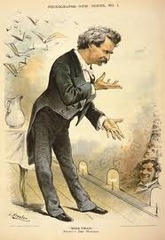
9405649374The Gilded AgeThe late 19th century, from the 1870s to about 1900. Term derived from writer Mark Twain's 1873 The Gilded Age: A Tale of Today, which satirized an era of serious social problems masked by a thin gold gilding of economic progress.2
9405649375Social DarwinismTerm coined in the late 19th century to describe the idea that humans, like animals and plants, compete in a struggle for existence in which natural selection results in "survival of the fittest." Provided a justification for the enormous wealth and power wielded by industrialists in the latter half of the 19th century.3
9405649376Gospel of WealthAn essay written by Andrew Carnegie in June of 1889 that describes the responsibility of philanthropy by the new upper class of self-made rich.4
9405649377Jane AddamsA pioneer American settlement activist/reformer, social worker, public philosopher, sociologist, author, and leader in women's suffrage and world peace. She created the first Hull House. Co-winner of 1931 Nobel Peace Prize.5
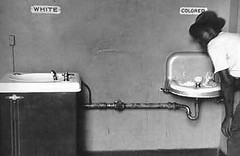
9405649378Plessy v. Ferguson1896 - Legalized segregation in publicly owned facilities on the basis of "separate but equal."6
9405649379racial segregationthe separation of humans into ethnic or racial groups in daily life. Generally applies to activities such as eating in a restaurant, drinking from a water fountain, using a public toilet, attending school, going to the movies, riding on a bus, or in the rental or purchase of a home.7
9405649380free enterprisean economic system that permits unrestricted entrepreneurial business activity; associated with laissez-faire capitalism8
9405649381trustA set of companies managed by a small group known as trustees, who can prevent companies in the trust from competing with each other.9
9405649382socialistone who believes in the ownership and control of the major means of production by the whole community rather than by individuals or corporations10
9405649383radicalone who believes in fundamental change in a political, economic, or social system11
9405649384anarchistone who believes that formal, coercive government is wrong in principle12
9405649385tenementa multi-dwelling building, often poor or overcrowded13
9405649386prohibitionforbidding by law the manufacture, sale, or consumption of liquor14
9405649387landslidean overwhelming majority of votes for one side in an election15
9405649388bimetallismthe legalized concurrent use of two precious metals as currency at a fixed ratio of value; in US History associated with the Free Silver movement16
9405649389lobbyistsomeone who promotes an interest or cause before a political body, often for pay17
9405649390Civil Rights Cases of 1883 (a single decision on a group of cases with similar legal problems)Legalized segregation with regard to private property.18
9405649391Wabash v. Illinois (1886)Declared state-passed Granger laws that regulated interstate commerce unconstitutional.19
9405649392Plessy v. Ferguson (1896)Legalized racial segregation in publicly owned facilities on the basis of "separate but equal."20
9405649393Land Grantsland given by government to universities and railroad companies21
9405649394Dawes Actland given to individual Indians to discourage tribal mindset; encouraged Indians to farm for a living instead of communally owning land22
9405649395Bureau of Indian Affairsdesigned to assimilate Native Americans (children particularly) into American culture23
9405649396Open Rangethe idea that cattle can be grazed on large tracts of public and/or private property; invention of barbed wire ended this idea and drove many small cattle ranches out of business and off their small plots of land24
9405649397Vertical IntegrationStrategy to maximize profits by attempting to own every step of the manufacturing process (ex. Carnegie Steel)25
9405649398Horizontal IntegrationStrategy to maximize profits by attempting to purchase competing companies in the same industry; monopoly-building (ex. Rockefeller's Standard Oil)26
9405649399Knights of LaborAmerican labor organization in the 1880s led by Terence V. Powderly. Organized a wide range of workers, including skilled and unskilled, and had broad reform goals.27
9405649400Haymarket RiotLabor dispute in Chicago that ended with a bomb being thrown at police resulting in many deaths. Led to an unfavorable public opinion of organized labor.28
9405649401American Federation of LaborAn organization of various trade unions that fought for specific reforms (as opposed to broad changes supported by the Knights of Labor).29
9405649402Homestead and Pullman StrikesIndustrial lockouts and strikes that showed battle between corporations and labor unions. Ended with government intervention on the side of big business.30
9405649403Urbanizationmovement of people from rural communities and settlements to big cities31
9405649404"New Immigrants"immigrants from southern and eastern Europe such as Poland, Italy, etc. that arrived in the US in the latter half of the 19th century32
9405649405Chinese Exclusion ActFirst law limiting immigration based on race; effectively stopped immigration from China through the end of WWII.33
9405649406Political MachineUnofficial political organization that works to win elections in order to exercise power; sometimes referred to as a shadow government; rose to power in the late 1800s because of ill-equipped local governments that failed to meet the needs of growing urban populations34
9405649407Tammany HallPolitical machine of New York City that was well-known for its corruption; lead by William Boss Tweed35
9405649408Pendelton Civil Service ActStandardized an exam for federal employees so that people were awarded jobs on merit rather than political affiliations; also made it illegal to remove federal employees without just cause.36
9405649409Sherman Antitrust ActOutlawed monopolistic business practices; not effective initially without a strong progressive federal government that would enforce it.37
9405649410Grange Movement and Farmers AllianceGrassroots movements that attempted to address the plight of farmers in the late 1800s; attempted to regulate railroads and enlarge opportunity for credit; evolved into Populist movement.38
9405649411William Jennings BryanDemocratic presidential hopeful that was a member of the Populist Party; free silver advocate; "Do not crucify mankind on a cross of gold".39
9405649412Susan B. AnthonySocial reformer who campaigned for women's rights, the temperance, and was an abolitionist, helped form the National Woman Suffrage Association.40
9405649413Laissez-Faire EconomicsThis was an economic philosophy begun by Adam Smith in his book, Wealth of Nations, that stated that business and the economy would run best with no interference from the government. This economic thought dominated most of the time period of the Industrial Revolution.41
9405649414New SouthAfter the Civil War, southerners promoted a new vision for a self-sufficient southern economy built on modern capitalist values, industrial growth, and improved transportation. In reality, this growth was fairly slow.42
9405649415AmericanizationProcess of assimilating immigrants into American culture by teaching English, American history, and citizenship.43
9405649416middle classa social class made up of skilled workers, professionals, business people, and wealthy farmers44
9405649417Interstate Commerce ActCreated the Interstate Commerce Commission (ICC) to regulate railroads to be fairer to farmers; first legislation to regulate corporations; ineffective because government failed to enforce it.45
9405649418Andrew CarnegieA Scottish-born American industrialist and philanthropist who founded the Carnegie Steel Company in 1892. By 1901, his company dominated the American steel industry.46
9405649419transcontinental railroadsa railroad that would cross the continent and connect the East to the West; opened new markets and helped spur the Industrial Revolution47
9405649420Social GospelLate 19th-century movement Protestant movement preaching that all true Christians should be concerned with the plight of immigrants and other poor residents of American cities and should financially support efforts to improve lives of these poor urban dwellers. Settlement houses were often financed by funds raised by ministers of this movement.48
9405649421Standard OilJohn D. Rockefeller's company that gained a monopoly over the world petroleum market with the practice of trusts and swift elimination of competition.49
9405649422Carnegie SteelA steel producing company created by Andrew Carnegie to manage business at his steel mills in the Pittsburgh, Pennsylvania area in the late 19th century. Significance: had a monopoly in the steel industry. vertical integrations.50
9405649423John D. RockefellerWealthy owner of Standard Oil Company. Considered to be a robber baron who used ruthless tactics to eliminate other businesses. Built trusts and used money to influence government.51
9405649424Industrial RevolutionPeriod characterized by the rapid social and economic changes in manufacturing and agriculture that occurred in England during the late 18th century and rapidly diffused to other parts of the developed world. In the US, this occurred during the period roughly 1825-1925.52
9405654973Quanah ParkerComanche leader who worked to settle disputes between Native Americans and the US Government53
9405654974Chief Josephleader of the Nez Perce in their retreat from United States troops (1840-1904)54
9405657575Chief Seattle...1854 Oration in The Seattle Sunday Star on mistreatment of Native Americans55
9405661434Red CloudSioux Chief who negotiated with the government56
9405669935Dawes Severalty ActBill that promised Indians tracts of land to farm in order to assimilate them into white culture.57
9405673528horizontal integrationa firm buys its competitors; buys other companies that make the same sorts of products so that it increases its market share and decreases its competition.58
9429153826vertical integrationan arrangement in which the supply chain of a company is owned by that company.59
9429157798nativismthe policy of protecting the interests of native-born or established inhabitants against those of immigrants.60
9432075203Was the Gilded Age truly gilded?Yes, because of the overall increase in production contributing which contributed to overall improvement in economy making the US a leader in industrialization in the world and therefore and wealthy country- contributed to growth of industries and therefore job opportunities for many, urbanization, expansion to west from railroads contributed to migration of settlers and Homestead act allowed for people to be able to own lands. NO- increase in unskilled jobs led to poor working conditions, low pay, long hours for those who had no power over their labor (contributed to formation of labor unions which positively increased the level of activism among common people); destruction of Native American culture on the Plains, rise of immigration led to rise of nativism.61
9432108029Impact of westward migration on Native AmericansIndian wars, massacres, reservations meant a loss of lands promised by federal government, Indian agents were corrupt and did not provide enough food and proper supplies to Indians on reservations; Indian Boarding schools led to loss of Indian culture by trying to "kill the Indian, but save the man;" Dawes Act led to dividing up reservation lands into plots of land to be owned by Indian families-rest sold to settlers.62
9432129022Difference/Similarities between Old Immigrants and New ImmigrantsRegions from which each group came, what brought them here, treatment of them, (know the specifics); where they settled when they got here; jobs available.63

AMSCO AP US History Chapter 19 Flashcards

AMSCO United States History 2015 Edition, Chapter 19 The Politics of the Gilded Age, 1877-1900

Terms : Hide Images
5884816659laissez-faire economics and politicsThe idea that government should do little to interfer with the free market. (p. 380)0
5884816660divided electorateIn the late 1800s, Republicans kept memories of the Civil War alive to remind war veterans of the pain caused by the Southern Democrats. Democrats could count on winning every former Confederate state. (p. 381)1
5884816661identity politicsPolitical activity and ideas based on the shared experiences of an ethnic, religious, or social group emphasizing gaining power and benefits for the group rather than pursuing ideological goals. (p. 381)2
5884816662patronage politicsThe use of government resources to reward individuals for their electoral support. (p. 381)3
5884816663"Solid South"From 1877 until the 1950s, the Democrats could count on winning every election here. (p. 381)4
5884816664immigrant voteIn the North, one source of Democratic strength came from the immigrant vote. (p. 381)5
5884816665Stalwarts, Halfbreeds, and MugwumpsGroups which competed for lucrative jobs in the patronage system. (p. 381)6
5884816666Pendleton Act of 1881Set up by the Civil Service Commission, it created a system where federal jobs were awarded based on competitive exams. (p. 384)7
5884816667Grover ClevelandIn 1884, he was elected president of the United States. He was the first Democratic president since 1856. (p. 383)8
5884816668high tariffIn the 1890s, tariffs provided more than half of the federal revenue. Some Democrats objected to the tariffs because the raised the price on consumer goods and made it for difficult for farmers to sell to export because foreign countries enacted their own tariffs. (p. 385)9
5884816669"hard" money vs. "soft" moneyMoney backed by gold vs. paper money not backed by specie (gold or silver). (p. 384)10
5884816670creditors vs. debtorsDebtors wanted more "easy, soft" money in circulation. On the opposite side creditors stood for "hard, sound" money - meaning currency backed by gold. (p. 384)11
5884816671Panic of 1873, "Crime of 73"Congress stopped making silver coins. (p. 385)12
5884816672Specie Resumption Act of 1875Congress sided with creditors and investors when it passed this act which withdrew all greenbacks (paper money not backed by gold or silver) from circulation. (p. 385)13
5884816673Greenback partyThis political party was formed by supporters of paper money not backed by gold or silver. (p. 384)14
5884816674James B. WeaverIn 1892, he was the Populist candidate for president. He is one of the few third party candidates in history to have ever won any electoral votes. (p. 387)15
5884816675Bland-Allison Act of 1878In 1878, this act allowed a limited coinage of silver each month at the standard silver-to-gold ratio of 16 to 1. (p. 385)16
5884816676run on gold reserves, J.P. Morgan bail outA decline in silver prices encouraged investors to trade their silver dollars for gold dollars. The gold reserve fell dangerously low and President Grover Cleveland was forced to repeal the Sherman Silver Purchase Act of 1890. The president then turned to J.P. Morgan to borrow $65 million in gold to support the dollar and the gold standard. (p. 387)17
5884816677rise of the Populist PartyIn 1892, delegates met in Omaha, Nebraska to draft a political platform that would reduce the power of trusts and bankers. They nominated James Weaver as their candidate for president. (p. 386)18
5884816678Omaha PlatformIn 1892, the Populist party met in Omaha, Nebraska to draft this political platform and nominate a presidential candidate. (p 386)19
5884816679Panic of 1893In 1893, the stock market crashed as a result of speculation in railroad companies. One of the worst and longest depressions in U.S. history. (p. 387)20
5884816680Coxey's Army, March on WashingtonIn 1894, Populist Jacob A. Coxey led a march to Washington to demand that the federal government spend $500 million on public works programs. (p. 388)21
5884816681William Jennings BryanThe 1896 Democratic nominee for president. (p. 388)22
5884816682"Cross of Gold" SpeechWilliam Jennings Bryan gave this speech at the 1896 Democratic convention. The prosilver and anti-gold speech assured him of the nomination. (p. 389)23
5884816683start of the modern presidencyWilliam McKinley emerged as the first modern president, he would make America an important country in international affairs. (p. 390)24
5884816684era of Republican dominanceThe election of McKinley in 1896 started an era of Republican dominance of the presidency (seven of next nine elections) and Congress. (p. 390)25

AP US History Presidents Flashcards

Terms : Hide Images
67060894781. George Washington1789-1797 None0
67060894792. John Adams1797-1801 Federalist1
67060894803. Thomas Jefferson1801-1809 Democratic-Republican2
67060894814. James Madison1809-1817 Democratic-Republican3
67060894825. James Monroe1817-1825 Democratic-Republican4
67060894836. John Quincy Adams1825-1829 Democratic-Republican5
67060894847. Andrew Jackson1829-1837 Democrat6
67060894858. Martin Van Buren1837-1841 Democrat7
67060894869. William H. Harrison1841 Whig8
670608948710. John Tyler1841-1845 Whig9
670608948811. James Knox Polk1845-1849 Democrat10
670608948912. Zachary Taylor1849-1850 Whig11
670608949013. Millard Fillmore1850-1853 Whig12
670608949114. Franklin Pierce1853-1857 Democrat13
670608949215. James Buchanan1857-1861 Democrat14
670608949316. Abraham Lincoln1861-1865 Republican / National Union15
670608949417. Andrew Johnson1865-1869 National Union16
670608949518. Ulysses S. Grant1869-1877 Republican17
670608949619. Rutherford B. Hayes1877-1881 Republican18
670608949720. James A. Garfield1881 Republican19
670608949821. Chester A. Arthur1881-1885 Republican20
670608949922. Grover Cleveland1885-1889 Democrat21
670608950023. Benjamin Harrison1889-1893 Republican22
670608950124. Grover Cleveland1893-1897 Democrat23
670608950225. William McKinley1897-1901 Republican24
670608950326. Theodore Roosevelt1901-1909 Republican25
670608950427. William Howard Taft1909-1913 Republican26
670608950528. Woodrow Wilson1913-1921 Democrat27
670608950629. Warren G. Harding1921-1923 Republican28
670608950730. Calvin Coolidge1923-1929 Republican29
670608950831. Herbert Hoover1929-1933 Republican30
670608950932. Franklin Roosevelt1933-1945 Democrat31
670608951033. Harry S. Truman1945-1953 Democrat32
670608951134. Dwight Eisenhower1953-1961 Republican33
670608951235. John F. Kennedy1961-1963 Democrat34
670608951336. Lyndon B. Johnson1963-1969 Democrat35
670608951437. Richard M. Nixon1969-1974 Republican36
670608951538. Gerald R. Ford1974-1977 Republican37
670608951639. Jimmy Carter1977-1981 Democrat38
670608951740. Ronald Reagan1981-1989 Republican39
670608951841. George Bush1989-1993 Republican40
670608951942. Bill Clinton1993-2001 Democrat41
670608952043. George W. Bush2001-2009 Republican42
670608952144. Barack Obama2009-2017 Democrat43
670613370145. Donald Trump2017-Present Republican44

AP US History Terms (951 - 1000) Flashcards

Terms : Hide Images
6236247774951. Rough Riders, San Juan Hill1898 - Theodore Roosevelt formed the Rough Riders (volunteers) to fight in the Spanish- American War in Cuba. They charged up San Juan Hill during the battle of Santiago. It made Roosevelt popular.0
6236247775952. Treaty of ParisApproved by the Senate on February 6, 1898, it ended the Spanish-American War. The U.S. gained Guam, Cuba, Puerto Rico and the Philippines.1
6236247776953. American Anti-Imperialist LeagueA league containing anti-imperialist groups; it was never strong due to differences on domestic issues. Isolationists.2
6236247777954. Philippines, Guam, Puerto Rico, CubaThe U.S. acquired these territories from Spain through the Treaty of Paris (1898), which ended the Spanish-American War.3
6236247778955. Walter ReedDiscovered that the mosquito transmitted yellow fever and developed a cure. Yellow fever was the leading cause of death of American troops in the Spanish-American War.4
6236247779956. Insular casesDetermined that inhabitants of U.S. territories had some, but not all, of the rights of U.S. citizens.5
6236247780957. Teller AmendmentApril 1896 - U.S. declared Cuba free from Spain, but the Teller Amendment disclaimed any American intention to annex Cuba.6
6236247781958. Platt AmendmentA rider to the Army Appropriations Bill of 1901, it specified the conditions under which the U.S. could intervene in Cuba's internal affairs, and provided that Cuba could not make a treaty with another nation that might impair its independence. Its provisions were later incorporated into the Cuban Constitution.7
6236247782959. ProtectorateA weak country under the control and protection of a stronger country. Puerto Rico, Cuba, etc. were protectorates of the U.S.8
6236247783960. Aguinaldo, Philippine InsurrectionEmilio Aguinaldo (1869-1964) led a Filipino insurrection against the Spanish in 1896 and assisted the U.S. invasion. He served as leader of the provisional government but was removed by the U.S. because he wanted to make the Philippines independent before the U.S. felt it was ready for independence.9
6236247784961. Secretary of State John Hay, Open Door notesSeptember, 1899 - Hay sent imperialist nations a note asking them to offer assurance that they would respect the principle of equal trade opportunities, specifically in the China market.10
6236247785962. Spheres of influenceRegion in which political and economic control is exerted by on European nation to the exclusion of all others. Spheres of influence appeared primarily in the East, and also in Africa.11
6236247786963. Boxer Rebellion1900 - a secret Chinese society called the Boxers because their symbol was a fist revolted against foreigners in their midst and laid siege to foreign legislations in Beijing.12
6236247787964. ExtraterritorialityIn the 1920's, China wated an end to the exemption of foreigners accused of crimes from China's legal jurisdiction.13
6236247788965. Most Favored Nation ClausePart of RTA Act in 1834, allowed a nation to make a special agreement with another nation and give them a preferential low tariff rate.14
6236247789966. Election of 1896: candidates, issuesRepublican, William McKinley defeated Democrat, William Bryan. The issue was imperialism.15
6236247790967. Roosevelt's Big Stick DiplomacyRoosevelt said, "walk softly and carry a big stick." In international affairs, ask first but bring along a big army to help convince them. Threaten to use force, act as international policemen. It was his foreign policy in Latin America.16
6236247791968. U.S.S. OregonWarship involved in Spanish-American blockade in Cuba in 1898. Went from Cuba to the Philippines by going around the Southern tip of South America. Showed that we need a better route between the Atlantic and the Pacific.17
6236247792969. Clayton-Bulwer Treaty1850 - Treaty between U.S. and Great Britain agreeing that neither country would try to obtain exclusive rights to a canal across the Isthmus of Panama. Abrogated by the U.S. in 1881.18
6236247793970. Hay-Pauncefote Treaty1901 - Great Britain recognized U.S. Sphere of Influence over the Panama canal zone provided the canal itself remained neutral. U.S. given full control over construction and management of the canal.19
6236247794971. Hay-Herran TreatyKept the purchase price of the canal strip in Panama the same but enlarged the area from 6 to 10 miles.20
6236247795972. Hay-Bunau-Varilla Treaty1903 - U.S. guaranteed the independence of the newly-created Republic of Panama.21
6236247796973. Panama RevolutionThe Isthmus of Panama had been part of Columbia. U.S. tried to negotiate with Columbia to build the Panama Canal. Columbia refused, so U.S. encouraged Panama to revolt. Example of Big Stick diplomacy.22
6236247797974. Panama CanalBuilt to make passage between Atlantic and Pacific oceans easier and faster.23
6236247798975. Goethals and Gorgas1906 - Army colonels who supervised the construction of the Panama Canal.24
6236247799976. Venezuelan Crisis1902 - England, Germany and Italy had blockaded Venezuelan ports because Latin American countries failed to make payments on debts owed to foreign banks. U.S. invoked the Monroe Doctrine and pressured the European powers to back off.25
6236247800977. Drago DoctrineArgentine jurist, Luis Drago, proposed that European countries could not use force to collect debts owed by countries in the Americas. They could not blockade South American ports. Adopted as part of the Hague Convention in 1907.26
6236247801978. Roosevelt CorollaryU.S. would act as international policemen. An addition to the Monroe Doctrine.27
6236247802979. "Colossus of the North"1906 - Relations between U.S. and Canada including a reciprocal trade agreement. Tight relations made the U.S. and Canada a "Colossus."28
6236247803980. Dominican RepublicIn 1905, the U.S. imposed financial restrictions upon this Caribbean nation. Part of making sure Latin America traded with the U.S. and not Europe.29
6236247804981. Russo-Japanese War, Treaty of PortsmouthJapan had attacked the Russian Pacific fleet over Russia's refusal to withdraw its troops from Manchuria after the Boxer Rebellion (1904-1905) War fought mainly in Korea. Japan victorious, the U.S. mediated the end of the war. Negotiating the treaty in the U.S. increased U.S. prestige. Roosevelt received a Nobel Peace Prize for the mediation.30
6236247805982. San Francisco School Board Incident1906 - Racist schools segregated Chinese, Korean and Japanese students because of anti-oriental sentiment in California.31
6236247806983. Elihu RootSecretary of War under Roosevelt, he reorganized and modernized the U.S. Army. Later served as ambassador for the U.S. and won the 1912 Nobel Peace Prize.32
6236247807984. Gentlemen's AgreementIn 1907 Theodore Roosevelt arranged with Japan that Japan would voluntarily restrict the emigration of its nationals to the U.S.33
6236247808985. Great White Fleet1907-1909 - Roosevelt sent the Navy on a world tour to show the world the U.S. naval power. Also to pressure Japan into the "Gentlemen's Agreement."34
6236247809986. Root-Takahira Agreement1908 - Japan / U.S. agreement in which both nations agreed to respect each other's territories in the Pacific and to uphold the Open Door policy in China.35
6236247810987. Lansing-Ishii Agreement, 1917Lessened the tension in the feuds between the U.S. and Japan by recognizing Japan's sphere of influence in China in exchange for Japan's continued recognition of the Open Door policy in China.36
6236247811988. Democracy, efficiency, pragmatismThree characteristics that the U.S. felt made them superior to other countries. Many U.S. cities in the 1900 to 1920 instituted modern "scientific" political systems, such as the use of professional city managers, to replace inefficient traditional machine politics. The U.S. tried to spread their ideas abroad.37
6236247812989. "Muckrakers"Journalists who searched for and publicized real or alleged acts of corruption of public officials, businessmen, etc. Name coined by Teddy Roosevelt in 1906.38
6236247813990. Henry Demarest Lloyd (1847-1903), Wealth Against CommonwealthAmerican writer, he won fame for revealing illegal business practices in the U.S. in the late 1800's. Said many corporations put their interest above the good of the workers. Muckraker novel.39
6236247814991. Thorstien Velben, The Theory of the Leisure ClassAn economist, he believed that society was always evolving, but not that the wealthiest members of society were the "fittest." Attacked the behavior of the wealthy. Muckraker novel.40
6236247815992. Jacob Riis, How the Other Half LivesEarly 1900's writer who exposed social and political evils in the U.S. Muckraker novel.41
6236247816993. Lincoln Steffens (1866-1936), The Shame of the CitiesA muckraker novel concerning the poor living conditions in the cities.42
6236247817994. Frank Norris (1870-1902), The OctopusA leader of the naturalism movement in literature, he believed that a novel should serve a moral purpose. Wrote The Octopus in 1901 about how railroads controlled the lives of a group of California farmers. A muckraker novel.43
6236247818995. Ida Tarbell (1857-1944), History of the Standard Oil CompanyThis 1904 book exposed the monpolistic practices of the Standard Oil Company. Strengthened the movement for outlawing monopolies. A muckraker novel.44
6236247819996. John Spargo, The Bitter Cry of the ChildrenJournalist and novelist, he wrote of the unfair treatment of children used as child labor. Stressed better education, better schools and teachers. A muckraker novel.45
6236247820997. David Graham Phillips, The Treason of the SenateA muckraker novel, it publicized corruption in the Senate after doing research on government leaders.46
6236247821998. Charlotte Perkins Gilman (1860-1935), Women and EconomicsShe urged women to work outside the home to gain economic independence. Attacked the traditional role of homemaker for women.47
6236247822999. John Dewey (1859-1952): the school and society, "progressive education", "learning by doing"American philosopher and educator, he led the philosophical movement called Pragmatism. Influenced by evolution, he believed that only reason and knowledge could be used to solve problems. Wanted educational reforms.48
62362478231000. Oliver Wendel Holmes, Jr.A famous justice of the Supreme Court during the early 1900s. Called the "Great Dissenter" because he spoke out against the imposition of national regulations and standards, and supported the states' rights to experiment with social legislation.49

AMSCO AP US History Chapter 23 Flashcards

AMSCO United States History 2015 Edition, Chapter 23 The Modern Era of the 1920s

Terms : Hide Images
6208342752Warren HardingIn November 1920, he was elected the 29th president of the United States. He was a Republican whose slogan was: "Return to Normalcy". His term was marked by scandals and corruption, although he was never implicated in any of the scandals. In August 1923, he died while traveling in the West. (p. 475-476)0
6208342753Charles Evans HughesA former presidential candidate and Supreme Court justice who was appointed secretary of state by President Warren G. Harding. (p. 476)1
6208342755Harry DaughertyAttorney General under President Harding who accepted bribes for agreeing not to prosecute certain criminal suspects. (p. 476)2
6208342756Albert FallSecretary of the Interior during Harding's administration. He was convicted of accepting bribes for granting oil leases near Teapot Dome, Wyoming. (p. 476)3
6208342757Teapot DomeA government scandal involving a former United States Navy oil reserve in Wyoming that was secretly leased to a private oil company in 1921. (p. 476)4
6208342758Fordney-McCumber Tariff ActThis tariff passed in 1922, raised tariffs on foreign manufactured goods by 25 percent. It helped domestic manufacturers, but limited foreign trade, and was one cause of the Great Depression of 1929. (p. 476, 488)5
6208342759Bureau of the BudgetFormed in 1921, this bureau created procedures for all government expenditures to be placed in a single budget for Congress to annually review and vote on. (p. 476)6
6208342760Calvin CoolidgeAs vice president, he became president when Warren Harding died in August 1923. He won the presidential election of 1924, but declined to run in 1928. He was a Republican who believed in limited government. He summarized his presidency and his era with the phrase: "The business of America is business". (p. 477)7
6208342761Herbert HooverWhen Calvin Coolidge decide not to run for president in 1928, he was the Republican presidential nominee. He promised to extend "Coolidge Prosperity", and won the election. (p. 477)8
6208342762Alfred E. SmithHe was the Democratic presidential candidate in the 1928 presidential election. He was the former governor of New York and his opponent in the presidential race was Republican Herbert Hoover. As a Roman Catholic and opponent of Prohibition, he appealed to immigrant urban voters. (p. 477)9
6208342765scientific managementA system of industrial management created and promoted in the early twentieth century by Frederick W. Taylor. It emphasized time-and-motion studies to improve factory performance. (p. 478)10
6208342766Henry FordBy 1914, he had perfected a system for manufacturing automobiles using an assembly line. (p. 478)11
6208342768open shopA company with a labor agreement under which union membership cannot be required as a condition of employment. (p. 479)12
6208342769welfare capitalismAn approach to labor relations in which companies voluntarily offer their employees improved benefits and higher wages in order to reduce their interest in joining unions. (p. 479)13
6208342770consumerismIn the 1920s, this was fueled by: homes with electricity, electrical appliances, affordable automobiles, increased advertising, and purchasing on credit. (p. 478)14
6208342772impact of the automobileIn the 1920s, this product had the largest impact on society. It caused a growth of cities and suburbs, and workers no longer needed to live near their factories. It provided job opportunities and was a much more efficient way of transportation. (p. 479)15
6208342773jazz ageName for the 1920s, because of the popularity of jazz, a new type of American music that combined African rhythms, blues, and ragtime. (p. 480)16
6208342774radio, phonographsAllowed mostly young people to listen to recorded music. The first radio station went on the air in 1920. Previously, newspapers had been the only form of mass communications. (p. 480)17
6208342775national networksNationwide radio networks enabled people all over the country to listen to the same news, sports, soap operas, quiz shows and comedies. (p. 480)18
6208342776HollywoodThe movie industry was centered here. The industry grew rapidly in the 1920s. Sound was introduced to movies in 1927. By 1929 over 80 million movie tickets were sold each week. (p. 480)19
6208342778popular heroesAmericans shifted role models from politicians to sports heroes and movie stars. Sports heros included Jack Dempsey, Jim Thorpe, Babe Ruth, and Bobby Jones. However, the most celebrated was Charles Lindbergh who flew from Long Island to Paris in 1927. (p. 480)20
6208342781Sigmund FreudAustrian psychiatrist who originated psychoanalysis. (p. 481)21
6208342782morals and fashionsIn the 1920s, movies, novels, automobiles, and new dances encouraged greater promiscuity. Young women shocked their elders by wearing dresses hemmed at the knee (flapper look), cutting their hair short, smoking cigarettes, and driving cars. (p. 481)22
6208342783Margaret SangerShe founded American Birth Control League; which became Planned Parenthood in the 1940s. She advocated birth control awareness. (p. 481)23
6208342784high school educationIn the 1920s, universal high school education became a new American goal. By 1930, the number of high school graduates had doubled to over 25 percent of school-age adults. (p. 481)24
6208342785consumer cultureIn the 1920s, many writers were disillusioned with the materialism of the business oriented culture. (p. 481)25
6208342786Frederick Lewis AllenIn 1931, he wrote "Only Yesterday", a popular history book that portrayed the 1920s as a period of narrow-minded materialism in which the middle class abandoned Progressive reforms, embraced conservative Republican policies, and either supported or condoned nativism, racism, and fundamentalism. (p. 489)26
6208342788Gertrude SteinAmerican writer of experimental novels, poetry, essays, operas, and plays. She called the disillusioned writers of the 1920s, a "lost generation". (p. 481)27
6208342789Lost GenerationGroup of writers in 1920s, who shared the belief that they were lost in a greedy and materialistic world that lacked moral values. Many of them moved to Europe. (p. 481)28
6208342790F. Scott Fitzgerald, Ernest Hemingway, Sinclair Lewis, Ezra Pound,Popular authors of the 1920s29
6208342794T. S. EliotAn essayist, publisher, playwright, literary and social critic, and one of the twentieth century's major poets. (p. 481)30
6208342795Eugene O'NeillAn American playwright of the 1920s. (p. 481)31
6208342796industrial designThe fusion of art and technology during the 1920s and 1930s created this new profession. (p. 482)32
6208342797Art DecoThe 1920's modernistic art style that captured modernistic simplification of forms, while using machine age materials. (p. 482)33
6208342798Edward HopperA twentieth-century American painter, whose stark realistic paintings often convey a mood of solitude and isolation in common urban settings. (p. 482)34
6208342799regional artistsThomas Benton and Grant Wood celebrated the rural people and scenes of the American heartland. (p. 482)35
6208342800Grant WoodAn American Regional artist who focused on rural scenes in Iowa. He is best known for his painting "American Gothic". (p. 482)36
6208342801George GershwinHe was the son of Russian-Jewish immigrants. He blended jazz and classical music to produce "Rhapsody in Blue" and folk opera "Porgy and Bess". (p. 482)37
6208342803Harlem RenaissanceThe largest African American community of almost 200,000 developed in the Harlem section of New York City. It became famous in the 1920s for its talented actors, artists, musicians, and writers. This term describes this period. (p. 483)38
6208342804Countee Cullen, Langston Hughes, James Weldon Johnson, Claude McKay, Duke Ellington, Louis Armstrong, Bessie Smith, Paul RobesonLeading 1920s African American talent from Harlem. (p. 483)39
6208342812Back to Africa movementEncouraged those of African descent to return to Africa. (p. 483)40
6208342813Marcus GarveyAfrican American leader during the 1920s who founded the Universal Negro Improvement Association and advocated mass migration of African Americans back to Africa. He was deported to Jamaica and his movement collapsed. (p. 483)41
6208342815modernismThey took a historical and critical view of certain Bible passages and believed that they could accept Darwin's theory of evolution without abandoning their religion. (p. 483)42
6208342816fundamentalismA Protestant Christian movement emphasizing the literal truth of the Bible and opposing religious modernism (p. 483)43
6208342817revivalistsLeading radio evangelists such as Billy Sunday and Aimee Semple McPherson preached a fundamentalist message. (p 484)44
6208342818Scopes trialA 1925 Tennessee court case in which Clarence Darrow and William Jennings Bryan argued the issue of teaching evolution in public schools. (p. 484)45
6208342819Clarence DarrowA famed criminal defense lawyer, he defended John Scopes, a teacher who taught evolution in his Tennessee classroom. (p. 484)46
6208342820Volstead ActThe federal law of 1919 that established criminal penalties for manufacturing, transporting, or possessing alcohol. (p. 484)47
6208342822organized crimeIn the 1920s, a big business, as bootleggers transported and sold liquor to many customers. (p. 484)48
6208342823Al CaponeA famous Chicago gangster who fought for control of the lucrative bootlegging (liquor) trade. (p. 484)49
620834282421st AmendmentThe amendment which ended the prohibition of alcohol in the United States, it repealed the 18th amendment. (p. 485)50
6208342825quota laws of 1921 and 1924Laws passed to limit immigration. (p. 485)51
6208342826Sacco and Vanzetti CaseA criminal case of two Italian men who were convicted of murder in 1921. They were prosecuted because they were Italians, atheists, and anarchists. After 6 years of appeals they were executed in 1927. (p. 485)52
6208342827Ku Klux KlanA secret society created by white southerners in 1866. They used terror and violence to keep African Americans from exercising their civil rights. (p. 486)53
6208342828Birth of a NationA popular silent film, which portrayed the KKK during Reconstruction as heros. (p. 486)54
6208342829blacks, Catholics and JewsThe KKK directed hostility toward these groups in the North. (p. 486)55
6208342831disarmamentRepublican presidents of the 1920s tried to promote peace and also to scale back defense expenditures by arranging treaties (reduction in military equipment). (p. 486)56
6208342832Washington ConferenceA 1921 conference that placed limits on naval powers, respect of territory in the Pacific, and continued the Open Door policy in China. (p. 487)57
6208342833Five-Power Naval TreatyA 1922 treaty resulting from the Washington Armaments Conference that limited to a specific ratio the carrier and battleship tonnage of each nation. The five countries involved were: United States, Great Britain, Japan, France, and Italy. (p. 487)58
6208342834Nine-Power China TreatyA 1922 treaty affirming the sovereignty and territorial integrity of China as previously stated in the Open Door Policy. (p. 487)59
6208342835Kellogg-Briand TreatyThis treaty of 1928 renounced the use of force to achieve national ends. It was signed by Frank Kellogg of the United States and Aristide Briand of France, and most other nations. The international agreement proved ineffective. (p. 487)60
6208342836Latin America policyIn 1927, the United States signed an agreement with Mexico protecting U.S. interests in Mexico. (p. 487)61
6208342839Dawes PlanA 1924 plan, created by Charles Dawes in which the United States banks would lend large sums to Germany. Germany would use the money to rebuild its economy and pay reparations to Great Britain and France. Then Great Britain and France would pay their war debts to the United States. After the 1929 stock market crash, the loans to Germany stopped. (p. 488)62

Pages

Subscribe to CourseNotes RSS

Need Help?

We hope your visit has been a productive one. If you're having any problems, or would like to give some feedback, we'd love to hear from you.

For general help, questions, and suggestions, try our dedicated support forums.

If you need to contact the Course-Notes.Org web experience team, please use our contact form.

Need Notes?

While we strive to provide the most comprehensive notes for as many high school textbooks as possible, there are certainly going to be some that we miss. Drop us a note and let us know which textbooks you need. Be sure to include which edition of the textbook you are using! If we see enough demand, we'll do whatever we can to get those notes up on the site for you!