AP Notes, Outlines, Study Guides, Vocabulary, Practice Exams and more!

AP US Period 4 Flashcards

Terms : Hide Images
8160904950Louisiana PurchaseDoubled the size of the US; bought by Thomas Jefferson from the French0
8160907202Lewis and ClarkTwo men that explored the new western lands1
8160911576Judicial Reviewreview of the Judicial branch of constitutionality of a law2
8160920978Barbary Piratespeople that operated out of North Africa; caused problems on the seas during Jefferson's presidency3
8160931224ImpressmentBritish practice of forcing American soldiers into British service4
8160937914Embargo Act of 1807Act signed by Thomas Jefferson that prohibited all ships from trading in foreign ports5
8160951764War HawksThose wanting to fight during War of 18126
8160959495Era of Good Feelingstime during James Monroe's presidency where he country was at peace and prosperious7
8160970471Sectionalismloyalty to your own region8
8160975622Nationalismloyalty to your own nation9
8160980343Missouri CompromiseEstablished 36 30 line; Maine came in as free state while Missouri came in as slave state10
8160986034Monroe DoctrineWestern Hemisphere was off limits to European colonization11
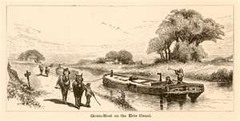
8160989445Erie Canalwaterway connecting Atlantic to Great Lakes12
8160992083Factory SystemSystem of manufacturing instead of agricultural growth for economy13
8161002579Market RevolutionIndustrial revolution in the US14
8161004772Urbanizationgrowth of cities15
8161009006Common ManAverage man in US16
8161012070"Corrupt Bargain"House of Reps chose JQ Adams for presidency17
8161018674Spoils SystemHiring loyalists and friends18
8161021126Indian Removal ActSigned by A. Jackson; cast Native Americans off their lands19
8161027486Nullification CrisisSC thought tariffs were too high; declared them null and void; threatened secession20
8161035274Second Great AwakeningReligious Movement to remedy the evils of society21
8161049743Utopian Communities"Perfect" communities22
8161064494War of 1812War between US and Great Britain caused by British impressment of US soldeirs23
8161090032Steamboatsboats that could easily paddle upstream; vital to new transportation system24
8161093149TelegraphUsed electric signals to transmit a message via a wire; used Morse Code25
8161099887RailroadsConnected Western frontier to other cities around US; used trains26
8161104214Adams-Onis TreatyRemainder of Florida sold by Spain to US; boundary of Mexico defined27
8161113925Transcedentalismphilosophical and literary movement of the 1800s; emphasized living a simple life while celebrating the truth in nature28
8161120297McCormick Reaperhorse-drawn machine that increased amount of wheat a farmer could harvest29
8161126623McCulloch v. MarylandSupreme Court rules that federal law is stronger than state law30
8161132611Marbury v. MadisonEstablishes right to Judicial Review31
8161135504WhigsParty that emerged that largely represented many interests of the old Federalist party; Andrew Jackson32
8161141088Force BillAuthorized president to send troops to states to enforce federal laws33
8161144672Trail of Tears800 mile forced march made by the Cherokee from Georgia to Indian Territory34
8161149576Cherokee Nation v. GeorgiaSupreme Court said Indians were not foreign nations; they fall under US federal control35
8161156062Worcester v. GeorgiaSupreme Court said Cherokee Indians were entitled to federal protection from the actions of state governments which would infringe on the tribe's sovereignty-ignored by Jackson36
8161168195Bank WarBattle between Jackson and Clay over renewal of US Bank37
8161177427Temperance Movementsocial reform effort begun in the mid 1800s to encourage people to drink less alcohol38
8279229386John MarshallSupreme Court Chief Justice from 1801-183639
8279236918Declaration of SentimentsDocument written explaining why women should have the right to vote40
8279240312SuffrageRight to vote41
8279246456Seneca Falls ConventionOriginal meeting of many women suffragists; where the Declaration of Sentiments was written42

AP US History Unit 3 Constitutions Flashcards

Terms : Hide Images
5148335179Articles of Confederationplaced the coercive powers to tax and regulate trade within the individual state governments, created a weak central government0
5148335180Land Ordinance of 1785demanded that Western Territories be surveyed in six-mile-square townships before sale1
5148337128Northwest Ordinance of 1787established governments for the West2
5148340456Spain closes Mississippi to the Americasin 1784, the Spanish closed the Mississippi River to commerce, blocking settlers living beyond the Appalachians from goods3
5148346949economic issues under AOChigh amounts of debt after Revolutionary War, no federal authority to tax, and no federal authority to enforce American borders and trade rights4
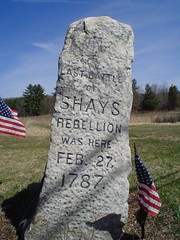
5149679842Shay's Rebellionin 1786, Daniel Shays and his followers marched on Springfield to prevent the Massachusetts Supreme Court from meeting to prevent foreclosures. They were routed but still won some concessions5
5149679843Annapolis Convention1786 convention in Maryland of all states to discuss common problems of commerce. Only five delegates appeared, so no changes were made6
5149681919Constitutional Convention of 1787convention proposed by Alexander Hamilton to fix defects in Articles of Confederation. It eventually drafted the Constitution7
5149681920Virginia Plana plan that supported representation based on state population that was drafted by James Madison and presented by Edmund Randolph8
5149684131James Madisondrafted the Virginia plan, one of the authors of the Federalist Papers9
5149684132Edmund Randolphpresented the Virginia Plan10
5149686599New Jersey Plana plan that supported equal representation regardless of state population that was presented by William Paterson11
5149686600William Patersonpresented the New Jersey Plan12
5149686601Great Compromisea bill would need to pass both the House of Representatives and Senate to become a law. The House of Representative would be based on population, while the Senate would grant two senators to each state13
5149689347Three-Fifths Compromise3/5ths of a slave count towards taxation and representation purposes14
5149691771Electoral Collegea system for electing presidents, where states are granted electors based on their population15
5149693458judicial reviewcourts can annul laws if they are against the Constitution16
5149693459federalistspeople who favored the Constitution17
5149693460antifederalistspeople who opposed the Constitution18
5149695947Federalist Papersa series of essays defending the Constitution19
5149748087Alexander Hamiltonproposed the Constitutional Convention, one of the authors of the Federalist Papers20

AP US History Flashcards

Terms : Hide Images
5137100857Adam SmithOne of the worlds most famous economists0
5137100858American Federation of LaborLabor unions in the US founded in Ohio by an alliance of craft Unions1
5137100859Andrew CarnegieUS industrial leader who made millions in the steel industry2
5137100860Edward BellamyAmerican author and socialist Most known for his novel "Looking Backward"3
5137100861Eugene V DebsHead of the American Railway Union and director of the Pullman Strike4
5137100862Frederick Winslow TaylorAmerican mechanical engineer who sought to improve industrial efficiency5
5137100863Gospel of WealthArticle written by Carnegie that describes the responsibility of philanthropy by the new upper class of self-made rich6
5137100864Grotesque luxuryBuying and using products of the statement they make about social position7
5137100865Hay market bombingFew hundred anarchists that advocated a violent overthrow of the American government -dynamite bomb was thrown, injuring or killing dozens of people8
5137100866Henry Clay frickManager of the Carnegie Steel plant outside Pittsburgh PA9
5137100867Henry fordAmerican business man -helped to make inexpensive cars so that Americans could buy them10
5137100868Henry GeorgeAuthor of "Progress and Poverty"11
5137100869Holding companiesCompanies that hold a majority of another company's stock in order to control the management of that company12
5137100870Homestead strikeOne of the most violent strikes in US history -against the Homestead Steel Works in retaliation against wage cuts13
5137100871Horatio AlgerAmerican writer of inspirational adventure books Supported the belief that in America one could rise from rags to riches14
5137100872Horizontal integrationBuying businesses in a similar industry15
5137100873John D RockefellerAmerican industrialist & philanthropist Founder of the Standard Oil Company16
5137100874John Peter AltgeldIllinois governor who pardoned the probably innocent survivor of the Haymarket bombing17
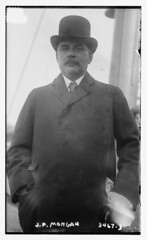
5137100875J.P. MorganBanker who bought out the Carnegie Steel Company and renames it the US Steel18
5137100876Knights of LaborOne of the most important American labor organizations of the 19th century19
5137100877Limited liabilityLegal principal that facilitates capital investment by offering protection for individual investors20
5137100878Molly MaguiresSecret Irish organization of coal miners in region of western PA and West Virginia in the mid to late 1800s21
5137100879National LaborGroup who wanted 8 hour work days, banking reform, greenbackism, equal rights to all people and to end conviction labor -templet for later unions22
5137100880Pullman strikeAmerican Railway Union Wages were cut- striker flipped Pullman cars and paralyzed railway traffic from Chicago to the Pacific COast23
5137100881Samuel GompersAmerican labor union leader and a key figure in American labor history24
5137100882Scientific managementSystem of industrial management created and promoted in the early 1900s by Frederick W Taylor25
5137100883Social DarwinismEncouraged the notion of human competition and opposed intervention in the natural human order26
5137100884TrustsFirms or corporations that combine for the purpose of reducing competition and controlling pieces27
5137100885Vertical integrationOwning all aspects of production28
5137100886Wilbur and Orville WrightDeveloped the first airplane with fixed wings and a gas engine29
5137100887Women's trade union leagueUS organization of both working class and more well-off women to support the efforts of women to organize labor unions30

AMSCO AP US History Chapter 5 Flashcards

AMSCO United States History 2015 Edition, Chapter 5 The American Revolution and Confederation, 1774-1787

Terms : Hide Images
5729108835Intolerable ActsIn 1774, the British Parliament passed the Intolerable Acts, which intensified the conflict between the colonies and Great Britain. (p. 85)0
5729108836Patrick HenryRadical delegate from Virginia to the Continental Congress. Radical delegates were those demanding the greatest concessions from Great Britain. (p. 85)1
5729108837Samuel AdamsRadical delegate from Massachusetts to the Continental Congress. He started Committees of Correspondence. (p. 85)2
5729108838John AdamsRadical delegate from Massachusetts to the Continental Congress. He had acted as a lawyer for British soldiers involved in the Boston Massacre. (p. 85)3
5729108839John DickinsonModerate delegate from Pennsylvania to the Continental Congress. He wrote "Letters from a Farmer in Pennsylvania". (p. 85)4
5729108840John JayConservative delegate from New York to the Continental Congress, favored a mild statement of protest. (p. 85)5
5729108841First Continental CongressIn September 1774, all of the colonies except Georgia sent delegates to a convention in Philadelphia. The purpose was to determine how the colonies should react to the threat to their rights and liberties caused by Intolerable Acts. (p. 85)6
5729108842Joseph GallowayConservative delegate from Pennsylvania to the Continental Congress. He proposed a plan that would have reordered relations with Parliament, but the plan lost by one vote. (p. 86)7
5729108843Suffolk ResolvesThe First Continental Congress adopted this statement. It rejected the Intolerable Acts and called for their repeal. It also urged the colonies to make military preparations and organize boycotts against British goods. (p. 86)8
5729108844Declaration for Rights and GrievancesThe First Continental Congress passed this resolutions urging the king to make right colonial grievances and restore colonial rights. (p. 86)9
5729108845economic sanctionsIn September 1774, the First Continental Congress created the Continental Association, a network of committees to enforce the economic sanctions of the Suffolk Resolves. (p. 86)10
5729108846Second Continental CongressIn May 1775, representatives met in Philadelphia. They adopted the Declaration of the Causes and Necessities for Taking Up Arms. In July 1775 they sent the Olive Branch Petition to King George III. (p. 87)11
5729108847Olive Branch PetitionIn July 1775, the Second Continental Congress tried a last effort for peace. Colonists pledged their loyalty and asked the king to go to Parliament to secure peace and protect their colonial rights. (p. 87)12
5729108848Declaration of the Causes and Necessities for Taking Up ArmsIn May 1775, in Philadelphia, delegates to the Sencond Continental Congress met. This declaration called on all colonies to provide troops to the central government. (p. 87, 128)13
5729108849Thomas JeffersonIn 1776, he was the primary author of the Declaration of Independence. (p. 88)14
5729108850Declaration of IndependenceThis declaration, written by Thomas Jefferson, declared independence and expressed the basic principles of the American revolution. It was ratified on July 4, 1776. (p. 88)15
5729108851George WashingtonModerate delegate from Virginia to the Continental Congress. In 1775, at the Second Continental Congress he was appointed commander-in chief of a new colonial army and sent to Boston to lead the Massachusetts militia and volunteer units from other colonies. He later became the first president of the United States. (p. 88-89)16
5729108852Land Ordinance of 1785A policy that established surveying and selling of western lands. It was part of the Articles of Confederation. (p. 93)17
5729108853Northwest Ordinance of 1787Created the Northwest Territory (area north of the Ohio River and west of Pennsylvania), established conditions for creating new states. Granted limited self-government and prohibited slavery in the region. (p. 93)18
5729108854Paul RevereHe warned the militia that the British were coming along with William Dawes at the Battle of Lexington and Concord. (p. 86)19
5729108855William DawesWarned the militia that the British were coming along with Paul Revere at the Battle of Lexington and Concord. (p. 86)20
5729108856LexingtonOn April 18, 1775 British soldiers in Boston marched to this town to seize colonial military supplies. This is where the first shot of the Revolutionary War was fired. (p. 86)21
5729108857ConcordAfter the British had marched to Lexington, they marched on to this town to destroy colonial military supplies. (p. 86)22
5729108858Battle of Bunker HillOn June 17, 1775 a colonial militia lost this battle to British on the outskirts of Boston. However, the British suffered heavy casualties in this first true battle of the Revolutionary War. (p. 87)23
5729108859Battle of SaratogaIn October 1777, General John Burgoyne's British forces were defeated by American Generals Horatio Gates and Benedict Arnolds army. This was a turning point of the war because it led to the French joining the war against Great Britain. (p. 90)24
5729108860George Rogers ClarkIn 1778-1789, he led the capture of series of British forts in the Illinois country. (p. 90)25
5729108861Battle of YorktownIn 1781, the last major battle of the Revolutionary War was fought on the shores of Chesapeake Bay. Supported by French naval and military forces, Washington's army forced the surrender of a large British army commanded by General Charles Cornwallis. (p. 90)26
5729108862Articles of ConfederationAdopted by Congress in 1777, it created a central government with limited powers. In 1788, it was was replaced by the Constitution. (p. 91)27
5729108863unicameral LegislatureThe Articles of Confederation established a central government that consisted of just one body, a Congress. In this unicameral (one-house) legislature, each state was given one vote, with at least 9 of 13 votes required to pass important laws. (p. 92)28
5729108864absolute monarchAlthough France had this kind of government, King Louis XVI decided to help the colonies succeed in their rebellion in order to weaken Great Britain. (p. 90)29
5729108865Prohibitory ActIn August 1775, Britain's King George III agreed to this act passed by Parliament, and declared the colonies were in rebellion. (p. 87)30
5729108866Treaty of ParisIn 1783, this treaty between Britain and the United States brought an end to the Revolutionary War. It stated that: 1. Britain would recognize the existence of the US. 2. The Mississippi River would be the western border of the US. 3. Americans would have fishing rights off the coast of Canada. 4. Americans would pay debts owed to British merchants and honor Loyalist claims for property confiscated during the war. (p. 91)31
5729108867Thomas Paine; Common SenseIn January 1776, Thomas Paine wrote this pamphlet that argued in clear and forceful language that the colonies should break with Britain. (p. 88)32
5729108868PatriotsMost of these soldiers came from New England or Virginia and wanted freedom for the colonies. (p. 88)33
5729108869Loyalists (Tories)The pro-British Loyalists, the majority of this group tended to be wealthy and conservative and many were clergy and government officials. (p. 89)34
5729108870MinutemenThe colonial militia. (p. 86)35
5729108871ContinentalsPaper money issued by Congress which became almost worthless due to inflation. (p. 90)36
5729108872Abigail AdamsShe was the wife of John Adams. During the Revolutionary War, she wrote letters to her husband describing life on the homefront. She urged her husband to remember America's women in the new government he was helping to create. (p. 94)37
5729108873Deborah SampsonAt the age of 21, she dressed up as a man in order to fight in the Revolutionary War. (p. 94)38
5729108874Valley ForgeWashington's troops spent the harsh winter of 1777-1778 here after losing Philadelphia to the British. (p. 89)39
5729108875Mary McCauley (Molly Pitcher)Also know as Molly Pitcher, she carried water to soldiers during the Battle of Monmouth Court House and took over her husband's gun when he was overcome by heat. (p. 94)40
5729108876Shay's RebellionDaniel Shays led other farmers in this uprising against high state taxes, imprisonment for debt, and lack of paper money. (p. 93)41

AMSCO AP US History Chapter 4 Flashcards

AMSCO United States History 2015 Edition, Chapter 4 Imperial Wars and Colonial Protest, 1754-1774

Terms : Hide Images
5729100059Patrick HenryYoung Virginian lawyer who coined the phrase "No taxation without representation" in his speech to the House of Burgesses. (p. 73)0
5729100060Stamp Act CongressRepresentatives from nine colonies met in New York in 1765 and decided that only their own elected representatives had the power to approve taxes. (p. 73)1
5729100061Sons and Daughters of LibertySecret society organized to intimidated tax agents. Sometimes they destroyed revenue stamps and tarred and feathered tax collectors. (p. 73)2
5729100062John Dickinson; Letters from a Farmer in PennsylvaniaIn 1767 and 1768, he argued that the idea of no taxation without representation, was an essential principle of English law. (p. 74)3
5729100063Samuel AdamsIn 1768, he was one of the authors of the the Massachusetts Circular Letter which urged colonies to petition Parliament to repeal the Townshend Acts. (p. 74)4
5729100064James OtisIn 1768, he was one of the authors of the the Massachusetts Circular Letter which urged colonies to petition Parliament to repeal the Townshend Acts. (p. 74)5
5729100065Massachusetts Circular LetterIn 1768, this document was distributed to every colonial legislature. It urged the colonies to petition Parliament to repeal the Townshend Acts. (p. 74)6
5729100066Committees of CorrespondenceInitiated by Samuel Adams in 1772, these letters spread news of suspicious or threatening acts by the British throughout the colonies. (p. 74)7
5729100067Intolerable ActsColonist name for the Coercive Acts of 1774, a series of acts created to punish the colonists for the Boston Tea Party. (p. 75)8
5729100068George IIIIn the 1760s, he was the King of England. (p. 71)9
5729100069WhigsIn the 1760s, this was the dominant political party in Parliament that wanted the American colonies to bear more of the cost of maintaining the British empire. (p. 71)10
5729100070ParliamentThe legislative house of Great Britain. (p. 71)11
5729100071salutary neglectGreat Britain had exercised little direct control over the colonies and did not enforce its navigation laws. This changed after the French and Indian War, as the British adopted more forceful policies for taking control of the colonies. (p. 71)12
5729100072Lord Frederick NorthNew prime minister of Britain who convinced Parliament to repeal the Townshend Acts in 1770. (p. 74)13
5729100073Pontiac's RebellionIn 1763, American Indian chief Pontiac led a major attack against the colonial settlements on the western frontier. The British did not rely on colonial forces, but instead sent their army to deal with the rebellion. This led to the creation of the Proclamation of 1763. (p. 72)14
5729100074Proclamation Act of 1763This proclamation prohibited colonists from settling west of the Appalachian Mountains. The British hoped it would prevent violence between Native Americans and colonists. The colonists were angry and disobeyed the law, moving to the west of the imaginary boundary in large numbers. (p. 72)15
5729100075Seven Years' War (French and Indian War)War fought in the colonies from 1754 to 1763 between the English and the French for possession of the Ohio River Valley area. The English won the war and the Peace of Paris was negotiated in 1763. (p. 70)16
5729100076Albany Plan of UnionThe British government called for representatives from several colonies to meet in Albany, New York in 1754, to provide for an inter-colonial government to recruit troops and collect taxes. Each colony was too jealous of its own taxation powers to accept the plan. (p. 70)17
5729100077Edward BraddockIn 1755, this general led an army from colonial Virginia, to attack the French near Ft. Duquesne. More than 2,000 of his British and colonial troops were defeated by a smaller force of French and American Indians. (p. 70)18
5729100078George WashingtonHe led a small militia from the Virginia colony, to halt the completion of the French fort in the Ohio River Valley, Fort Duquesne. In July 1974, he was forced to surrender to a superior force of Frenchmen and their American Indian allies. This was the beginning of the French and Indian War. (p. 70)19
5729100079Peace of ParisPeace treaty signed to end the French and Indian War (The Seven Years' War) in 1763. Great Britain gained French Canada and Spanish Florida. France gave Spain its western territory. (p. 71)20
5729100080Sugar ActA 1764 British act which placed duties on foreign sugar and other luxuries. Its primary purpose was to raise money for the English Crown. (p. 72)21
5729100081Quartering ACTThis 1765 act required the colonists to provide food and living quarters for British soldiers. (p. 72)22
5729100082Stamp ActThis 1765 act required that revenue stamps be placed on almost all printed paper, such as legal documents, newspapers, and pamphlets. This was the first tax paid directly by the colonists, rather than merchants. Boycotts were effective in repealing this act. (p. 72)23
5729100083Declaratory ActIn 1766, Parliament declared that it had the right to tax and make laws for the colonies in all cases whatsoever. (p. 73)24
5729100084Townshend ActsIn 1767, Parliament enacted new taxes to be collected on imports of tea, glass, and paper. It also created the writs of assistance, which was a general license to search for smuggled goods anywhere. (p. 73)25
5729100085Writs of AssistanceA general license to search anywhere. (p. 73)26
5729100086Tea ActIn 1773, Parliament passed this act which taxed imported tea. The result was that British tea was even cheaper than smuggled Dutch tea. (p. 75)27
5729100087Coercive ActsIn 1774, after the Boston Tea Party, Great Britain created four Coercive Acts to punish the people of Boston and Massachusetts. (p. 75)28
5729100088Port ActOne of the Coercive Acts, which closed the port of Boston, prohibiting trade in and out of the harbor until the destroyed tea was paid for. (p. 75)29
5729100089Massachusetts Government ActOne of the Coercive Acts, which reduced the power of the Massachusetts legislature while increasing the power of the royal governor. (p. 75)30
5729100090Administration of Justice ActOne of the Coercive Acts, which allowed royal officials accused of crimes to be tried in England instead of the colonies. (p. 75)31
5729100091Quebec ActIn 1774, this act organized the Canadian lands gained from France (Quebec). It established Roman Catholicism as the official religion, set up a government without a representative assembly, and set the Quebec border further south, at the Ohio River. (p. 75)32
5729100092EnlightenmentA European movement in literature and philosophy; used human reasoning to solve problems. (p. 76)33
5729100093DeismBelieve that God established natural laws in creating the universe, but that the role of divine intervention in human affairs was minimal. (p. 77)34
5729100094RationalismTrusted human reason to solve the many problems of life and society; emphasized reason, science, and respect for humanity. (p. 77)35
5729100095John LockeEnglish philosopher who said that all people have rights, simply because they are human and that people have a right and a responsibility to revolt against any government that failed to protect their rights. (p. 77)36
5729100096Jean-Jacques RousseauFrench philosopher who had a profound influence on educated Americans in the 1760s and 1770s. (p. 77)37

AP US History The Revolutionary Flashcards

Terms : Hide Images
5248743802French and Indian War(1754-1763) War fought in the colonies between the English and the French for possession of the Ohio Valley area. The English won.0
5248743803Seven Years Warworldwide struggle between France and Great Britain for power and control of land1
5248743824Fort NecessityA hastily built British fort where Washington attempted to defeat the French. However, the French took the fort and forced Washington to surrender.2
5248746011Albany Plan of Unionplan proposed by Benjamin Franklin in 1754 that aimed to unite the 13 colonies for trade, military, and other purposes; the plan was turned down by the colonies and the Crown3
5248746012Benjamin FranklinPrinter, author, inventor, diplomat, statesman, and Founding Father. One of the few Americans who was highly respected in Europe, primarily due to his discoveries in the field of electricity. He helped to negotiate French support for the American Revolution.4
5248748665Join or Die Cartoon13 colonies should "Unite" (Benjamin Franklin)5
5248750851Battle of the Monongahelabattle where Braddock is ambushed when trying to attain Fort Duquesne6
5248750852Fort DuquesneA key French fort. Whoever took over Fort Duquesne would win the French and Indian War. This fort was burned down by the French because they couldn't get their supplies.7
5248753710General Edward Braddockcommander in chief of the general forces in America during the French and Indian War, killed right out of the shoot not long after he started8
5248753711William PittThe Prime Minister of England during the French and Indian War. He increased the British troops and military supplies in the colonies, and this is why England won the war.9
5248755069General John ForbesThe General who took Fort Duquesne in 175810
5248755070Fort PittA British fort that was built after the French burned Fort Duquesne down. This caused the British to win the French and Indian War.11
5248757378PittsburghLocation of fort Pitt12
5248757379Battle of Quebec(1759) British victory over French forces on the outskirts of Quebec. The surrender of Quebec marked the beginning of the end of French rule in North America.13
5248759129General James WolfeBritish general who led the charge against the French at the Battle of the Plains of Abraham.14
5248759130Plains of AbrahamSite of the death of Generals Wolfe and Montcalm, where France's New World empire also perished15
5248760419General MontcalmFrench Commander who fought against the British in the Battle of the Plains of Abraham in 175916
5248760420Peace of Paris 1763Ended the Seven Year's War, France had to abandon all claim to North America; Great Britain received Canada and the eastern half of the Mississippi Valley, Spain got back the Philippine Islands and Cuba, but had to cede East and West Florida to England17
5248763191Poniac's RebellionSeries of frontier raids by Great Lakes tribes vs. their new British landlords. Led to British efforts to pacify the Indians18
5248763211Proclamation of 1763A proclamation from the British government which forbade British colonists from settling west of the Appalacian Mountains, and which required any settlers already living west of the mountains to move back east.19
5248765298AcadiansFrench residents of Nova Scotia, many of whom were uprooted by the British in 1755 and scattered as far south as Louisiana, where their descendants became known as "Cajuns"20
5248765299George GreenvillePrime Minister of England, began enforcing 1763 Navigation Acts strictly and instituted other taxes the colonists found unbearable21
5248777030Sugar Act(1764) British deeply in debt partl to French & Indian War. English Parliament placed a tariff on sugar, coffee, wines, and molasses. colonists avoided the tax by smuggling and by bribing tax collectors.22
5248777031Quartering Act1765 - Required the colonials to provide food, lodging, and supplies for the British troops in the colonies.23
5248777032Stamp Act1765; law that taxed printed goods, including: playing cards, documents, newspapers, etc.24
5248778995Stamp Act CongressA meeting of delegations from many of the colonies, the congress was formed to protest the newly passed Stamp Act It adopted a declaration of rights as well as sent letters of complaints to the king and parliament, and it showed signs of colonial unity and organized resistance.25
5248778996James OtisA colonial lawyer who defended (usually for free) colonial merchants who were accused of smuggling. Argued against the writs of assistance and the Stamp Act. "No taxation without representation". He organized the Stamp Act congress.26
5248779020Sons of LibertyA radical political organization for colonial independence which formed in 1765 after the passage of the Stamp Act. They incited riots and burned the customs houses where the stamped British paper was kept. After the repeal of the Stamp Act, many of the local chapters formed the Committees of Correspondence which continued to promote opposition to British policies towards the colonies. The Sons leaders included Samuel Adams and Paul Revere.27
5248781142Samuel AdamsAmerican Revolutionary leader and patriot, Founder of the Sons of Liberty in Boston and one of the most vocal patriots for independence; signed the Declaration of Independence.28
5248781143Thomas Hutchisonled Royal Navy vessels to prevent tea ships from leaving the harbor29
5248782788Declaratory ActAct passed in 1766 after the repeal of the stamp act; stated that Parliament had authority over the the colonies and the right to tax and pass legislation "in all cases whatsoever."30
5248782789Townshed Acts1767 - series of hidden taxes on paint, glass, lead, paper and tea that the colonists boycotted31
5248782790Massachusetts Circular LetterA letter written in Boston by Samuel Adams and circulated through the colonies in February, 1768, which urged the colonies not to import goods taxed by the Townshend Acts. Boston, New York, and Philadelphia agreed to non-importation. Parliament ordered all colonial legislatures which did not rescind the circular letters dissolved.32
5248784817Boston MassacreThe first bloodshed of the American Revolution (1770), as British guards at the Boston Customs House opened fire on a crowd killing five Americans33
5248786955Crispus AttucksA free black man who was the first person killed in the Revolution at the Boston Massacre.34
5248786956John AdamsHe defended the British Soldiers in court35
5248786957Tea Act1773 act which eliminated import tariffs on tea entering England and allowed the British East India Company to sell directly to consumers rather than through merchants. Led to the Boston Tea Party.36
5248789070Boston Tea PartyA 1773 protest against British taxes in which Boston colonists disguised as Mohawks dumped valuable tea into Boston Harbor.37
5248789071Intolerable Actsin response to Boston Tea Party, 4 acts passed in 1774, Port of Boston closed, reduced power of assemblies in colonies, permitted royal officers to be tried elsewhere, stripped Massachusetts, Connecticut, and Virginia of their western claims38
5248791055First Continental Congressconvened on September 5, 1774, to protest the Intolerable Acts. The congress endorsed the Suffolk Resolves, voted for a boycott of British imports, and sent a petition to King George III, conceding to Parliament the power of regulation of commerce but stringently objecting to its arbitrary taxation and unfair judicial system. Called on each colony to raise a militia.39
5248791056King George 3Was the King of England who disbanded the colonial legislatures, taxed the colonies, and refused the Olive Branch Petition leading to the final break with the colonies. "Blows must decide"40
5248792974General Thomas GageThe British Military Governor of Massachusetts.41
5248792975Concord MassachusettsMassachusetts town west of Boston Where British Soldiers Fought In April 177542
5248794588Old North Churchtwo lanterns signaled that the British Troops were traveling by sea43
5248794589Paul RevereAmerican silversmith remembered for his midnight ride (celebrated in a poem by Longfellow) to warn the colonists in Lexington and Concord that British troops were coming (1735-1818)44
5248795954William DawesAmerican patriot who rode with Paul Revere to warn that the British were advancing on Lexington and Concord (1745-1799)45
5248795955Samuel PrescottThe patriot, along with William Dawes and Paul Revere, warned the colonists that the British were coming before Lexington and Concord, carried Reveres message after he was captured.46
5248798992Lexington MassachusettsMassachusetts town West of Boston where the first shots of the Revolutionary war were fired in April 177547
5248800696"Shot heard 'round the world"nickname for the battle of Lexington and Concord; first time a colony revolted against its mother nation48
5248800697North BridgeWhere the patriots counterattacked49
5248803118Second Continental CongressConvened in May 1775, the Congress opposed the drastic move toward complete independence from Britain. In an effort to reach a reconciliation, the Congress offered peace under the conditions that there be a cease-fire in Boston, that the Coercive Acts be repealed, and that negotiations begin immediately. King George III rejected the petition.50
5248803119Olive Branch PetitionOn July 8, 1775, the colonies made a final offer of peace to Britain, agreeing to be loyal to the British government if it addressed their grievances (repealed the Coercive Acts, ended the taxation without representation policies). It was rejected by Parliament, which in December 1775 passed the American Prohibitory Act forbidding all further trade with the colonies.51
5248804574John DickensonWrote the Declaration of Grievances52
5248804575HessiansGerman soldiers hired by George III to smash Colonial rebellion, proved good in mechanical sense but they were more concerned about money than duty.53
5248804576Common SenseA pamphlet written by Thomas Paine that claimed the colonies had a right to be an independent nation54
5248805819Thomas PaineAmerican Revolutionary leader and pamphleteer (born in England). "people will expect a lion and get an ass" "Reconciliation is not possible with the mother country when the parent country devours it's young"55
5248805820Thomas Jefferson3rd President of the United States , He was a delegate from Virginia at the Second Continental Congress and wrote the Declaration of Independence.56
5248805821John LockeEnglish philosopher who advocated the idea of a "social contract" in which government powers are derived from the consent of the governed and in which the government serves the people; also said people have natural rights to life, liberty and property.57
5248809004Montesquieu(1689-1755) wrote 'Spirit of the Laws', said that no single set of political laws was applicable to all - depended on relationship and variables, supported division of government58
52491495804 Parts of the Declaration1. Purpose/preamble 2. Declaration of Rights 3. Complaints 4. Resolution59
5249191159Fort TiconderogaBuilt by French. Guarded Lake Champlain+taken by the British in French and Indian War60
5248821639Ethan AllenA Vermont blacksmith. Led the Green Mountain Boys in a surprise attack on Fort Ticonderoga. Won the Fort, and a valuable supply of cannons and gun powder, and control of a key route into Canada.61
5249213775BostonBritish hold up after Lexington+Concord62
5248821641General William HoweTook over for General Gage. He took command of British troops in North America after the Battle of Bunker Hill. He captured New York and Philadelphia, but botched the plan to isolate the New England colonies in 1777. He resigned in 1778.63
5248823434Breeds HillBattle of Bunker Hill, fortify Bunker Hill instead64
5248823435Battle of Bunker HillFirst major battle of the Revolutions. It showed that the Americans could hold their own, but the British were also not easy to defeat. Ultimately, the Americans were forced to withdraw after running out of ammunition, and Bunker Hill was in British hands. However, the British suffered more deaths.65
5248824829George Washington1st President of the United States; commander-in-chief of the Continental Army during the American Revolution (1732-1799)66
5248824830Henry KnoxTook guns+artillery from British at Fort Ticonderoga to Boston67
5248827536Dorchester HeightsGuns+artillery place there overlooking Boston68
5248830078Dunmore ProclamationPromised freedom to any runaway slave who joined British army. Many slaves 1) were sold 2) were abducted 3) ran away of own free will69
5248831487Contradiction of the RevolutionFighting the war for freedom+denying it to blacks70
5248833043Strengths and WeaknessesPg 3 Rev War Notes71
5248833044New York CityJuly 4, 1776 British arrive with armada=take position on staten Island72
5248833045Staten IslandBritish took position there73
5248835142Brooklyn HeightsWashington took position there74
5248835143Nathan Halecaptured+executed by British "He regretted that he had one life to give for his country."75
5248835144Battle of Long Island1776 battle in New York in which more than 1,400 Americans were killed, wounded or captured; the rest retreated to Manhattan with the British in pursuit76
5248836624Battle of TrentonOn December 25th, Washington crossed Deleware River, and took advantage of the Hessains because they were celebrating Christmas. He took the Hessains by surprise, and it was a victory for the Continental army.77
5248838124Johann RallHessian Col. that was killed at the Battle of Trenton78
5248839984Battle of PrincetonA week after the Battle at Trenton, Washington left a few men to tend some campfires and fool the enemy again. He quietly marched his army to Princeton, where they surprised and beat a British force. New Jersey turned Patriot. This battle helped the American morale.79
5248842239Hudson CampaignBritish plan to take control of the Hudson River+split off New England from the other colonies80
5248842240General BurgoyneA soldier who led the British to capture the Hudson River Valley in 1777. Led from the North in Canada81
5248844297General HoweBritish general who chose to relax in New York and Philadelphia rather than march up the Hudson to battle82
5248847254PhiladelphiaCaptured by General Howe83
5248847255Battle of SaratogaTurning point of the American Revolution. It was very important because it convinced the French to give the U.S. military support. It lifted American spirits, ended the British threat in New England by taking control of the Hudson River, and, most importantly, showed the French that the Americans had the potential to beat their enemy, Great Britain.84
5248849167General Horatio GatesAmerican general at Battle of Saratoga.85
5248849169Battle of BrandywineHowe sails from New York City and up the Chesapeake River. Arches towards Philadelphia and beats George Washington. British takes over Philadelphia.86
5248851103Battle of GermantownBattle during which the Continental Army unsuccessfully attempted to drive the British out of Pennsylvania, October 4, 1777 - George Washington leadership in question87
5248851104Valley ForgePlace where Washington's army spent the winter of 1777-1778, a 4th of troops died here from disease and malnutriton, Steuben comes and trains troops88
5248852461Frederick Von SteubenGerman who trained the Continental Army89
5248852462General Nathaniel GreenLed foraging expeditions to feed starving army90
5248855881Spring and Summer of 1778General Howe=removed+replaced with Clinton91
5248855882General Henry ClintonGave up Philadelphia+returned to New York to defend city from French fleet92
5248858265Battle of Monmouth Courthousebattle between Continentals under George Washington and General Henry Clinton's forces which were attempting retreat from Philadelphia. Washington's new army holds the field. British retreat. GW fires Gen. Lee93
5248858266Benedict ArnoldAmerican General who was labeled a traitor when he assisted the British in a failed attempt to take the American fort at West Point.94
5248858267West PointImportant Fort that Arnold tried to give to British95
5248859803Fort ArnoldWest Point96
5248859804Southern StrategyBritish take Charlestown, SC=General Benjamin Lincoln forced to surrender97
5248861762General CornwallisBritish General who surrendered at Yorktown98
5248861763General Nathaniel Greene1780-83, south, he was sent to the south to attempt to help the colonists there. Loyalist militias are growing. He is a very resourceful commander than can do a lot with less. He is playing keep away and avoiding the major battles99
5248863296Battle of YorktownLast major battle of the Revolutionary War. Cornwallis and his troops were trapped in the Chesapeake Bay by the French fleet. He was sandwiched between the French navy and the American army. He surrendered October 19, 1781.100
5248863297General LafayetteHe was noted for being the hero of the two worlds because he fought in the American Revolution as well. He was the one nobleman who everyone respected.101
5248865323General RochambeauFrench general who helped Americans and George Washington win the Battle of Yorktown.102
5248865324Admiral DeGrassewas a French admiral. He is best known for his command of the French fleet at the Battle of the Chesapeake, which led directly to the British surrender at Yorktown.103
5248867828October 19, 1781British surrenders at Yorktown, Virginia to a combined American and French force104
5248867829Treaty of Paris 1783This treaty ended the Revolutionary War, recognized the independence of the American colonies, and granted the colonies the territory from the southern border of Canada to the northern border of Florida, and from the Atlantic coast to the Mississippi River105

AMSCO AP US History Chapter 16 Flashcards

AMSCO United States History 2015 Edition, Chapter 16 The Rise of Industrial America, 1865-1900

Terms : Hide Images
5863564450nation's first big businessRailroads created a nationwide market for goods. This encouraged mass production, mass consumption, and economic specialization. (p. 320)0
5863564451Cornelius VanderbiltHe merged local railroads into the New York Entral Railroad, which ran from New York City to Chicago. (p. 320)1
5863564452Eastern Trunk LinesIn the early days of the railroads, from 1830s to the 1860s, railroad lines in the east were different incompatible sizes which created inefficiencies. (p. 320)2
5863564453transcontinental railroadsDuring the Civil War, Congress authorized land grants and loans for the building of the first transcontinenal railroad. Two new companies were formed to share the task of building the railroad. The Union Pacific started in Omaha, Nebraska, and the Central Pacific started in Sacramento, California. On May 10, 1869, at Promontory Point, Utah, a golden spike was driven into the rail ties to mark the completion of the railroad. (p. 321)3
5863564454Union Pacific and Central PacificTwo railroad companies, one starting in Sacramento, California and the other in Omaha, Nebraska were completed in Utah in 1869 to create the first first transcontinental railroad. (p. 321)4
5863564455American Railroad AssociationIn 1883, this organization divided the country into four different time zones, which would become the standard time for all Americans. (p. 320)5
5863564456railroads and time zonesThe United States was divided into four time zones by the railroad industry. (p. 320)6
5863564457speculation and overbuildingIn the 1870s and 1880s railroad owners overbuilt. This often happens during speculative bubbles, created by exciting new technology. (p. 321)7
5863564458Jay Gould, watering stockEntered railroad business for quick profits. He would sell off assets inflate the value of a corporation's assets and profits before selling its stock to the public. (p. 321)8
5863564459rebates and poolsIn a scramble to survive, railroads offered rebates (discounts) to favored shippers, while charging exorbitant freight rates to smaller customers. They also created secret agreements with competing railroads to fix rates and share traffic. (p. 321)9
5863564460bankruptcy of railroadsA financial panic in 1893 forced a quarter of all railroads into bankruptcy. J.P. Morgan and other bankers moved in to take control of bankrupt railroads and consolidate them. (p.321)10
5863564461Panic of 1893In 1893, this financial panic led to the consolidation of the railroad industry. (p. 321)11
5863564462causes of industrial growthAfter the Civil War, a "second Industrial Revolution" because of an increase in steel production, petroleum, electrical power, and industrial machinery. (p. 323)12
5863564463Andrew CarnegieA Scottish emigrant, in the 1870s he started manufacturing steel in Pittsburgh. His strategy was to control every stage of the manufacturing process from mining the raw materials to transporting the finished product. His company Carnegie Steel became the world's largest steel company. (p. 323)13
5863564464vertical integrationA business strategy by which a company would control all aspects of a product from raw material mining to transporting the finished product. Pioneered by Andrew Carnegie. (p. 323)14
5863564465U.S. SteelIn 1900, Andrew Carnegie sold Carnegie Steel to a group headed by J. P. Morgan. They formed this company, which was the largest enterprise in the world, employing 168,000 people, and controlling more than three-fifths of the nation's steel business. (p. 323)15
5863564466John D. RockefellerHe started Standard Oil in 1863. By 1881, Standard Oil Trust controlled 90 percent of the oil refinery business. His companies produced kerosene, which was used primarily for lighting at the time. The trust that he created consisted of various acquired companies, all managed by a board of trustees he controlled. (p. 323)16
5863564467horizontal integrationBuying companies out and combining the former competitors under one organization. This strategy was used by John D. Rockefeller to build Standard Oil Trust. (p. 323)17
5863564468Standard Oil TrustIn 1881, the name of John D. Rockefeller's company, which controlled 90 percent of the oil refinery business in the United States. (p. 323)18
5863564469interlocking directoratesThe term for the same directors running competing companies. (p. 322)19
5863564470J. P. MorganA banker who took control and consolidated bankrupt railroads in the Panic of 1893. In 1900, he led a group in the purchase of Carnegie Steel, which became U.S. Steel. (p. 321, 323)20
5863564471leading industrial powerBy 1900, the United States was the leading industrial power in the world, manufacturing more than an of its rivals, Great Britain, France, or Germany. (p. 319)21
5863564472Second Industrial RevolutionThe term for the industrial revolution after the Civil War. In the early part of the 19th century producing textiles, clothing, and leather goods was the first part of this revolution. After the Civil War, this second revolution featured increased production of steel, petroleum, electric power, and industrial machinery. (p. 323)22
5863564473Bessemer processIn the 1850s, Henry Bessemer discovered this process. By blasting air through molten iron you could produce high-quality steel. (p. 323)23
5863564474transatlantic cableIn 1866, Cyrus W. Field's invention allowed messages to be sent across the oceans. (p. 325)24
5863564475Alexander Graham BellIn 1876, he invented the telephone. (p. 325)25
5863564476Thomas EdisonPossibly the greatest inventor of the 19th century. He established the first modern research labratory, which produced more than a thousand patented inventions. These include the phonograph, first practical electric light bulb, dynamo for electric power generation, mimeograph machine, and a motion picture camera. (p. 326)26
5863564477Menlo Park Research LabThe first modern research laboratory, created in 1876, by Thomas Edison in Menlo Park, New Jersey. (p. 326)27
5863564478electric power, lightingIn 1885, George Westinghouse produced a transformer for producing high-voltage alternating current, which made possible the lighting of cities, electric streetcars, subways, electrically powered machinery, and appliances. (p. 326)28
5863564479George WestinghouseHe held more than 400 patents. He invented the high-voltage alternating current transformer, which made possible the nationwide electrial power system. (p. 326)29
5863564480Eastman's Kodak cameraIn 1888, he invented the camera. (p. 325)30
5863564481large department storesR.H. Macy and Marshall Field made these stores the place to shop in urban centers. (p. 326)31
5863564482R.H. MacyHe created a New York department store. (p. 326)32
5863564483mail-order companiesTwo companies, Sears Roebuck, and Montgomery Ward, used the improved rail system to ship to rural customers to sell many different products. The products were ordered by mail from a thick paper catalog. (p. 326)33
5863564484Sears-RoebuckMail order company that used the improved rail system to ship to rural customers. (p. 326)34
5863564485packaged foodsBrand name foods created by Kellogg and Post became common items in American homes. (p. 326)35
5863564486refrigeration; canningThese developments in the food industry changed American eating habits. (p. 326)36
5863564487Gustavus SwiftHe changed American eating habits by making mass-produced meat and vegetable products. (p. 326)37
5863564488advertisingThis new technique was important to creating the new consumer economy. (p. 326)38
5863564489consumer economyAdvertizing and new marketing techniques created a new economy. (p. 326)39
5863564490federal land grants and loansThe federal government provided land and loans to the railroad companies in order to encourage expansion of the railroads. (p. 320)40
5863564491fraud and corruption, Credit MobilierInsiders used construction companies to bribe government officials and make huge profits. (p. 321)41
5863564492Interstate Commerce Act of 1886This act, created in 1886, did little to regulate the railroads. (p. 322)42
5863564493anti-trust movementMiddle class people feared a growth of new wealth due to the trusts. In the 1880s trust came under widespread scrutiny and attack. In 1890, the Sherman Antitrust Act was passed, but it was too vaguely worded to stop the development of trusts. Not until the Progressive era, would the trusts be controlled. (p. 324)43
5863564494Sherman Antitrust Act of 1890In 1890, Congress passed this act, which prohibited any "contract, combination, in the form of trust or otherwise, or conspiracy in restraint of trade or commerce." The U.S. Department of Justice secured few convictions until the law was strenghted during the Progressive era. (p. 324)44
5863564495federal courts, U.S. v. E.C. KnightIn 1895, the Supreme Court ruled that the Sherman Antitrust Act could be applied only to commerce, not manufacturing. (p. 324)45
5863564496causes of labor discontentWorker's discontent was caused by performing monotonous task required completion within a certain time, dangerous working conditions, and exposure to chemicals and pollutants. (p. 328)46
5863564497iron law of wagesDavid Ricardo developed this theory which stated that low wages were justified. He argued that raising wages would only increase the working population, the availability of more workers would cause wages to fall, thus creating a cycle of misery. (p. 327)47
5863564498anti-union tacticsEmployers used the following tactics to defeat unions: the lockouts (closing the factory), blacklists (lists circulated among employers), yellow dog contracts (contracts that forbade unions), private guards to quell strikes, and court injunctions against strikes. (p. 329)48
5863564499railroad strike of 1877In 1887, this strike spread across much of the nation and shut down two-thirds of the country's railroads. An additional 500,000 workers from other industries joined the strike. The president used federal troops to end the violence, but more than 100 people had died in the violence. (p. 329)49
5863564500Knights of LaborStarted in 1869 as a secret national labor union. It reached a peak of 730,000 members. (p. 330)50
5863564501Haymarket bombingOn May 4, 1886 workers held a protest in which seven police officers were killed by a protester's bomb. (p. 330)51
5863564502American Federation of LaborThe labor union focused on just higher wages and improved working conditions. By 1901 they had one million members. (p. 330)52
5863564503Samuel GompersHe led the American Federation of Labor until 1924. (p. 330)53
5863564504Pullman StikeIn 1894, workers at Pullman went on strike. The American Railroad Union supported them when they refused to transport Pullman rail cars. The federal government broke the strike. (p. 331)54
5863564505Eugene DebsThe American Railroad Union leader, who supported the Pullman workers. The government broke the strike and he was sent to jail for six months. (p. 331)55
5863564506railroad workers: Chinese, Irish, veteransIn the construction of the first transcontinental railroad, the Union Pacific, starting in Omaha, employed thousands of war veterans and Irish immigrants. The Central Pacific, starting from Sacramento, included 6,000 Chinese immigrants among their workers. (p. 321)56
5863564507old rich vs. new richThe trusts came under widespread scrutiny and attack in the 1880s, urban elites (old rich) resented the increasing influence of the new rich. (p. 324)57
5863564508white-collar workersThe growth of large corporation required thousands of white-collar workers (jobs not involving manual labor) to fill the highly organized administrative structures. (p. 327)58
5863564509expanding middle classIndustrialization helped expand the middle class by creating jobs for accountants, clerical workers, and salespeople. The increase in the number of good-paying jobs after the Civil War significantly increased the size of the middle class. (p. 327)59
5863564510factory wage earnersBy 1900, two-thirds of all working Americans worked for wages, usually at jobs that required them to work ten hours a day, six days a week.(p. 327)60
5863564511women and children factory workersBy 1900, 20 percent of adult woman working for wages in the labor force. Most were young and single women, only 5 percent of married women worked outside the home. (p. 327)61
5863564512women clerical workersAs the demand for clerical workers increased, women moved into formerly male occupations as secretaries, bookkeepers, typists, and telephone operators. (p. 328)62
5863564513Protestant work ethicThe believe that hard work and material success are signs of God's favor. (p. 325)63
5863564514Adam SmithIn 1776, this economist wrote "The Wealth of Nations" which argued that business should not be regulated by government, but by the "invisible hand" (impersonal econmic forces). (p. 324)64
5863564515laissez-faire CapitalismIn the late 19th century, american industrialists supported the theory of no government intervention in the economy, even as they accepted high tariffs and federal subsidies. (p. 324)65
5863564516concentration of wealthBy the 1890s, the richest 10 percent of the U.S. population controlled 90 percent of the nation's wealth. (p. 326)66
5863564517Social DarwinismThe belief that government's helping poor people weakened the evolution of the species by preserving the unfit. (p. 324)67
5863564518William Graham SumnerAn English social philosopher, he argued for Social Darwism, the belief that Darwin's ideas of natural slection and survival of the fittest should be applied to the marketpalce and society. (p. 324)68
5863564519survival of the fittestThe belief that Charles Darwin's ideas of natural selection in nature applied to the economic marketplace. (p. 324)69
5863564520Gospel of WealthSome Americans thought religion ideas justified the great wealth of successful industrialists. (p. 325)70
5863564521Horatio Alger Stories self-made manHis novels portrayed young men who became wealth through honesty, hard work and a little luck. In reality these rags to riches stories were somewhat rare. (p. 327)71

AP US History Chapter 1-3 Flashcards

Terms : Hide Images
7422394811John Whites-Commander of Raleigh's -Settler of Roanoke -father of Virginia Dare0
7422396545Sir Richard Grenville-Raleigh's cousin -led first expedition to Roanoke1
7422411118Sir Walter RaleighMain pioneer of English colonization -attempted to colonize ROANOKE -Charter from Queen Elizabeth2
7422413616Apaches/NavajosENEMIES OF PUEBLO and SPANISH -Raiders3
7422417493SeigneuriesFrench agricultural estates along the St. Lawrence River -factor that enabled French to fight for control of America4
7422420454St. AugustineFirst European settlement in USA -Military outpost, HQ5
7422422572Francisco CoronadoSpanish conquistador -Traveled North from Mexico and opened up southwest to Spanish settlement6
7422422573Francisco PizarroSpanish conquistador who conquered Peru and showed value of the Incas -Opened door to advances in South America7
7422427255Hernando de sotoSpanish Conquistador -deputy of Pizarro -Led expeditions in search of gold, silver, jewels -First white man to cross Mississippi8
7422429048Henry HudsonDutch explorer who thought he found passage to Pacific while sailing in large river in NY -Led to Dutch territories in America9
7422431354Samuel de ChamplainFrench man who founded Quebec -led attack on Mohawks because French were allied against Iroquois with the Algonquians10
7422434981John CabotFirst Englishman to New World -searched for the Northwest passage to the orient11
7422436705John SmithCaptain of ship sailing to Jamestown -"Thall who shallnot work shall not eat" -Created bad relationships with natives -imposed work and order on settlement12
7422441654Richard HakluytsEnglish clergyman known for advocating for colonization 1.) Colonies create new markets 2.) decrease unemployment and poverty because lowers population in England 3.) Poor would have jobs 4.) England would get resources from new land13
74224444133 aspects of colonizationExplore, Conquer, Colonize14
7422444414EncomiendasLicenses to force labor and tribute from natives -used by Oñate in Pueblos area15
7422447453ConquistadoresFirst Spaniards to arrive in Americas -To get rich and find gold -God, Glory, Gold16
7422447454Ordinandes of DiscoverySpanish law banning brutal conquests -encouraged expansion through colonization rather than wars17
7422450025Pueblo revolt of 1680Revolt of pueblos due to suppression of their tribal rituals and instability from Apache raids and a major drought -Pope (religious leader) led an uprising -Pope killed many and captured Santa Fe -Spanish drivin out, but later came back and recaptured it18
7422452550Ridged Royal Trad ControlSpanish government required all imports to go through one port twice a year all at once -to reduce pirating and increase collection of duties -Hurt the economic development19
7422452551HispaniolaColumbus landed here and killed all the natives due to desease20
7422454774North GuineaMost of slaves came from here -traded with Mediterranean world -ivory, slaves, gold in exchange for fished goods -Converts to Islam due to Mediterranean influence21
7422454775Ghana->MaliNorthern African Settlements -After Ghana collapsed, Mali emerged -Big trading and education city was Timbuktu22
7422457336Benin, Congo, SonghaySouthern African kingdoms (groups of villages) -Traded fabrics, ceramics, wooden goods, crops, etc23
7422462431Matrilineal SocietiesAfrican society in which women played a dominant role -Heredity and land given through mother's side not fathers -More sex equality24
7422465173Enclosure Movement-Wool became highly demanded so wealthy farmers bought land and created sheep farms -many small farmers lost jobs -led to food shortage because land being used for sheep not food25
7422468866Chartered Companies-Merchants combined to for companies -monopolized a region -Investors made $$$ -urge to expand due to mercantilism *began with domestic wool industry in England*26
7422471475Mercantilism (relating to chap 1)Belief that worlds money is finite -extracting as much $ as possible while exporting as little as possible -gave merchants government assistance because helped the country as a whole -Increases competition among countries -increased colonization to acquire more goods and keep other countries from having the land27
7422471476Puritan Goals1.) Simplify worship 2.) Reduce power of bishops 3.) Reform local clergy28
7422474266James I antagonizing puritans (3 things)1.) Taxing them extra 2.) favoring Catholics(special treatment) 3.) Supported high church (priest authority, sacraments, etc)29
7422475852IrelandFirst English colony -Governed by Gilbert30
7422478566Plantation ModelEstablished system by English: First used in Ireland -A separate society in a foreign land -because they saw natives as savages31
7422478567Factors that allowed French to compete for America1.) Seigneuries along St. Lawrence RIver 2.) Development of trade/military centers in Quebec 3.) Alliance with Algonquians32
7422480188Spanish ArmadaFleet of ships sent by Phillip II -Spanish ships heading through English channel to fight English -Destroyed: boosted English morale33
7422481993Dutch West India Company-Encouraged settlement by all of Europe in New land -Led to New Netherland -Transported families and promised land to landlords if they brought other Europeans to settle34
7422483653Dutch in America-First settlement was in New York -Created New Amsterdam and New Netherland35
7422483654French in America-First American settlement was in Quebec -Fur trading -Good relations with the Algonquins36
7422487181Coureurs de boisFrench fur traders who moved into the wilderness and developed trade with Indians -Allies with the Algonquins -In Quebec, Canada37
7422487182RoanokeEnglish settlement off of North Carolina -Attempted to colonize by Raleigh -Named "Virginia" after Queen Elizabeth by Raleigh to receive funding -"The Lost Colony"38
7422488877London GroupPreviously appointed group by Raleigh -James I allowed to colonize South of America39
7422488878Plymouth GroupGroup James I allowed to colonize the North of Americas40
7422491600Virginia Dare-Birthed the first English Child born in America -Part of the second wave of settlers of Roanoke -John White's daughter41
7422491641Sir Humphrey GilbertMain English colonizer along with Raleigh -Charter from Queen Elizabeth -Led expedition into Newfoundland and took control of it -Used colony as a military outpost and future settlement -^First British colony in the new world -Also the governor of the Irish districs -Harsh and killed Irish whom he though were less than human and savages42
7422494211Santa Fe-Town in New Mexico created by Oñate as he conquered the Pueblos43
7422496016New NetherlandDutch colony in modern day New York -Created by the Dutch Indian Company44
7422503833Jesuit MissionariesFrench missionaries -Among first to penetrate into Indian land in Quebec -Established first connections with the Indians45
7422503834New AmsterdamDutch city in New Netherland -in modern day Manhattan Island46
7422506463MontezumaLeader of the Aztecs -Fought back against cortez47
7422506464Hernando CortezSpanish conquistador -Led military expedition into Mexico -Wiped out the Aztecs due to smallpox then finished them off with military forces48
7422509106Don Juan de OñateSpanish conquistador -Claimed land of Pueblos as he traveled North from Mexico -Distributed encomiendas to the native Pueblos -Harsh treatment (removed from governor) -Founded Santa Fe -Economy of colony was sheep/cattle raised on "ranchos"49
7422509107MestizosPeople of mixed American and Spanish race -Emerged because more men than women immigrated to America50
7422511021Martin LutherBegan protestant reformation -Went against the Catholic idea that you must give to Church to be saved and that God communicated through the clergy -not against church, simply wanted to reform it51
7422511022IroquoisEastern Tribe of America -Enemies of Algonquins (therefore French too)52
7422513975AlonquinsEastern Tribe of America -Allies with French because the fur trade business53
7422513976John Calvin-Tried to reform Catholic Church -Believed your fate was predetermined -Led to puritans54
7422518748King Henry VIIIKing of England -Cut ties with Catholic Church because the Pope wouldn't let him divorce his Spanish wife55
7422518749Protestants-Followed the reformation and separated from catholic church -Emerged during King Henry VIII reforms56
7422521018QuakersSeparatist group -Allowed women to hold high positions in the church57
7422521019SeparatistsRadical Puritan group -Worshiped as they pleased -most puritans against the separatists -Quaker was a type of this58
7422523381Phillip IISpanish King -Wanted to end 1.) England's problems with Spanish commercial supremacy and 2.) Bring English back to the Catholic church -Assembled the Spanish armada59
7422526764Queen ElizabethEnglish ruler -Cut ties with catholic church again after Bloody Queen Mary - made Anglicanism the official religion of -Many protestants turned to puritanism because Queen Elizabeth's reforms were too political and selfish and not theological enough60
7422526765Bloody MaryQueen Mary of England -After King Henry VIII -Executed protestants -Wanted to return to catholic church61
7422528969PuritansProtestant group wanting to purify the church -took refuge during James I rule ... increased English need to colonize and immigrate to America for refuge62
7422530579James IEnglish King after queen Elizabeth -Believed in his divine right to rule -Tension With parliament -ridiculed the puritans-> immigration of the puritans63
7422532898Sir Thomas MoreWrote "utopia" -Propaganda for English immigration to the United States64
7422546254Clouis PeopleFirst people to come into America -through Bering Straight (Crossed into Alaska) -Mongolian from modern day Siberia -Migrated because had new hunting tools so followed big animals into America65
7422549871Archaic PeriodThe history of humans from 8000 BCE to 5000 years after. -At first hunted/gathered, then developed traps, fishing, etc, eventually some farmed66
7422549872IncasPeople of Peru -Largest empire in Americas in their time -Began in region of Cuzco67
7422552006PachacutiPowerful leader of Incas -created large empire with paved roads and many allies68
7422554140MayaLarge area in modern day Mexico -civilization here developed written language, calendar, number system, trade routes, agriculture system, etc69
7422554141Olmec PeopleFirst Truly complex society in America70
7422557372AztecName of Meso-American tribe following the Mayans -water ducts, public buildings, schools, military, medical system, slaves -Religion involved human sacrifice71
7422557373MexicaWhat the Aztecs called themselves.72
7422560085TenochtitlanAztec City -Present day Mexico City73
7422560086EskimosFrom arctic circle -traveled by dogsled -fished and hunted seals74
7422560087Woodland Indians-Eastern settlers of America -Forest region -Greatest food resources -Farm, hunt, gathered, fished75
7422562403CahokiaMajor city in the South east.. present day Illinois -traded corn and grains grown on Mississippi76
7422565723Agricultural revolutionNatives experienced agricultural revolution in the last centuries before European settlers came77
7422568022Prince Henry the NavigatorPortuguese explorer -Was exploring west African coast to establish Christian empire to fight Moors and find gold -His mission had failed78
7422569948Christopher ColumbusBorn in Italy, served Portuguese, but turned to Spain to support his venture to reach Asia by going west. -Queen Isabella allowed him to go -first landed on Bahamas and Cuba, then Hispaniola, and finally South America. -believed he was fulfilling a divine mission79
7422571831Amerigo VespucciPortuguese explorer who first recognized Americas as new continents.80
7422571832Ferdinand MagellanPortuguese man employed by Spanish found straight in South America -Expedition was first circumnavigation of the globe81
74305759981606 ChartersCharters issued by James I -LED TO London company colonizing Virginia82
7430584534JamestownFirst English Settlement in America -Malaria was an issue because swampy land -settled on peninsula to stay away from Indians -Indians taught English how to make canoes83
7430611681Charter of JamestownAllowed them to 1.) increase settlements power and territory 2.) Give stock to planters who would immigrate 3.) Offer free passage for poor people if they served company for 7 years84
7430629138The starving TimeTough winter in Jamestown -Indians stopped them from moving inland -couldn't hunt or grow food85
7430629139Lord de la warrJamestown's first governor -harsh discipline, and organized settlers into work groups - delaware86
7430632278John RolfeCultivated tobacco in Jamestown -First profitable crop in Jamestown87
7430632280Sir Thomas DaleGovernor of Jamestown after la Warr -Created incentives to work -Granted ownership of land in turn for work and contributions of grain to the company88
7430638364The headright systemCompany's effort to attract settlers by granting them sections of land -First used in Jamestown89
7430645368House of BurgessesElected delagates from Jamestown community met in a church -First meeting pf elected legislature in America90
7430648943PowhatanLeader of Powhatan Indians -Constantly fighting with Jamestown -Dale fought them and captured his daughter, Pocahontas -She ended up marrying John Rolfe91
7430655549OpechancanoughLeader of Powhatan Indians after Powhatan -Continued to fight Jamestown, but lost92
7430662036Demise of Virginia CompanyAfter Powhatan uprising, went bankrupt -Colony came under British crown93
7430667256Start of slavery in AmericaDutch ships bringing slaves from Africa to Jamestown94
7430673819Exchanges of Agricultural technology in JamestownIndians taught farming techniques, girdling (Killing trees by cutting near base), corn95
7430676089George CalvertFirst lord Baltimore -Dreamed of colony in Maryland96
7430679708Cecilius CalvertReceived charter for Maryland97
7430679709Toleration ActUsed in Maryland because protestants outnumbered the Catholics, and wanted to avoid conflicts98
7430683021Sir William BerkelyAppointed governor of Virginia after it was under crowns control -Underrepresented Backcountry settlers99
7430689570Oliver CromwellLeader of Roundheads -Enemies moved to Virginia leading to over population and forced to settle over lines of Indian agreement100
7430694972Nathaniel BaconWon seat on Governors counsel in Virginia -Part of Backcountry group -Hated Berkely because... 1.) excluded form inter circle of the counsel 2.) Berkely wouldn't let him have a part in the fur trade101
7430694973Bacon's Rebellion-Westerner(Backcountry-newer settlers on Indian land) and Easterner(Tidewater) disagreed on the policy regarding Indians -Doeg Indians attacked a western plantation and killed a servant -Bacon went against Berkely's orders and fought back -Berkely named Bacon and his followers rebels, and Bacon burnt down city of Jamestown -Exiled Berkely -Indians signed new treaty102
7430698327Doeg IndiansIndians in Virginia that attacked a plantation and killed a servant because settlers broke their agreement on land borders103
7430702761Significance of Bacon's Rebellion1.) Showed how unwilling the English were to abide by Indian agreement 2.) Indians unwillingness to tolerate white movement into their territory 3.) Bitterness between East and West 4.) Instability of free landless men, many indentured servants that joined Bacon's group 5.) Realized need to prevent unrest among indentured servants: African slaves104
7430748414Francis NicholsonGovernor of NY (Taking orders from Andros) -Support from rich fur traders and merchants -Poorer farmers and traders despised him105
7430748415Thomas HookerDefied Massachusetts Government -Founded Hartford -Founded Connecticut -Established a Government and Constitution106
7430751131Sir George Carteret-1/2 Proprietor of New Jersey -One of proprietors of carolinas107
7430753907Sir John Berkely-One of proprietors of carolinas -1/2 Proprietor of New Jersey108
7430755793John WheelwrightDisciple of Anne Hutchinson -Founded New Hampshire109
7430755794Articles of CapitulationAgreement between Dutch and English -If Dutch surrendered New Netherland, Dutch settlers can still live there in peace110
7430760396Roger WilliamsSeparatist who thought Massachusets should separate from Church of England -Banished from Massachusetts -Created town of Providence -Founded Rhode Island and has complete religious tolerance111
7430760397King Phillip's WarWampanoags rose up against English because English were moving into their land and imposing laws on them -Metacomet (King Phillip) led Indians to attack English in massachusetts112
7430762876Mercantilism (relating to chapter 2)-Believed reorganizing colonies would provide market for English goods and give source for new raw materials -led to Dominion of England -Navigation acts supported this113
7430762877Mayflower CompactDocument written by the Pilgrims establishing allegiance to King and establishing a civil government -Written after Pilgrims landed to wrong place in the middle of winter114
7430765851Navigation actsLaws arised from mercantilism views -1st act-> Closed colonies to all trade but English -2nd act-> Made all exports to colonies pass through England to be taxed -3rd act-> Imposed duties on costal trade among English colonies and set up people to enforce the acts115
7430765852Praying Indians and MohawksAllies of the English in King Phillip's War -Mohawks killed Metacomet116
7430768527General James OglethorpeFounder of Georgia -Money, military, helping needy, refuge, prisoners -founded partly to protect the southern boarder of English colonies from southern Spanish -Imposed strict rules to keep safe from Spanish, but also made people not want to settle there -NO slaves, rum, Indian trade, Catholics, limited land117
7430770916Anne HutchinsonClaimed Massachusetts Clergy wasn't reformed -Banished and her followers immigrated to Maine or New Hampshire118
7430774022Dominion of New EnglandJames II brought Massachusetts, New England, NY, New Jersey into one dominion -Appointed Andros to govern it all119
7430779169The glorious revolutionJames II appointed Catholics to high position in government and tried to control parliament -Protestants feared Pope would soon rule over the colonies -Parliament forced him to step down -Replaced by Mary II and William of Oranges -Colonists took down the dominion120
7430779170English Civil WarCharles I dissolved parliament and ruled as an absolute monarch -Called for parliament back to get $$$ -Dissolved them again -Parliament launched military challenge -Roundheads captured king and beheaded him121
7430781804Charters of LibertiesWilliam Penn agreed to establish representitive assembly and allow lower counties to establish their own because settlers complained he held too much power -led to emerging of Delaware122
7430781805Pequot WarSettlers of Connecticut Valley and Pequot Indians fought over trade with the Dutch in New Netherland and friction over land -Captain John mason led English and set Pequot stronghold on fire killing most123
7430786163Massachusetts Bay CompanyPuritan merchants wanted to take advantage of economic opportunities in America -Later used as safe haven for Puritans124
7430786164Jacob LeisierOpposed Francis Nicholson and made militia and captured city fort in NY -Forced Nicholson out and appointed himself governor -Killed because he resisted Mary II and William125
7430789103John CoodeDuring Glorious Revolution, he started a revolt in Maryland driving out lord Baltimores officials in name of Protestantism -William and Mary II let them choose committee to rule government -Made church of England official religion, and banned Catholics from voting, holding office, and practicing their religion126
7430792222Richard NicollsLed English fleet on Duke of York's behalf to take New Amsterdam127
7430796063Narragansett IndiansTook in Rodger Williams -Allied with the English in Pequot War -Against English in King Phillip's War128
7430796064CavaliersSupported the king in the English Civil War129
7430800228Mary II and William of OrangeReplaced King James II in Glorious Revolution -Ruled Jointly130
7430800229Sir Edmund AndrosGoverned the New England Dominion, appointed by James II -Unpopular because he 1) Strengthened Anglican Church 2) Enforced Navigation Acts 3.) Dismissed colonist's rights131
7430804110Earl of ShafteburryDrafted the Constitution for the Carolinas along with John Locke132
7430808102William BradfordLeader of the Puritans -Governor of Plymouth -Very well liked 1.) Ended Standish's labor plan and distributed land 2.) Took over colonies debt and paid it off with fur trade money 3.) Gave them legal permission from council of New England to settle there133
7430808103William PennWanted to find safe place for Quakers to live -King gave him land of Pennsylvania -Advertised indifferent languages very informatively -So many immigrated134
7430812628Peter StuyvesantDutch governor of New Netherland that was forced to surrender to the English fleet135
7430815548George Fox and Margaret FellQuakers based on their teachings136
7430815549WampanoagsLed by King Phillip (Metacomet) -Rose up against English in King Phillip's War137
7430823718Captain John MasonLed English against the Pequots in the Pequot War138
7430826741Miles Standishmilitary officer -Introduced flintlock rifle -Imposed discipline and labor plans on Plymouth settlers139
7430829858James (Duke of York)Received charter from Charles II to found New York, and he governed it -Eventually ruled England as King James II140
7430829859SquantoPawtuxet Indian who spoke English -Helped English form alliance with Chief Massasoit leading to the first Thanks Giving141
7430832619RoundheadsMembers of parliament and puritans who were against King Charles I and Cavaliers in the English Civil War142
7430839674Anthony Ashley Cooper1/8 proprietors of carolinas -Convinced partners to finance migration to carolinas from England143
7430839675Charles IDisbanded parliament -led to English Civil War144
7430854624John ElliotConverted bible to Algonquian language -wanted to civilize Indians by converting them145
7430854625PresidiosForts along California coast when governor of Baja was ordered to create outposts farther north.146
7430858702Fundamental Constitution for carolina-Constitution created by Earl of Shaftesburry with help from John Locke -Created elaborate social order and system of land distrobution147
7430858703PlymouthModern day Cape Cod -Where Pilgrims landed148
7430861214John WinthropGovernor of Massachusetts -Commanded largest migration to New England -Dominated colonial politics and the Massachusetts Bay Company149
7430864400Queen Anne's WarIndians from Florida, under Spanish authority, attacked South Carolina settlement -Oglethorpe was a veteran of this war150
7430864401Leyden, HollandFirst place Puritans migrated after being persecuted in England -Left because low paying jobs and Dutch tolerated all religions151
7430866638CambrigeWhere Puritans met in secret to discuss turning Massachusetts into a safe haven for Puritans152
7430866639ProvidenceTown created by Rodger Williams153
7430868920Charle's TownTown made by first shipment of people to the Carolinas -Ashley Cooper convinced partners to finance this migration154
7430868921Ashley and Cooper RiversArea where most people settled in The Carolinas -Rice was the biggest trading item here155
7430871807Hudson valleyMost settlers in NY lived here -Largest settlement in NY156
7430871808PhiladelphiaCity in Pennsylvania -Supervised by William Penn157
7430875029The CaribbeanSpanish claimed islands -Many lived here from various countries, but always at risk for Spanish attacks -landowners only settled here for money -No women -harsh to slaves to produce sugar -very few Indians158
7430877381BostonCity at the mouth of Charles River -Massachusetts bay Company HQ -"City on a hill" -"beacon"159
7430882688Congregational ChurchIn Massachusetts Bay and Plymouth -Originated in Massachusetts because puritans didn't want to break from the church of England -Chose own minister and managed own affairs, and accepted John Calvin's beliefs -Authority based within the community and monitored by the members160
7430885802Fundamental Articles of New havenEstablished a religious government in Connecticut even stricter than Boston's161
7430885803Matchlock RifleHeavy, inaccurate, had to light with a match -replaced by flintlock rifle162
7430889689Flintlock MusketReplaced the Matchlock rifle -Introduced by Miles Standish -Indians traded for them, increasing fatalities in King Phillips War163
7430892431SugarMost cultivated resource in the Caribbean -cut down forests and destroyed animal habitats to grow it -Led to food shortage -Led to slavery because labor intensive, not many natives, indentured servants were discouraged164
7430892432Society of friendsQuakers -Different from puritans because rejected predestination and women had equal position in the church165
7430897132The CarolinasSouthern Carolina-> Fertile land, good harbors, good economy Northern Carolina-> Subsistence farmers, poor, no slaves or high class -Given to 8 court families to rule over -King eventually split the Carolinas -religious freedom to Christians -Headright system -South Carolina traded with Barbados a lot166
7430897133GeorgiaFounded by General James Oglethorpe -"Charity colony" -religious refugees, poor people, prisoners, military buffer167
7430900776PennsylvaniaFounded by William Penn -"The holy experiment" -Safe Haven for Quakers -Philadelphia was "City of brotherly love"168
7430900777DelawareAfter The Charter of Liberties, emerged from Pennsylvania169
7430903196Hartford-Established by Thomas Hooker in Connecticut170
7430903197New HavenCreated by puritan minister who though Massachusetts government was too lax in terms of religion -In Connecticut171
7430918185VirginiaJohn smith was the leader and Lord de la warr was the governor -Established for commercial reasons -London Company, Headright system, tobacco, Powhatan Confederacy172
7430922060New HampshireEstablished by John Wheelwright -Puritan haven from Massachusetts173
7430922061MarylandFounded by Cecilius Calvert -Governed by Leonard Calvert -Was a catholic retreat and real estate venture -headright -protestants outnumbered the Catholics174
7430925379ConnecticutFounded by Thomas Hooker -People who didn't want to conform to Massachusetts Puritan practices -Hartford and New Haven175
7430925380Rhode IslandFounded by Rodger Williams -total religious tolerance176
7430929141New YorkDuke of York founded it -Kings Charles gave land to his brother -Taken from Dutch -Very diverse -Religious Toleration177
7430929142New jerseyFounded by George Calteret and lord Berkely -No major cities, very diverse,178
7430951595The ElectPeople who were predestined by God to go to Heaven -Belief of Puritans -Anne Hutchinson believed she was part of the elect179
7430975235LouisianaFrench settlement that posed threat to the spanish -led to more Spanish in Texas180
7431004281New England ColoniesMassachusetts bay, Connecticut, Rhode island, New Hampshire181
7437368623Indentured ServantsEuropeans worked for fixed time to acquire passage to America, food, shelter -Often didn't get many perks promised to them by master like tools, clothing, etc -Government sent prisoners, POWs, orphans, and kidnapped people to be servants in America -Most servants left service in a very bad place -Eventually resorted to African slaves because landowners realized it was bad to have many unstable previous-indenture-servants182
7437374284New England DemographicsPopulation increased exponentially -Cool climate, disease free, clean water, smaller population -183
7437374285Southern Demographics-High death rate, lots of widows, orphans, etc -dirty salt water, lots of disease -Women had a lot of responsibility because often outlived husband -Many more men than women, so easy for women to find husband -Complex households were common because lots of widows/widowers marrying -As birthrate increased, which took longer than north, the sex ration balanced out -Eventually became immune to diseases and life expectancy rebounded184
7437377685MidwivesAssisted women in childbirth and gave other medical advice -Often friends with patients -Example of how easy it was to enter the medical field185
7437380760HumoralismIdea that the body is divided in four humors: Blood, phlem, black bile, yellow bile -Illness meant imbalance in one of the humors: had to drain it -Popularized by Physician Galen186
7437387681PatriarchalSociety in which the male is the head of the house -South became this after their charter was changed -The standard puritan family in New England187
7437397311Royal African CompanyCompany that had a monopoly on slave trade -Why initial slave population in America was so low188
7437403395Growing Slave population1.) Monopoly of Royal African Company was broken-> Prices of slaves went down, and importation of slaves to America increased189
7437409476Middle PassageVoyages brought slaves to America through the middle passage by ship from Africa190
7437416344Slave CodesLaw passed by colonial assemblies -Limited rights of blacks in the eye of the law -Ensured owners had complete authority over slaves -Anyone who has African history considered black and must abide by the rules191
7437425829Why decreasing immigration to America from England?1.) Population in England decreased, so government placed restrictions on immigrating 2.) Economic conditions in England got better, so more people wanted to stay192
7437434309HuguenotsFirst group of non-English immigrants to come to America -Immigrated after Edict of Nantes, allowing them to be their own state in France, was revoked193
7437442004Pennsylvania DutchGerman protestants who suffered from harsh religious policies and suffered from wars with French -Harsh winter was last straw, so many went to America and came to Pennsylvania after being kicked out of NY194
7437442005Scots-IrishMost numerous new non-English new comers -Scottish Presbyterians from Northern Ireland in province of Ulster -English took away right to Presbyterian in Ireland, so many settled in America195
7437456543Top 5 Cities1.) NY 2.) Philadelphia 3.) Boston 4.) Charleston 4.) Newport196
7437456544Southern Economy-Tobacco was basis for economy in Chesapeake -South Carolina and Georgia produced rice -Indigo, introduced by Eliza Lucas, was an important crop in South Carolina *Less industrialized than north, and had less cities because depended on cash crops197
7437462007Northern Economy-Agriculture was still most important part of economy -Exported wheat mainly -Many were craftsmen, artisans, entrepreneurs -Shipbuilding flourished -Ironworks were big as well -Extractive industries provided things to export to England in return for manufactured goods: led to commercial class198
7437466834Peter HasencleverLed largest industrial enterprise in North America in New Jersey -Employed metal workers from Germany199
7437470878Iron Act of 1750Restricted iron production in the colonies -Supported mercantilism200
7437479890American Merchant Difficulties1.) didn't have currency to use because parliament banned tobacco and land certificates 2.) Hard to impose order on trade because didn't know supply of products or where good markets were201
7437482580Triangular TradeTrade between America, Europe, England, and Africa. -Rum from New England to Africa -Slaves from Africa to west indies -Sugar and molasses from west indies to America202
7437489903Merchant ClassEmerged from the triangular trade: were adventurous entrepreneurs in the North -Broke rules of navigation acts and sold to various countries -illegal trade allowed them to buy manufactured goods from England203
7437501840Factors leading to rising Consumerism1.) Development of various social classes 2.) Industrial revolution made English goods more affordable to Americans 3.) Colonists take on debt to finance big purchases204
7437507741Results of Increasing Consumerism1.) Once luxury goods turned into practical, everyday items 2.) Everyone striving to be refined205
7437521469The PlantationFirst plantations in Virginia because tobacco -was own community because far away from everything like cities -Has schools, church -"Great house" was where planter lived -risky to own plantation because never know when crop will not become needed anymore -Large plantations had inside servants and often men raped them206
7437521470Slave SocietyCreated families because 1.) increased life expectancy of slaves 2.) Equalized sex ratio 3.) growth of population by natural increase -religion was hybrid of African and Christian -house servants had better conditions207
7437529732GullahIn South Carolina, slaves had their own language called Gullah208
7437535379Negro ActPassed in South Carolina -Banned slaves from 1.) growing own food 2.) earning own money 3.) learning to read/write 4.) assembling in groups209
7437535380Stono RebellionAfrican slaves in South Carolina revolted and stole weapons and killed many whites -Were killed and shut down by whites -Led to the Negro Acts210
7437546767Puritan Community-Binded residents of a town to social and religious commitment -Divided land among families -Meeting house in the center of town -Yearly meeting to select group of people to govern for the year -didn't follow primogeniture -Farmers cultivated land far away from center of town, so they moved close to land, and built a new church by their land, so the original townspeople were mad -land was divided into very small parts after a few generations, so people moved elsewhere211
7437555133PrimogenitureEnglish norm of passing land down from father to fist born son -Puritans didn't follow this, they divided it equally to each kid, but eventually land got too small and led to them moving away from puritan town212
7437573868Salem Witch trialsIn Salem, Massachusetts, girls claimed some servants were doing which craft -Spread around New England among puritans -produced hysteria and many women were accused and killed -Targeted middle aged women who were outcasts, widows, etc because weren't in traditional puritan family213
7437573869CitiesTrading centers led by merchants -Social distinctions were especially visible -Center of industry, school, shops, etc -Crime, pollution, sickness -Elaborate governments (Fire dept, supported poor, ect) -New ideas circulated through discussions and newspaper214
7437582951InequalityRich has more rights than poor -Elite referred to as ladies and gentlemen -Poor referred to as goodman and goodwife -men has more power than women -Servants had less rights -Thought inequality reflected god's intention215
7437582952Religious Patterns in America-religious toleration flourished because one couldn't impose a single religion on that diverse of a population -Church of Enland was main religion of Chesapeake and south, but wasn't followed -In NY, Dutch established their Calvinist denomination, Dutch reformed -American Baptists, introduced by Rodger Williams, developed various sects -Roman Catholics were rare in colonies, but most in Maryland -Jews were rare, but most in NY City -Rise of commercial prosperity created non-religious outlook216
7437638038JeremaidsPuritan Oligarchy was afraid of the decline of power of the church, so minister preached Jeremaids -Sermons of despair and hell217
7437641377The Great AwakeningMovement caused by growing secularism -brought new feelings toward religion -Emphasized ability to start fresh with God -Led to division between new light revivalists and old light traditionalists218
7437641378George WhitefieldMade evangelizing tours through colonies, drawing crowds of people219
7437646426Jonathan EdwardsAttacked new ideas of easy salvation and promoted traditional ideas of predestination, absolute sovereignty of God, and salvation from Gods grace alone. -Vivid descriptions of hell terrifying listeners220
7437650642The EnlightenmentMovement following the Great Awakening -Product of scientific and intellectual discoveries in Europe -Argued reason, not simply faith, could advance technology -Insisted individuals could make a difference in society -Encouraged education, politics, government -Didn't challenge religion, believed it would support Christianity -Borrowed ideas from mainland and John Locke/Francis bacon221
7437669097Old Deluder Satan lawEducation law in Massachusetts mandating every major town must have a public school222
7437672742Dame SchoolsWidows of some communities ran these schools which were private classes in their house223
7437672743Literacy rate in AmericasVery high due to schools -Male was over one half -Women was very high to -Led to Almanacs becoming a selling book224
7437679625First Colleges in AmericaHarvard was first established by puritans, William and Mary college was next by evangelists to train clergy, then Yale for congregationalist purposes, Princeton(President John Edwards), then Columbia and University of Pennsylvania225
7437683644Royal Society of LondonLeading English science organization226
7437683645Benjerman FranklinWon fame by inventing lightning rod and proving electricity and lightning were the same thing227
7437688065Cotton MatherMade smallpox vaccine practical by implementing it in Boston during an outbreak228
7437693633Zenger TrialJohn Zenger was tried because he spoke out against government, but wasn't illegal if it was true -Start of free speech in America229
7437697088Law in America vs. Law in EnglandLaw in America was less deadly because needed people for labor -more embarrassing punishments -Court procedures were simpler230
7437704397Colonial GovernmentsAmericans had mostly independent self-government -Governors of crown were powerless because weren't familiar with colonists, not sure when they were fired because based on people in England, and lacked control over contracts231
7437704398Halfway CovenantPuritan idea that one can worship without officially being part of the church or being baptized -because wanted more people to join -Couldn't hold positions in the church232
7437712623Three factors of enlightenmentScientific Inquiry, Human reasoning, and faith233

AP US History Chpt 9 - Jacksonian America Flashcards

Terms : Hide Images
5227223460Why was the the American Electorate in the 1820s expanded?To include and allow more white males to vote other than just rich land owners0
5227223461What did the efforts to to expand voting rights result in during 1840?In two governments claiming control of the state1
5227223462What was still being used in Rhode Island?The old colonial charter2
5227223463Who gathered at a convention to draft a constitution and submit it to popular vote?A lawyer and activist named Thomas Dorr and a group of followers3
5227223464What did the group of activists form?A people's party4
5227223465Was the constitution drafted by Dorr approved?Yes, overwhelmingly.5
5227223466How did the existing government of Rhode Island react to Dorr's constitution?They refused to accept it and submitted their own6
5227223467Was the document submitted by the existing legislature favored?No, it was defeated7
5227223468What were Dorr followers referred to as?Dorritoes... SIKE LMAO Dorrites8
5227223469What did the Dorrites begin to do?They began setting up a new government under their constitution and Dorr as governor9
5227223470In 1842, how many governments were claiming legitimacy in Rhode Island?Two10
5227223471What did the Dorr rebellion help do?Expand the suffrage11
5227223472In 1800, how were electors chosen?Legislature had chosen the electors in 10 of the states while the people elected them from only 612
5227223473In 1828, how were electors chosen?They were chosen by popular vote in every state except South Carolina13
5227223474After the War of 1812, where was the support for the idea of political party greatest at?New York; they favored the idea of political parties the most.14
5227223475In the 1830s, how were political parties generally regarded as?As a desired and essential part of the democratic process15
5229899925In the 1830s, what was one argument that was in favor of political parties?The idea that a permanent political opposition made parties sensitive to the people's will16
5230299874According to Andrew Jackson's theory of democracy, who should be treated equally?All white male citizens.17
5230299875What is the oldest political party in the United States?The Democratic Party18
5230299876What did Andrew Jackson believe about the power of the federal government during his presidency?That it should be reduced19
5230299877How did President Andrew Jackson sought to apply his democratic principles first?By targeting federal office holders20
5230299878What refers to giving out jobs as political awards?The "spoil system"21
5230299879In in 1832, what did supporters of President Jackson do in order to make the nominating process more democratic?They held a national convention22
5230299880Who is John C Calhoun?Andrew Jackson's vice President23
5230299881Who is Andrew Jackson's Secretary of State?Martin Van Buren24
5230299882What did Calhoun and Van Buren have in common?They were both ambitious and rivals for Andrew Jackson's attention and favor25
5230299883Who came up with a theory/doctrine of nullification?John C Calhoun26
5230299884From who did Calhoun draw his ideas from?Madison and Jefferson and their Virginia and Kentucky resolutions27
5230299885What does Calhoun site in the doctrine?He cited the 10th amendment to the constitution28
5230299886What did Calhoun argue and his doctrine?He argued that since the federal government is a creation of the states, the states are the one with the final say of the constitutionality of federal laws. (In other words, since the states pretty much made the government they get to decide for themselves if a law is constitutional)29
5230299887What would happen if the state found that Congress had passed and unconstitutional law?The state would hold a special convention and declare the federal law null and void within the state30
5230299888What was the idea behind the doctrine of nullification?To notify the 1828 tariff and was an alternative to possible secession of the South Carolinians31
5230299889Did the doctor go if Acacian help Calhoun's standing within the new administration?No, in part because he had a powerful rival in Martin Van Buren. The doctrine was not enough to put him ahead32
5230299890What was part of the reason Van Buren beat out Calhoun?Because Van Buren if that was some stuff in both the The official cabinet and the "kitchen cabinet" of Andrew Jackson's administration33
5230299891What was another reason as to why Calhoun was defeated?Due to the Peggy Eaton a fair/scandal34
5230299892How did the scandal originate?Peggy O'Neale was rumored of a possible affair between John Eaton and her even before her husband died35
5230299893What happened after Peggy O'Neale officially married John?She became a cabinet wife, but the wives did not accept her and this made Andrew Jackson furious36
5230299894Why didn't make Jackson furious that Peggy wasn't allowed into the circle?Andrew Jackson's late wife had also been a victim of public slander37
5230299895How did Van Buren play a role?February didn't have a wife holding him back and consequently took advantage of situation and befriended Eaton38
5230299896What was the significance of the Peggy Eaton scandal?Andrew Jackson chose Van Buren to succeed him in the White House, ending Calhoun's dreams of the presidency39
5230299897As a controversy over notification of the tariff grew, what debate went on?A great debate over the sale of public lands began in the United States Senate40
5230299898Who was involved in the debate?Robert Y Hayne and Daniel Webster41
5230299899What did Hayne argue?That's slowing down the sales of Lance to the west was away for the east to retain its political and economic power42
5230299900Who did Hayne believe were victims of tyranny from the east?The west and south43
5230299901Ultimately, what did Hayne gope to gain?Support against the tariff44
5230299902What did Webster consider Haynes argument?As an attack on federal authority45
5230299903What did this debate results in?Rivalry between Andrew Jackson and John C Calhoun46
5230299904What was Andrew Jackson's a famous quote on the matter?"Our federal union-it must be preserved."47
5230299905What was Calhoun's famous quote on the matter?"The union next to our liberty most dear."48
5230299906When and why did the nullification crisis come to an end?In 1833 because Andrew Jackson authorized the use of military force to see the acts of Congress or obeyed49
5230299907What was the United States primary goal and policy towards the Indians in the early 1800s?To acquire the land is occupied by the Indian tribes50
5230299908Why was the Black Hawk war notable?it was notable due to the vicious behavior by the American military51
5230299909Although the Supreme Court found in favor of the Cherokee tribes in Cherokee Nation v. Georgia and Worcester v. Georgia, what did President Jackson decide?That's with the court cannot enforce the order52
5230299910What was Jackson recalled saying?"John marshal has made his decision," "now let him enforce it."53
5230299911What was the result of the United States government is Indian policy in the 1830s and 1840s?Nearly all American Indian societies were moved to the west of the Mississippi54
5230299912Of the "five civilized Tribes" what was the tribe that best resisted the pressures of removal?The Seminole Indians55
5230299913What was the first of the "five civilized Tribes" to be removed to the west?The Choctaw tribe56
5230299914And 1820s, under who's management was the bank of the United States financially sound and profitable?Nicholas Biddle57
5230299915In the 1830s, the bank of by United States was opposed by who?By BOTH soft money (paper money) advocates and hard money (silver and gold) advocates58
5230299916Who did Andrew Jackson agree with?The hard money advocates59
5230299917I need teen 30, what did President Jackson vetoed and why?He vetoed a federal subsidy to the proposed Maysville Road because the road was not part of any system of interstate commerce60
5230299918Who sought to use the debate over the bank of the United States primarily to boost his presidential election?Henry Clay61
5230299919What resulted in President Andrew Jackson abolishing the bank of the United States?I nation with an unstable banking system for many years62
5230299920What did Jackson do in order to weaken the bank?He went through several secretaries before finding one who would help him63
5230299921When was the bank of United States charter due to expire?183664
5230299922Who had the support of Henry Clay and Daniel Webster?Nicholas Biddle65
5230299923What controversy became the leading issue in the 1832 election?The controversy over the bank66
5230299924What was the financial system to replace the bank of the United States?The "sub treasury" system created by Martin Van Buren67
5230299925What Supreme Court ruling reflect the Jacksonian ideas of democracy and economic opportunity?Charles River Bridge v. Warren Bridge (1837)68
5230299926What two parties were political opponents the face each other in the mid-1830s?Jacksonian Democrats and Whigs69
5230299927What party had the strongest support from planters, farmers, mechanics, and labors and supported territorial expansion?Jacksonian Democrats70
5230299928What did the Whigs call President Jackson?"King Andrew I"71
5230299929Who supported the Whigs?Wolfie Southern planters, New England manufacturers, aristocratic Americans, and evangelical protestants72
5230299930What did the political philosophy of the Whigs favor?If favored expanding the power of the federal government73
5230299931What demonstrated the Whigs desire for the party to attract the largest possible number of votes?Their support for the anti-Mason party74
5230299932During the two dick in history, who won the presidency two times?The Whigs75
5230299933What party was the least successful are uniting behind a strong national leader?The Whigs76
5230299934Who were the Locofocos?The radical Democrats77
5230299935What did the presidential election campaign of 1840 see?It's saw the first influence of the "penny press" in politics78
5230299936What did the penny press do?It carried news to large audiences of workers and trades people79
5230299937Who won the election of 1840 and for what party?William Henry Harrison; the Whig party80
5230299938Who died of pneumonia after a month in office?William H Harrison81
5230299939Who took over after Henry Harrison died?His vice President, John Tyler82
5230299940Who was John Tyler?A Whig who had once been a democrat83
5230299941What did the Webster-Ashburton Treaty do?It's settled the Aroostook War84
5230299942What did the treaty result in?In new territory being added to United States85
5230299943What's the treatt include?Included a British pledge not to interfere with American ships86
5230299944What significantly improved Anglo-American relations?The Webster-Ashburton Treaty87
5230299945In 1841 what government support of the rights and the freedoms of slaves on the Creole?The British88
5230299946In 1836 who wins the presidency and why?Martin Van Buren because the political opposition offered multiple candidates89
5230299947What resulted in a severe financial panic?Jackson's "specie circular" (the specie circular basically required payment for land to be in gold or silver)90
5230299948What did the distribution act that Congress passed in 1836 do?Required the federal government to disburse it surplus funds to the states91
5230299949What require the federal government to disburse it surplus funds to the states?A distribution act passed by Congress in 183692

AMSCO AP US History Chapter 8 & 10 Flashcards

AMSCO United States History 2015 Edition Chapter 8 Nationalism and Economic Development, 1816-1848

Terms : Hide Images
7700375968Era of Good FeelingsTerm to describe James Monroe's period as president (1817-1825). The Democratic-Republican party dominated politics. On the surface everything looked fine, however there were conflicts over tariffs, the national bank, internal improvements, and public land sales. (p. 150)0
7700375969sectionalismThe Era of Good Feelings was damaged by the sectional controversy of the Missouri Compromise. Sectionalist tension over slavery became apparent during this period (1817-1825). (p. 150, 157)1
7700375970James MonroeThe fifth President of the United States (1817-1825). His administration was marked by the Tariff of 1816, Rush-Bagot Agreement with Britain (1817), acquisition of Florida (1819), the Missouri Compromise (1820), and the profession of the Monroe Doctrine (1823). (p 151)2
7700375971cultural nationalismA new generation was interested in expanding west, had little interest in European politics, and patriotic themes were everywhere in society. (p. 151)3
7700375972economic nationalismPolitical movement to subsidize internal improvements such as roads and canals. Also the protecting of US industries from European competition. (p. 151)4
7700375973Tariff of 1816The first protective tariff in U.S. history. It helped protect American industry from British competition by placing a tax on imported British manufactured goods. (p. 151)5
7700375974protective tariffA tax on imported goods that is intended to protect a nation's businesses from foreign competition. (p. 151)6
7700375975Henry Clay; American SystemHis proposed plan for advancing the nation's economic growth consisted of three parts: 1) protective tariffs, 2) a national bank, and 3) internal improvements. The internal improvements, to be funded by the national government, were not approved because James Monroe felt that the Constitution did not allow it. (p. 152)7
7700375976Second Bank of the United StatesThis institution was chartered in 1816 under President James Madison and became a depository for federal funds and a creditor for (loaning money to) state banks. It became unpopular after being blamed for the Panic of 1819. Suspicion of corruption and mismanagement haunted it, until its charter expired in 1836. (p. 152)8
7700375977Panic of 1819In 1819, this was the first major financial panic since the Constitution had been ratified. Many state banks closed, and unemployment, bankruptcies, and imprisonment for debt increased sharply. the depression was most severe in the West, where many people had speculated on land. (p. 153)9
7700375978Lancaster TurnpikeBuilt in the 1790s, this first highway was developed in response to the ineffectiveness of slow water transportation and uncertain road transportation. It stretched from Philadelphia to Lancaster and inspired many other turnpike projects. (p. 161)10
7700375979National (Cumberland) RoadA paved highway that extended more than a thousand miles from Maryland to Illinois. It was built using state and federal money over many years (1811-1852). One of the few roads crossing state boundaries. (p. 161)11
7700375980Erie CanalA New York canal, completed in 1825, that linked the economies of western and eastern cities. It lead to more canal building, lower food prices in the East, more settlers in the West, and stronger economic ties between the regions. (p. 161)12
7700375981Robert Fulton; steamboatsIn 1807, he built a boat powered by a steam engine. Commercial steamboat lines soon made river shipping faster and cheaper. (p. 161)13
7700375982railroadsA major economic development of the 1820s. By the 1830s they were competing directly competing with canals as a method for carrying passengers and freight. Towns such as Cleveland, Cincinnati, Detroit, and Chicago soon became booming commercial centers. (p. 161)14
7700375983Eli Whitney; interchangeable partsIn 1793, he built the first cotton gin, which would have a huge impact on the Southern economy. During the War of 1812 he devised a system to make rifles with mass produced interchangeable parts. (p. 162)15
7700375984corporationsIn 1811, New York state passed a law that made it easier for business to incorporate and raise capital by selling shares of stock. Owners of a corporation only risked the money they had invested in a venture. This allowed large sums of money to be raised to build factories, canals, and railroads. (p. 162)16
7700375985Samuel SlaterBritish-born textile producer and one of the first industrialists in America. In 1791, he helped establish the nation's first factory using cotton spinning machine technology. (p. 162)17
7700375986factory systemIn the 1820s, New England emerged as the country's leading manufacturing center because of abundant water power to drive machinery and seaports to ship goods. (p. 162)18
7700375987Lowell System; textile millsThe system that recruited young farm women to work in textile mills and house them in company dormitories. (p. 163)19
7700375988industrializationCaused a shift from farming economy to using manufacturing machines in a factory economy. (p. 164)20
7700375989specializationFarmers produced food, workers in the cities produced manufactured goods. (p. 164)21
7700375990unionsTrade unions were organized as early as the 1790s when the factory system started to take hold. A prime goal of the early unions was a 10 hour workday. (p. 163)22
7700375991cotton ginIn 1793, this machine was invented by Eli Whitney. It removed seeds from cotton fibers so cotton could be processed quickly and cheaply. As a result more cotton was grown in the South and more slaves were needed in the cotton fields. (p. 162)23
7700375992market revolutionThis revolution was a result of specialization on the farm, growth of the cities, industrialization, and the development of modern capitalism. It brought the end of self-sufficient households and a growing interdependence among people. (p. 164)24
7700375993John MarshallChief Justice of the Supreme Court from 1801 to 1835. A Federalist, whose decisions favored the central government and the rights of property against advocates of state's rights. Several of his decisions became landmark ruling that defined the relationship between the central government and the states. (p. 153)25
7700375994Fletcher v. PeckAn 1810 Supreme Court case, in which Georgia tried to revoke a land grant on the grounds that it had been obtained by corruption. The Supreme Court ruled that a state cannot arbitrarily interfere with a person's property rights. Since the land grant was a legal contract, it could not be repealed. This was the first time that the Supreme Court declared a state law to be unconstitutional and invalid. (p. 154)26
7700375995McCulloch v. MarylandThis 1819 Supreme Court case, ruled that states could not tax a federal institution, the Bank of the United States. The court ruled that, even though no clause in the Constitution specifically mentions a national bank, the Constitution gives the federal government the implied power to create one. (p. 154)27
7700375996Dartmouth College v. WoodwardAn 1819 Supreme Court case, in which New Hampshire attempted to change Dartmouth College from a private college into a public institution. The court struck down the state law as unconstitutional, arguing that a contract for a private corporation could not be altered by the state. (p. 154)28
7700375997Gibbons v. OgdenThis 1821 Supreme Court case ruled that New York state could not grant a monopoly to a steamboat company. This case established the federal government's control of interstate commerce. (p. 154)29
7700375998implied powersEven though a power is not specifically stated in the Constitution, it may be possible for the federal government to exercise a power. (p. 154)30
7700375999Tallmadge AmendmentProposed solution to Missouri becoming a state. It forbade slavery in Missouri and said that all black children would be free after the age of 25. It did not pass in the Senate and angered the South. (p. 156)31
7700376000Missouri CompromiseAn 1820 compromise, that allowed Missouri to join the Union as a slave state, and Maine to join as a free state. It also established a line across the southern border of Missouri (36°,30') stating that except for the state of Missouri, all states north of that line must be states without slavery. (p. 157)32
7700376001Stephen DecaturIn 1815, this naval officer led a U.S. fleet to force the leaders of North Africa to allow safe American shipping in the Mediterranean. (p. 157)33
7700376002Rush-Bagot AgreementAn 1817 disarmament pact between U.S. and Britain, it strictly limited Naval armament on the Great Lakes. The agreement was extended to place limits on U.S. and Canadian border fortifications. (p. 157)34
7700376003Treaty of 1818Treaty between U.S. and Britain which 1) shared fishing rights off the coast of Newfoundland, 2) joint occupation of the Oregon Territory for ten years, 3) set the northern limits of the Louisiana Territory at the 49th parallel. (p. 157)35
7700376004Andrew JacksonIn 1817, this general lead a militia force to Florida where he destroyed Seminole villages and hung Seminole sympathizers. He would later become president. (p. 158)36
7700376005Florida Purchase TreatyAn 1819 treaty, in which Spain turned over Florida and the Oregon Territory to the United States. The U.S. agree to assume $5 million debt and give up any claims in Texas. (p. 158)37
7700376006Monroe DoctrineAn 1823 doctrine by President James Monroe, warning European powers to refrain from seeking any new territories in the Americas. The United States largely lacked the power to back up the pronouncement, which was actually enforced by the British, who sought unfettered access to Latin American markets. (p. 158)38
7700376007Indian Removal ActIn 1830, this act forced the resettlement of thousands of Native Americans west of the Mississippi. (p. 195)39
7700376008Cherokee Nation v. GeorgiaIn 1831, this Supreme Court case ruled that the Cherokees were not a foreign nation with the right to sue in a federal court. (p. 195)40
7700376009Worcester v. GeorgiaIn 1832, this Supreme Court case ruled that the laws of Georgia had no force within the Cherokee territory. However, President Jackson sided with Georgia and the decision could not be enforced without Jackson's support. (p 196)41
7700376010Cherokee trail of tearsIn 1838, the U.S. Army forced 15,000 Cherokees to leave Georgia and march to Oklahoma. 4,000 Cherokees died on the trip. (p. 196)42
7700376011Bank of the United StatesIn 1832, President Andrew Jackson vetoed this bank's recharter bill, denouncing the bank as a private monopoly that enriched the wealthy and foreigners. (p. 197)43
7700376012Nicholas BiddleDuring the 1830s, he was president of the Bank of the United States. (p. 197)44
7700376013Roger TaneyHe was Andrew Jackson's secretary of Treasury. In an attempt to destroy the Bank of the United States, he transferred funds from the national bank to various state banks. (p. 198)45
7700376014pet banksA term for the state banks. President Andrew Jackson was trying to destroy the Bank of the United States, so he transferred federal funds to these state banks. (p. 198)46
7700376015Specie CircularTo check inflationary, President Andrew Jackson issued a presidential order that required all future purchases of federal lands be made with gold or silver rather than paper bank notes. (p. 198)47
7700376016Panic of 1837Just as Martin Van Buren became the president, the country suffered a financial panic as many banks closed their doors. (p. 199)48
7700376017Martin Van BurenHe won the 1836 presidential election as a Democratic. He had been Andrew Jackson's vice president. (p. 198)49
7700376018common manBetween 1824 and 1840, the middle and lower classes became more involved in politics. Several factors contributed to this including new suffrage laws, changes in political parties and campaigns, improved education, and increased newspaper circulation. (p. 192)50
7700376019universal white male sufferageIn the 1810s, new Western states adopted state constitutions that allowed all white males to vote and hold office. Most Eastern states soon followed suit. Voting for president rose from about 350,000 in 1824 to 2.4 million in 1840. (p. 192)51
7700376020party nominating conventionIn the 1830s, caucuses were replaced by this public process of nominating candidates in a large hall. (p. 192)52
7700376021King CaucusA closed door meeting of a political party's leaders in Congress which nominated candidates. (p. 192)53
7700376022popular election of presidentIn the 1832 presidential election, all states except South Carolina, allowed voters to choose their state's slate of presidential electors. (p. 192)54
7700376023Anti-Masonic PartyA political party, that attacked the secret societies of Masons and accused them of belonging to a privileged, anti democratic elite. (p. 192)55
7700376024Workingmen's PartyA political third party that was not as large as the Democrat or Whig party. (p. 192)56
7700376025popular campaigningCampaigns of the 1830s and 1840s featured parades and large rallies with free food and drink. (p. 193)57
7700376026spoils systemPresident Andrew Jackson appointed people to federal jobs strictly according to whether they had campaigned for the Democratic party. Previous office holders were fired and replaced with a loyal Democrat. (p. 193)58
7700376027rotation in officePresident Andrew Jackson's policy of limiting a person to one term in office so he could then appoint a Democrat to replace them. (p. 193)59
7700376028Henry ClayHe was secretary of state under President John Quincy Adams. He was President Andrew Jackson's chief opponent. In 1832, he challenged Jackson by persuading Congress to pass a bank-recharter bill. (p. 197)60
7700376029corrupt bargainThe term that President Andrew Jackson and followers called the Adams and Clay deal of the 1824 election. The House of Representatives had to choose the president and Henry Clay used his influence have John Quincy Adams elected. (p. 194)61
7700376030John Quincy AdamsIn 1824, he was elected president. Henry Clay used his influence in the House of Representatives to provide him with enough votes to win the election. Clay was made secretary of state. (p. 194)62
7700376031Tariff of 1828; tariff of abominationsIn 1828, during President John Quincy Adams' term, Congress created a new tariff law which pleased northern manufacturers, but alienated southern planters. (p. 194)63
7700376032Revolution of 1828In the 1828 election, Andrew Jackson became president after a mudslinging campaign. Jackson was a champion of the working class and middle class (common man). p. 195)64
7700376033Andrew JacksonHe won the 1828 presidential election easily, winning every state west of the Appalachians. He was know as "Old Hickory" and presented himself as a comman man. (p. 195)65
7700376034role of the presidentPresident Andrew Jackson presented himself as the representative of all the people and the protector of the common man against abused of power by the rich and privileged. He thought this was the role he should play. (p. 195)66
7700376035Peggy Eaton affairWhen President Andrew Jackson's secretary of war's wife was the target of malicious gossip by other cabinet wives, Jackson supported her. The majority of cabinet resign because Jackson tried to force the wives to accept Peggy Eaton. (p. 195)67
7700376036states' rightsPresident Andrew Jackson favored this form of power for the state governments. (p. 196)68
7700376037nullification crisisIn 1832, South Carolina passed a resolution forbidding the collection of tariffs in the state, which was nullifying a federal law at the state level. President Jackson threatened South Carolina with the use of federal troops and a compromise was reached. (p. 197)69
7700376038Webster-Hayne debateIn 1830, Daniel Webster of Massachusetts, debated Robert Hayne of South Carolina on the nature of the federal union under the Constitution. Daniel Webster declared that a state could not defy or leave the union. (p. 196)70
7700376039John C. CalhounHe was Andrew Jackson's vice president, but he opposed Jackson on nullification theory. He advanced the theory that a state had the right to declare a federal law null and void. (p. 196)71
7700376040Proclamation to the People of South CarolinaPresident Andrew Jackson's edict stating nullification and disunion were treason. (p. 197)72
7700376041two-party systemThis system developed in the 1820s. Supporters of Andrew Jackson were Democrats, while supporters of Henry Clay were Whigs. (p. 197)73
7700376042DemocratsIn the 1820s, this party was led by President Andrew Jackson. It harked back to the old Republican party of Thomas Jefferson. (p. 197)74
7700376043WhigsIn the 1820s, this party was led by Henry Clay. It was similar to the old Federalist party of Alexander Hamilton. (p. 197)75
7700376044log cabin and hard cider campaignThe term for the 1840 presidential campaign. Popular war hero, William Henry Harrison was the Whig candidate. He used log cabins and hard cider to portray his down-home heritage. He attacked Martin Van Buren as an aristocrat. Harrison and John Tyler won the election. (p. 199)76

Pages

Subscribe to CourseNotes RSS

Need Help?

We hope your visit has been a productive one. If you're having any problems, or would like to give some feedback, we'd love to hear from you.

For general help, questions, and suggestions, try our dedicated support forums.

If you need to contact the Course-Notes.Org web experience team, please use our contact form.

Need Notes?

While we strive to provide the most comprehensive notes for as many high school textbooks as possible, there are certainly going to be some that we miss. Drop us a note and let us know which textbooks you need. Be sure to include which edition of the textbook you are using! If we see enough demand, we'll do whatever we can to get those notes up on the site for you!