AP Notes, Outlines, Study Guides, Vocabulary, Practice Exams and more!

Ap Flashcards

Terms : Hide Images
7345553468konsyumersila ang lumilinang sa mga produkto sa merkado0
7345553469produksyonito ay ang paggawa ng mga produkto na binubuo ng input at output1
7345553470landito ay ang mga hilaw na materyales na ginagamit upang gumawa ng produkto2
7345553471laborito ay ang abilidad ng isang tao upang gumawa ng produkto3
7345553472Capital4

Ecology (Pre-AP) Flashcards

Terms : Hide Images
4916678789In a stable environment, population sizes tend tostay the same.0
4916678790mutualismAn interaction in which both species benefit.1
4916678791predationAn interaction in which one species benefits and the other is killed.2
4916678792parasitismAn interaction in which one species benefits and the other is harmed (but usually not killed).3
4916678793commensalismAn interaction in which one species benefits and the other is neither harmed nor benefits.4
4916718649competitionAn interaction where both species are harmed when they want the same resource.5
4916678794omnivoreA species that eats meat and plants.6
4916678795carnivoreA species that eats meat.7
4916678796herbivoreA species that eats plants.8
4916682207detritivoreorganism that eats dead organic matter. Another term for decomposer.9
4916684397detritusNonliving organic matter, like the remains of dead organisms, feces, fallen leaves, dead wood, etc.10
4916678797decomposersOrganisms that break down the dead remains of other organisms. Example: mushrooms, earthworms.11
4916713722scavengerA carnivore that feeds on the bodies of dead organisms12
4916678798nicheAn organism's job and range of conditions it needs is a13
4916678799carrying capacityThe number of individuals that the environment can support.14
4916678800trophic levelEach step in a food chain or food web15
4916678801What happens to energy as it moves to each trophic level?90% is lost and only 10% remains.16
4916678802food chainA simplified path in which energy is transferred when one organism eats another.17
4916678803food webDiagram that represents the many energy pathways in a real ecosystem18
4916678804autotrophAn organism that makes its own food. Also called a 'producer'.19
4916678805heterotrophAn organism that eats others for its food. Also called a 'consumer'.20
4916678806nitrogen cycleThe transfer of nitrogen from the atmosphere to the soil, to living organisms, and back to the atmosphere21
4916678807carbon cycleThe organic circulation of carbon from the atmosphere into organisms and back again.22
4916678808carbon sourceReleases more carbon into the atmosphere than it takes in.23
4916678809examples of carbon sourcesdecomposing organisms, burning fossil fuels, volcanos, forest fires24
4916678810carbon sinkStores more carbon from the atmosphere than it releases.25
4916678811examples of carbon sinksoceans, soils, plants performing photosynthesis26
4916678812biotic factorsAll the living organisms that inhabit an environment27
4916678813abiotic factorsNonliving components of environment.28
4916678814limiting factorsConditions in the environment that put limits on where an organism can live or how much the population can grow.29
4916678815biomassTotal amount of living tissue within a trophic level30
4916678816primary successionThe sequence of events that replace the organisms in a disrupted habitat where NO soil remains.31
4916678817secondary successionThe sequence of events that replace the organisms in a disrupted habitat where the soil remains.32
4916678818populationA group of individuals that belong to the same species and live in the same area33
4916678819communityA group of organisms inhabiting the same region and interacting with each other.34
4916678820ecosystemA community of organisms and their non-living environment. The biotic and abiotic factors.35

APES - Introduction - CISH Flashcards

Terms : Hide Images
4787429722EnvironmentThe sum of all conditions surround us and that influence life. Also includes things such as large-scale demographics and disease, human migration, and patterns of settlement.0
4787451644EnviromentalismA social movement that seeks to protect the environment through lobbying, activism, and education.1
4787470145Environmental ScienceAn interdisciplinary systematic study that uses information and empirical evidence from the physical sciences and social sciences to learn how the Earth works, how we interact with the Earth, and how to deal with Environmental problems.2
4787476389empiricalevidence based on observation or experiment3
4787488930anecdotalevidence consisting of or based on informal observations and secondhand accounts rather than firsthand knowledge or scientific investigation4
4787446833EcosystemA system formed by the interaction of a community of organisms (biotic factors) with their physical environment (abiotic factors).5
4787355322AbioticDescribes the nonliving part of the environment, including water, rocks, light, and temperature6
4787358462BioticA term that describes a living or once‐living organism in an ecosystem.7
4787548198BiodiversityThe number and variety of organisms in a given area during a specific period of time8
4787552296Genetic DiversityThe range of genetic material present in a gene pool or population of a species considering genotype and phenotype9
4787552297SpeciesA group of organisms that are closely related and can mate to produce fertile offspring10
4787554470Species DiversityThe number and relative abundance of species in a biological community.11
4787362157indicatorAn inviromental ___________ are Organisms or physical factors that serve as a gauge for environmental changes. More specifically, organisms with these characteristics are called bioindicators such as frogs and dragonflies12
4787372025Greenhouse gasesGases in the Earth's Atmosphere that trap heat near the surface of the Earth13
4787384447Anthropogenichuman- induced changes on the natural environment14
4787395491SustainabilityLiving on Earth in a way that allows humans to use resources with depriving future generations of those resources.15
4787407663BiophiliaLove of Life. E. O. Wilson coined the term ______ for our innate appreciation of wild environments and living organisms.16
4787413175Ecological FootprintA measure of human demand on the Earth's ecosystems. It compares human demand with planet Earth's ecological capacity to regenerate.17
4787421180FrackingA method of oil and gas extraction that uses high-pressure fluids to force open cracks in rocks deep underground18
4787534717Ground waterunderground water that is held in the soil and in pervious rocks and often used in cities as source of drinking water19

AP - Los sentidos Flashcards

Terms : Hide Images
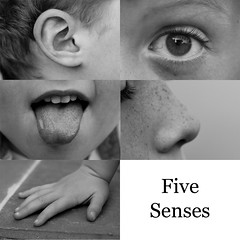
5058096772los sentidossenses (perception)0
5058095718la vistaeyesight1
5058097860el aspectolooks; appearance2
5058102907la bellezabeauty3
5058103355el coloridocolor; coloring4
5058104510el horizontehorizon5
5058105441la luminosidadbrightness; luminosity6
5058106569la palidezpaleness7
5058109066el panoramapanorama; outlook8
5058110420la perspectivaperspective9
5058111112la sombrashadow; shade10
5058112164alargado/aelongated; long; extended, lengthened11
5058112165arrugado/awrinkled12
5058113137atractivo/aattractive13
5058118240brillanteshiny; bright; sparkling; brilliant14
5058120641deslumbranteblinding, dazzling15
5058122052inmenso/aimmense, great, enormous16
5058123572luminoso/ailluminated, lit up; gleaming17
5058125908nublado/acloudy18
5058126660opaco/aopaque; dull; lacklustre19
5058129262pálidopale20
5058129873acecharto lurk; to stalk21
5058133290avistarto spot, to sight22
5058134749contemplarto contemplate; to gaze at23
5058135740descubrirto discover24
5058136546divisarto sight; to make out; to distinguish25
5058138060examinarto examine26
5058138455mirarto look at27
5058138456observarto observe28
5058139069presenciarto witness; to see29
5058139621verto see30
5058140323el oídoinner ear; hearing (sense)31
5058141232el cantosinging32
5058143050la carcajadaloud laugh33
5058144107el estruendoloud noise; bang34
5058145818la explosiónexplosion; blast35
5058147862el gritoshout, yell; scream36
5058149942el murmullo el susurromurmur, whispering; (water) babbling; (leaves) rustling37
5058153005la risalaughter38
5058153688el ronquidosnore39
5058155032el ruidonoise40
5058155033el silbidowhistling41
5058156028la vozvoice42
5058160255apaciblecalm, placid43
5058161405arrullador(a)lulling; soothing44
5058166543ensordecedor(a)deafning45
5058167003estridentestrident; raucous46
5058169105estruendoso/athunderous47
5058169964resonanteresonant; resounding48
5058172300ruidoso/anoisy49
5058172962rumoroso/amurmuring; (water) babbling50
5058176011sibilantesibilant (whisteling)51
5058179107sigiloso/astealthy52
5058180971silencioso/aquiet, noiseless; silent53
5058182603susurrantewhispering, murmuring54
5058183470aullarto howl55
5058184591balbucearto babble56
5058185435cantarto sing57
5058185503explotarto explode; to detonate; to exploit (to use unfairly)58
5058190660hablarto talk59
5058191109ladrarto bark60
5058191110murmurar susurrarto whisper61
5058191929oírto hear62
5058192124sentir (e:ie)(a sound) to hear63
5058195040sonar (o:ue)to sound; to ring (a bell)64
5058197402tartamudearstutter, stammer65
5058198609el tactotouch (sense)66
5058200358la asperezaroughness67
5058203664la cariciacaress68
5058204546el codazoelbow, nudge (blow with the elbow)69
5058207512la fricciónfriction70
5058208175el golpehit; blow71
5058208176el masajemassage72
5058208576el porrazoblow; thump; thwack73
5058211690el rocebrush, touch, graze74
5058214037la rugosidadroughness; rugosity (presence of wrinkles)75
5058217637la suavidadsoftness76
5058218262la texturatexture77
5058218263el toquetouch; tap78
5058219615aceitoso/aoily79
5058220392aterciopelado/avelvety80
5058221488esponjoso/afluffy; spongy81
5058223918frío/acold82
5058224872húmedo/ahumid83
5058224873liso/aflat; smooth84
5058226710mojado/awet85
5058227529pegajoso/asticky86
5058228047peludo/ahairy87
5058228048seco/adry88
5058228667sedoso/asilky89
5058228668suavesmooth; soft; gentle90
5058231450acariciarto caress91
5058232059golpearto hit92
5058232060manejarto handle; to manipulate; (car) to drive93
5058235253manipularto handle; to manipulate94
5058236137palparto feel (with your hand)95
5058237786pegarto glue; to hit96
5058239840pulsarto press; to push97
5058240911rozarto graze; to rub98
5058242052sentir (e:ie)to feel (with your senses)99
5058245926tantearto feel your way (with your hands)100
5058248262teclearto type101
5058249142tocarto touch102
5058249713el olfatosense of smell103
5058250398el aromaaroma104
5058250439la esenciaessence; perfume105
5058252617las especiasspices106
5058253321las floresflowers107
5058253322la fraganciafragrance108
5058253839el hedorbad odor, stench, stink109
5058255262la humedadhumidity110
5058255793el mohomildew; mold111
5058257102el olorsmell; odor112
5058258593el perfumeperfume113
5058259879la pestilenciapestilence; stench, stink, reek114
5058261446la pimientapepper (spice)115
5058262674aromático/aaromatic116
5058263615desagradableunpleasant117
5058263616dulcesweet118
5058264927fragantefragrant; aromatic119
5058266451fresco/afresh120
5058267632hediondo/astinking, foul-smelling, reeking121
5058268756oloroso/afragrant122
5058270884penetrantepenetrating; intense123
5058272080perfumado/ascented124
5058273410podrido/arotten; decomposed125
5058274749quemado/aburnt126
5058275421rancio/arancid; stale127
5097632735advertirto notice; to warn128
5097638534advierto que algo se quemaI notice that something is burning129
5097640796apestarto stink, to reek130
5097644307aromatizarto scent; to freshen to spice (cuisine)131
5097666166despedir (e:i)to emit, to release132
5097670355exhalarto exhale; to breathe out133
5097674371exudarto exude, ooze134
5097680783oler (o:ue)to smell135
5097683044yo huelo bienI smell good136
5097688856yo huelo que alguien lleva perfumeI smell that someone is wearing perfume137
5097693619olfatearto smell, to sniff138
5097697179olisquearto sniff at139
5097702917percibirto percieve140
5097705220perfumarto perfume141
5097706904sentir (e:ie) (con la nariz)to sense (with the nose)142
5058278840el gusto(sense) taste143
5058280083amargarto sour144
5058283175la degustaciónsample; tasting145
5058284576la insipidez(food) insipidness, tastelessness146
5058286567el paladarpalad147
5058287496el saborflavour148
5058287497la sensaciónfeeling149
5058288460ácido/asour; tart150
5058289850agridulcesweet and sour151
5058290618amargo/abitter152
5058291484avinagrado/asour, acid (too much taste of vinegar)153
5058294589azucarado/asugary; sweet154
5058299375insípido/ainsipid; bland155
5058300454pasado/aovercooked156
5058301783picantespicy157
5058302609salado/asalty158
5058303183sazonado/aseasoned159
5058304438aderezarto dress (a salad)160
5058308207catarto sample; to taste161
5058310018cenarto have supper162
5058310019condimentarto season163
5058311336consumirto consume164
5058311986degustarto savor; to taste165
5058313033endulzarto sweeten166
5058314667escabecharto pickle167
5058316486probar (o:ue)to taste; to try168
5058318768saber (a)to taste (like, to); to have the flavour of169
5058330553esto sabe a naranjasthis taste to/like oranges170
5058331715esto sabe muy bien/deliciosothis tastes very good/delicious171
5058325936saborearto savour172
5058326811sazonarto season173

AP Biology: Functional Groups Flashcards

Functional Groups for Quiz on 9/10/2014
AP Bio

Terms : Hide Images
5142717320Hydroxyl: Structure0
5142717321Hydroxyl: Name of CompoundAlcohols (their specific names usually end in -ol)1
5142717322Hydroxyl: ExampleEthanol2
5142717323Hydroxyl:Functional Properties-Is Polar as a result of the electrons spending more time near the electronegative oxygen atom -Can form hydrogen bonds with water molecules, helping dissolve organic compounds such as sugars3
5142717324Carbonyl: Structure4
5142717325Carbonyl: Name of CompoundKetones: if the carbonyl group is within a carbon skeleton Aldehydes: if the carbonyl group is at the end of the carbon skeleton5
5142717326Carbonyl: ExampleAcetone (a ketone) Propanal (a aldehyde)6
5142717327Carbonyl: Functional Properties-A ketone and an aldehyde may be structural isomers with different properties (like acetone & propanal) -These two groups are also found in sugars, giving rise to two major groups of sugars: aldoses (containing aldehyde) & ketoses (containing a ketone)7
5142717328Carboxyl: Structure8
5142717329Carboxyl: Name of CompoundCarboxylic Acids (or organic acids)9
5142717330Carboxyl: ExampleAcetic Acid10
5142717331Carboxyl: Funcational Properties-Has acidic properties (source of hydrogen ions) because the covalent bond between oxygen and hydrogen is so polar (H leaves the OH) -Found in cells in the ionized form with a charge of 1- and called a carboxylate ion (here, specifically, the acetate ion)11
5142717332Amino: Structure12
5142717333Amino: Name of CompoundAmines13
5142717334Amino: ExampleGlycine14
5142717335Amino: Functional Properties-Acts as a base; can pick up an H+ from the surrounding solution (water, in living organisms) -Ionized, with a charge of 1+, under cellular conditions15
5142717336Sulfhydryl: Structure16
5142717337Sulfhydryl: Name of CompoundsThiols17
5142717338Sulfhydryl: ExampleCysteine18
5142717339Sulfhydryl: Functional Properties-Two sulfhydryl groups can react, forming a covalent bond. This "cross-linking" helps stabilize protein structure -Cross-linking of cysteines in hair proteins maintains the curliness or straightness of hair. Straight hair can be "permanently" curled by shaping it around curlers, then breaking and re-forming the cross-linking bonds19
5142717340Phosphate: Structure20
5142717341Phosphate: Name of StructureOrganic phosphates21
5142717342Phosphate: ExampleGlycerol phosphate22
5142717343Phosphate: Functional Properties-Contributes negative charge to the molecule of which it is a part (2-- when at the end of a molecule; 1-- when located internally in a chain of phosphates) -Has the potential to react with water, releasing energy23
5142717344Methyl: Structure24
5142717345Methyl: Name of CompoundMethylated compounds25
5142717346Methyl: Example2-methylhexane26
5142717347Methyl: Functional Properties-Addition of a methyl group to DNA, or to molecules bound to DNA, affects expression of genes -Arrangement of methyl groups in male and female sex hormones affects their shape and function27

AP World History Barron's Unit 3 Flashcards

Terms : Hide Images
6682024656Charlemagnethe Frankish king that successfully state-built in the late 700s when Europe was in chaos0
6682024657Magna Cartaa government document that was imposed on the king by his barons that guaranteed the nobility certain rights and privileges1
6682024658Hundred Years' Wara war that lasted from 1337-1453 that coincided with social unrest on both sides and black death2
6682024659Reconquistaa conflict in Spain that had Spain and Portugal go against the Moorish armies and lasted from the early 1000s-14923
6682024660calipha successor that governed the Muslim world and combined political and religious power4
6682024661Sunni-Shiite splita religious split that was caused through civil war that led to power passed to the Umayyad caliphate5
6682024662Abbasid caliphatethe caliphate that followed the Umayyad regime and presided over the golden age of classical Islamic culture6
6682024663madrasascenters of learning in the classical Islamic culture7
6682024664Arab traderstraders who traded around in sub-Saharan Africa that played a crucial role in the expansion of Arab slave trade8
6682024665Ghanaan African state that emerged as an Islamic power in the 800s and 1000s thanks to large deposits of gold and its prominent role in sub-Saharan trade9
6682024666Malianother Islamic African empire that was influenced with less violence than Ghana and was very important in the trans-Saharan trade network10
6682024667Mansa Musaa devout Muslim who gained fame throughout Africa and Europe as one of the world's wealthiest monarchs as ruler of Mali11
6682024668Swahili city-statescity-states that flourished between 1000 and 1500 on the shores of East Africa and were heavily involved in the Indian Ocean trade network12
6682024669Great Zimbabwea mighty city-state that emerged in the non-Islamic parts of sub-Saharan Africa13
6682024670Tang Dynastyan empire that emerged after the fall of the Sui Dynasty in which China became larger than it had ever been before14
6682024671An Shi Rebelliona peasant rebellion that emerged in the 700s and stemmed from hatred of the Tang elite's love of luxury15
6682024672Song Empirean empire that ruled east-central China that had political troubles but steady population growth, increased urbanization, and thriving trade16
6682024673Yuan Empirea Mongol-ruled China led by Kublai Khan that reunifed China as a single state and made China rich and powerful17
6682024674Marco Poloa European trader that traveled along the Silk Road and visited Yuan China and the court of Kublai Khan himself18
6682024675black deatha bubonic plague epidemic that swept through China and into the Middle East and Europe, killing a huge portion of the world population19
6682024676Ming dynastya dynasty that was established by the rebel who brought down the Yuan Empire named Hongwu and repaired the damage done by the wars of 1300s and resurrected the political and administrative regime20
6682024677Zheng Hea Chinese admiral who made seven long voyages to Southeast Asia, India, the Middle East, and East Africa21
6682024678Heian perioda period considered to be Japan's classical era that had a chancellorship be in control of political power and had the emperor be a symbolic figurehead22
6682024679Fujiwara clana clan that established permanent control over the chancellorship and was Japan's ruling family from the mid-800s to the mid-1100s23
6682024680Taira-Minamoto Wara civil conflict that led to the Minamoto driving the Fujiwara from power and created a new form of government called the shogunate24
6682024681shogunwhere the real political power rested during feudal Japan25
6682024682daimyonoble warlords that the shogun shared power with and received control over parcels of land called shoen26
6682024683samuraia warrior elite that were privileged but bound to a strict code of loyalty, honor, and bravery called Bushido27
6682024684Delhi Sultanatea rule that was established by Muslim generals in northern India that lasted from 1206-1526, effectively introducing Islam to India28
6682024685Timura Central Asian warlord that attacked Delhi from the north and put massive pressure on the sultanate29
6682024686crusadesholy wars that were declared by the pope in Catholic Europe that were in an effort to recapture the holy land in Jerusalem30
6682024687Genghis Khanthe Mongol ruler who pillaged Eurasia and conquered many territories, creating one of the largest empires in world history31
6682024688pax Mongolicathe brief semi-unification of Eurasia during the 1200s32
6682024689Anasazithe most famous early culture in Southwest North America that lived in complex dwellings known as pueblos33
6682024690Cahokiaa city established by the earth mound-building cultures of the Mississippian civilization34
6682024691Toltecsan aggressive warrior society that ruled much of Mesoamerica between the 800s and the 1100s35
6682024692Aztecsa major group in Mesoamerica that were known as the Mexica and adopted cultural and religious practices of pyramid building and human sacrifice36
6682024693Incasan Andes people that built a massive empire in less than a century and had a road network, an elaborate bureaucracy, and extreme social stratification37
6682024694movable-type printingone of the most revolutionary technology to come out of China that originated in the 200s C.E.38
6682024695Ibn Battutaa Moroccan trader that made a pilgrimage to Mecca and embarked on a journey lasting almost 30 years venturing around Africa, Central Asia, and even as far as Indonesia39
6682024696medieval periodan era that was viewed as completely lacking in culture and was considered to be the "Dark Ages"40
6682024697scholasticismthe dominant philosophy of the Middle Ages that had thinkers reconcile Greco-Roman learning from the past with Christian teachings41
6682024698chivalrythe knightly duty to protect and idealize women42
6682024699movable-type printing pressan invention by Johannes Gutenberg that stimulated a growth in literacy and made it more available43
6682024700Renaissancea cultural rebirth prominent in Italy that caused significant advancements in art, literature, architecture, and science44
6682024701humanismthe conviction that to be a human is something to rejoice in45
6682024702"people of the book"people who believe in a single God, specifically Christians and Jews that were acknowledged by Muslims46
6682024703Five Pillars of Faithfive pillars that Muslims must stay dedicated to no matter what47
6682024704ummaa political and social community linked by religious belief48
6682024705Neo-Confucianisma revival of Confucius's teachings that reinforced China's cultural tendency towards hierarchy and obedience49
6682024706specialization of labora structured labor that created a need for artisans, manual laborers, and a growing number of others50
6682024707caste systemsa class system prominent in India that had specific people with specific roles assigned into a class51
6682024708guildsassociations that had artisans and skilled workers band together and maintain a monopoly on certain trades52
6682024709slaverya form of coerced labor that was especially prominent in Africa with the Arab slave trade53
6682024710devshirme systema system established by the Ottoman Turks that took young men from non-Muslim families and groomed them to serve as privileged slaves in civil service54
6682024711mit'a systema form of coerced labor in the Americas that had commoner clans known as ayllu cooperate to fulfill the labor obligations they owed55

AP World History Flashcards

Terms : Hide Images
5472578032SongFollowing The Tang A Time Of Social And Economic Change And A Technological Advance0
5472585605Grand CanalDesigned To Link The Original Centers Of Chinese Civilizations In North China Plain With The Yangtze River1
5472589240JunksThe Best Ships At The Time Equipped With Watertight Bulkheads, Sternpost Rudders, Oars, Sails, Compasses, Bamboo Ferders, And Gunpowder Propelled Rockets2
5472600579Neo-ConfucianismRevivers Of Ancient Confucian Teachings3
5472608871Flying MoneyCredit Vouchers For Reimbursement At The Appropriate Office In The City Of Destination4
5472611616Champa RiceQuick-maturing Rice That Can Allow Two Harvests In One Growing Season5
5472615953HangzhouLate Song Capital Known For It's Size, Beauty, And Sophistication6
5472619953Foot-BindingA Painful Process Of Binding A Women's Foot To Prevent Growth Of A Big Foot7
5472625129Taika ReformsA Set Of Doctrines Established By Emperor Kotoku8
5472627784BushiWarrior Leaders Who Administered Law, Supervised Public Work Projects, And Collected Revenue9
5472632215SamuraiMounted Troops Loyal To The Local Lords Not The Court Or High Aristocratic Officials. Very Skilled In Combat10
5472637804DaimyoName Of The Warlord Rulers When Japan Divided Into Nearly 300 Little Kingdoms11
5472643708ShogunsMilitary Leaders Of The Bakufu12
5472645503SinificationProcess Where Non-Han Chinese Societies Came Under The Influence Of Han Chinese State And Society13
5472650147Trung SistersChildren Of A Deposed Local Leader Led Uprisings14
5472653777Zen BuddhismA Form Of Buddhism That Stresses Simplicity And Discipline15
5472659459Swahili CoastCoastal Area In Southeast Africa Inhabited By The Swahili People16
5472665215Slavery In The Sudanic StatesSlaves Used For Trade And Work In The Sudanic States17
5472669152Ibn BattutaMuslim Scholar And Traveler Known For His Journeys18
5472671326Mansa Musa in MaliEmperor Of Mali Empire During The 14th Century19
5472674251TangAn Imperial Dynasty That Unified China. Began 618 Ended In 90720
5472678389The Bubonic PlagueDeadly Disease That Spread Through Europe And Killed Millions21
5472683400CrusadesMedieval Expedition By Europeans To Recover The Holy Land From Muslims22
5472690599Nica RevoltsDevastating Riot In Early Medieval Constantinople That Threatened Justinian23
5472695826Corvee'A Day's Unpaid Labor Owed By A Vassal To His Feudal Land24
5472701160Hanseatic LeaguePowerful Economic And Defense Alliance That Left A Great Cultural And Architectural Heritage25
5472706348GuildsMedieval Association Of Craftsman Or Merchants26
5472711207SilkwormsImported From China To Help Trade On Silk Roads27
5472713169Justinian And TheodoraJustinian Was One Of The First Emperors Of The Byzantine Emperors Of The Byzantine Empire And Theodora Was His Wife And Queen Of The Byzantine Empire28
5472720311ConstantinopleCapital For Roman And Byzantine Empire29
5472722853Hagia SophiaA Huge Church Known As A Wonder Of The Christian World30
5472725189VeniceCity In Northeastern Italy31
5472728057CharlemagneCarolingian Ruler Who Established A Substantial Empire In France And Germany32
5472732557GunpowderA Powder Used For Explosives33
5472735835Byzantine EmpireAn Empire That Formed From The Remains Of The Byzantine Empire34
5472737656Viking Long ShipsMedieval Ship Used By Vikings Able To Use On And Off Land35
5472741438NovgorodCity In The Russian Federation In Europe36
5472743838FeudalismA System Where People Worked And Fought For Nobles Who Gave Them Protection And Land37
5472747042Three Field SystemA Third Of Land Was Left Not Planted Each Year To Regain Fertality38
5472752722SerfdomPeasants Under Feudalism, A Bondage Which Developed In Middle Ages39
5472758058BantuGrouping Of Many Languages40
5472760167MalaccaCity That Caused Lots Of Trade41
5472762843Harem And VeilWearing A Veil And Being Hidden For Islamic Women42
5472766493Islamic Achievements In ScienceAnatomy And Medicine Were Key Parts Of Islamic Of Science In Islam43
5472769072Seljuk TurksMajor Branch Of The Turks Who Ruled Parts Of Central Asia And Middle East44
5472774349SaladinMuslim Military And Political Leader That Led Islamic Forces During The Crusades45
5472778034Ottoman EmpireTurkish Empire Founded About 130046
5472780892SufisA Muslim Mystic47
5472783296KhadijaThe First Wife Of Muhammad48
5472784901MuhammadThe Arab Founder Of Islam49
5472786162Mecca And MedinaMecca Is Muhammad's Birthplace And Medina Is His Resting Spot50
5472789898Abbasid EmpireSecond Of The Two Great Dynasties Of Muslim Empire51
5472794493Umayyad EmpireThe First Great Muslim Dynasty52
5472796105Shi'aOne Of The Two Main Branches Of Islam, In Iran53
5472850388SunniOne Of The Two Main Branches Of Islam54
5472854815Caliph: CaliphateThe Chief Muslim Civil And Religious Ruler55
5472856732BedouinNomadic Arab Of The Desert56
5472858225QuranIslamic Sacred Book, Muhammad Was Told Through God57
5472864060IslamReligion Of The Muslims, Monotheistic58
5472868102CivilizationAdvanced State Of Human Society, High Level Has Been Reached59
5472869810PatriachalismAbsolute Power To Ruler60
5472878199PolytheismThe Belief In Or Worship Of More Than One God61
5472880230MonotheismThe Belief In Only One God62
5472882975PastoralismBranch Of Agriculture Concerned With Raising Livestock63
5472888407Hammurabi's Law CodeEstablished Rules That Regulated Property Rights And The Duties Of The Family Members In Mesopotamia64
5472894392Neolithic RevolutionA "Revolution" That Took Place Over 1000 Years Changing Agriculture65
5472899470Timur-I Lang (Tamerlane)Leader Of The Turks Known As A Barbaric And Nomadic Group66
5472902389Kublai Khan And ChabiKublai Khan Was One Of Genghis Khan's Grandsons And Chabi Was Kublai Khan's Wife67
5472908490Golden HordeThe Army Of Mongol Tartars That Overran Eastern Europe In The 13th Century68
5472911296KarakorumNew Capital Of The Mongols69
5472912040MamluksTurkic Military Slaves Who Formed Part Of The Army Of The Abbasid Caliphate70
5472914399TumensBasic Fighting Units Made Of 10,000 Warriors71
5472920323Genghis (Chinggis) KhanFounder Of The Mongol Empire That Controlled One Of The Biggest Empires In Mankind72
5502971088RenaissanceCultural And Political Movement In Italy73
5502971704Prince Henry The NavigatorPrince Of Portugal Who Sponsored About A Third Of Portuguese Voyages74
5502971705Ottoman EmpireA Former Turkish Empire Founded About 1300 By Osman75
5502972401HumanismOutlook Or System Of Thought Attaching Importance To Humans Rather Than Divine Or Supernatural Matters76
5502972402SecularizationHistorical Process In Which Religion Loses Social And Cultural Significance77
5502973703EthnocentrismEvaluation Of Other Cultures For An Idea For Standards And Customs Of One Own Culture78
5502982638Ming DynastyMajor Dynasty In China That Ruled From The Mid-Fourteenth To Mid-Seventeenth Century79

AP Language Vocab 7 Flashcards

Terms : Hide Images
7608973504austere (adj)morally stern, strict0
7608973505chimerical (adj)imaginary; fantastic1
7608973506cognizant (adj)aware2
7608973507commodious (adj)roomy, spacious3
7608973508deride (v)to ridicule, insult someone or something4
7608973509disburse (v)to pay out5
7608973510discursive (adj)wandering from one topic to another; rambling; digressive6
7608973511doleful (adj)sad; dreary7
7608973512environmental (adj)caused by exposure to external substances8
7608973513ephemeral (adj)lasting a very short time9
7608973514implacable (adj)relentless; not capable of being pacified or appeased10
7608973515levity (n)lightness of approach11
7608973516munificent (adj)very generous12
7608973517paltry (adj)small amount13
7608973518proffer (v)hold out (something) to someone for acceptance; offer14
7608973519prognostic (n)a forecast, prediction; prophecy15
7608973520recondite (adj)hidden16
7608973521retroactive (adj)relating or applying to things that have happened in the past17
7608973522rotund (adj)(of a person) plump18
7608973523syndicate (n)a gathering of people with a common interest19
7608973524temerity (n)rashness, boldness; overly confident20
7608973525tenable (adj)capable of being held or defended21
7608973526timorous (adj)timid; fearful22
7608973527virulent (adj)(of a disease or poison) extremely severe or harmful in its effects; destructive course23
7608973528vivacious (adj)lively24

AP World History: China Flashcards

Ch2 Classical Civilization China World history

Terms : Hide Images
34313570041. Describe the stages in Chinese dynastic cycle. (dynasty)family that passed imperial title from generation to generation. When dynasty grew weaker & tax revenues declined>social divisions>internal rebellions &sometimes invasions. As ruling dynasty declined, another emerged, usually from family of a successful general, invader, or peasant rebel & pattern would repeat. Many Chinese view history in terms of cycles, in contrast to Western view of steady progress from past to present.0
34313570052. Describe the political structure of the Zhou dynasty (1029-258 B.C.E.) that displaced the Shang rulers.The Zhou didn't establish a powerful government; ruled through alliances with regional princes /noble families. Rulers couldn't control territories directly>gave regional estates to members of their families & other supporters who were to provide central government with troops & tax revenues. = China's feudal period:rulers depending on network of loyalties & obligations to & from their landlord-vassals.1
34313570063. What caused the decline of the Zhou?regional land-owning aristocrats increased their power base/disre¬garded central govt.2
34313570074. Identify/significance: Middle KingdomZhou extended territory of China- took Yangtze River valley from Huanghe R. to Yangtze R. =China's core— the "Middle Kingdom." >wheat-growing in north, rice-grow¬ing in south>pop. growth. Communication/transport from capital to out-lying regions difficult>>Zhou relied so heavily on loyalty of regional supporters.3
34313570085. Identify/significance: Mandate of Heaven (Sons of Heaven)Zhou rulers claimed direct links to Shang rulers & asserted heaven had transferred its mandate to rule China to Zhou emperors =key justification for Chinese imperial rule from Zhou onward. These "Sons of Heaven" lived in world of awe-inspiring pomp/ceremony.4
34313570096. How did the Zhou provide greater cultural unity in their empire?promoted linguistic unity>> standard spoken language (Mandarin Chinese) in Middle Kingdom =largest single group of people speaking same language in world at this time. Regional dialects/languages remained; educated officials began to rely on Mandarin. Oral epics/stories in Chi¬nese> gradually recorded in written form>development of common culture.5
34313570107. Identify/significance: ConfuciusDuring late 6th/early 5th centuries B.C.E., Confucius wrote statement on political ethics= core of China's distinctive philo¬sophical heritage. Other writers/religious leaders participated in this great period of cultural creativity>>which later =set of central beliefs throughout Middle Kingdom.6
34313570118. Identify/significance: Era of the Warring StatesRegional rulers formed independent armies reduc¬ing emperors to little more than figureheads. Between 402 -201 B.C.E. (Era of the Warring States) the Zhou system disintegrated.7
34313570129. Identify/significance: Shih Huangdi (Qin)regional ruler who deposed last Zhou emperor & made himself ruler of China. He took the title Qin Shi Huangdi, or First Emperor. The dynastic name, Qin >conferred on whole country=China.8
343135701310. Describe the policies and achievements of Shih Huangdi in the Qin Dynasty. (Great Wall)Shi Huangdi =brutal,effective ruler amid internal disorder. China's problem= regional power of aristocrats. He ordered nobles to leave their regions & appear at his court>he took control of their estates. China was organized into large provinces ruled by bureaucrats appointed by emperor Shi Huangdi. He chose officials from nonaristocratic groups so they would owe their power to & not develop independent bases. His power¬ful armies crushed regional resistance. To guard against barbarian invasions, Shi Huangdi built a Great Wall, extending over 3000 miles & wide enough for chariots= largest construction project in human history; built by forced labor from the peasantry.9
343135701411. Describe the innovations in Chinese politics and culture during the Qin dynasty.Shi Huangdi ordered national census= calculation of tax revenues/labor service. Govt. standardized coinage, weights, mea¬sures: length of cart axles regulated to=road planning. Made Chinese written script uniform=basic language for all educated Chinese. Qin sponsored new irrigation pro¬jects; promoted manufacturing, especially silk. Qin burned many books because thinking=subversive to Shi Huangdi's autocratic rule.10
343135701512. Explain why the Qin dynasty ended.Shi Huangdi's attacks on intellectuals, high taxes to support military expansion, construction of Great Wall, made him unpopular. On his death in 210 B.C.E. massive revolts organized by peasants broke out. One peasant leader defeated other opponents; in 202 B.C.E. established the Han dynasty.11
343135701613. Describe the characteristics and achievements of Han Dynasty (202 B.C.E.-202 C.E.)Han rulers kept cen¬tralized administration of Qin but reduced brutal repression. Early Han rulers expanded Chinese territory, pushing into Korea, Indochina, central Asia. Expansion >direct contact with India & contact with Parthian Empire Middle East, through which trade with Roman Empire around Mediterranean was conducted.12
343135701714. Identify/significance: Wu TiHan ruler, Wu Ti (140—87 B.C.E.), enforced peace throughout much of Asia, similar the peace Roman Empire would bring to Mediterranean region a hundred years later, but including even more terri¬tory & far larger population. Peace brought great prosperity to China.13
343135701815. Describe the state bureaucracy and government under the Han Dynasty.state bureaucracy improved & government linked to formal training that emphasized values of Confucian philosophy. Reversing Qin dynasty's policies, Wu Ti urged support for Confucianism= vital supplement to formal measures by government.14
343135701916. Explain why Han rule declined.Han rule declined after two centuries. Central control weakened, invasions from central Asia, led by a nomadic people called the Huns, who had long threatened China's northern borders, overturned dynasty entirely. Between 220-589 C.E., China=state of chaos. Order/stability finally restored, but classical/formative period of Chinese civilization had ended. Well before But, China had established distinctive political structures & cultural values that would allow it to survive three centuries of confusion.15
3431357020II. Political Institutions...16
343135702117. Describe the distinctive and successful kind of government established by the Qin and Han governments.Qin stressed central authority; Han expanded bureaucracy. Structure of this govt.= how vast territory could be ruled ( largest polit¬ical system in classical world). This structure would change after classical period in terms of streamlining/expanding bureaucratic systems but it never required fun¬damental overhaul.17
343135702218. Describe the key elements of the political framework that emerged in China's classical period.One difference between classical civilizations & river-valley civilizations was that in classical civilizations political organizations were more complex, but strong local units never disap¬peared. China relied on tightly knit patriarchal fami¬lies linked to other relatives in extended family networks- brothers, uncles & any living grandparents. In wealthy land-owning groups, family authority enhanced by practice of ancestor worship; it was less common among ordinary peasants. Village authority surpassed family rule; village leaders helped farming families regulate property, coordinate planting/harvesting. During Zhou dynasty(& in later periods when dynasties weakened)regional power of great landlords played an important role at the village level; landed nobles pro¬vided courts of justice & organized military troops18
343135702319. How did Shih Huangdi strengthen central government?Shi Huangdi attacked local rulers & provided single law code & uni¬form tax system. He appointed governors to each district to exercise military & legal powers in name of emperor. They, in turn, named officials responsible for smaller regions=classic model of centralized government that other societies would copy in later times:establishment of centralized codes & appointment of officials directly by a central authority, rather than reliance on many existing local governments. Also appointed ministers to deal with finance, jus¬tice, military affair etc. .19
343135702420. Explain how the Han Dynasty created a strong bureaucracy.Rulers of Han also attacked local warrior-landlords; created large, skilled bureaucracy to carry out duties of state. By end of Han period, China = 130,000 bureaucrats=0.2% of pop. Wu Ti established examinations for bureaucrats=first example of civil service tests=covered classics of Chinese liter¬ature & law> model of scholar-bureaucrat that would later become important element of China's political tradition. Wu Ti established school to train men of tal-ent/ability for national examinations; most drawn from landed upper classes,who alone had time to learn complex system of Chinese characters; individu¬als from lower ranks of society were sometimes recruited under this system> slight check on complete upper-class rule; tended to limit arbitrary power by emperor. Trained /experienced bureaucrats could often control whims of single ruler. Chinese bureaucracy lasted from Han period until 20th century. .20
343135702521. List the functions of government that emerged in the classical period in China.Gov¬t.ran military & judicial systems. Mil¬itary activity fluctuated-China didn't depend on steady expansion. Judi¬cial matters commanded more attention by local government authorities. Govt. organized research in astronomy & mainte¬nance of historical records. Under Han rulers govt. played major role in promoting Confu¬cian philosophy as official statement of Chinese val¬ues & in encouraging worship of Confucius himself. The Han developed a sense of mission as primary keeper of Chinese beliefs. Imperial government also active in economy>directly organized production of iron & salt. Its standardization of currency, weights, measures facilitated trade throughout empire. The government sponsored public works: complex irrigation & canal sys¬tems. Han rulers tried to regulate agricultural supplies by storing grain/rice in good times to control price increases & potential popular unrest when harvests were bad.21
343135702622. Explain how far the power of the Chinese government was able to reach.Its system of courts was backed by strict law code; torture & execution widely used to supplement preaching of obedience & civic virtue. Cen¬tral government taxed its subjects & required annual labor on part of every male peas¬ant in building canals, roads, palaces. No other government had organization/staff to reach ordinary people so directly until modern times, except in much smaller political units such as city-states.22
343135702723. Why was the structure of Chinese government able to endure?power & authority it commanded in eyes of ordi¬nary Chinese people help explain why its structure survived decline, invasion & even rebellion for so many centuries. Invaders like Huns might topple a dynasty, but couldn't devise a better system to run the country, so the system & its bureau¬cratic administrators endured.23
3431357028III. Religion and Culture...24
343135702924. Describe the Chinese way of viewing the world that developed during the classical period.Upper-class cultural values emphasized good life on earth & virtues of obedience to the state, more than speculations about God & mysteries of heaven. Chinese tolerated/ combined various beliefs, so long as they did not contradict basic political loyalties.25
343135703025. What beliefs did the Zhou rulers stress?maintained belief in a god/ gods, but little attentio given to nature of a deity. Leaders stressed a harmonious earthly life, which would maintain balance between earth & heaven.26
343135703126. In what ways did the Chinese upper class seek and express harmony?rituals to unify society & prevent individual excess. Upper class people trained in elaborate exercises & military skills;ceremonies venerating ancestors; use of chopsticks began at end of Zhou dynasty=encouraged politeness at meals. Soon, tea introduced, but most elaborate tea-drinking rituals developed later.27
343135703227. Describe the ideas and teachings of Confucius. (Analects)If people could be taught to emphasize personal virtue (including reverence for tradi¬tion) a solid political life would naturally result. Confucian virtues stressed respect for one's social superiors— fathers/husbands as leaders of family; emphasis on proper hierar¬chy balanced by insistence that society's leaders behave modestly & shun abusive powers & treat people who were in their charge courteousl. Moderation in behavior, veneration of custom/ritual, love of wisdom should characterize leaders of society at all levels."In an age of good government, men in high stations give preference to men of ability and give opportunity to those who are below them..."28
343135703328. According to Confucius, how should rulers and subordinates act?emphasized virtuous behavior by ruler & ruled. Only a man who demonstrated proper family virtues, including respect for parents & compassion for children should be considered for political service. He emphasized personal restraint & socialization of children. Subordinates show obedience & respect; people should know their place, even under bad rulers. He urged political system to make education accessible to all tal¬ented/intelligent people. Rulers should be humble/sincere; people will grow rebellious under hypocrisy/arrogance. He warned against greed in leadership.29
343135703429. Describe Legalism.rejected Confu¬cian virtues in favor of authoritarian state that ruled by force. Human nature =evil & required restraint /discipline. The army should control & people should labor. Legalism never won widespread approval, but it entered political tradi¬tions of China, where a Confucian veneer was often combined with strong-arm tactics.30
343135703530. Explain the effects of Confucianism on peasants.Most peasants needed more than civic virtue to understand/survive their harsh life. During most of the classical period, polytheistic beliefs, focusing on spirits of nature, persisted. Many tried to attract blessing of spirits by creating statues, emblems, household decorations honoring spirits,& holding parades/ family ceremonies. A belief in symbolic power of dragons came from a popular religion= combined fear of these creatures with more playful sense of their activities in its courtship of divine forces of nature. Gradually, ongoing rites among ordinary masses integrated Confucian values urged by upper classes.31
343135703631. Describe Daoism. (Laozi)It embraced tradi¬tional Chinese beliefs in nature's harmony & added sense of nature's mystery=spiritual alternative to Confucianism. Daoism= vital for Chinese civilization but not exported. 5th century B.C.E. Laozi said nature contains divine impulse that directs all life. Human understanding comes in withdrawing from world & contemplating life force. Dao= "the way of nature" Along with secret rituals, Daoism promoted its own set of ethics. Daoist harmony with nature best resulted through humility/frugal living. Political activity& learning were irrelevant to a good life, & general conditions in world=little importance.32
343135703732. Why was Daoism able to co-exist with Confucianism?Daoism would join with strong Bud¬dhist influence from India during chaos that fol¬lowed collapse of Han dynasty; guaranteed China's people would not be united by a single religious or philosophical system. Individuals embraced elements from both Daoism &Confucianism; many emperors favored Daoism& accepted its spread because some found solace in Daoist belief & because its otherworldly emphasis posed no real political threat. Confucian scholars disagreed vigorously with Daoist thinking (myster¬ies/magic), but saw little reason to challenge its influence. Daoism provided many Chinese with ceremonies to promote harmony with mysterious life force. Chinese govt from Han dynasty onward was able to persuade Daoist priests to include expressions of loyalty to emperor in temple services>heightened Daoism's political compatibility with Confucianism33
343135703833. Identify/significance: Five Classicswritten in early Zhou dynasty; edited in time of Confucius= important tradition; used as basis for civil ser¬vice examinations; included historical treatises, speeches, discussion of etiquette/ceremonies. The Classic of Songs =300 poems dealing with love, joy, politics, fam¬ily life. Chinese literary tradition devel¬oped on basis of mastering these early works, plus Confucian writing; each generation of writers found new meanings in the classical literature= expressed new ideas in a familiar framework.34
343135703934. Describe the characteristics of Chinese literature in the classical period.Poetry=particular attention because Chinese language featured melodic speech & vari¬ant pronunciations of the same basic soun. From classical period onward, ability to learn/recite poetry= mark of educated Chinese. Literary tradition in classical China reinforced Confucian emphasis on human life, but subjects included romance& sorrow as well as political values.35
343135704035. Describe the characteristics of Chinese art in the classical period.stressed careful detail/craftsmanship;reflected precision of symbols of Chinese writing. Calligraphy >art form. Artists painted, worked in bronze & pottery, carved jade & ivory & wove silk screens. Classical China=no monumental buildings-except for Great Wall & imperial palaces/tombs- because of absence of a single reli-gion; & entire tone of upper-class Confu¬cianism discouraged notion of temples soaring to heavens.36
343135704136. Describe Chinese achievements in science and math during the classical period.science stressed the practical not theoretical. Astronomers developed accurate calendar by 444 B.C.E., based on a year of 365.5 days. Later astronomers calculated movement Saturn&Jupiter; observed sunspots—more than 1500 years before Europe. Purpose of Chinese astronomy=make celestial events pre-dictable as part of ensuring har¬mony between heaven /earth. Scientists invented seismograph to register earthquakes in Han dynasty. Medical research> anatomical knowledge &studying principles of hygiene. Mathematics stressed practical. Daoism encouraged exploration of orderly processes of nature but more research focused on how things worked. This focus for science and mathematics contrasted with more abstract definition of science in clas¬sical Greece.37
3431357042IV. Economy and Society...38
343135704337. Describe the social structure in classical China.By time of Zhou, main social division was between land-owning gentry (2% of pop.) & peasants, who provided dues/service to these lords while also controlling some of their own land. About the only thing the Chinses nobleman and peasant had in common was dependence on land as the basic economic resource. Chinese peas¬antry depended on intensive cooperation, in southern rice region; property usually owned/regulated by village or extended family. Beneath peasantry social structure included "mean" people who performed unskilled jobs & suffered from lowest status. Social sta¬tus passed from one generation to next through inheritance, but talented person from peasant background might be given access to education & rise in bureaucracy. Officially-3 main social groups:1. landowning aristocracy/educated bureau¬crats 2. laboring masses of peasants/urban artisans=much poorer & condemned to life of hard manual labor, sometimes worked directly on large estates but in other cases had some economic independence. 3. The "mean people"-those without meaningful skills. (Performing artists in this group despite upper classes enjoyment of plays/entertainment). Mean people punished for crime more harshly & required to wear green scarves. Household slaves also in class structure, but relatively few&China did not depend on slaves fo production.39
343135704438. Explain why trade became increasingly important during the Zhou and particularly the Han dynasties.Much trade focused on luxury items for upper class, produced by skilled artisans in cities—silks, jewelry, leather goods, furniture; food exchange between wheat&rice regions. Copper coins facilitated trade; merchants sponsored commercial visits to India. Trade/merchant class didn't =focal points of Chinese society;Confucian emphasis on learning/ political service= scorn for lives devoted to moneymaking. Gap between real importance & wealth of merchants & their officially low prestige= enduring legacy in Confucian China.40
343135704539. Describe Chinese technological advances during the classical period.Agricultural implements improved. Ox-drawn plows introduced 300 B.C.E.>greatly increased productivity. Under Han, new collar >draft animals pull plows/ wagons without chok¬ing (available to other parts of world many centuries later). Chinese iron mining=pulleys/winding gears. Iron tools & lamps widely used. Production methods in textiles&pottery =highly developed. Under Han 1st water-pow¬ered mills > gains in manufacturing. During Han, paper invented= boon to a system of gov¬ernment that emphasized bureaucracy. Classical China= far higher levels of technical expertise than Europe or western Asia in same period, a lead that it would long maintain.41
343135704640. Explain the role of agriculture in classical China.Farming technology> increase size of pop¬. in countryside; smaller land>support more families. China's agricultural base also >expansion of cities/manufacturing. Goods produced by arti¬sans in small shops/homes. Only minority of workforce involved manual methods>>output of tools, porcelain, textiles increased considerably, aided by interest in improving techniques.42
343135704741. Describe the structure of family life in Chinese society.resembled families in other agricultural civi¬lizations = importance of unity/ power of husbands/fathers. Stressed authority to unusual extremes: law courts didn't prosecute parents who injured/killed disobedient son; would severely punish child who scolded/attacked a parent. Emphasis on obedience to parents& wives' obedience to hus¬bands didn't>great friction. Pop¬ular culture stressed control of one's emotions; family seen as center of orderly hierarchy. Family= training ground for principles of author¬ity/restraint applied to larger social/ political world. Women=clearly defined roles&could sometimes gain power through sons & as mothers-in-law of younger women brought into household. Mother of Confucian philosopher, Mencius, said she had exerted considerable influence over him. Hier¬archical order for children: boys superior to girls & oldest son= most enviable position. Inheritance=pri¬mogeniture:oldest male child> inherit property & position.43
3431357048V. How Chinese Civilization Fits Together...44
343135704942. Why did Classical Chinese technology, religion, philosophy, and political structure evolve with very little outside contact?Trade routes led to India & Middle East; most Chinese saw China as island of civilization sur¬rounded by barbarians with nothing to offer except threat of invasion. Proud of cul¬ture & its durability, Chinese had no need /desire to learn from other societies. Spread of Buddhism from India during/after Han decline= notable instance of cultural diffusion that altered China's religious map & artistic styles; but theme of unusual isolation developed in formative period of Chinese civilization>persistent in later world history.45
343135705043. In what ways were the systems of government, belief, economy, and social structure closely meshed in classical China?Centralized government/bureaucracy=clearest unity/focus to Chinese society; Confucianism=vital sup¬plement>> bureaucracy =trained corps with common ideals. Appreciation of distinctive artistic styles, poetry & literary tradition added to common culture. Political stability aided eco. growth & govt.= direct role in encouraging agriculture&industry> strong eco.> tax revenues. Eco. interests related to pragmatic Chinese view of science. Social relationships reinforced all; vision of stable hierar¬chy & tight family structure +strong impulse toward orderly politics instilled virtues of obedience/respect important to larger political system.46
3431357051VI. Global Connections...47
343135705244. Describe the Silk Roads and explain how it connected China and other regions.China's silk >>valued in India, Middle East & Mediterranean. Trade in silk/luxury products> road network through central Asia =Silk Roads. During Han, Chinese govt. encouraged trade. Improved roads in China & Middle East, >>trade. Chinese emissary Zhang Qian traveled to western India. Most trade on Silk Roads carried by nomadic merchants; until well after the classical period no one trav¬eled all way between China & Mediterranean, but trade lively>attention to sea routes in Indian Ocean. Volume of Silk Road trade unknown, but gained attention in upper-class/government circles; it= initial framework on which global trad¬ing patterns would later elaborate.48

Pages

Subscribe to CourseNotes RSS

Need Help?

We hope your visit has been a productive one. If you're having any problems, or would like to give some feedback, we'd love to hear from you.

For general help, questions, and suggestions, try our dedicated support forums.

If you need to contact the Course-Notes.Org web experience team, please use our contact form.

Need Notes?

While we strive to provide the most comprehensive notes for as many high school textbooks as possible, there are certainly going to be some that we miss. Drop us a note and let us know which textbooks you need. Be sure to include which edition of the textbook you are using! If we see enough demand, we'll do whatever we can to get those notes up on the site for you!