

AP US History Period 4 (1800-1848) Flashcards
Key events and terms for mastery of the time period 1800-1848
Terms : Hide Images
| 5444251289 | Era of Good Feelings | A name for President Monroe's two terms, a period of strong nationalism, economic growth, and territorial expansion. Since the Federalist party dissolved after the War of 1812, there was only one political party and no partisan conflicts. | 0 | |
| 5444251290 | Sectionalism | Different parts of the country developing unique and separate cultures (as the North, South and West). This can lead to conflict. | 1 | |
| 5444251291 | James Monroe | The fifth president of the United States. His administration was marked by the acquisition of Florida (1819); the Missouri Compromise (1820), in which Missouri was declared a slave state; and the profession of the Monroe Doctrine (1823), declaring U.S. opposition to European interference in the Americas. | 2 | |
| 5444251292 | Nationalism | A devotion to the interests and culture of one's nation. | 3 | |
| 5444251293 | tariff | A tax on imported goods | 4 | |
| 5444251294 | Tariff of 1816 | 1st protective tariff; helped protect American industry from competition by raising the prices of British manufactured goods, which were often cheaper and of higher quality than those produced in the U.S. | 5 | |
| 5444251295 | Henry Clay | Senator who persuaded Congress to accept the Missouri Compromise, which admitted Maine into the Union as a free state, and Missouri as a slave state. | 6 | |
| 5444251296 | American System | An economic regime pioneered by Henry Clay which created a high tariff to support internal improvements such as road-building. This approach was intended to allow the United States to grow and prosper by themselves This would eventually help America industrialize and become an economic power. | 7 | |
| 5444251297 | Second Bank of the US | States resent the main role of banks (present a state's bank notes for redemption that can easily ruin a bank). Thought banks didn't agree with local needs. Nicholas Biddle was president. | 8 | |
| 5444251299 | John Marshall | 1755-1835. U.S. Chief Supreme Court Justice. Oversaw over 1000 decisions, including Marbury v Madison and McCulloch v. Maryland. | 9 | |
| 5444251300 | Marbury v Madison | (1803) Marbury was a midnight appointee of the Adams administration and sued Madison for commission. Chief Justice Marshall said the law that gave the courts the power to rule over this issue was unconstitutional. established judicial review |  | 10 |
| 5444251301 | McCulloch v Maryland | Maryland was trying to tax the national bank and Supreme Court ruled that federal law was stronger than the state law | 11 | |
| 5444251302 | Gibbons v Ogden | This case involved New York trying to grant a monopoly on waterborne trade between New York and New Jersey. Judge Marshal, of the Supreme Court, sternly reminded the state of New York that the Constitution gives Congress alone the control of interstate commerce. Marshal's decision, in 1824, was a major blow on states' rights. | 12 | |
| 5444251304 | Implied powers | Powers derived from the "Necessary and Proper" or "Elastic" clause. | 13 | |
| 5444251305 | Tallmadge Amendment | Proposed slave ban in Missouri Territory, called for emancipation of children born to slave parents; bill was defeated but led to the Missouri Compromise of 1820. | 14 | |
| 5444251306 | Missouri Compromise of 1820 | Allowed Missouri to enter the union as a slave state, Maine to enter the union as a free state, prohibited slavery north of latitude 36˚ 30' within the Louisiana Territory | 15 | |
| 5444251309 | Adams Onis Treaty | 1819. Settled land dispute between Spain and United States as a result of tensions brought on by weakening Spanish power in the New World. U.S. gained Florida in exchange for $5 million and renounced any claims on Texas and settled boundary between two countries to the Pacific Ocean. | 16 | |
| 5444251310 | Monroe Doctrine | 1823, 1823 - Declared that Europe should not interfere in the affairs of the Western Hemisphere and that any attempt at interference by a European power would be seen as a threat to the U.S. It also declared that a New World colony which has gained independence may not be recolonized by Europe. (It was written at a time when many South American nations were gaining independence). Only England, in particular George Canning, supported the Monroe Doctrine. Mostly just a show of nationalism, the doctrine had no major impact until later in the 1800s. | 17 | |
| 5444251314 | Steamboat | A boat powered by a steam engine that turns a large paddle wheel. | 18 | |
| 5444251315 | Eli Whitney | An American inventor who developed the cotton gin. Also contributed to the concept of interchangeable parts that were exactly alike and easily assembled or exchanged | 19 | |
| 5444251320 | Market Revolution | Dramatic increase between 1820 and 1850 in the exchange of goods and services in market transactions. Resulted from thee combo impact of the increased output of farms and factories, the entrepreneurial activities of traders and merchants, and the development of a transportation network of roads, canals and railroads. | 20 | |
| 5444251321 | Thomas Jefferson | Virginian, architect, author, governor, and president. Lived at Monticello. Wrote the Declaration of Independence. Second governor of Virginia. Third president of the United States. Designed the buildings of the University of Virginia. Purchased Louisiana for the US even though the purchase was outside of his belief in strict construction of the Constitution. | 21 | |
| 5444251322 | Embargo Act of 1807 | This act issued by Jefferson forbade American trading ships from leaving the U.S. It was meant to force Britain and France to change their policies towards neutral vessels by depriving them of American trade. It was difficult to enforce because it was opposed by merchants and everyone else whose livelihood depended upon international trade. It also hurt the national economy, so it was replaced by the Non-Intercourse Act. | 22 | |
| 5444251323 | War of 1812 | A war (1812-1814) between the United States and England which was trying to interfere with American trade with France. Caused by impressment of American sailors, British aid to Indians in the west with firearms, War Hawk Congressman wanted to invade Canada, and continued British interference with trade. | 23 | |
| 5444251324 | Battle of New Orleans | A battle during the War of 1812 where the British army attempted to take New Orleans. Due to the foolish frontal attack, Jackson defeated them, which gave him an enormous popularity boost. | 24 | |
| 5444251325 | Treaty of Ghent | December 24, 1814 - Ended the War of 1812 and restored the status quo. For the most part, territory captured in the war was returned to the original owner. It also set up a commission to determine the disputed Canada/U.S. border. The important result of the War of 1812 was that the US maintained its independence from Great Britain. | 25 | |
| 5444251328 | Louisiana Purchase | In 1803, the purchase of the Louisiana territory from France. Made by Jefferson, this doubled the size of the US. |  | 26 |
| 5444251329 | James Madison | (1809-1813) and (1813-1817) The War of 1812, the US declares war on Great Britain. In 1814, the British (technically the Canadians) set fire to the Capitol. The Treaty of Ghent ends the war in 1814., The fourth President of the United States (1809-1817). A member of the Continental Congress (1780-1783) and the Constitutional Convention (1787), he strongly supported ratification of the Constitution and was a contributor to The Federalist Papers (1787-1788), which argued the effectiveness of the proposed constitution. Favored strict interpretation of the Constitution. | 27 | |
| 5444251330 | Non-Intercourse Act | 1809 - Replaced the Embargo of 1807. Unlike the Embargo, which forbade American trade with all foreign nations, this act only forbade trade with France and Britain. It did not succeed in changing British or French policy towards neutral ships, so it was replaced by Macon's Bill No. 2. | 28 | |
| 5444251334 | Revolution of 1800 | Jefferson's view of his election to presidency. Jefferson claimed that the election of 1800 represented a return to what he considered the original spirit of the Revolution. Jefferson's goals for his revolution were to restore the republican experiment, check the growth of government power, and to halt the decay of virtue that had set in under Federalist rule. | 29 | |
| 5444251336 | Tecumseh | A Shawnee chief who, along with his brother, Tenskwatawa, a religious leader known as The Prophet, worked to unite the Northwestern Indian tribes. The league of tribes was defeated by an American army led by William Henry Harrison at the Battle of Tippecanoe in 1811. Tecumseh was killed fighting for the British during the War of 1812 at the Battle of the Thames in 1813. | 30 |
AP US History: American Pageant Chapter 12 Flashcards
Terms : Hide Images
| 7596062326 | War of 1812 | (1812-1815): fought b/w US and Britain largely over issues of trade and impressment. Ended in relative draw, but showed the US willingness to fight for their beliefs and earned respect from the European nations. "2nd war for independence." |  | 0 |
| 7596062327 | Battle of New Orleans | Battle won by the US and Andrew Jackson. Was a decisive win for the United States in the War of 1812. |  | 1 |
| 7596062328 | Congress of Vienna | (1814-1815): Convention of major European powers to redraw the boundaries of continental Europe after the defeat of Napoleonic France. |  | 2 |
| 7596062329 | Treaty of Ghent | (1815): Ended the War of 1812 in a virtual draw, restoring prewar borders but failing to address and of the grievances that first brought America into the war. |  | 3 |
| 7596062330 | Hartford Convention | (1814-1815): convention of Federalists from 5 New England states who opposed the War of 1812 and resented the strength of Southern and Western interests in Congress and in the White House. |  | 4 |
| 7596062331 | Rush-Bagot Agreement | (1817): Signed by Britain and the US, established strict limits on naval armaments in the Great Lakes, a first step in the full demilitarization of the US-Canadian border, finalized in the 1870s. |  | 5 |
| 7596062332 | Tariff of 1816 | First protective tariff in US History, created primarily to shield New England manufacturers from the inflow of British goods after the War of 1812. |  | 6 |
| 7596062333 | American System | (1820s): Henry Clay's three pronged system to promote American industry. Clay advocated a strong banking system, a protective tariff, and a federally funded transportation network. |  | 7 |
| 7596062334 | The Era of Good Feelings | (1816-1824): Popular name for the period of one-party, Republican, rule during James Madison's presidency. The term obscures bitter conflicts over internal improvements, slavery, and the national bank. |  | 8 |
| 7596062335 | The Panic of 1819 | severe financial crisis brought on primarily by the efforts of the Bank of the United States to curb over-speculation on western lands. It disproportionally affected the poorer classes, especially in the West, sowing the seeds of Jacksonian Democracy. |  | 9 |
| 7596062336 | Land act of 1820 | Fueled the settlement of the Northwest and Missouri territories by lowering the price of public land. Also prohibited the purchase of federal acreage on credit, thereby eliminating on of the causes of the Panic of 1819. |  | 10 |
| 7596062337 | Tallmadge Amendment | (1819): Failed proposal to prohibit the importation of slaves into Missouri territory and pave the way for gradual emancipation. Southerners opposed this, which they perceived as a threat to the sectional balance between the North and the South. |  | 11 |
| 7596062338 | Peculiar institution | Widely used term for the institution of American Slavery in the South. Its use in the first half of the 19th century reflected a growing division in the North, where slavery was gradually abolished, and the South, where slavery became increasingly entrenched. |  | 12 |
| 7596062339 | The Missouri Compromise | (1820): Allowed Missouri to enter as a slave state but preserved the balance between North and South by carving free-soil Maine out of the Massachusetts and prohibiting slavery from territories acquired in the Louisiana Purchase, north of the line 36.30. |  | 13 |
| 7596062340 | McCulloch v. Maryland | (1819): Supreme Court case that strengthened federal authority and upheld the constitutionality of the Bank of the United States by establishing that the state bank of Maryland did not have power to tax the bank. |  | 14 |
| 7596062341 | Loose construction | idea of using the elastic clause as a way of interpreting the constitution |  | 15 |
| 7596062342 | Cohens v. Virginia | Case that reinforced federal supremacy by establishing the right of the Supreme court to review decisions of state supreme courts in questions involving the powers of the federal government. |  | 16 |
| 7596062343 | Gibbons v. Ogden | (1824): suit over whether New York State could grant a monopoly to a ferry operating on interstate waters. The ruling reasserted that Congress had the sole power to regulate interstate commerce. |  | 17 |
| 7596062344 | Fletcher v. Peck | (1810): Established firmer protection for private property and asserted the right of the Supreme Court to invalidate state laws in conflict with the Constitution. |  | 18 |
| 7596062345 | Dartmouth College v. Woodward | (1819): Supreme Court case that sustained Dartmouth University's original charter against changes proposed by the New Hampshire state legislature, thereby protecting corporations from domination by state governments |  | 19 |
| 7596062346 | Anglo-American Convention | (1818): Signed by Britain and the US, the pact allowed New England fishermen access to Newfoundland fisheries, established the Northern border of Louisiana territory and provided for the joint occupation of the Oregon Country for 10 years. |  | 20 |
| 7596062347 | Florida Purchase Territory (Adams-Onis Treaty) | (1819): Under the agreement, Spain ceded Florida to the US, which, in exchange, abandoned its claims to Texas. |  | 21 |
| 7596062348 | Monroe Doctrine | Statement delivered by President James Monroe, warning European powers to refrain from seeking any new territories in the Americas. The US largely lacked the power to back up the pronouncement, which was actually enforced by the British, who sought free access to Latin American markets. |  | 22 |
| 7596062349 | Russo-American Treaty | (1824): fixed the line of 54.40' as the southernmost boundary of Russian holdings in North America |  | 23 |
| 7596062350 | Oliver Hazard Perry | American naval officer whose decisive victory over a British fleet on Lake Erie during the War of 1812 reinvigorated American morale and paved the way for General William Henry Harrison's victory at the Battle of the Thames in 1813. |  | 24 |
| 7596062351 | Francis Scott Key | Author and lawyer who composed the "Star Spangled Banner", our national anthem, while observing the bombardment of Fort McHenry from the deck of a British ship where he was detained. |  | 25 |
| 7596062352 | James Monroe | Revolutionary war soldier, statesman, and 5th president. As president, he supported protective tariffs, and a national bank, but maintained a Jeffersonian opposition to federally funded improvements. Though he sought to transcend partisanship, even undertaking a goodwill tour of the states in 1817, his presidency was rocked by partisan and sectional conflicts. |  | 26 |
| 7596062353 | John Marshall | Supreme Court Chief Justice who expanded the power of both the Supreme Court and the National Government |  | 27 |
| 7596062354 | Washington Irving | Early American Writer. Wrote Rumplestilskin and Legend of Sleepy Hollow |  | 28 |
| 7596062355 | James Fenimore Cooper | Early American Writer. Wrote the Deerslayer, and Last of the Mohicans |  | 29 |
AP US History Period 6 (1865-1914) Flashcards
Terms : Hide Images
| 6368305494 | People's (Populist) Party | An agrarian political party in the United States. For a few years, 1892-96, it played a major role as a left-wing force in American politics. |  | 0 |
| 6368305495 | assimilation | the process by which a person or a group's language and/or culture come to resemble those of another group |  | 1 |
| 6368305497 | Social Darwinism | Term to describe the idea that humans, like animals and plants, compete in a struggle for existence in which natural selection results in "survival of the fittest." |  | 2 |
| 6368305498 | Gospel of Wealth | An essay written by Andrew Carnegie in June of 1889 that describes the responsibility of philanthropy by the new upper class of self-made rich. |  | 3 |
| 6368305499 | Jane Addams | She created the first settlement house (Hull House). Co-winner of 1931 Nobel Peace Prize. |  | 4 |
| 6368305500 | Plessy v. Ferguson | Legalized segregation in publicly owned facilities on the basis of "separate but equal." |  | 5 |
| 6368305502 | trust | A set of companies managed by a small group known as trustees, who can prevent companies in the trust from competing with each other. |  | 6 |
| 6368305506 | tenement | a multi-dwelling building, often poor or overcrowded |  | 7 |
| 6368305513 | Vertical Integration | Strategy to maximize profits by attempting to own every step of the manufacturing process (ex. Carnegie Steel) |  | 8 |
| 6368305514 | Horizontal Integration | Strategy to maximize profits by attempting to purchase competing companies in the same industry; monopoly-building (ex. Rockefeller's Standard Oil) | | 9 |
| 6368305516 | Haymarket Riot | Labor dispute in Chicago that ended with a bomb being thrown at police resulting in many deaths. |  | 10 |
| 6368305520 | "New Immigrants" | immigrants from southern and eastern Europe such as Poland, Italy, etc. that arrived in the US in 19th century |  | 11 |
| 6368305522 | Political Machine | Unofficial political organization that works to win elections in order to exercise power. |  | 12 |
| 6368305524 | Grange Movement and Farmers Alliance | Addressed the plight of farmers in the late 1800's to regulate railroads and enlarge opportunity for credit. |  | 13 |
| 6368305529 | Andrew Carnegie | His company dominated the American steel industry. |  | 14 |
| 6368305531 | Social Gospel | True Christians should be concerned with the plight of immigrants and other poor residents and should financially support efforts to improve their lives. |  | 15 |
| 6368305532 | Standard Oil | John D. Rockefeller's company that gained a monopoly over the world petroleum market. |  | 16 |
AP US History Period 2 (1607-1754) Flashcards
Important vocabulary of the colonization of North America in the 17th century.
Terms : Hide Images
| 5024594533 | Jamestown | 1st permanent English settlement in North America in 1607. |  | 0 |
| 5024594534 | John Smith | A captain famous for world travel. As a young man, he took control in Jamestown. He organized the colony and saved many people from death the next winter and coined the phrase "he who shall not work, shall not eat". He also initiated attacks on Natives. |  | 1 |
| 5024594535 | John Rolfe | He was one of the English settlers at Jamestown (and he married Pocahontas). He discovered how to successfully grow tobacco in Virginia and cure it for export, which made Virginia an economically successful colony. Eventually, he was killed in a Pequot attack. |  | 2 |
| 5024594536 | Pocohontas | An American Indian princess who saved the life of John Smith and helped form more peaceful relations with the Powhatan when she married John Rolfe but died of smallpox in England on a visit to Rolfe's family. Her remains are still there as the English government refuses to send her remains back to North America. |  | 3 |
| 5024594537 | Mayflower Compact | 1620 - The first agreement for self-government in America. It was signed by the 41 men on the Mayflower and set up a government for the Plymouth colony |  | 4 |
| 5024594538 | John Winthrop | As governor of Massachusetts Bay Colony, Winthrop (1588-1649) was instrumental in forming the colony's government and shaping its legislative policy. He envisioned the colony, centered in present-day Boston, as a "city upon a hill" from which Puritans would spread religious righteousness throughout the world. |  | 5 |
| 5024594539 | Puritans | A religious group who wanted to purify the Church of England. They came to America for religious freedom and settled Massachusetts Bay. |  | 6 |
| 5024594540 | Pilgrims | English Puritans who founded Plymouth colony in 1620 |  | 7 |
| 5024594543 | New Amsterdam | A settlement established by the Dutch near the mouth of Hudson River and the southern end of Manhattan Island as a trade port for the Dutch trade empire. |  | 8 |
| 5024594544 | Great Migration of Puritans | 1630s- 70,000 refugees left England for New World increasing population of New England. |  | 9 |
| 5024594545 | New York | It was founded by the Dutch for trade and furs and became an English Colony in 1664, when the English were determined to end Dutch trade dominance, and took over the colony by invading New Amsterdam without having to fire a shot. |  | 10 |
| 5024594547 | House of Burgesses | 1619 - The Virginia House of Burgesses formed, the first legislative body in colonial America. It was made up of two representatives from teach town voted on by men who owned property. Later other colonies would adopt the Houses of Burgesses concept creating self-governing bodies in the colonies. |  | 11 |
| 5024594548 | Headright system | Headrights were parcels of land consisting of about 50 acres which were given to colonists who brought indentured servants into America. They were used by the Virginia Company to attract more colonists. |  | 12 |
| 5024594549 | Indentured servants | Colonists who received free passage to North America in exchange for working without pay for a certain number of years |  | 13 |
| 5024594550 | Bacon's Rebellion | 1676 - Nathaniel Bacon and other western Virginia settlers were angry at Virginia Governor Berkley for trying to appease the Doeg Indians after the Doegs attacked the western settlements. The frontiersmen formed an army, with Bacon as its leader, which defeated the Indians and then marched on Jamestown and burned the city. The rebellion ended suddenly when Bacon died of an illness. |  | 14 |
| 5024594551 | King Phillip's War | Under the leadership of Metacom, or King Phillip, the Wampanoag destroyed colonial towns, the colonists destroyed native farms, leading to the most deadly of Indian Wars. The war was disastrous for the natives leading to few surviving the war, and those that did left New England. |  | 15 |
| 5024594552 | royal colony | A colony ruled by governors appointed by a king |  | 16 |
| 5024594553 | proprietary colony | English colony in which the king gave land to proprietors in exchange for a yearly payment |  | 17 |
| 5024594554 | town meetings | A purely democratic form of government common in the colonies, and the most prevalent form of local government in New England. In general, the town's voting population would meet once a year to elect officers, levy taxes, and pass laws. |  | 18 |
| 5024594555 | Salem Witch Trials | 1629 outbreak of witchcraft accusations in a Puritan village marked by an atmosphere of fear, hysteria, and unfounded accusations in courts with Puritan ministers who served as judges. 19 women were executed. |  | 19 |
| 5024594556 | Roger Williams | A dissenter who clashed with the Massachusetts Puritans over separation of church and state and was banished in 1636, after which he founded the colony of Rhode Island to the south. |  | 20 |
| 5024594557 | Intolerant | Not willing to accept ways of thinking different from one's own. The expansion of colonies in New England was a direct result of Puritan intolerance as dissenters were exiled and created new settlements. | 21 | |
| 5024594558 | Anne Hutchinson | One of the dissenters in Puritan Massachusetts held bible studies at her house and believed in a personal relationship with god. She moved to Rhode Island and then Long Island where she died along with her children from an Indian attack. |  | 22 |
| 5024594560 | Sir William Berkeley | The royal governor of Virginia. Adopted policies that favored large planters and neglected the needs of recent settlers in the "backcountry." One reason was that he had fur trade deals with the natives in the region. His shortcomings led to Bacon's Rebellion |  | 23 |
| 5024594561 | William Penn | Established the colony of Pennsylvania as a "holy experiment". Freemen had the right to vote, provided leadership for self- government based on personal virtues and Quaker religious beliefs. His colony was religiously tolerant leading to diversity in the region. |  | 24 |
| 5024594562 | James Oglethorpe | Founded colony of Georgia as a chance for poor immigrants who were in debt to have a second chance at a comfortable life |  | 25 |
| 5024594563 | Lord Baltimore | 1694- He was the founder of Maryland, a colony which offered religious freedom, and a refuge for the persecuted Roman Catholics. |  | 26 |
| 5024594565 | Halfway Covenant | A Puritan church document; In 1662, the Halfway Covenant allowed partial membership rights to persons not yet converted into the Puritan church; It lessened the difference between the "elect" members of the church from the regular members; Women soon made up a larger portion of Puritan congregations. |  | 27 |
| 5024594566 | Dominion of New England | 1686 - The British government combined the colonies of Massachusetts, Rhode Island, New Hampshire, and Connecticut into a single province headed by a royal governor (Edmund Andros). The Dominion ended in 1692, when the colonists revolted and drove out Governor Andros. |  | 28 |
| 5024594567 | Acts of Trade and Navigation | Three acts that regulated colonial trade: 1st act: closed the colonies to all trade except that from English ships, and required the colonists to export certain goods, such as tobacco, to only English territories, 2nd act: (1663) demanded that everything being shipped from Europe to the colonies had to pass through England so they could tax the goods. 3rd act: 1673, was a reaction to the general disregard of the first two laws; it forced duties on the coastal trade among the colonies and supplied customs officials to enforce the Navigation Acts. |  | 29 |
| 5024594568 | Mercantilism | An economic policy under which nations sought to increase their wealth and power by obtaining large amounts of gold and silver and by selling more goods than they bought. |  | 30 |
| 5024594569 | Triangular Slave Trade | A practice, primarily during the eighteenth century, in which European ships transported slaves from Africa to Caribbean islands, molasses from the Caribbean to Europe, and trade goods from Europe to Africa. |  | 31 |
| 5024594570 | Middle Passage | A voyage that brought enslaved Africans across the Atlantic Ocean to North America and the West Indies. The conditions on the ships from Africa to the west led to the loss of hundreds of thousands of lives. |  | 32 |
| 5024594571 | Social mobility | Movement of individuals or groups from one position in a society's stratification system to another | 33 | |
| 5024594572 | Ben Franklin | A colonial businessman and scientist who was an example of American social mobility and individualism. He was a delegate from Pennsylvania in colonial meetings, and proposed the "Albany Plan of the Union" as a way to strengthen the colonies in the French and Indian War. He was a leading figure in the movement toward revolution, and as a diplomat to France to get help during the American Revolution |  | 34 |
| 5024594573 | Great Awakening | (1730s and 1740s) Religious movement characterized by emotional preaching (Jonathan Edwards & George Whitefield). It established American religious precedents such as camp meetings, revivals, and a "born again" philosophy. The first cultural movement to unite the thirteen colonies. It was associated with the democratization of religion, and a challenge to existing authorities and was an influence leading to the American Revolution. |  | 35 |
| 5024594574 | Jonathan Edwards | A leading minister during the Great Awakening, he delivered the famous sermon "Sinners in the Hands of an Angry God" promising that evildoers would pay a price on judgement day. |  | 36 |
| 5024594575 | African American Culture | Slave communities were rich with music, dance, basket-weaving, and pottery-making. Enslaved Africans brought them the arts and crafts skills of their various tribes. |  | 37 |
| 5024594576 | George Whitfield | English preacher who led the Great Awakening by traveling through the colonies |  | 38 |
| 5024612346 | Edmond Andros | Put in charge of New England to enforce laws for Crown locally. Not liked by many there. | 39 | |
| 5024615980 | Mollasses Act | put in place to make sure materials were being sold and bought by England and not the French Colonies in the Caribbean. | 40 | |
| 5024630070 | Peter Zenger Trial | Free Speech enforced in 1730's of New York. | 41 |
AP US History Period 7 (1890-1945) Flashcards
Terms : Hide Images
| 6453650489 | The Great Depression | The deepest and longest-lasting economic downturn in the history of the Western industrialized world. In the United States, the Great Depression began soon after the stock market crash of October 1929, which sent Wall Street into a panic and wiped out millions of investors. | 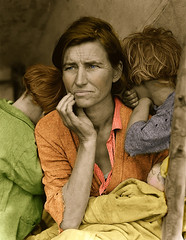 | 0 |
| 6453650490 | Progressive Era | A period of widespread social activism and political reform across the United States, from the 1890s to 1920s. |  | 1 |
| 6453650491 | Prohibition | A nationwide constitutional ban on the production, importation, transportation and sale of alcoholic beverages that remained in place from 1920 to 1933. |  | 2 |
| 6453650492 | Women's suffrage | The women's right to vote, granted by the 19th amendment to the U.S. Constitution (1920). |  | 3 |
| 6453650493 | preservationists | Those who attempt to maintain in their present condition areas of the Earth that are so far untouched by humans. |  | 4 |
| 6453650494 | conservationists | Those who advocate for the sustainable use and management of natural resources including wildlife, water, air, and earth deposits, both -- renewable and non-renewable. | | 5 |
| 6453650495 | Welfare State | A system whereby the government undertakes to protect the health and well-being of its citizens, especially those in financial or social need, by means of grants, pensions, and other benefits. The foundations for the modern welfare state in the US were laid by the New Deal programs of President Franklin D. Roosevelt. |  | 6 |
| 6453650496 | Liberalism | A viewpoint or ideology associated with free political institutions and religious toleration, as well as support for a strong role of government in regulating capitalism and constructing the welfare state. |  | 7 |
| 6453650497 | mass media | Diversified mediatechnologies that are intended to reach a large audience by mass communication. |  | 8 |
| 6453650498 | The Great Migration | The movement of 6 million African-Americans out of the rural Southern United States to the urban Northeast, Midwest, and West that occurred between 1910 and 1970. |  | 9 |
| 6453650499 | imperialist | A policy of extending a country's power and influence through diplomacy or military force. |  | 10 |
| 6453650500 | isolationism | A category of foreign policies institutionalized by leaders who asserted that their nations' best interests were best served by keeping the affairs of other countries at a distance. |  | 11 |
| 6453650501 | Spanish-American War | A conflict fought between Spain and the United States in 1898. Hostilities began in the aftermath of sinking of the USS Maine in Havana harbor leading to American intervention in the Cuban War of Independence. |  | 12 |
| 6453650502 | Treaty of Versailles | One of the peace treaties at the end of World War I. It ended the state of war between Germany and the Allied Powers. Signed on 28 June 1919, exactly five years after the assassination of Archduke Franz Ferdinand. |  | 13 |
| 6453650503 | League of Nations | An intergovernmental organization founded on 10 January 1920 as a result of the Paris Peace Conference that ended the First World War. It lacked an armed force to enforce policy and was not joined by the United States. |  | 14 |
| 6453650504 | fascism | An authoritarian and nationalistic right-wing system of government and social organization. |  | 15 |
| 6453650505 | totalitarianism | A political system where the state recognizes no limits to its authority and strives to regulate every aspect of public and private life wherever feasible. |  | 16 |
| 6453650506 | Axis Powers | Germany, Italy, and Japan, which were allied before and during World War II. |  | 17 |
| 6453650507 | Allied Powers | U.S., Britain, France, which were allied before and during World War II. |  | 18 |
| 6453650508 | Nazi Concentration Camp | A guarded compound for the detention or imprisonment of aliens, members of ethnic minorities, political opponents. Primarily Jewish Europeans during WWII. |  | 19 |
| 6453650509 | Holocaust | A genocide in which Adolf Hitler's Nazi Germany and its collaborators killed about six million Jews and members from other fringe social groups during World War II. |  | 20 |
| 6453650510 | Internment of Japanese Americans | Forced relocation and incarceration in camps in the interior of the U.S. of between 110,000 and 120,000 people of Japanese ancestry who had lived on the Pacific coast. |  | 21 |
| 6453650511 | Pacific "Island Hopping" | A military strategy employed by the Allies in the Pacific War against Japan and the Axis powers during World War II. The idea was to bypass heavily fortified Japanese positions and instead concentrate the limited Allied resources on strategically important islands that were not well defended but capable of supporting the drive to the main islands of Japan. |  | 22 |
| 6453650512 | D-Day | The landing operations on Tuesday, 6 June 1944 of the Allied invasion of Normandy in Operation Overlord during World War II. |  | 23 |
| 6453650513 | atomic bomb | A "fission" bomb dropped on Nagasaki and Hiroshima at the end of World War II. |  | 24 |
| 6453650514 | americanization | The process of assimilating American character, manner, ideals, culture, and so on. |  | 25 |
| 6453650515 | sphere of influence | The territory of weaker states where a powerful state exercises the dominant control. |  | 26 |
| 6453650516 | partition | In politics, the act of dividing a weaker territory or government among several more powerful states. |  | 27 |
| 6453650517 | bellicose | Disposed to fight or go to war. |  | 28 |
| 6453650518 | banana republic | A disparaging term for the small nations of Central America, with particular reference to their political instability and poor, single-crop economies. |  | 29 |
| 6453650519 | progressive | In politics, one who believes in continuing progress, improvement, or reform. |  | 30 |
| 6453650520 | exposé | A disclosure or revelation considered embarrassing to those involved. |  | 31 |
| 6453650521 | direct primary | In politics, the nomination of a party's candidates for office through a special election of that party's voters. |  | 32 |
| 6453650522 | initiative | In politics, the procedure whereby voters can, through petition, present proposed legislation directly to the electorate. |  | 33 |
| 6453650523 | referendum | The submission of a law, proposed or already in effect, to a direct vote of the electorate. |  | 34 |
| 6453650524 | recall | In politics, a procedure for removing an official from office through popular election or other means. |  | 35 |
| 6453650525 | insubordination | Deliberate disobedience to proper authority. |  | 36 |
| 6453650526 | entrepreneurship | The process whereby an individual initiates a business at some risk in order to expand it and thereby earn a profit. |  | 37 |
| 6453650527 | self-determination | In politics, the right of a people (usually based on ethnicity) to shape its own national identity and form a government, without outside coercion of influence. |  | 38 |
| 6453650528 | graduated income tax | A tax on income in which the taxation rates are progressively higher for those whit higher income. |  | 39 |
| 6453650529 | levy | A forcible tax or other imposition. |  | 40 |
| 6453650530 | enclave | A small territory surrounded by foreign or hostile territory. Enclaves were common among newly-arrived immigrant groups (e.g. "Chinatown" in San Francisco). |  | 41 |
| 6453650531 | censor | An official who examines publications, mail, literature, and so forth in order to remove or prohibit the distribution of material deemed dangerous or offensive. |  | 42 |
| 6453650532 | Northern Securities Co. v. U. S. (1904) | Re-established the authority of the federal government to fight monopolies under the Sherman Anti-Trust Act. |  | 43 |
| 6453650533 | Muller v. Oregon (1908) | First case to use the "Brandeis brief"; recognized a 10-hour work day for women laundry workers on the grounds of health and community concerns. |  | 44 |
| 6453650534 | Schenck v. U. S. (1919) | Unanimously upheld the Espionage Act of 1917 which declared that people who interfered with the war effort were subject to imprisonment; declared that the 1st Amendment right to freedom of speech was not absolute; free speech could be limited if its exercise presented a "clear and present danger." |  | 45 |
| 6453650535 | Korematsu v. U. S. (1941) | The court upheld the constitutionality of detention camps for Japanese-Americans during World War 2. |  | 46 |
| 6453650536 | belligerent | (adj.) given to fighting, warlike; combative, aggressive; (n.) one at war, one engaged in war |  | 47 |
| 6453650537 | Open Door Policy | The policy that China should be open to trade with all of the major powers, and that all, including the United States, should have equal right to trade there. This was the official American position toward China as announced by Secretary of State John Hay in 1899. |  | 48 |
| 6453650538 | socialism | An economic and governmental system based on public ownership of the means of production and exchange. |  | 49 |
| 6453650539 | Eugene Debs | Prominent socialist leader (and five time presidential candidate) who founded the American Railroad Union and led the 1894 Pullman Strike |  | 50 |
| 6453650540 | Roosevelt Corollary | Roosevelt's 1904 extension of the Monroe Doctrine, stating that the United States has the right to protect its economic interests in South And Central America by using military force. |  | 51 |
| 6453650541 | Industrial Workers of the World (IWW) | Founded in 1905, this radical union, also known as the Wobblies aimed to unite the American working class into one union to promote labor's interests. It worked to organize unskilled and foreign-born laborers, advocated social revolution, and led several major strikes. Stressed solidarity. |  | 52 |
| 6453650542 | Pure Food and Drug Act | Forbade the manufacture or sale of mislabeled or adulterated food or drugs, it gave the government broad powers to ensure the safety and efficacy of drugs in order to abolish the "patent" drug trade. Still in existence as the FDA. |  | 53 |
| 6453650543 | Teddy Roosevelt | Twenty-sixth president of the United States; he focused his efforts on trust busting, environment conservation, and strong foreign policy. |  | 54 |
| 6453650544 | William Taft | 27th president of the U.S.; he angered progressives by moving cautiously toward reforms and by supporting the Payne-Aldrich Tariff; he lost Roosevelt's support and was defeated for a second term. |  | 55 |
| 6453650545 | Triangle Shirtwaist Fire | March 1911 fire in New York factory that trapped young women workers inside locked exit doors; nearly 50 ended up jumping to their death; while 100 died inside the factory; led to the establishment of many factory reforms, including increasing safety precautions for workers |  | 56 |
| 6453650546 | segregation | Separation of people based on racial, ethnic, or other differences. Common in the South after the Civil War through the 1960s. | 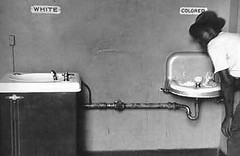 | 57 |
| 6453650547 | Harlem Renaissance | Black literary and artistic movement centered in Harlem that lasted from the 1920s into the early 1930s that both celebrated and lamented black life in America; Langston Hughes and Zora Neale Hurston were two famous writers of this movement. |  | 58 |
| 6453650548 | Fourteen Points | The war aims outlined by President Wilson in 1918, which he believed would promote lasting peace; called for self-determination, freedom of the seas, free trade, end to secret agreements, reduction of arms and a league of nations. |  | 59 |
| 6453650549 | Red Scare | A social/political movement designed to prevent a socialist/communist/radical movement in this country by finding "radicals," incarcerating them, deporting them, and subverting their activities. Periods of Red Scare occurred after both World Wars in the United States. |  | 60 |
| 6453650550 | Sedition Act | A law passed by Congress in 1918 (during World War I) to make it illegal to say anything disloyal, profane, or abusive about the government or the war effort in WWI. Seen as a military necessity by some for effectively fighting in WWI. |  | 61 |
| 6453650551 | Emergency Quota Act | A government legislation that limited the number of immigrants from Europe which was set at 3% of the nationality currently in the U.S. It greatly limited the number of immigrants who could move to the U.S. And it reflected the isolationist and anti-foreign feeling in America as well as the departure from traditional American ideals. |  | 62 |
| 6453650552 | Scopes Trial | Also known as the Scopes Monkey Trial; 1925 court case argued by Clarence Darrow and William Jennings Bryan in which the issue of teaching evolution in public schools was debated. Highlighted the growing divide between rural (more conservative) and urban (more liberal) interests in the United States. |  | 63 |
| 6453650553 | Sacco and Vanzetti Trial | Nicola Sacco and Bartolomeo Vanzetti were Italian immigrants charged with murdering a guard and robbing a shoe factory in Braintree, Massachusetts. The trial lasted from 1920-1927. Convicted on circumstantial evidence; many believed they had been framed for the crime because of their anarchist and pro-union activities. |  | 64 |
| 6453650554 | Kellog-Briand Pact | Idealistic agreement signed in 1928 in which nations agreed not to pose the threat of war against one another. |  | 65 |
| 6453650555 | Herbert Hoover | Republican president at the outset of the Great Depression. As a Republican, he believed that the federal government should not interfere in economic problems; the severity of the Great Depression forced his hand to provide some federal assistance to those in need, but he mostly left these efforts to the states. |  | 66 |
| 6453650556 | Smoot-Hawley Tariff | One of Herbert Hoover's earliest efforts to protect the nation's farmers following the onset of the Great Depression. Tariff raised rates to an all-time high. | 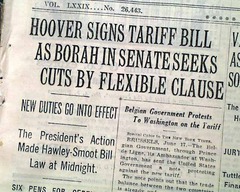 | 67 |
| 6453650557 | Platt Amendment | This amendment to the new Cuban constitution authorized U.S. intervention in Cuba to protect its interests. Cuba pledged not to make treates with other countries that might compromise its independence, and it granted naval bases to the United States, most notable being Guantanamo Bay. |  | 68 |
| 6453650558 | Indian Reorganization Act | Government legislation that allowed the Indians a form of self-government and thus willingly shrank the authority of the U.S. government. It provided the Indians direct ownership of their land, credit, a constitution, and a charter in which Indians could manage their own affairs. |  | 69 |
| 6453650559 | Zoot Suit Riots | A series of riots in 1944 during World War II that broke out in Los Angeles, California, between Anglo American sailors and Marines stationed in the city, and Latino youths, who were recognizable by the zoot suits they favored. |  | 70 |
| 6453650560 | Yalta Conference | FDR, Churchill and Stalin met at Yalta. Russia agreed to declare war on Japan after the surrender of Germany and in return FDR and Churchill promised the USSR concession in Manchuria and the territories that it had lost in the Russo-Japanese War. |  | 71 |
| 6453650561 | William Jennings Bryan | United States lawyer and politician who advocated free silver and prosecuted John Scopes (1925) for teaching evolution in a Tennessee high school (1860-1925). |  | 72 |
| 6453650562 | Woodrow Wilson | (1856-1924) President of the United States (1913-1921) and the leading figure at the Paris Peace Conference of 1919. He was unable to persuade the U.S. Congress to ratify the Treaty of Versailles or join the League of Nations. |  | 73 |
| 6453650563 | United Nations | An international organization formed after WWII to promote international peace, security, and cooperation. |  | 74 |
| 6453650564 | communism | A political theory derived from Karl Marx, advocating class war and leading to a society in which all property is publicly owned and each person works and is paid according to their abilities and needs. |  | 75 |
| 6453650565 | Bolshevik Revolution | The overthrow of Russia's Provisional Government in the fall of 1917 by Lenin and his Bolshevik forces, made possible by the government's continuing defeat in the war, its failure to bring political reform, and a further decline in the conditions of everyday life. |  | 76 |
Flashcards
Flashcards
Period 3 (1754-1800) AP US History Flashcards
Terms : Hide Images
| 7555593372 | Benjamin Franklin | Postmaster of the colonies; Author of the Albany Plan; A significant Enlightenment figure and one of the most important scientists of the 18th century; Editor of the Declaration of Independence and ambassador to France during the Revolution. |  | 0 |
| 7555602083 | George Washington | As a land surveyor and wealthy Virginia planter he sparked the French and Indian war; As Commander of the Continental Army during the Revolutionary War he helped the colonies win independence; As first President of the US he was the de facto head of the federalists. | 1 | |
| 7556787373 | French and Indian War | American theater of the Seven Years war; Began in 1754 when territorial claims between the French and British in North America sparked violence; Sometimes called the first global war. | 2 | |
| 7555593360 | Albany Plan of Union (1754) | Plan proposed by Benjamin Franklin that sought to unite the 13 colonies for trade, military, and other purposes; the plan was turned down by the colonies & the Crown. | 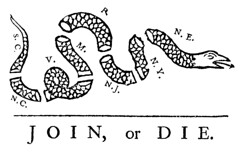 | 3 |
| 7555593365 | Treaty of Paris (1763) | Ended French and Indian War; France lost Canada and all land east of the Mississippi to the British. |  | 4 |
| 7555593325 | Proclamation Line of 1763 | British limit for colonial American settlements; Nothing west of the Appalachian mountains allowed. |  | 5 |
| 7555593326 | Pontiac's Rebellion (1763) | An Indian uprising after the French and Indian War, led by an Ottowa chief; They opposed British expansion into the western Ohio Valley and began destroying British forts in the area. |  | 6 |
| 7556538167 | loyalists | colonists who remained loyal to the British Empire in the years leading up to and during the Revolutionary War | 7 | |
| 7556538168 | patriots | colonists who rebelled against the British Empire, seeking reprieve for unfair British treatment of the colonies or independence from the British Empire | 8 | |
| 7555593327 | Sugar Act (1764) | The first act that Parliament passed that raised taxes on the colonies. Indirect tax on imported goods from the West Indies. | 9 | |
| 7555593328 | Stamp Act (1765) | Parliaments put a tax on all printed material. ex. newspapers, legal documents, playing cards. |  | 10 |
| 7555593329 | Stamp Act Congress (1765) | A meeting of delegations from many of the colonies, the congress was formed to protest the newly passed Stamp Act It adopted a declaration of rights as well as sent letters of complaints to the king and parliament, and it showed signs of colonial unity and organized resistance. |  | 11 |
| 7555593330 | Quartering Act (1765) | Required the colonials to provide food, lodging, and supplies for the British troops in the colonies. | 12 | |
| 7555593331 | Boston Massacre (1770) | The first bloodshed of American resistance, as British guards at the Boston Customs House opened fire on a crowd killing five Americans. |  | 13 |
| 7555593333 | Tea Act (1773) | Granted the British East India Company Tea a monopoly on tea sales in the American colonies. A catalyst of the Boston Tea Party. | 14 | |
| 7555593334 | Boston Tea Party (1773) | A protest against British taxes in which Boston patriots disguised as Indians dumped valuable tea into Boston Harbor. |  | 15 |
| 7555593335 | Intolerable Acts (1774) | In response to Boston's resistence to British Customs; Declared (1) The port of Boston closed, (2) the suspension of town meetings, (3) British officials accused of crimes will stand trial in Britain rather than America, and (4) a new Quartering Act. |  | 16 |
| 7556538160 | Olive Branch Petition | petition adopted by the 2nd Continental Congress on July 5, 1775 to prevent an armed conflict between the Thirteen Congress and Great Britain; Ignored by the king. | 17 | |
| 7555593336 | Lexington and Concord (1775) | The first military engagements of the revolutionary war; Took place in two Massachusetts towns where weapons were stockpiled. |  | 18 |
| 7555593337 | Common Sense (1775) | A pamphlet written by Thomas Paine that claimed the colonies had a right to be independent. He claimed that monarchy was bad government, no island should rule a continent, and that economic self-interest of Britain was not in economic interest of the colonists. | 19 | |
| 7555593338 | Thomas Paine | Author of Common Sense |  | 20 |
| 7555602079 | Continental Congress | a convention of delegates from the Thirteen Colonies which met from 1775 to 1781 | 21 | |
| 7555593339 | Declaration of Independence (1776) | Statement issued by the Second Continental Congress, explaining why the colonies wanted independence from Britain. |  | 22 |
| 7555593340 | Thomas Jefferson | Delegate from Virginia at the Second Continental Congress and author of the Declaration of Independence. He later orchestrated the antifederalist "Revolution of 1800", becoming the third President of the United States. |  | 23 |
| 7555593341 | Articles of Confederation | First constitution of the U.S. 1781-1788; Unified the newly independent states, creating a central government with limited power. After the Revolution, difficulties over international trade, finances, interstate commerce, foreign relations, and internal unrest led to calls for a stronger central government. | 24 | |
| 7555593370 | Battle of Saratoga (1777) | A battle that took place in New York where the Continental Army defeated the British. It proved to be the turning point of the war. Convinced France to openly support the colonies with military forces in addition to the supplies and money already being sent. | 25 | |
| 7555593342 | Valley Forge | Place where Washington's army spent the winter of 1777-1778; 1/4 of troops died here from disease and malnutrition, Baron von Steuben along with Marquis de Lafayette comes and train troops and turn the army into a professionally trained army. |  | 26 |
| 7555593343 | Battle of Yorktown (1781) | Final battle of the revolution, resulting in British surrender. |  | 27 |
| 7555593344 | Treaty of Paris (1783) | Ended the Revolutionary War; Recognized the independence of the American colonies; Granted the colonies the territory from the southern border of Canada to the northern border of Florida, and from the Atlantic coast to the Mississippi River |  | 28 |
| 7556538169 | Virginia Statute for Religious Freedom (1786) | Authored by Thomas Jefferson and passed by the Virginia General Assembly; A statement about both freedom of conscience and the principle of separation of church and state; The forerunner of the first amendment (Constitution) protections for religious freedom. | 29 | |
| 7555593345 | Shays' Rebellion (1786) | Led by farmers and revolutionary war veterans in western Massachusetts who protested perceived economic and civil rights injustices; Highlighted the need for a strong national government and a reform of the Articles of Confederation. |  | 30 |
| 7556901535 | Debate over ratifying the Constitution | Anti-Federalists opposing ratification battled with Federalists, whose principals were articulated in the Federalist Papers (primarily written by Alexander Hamilton and James Madison). Federalists ensured the ratification of the Constitution by promising the addition of a Bill of Rights that enumerated individual rights and explicitly restricted the powers of the federal government. | 31 | |
| 7555593346 | Constitutional Convention (1787) | Delegates from the states participated, and through negotiation, collaboration, and compromise proposed a constitution that created a limited but dynamic central government embodying federalism and providing for a separation of powers between its three branches. |  | 32 |
| 7555593349 | slavery compromises | Concessions given to slave states during the Constitutional Convention: (1) Three-fifths compromise, (2) slave trade compromise, (3) fugitive slave clause. |  | 33 |
| 7557844685 | U.S. Constitution (1787) | Replaced the Articles of Confederation and established a functioning government. Established (1) federalist system, (2) separation of powers, (3) checks and balances, (4) Bill of Rights. | 34 | |
| 8014653097 | ratification | the action of signing or giving formal consent to a treaty, contract, or agreement, making it officially valid; E.g. U.S. Constitution. Verb form: ratify. | 35 | |
| 7556538186 | checks and balances | Principle established in the Constitution and US government in which each of the three branches of government is given certain powers to compete and override other branches in an attempt to prevent one branch from becoming too powerful. | 36 | |
| 7555593350 | Northwest Ordinances | Bills passed in 1784, 1785, and 1787 that authorized the sale of lands in the Northwest Territory to raise money for the federal government; these bills also carefully laid out the procedures for eventual statehood for Wisconsin, Michigan, Ohio, Indiana, and Illinois. |  | 37 |
| 7555593351 | Federalist Papers | A collection of 85 articles written by Alexander Hamilton, John Jay, and James Madison under the name "Publius" to defend the Constitution in detail. | 38 | |
| 7555593353 | Bill of Rights | First ten amendments to the Constitution; Enumerated individual rights and explicitly restricted the powers of the federal government. | 39 | |
| 7555593355 | John Adams | A Boston lawyer and patriot; Edited the Declaration of Independence; First US ambassador to Britain; Federalist and 2nd president of the United States. |  | 40 |
| 7555593352 | Hamilton's financial plan | During Washington's administration; The government would take the debt of the nations and the states debt, make a national bank, and tax higher (which was the only one that did not pass thru congress) |  | 41 |
| 7555593368 | Enlightenment | A 18th century European intellectual movement that introduced the idea of republicanism (among other ideas); Influenced many of the founders, e.g. Franklin, Jefferson, and Madison, and had a major impact on the founding documents, e.g. Declaration of Independence, Constitution. | 42 | |
| 7555602087 | Abigail Adams | Wife of John Adams (2nd president) and mother of John Quincy Adams (6th president); Advocate of married women's property rights and more economic opportunities for women. |  | 43 |
| 7555602096 | Electoral College | The institution that elects the President and Vice President of the United States every four years. | 44 | |
| 7557656888 | first party system | Political leaders in the 1790s took a variety of positions on issues such as the relationship between the national government and the states, economic policy, foreign policy, and the balance between liberty and order. This led to the formation of political parties — most significantly the Federalists, led by Alexander Hamilton, and the Democratic-Republican Party, led by Thomas Jefferson and James Madison. | 45 | |
| 7555602097 | Federalists | Faction that supported ideas straight from the Constitution; Called for a strong national government that promoted economic growth and fostered friendly relationships with Great Britain, as well as opposition to revolutionary France; Notable figures: Washington, John Adams, Alexander Hamilton. | 46 | |
| 7555602098 | Democratic-Republican Party | Faction that advocated limited federal power in exchange for stronger states power; Opposed Hamilton's financial plan and National Bank; Opposed relations with Great Britain and advocated supporting revolutionary France. Notable figures: Jefferson, Madison. | 47 | |
| 7557882409 | Washington administration (1789-1797) | Formation of the first parties; Hamilton's financial plan enacted; Whisky rebellion; Farewell Address. |  | 48 |
| 7555602102 | Washington's Farewell Address | a letter written by Washington towards the end of his presidency; a classic statement of republicanism, warning Americans of the political dangers they can and must avoid if they are to remain true to their values. | 49 | |
| 7555593354 | Whiskey Rebellion (1794) | Farmers in Pennsylvania rebelled against Hamilton's excise tax on whiskey; Washington puts down rebellion; Showed that the new government under the Constitution could react swiftly and effectively to such a problem, in contrast to the inability of the government under the Articles of Confederation to deal with Shay's Rebellion. |  | 50 |
| 7555602100 | national bank | Chartered 1791; Part of Hamilton's financial plan; Opposed by Democrat-Republicans. |  | 51 |
| 7557866454 | Adams administration (1797-1801) | Alien and Sedition Acts; Move of federal capital to Washington, D.C.; XYZ Affair; Quasi War with France (but avoided!); "midnight appointments" of federalists. |  | 52 |
| 7557982545 | Washington, D.C. | Established as the federal capital 1790. Formed from land donated by the states of Maryland and Virginia. |  | 53 |
| 7555593358 | Alien & Sedition Acts | Acts passed by federalists giving the government power to imprison or deport foreign citizens and prosecute critics of the government passed by Adams in response to Democratic-Republican criticism of his policies, who were led by Thomas Jefferson. | 54 | |
| 7555593359 | Kentucky and Virginia Resolutions | Political declarations in favor of states' rights, written by Thomas Jefferson and James Madison, in opposition to the Alien and Sedition acts. Introduced the controversial theory of nullification wherein individual states could nullify federal legislation they regarded as unconstitutional. | 55 | |
| 7555593357 | XYZ Affair (1798) | French officials demanded a bribe from U.S. diplomats | 56 | |
| 7557868598 | "Revolution of 1800" | Electoral defeat of Adams; Orchestrated by Jefferson and the Democrat-Republicans; Established the principle of peaceful transition of power from one party to another. | 57 |
AP US History Period 3 (1754-1800) Flashcards
Terms : Hide Images
| 6419945455 | Seven Years' (French and Indian) War | fought between the colonies of British America and New France, with both sides supported by military units from their parent countries of Great Britain and France, as well as Native American allies |  | 0 |
| 6419945456 | "No Taxation Without Representation." | a phrase, generally attributed to James Otis about 1761, that reflected the resentment of American colonists at being taxed by a British Parliament to which they elected no representatives and became an anti-British slogan before the American Revolution; in full, "Taxation without representation is tyranny.". |  | 1 |
| 6419945457 | Enlightenment | a philosophical movement which dominated the world of ideas in Europe in the 18th century. The Enlightenment included a range of ideas centered on reason as the primary source of authority andlegitimacy, and came to advance ideals such as liberty, progress, tolerance, fraternity, constitutional governmentand ending the perceived abuses of the church and state |  | 2 |
| 6419945458 | Benjamin Franklin | One of the founding fathers, famous for presence in the American Enlightenment. earned the title of "The First American" for his early and indefatigable campaigning for colonial unity, initially as an author and spokesman in London for several colonies. |  | 3 |
| 6419945459 | The Patriot Movement | Movement or push toward independence in the colonies. Those that supported colonial independence were referred to as "Patriots" while those that were loyal to the British crown were called "Loyalists." |  | 4 |
| 6419945460 | Colonial Militias | Groups of able-bodied colonialist men without proper military training that banded together to revolt against British tyrannny. |  | 5 |
| 6419945461 | The Continental Army | formed by the Second Continental Congress after the outbreak of the American Revolutionary War by the colonies, created to coordinate the military efforts of the Thirteen Colonies in their revolt against the rule of Great Britain. Commanded by General George Washington (Commander-in-Chief) |  | 6 |
| 6419945462 | George Washington | General, Commander-in-Chief of the Continental Army during the American Revolution. Later named the first President of the United States. |  | 7 |
| 6419945463 | Thomas Paine's Common Sense | Published in 1776. Pamphlet that challenged the authority of the British government and the royal monarchy. Used "Common Sense" and plain language to appeal to the average colonist. First work to ask for independence outright. |  | 8 |
| 6419945464 | The Declaration of Independence | the statement adopted by the Second Continental Congress meeting atPhiladelphia, Pennsylvania on July 4, 1776, which announced that the thirteen American colonies,[2] then at war with the Kingdom of Great Britain, regarded themselves as thirteen newly independent sovereign states, and no longer under British rule. |  | 9 |
| 6419945465 | Republican Motherhood | Predominant conception of women's roles before, during and after the American Revolution: the "Republican Mother" was considered a custodian of civic virtue responsible for upholding the morality of her husband and children. Though this idea emphasized the separation of women's and men's roles, it did weight heavily the influence of the mother on the family and advocated for this influence to be taken seriously. |  | 10 |
| 6419945466 | Legislative Branch | The branch of government tasked with writing laws. |  | 11 |
| 6419945467 | Judicial Branch | The branch of government tasked with interpreting laws. | | 12 |
| 6419945468 | Executive Branch | The branch of government tasked with enforcing laws. | | 13 |
| 6419945469 | The Articles of Confederation | An agreement among all thirteen original states in the United States of America that served as its first constitution. Drafted by a committee appointed by the Second Continental Congress, ratified in late 1777. Later replaced by the Constitution of the United States of America. |  | 14 |
| 6419945470 | Constitutional Convention | Took place from May 25 to September 17, 1787, in Philadelphia, Pennsylvania. Although the Convention was intended to revise the Articles of Confederation, the intention from the outset of many of its proponents, chief among them James Madison and Alexander Hamilton, was to create a new government rather than fix the existing one. The delegates elected George Washington to preside over the Convention. The result of the Convention was the creation of the United States Constitution, placing the Convention among the most significant events in the history of the United States. | | 15 |
| 6419945471 | Federalism | a system of government in which entities such as states or provinces share power with a national government. |  | 16 |
| 6419945472 | Separation of Powers | Inspired by Montesquieu in The Spirit of the Laws, the idea of a constitutional government with three separate branches of government. Each of the three branches would have defined abilities to check the powers of the other branches. |  | 17 |
| 6419945473 | The Federalist Papers | a collection of 85 articles and essays written by Alexander Hamilton, James Madison, and John Jay promoting the ratification of the United States Constitution. |  | 18 |
| 6419945474 | Alexander Hamilton | Founder of the Federalist Party, Co-author of The Federalist Papers, First Secretary of the Treasury |  | 19 |
| 6419945475 | James Madison | Co-Author of the Federalist Papers, hailed as "the Father of the Constitution," Fourth President of the United States |  | 20 |
| 6419945476 | Bill of Rights | the collective name for the first ten amendments to the United States Constitution. These amendments add to the Constitution specific guarantees of personal freedoms and rights, clear limitations on the government's power in judicial and other proceedings, and explicit declarations that all powers not specifically delegated to Congress by the Constitution are reserved for the states or the people. |  | 21 |
| 6419945477 | Democratic-Republican Party | formed by Thomas Jefferson and others who believed in an agrarian-based, decentralized,democratic government. The party was established to oppose the Federalists who had supported and pushed through the ratification of the US Constitution. |  | 22 |
| 6419945478 | National Identity | one's identity or sense of belonging to one state or to one nation. It is the sense of a nation as a cohesive whole, as represented by distinctive traditions, culture, language and politics. |  | 23 |
| 6419945479 | The Northwest Ordinance | created the Northwest Territory, the first organized territory of the United States, from lands beyond the Appalachian Mountains, between British North America and the Great Lakes to the north and the Ohio River to the south.established the precedent by which the Federal government would be sovereign and expand westward with the admission of new states, rather than with the expansion of existing states and their established sovereignty under the Articles of Confederation. |  | 24 |
| 6419945480 | French Revolution | a period of far-reaching social and political upheaval in France that lasted from 1789 until 1799, and was partially carried forward by Napoleon during the later expansion of the French Empire. The Revolution overthrew the monarchy, established a republic, experienced violent periods of political turmoil, and finally culminated in a dictatorship under Napoleon that rapidly brought many of its principles to Western Europe and beyond. |  | 25 |
| 6419945481 | Popular Sovereignty | the principle that the authority of a state and its government is created and sustained by the consent of its people, through their elected representatives (Rule by the People), who are the source of all political power. |  | 26 |
| 6419945482 | Public Virtue | Sacrificing one's self-interest for the public good. |  | 27 |
| 6419945483 | insurrection | Rebellion against political authority. |  | 28 |
| 6419945484 | mercantilism | The economic theory that all parts of an economy should be coordinated for the good of the whole state; hence, that colonial economics should be subordinated for the benefit of an empire. |  | 29 |
| 6419945485 | depreciate | To decrease in value, as in the decline of the purchasing power of money. |  | 30 |
| 6419945486 | protective tariffs | Taxes places on imported goods, often to raise prices and thus protect domestic producers. |  | 31 |
| 6419945487 | admiralty courts | In British law, special administrative courts designed to handle maritime cases without a jury. |  | 32 |
| 6419945488 | virtual representation | The political theory that a class of persons is represented in a lawmaking body without direct vote. |  | 33 |
| 6419945489 | nonimportation agreement | A pledge to boycott, or decline to purchase, certain goods from abroad. |  | 34 |
| 6419945490 | duty | A customs tax on the export or import of goods. | | 35 |
| 6419945491 | propaganda | A systematic program or particular materials designed to spread certain ideas; sometimes but not always the term implies the use of manipulative or deceptive means. |  | 36 |
| 6419945492 | boycott | An organized refusal to deal with some person, organization, or product. |  | 37 |
| 6419945493 | inflation | An increase in the supply of currency relative to the goods available, leading to a decline in the purchasing power of money. |  | 38 |
| 6419945494 | mercenary | A professional soldier who serves in a foreign army for pay. |  | 39 |
| 6419945495 | indictment | A formal written accusation charging someone with a crime. |  | 40 |
| 6419945496 | dictatorship | A form of government characterized by absolute state power and the unlimited authority of the ruler. |  | 41 |
| 6419945497 | neutral | A nation or person not taking sides in a war. |  | 42 |
| 6419945498 | civilian | A citizen not in military service. |  | 43 |
| 6419945499 | confiscate | To seize private property for public use, often as a penalty. |  | 44 |
| 6419945500 | envoy | A messenger or agent sent by a government on official business. |  | 45 |
| 6419945501 | rabble | A mass of disorderly and crude common people. |  | 46 |
| 6419945502 | isolationist | Concerning the belief that a country should take little or no part in foreign affairs, especially through alliances or wars. |  | 47 |
| 6419945503 | hereditary | Passed down from generation to generation. |  | 48 |
| 6419945504 | blockade | The isolation of a place by hostile ships or troops. |  | 49 |
| 6419945505 | privateer | A private vessel temporarily authorized to capture or plunder enemy ships in wartime. |  | 50 |
| 6419945506 | disestablish | To separate an official state church from its connection with the government. |  | 51 |
| 6419945507 | emancipation | Setting free from servitude or slavery |  | 52 |
| 6419945508 | abolitionist | favoring the end of slavery |  | 53 |
| 6419945509 | ratification | The confirmation or validation of an act (such as the constitution) by authoritative approval. |  | 54 |
| 6419945510 | aliens | Foreigners; also, persons resident in but not citizens of a country. |  | 55 |
| 6419945511 | township | in America, a surveyed territory six miles square; the term also refers to a unit of social government, smaller than a country that is often based on these survey units. |  | 56 |
| 6419945512 | territory | In America, government an organized political entity not yet enjoying full equal terms of a state. | | 57 |
| 6419945513 | annex | To make a smaller territory or political unit part of a larger one. |  | 58 |
| 6419945514 | quorum | The minimum number of persons who must be present in a group before it can conduct valid business. |  | 59 |
| 6419945515 | anarchy | The theory that formal government is unnecessary and wrong in principle; the term is also used generally for lawlessness or anti-governmental disorder. |  | 60 |
| 6419945516 | bicameral | Referring to a legislative body with two houses |  | 61 |
| 6419945517 | census | An official count of population; in the United States, the federal census occurs every ten years. |  | 62 |
| 6419945518 | public debt | The debt of a government or nation to individual creditors, also called the national debt. |  | 63 |
| 6419945519 | cabinet | The body of official advisers to the head of a government; in the United States, it consists of the heads of the major executive departments. |  | 64 |
| 6419945520 | fiscal | Concerning public finances-expenditures and revenues. |  | 65 |
| 6419945521 | excise | A tax on the manufacture, sale, or consumption of certain products. |  | 66 |
| 6419945522 | stock | The shares of capital ownership gained from investing in a corporate enterprise; the term also refers to the certificates representing such shares. |  | 67 |
| 6419945523 | despotism | Arbitrary or tyrannical rule. |  | 68 |
| 6419945524 | impressment | To force people or property into public service without choice. |  | 69 |
| 6419945525 | assimilation | The merging of diverse cultures or peoples into one. |  | 70 |
| 6419945526 | witch-hunt | An investigation carried on with much publicity, supposedly to uncover dangerous activity but actually intended to weaken the political opposition. | | 71 |
| 6419945527 | compact | An agreement or covenant between states to perform some legal act. |  | 72 |
| 6419945528 | nullification | In American politics, the assertion that a state may legally invalidate a federal act deemed inconsistent with its rights or sovereignty. |  | 73 |
Pages

Need Help?
We hope your visit has been a productive one. If you're having any problems, or would like to give some feedback, we'd love to hear from you.
For general help, questions, and suggestions, try our dedicated support forums.
If you need to contact the Course-Notes.Org web experience team, please use our contact form.
Need Notes?
While we strive to provide the most comprehensive notes for as many high school textbooks as possible, there are certainly going to be some that we miss. Drop us a note and let us know which textbooks you need. Be sure to include which edition of the textbook you are using! If we see enough demand, we'll do whatever we can to get those notes up on the site for you!
