| 7409643365 | By what time did humans reach all our present day regions? | 10,000 BC | | 0 |
| 7409643366 | When and Where does Human Existence Start? | 200,000 years ago, Africa. | | 1 |
| 7409643367 | When did Humans leave Africa? | 60,000 Years Ago | | 2 |
| 7409643368 | How was early Human Society like? | Egalitarian, and humans were behaviorally modern before migration from Africa | | 3 |
| 7409643369 | When did Fire come into Human Use and how did it help in Human Development? | Became popular around 125,000 years ago. Evidenced by cooked meat and plants from like 800,000 years ago. Fire allowed humans to adapt to their climates and cook the food, reducing disease | | 4 |
| 7409643370 | What group of hominids first used tools, and what were they used for? | Lucy's People (Ethiopia); They used tools to take meat off bones, extract marrow, conduct general butchery, and assist in meat consumption | | 5 |
| 7409643371 | How were early Hunter-Gatherer Societies Structured? | They survived in small kinship groups and there were no political structures since no one could support the development of society like that yet. Also, Men and Women both assisted in hunting and gathering, and these people had more free time and worked less than later humans. | | 6 |
| 7409643372 | Neolithic Revolution and Pastorialism | Revolution encouraged people to follow their migratory animals and tend for the herbivorous creatures as they moved like nomads. | | 7 |
| 7409643373 | Neolithic Revolution and Domestication | During this time, the major crops of rice, maize, potatoes, wheat, and yams, in addition to the domestication of goats, sheep, and cattle, occurred and helped provide a stable food supply. | | 8 |
| 7409643374 | Neolithic Revolution and Environment Modification | Humans began to construct forms of irrigation to assist in agricultural food production and since civilization was dependent on water supply, huge cities first formed at major water sources. However, overgrazing led to common erosion and frequent environmental disaster. | | 9 |
| 7409643375 | What were the social and cultural effects of the Neolithic Revolution? | The combination of pastorialism and agrarianism led to an increase in population, due to the secure food supply being able to support a larger population. Also, the surplus of food due to overproduction meant that certain individuals could partake in activities not related to bare survival, like Artisanry, Mercantile activities, and Warrior Training, creating greater social stratification. | | 10 |
| 7409643376 | What improvements and/or social structure changes occurred as a result of the Neolithic Revolution? | New and innovative technological advancements, such as pottery for storage, plows for agriculture, woven textiles for clothing, metallurgy for metalworking, and wheeled vehicles for transportation came out of this period. In terms of social changes, the equality in hunter-gatherer societies faded and classes of the wealthy, castes, patriarchy etcetera. | | 11 |
| 7409643377 | Where did the first permanent settlements emerge in the respective regions of the world? | Mesopotamia, Nile River, Indus River, Yellow River, Papua New Guinea, Mesoamerica, and the Andes | | 12 |
| 7409643378 | What were the common characteristics of all the great societies? | They were large, powerful states, were specialized due to agricultural surplus, contained cities with complex government and social structures, established long distance trading relationships, were limited growth-wise by environmental constraints, and the arrival of wealth brought improved/increased war and war technologies. The main conflicts were either with lesser civilizations or nomadic pastoralists. | | 13 |
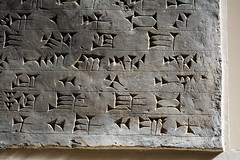
| 7409643379 | Describe examples of culture during the great early agricultural societies. Recall Agriculture, Elites and Art, Record Keeping, Legal Codes, Religion, Trade, Social Hierarchy, and Literature. | Architecture was usually conducted on monumental scale, with projects like ziggurats, huge defensive walls, roads, and sewer systems. The Elite promoted the arts from sculpting to weaving, since they were in power and were wealthy enough to have free time. Record-Keeping was maintained via cuneiform, Hieroglyphics, development of alphabets, and the quipu. Legal Codes helped protect the social hierarchies of the time, like Hammurabi professed. Religion developed during this time, but played huge roles in later time periods. Trade expanded to include the exchange of ideas, technology, and other stuff. Growth in the states grew as Imperial expansion ensued. Literature usually reflected the culture of the authors, usually the wealthy. | | 14 |
| 7409643380 | Describe the Politics of the Great Civilizations | Leaders usually mobilized surplus resources over large areas, and were seen as divine, in addition to possessing Military Support/control. Location played a huge role in the size of societies, seen in how the Hittites were able to build one of the first cosmopolitan empires due to their control of huge iron deposits. Lastly, Pastoral peoples developed new weapons and cavalry/transportation methods to counteract the stronger agrarian civilizations. | | 15 |
| 7409643381 | What is the importance of religion to any society? | Religion provides community bonds, a moral code, influences social stratification, helps rulers justify their rule, and possibly leads to communal conflict. | | 16 |
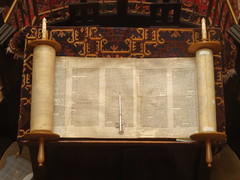
| 7409643382 | What are the two ancient religions that continued into later periods? | They were Judaism and Hinduism. Judaism was codified by 500 BC, revered the Torah, reflected Mesopotamian culture, and the conquering of the Hebrew people spread it via the diaspora. Hinduism was a vedic religion codified by 500 BC and formed the basis for the caste and reincarnation system. | | 17 |
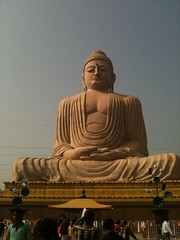
| 7409643383 | What are the 4 new religions? | Buddhism, Confucianism, Taoism, and Christianity. (see the short summaries on Freeman) | | 18 |
| 7409643384 | What remnants of greco-roman culture took hold in later periods? | Around 500 BC, Greco-Roman advancements in science, mathematics, philosophy, and religion were codified, with prominent thinkers like Socrates, Plato, and Aristotle. | | 19 |
| 7409643385 | What were some miscellaneous beliefs of this time? | Gender Roles, Buddhist and Christian monasticism, Confucian filial piety, and ancestor worship. | | 20 |
| 7409643386 | What were some examples of artistic expression during this time? | Advancements in literature, drama, and architectural styles unique to each civilization were prominent, in addition to syncretism due to the Greek Imperial Expansion by Alexander. | | 21 |
| 7409643387 | Summarize the Achaemenid Persian Civilization | They were founded by Cyrus the Great, were the largest empire in the world, was the largest empire ever in terms of population of the earth percentage (44%), was zoroastrian, had a sophisticated postal and road system, and was conquered by Alexander. | | 22 |
| 7409643388 | Summarize the Parthian Civilization | This was a Silk Road center of trade and defeated the Roman Crassus, often warring with Rome, and later was defeated by the Sassanids. | | 23 |
| 7409643389 | Summarize the Sassanid Civilization | This was the last Pre-Islamic Persian Empire and was a world power in warfare with Rome and the Byzantines. During this time, Pre-Islamic Persian Culture peaked and they heavily influenced Islam. | | 24 |
| 7409643390 | Describe the Qin Dynasty | They only lived 15 years, and were founded by Qin Shi Huangdi, who unified China, was a strict Legalist, centralized the Government, and started the Great Wall. He was a huge influence on Chinese History and is the reason why China is called China. | | 25 |
| 7409643391 | Summarize the Han Dynasty | This was the Golden Age of China, ruled by the largest ethnic group, (The Han), and was started by Emperor Wu, who defeated the Xiongnu, and also developed the Silk Road, which connected Asia to Europe. The Han also minted coins, made paper, water clocks, and the seismograph, with a highly educated bureaucracy. | | 26 |
| 7409643392 | What were the main characteristics of the Mauryan Empire? | They were founded by Chandragupta Maurya, who took advantage of Alexander's retreat, and was the largest empire at the time, with Asoka Maurya uniting the Indian Sub-Continent and encouraged Buddhism by sending out missionaries and building Stupas. | | 27 |
| 7409643393 | Summarize the Gupta Empire | This was the Golden Age of India, in which Peace ensued and scientific/artistic endeavors were common. They were trade based, invented the concept of Zero, Heliocentricity, Chess, base 10 numerals, the Round Earth Theory, and wrote the earliest Indian Epics. | | 28 |
| 7409643394 | Describe the Phoenician Empire | They were a maritime trading based culture that expanded all over the Mediterranean, spread the Alphabet, and established city states all over the sea. | | 29 |
| 7409643395 | Summarize the Hellenistic Society | They were the foundation of the Western Civilization, and influenced the architecture, politics, democracy, philosophy, drama, science, and math of western society. They engaged in the Greco-Persian and Peloponnesian wars, as well as were conquered by Alexander. | | 30 |
| 7409643396 | Remember to study Rome | It's too damn long | | 31 |
| 7409643397 | Describe Teotihuacan's Civilization | They were Northeast of Mexico City today, were the largest Pre-Columbian City, and had a unique architectural and pottery culture. | | 32 |
| 7409643398 | Describe the Mayan Society | They formed the only fully developed writing system in the New World, were known for the calendar, influenced the entire Mesoamerican, and developed a pyramid architecture culture. | | 33 |
| 7409643399 | Study the Andean Society | Its also too damn long | | 34 |
| 7409643400 | What were some similarities between the large empires in terms of administration? | The Large Empires required advanced bureaucracies to administer them, with the Chinese developing the Early Qin and Han Meritocratic civil service system, and Rom developing the 12 tables and Code of Justinian. Both empires also administered the empire via diplomacy, supply lines, fortifications ,roads, and military recruitment. | | 35 |
| 7409643401 | What were some similarities between the large empires in terms of socio-economic attributes? | They developed the first major trade centers (like Persepolis, Athens, Chang'an, Rome, Constantinople, and Teotihuacan). Social hierarchies were based on occupation (Caste System), Food Production was most important (Slavery was widespread), and Patriarchy reigned everywhere. |  | 36 |
| 7409643402 | Why did these empires collapse, the two main reasons? | Excessive use of natural resources led to damage in the surrounding environment (Deforestation, Desertification), and external problems, like invaders, took down the great empires. |  | 37 |
| 7409643403 | What were the new technologies that facilitated long distance trade that emerged during this time? | The Yoke allowed animals to pull together, while the saddle allowed riders to stay on their animals, and the stirrup allowed warriors to actually fight on horseback. Also, the Lateen Sails and subsequent Dhow ships sped up Indian Ocean Trade. | | 38 |
| 7409643404 | What were some important things traded in addition to the Goods? | Rice, the most important food stuff today, and cotton were traded, along with the Qanat System, which provided water to Arid Regions via a single well. | | 39 |
| 7409643405 | What illnesses spread due to trade movement? | The Plague of Galen (Smallpox) killed 5 million people (1/3 of Rome), the Plague of Justinian (Bubonic Plague) killed 25 million worldwide (40% of Constantinople), and the Plague of Cyprian (Smallpox), killed the emperor and lasted 20 years (blamed on christians). | | 40 |
| 7409643406 | What are some examples of religious transformation during this time? | Christianity took on a structure like the Roman Empire and added the Trinity, Buddhism adapted to local traditions, and Hinduism was adopted in Southeast Asia. | | 41 |
| 7409643407 | What were the main four trade routes? | The Silk Road, Trans Sahara, Mediterranean, and Indian Ocean | | 42 |
| 7409643408 | What luxury goods were traded? | SIlk, cotton, porcelain, spices, gems, slaves, and exotic animals | | 43 |
| 7409643409 | What were the commercial technologies that helped spread these goods? | Caravanserai and Camel Saddles | | 44 |
| 7409643410 | What navigational technology helped move these goods? | The Chinese Compass, Greek Astrolabe, and Larger Ship Designs. | | 45 |
| 7409643411 | What new economic tools sped up trade? | Bills of Exchange, Credit, Checks, Banks, Coins, Paper Money, trade organizations, government commercial infrastructure, etc. | | 46 |
| 7409643412 | Where did the Bantu Migrations take place? | Sub-Saharan Africa to Southern-Central Africa | | 47 |
| 7409643413 | Where did the Polynesian Migrations take place? | Indonesia to Hawaii-like islands | | 48 |
| 7409643414 | Where did Viking Longships dominate trade? | Northern Europe (LIke England, France etc.) | | 49 |
| 7409643415 | Where did the Arab/Berber Camel Trade dominate? | Saharan Desert and Saudi Arabia | | 50 |
| 7409643416 | Where did the Central Asian Horse Technology dominate? | Turkey to Central Asia to Mongolia | | 51 |
| 7409643417 | Where did Bantu or Swahili Culture Dominate? | Southern-Central Africa | | 52 |
| 7409643418 | Where did Islamic or Arabic Culture dominate? | Saharan Desert, Saudi Arabia, most of Middle East | | 53 |
| 7409643419 | Where did Turkic culture dominate? | Turkey, Central Asia, Mongolia even | | 54 |
| 7409643420 | What were some of the trade diasporas during this time? | Jews in the Mediterranean, Chinese in Southeast Asia, and Muslims in Indian Ocean | | 55 |
| 7409643421 | Examples of Cross-Cultural Diffusion | Neo-Confucianism, Hinduism, and Buddhism to Southeast Asia. Islam to Southeast Asia and Sub-Saharan Africa. Printing and Gunpowder from East Asia to the Islamic and Western European Empires. Greek and Indian Math to the Islamic Empires Back to Europe | | 56 |
| 7409643422 | New Crops and Diseases due to Trade | Bananas to Africa, Champa Rice to East Asia, Sugar, Cotton, and Citrus to Mediterranean. Black Death. | | 57 |
| 7409643423 | What was the or a Caliphate? | A Caliphate was an Islamic Dominion that took power across North Africa, West Asia, and Spain, until 1258. | | 58 |
| 7409643424 | What were other important Islamic Groups? | The Abbasids, Delhi Sultanate, and Muslim Iberia all spread their dominance and adopted Persian Influences greatly, leading to the Crusades and the cultural transfer between the Tang Chinese and Abbasids. | | 59 |
| 7409643425 | Who were the Mongols? | They were a pastoral people who created the largest empire in history and integrated Agrarian and Pastoral Peoples. | | 60 |
| 7409643426 | How was the Mongol Govt. Structured? | The Mongol Empire was formed of Four Khanates, the Golden Horde, (ruling Russia and Eastern Europe), Khanate of the Great Khan, (China and East Asia), Chagatai (Central Asia), and Ill-Khanate (Middle East/Persia). | | 61 |
| 7409643427 | What did the Four Khanates do? | They established Pax Mongolia and after Genghis Khan's death, the administrators or descendents of Genghis Khan fought for control or became independent, resulting in the immense spread of technologies and other stuff, as well as a peace that reaffirmed the SIlk Road. | | 62 |
| 7409643428 | Summarize the Byzantine Empire | It was formerly Eastern Rome, called itself the Roman Empire, and its most famous leader was Justinian, who rebuilt the Roman Empire to it's old borders, was christian, and established the Justinian Code. THe Byzantines were ruled by a divine, absolute emperor with a elaborate bureaucracy and was a mainly Christian Empire. | | 63 |
| 7409643429 | Summarize the Sui Dynasty | The Sui reunited China and built the Grand Canal. | | 64 |
| 7409643430 | Summarize the Tang Dynasty | The Tang was the high point of Chinese Civilization, revived the Silk Road, established the Tribute system, spread Buddhism and Confucianism, held cultural influence over Japan and Korea, and pioneered in Printing Technologies. | | 65 |
| 7409643431 | Summarize the Song Dynasty | The Song Dynasty reestablished Paper Money, pioneered in Gunpowder, and eventually were conquered by the Mongols. | | 66 |
| 7409643432 | Explain the Italian City States | These new govts. replaced the old Roman Empire, dominated Mediterranean Trade, were vital in the trade between Europe and Asia, and later traded with the Ottoman Empire. | | 67 |
| 7409643433 | Feudal Europe | Feudal Europe was decentralized, local feudal lords gained fealty over local people. and famous people include Charlemagne. | | 68 |
| 7409643434 | Feudal Japan | It mirrored Europe, with the Daimyo being Lords and the Samurai as Knights. | | 69 |
| 7409643435 | Summarize the Govt. Structure of the American Civilizations | Similar to Afro-Eurasia, state systems expanded in scope and strength. The Maya had city states, the Aztecs were imperial and based in central mexico, and the Inca were based in the Andes Mtns. established a road system, inheritance system, and the Quipu. | | 70 |
| 7409643436 | What new Post-Classical Technologies helped increase Crop Yields? | Chinampas(Floating Gardens), Champa Rice (Drought Resistant Quick Growing Rice), Terracing, The Horse Collar, and the growing of crops with similar climate needs to different regions | | 71 |
| 7409643437 | What is Waru-Waru? | Waru-Waru consists of small platforms that are placed in drainage canals, providing a source of fertilizer, water, heat, and protection from flooding for crops. | | 72 |
| 7409643438 | What were goods produced by artisans and exported in large quantities from India and China? | In India and Persia, paper and pottery were predominantly exported, while Iron and Steel were produced in China. | | 73 |
| 7409643439 | What were some cities that Rose during this time and why did they experience growth? | Cities like Timbuktu, Calicut, Malacca, and Venice grew due to the end of invasions, security of trade/travel, a rise in commerce, increasing global temperatures, increased food production, and thus, an increase in population. | | 74 |
| 7409643440 | What were some cities that collapsed and what were some reasons for their downfall? | Rome, Athens, Chang'an, and Alexandria all fell due to Invasion, Diseases, Agricultural Decline, and the Little Ice Age. | | 75 |
| 7409643441 | What were some changes in the Labor Management Systems? | There was the liberation of free peasants, the decline of nomadic pastoralists, increase in trade guilds, new forms of coerced labor, Govt. taxes paid in labor, and military obligations. | | 76 |
| 7409643442 | What were some people's response to the Labor Management System Changes? | Not Everyone was happy, so many peasants and religious reformers unsuccessfully revolted. | | 77 |
| 7409643443 | Where was Christianity Predominate? | All of Western Europe, Post-Berber Iberia, Ethiopia, Northern Egypt, and the Red Sea Area. | | 78 |
| 7409643444 | Where was Islam Predominate? | All of North AFrica, Berber Iberia, the Middle East, and Indonesia | | 79 |
| 7409643445 | Where was Buddhism Prominent? | India, Early Afghanistan, China, and all of Asia minus Indonesia. | | 80 |
| 7409643446 | Who were the Mariner Pioneers of the Maritime Revolution? | Columbus (Americas), Zheng He (Indian Ocean), Prince Henry (Navigational School), and Vasco de Gama (India) | | 81 |
| 7409643447 | New Technologies that assisted Maritime Revolution | Astrolabe, Maps, Wind Pattern Knowledge, and Caravels | | 82 |
| 7409643448 | Describe the Spread of Islam | The divide between the Sunni and Shia was solidified by the Sunni Ottoman and Shia Safavid Conflict. Also, Islam combined with native aspects to spread across Europe and Africa. |  | 83 |
| 7409643449 | Describe the Spread of Christianity | Christianity became a global religion and as a result, 40% of Catholics continue to live in Latin America today. Also, as it spread, different splits occurred in Christianity, along Protestant, Baptist, Catholicism etc. |  | 84 |
| 7409643450 | What new religions arose during this time? | Buddhism continued to spread, but Sikhism(Punjab), Cult of Saints(South America), and Vodun (Caribbean). | | 85 |
| 7409643451 | Describe the Columbian Exchange | The Old World brought Livestock, Disease, Sugar, and Grains to the New World, while the New World provided Corn, Potatoes, Tomatoes, and Cacao. | | 86 |
| 7409643452 | What role did early European Mariners play in the Indian Ocean during the Maritime Revolution? | European Mariners, like the Portugese, simply transported goods and conducted a little trade for local products. | | 87 |
| 7409643453 | What is Mercantilism? | A system of trade in which the Government controls foreign trade to insure the military safety of a country and holds leverage over the balance of trade. | | 88 |
| 7409643454 | What two competitors fought over control of Indian Ocean Trade? | The Dutch and British, including their respective Joint Stock Companies, competed against each other for Global Trade. | | 89 |
| 7409643455 | What effect did Spanish Silver have on the world economy? | It caused Inflation internationally due to high supply, and led to economic downfall in China and India, who did not realize the dangers of accepting so much "wealth", and was eventually traded all over the world. | | 90 |
| 7409643456 | What were Maritime Revolution Era Profits mostly used for in Europe and around the Globe? | The newly found wealth was splurged on Visual and Performing Arts Innovations as well as the spread of Literacy and Literature. | | 91 |
| 7409643457 | What Art Forms became popular throughout the world? | Europe-Renaissance Era Arts
Persia-Miniature Artworks
Japan-Wood Block Printing
Latin America-Codices | | 92 |
| 7409643458 | What were some popular authors of the Renaissance internationally? | Shakespeare and Cervantes in Europe, Sundiata in Mali, Journey to the West in China, and Kabuki in Japan. | | 93 |
| 7409643459 | Describe the Inca Mit'a System later adopted by the Spanish. | Inca Natives paid taxes in labor for common good, like canals and farming systems. The Spanish instead used it for ranches and silver mining, personal profit. | | 94 |
| 7409643460 | Describe the Hacienda-Encomienda System | Spanish colonial system where head Spaniard would receive labor from locals in exchange for Modernization, teaching Spanish, and Catholicism. | | 95 |
| 7409643461 | Describe Indentured Servitude | Temporary labor that is used to pay off a debt incurred by the servant until the debt is paid. | | 96 |
| 7409643462 | Describe Chattel Slavery | People are personal property who are bought and sold, from Africa. | | 97 |
| 7409643463 | Describe Importance of the Last Four Labor Systems | As Population and Health changes occurred, so the Labor systems had to be replaced or evolved, to secure wealth and the supply of raw materials. | | 98 |
| 7409643464 | Who formed the Elite Community in China, Spanish America, the New World, Mughal India, Japan, and Europe? | China: Manchu
Spanish America: Creoles
New World: Entrepreneurs
Mughal India: Zamindars
Europe: The Old Nobility
Japan: Daimyo | | 99 |
| 7409643465 | What were some examples of the racial mixing in the new World and the social classes that emerged from it? | Mestizos: Europeans+Indians
Mulatto: Europeans+Blacks
Creoles: Spaniards in New World | | 100 |
| 7409643466 | What happened in terms of family life in Europe (ie. family size) and for Europeans living in the East? | Merchants built families in the countries they lived in with native women, and family size decreased in Europe. | | 101 |
| 7409643467 | What were some of the things people in power began doing due to wealth acquisition? | Architectural Advancements and Court Literature. | | 102 |
| 7409643468 | How was religion used to justify Government in Aztec Mexico and Europe? | Europeans stressed Divine Right, while the Aztec stressed Human Sacrifice. | | 103 |
| 7409643469 | How did the Qing Chinese and Ottomans favor a portion of the population over the others? | The Qing favored the Manchu, pissing many people off, while the Ottoman favored Muslims, while still protecting minority communities, although they still had to pay jazia. | | 104 |
| 7409643470 | What were the bureaucratic and military service systems utilized by the Ottomans and Chinese? | The Ottoman had the Devshirme, which recruited Balkan Boys for Military and Civil Service. The Chinese continued the Civil Service Exams. | | 105 |
| 7409643471 | What were the main native regional empires during the Maritime Revolution? | Russia (All of Central Asia, Eastern Europe), Manchu China, the Mughals in South Asia, and the Ottomans in the Middle East and North Africa. | | 106 |
| 7409643472 | What were the main Maritime Empires, and where did they control? | Spanish(Western USA, Western South America, All of Central America), Portugal (West Africa, East South America, some trading Cities), Dutch(Indonesia and South Africa), the French (Canada and Madagascar), and the British (the 13 colonies). | | 107 |
| 7409643473 | Who fought for control of trade routes in the Mediterranean and Caribbean? | Mediterranean: Ottomans and Europeans like Italy
Carribbean: Pirates and British | | 108 |
| 7409643474 | What were the main state rivalries in the Middle East and Europe? | The 30 Years War between France, Britain, Protestants, and Catholics, as well as the Ottomans and Safavids in the Middle East. | | 109 |
| 7409643475 | What were some early ways that normal people revolted in Japan and Europe against or for changes in society? | Peasant Revolts in Europe for Liberation, and Samurai Revolts in Japan. | | 110 |
| 7409643476 | What are the nine reasons that the Industrial Revolution took place in Europe? | Europe was located right between the East and West, had raw material availability, experienced rapid population growth, rapidly urbanized, grew agriculturally, encouraged private property rights, possessed plenty of rivers and canals, had access to foreign resources, and possessed the necessary capital. | | 111 |
| 7409643477 | What were the most important overall advances made technologically in terms of Production? | Steam Engines and usage of fossil fuels, factory production and the specialization of labor, and the advance in steel production in the late 19th century. | | 112 |
| 7409643478 | How did the Industrial Revolution allow/vindicate the European takeover of most of the world? | The Europeans needed raw materials to fuel their Industry, and provided them the technology needed to take over. | | 113 |
| 7409643479 | What role did Africa and Latin America play in Global-Europe Centered trade? | Africa focussed on producing single crops for export to Europe, while Latin America provided mined goods. Europe then used these places as the markets for the finished produced goods. | | 114 |
| 7409643480 | How did capitalism assist the later Industrial Revolution spread? | Stock Markets, Insurance Companies, and the Gold Standard, as well as transnational corporations, allowed enough money to be used in Industrialization, and later to expand the latter. | | 115 |
| 7409643481 | What were some specific advances made in communication and transportation during this time? | Railroads, Steamships, Telegraphs, the Erie, Suez, and Panama canal. | | 116 |
| 7409643482 | What was the significance of Labor Unions in Europe? | Allowed workers to demand better wages, hours, and conditions. | | 117 |
| 7409643483 | What were the two new radical visions that emerged in the 1800s? | Marxism and Anarchism | | 118 |
| 7409643484 | What were some states that resisted change and thus were defeated with times progress? | Qing China and Ottoman Turkey | | 119 |
| 7409643485 | What were some reforms made by some nations in terms of social change and industrialization to progress and compete with other countries? | Japan and Russia attempted industrialization, with the former succeeding, while European Countries finally passed public education and women's suffrage. | | 120 |
| 7409643486 | What major social changes occurred as a result of the Industrial Revolution? | The Middle Class arose, while the Industrial Working Class separated, and urbanization led to poor living conditions. | | 121 |
| 7409643487 | How did most European Empires transition from Maritime Empires to Land-Based States? | They used the Seaports and Trading Posts that they already controlled, combining with their industrial weaponry, to expand into surrounding territory, like in British India and Dutch Indonesia. | | 122 |
| 7409643488 | What were the two main ways, and some examples, that Europeans took over land as part of Imperial Expansion? | Diplomacy:Berlin Conference(1884)
Warfare: Belgian Conquest of the Congo | | 123 |
| 7409643489 | What is a Settler Colony? | Colonies where families of Europeans came to take over lands as native populations decreased, usually seeing themselves as racially superior. | | 124 |
| 7409643490 | What are some examples of Settler Colonies? | South Africa, Algeria, the United States, Australia, | | 125 |
| 7409643491 | What is Economic Imperialism, and where/how was it used? | When Countries held monopolies over the economy of less industrialized regions and used that influence to get their work done. The Monroe Doctrine and Opium Wars | | 126 |
| 7409643492 | How did Industrialization allow European Countries build their empires? | Cheaper and Better Weaponry, Faster Transportation, More Food Production, Faster Communication, allowed easy conquest of backwards peoples. | | 127 |
| 7409643493 | How did Western Arrival change State Formation Internationally? | Americans developed Manifest Destiny, Russians began expanding, the Japanese felt the Meiji Restoration. | | 128 |
| 7409643494 | How did some regions contract as the result of Western Contact? | The Balkans fought for Independence from the Ottomans, Egypt became semi-independent, Islam Spread in North Africa | | 129 |
| 7409643495 | How did Europeans justify their actions via Racial Policies? | 1. Social Darwinism
2. White Man's Burden
3.Competition | | 130 |
| 7409643496 | What was the Enlightenment? | AN INTELLECTUAL MOVEMENT BEGINNING
IN EUROPE THAT ATTEMPTED TO REFORM
SOCIETY USING REASON, LOGIC, & SCIENCE |  | 131 |
| 7409643497 | What ideas did thinkers like Voltaire, Rousseau, Locke, and Montesquieu propagate? | Voltaire: Religious Tolerance
Rousseau: Social Contract
Locke: Natural Rights
Montesquieu: Separation of Powers | | 132 |
| 7409643498 | What are some important documents representing the Enlightenment? | US Declaration of Independence (Jefferson, 1776), Declaration of the Rights of Man (National Assembly, 1789), and the Jamaica Letter (Simon Bolivar, 1815) | | 133 |
| 7409643499 | What drastic social changes did the Enlightenment bring on? | Women's Suffrage, Abolition of Slavery, Abolition of Serfdom | | 134 |
| 7409643500 | Why and How did Nationalism lead to Revolution? | PEOPLE BEGAN TO SEE BEYOND THEIR VILLAGE,
TO SEE COMMONALITIES BETWEEN
THEMSELVES AND THOSE AROUND THEM.
THIS NEW 'NATIONAL' IDENTITY WAS LINKED
TO THE NATIONAL BORDERS OF THE NATION.
LEADERS USED THIS TO UNITE THE PEOPLE | | 135 |
| 7409643501 | What are the 4 things part of a National Identity? | LANGUAGE, RELIGION, CUSTOMS, LOCATION | | 136 |
| 7409643502 | What are some examples of Revolution that took down Imperial Rule? | Maratha Vs Mughals(1707)
American Revolution (1776), French Revolution (1789),
Haitian Revolution (1791),
and Simon Bolivar's Crusades | | 137 |
| 7409643503 | Examples of Slave Rebellion | Haiti Revolution and Maroon Societies | | 138 |
| 7409643504 | Examples of Anti-Imperialist Rebellion | 1857 Sepoy Rebellion and Boxer Rebellion | | 139 |
| 7409643505 | Describe the Taiping Rebellion | This 14 year long, 17 province wide, 20 million casualty rebellion was started by Hong Xiuquan, who saw himself as the younger brother of Jesus Christ, the savior of China, and tried to take over control of China. | | 140 |
| 7409643506 | Revolts to Implement Imperial Changes | Tanzimat Reforms and Qing Restrengthening | | 141 |
| 7409643507 | What movements transcended national borders? | Liberalism
Socialism
Communism
Feminism | | 142 |
| 7409643508 | What was the main cause of mass migration during the 20th Century? | Population Growth due to improved Food Production, and Improved Medicine, as well as Improved Transportation due to Trains, Autos, and Steamboats. | | 143 |
| 7409643509 | What were the main forms of Coerced Migrant Labor? | Slavery, Indentured Servitude, like the Indian and Chinese, and Convict Labor | | 144 |
| 7409643510 | What were some forms of Temporary Migration? | Seasonal Migrants, who return after the Crop is Harvested, and was prevalent in Japanese, Palestinian, and Italian immigrants. | | 145 |
| 7409643511 | What were some effects of Migration in terms of Gender Roles? | Women remained at home or worked outside while filling in for the absent males who were migrants in foreign regions. | | 146 |
| 7409643512 | What are Ethnic Enclaves? | There were areas where migrants grouped in foreign areas based on their common origin and transplanted their native culture to the enclave, like in Little Italy, Chinatown, and Germantown. | | 147 |
| 7409643513 | What were Anti-Immigrant Policies? | These were policies in which the government prejudiced against migrants, and limited the number of immigrants, like the Chinese Exclusion Act, and movements like the White Australia. | | 148 |
| 7409643514 | Where did people migrate from/to in the United States? | East to Pacific Coast and Midwest
Southern US to North | | 149 |
| 7409643515 | Where did people migrate from/to in Europe? | Western Europe to United States
Southern Europe to USA and South America | | 150 |
| 7409643516 | Where did people migrate from/to in Russia? | All of Central Asia and Populated Russia to the Siberian Frontier | | 151 |
| 7409643517 | Where did people migrate from/to in the Middle East? | Middle East to South America, Mexico, and Mexico | | 152 |
| 7409643518 | Where did the people migrate from/to in Asia? | India to East Asia and South Africa
China to Indonesia, Malaysia, USA, Caribbean, and South America.
Japan to Hawaii and USA | | 153 |
| 7409643519 | New forms of Transportation | Automobile, Jet-Travel, Train, Maritime | | 154 |
| 7409643520 | New Forms of Communication | Radio, Television, Telephone, Internet | | 155 |
| 7409643521 | The Green Revolution | Increased Mechanization and use of fertilizer, as well as new irrigation techniques, that resulted in increased global crop yields | | 156 |
| 7409643522 | The Greenhouse Effect | The Atmosphere is gaining more Carbon Dioxide, resulting in increasing temperatures around the world | | 157 |
| 7409643523 | Environmental Change and Flora-Fauna | More Animals, like the Javan Tiger, are going extinct, while Deforestation has exponentially increased, as well as desertification | | 158 |
| 7409643524 | New Medical Innovations | Polio Vaccine, Antibiotics, and things like Artificial Hearts | | 159 |
| 7409643525 | Poor Country Diseases | Malaria, Cholera, and Tuberculosis | | 160 |
| 7409643526 | Rich Country Death Causes | Alzheimers, Diabetes, and Heart Disease | | 161 |
| 7409643527 | New Epidemics | Ebola, HIV/AIDS, and the Flu | | 162 |
| 7409643528 | Population Changes | Europe is decreasing due to smaller family size and women's change in role of society.
India and China continue to grow | | 163 |
| 7409643529 | Why did the old empires, or the Ottomans, Russians, and Qing, fall? | Combination of Economic Hardship, Political-Social discontent, Technologicial stagnation, and Military Defeat | | 164 |
| 7409643530 | How did Algeria, Vietnam, and Angola gain independence? | Violent Revolution | | 165 |
| 7409643531 | How did India and Ghana gain independence? | "Peaceful Negotation" | | 166 |
| 7409643532 | What were some results of Anti-Nationalism, (Examples)? | Pakistan, Quebec, and Biafra Movements | | 167 |
| 7409643533 | Examples of Boundary/Border Changes due to Decolonization | Jordan, Syria, and Iraq
Palestine and Israel
India and Pakistan | | 168 |
| 7409643534 | STUDY THE COLD WAR | STUDY THE COLD WAR | | 169 |
| 7409643535 | Methods of Increasing Nationalism during Cold War | Political Rallying against a "common" enemy | | 170 |
| 7409643536 | Importance of 5 Year Plan | Helped Industrialize Russia in a short amount of time to catch it up with the rest of the world, allowing Russia to be immune to the Great Depression, and become the power it was. | | 171 |
| 7409643537 | Great Leap Forward | Great Failure, as Farm Collectiviation killed the Chinese economy as well as led to the great Chinese Famine, that killed off the population, as well as ruined the major population centers, where people were forced to work on Collective Farms. | | 172 |
| 7409643538 | The New Deal | A Bunch of U.S. Government Programs led by Franklin Roosevelt that opposed Free-Market Trade and led to the intervention in the American Economy by the Government, with extreme Trade Tariffs, development of Military-Industrial Complex, and creation of "Social Security" programs. | | 173 |
| 7409643539 | Export Oriented Economies in Southeast Asia | The Asian Tigers developed their economy to be able to export labor and other products to other, richer countries, finally becoming developed themselves | | 174 |
| 7409643540 | Work of Nasser in Egypt | Using the advantage of the Cold War, Nasser got U.S. and later Soviet Aid in modernizing Egypt, by getting U.S. Engineers to start the Aswan Dam and then later switching sides to the Soviet Union to finish the Dam. This constant "neutrality" led to Egypt avoiding conflict between Israel or other Arab Nations with USSR or US Aid. | | 175 |
| 7409643541 | Chinese Economic Liberalization | To fix up the Chinese Isolated Communist Economy, Deng Xiaoping let Peasants actually own the land they farmed, ended collectivization, and let foreign companies like Coca-Cola to operate in China, leading to Modern China Today. | | 176 |
| 7409643542 | ASEAN | A Union formed of Brunei, Cambodia, Indonesia, Laos, Malaysia, Myanmar, Philippines, Singapore, Thailand, and Vietnam, which helped to modernize all of the member nations and participate in world economy. | | 177 |
| 7409643543 | Describe the International Monetary Fund, the World Bank, and World Trade Organization | IMF: Stabilize Exchange Rates and Provide Loans to Needing States
World Bank: Provide Loans to Reduce Poverty Internationally
WTO: Free Trade and Effective Running of International Economy | | 178 |
| 7409643544 | Universal Declaration of Human Rights | Right to Life, Liberty, Pursuit to Happiness, Human Rights etc | | 179 |
| 7409643545 | Asian Tigers | Hong Kong, Singapore, South Korea, and Taiwan, developed due to Technology, Banking, and Japanese Interaction | | 180 |