

AP World History: Ancient World Flashcards
First set of words in the AP World History book by the Princeton Review.
Terms : Hide Images
| 9945226698 | Agriculture | The deliberate effort to modify a portion of Earth's surface through the cultivation of crops and the raising of livestock for sustenance or economic gain. | 0 | |
| 9945226699 | Agrarian | pertaining to land or its cultivation; Ex. agrarian reform, agrarian society | 1 | |
| 9945226700 | Bands/ Clans | extended family groups that generally lived together | 2 | |
| 9945226701 | Barbarian | without civilizing influences | 3 | |
| 9945226702 | Bureaucracy | system of managing government through departments run by appointed officials (not elected) | 4 | |
| 9945226703 | Civilization | a society in an advanced state of social development (e.g., with complex legal and political and religious organizations) | 5 | |
| 9945226704 | City-States | different sections of land owned by the same country but ruled by different rulers (e.g. Greece) | 6 | |
| 9945226705 | Classical | of or characteristic of a form or system felt to be of first significance before modern times | 7 | |
| 9945226706 | Domestication | process of changing plants or animals to make them more useful to humans | 8 | |
| 9945226707 | Economy | system by which goods and services are produced and distributed to meet people's needs | 9 | |
| 9945226708 | Egalitarian | a person who believes in the equality of all people | 10 | |
| 9945226709 | Emperor | supreme ruler of an empire | 11 | |
| 9945226710 | Empire | many territories, countries, or peoples controlled by one government (also just any territory ruled by an emperor) | 12 | |
| 9945226711 | Feudalism | a political system and a social system where by a powerful lord would offer "protection" in return for "service" | 13 | |
| 9945226712 | Foraging | the process of scavenging for food | 14 | |
| 9945226713 | Hierarchy | a series of ordered groupings of people or things within a system | 15 | |
| 9945226714 | Hierarchical | Of, relating to, or arranged in a hierarchy | 16 | |
| 9945226715 | Hunter-Gatherer | A hunter-gatherer society is one whose primary subsistence method involves the direct procurement of edible plants and animals from the wild, foraging and hunting without significant recourse to the domestication of either plants nor animals | 17 | |
| 9945226716 | Irrigation | supplying dry land with water by means of ditches, sprinklers, etc. | 18 | |
| 9945226717 | Monarchy | a government in which power is in the hands of a single person who usually inherits their power | 19 | |
| 9945226718 | Monotheism | belief in a single God | 20 | |
| 9945226719 | Neolithic | The New Stone Age from circa 8500 to 4500 BCE: The period of the Stone Age associated with the ancient Agricultural Revolution(s) | 21 | |
| 9945226720 | Nomadic | (of groups of people) tending to travel and change settlements frequently | 22 | |
| 9945226721 | Pastoral | relating to shepherds or herdsmen or devoted to raising sheep or cattle (e.g. pastoral peoples) | 23 | |
| 9945226722 | Paleolithic | The Old Stone Age from circa 750,00 to 500,000 years BCE to 8,500 years BCE: The period of the Stone Age associated with the evolution of humans and the development of minor tools | 24 | |
| 9945226723 | Philosophy | the rational investigation of questions about existence, knowledge, and ethics | 25 | |
| 9945226724 | Polytheism | belief in multiple Gods | 26 | |
| 9945226725 | River Valley | the fertile land surrounding a river- the first civilizations arose near them | 27 | |
| 9945226726 | Sedentary | remaining in one place | 28 | |
| 9945226727 | Settlement | the act of colonizing or a small group of people in a sedentary position | 29 | |
| 9945226728 | Subsistence | the necessities of life, the resources of survival | 30 | |
| 9945226729 | Surplus | a quantity much larger than is needed | 31 | |
| 9945226730 | Sustenance | the act of sustaining life by food or providing a means of subsistence | 32 | |
| 9945226731 | Theocracy | government run by religious leaders | 33 | |
| 9945226732 | Traditional | consisting of or derived from tradition; customary practices | 34 | |
| 9945226733 | Urbanization | the social process whereby cities grow and societies become more urban | 35 | |
| 9945226734 | Vassals | lesser lords who pledged their service and loyalty to a greater lord -- in a military capacity | 36 | |
| 9945226735 | Alexander the Great | king of Macedon, conqueror of Greece, Egypt, and Persia; founder of Alexandria (356-323 BC) |  | 37 |
| 9945226736 | Analects of Confucius | "something that is repeated" - a collection of Confucius' famous sayings | 38 | |
| 9945226737 | Bronze Age | a period between the Stone and Iron ages, characterized by the manufacture and use of bronze tools and weapons |  | 39 |
| 9945226738 | Calendar | a system of timekeeping that defines the beginning and length and divisions of the year | 40 | |
| 9945226739 | Code of Hammurabi | the set of laws drawn up by Babylonian king Hammurabi dating to the 18th century BC, the earliest legal code known in its entirety |  | 41 |
| 9945226740 | Cuneiform | One of the first written languages known: A system of writing in which wedge-shaped symbols represented words or syllables. It originated in Mesopotamia and was used initially for Sumerian and Akkadian but later was adapted to represent other languages of western Asia. | 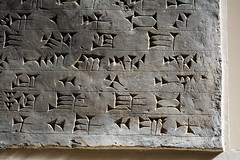 | 42 |
| 9945226741 | Democracy | a political system in which the supreme power lies in a body of citizens who can elect people to represent them | 43 | |
| 9945226742 | Eight Fold Path | Eight steps to end suffering and attain enlightenment according to Buddhist tradition. | 44 | |
| 9945226743 | Four Noble Truths | as taught by the Buddha, the four basic beliefs that form the foundation of Buddhism | 45 | |
| 9945226744 | Gothic Migrations | The Migration period, also called the Barbarian Invasions or German: Völkerwanderung (wandering of the peoples), was a period of human migration that occurred roughly between the years 300 to 700 CE in Europe, marking the transition from Late Antiquity to the Early Middle Ages. These movements were catalyzed by profound changes within both the Roman Empire and the so-called 'barbarian frontier'. Migrating peoples during this period included the Goths, Vandals, Bulgars, Alans, Suebi, Frisians, and Franks, among other Germanic and Slavic tribes. | 46 | |
| 9945226745 | Great Wall | a fortification 1,500 miles long built across northern China in the 3rd century BC | 47 | |
| 9945226746 | Han Dynasty | imperial dynasty that ruled China (most of the time from 206 BC to AD 220) and expanded its boundaries and developed its bureaucracy |  | 48 |
| 9945226747 | Hellenism | The ideals and principles that spread from Greece through much of the ancient world. Much of its influence such as philosophy, athletics, and architecture penetrated the Middle East. |  | 49 |
| 9945226748 | The Huns | Fierce warriors from Central Asia- First invaded southeastern Europe and then launched raids on nearby kingdoms | 50 | |
| 9945226749 | Indian Ocean Trade | connected to Europe, Africa, and China.; worlds richest maritime trading network and an area of rapid Muslim expansion. |  | 51 |
| 9945226750 | Iron Age | the period following the Bronze Age; characterized by rapid spread of iron tools and weapons | 52 | |
| 9945226751 | Jewish Diaspora | A "scattering" of the Jewish people | 53 | |
| 9945226752 | Legalism | In Chinese history, Legalism was one of the main philosophic currents during the Warring States Period- A philosophy of focusing on the text of written law to the exclusion of the intent of law, elevating strict adherence to law over justice, mercy and common sense |  | 54 |
| 9945226753 | Pax Romana | A period of peace and prosperity throughout the Roman Empire, lasting from 27 B.C. to A.D. 180. |  | 55 |
| 9945226754 | Pyramids | Huge stone tombs with four triangle-shaped walls that met in a point on top |  | 56 |
| 9945226755 | Roman Republic | The period from 507 to 31 B.C.E., during which Rome was largely governed by the aristocratic Roman Senate. | 57 | |
| 9945226756 | Roman Senate | a council of wealthy and powerful Romans that advised the city's leaders | 58 | |
| 9945226757 | Shang Civilization | China's first dynasty almost 2000 BCE | 59 | |
| 9945226758 | Shi Huang Di | harsh ruler who united China for the first time and used legalism in ruling (Qin China) |  | 60 |
| 9945226759 | Siddhartha Gautama | founder of Buddhism; born a prince; left his father's wealth to find the cause of human suffering; also know as Buddha |  | 61 |
| 9945226760 | Silk Road Trade | The most famous of the trading routes established by pastoral nomads connecting the Chinese, Indian, Persian, and Mediterranean civilizations; transmitted goods and ideas among civilization. |  | 62 |
| 9945226761 | The Torah | the most sacred text of Judaism | 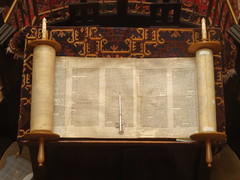 | 63 |
| 9945226762 | The Vedas of Hinduism | Aryan hymns originally transmitted orally but written down in sacred books from the 6th century B.C.E. |  | 64 |
| 9945226763 | Ziggurats | a temple or tomb of the ancient Assyrians, Sumerians, or Babylonians, having the form of a terraced pyramid of successively receding stories |  | 65 |
| 9945226764 | Christianity | Monotheistic religion born out of Judaism, preached by Jesus of Nazareth and later codified by his disciples. Persecuted by Romans early on; however, gained support under Constantine in the Rome. |  | 66 |
| 9945226765 | Buddhism | originally preached by Siddhartha and codified by his disciples into the sutras. Rejected Vedic rituals and the caste system. Spread throughout SE Asia and China and split into Mahayana(Buddha as a God, local gods tacked on as Bodhisativas) and Theravada(original, strict non-theistic version). | 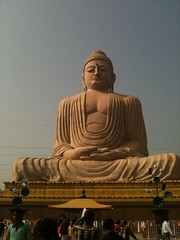 | 67 |
| 9945226766 | Asoka | Third ruler of the Mauryan Empire in India (r. 270-232 B.C.E.). He converted to Buddhism and broadcast his precepts on inscribed stones and pillars, the earliest surviving Indian writing. |  | 68 |
| 9945226767 | Hinduism | Term for a wide variety of beliefs and ritual practices that have developed in the Indian subcontinent since antiquity. It has roots in ancient Vedic, Buddhist, and south Indian religious concepts and practices. |  | 69 |
| 9945226768 | Trans Saharan | route across the sahara desert. Major trade route that traded for gold and salt, created caravan routes, economic benefit for controlling dessert, camels played a huge role in the trading |  | 70 |
| 9945226769 | Monsoons | Major winds in the Indian Ocean that blew into India for half the year, and blew away from India for the other half. Helped facilitate trade in the Indian Ocean. |  | 71 |
| 9945226770 | Sumerians | people who dominated Southern Mesopotamia through the end of the 3rd Millennium BCE. Responsible for the creation of irrigation technology, cuneiform, and religious conceptions. |  | 72 |
| 9945226771 | Indo-Europeans | Groups of people who came from the area north of the Caucasus mountains, which are between the Black and Caspian seas. Herded multiple animals. Rode into battle on chariots. The Indo-European language of Sanskrit, by the Aryans, are the basis of many languages today. Often accepted and adapted aspects of technology, religions, and social order of those with whom they came in contact. |  | 73 |
| 9945226772 | Before agriculture, men and women are believed to have a greater degree of equality. But after the rise of agriculture, most human societies became ________ as a result of greater male strength. | Patriarchal |  | 74 |
| 9945226773 | caste system | a set of rigid social categories that determined not only a person's occupation and economic potential, but also his or her position in society, there was virtually no social mobility |  | 75 |
| 9945226774 | Paleolithic | (Old Stone Age) a long period of human development before the development of agriculture |  | 76 |
| 9945226775 | Carthage | This city has existed for nearly 3,000 years, developing from a Phoenician colony of the 1st millennium BC into the capital of the Carthaginian Empire. Controlled commerce in the Mediterranean prior to the rise of Roman Power. The expanding Roman Republic took control of many of its outposts after the two Punic Wars. |  | 77 |
| 9945226776 | Hellenization | The spread of Greek language and culture (Hellenism) throughout the Mediterranean, starting with t he conquests of Alexander the Great. Upon Alexander's death at the age of thirty-three (323 B.C.E.), his realm was divided among his leading generals. During their reigns and those of their successors, Hellenism (i.e., Greek culture) continued to flourish in major urban centers around the eastern Mediterranean (less so in rural areas). People traveling to different areas could communicate with people of other kingdoms through Greek. More than at any time in previous history, the eastern Mediterranean that emerged in Alexander's wake experienced a form of cultural unity and cosmopolitanism (a "cosmopolite" is a "citizen of the world," as opposed to a person who belongs to only one locality). The Roman Empire arose in the context of the Hellenistic world and took full advantage of its unity, promoting the use of Greek language, accepting aspects of Greek culture, and even taking over features of the Greek religion, to the point that the Greek and Roman gods came to be thought of as the same, only with different names. This complex unity achieved culturally through Hellenization and politically through the conquests of Rome is summed up by the term Greco-Roman world. | 78 | |
| 9945226777 | Daoism | Chinese religion that believes the world is always changing and is devoid of absolute morality or meaning. They accept the world as they find it, avoid futile struggles, and deviate as little as possible from 'the way' or 'path' of nature. |  | 79 |
| 9945226778 | Bureaucrat | government official | 80 |
Flashcards
AP World History - Strayer Chapter 4 Vocabulary Flashcards
Chapter 3 - Eurasian Empires
Chapter 4 - Eurasian Cultural Traditions
Terms : Hide Images
| 7485745136 | Legalism | A Chinese philosophy distinguished by an adherence to clear laws with vigorous punishments. | | 0 |
| 7485745137 | Confucius (Kong Fuzi) | The founder of Confucianism (551-479 B.C.E.); an aristocrat of northern China who proved to be the greatest influence on Chinese culture in its history. |  | 1 |
| 7485745138 | Ban Zhao | A major female Confucian author of Han dynasty China (45-116 C.E.) whose works give insight into the implication of Confucian thinking for women. |  | 2 |
| 7485745139 | Daoism | A Chinese philosophy/popular religion that advocates simplicity and understanding of the world of nature, founded by the legendary figure Laozi. |  | 3 |
| 7485745140 | Upanishads | Indian mystical and philosophical works, written between 800 and 400 B.C.E. |  | 4 |
| 7485745141 | Vedas | The earliest religious texts of India, a collection of ancient poems, hymns, and rituals that were transmitted orally before being written down ca. 600 B.C.E. |  | 5 |
| 7485745142 | Aristotle | A Greek polymath philosopher (384-322 B.C.E.); student of Plato and teacher of Alexander the Great. |  | 6 |
| 7485745143 | Theravada | "The Teaching of the Elders," the early form of Buddhism according to which the Buddha was a wise teacher but not divine and which emphasizes practices rather than beliefs. |  | 7 |
| 7485745144 | Buddhism | a religion, originated in India that believes life is full of suffering caused by desire and that the way to end this suffering is through enlightenment |  | 8 |
| 7485745145 | Siddhartha Gautama (the Buddha) | The Indian prince who turned ascetic (ca. 566-486 B.C.E.) who founded Buddhism. |  | 9 |
| 7485745146 | Mahayana | "Great Vehicle," the popular development of Buddhism in the early centuries of the Common Era, which gives a much greater role to supernatural beings and proved to be more popular than original (Theravada) Buddhism. |  | 10 |
| 7485745147 | Nirvana | The end goal of Buddhism, in which individual identity is "extinguished" into a state of serenity & great compassion. |  | 11 |
| 7485745148 | Bhagavad Gita | A great Hindu epic text, part of the much larger Mahabharata, which affirms the performance of caste duties as a path to religious liberation. |  | 12 |
| 7485745149 | Zoroastrianism | Persian monotheistic religion founded by the prophet Zarathustra. |  | 13 |
| 7485745150 | Zarathustra | A Persian prophet, traditionally dated to sixth or seventh century B.C.E. (but perhaps much older), who founded Zoroastrianism. |  | 14 |
| 7485745151 | Judaism | The monotheistic religion developed by the Hebrews, emphasizing a sole personal god (Yahweh/YHWH) with concerns with social justice. |  | 15 |
| 7485745152 | Isaiah | One of the most important prophets of Judaism, whose teachings show the transformation of the religion in favor of compassion and social justice (eighth century B.C.E.) |  | 16 |
| 7485745153 | Greek rationalism | A secularizing system of scientific and philosophic thought that developed in Classical Greece in the period 600 to 300 B.C.E.; it emphasized the power of education and human reason to understand the world in nonreligious terms. |  | 17 |
| 7485745154 | Socrates | The first great Greek philosopher to turn rationalism toward questions of human existence (469-399 B.C.E.) |  | 18 |
| 7485745155 | Plato | A disciple of Socrates whose Dialogues convey the teachings of his master while going beyond them to express Plato's own philosophy; lived from 429 to 348 B.C.E. |  | 19 |
| 7485745156 | Constantine | Roman emperor (r. 306-337 C.E.) whose conversion to Christianity paved the way for the triumph of Christianity in Europe. |  | 20 |
| 7485745157 | Paul of Tarsus (Saint Paul) | The first great popularize of Christianity (10-65 C.E.) |  | 21 |
| 7485745160 | Church of the East | Planted churches in Syria and Persia that were distinct in theology and practice from the Roman Church |  | 22 |
| 7485745161 | Perpetua | Christian martyr (one who was killed for their beliefs) from Carthage. Educated and wealthy, she died being fed to leopards. |  | 23 |
| 7485745158 | Jesus of Nazareth | The prophet/god of Christianity (ca. 4 B.C.E.-30 B.C.E.). |  | 24 |
| 7485745159 | Theodosius | Roman emperor (r. 379-395 C.E.) who made Christianity the official religion of the Roman state, banning all polytheistic rituals. |  | 25 |
AP World History Unit 4 - Jones Flashcards
Terms : Hide Images
| 5911584814 | Nomadic life of Mongols and Turks | Social mobility- merit (for both); Religion- turks: sharmans (paganism) & mongols: Lamaist school of buddhism; military- turks: confederations under a khan (king), cavalries & mongols: cavalry, short bows, horseback | 0 | |
| 5911584815 | Battle of Manzikert | Byzantine Empire vs Seljuk Turks; turks invade Anatolia; Turks conquer Constantinople and rename Istanbul | 1 | |
| 5911584816 | Mahmud of Ghanzi | Invades northern India; plunder to rule | 2 | |
| 5911584817 | Chinnggis (Genghis) Khan | "Universal ruler"; "surrender or die"; controls most of China under Mongolian rule | 3 | |
| 5911584818 | Expanse of Khubilai Khan's empire | Established Yuan Dynasty; tries to invade Japan but fails due to kamikaze | 4 | |
| 5911584819 | China under Mongol Rule | Pax-Mongolia (peace similar to Pax-Romania); strict separation from Chinese; safest time to travel | 5 | |
| 5911584820 | Trade under Mongols | Long-distance trade & resettlement policies | 6 | |
| 5911584821 | Marco Polo | Italian traveler that goes to China, is welcomed by Khubilai Khan, and when he returns 17 years later is thrown in jail, but stories become best selling | 7 | |
| 5911584822 | Four Regional Empires | Mughai, Safavid, Ottoman | 8 | |
| 5911584823 | Ilkhan Ghazan | Attempts to replace metal currency with paper money | 9 | |
| 5911584824 | Tamarlane | "Next genghis khan"; Timur the Lame; united nomads in Khanate of Chaghatai | 10 | |
| 5911584825 | Osman | Leader who dominates part of Anatolia | 11 | |
| 5911584826 | New Crops in Africa | Bananas | 12 | |
| 5911584827 | Kinship groups | Stateless, segmented societies ruled by elders of families | 13 | |
| 5911584828 | Kingdom of Mali | Predominately Muslim; extends over Kingdom of Ghana | 14 | |
| 5911584829 | Kingdom of Ghana | African gold trade, capital of Koumbi Saleh | 15 | |
| 5911584830 | Sundiata | "Rags to riches" story; took advantage of trans-Saharan trade | 16 | |
| 5911584831 | Mansa Musa | Grand nephew to Sundiata; performed hajj and showered people on the way with gold that effected economy for many years to come | 17 | |
| 5911584832 | Swahili States | Kilwa is a major trading center | 18 | |
| 5911584833 | Zimbabwe | "Dwelling of the chief"; stone complex | 19 | |
| 5911584834 | Trans-Saharan Trade | Camels now a use of transportation | 20 | |
| 5911584835 | Influence of Islam in Africa | one male god; religious specialists called Diviners | 21 | |
| 5911584836 | Age Grades | Peer groups of single age cohor similar to a string of school (elementary school, etc.) | 22 | |
| 5911584837 | Al bin Muhammad | Mounts revolt of 15,000 slaves | 23 | |
| 5911584838 | Otto I & the Pope | Crowned emperor; revived half of Charlemagne's empire | 24 | |
| 5911584839 | Hugh Capet | King of France succeeds last Carolingian Emperor; slowly expands authority out of Paris; Capetian Dynasty | 25 | |
| 5911584840 | William of Normandy | defeated King Harold at Battle of Hasting; created census known as doomsday book; king of England | 26 | |
| 5911584841 | Political Structure of Italy | city-states; Papal state controlled by Pope; displace church control | 27 | |
| 5919412908 | Muslim Iberia | control Iberian Peninsula until Christian conquest of Spanish Muslim territorties | 28 | |
| 5919504821 | Agriculture in Feudal Society | increasing development with less invasions; new crops include BEANS | 29 | |
| 5919527939 | Urbanization in Middle Ages | Mediterranean trade; textile production of wool; towns demand charters | 30 | |
| 5919561907 | Three Estates | Pray-clergy; fight-knights; work-peasants | 31 | |
| 5919566368 | Chilvary | Code of Conduct for Nobles | 32 | |
| 5919868213 | Troubadours | Class of traveling poets, minstrels, entertainment | 33 | |
| 5919868214 | Guilds | Price and quality control | 34 | |
| 5919868215 | St. Thomas Aquinas | Proponent of scholasticism | 35 | |
| 5919904671 | St. Francis/ St. Dominic | Creates order of mendicants; vows of poverty | 36 | |
| 5919904672 | Waldensians | (Southern France, Northern Italy) doctrinal differences with Catholic Churches (sabbath, purgatory, religious relics) | 37 | |
| 5919904673 | Pope Urban II | Liberation of Jerusalem from Muslim control; council of Clermont | 38 | |
| 5919904674 | Crusade I | Attempt to take holy land; captures Jerusalem | 39 | |
| 5919904675 | Crusade IV | Destroys Constantinople | 40 | |
| 5919904676 | Saladin (Salah al-Din) | Recaptures Jerusalem | 41 | |
| 5921735927 | Teotihucan | "Toltecs"; settle at Tula; distant trade with Mayan Culture cause of downfall | 42 | |
| 5921735928 | Mexica | "Aztecs"; settle at Tenochtitlan; Itzcóatl, Motecuzoma create triple alliance | 43 | |
| 5921735929 | Chinampa System | Dredged soil from lake bottom to create fertile plots of land (7 crops a year) | 44 | |
| 5921735930 | Aztec Social Hierarchy | High stature for soldiers; aristocratic class | 45 | |
| 5921735931 | Role of Women in Mexica | Patriarchal stature; emphasis of child bearing | 46 | |
| 5921735932 | Calpulli | Communal groups | 47 | |
| 5921735933 | Gods of Mexica | Tezcatlipoca "smoking mirror" god of life and death; Quetzalcoatl "the feathered serpent" god of arts and agriculture; Huitzilopochtli, god of war and blood sacrifice | 48 | |
| 5921735934 | Reasons for Sacrifice | Blood of victims sustained the sun and kept rain coming | 49 | |
| 5921735935 | Iroquois Nations | Woodlands east of the Mississippi River included Mohawk, Oneida, Onondage, Cayuga, and Seneca | 50 | |
| 5921735936 | Cahokia | Large mound near St. Louis; center of trade | 51 | |
| 5921735937 | Quipo | Mnemonic aid to keep track of things | 52 | |
| 5921735938 | Incan Mummies | Social elites dominated by infallible king; worship of ancestors | 53 | |
| 6000166509 | Ibn Battuta | Islamic scholar who gave strict punishment according to Sharia | 54 | |
| 6000166510 | Silk Roads and Sea Lanes (types of trades) | Magnetic compass (china); Indian-ocean basin , trans-Saharan caravan | 55 | |
| 6000166511 | Pope Innocent IV | Invites Mongols to convert to Christianity; mongols offended and give them ultimatum | 56 | |
| 6000166512 | Rabban Sauma | Nestorian Christian priest sent to Pope by mongols; proposes attack on Jerusalem | 57 | |
| 6000166513 | Gunpowder | 1. Increase diets 2. Increase population 3. Increase economic development 4. Mariners could sail safely 5. Leads to spread of gunpowder | 58 | |
| 6000166514 | Origins of the Plague | Spreads from southwest China by Mongols | 59 | |
| 6000166515 | Bubonic plague | Spread by rats and fleas | 60 | |
| 6000166516 | Pneumonic plague | Spread through air from person to person | 61 | |
| 6000166517 | Impact of the Plague | Inflamed lymph nodes; 60-70% mortality rate; Indian and Sub-Saharan unaffected; 25% of Europe died | 62 | |
| 6000166518 | Hongwu | Orphan raised by Buddhist monks who establishes Ming Dyansty | 63 | |
| 6000166519 | Rise of Powerful States in Europe | Taxing (Italy- bonds; France- salt & sales; England- hearth & head & plow) and building of large armies (French Louis XI) | 64 | |
| 6000166520 | Fernando and Isabel | Major political & economic alliance through marriage that completes Reconquista and expands beyond Iberian Peninsula | 65 | |
| 6000166521 | Renaissance | "Rebirth" inspired by Classical Greece & Rome; Italy was center | 66 | |
| 6000166522 | Cathedral of Florence | Domed cathedrals that imitated Rome | 67 | |
| 6000166523 | Erasmus | Publishes critical Greek- Latin edition of New Testament | 68 | |
| 6000166524 | Humanism | Movement focused on worldly subjects and human potential | 69 | |
| 6000166525 | Zheng He | 7 massive naval expeditions meant to impose imperial control and intimidate/impress foreigners | 70 | |
| 6000166526 | Portugal Expansion | (Three G's: God, Gold, Glory) Prince Henrique (Henry the Navigator) seizes strait of Gibraltar; Bartholomew Dias sails Cape of Good Hope; Columbus | 71 |
AP World history unit 1-2 Flashcards
Terms : Hide Images
| 6303837249 | Marker events | Events in history that causes a change in history | 0 | |
| 6303849991 | Perspective | Point of view. View on seeing things differently in different parts of the world | 1 | |
| 6303858485 | Demography | Study of population | 2 | |
| 6303873087 | Migrations | Permanent moves to new locations | 3 | |
| 6303875596 | Push factor | Encourages people to move to a new location | 4 | |
| 6303883193 | Pull factor | Attracts people to that area | 5 | |
| 6303890589 | Intervening obstacles | Physical features that slow down migrations. Ex. Oceans, mountains | 6 | |
| 6303903065 | Cultural diffusion | Spread of cultures and ideas among different areas of the world | 7 | |
| 6303917367 | Bipedalism | Preference of walking erect on two limbs instead of four | 8 | |
| 6303925466 | Primary sources | Evidence from the time period such as objects, artifacts, and remains | 9 | |
| 6303939343 | Paleolithic age (old stone age) | Age where hunting and gathering were used as sources of survival. Continually moved around. Owned no property, no status distinctions, women gathered and men hunted but no real labor distinction. Cave art and painting important. | 10 | |
| 6303996258 | Neolithic revolution (agriculture revolution) | Marker event, transition to agriculture taking over. | 11 | |
| 6304007751 | Pastoralists | First domesticators of animals, remaining semi- nomadic. | 12 | |
| 6304125216 | Independent invention | Agriculture was known as not being apart of cultural diffusion | 13 | |
| 6304146005 | Marker event of neolithic revolution | 1. People settled down, creating private property 2. Division of labor- those who knew how to craft agriculture and those who farmed 3. Social inequality- social classes started. Due to specialized work or ownership of more land 4. Gender equality- men took over and women lost economic power 5. Surplus 6. Religion- polytheism | 14 | |
| 6304214388 | Polytheism | Belief in multiple gods | 15 | |
| 6304233751 | Pottery, metallurgy, textiles | There neolithic craft industries | 16 | |
| 6304255631 | Civilization | 1. Reliable surpluses- large amount of food 2. Specialized occupations- included jobs in government, trade, merchandise, and religion 3. Social class - status distinctions developed 4. Growth of cities- economic, political, social and cultural grew and created cities 5. Complex governments 6. Long distance trade 7. Writing systems- people able to communicate | 17 | |
| 6304320856 | Cultural hearths | Areas where civilizations began to radiate ideas, innovations, and ideologies | 18 | |
| 6304337989 | Mesopotamia | Located in southwest Asia. |  | 19 |
| 6304363283 | Fertile crescent | Land from Mesopotamia to Egypt | 20 | |
| 6304677158 | Sumerians | Non Semitic group that came to lower Mesopotamia that built earliest civilization. Created competing city states | 21 | |
| 6304703955 | Theocracies | Governed by god's or priests. Sargon changed it so kings were in charge | 22 | |
| 6304735963 | Hammurabi | Leader of the Babylonians to conquer Mesopotamia | 23 | |
| 6304746239 | Hammurabi's code | Standards for justice and laws in Mesopotamia. 3 distinct social classes. 1. Free land owning class 2. Dependent farmers and craftsmen 3. Slaves | 24 | |
| 6304776564 | Women | Women lost social standing and freedom with spread of agriculture. Men controlled political and religious life. Could own property and trade | 25 | |
| 6304795908 | Cuneiform | Wedge shaped stuck to mark symbols on tablets | 26 | |
| 6304800706 | Epic of gilgamesh | Story about a flood and shows control god's had over human destiny | 27 | |
| 6304814750 | Ziggurats | Large multistory pyramids constructed by bricks with ramps and stairs | 28 | |
| 6304823356 | Amulets | Worn by people to protect them from evil spirits | 29 | |
| 6304849998 | Cataracts | Egypt was Protected by these and deserts causing very few invasions. Unlike Mesopotamia who was open to invasions | 30 | |
| 6304869534 | Natural environment | Mesopotamia- hot and dry river valley, open to invasions. Flooding unusual so not prepared Egypt- flooding regular. Hot and dry river valley. Isolated | 31 | |
| 6304920305 | Hykos | People from modern day turkey who had superior military power because of bronze weapons | 32 | |
| 6304930472 | Pharaoh | Egypt's government who was a king but know as a god. First Pharaoh was menes. Believed in reincarnations of Horus, the sky god. Gave appointed people authority | 33 | |
| 6305005401 | Social mobility | Ability of individuals to change social status | 34 | |
| 6305029780 | Patriarchy | Men are in control | 35 | |
| 6305118530 | The old kingdom | Pharaoh's most powerful and economy strongest. Success do to the great pyramids as tombs | 36 | |
| 6305132483 | The middle kingdom | Trade became more extensive. Middle class of officials and merchants developed. Invasion by hykos ended the peace | 37 | |
| 6306030274 | The new kingdom | Due to rule of hykos, kingdom gradually weakened to invasion and lost independence | 38 | |
| 6306056405 | Pictographs | Both Mesopotamian cuneiform and Egyptian hieroglyphics used this to represent animals, people and objects | 39 | |
| 6306066248 | Papyrus | New material made to write on developed by the egyptians, made of plants pressed together | 40 | |
| 6306079618 | Polythestic | Mesopotamia and Egyptian religion were both polythestic | 41 | |
| 6306107368 | Dravidian language | Believed Indus valley people spoke this language. | 42 | |
| 6306113501 | Mohenjo daro | Thought they were conquered by Aryans. Indus river valley city | 43 | |
| 6306128017 | Monsoon rains | Fed the rivers in the Indus river valleys. | 44 | |
| 6306139036 | Indus river valley | Had an advanced agricultural system based on wheat, rye, peas and rice. Animals were domesticated. Job specialization developed. Mohenjo daro and harappa huge trading centers. Thought to have a well organized government. Distinctive social classes, powerful priestly class. | 45 | |
| 6306188684 | Rosetta stone | Indus river valley stone writing that was unable to be interpreted | 46 | |
| 6306270777 | Systems failure | no explanation for the end of the indus river valley, thought this happened. Breakdown of the political, social, and economic systems. | 47 | |
| 6306301547 | loess | thick mantle of fertile and soft soil, easy to worked with wooden sticks | 48 | |
| 6306314165 | Huang He River (Yellow) | Home to nomadic groups. Prone to unpredictable flooding. Created the hoe and four-pronged hoe for agriculture. | 49 | |
| 6306334900 | Dynasty | Family based kingdom | 50 | |
| 6306339666 | Xia Dynasty | Dynasty that took control of areas of China | 51 | |
| 6306349760 | Shang Dynasty | Nomadic people who conquered other tribes, founded a kingdom north and south of the Huang He River Valley | 52 | |
| 6306359978 | Vassals | lords who served the king and were bound to him by personal ties. Collected tribute (payment) for the monarch and his court | 53 | |
| 6306364137 | Zhou Dynasty | took over the Shang Dynasty. Developed the growth of responsibility for professional bureaucrats or shi (men of service) | 54 | |
| 6306405879 | 1. Elite 2. Peasant, free artisans, and craftsmen 3. Unskilled workers and slaves | Chinas three main social classes. Merchants and traders weren't included but contained low status due to Confucian values. Women lost status. Matrilineal Characteristic disappeared during the Shang | 55 | |
| 6306454382 | Oracle Bones | Used to talk to ancestors, Shamans were individuals that claimed to have ability to talk to them.Big source of Chinese writing along with pictographs. Also with culture, believed in the mandate of heaven | 56 | |
| 6306493539 | Analects | Book based on the beliefs of Confucianism | 57 | |
| 6306505052 | The Olmec of Mesoamerica | Western part of Mesoamerica. Rarely domesticated animals, no access to large animals. Civilization based on agriculture, had a elaborate draining system to control water. Authoritarian and Hierarchical, priests dominated cities. | 58 | |
| 6306546028 | The Chavin of South America | Little rainfall, Huge food supply due to sea life. Agriculture depended on maize. Llama helped with chores. Politically well organized. | 59 | |
| 6306596257 | Minoan | Civilation of the island of crete which was replaced by the Mycenaeans who were part of the trade network in the Late bronze age. Mycenaeans were always at war. The phoenicians brought Greece and The middle East back together. | 60 | |
| 6306652343 | Polis | City state | 61 | |
| 6306656843 | monarchies | heredity rule by one | 62 | |
| 6306659743 | oligarchies | rule by a few | 63 | |
| 6306661845 | aristocracies | rule by leading families | 64 | |
| 6306665143 | democracies | form of popular government | 65 | |
| 6306666692 | tyrants | military leaders who won popular support against the aristocracy | 66 | |
| 6306690369 | Phonetic alphabet | 22 written letters that each corresponded to a sound in the spoken language by the Phoenicians | 67 | |
| 6306713816 | Athens | Democracy. Urban based aristocracy. Slaves. Women lower status, were citizens but stayed at home. | 68 | |
| 6306713817 | Sparta | Strong military. Self disciplined. People were mostly equal in status, women free and equal with men. | 69 | |
| 6306726626 | Helots | People taken as servants after invasion of Messenia. provided agriculture labor and could not leave the land | 70 | |
| 6306749429 | Hoplites | Heavily armored infantry men who fought in close contact and cooperation together. | 71 | |
| 6306796293 | philosophy | Believed in the natural law. Socrates taught Plato, Plato taught Aristotle. All of this helped create secularism. | 72 | |
| 6306823918 | Hellenic Culture | overall achievement of the greeks during the Classical age | 73 | |
| 6306830947 | Cyrus the Great | First Persian warrior king. Extended land from edge of India to Mediterranean Sea. Continued to expand under his successors, reached maximum extent under Darius I. Success was due to superior military leadership along with the political system. Had satraps help along with his rule. | 74 | |
| 6306871785 | Delian League | Group of cities in Greece under the leadership of Pericles. | 75 | |
| 6306911763 | Peloponnesian War | War between Athens and Sparta. Sparta won. Started due the Athens helping defeat one of Sparta's ally | 76 | |
| 6306923546 | Alexander the Great | Conquered lots of land known to Greece. | 77 | |
| 6306941750 | Hellenistic Age | Spread of Greek Culture to northeaster Africa and western Asia due to Alexander the Great. Hellenistic Synthesis happened when Greeks left home and spread Greek Culture to other lands | 78 | |
| 6310434108 | Republic | a state without a monarch. Rome was a republic until Augustus changed it into an Empire | 79 | |
| 6310455594 | Senate | Instead of being a democracy the governemtn was based on a Group of people called patricians ( Aristocrats who passed positions down to their sons. | 80 | |
| 6310468441 | Plebians | Commoners who made up about 90% of the population in Rome | 81 | |
| 6310484200 | Julius Caesar | Charosmatic patrician general with great sway over soldiers. Killed on the ides of march. | 82 | |
| 6310496692 | Augustus caesar | Became the "consul" of Rome. Helped by saving Rome and creating a strong military. Created the Law of Twelve Tables | 83 | |
| 6310526996 | Pax Romana | "Roman Peace" Time where Rome stayed in peace and prosperity. Trade thrived, economic relief came to the empire. that eventually led to the decline due to the uncertainty of the emperors successor. | 84 | |
| 6310558079 | Patron Client Relationships | Patrons helped those with problems due to wealth. Also those men are known as Paterfamalias, or head of the family. Women still didn't have freedom | 85 | |
| 6310586317 | Punic Wars | War between Rome and Carthage. Burned city down. Took citizens as slaves. | 86 | |
| 6310618977 | Decline of Rome | 1. Defense of a long border was difficult, constantly being invaded 2. trade eventually caused diseases to spead | 87 | |
| 6310800556 | Warring states Period | time of political turmoil with regional warlords challenging authority of the Zhou. Also a Debate on how to solve China's problems | 88 | |
| 6310813090 | Legalism | Humans are naturally evil and only obey authority through force. strict laws, harsh punishments, and sacrifice personal freedom for the state. Used by the Qin dynasty by Shi Huangdi. Which he demanded all books burned of philosophy, ethics, history, and literature only allowing medicine and agriculture books to be spared. | 89 | |
| 6310822511 | Daoism | Created by Laozi, shunned political and military ambitions as lacking morality and meaning. Guided followers toward nature for comfort and understanding. Emphasizes acceptance and individual retreat from society | 90 | |
| 6310839048 | Confucianism | Confucius emphasized importance of hierarchical, harmonious relationships in creation of orderly society. Everyone has a place in society and responsibility's in relationships to other | 91 | |
| 6310874570 | Great wall | Wall in China built by slaves or forced workers during the Qin Dynasty | 92 | |
| 6310881922 | Shi Huangdi | Leader of the Qin Dynasty. Believed in Legalism, destroyed public books, but strengthened by standardizing laws and currencies. Taken over by the Han dynasty | 93 | |
| 6310906336 | Han Dynasty | Had a nonhereditary Bureaucracy and took Confucian influences into the government such as the mandate of heaven. Road systems expanded and silk was a big market item in trade. Merchants were low in social class and Shi were highest regard | 94 | |
| 6310922575 | Forbidden city | City in Han china where only the emperor and his family could live | 95 | |
| 6310947283 | Social classes in Han China | Scholar gently, Free ordinary citizens, and underclass | 96 | |
| 6310965365 | calligraphy | artistic rendering of the written word, skill that's highly prized in Chinese society | 97 | |
| 6310982595 | caste system | social class of hereditary and usually unchangeable status, 4 major varnas or social classes were created. Brahims- highest social class were priests ad scholars Kshatriya- warriors and government officals Vaishya- land owners, merchants, and artisans Shudra- common peasants and laborers | 98 | |
| 6311009268 | Vedas | religious texts that were passed down from generation to generation of Aryans in form of hymns, songs, prayers,and rituals | 99 | |
| 6311021515 | Hinduism | A religion and philosophy developed in ancient India, characterized by a belief in reincarnation and a supreme being who takes many forms | 100 | |
| 6311025483 | Buddhism | Founder was Siddhartha Gautama , or the Buddha | 101 | |
| 6311040076 | Mauryan Empire | Empire led by Ashoka, and took over the belief of Buddhism. | 102 | |
| 6311047723 | Gupta Empire | Took over after the Mauryan Empire fell apart. Not as big or well governed. Let regional warrior elites a great deal of autonomy to rule their areas. | 103 | |
| 6311063075 | Silk Road | Extended from Xian china to eastern Mediterranean. Exchanged goods especially the silk from china and the horses outside of China. New inventions were made like the stirrup | 104 | |
| 6311086840 | lateen sails | Used on the Indian Ocean trade routes to move goods. Small triangular boat. Spices were moved along the Indian Ocean trade routes | 105 | |
| 6311113659 | Rome | Which Empire did not retain its old identity after it fell during 600 b.c.e to 600 c.e. | 106 | |
| 6315927386 | polytheism | Belief in many gods | 107 | |
| 6315938482 | Judaism | Used the Hebrew bible. Founder was Abraham. This religion had Hebrews suffer a diaspora, scattering of people in different parts of the earth. Was a monotheistic faith. | 108 | |
| 6315981211 | Zoroastrianism | Official religion of the Persian empire | 109 | |
| 6315988771 | Christianity | Founder was Jesus of Nazareth. Appealed to poor due to universal message. Spread by Jesus disciples. Especially Paul who opened it to Greeks and roman's. | 110 | |
| 6316021031 | Atman | Pieces of the spirit that are trapped in physical bodies | 111 | |
| 6316038781 | Hinduism | Believed in karma, dharma, and reincarnation. Highest people can reach moksha. | 112 | |
| 6316057844 | Buddhuism | Believes in nirvana. Contains the four noble truths and the eightfold path. | 113 | |
| 6316082225 | Confucianism | Made by Confucius, read the Analects. Believed in the mandate of heaven and the ying-yang principle. Rests on the principle of reciprocity, notion that people give and take equally within context of five basic relationships of society. Three essential values- xiao, Ren, and Li | 114 |
AP World History Unit 6 Review Flashcards
Terms : Hide Images
| 9969371817 | May fourth movement | A 1919 protest in China against the Treaty of Versailles and foreign influence. |  | 0 |
| 9969371818 | New Deal | U.S. President Roosevelt's program to relieve the economic problems of the Great Depression; it increased government involvement in the society of the United States. |  | 1 |
| 9969371819 | Cartels | Unions of independent businesses in order to regulate production, prices, and the marketing of goods. |  | 2 |
| 9969371820 | Korean conflict | War between Communist North Korea, aided by China, and Capitalist South Korea, aided by the United States |  | 3 |
| 9969371821 | Cuban missile crisis | When In 1962, the Soviets constructed nuclear missiles in Cuba which brought days of tense confrontation between Khrushchev and U.S. President Kennedy. Khrushchev ultimately backed down, and the missiles were removed. |  | 4 |
| 9969371822 | Spanish civil war | A conflict from 1936 to 1939 that resulted in the installation of fascist dictator Francisco Franco as ruler of Spain; Franco's forces were backed by Germany and Italy, whereas the Soviet Union supported the opposing republican forces. |  | 5 |
| 9969371823 | Coalition | A government based on temporary alli¬ances of several political parties. |  | 6 |
| 9969371824 | Iron curtain | A metaphorical description of the divide between the Communist East and Democratic Western Europe | 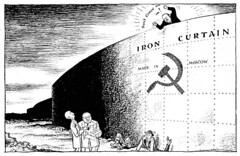 | 7 |
| 9969371825 | Fascism | A political movement that is characterized by extreme nationalism, one-party rule, and the denial of individual rights. |  | 8 |
| 9969371826 | Treaty of Versailles | The 1919 peace treaty between Germany and the Allied nations; it blamed the war on Germany and assessed heavy reparations and large territorial losses on the part of Germany. |  | 9 |
| 9969371827 | Persian gulf war | The 1991 war between Iraq and a U.S.-led coalition to liberate Kuwait from an Iraqi invasion. |  | 10 |
| 9969371828 | Pan Slavic Movement | A Russian attempt to unite all Slavic nations into a commonwealth relation¬ship under the influence of Russia. |  | 11 |
| 9969371829 | Al-Qaeda | A terrorist group based in Afghanistan in the late twentieth and early twenty-first centuries. |  | 12 |
| 9969371830 | World Trade Organization | An international organization begun in 1995 to promote and organize world trade. |  | 13 |
| 9969371831 | International Monetary fund | An international organization founded in 1944 to promote market economies and free trade. |  | 14 |
| 9969371832 | European Union | An organization designed to reduce trade barriers and promote economic unity in Europe; it was formed in 1993 to replace the European Community. |  | 15 |
| 9969371833 | Mandate | A type of colony in which the government is overseen by another nation, as in the Middle Eastern mandates placed under European control after World War I. |  | 16 |
| 9969371834 | Marshall plan | A U.S. plan to support the recov¬ery and reconstruction of Western Europe after World War II. |  | 17 |
| 9969371835 | International space station | A vehicle sponsored by sixteen nations that circles the earth while car¬rying out experiments. |  | 18 |
| 9969371836 | Berlin wall | A wall, built by the East German Communist government, to separate the Democratic Western Berlin |  | 19 |
| 9969371837 | World bank | An agency of the United Nations that offers loans to countries to promote trade and economic development. |  | 20 |
| 9969371838 | North American Free Trade Organization | An organization that prohibits tariffs and other trade barriers between Mexico, the United States, and Canada. (NAFTA) |  | 21 |
| 9969371839 | Guomindang | China's Nationalist political party founded by Sun Yat-sen in 1912 and based on democratic principles; in 1925, the party was taken over by Jiang Jieshi, who made it into a more authoritarian party. |  | 22 |
| 9969371840 | Containment | Cold War policy of the United States whose purpose was to prevent the spread of communism. |  | 23 |
| 9969371841 | Central powers | In World War I, Germany, Aus¬tria-Hungary, Bulgaria, the Ottoman Empire, and other nations who fought with them against the Allies. |  | 24 |
| 9969371842 | Allied powers | In World War I, the nations of Great Britain, France, Russia, the United States, and others that fought against the Central Powers; in World War II, the group of nations includ¬ing Great Britain, France, the Soviet Union, and the United States, that fought against the Axis Powers. |  | 25 |
| 9969371843 | League of nations | International organization founded after World "War I to promote peace and cooperation among nations. |  | 26 |
| 9969371844 | Service industries | Occupations that provided a service rather than a manufactured or agricultural product. |  | 27 |
| 9969371845 | Five year plans | Plans for industrial production first introduced to the Soviet Union in 1928 by Stalin; they succeeded in making the Soviet Union a major industrial power by the end of the 1930s. |  | 28 |
| 9969371846 | Appeasement | Policy of Great Britain and France of making concessions to Hitler in the 1930s. |  | 29 |
| 9969371847 | Hubble space telescope | Telescope able to peer deep into space |  | 30 |
| 9969371848 | Collectivization | The combination of several small farms into a large government-controlled farm. |  | 31 |
| 9969371849 | Great leap forward | The disastrous economic policy introduced by Mao Zedong that proposed the implementation of small-scale industrial projects on individual peasant communes. |  | 32 |
| 9969371850 | United Nations | The international organization founded in 1945 to establish peace and cooperation among nations. |  | 33 |
| 9969371851 | Holocaust | The Nazi program during World War II that killed 6 million Jews and other groups considered undesirable. |  | 34 |
| 9969371852 | Great depression | The severe worldwide economic downturn that began in the late 1920s and con¬tinued into the 1930s throughout many regions of the world. | 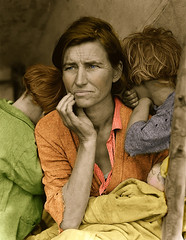 | 35 |
| 9969371853 | Apartheid | The South African policy of separation of the races. |  | 36 |
| 9969371854 | Euro | The standard currency introduced and adopted by the majority of members of the European Union in January 2002. |  | 37 |
| 9969371855 | Genocide | The systematic killing of an entire ethnic group. |  | 38 |
| 9969371856 | Cold war | The tense diplomatic relationship between the United States and the Soviet Union after World War II. |  | 39 |
| 9969371857 | Mass consumerism | Trade in products designed to appeal to a global market. |  | 40 |
| 9969371858 | National Organization For Women | U.S. organization founded in 1969 to campaign for women's rights. |  | 41 |
| 9969371859 | Cultural revolution | A Chinese movement from 1966 to 1976 intended to establish an egalitarian society of peasants and workers. |  | 42 |
| 9969371860 | European Economic Community | A Common Market organized in 1958 whichreduced tariffs among member nations and created a common tariff policy for other world nations. |  | 43 |
AP WORLD HISTORY VOCAB Flashcards
Terms : Hide Images
| 7826525340 | Legalism | Society can best be controlled through harsh punishments | 0 | |
| 7826525341 | Egypt | One of the first civilizations, this one arose along the banks of the worlds longest river. | 1 | |
| 7826525342 | Democracy | Government which derives its power from the people. | 2 | |
| 7826525343 | Han | This classical empire was Confucian and paper was invented during this period. | 3 | |
| 7826525344 | Ashoka | United India under one rule and was converted to Buddhism, adopting it as the state religion. | 4 | |
| 7826525345 | Buddhism | This religion was founded by Siddhartha Gautama | 5 | |
| 7826525346 | Confucianism | Chinese philosophy which stresses loyalty, ancestors and duty | 6 | |
| 7826525347 | Phoenicians | Credited with the development of an alphabet based on sounds c. 1500 BCE | 7 | |
| 7826525348 | Silk Road | Ancient trade routes which connected the early civilizations: Roman, India and Han China | 8 | |
| 7826525349 | Roman | This classical empire is the cultural hearth of "western civilization" | 9 | |
| 7826525350 | Gupta Dynasty | The golden age of India from 320-550 CE | 10 | |
| 7826525351 | Cuneiform | A system of writing invented in Mesopotamia, c. 3000 BCE | 11 | |
| 7826525352 | Polytheism | Belief in many gods | 12 | |
| 7826525353 | Aristotle | Greek philosopher and teacher of Alexander the Great, he developed the traditions of Western thought | 13 | |
| 7826525354 | Huns | Nomadic society which helped to bring down the Classical Empires | 14 | |
| 7826525355 | Gladiators | Roman slaves who would fight to entertain the masses "Bread and Circuses" | 15 | |
| 7826525356 | Hammurabi | Ruler of Babylon and the creator a written law code | 16 | |
| 7826525357 | Neolithic | The switch from hunter/gatherer to farmer c. 8000 BCE | 17 | |
| 7826525358 | Patriarchal | Male dominated society | 18 | |
| 7826525359 | Mayan | Located in Central America this empire developed an extremely advanced calendar system | 19 | |
| 7826525360 | Indus River | The location of the Harappa civilization | 20 | |
| 7826525361 | Bronze Age | c. 3000 BCE, this coincides with the invention of the wheel and writing | 21 | |
| 7826525362 | Monotheism | Belief in one God | 22 | |
| 7826525363 | Julius Caesar | Roman general who assassinated in 44 BCE to "save" the Roman Republic | 23 | |
| 7826525364 | Mesopotamia | The first civilization arose here, between the Tigris and Euphrates rivers | 24 | |
| 7826525365 | Judaism | This religion was the predecessor to Christianity and Islam and is monotheistic | 25 | |
| 7826525366 | Qin | This dynasty was and is remembered for beginning the Great Wall of China unification | 26 | |
| 7826525367 | Paper | Invented in China c. 100 CE | 27 | |
| 7826525368 | Zoroastrian | c. 7th Century BCE belief in heaven and hell. Cosmic struggle between good and evil Persia. | 28 | |
| 7826525369 | Shang | Chinese dynasty during which writing and bronze work were invented | 29 | |
| 7826525370 | Pastoral | Society which is based on raising and herding animals | 30 | |
| 7826525371 | Diffusion | The spreading of technology, language, religion of culture or culture | 31 | |
| 7826525372 | Caste system | A rigid, highly stratified social structure in India | 32 | |
| 7826525373 | Qin Shi Huangdi | The unifier of China and the builder of the "terra cotta" army | 33 | |
| 7826525374 | Christianity | This religion was established after Hinduism, Judaism and Buddhism and originated in the first century CE | 34 | |
| 7826525375 | Yellow and Yangtze | The Chinese civilization began here | 35 | |
| 7826525376 | Mauryan | Ruler of this classical empire was named Ashoka, he tried to reconcile the Hindu and Buddhist faiths | 36 | |
| 7826525377 | City-States | Early Greek independent political unit which often contained elements of democracy | 37 | |
| 7826525378 | Daoism | "Trying to understand is like straining through muddy water. Be still" | 38 | |
| 7826525379 | Hinduism | Stresses a strict caste structure which is a part of ones reincarnation experiences | 39 |
Flashcards
AP World History Vocabulary Flashcards
Terms : Hide Images
| 4764056742 | Evolution | The gradual development of something, especially from a simple to a more complex form. | 0 | |
| 4764057194 | Change | The act or instance of making or becoming different. | 1 | |
| 4764057673 | Politics | The activities associated with the government of a country or area. | 2 | |
| 4764057906 | Causality | The relationship between cause and effect. | 3 | |
| 4764058142 | Religion | An organized system of beliefs, ceremonies, practices, and worship that (typically) centers on one, or more than one, god. | 4 | |
| 4764059140 | Origins | The beginning of something's existence. | 5 | |
| 4764059259 | Historical Inquiry | The act of investigating and interpreting the patterns found in societies and peoples throughout history. | 6 | |
| 4764060356 | Polytheistic | The belief in more than one god. | 7 | |
| 4764060733 | Continuity | The unbroken and consistent existence or operation of something over a period of time. | 8 | |
| 4764061374 | Cultures | A people's unique way of life, including art, politics, religion, and language. | 9 | |
| 4764061956 | Institutions | A significant practice, relationship, or organization in a society or culture. | 10 | |
| 4764062258 | Decline | A gradual and continuous loss of strength, numbers, or quality. | 11 | |
| 4764063001 | Monotheistic | The belief in one god. | 12 | |
| 4764063229 | Beliefs | Something one accepts as true or real; a firmly held opinion or conviction. | 13 | |
| 4764063690 | Values | The importance or preciousness of something. | 14 |
Pages

Need Help?
We hope your visit has been a productive one. If you're having any problems, or would like to give some feedback, we'd love to hear from you.
For general help, questions, and suggestions, try our dedicated support forums.
If you need to contact the Course-Notes.Org web experience team, please use our contact form.
Need Notes?
While we strive to provide the most comprehensive notes for as many high school textbooks as possible, there are certainly going to be some that we miss. Drop us a note and let us know which textbooks you need. Be sure to include which edition of the textbook you are using! If we see enough demand, we'll do whatever we can to get those notes up on the site for you!
