AP Notes, Outlines, Study Guides, Vocabulary, Practice Exams and more!

Period 2 c. 600 BCE- c. 600 CE AP World History Flashcards

Terms : Hide Images
10722605204Classical EraHistorians have labeled the years c. 600 BCE to c. 600 CE the Classical Era. During this period classical empires such as the Greek and Roman civilizations in the Mediterranean region, the Han Dynasty in East Asia, and the Maurya and Gupta empires in South Asia rose in political, social, and economic power, and then fell. Other important classical civilizations of this era include the Persians in Central Asia and the Mayans in Mesoamerica.0
7861309112Warring States402-201 BCE, between Zhou and Qin dynasties, lack of centralized government in China.1
10720293463Indian Ocean Trade NetworkSea based exchange routes that connected Africa, the Middle East, India, and Southeast Asia.2
10720256246Bantu MigrationSub-Saharan migration in Africa in the Classical Era. Beginning in central Africa c. 1000 BCE to c. 500 CE, speaking peoples migrated south and east over many centuries, spreading a common language base and metal-working technology.3
10691509486Aristocracythe highest class in certain societies, especially those holding hereditary titles or offices.4
7861317736OlmecsThe oldest of the early advanced Mesoamerican civilizations5
7861319912Mayan CivilizationAmerican civilization located in Central America that saw its height from 200-900 CE.6
7861323000TeotihuacanThe largest city of ancient Mesoamerica, flourished around 500 CE.7
7861333697Achaemenid Dynasty, PersiaThe Persian Empire established by Cyrus the Great, 558-330 BCE8
7866014076PersepolisThe capital and greatest palace-city of the Persian Empire, destroyed by Alexander the Great.9
7861338092Persian WarsA series of wars between the Greek city-states and the Persian Empire in the 5th century BCE.10
7861345174Persian EmpireLocated in modern day Iran, they showed a lot of tolerance in how they dealt with conquered peoples.11
10691539037SatrapA governor of a province under the ancient Persian monarchy12
7861349056Zoroastrianismsystem of religion founded in Persia in the 6th century BC by Zoroaster, monotheistic and dualistic.13
7861358693ConfuciusChinese philosopher (circa 551-478 BCE), China's most influential scholar14
7861367325ConfucianismA philosophy that adheres to the teachings of the Chinese philosopher Confucius. It shows the way to ensure a stable government and an orderly society in the present world and stresses a moral code of conduct.15
10722583351Filial PietyIn Confucian thought, one of the virtues to be cultivated, a love and respect for one's parents and ancestors.16
7861374102Daoisma Chinese philosophy concerned with obtaining long life and living in harmony with nature.17
7861378153LaoziA legendary Chinese philosopher of the sixth century B.C.E.; regarded as the founder of Daoism.18
10723860860Zhou Dynasty(1050BCE-400BCE) Longest dynasty in Chinese history. Established a new political order with king at the highest level, then lords and warriors and then peasants. Mandate of Heaven. Daoism. Confucianism.19
10723880191Mandate of Heaventhe belief that the Chinese king's right to rule came from the gods (divine right).20
7861380379Qin Dynasty3rd dynasty. Defeated all Warring States and united the country under one government. (221-207 BCE) The first centralized dynasty of China that used Legalism as its base of belief.21
7861385450Legalisma Chinese philosophy that stressed the importance of laws22
7861388202Han Dynasty4th Chinese dynasty, 206 BCE - 220 CE, based on Confucian ideals.23
10722594819Meritocracya system in which promotion is based on individual ability or achievement, i.e. merit.24
10691469205Civil Service ExaminationSystem of hiring based on abilities instead of family. Meritocracy, from Confucian ideals, stated with Han.25
10691547410The Silk Road(s)A must-know trade route, the Silk Roads connected East Asia to northern India and central Asia and, indirectly, to the Mediterranean region, West Africa, and northern Europe. Silk, tea, spices, horses, and technology were carried westward along camel and horse caravan routes. Chinese goods and technology made their way into southwest Asia, Africa, and Europe along these routes.26
7861408543Mauryan DynastyIndian Dynasty 321-185 BCE, Achievements include a well-organized government. Founded by Chandragupta Maurya27
10691435717Askoka MauryaMauryan Ruler who spread Buddhism.28
7861416290Gupta Dynasty(320-550 C.E.)Ruling family in India during its golden age of art and literature. Responsible for many achievements. Made Hinduism the official religion29
7861428700HinduismPolythesitic religion of India develop between 500 BCE and 300 CE, with earlier roots. Believed in the Caste system, Karma, Darma, Reincarnation.30
10691551938Caste SystemA Hindu social class system that controlled every aspect of daily life31
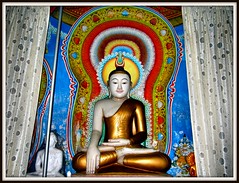
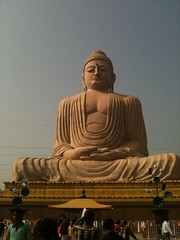
7861421591BuddhismReligion founded by Siddhartha Gautama, in the 6th century CE , that emphasizes how to escape suffering by emphasizing the Four Noble Truths and Eightfold Path. Started in India but spread to East Asia. Polytheistic, Reincarnation, Karma, Nirvana.32
7861427293PolisGreek word for "city-state"; Form of government in which power is centralized into a local city-state.33
7861445082Spartacity-state of ancient Greece, noted for its militarism, winner of the Peloponnesian War.34
7861450156AthensA Greek city-state and the birthplace of democracy.35
7861452535OlympicsGreek athletic competitions to celebrate the Gods and feed city-state rivalries36
7861453107SocratesGreek philosopher; socratic method--questioning; sentenced to death for corrupting Athens youth37
7861453108PlatoStudent of Socrates, wrote The Republic about the perfectly governed society, believed in a dualistic reality.38
7861455591AristotleA Greek philosopher (384-322 B.C.E.); student of Plato and teacher of Alexander the Great. Argued for empiricism and knowledge through observation.39
7861459542Hellenistic EmpireEmpire created By Alexander the Great which spread Greek culture and ideals across three continents.40
7861462268Alexander the GreatKing of Macedonian who conquered Greece and from Egypt to northwestern India.41
7861463781Roman Republicthe ancient Roman state from 509 BCE until Augustus assumed power in 27 BCE.42
10691494548Pax Romanathe peace that existed within the Roman Empire between the different conquered groups.43
7866045215PatricianA member of the upper class of ancient Roman society.44
7866049307Plebeiana commoner in Rome: less wealthy landowners, small farmers, craftspeople, and merchants (birth right).45
7866088631Julius Caesara Roman general and leader. Basically ended the ended the Roman Republic when he seized power and became dictator for life46
7861476816Roman RoadsRomans made over 50,000 miles of these and they helped with trade and expansion of empire. Designed by Roman engineers to allow faster transport and communication47
7866105834ConstantineRoman Emperor who because Christian and helped promote the spread of Christianity throughout the Roman Empire.48
7862239115Fall of Roman EmpireRome had been in decline for years. In 476 C.E. Romulus, the last of the Roman emperors in the west, was overthrown by the Germanic leader Odoacer, who became the first Barbarian to rule in Rome. The order that the Roman Empire had brought to western Europe for 1000 years was no more. The eastern empire continued as the Byzantine Empire. .49
7865979128Germanic InvasionsThis was a contributing factor to the fall of Rome. The Huns also lead to its downfall.50
7865986730Byzantine EmpireEastern half of the Roman Empire that survived the fall of the Western half; lasted until around 1400. The capital was Constantinople (today Istanbul).51
7865993431Fall of Classical EmpiresBeginning c. 200 CE, all three major classical empires declined and fell. First to go was the Han Dynasty in China (c. 220 CE), followed by the western Roman Empire (476 CE) and finally the Gupta Empire in India in the mid-sixth century CE. All three fell from internal pressures, such as peasant revolts, and external pressures, such as invading nomads and imported diseases.52

World History Quarter 1 Review Flashcards

Terms : Hide Images
7568376400specializationto focus in on one specific task and get good at it0
7568376401Paleolithic Eratime period of the Stone Age where people focused on hunting and gathering and language was not yet spoken1
7568376402Neolithic Eraalso called the New Stone Age; classified by people beginning to establish villages and civilizations through farming. Language was developed, making it the defining characteristic of the start of this period.2
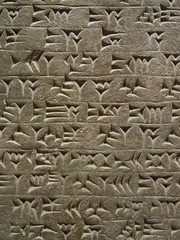
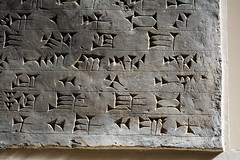
7568376403cuneiformfirst written language; originated in Mesopotamia3
7568376404hieroglyphicswritten language by the Egyptians; pictures stand for words4
7568376405Rosetta Stoneused to help interpret hieroglyphics5
7568376406Hammurabi's Codestrict Babylonian law that was used to enforce order in society; ex. an eye for an eye, a hand for a hand6
7568376407Buddhismancient religion founded in India by Siddhartha Gautama; goal is to reach Enlightenment or nirvana7
75683764084 Noble Truthsguides the religion of Buddhism8
7568376409Middle WayIn Buddhism, this is the in-between being a total ascetic and living a life of pure luxury9
7568376410Mokshain Hinduism, this is the term that means you are released from Samsara (cycle of birth, death and rebirth)10
7568376411Judaismfirst monotheistic religion founded by Abraham11
7568376412Confucianismreligion/way of life that emphasizes respect for elders and traditional values12
7568376413hunter-gathererearliest way of life in which people would search and kill animals for their food13
7568376414Agricultural Revolutionperiod of time where people moved from hunting and gathering to permanent villages where they would farm for life14
7568376415Persian Warsseries of wars between Greek city-states and the Persians for control of the Peloponnesian Peninsula15
7568376416HerodotusGreek; known as the "father of history"16
7568376417The Royal Roadhighway through the Persian empire used to exchange goods and services easier/quicker17
7568376418democracygovernment by the people; first seen in Athens, Greece18
7568376419Thucydideshistorian that studied Athens and Greek history and wrote detailed accounts about them19
7568376420Spartamilitarily strong Greek city-state; Council of Elders ruled their government20
7568376421Athensdemocracy Greek city-state; led by the Council of 500 to rule their government; intelligence/schooling was the focus of their society21
7568376422Olympiaplace in Greece where the Greek gods lived22
7568376423Ioniawanted to gain independence away from the Persians, thus choose to align themselves with the Greeks, starting war with between the Greeks and Persians23
7568376424Alexander the Greatgreatest leader of Greek times; was able to conquer large area of the Mediterranean; gave way to the Hellenistic Period24
7568376425Golden Age of Greeceperiod of time where Greece was at peace and society was prospering/growing25
7568376426Hellenistic Periodtime where Greek ideas/culture was spread all over the Mediterranean26
7568376427Christianityreligion in which Jesus is said to be the Messiah; monotheistic27
7568376428PatriciansRich, upper-class in early Roman society28
7568376429Plebianslower class; usually peasants in Roman society29
7568376430Punic Warsbattles between Carthage and Rome over control of the Mediterranean, Spain and Italy30
7568376431Pax Romanatime period of Roman Peace; trade flourished and Christianity fled31
7568376432princephighest title given to a Roman citizen; also means first citizen32
7568376433Marcus AureliusRoman emperor from 161-180; is seen as the last great Roman emperor out of the 5 good emperors33
7568376434Julius CaesarRoman emperor who helped to bring Rome to peace and grow the economy; was murdered in fear of his growing strength34
7568376435Caesar Augustusnamed first "princep"; most popular Roman Emperor who conquered much of the Mediterranean35
7568376436Divide of Romesplit into the East and West; East continued to survive for years to come, while the west would eventually fall36
7568376437Byzantine Empirecontinued to exist in the East, even after the Roman Empire Fell; new name given to this empire37
7568376438aqueductsRoman invention that was used to transport water from place to place38
7568376439public bathplace where Roman citizens would gather to bathe together39
7568376440Fall of Western Roman Empireempire fell due to invaders, weakening leaders, struggling economy (inflation) and an empire that was too large to control40
7568376441Constantineemperor of the Byzantine empire who made Christianity the official religion of the empire41
7568376442Aztecsgroup located in central Mexico; sacrificed thousands of people to their gods and had floating gardens on the land that they lived42
7568376443Mayansearly society located on the Yucatan Peninsula in Mexico; known for creating their own calendars and slash/burn farming; never fell, instead some of their culture has faded into the jungle43
7568376444Incasearly civilization located in the Andes mountains; is known for its extensive roads and quipu communication system44
7568376445Vedic Indiafirst society after the fall of the Indus River Civilization ran by the Aryan people45
7568376446varnasclasses in Aryan society46
7568376447dynastya line of hereditary rulers; mostly seen in China47
7568376448Qin Dynastyruler was Shi Huangdi; built the Great Wall of China; known for using harsh Legalist policies that included book burning of Confucian scholars48
7568376449Shi Huangdiemperor during the Qin Dynasty; put into effect Legalism; Terra Cotta Army buried with him49
7568376450Great Wall of China Usesdefense and trade50
7568376451Mandate of Heavengave reason for the change in the dynastic cycle; for all the good that occurred, so would dynastic leaders stay in power; when something bad occurred it would tell the people that dynasties needed to switch power51
7568376452dynastic cycleperiod of time of Chinese rulers52
7568376453civil servantsgovernment employees who gained their positions through merit in China53
7568376454civil service examextremely difficult test given to those who wanted to serve in the government; based on Confucian thought54
7568376455Legalismpolicy created by Shi Huangdi55
7568376456Daoismseeks harmony through nature and balance56
7568376457Jainismbelief in nonviolence; branch of Hinduism57
7568376458Chandragupta Mauryafounded the Mauryan dynasty in India58
7568376459Ashokaunited India and the Maurya dynasty under the religion of Buddhism59
7568376460Genghis Khanunited the Mongols and invaded China60
7568376461Kublai Khanwas able to conquer China and spread Mongol influence throughout Asia61
7568376462Silk Roadmost ancient and important trade route that stretched from Asia to Europe62
7568376463Pax MongolicaPeriod of Mongol Peace63
7568376464Marco PoloItalian explorer who found the glories of China, wrote a book and shared his traveling experiences64
7568376465Swahililanguage and culture of Eastern Africa Cities65
7568376466West African Kingdomsearly kingdoms of Ghana, Mali and Songhai66
7568376467African Trademost important products were gold and salt67
7568376468Timbuktumajor Islamic city of learning and trade68
7568376469Mansa Musatraveler from Mali on a pilgrimage to Mecca; spread Islam and put Mali on the map; was known for carrying gold and simply giving it away on his journey; built up the city of Timbuktu with Muslim culture69
7568376470Islamreligion founded by the prophet Muhammad; follows the 5 Pillars as a guide to this religion70
7568376471Groups of IslamSunni (believe anyone can be a ruler of Islam) and Shiah (believe only Muhammad's descendants can be rulers of Islam)71
7568376472Muhammadfounder of Islam; known as the Islamic prophet/messenger of God72
7568376473Qur'anthe holy book of Islam73
7568376474AllahIslamic word for God74
7568376475Orthodox Churchthe eastern church of the Byzantine Empire75
7568376476Hagia Sophiasymbol of the Eastern Orthodox Church76
7568376477feudalismsystem of loyalty in which Kings, Nobles, Knights and Serfs worked together to protect each other and create a society of order77
7568376478Black Plague/Black Deathdeadly disease that wiped out 1/3 of Europe's population; led to an age of increased ideas and knowledge78
7568376479CharlemagneFrank King who was able to unite much of Europe under one Christian empire79
7568376480guilda medieval association of craftsmen or merchants, often having considerable power80
7568376481chivalrycode lived by all Knights during feudal times81
7568376482theocracygovernment in which the person who is in charge is a representative of the church; church rules government82
7568376483monarchygovernment where the king is in charge; when the king dies, his heir (often his son) takes over83
7568376484Great SchismSplit between the Christian Church into Eastern and Western Churches84
7568376485Crusadesreligious holy wars petitioned by the pope to reclaim the holy land85
7568376486Renaissancerebirth of knowledge86
7568376487Greek/Roman Influencebrought back during the Renaissance as the cultural hearth of development87
7568376488Italyplace where the Renaissance began88
7568376489Goal of Renaissancefocus on individuality, art, culture, innovation, etc.89
7568376490Martin Lutherled the Protestant Reformation by questioning the practices of the Catholic Church90
7568376491SaladinMuslim commander who befriended Richard the Lion Hearted to win the 3rd Crusade91
7568376492JustinianByzantine ruler who re-codified laws for all citizens92
7568376493Protestantsthose who supported the Reformation93
7568376494Jesuitsreligious group who came out of the Reformation that followed the Bible strictly and set up schools of religious learning94
7568376495printing presscredited to be invented by Johannes Gutenberg; helped to spread religious thought because everyone could get the information95
7568376496Catholic Church during the Reformationdecreased in power96
756837649795 Thesespinned to the door in Wittenberg accusing the Catholic Church of all of their wrongdoings97

AP World History Periodization Flashcards

Terms : Hide Images
7251895809Period 1: Technological and Environmental Transformationto 600 B.C.E0
7251898927Period 2: Organization and Reorganization of Human Societiec. 600 B.C.E to c. 600 C.E1
7251902914Period 3: Regional and Interregional Interactionsc. 600 C.E to 1450 C.E2
7251908528Period 4: Global Interactionsc. 1450 C.E to 1750 C.E3
7251912395Period 5: Industrialization and Global Intergrationc. 1750 C.E to 1900 C.E4
7251917215Period 6: Accelerating Global Change in Realignmentsc. 1900 C.E to the Present5

AP World History Flashcards

First set of words in the AP World History book by the Princeton Review.

Terms : Hide Images
7104931068AgricultureThe deliberate effort to modify a portion of Earth's surface through the cultivation of crops and the raising of livestock for sustenance or economic gain.0
7104931069Agrarianpertaining to land or its cultivation; Ex. agrarian reform, agrarian society1
7104931070Bands/ Clansextended family groups that generally lived together2
7104931071Barbarianwithout civilizing influences3
7104931072Bureaucracysystem of managing government through departments run by appointed officials (not elected)4
7104931073Civilizationa society in an advanced state of social development (e.g., with complex legal and political and religious organizations)5
7104931074City-Statesdifferent sections of land owned by the same country but ruled by different rulers (e.g. Greece)6
7104931075Classicalof or characteristic of a form or system felt to be of first significance before modern times7
7104931076Domesticationprocess of changing plants or animals to make them more useful to humans8
7104931077Economysystem by which goods and services are produced and distributed to meet people's needs9
7104931078Egalitariana person who believes in the equality of all people10
7104931079Emperorsupreme ruler of an empire11
7104931080Empiremany territories, countries, or peoples controlled by one government (also just any territory ruled by an emperor)12
7104931081Feudalisma political system and a social system where by a powerful lord would offer "protection" in return for "service"13
7104931082Foragingthe process of scavenging for food14
7104931083Hierarchya series of ordered groupings of people or things within a system15
7104931084HierarchicalOf, relating to, or arranged in a hierarchy16
7104931085Hunter-GathererA hunter-gatherer society is one whose primary subsistence method involves the direct procurement of edible plants and animals from the wild, foraging and hunting without significant recourse to the domestication of either plants nor animals17
7104931086Irrigationsupplying dry land with water by means of ditches, sprinklers, etc.18
7104931087Monarchya government in which power is in the hands of a single person who usually inherits their power19
7104931088Monotheismbelief in a single God20
7104931089NeolithicThe New Stone Age from circa 8500 to 4500 BCE: The period of the Stone Age associated with the ancient Agricultural Revolution(s)21
7104931090Nomadic(of groups of people) tending to travel and change settlements frequently22
7104931091Pastoralrelating to shepherds or herdsmen or devoted to raising sheep or cattle (e.g. pastoral peoples)23
7104931092PaleolithicThe Old Stone Age from circa 750,00 to 500,000 years BCE to 8,500 years BCE: The period of the Stone Age associated with the evolution of humans and the development of minor tools24
7104931093Philosophythe rational investigation of questions about existence, knowledge, and ethics25
7104931094Polytheismbelief in multiple Gods26
7104931095River Valleythe fertile land surrounding a river- the first civilizations arose near them27
7104931096Sedentaryremaining in one place28
7104931097Settlementthe act of colonizing or a small group of people in a sedentary position29
7104931098Subsistencethe necessities of life, the resources of survival30
7104931099Surplusa quantity much larger than is needed31
7104931100Sustenancethe act of sustaining life by food or providing a means of subsistence32
7104931101Theocracygovernment run by religious leaders33
7104931102Traditionalconsisting of or derived from tradition; customary practices34
7104931103Urbanizationthe social process whereby cities grow and societies become more urban35
7104931104Vassalslesser lords who pledged their service and loyalty to a greater lord -- in a military capacity36
7104931105Alexander the Greatking of Macedon, conqueror of Greece, Egypt, and Persia; founder of Alexandria (356-323 BC)37
7104931106Analects of Confucius"something that is repeated" - a collection of Confucius' famous sayings38
7104931107Bronze Agea period between the Stone and Iron ages, characterized by the manufacture and use of bronze tools and weapons39
7104931108Calendara system of timekeeping that defines the beginning and length and divisions of the year40
7104931109Code of Hammurabithe set of laws drawn up by Babylonian king Hammurabi dating to the 18th century BC, the earliest legal code known in its entirety41
7104931110CuneiformOne of the first written languages known: A system of writing in which wedge-shaped symbols represented words or syllables. It originated in Mesopotamia and was used initially for Sumerian and Akkadian but later was adapted to represent other languages of western Asia.42
7104931111Democracya political system in which the supreme power lies in a body of citizens who can elect people to represent them43
7104931112Eight Fold PathEight steps to end suffering and attain enlightenment according to Buddhist tradition.44
7104931113Four Noble Truthsas taught by the Buddha, the four basic beliefs that form the foundation of Buddhism45
7104931114Gothic MigrationsThe Migration period, also called the Barbarian Invasions or German: Völkerwanderung (wandering of the peoples), was a period of human migration that occurred roughly between the years 300 to 700 CE in Europe, marking the transition from Late Antiquity to the Early Middle Ages. These movements were catalyzed by profound changes within both the Roman Empire and the so-called 'barbarian frontier'. Migrating peoples during this period included the Goths, Vandals, Bulgars, Alans, Suebi, Frisians, and Franks, among other Germanic and Slavic tribes.46
7104931115Great Walla fortification 1,500 miles long built across northern China in the 3rd century BC47
7104931116Han Dynastyimperial dynasty that ruled China (most of the time from 206 BC to AD 220) and expanded its boundaries and developed its bureaucracy48
7104931117HellenismThe ideals and principles that spread from Greece through much of the ancient world. Much of its influence such as philosophy, athletics, and architecture penetrated the Middle East.49
7104931118The HunsFierce warriors from Central Asia- First invaded southeastern Europe and then launched raids on nearby kingdoms50
7104931119Indian Ocean Tradeconnected to Europe, Africa, and China.; worlds richest maritime trading network and an area of rapid Muslim expansion.51
7104931120Iron Agethe period following the Bronze Age; characterized by rapid spread of iron tools and weapons52
7104931121Jewish DiasporaA "scattering" of the Jewish people53
7104931122LegalismIn Chinese history, Legalism was one of the main philosophic currents during the Warring States Period- A philosophy of focusing on the text of written law to the exclusion of the intent of law, elevating strict adherence to law over justice, mercy and common sense54
7104931123Pax RomanaA period of peace and prosperity throughout the Roman Empire, lasting from 27 B.C. to A.D. 180.55
7104931124PyramidsHuge stone tombs with four triangle-shaped walls that met in a point on top56
7104931125Roman RepublicThe period from 507 to 31 B.C.E., during which Rome was largely governed by the aristocratic Roman Senate.57
7104931126Roman Senatea council of wealthy and powerful Romans that advised the city's leaders58
7104931127Shang CivilizationChina's first dynasty almost 2000 BCE59
7104931128Shi Huang Diharsh ruler who united China for the first time and used legalism in ruling (Qin China)60
7104931129Siddhartha Gautamafounder of Buddhism; born a prince; left his father's wealth to find the cause of human suffering; also know as Buddha61
7104931130Silk Road TradeThe most famous of the trading routes established by pastoral nomads connecting the Chinese, Indian, Persian, and Mediterranean civilizations; transmitted goods and ideas among civilization.62
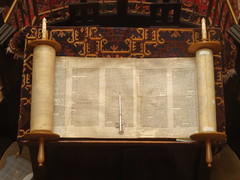
7104931131The Torahthe most sacred text of Judaism63
7104931132The Vedas of HinduismAryan hymns originally transmitted orally but written down in sacred books from the 6th century B.C.E.64
7104931133Zigguratsa temple or tomb of the ancient Assyrians, Sumerians, or Babylonians, having the form of a terraced pyramid of successively receding stories65
7104931134ChristianityMonotheistic religion born out of Judaism, preached by Jesus of Nazareth and later codified by his disciples. Persecuted by Romans early on; however, gained support under Constantine in the Rome.66
7104931135Buddhismoriginally preached by Siddhartha and codified by his disciples into the sutras. Rejected Vedic rituals and the caste system. Spread throughout SE Asia and China and split into Mahayana(Buddha as a God, local gods tacked on as Bodhisativas) and Theravada(original, strict non-theistic version).67
7104931136AsokaThird ruler of the Mauryan Empire in India (r. 270-232 B.C.E.). He converted to Buddhism and broadcast his precepts on inscribed stones and pillars, the earliest surviving Indian writing.68
7104931137HinduismTerm for a wide variety of beliefs and ritual practices that have developed in the Indian subcontinent since antiquity. It has roots in ancient Vedic, Buddhist, and south Indian religious concepts and practices.69
7104931138Trans Saharanroute across the sahara desert. Major trade route that traded for gold and salt, created caravan routes, economic benefit for controlling dessert, camels played a huge role in the trading70
7104931139MonsoonsMajor winds in the Indian Ocean that blew into India for half the year, and blew away from India for the other half. Helped facilitate trade in the Indian Ocean.71
7104931140Sumerianspeople who dominated Southern Mesopotamia through the end of the 3rd Millennium BCE. Responsible for the creation of irrigation technology, cuneiform, and religious conceptions.72
7104931141Indo-EuropeansGroups of people who came from the area north of the Caucasus mountains, which are between the Black and Caspian seas. Herded multiple animals. Rode into battle on chariots. The Indo-European language of Sanskrit, by the Aryans, are the basis of many languages today. Often accepted and adapted aspects of technology, religions, and social order of those with whom they came in contact.73
7104931142Before agriculture, men and women are believed to have a greater degree of equality. But after the rise of agriculture, most human societies became ________ as a result of greater male strength.Patriarchal74
7104931143caste systema set of rigid social categories that determined not only a person's occupation and economic potential, but also his or her position in society, there was virtually no social mobility75
7104931144Paleolithic(Old Stone Age) a long period of human development before the development of agriculture76
7104931145CarthageThis city has existed for nearly 3,000 years, developing from a Phoenician colony of the 1st millennium BC into the capital of the Carthaginian Empire. Controlled commerce in the Mediterranean prior to the rise of Roman Power. The expanding Roman Republic took control of many of its outposts after the two Punic Wars.77
7104931146HellenizationThe spread of Greek language and culture (Hellenism) throughout the Mediterranean, starting with t he conquests of Alexander the Great. Upon Alexander's death at the age of thirty-three (323 B.C.E.), his realm was divided among his leading generals. During their reigns and those of their successors, Hellenism (i.e., Greek culture) continued to flourish in major urban centers around the eastern Mediterranean (less so in rural areas). People traveling to different areas could communicate with people of other kingdoms through Greek. More than at any time in previous history, the eastern Mediterranean that emerged in Alexander's wake experienced a form of cultural unity and cosmopolitanism (a "cosmopolite" is a "citizen of the world," as opposed to a person who belongs to only one locality). The Roman Empire arose in the context of the Hellenistic world and took full advantage of its unity, promoting the use of Greek language, accepting aspects of Greek culture, and even taking over features of the Greek religion, to the point that the Greek and Roman gods came to be thought of as the same, only with different names. This complex unity achieved culturally through Hellenization and politically through the conquests of Rome is summed up by the term Greco-Roman world.78
7104931147DaoismChinese religion that believes the world is always changing and is devoid of absolute morality or meaning. They accept the world as they find it, avoid futile struggles, and deviate as little as possible from 'the way' or 'path' of nature.79
7104931148Bureaucratgovernment official80

AP World History: Ch. 10 Flashcards

Terms : Hide Images
7738362112Sui DynastyReunified China after division into small principalities.0
7738376874Tang DynastyThis dynasty came after the Sui Dynasty and was greatly influenced by the Sui Dynasty's governing ways. Continued to Confucius governing style.1
7738394948Li ShiminHis family took advantage of Sui disorder and created an empire of similar size, which came to be known as the Tang Dynasty.2
7738449113Central Asia, Arab Muslim army, the Battle of the Talas RiverThe Tang Dynasty was defeated in... by the ...during...3
7738468157Mahayana"Great Vehicle," fostered faith in enlightened beings who postponed nirvana to help others achieve enlightenment.4
7738488579BodhisattvasEnlightened beings who postponed nirvana to help others achieve enlightenment.5
7738512922contacts with Central Asia and India and Buddhist influence increasedWhat increased as the Tang Empire expanded westward?6
7738526587Chang'anTang capital. Became the center of a continent-wide system of communication. Central Asians, Tibetans, Vietnamese, Japanese, and Koreans regularly visited here and took away with them the most recent ideas and styles.7
7738565990roads and water transportWhat connected Chang'an to the coastal towns of south China, most importantly Canton?8
7738577778Grand CanalBuilt by the Sui to like the Yellow River with the Yangzi. It did not reach Chang'an. It was a key component of this transportation network.9
7738593039Tributary systemChang'an became the center of this. A type of political relationship dating from Han times by which independent countries acknowledged the Chinese emperor's supremacy.10
7738628135Plague of JustinianWhat was brought from the sea route linking the Red Sea and the Persian Gulf with Canton?11
7738640480Bubonic plagueEarly 600s from Canton and south China. Common in rodents in parts of southwestern China and lingered long after its disappearance in West Asia and Europe. This disease followed trade and embassy routes to Korea, Japan, and Tibet, where initial outbreaks followed the establishment of diplomatic ties in the seventh century.12
7741868078Li BoThe most renowned Tang poet and one of the greatest ever to write in the Chinese language.13
7741873380Han, Turkic, TurkeyAfter the fall of the...empire, the... people began moving south and west, through Mongolia, then west to Central Asia, on the long migration that eventually brought them to where?14
7741879583Li Shimin, Tarim Basin, UighursIn the 7th century, the Tang Emperor... took advantage of Turkic disunity to establish control over the... Yet within a century, a new Turkic group... had taken much of Inner Asia.15
7741887332Uighurs, merchants, scripts, syllabic script, Sogdians, TurkicUnder this group, caravan cities like Kashgar and Khotan displayed a literate culture with strong ties to both the Islamic world and China. The group excelled as... and as... able to transact business in many languages. They adapted the... of the ... who lived in the west of them in Central Asia, to writing...16
7741928793TibetRival to the Tang in Inner Asia. Experienced a variety of cultural influences. Derived their alphabet from India as well as a variety of artistic and architectural styles. Greatly influenced by both India and China.17
7741935651Wu Zhao (Empress Wu)Stereotypical "evil" ruler. A woman who had married into the imperial family, seized control of the government in 690 and declared herself emperor. She based her legitimacy on claiming to be a bodhisattva. She favored Buddhists and Daoists over Confucianists in her court and government.18
7741936610Eunuchscastrated palace servants19
7741939008BuddhismChinese gentry living in safe and prosperous localities began associating... with social ills. People who worried about "barbarians" ruining their society pointed to ... (same word) as evidence of the foreign evil, since it had such strong roots in Inner Asia and Tibet.20
7741951677Everlasting Remorse, Bo ZhuyiIn the poem... by..., the influence of women at the Tang court, which had caused "the hearts of fathers and mothers everywhere not to value the birth of boys, but the birth of girls" was lamented.21
7741961497Yang Guifeiconcubine that was another example of powerful women22
7741965953political disintegration, cultural decay, unsettledDespite continuing prosperity, ... and the elite's sense of ... created an... environment that encouraged aspiring dictators23
7741972245Guang Chaoled the most devastating uprising between 879 and 881. Despite ruthless and violent domination of the villages he controlled, his rebellion attracted hundreds of thousands of poor farmers and tenants who could not protect themselves fromdlocal bosses, or who sought escape from oppressive landlords or taxes, or who wimply did not know what else to do in the deepening chaos.24
7741979564Liao, KhitanThe ...Empire of the... people established their rule in the north. They centered their government on several cities, but the emperors preferred to spend their time in their nomad encampments.25
7741984767Khitanpastoral nomads related to the Mongols living on the northeastern frontier26
7741985924Minyak, Tangguts(closely related to the Tibetans) established a second successor state. Called themselves... to show their connection with their former empire27
7741989351Song DynastyPremodern state and society that came closest to initiating an industrial revolution.28
7741995896Su Songengineer that constructed a gigantic mechanical celestial clock in Kaifeng29
7741999033JunkChina's main oceangoing ship30
7742001961gunpowderThe Song experimented with... which they initially used to propel clusters of flaming arrows.31
7742004234neo-ConfucianismNew interpretations of Confucian teaching used for Song and later versions of Confucian thought32
7742005952Zhu Xithe most important early neo-Confucian thinker, wrote in reaction to the many centuries during which Buddhism and Daoism had often overshadowed the precept of Confucius. Worked out a systematic approach to cosmology .33
7742011550Zen BuddhismAsserted that mental discipline alone could win salvation. Meditation was its key practice.34
7742013922movable typeWay of printing which allowed cheaper printing of many kinds of informative books and of test materials.35
7742020953lowly, shouldConfucian philosophy emphasized the lowly/highly role of women. Believed that women should/should not be educated.36
7742022018Koryo... united the Korean peninsula after the fall of the Tang. The Kings supported Buddhism and made superb printed editions of Buddhist texts.37
7742027701woodblock printingexemplifies the technological exchanges that Korea had with China.38
7742029396Sillaa kingdom in the southeast of the Korean peninsula39
7742030442bone ranksinherited status40
7742032670FujiwaraAn ancient family of priests, bureaucrats, and warriors -- controlled power and protected the emperor. Their dominance led to the favor of men of Confucian learning over the generally illiterate warriors41
7742037138Kamakura shogunatethe first of three decentralized military governments, in eastern Honshu, far from the old religious and political center at Kyoto. Warfare between rival clans culminated this military government.42
7742040612AnnamWhat Chinese called early Vietnam43
7742041308Champalocated largely in southern Vietnam, rivaled the Dai Viet state.44
7742042355Champa rice(originally from India) Among the tribute gifts brought to the Song court by Champa emissaries. Chinese farmers soon made use of this fast-maturing variety to improve their yields of the essential crop.45
7742053568flying moneyDuring the Tang period. A credit system that was invented and used in the long-distance trade. Promised the buyer with money in return for the piece of paper they gave. This coinage system was usually handled by the family members. This system was very different from the Song's government issued paper money.46
7772913667celestial clockThis technology was constructed in China. contributed to the compass based on the moon and stars.47

AP World History Chapter Three Notecards Flashcards

Terms : Hide Images
7305429875Iron AgeHistorian's term for the period which iron was the primary metal for tools and weapons. The advent of iron technology began at different times in different parts of the world. 3.690
7305432885HittitesA people from central Anatolia who established an empire in Anatolia an Syria in the Late Bronze Age. With wealth from trade in meals and military power based on chariot forces, the Hittites vied with New Kingdom Egypt for control of Syria-Palestine before falling to unidentified attackers ca. 1200 B.C.E. 3.721
7308109931HatshepsutQueen of Egypt (r. 1473-1458 B.C.E.). She dispatched a naval expedition to Punt (possibly northeast Sudan or Eritrea), the faraway source of myrrh. There is evidence of opposition to a woman as ruler and after her death her name and image were frequently defaced. 3.732
7308120722AkhenatenEgyptian pharaoh (r. 1353-1335 B.C.E.). He built a new capital at Amarna, fostered a new style of naturalistic art, and created a religious revolution by imposing worship of the sun-disk. 3.733
7308130891Ramesses IIA long-lived ruler of New Kingdom Egypt (r. 1290-1224 B.C.E.). He reached an accommodation with the Hittites of Anatolia after a standoff in battle at Kadesh in Syria. He built on a grand scale throughout Egypt. 3.744
7308389318MinoanProsperous civilization on the Aegean island of Crete in the second millennium B.C.E. The Minoans engaged in far-flung commerce around the Mediterranean and exerted powerful cultural influences on the early Greeks. 3.765
7308548369MycenaeSite of a fortified palace complex in southern Greece that controlled a Late Bronze Age kingdom. In Homer's epic poems, Mycenae was the base of Kind Agamemnon, who commanded the Greeks besieging Troy. Contemporary archaeologists call the complex Greek society of the second millennium B.C.E. "Mycenaean." 3.786
7308564083Shaft GravesA term used for the burial sites of elite members of Mycenaean Greek society in the mid-second millennium B.C.E. At the bottom of deep shafts lined with stone slabs, the bodies were laid out among with gold and bronze jewelry, implements, weapons, and masks. 3.787
7308572836Linear BA set of syllabic symbols, derived from the writing system of Minoan Crete, used in the Mycenaean palaces of the Late Bronze Age to write an early form of Greek. It was used primarily for palace records and the surviving Linear B tablets provide substantial information about the economic organization of Mycenaean society and tantalizing clues about political, social, and religious institutions. 3.788
7309514633Neo-Assyrian EmpireAn empire extending from western Iran to Syria-Palestine, conquered by the Assyrians of northern Mesopotamia between the tenth and seventh centuries B.C.E. They used force and terror and exploited the wealth and labor of their subjects. They also preserved and continued the cultural and scientific developments of Mesopotamian civilization. 3.809
7309719790Mass DeportationThe forcible removal and relocation of large numbers of people or entire populations. The mass deportations practiced by the Assyrian and Persian Empires were meant as a terrifying warning of the consequences of rebellion. They also brought skilled and unskilled labor into the imperial center. 3.8210
7310802808Library of AshurbanipalA large collection of writings drawn from the ancient literature, religious, and scientific traditions of Mesopotamia. It was assembled by the seventh-century B.C.E. Assyrian ruler Ashurbanipal. The many tablets unearthed by archaeologists constitute one of the most important sources of present-day knowledge of the long literary tradition of Mesopotamia. 3.8311
7310831199IsraelIn antiquity, the land between the eastern shore of the Mediterranean and the Jordan River, occupied by the Israelites from the early second millennium B.C.E. The modern state of Israel was founded in 1948. 3.8412
7310844707Hebrew BibleA collection of sacred books containing diverse materials concerning the origins, experiences, beliefs, and practices of the Israelites. Most of the extant text was compiled by members f the priestly class in the fifth century B.C.E. and reflects the concerns and views of this group. 3.8413
7310870027First TempleA monumental sanctuary built in Jerusalem by King Solomon in the tenth century B.C.E. to be the religious center for the Israelite god Yahweh. The Temple priesthood conducted sacrifices, received a tithe or percentage of agricultural revenues, and became economically and politically powerful. 3.8614
7311734582MonotheismBelief in the existence of a single divine entity. Some scholars cite the devotion of the Egyptian pharaoh Akhenaten to Aten (sun-disk) and his suppression of traditional gods as the earliest instance. The Israelite worship of Yahweh developed into an exclusive belief in only one god, and this passed into Christianity and Islam. 3.8715
7312799079DiasporaGreek word meaning "dispersal," used to describe the communities of a given ethnic group living outside their homeland. Jews, for example, spread from Israel to western Asia and Mediterranean lands in antiquity and today can be found throughout the world. 3.9016
7312803119PhoeniciansSemitic-speaking Canaanites living on the coast of modern Lebanon and Syria in the first millennium B.C.E. From major cities such as Tyre and Sidon, Phoenician merchants and sailors explored the Mediterranean, engaged in widespread commerce, and founded Carthage and other colonies in the western Mediterranean. 3.9017
7312804407CarthageCity located in present-day Tunisia, founded by Phoenicians ca. 800 B.C.E. It became a major commercial center and naval power in the western Mediterranean until defeated by Rome in the third century B.C.E. 3.9418
7312806838Neo-Babylonian KingdomUnder the Chaldaeans (nomadic kinship groups that settled in southern Mesopotamia in the early first millennium B.C.E.), Babylon again became a major political and cultural center in the seventh and sixth centuries B.C.E. After participating in the destruction of Assyrian power, the monarchs Nabopolassar and Nebuchadnezzar took over the southern portion of the Assyrian domains. 3.9719

AP English Literature Unit 5 Satire Terms Flashcards

Terms : Hide Images
6018843604AbsurdityA state of being rediculas or wildly unreasonable0
6018843605BathosWhen a writer or a poet falls into inconsequential and absurd metaphors, descriptions or ideas in an effort to be increasinly emotional or passionate1
6018843606Black humora comic style that makes light of subjects that are generally considered serious or taboo (death for example)2
6018845497CaricatureA character with features or traits that are exagerated so that the character seems rediculas (both written and illustrative)3
6018845498Comic juxtapositionlinking together with no commentary items which normally do not go together4
6018848205Dimunitiona satirical technique reducing the size of something in order that it may be made to appear ludicrous or in order to be closely examined5
6018848206Euphemisma mild or indirect word or expression substituted for one considered to be too harsh or blunt when referring to something unpleasant or embarrassing6
6018848207FarceA dramaticform marked wholly absurd situations, slapstick, raucous wordplay, and sometimes innuendo7
6018850015Horatian Satiresatire in which the voice is indulgent, tolerant, amused, and witty--relatively gentle8
6018850016Hyperbolea figure of speech which involves the exageration of ideas for the sake of emphasis9
6018850017Inflationa common technique of sature where real life situations are exagerrated to a degree that it becomes rediculas and its faults can be seen10
6018850018Innuendoan indirect or a subtle observation about a thing or a person;--usually it is critical, disparaging or salacious in nature11
6018852238Invectivespeech or writing that attacks, insults, or denounces a person, topic, or institution--uses abrasive and negative language12
6018852239Dramatic IronyTension created by the contrast between what a character says or thinks and what the audience or readers know to be true; as a result of this technique, some words and actions in a story or play take on a different meaning for the reader than they do for the characters13
6018853947Situational IronyA pointed discrepancy between what seems fitting or expected in a story and what actually happens14
6018853948Verbal IronyA figure of speech that occus when a speaker of character says one things but really means something else, or when what is said is the opposite of what is expected, creating a noticable incongruity15
6018855543Juvenalian Satireformal satire in which the speaker attacks vice and error with contempt and indignation16
6018855544Malapropisma use of an incorrect word in place of a similar sounding word that results in a nonsensical and humorous expression17
6018857234Mock encomiumPraise which is only apparent and which suggests blame instead18
6018857235OxymoronA paradox made up of two seemingly contradictory words19
6018857236ParodyA comic or satiric imitation of a particular literary work or style. They range from light hearted imitations to exagerations intended to criticize20
6018859246PunA play on words that derives its humor from the replacement of one word with another that has a similar pronuncation or spelling but a different meaning--this also can be driven by multiple meaning words21
6018859247Purple Proseprose that is too elaborate or ornate22
6018861305Reductio ad absurduma manner of arguing something in which one argues for his position by showing the absurdity of the position of his opponent--to reduce an argument to absurdity by drawing the conclusions with logical limits or showing rediculas consequences23
6018861306Sarcasmverbal irony that is used derisively24
6018862876SatireA literary work that uses irony to critique society or an individual25
6018862877UnderstatementThe presentation or framing of something as less important, urgent, aweful, good, powerful, and so on, than it actually is, often for satiric or comical effect (opposite of hyperbole)26
6018862878Utopianisman illusionary place that projects the notion of a perfect society to the reader, where ideal conditions are achieved in the material wold and morality is upheld27
6018864928Wita form of intelligent humor, the ability to say or write things that are clever and usualy funny28
6018999598BathosAn effect of anticlimax created by an unintentional lapse in mood from the sublime to the trivial or rediculas29

AP world history chapter 5 Flashcards

Terms : Hide Images
5098467312What did the Aduns basically start between China and Rome?They started a international trading networks encompassing the entire Eastern hemisphere but the empires were dimly aware of each other.0
5098484186Where was Romes central location?Italy1
5098495381Land ownership showed what?Social status, political privilege, and fundamental values2
5098506433Wealthier families were members of what?¨Council of Elders¨, played dominant role in the politics of the Roman state.3
5098521436What were the Conflict of Orders?Inequalities between classes in Rome4
5098530905What was the patron/client relationship?It bound together individuals of different classes, the clients sought help and protection of the patrons, the men of wealth and influence.5
5098547876Could the Republic have been saved?...?6
5098559461Who restored the Roman government system?Octavian/ Augstus7
5098567685Who founded the Roman Principate?Augustus8
5098574470What was Romanization?the spread of Latin language and Roman way of life.9
5098587054Who did they believe to be the Messiah, ¨Anointed One¨?Jesus10
5098599430What were Jesus`s followers called?Aposties11
5098616906What was an aqueduct?A large conduit that carried water from a source to an urban center using only the force of gravity12
5098634953What happened in the Third Century Crisis?Civil wars, frequent changes of rulers, barbarian invasions, and decline of urban centers13
5098606612What did Paul try to spread?Who Jesus was and what his message was14
5098659568Who moved the Roman capital to Constantinople? What else did he do?The Roman emperor, Constantine, after he reunited the Roman empire and then he made Christianity a favored religion15
5098673721What was a factor to the rise of the empire?Rome`s ability to draw on manpower resources of Italy16
5098687150Who later guided Rome after several kings?The Senate, a council of wealthy families17
5098698318What were some factors as to why the Romans expanded?Their desire for glory, the ambition, and Roman`s fear of others aggression18
5098720319What did Augustus really create instead of restoring the Republic?A military dictatorship19
5098730239Who virtually made Christianity the religion of the empire?Constantine20
5110768813What was the Republic?The period during which Rome was largely governed by th Roman Senate.21
5110777827What was the Roman Senate?A council whose members were heads of wealthy landowning families.22
5110791808What was the conflict between the patricians(Elite) and the plebeians(Common) called?Conflict of the Orders23
5110796391What were tribunes?Drawn from the non-elite classes and could veto or block the officials.24
5110826802What were the paterfamilias?Oldest living male in the family.25
5110835143What were Auctorites?A quality that elicited obedience from their inferiors.26
5110854365What was the Pax Deorum?A covenant between the gods and Roman states.27
5110866029Who were the descendants of the Phoenicians?Carthaginians28
5110876071What is Principate?A term used to characterize Roman government in the first 3 centuries C.E29
5110886150Who did Augustus ally himself with?The equites30
5110890964What was the Atrium?A rectangular courtyard31
5110895067What is Romanization?The spread of the Latin language and Roman way of life.32
5110902718What the male citizens of Roman traditionally wear?Togas33
5110907961Who was Messiah?A military leader who drove out the Romans and liberated the Jewish people in Judea.34
5110916867Who was Jesus?A Jew fro Galilee in northern Israel who sought to reform Jewish beliefs and practices.35
5110929601Who was Paul?A Jew from Tarsus and set up the Christian communities.36
5110942802What was the Third Century Crisis?Period when political, military, and economic problems beset and nearly destroyed the Roman Empire.37
5110959276Who was Constantine?He reunited the entire empire under his rule.38
5110964887Who were the Qin?A people and state in Wei River Valley that conquered and created China's first empire.39
5110976248Who was the founder of China's first empire?Shi Huangdi40
5110981893What was the Xiongu Confederacy?Nomadic peoples living beyond the northwest frontier of ancient China.41
5110989980What ended the Qin empire?The ruler was weak and had uprisings42
5110992937Who brought down the Qin and founded the Han dynasty?Gaozu43
5111002609What did Gaozu do to China?Divided it into commanderies controlled by the central government.44
5111018000Who was Sima Qian?Chinese "Father of History"45
5111035749When the Han dynasty ended who was the ruler at that time?Wang Mang46

AP World History: Classical Civilization--India, Pt. 2 Flashcards

Terms : Hide Images
4949887465Epic/Vedic Age1500-700 B.C.E +/-0
4949887466HinduismDeveloped gradually over time, and has no single founder or central holy figure.1
4949887467ArthaEconomic and political goals embedded in Hinduism.2
4949887468VarunaOriginally god of the sky who came to be the guardian of ideas of right and wrong.3
4949887469UpanishadsHindu writings that stressed the shallowness of worldly concerns in favor of contemplation of the divine spirit.4
4949887471Brahma(n)Basic holy essence. The eternal being that created and preserves the world. All encompassing including all of creation. Has many manifestations called devas.5
4949887472BrahminsThe highest ranking varna. The priestly class.6
4949887476YogaSelf-discipline practice that means "union," that pursues freeing the mind to concentrate on the divine spirit.7
4949887477DharmaA person's spiritual duties and obligations, which he or she must follow to achieve liberation.8
4949887478KarmaThe sum effect of a person's actions, both good and bad, which shape future experiences.9
4949887479MokshaLiberation; release from the cycle of reincarnation, and joining on with Atman.10
4949887480SamsaraReincarnation; the cycle of birth, death, and rebirth a person follows before achieving liberation.11
4949887481Bhagavad GitaClassic sacred hymn about a warrior who is sent to do battle against his own relatives.12
4949887482AccommodationAspect of Hinduism that allowed for extreme spirituality, rules of conduct for everyday life, and an emphasis on the distinction between good and evil behavior.13
4949887483Siddhartha GautamaBecame the Buddha, or "enlightened one."14
4949887484BuddhaAccepted the Hindu belief of reincarnation, but denied the practice of caste.15
4949887487PanchatantraLiterary work that included stories such as Sinbad the Sailor and Jack the Giant.16
4949887488AryabhattaIndian scholar who calculated the length of the solar year.17
4949887489ZeroMathematical concept invented by Indians, but it and the "Arabic" numbering system were imported second hand from Arabs.18
4949887490StupaA spherical shrine to Buddha sponsored by Ashoka.19
4949887491StylizedIndian art that moved away from realistic portrayals of the human form.20
4949887492HierarchyBoth the caste system and family structures emphasized a male dominated existence.21
4949887493Arranged MarriageContracted by parents for their children, especially girls, to ensure solid economic links.22

AP world history (classical period) Flashcards

Terms : Hide Images
7400457368Paganism (753 B.C-1453 A.D)-A religion other than one of the world main world religions, non-Christian or pre-Christian period. Significance: It was one of their most major and main religions back during the roots of religion.0
7400504543Christianity (325 AD)-A religion based on the person and teachings of Jesus of Nazareth. Significance: This was one of the first major religions that spread to many different civilizations later on.1
7400530891Edict of Milan (313 AD)-The Edict of Milan was a letter signed by the Roman Emperors Constantine and Licinius, that proclaimed religious toleration in the Roman Empire. Significance: The letter allowed the toleration of religion. It was also issued after the end of the persecution of Christians.2
7400561167Zoroastrianism (6th century BC)-A monotheistic religion of ancient Persia founded by Zoroaster. Significance: It teaches the principles of supreme deity, in a cosmic struggle between a spirit of good and evil.3
7400578867Confucianism (551 BC-479 BC)-A Chinese philosophy that teaches respect and virtue to your elders and superiors. Significance: This taught the people of ancient China to respect their higher ups so they don't overthrow their ruler in the long term. It was also a very structural philosophy.4
7400603835Daoism/Taoism (142 CE)-A Chinese philosophy that teaches to be one with nature and to be clam and live life simple and honest. Significance: This teaches the people of ancient China to be more calm so there is less chaos in their society.5
7400616663Polytheism (3100 BC-2686 BC)-The belief or worship in many gods. Significance: This was used in Egypt and Greece and it helped the development of different religion because most ancient religion started off with polytheism. It was the most common type of religion in the classical era.6
7400630560Legalism (300-200 BCE)-A Chinese philosophy that the ruler had strict and full control over his people, and that if there is a crime committed there will be a severe consequence. Significance: This philosophy was significant because this was the first philosophy that ancient China started off with. It also helps keep authority over the people of ancient China.7
7400655151Hinduism (1900-1400 BCE)-A major religious and cultural tradition of South Asia, developed from Vedic religion. Significance: This was one of the first major religions that happen to spread around Asia in ancient times all the way to modern day.8
7400669502Buddhism (5th century BCE)-A religion originated in India by Buddha about life is a suffering cause by desire and to end it with enlightenment. Significance: This was significance because it was also one of Asia's biggest religion and it spread all over Asia all the way to modern day.9
7400687453Judaism (586 BCE-76 CE)-This religion was the monotheistic religion of the Jewish. Significance: This was one of the first religion for the Jewish people. It showed their ways of thinking and belief.10
7400705217Theravada/Mahayana (5th century BCE)-A concept of deity and the original teachings of Buddha over 2500 years ago. Significance: This was the original teachings of Buddha and it showed the way of belief and thinking of Buddhism.11
7403807839Rock and pillar edicts (269-232 BCE)-Ashoka's 33 inscriptions on pillars during his time of ruling. -14 major rock edicts during that time period. Significance: They were the 14 major rock edicts.12
7403823563Arabic Numerals (4th-6th century)-Arabian's number system -Reached through western Europe replacing roman numerals. Significance: It was their number system and how it was what they used to count.13
7403844464Han Dynasty (206-220 AD)-Second dynasty of ancient China. -Golden age in Chinese history -Lasted 4 centuries Significance: It was the longest lasting dynasty of ancient China and it was known as the golden age.14
7403861344Satrap (550 BC)-Governor in ancient Persia -Subordinate of any local ruler Significance: They were the king's subordinate and they were there to govern the empire and keep authority within the civilization.15
7403876346Delian League (478 BC)-Ancient Greece alliance -A bunch of city-states allied with each other to defend from Persia. Significance: They were the first people to defeat ancient Persia which was the biggest and strongest civilization at the time.16
7403889032Hellenism (323 BC)-National culture of Greece -Culture of ancient Greece Significance: It was Greece's cultures and beliefs.17
7403901893Patricians (753 BC- 1453 AD)-An aristocrat or nobleman Significance: They were the people that the normal people look up to they were at the top of the patriarchy.18
7403926005Plebeians (753 BC- 1453 AD)-An ancient Rome commoner. Significance: These were the normal people that lived in Rome, they made up almost the whole civilization.19
7403938592Twelve tables of Rome (450 BC)-Roman code of laws -Early attempt -Their very first code of laws Significance: It was their first attempt of creating a law of code that would but authority within the society.20
7403948433First Triumvirate (753 BC- 1453 AD)-The first political alliance between the three prominent men of the late Roman republic -Julius Caesar, Pompey the Great, and Marcus Licinius Crassus. Significance: These were the first main rulers and most important rulers of ancient Rome.21
7403959067Second Triumvirate (43 BC)-Second political alliance in ancient Rome -Caesar Augustus, Mark Antony, and Marcus Aemilius Lepidus. Significance: They were the second political alliance of ancient Rome.22
7403968996Pax Romana (27 BCE- 180 CE)-Peace that existed in ancient Rome. Significance: It was what made Rome peaceful for a period of time.23

Pages

Subscribe to CourseNotes RSS

Need Help?

We hope your visit has been a productive one. If you're having any problems, or would like to give some feedback, we'd love to hear from you.

For general help, questions, and suggestions, try our dedicated support forums.

If you need to contact the Course-Notes.Org web experience team, please use our contact form.

Need Notes?

While we strive to provide the most comprehensive notes for as many high school textbooks as possible, there are certainly going to be some that we miss. Drop us a note and let us know which textbooks you need. Be sure to include which edition of the textbook you are using! If we see enough demand, we'll do whatever we can to get those notes up on the site for you!