AP Notes, Outlines, Study Guides, Vocabulary, Practice Exams and more!

AP world history chapter 9 Flashcards

Terms : Hide Images
8064393340Popethe Bishop of Rome and the leader of the worldwide Catholic Church.0
8064393341MedievalIn European history, the Middle Ages,lasted from the 5th to the 15th century. It began with the collapse of the Western Roman Empire and merged into the Renaissance and the Age of Discovery.1
8064393342ManorThe noble and all his property and estate.2
8064393343SerfsAn agricultural laborer bound under the feudal system to work on his lord's estate.3
8064393344FeudalismThe dominant social system in medieval Europe, in which the nobility held lands from the Crown in exchange for military service, and vassals were in turn tenants of the nobles,4
8064393345FiefAn estate of land, especially one held on condition of feudal service.5
8064393347LordThe person that grants land (fief) to another in return for faithful military service. To the king, this would be other high nobles on down. To a nobleman, this would be lower nobles, i.e. knights that would serve that nobleman in return for land.6
8064393348VassalsThe person that receives land. In return they owe military service. In general this was 40 days per year in peaceful times and indefinite service during war. This service was usually accompanied by a ceremony were biblical oaths were given...swearing allegiance to the lord.7
8064393351PapacyThe office or authority of the pope.8
8064393352MassIs the complex of prayers and ceremonies that make up the service of the Eucharist in many Christian faiths9
8064393353The TrinityGod is a trinity of persons: the Father, the Son, and the Holy Spirit.10
8064393354HeresyOne whose speech or actions go against the teachings of church doctrine.11
8064393355SchismA formal division within, or separation from, a church or religious body over some doctrinal difference.12
8064393357Investiture ControversyThis was a conflict between the monarchs of the Holy Roman Empire, Italy, France and Britain with the papacy. King's had been appointing the Bishop's within their realms. These Bishop's not only swore fealty to the Pope in Rome and but also promised "homage" to the Monarch's that had given them the appointment to begin with.13
8064393358Monasticism(i.e.monkhood) This is a religious way of life in which one renounces worldly pursuits to devote oneself fully to spiritual work.14
8064393360MonasteriesA building or buildings occupied by a community of monks living under religious vows.15
8064393362Cyrillicwriting system developed in the 9th-10th century ce for Slavic-speaking peoples of the Eastern Orthodox faith16
8064393363Carolingian Empirefamily of Frankish aristocrats and the dynasty that they established to rule western Europe.17
8064393364Holy Roman Empirethe varying complex of lands in western and central Europe ruled over first by Frankish and then by German kings for 10 centuries, from Charlemagne's coronation in 800 until the renunciation of the imperial title in 1806.18
8064393365Byzantine Empirethe successor of the Roman Empire in the Greek-speaking, eastern part of the Mediterranean. Trade was important19
8064393366Kievan Russiathe first organised state on present-day Russian territory.20
8064393367FranksMembers of a Germanic-speaking people who invaded the western Roman Empire in the 5th century.21
8064393368Charlemagne (Charles the Great)was king of the Franks and Christian emperor of the West. He did much to define the shape and character of medieval Europe. The immense territories which Charlemagne controlled became known as the Carolingian empire22
8064393369Henry II of EnglandAs king, he greatly expanded his Anglo-French domains and strengthened the royal administration in England. His quarrels with Thomas Becket, archbishop of Canterbury, and with members of his family (sons) ultimately brought about his defeat.23
8064393370VisogothsOne of the most important of the Germanic peoples, separated from the Ostrogoths in the 4th century ad, raided Roman territories repeatedly.24
8064393371The Vikingswere a seafaring people from the late eighth to early 11th century who established a name for themselves as traders, explorers and warriors.25
8064393372Three Field System...26
8064393373Saxons & Anglesterm used historically to describe any member of the Germanic peoples27
8064393374William the ConquerorDuke of Normandy from 1035 and king of England from 1066, one of the greatest soldiers and rulers of the Middle Ages. He made himself the mightiest noble in France and then changed the course of England's history by his conquest of that country.28
8064393375Vladimir Igrand prince of Kiev(Kyiv) and first Christian ruler in Kievan Rus,29
8064393377Charles Martel(Frankish) Ruler whom fought in Battle of Tours30
8064393378Battle of Toursbattle between Muslims and Christians; not very important to Islam but it was to Christians31
8064393379The CrusadesWars to gain control of holy lands of Jerusalem, there were 3 conquest and the final one was a success32
8064393381Hagia Sophia...33
8064393383Consequences of Rome's FallLoss of common language And trade34
8064393385SaladinVisogoth leader during crusades35
8064393386Third CrusadeCrusade of Three kings ( ended in tie) (Richard the Lionheart made it to holy land) (king phillip of france, and Barbarossa of Roman Empire)36
8069651627moldboardplow used for farming.37
8069679871iconoclasmpractice of using icons for worship; caused controversy between the eastern orthodox Church and western Roman Catholic church38
8069744327Fourth CrusadeChristian Crusade39

AP World History Period 5 Flashcards

Terms : Hide Images
9812678846abolitionist movementAn international movement that between approximately 1780 and 1890 succeeded in condemning slavery as morally repugnant and abolishing it in much of the world; the movement was especially prominent in Britain and the United States.0
9812678847CreolesNative-born elites in the Spanish colonies.1
9812678848Declaration of the Rights of Man and CitizenDocument drawn up by the French National Assembly in 1789 that proclaimed the equal rights of all men; the declaration ideologically launched the French Revolution.2
9812678850Estates-GeneralFrench representative assembly called into session by Louis XVI to address pressing problems and out of which the French Revolution emerged; the three estates were the clergy, the nobility, and the commoners.3
9812678852French RevolutionMassive dislocation of French society (1789-1815) that overthrew the monarchy, destroyed most of the French aristocracy, and launched radical reforms of society that were lost again, though only in part, under Napoleon's imperial rule and after the restoration of the monarchy.4
9812678854HaitiName that revolutionaries gave to the former French colony of Saint Domingue; the term means "mountainous" or "rugged" in the Taino language.5
9812678855Haitian RevolutionThe only fully successful slave rebellion in world history; the uprising in the French Caribbean colony of Saint Domingue (later renamed Haiti) was sparked by the French Revolution and led to the establishment of an independent state after a long and bloody war (1791-1804).6
9812678856Hidalgo-Morelos RevolutionSocially radical peasant insurrection that began in Mexico in 1810 and that was led by the priests7
9812678857Latin American RevolutionsSeries of risings in the Spanish colonies of Latin America (1810-1826) that established the independence of new states from Spanish rule but that for the most part retained the privileges of the elites despite efforts at more radical social rebellion by the lower classes.8
9812678858Toussaint L'OuvertureFirst leader of the Haitian Revolution, a former slave (1743-1803) who wrote the first constitution of Haiti and served as the first governor of the newly independent state.9
9812678859Napoleon BonaparteFrench head of state from 1799 until his abdication in 1814 (and again briefly in 1815); preserved much of the French Revolution under an autocratic system and was responsible for the spread of revolutionary ideals through his conquest of much of Europe.10
9812678860NationA group of people who have a sense of common identity and destiny, thanks to ties of blood, culture, language, or common experience.11
9812678861NationalismThe focusing of citizens' loyalty on the notion that they are part of a "nation" with a unique culture, territory, and destiny; first became a prominent element of political culture in the nineteenth century.12
9812678862American RevolutionSuccessful rebellion conducted by the colonists of parts of North America (not Canada) against British rule (1775-1787); a conservative revolution whose success assured property rights but established republican government in place of monarchy.13
9812678864Seneca Falls ConferenceThe first organized women's rights conference14
9812678865Elizabeth Cady StantonLeading figure of the early women's rights movement in the United States (1815-1902).15
9812678874Karl MarxGerman expatriate in England who advocated working-class revolution as the key to creating an ideal communist future.16
9812678875Middle class valuesBelief system that developed in Britain in the nineteenth century; it emphasized thrift, hard work, rigid moral behavior, cleanliness, and "respectability."17
9812678877Peter the GreatTsar of Russia (r. 1689-1725) who attempted a massive reform of Russian society in an effort to catch up with the states of Western Europe.18
9812678878PopulismLate-nineteenth-century American political movement that denounced corporate interests of all kinds.19
9812678879ProletariatTerm that Karl Marx used to describe the industrial working class; originally used in ancient Rome to describe the poorest part of the urban population.20
9812678880Steam engineMechanical device in which the steam from heated water builds up pressure to drive a piston, rather than relying on human or animal muscle power; the introduction of this item allowed a hitherto unimagined increase in productivity and made the Industrial Revolution possible.21
9812678881Boxer RebellionRising of Chinese militia organizations in 1900 in which large numbers of Europeans and Chinese Christians were killed22
9812678882DaimyoFeudal lords of Japan who retained substantial autonomy under the Tokugawa shogunate and only lost their social preeminence in the Meiji restoration.23
9812678883Meiji RestorationThe overthrow of the Tokugawa shogunate of Japan in 1868, restoring power at long last to the emperor24
9812678884Matthew PerryU.S. navy commodore who in 1853 presented the ultimatum that led Japan to open itself to more normal relations with the outside world.25
9812678885Opium WarsTwo wars fought between Western powers and China (1839-1842 and 1856-1858) after China tried to restrict the importation of foreign goods; China lost both wars and was forced to make major concessions.26
9812678886Russo-Japanese WarEnding in a Japanese victory, this war established Japan as a formidable military competitor in East Asia and precipitated the Russian Revolution of 1905.27
9812678887SamuraiArmed retainers of the Japanese feudal lords, famed for their martial skills and loyalty; in the Tokugawa shogunate, they gradually became an administrative elite, but they did not lose their special privileges until the Meiji restoration.28
9812678888Self-strengthening MovementChina's program of internal reform in the 1860s and 1870s, based on vigorous application of Confucian principles and limited borrowing from the West.29
9812678889The Sick Man of EuropeWestern Europe's unkind nickname for the Ottoman Empire in the nineteenth and early twentieth centuries, a name based on the sultans' inability to prevent Western takeover of many regions and to deal with internal problems; it fails to recognize serious reform efforts in the Ottoman state during this period.30
9812678890Social DarwinismAn application of the concept of "survival of the fittest" to human history in the nineteenth century.31
9812678891Taiping UprisingMassive Chinese rebellion that devastated much of the country between 1850 and 1864; it was based on the millenarian teachings of Hong Xiuquan.32
9812678892Tanzimat ReformsImportant reform measures undertaken in the Ottoman Empire beginning in 1839; the term means "reorganization."33
9812678893Tokugawa ShogunateRulers of Japan from 1600 to 1868.34
9812678895Young OttomansGroup of would-be reformers in the mid-nineteenth-century Ottoman Empire that included lower-level officials, military officers, and writers; they urged the extension of Westernizing reforms to the political system.35
9812678896Young TurksMovement of Turkish military and civilian elites that developed ca. 1900, eventually bringing down the Ottoman Empire36
9812678897ApartheidAfrikaans term for the system that developed in South Africa of strictly limiting the social and political integration of whites and blacks.37
9812678898Cash crop agricultureAgricultural production, often on a large scale, of crops for sale in the market, rather than for consumption by the farmers themselves.38
9812678899Leopold IIhis rule as private owner of the Congo Free State during much of that time is typically held up as the worst abuse of Europe's second wave of colonization, resulting as it did in millions of deaths.39
9812678901Indian Rebellion of 1857-1858Massive uprising of much of India against British rule; also called the Indian Mutiny or the Sepoy Mutiny from the fact that the rebellion first broke out among Indian troops in British employ.40
9812678902Scramble for AfricaName used for the process of the European countries' partition of the continent of Africa between themselves in the period 1875-1900.41
9812678904Mass ProductionThe manufacture of many identical products by the division of labor into many small simple tasks.42
9812678905Steam Shipstechnological innovation allowed Europeans to reach distant Asian and African ports quickly and predictably43
9812678906mercantilismA set of economic principles based on policies which stress government regulation of economic activities to benefit the home country44
9812678907Capitalism(1776) , an economic system in which investment in and ownership of the means of production, distribution, and exchange of wealth is made and maintained chiefly by private individuals or corporations.45
9812678908Simon BolivarThe most important military leader in the struggle for independence in South America; born in Venezuela, he led military forces there and in Colombia, Ecuador, Peru, and Bolivia.46
9812678915Muhammad AliAlbanian soldier in the service of Turkey who was made viceroy of Egypt and took control away from the Ottoman Empire and established Egypt as a modern state (1769-1849).47
9812678916Tanzimat'Restructuring' reforms by the nineteenth-century Ottoman rulers, intended to move civil law away from the control of religious elites and make the military and the bureaucracy more efficient.48
9812678926free trade imperialismEconomic dominance of a weaker country by a more powerful one, while maintaining the legal independence of a weaker state. In the late 19th cent, this characterized the relationships between Latin American republics and GB/US49

AP World History: Ancient World Flashcards

First set of words in the AP World History book by the Princeton Review.

Terms : Hide Images
9901299572AgricultureThe deliberate effort to modify a portion of Earth's surface through the cultivation of crops and the raising of livestock for sustenance or economic gain.0
9901299573Agrarianpertaining to land or its cultivation; Ex. agrarian reform, agrarian society1
9901299574Bands/ Clansextended family groups that generally lived together2
9901299575Barbarianwithout civilizing influences3
9901299576Bureaucracysystem of managing government through departments run by appointed officials (not elected)4
9901299577Civilizationa society in an advanced state of social development (e.g., with complex legal and political and religious organizations)5
9901299578City-Statesdifferent sections of land owned by the same country but ruled by different rulers (e.g. Greece)6
9901299579Classicalof or characteristic of a form or system felt to be of first significance before modern times7
9901299580Domesticationprocess of changing plants or animals to make them more useful to humans8
9901299581Economysystem by which goods and services are produced and distributed to meet people's needs9
9901299582Egalitariana person who believes in the equality of all people10
9901299583Emperorsupreme ruler of an empire11
9901299584Empiremany territories, countries, or peoples controlled by one government (also just any territory ruled by an emperor)12
9901299585Feudalisma political system and a social system where by a powerful lord would offer "protection" in return for "service"13
9901299586Foragingthe process of scavenging for food14
9901299587Hierarchya series of ordered groupings of people or things within a system15
9901299588HierarchicalOf, relating to, or arranged in a hierarchy16
9901299589Hunter-GathererA hunter-gatherer society is one whose primary subsistence method involves the direct procurement of edible plants and animals from the wild, foraging and hunting without significant recourse to the domestication of either plants nor animals17
9901299590Irrigationsupplying dry land with water by means of ditches, sprinklers, etc.18
9901299591Monarchya government in which power is in the hands of a single person who usually inherits their power19
9901299592Monotheismbelief in a single God20
9901299593NeolithicThe New Stone Age from circa 8500 to 4500 BCE: The period of the Stone Age associated with the ancient Agricultural Revolution(s)21
9901299594Nomadic(of groups of people) tending to travel and change settlements frequently22
9901299595Pastoralrelating to shepherds or herdsmen or devoted to raising sheep or cattle (e.g. pastoral peoples)23
9901299596PaleolithicThe Old Stone Age from circa 750,00 to 500,000 years BCE to 8,500 years BCE: The period of the Stone Age associated with the evolution of humans and the development of minor tools24
9901299597Philosophythe rational investigation of questions about existence, knowledge, and ethics25
9901299598Polytheismbelief in multiple Gods26
9901299599River Valleythe fertile land surrounding a river- the first civilizations arose near them27
9901299600Sedentaryremaining in one place28
9901299601Settlementthe act of colonizing or a small group of people in a sedentary position29
9901299602Subsistencethe necessities of life, the resources of survival30
9901299603Surplusa quantity much larger than is needed31
9901299604Sustenancethe act of sustaining life by food or providing a means of subsistence32
9901299605Theocracygovernment run by religious leaders33
9901299606Traditionalconsisting of or derived from tradition; customary practices34
9901299607Urbanizationthe social process whereby cities grow and societies become more urban35
9901299608Vassalslesser lords who pledged their service and loyalty to a greater lord -- in a military capacity36
9901299609Alexander the Greatking of Macedon, conqueror of Greece, Egypt, and Persia; founder of Alexandria (356-323 BC)37
9901299610Analects of Confucius"something that is repeated" - a collection of Confucius' famous sayings38
9901299611Bronze Agea period between the Stone and Iron ages, characterized by the manufacture and use of bronze tools and weapons39
9901299612Calendara system of timekeeping that defines the beginning and length and divisions of the year40
9901299613Code of Hammurabithe set of laws drawn up by Babylonian king Hammurabi dating to the 18th century BC, the earliest legal code known in its entirety41
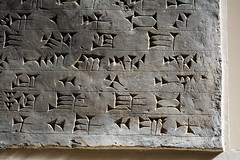
9901299614CuneiformOne of the first written languages known: A system of writing in which wedge-shaped symbols represented words or syllables. It originated in Mesopotamia and was used initially for Sumerian and Akkadian but later was adapted to represent other languages of western Asia.42
9901299615Democracya political system in which the supreme power lies in a body of citizens who can elect people to represent them43
9901299616Eight Fold PathEight steps to end suffering and attain enlightenment according to Buddhist tradition.44
9901299617Four Noble Truthsas taught by the Buddha, the four basic beliefs that form the foundation of Buddhism45
9901299618Gothic MigrationsThe Migration period, also called the Barbarian Invasions or German: Völkerwanderung (wandering of the peoples), was a period of human migration that occurred roughly between the years 300 to 700 CE in Europe, marking the transition from Late Antiquity to the Early Middle Ages. These movements were catalyzed by profound changes within both the Roman Empire and the so-called 'barbarian frontier'. Migrating peoples during this period included the Goths, Vandals, Bulgars, Alans, Suebi, Frisians, and Franks, among other Germanic and Slavic tribes.46
9901299619Great Walla fortification 1,500 miles long built across northern China in the 3rd century BC47
9901299620Han Dynastyimperial dynasty that ruled China (most of the time from 206 BC to AD 220) and expanded its boundaries and developed its bureaucracy48
9901299621HellenismThe ideals and principles that spread from Greece through much of the ancient world. Much of its influence such as philosophy, athletics, and architecture penetrated the Middle East.49
9901299622The HunsFierce warriors from Central Asia- First invaded southeastern Europe and then launched raids on nearby kingdoms50
9901299623Indian Ocean Tradeconnected to Europe, Africa, and China.; worlds richest maritime trading network and an area of rapid Muslim expansion.51
9901299624Iron Agethe period following the Bronze Age; characterized by rapid spread of iron tools and weapons52
9901299625Jewish DiasporaA "scattering" of the Jewish people53
9901299626LegalismIn Chinese history, Legalism was one of the main philosophic currents during the Warring States Period- A philosophy of focusing on the text of written law to the exclusion of the intent of law, elevating strict adherence to law over justice, mercy and common sense54
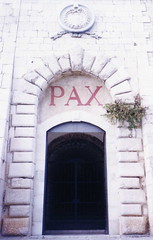
9901299627Pax RomanaA period of peace and prosperity throughout the Roman Empire, lasting from 27 B.C. to A.D. 180.55
9901299628PyramidsHuge stone tombs with four triangle-shaped walls that met in a point on top56
9901299629Roman RepublicThe period from 507 to 31 B.C.E., during which Rome was largely governed by the aristocratic Roman Senate.57
9901299630Roman Senatea council of wealthy and powerful Romans that advised the city's leaders58
9901299631Shang CivilizationChina's first dynasty almost 2000 BCE59
9901299632Shi Huang Diharsh ruler who united China for the first time and used legalism in ruling (Qin China)60
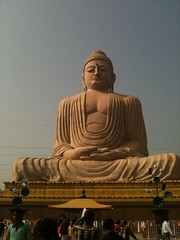
9901299633Siddhartha Gautamafounder of Buddhism; born a prince; left his father's wealth to find the cause of human suffering; also know as Buddha61
9901299634Silk Road TradeThe most famous of the trading routes established by pastoral nomads connecting the Chinese, Indian, Persian, and Mediterranean civilizations; transmitted goods and ideas among civilization.62
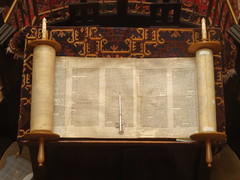
9901299635The Torahthe most sacred text of Judaism63
9901299636The Vedas of HinduismAryan hymns originally transmitted orally but written down in sacred books from the 6th century B.C.E.64
9901299637Zigguratsa temple or tomb of the ancient Assyrians, Sumerians, or Babylonians, having the form of a terraced pyramid of successively receding stories65
9901299638ChristianityMonotheistic religion born out of Judaism, preached by Jesus of Nazareth and later codified by his disciples. Persecuted by Romans early on; however, gained support under Constantine in the Rome.66
9901299639Buddhismoriginally preached by Siddhartha and codified by his disciples into the sutras. Rejected Vedic rituals and the caste system. Spread throughout SE Asia and China and split into Mahayana(Buddha as a God, local gods tacked on as Bodhisativas) and Theravada(original, strict non-theistic version).67
9901299640AsokaThird ruler of the Mauryan Empire in India (r. 270-232 B.C.E.). He converted to Buddhism and broadcast his precepts on inscribed stones and pillars, the earliest surviving Indian writing.68
9901299641HinduismTerm for a wide variety of beliefs and ritual practices that have developed in the Indian subcontinent since antiquity. It has roots in ancient Vedic, Buddhist, and south Indian religious concepts and practices.69
9901299642Trans Saharanroute across the sahara desert. Major trade route that traded for gold and salt, created caravan routes, economic benefit for controlling dessert, camels played a huge role in the trading70
9901299643MonsoonsMajor winds in the Indian Ocean that blew into India for half the year, and blew away from India for the other half. Helped facilitate trade in the Indian Ocean.71
9901299644Sumerianspeople who dominated Southern Mesopotamia through the end of the 3rd Millennium BCE. Responsible for the creation of irrigation technology, cuneiform, and religious conceptions.72
9901299645Indo-EuropeansGroups of people who came from the area north of the Caucasus mountains, which are between the Black and Caspian seas. Herded multiple animals. Rode into battle on chariots. The Indo-European language of Sanskrit, by the Aryans, are the basis of many languages today. Often accepted and adapted aspects of technology, religions, and social order of those with whom they came in contact.73
9901299646Before agriculture, men and women are believed to have a greater degree of equality. But after the rise of agriculture, most human societies became ________ as a result of greater male strength.Patriarchal74
9901299647caste systema set of rigid social categories that determined not only a person's occupation and economic potential, but also his or her position in society, there was virtually no social mobility75
9901299648Paleolithic(Old Stone Age) a long period of human development before the development of agriculture76
9901299649CarthageThis city has existed for nearly 3,000 years, developing from a Phoenician colony of the 1st millennium BC into the capital of the Carthaginian Empire. Controlled commerce in the Mediterranean prior to the rise of Roman Power. The expanding Roman Republic took control of many of its outposts after the two Punic Wars.77
9901299650HellenizationThe spread of Greek language and culture (Hellenism) throughout the Mediterranean, starting with t he conquests of Alexander the Great. Upon Alexander's death at the age of thirty-three (323 B.C.E.), his realm was divided among his leading generals. During their reigns and those of their successors, Hellenism (i.e., Greek culture) continued to flourish in major urban centers around the eastern Mediterranean (less so in rural areas). People traveling to different areas could communicate with people of other kingdoms through Greek. More than at any time in previous history, the eastern Mediterranean that emerged in Alexander's wake experienced a form of cultural unity and cosmopolitanism (a "cosmopolite" is a "citizen of the world," as opposed to a person who belongs to only one locality). The Roman Empire arose in the context of the Hellenistic world and took full advantage of its unity, promoting the use of Greek language, accepting aspects of Greek culture, and even taking over features of the Greek religion, to the point that the Greek and Roman gods came to be thought of as the same, only with different names. This complex unity achieved culturally through Hellenization and politically through the conquests of Rome is summed up by the term Greco-Roman world.78
9901299651DaoismChinese religion that believes the world is always changing and is devoid of absolute morality or meaning. They accept the world as they find it, avoid futile struggles, and deviate as little as possible from 'the way' or 'path' of nature.79
9901299652Bureaucratgovernment official80

EMLA- Ap World History Flashcards

Terms : Hide Images
8631437162Vasco De GamaPortugese mariner; first Eurpoean to reach India by sea (1492)0
8631444420Christopher ColumbusItalian navigator in service of Aragon and Castile; sailed west to find India but found the Americas in 14921
8631481457East India CompaniesBritish, French, and Dutch trading companies that obtained gov't monopolies of trade to India and Asia; acted independently in their regions2
8632784763World EconomyCreated by Europeans during the late sixteenth century; based on control of the seas; established an international exchange of foods, diseases, and manufactured products3
8632801711LepantoNaval battle between Spain and the Ottoman Empire resulting in Spanish victory in 1571; demonstrated European naval superiority over Muslims4
8632813679Core NationsNations, usually European, that profited from the world economy; controlled international banking and commercial services; exported manufactured goods and imported raw materials5
8632831716Dependent Economic ZonesRegions within the world economy that produced raw material; dependent on European markets and shipping; tendency to build systems based on force and cheap labor6
8632853938Vasco De BalboaBegan first Spanish settlement on Mesoamerican mainland in 150-7
8632860528New FranceFrench colonies in Canada and elsewhere; extended along the St. Lawrence River and Great Lakes and down into the Mississippi River valley system8
8632871758Atlantic ColoniesBritish colonies in North America along Atlantic coast from New England to Georgia9
8632879258Treaty of ParisConcluded in 1763 after the Seven Years War; Britain gained New France and ended Frances's importance in India10
8632900053Cape ColonyDutch Colony established at Cape of Good Hope in 1652 to provide a coastal station for Dutch ships traveling to and from the East Indies; settlers expanded and fought with the Bantu and other Africans11
8632908185BoersDutch and other European settlers in Cape Colony before nineteenth century British occupation; later called Afrikaners12
8632938964CalcuttaBritish East India Company headquarters in Bengal; captured in 1756 by Indians; later became administrative center for populous Bengal13
8632947888Seven Years' WarFought in Europe, Africa, and Asia between 1756 and 1763; the first worldwide war14
8655453209Olmecs(1200 BC- 400 BC) First to cultivate corn; giant stone heads15
8655463720Zapotecs(500 BC- 750 AD) Hieroglyphic writing16
8655517369Teotihuacan(250 AD- 900 AD) Pyramids and obsidian17
8655522209Toltecs(900 AD- 1100 AD) Pyramids; warlike18
8655530337Maya(250 AD- 900 AD) Similar to Greece; maize and beans; calendar and astronomy; animistic; human sacrifice19
8655554377Tikal and Chichen IztaMayan city states; similar to Sparta and Athens20
8655563214QuetzacoatlSnakebird god; giver of life21
8655589646Aztecs(1300 AD- 1521 AD) Animistic; Hernan Cortes; tribute empire; chinapas; murals22
8655643758ChinapasMost productive agricultural system; four annual harvests; maize, beans, squash23
8655652355HuitzilopochtliSun god of the Aztecs24
8655662537Mural PaintingsDiego Rivera and Frida Kahlo25
8655668440Inca(1438 AD- 1535 AD) Andes, Atacama, Amazon; Peru Chile Bolivia Ecuador Argentina; Similar to Rome26
8655696515Incan Roads20,000 miles; military transportation trade communication; lead to Cuzco27
8655712581Francisco PizarroConquered Incas28
8655718685Machu PicchuReligious; emperor's get away29
8655737499Trapiziod13* angles of all walls in Incan empire30
8655741892TambosRest spot for a messenger31
8655748546QuipoNumeracy; crops, military, census32
8655754818Terrace Farmingpotatoes33
8655757404GuanoBird fertilizer34
86557778761492-1776American Revolution35
86557805921433-1789French Revolution36
86557832191453-1750Industrial Revolution37
8655790394Henry The NavigtorPortuguese prince who organized exhibitions38
8655794174Cape Of Good HopeSouthern African Tip39
8655834630Ferdinand Megellan1519; first European to circumnavigate the globe40
8655841062Columbus ExchangeExchange of disease and food41
8655848069MercantilismMaximize trade42
8655854480Mestizo"Man of mixed race"43
8655899431CuzcoInca capital44
8655901410Ferdinand of Aragon1479-1516; ruled largest Christian kingdom in Iberia45
8655907837Isabella of Castille1451-1504; ruled largest Christian kingdom in Iberia46
8655916502Mexico CityCapital of New Spain47
8655922823Caribbean CrucibleSpanish model for the Americas48
8655924550HispaniolaFirst islands that the Spanish settled on49
8655934954Ecomendero/EcomiendaGrant of Indian laborers50
8655942486Bartolome De La CasasSupported peaceful conversion of Native Americans to Spanish colonies51
8655959992Hernan CortezDefeated Aztecs; lead 600 into Mexico in 151952
8655967607Moctezuma IILast independent Aztec emperor53
8655971521CoronadoLead expedition for gold; 1540-154254

AP World History Terms Flashcards

Terms : Hide Images
9256818355Abbasid CaliphateDescendants of the Prophet Muhammad's uncle, al-Abbas, the Abbasids overthrew the Umayyad Caliphate and ruled an Islamic empire from their capital in Baghdad from 750-12580
9256818356AbolitionistsMen and women who agitated for a complete end to slavery. Abolitionist pressure eneeebrhe British transatlantic slave trade in 1808 and slavery in British colonies in 1834. In the US, they helped lead to the civil war1
9256818357AcculturationThe adoption of the language, customs, values, and behaviors of host nations by immigrants2
9256818358Acheh SultanateMuslim kingdom in northern Sumatra. Main center of Islamic expansion in Southeast Asia in the early 17th century, it declinee after the Dutch siezed Malacca from Portugal in 16413
9256818359AdenPort city in the modern south Arabian country of Yemen. It has been a major trading center in the Indian Ocean since ancient times.4
9256818360African National ConferenceAn organization dedicated to obtaining equal voting and civil rights for black inhabitants of South Africa. Founded in 1912 as the South African Native National Congress, it changed its name in 1923. Though it was banned and its leaders were jailed for many years, it eventually helped bring majority rule to South Africa5
9256818361AfrikanersSouth Africans descended from Dutch and French settlers of the 17th century. Their Great Trek founded new settler colonies in the 19th century. Though a minority among South Africans, they help political power after 1910, imposing a system of racial segregation called apartheid after 19496
9256818362Agricultural Revolution(s) (Ancient)7
9256818363Agricultural Revolution (18th Century)8
9256818364Emilio Aguinaldo9
9256818365Akbar I10
9256818366Akhenaten11
9256818367Alexander the Great12
9256818368Alexandria13
9256818369Salvador Allende14
9256818370All-India Muslim League15
9256818371Amulet16
9256818372Amur River17
9256818373Anarchists18
9256818374Anasazi19
9256818375Aqueduct20
9256818376Arawak21
9256818377Richard Arkwright22
9256818378Armenia23
9256818379Asante24
9256818380Ashikaga Shogunate25
9256818381Ashoka26
9256818382Asian Tigers27
9256818383Atahualpa28
9256818384Atlantic Circuit29
9256818385Atlantic System30
9256818386Augustus31
9256818387Auschwitz32
9256818388Ayllu33
9256818389Aztecs34
9256818390Babylon35
9256818391Balance of power36
9256818392Balfour Declaration37
9256818393Bannermen38
9256818394Bantu39
9256818395Batavia40
9256818396Battle of Midway41
9256818397Battle of Omdurman42
9256818398Beijing43
9256818399Bengal44
9256818400Berlin Conference45
9256818401Bhagavad-Gita46
9256818402Usama bin Laden47
9256818403Otto von Bismarck48
9256818404Black Death49
9256818405Simón Bolívar50
9256818406Bolsheviks51
9256818407Napoleon Bonaparte52
9256818408Bornu53
9256818409Bourgeoisie54
9256818410Joseph Brant55
9256818411Savorgnan de Brazza56
9256818412British raj57
9256818413Bubonic plague58

AP World History Notes Flashcards

Terms : Hide Images
6143712653taiping uprisingcivil war in china led by Hong who believed he was the younger bro of Christ it was the goriest civil war of all time & largest conflict (dead 70 mil)0
6143712654opium warsChinese Nationalist Party VS kingdom of laos (2 wars) 1. treaty for 5 ports 2. expand trade1
6143712655unequal treatiessigned by western powers and quing dynasty china's century of humiliation, forced opening treaty ports2
6143712656self strengthening movementto make peace with west powers in china institutional reforms in china after military defeats & power loss3
6143712657boxer uprisingviolent anti foreign/Christian uprising in china motivated by imperialist expansion4
6143712658commissioner linchinese scholar in Quing dynasty known for being in the first opium war5
6143712659chinese rev of 1911in quing dynasty and established republic of china it started up anti quing groups and railway protection movement6
6143712660the sick man of Europegiven to a european country experiencing difficulty. first given to the ottoman empire7
6143712661tanzimatreorganization of ottoman it was against the nationalists movements8
6143712662young ottomanssecret society with tanzimat in ottoman. tried to start the first constitution for ottoman9
6143712663sultan abdul hamid ||sultan in ottoman empire only reigned over empire for 15 yrs10
6143712664young turkspolitical reform movement of most ottoman people former political party11
6143712665informal empireinfluence from an empire to another region that is not a formal colony the british empire used it to get interests12
6143712666takugawa japaneconomic growth, strict social order, and popular culture and arts came to be after fall of edo13
6143712667meiji restorationchain of events to imperial rule in japan restored political system14
6143712668russo japanese warrussia fought for water port on pacific ocean for navy and trade VS japan japanese influenced war with sino war15

Pages

Subscribe to CourseNotes RSS

Need Help?

We hope your visit has been a productive one. If you're having any problems, or would like to give some feedback, we'd love to hear from you.

For general help, questions, and suggestions, try our dedicated support forums.

If you need to contact the Course-Notes.Org web experience team, please use our contact form.

Need Notes?

While we strive to provide the most comprehensive notes for as many high school textbooks as possible, there are certainly going to be some that we miss. Drop us a note and let us know which textbooks you need. Be sure to include which edition of the textbook you are using! If we see enough demand, we'll do whatever we can to get those notes up on the site for you!