

AP World History chpt. 15 vocab Flashcards
Chpt. 15 vocab. China ect.
Terms : Hide Images
| 5474836198 | Sui Dynasty | The short dynasty between the Han and the Tang; built the Grand Canal, strengthened the government, and introduced Buddhism to China | 0 | |
| 5474836199 | Tang Dynasty | dynasty often referred to as China's Golden age that reigned during 618 - 907 AD; China expands from Vietnam to Manchuria | 1 | |
| 5474836200 | Song Dynasty | (960 - 1279 AD); this dynasty was started by Tai Zu; by 1000, a million people were living there; started feet binding; had a magnetic compass; had a navy; traded with india and persia (brought pepper and cotton); first to have paper money, explosive gun powder; *landscape black and white paintings | 2 | |
| 5474836203 | Grand Canal | The 1,100-mile (1,700-kilometer) waterway linking the Yellow and the Yangzi Rivers. It was begun in the Han period and completed during the Sui Empire. (p. 277) | 3 | |
| 5474836205 | equal-field system | This Chinese system allotted land to individuals and their families according to the land's fertility and the recipients' needs. | 4 | |
| 5474836208 | tribute | Chinese method of dealing with foreign lands and people's that assumed the subordination of all non-Chinese authorities and required the payment of tribute to the Chinese emperor | 5 | |
| 5474836215 | fast-ripening rice | acquired by Chinese through trade with Vietnam. ripens twice a year, which allowed farmers to harvest more crops. allowed China's population to expand | 6 | |
| 5474836218 | foot binding | practice in Chinese society to mutilate women's feet in order to make them smaller; produced pain and restricted women's movement; made it easier to confine women to the household | 7 | |
| 5474836219 | vassel state | one country ruled/controlled by another country | 8 | |
| 5474836220 | gunpowder | The formula, brought to China in the 400s or 500s, was first used to make fumigators to keep away insect pests and evil spirits. In later centuries it was used to make explosives and grenades and to propel cannonballs, shot, and bullets. (p. 289) | 9 | |
| 5474836221 | Mandate of Heaven | Chinese belief that the emperors ruled through the approval of the chief diety on their ability to look after the welfare of the population. | 10 | |
| 5474836222 | flying cash | Enabled merchants to deposit good or cash at one location and draw the equivalent in cash or merchandise elsewhere in China. | 11 | |
| 5474836226 | neo- Confucianism | term that describes the resurgence of Confucianism and the influence of Confucian scholars during the T'ang Dynasty; a unification of Daoist or Buddhist metaphysics with Confucian pragmatism | 12 | |
| 5474836229 | Heian Japan | A period in time where cultural development took place. Japan's ideas, traditions, and culture, was influence by Chinese cultures. | 13 | |
| 5474836231 | shogun | the supreme military commander of Japan | 14 | |
| 5474884915 | ancestor reverence | Religious beliefs or practices that involve addressing prayers or offerings to the spirits of dead relatives. | 15 | |
| 11859748191 | Genghis Khan | Ruler who made alliances with other leaders. Brought all the Mongol tribes together into one great nation. | 16 | |
| 11859749944 | Marco Polo | a 13th century explorer who was the 1st person to travel the trade route of the East and spent considerable time in Khubilai Khan's court. | 17 | |
| 11859755348 | Khubilai Khan | Genghis Khan's grandson, perhaps one of mongol empires greatest rulers, spread rule into all of china. Generous. | 18 | |
| 11859775465 | Yuan dynasty | Chinese dynasty that was founded by the Mongol ruler Khubilai Khan | 19 |
AP World History Flashcards
Terms : Hide Images
| 5924097238 | Akbar The Great | -promoted religious tolerance -Expanded Mughal Empire | 0 | |
| 5924120013 | Charles V | -fought in the 30 years war -Holy Roman and Spanish Emperor | 1 | |
| 5924130856 | Phillip II | -funded Spanish colonial expeditions -fought England and lost | 2 | |
| 5924167824 | Louis XIII | -Insignificant -Spent France's money | 3 | |
| 5924177841 | Louis XIV | -Built Versailles -Helped U.S gain independence | 4 | |
| 5924187557 | Louis XVI | -Overthrown during the French revolution | 5 | |
| 5924191109 | Peter the Great | -Defeated Sweden and gained access to Baltic sea. -Built St.Petersburg | 6 | |
| 5924221371 | Catherine the Great | -Westernized Russia -Modernized military | 7 | |
| 5925071522 | Henry VIII | -founded Anglican church | 8 | |
| 5925074689 | Elizabeth I | -patron of the arts -won war against Spain -started colonization | 9 | |
| 5925095549 | Suleiman the Magnificent | -expand border -religious tolerance -Janisarries | 10 | |
| 5925102566 | Glorious Revolution | -Non violent revolution -Established a constitutional monarchy -Magna Carta -English Bill of Rights | 11 | |
| 5925123869 | The Scientific Revolution | -Copernicus, Galileo, and Newton created basic rules and instruments for physics and astronomy -People lost faith in the catholic church | 12 | |
| 5925724744 | The Enlightenment | -Modern ideas of natural rights and philosophy -Rousseau, Montesquieu, John Locke and Voltaire spread ideas about natural rights and fair trials to all people. -Inspired revolutions worldwide. | 13 | |
| 5926198222 | French Revolution | -A revolution that occurred in France due to poor treatment of the 3rd estate as well as crippling debt for the country. -inspired by the American revolution and enlightenment -Many stages from constitutional monarchy to republic to dicatorship | 14 | |
| 5926209527 | Liberty, Fraternity, Equality | The motto of the French revolutionaries who stood for a republic | 15 | |
| 5926217366 | Napoleonic Code | A formal law code written by Napoleon Bonaparte to help stabilize France | 16 | |
| 5926220739 | Napoleon | A man who overthrew the directory and became 1st Emperor of the French Empire. Ruled France for 15 years and conquered vast lands before he was defeated by a coalition who wished to preserve the balance of power. | 17 | |
| 5926229111 | Congress of Vienna | A congress hosted by Austrian Prince Metternich which attempted to redraw the map of Europe and retain a balance of power. The congress prevented any major wars from occurring within the next century. | 18 | |
| 5926238704 | Latin American Revolutions | Both the French and American revolutions caused the Latin American nations to revolt against their colonial overlords. | 19 | |
| 5926247131 | Atlantic Slave Trade | Slaves were taken from Africa and shipped to the Americas because Europeans desired cheap labor for their colonies. The population was distorted in Africa and many villages and tribes were left deserted. Very profitable. Africans captured and sold slaves to the Europeans. | 20 | |
| 5926260609 | Nationalism | Patriotic feelings shared by people of the same culture group. Turkey- Mustafa Kemal Ataturk reformed the Ottoman Empire into a democratic and modern nation-state known as Turkey. Israel- Zionists desired a homeland for the Jewish people which result in Israel and the conflict with Palestine Italy- Garibaldi, Cavour, and Mazzini used nationalistic ideas to unite people who shared the Italian culture group. Germany- Bismarck used warfare to unite the Germanic peoples into one powerful industrial nation. India- Gandhi pushed for India's independence from Great Britain while Nehru, prime minister of India stabilized the newly established Indian nation. A party called the Italian national congress also played a key role in Britain releasing India from its control. Pakistan- Jinnah founded Pakistan as a safe haven for Muslim Indians who were persecuted. | 21 | |
| 5926279463 | Civil Disobedience | A form of peaceful protest when one breaks an unfair law without harming anyone. This was used by blacks in the U.S as well as many other countries. | 22 | |
| 5926306467 | The Industrial Revolution | A manufacturing revolution in which raw materials could be used to mass produce goods in factories. The revolution began in Great Britain but later spread to other countries. Allowed European powers to dominate native Asians and Africans. | 23 | |
| 5926317891 | Why it began in Britain | Britain had many resources, a good economy and a large population as well as a vast colonial empire. | 24 | |
| 5926322109 | New Industrial Revolution | Electricity began to be used in machinery. The German Empire lead the second industrial revolution as they adapted to the new technology before the other European nations. | 25 | |
| 5926325954 | The Steam Engine | An engine that generated steam power which powered the vast majority of early machinery. | 26 | |
| 5926334709 | Resistance to industrialization | Luddites rose up and destroyed machinery in an attempt to stop machines from replacing skilled labor. People began to push for labor laws. | 27 | |
| 5926339142 | Liberalism | Progressive ideas to fit new technology | 28 | |
| 5926340285 | Conservatism | Preserving old values and traditions | 29 | |
| 5926341879 | Social Darwinism | Smaller, weaker countries will be defeated by the more powerful nations. | 30 | |
| 5926343954 | Marxism | A communist ideology based on the ideas and philosophies of Karl Marx | 31 | |
| 5926346670 | Utopian Socialism | A society in which everybody is equal | 32 | |
| 5926348751 | Imperialism | A colonial power exercising political control over a less developed nation for their resources | 33 | |
| 5926350688 | Causes of Imperialism | -Industrial Revolution -Social Darwinism/White Man's Burden -Foreign luxury resources such as tea and cotton -Desire for land and raw materials to fuel the industrial revolution | 34 | |
| 5926356579 | Imperial Japan | -After the Tokugawa Shogunate was overthrown, a period known as the Meiji restoration happened. This period showed Japan develop and become just as powerful as the other western nations. -Defeated Russia and China as well as annexed Korea and many pacific islands. -The Russo-Japanese War and the Sino-Japanese war were examples of Japan defeating nations that were once considered great powers. | 35 | |
| 5926371018 | Berlin Conference | A conference held by Otto von Bismarck in which the nations of Spain, Portugal, France, Germany, Belgium, Italy, and Britain divided up Africa and annexed vast swathes of land on the continent. | 36 | |
| 5926381535 | How is Industrialization tied to Imperialism? | Industrialization allowed European powers to mass produce weaponry and military equipment so that natives could not compete. This lead to Europeans easily defeating foreign countries, even if they attempted to resist. | 37 | |
| 5926388545 | White Mans Burden | A poem which stated that Europeans had the god given right to spread their influence across the worlds continents. | 38 | |
| 5926392503 | Suez Canal | An important geopolitical feature located between the Sinai Peninsula and mainland Egypt. This location was under British control for most of the 19th and 20th centuries. | 39 | |
| 5926396739 | Qing Dynasty | The last Chinese dynasty which suffered a string of defeats against European powers and was plagued with political instability which lead to its collapse. | 40 | |
| 5926402498 | Crimean War | -A war between the Russian Empire against Britain, France and The Ottoman Empire. The Russians were eventually defeated and driven off the Crimean peninsula. | 41 | |
| 5926426665 | Opium Wars | A series of wars between the British and the Qing Dynasty over the sale of Opium in Chinese lands. Because Opium is highly addictive, The Chinese attempted to prohibit its sale which resulted in Europeans gaining control over Hong Cong, Macau and parts of the Shandong peninsula. | 42 |
AP World History - Strayer Chapter 4 Flashcards
Chapter 3 - Eurasian Empires
Chapter 4 - Eurasian Cultural Traditions
Terms : Hide Images
| 5138959539 | Legalism | A Chinese philosophy distinguished by an adherence to clear laws with vigorous punishments. |  | 0 |
| 5138959540 | Confucius (Kong Fuzi) | The founder of Confucianism (551-479 B.C.E.); an aristocrat of northern China who proved to be the greatest influence on Chinese culture in its history. |  | 1 |
| 5138959541 | Ban Zhao | A major female Confucian author of Han dynasty China (45-116 C.E.) whose works give insight into the implication of Confucian thinking for women. |  | 2 |
| 5138959542 | Daoism | A Chinese philosophy/popular religion that advocates simplicity and understanding of the world of nature, founded by the legendary figure Laozi. |  | 3 |
| 5138959543 | Upanishads | Indian mystical and philosophical works, written between 800 and 400 B.C.E. |  | 4 |
| 5138959544 | Vedas | The earliest religious texts of India, a collection of ancient poems, hymns, and rituals that were transmitted orally before being written down ca. 600 B.C.E. |  | 5 |
| 5138959545 | Aristotle | A Greek polymath philosopher (384-322 B.C.E.); student of Plato and teacher of Alexander the Great. |  | 6 |
| 5138959546 | Theravada | "The Teaching of the Elders," the early form of Buddhism according to which the Buddha was a wise teacher but not divine and which emphasizes practices rather than beliefs. |  | 7 |
| 5138959547 | Buddhism | a religion, originated in India that believes life is full of suffering caused by desire and that the way to end this suffering is through enlightenment |  | 8 |
| 5138959548 | Siddhartha Gautama (the Buddha) | The Indian prince who turned ascetic (ca. 566-486 B.C.E.) who founded Buddhism. |  | 9 |
| 5138959549 | Mahayana | "Great Vehicle," the popular development of Buddhism in the early centuries of the Common Era, which gives a much greater role to supernatural beings and proved to be more popular than original (Theravada) Buddhism. |  | 10 |
| 5138959550 | Nirvana | The end goal of Buddhism, in which individual identity is "extinguished" into a state of serenity & great compassion. |  | 11 |
| 5138959551 | Bhagavad Gita | A great Hindu epic text, part of the much larger Mahabharata, which affirms the performance of caste duties as a path to religious liberation. |  | 12 |
| 5138959552 | Zoroastrianism | Persian monotheistic religion founded by the prophet Zarathustra. |  | 13 |
| 5138959554 | Judaism | The monotheistic religion developed by the Hebrews, emphasizing a sole personal god (Yahweh/YHWH) with concerns with social justice. |  | 14 |
| 5138959557 | Socrates | The first great Greek philosopher to turn rationalism toward questions of human existence (469-399 B.C.E.) |  | 15 |
| 5138959558 | Plato | A disciple of Socrates whose Dialogues convey the teachings of his master while going beyond them to express Plato's own philosophy; lived from 429 to 348 B.C.E. |  | 16 |
| 5138959559 | Constantine | Roman emperor (r. 306-337 C.E.) whose conversion to Christianity paved the way for the triumph of Christianity in Europe. |  | 17 |
| 5138959560 | Paul of Tarsus (Saint Paul) | The first great popularize of Christianity (10-65 C.E.) |  | 18 |
| 5138959563 | Church of the East | Planted churches in Syria and Persia that were distinct in theology and practice from the Roman Church |  | 19 |
| 5138959561 | Jesus of Nazareth | The prophet/god of Christianity (ca. 4 B.C.E.-30 B.C.E.). |  | 20 |
| 5138959562 | Theodosius | Roman emperor (r. 379-395 C.E.) who made Christianity the official religion of the Roman state, banning all polytheistic rituals. |  | 21 |
AP World History, Periods 1 and 2 Flashcards
Terms : Hide Images
| 9730962539 | Paleolithic Period | The old Stone Age, where humans used stone tools and weapons. | 0 | |
| 9730989746 | Specialization of labor | The division of labor that aids the development of skills in a particular type of work. | 1 | |
| 9731012702 | Mesopotamia | Land between the Tigris and Euphrates Rivers where many ancient civilizations arose from. | 2 | |
| 9731023010 | Sumerians | Group of nomadic pastoralists that migrated into Mesopotamia and created a civilization of Sumer that provided the core and the foundation of several other civilizations. | 3 | |
| 9731038213 | Babylonians | Persians who took control of Mesopotamia and built a new capital city called Babylon. | 4 | |
| 9731045954 | Phoenicians | Most powerful traders along the Mediterranean, that occupied parts of present day Lebanon, Israel, and Jordan around 3000 B.C.E. | 5 | |
| 9731052785 | Shang Dynasty | Ruled for 600 years, conquered neighboring peoples and established an empire, wielded tremendous economic and religious power. | 6 | |
| 9731068855 | Confucianism | The Chinese philosophy first enunciated by Confucius, advocating the moral example of superiors as the key element of social order. | 7 | |
| 9731072405 | Daoism | A Chinese philosophy/popular religion that advocates simplicity and understanding of the world of nature. | 8 | |
| 9731072406 | Filial piety | The honoring of one's ancestors and parents, a key element of Confucianism. | 9 | |
| 9731148617 | Foraging Societies | Hunters and Gatherers Traveled based on climate and availability of plants and animal. Limited by surroundings and incapability of long term storage | 10 | |
| 9731151553 | Pastoral Societies | Domestication of animals Formed in mountainous areas and places with insufficient rainfall extended family major institution society more egalitarian & ranking based on size of one's herd | 11 | |
| 9731232378 | Cuneiform | A system of writing in which wedge-shaped symbols represented words or syllables. It originated in Mesopotamia and was used initially for Sumerian and Akkadian but later was adapted to represent other languages of western Asia. Because so many symbols had to be learned, literacy was confined to a relatively small group of administrators and scribes. | 12 | |
| 9731304442 | Legalism | A Chinese philosophy that was devoted to strengthen and expand the state through increased agricultural work and military service. | 13 | |
| 9731322236 | Theocracy | government by divine power or priests | 14 | |
| 9731328524 | Code of Hammurabi | credited as the first written law code; written by a Babylonian king and established the basis for law codes | 15 | |
| 9731338700 | Eight Fold Path | Eight guides to thought and conduct in the Buddhism religion | 16 | |
| 9731345543 | Four Noble Truths | as taught by the Buddha, the four basic beliefs that form the foundation of Buddhism | 17 | |
| 9731360734 | patriarchy | a form of social organization in which a male is the family head and title is traced through the male line | 18 | |
| 9731371505 | City-state | A city with political and economic control over the surrounding countryside | 19 | |
| 9742408599 | Vedas | Aryan hymns originally transmitted orally but written down in sacred books from 6th century BCE | 20 | |
| 9742466813 | Nirvana | State of tranquility. Buddhist state of enlightenment. | 21 | |
| 9742549980 | Zhou | Moved china forward from the Shang | 22 | |
| 9751670762 | Silk Road | Western China to Central Asia to Mediterranean area. Chinese silk most desired commodity Series of passages with common stops No single merchant traveled the entire road | 23 | |
| 9751693642 | Indian Ocean Trade Network | Active during classical era from 1000 BC to 600 CE Three legs. Connected Eastern Africa and Middle East with India. Connected India with southeast Asia. Connected Southeast Asia to Chinese port of Canton | 24 | |
| 9751712952 | Aryans | Indo-European pastoralists who moved into India about the time of the collapse of the Indus Valley civilization | 25 | |
| 9751716981 | Hellenistic era | The period from 323 to 30 B.C.E. in which Greek culture spread widely in Eurasia in the kingdoms ruled by Alexander's political successors. | 26 | |
| 9751727647 | Pax Romana | The "Roman peace," a term typically used to denote the stability and prosperity of the early Roman Empire, especially in the first and second centuries C.E. | 27 | |
| 9751728701 | Peloponnesian War | Great war between Athens (and allies) and Sparta (and allies), lasting from 431 to 404 B.C.E. The conflict ended in the defeat of Athens and the closing of Athens's Golden Age. | 28 | |
| 9751741026 | Huns | A tribe originating north of China. One of the last barbarian groups to invade Western Europe and helped bring an end to the Han, Gupta, and Romans | 29 |
Vocab AP World history 118-122 Flashcards
Terms : Hide Images
| 8073375534 | Astrolabe | an instrument formerly used to make astronomical measurements | 0 | |
| 8073375535 | sextant | navigation tool that determines latitude and longitude | 1 | |
| 8073375536 | dowry (n) | money given by the (family of the) bride to the groom | 2 | |
| 8073375537 | Sati | The Indian custom of a widow voluntarily throwing herself on the funeral pyre of her husband. | 3 | |
| 8073375538 | Purdah | The isolation of women in separate quarters | 4 |
Ap world history vocab Flashcards
Terms : Hide Images
| 5288003934 | Alexandervthe great | Macedonian eho conquered the persian empireand part of nw | 0 | |
| 5288003935 | Ashoka | Ruler of mauryan empire, converted to Buddhism and attempted to rule peacefully | 1 | |
| 5288003936 | Athenian democracy | Form of direct democracy in which much of free male population of Athens had voice in gov | 2 | |
| 5288003937 | Ceasar augustus | Great nephew and adopted son of Julius ceasar ; emerged as sole ruler of the roman state | 3 | |
| 5288003938 | Greco Persian wars | 2 major Persian invasions of Greece ,490 and 480 bc ; Persians were defeated on both loans and sea | 4 | |
| 5288003939 | Han dynasty | Ruled china from 206 bc to ad 220 created durable state based on shihuangdis state building | 5 | |
| 5288003940 | Hellenistic era | From 323-30 bc Greek culture spread widely in Eurasia and n Africa in kingdoms ruled by Alex the greats successors | 6 | |
| 5288003941 | Mauryan empire | Major empire that encompassed most of India ( 322-185 bc) | 7 | |
| 5288003942 | Pax romana | "Roman peace" stability of Roman Empire in 1st and 2nd centuries ad | 8 | |
| 5288003943 | Persian empire | Expanded from Iranian plateau to incorporate the Middle East from Egypt to India | 9 | |
| 5288003944 | Qin shihuguangdi | "First emperor from the qin" forcibly reunited china and established a strong and repressive state | 10 | |
| 5288003945 | Bhagavad Gita | Epic Hindu poem affirms performance of caste duties as a path to religious liberation | 11 | |
| 5288003946 | Judaism | Monotheistic religion developed by the Hebrews; sole personal god | 12 | |
| 5288003947 | Legalism | Chinese philosophy distinguished by an adherence to clear laws with vigorous punishments | 13 | |
| 5288003948 | Moksha | Hindu belief liberation from separate existence and union with brahman | 14 | |
| 5288003949 | Nirvana | End goal of Buddhism in which individual identity is extinguished into state of serenity | 15 | |
| 5288003950 | Siddhartha guatama | Buddha - Indian prince turned ascetic who founded Buddhism | 16 | |
| 5288003951 | Socrates | First great Greek philosopher to turn rationalism toward questions of human existence | 17 | |
| 5288003952 | Upanishads | Indian mystical and philosophical works; written b/t 800-400bc | 18 | |
| 5288003953 | Vedas | Earliest religious text of India; poems hymns and rituals | 19 | |
| 5288003954 | Zoroastrianism | Persian monotheistic religion founded by prophet Zarathustra | 20 | |
| 5288003955 | Patriarchy | Social system of male dominance | 21 | |
| 5288003956 | Pericles | Prominent and influential statesman of Athens he presided over Athens golden age | 22 | |
| 5288003957 | Spartacus | Roman gladiator who led the most serious slave revolt in Roman history | 23 | |
| 5288003958 | Axum | Second wave era kingdom of east Africa present day Eritrea and Ethiopia | 24 |
AP World History Flashcards
Unit 1 Study Guide
Terms : Hide Images
| 7524723959 | Prehistory | The period before writing | 0 | |
| 7524723960 | Homo erectus | "Upright-walking human," which existed from 2,000,000 to 200,000 years ago; Homo erectus used cleavers and hand axes and learned to how to control fire | 1 | |
| 7524723961 | Venus figurines | Paleolithic communities worshipped in hopes of ensuring fertility | 2 | |
| 7524723962 | Slash and burn agriculture | To prepare a field for cultivation, I community with/bark off trees in a forest and later burn the dead trees to the ground; resulted in weed-free, extremely fertile land; farmers had to migrate | 3 | |
| 7524723963 | Gilgamesh | Legendary king of the Mesopotamian city state of Uruk, subject of the epic of Gilgamesh, world's oldest complete epic literary masterpiece | 4 | |
| 7524723964 | Early metal working | Copper was the earliest metal used | 5 | |
| 7524723965 | Mesopotamia | Meaning: "the land between the rivers" Women: sometimes advised kings, some highpriestesses, some obtained formal educations, worked as scribes, midwives, shopkeepers, etc.; it was insisted they were virgins upon marriage | 6 | |
| 7524723966 | Ziggurat | Mesopotamian temples | 7 | |
| 7524723967 | Hittites | Responsible for the construction of light, horse-drawn war chariots and the refinement of iron metallurgy | 8 | |
| 7524723968 | Nebuchadnezzar | Lead sixth century BCE Babylon resurgence of power; had lavish wealth and resources; built the hanging Gardens of Babylon | 9 | |
| 7524723969 | Sumerians | Constructed elaborate irrigation networks, dominant people of Mesopotamia, populations reaching 100,000, built the worlds first cities, reservoirs, and canals | 10 | |
| 7524723970 | Cuneiform | Sumerian form of writing; symbolistic writing | 11 | |
| 7524723971 | Moses | Encourage monotheism to the Israelites | 12 | |
| 7524723972 | Languages of Indo-European origins | Indo-Iranian, Greek, Balto-Slavic, Celtic, etc. | 13 | |
| 7524723973 | Egypt was referred to as the "the gift of the Nile" | Egyptian explorer Harkhuf penned the term | 14 | |
| 7524723974 | When were the largest Egyptian pyramids built? | The old kingdom | 15 | |
| 7524723975 | Hatshepsut | First female pharaoh | 16 | |
| 7524723976 | Cult of Amon-Re | Associated two gods, Amon and Re and combined them; Temple at Heliopolis | 17 | |
| 7524723977 | Osiris | God of the underworld | 18 | |
| 7524723978 | Bantu | Spread the establishment of agricultural societies; similar to the Indo-Europeans | 19 | |
| 7524723979 | Aryans | Chief god- Indra Religious and literary works- also known as the Vedas | 20 | |
| 7524723980 | Harappan | Located- India Lack in information- if any/all literary works submerged, suffer water damage Decline- deforestation, famine, agricultural decline | 21 | |
| 7524723981 | Social classes in the Vedic Age | Called- Brahmins, Kshatriyas, Vaishyas, Shudras, Harijans/Untouchables Power- Men had the most power | 22 | |
| 7524723982 | Lawbook of Manu | Place women explicitly under the authority of men | 23 | |
| 7524723983 | What did the authors of the Upanishads believe? | To be reincarnated up the classes and eventually reach the top and live in the afterlife with their God | 24 | |
| 7524723984 | Karma | Hindu concept that the sum of good and bad in a person's life will determine his or her status in the next life | 25 | |
| 7524723985 | China's Sorrow | Yellow/ Huang He River | 26 | |
| 7524723986 | Banpo | Earliest Chinese archaeological site | 27 | |
| 7524723987 | Mandate of heaven | Chinese belief that the emperors ruled through the mandate, or approval, of heaven, contingent on their ability to look after the welfare of the population | 28 | |
| 7524723988 | Oracle bones | Chinese Shang dynasty means of foretelling the future | 29 | |
| 7524723989 | Zhou and the Book of Emperors | Chinese dynasty that was the foundation of Chinese thought form during this period: Confucianism, Daoism, Zhou Classics | 30 | |
| 7524723990 | Mayan ritual bloodletting | Blood flow was associated with rain and agriculture; the blood pleased their gods and caused plenty of rain for a bountiful harvest | 31 | |
| 7524723991 | Olmec | Meaning- "the rubber people" Artistic creation- Olmec heads carved from basalt Trade- traded in Jaden and obsidian | 32 | |
| 7524723992 | Tikal | Most important Maya political center | 33 | |
| 7524723993 | Chichen Itza | Most preserved Mayan ruins in the Yucatán peninsula; people's based there state on the Mayans | 34 | |
| 7524723994 | Mayan ritual calendar | Solar year of 365 days governed agricultural cycle, ritual year of 260 days governed daily affairs by arranging time into "months" of 13 days a piece | 35 | |
| 7524723995 | Popol Vuh | Maya creation myth; gods made people from maize and water, which turned into blood and flesh | 36 | |
| 7524723996 | Pyramid of the Sun | Largest single structure in Mesoamerica; located in Teotihuacan | 37 | |
| 7524723997 | Who were the first settlers on the large, African island of Madagascar? | Oceanic peoples/Australians (Laptia?) | 38 |
Barron's AP World History - Periodization I Flashcards
Terms : Hide Images
| 5738519976 | Humans have existed for ___. Human civilization has existed for ___. The time before this was called ___. | 200,000 years; 5,000-6,000 years; prehistory | 0 | |
| 5738519977 | Humans originated in ___. The Americas were populated via an ___, which then disappeared. They soon came in contact with Europeans again in ___. | Africa; Asian land bridge; 1492 | 1 | |
| 5738519978 | Factors that Help Advanced Society Develop | •Non-extreme climate •Fertile land, preferably flat •Reliable water source •Topography that enabled movement •Access to a water body •Natural resources •Proximity to trade routes | 2 | |
| 5738519979 | The ___ proposes Homo sapiens arose in East Africa and then migrated outward. An ___ theory called the ___, proposes humans arose independently in various places. | "Out of Africa" thesis; unpopular; multiregional thesis | 3 | |
| 5738519980 | Peopling of the Earth Stages | 1) 100,000 Years Ago - Africa to the Middle East 2) 70,000 Years Ago - Reached India and SE Asia 3) 50,000 Years Ago - Crossed into Australia/Oceania 4) 40,000 Years Ago - Reached Europe, Central Asia, & Siberia 5) 15,000 Years Ago - Reached the Americas | 4 | |
| 5738519981 | It took people longer to reach Europe and Northern Asia because of ___ that lasted until ___ years ago. | ice ages; 12,000 | 5 | |
| 5738519982 | Humans reached the Americas via the ___. Humans generally populated the entire world by ___, the time the ___ occurred. | Bering land bridge; 8000 BCE; Neolithic Revolution | 6 | |
| 5738519983 | The ___ lasted until 5,000 years ago. The first period was the ___. Around 8000 BCE the ___ began. | Stone Age; Paleolithic Era; Neolithic Era | 7 | |
| 5738519984 | Paleolithic peoples relied upon ___. They developed ___ to assist them in survival. ___ was a very versatile resource as well. ___ became common during the late Paleolithic. | hunting and foraging; tools; Fire; Pottery | 8 | |
| 5738519985 | Social structure during the Paleolithic Era was based on ___. They were mostly ___. They lacked much ___ or ___. | kinship groups; nomadic; hierarchy; socioeconomic classes | 9 | |
| 5738519986 | Most Paleolithic peoples adhered to ___, a belief in the natural world animated by spirits. Religious leaders called ___ appeared who spoke to spirits and healed the sick. | animism; shamans | 10 | |
| 5738519987 | The Paleolithic Era introduced the ___ between men and women. Men were responsible for: ___. Women were responsible for: ___. | gender division of labor; hunting, fighting, and heavy labor; gathering plants, preparing food, and looking after the home/children | 11 | |
| 5738519988 | The Neolithic Revolution occurred ___, and introduced the ___. This resulted in greater ___. | 12,000 years ago; domestication of plants/animals; population growth. | 12 | |
| 5738519989 | Groups that domesticated animals but not plants developed ___. They were most common in the ___. They experienced some ___, but not like agricultural societies. | pastoralist or herding societies; grassland regions of Afro-Eurasia; social stratification | 13 | |
| 5738519990 | Pastoralists were nomadic and often expert ___. Many invented ____ pulled by herd animals. They played a critical role in the cultural diffusion of the ___. | horseback riders; wheeled vehicles; chariot, compound bow & arrow, and iron weapons | 14 | |
| 5738519991 | Pastoralists often negatively affected the ___. They caused ___ of species, and the overgrazing of grasslands led to ___. | environment; artificial selection; erosion & desertification | 15 | |
| 5738519992 | Agricultural Hearths | •E Asia - Millet, soybeans •SE Asia - Bananas, rice, yams •Middle East - Wheat, barley, beans •West Africa - Yams •Mesoamerica - Maize, beans •Andes - Beans, potatoes | 16 | |
| 5738519993 | ___ played a vital role in the transition to agriculture. Agriculture's greatest advantage was ___. It resulted in a more ___ lifestyle. People gathered in larger communities, and the concept of ___ developed. | Women; dependable food; sedentary; private property | 17 | |
| 5738519994 | Agriculture created food surplus, which encouraged the ___. This resulted in more ___, with ___ being the norm. | specialization of labor; social stratification; patriarchy | 18 | |
| 5738519995 | Agriculture had more environmental impact than hunting/gathering and pastoralism. The ___ of species resulted in unfair competition, and practices such as___ increased human's ecological footprint. | artificial selection; forest clearing & irrigation | 19 | |
| 5738519996 | The first cities date back to ___, and include ___ on the Jordan River and ___ in Turkey. The wheel was invented in the ___, greatly aiding transportation. | 8000-7000 BCE; Jericho; Çatal Hüyük; 3000s | 20 | |
| 5738519997 | During the Neolithic Era, tools likes ___ increased agricultural efficiency. Metallurgy began in the ___ between 4000-3000 BCE. This eventually gave way to the ___. | hoes & plows; Middle East & China; Bronze Age (3500-1200 BCE) | 21 | |
| 5738519998 | Ancient societies relied upon ___ to share information. But civilization developed writing. The earliest example was ___ in 3500-3000 BCE. Few cultures survived without, notably the ____. | oral traditions; Sumerian cuneiform; Inca | 22 | |
| 5738519999 | Elements of Civilization | •Economic system •Government •Social system •Moral/ethical belief system •Intellectual tradition •Technological aptitude | 23 | |
| 5738520000 | Mesopotamia arose between the ___. The first civilization arose in 3500 BCE with the ___. Other groups came to power such as: | Tigris & Euphrates Rivers (Fertile Crescent); Sumerians; Akkadians, Babylonians, & Assyrians | 24 | |
| 5738520001 | Mesopotamia was not always centralized, and often had ___. They built cities like Babylon, ruled by ___. The first empire arose out of Akkadian conqueror ___. | city-states; kinglike figures with a priest class; Sargon | 25 | |
| 5738520002 | Sumerian culture was recorded with ___. A famous ancient poem is ___. They pioneered law code with ___. | cuneiform; Gilgamesh's Epic; Hammurabi's Law Code | 26 | |
| 5738520003 | The Mesopotamians honored their polytheistic gods with temples called ___. They invented the ___. They traded as far as the ___. | ziggurats; base-60 number system; Indus River Valley | 27 | |
| 5738520004 | During the 1300s-1200s BCE, the ___ came to rule over Mesopotamia. They were adept at ___ and were the first to use ___. Later, the ___ conquered large parts of the Middle East and Egypt, forming a large empire. | Hittites; chariot warfare; iron weapons; Assyrians | 28 | |
| 5738520005 | Egypt developed near the ___. Basic social features appeared during its ___ period. Civil War then resulted in its ___. | Nile River; Old Kingdom; First Intermediate Period | 29 | |
| 5738520006 | Egypt entered the ___ in 2040 BCE. The ___, armed with ___ then ushered in the Second Intermediate Period. | Middle Kingdom; Hyksos; chariots & compound bows | 30 | |
| 5738520007 | Egypt's final period was its ___. It formed a large empire, conquering the Middle East and southern ___. It eventually collapsed due to ___. | New Kingdom; Nubian civilization; internal disorder & foreign invasions | 31 | |
| 5738520008 | Egyptian society revolved around the ___, thought to be an incarnation of the ___. Egyptian-Nubian trade gave Egypt access to more goods, but was often ___. | pharaoh; sun god (Ra); violent | 32 | |
| 5738520009 | Egyptian women had more rights than in ___. They could ___. One even rose to become pharaoh, ___. | Mesopotamia; manage finances, divorce husbands, own businesses/property; Hatshepsut | 33 | |
| 5738520010 | Egypt's followed a polytheistic religion revolving around the sun god, ___. Their religious text was the ___. They developed ___ to show respect for the afterlife. | Ra; Egyptian Book of the Dead; mummification & pyramids | 34 | |
| 5738520011 | Egyptians had a writing system known as ___. They wrote on ___. They also invented the ___. | hieroglyphs; papyrus; 365-day calendar | 35 | |
| 5738520012 | The Indus River Valley civilization developed in ___. Their written language has yet to be ___. They left behind little ___, and only few sculptures survived. They were heavily ___. | NW India; deciphered; pictorial art; urbanized | 36 | |
| 5738520013 | The Indus River Valley Civilization relied upon the Indus River, which regularly flooded with ___. Their largest cities were ___. | silt; Mohenjo-Daro & Harappa | 37 | |
| 5738520014 | Almost all Indus River cities had an identical layout. Streets were laid out in ___. Many cities had large ___ and ___, suggesting they were prosperous. | straight grids; baths; sewage systems | 38 | |
| 5738520015 | The Indus River Valley Civilization was originally thought to have ended through ___. However, most scholars now think they died due to environmental factors, such as ___. | Aryan invasions; drought | 39 | |
| 5738520016 | Early China relied upon the ___. Western China was a ___, so the rivers of the East were vital to their survival. | Huang He (Yellow River); desert | 40 | |
| 5738520017 | Legend suggests the first Chinese dynasty was the ___. The first historically-verified dynasty was the ___ however. They were led by ___. | Xia; Shang dynasty; warrior aristocracy | 41 | |
| 5738520018 | Shang armies expanded via ___, and fought invading barbarians. They traded extensively, as far as the ___. Their principal commodities were ___. | chariots; Middle East; jade & silk | 42 | |
| 5738520019 | The Chinese writing system used ___. The Shang dynasty established fortune-telling, ___, and ___. They viewed themselves as the center of the world, creating the notion of a "___". | pictographs; divination; ancestor veneration; Middle Kingdom | 43 | |
| 5738520020 | China's second dynasty was the ___, founded in the 1000s BCE. They began to rely on ___, where a monarchy ruled over decentralized political units. They preserved Shang traditions, but also introduced ___. They began to focus on ___, and most notably created the ___. | Zhou; feudalism; iron weapons; bureaucracy; Mandate of Heaven | 44 | |
| 5738520021 | After the Zhou Dynasty's collapse, China's "___" period began. | Warring States | 45 | |
| 5738520022 | The Olmecs emerged in ___ in 1400-1200 BCE. They were considered to be a "___" of the region. | Mesoamerica; mother civilization | 46 | |
| 5738520023 | The Olmecs arose without a ___. Their written language is a ___ as well. They are famous for their ___. They loved ___ and also passed on polytheistic deities like the ___. They may have also practiced ___, like later peoples. | river system; mystery; huge stone heads; astronomy; jaguar god; human sacrifice | 47 | |
| 5738520024 | The first Andean city was likely ___, in central Peru. Most believe ___ originated in the Andes and then diffused upward. The most important domesticated animal was the ___. The Andes had no writing system, however ___ did originate here. | Caral; metallurgy; llama; quipu | 48 | |
| 5738520025 | The ___ originated in the Andes in 1000 BCE. It was centered on the city of ___. It was a major polytheistic religious movement. They are well known for their ___. | Chavín; Chavín de Huántar; textiles | 49 | |
| 5738520026 | Nubia developed ___ and was a notable trade partner. The Hebrews emerged in the Middle East, with a homeland in ___. They developed the first major monotheistic religion, ___. | south of Egypt; Israel; Judaism | 50 | |
| 5738520027 | In the Mediterranean, the ___ developed on the island of Crete. They influenced the Greeks, but the ___ were more direct ancestors. They fought the real ___ immortalized in ___. | Minoans; Mycenaeans; Trojan War; Homeric epics | 51 | |
| 5738520028 | The Phoenicians developed in the Mediterranean around 1550 BCE. Their home cities were ___. They harvested cedar and made a famous ___. They invented an ___. | Syria & Lebanon; purple dye; alphabet | 52 | |
| 5738520029 | The Indo-Europeans were ___, that spread throughout Eurasia from Central Asia. The ___ played a large role in India's prehistory. The Bantu herders migrated from the ___ to sub-Saharan Africa. | migrating pastoralists; Aryans; Niger river basin | 53 | |
| 5738520030 | The most common form of government in ancient history was the ___. Most governed with an elite class called the ___. An ___ was a few elites ruling over a group of people. A ___ ruled over people through religious elite. | monarchy; aristocracy; oligarchy; theocracy | 54 | |
| 5738520031 | Slavery was widespread in the ancient world. ___ put people to work for owners they owed money to. ___ had peasants labor on their owners' land. ___ was also used as a punishment. | Debt slavery & indentured servitude; Serfdom; Prison labor | 55 | |
| 5738520032 | Ancient art often served a political purpose, such as how ___ demonstrates power. The Phoenician alphabet was the forerunner of the ___, which influenced Hebrew and Arabic. | monumental architecture; Aramaic script | 56 | |
| 5738520033 | India had the ___, a collection of Vedic hymns composed in ___. This was a scripture within ___, a precursor to Hinduism. | Rig Veda; Sanskrit; Vedism | 57 | |
| 5738520034 | Vedism created a ___, with a hierarchical social structure: ___. It taught all creatures had a soul that yearned to be united with the world soul, ___. | caste system; brahmins (priest-scholars), warriors/rulers, traders/peasants, servants; Brahman | 58 | |
| 5738520035 | The Hebrews entered into a covenant as the chosen people of the god ___. It developed into Judaism, the first ___. The Hebrews migrated to Egypt around 1700 BCE, were enslaved and then escaped under ___. This exodus is celebrated during their ___. | Jehovah; monotheistic religion; Moses; Passover holiday | 59 | |
| 5738520036 | Moses led the Hebrews to ___. There he gave them the ___ and the ___, the first five books of the ___, or Hebrew scripture. | Canaan (Israel); Ten Commandments; Torah; Tanakh | 60 | |
| 5738520037 | The Hebrew kingdom was at its height under ___. They established a capital at ___ and built the ___ there. After Solomon's death, the kingdom dissolved. | David and his son Solomon; Jerusalem; First Temple | 61 | |
| 5738520038 | Zoroaster founded ___ between 1700 to 500 BCE (unknown). Their scripture, the ___, was compiled over many centuries. It emerged as an official faith in ___ by the 500s BCE after ___ adopted it to justify his rule. | Zoroastrianism; Avesta; Persia; Darius the Great | 62 | |
| 5738520039 | Zoroastrianism was monotheistic, venerating ___. The good deeds of his followers were supposed to help him in his fight against the evil spirit of chaos, ___. It had core values, such as a ___, which found itself in Judaic and Christian doctrines. | Ahura Mazda; Angra Mainyu; Judgement Day | 63 |
AP World History Exam Review (Unit 1 & 2) Flashcards
Terms : Hide Images
| 6734547173 | paleolithic | (Old Stone Age) a long period of human development before the development of agriculturekinsh | 0 | |
| 6734547174 | kinship groups | Extended families clustering to form clans and tribes in the Paleolithic era | 1 | |
| 6734547175 | pastoral | societies were characterized by the domestication of animals but they usually did not settle down and farm or build towns - nomadic, facilitated trade and spread technology, religions, and ideas | 2 | |
| 6734547176 | conduit | a means by which something is transmitted | 3 | |
| 6734547177 | surplus | More of something than as needed. | 4 | |
| 6734547178 | metallurgy | the science of working with metals | 5 | |
| 6734547179 | agrarian | relating to land; relating to the management or farming of land | 6 | |
| 6734547180 | elite | People of wealth and power; upper class -- did not emerge until settled societies developed | 7 | |
| 6734547181 | egalitarian | believing in the social and economic equality of all people - existing before setting societies in hunter-gatherer groups | 8 | |
| 6734547182 | patriarchy | a form of social organization in which the father is the supreme authority in the family, clan, or tribe and descent is reckoned in the male line, with the children belonging to the father's clan or tribe. | 9 | |
| 6734547183 | Neolithic Revolution | (10,000 - 8,000 BCE) The development of agriculture and the domestication of animals as a food source. This led to the development of permanent settlements and the start of civilization. | 10 | |
| 6734547184 | specialization | The concentration of the productive efforts of individuals and firms on a limited number of activities; increases efficiency | 11 | |
| 6734547185 | social hierarchy | The division of society by rank or class. | 12 | |
| 6734547186 | social stratification | One of two components, together with agricultural surplus, which enables the formation of cities; the differentiation of society into classes based on wealth, power, production, and prestige | 13 | |
| 6734547187 | Mesopotamia | (land between the rivers) The region between the Tigris and Euphrates rivers; birthplace of the Sumerian and Babylonian Civilizations. Participated in state expansion and empire building |  | 14 |
| 6734547188 | Ancient Egypt | An ancient civilization centered around the Nile River; unified by Menes around 3000 B.C.; divided into the old, middle, and new kingdoms; main gods included Osiris, Isis, Re, and Horus; believed in Divine Kingship; participated in state expansion and empire building |  | 15 |
| 6734547189 | disseminate | To scatter or spread widely | 16 | |
| 6734547190 | monumental architecture | Large structures, such as pyramid, temples, public spaces, and large statues, that tend to appear wherever powerful leaders emerge; a feature of all agrarian civilizations. | 17 | |
| 6734547191 | urban planning | The area of land use planning which explores several aspects of built and social environments of municipals and communities. | 18 | |
| 6734547192 | Code of Hammurabi | credited as the first written law code; written by a Babylonian king and established the basis for law codes |  | 19 |
| 6734547193 | Zoroastrianism | One of the first monotheistic religions, particularly one with a wide following. It was central to the political and religious culture of ancient Persia. | | 20 |
| 6734547194 | Judaism | A religion with a belief in one god. It originated with Abraham and the Hebrew people. Yahweh was responsible for the world and everything within it. They preserved their early history in the Old Testament. |  | 21 |
| 6734547195 | Vedic religion | The ancient religion of the Aryan peoples who entered northwestern India from Persia c. 2000-1200 B.C.E. It was the precursor of Hinduism, and its beliefs and practices are contained in the Vedas |  | 22 |
| 6734547196 | diaspora | any group migration or flight from a country or region; dispersion. Particularly used in relation to Jews scattered by Romans in 70 CE or to Africans spread to new places during the Atlantic Slave Trade. |  | 23 |
| 6734547197 | Hinduism | A religion and philosophy developed in ancient India, characterized by a belief in reincarnation, karma, the caste system, and a supreme being who takes many forms |  | 24 |
| 6734547198 | Buddhism | A religion with origins in IndiaMau in which Buddha's teachings that life is permeated with suffering caused by desire and suffering ceases when desire ceases. Enlightenment obtained through right conduct, wisdom, and meditation releases one from desire, suffering, and rebirth (reincarnation). | 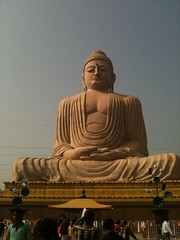 | 25 |
| 6734547199 | Emperor Ashoka | Maurya empire of India (320-185 BC); greatest emperor of India; conversion to Buddhism and spread Buddhism throughout India by building shrines and pillars for Buddhists |  | 26 |
| 6734547200 | five relationships | Confucian philosophy about social order where everyone has a place and respect is paid to elders, parents, and the government. The relationships are, ruler to ruled, father to son, older brother to younger brother, husband to wife, friend to friend. | 27 | |
| 6734547201 | filial piety | In Confucian thought, one of the virtues to be cultivated, a love and respect for one's parents and ancestors. | 28 | |
| 6734547202 | Mandate of Heaven | A political theory developed during the Zhou Dynasty of ancient China in which those in power were believed to have the the right to rule from divine authority. | 29 | |
| 6734547203 | Christianity | An Abrahamic, monotheistic religion based on the life and teachings of Jesus as presented in the New Testament. Drew on Judaism and initially rejected Roman and Hellenistic influences. Spread through the efforts of missionaries and merchants. Eventually gained support by the time of Emperor Constantine. |  | 30 |
| 6734547204 | Greco-Roman philosophy | emphasized logic, empirical observation, and the nature of political power and hierarchy |  | 31 |
| 6734547205 | monasticism | Living in a religious community apart from secular society and adhering to a rule stipulating chastity, obedience, and poverty. (Primary Centers of Learning in Medieval Europe) - occurred in Christian and Buddhist communities |  | 32 |
| 6734547206 | shamanism | tribal religion; involves community acceptance of a shaman, religious leader, healer, and worker of magic who can intercede with the spirit world |  | 33 |
| 6734547207 | animism | Belief that objects, such as plants and stones, or natural events, like thunderstorms and earthquakes, have a discrete spirit and conscious life. |  | 34 |
| 6734547208 | ancestor veneration | Worship and respect for ancestors (occurred in African, Mediterranean, East Asia, and Andean societies during the classical time period) | 35 | |
| 6734547209 | Roman architecture | copied Greeks, arch, barrel vault, groin vault, basilica, pilasters, podium |  | 36 |
| 6734547210 | Sassanid Empire | The name of the last pre-Islamic Iranian (Persian) empire. It was one of the two main powers in Western Asia for a period of more than 400 years. Was founded by Ardashir I after defeating the last Parthian (Arsacid) king, in Persia,also involving a revival of a revival of the Persian religion Zoroastrianism). Fought the Byzantines, which weakened them both. |  | 37 |
| 6734547211 | Han Dynasty | (202 BCE-220 CE) This dynasty continued the centralization of the Qin Dynasty, but focused on Confucianism and education instead of Legalism. |  | 38 |
| 6734547212 | Mauryan Empire | The first state to unify most of the Indian subcontinent. It was founded by Chandragupta Maurya in 324 B.C.E. and survived until 184 B.C.E. From its capital at Pataliputra in the Ganges Valley it grew wealthy from taxes. |  | 39 |
| 6734547213 | Hellenistic Empire | (The spread of Greek culture) of or relating to Greek history, language, and culture from the death of Alexander the Great to the defeat of Cleopatra and Mark Antony by Octavian in 31 BC. During this period Greek culture flourished, spreading through the Mediterranean and into the Near East and Asia and centering on Alexandria in Egypt and Pergamum in Turkey |  | 40 |
| 6734547214 | Mayans | 1500 B.C. to 900 A.D. This is the most advanced civilization of the time in the Western Hemisphere. Famous for its awe-inspiring temples, pyramids and cities. A complex social and political order. |  | 41 |
| 6734547215 | Greek city-states | Polis, farmer-warriors; culturally unified (Homer, language) but politically diverse (kingship and democracy), unified by a language, polytheistic religion, and culture - otherwise very distinct |  | 42 |
| 6734547216 | centralized government | A government in which power is concentrated in a central authority to which local governments are subject (ex: China, Rome, Byzantines, etc) | 43 | |
| 6734547217 | qanat system | a traditional system of gravity-fed irrigation that uses gently sloping tunnels to capture groundwater and direct it to low-lying fields |  | 44 |
| 6734547218 | champa rice | Quick-maturing rice that can allow two harvests in one growing season. Originally introduced into Champa from India, it was later sent to China as a tribute gift by the Champa state (as part of the tributary system.) |  | 45 |
| 6734547219 | stirrup | device for securing a horseman's feet, enabling him to wield weapons more effectively. First evidence of the use of stirrups was among the Kushan people of northern Afghanistan in approximately the first century C.E. |  | 46 |
| 6734547220 | lateen sail | triangular sail that made it possible to sail against the wind; used in the Indian Ocean trade |  | 47 |
| 6734547221 | dhow ship | emerged in middle east; sturdy enough to carry a lateen sail to cross open water; vessel of commerce and used in indian ocean |  | 48 |
| 6734547222 | Xiongnu | nomadic raiders from the grasslands north of China during the reign of Han dynasty; emperor Wudi fought against them in the mid-100s BC |  | 49 |
| 6734547223 | caste | (n.) any of the social or subclasses of traditional Hindu society, such as the Brahman or Sudra castes; a social class distinct from others and characterized by hereditary rank, profession or wealth; (n.) a social position conferred on someone based on a system of castes |  | 50 |
| 6734547224 | Silk Road | An ancient trade route between China and the Mediterranean Sea extending some 6,440 km (4,000 mi) and linking China with the Roman Empire. Other info: facilitated by pastoral groups, trade of luxury goods, use of camel caravans |  | 51 |
| 6734547225 | caravanserai | Fortified inns that were built along trade routes in Central and Western Asia in the twelfth century to provide food, lodging, and protection for merchants traveling with camels, donkeys, and horses. |  | 52 |
| 6734547226 | Trans-Saharan trade | route across the sahara desert. Major trade route that traded for gold and salt, created caravan routes, economic benefit for controlling dessert, camels played a huge role in the trading |  | 53 |
| 6734547227 | Indian Ocean trade | Connected to Europe, Africa, and China. Worlds richest maritime trading network and an area of rapid Muslim expansion. Spices, slaves, silk, ivory, gold, and many other items crossed through the Indian Ocean, and the spread of Islam owed much to the trade network. |  | 54 |
| 6734547228 | Mediterranean sea lanes | Trade routes that connected the Mediterranean civilizations together. The need for a sea rout for trade in the region. Trade increased and diffusion of cultures occurred |  | 55 |
| 6734547229 | Gupta | Powerful Indian state based in the Ganges Valley. It controlled most of the Indian subcontinent through a combination of military force and its prestige as a center of sophisticated culture. Often associated with a Golden Age of classical India. |  | 56 |
| 6734547230 | Phoenicians | located on eastern Mediterranean coast; invented the alphabet which used sounds rather than symbols like cuneiform |  | 57 |
| 6734547231 | collapse of classical empires | spread of disease, over-expansion, corrupt governments, invasions by nomadic/pastoral groups, over-taxation of peasants, food shortages | 58 | |
| 6734547232 | Confucianism | A philosophy that adheres to the teachings of the Chinese philosopher Confucius. It shows the way to ensure a stable government and an orderly society in the present world and stresses a moral code of conduct. | 59 |
Pages

Need Help?
We hope your visit has been a productive one. If you're having any problems, or would like to give some feedback, we'd love to hear from you.
For general help, questions, and suggestions, try our dedicated support forums.
If you need to contact the Course-Notes.Org web experience team, please use our contact form.
Need Notes?
While we strive to provide the most comprehensive notes for as many high school textbooks as possible, there are certainly going to be some that we miss. Drop us a note and let us know which textbooks you need. Be sure to include which edition of the textbook you are using! If we see enough demand, we'll do whatever we can to get those notes up on the site for you!
