AP Notes, Outlines, Study Guides, Vocabulary, Practice Exams and more!

AP World History Flashcards

Terms : Hide Images
7488623727MesopotamiaMiddle East/ South West Asia0
7488634468EgyptOn the continent of Africa but culturally of the middle east region1
7488636499Indus Valley CivilizationSouth Asia2
7488638927Shang CivilizationEast Asia/ Far East3
7488665706UrukMiddle East/ South West Asia4
7488671003Mohenjo DaroSouth Asia5
7488673389TeotihuacanPart of North America geographically part of Latin America6
7488676513Andes MountainsSouth America7
7488686115HarappaSouth Asia8
7488687045MemphisOn continent of Africa but culturally part of the middle east region9
7488690870AnyangEast Asia/ Far East10
7488690871Tigris RiverMiddle East/ South West Asia11
7488696005Euphrates RiverMiddle East/ South West Asia12
7488697437Clovis CultureNorth America13
7488701961Norte ChicoSouth America14
7488702831Blombos CaveSouthern Africa15
7488711527Lascaux CaveWestern Europe16
7488718372CatalhoyukMiddle East/ South West Asia17
7488723255Gobekli TepeMiddle East/ South West Asia18
7488726451Himalaya MountainsSouth Asia19

Ap World History Chapter 7 Flashcards

Terms : Hide Images
5259170570Abbasid Empire-Coalition with the Mawali -Capital: Baghdad -(Center of Learning) -(Obtained Math and Science from Gupta India) -Sunni -Appointed Wazirs (Chief Adminstrator) and Royal Executioners -Mawali never had to pay Jizya again (the tax for being a convert)0
5259170571Harun al Rashid-Extremely powerful and rich -Abbasid Empire Caliph -Used Persians as Wazirs -Death leads to a civil war1
5259170572Women-Increased subjugation of women -Confined and Secluded -Could only gain freedom/power by bearing healthy sons2
5259170573Slaves-Were prized for their: -Education -Beauty -Entertainment purposes -And above all else they were USEFUL3
5259170574Buyids-Persian -Captured Baghdad in 945 -Took power of/from the Caliphs -Shi'ite Islam influenced them4
5259170575Seljuk Turks-Sunnis -Crushed the Byzantines, stops them from taking over -Intolerant of Shi'ites -Lays foundations for Ottoman Empire5
5259170576Crusades-The 1st Crusades is the only Actual Successful Crusades -1099 Jerusalem is taken in the 1st Crusade6
5259170577Outremer- The Christian States of Jerusalem: -County of Edessa -Principality of Antioch -County of Tripoli -Kingdom of Jerusalem7
5259170578Saladin-Takes back Jerusalem -Ransomed Knights of Crusades (sold some into slavery)8
5259170579Richard The Lionhearted-Weird mutual respect between him and Saladin during Crusades -Captured for ransom -Never makes it home to England9
5259170580Impact of the Crusades-Improves trade in this area -Trade dominated by North Italian city states -New Items are "discovered" like: -New Weapons -New Medicine -Rugs -Textiles -Dates -Coffee -And Yogurt -Enduring hostility between Muslims and Christians -Connected Europe to the rest of the World (trading wise) -Long distance trade flourished10
5259170581Art-Ornate Palaces and Mosques -Ceramics -Lots of Artists where employed in this time... Lots11
5259170582Education- 1st Preserved and compiled learning of Ancient Civilizations Literature -Firdausi's Epic Shah-Nama ("Book of Kings") -Persian replaces Arabic Science -Abbasids left a huge mark -Al-Razi - Creates Classification system -Animals -Vegetables -Minerals -Astronomy Math -Trigonometry -Sine -Cosine -Tangent12
5259170583Scientific AchievementsPractical applications -Better Hospitals -Optics/Bladder Ailments -Better Maps - Cartography -Perfected papermaking, silk-weaving, ceramic firing -Machines13
5259170584Religious Trends-Orthodox vs. Mystics -Strict Ways (Orthodox Muslims) vs. Mystical ways (Sufis)14
5259170585Sufis-Wondering Mystics -Healers -Miracle workers -Militant Bands -Mediation -Songs -Drugs -Spinning dances (Dervishes)15
5259170586Orthodox Muslims-Gained prominence after Crusades -Strict to the ways of Islam -Quran (Final, perfect, complete revelation)16
5259170587Nomadic Invasions-Mongols -Mamluks -Tamerlane17
5259170588Mongols-Led by Chinggis Khan (Gangues Khan) -Sacked Baghdad -Put the 38th Caliph to death (By marching an army over his body)18
5259170589Mamluks-Turkish slave dynasty -Stopped the Mongols19
5259170590Tamerlane-Takes Baghdad -Last great Nomadic invader20
5259170591Indian Influences on Islam-Scientific learning -Hindu Mathematics (Algebra/Geometry) -Hindu numerals -Medicine -Building styles -Chess -Indian foods -Elephant riding21
5259170592First Wave of Muslim Invaders-Arab Seafarers -Muhammad Ibn Qasim -Brought little change -Lower taxes -Greater religious toleration -Local officials get to retain titles -Status of Brahman castes repected -Arabs lived in Cities/Garrison towns22
5259170593Muhammad Ibn Qasim-Preemptive assault to punish attack of Arab trading23
5259170594Second Wave of Muslim Invasions-Muhammad of Ghazni -Muhammad of Ghur -Delhi (Capital of Northern India (Islamic State)) -Safi mystics -Hindu Revival -Shrivijaya24
5259170595Muhammad of Ghazni-Seeking wealth -Desire to spread Muslim faith -Defeated regional princes25
5259170596Muhammad of Ghur-Pushed territory further26
5259170597Safi-Mystics -Similar to Gurus27
5259170598Hindu RevivalBhaktic Cults -Calls to gods and goddesses -Helped flow of Islam -Open to everyone Kabir -Played down Difference28
5259170599Shrivijaya-Islam spread to Southeast Asia -Indonesian Trading Posts -Increase of Muslim trading centers29
5259170600Slavery-To Muslims this was a good thing -It was the 1st step to conversion30

AP World History- ch. 16 Flashcards

Terms : Hide Images
8172739584papacyThe central administration of the Roman Catholic Church, of which the pope is the head.0
8172759579Pope Leo X(r. 1513-1521) A member of the wealthy Medici family of FLorence, famous for its patronage of the arts.1
8172788758indulgencea forgiveness of the punishment due for past sins, granted by church authorities as a reward for a pious act such as making pilgrimage, saying a particular prayer, or making a donation to a religious cause.2
8172806031Martin Luther(1483-1546) A young professor of sacred scripture who objected to the way the new indulgence was preached. Forsakes money and marriage for a monastic life of prayer, self-denial, and study.3
8172839357Protestant ReformationDuring a debate in 1519, a papal representative led Luther into open disagreement with some church doctrines, for which the papacy condemned him. Blocked in his effort to reform the church from within, Luther burned the papal bull (document) of condemnation, rejecting the pope's authority and beginning the movement known as...4
8172880312John Calvin(1509-1564) A well-educated Frenchman who turned from the study of law to theology after experiencing a religious conversion, became a highly influential Protestant leader. Published "The Institutes of the Christian Religion", a masterful synthesis of Christian teachings in 1535.5
8172932489Catholic ReformationCatholic response to the Protestant Reformation; reformed and revived Catholic doctrine. The activities of a new religious order6
8172952228Ignatius of Loyola(1491-1556) A Spanish nobleman7
8172968636Witch HuntsProtestants and Catholics undertook this in early modern Europe. It was a dramatic illustration of those common beliefs and cultural heritage.8
8172988705Scientific RevolutionThe series of events that led to the birth of modern science9
8172995275Nicholas Copernicus(1473-1543) A Polish monk and mathematician who came up with a mathematically simpler solution: switching the center of the different orbits from the earth to the sun would reduce the number of spheres that were needed.10
8173019991Danish Tycho Brahe(1546-1601) An astronomer who strengthened and improved on Copernicus's model, showing that planets actually move in elliptical, not circular orbits.11
8173030414Johannes Kepler(1571-1630) German assistant of Danish Tycho Brahe.12
8173047351Galileo Galilei(1564-1642) Italian who built a telescope and saw that heavenly bodies were not the perfectly smooth spheres of the Aristotelians, the moon had mountains and valleys, the sun had spots, other planets had their own moons, and that the earth was not alone in being heavy and changeable. Ridiculed those who were slow to accept his findings.13
8173090203Isaac Newton(1642-1727) English mathematician who was carrying Galileo's demonstration that the heavens and earth share a common physics to its logical conclusion. Formulated a set of mathematical laws that all physical objects obeyed.14
8173110105EnlightenmentThe belief that human reason could discover the laws that governed social behavior and were just as scientific as the laws that governed physics energized a movement known as the...15
8173125658Voltaire(1694-1778) The leading French thinker who declared: "No opinion is worth burning your neighbor for."16
8173140431philosophersMatteo Ricci, a Jesuit missionary to China whose journals made a strong impression in Europe, contrasted the lack of territorial ambition of the Chinese with the constant warfare in the West and attributed the difference to the fact that China was wisely ruled by educated men whom he called...,17
8173162915BourgeoisieUrban class that dominated the wealth of the cities which came from manufacturing the finance, but especially from trade, both within Europe and oversees.18
8173186716AmsterdamHolland's largest city and Europe's major port. Served as EUrope's financial cneter.19
8173196897fluit/ flyboatA large-capacity cargo ship developed in the 1590s. It was inexpensive to build and required only a small crew.20
8173219518Joint-stock companiesa company whose stock is owned jointly by the shareholders.21
8173225195Stock exchangesmarketplaces where stocks are bought and sold22
8173235556gentryA class of powerful, well-to-do people who enjoy a high social status. They loan their money to the poor or other nobles in return for greater amount of money.23
8173244080Little Ice AgeA period of cooling temperatures and harsh winters that lasted for much of the early modern era.24
8173251829deforestationThe removal of trees faster than forests can replace themselves.25
8173279058Holy Roman EmpireKingdom originally made up of what is now Germany and Italy. The most notable example of the German heartland.26
8173285510HabsburgA powerful family of Austria which Charles V belonged to.27
8173291037Charles V(r.1519-1556) In 1519, electors of the Holy Roman Empire chose... to be the new emperor. Belonged to the powerful Habsburg family of Austria, but he had recently inherited the Spanish thrones of Castile and Aragon.He hoped to centralize his imperial power and lead a Christian coalition to halt the advance into southeastern Europe of the Ottoman Empire whose Muslim rulers already controlled most of the Middle East an North Africa.28
8173334665French Wars of Religion(1562-1598)29
8173338218English Civil Warcivil war in England between the Parliamentarians and the Royalists under Charles I30
8173341593VersaillesLouis XIV's gigantic new palace at... symbolized the French monarch's triumph over the traditional rights of the nobility, clergy, and towns.31
8173350145John Locke(1632-1704) The English political philosopher disputed monarchical claims to absolute authority by divine right.32
8173361702Thirty Years War(1618-1648) Devestating war between Protestants and Catholics.33
8173366730balance of powerdistribution of military and economic power that prevents any one nation from becoming too strong34
8173366731Great Northern Warwar where Russia's victory under Peter the Great leads to control over Baltic Sea35

AP World History: Ancient World Flashcards

First set of words in the AP World History book by the Princeton Review.

Terms : Hide Images
6802203623AgricultureThe deliberate effort to modify a portion of Earth's surface through the cultivation of crops and the raising of livestock for sustenance or economic gain.0
6802203624Agrarianpertaining to land or its cultivation; Ex. agrarian reform, agrarian society1
6802203625Bands/ Clansextended family groups that generally lived together2
6802203626Barbarianwithout civilizing influences3
6802203627Bureaucracysystem of managing government through departments run by appointed officials (not elected)4
6802203628Civilizationa society in an advanced state of social development (e.g., with complex legal and political and religious organizations)5
6802203629City-Statesdifferent sections of land owned by the same country but ruled by different rulers (e.g. Greece)6
6802203630Classicalof or characteristic of a form or system felt to be of first significance before modern times7
6802203631Domesticationprocess of changing plants or animals to make them more useful to humans8
6802203632Economysystem by which goods and services are produced and distributed to meet people's needs9
6802203633Egalitariana person who believes in the equality of all people10
6802203634Emperorsupreme ruler of an empire11
6802203635Empiremany territories, countries, or peoples controlled by one government (also just any territory ruled by an emperor)12
6802203636Feudalisma political system and a social system where by a powerful lord would offer "protection" in return for "service"13
6802203637Foragingthe process of scavenging for food14
6802203638Hierarchya series of ordered groupings of people or things within a system15
6802203639HierarchicalOf, relating to, or arranged in a hierarchy16
6802203640Hunter-GathererA hunter-gatherer society is one whose primary subsistence method involves the direct procurement of edible plants and animals from the wild, foraging and hunting without significant recourse to the domestication of either plants nor animals17
6802203641Irrigationsupplying dry land with water by means of ditches, sprinklers, etc.18
6802203642Monarchya government in which power is in the hands of a single person who usually inherits their power19
6802203643Monotheismbelief in a single God20
6802203644NeolithicThe New Stone Age from circa 8500 to 4500 BCE: The period of the Stone Age associated with the ancient Agricultural Revolution(s)21
6802203645Nomadic(of groups of people) tending to travel and change settlements frequently22
6802203646Pastoralrelating to shepherds or herdsmen or devoted to raising sheep or cattle (e.g. pastoral peoples)23
6802203647PaleolithicThe Old Stone Age from circa 750,00 to 500,000 years BCE to 8,500 years BCE: The period of the Stone Age associated with the evolution of humans and the development of minor tools24
6802203648Philosophythe rational investigation of questions about existence, knowledge, and ethics25
6802203649Polytheismbelief in multiple Gods26
6802203650River Valleythe fertile land surrounding a river- the first civilizations arose near them27
6802203651Sedentaryremaining in one place28
6802203652Settlementthe act of colonizing or a small group of people in a sedentary position29
6802203653Subsistencethe necessities of life, the resources of survival30
6802203654Surplusa quantity much larger than is needed31
6802203655Sustenancethe act of sustaining life by food or providing a means of subsistence32
6802203656Theocracygovernment run by religious leaders33
6802203657Traditionalconsisting of or derived from tradition; customary practices34
6802203658Urbanizationthe social process whereby cities grow and societies become more urban35
6802203659Vassalslesser lords who pledged their service and loyalty to a greater lord -- in a military capacity36
6802203660Alexander the Greatking of Macedon, conqueror of Greece, Egypt, and Persia; founder of Alexandria (356-323 BC)37
6802203661Analects of Confucius"something that is repeated" - a collection of Confucius' famous sayings38
6802203662Bronze Agea period between the Stone and Iron ages, characterized by the manufacture and use of bronze tools and weapons39
6802203663Calendara system of timekeeping that defines the beginning and length and divisions of the year40
6802203664Code of Hammurabithe set of laws drawn up by Babylonian king Hammurabi dating to the 18th century BC, the earliest legal code known in its entirety41
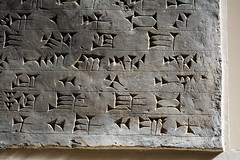
6802203665CuneiformOne of the first written languages known: A system of writing in which wedge-shaped symbols represented words or syllables. It originated in Mesopotamia and was used initially for Sumerian and Akkadian but later was adapted to represent other languages of western Asia.42
6802203666Democracya political system in which the supreme power lies in a body of citizens who can elect people to represent them43
6802203667Eight Fold PathEight steps to end suffering and attain enlightenment according to Buddhist tradition.44
6802203668Four Noble Truthsas taught by the Buddha, the four basic beliefs that form the foundation of Buddhism45
6802203669Gothic MigrationsThe Migration period, also called the Barbarian Invasions or German: Völkerwanderung (wandering of the peoples), was a period of human migration that occurred roughly between the years 300 to 700 CE in Europe, marking the transition from Late Antiquity to the Early Middle Ages. These movements were catalyzed by profound changes within both the Roman Empire and the so-called 'barbarian frontier'. Migrating peoples during this period included the Goths, Vandals, Bulgars, Alans, Suebi, Frisians, and Franks, among other Germanic and Slavic tribes.46
6802203670Great Walla fortification 1,500 miles long built across northern China in the 3rd century BC47
6802203671Han Dynastyimperial dynasty that ruled China (most of the time from 206 BC to AD 220) and expanded its boundaries and developed its bureaucracy48
6802203672HellenismThe ideals and principles that spread from Greece through much of the ancient world. Much of its influence such as philosophy, athletics, and architecture penetrated the Middle East.49
6802203673The HunsFierce warriors from Central Asia- First invaded southeastern Europe and then launched raids on nearby kingdoms50
6802203674Indian Ocean Tradeconnected to Europe, Africa, and China.; worlds richest maritime trading network and an area of rapid Muslim expansion.51
6802203675Iron Agethe period following the Bronze Age; characterized by rapid spread of iron tools and weapons52
6802203676Jewish DiasporaA "scattering" of the Jewish people53
6802203677LegalismIn Chinese history, Legalism was one of the main philosophic currents during the Warring States Period- A philosophy of focusing on the text of written law to the exclusion of the intent of law, elevating strict adherence to law over justice, mercy and common sense54
6802203678Pax RomanaA period of peace and prosperity throughout the Roman Empire, lasting from 27 B.C. to A.D. 180.55
6802203679PyramidsHuge stone tombs with four triangle-shaped walls that met in a point on top56
6802203680Roman RepublicThe period from 507 to 31 B.C.E., during which Rome was largely governed by the aristocratic Roman Senate.57
6802203681Roman Senatea council of wealthy and powerful Romans that advised the city's leaders58
6802203682Shang CivilizationChina's first dynasty almost 2000 BCE59
6802203683Shi Huang Diharsh ruler who united China for the first time and used legalism in ruling (Qin China)60
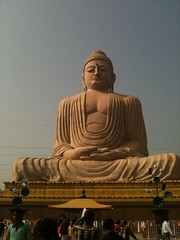
6802203684Siddhartha Gautamafounder of Buddhism; born a prince; left his father's wealth to find the cause of human suffering; also know as Buddha61
6802203685Silk Road TradeThe most famous of the trading routes established by pastoral nomads connecting the Chinese, Indian, Persian, and Mediterranean civilizations; transmitted goods and ideas among civilization.62
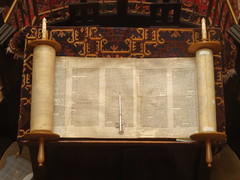
6802203686The Torahthe most sacred text of Judaism63
6802203687The Vedas of HinduismAryan hymns originally transmitted orally but written down in sacred books from the 6th century B.C.E.64
6802203688Zigguratsa temple or tomb of the ancient Assyrians, Sumerians, or Babylonians, having the form of a terraced pyramid of successively receding stories65
6802203689ChristianityMonotheistic religion born out of Judaism, preached by Jesus of Nazareth and later codified by his disciples. Persecuted by Romans early on; however, gained support under Constantine in the Rome.66
6802203690Buddhismoriginally preached by Siddhartha and codified by his disciples into the sutras. Rejected Vedic rituals and the caste system. Spread throughout SE Asia and China and split into Mahayana(Buddha as a God, local gods tacked on as Bodhisativas) and Theravada(original, strict non-theistic version).67
6802203691AsokaThird ruler of the Mauryan Empire in India (r. 270-232 B.C.E.). He converted to Buddhism and broadcast his precepts on inscribed stones and pillars, the earliest surviving Indian writing.68
6802203692HinduismTerm for a wide variety of beliefs and ritual practices that have developed in the Indian subcontinent since antiquity. It has roots in ancient Vedic, Buddhist, and south Indian religious concepts and practices.69
6802203693Trans Saharanroute across the sahara desert. Major trade route that traded for gold and salt, created caravan routes, economic benefit for controlling dessert, camels played a huge role in the trading70
6802203694MonsoonsMajor winds in the Indian Ocean that blew into India for half the year, and blew away from India for the other half. Helped facilitate trade in the Indian Ocean.71
6802203695Sumerianspeople who dominated Southern Mesopotamia through the end of the 3rd Millennium BCE. Responsible for the creation of irrigation technology, cuneiform, and religious conceptions.72
6802203696Indo-EuropeansGroups of people who came from the area north of the Caucasus mountains, which are between the Black and Caspian seas. Herded multiple animals. Rode into battle on chariots. The Indo-European language of Sanskrit, by the Aryans, are the basis of many languages today. Often accepted and adapted aspects of technology, religions, and social order of those with whom they came in contact.73
6802203697Before agriculture, men and women are believed to have a greater degree of equality. But after the rise of agriculture, most human societies became ________ as a result of greater male strength.Patriarchal74
6802203698caste systema set of rigid social categories that determined not only a person's occupation and economic potential, but also his or her position in society, there was virtually no social mobility75
6802203699Paleolithic(Old Stone Age) a long period of human development before the development of agriculture76
6802203700CarthageThis city has existed for nearly 3,000 years, developing from a Phoenician colony of the 1st millennium BC into the capital of the Carthaginian Empire. Controlled commerce in the Mediterranean prior to the rise of Roman Power. The expanding Roman Republic took control of many of its outposts after the two Punic Wars.77
6802203701HellenizationThe spread of Greek language and culture (Hellenism) throughout the Mediterranean, starting with t he conquests of Alexander the Great. Upon Alexander's death at the age of thirty-three (323 B.C.E.), his realm was divided among his leading generals. During their reigns and those of their successors, Hellenism (i.e., Greek culture) continued to flourish in major urban centers around the eastern Mediterranean (less so in rural areas). People traveling to different areas could communicate with people of other kingdoms through Greek. More than at any time in previous history, the eastern Mediterranean that emerged in Alexander's wake experienced a form of cultural unity and cosmopolitanism (a "cosmopolite" is a "citizen of the world," as opposed to a person who belongs to only one locality). The Roman Empire arose in the context of the Hellenistic world and took full advantage of its unity, promoting the use of Greek language, accepting aspects of Greek culture, and even taking over features of the Greek religion, to the point that the Greek and Roman gods came to be thought of as the same, only with different names. This complex unity achieved culturally through Hellenization and politically through the conquests of Rome is summed up by the term Greco-Roman world.78
6802203702DaoismChinese religion that believes the world is always changing and is devoid of absolute morality or meaning. They accept the world as they find it, avoid futile struggles, and deviate as little as possible from 'the way' or 'path' of nature.79
6802203703Bureaucratgovernment official80

AP World History SPICE definitions Flashcards

Terms : Hide Images
7449773525SocialFamily and kinship, gender roles and relations, social and economic classes, racial and ethic construction, inequalities, life styles0
7449773532PoliticalLeaders elites, political structure and forms of governance, nations and nationalism, revolts and revolutions, wars diplomacy treaties, courts and laws1
7449773537Interaction between humans and environmentDemography and disease, patterns of settlement, migration, technology2
7449773543CultureReligions, belief systems philosophies ideologies, math science technology, the arts and architecture, writing and literature3
7449773550EconomicTypes of systems, labor systems, technology and industry, trade and commerce, capital money, types of businesses4

AP World History - Chapter 1 Flashcards

Terms : Hide Images
7244183359Austronesian migrationsThe last phase of the great human migration that established a human presence in every habitable region of the earth. Austronesian-speaking people settled the Pacific islands and Madagascar in a series of seaborne migrations that began around 3,500 years ago. (pron. aws-troe-NEEZH-an)0
7244183360Brotherhood of the TomolA prestigious craft guild that monopolized the building and ownership of large oceangoing canoes, or tomols (pron. toe-mole), among the Chumash people (located in what is now southern California).1
7244183361Chumash culturePaleolithic culture of southern California that survived until the modern era.2
7244183362Clovis cultureThe earliest widespread and distinctive culture of North America; named from the Clovis point, a particular kind of projectile point.3
7244183363DreamtimeA complex worldview of Australia's Aboriginal people that held that current humans live in a vibration or echo of ancestral happenings.4
7244183364Flores manA recently discovered hominid species of Indonesia.5
7244183365"gathering and hunting peoples"As the name suggests, people who live by collecting food rather than producing it. Recent scholars have turned to this term instead of the older "hunter-gatherer" in recognition that such societies depend much more heavily on gathering than on hunting for survival.6
7244183366great goddessAccording to one theory, a dominant deity of the Paleolithic era.7
7244183367HadzaA people of northern Tanzania, almost the last surviving Paleolithic society. (pron. HAHD-zah)8
7244183368"human revolution"The term used to describe the transition of humans from acting out of biological imperative to dependence on learned or invented ways of living (culture).9
7244183369Ice AgeAny of a number of cold periods in the earth's history; the last Ice Age was at its peak around 20,000 years ago.10
7244183370"insulting the meat"A San cultural practice meant to deflate pride that involved negative comments about the meat brought in by a hunter and the expectation that a successful hunter would disparage his own kill.11
7244183371Jomon cultureA settled Paleolithic culture of prehistoric Japan, characterized by seaside villages and the creation of some of the world's earliest pottery. (pron. JOE-mahn)12
7244183372megafaunal extinctionDying out of a number of large animal species, including the mammoth and several species of horses and camels, that occurred around 11,000-10,000 years ago, at the end of the Ice Age. The extinction may have been caused by excessive hunting or by the changing climate of the era. (pron. meg-ah-FAWN-al)13
7244183373NeanderthalsHomo sapiens neanderthalensis, a European variant of Homo sapiens that died out about 25,000 years ago.14
7244183374n/umAmong the San, a spiritual potency that becomes activated during "curing dances" and protects humans from the malevolent forces of gods or ancestral spirits.15
7244183375"the original affluent society"Term coined by the scholar Marshall Sahlins in 1972 to describe Paleolithic societies, which he regarded as affluent not because they had so much but because they wanted or needed so little.16
7244183376PaleolithicLiterally "old stone age"; the term used to describe early Homo sapiens societies in the period before the development of agriculture.17
7244183377Paleolithic rock artWhile this term can refer to the art of any gathering and hunting society, it is typically used to describe the hundreds of Paleolithic paintings discovered in Spain and France and dating to about 20,000 years ago; these paintings usually depict a range of animals, although human figures and abstract designs are also found. The purpose of this art is debated.18
7244183378Paleolithic "settling down"The process by which some Paleolithic peoples moved toward permanent settlement in the wake of the last Ice Age. Settlement was marked by increasing storage of food and accumulation of goods as well as growing inequalities in society.19
7244183379San, or Ju/'hoansiA Paleolithic people still living on the northern fringe of the Kalahari desert in southern Africa. (pron. ZHUN-twasi)20
7244183380shamanIn many early societies, a person believed to have the ability to act as a bridge between living humans and supernatural forces, often by means of trances induced by psychoactive drugs.21
7244183381trance danceIn San culture, a nightlong ritual held to activate a human being's inner spiritual potency (n/um) to counteract the evil influences of gods and ancestors. The practice was apparently common to the Khoisan people, of whom the Ju/'hoansi are a surviving remnant.22
7244183382Venus figurinesPaleolithic carvings of the female form, often with exaggerated breasts, buttocks, hips, and stomachs, which may have had religious significance.23

AP European History: World War I Flashcards

Terms : Hide Images
6062626753NationalismInspires a sense of unity and desire for independence about subject nationalities0
6062626754Ottoman Empire"Sick man of Europe" receded from Balkans creating a power vacuum1
6062626755Pan SlavismTo seek a single political entity in Southern Europe2
6062626756ImperialismIncreases wealth and power among colonial nations but develops rivalries between nations3
6062626757First Balkan War1912, Balkan states defeated Ottoman Empire and allies captured remaining territories4
6062626758First Balkan CrisisAnnexation of Bosnia by Austria-Hungary (Bosnian Crisis)5
6062626759Second Balkan War1913, Bulgaria attacked Serbia and Greece but Ottoman Empire regained some land6
6062626760Third Balkan WarBetween Austria and Prussia: became WWI in summer of 19147
6062626761Berlin Conference1885, regulated African colonization and trade during the New Imperialism era8
6062626762Kruger Telegram1912, from Germany to Africa congratulating them on victory over Britain, Britain was enraged9
6062626763Algerians ConferenceSettled the First Moroccan Crisis in 190610
6062626764Second Moroccan Crisis1911, international tension increased by the deployment of French troops11
6062626765MilitarismAchieves nationalistic and imperialistic goals of a nation12
6062626766Anglo-German Arms RaceLed to a belief in the inevitability of a European war13
6062626767Bertha von SuttnerAustrian, first woman to win Nobel Peace Prize14
6062626768"Lay Down Your Arms"1889, contributed to founding Peace Societies in Germany15
6062626769Admiral Alfred von TiptizLed the naval building for Germany16
6062626770AlliancesMaintained security for militaristic nations through balance of power theory17
6062626771Dual AllianceBetween Germany and Austria in 187918
6062626772Triple Alliance1881: Germany, Austria, and Italy19
6062626773Russian-German Reinsurance Treaty of 1887Promised neutrality of both Germany and Russia if either went to war20
6062626774"Splendid Isolation"Term for Britain after 1891, only non-aligned power21
6062626775Anglo-Japanese Alliance (1902)Britain sought Japanese agreement to neutrality to counter possible Russian threat to India22
6062626776Entente Cordial (1904)When Britain and France settled all outstanding colonial disputes in Africa23
6062626777Triple Entente1907: Britain, France, and Russia24
6062626778Archduke Francis FerdinandAssassination by Princip directly caused WWI25
6062626779July 28, 1914Austria declares war on Serbia26
6062626780August 1, 1914Germany declares war on France27
6062626781August 3, 1914Germany invaded Belgium28
6062626782August 4, 1914Britain declares war on Germany29
6062626783Central PowersGermany, Austria-Hungary, and Ottoman Empire30
6062626784AlliesBritain, France, Russia (later Japan, Italy, and US)31
6062626785Schliefen PlanGerman military plan to invade and defeat France quickly then regroup to defeat Russia32
6062626786Trench WarfareWar strategy that caused a stalemate for 4 bloody years33
6062626787Battle of VerdanGermany sought a battle that would force France to beg for peace34
6062626788Battle of SommeBritish and French offensive to break through German lines35
6062626789Eastern FrontWhere Russians suffered huge casualties and Lenin took Russia out of war in 191736
6062626790Gallippi Campaigne1915: British forces failed to take Gallipoli as a step towards defeating Turks37
6062626791Middle-East FrontBritish gained support from Arab cities who resented Ottoman Empire38
6062626792T.E. LawrenceBritish officer who scored major victories to weaken Turks39
6062626793LouisitaniaGerman U-boats sank a British passenger ship carrying Americans40
6062626794WWI EconomicsProduction of war goods, increased industrialization, inflation of prices, developed planned economies41
6062626795WWI Social DevelopmentsDisconnected families, propaganda increased, women's rights, more social equality42
6062626796WWI PoliticsIncreased taxation, debts grew, promoted patriotism, high political tensions43
6062626797Zimmerman NoteTelegram from Germany to Mexico intercepted by America asking for Mexican alliance if US entered the war44
6062626798Balfour NoteLed Jewish communities in Britain and America to believe that Britain supported separate Jewish states45
6062626799Woodrow WilsonUS president that developed 14 points46
606262680014 PointsPlanned to end WWI along liberal, democratic lines47
6062626801League of NationsInternational organization to supply collective security48
6062626802Meuse-Argonne OffensiveGermans moved to western front but US entered war in time to assist Britain and France in stopping Germany49
6062626803Dates of SurrenderAustria: Nov. 3, 1918 Germany: Nov. 11, 191850
6062626804Leaders of Britain, France, US, and ItalyLloyd George, Clemenceau, Wilson, Orlando51
6062626805Paris Peace Conference (1919)Negotiations that the Central Powers were excluded from and Italy left early52
6062626806Versailles Treaty (1919)Mandates created for former colonies of Central Powers and much of Middle-East was controlled by Britain and France53
6062626807Article 231Placed sole blame for war on Germany, huge reparations54
6062626808John Maynard Keynes"The Economic Consequence of Peace" predicted harsh treaty would lead to unrest55
6062626809TotalitarianismCensorship, indoctrination (new technology like radios, automobiles, and TV made it possible)56
6062626810Conservative AuthoritarianismTraditional form of anti-democratic government (absolutism)57

Ap World History Vocab Flashcards

Terms : Hide Images
8578870593AztecsThe empire known to history as the Aztec state was largely the work of the Mexica people, a semi nomadic group from northern Mexico. (Page 588) Eq: for eq 6: the Aztecs were an extremely powerful empire that was eventually destroyed by the Spanish. they gained that power through having a large military due to a treaty between 2 other empires. they used this power to capture people to use in sacrifices and in war with other empires.0
8578870594Incasthe Incas were a relatively small and community of Quechua-speaking people, known to us as the Inca, was building the Western Hemisphere's largest imperial state along the spine of the Andes Mountains. (page 592) Eq: for eq 6: the incas were the most powerful empire in the western hemisphere, they got their power from having a treaty with two other empires and because they had a population of 10 million.1
8578872748Ironworkingthe art of working iron; something made of iron. (could not find page talking about ironworking) Eq: for eq 1: cultural diffusion happens when two or more cultures begin to take some aspects of each other's culture. because of global trade, techniques like working iron was able to spread which allowed for other empires to gain more military might.2
8578872749Gunpoweran explosive consisting of a powdered mixture of saltpeter, sulfur, and charcoal. the earliest know propellant explosive. (could not find page that gives def for gunpowder) Eq: for eq 6: the Spanish empire peru had gun powder which they used in weaponry which then also gave them a ridiculous advantage against the Incas when they fought 100 vs the entire Inca population.3
8578875300Spice Tradethe Spice trade is the trade that happened between the historical civilizations in Asia, Northeast Africa and Europe. the Spices that were traded were cinnamon, cassia, cardamom, ginger, pepper, and turmeric. Eq: for eq 3: a factor that contributed to long distance trade were the need for certain necessities like spice for cooking. the down side was that some diseases could follow them like small pox and spread it to others.4
8578875301Silver and Goldgold and silver at the time was used as currency and was often stolen from other empires like when the Spanish took the Incas gold and silver. ( page 592) Eq: eq for 6: the empires that had a large sum of gold and silver would be able to trade for powerful info and would be able to afford expensive weaponry like swords at a large sum.5
8578879851"Little Ice Age"the Little ice age is a period in history where a colder climate and increased glaciation between warmer periods. this happened in the 17th century. (could not find the page referring to this) Eq: for eq 4: because of how cold it got in the 17th century, people that were closer north would see their lack of crop and sheer coldness as an act of god seeing everything they do as sin-full which would cause places like the holy roman empire to go insane and have the people see everything as sin.6

Pages

Subscribe to CourseNotes RSS

Need Help?

We hope your visit has been a productive one. If you're having any problems, or would like to give some feedback, we'd love to hear from you.

For general help, questions, and suggestions, try our dedicated support forums.

If you need to contact the Course-Notes.Org web experience team, please use our contact form.

Need Notes?

While we strive to provide the most comprehensive notes for as many high school textbooks as possible, there are certainly going to be some that we miss. Drop us a note and let us know which textbooks you need. Be sure to include which edition of the textbook you are using! If we see enough demand, we'll do whatever we can to get those notes up on the site for you!