

US History (AP)-American Revolution Flashcards
Terms associated with American Revolution for AP US History students
Terms : Hide Images
| 5114836060 | French and Indian War | Was a war fought by French and English on American soil over control of the Ohio River Valley-- English defeated French in 1763. | 0 | |
| 5114836061 | Albany Plan of Union | Plan proposed by Benjamin Franklin in 1754 that aimed to unite the 13 colonies for trade, military, and other purposes | 1 | |
| 5114836062 | Navigation Acts | Laws that governed trade between England and its colonies. Colonists were required to ship certain products exclusively to England. | 2 | |
| 5114836063 | Proclamation of 1763 | Prohitibted colonists from settling west of the Appalachian Mountains. the law hoped to prevent future hostilities between colonists and Native Americans. | 3 | |
| 5114836064 | Salutary Neglect | Unrestricted trade in the colonies would be more profitable for England than would taxation of the colonies. (ignoring Navigation Acts) | 4 | |
| 5114836065 | Sugar Act | Law passed in 1764 that modified the 1733 Molasses Act thus reducing the amount of taxes collected on molasses and sugar, but increasing the measures to enforce the Act. | 5 | |
| 5114836066 | George Grenville | British Prime Minister Architect of the Sugar Act; his method of taxation and crackdown on colonial smuggling were widely disliked by Americans. He passed the Stamp Act arguing that colonists received virtual representation in Parliament. | 6 | |
| 5114836067 | Virtual representation | The British argument that the American colonies were represented in Parliament, since the members of Parliament represented all Englishmen in the empire. | 7 | |
| 5114836068 | Stamp Act | An act passed by the British Parliament in 1756 that raised revenue from the American colonies by a duty in the form of a stamp required on all newspapers and legal or commercial documents. | 8 | |
| 5114836069 | Townshend Acts | Charles Townshend's tax for the Americans on paper, paint, lead, glass, and tea. The colonists protested again as a result. | 9 | |
| 5114836070 | Tea Act | Act eliminated import duties entering England, lowering the selling price to consumers, also allowing selling directly to consumers, hurting middlemen. It angered the colonies since it gave a monopoly to the British East India Tea Company, thus forcing local tea sellers out of business. | 10 | |
| 5114836071 | George Grenville | Appointed by King George III as the Prime Minister, he had the opinion that the colonists should obey the laws and pay a part of the cost of defending and administering the British empire. | 11 | |
| 5114836072 | Peace of Paris | This ended the Seven Years War/French and Indian war between Britain and her allies and France and her allies. | 12 | |
| 5114836073 | Peace of Paris | Signed on September 3, 1783, the treaty ending the Revolutionary war and recognizing American independence from Britain. | 13 | |
| 5114836074 | Mercantilism | An economic policy under which nations sought to increase their wealth and power by obtaining large amounts of gold and silver and by selling more goods than they bought. | 14 | |
| 5114836075 | Currency Act | This act applied to all of the colonies. It banned the production of paper money in the colonies in an effort to combat the inflation caused by Virginia's decision to get itself out of debt by issuing more paper money. | 15 | |
| 5114836076 | Stamp Act | A law passed by the British Parliament in 1765 requiring colonists to pay a tax on newspapers, pamphlets, legal documents, and even playing cards. | 16 | |
| 5114836077 | Stamp Act Congress | A meeting of delegations from many of the colonies, the congress was formed to protest the newly passed Stamp Act in 1765. It adopted a declaration of rights as well as sent letters of complaints to the king and parliament; the first sign of colonial unity and organized resistance. | 17 | |
| 5114836078 | Virtual representation | The British argument that the American colonies were represented in Parliament, since the members of Parliament represented all Englishmen in the empire. | 18 | |
| 5114836079 | Sons of Liberty | A radical political organization formed after the passage of the Stamp Act to protest various British acts; organization used both peaceful and violent means of protest | 19 | |
| 5114836080 | Samuel Adams | Founder of the Sons of Liberty and one of the most vocal patriots for independence; signed the Declaration of Independence | 20 | |
| 5114836081 | Declaratory Act | Act passed in 1766 right after the repeal of the Stamp Act; stated that Parliament could legislate for the colonies in all cases. | 21 | |
| 5114836082 | Letters from a Farmer in Pennsylvania | 1767, Pamphlet by John Dickinson that argued against Taxation Without Representation, and that the only way that the colonies could properly be represented by the British government was if they had members in it. | 22 | |
| 5114836083 | Boston Massacre | a riot in Boston (March 5, 1770) arising from the resentment of Boston colonists toward British troops quartered in the city, in which the troops fired on the mob and killed several persons. | 23 | |
| 5114836084 | Quartering Act | March 24, 1765 - Required the colonials to provide food, lodging, and supplies for the British troops in the colonies. | 24 | |
| 5114836085 | Committees of Correspondence | Organization founded by Samuel Adams consisting of a system of communication by interchanging letters | 25 | |
| 5114836086 | Tea Act | 1773-Act which eliminated import tariffs on tea entering England and allowed the British East India Company to sell directly to consumers rather than through merchants. Led to the Boston Tea Party. | 26 | |
| 5114836087 | Intolerable Act | Laws made to punish Massachusetts because of the Boston tea party and because the colonists were getting out of control; Boston Harbor was closed until Boston paid for the lost tea | 27 | |
| 5114836088 | First Continental Congress | Convened on September 5, 1774, to protest the Intolerable Acts. The congress endorsed the Suffolk Resolves, voted for a boycott of British imports, and sent a petition to King George III | 28 | |
| 5114836089 | Olive Branch Petition | Still pledge loyalty to King George III but are still asking Britain to respect the rights and liberties of the colonies, repeal oppressive legislation, and British troops out of the colonies | 29 | |
| 5114836090 | Common Sense | A pamphlet written by Thomas Paine that criticized monarchies and convinced many American colonists of the need to break away from Britain | 30 | |
| 5114836091 | Declaration of Independence | This document was adopted on July 4, 1776. It established the 13 American colonies as independent states, free from rule by Great Britain. | 31 |
AP US History Chapter 4 Flashcards
AMSCO United States History 2015 Edition, Chapter 4 Imperial Wars and Colonial Protest, 1754-1774
Terms : Hide Images
| 5769714942 | Patrick Henry | Young Virginian lawyer who coined the phrase "No taxation without representation" in his speech to the House of Burgesses. (p. 73) |  | 0 |
| 5769714943 | Stamp Act Congress | Representatives from nine colonies met in New York in 1765 and decided that only their own elected representatives had the power to approve taxes. (p. 73) |  | 1 |
| 5769714944 | Sons and Daughters of Liberty | Secret society organized to intimidated tax agents. Sometimes they destroyed revenue stamps and tarred and feathered tax collectors. (p. 73) |  | 2 |
| 5769714945 | John Dickinson; Letters from a Farmer in Pennsylvania | In 1767 and 1768, he argued that the idea of no taxation without representation, was an essential principle of English law. (p. 74) |  | 3 |
| 5769714946 | Samuel Adams | In 1768, he was one of the authors of the the Massachusetts Circular Letter which urged colonies to petition Parliament to repeal the Townshend Acts. (p. 74) |  | 4 |
| 5769714947 | James Otis | In 1768, he was one of the authors of the the Massachusetts Circular Letter which urged colonies to petition Parliament to repeal the Townshend Acts. (p. 74) |  | 5 |
| 5769714948 | Massachusetts Circular Letter | In 1768, this document was distributed to every colonial legislature. It urged the colonies to petition Parliament to repeal the Townshend Acts. (p. 74) |  | 6 |
| 5769714949 | Committees of Correspondence | Initiated by Samuel Adams in 1772, these letters spread news of suspicious or threatening acts by the British throughout the colonies. (p. 74) |  | 7 |
| 5769714950 | Intolerable Acts | Colonist name for the Coercive Acts of 1774, a series of acts created to punish the colonists for the Boston Tea Party. (p. 75) |  | 8 |
| 5769714951 | George III | In the 1760s, he was the King of England. (p. 71) |  | 9 |
| 5769714952 | Whigs | In the 1760s, this was the dominant political party in Parliament that wanted the American colonies to bear more of the cost of maintaining the British empire. (p. 71) |  | 10 |
| 5769714953 | Parliament | The legislative house of Great Britain. (p. 71) |  | 11 |
| 5769714954 | salutary neglect | Great Britain had exercised little direct control over the colonies and did not enforce its navigation laws. This changed after the French and Indian War, as the British adopted more forceful policies for taking control of the colonies. (p. 71) |  | 12 |
| 5769714955 | Lord Frederick North | New prime minister of Britain who convinced Parliament to repeal the Townshend Acts in 1770. (p. 74) |  | 13 |
| 5769714956 | Pontiac's Rebellion | In 1763, American Indian chief Pontiac led a major attack against the colonial settlements on the western frontier. The British did not rely on colonial forces, but instead sent their army to deal with the rebellion. This led to the creation of the Proclamation of 1763. (p. 72) |  | 14 |
| 5769714957 | Proclamation Act of 1763 | This proclamation prohibited colonists from settling west of the Appalachian Mountains. The British hoped it would prevent violence between Native Americans and colonists. The colonists were angry and disobeyed the law, moving to the west of the imaginary boundary in large numbers. (p. 72) |  | 15 |
| 5769714958 | Seven Years' War (French and Indian War) | War fought in the colonies from 1754 to 1763 between the English and the French for possession of the Ohio River Valley area. The English won the war and the Peace of Paris was negotiated in 1763. (p. 70) |  | 16 |
| 5769714959 | Albany Plan of Union | The British government called for representatives from several colonies to meet in Albany, New York in 1754, to provide for an inter-colonial government to recruit troops and collect taxes. Each colony was too jealous of its own taxation powers to accept the plan. (p. 70) |  | 17 |
| 5769714960 | Edward Braddock | In 1755, this general led an army from colonial Virginia, to attack the French near Ft. Duquesne. More than 2,000 of his British and colonial troops were defeated by a smaller force of French and American Indians. (p. 70) |  | 18 |
| 5769714961 | George Washington | He led a small militia from the Virginia colony, to halt the completion of the French fort in the Ohio River Valley, Fort Duquesne. In July 1974, he was forced to surrender to a superior force of Frenchmen and their American Indian allies. This was the beginning of the French and Indian War. (p. 70) |  | 19 |
| 5769714962 | Peace of Paris | Peace treaty signed to end the French and Indian War (The Seven Years' War) in 1763. Great Britain gained French Canada and Spanish Florida. France gave Spain its western territory. (p. 71) | | 20 |
| 5769714963 | Sugar Act | A 1764 British act which placed duties on foreign sugar and other luxuries. Its primary purpose was to raise money for the English Crown. (p. 72) |  | 21 |
| 5769714964 | Quartering ACT | This 1765 act required the colonists to provide food and living quarters for British soldiers. (p. 72) |  | 22 |
| 5769714965 | Stamp Act | This 1765 act required that revenue stamps be placed on almost all printed paper, such as legal documents, newspapers, and pamphlets. This was the first tax paid directly by the colonists, rather than merchants. Boycotts were effective in repealing this act. (p. 72) |  | 23 |
| 5769714966 | Declaratory Act | In 1766, Parliament declared that it had the right to tax and make laws for the colonies in all cases whatsoever. (p. 73) |  | 24 |
| 5769714967 | Townshend Acts | In 1767, Parliament enacted new taxes to be collected on imports of tea, glass, and paper. It also created the writs of assistance, which was a general license to search for smuggled goods anywhere. (p. 73) |  | 25 |
| 5769714968 | Writs of Assistance | A general license to search anywhere. (p. 73) |  | 26 |
| 5769714969 | Tea Act | In 1773, Parliament passed this act which taxed imported tea. The result was that British tea was even cheaper than smuggled Dutch tea. (p. 75) | 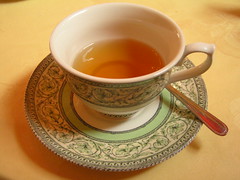 | 27 |
| 5769714970 | Coercive Acts | In 1774, after the Boston Tea Party, Great Britain created four Coercive Acts to punish the people of Boston and Massachusetts. (p. 75) | | 28 |
| 5769714971 | Port Act | One of the Coercive Acts, which closed the port of Boston, prohibiting trade in and out of the harbor until the destroyed tea was paid for. (p. 75) |  | 29 |
| 5769714972 | Massachusetts Government Act | One of the Coercive Acts, which reduced the power of the Massachusetts legislature while increasing the power of the royal governor. (p. 75) |  | 30 |
| 5769714973 | Administration of Justice Act | One of the Coercive Acts, which allowed royal officials accused of crimes to be tried in England instead of the colonies. (p. 75) |  | 31 |
| 5769714974 | Quebec Act | In 1774, this act organized the Canadian lands gained from France (Quebec). It established Roman Catholicism as the official religion, set up a government without a representative assembly, and set the Quebec border further south, at the Ohio River. (p. 75) |  | 32 |
| 5769714975 | Enlightenment | A European movement in literature and philosophy; used human reasoning to solve problems. (p. 76) |  | 33 |
| 5769714976 | Deism | Believe that God established natural laws in creating the universe, but that the role of divine intervention in human affairs was minimal. (p. 77) |  | 34 |
| 5769714977 | Rationalism | Trusted human reason to solve the many problems of life and society; emphasized reason, science, and respect for humanity. (p. 77) |  | 35 |
| 5769714978 | John Locke | English philosopher who said that all people have rights, simply because they are human and that people have a right and a responsibility to revolt against any government that failed to protect their rights. (p. 77) |  | 36 |
| 5769714979 | Jean-Jacques Rousseau | French philosopher who had a profound influence on educated Americans in the 1760s and 1770s. (p. 77) |  | 37 |
AP US History Chapter 11 Flashcards
Terms : Hide Images
| 5562288173 | individualism | Word coined by Alexis de Tocqueville in 1835 to describe Americans as people no longer bound by social attachments to classes, castes, associations, and family. | 0 | |
| 5562288174 | American Renaissance | A literary explosion during the 1840s inspired in part by Emerson's ideas on the liberation of the individual. |  | 1 |
| 5562288175 | utopias | Communities founded by reformers and transcendentalists to help realize their spiritual and moral potential and to escape from the competition of modern industrial society. | 2 | |
| 5562288176 | socialism | a system of social and economic organization based on the common ownership of goods or state control of the government | 3 | |
| 5562288177 | perfectionism | Christian movement of the 1830s that believed people could achieve moral perfection in their earthly lives because the Second Coming of Christ had already occurred. | 4 | |
| 5562288178 | Mormonism | The religious beliefs and practices of members of The Church of Jesus Christ of Latter-day Saints, founded in 1830 by Joseph Smith. | 5 | |
| 5562288179 | minstrelsy | Popular theatrical entertainment that began around 1830 in which white performers in blackface performed comic routines that combined racist caricature and social criticism. | 6 | |
| 5562288180 | abolitionism | The social reform movement to end slavery and the slave trade that began in the 1830s. |  | 7 |
| 5562288181 | Underground Railroad | Informal network of whites and free blacks that helped runaway slaves escape from the South and to reach freedom in the North. |  | 8 |
| 5562288182 | amalgamation | A term for racial mixing and intermarriage, almost universally opposed by whites in the 19th century U.S. | 9 | |
| 5562288183 | gag rule | A procedural rule passed in the House of Representatives that prevented the discussion of antislavery petitions from 1836 to 1844. | 10 | |
| 5562288184 | separate sphere | Term used by historians to describe the 19th century view that men should dominate the public sphere of politics and economics and women should manage the private sphere of home and family. | 11 | |
| 5562288185 | domestic slavery | A term referring to the assertion by Elizabeth Cady Stanton and other female abolitionists that traditional gender roles and legal restrictions created a form of slavery for married women. | 12 | |
| 5562288186 | married women's property laws | Laws enacted between 1839 and 1860 in some states that permitted married women to own, inherit, and bequeath property. | 13 | |
| 5562288187 | Seneca Falls Convention | (1848) the first national women's rights convention at which the Declaration of Sentiments was written |  | 14 |
| 5562288188 | Ralph Waldo Emerson | American transcendentalist who was against slavery and stressed self-reliance, optimism, self-improvement, self-confidence, and freedom. | 15 | |
| 5562288189 | Henry David Thoreau | American transcendentalist who wrote Walden. | 16 | |
| 5562288190 | Margaret Fuller | Edited a transcendentalist journal, "The Dial" and took part in the struggle to bring unity and republican government to Italy. Died in a Shipwreck off New York's Fire Island while returning to the United States in 1850 |  | 17 |
| 5562288191 | Walt Whitman | American poet and transcendentalist who wrote Leaves of Grass. |  | 18 |
| 5562288192 | Herman Melville | Critic of transcendentalism; wrote Moby Dick |  | 19 |
| 5562288193 | Nat Turner | United States slave and insurrectionist who in 1831 led a rebellion of slaves in Virgini, he claimed that divine inspiration had led him to end the slavery system. |  | 20 |
| 5562288194 | William Lloyd Garrrison | Abolitionist, printer |  | 21 |
| 5562288195 | Dorothea Dix | person responsible for creating homes for the mentally ill and reforming the prison system in the U.S. |  | 22 |
| 5562288196 | Elizabeth Cady Stanton | (1815-1902) A suffragette who, with Lucretia Mott, organized the first convention on women's rights, held in Seneca Falls, New York in 1848. Issued the Declaration of Sentiments which declared men and women to be equal and demanded the right to vote for women. |  | 23 |
| 5562288197 | Susan B. Anthony | Key leader of woman suffrage movement, social reformer who campaigned for womens rights, the temperance, and was an abolitionist, helped form the National Woman Suffrage Assosiation |  | 24 |
| 5562288198 | Theodore Weld | One of the leading abolitionists of his time period. Wrote a book called "American Slavery as it is: Testimony of a Thousand Witnesses." The book is considered the 2nd most influential book on the anti-slavery movement, behind only Uncle Tom's Cabin. Married Angelina Gremke. |  | 25 |
| 5562288199 | Sarah Gremke | Daughter of wealthy South Carolinians who became and abolitionist. | 26 | |
| 5562288200 | Angelina Gremke | Daughter of wealthy South Carolinians who became and abolitionist. Married Theodore Weld. Made speeches. | 27 | |
| 5562288201 | David Walker | Black abolitionist who called for the immediate emancipation of slaves; wrote the "Appeal to the Colored Citizens of the World."- called for a bloody end to white supremacy; believed that the only way to end slavery was for slaves to physically revolt. |  | 28 |
| 5562288202 | John Brown | Well-known abolitionist. used violence to stop slavery immediately. |  | 29 |
| 5562288203 | Brigham Young | Successor to the Mormons after the death of Joseph Smith; responsible for the survival of the sect and its establishment in Salt Lake City, Utah. |  | 30 |
| 5562288204 | Joseph Smith | Founded Mormonism in New York in 1830 with the guidance of an angel. 1843, Smith's announcement that God sanctioned polygamy split the Mormons and let to an uprising against Mormons in 1844; translated the Book of Mormon and died a martyr. |  | 31 |
AP US History Constitution Flashcards
Terms : Hide Images
| 7545744431 | Shays' Rebellion (1786-87) | An armed uprising that took place in central and western Massachusetts protesting mortgage foreclosures. Historical Significance: Highlighted the need for a strong national government. |  | 0 |
| 7545744432 | Annapolis Convention (1786) | Held to discuss the barriers that limited trade or commerce between the largely independent states under the Articles of Confederation. Historical Significance: Led to the Constitutional (Philadelphia) Convention in 1787. |  | 1 |
| 7545744433 | Great (Connecticut) Compromise | Provisions: 1) A state's representation in the House of Representatives was to be based on population. 2) The states' representation in the Senate would be equal. 3) All money bills would originate in the House. 4) Direct taxes on states were to be assessed by population. |  | 2 |
| 7545744434 | Commerce Compromise | Provisions: The South agreed to federal control over foreign and interstate trade. The importation of slaves would be permitted for 20 years, until 1808. The federal government was given the authority to collect import taxes, but there would be no duties on exports. |  | 3 |
| 7545744435 | Three-Fifths Compromise | Provisions: Three-fifths of a state's slave population would be counted for purposes of taxation and representation. A fugitive slave law required that runaway slaves who escaped to a free state must be returned to their owners. |  | 4 |
| 7545744436 | Federalists | Leaders: Washington, Hamilton, Madison, Franklin Characteristics: Support came mainly from coastal and urban areas and the upper class. Ideas: Favored a strong central government to maintain peace and stability. |  | 5 |
| 7545744437 | Anti-Federalists | Leaders: Patrick Henry, John Hancock, George Mason Characteristics: Support came mainly from the backcountry and agricultural areas and debtors. Ideas: Opposed a central government that did not guarantee protection of individual rights. |  | 6 |
| 7545744438 | Federalist Papers | Series of 85 essays written by James Madison, John Jay and Alexander Hamilton supporting the ratification of the Constitution. |  | 7 |
| 7545744439 | Federalism | The division of power between the state and national governments. |  | 8 |
AP US History Unit 1 Flashcards
Terms : Hide Images
| 6299604930 | Walter Raleigh | Founder of England's first American colony. (Roanoke, it failed) |  | 0 |
| 6299604931 | Elizabeth I | English Queen during golden age. Reestablished Protestantism as the state religion of England and she led the defeat of the Spanish Armada. |  | 1 |
| 6299604932 | Treaty of Tordesillas | a 1494 agreement between Portugal and Spain, declaring that newly discovered lands to the west of an imaginary line in the Atlantic Ocean would belong to Spain and newly discovered lands to the east of the line would belong to Portugal. |  | 2 |
| 6299604933 | Pocahontas | a Powhatan woman (the daughter of Powhatan) who befriended the English at Jamestown. Marriage to John Rolfe = first interracial union in america= Peace settlement ending the Anglo-Powhatan War |  | 3 |
| 6299604934 | John Rolfe | He was one of the English settlers at Jamestown (and he married Pocahontas). He discovered how to successfully grow tobacco in Virginia and cure it for export, which made Virginia an economically successful colony. |  | 4 |
| 6299604935 | Defeat of the Spanish Armada | 1588 by Elizabeth 1 of England, English naval supremacy. |  | 5 |
| 6299604936 | john smith | Helped found and govern Jamestown. His leadership and strict discipline helped the Virginia colony get through the difficult first winter. |  | 6 |
| 6299604937 | Jamestown | Founded in 1607 by the Virginia Company of London.elected Captain John Smith as their leader. |  | 7 |
| 6299604938 | Thomas Dale | Made governor of Jamestown after John Smith, stern, didn't believe in laziness, created daily schedule |  | 8 |
| 6299604939 | John Calvin | INSTITUTES OF THE CHRISTIAN RELIGION: emphasized predestination and he rejected the medieval Church. he believed that the church and state should be united under the Calvinist faith |  | 9 |
| 6299604940 | John Winthrop | Governor of Massachusetts Bay Colony, envisioned colony as a "city upon a hill" (covenant theology) |  | 10 |
| 6299604941 | Peter Stuyvesant | The governor of the Dutch colony of New Amsterdam (netherland?), hated by the colonists. They surrendered the colony to the English on Sept. 8, 1664. |  | 11 |
| 6299604942 | Anne Hutchinson | A religious dissenter whose ideas provoked an intense religious and political crisis in the Massachusetts Bay Colony between 1636 and 1638. She challenged the principles of Massachusetts's religious and political system. Her ideas became known as the heresy of Antinomianism, a belief that Christians are not bound by moral law. She was latter expelled, with her family and followers, and went and settled at Rode Island, killed by indians |  | 12 |
| 6299604943 | King Phillips War | Started over land ownership disagreements. The War Between the Puritans and the Pequot, Narragansett,Wampanog, and Nipmunk indians. armed indians in raiding NE towns, eng & allies won, survivors fled N, increase indian hate |  | 13 |
| 6299604944 | Roger Williams | He founded Rhode Island for separation of Church and State. He believed that the Puritans were too powerful and was ordered to leave the Massachusetts Bay Colony for his religious beliefs. |  | 14 |
| 6299604945 | Dominion of New england | 1686-The British government combined the colonies of Massachusetts, Rhode Island, New Hampshire, and Connecticut into a single province headed by a royal governor (Andros) Charters and self rule were revoked, and the king enforced mercantile laws. The new setup also made for more efficient administration of English Navigation Laws, as well as a better defense system. |  | 15 |
| 6299604946 | New England Confederation | New England colonists (Massachusetts, Connecticut, New Haven, and Plymouth) formed this in 1643 as a defense against local Native American tribes and encroaching Dutch. The colonists formed the alliance without the English crown's authorization. |  | 16 |
| 6299604947 | Patroonships | Vast estates along the Hudson River established by the Dutch. They had difficulty attracting peasant labor, and most were not successful. |  | 17 |
| 6299604948 | William Penn | Englishman and Quaker who founded the colony of Pennsylvania (1644-1718) |  | 18 |
| 6299604949 | Jeremiads | Puritan preachers Taking their cue from the doom-saying Old Testament prophet Jeremiah, earnest preachers scolded parishioners for their waning piety.Scared people off, decline of puritanism |  | 19 |
| 6299604950 | Glorious Revolution 1688 | Bloodless overthrow of King James II. established William and Mary as the new leaders. |  | 20 |
| 6299604951 | Great Puritan Migration | Many Puritans migrated from England to North America during the 1620s to the 1640s due to belief that the Church of England was beyond reform. Eg 1630 group of puritans led by john winthrop found MA Bay Colony |  | 21 |
| 6299604952 | Treaty of Utrecht | 1713, ended Queen Ann's War, transferred large areas of French territory in North America to English including Nova Scotia and Newfoundland |  | 22 |
| 6299604953 | Bacon's Rebellion | Indentured servants in Virginia revolt against gov and landowners (origionally over lack of protection from indians on frontier). burn Jamestown. look to african slaves as less troublesome source of labor |  | 23 |
| 6299604954 | Middle passage | the middle portion of the triangular trade that brought African slaves to the Americas |  | 24 |
| 6299604955 | Salem witch trials | Several accusations of witchcraft led to sensational trials in Salem, Massachusetts at which Cotton Mather presided as the chief judge. 18 people were hanged as witches. Terrible mistake, shows social tensions, decline of puritanism. |  | 25 |
| 6299604956 | half way covenant | response to decline of puritanism. The puritan practice where by parents who had been baptized but had not yet experienced conversion could bring their children before the church and have them baptized.weakend distinction between "elect" and others- dramatizied the difficulty of maintainignreligious devotion |  | 26 |
| 6299604957 | headright system | Parcels of land consisting of about 50 acres which were given to colonists who brought indentured servants into America. They were used by the Virginia Company to attract more colonists. |  | 27 |
| 6299604958 | Leisler's rebellion | uprising in late 17th century colonial New York, in which militia capitani seized control of lower New York from 1689 to 1691. The uprising, which occurred in the midst of Britain's "Glorious Revolution," reflected colonial resentment against the policies of King James II. Royal authority was restored in 1691 by British troops sent by James' successor, William III. |  | 28 |
| 6299604959 | Triangular Trade | Illegal trade created to generate money to buy english goods.The backbone of New England's economy during the colonial period. Ships from New England sailed first to Africa, exchanging New England rum for slaves. The slaves were shipped from Africa to the Caribbean (this was known as the Middle Passage, when many slaves died on the ships). In the Caribbean, the slaves were traded for sugar and molasses. Then the ships returned to New England, where the molasses were used to make rum. |  | 29 |
| 6299604960 | First Great Awakening | 1st grassroots american social movement.series of revivals making church more emotional. Old lights (against) new lights (for). results: democratic, new denominations (meth and bapt), more choice, colleges, old clergy looses prestige |  | 30 |
| 6299604961 | George Whitefield | Most influentian new light speaker during first great awakening |  | 31 |
| 6299604962 | Jonathon edwards | New light preatcher who started the first Great awakening |  | 32 |
| 6299604963 | John Peter Zenger | "Zenger case", Newspaperman thrown in jail for accusing his colony's governor of wrongdoing, Journalist who questioned the policies of the governor of New York in the 1700's. He was jailed; he sued, and this court case was the basis for our freedom of speech and press. He was found innocent |  | 33 |
| 6299604964 | Paxton Revolt | They were a group of Scots-Irish men living in the Appalachian hills that wanted protection from Indian attacks. They made an armed march on Philadelphia in 1764. They protested the lenient way that the Quakers treated the Indians. Their ideas started the Regulator Movement in North Carolina. |  | 34 |
| 6299604965 | Phyllis Wheatley | 1st important African american writer. Abolitionists later point to her as proof that they are intellectually equal |  | 35 |
| 6299604966 | William Pitt | The Prime Minister of England during the French and Indian War. He increased the British troops and military supplies in the colonies, and this is why England won the war. |  | 36 |
| 6299604967 | Treaty of Paris 1763 | Ended the French and Indian (7yrs) war. Britian dominated, French kicked out of N america |  | 37 |
| 6299604968 | Pontiac's Rebellion | After French and Indian War, Indian chief gathered tribes in Ohio river valley to attack british forts. Squashed. Led to brit issuing proclamation of 1763 |  | 38 |
| 6299604969 | Proclamation of 1763 | After 7yrs war and Pontiac's rebellion.A proclamation from the British government which forbade British colonists from settling west of the Appalacian Mountains, and which required any settlers already living west of the mountains to move back east. |  | 39 |
| 6299604970 | Samuel de Champlain | Cartographer, explorer, governor of New France, founder of Quebec. The major role Champlain played in the St Lawrence River area earned him the title of "father of New France." |  | 40 |
| 6299604971 | Albany Congress | 1754 congress between Iriquois and 7 colonies. Ensure continued Iriquoi loyalty to colonies (immediate) colonial unity (long termish) | 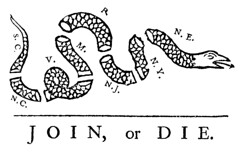 | 41 |
| 6299604972 | Battle of Quebec | (1759) British victory over French forces on the outskirts of Quebec. The surrender of Quebec marked the beginning of the end of French rule in North America. |  | 42 |
| 6299604973 | Mercantilism | economic theory, colonies exist for benefit of mother country, collect gold and silver, buy more goods that you sell |  | 43 |
| 6299604974 | George Grenville | Became prime minister of Britain in 1763 he persuaded the Parliament to pass a law allowing smugglers to be sent to vice-admiralty courts which were run by British officers and had no jury. He did this to end smuggling. also tried to tax them |  | 44 |
| 6299604975 | Sugar Act | 1764. England needed more money because it went into debt from the Fr&Ind. war. taxed colonists. Justification was that it was them paying for protection. replaced the molasses act which placed 3 pence tax on each gallon of molasses | | 45 |
| 6299604976 | Quartering Act 1765 | Revenge on Mass. for Boston Tea Party. Required the colonials to provide food, lodging, and supplies for the British troops in the colonies. |  | 46 |
| 6299604977 | Stamp Act | an act passed by the British parliment in 1756 that raised revenue from the American colonies by a duty in the form of a stamp required on all newspapers and legal or commercial documents |  | 47 |
| 6299604978 | Declaratory Act | Act passed in 1766 just after the repeal of the Stamp Act. Stated that Parliament could legislate for the colonies in all cases. | | 48 |
| 6299604979 | Townshend Acts | A tax that the British Parliament placed on leads, glass, paint and tea | 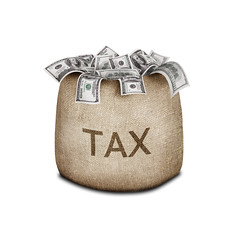 | 49 |
| 6299604980 | Boston Massacre | The first bloodshed of the Amercan Revolution, as British guards at the Boston Customs House opened fire on a crowd killing five americans |  | 50 |
| 6299604981 | Committees of Correspondence | Organization founded by Samuel Adams consisting of a system of communication between patriot leaders in New England and throughout the colonies |  | 51 |
| 6299604982 | Intolerable Acts | in response to Boston Tea Party, 4 acts passed in 1774, Port of Boston closed, reduced power of assemblies in colonies, permitted royal officers to be tried elsewhere, provided for quartering of troop's in barns and empty houses |  | 52 |
| 6299604983 | Quebec Act | 1774 Same time as intolerable acts., designed to facilitate the incorporation of French Canadians into British America; Colonists feared a precedent had been established in the nonrepresentative government in Quebec; they resented the expansion of Quebec's territory, which they had been denied access by the Proclamation of 1763; they were offended by the Crown's recognition of Catholicism, since most Americans were Protestants |  | 53 |
| 6299604984 | Samuel Adams | Founder of the Sons of Liberty and one of the most vocal patriots for independence; signed the Declaration of Independence |  | 54 |
| 6299604985 | The Association | A document produced by the 1st Continental Congress in 1775 that called for a complete boycott of British goods. This included non-importation, non-exportation and non-consumption. It was the closest approach to a written constitution yet from the colonies. It was hoped to bring back the days before Parliamentary taxation. Those who violated The Association in America were tarred and feathered |  | 55 |
| 6299604986 | Battles of Lexington and Concord | Initiated the Revolutionary War between the American colonists and the British. British governor Thomas Gage sent troops to Concord to stop the colonists who were loading arms. The next day, on April 19, 1775, the first shots were fired in Lexington, starting the war. The battles resulted in a British retreat to Boston |  | 56 |
| 6299604987 | Olive Branch Petition | 2nd contenential congress. Still pledge loyalty to King George III but are still asking Britain to respect the rights and liberties of the colonies, repeal oppressive legislation, and British troops out of the colonies; George 3 didn't want anything to do with them and declared all colonies in a state of rebellion |  | 57 |
| 6299604988 | Navigation Acts | Laws that governed trade between England and its colonies. Colonists were required to ship certain products exclusively to England. These acts made colonists very angry because they were forbidden from trading with other countries. |  | 58 |
| 6299604989 | John Hancock | Patriot leader and president of the Second Continental Congress; first person to sign the Declaration of Independence. |  | 59 |
| 6299604990 | Bunker Hill | strategic place overlooking Boston; on June 13, 1775 the Britians attacked, eventually winning with more supplies; Americans hold their ground and kill lots of british. After this Geroge III declares colonies in rebellion. |  | 60 |
| 6299604991 | Benedict Arnold | Successful American general during the Revolution who turned traitor in 1780 and joined the British cause. |  | 61 |
| 6299604992 | Thomas Paine | Revolutionary leader who wrote the pamphlet Common Sense (1776) arguing for American independence from Britain. "no smaller heavenly body controls a larger one" "our duty to set up republican democracy" etc. Later wrote "the crisis" |  | 62 |
| 6299604993 | George III | King of England during the American Revolution. Good man but bad king. wanted arbitrary power over colonies |  | 63 |
| 6299604994 | Battle of Saratoga | American victory over British troops in 1777 that was a turning point in the American Revolution. |  | 64 |
| 6299604995 | Chief Joseph Brant | Pro-British Mohawk leader that devastated New York and Pennsylvania frontiers in 1778. Led Inidian resistance against white settlement. Organized the northwestern Indians in an alliance. |  | 65 |
| 6299604996 | Battle of Trenton | On Christmas, Washingtons soilders cross the Deleware at night and surprise Hessians. Americans win |  | 66 |
| 6299604997 | Ben Franklin | A delegate from Pennsylvania and proposed the "Albany Plan of the Union" as a way to strengthen colonies.sent to france to get alliance (LOVED by people there), negotiated treaty of paris, part of constitutional convention etc. |  | 67 |
| 6299604998 | Battle of Yorktown | Sept 1781. British (general Cornwallis) surrendered, ending the war |  | 68 |
| 6299604999 | Treaty of Paris 1783 | 1783 Februrary 3; American delegates Franklin, Adams, John Jays; they were instructed to follow the lead of France; John Jay makes side treaty with England; Independence of the US End of Loyalist persecution; colonies still had to repay its debt to England. America very lucky |  | 69 |
Flashcards
AP US History Period 2 (1607-1754) Flashcards
Important vocabulary of the colonization of North America in the 17th century.
Terms : Hide Images
| 6671635088 | Jamestown | 1st permanent English settlement in North America in 1607. |  | 0 |
| 6671635089 | John Smith | A captain famous for world travel. As a young man, he took control in Jamestown. He organized the colony and saved many people from death the next winter and coined the phrase "he who shall not work, shall not eat". He also initiated attacks on Natives. |  | 1 |
| 6671635090 | John Rolfe | He was one of the English settlers at Jamestown (and he married Pocahontas). He discovered how to successfully grow tobacco in Virginia and cure it for export. |  | 2 |
| 6671635091 | Pocohontas | An American Indian princess who saved the life of John Smith and helped form more peaceful relations with the Powhatan when she married John Rolfe but died of smallpox in England on a visit to Rolfe's family. Her remains are still there as the English government refuses to send her remains back to North America. |  | 3 |
| 6671635092 | Mayflower Compact | 1620 - The first agreement for self-government in America. It was signed by the 41 men on the Mayflower and set up a government for the Plymouth colony |  | 4 |
| 6671635093 | John Winthrop | As governor of Massachusetts Bay Colony, he (1588-1649) was instrumental in forming the colony's government and shaping its legislative policy. |  | 5 |
| 6671635094 | Puritans | A religious group who wanted to purify the Church of England. They came to America for religious freedom and settled Massachusetts Bay. |  | 6 |
| 6671635095 | Pilgrims | English Puritans who founded Plymouth colony in 1620 |  | 7 |
| 6671635096 | Massachusetts Charter | Allowed Puritans to take a charter with them and establish their own government in the New World. |  | 8 |
| 6671635097 | Loss of Massachusetts Charter | Revoking of Mass. Charter by King George II due to the colonists refusal to obey by the Navigation Acts leading to anti-British feeling in the New England region. | 9 | |
| 6671635098 | New Amsterdam | A settlement established by the Dutch near the mouth of Hudson River and the southern end of Manhattan Island as a trade port for the Dutch trade empire. |  | 10 |
| 6671635099 | Great Migration of Puritans | 1630s- 70,000 refugees left England for New World increasing population of New England. | | 11 |
| 6671635100 | New York | It was founded by the Dutch for trade and furs and became an English Colony in 1664, when the English were determined to end Dutch trade dominance, and took over the colony by invading New Amsterdam without having to fire a shot. |  | 12 |
| 6671635101 | Peter Stuyvesant | The governor of the Dutch colony of New Amsterdam, hated by the colonists. They surrendered the colony to the English on Sept. 8, 1664. |  | 13 |
| 6671635102 | House of Burgesses | 1619 - The first legislative body in colonial America. It was made up of two representatives from teach town voted on by men who owned property. |  | 14 |
| 6671635103 | Headright system | Parcels of land consisting of about 50 acres which were given to colonists who brought indentured servants into America. | | 15 |
| 6671635104 | Indentured servants | Colonists who received free passage to North America in exchange for working without pay for a certain number of years |  | 16 |
| 6671635105 | Bacon's Rebellion | 1676 - Western Virginia settlers were angry at Virginia Governor Berkley for trying to appease the Doeg Indians after the Doegs attacked the western settlements. The frontiersmen formed an army which defeated the Indians and then marched on Jamestown and burned the city. |  | 17 |
| 6671635106 | King Phillip's War | Under the leadership of Metacom, the Wampanoag destroyed colonial towns, the colonists destroyed native farms, leading to the most deadly of Indian Wars. | | 18 |
| 6671635107 | royal colony | A colony ruled by governors appointed by a king |  | 19 |
| 6671635108 | proprietary colony | English colony in which the king gave land to proprietors in exchange for a yearly payment |  | 20 |
| 6671635109 | town meetings | A purely democratic form of government common in the colonies, and the most prevalent form of local government in New England. In general, the town's voting population would meet once a year to elect officers, levy taxes, and pass laws. |  | 21 |
| 6671635110 | Salem Witch Trials | 1692 outbreak of witchcraft accusations in a Puritan village marked by an atmosphere of fear, hysteria, and unfounded accusations |  | 22 |
| 6671635111 | Roger Williams | A dissenter who clashed with the Massachusetts Puritans over separation of church and state and was banished in 1636, after which he founded the colony of Rhode Island to the south. | | 23 |
| 6671635112 | Intolerant | Not willing to accept ways of thinking different from one's own. The expansion of colonies in New England was a direct result of Puritan intolerance as dissenters were exiled and created new settlements. | 24 | |
| 6671635113 | Anne Hutchinson | One of the dissenters in Puritan Massachusetts held bible studies at her house and believed in a personal relationship with god. |  | 25 |
| 6671635114 | Thomas Hooker | A Puritan minister who led about 100 settlers out of Massachusetts Bay to Connecticut because he believed that the governor and other officials had too much power. He wanted to set up a colony in Connecticut with strict limits on government. He wrote the first written constitution "The Fundamental Orders of Connecticut". This would become a cherished ideal of the colonial settlers that laws were written not arbitrary. |  | 26 |
| 6671635115 | Sir William Berkeley | The royal governor of Virginia. Adopted policies that favored large planters and neglected the needs of recent settlers in the "backcountry." |  | 27 |
| 6671635116 | William Penn | Established the colony of Pennsylvania as a "holy experiment". Freemen had the right to vote, provided leadership for self- government based on personal virtues and Quaker religious beliefs. His colony was religiously tolerant leading to diversity in the region. |  | 28 |
| 6671635117 | James Oglethorpe | Founded colony of Georgia as a chance for poor immigrants who were in debt to have a second chance at a comfortable life |  | 29 |
| 6671635118 | Lord Baltimore | 1694- He was the founder of Maryland, a colony which offered religious freedom, and a refuge for the persecuted Roman Catholics. |  | 30 |
| 6671635119 | Fundamental Orders of Connecticut | It has the features of a written constitution, and is considered by some as the first written Constitution. The Fundamental Orders of Connecticut is a short document, but contains some principles that were later applied in creating the United States government. Government is based in the rights of an individual, and the orders spell out some of those rights, as well as how they are ensured by the government. It provides that all free men share in electing their magistrates, and uses secret, paper ballots. It states the powers of the government, and some limits within which that power is exercised. |  | 31 |
| 6671635120 | Halfway Covenant | A Puritan church document; In 1662, the Halfway Covenant allowed partial membership rights to persons not yet converted into the Puritan church; It lessened the difference between the "elect" members of the church from the regular members; Women soon made up a larger portion of Puritan congregations. |  | 32 |
| 6671635121 | Dominion of New England | 1686 - The British government combined the colonies of Massachusetts, Rhode Island, New Hampshire, and Connecticut into a single province headed by a royal governor (Edmund Andros). The Dominion ended in 1692, when the colonists revolted and drove out Governor Andros. |  | 33 |
| 6671635122 | Acts of Trade and Navigation | Three acts that regulated colonial trade, requiring goods to be shipped from English ports by English ships |  | 34 |
| 6671635123 | Mercantilism | An economic policy under which nations sought to increase their wealth and power by obtaining large amounts of gold and silver and by selling more goods than they bought. |  | 35 |
| 6671635124 | Triangular Slave Trade | A practice, primarily during the eighteenth century, in which European ships transported slaves from Africa to Caribbean islands, molasses from the Caribbean to Europe, and trade goods from Europe to Africa. |  | 36 |
| 6671635125 | Middle Passage | A voyage that brought enslaved Africans across the Atlantic Ocean to North America and the West Indies. The conditions on the ships from Africa to the west led to the loss of hundreds of thousands of lives. |  | 37 |
| 6671635126 | Social mobility | Movement of individuals or groups from one position in a society's stratification system to another | 38 | |
| 6671635127 | Ben Franklin | A colonial businessman and scientist who was an example of American social mobility and individualism. He was a delegate from Pennsylvania in colonial meetings, and proposed the "Albany Plan of the Union" as a way to strengthen the colonies in the French and Indian War. He was a leading figure in the movement toward revolution, and as a diplomat to France to get help during the American Revolution |  | 39 |
| 6671635128 | Great Awakening | (1730s and 1740s) Religious movement characterized by emotional preaching (Jonathan Edwards & George Whitefield). It established American religious precedents such as camp meetings, revivals, and a "born again" philosophy. The first cultural movement to unite the thirteen colonies. It was associated with the democratization of religion, and a challenge to existing authorities and was an influence leading to the American Revolution. |  | 40 |
| 6671635129 | Jonathan Edwards | A leading minister during the Great Awakening, he delivered the famous sermon "Sinners in the Hands of an Angry God" promising that evildoers would pay a price on judgement day. |  | 41 |
| 6671635130 | African American Culture | Slave communities were rich with music, dance, basket-weaving, and pottery-making. Enslaved Africans brought them the arts and crafts skills of their various tribes. |  | 42 |
| 6671635131 | George Whitfield | English preacher who led the Great Awakening by traveling through the colonies |  | 43 |
| 6671635132 | French & Indian War | 1754 - 1763; conflict between France and Great Britain over land in North America in the Ohio River Valley. | | 44 |
| 6671635133 | Ohio River Valley | Controversial land that led to the French and Indian War; British win war and claim this land; region where British fur traders went; rich soil for farming. | 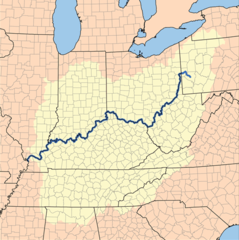 | 45 |
| 6671635134 | Battle of Quebec | (1759) British victory over French forces on the outskirts of Quebec. The surrender of Quebec marked the beginning of the end of French rule in North America. The battle was won when General James Wolfe scouts followed wash women up the cliffs on a secret passageway. | | 46 |
| 6671635135 | General James Wolfe | Commander of a British fleet sailed to Quebec and defeated French Troops that were defending the city, British seized Quebec and took control of New France. He died in the battle and became a hero of English military. |  | 47 |
| 6671635136 | Join or Die | Famous cartoon drawn by Ben Franklin which encouraged the colonies to join in fighting the British during the French and Indian War | | 48 |
| 6671635137 | Albany Plan of Union, 1754 | Plan proposed by Benjamin Franklin that sought to unite the 13 colonies for trade, military, and other purposes | | 49 |
AP US History Period 5, Part 2 (1860-1877) Flashcards
Terms : Hide Images
| 6326212680 | Sherman's March to the Sea | 1864-1865. Union General William Tecumseh Sherman's destructive march through Georgia. An early instance of "total war", purposely targeting infrastructure and civilian property to diminish morale and undercut the Confederate War effort. |  | 0 |
| 6326212681 | Freedmans' Bureau | 1865-1872. Created to aid newly emancipated slaves by providing food, clothing, medical care, education, and legal support. Its achievements depended largely on the quality of local administrators. |  | 1 |
| 6326212682 | Black Codes | State laws passed throughout the South to restrict the rights of emancipated blacks, particularly with respect to negotiating labor contracts. Increased Northerners' criticisms of President Andrew Johnson's lenient Reconstruction policies. Denied ex-slaves the complete civil rights enjoyed by whites and intended to force blacks back to plantations and impoverished lifestyles. |  | 2 |
| 6326212683 | KKK (Ku Klux Klan) | An extremist, paramilitary, right-wing secret society founded in the mid-nineteenth century and revived during the 1920s. It was anti-foreign, anti-black, anti-Jewish, anti-pacifist, anti-Communist, anti-internationalist, anti-evolutionist, and anti-bootlegger, but pro-Anglo-Saxon and pro-Protestant. Its members, cloaked in sheets to conceal their identities, terrorized freedmen and sympathetic whites throughout the South after the Civil War. By the 1890s, Klan-style violence and Democratic legislation succeeded in virtually disenfranchising all Southern blacks. |  | 3 |
| 6326212684 | Sharecropping | An agricultural system that emerged after the Civil War in which black and white farmers rented land and residences from a plantation owner in exchange for giving him a certain "share" of each year's crop. Sharecropping was the dominant form of southern agriculture after the Civil War, and landowners manipulated this system to keep tenants in perpetual debt and unable to leave their plantation. |  | 4 |
| 6326212685 | Hayes-Tilden Election | The South conceded to let Hayes win the presidency because he agreed to pull out the troops. |  | 5 |
| 6326212688 | Homestead Act | 1862. A federal law that gave settlers 160 acres of land for about $30 if they lived on it for five years and improved it by, for instance, building a house on it. The act helped make land accessible to hundreds of thousands of westward-moving settlers, but many people also found disappointment when their land was infertile or they saw speculators grabbing up the best land. |  | 6 |
| 6326212689 | Gettysburg Address | 1863. Abraham Lincoln's oft-quoted speech, delivered at the dedication of the cemetery at Gettysburg battlefield. In the address, Lincoln framed the war as a means to uphold the values of liberty. |  | 7 |
| 6326212690 | Appomattox Court House | Site (city) where Robert E. Lee surrendered to Ulysses S. Grant in April 1865 after almost a year of brutal fighting throughout Virginia in the "Wilderness Campaign". |  | 8 |
| 6326212691 | 10% Reconstruction Plan | 1863. Introduced by President Lincoln, it proposed that a state be readmitted to the Union once 10 percent of its voters had pledged loyalty to the United States and promised to honor emancipation of slaves. |  | 9 |
| 6326212692 | 13th, 14th, 15th Amendments (Reconstruction Amendments) | 13th: Abolished slavery except for criminal punishment. 14th: Gave equal rights and government protection to all men. 15th: Secured suffrage for men. |  | 10 |
| 6326212693 | Radical Republicans | Most liberal part of the Republican Party. Desired political, economic, and social equality for African Americans. Wanted harsh punishment for the South after the Civil War. Became much more powerful after Andrew Johnson's impeachment. |  | 11 |
| 6326212694 | Election of Lincoln | Angered many people in the south who owned slaves because he wanted to end slavery in any new territories. Won the election of 1860 but did not win the popular vote. South Carolina was happy at the outcome of the election because now it had a reason to secede.11 states in the south seceded and made themselves the Confederacy after the election. |  | 12 |
| 6326212696 | Anaconda Plan | Union war plan by Winfield Scott, called for blockade of southern coast, capture of Richmond, capture of the Mississippi River, and to take an army through heart of south. |  | 13 |
| 6326212707 | Election of 1860 | (1860) The United States presidential election of 1860 set the stage for the American Civil War. Hardly more than a month following Lincoln's victory came declarations of secession by South Carolina and other states, which were rejected as illegal by outgoing President James Buchanan and President-elect Lincoln. |  | 14 |
| 6326212709 | Civil Rights Act of 1867 | (1867) Banned discrimination in public accommodations, prohibited discrimination in any federally assisted program, outlawed discrimination in most employment; enlarged federal powers to protect voting rights and to speed school desegregation. |  | 15 |
| 6326212710 | Thirteenth Amendment | (1865) The constitutional amendment ratified after the Civil War that forbade slavery and involuntary servitude. | 16 | |
| 6326212711 | Fourteenth Amendment | (1868) Provided equal protection of the law to freed slaves. Representation for any state that withheld voting from African Americans would be reduced. |  | 17 |
| 6326212712 | Fifteenth Amendment | (1870) Prohibited any state from denying citizens the right to vote on the grounds of race, color, or previous condition of servitude. |  | 18 |
| 6326212713 | Compromise of 1877 | (1877) It withdrew federal soldiers from their remaining position in the South, enacted federal legislation that would spur industrialization in the South, appointed Democrats to patronage positions in the south, appointed a Democrat to the president's cabinet, and allowed Rutherford B. Hayes to win the election. Marked the end of Reconstruction. |  | 19 |
| 6326212725 | Abraham Lincoln | 16th President of the United States saved the Union during the Civil War and emancipated the slaves; was assassinated by Booth (1809-1865) | | 20 |
| 6326212726 | secession | Formal withdrawal of states or regions from a nation |  | 21 |
| 6326212727 | habeas corpus | Petition requiring law enforcement officers to present detained individuals before the court to examine the legality of the arrest. Protects individuals from arbitrary state action. Suspended by Lincoln during the Civil War. |  | 22 |
| 6326212729 | Robert E. Lee | Confederate general who had opposed secession but did not believe the Union should be held together by force. Military genius whose aggressiveness made him a fearsome opponent throughout the Civil War. |  | 23 |
| 6326212730 | Fort Sumter | Federal fort in the harbor of Charleston, South Carolina; the confederate attack on the fort marked the start of the Civil War. |  | 24 |
| 6326212731 | Battle of Antietam | A battle near a sluggish little creek, it proved to be the bloodiest single day battle in American History with over 26,000 lives lost in that single day. Prevented a Confederate invasion of Maryland. |  | 25 |
| 6326212732 | Battle of Vicksburg | Grant besieged the city from May 18 to July 4, 1863, until it surrendered, yielding command of the Mississippi River to the Union effectively splitting the South in two. |  | 26 |
| 6326212733 | Battle of Gettysburg | A large battle in the American Civil War, took place in southern Pennsylvania from July 1 to July 3, 1863. Union General George G. Meade led an army of about 90,000 men to victory against General Robert E. Lee's Confederate army of about 75,000. Proved to be a significant turning point in the war because of the loss of about 1/3 of Lee's army. |  | 27 |
| 6326212734 | Ulysses S. Grant | An American general and the eighteenth President of the United States (1869-1877). He achieved international fame as the leading Union general in the American Civil War. Presidency was plagued by inflation, debt, economic depression, and scandal. |  | 28 |
| 6326212735 | William Tecumseh Sherman | Union General who destroyed South during "march to the sea" from Atlanta to Savannah; example of total war and "scorched-earth" military tactics. |  | 29 |
| 6326212736 | Thomas "Stonewall" Jackson | He was a confederate general who was known for his fearlessness in leading rapid marches, bold flanking movements, and furious assaults. He earned his nickname at the battle of first bull run for standing courageously against union fire. During the battle of Chancellorsville his own men accidently mortally wounded him. |  | 30 |
| 6326212737 | martial law | Rule by the army instead of the elected government (such as in the South as a result of the Military Reconstruction Act) |  | 31 |
| 6326212738 | emergency powers | Wide-ranging powers a president may exercise during times of crisis or those powers permitted the president by Congress for a limited time. |  | 32 |
| 6326212739 | Radical Reconstruction | Name given to the period when Congress, which was controlled by Republicans, took over Reconstruction efforts. When southerners balked at some of the more moderate reforms proposed, more radical republicans started to gain more power and pass more legislation. |  | 33 |
| 6326212740 | Military Reconstruction Act | 1867. Divided the South into five districts and placed them under military rule; required Southern States to ratify the 14th amendment; guaranteed freedmen the right to vote in convention to write new state constitutions | | 34 |
| 6326212741 | Freedmen's Bureau | 1865. Organization (turned government agency) run by the army to care for and protect southern Blacks after the Civil War, sometimes including settling them on confiscated confederate lands. |  | 35 |
| 6326212742 | Election of 1876 | Ended reconstruction because neither candidate had an electoral majority. The Democrat Sam Tilden lost the election, despite winning more votes, to Rutherford B Hayes in the House of Representatives who had to determine the winner since noone had secured the 51% needed in the electoral college. Hayes was elected, and then ended Reconstruction as he secretly promised to the Representatives from the remaining states still under Reconstruction. | | 36 |
| 6326212762 | Jefferson Davis | President of the Confederate States of America prior to and during the Civil War. |  | 37 |
| 6326212763 | self-determination | The ability of a people/government to determine their own course or future using their own free will. |  | 38 |
| 6326212767 | Clara Barton | Launched the American Red Cross. An "angel" in the Civil War, she was a hospital nurse that treated the wounded in the field. |  | 39 |
| 6326212768 | Border States | Southern states that never chose secession and joined the Confederacy during the Civil War (Missouri, Kentucky, Maryland, and Deleware). |  | 40 |
| 6326212769 | Andrew Johnson | 17th President of the United States, A Southerner form Tennessee, as V.P. when Lincoln was killed, he became president. He opposed radical Republicans who passed Reconstruction Acts over his veto. The first U.S. president to be impeached, he survived the Senate removal by only one vote. |  | 41 |
| 6326212770 | John Wilkes Booth | Southerner who assasinated Abraham Lincoln on April 14, 1865 |  | 42 |
| 6326212771 | George B. McClellan | First commander of the Army of the Potomac; well-known for being a master at training an army; was replaced several times by President Lincoln during the Civil War because of his timidness and sometimes outright refusal to send his army into battle. |  | 43 |
| 6326212772 | Merrimack (the Virginia) v. Monitor | A battle between for first "ironclad" naval vessels, marking a new age in naval warfare. |  | 44 |
| 6326212773 | Copperheads | Nickname for Northerners who were pro-Confederacy. |  | 45 |
| 6326212774 | First Battle of Bull Run (Battle of Manassas) | (July 1861) first major conflict of the Civil War. Southern victory led to overconfidence. |  | 46 |
| 6326212775 | Thaddeus Stevens | Radical Republican congressman from Pennsylvania who defended runaway slaves in court for free and insisted on being buried in a black cemetery; hated white Southerners. Leading figure on the Joint Committee on Reconstruction and for the social equality of African Americans. | | 47 |
| 6326212776 | Wade-Davis Bill | Bill pushed by Congress in 1864 that required 50 percent of a state's voters take the oath of allegiance and demanded stronger safe-guards for emancipation than proposed in Lincoln's 10 percent plan. Pocket-vetoed by Lincoln. |  | 48 |
| 6326212777 | 10 Percent Plan | Lincoln's plan for re-admitting the Southern states into the Union: a state could be reintegrated into the Union when 10 percent of its voters in the presidential election of 1860 had taken an oath of allegiance to the United States and pledged to abide by emancipation. |  | 49 |
| 6326212778 | Civil Rights Act (1866) | A Reconstruction bill which granted citizenship to African Americans and weakened the proliferation of Black Codes in the South. |  | 50 |
| 6326212779 | Redeemers | Largely former slave owners who were the bitterest opponents of the Republican program in the South. Staged a major counterrevolution to "redeem" the south by taking back southern state governments. Their foundation rested on the idea of racism and white supremacy. |  | 51 |
| 6326212780 | Ku Klux Klan | The "Invisible Empire of the South", founded in Tennessee in 1866, made up of embittered white Southerners who resented the success and ability of Black legislators. They would terrorize, mutilate, and even murder "upstart" blacks or their supporters to "keep them in their place". |  | 52 |
| 6326212781 | "Seward's Folly" | Refers to the United States' Secretary of State William Seward's decision to purchase the Alaskan territory from Russia in 1867. At the time, Seward's decision to buy the land was regarded as a terrible one by many critics in the United States. |  | 53 |
| 6326275073 | Confederate States of America | Eventually made up of 11 former states that seceded; Jefferson Davis was the 1st & only president; unable to defeat the North b/c of lack of railroad lines, lack of industry, & inability to get European nations to support their cause. |  | 54 |
| 6326284700 | Alexander H. Stephens | VP of Confederacy; threatened to secede with GA; attempted to take his seat in the U.S. Congress after the war. |  | 55 |
| 6326293869 | Second American Revolution | The civil war is sometimes called ______ because although it destroyed slavery and devastated the southern economy, and it also acted as a catalyst to transform American into a complex modern industrial society of capital, technology, national organizations, and large corporations; the characteristics of American democracy and its capitalist economy were strengthened |  | 56 |
| 6328535218 | Greenbacks | Name for Union paper money not backed by gold or silver. Value would fluctuate depending on status of the war. |  | 57 |
| 6328543554 | Morrill Tariff Act | This was an act passed by Congress in 1861 to meet the cost of the war. It raised the taxes on shipping from 5 to 10 percent, however, later needed to increase to meet the demanding cost of the war. Although they were still low by today's standards, they still raked in millions of dollars. |  | 58 |
| 6328552590 | Pacific Railway Act | 1862 legislation to encourage the construction of a transcontinental railroad, connecting the West to industries in the Northeast (Union Pacific and Central Pacific RR). |  | 59 |
| 6328564032 | Morrill Land Grant Act | A law passed by Congress in July 1862 that awarded proceeds for the sale of public lands to the states for the establishment of agricultural and mechanical colleges. |  | 60 |
| 6328580803 | Winfield Scott | Leading union general in the Civil War in the beginning, and was the architect of the Anaconda Plan. He resigned from his commission once he realized that the war would not be a quick one. His plan will still be used by Lincoln and his future commanding generals. |  | 61 |
| 6328589630 | Shiloh | Confederate forces led by Beauregard surprised Union troops led by Grant & drove them across the Tennessee river; Union got backup and won the battle but it was one of the bloodiest battles in the Civil War. It was a win for the Union, however, it clearly demonstrated that the war would not be easily won for either side. |  | 62 |
| 6328628580 | Executive Power | Lincoln had an immense amount of this during the Civil War due to the absence of most southerners and democrats. Most of his ideas came to fruition and most of his agenda was put in place. |  | 63 |
| 6328644642 | Insurrection | Lincoln referred to the rebellion in the South as this and saw himself as constitutionally still the president of the South; he never technically declared war since to him the Civil War was simply a domestic ________________________. |  | 64 |
| 6328685356 | Confiscation Acts | Series of laws passed by federal government designed to liberate slaves in seceded states; authorized Union seizure of rebel property, and stated that all slaves who fought with Confederate military services were freed of further obligations to their masters; virtually emancipation act of all slaves in Confederacy. |  | 65 |
| 6328719137 | Emancipation Proclamation | 1863, Lincoln's proclamation made after a crucial victory at Antietam, allowed Lincoln to push for something radical; frees all slaves in areas under rebellion; this excludes the border states, keeping them on the side of the union, prevents foreign powers from entering the war for slavery, provides a rationale for the war, and allows blacks to enlist in the army; it changed the purpose of the Civil War for Union troops. |  | 66 |
| 6328739442 | Draft Riots | Violent disturbances in New York City that were the culmination of working-class discontent with new laws passed by Congress that year to draft men to fight in the ongoing American Civil War. Irish workers blamed the blacks for loss of jobs, the war, etc. Resulted in destruction of businesses, violence and lynching of blacks, even the destruction of an all black orphanage. After 4 days, the riots were put to an end by Union troops. |  | 67 |
| 6328776766 | Election of 1864 | General George McClellan campaigns against Lincoln with a peace platform. Northern victories in the summer of 1864 help Lincoln get reelected. Lincoln ran with Andrew Johnson, a former democrat from Tennessee and new Republican and Unionist. |  | 68 |
| 6329870699 | Trent Affair | 1861 Confederacy sent diplomats James Mason and John Sidell to try to get Britain's aid; Union warship stopped the steamer called the Trent which was carrying the diplomats and held them as prisoners of war; Lincoln set them free and they were able to speak to Great Britain but the Confederacy ended up not getting the support they needed. |  | 69 |
| 6329901989 | Alabama Affair | The British Foreign Enlistment Act of 1819 forbade the construction and outfitting of foreign warships. The Confederates evaded the letter of this law during the early years of the war by various ruses and managed to purchase a number of cruisers. After these vessels were completed, they destroyed or captured more than 250 American merchant ships and caused the conversion of 700 more to foreign flags. By the end of the war, the U.S. Merchant Marine had lost half its ships. The subsequent demands for compensation took the title of the vessel that had done the most damage-Alabama. The British government eventually gave us $15 million by 1871 to make up for damage that the ship caused at the hands of the Confederacy. |  | 70 |
| 6329940244 | Laird Rams | Two ships built by John Laird and Sons in Great Britain. Constructed in 1863 they had iron rams and large caliber guns. They were more dangerous than the Alabama. They were intended for Confederate use and would have waged war between Britain and the U.S. because they would have destroyed Union wooden ships. After negotiations by Charles Francis Adams, the ships were sold into the Royal Navy. Everyone was happy but the South. |  | 71 |
| 6329962904 | Segregated | After being emancipated, black people were allowed to fight in the Union in _______________________ troops led by a white commander. Hundreds of thousands of Southern blacks walked away from slavery to join the Union army and navy, performed courageously under fire and won respect of Union white soldiers. The most famous was the 54th regiment out of Massachusetts. |  | 72 |
| 6329986901 | Massachusetts 54th Regiment | One of the first and most famous black regiments. The regiment lost half their soldiers during an assault on Fort Wagner. They were forced to retreat but their bravery won them widespread respect. Led by Colonel Robert Shaw. |  | 73 |
| 6330011667 | Women | During the Civil War, this group began working outside of the home at unusually high rate for the time; especially in offices, schools, and as nurses. All three areas have been dominated by this ever since. |  | 74 |
| 6330013904 | Long-term effects of the Civil War | Changed war methods, war became more deadly, took more American lives than any other war (600,000), destroyed towns, devastated the South, blow to the southern economy, led to more industrialization in the North, led to more railroad which had enormous implications, more telegraph lines, freed the slaves, gave African-Americans citizenship and voting rights, changed the lives and occupations of women, altered the social structure of the South, created many political and cultural beliefs that still exist today, created more educational institutions in the North and in the West, created more farmland in the North and in the West....etc. |  | 75 |
| 6330095868 | 4 Million Freedmen | Socially, this group was without land, homes, and an occupation at the end of the Civil War but did have their freedom. |  | 76 |
| 6330102471 | Civil Rights Act of 1866 | Granted citizenship and the same rights enjoyed by white citizens to all male persons in the United States "without distinction of race or color, or previous condition of slavery or involuntary servitude." President Andrew Johnson's veto of the bill was overturned by a two-thirds majority in both houses of Congress, and the bill became law. Johnson's attitude contributed the growth of the Radical Republican movement, which favored increased intervention in the South and more aid to former slaves, and ultimately to Johnson's impeachment. | | 77 |
| 6336432421 | Equal protection of the laws | Important clause of the 14th amendment which granted further equality to African-Americans, albeit de jure and not de facto. |  | 78 |
| 6336446894 | Due process of the laws | Important clause of the 14th amendment which granted equal access to the judicial system for all African-Americans, albeit de jure and not de facto. |  | 79 |
| 6336455499 | Civil Rights Act of 1875 | It protected all Americans, regardless of race, in their access to public accommodations and facilities such as restaurants, theaters, trains and other public transportation, and protected the right to serve on juries. However, it was not enforced, and the Supreme Court declared it unconstitutional in 1883. |  | 80 |
| 6336464746 | Jay Gould | Often regarded as the most unethical of the Robber Barons, an American financier that was partnered with James Fisk in tampering with the railroad stocks for personal profit. He, like other railroad kings, controlled the lives of the people more than the president did. Conned President Grant into ceasing the sale of gold to stop inflation and help farmers, but resulted in "Black Friday," September 24,1869. He did this to corner the market on gold and for personal profit. |  | 81 |
| 6336505055 | Credit Mobilier | This was a fraudulent construction company created to take the profits of the Union Pacific Railroad. Using government funds for the railroad, the Union Pacific directors gave padded construction contracts to Congress members, then hired and overpaid themselves to build their own railroad. Chief among the scandals to rock the Grand Administration was this scandal. The New York Sun exposed the scandal. $23 million taxpayer dollars had been paid to the men involved. This is important because it demonstrated the power of the railroad company and its stockholders over the government. |  | 82 |
| 6336557856 | William (Boss) Tweed | Head of Tammany Hall, NYC's powerful democratic political machine in 1868. Between 1868 and 1869 he led the Tweed Reign, a group of corrupt politicians in defrauding the city. Example: Responsible for the construction of the NY court house; actual construction cost $3million. Project cost tax payers $13million. |  | 83 |
| 6338519695 | Spoilsmen | Group of corrupt and manipulating politicians which arose during the Grant administration and caused Grant to lose credibility with Reformer/Radical Republicans. Leadership of the Republican party passed from the reformers (Stevens, Sumner, Wade) to political manipulators such as Senator Roscoe Conklin of NY and James Blaine of Maine. |  | 84 |
| 6338555851 | Patronage | Granting favors or giving contracts or making appointments to office in return for political support; very common during Reconstruction. |  | 85 |
| 6338562149 | Thomas Nast | An American caricaturist and editorial cartoonist from Germany. He is the "Father of the American Cartoon". His artwork was primarily based on political corruption. He was the scourge of Boss Tweed and the Tammany Hall political machine. He is most known for the creation of the modern version of Santa Claus, and the political symbol of the elephant for the Republican Party. |  | 86 |
| 6338586932 | Liberal Republicans | Formed in 1872 when a faction split from the ranks of the Republican Party in opposition to President Ulysses S. Grant. Many Liberals argued that the task of Reconstruction was complete and should be put aside. Their defection served a major blow to the Republican Party and shattered what congressional enthusiasm remained for Reconstruction. |  | 87 |
| 6338609547 | Horace Greeley | Liberal republican candidate that ran against Grant in 1872 election. An American newspaper editor and founder of the Republican party. His New York Tribune was America's most influential newspaper 1840-1870. Greeley used it to promote the Whig and Republican parties, as well as antislavery and a host of reforms. |  | 88 |
| 6338622102 | Panic of 1873 | Caused by speculation and inflation. Impacted the US and Europe. 18,000 businesses went bankrupt, including hundreds of banks, and ten states went bankrupt and turned against Republicans and favored Democrats. KKK increased in membership as poor whites began to blame the freedmen for their economic woes. Lasted from 1873 until 1879. The Coinage Act of 1873 passed by Ulysses S. Grant helped to spawn this economic panic. Because the federal government was worried about inflation, this act allowed them to discontinue using silver to back the currency in the United States, and instead, back the currency with only gold. Therefore, it would be extremely hard for the poorer classes to obtain, so they would only be able to use paper money, which is backed by nothing. This act had the immediate effect of depressing silver prices, which hurt the Western mining companies tremendously. This led to the economic depression that the United States would experience for the years to come. |  | 89 |
| 6338660650 | Rutherford B. Hayes | 19th president of the United States, famous for being part of an election in which electoral votes were contested in 4 states, and the winner of the popular vote (Samuel Tilden) failed to secure the presidency due to corrupt bargaining. Argued to be the most corrupt election in US history. The election of this individual secured the end of Reconstruction. |  | 90 |
| 6338683707 | Samuel J. Tilden | Hayes' opponent in the 1876 presidential race, he was the Democratic nominee who had gained fame for putting Boss Tweed behind bars. He collected 184 of the necessary 185 electoral votes and won the popular vote. However, the House of Representatives gives the presidency to Hayes instead. |  | 91 |
| 6338709589 | Presidential Reconstruction | In December 1863 Lincoln introduced the first Reconstruction scheme, the Ten Percent Plan, thus beginning the period known as ______________________________ _____________________________. The plan decreed that when one-tenth of a state's prewar voters had taken an oath of loyalty to the U.S. Constitution, its citizens could elect a new state government and apply for readmission to the Union. In addition, Lincoln promised to pardon all but a few high-ranking Confederates if they would take this oath and accept abolition. The plan also required that states amend their constitutions to abolish slavery. Conspicuous in this plan was the stipulation that only whites could vote or hold office. | | 92 |
| 6338723449 | Proclamation of Amnesty and Reconstruction | 1863 Lincoln issued this proclamation which provided a means of repatriating "those who resume their allegiance" even though the war was still in progress. To those who took an oath of loyalty, he was prepared to issue a full pardon, with some notable exceptions. Those exceptions he specifically listed in the proclamation so there would be no misunderstanding. He also provided guidelines for the systematic reestablishment of loyal state governments. |  | 93 |
| 6338729947 | Wade-Davis Bill | 1864. Proposed far more demanding and stringent terms for Reconstruction; required 50% of the voters of a state to take the loyalty oath and permitted only non-confederates to vote for a new state constitution; Lincoln refused to sign the bill, pocket vetoing it after Congress adjourned. |  | 94 |
| 6338766781 | Congressional Reconstruction | The second "round" of Reconstruction that began after the congressional elections of 1866 when the dominant Republicans in Congress unified and took a more radical stance (fearing that the Democrats would gain power). During this period of reconstruction, the southern states were occupied by the Union army and many steps to guarantee the rights of blacks were taken. The Radical Republicans also had Johnson impeached in 1867. |  | 95 |
| 6339203264 | Charles Sumner | A leader of the Radical Republicans along with Thaddeus Stevens. He was from Massachusetts and was in the Senate. Prior to the Civil War he had been nearly beaten to death for his speech called the "Crimes Against Kansas" and returned after the Civil War to his Senate seat with a radical agenda. His two main goals were breaking the power of wealthy planters and ensuring that freedmen could vote. |  | 96 |
| 6339224764 | Thaddeus Stephens | The most famous Radical Republican representing Pennsylvania in the House of Representatives who hoped to revolutionize southern society through an extended period of military rule where blacks could exercise their civil rights, would be educated in public schools, and receive lands confiscated from former plantation owners. |  | 97 |
| 6339238458 | Benjamin Wade | Senator from Ohio and Radical Republican who was co-sponsor of the strict Wade-Davis Bill of 1864 that was ultimately vetoed by Lincoln. He endorsed woman's suffrage, rights for labor unions, and civil rights for northern blacks. |  | 98 |
| 6339252408 | Reconstruction Acts | Pushed through congress over Johnson's veto in 1867, it gave Radical Republicans complete military control over the South and divided the South into five military zones, each headed by a general with absolute power over his district. They disenfranchised former Confederates, and required that Southern states both ratify the 14th Amendment and write state constitutions guaranteeing freedmen the franchise before gaining readmission to the Union. These acts created Congressional/Radical Reconstruction. |  | 99 |
| 6339267145 | Tenure of Office Act | Enacted by Radical Republicans in 1866, it forbade the president from removing civil officers without consent of the Senate. It was meant to prevent Johnson from removing radicals from office; in particular, members of Lincoln's administration. Johnson broke this unconstitutional law when he fired a Radical Republican from his cabinet, and he was impeached for this "crime". |  | 100 |
| 6339294409 | Edwin Stanton | Secretary of War appointed by Lincoln. President Andrew Johnson dismissed him in spite of the Tenure of Office Act, and as a result, Congress wanted Johnson's impeachment. |  | 101 |
| 6339298149 | Impeachment | An action by the House of Representatives to accuse the president, vice president, or other civil officers of the United States of committing "Treason, Bribery, or other high Crimes and Misdemeanors." Andrew Johnson will be the first president to have this done but will remain in office when the Senate voted (1 more vote and he would have been removed!) |  | 102 |
| 6339312458 | Scalawags | A derogatory term for white Republican Southerners who supported Reconstruction following the Civil War. They were considered to be traitors to the "Lost Cause" and to the South, especially considered so by wealthy ex-confederates. |  | 103 |
| 6339337256 | Carpetbaggers | A derogatory term applied to Northerners who migrated south during Reconstruction to take advantage of opportunities, reform the south, pursue political positions, aide the freedmen and help those in poverty, advance their own fortunes by buying up land from desperate Southerners(Southern View), or by manipulating new black voters to obtain lucrative government contracts(Southern View). Term was especially used by wealthy ex-confederates and was given to them due to the type of luggage that they carried which resembled a carpet. |  | 104 |
| 6339368001 | Blanche K. Bruce | U.S. politician who represented Mississippi as a Republican in the U.S. Senate from 1875 to 1881; of mixed race, he was the first elected black senator to serve a full term. |  | 105 |
| 6339378516 | Hiram Revels | Black Mississippi senator elected to the seat that had been occupied by Jefferson Davis before the South seceded. |  | 106 |
| 6339393209 | Force Acts | Acts passed in 1870 and 1871 under the Grant Administration to promote African American voting and mainly aimed at limiting the activities of the Ku Klux Klan. Through the acts, actions committed with the intent to influence voters, prevent them from voting, or conspiring to deprive them of civil rights, including life, were made federal offenses. Thus the federal government had the power to prosecute the offenses, including calling federal juries to hear the cases. |  | 107 |
| 6339408215 | Amnesty Act of 1872 | United States federal law that removed voting restrictions and office-holding disqualification against most of the secessionists who rebelled in the American Civil War, except for some 500 military leaders of the Confederacy and Jefferson Davis. The original restrictive Act was passed by the U.S. House of Representatives on May 1866. |  | 108 |
| 6339435183 | "Waving the Bloody Shirt" | The Republican's strategy for getting Grant re-elected, referring to linking the opposition to the Confederacy by focusing on the opposition's desires to end Reconstruction. |  | 109 |
| 9250654311 | Fredericksburg | December 1862, Confederate victory, Burnside (USA) v Lee (CSA). Lincoln will fire Burnside and replace him with Hooker because of this battle. Burnside let Lee regroup and re-plan leading to a Confederate victory and severe union loss. The win further emboldens Confederates and weakens Union troop morale. |  | 110 |
AP US History Chapter 5 Flashcards
Terms : Hide Images
| 7267805420 | Jonathon Edwards | He was an American theologian and Congregational clergyman, whose sermons stirred the religious revival, called the Great Awakening. He is known for his " Sinners in the Hands of an Angry God " sermon. | 0 | |
| 7267805421 | Benjamin Franklin | He owned a successful printing and publishing company in Philadelphia. He conducted studies of electricity, invented bifocal glasses, the lighting rod, and the stove. He was a important diplomat and statesman and eventually signed the Declaration of Independence and the Constitution of the United States. | 1 | |
| 7267805422 | Michel-Guillame de Crevecour | French settler on America in the 1770's; he posed the question of what "American" is after seeing people in America like he had never seen before. American really became a mixture of many nationalities. | 2 | |
| 7267805423 | Phillis Wheatley | a slave girl who became a poet. At age eight, she was brought to Boston. published a book of poetry at age 20 | 3 | |
| 7267805424 | George Whitefield | He was a great preacher who had recently been an alehouse attendant. Everyone in the colonies loved to hear him preach of love and forgiveness because he had a different style of preaching. This led to new missionary work in the Americas in converting Indians and Africans to Christianity, as well as lessening the importance of the old clergy. | 4 | |
| 7267805425 | John S. Copley | A famous Revolutionary era painter, traveled to England to finish his study of the arts. Only in the Old World could he find subjects with the leisure time required to be painted, and the money needed to pay him for it. was loyal to England during The Revolution. | 5 | |
| 7267805426 | John Peter Zenger | Journalist who questioned the policies of the governor of New York in the 1700's. He was jailed; he sued, and this court case was the basis for our freedom of speech and press. He was found not guilty. | 6 | |
| 7267805427 | Scots-Irish | people who fled their home in Scotland in the 1600s to escape poverty and religious oppression. They first relocated to Ireland and then to America in the 1700s. They lived in Virginia, the Carolinas, and Georgia. These areas are home to many Presbyterian churches established by these people. Many people in these areas are still very independent like their ancestors. | 7 | |
| 7267805428 | 8 | |||
| 7267805429 | 9 | |||
| 7267805430 | 10 | |||
| 7267805431 | Molasses Act | A British law passed in 1773 to change a trade pattern in the American colonies by taxing molasses imported into colonies not ruled by Britain. Americans responded to this attempt to damage their international trade by bribing and smuggling. Their protest of this and other laws led to revolution. | 11 | |
| 7267805432 | Great Awakening | This was a religious revival held in the 1730's and 1740's to motivate the colonial America. Motivational speakers such as Jonathan Edwards and George Whitefield helped to bring Americans together. | 12 | |
| 7267805433 | John Peter Zenger Case | He was jailed for questioning the governor of New York. His case influenced freedom of speech and freedom of press. | 13 | |
| 7267805434 | Paxton Boys | They were a group of Scots-Irish men living in the Appalachian hills that wanted protection from Indian attacks. They made an armed march on Philadelphia in 1764. They protested the lenient way that the Quakers treated the Indians. Their ideas started the Regulator Movement in North Carolina. | 14 | |
| 7267805435 | Jacobus Arminius | Dutch Protestant theologian who founded Arminianism which opposed the absolute predestinarianism of John Calvin (1559-1609) | 15 | |
| 7267805436 | Rack-renting | merciless rent increases | 16 | |
| 7267805437 | Regulator Movement | It was a movement during the 1760's by western North Carolinians, mainly Scots-Irish, that resented the way that the Eastern part of the state dominated political affairs. They believed that the tax money was being unevenly distributed. Many of its members joined the American Revolutionists. | 17 | |
| 7267805438 | Old and New Lights | In the early 1700's, olds were simply orthodox members of the clergy who believed that the new ways of revivals and emotional preaching were unnecessary. New´s were the more modern- thinking members of the clergy who strongly believed in the Great Awakening. These conflicting opinions changed certain denominations, helped popularize missionary work and assisted in the founding educational centers now known as Ivy League schools. | 18 | |
| 7267805439 | Naval Stores | Pitch and tar made from pinetrees and used to make ships water-tight | 19 | |
| 7267837537 | Benjamin West | An Anglo-American self-taught painter of historical scenes around and after the time of the American Revolution, West also painted the royal family of King George III and co-founded the Royal Academy of Arts | 20 | |
| 7267840509 | Charles W. Peale | 1741-127 best known for portraits of George Washington, ran a museum, stuffed birds, practiced dentistry | 21 | |
| 7267843448 | Triangular Trade | A three way system of trade during 1600-1800s Africa sent slaves to America, America sent Raw Materials to Europe, and Europe sent Guns and Rum to Africa | 22 | |
| 7267846242 | Praying towns | Praying towns were developed by the Puritans of New England from 1646 to 1675 in an effort to convert the local Native American tribes to Christianity. The Natives who moved into these towns were known as Praying Indians. | 23 | |
| 7267858056 | Andrew Hamilton | defended Zenger and won the case resulting in the jury declaring a newspaper had the right to criticize a government leader as long as it was true | 24 | |
| 7267862903 | Anglican | the national church of England (and all other churches in other countries that share its beliefs), created by Henry VIII | 25 | |
| 7267866424 | Arminianism | 16th century theology (named after its founder Jacobus Arminius) that opposes the absolute predestinarianism of John Calvin and holds that human free will is compatible with God's sovereignity, stresses free will | 26 | |
| 7267870047 | heresies | beliefs said to be contrary to official church teachings | 27 | |
| 7267872552 | Taverns | Popular colonial centers of recreation, gossip, and political debate | 28 |
Pages

Need Help?
We hope your visit has been a productive one. If you're having any problems, or would like to give some feedback, we'd love to hear from you.
For general help, questions, and suggestions, try our dedicated support forums.
If you need to contact the Course-Notes.Org web experience team, please use our contact form.
Need Notes?
While we strive to provide the most comprehensive notes for as many high school textbooks as possible, there are certainly going to be some that we miss. Drop us a note and let us know which textbooks you need. Be sure to include which edition of the textbook you are using! If we see enough demand, we'll do whatever we can to get those notes up on the site for you!
