

Flashcards
AP US History - US Presidents Flashcards
Terms : Hide Images
| 9482067309 | George Washington | 1789-1797 Federalist Whiskey Rebellion; Judiciary Act; Farewell Address |  | 0 |
| 9482067310 | John Adams | 1797-1801 Federalist XYZ Affair; Alien and Sedition Acts |  | 1 |
| 9482067311 | Thomas Jefferson | 1801-1809 Democratic-Republican Marbury v. Madison; Louisiana Purchase; Embargo of 1807 |  | 2 |
| 9482067312 | James Madison | 1809-1817 Democratic-Republican War of 1812; First Protective Tariff |  | 3 |
| 9482067313 | James Monroe | 1817-1825 Democratic-Republican Missouri Compromise of 1820; Monroe Doctrine |  | 4 |
| 9482067314 | John Quincy Adams | 1825-1829 Democratic-Republican "Corrupt Bargain"; "Tariff of Abominations" |  | 5 |
| 9482067315 | Andrew Jackson | 1829-1837 Democrat Nullification Crisis; Bank War; Indian Removal Act |  | 6 |
| 9482067316 | Martin Van Buren | 1837-1841 Democrat Trail of Tears; Specie Circular; Panic of 1837 |  | 7 |
| 9482067317 | William Henry Harrison | 1841 Whig "Tippecanoe and Tyler too!"; First Whig President |  | 8 |
| 9482067318 | John Tyler | 1841-1845 Whig "His Accidency"; Webster-Ashburton Treaty |  | 9 |
| 9482067319 | James Polk | 1845-1849 Democrat Texas annexation; Mexican War |  | 10 |
| 9482067320 | Zachary Taylor | 1849-1850 Whig Mexican War hero and staunch Unionist |  | 11 |
| 9482067321 | Millard Fillmore | 1850-1853 Whig Compromise of 1850 |  | 12 |
| 9482067322 | Franklin Pierce | 1853-1857 Democrat Kansas-Nebraska Act; Gadsden Purchase |  | 13 |
| 9482067323 | James Buchanan | 1857-1861 Democrat Dred Scott decision; Harpers Ferry raid |  | 14 |
| 9482067324 | Abraham Lincoln | 1861-1865 Republican Secession and Civil War; Emancipation Proclamation |  | 15 |
| 9482067325 | Andrew Johnson | 1865-1869 Democrat 13th and 14th amendments; Radical Reconstruction; Impeachment |  | 16 |
| 9482067326 | Ulysses Grant | 1869-1877 Republican 15th amendment; Panic of 1873 |  | 17 |
| 9482067327 | Rutherford Hayes | 1877-1881 Republican Compromise of 1877; labor unions and strikes |  | 18 |
| 9482067328 | James Garfield | 1881, Republican Brief resurgence of presidential authority; Increase in American naval power; Purge corruption in the Post Office |  | 19 |
| 9482067329 | Chester Arthur | 1881-1885 Republican Standard Oil trust created Edison lights up New York City |  | 20 |
| 9482067330 | Grover Cleveland | 1885-1889 (1st term), 1893-1897 (2nd term) Democrat Interstate Commerce Act; Dawes Act; Panic of 1893; Pullman Strike |  | 21 |
| 9482067331 | Benjamin Harrison | 1889-1893 Republican Sherman Anti-Trust Act; Closure of the frontier |  | 22 |
| 9482067332 | William McKinley | 1897-1901 Republican Spanish-American War; Open Door policy |  | 23 |
| 9482067333 | Theodore Roosevelt | 1901-1909 Republican Progressivism; Square Deal; Big Stick Diplomacy |  | 24 |
| 9482067334 | William Howard Taft | 1909-1913 Republican Dollar diplomacy NAACP founded |  | 25 |
| 9482067335 | Woodrow Wilson | 1913-1921 Democrat WWI; League of Nations; 18th and 19th amendments; Segregation of federal offices; First Red Scare |  | 26 |
| 9482067336 | Warren Harding | 1921-1923 Republican "Return to normalcy", return to isolationism; Tea Pot Dome scandal; Prohibition |  | 27 |
| 9482067337 | Calvin Coolidge | 1923-1929 Republican Small-government (laissez-faire) conservative |  | 28 |
| 9482067338 | Herbert Hoover | 1929-1933 Republican "American individualism"; Stock Market Crash; Dust Bowl; Hawley-Smoot Tariff |  | 29 |
| 9482067339 | Franklin Delano Roosevelt | 1933-1945 Democrat New Deal; WWII; Japanese Internment; "Fireside Chats" |  | 30 |
| 9482067340 | Harry Truman | 1945-1953 Democrat A-bomb; Marshall Plan; Korean War; United Nations |  | 31 |
| 9482067341 | Dwight Eisenhower | 1953-1961 Republican Brown v. Board of Education; Second Red Scare; Highway Act and suburbanization ("white flight"); Farewell Address warning of the military industrial complex |  | 32 |
| 9482067342 | John Kennedy | 1961-1963 Democrat Camelot; Bay of Pigs; Cuban Missile Crisis; Space program; Peace Corps |  | 33 |
| 9482067343 | Lyndon Johnson | 1963-1969 Democrat Civil and Voting Rights acts; Gulf of Tonkin Resolution; Great Society |  | 34 |
| 9482067344 | Richard Nixon | 1969-1974 Republican Environmental Protection Act; China visit; Moon Landing; Watergate | 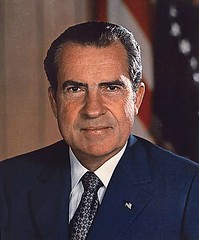 | 35 |
| 9482067345 | Gerald Ford | 1974-1977 Republican Pardoning of Nixon; OPEC crisis |  | 36 |
| 9482067346 | Jimmy Carter | 1977-1981 Democrat stagflation / energy crisis; Iran hostage crisis; Camp David Accords |  | 37 |
| 9482067347 | Ronald Reagan | 1981-1989 Republican Conservative revolution; Iran-Contra scandal |  | 38 |
| 9482067348 | George H. W. Bush | 1989-1993 Republican Persian Gulf War |  | 39 |
| 9482067349 | Bill Clinton | 1993-2001 Democrat NAFTA; Lewinsky scandal and impreachment |  | 40 |
| 9482067350 | George W. Bush | 2001-2008 Republican War on terrorism; Patriot Act; Tax cuts; "No Child Left Behind" |  | 41 |
| 9482067351 | Barack Obama | 2008-2017 Democrat Affordable Care Act | 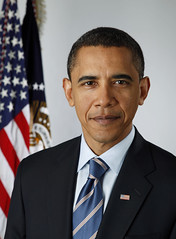 | 42 |
| 9482067352 | Donald Trump | 2017-? Republican "Make America Great Again" |  | 43 |
Flashcards
AP World History Exam Flashcards
Terms : Hide Images
| 6685180450 | Democracy | Type of government ruled by the people. | 0 | |
| 6685182230 | Direct Democracy | All citizens decide , works better in small populations. | 1 | |
| 6685185826 | Representative Democracy | Citizens vote for representatives to make decisions for them. | 2 | |
| 6685189298 | Parliamentary Democracy | Executive and legislative functions both reside in the elected assembly. | 3 | |
| 6685189299 | Autocracy | A system of government by one person with absolute power. | 4 | |
| 6685191676 | Dictatorship | When power is seized by or granted to an individual member of society. | 5 | |
| 6685194147 | Totalitarian Dictatorship | A political system in which the state recognizes no limits to its authority. | 6 | |
| 6685195672 | Absolute Monarchy | A form of monarchy in which one ruler has supreme authority and no restrictions. | 7 | |
| 6685198041 | Constitutional Monarchy | A form of monarchy following a constitution. | 8 | |
| 6685198042 | Theocracy | Ruled by a single leader usually claims to be chosen by God. | 9 | |
| 6685199813 | Oligarchy | A small group of people having control of a country, organization, or institution. | 10 | |
| 6685199814 | Anarchy | No government | 11 | |
| 6685199833 | Religion | A particular system of having faith or worshipping | 12 | |
| 6685202318 | Abrahamic Religion | - Christianity, Judaism, Islam - All monotheistic - Abraham was a prophet | 13 | |
| 6685204990 | Christianity | 100 CE; Christians were the minorities of many civilizations until 324 CE; In the Roman Empire Christians were persecuted; Emperor Constantine(Rome) eventually makes it the official religion of Rome and rebuilt churches | 14 | |
| 6685204991 | Judaism | Abraham was the first Jew to speak to God Started in the Middle East Torah - Jewish Holy Book | 15 | |
| 6685204992 | Islam | 700 CE in Saudi Arabia; By 800 CE it spreads to Africa, Asia, and Europe through trade; Muslim book of law = Quran/Kuran | 16 | |
| 6685207304 | Buddhism | Not an Abrahamic religion 2,500 years ago in Nepal Siddhartha Gotama = Buddha, No god | 17 | |
| 6685207305 | Hinduism | 900 million followers today; 150 BCE, began in India; Henothesitic - One god presented in many - Main god is Brahman | 18 | |
| 6685209939 | Mesopotamia | - Began to live here as early as 10,000 BCE - Land between two rivers (Tigris & Euphrates) - Fertile Crescent | 19 | |
| 6685209940 | Ancient Greece | - 800 BCE to 500 BCE - Created Democracy - Art, poetry, sports - City State | 20 | |
| 6685212289 | Ancient Rome | - 753 BCE to 476 CE - Italy - Tiber River - Representative Democracy - Military - Laws | 21 | |
| 6685212290 | Han Empire | - Located in China - 206 BCE - 200 CE - Fought with the Romans and lost - Pacific Ocean | 22 | |
| 6685216112 | Mauryan Empire | - Located in India - 321 BCE to 185 BCE - Ganges River - Largest standing army - Buddhism | 23 | |
| 6685219956 | Abbasid Empire | Second of the two greatest dynasties of the Muslim Empire of the caliphate 750-1258 CE Overthrew the Umayyad caliphate in 750 | 24 | |
| 6714534859 | Middle Ages | 400's - 1400's Starts with the fall of rome (476) Ends at the renaissance | 25 | |
| 6714534860 | Christian Crusades | Crusade = Religious war Began around 1095 Christians vs. Muslims | 26 | |
| 6714536457 | Byzantine Empire | Byzantine = Eastern half of Roman Empire 285 - 1453 CE First christian state | 27 | |
| 6714539222 | Chinese Civilizations | Sui Dynasty, Tang Dynasty, Song Dynasty | 28 | |
| 6714539672 | Fall of Han Dynasty | Fell around 220 CE, Battle of Red Cliffs Jin Dynasty took over next 589 CE - Sui Dynasty takes over | 29 | |
| 6714542012 | Sui Dynasty | Golden Age of China 589 - 618 Goals: Build Great Wall of China, Expand China's territory, Build the Grand Canal Defeated by their own military | 30 | |
| 6714542013 | Tang Dynasty | Lowered taxes Had female ruler Increased Trade | 31 | |
| 6714543960 | Song Dynasty | Raises taxes Trade increase Valued poetry | 32 | |
| 6714545547 | Confucianism | Confucius was the leader, way of life Values: education, respect, hard work, hierarchy | 33 | |
| 6714548929 | Feudalism | Social System in Europe during the middle ages Monarchies were popular |  | 34 |
| 6714550427 | Mesoamerica | Mexico and Central America Indigenous cultures | 35 | |
| 6714551742 | Mayan Empire | 1800 CE to 250 AD Agriculture, pottery, hieroglyph writing, calendar making and mathematics | 36 | |
| 6714551743 | Inca Empire | 1400 CE to 1533 CE Agriculture and roadway systems, centralized religion and language | 37 | |
| 6714553649 | Aztec Empire | 1345 CE to 1521 CE Nomadic tribe Social, political, religious and commercial organization | 38 | |
| 6714720738 | Bubonic Plague | Spread through contact with infected fleas, carried on rats Symptoms: Swollen body parts, bloody, contagious | 39 | |
| 6726266611 | Trade | the transfer of goods or services from one person to another in exchange for other goods or services | 40 | |
| 6726271534 | Market | where trade occurs | 41 | |
| 6726271535 | Bartering | trade without money | 42 | |
| 6726274927 | Trade routes | the paths people follow commonly to purchase and sell goods | 43 | |
| 6726274928 | Export | send goods to another country | 44 | |
| 6726276901 | Import | bring goods to the country | 45 | |
| 6726276902 | Silk Road | 206 BCE - 1453 CE; Used by - China, India, Middle East, Europe Traded - Gold, Chinese silk, cloth, gunpowder, religion, precious stones | 46 | |
| 6726280488 | Trans-Saharan Trade | 700-1600; Sahara (north and south) to reach sub-Saharan Africa from the North African coast, Europe, to the Levant | 47 | |
| 6726285971 | Indian Ocean Trade | 500 C.E. - 1500 C.E; East-West Trading; | 48 | |
| 6737137267 | Imperialism | Take over their land with military forces | 49 | |
| 6737137268 | Colonialism | Move into an area and take their resources | 50 | |
| 6738081109 | Ottoman Empire | At it's largest during the 16th-17th century; Spanned across 3 continents (Asia, Europe, Africa); Controlled all of the trade going through this region; Converted many to Islam; Capital City: Constantinople | 51 | |
| 6744131588 | Sultan Mehmet II | Leader 1451-1481 Rule in Turkey - Ottoman Empire | 52 | |
| 6738091602 | Renaissance | A time of rebirth of culture in Europe | 53 | |
| 6738088308 | 12th Century Renaissance | "Medieval Renaissance" 1100-1200; High Middle Ages Religious - Churches, Cathedrals, and schools built for students; "Beauty brought people closer to God" | 54 | |
| 6738088309 | 15th Century Renaissance | "Italian Renaissance" 1400-1500; Art, architecture, literature, music, philosophy and other arts; God and religion was not the focus of art | 55 | |
| 6744214288 | Humanism | Art and focus on realistic forms and nature | 56 | |
| 6738104821 | Medici Family | Last Medici ruler died in 1737 Florence, Italy Power through banking and commerce | 57 | |
| 6743833628 | Roman Catholic Church | Largest Christian Church; Powerful | 58 | |
| 6738140814 | Age of Exploration | 15th century - 18th century Start of globalization and Power of European culture | 59 | |
| 6743914495 | Nationalism | A desire by a large group of people to form a separate and independent nation of their own | 60 | |
| 6744197827 | Reformation | 16th century Religious movement , reform Roman Catholic Church | 61 | |
| 6744451466 | Spanish Conquest | Colonial expansion were trade and the spread of the Catholic faith to the indigenous | 62 | |
| 6744453120 | Atlantic Slave Trade | 15th century - 19th century Middle passages Slaves sold in trade | 63 | |
| 6744454511 | Columbian Exchange | 15th - 16th century Transfer of plants, animals, culture, human populations, technology, and ideas | 64 | |
| 6803304374 | WWl | 1914-1918 Allies: Great Britain, France, Russia Central Powers: Germany, Austria-Hungary, Italy | 65 | |
| 6803310021 | M.A.I.N. Causes of WWl | Militarism: The policy of building up or creating a large military. (Have a better military) Alliances: An agreement between two or more countries to help each other out and defend each other. Imperialism: A country attempts to extend its power and influence over other countries, through diplomacy or military force. Nationalism: Pride in one's country | 66 | |
| 6803362044 | Treaty of Versailles | Germany renounces what they have, demilitarize, and pay reparations as well as take the blame. | 67 | |
| 6803364518 | 1920's Great Depression | In debt because of war, loss of jobs, economic depression | 68 | |
| 6803364519 | WW2 | Ends in 1945, Hitler invades Poland in the start | 69 | |
| 6803458350 | Blitzberg | Lightning war which uses fast moving planes and tanks followed by infantry to take the enemy by surprise | 70 | |
| 6803364658 | Holocaust | Genocide, 1933-1938 under Hitler's power, Minorities targeted | 71 | |
| 6803428986 | Genocide | The intentional killing of a large group of people | 72 | |
| 6803369393 | Rise of communism | Russia spreads communism | 73 | |
| 6803791312 | Modern War | The use of technology and new strategies pushes conflict further | 74 | |
| 6816954529 | Marshall Plan | "European Recovery Program" Plan to channel $13 billion to help Europe recover from WW1. Planned by U.S. Secretary of state, George Marshall, 1947 | 75 | |
| 6816954530 | USSR | Now Russia, wants to spread communism. Defeated Germany in WW1 causing them to surrender. | 76 | |
| 6816956535 | Yalta Conference | 1945: A decision was made to split the German empire into 4 sections after WW1. Germany would then belong to the U.S., Great Britain, France, and the Soviet Union | 77 | |
| 6816956536 | Truman Doctrine | U.S. president, Harry Truman, 1947, promises to provide political and military help to all democratic and capitalist nations to fight off communism | 78 | |
| 6816958091 | Communism | Most equal, get what you need from the government. Control by government, focus on ownership. | 79 | |
| 6816958092 | Socialism | Government has control over manufacturing, focus on economy | 80 | |
| 6816959948 | Capitalism | People become wealthy on their own accords. People control their own wealth | 81 | |
| 6816959949 | Warsaw Pact | NATO and Warsaw Pact compete for members and weapons. Rivalry between communist and capitalists. | 82 | |
| 6816959950 | NATO Treaty | North Atlantic Alliance founded in the aftermath of WW2. Treaty signed in Washington in 1949. Commits Allies to democracy, individual liberty and the rule of law, and peaceful resolution to disputes. | 83 | |
| 6816962526 | Iron Curtain | The divide to stop communism. British prime minister, Winston Churchill, 1946, wanted to established a strong alliance with the U.S. | 84 | |
| 6816962527 | Cold War | 1947 - 1991 . Causes: American fear of communism, USSR fear of America's atomic bomb and capitalism. | 85 | |
| 6816964974 | Cuban Missile Crisis | 1959 - Cuba becomes communist under Fidel Castro. In October of 1962, USSR had established nuclear-armed missiles in Cuba, United States perceived this as a threat. People in fear of nuclear war. | 86 | |
| 6816964975 | Vietnam War | 1955 - 1975 Northern (Led by Viet Cong) vs. Southern Vietnam (Led by U.S.) U.S. invested to stop communism. | 87 | |
| 6816977075 | Viet Cong | Communist, Lead Northern Vietnam | 88 |
Ap Flashcards
Terms : Hide Images
| 9787700934 | Astrolabe | instrument used to determine latitude by measuring the position of the stars | 0 | |
| 9787700935 | Columbian Exchange | a period of cultural and biological exchanges between the New and Old Worlds | 1 | |
| 9787700936 | Cross staff | used to find latitude by measuring the altitude of the pole star above the horizon; replaced astrolabe | 2 | |
| 9787700937 | United East India Company | Dutch trading company worried about colonizing the world. | 3 | |
| 9787700938 | English East India Company | British trading company; represents trend of joint-stock companys. | 4 | |
| 9787700939 | Manila | Capital of Philippines; A Philippine city that emerged to be a multicultural port city under the authorization of the Spanish when Miguel Lopez de Legazpi overtook the Philippines in bloodless encounters. | 5 | |
| 9787700940 | Volta do mar | Return through the sea | 6 | |
| 9787700941 | Wind Wheels | Are circular wind patterns such as the volta do mar that aided sailing | 7 | |
| 9787700942 | Captain James Cook | the explorer who led 3 expeditions into the Pacific in the 18th century, discovered Hawaii and claimed Australia for England | 8 | |
| 9787700943 | Vasco da Gama | (Portugal) rounded Cape of Good Hope and made it to India. the first European to reach India by sea sailing around the tip of Africa. - sailed to Calicut | 9 | |
| 9787700944 | Christopher Columbus | He mistakenly discovered the Americas in 1492 while searching for a faster route to India. | 10 | |
| 9787700945 | Ferdinand Magellan | First person to circumnavigate the globe | 11 | |
| 9787700946 | Absolutism | 1650-1750 A political system in which a ruler holds total power | 12 | |
| 9787700947 | Capitalism | An economic system based on private ownership of capital | 13 | |
| 9787700948 | Catholic Reformation | Catholic response to the Protestant Reformation; reformed and revived Catholic doctrine. 16th century | 14 | |
| 9787700949 | Council of Trent | 1545-1563 Reaffirmed traditional Catholic teachings, forbade the sale of indulgences | 15 | |
| 9787700950 | Enlightenment | a movement that emphasized science and reason as guides to help see the world more clearly | 16 | |
| 9787700951 | Indulgences | remission of the punishment for sin by the clergy in return for services or payments | 17 | |
| 9787700952 | Jesuits | members of the Society of Jesus, a Roman Catholic religious order founded by Ignatius of Loyola | 18 | |
| 9787700953 | John Locke | believed all people have a right to life, liberty, and property; English philosopher who argued that people have natural rights | 19 | |
| 9787700954 | Law Code of 1649 | Code enacted by Catharine II placing Russian serfs under the tight control of landlords. | 20 | |
| 9787700955 | Peace of Westphalia | the peace treaty that ended the Thirty Years' War in 1648 | 21 | |
| 9787700956 | Protestant Reformation | This was caused by the strictness and the incompetence of the Catholic Church. 1517 began with Martin Luther | 22 | |
| 9787700957 | Ptolemaic Universe | A still earth is at the center of universe with 9 revolving spheres around it | 23 | |
| 9787700958 | Putting out system | System used in the Industrial Revolution where merchandise was produced within the home (cottage industry) | 24 | |
| 9787700959 | Sun King | Nickname for Louis XIV | 25 | |
| 9787700960 | Thirty Years War | (1618-48) began when Holy Roman Emperor Ferdinand II of Bohemia attempted to curtail the religious activities of his subjects, sparking rebellion among Protestants. | 26 | |
| 9787700961 | Versailles | Palace constructed by Louis XIV outside of Paris to glorify his rule and subdue the nobility. | 27 | |
| 9787700962 | Voltaire (1694-1778) | criticized organized religion for perpetuation superstition and intolerance, championed the enlightened principles of reason, progress, toleration, and individual liberty | 28 | |
| 9787700963 | Audiencias | Spanish courts; advisory group who assisted the viceroy in governing Spanish territories in the New World | 29 | |
| 9787700964 | Conquistador | A Spanish conqueror of the Americas | 30 | |
| 9787700965 | Creoles | American born descendants of Europeans | 31 | |
| 9787700966 | Enconmienda | Concession from Spanish letting a colonist take tribute from Indians in a certain area in return the landowners must take care and convert the natives to Christianity | 32 | |
| 9787700967 | Engenho | Portuguese term for sugar mill or plantation | 33 | |
| 9787700968 | Hacienda | Spanish colonists formed large, self-sufficient farming estates known as these. | 34 | |
| 9787700969 | Indentured Labor | Workers contracted to labor on estates for a set period of time | 35 | |
| 9787700970 | Mestizo | A person of mixed Spanish and Native American ancestry. (Latin America) | 36 | |
| 9787700971 | Mulatto | A person of mixed African and European ancestry | 37 | |
| 9787700972 | Metis | a half-breed of white and Indian parent (Canada) | 38 | |
| 9787700973 | Peninsulares | Spanish-born, came to Latin America; ruled, highest social class. | 39 | |
| 9787700974 | Quinto (Royal Fifth) | Tax; any precious metal from the ground miners had to pay the gov. 25% of it. | 40 | |
| 9787700975 | Repartimiento | A system that the Spanish let colonists employ Indians in forced labor | 41 | |
| 9787700976 | Tainos | The people Columbus came in contact with in the West Indies. | 42 | |
| 9787700977 | Treaty of Tordesillas | set the boundary established in 1493 to define Spanish and Portuguese possessions in the Americas. | 43 | |
| 9787700978 | Zambos | Latin American term for individuals born of indigenous and African parents. | 44 | |
| 9787700979 | Antonianism | African syncretic religion, founded by Dona Beatriz; taught that Jesus was a black African man & heaven was for Africans | 45 | |
| 9787700980 | Diaspora | the dispersion of the Jews outside Israel | 46 | |
| 9787700981 | Fulani | Sub-Saharan African people who began a series of wars designed to impose their own strict interpretation of Islam | 47 | |
| 9787700982 | Great Zimbabwe | City that grew into an empire built on the gold trade, An ancient walled town in Southern Africa | 48 | |
| 9787700983 | Kingdom of Ndongo | Name of an early-modern African state located in what is now day Angola. | 49 | |
| 9787700984 | Kongo | The most powerful and highly centralized kingdom along the African coast in the 15th century. | 50 | |
| 9787700985 | Maroons | Runaway African slaves; made communities in mountainous areas, raided villages for supplies | 51 | |
| 9787700986 | Timbuktu | Mali trading city that became a center of wealth and learning | 52 | |
| 9787700987 | Triangular Trade | A system in which goods and slaves were traded among the Americas, Britain, and Africa | 53 | |
| 9787700988 | Bunraku | Japanese puppet theater | 54 | |
| 9787700989 | Dutch learning | Western learning embraced by some Japanese in the eighteenth century | 55 | |
| 9787700990 | Daimyo | A Japanese feudal lord who commanded a private army of samurai | 56 | |
| 9787700991 | Floating Worlds | In Edo Japan, the centers of popular culture within a city. Known for their entertainment venues. | 57 | |
| 9787700992 | Kabuki | Japanese drama aimed at farmers, merchants, and other common folk | 58 | |
| 9787700993 | Manchus | Federation of Northeast Asian (from Manchuria) peoples who founded the Qing Empire. | 59 | |
| 9787700994 | Ming Dynasty | the imperial dynasty of China from 1368 to 1644 that treatable used native Chinese rule | 60 | |
| 9787700995 | Nagasaki | Solo Japanese port city that allowed foreign trade (primarily with the Dutch) | 61 | |
| 9787700996 | Qing Dynasty | the last imperial dynasty of China (from 1644 to 1912) which was overthrown by revolutionaries | 62 | |
| 9787700997 | Scholar-Bureaucrats | Respected members of Chinese society just below emperor + royal family | 63 | |
| 9787700998 | Shogun | A general who ruled Japan in the emperor's name | 64 | |
| 9787700999 | Tokugawa Shogunate | Japanese ruling dynasty that strove to isolate it from foreign influences | 65 | |
| 9787701000 | Wanli | Ming emperor that ruled from 1572-1620 that contributed to the Ming dynasty's decline. refused to meet with government officials and indulged in a luxurious life of concubines and wine in the Forbidden City. | 66 | |
| 9787701001 | Devishirme | Ottoman Empire; take Christian boys from their home communities to serve as jannisaries | 67 | |
| 9787701002 | Ghazi | Muslim religious warriors | 68 | |
| 9787701003 | Kanun | Laws issued by the Ottoman Süleyman the Magnificent, also known as Süleyman Kanuni, "the Lawgiver." | 69 | |
| 9787701004 | Mughal | Muslim dynasty that ruled much of present-day India from 1526 to 1857 | 70 | |
| 9787701005 | Janissaries | Highly trained soldiers in the elite guard of the Ottoman Empire | 71 | |
| 9787701006 | Safavid Empire | Shi'ite Muslim dynasty that ruled Persia between 16th and 18th centuries. | 72 | |
| 9787701007 | Sikhs | Nonviolent religous group that blended Buddhism, Hinduism and Sufism founded in Punjab | 73 | |
| 9787701008 | Suleyman | Ottoman Sultan (ruler) who held power in the early 16th century and was known as "the Lawgiver." Peak of empire | 74 | |
| 9787701009 | Taj Mahal | A beautiful tomb built by the Mughal ruler Shah Jahan to honor his wife. | 75 | |
| 9787701010 | Twelver Shi'ism | a religion based on Muslim beliefs, as well as the 'hidden Imam' | 76 | |
| 9787701011 | Millet System | In Ottoman Empire, a system in which religious minorities could form self-governing communities. | 77 | |
| 9787701012 | Ancien Regime | The traditional political and social order in Europe before the French Revolution | 78 | |
| 9787701013 | Congress of Vienna | 1814-1815 meeting that restored order and stability to Europe after Napoleonic Wars | 79 | |
| 9787701014 | Declaration of Independence | Signed in 1776 by US revolutionaries; it declared the United States as a free state. | 80 | |
| 9787701015 | Declaration of the Rights of Man | A new law passed by the National Assembly explaining the beliefs and aims of the revolution. A document influenced by the Declaration of Independence that emphasized equality. | 81 | |
| 9787701016 | Jacobins | member of a radical political club during the French Revolution | 82 | |
| 9787701017 | Liberalism | Political ideology that essentially welcomed change as the agent of progress | 83 | |
| 9787701018 | National Assembly | French congress established by representatives of the Third Estate | 84 | |
| 9787701019 | Directory | A group of 5 men who were given control of France following the Reign of Terror | 85 | |
| 9787701020 | Volksgeist | spirit of the people | 86 | |
| 9787701021 | Zionism | A movement to create a Jewish homeland in Palestine | 87 | |
| 9787701022 | Bessemer Converter | Invented in 1856, this device allowed for the production of cheaper, stronger steel. | 88 | |
| 9787701023 | Coke | A form of coal that was unlimited in supply and therefore easier and better to use. | 89 | |
| 9787701024 | Communism | a form of socialism that abolishes private ownership | 90 | |
| 9787701025 | Corporation | An organization with the legal rights of a person and which many persons may own | 91 | |
| 9787701026 | Crystal Palace | magnificent structure of iron and glass that went on display to the general public in 1851. It showcased industrial products such as British textiles, iron goods and machine tools as well as colt revolvers and sewing machines from the "American system". | 92 | |
| 9787701027 | Luddites | group of workers who broke into factories and destroyed machinery | 93 | |
| 9787701028 | Proletariat | Working class | 94 | |
| 9787701029 | Socialism | an economic system based on state ownership of capital | 95 | |
| 9787701030 | steam engine | A machine that turns steam into power. | 96 | |
| 9787701031 | trade union | Association of trade workers formed to gain higher wages and better working conditions | 97 | |
| 9787701032 | Tsar | The Russian term for ruler or king; taken from the Roman word caesar. | 98 | |
| 9787701033 | Zaibatsu | powerful banking and industrial families in Japan | 99 | |
| 9787701034 | Caudillo | military dictator in Latin America | 100 | |
| 9787701035 | Dawes Act | 1887 law that distributed reservation land to individual Native American owners | 101 | |
| 9787701036 | Declaration of Sentiments | Document signed by 100 attendees at the Seneca Falls Convention. | 102 | |
| 9787701037 | Emancipation Proclamation | Proclamation issued by Lincoln, freeing all slaves in areas still at war with the Union. 1863 | 103 | |
| 9787701038 | Indian Removal Act | law passed in 1830 that forced many Native American nations to move west of the Mississippi River | 104 | |
| 9787701039 | La Reforma | Movement in Mexico aimed at achieving land reform, better education, and other goals a liberal reform movement in 19th-century Mexico, led by Benito Juarez | 105 | |
| 9787701040 | Louisiana Purchase | territory in western United States purchased from France in 1803 for $15 million | 106 | |
| 9787701041 | machismo | an emphasis on male strength and dominance | 107 | |
| 9787701042 | Manifest Destiny | 1800s belief that Americans had the right to spread across the continent. | 108 | |
| 9787701043 | Mexican-American War | War between Mexicans and Americans over the annexation of Texas | 109 | |
| 9787701044 | National Policy | A economic plan to raise tariffs on imports to save the manufacturing industry; a nationwide program of economic development in Canada after independence in 1867; mainly economic program introduced by the Macdonald government in 1879 | 110 | |
| 9787701045 | Reconstruction | rebuilding of the South after the Civil War | 111 | |
| 9787701046 | Trail of Tears | 1838 the trek of Native Americans, particularly the Cherokee, to Indian Territory | 112 | |
| 9787701047 | Treaty of Guadalupe Hidalgo | 1848 treaty ending the Mexican-American War | 113 | |
| 9787701048 | Adela Zamudio | Bolivian poet who expressed her frustration over the lack of women's suffrage | 114 | |
| 9787701049 | Boxer Rebellion | A 1900 Uprising in China aimed at ending foreign influence in the country. | 115 | |
| 9787701050 | Capitulation | Surrender or ending resistance towards foreign powers | 116 | |
| 9787701051 | Cohong System | Specially licensed Chinese firms that were under strict government regulation Foreign trade was only limited to the port of Guangzhou, which meant that foreign influence on China was very limited and controlled | 117 | |
| 9787701052 | Crimean War | Conflict in which the Ottoman Empire halted Russian expansion near the Black Sea | 118 | |
| 9787701053 | Diet | Japanese parliament | 119 | |
| 9787701054 | Hundred Days Reform | Kang Youwei and Liang Qichao led Reforms by Qing government focused on scholarly organization. | 120 | |
| 9787701055 | Meji Restoration | Modernization and westernization in Japan The restoration of the Emperor Meiji to power in Japan, overthrowing the Tokugawa Shogunate in 1868. | 121 | |
| 9787701056 | Opium War | a conflict between Britain and China, lasting from 1839 to 1842, over Britain's opium trade in China | 122 | |
| 9787701057 | Self-Strengthening Movement | Chinese attempt (1860-1895) to blend Chinese cultural traditions with European industrial technology | 123 | |
| 9787701058 | Maji Maji Rebellion | Rebellion (1905) of east Africans that sought to defeat the Germans through traditional magic. | 124 | |
| 9787701059 | Taiping Rebellion | a mid-19th century rebellion against the Qing Dynasty in China, led by Hong Xiuquan | 125 | |
| 9787701060 | Monroe Doctrine | an American foreign policy opposing interference in the Western hemisphere from outside powers | 126 | |
| 9787701061 | Panama Canal | connects the Atlantic Ocean with the Pacific Ocean, built from 1904 - 1914. Result from us combining Panamanians to seek independence from Columbia | 127 | |
| 9787701062 | Sepoys | Indian soldiers in the British army | 128 | |
| 9787701063 | Social Darwinism | The belief that only the fittest survive in human political and economic struggle. | 129 | |
| 9787701064 | Spanish-American War | 1898 war that began when the United States demanded Cuba's independence from Spain, as a result US received Guam, Puerto Rico and the Philippines | 130 | |
| 9787701065 | Black Hand | the Serbian terrorist group that planned to assassinate Franz Ferdinand | 131 | |
| 9787701066 | Bolsheviks | A group of revolutionary Russian Marxists who took control of Russia's government in November 1917 | 132 | |
| 9787701067 | Central Powers | Austria-Hungary, Germany, Ottoman Empire | 133 | |
| 9787701068 | Dreadnought | huge warship developed first by the British that could shoot in all directions | 134 | |
| 9787701069 | October Revolution | The revolution in October 1917 in Russia that brought the Bolsheviks to power. | 135 | |
| 9787701070 | Ottoman Empire | a Turkish sultanate of southwestern Asia and northeastern Africa and southeastern Europe A Muslim empire based in Turkey that lasted from the 1300's to 1922. | 136 | |
| 9787701071 | Schieffen Plan | Plan of attacking and defeating France in the west and rushing east to fight Russia. | 137 | |
| 9787701072 | Self-determination | Concept that ethnicities have the right to govern themselves | 138 | |
| 9787701073 | Triple Entente | A military alliance between Great Britain, France, and Russia in the years preceding World War I. | 139 | |
| 9787701074 | Triple Alliance | Germany, Austria-Hungary, Italy | 140 | |
| 9787701075 | Gallipoli Campaign | (1915) Failed attempt by the Allies in World War I to take control of the Dardanelles A failed British offensive in Ottoman Empire | 141 | |
| 9787701076 | March Revolution | 1917 overthrow of Tsar Nicholas and the establishment of Provisional Government | 142 | |
| 9787701077 | Mandate System | Under the supervision of the League of Nations, German colonies were given to Britain or France. | 143 | |
| 9787701078 | Antisemitism | Prejudice against Jews | 144 | |
| 9787701079 | Collectivization | a system in which private farms are eliminated and peasants work land owned by the government | 145 | |
| 9787701080 | Facism | A new, militant political movement that emphasized loyalty to the state and obedience to its leader political system based on a strong centralized government headed by a dictator | 146 | |
| 9787701081 | Five Year Plan | Stalin's economic plans, set ambitious goals for production of oil, steel, electricity; heavy industrialization at the expense of consumer goods | 147 | |
| 9787701082 | New Deal | The name of President Roosevelt's program for getting the United States out of the depression | 148 | |
| 9787701083 | New Economic Policy | 1921 plan that permitted some capitalist activity in Russia in order to increase food production | 149 | |
| 9787701084 | Nuremberg Laws 1935 | strips citizenship for Jews, denies their right to marry non-Jews | 150 | |
| 9787701085 | Planned Scarcity | US gov't policy: destroy crops to raise prices while citizens starved | 151 | |
| 9787701086 | Smoot-Hawley Tariff | restrictive tariff, price increased nearly 70%, other nations retaliated (1930) High-tariff law that contributed to a global economic downturn in the 1930s | 152 | |
| 9787701087 | uncertainty principle | it is impossible to know variables precisely in the quantum world Theory by Werner Heisenberg stating that it is impossible to specify simultaneously the position and velocity of a subatomic particle | 153 | |
| 9787701088 | War Communism | Policy of nationalizing industry and seizing private land during civil war | 154 | |
| 9787701089 | Weimar Republic | German republic founded after the WWI and the downfall of the German Empire's monarchy. | 155 | |
| 9787701090 | Great Purge | Beginning in 1934, Stalin's plan to eliminate all opposition to his Communist government. | 156 | |
| 9787701091 | theory of relativity | Einstein's idea that space and time can change when relative | 157 | |
| 9787701092 | Indian National Congress | Indian nationalist group formed to work for rights and power for Indians under British rule. | 158 | |
| 9787701093 | Decolonization | The process by which former colonies gain their independence from the mother country | 159 | |
| 9787701094 | Long March | 1934 retreat by Mao Zedong and his followers from the Guomindang | 160 | |
| 9787701095 | appeasement | British and French policy in the 1930s that tried to maintain peace in Europe in the face of German aggression by making concessions. | 161 | |
| 9787701096 | battle of britain | German strategy to defeat Britain through aerial bombing; causes many civilian casualties, but invasion is prevented by the Royal Air Force | 162 | |
| 9787701097 | blitzkrieg | German style of rapid attack through the use of armor and air power that was used in Poland, Norway, Denmark, Belgium, the Netherlands, and France in 1939-1940 | 163 | |
| 9787701098 | COMECON | Council for Mutual Economic Assistance; The economic association organized by the communist states; 1949; Soviet Response to the Marshal Plan; Provided Economic aid to Soviet Allies within the Eastern Bloc | 164 | |
| 9787701099 | Containment | Concept associated with the United States and specifically with the Truman Doctrine during the Cold War that revolved around the notion that the United States would contain the spread of communism | 165 | |
| 9787701100 | Holocaust | German attempt in World War II to exterminate the Jews of Europe | 166 | |
| 9787701101 | Kamikaze | A Japanese term meaning "divine wind" that is related to the storms that destroyed Mongol invasion fleets; the term is symbolic of Japanese isolation and was later taken by suicide pilots in World War II | 167 | |
| 9787701102 | League of Nations | Forerunner of the United Nations, the dream of American president Woodrow Wilson, although its potential was severely limited by the refusal of the United States to join | 168 | |
| 9787701103 | Lebensraum | German term meaning "living space"; the term is associated with Hitler and his goal of carving out territory in the east for an expanding Germany | 169 | |
| 9787701104 | Marshal Plan | U.S. plan, officially called the European Recovery Program, that offered financial and other economic aid to all European states that had suffered from World War II, including Soviet bloc states | 170 | |
| 9787701105 | Munich Conference | Meeting in 1938 in which France and Britain sought to appease German aggression and avert war | 171 | |
| 9787701106 | NATO | The North Atlantic Treaty Organization, which was established by the United States in 1949 as a regional military alliance against Soviet expansionism. | 172 | |
| 9787701107 | Operation Barbarossa | German surprise invasion of the Soviet Union in June of 1941 | 173 | |
| 9787701108 | Rape of Nanjing | Japanese conquest and destruction of the Chinese city of Nanjing in the 1930s | 174 | |
| 9787701109 | Final Solution | the Nazi Party's plan to murder the entire Jewish population of Europe and the Soviet Union wow such meanies | 175 | |
| 9787701110 | Truman Doctrine | Interventionist policy of the United States to contain communism and support "free peoples resisting subjugation | 176 | |
| 9787701111 | United Nations | Successor to the League of Nations, an association of sovereign nations that attempts to find solutions to global problems. | 177 | |
| 9787701112 | Bay of Pigs | Failed 1961 CIA-sponsored invasion of Cuba | 178 | |
| 9787701113 | Berlin Airlift | American and British response to the Berlin blockade (1948-1949) in which supplies were airlifted into the city | 179 | |
| 9787701114 | Berlin Blockade | Soviet effort (1948-1949) to choke West Berlin into submission through the closing of roads and trains into Berlin | 180 | |
| 9787701115 | Berlin Wall | Barrier of barbed wire constructed by the Soviets between East and West Berlin (1961) intended to stop the flow of refugees from East to West Germany | 181 | |
| 9787701116 | Brezhnev Doctrine | Policy developed by Leonid Brezhnev (1906-1982) that claimed for the Soviet Union the right to invade any socialist country faced with internal or external enemies; the doctrine was best expressed in Soviet invasion of Czechoslovakia | 182 | |
| 9787701117 | Cuban Missile Crisis | Standoff between Soviet Union and United States in 1962 over Soviet nuclear missiles in Cuba. Following blockade by President Kennedy, Khrushchev agrees to remove the missiles | 183 | |
| 9787701118 | De-Stalinizaition | A brief trend following Stalin's 1953 death where many political prisoners were released and censorship was relaxed | 184 | |
| 9787701119 | Detente | A reduction in Cold War tension between the United States and the Soviet Union from 1969 to 1973 | 185 | |
| 9787701120 | Five Year Plans | First implemented by Stalin in the Soviet Union in 1928; five-year plans were a staple of communist regimes in which every aspect of production was determined in advance for a five-year period; five-year plans were opposite of the free market concept | 186 | |
| 9787701121 | Glasnost | Russian term meaning "openness" introduced by Mikhail Gorbachev in 1985 to describe the process of opening Soviet society to dissidents and public criticism. | 187 | |
| 9787701122 | Korean War | Conflict from 1951 to 1953 during which U.S. and UN troops battle North Korean and later Chinese troops, eventually agreeing to a border between North and South Korea at the 38th parallel | 188 | |
| 9787701123 | Mutually Assured Destruction (MAD) | Term signifying the ability of the Soviet Union and the United States to destroy each other in a nuclear war | 189 | |
| 9787701124 | Perestroika | Restructuring, a Russian term associated with Gorbachev's effort to reorganize the Soviet state. | 190 | |
| 9787701125 | Prague Spring | Liberal movement in Czechoslovakia that was crushed in 1968 by Soviet and east European forces | 191 | |
| 9787701126 | SEATO | Alliance formed to oppose Communism in Southeast Asia; Southeast Asian counterpart of NATO | 192 | |
| 9787701127 | Soviets | A Russian council composed of representatives from the workers and soldiers. Russian elected councils that originated as strike committees during the 1905 St. Petersburg disorders; they represented a form of local self-government that went on to become the primary unit of government in the Union of Soviet Socialist Republics. The term was also used during the cold war to designate the Soviet Union | 193 | |
| 9787701128 | Sputnik | First satellite, launched by the Soviet Union in 1957 | 194 | |
| 9787701129 | Strategic Arms Limitation Talk (SALT) | Agreement in 1972 between the United States and the Soviet Union | 195 | |
| 9787701130 | Velvet Revolution | A term that describes the nonviolent transfer of power in Czechoslovakia during the collapse of Soviet rule 1989 a peaceful revolution that removed Communists from power in Czechoslovakia | 196 | |
| 9787701131 | Warsaw Pact | Warsaw Treaty Organization, a military alliance formed by Soviet bloc nations in 1955 in response to rearmament of West Germany and its inclusion in NATO; Alliance against democracy, supporting communism | 197 | |
| 9787701132 | Balfour Declaration | British declaration from 1917 that supported the creation of a Jewish homeland in Palestine | 198 | |
| 9787701133 | Bandung Conference | Conference in Indonesia (1955) at which twenty-nine nonaligned nations met | 199 | |
| 9787701134 | Economic Dependency | The effect of the international division of labor whereby undeveloped nations are reliant on foreign investment and the export of raw materials on disadvantageous terms. | 200 | |
| 9787701135 | Front de Liberation Nationale (FCN) | The Algerian organization that fought a bloody guerilla war for freedom against France | 201 | |
| 9787701136 | Geneva Conference | Meeting (1954) at which Vietnam is divided between South and North Vietnam at the 17th parallel | 202 | |
| 9787701137 | Great Leap Forward | Mao Zedong's effort to catch up with industrial nations; • Mao Zedong's attempt to build Chinese industry and agriculture; 1958-1961 a five-year economic plan that collectivized farms in China and put them into communes | 203 | |
| 9787701138 | Iran-Iraq War | Conflict lasting from 1980 to 1988 in which one million Iranian and Iraqi soldiers die; the war fought by Iran and Iraq, following the Iraqi invasion of disputed border territory in Iran | 204 | |
| 9787701139 | Islamism | Revival of Muslim traditions through the reassertion of Islamic values into Muslim politics and the resentment of European and American societies | 205 | |
| 9787701140 | Kikuyu (Mau Mau) | Native Kenyans who are pushed from their lands in the 1930s and 1940s. An uprising in 1955 is brutally crushed by the British, with U.S. support, killing 12,000 Africans. | 206 | |
| 9787701141 | Liberation Theology | Emphasis of Christian thinkers and social activists on Jesus' role in helping the oppressed, leading to the questioning of the historic role of the church in supporting traditional regimes. Gained widespread support in Latin America during the late twentieth century. | 207 | |
| 9787701142 | Organization of African Unity (OAU) | An organization started in 1963 by thirty-two newly independent African states and designed to prevent conflict that would lead to intervention by former colonial powers. | 208 | |
| 9787701143 | Palestinian Liberation Organization (PLO) | Organization created in 1964 under the leadership of Yasser Arafat to champion Palestinian rights. | 209 | |
| 9787701144 | Sandinastas | Marxists who overthrew the Somoza regime in Nicaragua in 1980 and then fought the rebel Contras. | 210 | |
| 9787701145 | Suez Crisis | Incident in which France, Britain and Israel attack Egypt after it nationalizes the Suez canal. They are forced to withdraw following condemnation from the Soviet Union and the United States | 211 | |
| 9787701146 | Tiananmen Square | Site of pro-democracy student demonstrations in Beijing that were crushed by the communist government 1989 | 212 | |
| 9787701147 | Viet Minh | North Vietnamese nationalist communists under Ho Chi Minh. | 213 | |
| 9787701148 | Al-Qaeda | Terrorist network responsible for the attacks of September 11 on the World Trade Towers and the Pentagon. | 214 | |
| 9787701149 | Association of Southeast Asian Nations | Regional alliance established in 1967 by Thailand, Malaysia, Singapore, Indonesia, and the Philippines; the alliance was designed to promote economic progress and political stability; it later became a free-trade zone | 215 | |
| 9787701150 | Civil Rights Act 1964 | United States law banning discrimination on the basis of race or sex | 216 | |
| 9787701151 | European Union | Established by the Maastricht Treaty in 1993, a supranational organization for even greater European economic and political integration | 217 | |
| 9787701152 | Free Trade | Economic doctrine that unrestricted trade is ideal since the forces of supply and demand will ensure that the best product is available at the best price | 218 | |
| 9787701153 | General Agreement on Tariffs and Trade (GATT) | Free trade agreement first signed in 1947; by 1994 it had grown to 123 members and formed the World Trade Organization (WTO). | 219 | |
| 9787701154 | Globilization | The breaking down of traditional boundaries in the face of increasingly global financial and cultural trends | 220 | |
| 9787701155 | Little Tigers | Asian nations whose export-driven models of the Japanese economy experienced rapid growth through the 1980s and were very competitive by the 1990s | 221 | |
| 9787701156 | NGO | an organization that is not part of the local or state or federal government | 222 | |
| 9787701157 | North American Free Trade Agreement (NAFTA) | Regional alliance established in 1993 between the United States, Canada, and Mexico; it formed world's second largest free-trade zone. | 223 | |
| 9787701158 | Organization of Petroleum Exporting Countries (OPEC) | An organization begun in 1960 by oil-producing states originally for purely economic reasons but that later had more political influence | 224 | |
| 9787701159 | Suu Kyi, Aung San | Opposition leader (1945) in Myanmar; she was elected leader in 1990 but she was not allowed to come to power; she was a Nobel Peace Prize recipient in 1991 | 225 | |
| 9787701160 | Taliban | Strict Islamic organization that ruled Afghanistan from 1996 to 2002 | 226 | |
| 9787701161 | Universal Declaration of Human Rights | UN declaration banning slavery, torture, and discrimination. A 1946 United Nations covenant binding signatory nations to the observance of specified rights. | 227 | |
| 9787701162 | World Health Organization (WHO) | United Nation organization designed to deal with global health issues | 228 | |
| 9787701163 | World Trade Organization (WTO) | An organization that was established in 1995 with more than 120 nations and whose goal is to loosen barriers to free trade | 229 | |
| 9864211152 | Treaty of Nanjing | "unequal treaty" to end Opium War in which China had to accept British terms for peace | 230 | |
| 9864259203 | Great Trek | Slaveholding Boers, who in 1834, left the Cape Colony and moved to the interior of Africa | 231 | |
| 9864259204 | Berlin Conference | Meeting at which Europeans agreed on rules for colonizing Africa | 232 | |
| 9864351841 | Battle of Omdurman | a battle (1898) in which an English and Egyptian army under Kitchener defeated the Sudanese | 233 | |
| 9864382913 | Young Turks | Turkish reformist and nationalist political party active in the early 20th century Young rebellious people in the Ottoman Empire who forced the Sultan to reform | 234 | |
| 9864391057 | Afrikaners | Descendants of the Dutch settlers in the Cape Colony in southern Africa | 235 | |
| 9880198075 | Tanzimat Reform | Nineteenth century reforms by Ottoman rulers designed to make government and military more efficient | 236 | |
| 9883696784 | Mujahedeen | a military force of Muslim guerilla warriors engaged in a jihad | 237 | |
| 9883746091 | Great Cultural Revolution | 1966. Mao in order to change Chinese culture; revolution in china where elites and scholars were targeted by the red guard | 238 | |
| 9883772812 | Great game | Russia & Britain tried (& failed) to subdue Afghanistan, which remained a buffer state The struggle between Great Britian and Russia to control Central Asia | 239 | |
| 9883772813 | French Indochina | the French colonies of Cambodia and Laos and Vietnam were formerly organized as French Indochina | 240 | |
| 9883772814 | unequal treaties | trade treaties that China signed under pressure of invasion; gave Western powers trade benefits | 241 |
AP Biology Evolution Flashcards
Terms : Hide Images
| 9712009788 | homologous structures | structures in different species that are similar because of common ancestry |  | 0 |
| 9712009789 | vestigial structures | remnants of features that served important functions in the the organism's ancestors |  | 1 |
| 9712009790 | convergent evolution | the independent evolution of similar features in different lineages |  | 2 |
| 9712009791 | Hardy-Weinberg | the frequencies of alleles and genotypes in a population will remain constant from generation to generation, provided that only Mendelian segregation and recombination of alleles are at work |  | 3 |
| 9712009792 | gene pool | the aggregate of all of the alleles for all of the loci in individuals in a population |  | 4 |
| 9712009793 | population | a group of individuals of the same species that live in the same area and interbreed, producing fertile offspring |  | 5 |
| 9712009794 | natural selection | a process in which organisms with certain inherited characteristics are more likely to survive and reproduce than are organisms with other characteristics |  | 6 |
| 9712009795 | genetic drift | changes in the gene pool due to random events | 7 | |
| 9712009796 | founder effect | when a individuals become isolated from a larger population, this smaller group may establish a new population whose gene pool differs from the source population |  | 8 |
| 9712009797 | bottleneck effect | when there is a severe drop in population size, certain alleles may be overrepresented among the survivors, others may be underrepresented, and some may be absent altogether |  | 9 |
| 9712009798 | gene flow | the transfer of alleles into or out of a population due to the movement of fertile individuals or their gametes | 10 | |
| 9712009799 | directional selection | when conditions favor individuals exhibiting one extreme of a phenotypic range, thereby shifting the frequency curve for the phenotypic character in one direction or the other |  | 11 |
| 9712009800 | disruptive selection | when conditions favor individuals at both extremes of a phenotypic range over individuals with intermediate phenotypes |  | 12 |
| 9712009801 | stabilizing selection | acts against both extreme phenotypes and favors intermediate variants |  | 13 |
| 9712009802 | sexual selection | a form of natural selection in which individuals with certain inherited characteristics are more likely than other individuals to obtain mates |  | 14 |
| 9712009803 | sexual dimorphism | marked differences between the two sexes in secondary sexual characteristics, which are not directly associated with reproduction or survival (differences in size, color, ornamentation, and behavior) |  | 15 |
| 9712009804 | diploidy | the state of being diploid, that is having two sets of chromosomes | 16 | |
| 9712009805 | heterozygote advantage | when individuals who are heterozygous at a particular locus have greater fitness than do both kind of homozygous | 17 | |
| 9712009806 | frequency-dependent selection | fitness of a phenotype declines if it becomes too common in the population | 18 | |
| 9712009807 | speciation | the process by which one species splits into two or more species |  | 19 |
| 9712009808 | microevolution | changes over time in allele frequencies in a population | 20 | |
| 9712009809 | macroevolution | the broad pattern of evolution over long time spans | 21 | |
| 9712009810 | species | a group of populations whose members have the potential to interbreed in nature and produce viable, fertile offspring- but do not produce viable, fertile offspring with members of other such groups | 22 | |
| 9712009811 | reproductive isolation | the existance of biological barriers that impede members of two species from producing viable offspring | 23 | |
| 9712009812 | hybrids | offspring that result from interspecific mating |  | 24 |
| 9712009813 | prezygotic barriers | impede mating or hinder fertilization if mating occurs (five types: habitat, temporal, behavioral, mechanical, gametic) |  | 25 |
| 9712009814 | post zygotic barriers | prevents hybrid zygote from developing into a viable fertile adult through reducing hybrid viability, reducing hybrid fertility, or hybrid breakdown | 26 | |
| 9712009815 | allopatric speciation | gene flow is interrupted when a population is divided into geographically isolated subpopulations |  | 27 |
| 9712009816 | sympatric speciation | speciation occurs in populations that live in the same geographic area (usually occurs due to polyploidy, habitat differentiation, and sexual selection) |  | 28 |
| 9712009817 | polyploidy | extra sets of chromosomes due to accidents during cell division |  | 29 |
| 9712009818 | autopolyploid | an individual that has more than two chromosome sets that are all derived from a single species |  | 30 |
| 9712009819 | allopolyploid | an individual that has more than two chromosome sets due to two different species interbreeding and after several generations can change a sterile hybrid into a fertile polyploid. Allopolyploids are fertile when mating with each other but cannot interbreed with either parent species |  | 31 |
| 9712009820 | punctuated equilibrium | the theory that in the evolution there are long periods of little morphological change punctuated by relatively short periods of significant change |  | 32 |
| 9712009823 | endosymbiosis | mitochondria and chloroplasts were formally small prokaryotes that began living within larger cells |  | 33 |
| 9712009824 | adaptive radiation | Period of evolutionary change in which groups of organisms form many new species whose adaptations allow them to fill vacant ecological roles in their communities |  | 34 |
| 9712009825 | homeotic genes | master regulatory genes that determine such basic features as where a pair of wings and a pair of legs will develop on a bird or how a plant's flower parts are arranged | 35 | |
| 9712009826 | phylogeny | the evolutionary history of a species or group of species |  | 36 |
| 9712009828 | phylogenetic tree | evolutionary history of a group of organisms represented in a branching diagram |  | 37 |
| 9712009829 | analogy | similarity due to convergent evolution |  | 38 |
| 9712009830 | homology | similarity due to shared ancestry |  | 39 |
| 9712009831 | clade | a group of species which includes an ancestral species and all of its descendants | 40 | |
| 9712009836 | Darwin's Theory (five parts) | 1. Variation 2. Overproduction 3. Competition 4. Survival of the fittest 5. Overtime, emergence of new species (new alleles) | 41 | |
| 9712009840 | abiotic synthesis | formation of organic molecules from inorganic material | 42 | |
| 9712009842 | protocell | organic polymers enclosed in a membrane | 43 | |
| 9712009844 | geologic timescale | division of the history of Earth into eras, periods and epochs | 44 | |
| 9712009845 | extinction | total disappearance of all members of a species | 45 | |
| 9712009846 | mass extinction | total disappearance of a large number a species within a few million years | 46 | |
| 9712009847 | extant | still in existance | 47 | |
| 9712009848 | fitness | ability to produce surviving offspring | 48 | |
| 9712009849 | morphological species concept | new species differ by physical characteristics known as diagnostic traits | 49 | |
| 9712009850 | evolutionary species concept | members of a species share distinct evolutionary pathway and common traits | 50 | |
| 9712009851 | phylogenetic species concept | a family tree is used to identify species based on a common ancestor | 51 | |
| 9712009852 | biological species concept | species are identified as separate because of reproductive isolation. | 52 | |
| 9712009853 | plate tectonics | branch of geology which follows the movement of pieces of Earth's crust which float on a lower, hot mantle layer | 53 | |
| 9712009854 | continental drift | change over time of the positions of the continents | 54 | |
| 9712009855 | fossil | remains and traces of evidence of past life | 55 | |
| 9712009856 | paleontology | study of the fossil record | 56 | |
| 9712009857 | index fossils | fossils used to identify deposits made at apparently the same time in different parts of the world, used for relative dating | 57 | |
| 9712009858 | absolute dating | relies on radiometric dating to assign an age to a fossil | 58 |
APES Flashcards
Chapter 13 & 14
Terms : Hide Images
| 8345082903 | silviculture | The practice of growing trees and managing forest traditionally with an emphasis on the production of timber for commercial sale | 0 | |
| 8345082904 | old growth forest | A non technical term often used to mean a virgin forest (one never cut) but also used to mean a forest that has been undisturbed for a long but usually unspecified time | 1 | |
| 8345082905 | clear cutting | In timber harvesting the practice of cutting all trees in a stand at the same time. | 2 | |
| 8345082906 | Plantation | Managed forests in which a single species is planted in straight rows and harvested at regular intervals. | 3 | |
| 8345082907 | Parks | a large public green area in a town, used for recreation. | 4 | |
| 8345082908 | national park | A scenic or historically important area or countryside protected by the federal government for the enjoyment of the general public or the preservation of wildlife | 5 | |
| 8345082909 | National forest | a large expense of forest that is owned, maintained and preserved by the federal government. | 6 | |
| 8345082910 | deforestation | the action of clearing a wide area of trees | 7 | |
| 8345082911 | second growth forest | a forest that has been logged and regrown | 8 | |
| 8345082912 | selective cutting | individual trees are marked and cut | 9 | |
| 8345082913 | strip cutting | the practice of cutting narrow rows of forest leaving wooded corridors. | 10 | |
| 8345082914 | sustainable forestry | effort to manage a forest so that a resource in it can be harvested at a rate that does not decrease the ability of the forest ecosystem to continue to provide that same rate of harvest Indifferently. | 11 | |
| 8345082915 | nature preserve | an area set aside with the primary purpose of conserving some biological resource. | 12 | |
| 8345082916 | wilderness | an area unaffected now or in the past by human activities and without noticeable presence of human beings. | 13 | |
| 8345082917 | public service function | functions performed by ecosystems that improve other forms of life in other ecosystems. | 14 | |
| 8345082918 | maximum sustainable yield | the maximum use able production of a biological resource that can be obtained in a specified time period without decreasing the ability of the population to sustain that level of production | 15 | |
| 8345082919 | logistic carrying capacity | in terms of logistic growth curve, the population size at which births equal deaths and there is no net change in the population | 16 | |
| 8345204613 | historical range of variation | the known range of an environmental variable | 17 | |
| 8345204614 | catch per unit effort | The number of animals caught per unit of effort | 18 | |
| 8345204615 | ecological island | an area that is biologically isolated so that a species occurring within the area cannot mix (or only rarely mixes) with any other population of the same specie | 19 | |
| 8345204616 | minimum viable population | the minimum number of individuals that have a reasonable chance of persisting for a specified time period. | 20 |
AP Flashcards
Terms : Hide Images
| 9887525160 | Axillary | Armpit | 0 | |
| 9887525161 | Cervical | Neck | 1 | |
| 9887527008 | Costal | Ribs | 2 | |
| 9887527009 | Digital | Finger | 3 | |
| 9887529293 | Gluteal | Butt | 4 | |
| 9887529294 | Lumbar | Lower back | 5 | |
| 9887530989 | Mammary | Breast | 6 | |
| 9887530990 | Mental | Chin | 7 | |
| 9887533964 | Nasal | Nose | 8 | |
| 9887535903 | Orbital | Eye cavity | 9 | |
| 9887535904 | Otic | Ear | 10 | |
| 9887538924 | Pedal | Foot | 11 | |
| 9887538925 | Sternal | Middle of thorax, breast bone area | 12 | |
| 9887543182 | Levels of organization | Atom Molecule Macromolecule Organelle Cell Tissue Organ System Organism | 13 | |
| 9887559158 | Cardiology | Heart | 14 | |
| 9887561481 | Dermatology | Skin | 15 | |
| 9887564993 | Geriatrics | Old people | 16 | |
| 9887564994 | Hematology | Blood and blood disease | 17 | |
| 9887569628 | Immunology | Body resistance | 18 | |
| 9887572036 | Psychiatry | Mind | 19 | |
| 9887572037 | Toxicology | Poisonous substance | 20 | |
| 9887576464 | Cytology | Cells | 21 | |
| 9887576465 | Neurology | Nervous system | 22 | |
| 9887578952 | Onocology | Cancer | 23 | |
| 9887580894 | Ophthalmology | Eyes | 24 | |
| 9887580895 | Orthopedics | Muscle and skeletal bones | 25 | |
| 9887584009 | Pathology | Body changes produced by diseases | 26 | |
| 9887602440 | Pediatrics | Children | 27 | |
| 9887602441 | Podiatry | Feet | 28 | |
| 9887605308 | Radiology | Xrays | 29 | |
| 9887608087 | Urology | Kidney and urinary | 30 | |
| 9887610709 | Cell membrane | Composed of phospholipids and proteins, it permits small nutrients to pass across memebrane to the interior | 31 | |
| 9887617648 | Cytoplasm | Cytosol, distributes material and is the center of metabolic activities, enzymes are produced here | 32 | |
| 9887630067 | Centrioles | Part of centrosome, they act during the movement of chromosomes when the cell divides | 33 | |
| 9887636684 | Ribosomes | Proteins are made from amino acids function mainly in pancreas, muscle cells, and epidermal cells | 34 | |
| 9887645165 | Mitochondrion | Energy production takes place, muscle cells and sperm cells contains a large amount where epithelial cells contains very few | 35 | |
| 9887659224 | Endoplasmic reticulum | Internal network of membranes within the cytoplasm, when they contain ribosomes it is called rough ER and without is called smooth ER | 36 | |
| 9887670574 | Golgi bodies | Flattened membranes store protiens | 37 | |
| 9887674380 | Lysosomes | Maintains and stores digestive enzymes, breaks down large organic molecules into smaller ones useful to the cell in protein synthesis | 38 | |
| 9887685645 | Nucleus | Center of genetic activity | 39 | |
| 9887688186 | Melanocyte | Produces pigment | 40 | |
| 9887690503 | Lymphocyte | WBC stimulated by forgein substances | 41 | |
| 9887694809 | Cardiac muscle | Involuntary, have nuclei and Syria ruins | 42 | |
| 9887698025 | Smooth muscle | Involuntary, many nuclei but no striations | 43 | |
| 9887705450 | Nerve cell | Neuron | 44 | |
| 9887705451 | Cell body | Houses cytoplasm, nucleus, and organelles | 45 | |
| 9887711625 | Axon | A long extension in which impulses travel down | 46 | |
| 9887716806 | 4 types of connective tissue | Bone Blood Cartilage Fat | 47 | |
| 9887720881 | 4 tissues | Epithelial Connective Muscle Neural | 48 | |
| 9887723851 | 2 main parts of skeleton | Axial- skull, spinal column, ribs, skull Appendicular- Arms, legs, pectoral girdle, | 49 | |
| 9887737017 | Bones make up pectoral girdle | Clavicle Scapula | 50 | |
| 9887744207 | Bones make up pelvic girdle | Ilium Ischium Pubis | 51 | |
| 9887746090 | Suture | Interlocking line of union between bones | 52 | |
| 9887751726 | Diaphysis | Shaft between both epiphysis | 53 | |
| 9887760041 | Epiphysis | Proximal closer to the trunk of the body, distal is away from the trunk of body | 54 | |
| 9887765519 | Periosteum | Tough vascular covering of fibrous tissue, aids in the formation and repair of bone tissue | 55 | |
| 9887776673 | Foramen | An opening through a bone that serves as a passageway for blood vessels And nerves | 56 | |
| 9887785891 | False ribs | 8-10 use extra cartilage to connect | 57 | |
| 9887790554 | Xiphoid process | The diaphragm and the rectus abdominous attach here | 58 | |
| 9887798044 | Vertebral foramen | Contains the spinal cord | 59 | |
| 9887801104 | External auditory canal | Ear canal | 60 | |
| 9887803304 | True ribs | First 7 pair connect directly to sternum | 61 | |
| 9887807306 | Floating ribs | 11-12 no connection to the sternum | 62 | |
| 9887813731 | Synovial fluid | Lubes joints, nourishes cells in area of joint and absorbs shock | 63 | |
| 9887952786 | Ball and socket | Head of femur articulates with pelvic bone | 64 | |
| 9887960207 | Gliding joint | Back and fourth movement found at carpals and metacarpals | 65 | |
| 9887968364 | Saddle joint | When metacarpals articulate with carpals, found in thumb | 66 | |
| 9887974099 | Hinge joint | Elbow and knee, when a convex surface fits in a concave cavity | 67 | |
| 9887978445 | Pivot joint | Rounded projection of bone articulates by in ring | 68 | |
| 9887982089 | Calcaneous | Hell bone and largest tarsal | 69 | |
| 9887985522 | Talus | Transmits weight from the tibia towards the toes. Carries all body weight | 70 | |
| 9887994564 | Achilles' tendon | Attaches calf muscle to heel | 71 | |
| 9888001699 | Artery | Vessels that carry blood away from heart | 72 | |
| 9888004053 | Veins | Vessel that carry blood to heart | 73 | |
| 9888007873 | Capillary | Small thin walled vessels where oxygen and carbon dioxide gas exchanges occur | 74 | |
| 9888016464 | Arteriole | Microscopic arteries that connect the capillaries | 75 | |
| 9888023157 | Venule | The smallest veins, connect the capillaries with the larger systemic veins | 76 | |
| 9888034770 | Erythrocytes | They are responsible for gas exchange delivering oxygen and removing carbon dioxide | 77 | |
| 9888039775 | Leucocytes | Fight infection | 78 | |
| 9888042646 | Hemoglobin | Molecule in RBC that carry oxygen | 79 | |
| 9888045407 | Plasma | Liquid component of blood | 80 | |
| 9888047880 | Pulmonary circulation | Circulation of oxygen poor blood from the right ventricle, thorough the lungs, and returning to the left Atrium with oxygen rich blood | 81 | |
| 9888086504 | Systemic circulation | Circulation of oxygenated blood through the arteries, capillaries, and veins of the circulatory system, from the left ventricle to the right atrium | 82 | |
| 9888100057 | Fibrinogen | Aids in blood clot | 83 | |
| 9888105199 | Globulin | Aids in bloood clot, transports lipids, fats, vitamins, helps fight infection | 84 | |
| 9888116758 | Digestion | breaks down large food particles into smaller ones that can pass across the membranes of cells during absorption | 85 | |
| 9888125605 | Order of alimentary canal | Oral cavity Pharynx Esophagus Small intestine Large intestine Anus | 86 | |
| 9888135765 | Peristalis | Moves food along | 87 | |
| 9888138752 | Duodenum | Upper portion of the small intestine where connected to stomach | 88 | |
| 9888142588 | Pharynx | Connects the Nasal and oral cavities with larynx and esophagus | 89 | |
| 9888149679 | Enamel | Crown of tooth is covered by Thisbe which is made of calcium carbonate | 90 | |
| 9888155532 | Pulp cavity | Surrounded by Dentin, contains blood Vessels, nerves, Andy pulp | 91 | |
| 9888167879 | Dentin | Surrounds the pulp cavity; located beneath the enamel | 92 | |
| 9888172375 | GALl bladder | Stores bile Andy lies posterior to the liver | 93 | |
| 9888177105 | Uvula | Helps goodnight from entering the nose | 94 | |
| 9888180962 | Chyme | Goodnight the leaves the stomach | 95 | |
| 9888185053 | Liver | ENclosed In connective tissues lying deep to the peritoneum | 96 | |
| 9888190021 | Crown | Covered by enamel made of calcium carbonate, beneath is dentin | 97 | |
| 9888198996 | Cirrhosis | LIver cells degenerate usually cause death from excessive alcohol | 98 | |
| 9895803127 | Three parts of a neuron | Cell body, dendrites, axon | 99 | |
| 9899231662 | Function of cerebrum | Where all conscious process occur | 100 | |
| 9899236891 | Cerbellum | 2nd largest portion of the brain. Helps coordinate and control movements initiated by the cerebrum | 101 | |
| 9899243637 | Medulla oblengata | Connects brain stem to the spinal cord | 102 | |
| 9899249580 | Addison's disease | A condition characterized hyposecretion of adrenal corticoid hormones that cause muscle atrophy, a brown skin tone, low blood pressure, kidney damage, hypoglycemia, severe loss of fluids | 103 | |
| 9899267857 | Cushing syndrome | A disorder of the adrenal cortex caused by hypersecretion of cortisol; symptoms include weight gain, high blood glucose levels, hypertension, and osteoporosis | 104 | |
| 9899284871 | Diabetes mellitus | A disease that results from the bodies inability to produce sufficient amounts of insulin to regulate blood glucose levels | 105 | |
| 9899295255 | Dwarfism | A condition in which the pituitary gland hyposecretes growth hormone, resulting in an adult height of less than 4 feet | 106 | |
| 9899304241 | Goiter | An enlargered thyroid gland caused by insufficient amounts of iodine or a thyroid disorder | 107 | |
| 9899311062 | Graves' disease | An autoimmune disorder that causes an overactive thyroid gland and outward bulging of the eyes | 108 | |
| 9899319857 | Hyperthyroidism | A condition characterized by a visibly larger thyroid gland in neck | 109 | |
| 9899330460 | Hypothyroidism | A condition caused by an interactive thyroid galnd | 110 | |
| 9899333443 | Myxdemea | A condition in adults with hyperthyroidism that cause weight gain; swollen face decreased mental acuity | 111 | |
| 9899341111 | Tetany | Condition of sustained muscular contraction | 112 | |
| 9899344140 | Kidnet | Bean shaped organ about the size of your fist | 113 | |
| 9899347356 | Bladder | Stores urine | 114 | |
| 9899347357 | Ovary | Produce egg cells and estrogen | 115 | |
| 9899351832 | Uterus | Hollow muscular organ located in front of the rectum and behind the bladder | 116 | |
| 9899360869 | Cervix | The narrow lower end of th uterus that has the opening through which a baby passes during childbirth | 117 | |
| 9899366146 | Vagina | A thin walled tubular structure below the uterus | 118 | |
| 9899370046 | Testes | Where sperm is located | 119 | |
| 9899372637 | Penis | Male rep structure | 120 | |
| 9899375718 | Trachae | Wind pipes | 121 | |
| 9899377484 | Ureter | Tubes that carry urine away from kidneys | 122 | |
| 9899379370 | Urethra | Divided into the prostatic urethra and membranous urethra | 123 |
AP Psychology: Development Psychology Flashcards
Terms : Hide Images
| 5647872613 | Developmental Psychology | a branch of psychology that studies physical, cognitive, and social change throughout the life span. |  | 0 |
| 5647872614 | Zygote | the fertilized egg; it enters a 2-week period of rapid cell division and develops into an embryo. |  | 1 |
| 5647872615 | Embryo | the developing human organism from about 2 weeks after fertilization through the second month. |  | 2 |
| 5647872616 | Fetus | the developing human organism from 9 weeks after conception to birth. |  | 3 |
| 5647872617 | Teratogens | agents, such as chemicals and viruses, that can reach the embryo or fetus during prenatal development and cause harm. |  | 4 |
| 5647872618 | Fetal Alcohol Syndrome (FAS) | physical and cognitive abnormalities in children caused by a pregnant woman's heavy drinking. In severe cases, symptoms include noticeable facial misproportions. |  | 5 |
| 5647872619 | Habituation | decreasing responsiveness with repeated stimulation. As infants gain familiarity with repeated exposure to a visual stimulus, their interest wanes and they look away sooner. | 6 | |
| 5647872620 | Maturation | biological growth processes that enable orderly changes in behavior, relatively uninfluenced by experience. |  | 7 |
| 5647872621 | Cognition | all the mental activities associated with thinking, knowing, remembering, and communicating. |  | 8 |
| 5647872622 | Schema | a concept or framework that organizes and interprets information. |  | 9 |
| 5647872623 | Assimilation | interpreting our new experience in terms of our existing schemas. | | 10 |
| 5647872624 | Accommodation | Development - adapting our current understandings (schemas) to incorporate new information. | | 11 |
| 5647872625 | Sensorimotor Stage | in Piaget's theory, the stage (from birth to about 2 years of age) during which infants know the world mostly in terms of their sensory impressions and motor activities. -object permanence -stranger anxiety |  | 12 |
| 5647872626 | Object Permanence | the awareness that things continue to exist even when not perceived. |  | 13 |
| 5647872627 | Preoperational Stage | in Piaget's theory, the stage (from 2 to about 6 or 7 years of age) during which a child learns to use language but does not yet comprehend the mental operations of concrete logic. -egocentricism | | 14 |
| 5647872628 | Conservation | the principle (which Piaget believed to be a part of concrete operational reasoning) that properties such as mass, volume, and number remain the same despite changes in the forms of objects. |  | 15 |
| 5647872629 | Egocentrism | in Piaget's theory, the preoperational child's difficulty taking another's point of view. |  | 16 |
| 5647872630 | Theory of Mind | people's ideas about their own and others' mental states—about their feelings, perceptions, and thoughts, and the behaviors these might predict. |  | 17 |
| 5647872631 | Concrete Operational Stage | in Piaget's theory, the stage of cognitive development (from about 6 or 7 to 11 years of age) during which children gain the mental operations that enable them to think logically about concrete events. -understand conservation -math | | 18 |
| 5647872632 | Formal Operational Stage | in Piaget's theory, the stage of cognitive development (normally beginning about age 12) during which people begin to think logically about abstract concepts -morals | | 19 |
| 5647872633 | Autism Spectrum Disorder | a disorder that appears in childhood and is marked by deficient communication, social interaction, and understanding of others' states of mind. |  | 20 |
| 5647872634 | Stranger Anxiety | the fear of strangers that infants commonly display, beginning by about 8 months, peaks at 13 months. |  | 21 |
| 5647872635 | Attachment | an emotional tie with another person; shown in young children by their seeking closeness to the caregiver and showing distress on separation. |  | 22 |
| 5647872636 | Critical Period | an optimal period shortly after birth when an organism's exposure to certain stimuli or experiences produces proper development. |  | 23 |
| 5647872637 | Imprinting | the process by which certain animals form attachments during a critical period very early in life. |  | 24 |
| 5647872639 | Basic Trust | according to Erik Erikson, a sense that the world is predictable and trustworthy; said to be formed during infancy by appropriate experiences with responsive caregivers. |  | 25 |
| 5647872640 | Self-Concept | all our thoughts and feelings about ourselves, in answer to the question, "Who am I?", by 15 months infants can recognize themselves in the mirror |  | 26 |
| 5647872652 | Puberty | the period of sexual maturation, during which a person becomes capable of reproducing. |  | 27 |
| 5647872653 | Primary Sex Characteristics | the body structures (ovaries, testes, and external genitalia) that make sexual reproduction possible. |  | 28 |
| 5647872654 | Secondary Sex Characteristics | nonreproductive sexual characteristics, such as female breasts and hips, male voice quality, and body hair. |  | 29 |
| 5647872655 | Menarche | the first menstrual period. |  | 30 |
| 5647872656 | Identity | our sense of self; according to Erikson, the adolescent's task is to solidify a sense of self by testing and integrating various roles. |  | 31 |
| 5647872657 | Social Identity | the "we" aspect of our self-concept; the part of our answer to "Who am I?" that comes from our group memberships. |  | 32 |
| 5647872658 | Intimacy | in Erikson's theory, the ability to form close, loving relationships; a primary developmental task in late adolescence and early adulthood. |  | 33 |
| 5647872659 | Emerging Adulthood | for some people in modern cultures, a period from the late teens to mid-twenties, bridging the gap between adolescent dependence and full independence and responsible adulthood. |  | 34 |
| 5647872660 | Menopause | the time of natural cessation of menstruation; also refers to the biological changes a woman experiences as her ability to reproduce declines. |  | 35 |
| 5647872661 | Cross-Sectional Study | a study in which people of different ages are compared with one another. |  | 36 |
| 5647872662 | Longitudinal Study | research in which the same people are restudied and retested over a long period. |  | 37 |
| 5647872665 | Social Clock | the culturally preferred timing of social events such as marriage, parenthood, and retirement. |  | 38 |
| 5647887268 | Visual Preference | we focus first on the face not the body | 39 | |
| 5647909914 | Pruning Process | shutting down of unused neural pathways and strengthens others (7 months and puberty) | 40 | |
| 5647923391 | Infantile Amnesia | not remembering things younger than 3 |  | 41 |
| 5647929831 | What is Piagets base? | cognitive development | 42 | |
| 5647963436 | Lev Vygotsky believed... | childs mind grows through social interaction | 43 | |
| 5647982566 | Harlow Study 1971 | showed us that we bond not through nourishment but through physical touch, displayed when the monkey clung to the soft mom and not the mom with food when scared |  | 44 |
| 5648002482 | Secure Attachment | children who show some distress when their caregiver leaves but are able to compose themselves and do something knowing that their caregiver will return. Children with secure attachment feel protected by their caregivers, and they know that they can depend on them to return. |  | 45 |
| 5648009513 | Insecure Attachment | avoidance of trusting relationships, extremely upset when left alone or don't even care |  | 46 |
| 5648020858 | Anxious/Ambivalent Attachment | extreme opposites on the reactive spectrum, cannot leave parent |  | 47 |
| 5648039553 | Romanian Deprivation Crisis | bond between parent and child were weak because parents had so many kids and were put in mass orphanages, resulted in lower iq | 48 | |
| 5648058691 | Daycare Influence | advanced thinking and language but more aggressive and defiant |  | 49 |
| 5648065813 | Authoritarian Parenting | very strict, all rules |  | 50 |
| 5648070696 | Permissive Parenting | little punishment, submissive | 51 | |
| 5648074826 | Authoritative Parenting | demanding and responsive, expects obedience but will listen to child |  | 52 |
| 5648080071 | Uninvolved Parenting | lack of affection or interest |  | 53 |
| 5648097228 | Preconventional Moral Thinking- Developed by Kohlberg | 9 and under, morals based on self interest and will do things if they get a reward | 54 | |
| 5648099822 | Conventional Moral Thinking | early adolescence, follow rules because they are told to by an authority figure or if it is "cool" or everyone is doing it | 55 | |
| 5648108935 | Post Conventional Moral Thinking | adolescence, morals reflect personal beliefs and ethics |  | 56 |
| 5648128172 | Moral Action | if you are involved in the right thing you will develop high morals | 57 | |
| 5648132707 | Moral Feeling | emotions impact judgement | 58 | |
| 5648140957 | Erik Erikson | personality influenced by social conflict |  | 59 |
| 5648161569 | Trust v. Mistrust | infancy, are you able to trust your caregiver for your needs |  | 60 |
| 5648172260 | Autonomy v. Doubt | toddler, want to do things their own way, "NO", if they can't do things their own they will doubt themselves |  | 61 |
| 5648177930 | Initiative v. Guilt | pre-k, "WHY?", want to understand world, will feel guilty if scolded |  | 62 |
| 5648186580 | Competence v. Inferiority | elementary, judgement between people, feels good or bad about themselves |  | 63 |
| 5648192749 | Identity v. Confusion | adolescence, sense of self, sexuality, roles |  | 64 |
| 5648197889 | Intimacy v. Isolation | young adult, balance work and love,if you cant find balance you never will |  | 65 |
| 5648201009 | Activity v. Stagnation | middle adult, mid life crisis, "is everything in my life going as planned?" |  | 66 |
| 5648208705 | Integrity v. Despair | late adult, reflection on life, "I regret.." |  | 67 |
| 5648216356 | Telemeres | chromosomes that wear down from smoking and age, prevents neurogenesis |  | 68 |
| 5648223162 | Death Deferral Phenomenon | spirit affects life expectancy; depression causes poor health and early death; more people die 2 days after Christmas than before | 69 | |
| 5648229873 | Spermarche | first ejaculation; usually occurs as a nocturnal emission |  | 70 |
| 5648237619 | Terminal Decline | in last 3 or 4 years of life, cognitive decline typically accelerates; saying how near death someone is gives betters clue of person's mental ability |  | 71 |
| 5648239468 | Neurocognitive Disorder | mental erosion, dementia |  | 72 |
| 5648243967 | Alzheimers | memory deterioration, neurons that produce neurotransmitter acetylcholine die |  | 73 |
| 5648255302 | Prospective Memory | remembering time based and habitual tasks ex: walking by the grocery store you suddenly remember you need milk | 74 |
Pages

Need Help?
We hope your visit has been a productive one. If you're having any problems, or would like to give some feedback, we'd love to hear from you.
For general help, questions, and suggestions, try our dedicated support forums.
If you need to contact the Course-Notes.Org web experience team, please use our contact form.
Need Notes?
While we strive to provide the most comprehensive notes for as many high school textbooks as possible, there are certainly going to be some that we miss. Drop us a note and let us know which textbooks you need. Be sure to include which edition of the textbook you are using! If we see enough demand, we'll do whatever we can to get those notes up on the site for you!
