AP Notes, Outlines, Study Guides, Vocabulary, Practice Exams and more!

Ap language Flashcards

Terms : Hide Images
5091009522OccasionThe time and place a speech is given or a piece is written0
5091009523PathosSpeakers appeal to pathos to emotionally motivate their audience. More specific appeal might play on audiences values, desires, and hope, on the other hand, or fears and prejudices, on the other1
5091009524PersonaGreek for mask. The face or character that a speaker shoes to his or her character2
5091009525PolemicGreek for hostile. An aggressive argument that tries to establish the superiority of one opinion over all others. Polemics generally do not concede that opposing opinions have any merit.3
5091009526PropagandaThe spread of ideas and information to further a cause. In its negative sense, propaganda is the use of rumors, lies, disinformation and scare tactics in order to damage or promote a cause4
5091009527PurposeThe goal the speaker want to achieve5
5091009528RefutationA denial of the validity of an opposing argument. In order to sound reasonable, refutation often follow a concession that acknowledges that an opposing argument may be true or reasonable.6
5091009529RhetoricAs Aristotle define the term " the faculty of observing in any given case the available means of persuasion. in other work it is the art of finding ways to persuade an audience7
5091009530Rhetorical appealsRhetorical techniques used to persuade an audience by emphasizing what they find most important or compelling.8
5091009531Rhetorical triangleAn diagram that illustrates the interrelationship among the speaker audience and subject determining a text9
5091009532SOAPSA mnemonic device that stands for subject, occasion, audience, purpose, and speaker. It is a handy way to remember the various elements that make up the rhetorical situation10
5091009533AudienceThe listener, viewer, or reader of a text. Most texts are likely to have multiple audiences11
5091009534ConcessionAn acknowledgment that an opposing argument may be true or reasonable. In a strong argument, a concession is usually accompanied by a refutation challenging the validity of the opposing argument.12
5091009535ConnotationMeanings or associations that reader have with a work beyond I st dictionary definition or denotation. Connotations are usually positive or negative and can affect the author's tone.13
5091009536ContextThe circumstances, atmosphere, attitude, and events surrounding a text14
5091009537CounterargumentAn opposing argument to the one a writer is putting forward. Rather than ignoring a counterargument, a strong writer will usually address it through the process of concession and refutation.15
5091009538EthosGreat for character. Speakers appeal to ethos demonstrate that they are both credible and trustworthy to speak on a given topic. Ethos is established by both who you are and what you say.16
5091009539LogosGreek for embodied thought. Speakers appeal to logos or reason by offering clear, rational ideas and using specific details, examples, facts statistic or expert testimony to back them up17

AP World History- Religion Flashcards

Buddhism, Confucianism, Islam, Judaism, Christianity, and Hinduism

Terms : Hide Images
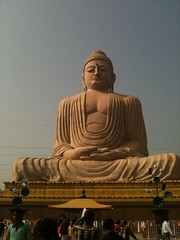
4572604039Founder of BuddhismSiddhartha0
4572604040Founder of ConfucianismConfucius1
4572604041Founder of IslamMuhammad2
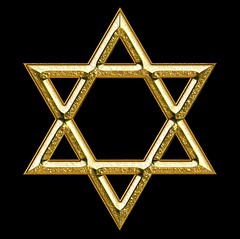
4572604042Founder of JudaismAbraham3
4572604043Founder of ChristianityJesus4
4572604044Time/Orgin of ConfucianismZhou/Han Dynasty5
4572604045Time/Orgin of IslamMiddle East in Time Period 3 (600CE-1450CE)6
4572604046Time/Orgin of JudaismMiddle East (Israel) in Time Period 1 (8000BCE-600BCE)7
4572604047Time/Orgin of ChristianityMiddle East (Israel) in Time Period 2 (600BCE-600CE)8
4572604048Time/Orgin of HinduismIndia in, possibly, Time Period 1 (google said 1500BCE)9
4572604049Text/House of Worship for BuddhismTripitaka/Stupa10
4572604050Text/House of Worship for ConfucianismAnalects/ na11
4572604051Text/House of Worship for IslamQuran/Mosque12
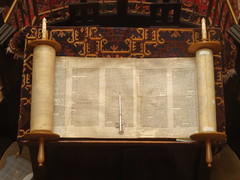
4572604052Text/House of Worship fo JudaismTorah/Synagogue13
4572604053Text/House of Worship for ChristianityBible/Church14
4572604054Text/House of Worship for HinduismVedas/Temple15
4572604055Leader of BuddhismBuddha, monks16
4572604056Leader of of ConfucianismConfucius, Han17
4572604057Leader of IslamAllah, Iman18
4572604058Leader of JudaismRabbi19
4572604059Leader of ChristianityPriest, Pastor, Pope20
4572604060Leader of HinduismPandit, Swami21
4572604061Deities and beliefs of Buddhism-no gods -peace -eight fold path (right view, right intention, right speech, right action, right livelihood, right effort, right mindfulness, right concentration) -4 noble truths -Nirvana (ultimate enlightenment)22
4572604062Deities and beliefs of Confucianism-no gods -5 key relationships (ruler/subject, parent/child, husband/wife, sibling/sibling, friend/friend)23
4572604063Deities and beliefs of Islam-5 pillars (almsgiving, pray five times a day, fasting during the month of Ramadan, travel to Mecca, and profession of the faith) -sharia law24
4572604064Deities and beliefs of Judaism-Adonai -Yom Kippur -10 commandments25
4572604065Deities and beliefs of Christianity-holy trinity -Christmas/Easter -Apostles Creed -10 commandments -lent26
4572604066Deities and beliefs of Hinduism-Brahma (Supreme God), Shiva, Vishnu -caste system -dharms (duty), karma (sum of good actions and bad actions), samsara (continuous cycle of birth, death, and rebirth) -moksha (like Nirvana)27

AP World History Unit 2 Flashcards

Terms : Hide Images
5145177917Caste Systema class structure that is determined by birth. Loosely, it means that in some societies, if your parents are poor, you're going to be poor, too. Same goes for being rich0
5145177918PatriarchyA male dominated society1
5145177919MatriarchalA female dominated society2
5145177920Mandate of Heavenan ancient Chinese belief and philosophical idea that tiān (heaven) granted emperors the right to rule based on their ability to govern well and fairly.3
5145177921Silk Roadan ancient network of trade and cultural transmission routes that were central to cultural interaction through regions of the Asian continent connecting the West and East by merchants, pilgrims, monks, soldiers, nomads, and urban dwellers from China and India to the Mediterranean Sea4
5145177922Social Heirarchyhow individuals and groups are arranged in a relatively linear ladder5
5145177923Reincarnationthe rebirth of a soul in a new body.6
5145177924AssimilationThe process by which a person or persons acquire the social and psychological characteristics of a group7
5145177925MonotheisticThe belief in only one god8
5145177926Eightfold Paththe path to nirvana, comprising eight aspects in which an aspirant must become practiced: right views, intention, speech, action, livelihood, effort, mindfulness, and concentration.9
5145177927Zoroanstrianismone of the world's oldest monotheistic religions. It was founded by the Prophet Zoroaster in ancient Iran approximately 3500 years ago.10
5145177929PolytheisticThe belief in many gods11
5145177930Legalismstrict adherence, or the principle of strict adherence, to law or prescription, especially to the letter rather than the spirit.12
5145177931Confucianisma system of philosophical and ethical teachings founded by Confucius and developed by Mencius.13
5145177932Buddhismis a nontheistic religion or philosophy (Sanskrit: dharma; Pali: धम्म dhamma) that encompasses a variety of traditions, beliefs and spiritual practices largely based on teachings attributed to Gautama Buddha, commonly known as the Buddha ("the awakened one").14
5145177934Judaisman ancient monotheistic religion, with the Torah as its foundational text (part of the larger text known as the Tanakh or Hebrew Bible), and supplemental oral tradition represented by later texts such as the Midrash and the Talmud.15
5145177935Christianitythe religion based on the person and teachings of Jesus of Nazareth, or its beliefs and practices.16
5145177936Daoisma philosophical, ethical or religious tradition of Chinese origin, or faith of Chinese exemplification, that emphasizes living in harmony with the Tao.17
5145177937Han Dynastyan empire in ancient China, that lasted from 206 b.c.e- 24 c.e.18
5145177938Persiaan empire located in modern day Iran but stretched as far as Egypt and Iraq.19
5145177939Guptaan empire located in northern India that lasted from 320-550 c.e.20
5145177941Roman empirelocated in modern day Italy but expanded to outlying countries throughout its reign, it lasted from 201 b.c.e- 476 c.e.21
5145177944Empirean extensive group of states or countries under a single supreme authority.22
5145177945Hebrew ScripturesTorah, Old Testament23
5145177951HinduismA religion and philosophy developed in ancient India, characterized by a belief in reincarnation and a supreme being who takes many forms24
5145177952Mauryan Empire(321-185 BCE) This was the first centralized empire of India whose founder was Chandragupta Maurya.25
5145177953AshokaLeader of the Mauryan dynasty of India who conquered most of India but eventually gave up violence and converted to Buddhism.26
5145177954Siddhartha Gautama (The Buddha)Means "Enlightened One." He is said to have renounced his worldly possessions and taught of a way to overcome suffering.27
5145177955Emperor ConstantineFounded Constantinople; best known for being the first Christian Roman Emperor; issued the Edit of Milan in 313, granting religious toleration throughout the empire.28
5145177965Gupta Empire(320-550 CE) The decentralized empire that emerged after the Mauryan Empire, and whose founder is Chandra Gupta.29
5145177969AqueductA structure that carries water over long distances30
5145177970ColosseumA large stadium in ancient Rome where athletic events took place31
5145177973Indian Ocean Maritime SystemThe Indian Ocean Maritime had been made possible by transactions between the Mediterranean Basin and the Indian Ocean Basin. The Indian Ocean Maritime allowed for cheaper transportation and the increased abundance of products that could be shipped.32
5145177975Trans-Saharan Trade Routegold-salt trade; linked North and West Africa; across Sahara Desert; spread Islam; land trade33
5145177976filial pietyIn Confucian thought, one of the virtues to be cultivated, a love and respect for one's parents and ancestors.34
5145177980ancestor venerationVeneration of the dead or ancestor reverence is based on the beliefs that the dead have a continued existence, and may possess the ability to influence the fortune of the living, the worship of deceased ancestors35
5145177982Persian EmpireGreatest empire in the world up to 500 BCE. Spoke an Indo-European language. A multi-ethnic and multi-religious empire. Fell to Alexander the Great.36
5145177983Qin Dynastythe Chinese dynasty (from 246 BC to 206 BC) that established the first centralized imperial government and built much of the Great Wall37
5145177986HellenisticOf or influenced by the Greek Empire. A type of culture typically referred to after the conquests of Alexander the Great.38
5145177991PersepolisA complex of palaces, reception halls, and treasury buildings erected by the Persian kings Darius I and Xerxes in the Persian homeland. It is believed that the New Year's festival was celebrated here, as well as the coronations, weddings, and funerals of the Persian kings, who were buried in cliff-tombs nearby.39
5145177995CarthageCity located in present-day Tunisia, founded by Phoenicians ca. 800 B.C.E. It became a major commercial center and naval power in the western Mediterranean until defeated by the expanding Roman Republic in the third century B.C.E.40
5145177997ConstantinopleA large and wealthy city that was the imperial capital of the Byzantine empire and later the Ottoman empire, now known as Istanbul41
5145178002Qanat Systema traditional system of gravity-fed irrigation that uses gently sloping tunnels to capture groundwater and direct it to low-lying fields42
5145178004Jesus of Nazaretha teacher and prophet born in Bethlehem and active in Nazareth; his life and sermons form the basis for Christianity.43
5145178005Paul of TarsusA Pharisaic Jew who persecuted the Early Christian community; later, he had an experience of the Risen Christ and became the "Apostle to the Gentiles" writing numerous letters to the Christian communities.44

AP Language and Composition- Grammar Flashcards

Terms : Hide Images
184111216AdverbA word that modifies a verb, an adjective, or another adverb0
184111217AdjectiveA word that modifies a noun1
184111218Absolute AdjectivesAn adjective with a meaning that is generally not capable of being intensified or compared2
184111219AntecedentThe noun or noun phrase that a pronoun refers to "I went to a bookstore and asked the saleswoman, 'Where's the self-help section?' She said if she told me, it would defeat the purpose."3
184111220ConjunctionThe part of speech that serves to connect words, phrases, clauses, or sentences4
184111221CoordinationThe grammatical connection of two or more ideas to give them equal emphasis and importance5
184111222SubordinationWhen one element of a sentence is dependent on (or subordinate to) another element of the sentence.6
184111223Coordinating ConjunctionsA conjunction that joins to similarly constructed phrases or clauses within a sentence7
184111224Subordinating ConjunctionA conjunction that introduces a dependent clause8
184111225Correlative ConjunctionsA paired conjunction that links balanced words, phrases, and clauses9
184111226PredicateOne of the two main parts of a sentence or clause, modifying the subject and including the verb, objects, or phrases governed by the verb10
184111227Independent ClauseCan stand alone as a complete sentence11
184111228Dependent ClauseRequires another sentence element in order to make complete sense12
184111229Adjective Clause (Dependent & Subordinate)A dependent clause used as an adjective within a sentence13
184111230Adverb Clause (Dependent & Subordinate)A dependent clause used as an adverb within a sentence14
184111231Conditional Clause (Dependent & Subordinate)A clause that expresses a hypothesis or condition, real or imagined15
184111232Comparative ClauseA type of dependent or subordinate clause that follows as, than, or like and expresses a comparison16
184111233PhraseDoes not contain a subject or predicate17
184111234Absolute PhraseA group of words (often consisting of a participle and its subject) that modifies an independent clause as a whole "Their slender bodies sleek and black against the orange sky, the storks circled above us."18
184111235Appositive PhraseA noun, noun phrase, or series of nouns used to identify or rename another noun, noun phrase, or pronoun "The student, an overconfident oaf, chose not to study and failed the vocabulary quiz."19
184111236ParticipialA verb form used as an adjective to modify nouns and pronouns20
184111237Participial PhraseA phrase that begins with a participle21
184111238Prepositional PhraseA phrase that begins with a preposition and ends with the object of the preposition "Over the rainbow"22
184111239GerundA verb form acting as a noun.23
184111240Gerund PhraseA phrase that begins with a gerund.24

AP Language Set 4 Flashcards

Terms : Hide Images
2967828277Abject(adj) abjection (n) The abject (spiritless, cast down) girl affected everyone else around her.0
2967838872Aesthetic(adj) She had an aesthetic (sensitive to beauty) view of nature.1
2967838873Alacrity(n) alacritous (adj) When John was in a good mood he performed his chores with alacrity (a cheerful briskness).2
2967838874Auspicious(adj) auspiciousness (n) The sunny day seemed a auspicious (lucky, promising. favorable) one for the picnics.3
2967841158Blatant(adj) blatancy (n) He posed as a scientist, but his blatant (obvious, obtrusive) ignorance of science gave him away.4
2967841159Capitulate(v) capitulation (n) To prevent further bloodshed, the commanding officer decided to capitulate (surrender on terms agreed upon, yield)5
2967841160Cogent(adj) cogency (n) His cogent (persuasive, brilliantly compelling) presentation of the facts won quick approval for the project.6
2967843004Conjecture(n) conjecturable (adj) Unable to obtain the facts, he had to base his decision on conjecture (supposition, opinion).7
2967843005Cursory(adj) cursoriness (n) The student reviewed his lessons in a cursory (hurried, rapid, superficial) manner.8
2967843006Decorous(adj) decorousness (n) The neat, modest housewife dressed in a decorous (proper, becoming, suitable) manner.9
2967844466Diffident(adj) diffidence (n) It will take a confident, not diffident(shy, timid) person to succeed in this job.10
2967844467Disdain(v) disdainful (adj) disdainfulness (n) I disdain (despise, think him unworthy) him because of his dishonesty.11
2967845738Docile(adj) docility (n) She always bosses her docile (obedient, manageable, unresistant) husband around.12
2967845739Equanimity(n) The entertainer retained his equanimity (composure, calm temper, evenness of mind) despite the hostile audience.13
2967847257Facade(n) He looked calm, but the apparent calmness was only a facade (front, false exterior) hiding his concern.14
2967847258Facetious(adj) facetiousness (n) His facetious (inappropriately witty) remark embarrasses some of the guests.15
2967849086Fastidious(adj) fastidiousness (n) The waiter lost patience with the fastidious (particular, meticulous, hard to please) customer.16
2967849087Fatuous(adj) fatuousness (n) Bill's fatuous (silly, complacently foolish) ideas were rarely taken seriously.17
2967849088Flaunt(v) flaunty (adj) Don't flaunt (display, show off, boast of) your knowledge, even if you are sure of yourself.18
2967850761Furtive(adj) furtiveness (n) The robbery was planned and executed in a furtive (sly, stealthy, shifty) manner.19

AP Literature Poetry Vocabulary Flashcards

Final 2013

Terms : Hide Images
3830282965accentual verseVerse whose meter is based upon the number of speech stresses per line, not upon the number of syllables. The unstressed syllables may vary, but the rate of accented syllables does not. Much popular poetry, such as ballads and folk songs in earlier time and rap and nursery rhymes today, is written in accentual meter.0
3830282968anapestA metrical foot in verse in which two unstressed syllables are followed by a stressed syllable, as in "on a boat" or "in a slump"1
3830282969anaphoraThe repetition of the same word at the beginning of lines of verse, sentences, or parts of sentences.2
3830282970antithesisWords, phrases, clauses, or sentences set in deliberate contract to one another.3
3830282971archaismA word or phrase that is obsolete.4
3830282972assonanceThe repetition of two or more vowel sounds in successive words, which creates a kind of rhyme.5
3830282973balladA song or song-like poem that tells a story.6
3830282974ballad stanzathe most common pattern of the ballad consists of four lines rhymed abcd or abab, in which the first and third lines have four metrical feet and the second and fourth lines have three feet.7
3830282975clerihewa comic verse form named for its inventor, Edmund Clerihew Bentley. A clerihew begins with the name of a person and consists of two metrically awkward, rhymed couplets. Humorous often insulting.8
3830282976closed couplettwo rhymed lines that contain an independent and complete thought or statement.9
3830282977closed forma generic term that describes poetry written in an established pattern of meter, line, rhyme.10
3830282978concrete poetrya visual poetry in which the printed words and letters both spell out a meaning and compose a visual image on the page.11
3830282979consonanceany repetition of consonants not located at the beginning of the words12
3830282981coupleta verse unit of two lines, usually rhymed and of equal length13
3830282982dactyla metrical foot of verse in which one stressed syllable is followed by two unstressed syllables14
3830282983dimeteran uncommon verse meter consisting of two feet per line.15
3830282984doggerelcrude verse that brims with cliche, predictable rhyme, and inept rhythm.16
3830282985elegya lament or meditative poem, often written on the occasion of a death or other solemn event or theme.17
3830282986end rhymerhyme that occurs at the ends of lines, rather than within them18
3830282988english sonnetalso called the SHAKESPEARIAN SONNET; written in iambic pentameter with a rhyme scheme organized into three quatrain with a final couplet, usually abab, cdce, efef, gg.19
3830282989enjambmentwhen one verse flows into another with grammatical pause--that is the opposite of end-stopped.20
3830282990envoya short, summary stanza that appears at the end of certain poetic forms, and contains the poet's parting words.21
3830282991epislea poem addressed to a friend, lover or patron.22
3830282992epitstrophethe opposite of anaphora; repetition of the same word(s) at the end of lines, sentences, or clauses.23
3830282993euphonylanguage that has both melodius sound and harmonious relation to meaning; comfort to the ear24
3830282994exact rhymea full rhyme in which the sounds following the initial letter of the words are identical in sounds25
3830282995eye rhymea false rhyme in which the spelling of the words implies an ordinary rhyme, but the pronunciations differ as laughter and daughter, idea and flea26
3830282997feminine rhymea rhyme of two or more syllables with a stress on a syllable other that the last as in tur-tle27
3830282998heptametera verse meter consisting of seven metrical feet or seven primary stresses per line28
3830282999hexametera verse meter consisting of six metrical feet or six primary stresses per line29
3830283000internal rhymerhyme that occur within a line of poetry as opposed to end rhyme30
3830283001italian sonnetalso called PETRARCHAN SONNET31
3830283002literary balladscomposed for literate readers by individual poets32
3830283003metera systematic rhythmic of stresses in verse33
3830283004monometera verse meter consisting of one metrical foot, or one primary stress per line34
3830283005monosyllabic foota foot or unit of meter, that contains only one syllable35
3830283006narrative poema poem that tells a story36
3830283007octametera verse meter consisting of eight metrical feet or eight primary stresses per line37
3830283008octavea stanza or grouping of eight lines38
3830283009open formverse that has no set scheme-no regular meter, rhyme, or stanzaic pattern39
3830283011prosodythe study of metrical and rhythmic structure in poetry and porse.40
3830283012quantitative meterconstructed on the principle of vowel length rather than stress41
3830283013quatrainstanza consisting of four line; most common stanza form42
3830283014refraina word, phrase, line, or stanza repeated at intervals in a poem43
3830283015rhythmthe pattern of stresses and pauses in a poem44
3830283018sesteta poem stanza or unit of six lines of verse.45
3830283019sestinaa complex verse form in which six end words are repeated in a prescribed order through six stanzas46
3830283021slant rhymethe final consonant sounds are the same but the vowel sounds are different as in letter or litter.47
3830283022sonnetfourteen lines of iambic pentameter48
3830283023spenserian stanzanine lines long and predominantly iambic, with the first eight measuring five feet and the last six feet49
3830283024spondeea metrical foot of verse containing two stressed syllables50
3830283025terceta group of three lines of verse usually all ending in the same rhyme51
3830283026terza rimaa verse form made of three line stanzas that are connected by an overlapping rhyme scheme (abs, bcd, cdc)52
3830283027tetrametera verse meter consisting of three metrical feet or three primary stresses per line53
3830283030villanelleconsists of six stanzas containing two rhymes with two lines repeated in a prescribed pattern54

AP Language Flashcards

Terms : Hide Images
2501540188ZeugmaWords that don't compare grammatically or idiomatically e.g. He maintained a flourishing business and a racehorse.0
2501568573OxymoronJuxtaposed words with contradictory meanings e.g. Jumbo shrimp1
2501574638LitoteUnderstatement e.g. It's no big deal. Just a heart attack is all. (LItote makes things LIttle)2
2501580696HyperboleExaggeration for the purpose of emphasis or heightened effect.3
2501587360EpistropheRepetition of the same words at the end of each clause. e.g. They see no evil, speak no evil.... (like an apostrophe is the same 's at the end of each word)4
2501597322EpanalepsisRepetition at the end of a clause of the word that occurred at the beginning of the clause.5
2501604868AnadiplosisRepetition of the word at the end of one clause in the beginning of the following clause. e.g. The crime was common, common be the pain.6
2501610488ClimaxArrangement of words from least to greatest importance e.g. He must fight for his family, country, and god.7
2501624175AntimetaboleRepetition of the same words but in different order. e.g. You can take the boy out of the country, but you can't take the country out of the boy.8
2501634084ChiasmusRepetition of grammatical structures in two clauses in different order (but no repetition) e.g. It's hard to make money, but to spend it is easy9
2501643074PolyptotonRepetition of words derived from the same root e.g. their blood bleeds the nation of its assurance.10
2501649547SynecdochePart of something that refers to the whole e.g. Heads of cattle11
2501653301MetonymyEntity referred to by one of its actions or associations e.g. applications office claims its applications have risen (applications refers to number of applicants)12
2501665944SyllepsisUse of a word understood differently in relation to two or more other words which it modifies e.g. She'd rather press grapes than clothes (pressing grapes rather than clothes is sylly)13
2501674467AnthimeriaSubstitution of one part of speech for another. e.g. The poet says we "milestone our lives" (milestone is noun used as verb)14
2501682685Periphrasissubstitution of attribute word for the proper name of someone. e.g. She thinks she's a real Katy Perry (for periphrasis)15
2501690528ParallelismSimilarity of structure of a pair or series of related words e.g. He tried to make the law clear, precise, an equitable16
2501700939AntithesisJuxtaposition of contrasting words or ideas (contrasting thesis) often in parallel structure e.g. Place your virtues on a pedestal, put your vices under a rock17
2501709755AnastropheInversion of natural word order e.g. One ad does not a survey make (anastrophe because the death of yoda would be a catastrophe)18
2501715874ParenthesisInserting verbal unit into a sentence that disrupts the flow (like putting something in parenthesis) e.g. There is a fly, which is black, sitting on your head.19
2501722086AppositionA noun or noun phrase that immediately follows another noun and helps it. (It is in a position to help the other noun)(apposition basically a predicate nom, helps rename noun) e.g. John, president of Walton, proposed free candy every Friday.20
2501737035EllipsesDeliberate omission of words that are implied by context e.g. The masters degree is awarded by 74 depts., the bachelors by 60. Eloopsies, I skipped some words21
2501744715AsyndetonOmission of conjunctions between words e.g. I came, I saw, I conquered Because conjunctions are a pain in the ASS(yndeton)22
2501752041Polyseyndetonopposite of asyndeton: use of may conjunctions e.g. I want candy and pie and cake and ice cream and cookies23
2501757623AnaphoraRepetition of word or group of words at the beginning of each clause e.g. It is our duty, it is our right....24
2501768736Begging the questionTreating something that is still open to question as if it is already proved or disproved25
2501772364Red herringIntroducing irrelevant topic to distract opponent26
2501775946Hasty generalizationasserting an opinion based off of too little evidence, applying one instance to multiple instances27
2501780266non sequiturmaking a conclusion or statement that does not logically follow the previous argument or statement28
2501784925Ad populumAppealing to popularity of a claim as a reason for accepting it29
2501788239Sweeping generalizarionapplying generalization too broadly e.g. all girls like wearing dresses. Katherine is a girl, so she must like wearing dresses.30
2501793393Post hocThe illogical conclusion that one event was caused by another simply because it occurred afterward31

ap language Flashcards

Terms : Hide Images
2915412602ameliorateto improve make better0
2915414781aplombgreat self confidence1
2915414782bombasticpompous, full of high sounding words2
2915416043callowimmature, without experience3
2915416044drivelaimless talk4
2915418790epitomea summary, condensed account a model5
2915418791exhortto urge strongly6
2915420399ex officioby virtue of holding certain office7
2915420400infringeto violate, trespass8
2915421703ingratiateto gain one's favor or acceptance9
2915421704interloperan intruder, meddler10
2915424271intrinsicinherent, belonging to someone by it's very nature11
2915424272inveighto make a violent attack with words expressing strong disapproval12
2915426497lassitudeweariness of body or mind13
2915426498milleniuma period of 1000 years14
2915426499occultmysterious, magical, supernatural secret or hidden from view15
2915428386permeateto spread through soak16
2915428387precipitateto bring about suddenly17
2915431703stringentstrict, severe, sharp or bitter18
2915434458surmiseto think or believe without supporting evidence.19
2915453343Cacophonyharsh, awkward, or dissonant sounds used deliberately in poetry or prose20
2915462651caricaturedescriptive writing that greatly exaggerates a specific feature of a person's appearance or a facet of personality21
2915464285colloquialisma word or phrase used in everyday conversation and informal writing.22
2915464286coherencequality of a piece of writing in which all the parts contribute to the development of the central idea or theme23
2915469601concrete languagelanguage that describes specific, observable things, people, or places, rather than ideas or qualities24
2915469602connotationimplied or suggested meaning of a word because of its association in the readers mind.25
2915471140consonancerepetition of identical consonant sounds within two or more words in close proximity26
2915474054conundruma riddle whose answer is or involves a pun27
2915481624deductionthe process of moving from general rule to a specific example28
2915482783denotationliteral meaning of a word as defined29
2915482784descriptionthe picturing in words of something30
2915484411dictionword choice, an element of style, it creates tone31
2915484412didacticwriting whose purpose is to instruct or teach32
2915486500discoursespoken or written language, including literary works, description, exposition, narration, and persuasion33
2915486501dissonanceharsh or grating sounds that do not go together34
2915488307dramatic ironywhen the reader is aware of an inconsistence between a fictional or nonfictional character35
2915489975emotional appealwhen a writer appeals to readers emotions to excite and involve them in the argument.36
2915491500epigraphthe use of quotation at the begging of a work that hints at its theme37
2915491501epistropherepitiotion of a word or expression at the end of successive phrases, clauses, sentences, or verses especially for rhetorical or poetic effect38
2915493388ethical appealwhen a writer tries to persuade the audience to respect and believe him or her based on a presentation or image of self through text.39
2915495409euphemisma more acceptable and usually more pleasant way of saying something that might be inappropriate.40
2915495410euphonya succession of harmonious sounds used in poetry or prose the opposite of cacophony.41

[AP World History] Chapter 29 Flashcards

Revolutions and National States in the Atlantic Ocean

Terms : Hide Images
637565382Saint-Domingueisland now known as Haiti; good for sugar producing; residents (slaves) heard about equality and the other enlightenment ideas and asked France for the same rights as those people living in France but did not receive them--civil war breaks out and many Frenchmen die--gains independence from France--becomes Nation of Haiti0
637565383Yorktown, VAsite of the last major battle of the revolution. US and French troops trapped Cornwallis in Yorktown and forced him to surrender.1
637565384Versaillesa palace built in the 17th century for Louis XIV southwest of Paris near the city of Versailles2
637565385Napoleon's EmpireThe empire ruled by Napoleon; composed of three parts: the French Empire (the inner core of the grand empire), the dependant states (under the rule of Napoleon's relatives) and allied states (those defeated by Napoleon)3
637565386WaterlooThe site of Napoleon's defeat by British and Prussian armies in 1815, which ended his last bid for power4
637565387Olympe de GougesFrench journalist who published the declaration of rights of women and the female citizens.5
637565388John LockeThis English philosophe argued that all men were born with natural rights and that a government's purpose was to protect these rights ;believed all people have a right to life, liberty, and property6
637565389VoltaireFrench writer who was the embodiment of 18th century Enlightenment (1694-1778)7
637565390Jean Jacques RousseauFrench philosopher and writer born in Switzerland; believed that the natural goodness of man was warped by society; ideas influenced the French Revolution (1712-1778)8
637565391George Washingtonthe commander of the continental army, the first president of the US, and one of the members of the committee that drafted the US constitution, considered the founder of our nation.9
637565392Louis XVI- King of France (1774-1792). In 1789 he summoned the Estates-General, but he did not grant the reforms that were demanded and revolution followed. Louis and his queen, Marie Antoinette, were executed in 1793.10
637565393Marie Antoinettequeen of France (as wife of Louis XVI) who was unpopular her extravagance and opposition to reform contributed to the overthrow of the monarchy; she was guillotined along with her husband (1755-1793)11
637565394Maximilien RobespierreYoung provincial lawyer who led the most radical phases of the French Revolution. His execution ended the Reign of Terror.12
637565395Napoleon BonaparteOverthrew the French revolutionary government (The Directory) in 1799 and became emperor of France in 1804. Failed to defeat Great Britain and abdicated in 1814. Returned to power briefly in 1815 but was defeated and died in exile.13
637565396Toussaint LouvertureWas an important leader of the Haïtian Revolution and the first leader of a free Haiti; in a long struggle again the institution of slavery, he led the blacks to victory over the whites and free coloreds and secured native control over the colony in 1797, calling himself a dictator.14
637565397Miguel de HidalgoMexican priest who established an independence movement among Indians and mestizos in 1810; after early victories he was captured and executed.15
637565398Augustin de IturbideBecomes dictator of Mexico in 1821. In 1824, he is successfully overthrown by moderate Creoles and Mestizos, and Mexico gains independence as a Republic.16
637565399Simon BolivarThe most important military leader in the struggle for independence in South America. Venezuelan statesman, he led military forces there and in Colombia, Ecuador, Peru, and Bolivia.17
637565400Jose de San MartinSouth American general and statesman, born in Argentina: leader in winning independence for Argentina, Peru, and Chile; protector of Peru18
637565401Edmund BurkeA conservative leader who was deeply troubled by the aroused spirit of reform. In 1790, he published Reforms on The Revolution in France, one of the greatest intellectual defenses of European conservatism. He defended inherited priveledges in general and those of the English monarchy and aristocracy. Glorified unrepresentitive Parliament and predicted reform would lead to much chaos/tyranny.19
637565402John Stuart MillEnglish Philosopher, Benthamite, wrote "On Liberty", Essay that talked about problem of how to protect the rights of individuals and minorities in the emerging age of mass electoral paricipation. Advocated right of workers to organize, equality for women, and universal suffrage20
637565403Olaudah Equianosold into slavery at age 11; after gaining freedom, he spoke out against slavery and published his autobiography; Antislavery activist21
637565404William WilberforceBritish statesman and reformer; leader of abolitionist movement in English parliament that led to end of English slave trade in 1807.22
637565405Giuseppe MazziniItalian nationalist whose writings spurred the movement for a unified and independent Italy (1805-1872)23
637565406Alfred DreyfusFrench army officer of Jewish descent whose false imprisonment for treason in 1894 raised issues of anti-semitism that dominated French politics until his release in 1906 (1859-1935)24
637565407Theodor HerzlGerman Jewish Politician who advocated the policy of Zionism and the creation of a nation state for all Jewish people.25
637565408Klemens von MetternichThis was Austria's foreign minister who wanted a balance of power in an international equilibrium of political and military forces that would discourage aggression26
637565409Giuseppe GaribaldiItalian patriot whose conquest of Sicily and Naples led to the formation of the Italian state (1807-1882)27
637565410Otto von BismarckChancellor of Prussia from 1862 until 1871, when he became chancellor of Germany. A conservative nationalist, he led Prussia to victory against Austria (1866) and France (1870) and was responsible for the creation of the German Empire (714)28
637565411Popular sovereigntypeople hold the final authority in all matters of government; rule by the people29
637565412Social contractthe idea that an entire society agrees to be governed by its general will30
637565413General WillThe will of the majority (the majority should always work for the common good)31
637565414Seven Years Warfought between England and France, 1756-1763; known as the French and Indian War in the colonies, it started in 1754, over control of the Ohio River Valley and resulted in France's withdrawal from North America. It was the impetus for Parliament's taxing policy that led to the American Revolution.32
637565415July 4th, 1776date the declaration of independence was signed33
637565416Declaration of Independencethe document recording the proclamation of the second Continental Congress (4 July 1776) asserting the independence of the colonies from Great Britain34
637565417Peace of ParisThis ended the Seven Years War/French and Indian war between Britain and her allies and France and her allies. The result was the acquisition of all land east of the Mississippi plus Canada for Britain, and the removal of the French from mainland North America; Signed on September 3, 178335
637565418July 14th, 1789This is the date that represents the symbolic start of the French Revolution; Parisians stormed the Bastille36
637565419Constitution of USAAgreement that created a more unified national structure for the United States, providing independent executive and judicial authority, and incorporating a Bill of Rights; Supreme law of the land (USA)37
637565420Ancien regimea political and social system that no longer governs (especially the system that existed in France before the French Revolution)38
637565421Estates General Tennis Court Oath[Fill in]39
637565422Declaration of Rights of Man and the CitizenThis was the new constitution that the National Assembly wrote that gave all citizens free expression of thoughts and opinions and guaranteed equality before the law40
637565423BastilleThe political prison and armory stormed on July 14, 1789, by Partisian city workers alarmed by the king's concentration of troops at Versailles41
637565424Guillotinea machine for beheading people, used as a means of execution during the French Revolution.42
637565425JacobinsRadical republicans during the French Revolution. They were led by Maximilien Robespierre from 1793 to 1794.43
637565426DirectoryA group of 5 men who were given control of France following the Reign of Terror44
637565427Committee of Public SafetyThe leaders under Robespierre who organized the defenses of France, conducted foreign policy, and centralized authority during the period 1792-1795.45
637565428ConcordatAgreement between Pope and Napoleon: Napoleon recognized Catholocism as the religion of the majority of France, Pope does not ask for any land back seized during the Revolution46
637565429Civil CodeNapoleonic Code; this code preserved most of the gains of the revolution by recognizing the principle of the equality of all citizens before the law, and ect.47
637565430Grand ArmyThe army that Napoleon assembled to invade Russia, and the largest army ever assembled in European history. Consisting of more than half a million men from all throughout the Napoleonic Empire, this army was used in an attempt to invade Russia.48
637565431General WinterNickname for the harsh climate of Russia that has defeated the armies of both Napoleon and Hitler49
637565432January 1st, 1804Haitian Independence Day50
637565433Peninsularesin Spanish colonial society, colonists who were born in Spain; highest social class51
637565434Creolesdescendents of Spanish-born BUT born in Latin America; resented inferior social, political, economic status52
637565435Gran ColumbiaBolivar's plan to unite Ecuador, Venezuela, Peru, Bolivia and Columbia. They united in 1822 but broke part in 1830 because of geography(mountains separated them). He hope it would be a workable union for all Latin American states53
637565436CaudillosMilitary dictator; gained control after independence movements54
637565437Conservatisma political philosophy based on tradition and social stability, favoring obedience to political authority and organized religion.55
637565438LiberalismA political or social philosophy advocating the freedom of the individual, parliamentary systems of government, nonviolent modification of political, social, or economic institutions to assure unrestricted development in all spheres of human endeavor, and governmental guarantees of individual rights and civil liberties.56
637565439NationalismA strong feeling of pride in and devotion to one's country57
637565440Declarations of the Rights of Woman and the Female Citizen[Fill in]58
637565441Vindication of the Rights of WomanPublished in 1792 - outlining Declaration of Rights of Man and the Citizen and adding woman's rights too. Emphasized importance of the equality of education for women. But revolutionaries in France still dominated by men and only a very few of these (e.g. Condorcet) were supportive of women's desires for equal rights.59
637565442ZionismA policy for establishing and developing a national homeland for Jews in Palestine.60
637565443Congress of ViennaMeeting of representatives of European monarchs called to reestablish the old order after the defeat of Napoleon; restore europe to prerevolution time61
637565444Realpolitikrealistic politics based on the needs of the state62
637565445Second Reichperiod in German history in which Bismarck formed a united Germany; after the Germans conquered the French palace of Versailles63

AP Literature - Dramatic Conventions Flashcards

Terms : Hide Images
5814545439Act- a major division in the action of the play, comprising one or more scenes - a break between these often coincides with a point at which the plot jumps ahead in time0
5814545440Analepsis- a form of anachrony by which some events of the plot are related at a point in the narrative after later story elements have already been recounted, i.e. a flashback1
5814545441Antagonist- the most prominent of the characters who oppose the protagonist or hero(ine) in a dramatic or narrative work - often a villain seeking to frustrate a hero(ine); but in those works in which the protagonist is represented as evil, this character will often be a virtuous or sympathetic character, as Macduff in Macbeth2
5814545442Aside- a short speech or remark spoken by a character in a drama, directed either to the audience or to another character, which by convention is supposed to be inaudible to other characters on stage3
5814545443Audience- those who attend a play - an understanding of historical and contextual information can influence our understanding of the playwright's intended audience (for example, Shakespeare's Elizabethan audience)4
5814545444Blocking- the process of planning where, when, and how actors will move about the stage during a performance - a term coined by W.S. Gilbert, who used small wooden blocks to represent actors, moving these about on a miniature of a set of a planned work5
5814545445Breaking of the fourth wall- this convention refers to the imaginary "fourth wall" that is characteristic of the conventional proscenium stage, which often includes a curtain - the curtain functions a 'fourth wall' which, when opened, allows the audience to view the set and actors - in the absence of a curtain, there is still an imagined fourth wall between the stage and the audience6
5814545446Catastrophe- the final resolution or denouement of the plot in a tragedy, usually involving the death of the protagonist7
5814545447Catharsis- the effect of purgation or purification achieved by tragic drama, according to Aristotle's argument in his Poetics (4th century BC) - Aristotle wrote that a tragedy should succeed "in arousing pity and fear in such a way as to accomplish a catharsis of such emotions". There has been much dispute about his meaning, but Aristotle seems to be rejecting Plato's hostile view of poetry as an unhealthy emotional stimulant. His metaphor of emotional cleansing has been read as a solution to the puzzle of audience's pleasure or relief in witnessing the disturbing events enacted in tragedies. - another interpretation is that it is the protagonist's guilt that is purged, rather than the audience's feeling of terror8
5814545448Character- any of the persons involved in a story, but also the distinguishing moral qualities and personal traits of a character9
5814545449Flat character- a character summed up in one or two traits10
5814545450Round character- a character who is complex and multi-faceted11
5814545451Stock character- a stereotyped character whose nature is familiar to us from prototypes in previous fiction and drama12
5814545452Dynamic character- a character that is changed by the actions he or she is involved in13
5814545453Static character- a character that remains unchanged or little changed throughout the course of the story14
5814545454Climax- the turning point or high point in a plot's action15
5814545455Comedy- a play written chiefly to amuse its audience - will typically be closer to the representation of everyday life than a tragedy and will explore common human failings rather than tragedy's disastrous crimes - its ending will usually be happy for the leading characters - in Elizabethan drama, it typically ends with a marriage or engagement16
5814545456Comedy of manners- a kind of comedy representing the complex and sophisticated code of behavior current in fashionable circles of society, where appearances count for more than true moral character - its plot usually revolves around intrigues of lust and greed - unlike satire, this type of play tends to reward its cleverly unscrupulous characters rather than punish their immorality - its humor relies chiefly upon elegant verbal wit and repartee17
5814545457Comic Relief- the interruption of a serious work, especially a tragedy, by a short, humorous episode that relieves emotional tension18
5814545458Conflict- a clash of actions, desires, ideas, or goals in the plot of a story - this may exist between the main character and some other person or persons (man vs. man), between the main character and some external force—physical nature, society, or "fate" (man vs. nature), or between the main character and some destructive element of his own nature (man vs. him/herself)19
5814545459Crisis- a decisive point in the plot of a play or story, upon which the outcome of the remaining action depends, and which ultimately precipitates the catastrophe or denouement20
5814545460Curtain line- the last line of the play21
5814545461Denouement- the portion of the plot that reveals the final outcome of its conflicts or the solution of its mysteries22
5814545462Deus ex machina- "god from the machine" - the resolution of a plot by use of a highly improbable chance, coincidence or artificial device that solves some difficult problem or crisis23
5814545463Double entendre- a French phrase for "double meaning," adopted in English to denote a pun in which a word or phrase has a second, usually sexual meaning24
5814545464Dramatic irony- occurs when the audience knows more about a character's situation than the character does, foreseeing an outcome contrary to the character's expectations, and this ascribing a sharply different sense to some of the character's own statements25
5814545465Epic theatre- a revolutionary form of drama developed by the German playwright Bertolt Brecht from the late 1920s - involved rejecting the Aristotelian models of dramatic unity in favour of a detached narrative (hence epic) presentation in a succession of loosely related episodes interspersed with songs and commentary by a chorus or narrator26
5814545466Epilogue- a concluding section of any written work during which the characters' subsequent fates are briefly outlined27
5814545467Eponymous character- the character who gives the name to the play28
5814545468Exposition- the setting forth of a systematic explanation of or argument about any subject; or the opening part of a play or story, in which we are introduced to the characters and their situation, often by reference to preceding events29
5814545469Falling Action- the segment of the plot that comes between the climax and the conclusion30
5814545470Farce- a kind of comedy that inspires hilarity mixed with panic and cruelty in its audience through an increasingly rapid and improbable series of ludicrous confusions, physical disasters, and sexual innuendos among its stock characters31
5814545471Foil- a character whose qualities or actions serve to emphasize those of the protagonist (or of some other character) by providing a strong contrast with them32
5814545472Freytag's triangle- this is one of the commonly-used ways to map the action of plays - this approach was devised by the German playwright Gustav Freytag in the 19th century - offers a way of understanding the structure of many plays, but should be used as a general frame, not a representation of all plays33
5814545473Freeze frame- the action is stopped, the actors freeze and meaning is conveyed through this moment of stasis and silence34
5814545474Hamartia- the Greek word for error or failure, used by Aristotle in Poetics to designate the false step that leads the protagonist in a tragedy to his or her downfall - the term should not be confused with "tragic flaw" which is a defect in character - the action that the character takes35
5814545475Hero/Heroine- the main character is a narrative or dramatic work - the term protagonist is preferable since the leading character may not be morally or otherwise superior - when our expectations of heroic qualities are strikingly disappointed, the central character may be known as an anti-hero or anti-heroine36
5814545476Hubris- the Greek word for "insolence" or "affront," applied to the arrogance or pride of the protagonist in a tragedy in which he or she defies moral laws or the prohibitions of the gods - the protagonist's transgression or hamartia leads eventually to his or her downfall, which may be understood as divine retribution - in proverbial terms, this is thus the pride that comes before a fall37
5814545477In media res- "in the middle of things" - the technique of beginning a story in the middle of the action38
5814545478Lighting- an important atmospheric elements of a stage production - used to highlight and diminish importance, as well as to establish mood39
5814545479Melodrama- a popular form of sensational drama that flourished in the 19th-century theatre, surviving in different forms in modern cinema and television - the term, meaning "song-drama" in Greek, has come to indicate an emotionally exaggerated conflict of pure maidenhood and scheming villainy in a plot full of suspense40
5814545480Monologue- an extended speech uttered by one speaker, either to others or as if alone - significant varieties include the dramatic monologue (a kind of poem in which the speaker is imagined to be addressing a silent audience), and the soliloquy41
5814545481Narrator- the teller of a story42
5814545482Reliable narrator- trustworthy43
5814545483Unreliable narrator- untrustworthy44
5814545484Naïve narrator- is uncomprehending (child, simple-minded adult) who narrates the story without realizing its true implications45
5814545485Intrusive narrator- keeps interrupting the narrative to address the reader/audience46
5814545486Naturalism- a more deliberate kind of Realism, usually involving a view of human beings as passive victims of natural forces and social environment - the term "naturalistic" in drama usually has a broader application, denoting a very detailed illusion of real life on stage, especially in speech, costume, and sets47
5814545487Plot- the careful arrangement by an author/playwright if incidents in a narrative to achieve a desired effect48
5814545488Prolepsis- the Greek word for "anticipation," - this convention is a "flashforward" by which a future event is related as an interruption to present time of the narration or action49
5814545489Prologue- an introductory section of a literary work or in introductory speech in a play50
5814545490Protagonist- the central character in a story or play51
5814545491Realism- a mode of writing that gives an impression of recording or faithfully representing an actual way of life - established itself as an important tradition in the theatre in the late 19th and 20th centuries in the work of Henrik Ibsen, George Bernard Shaw, and others52
5814545492Rising action- the part of a plot that leads through a series of events of increasing interest and power to the climax or turning point - begins with an inciting moment, an action or event that sets a conflict or opposing forces into motion, and moves through complication(s), an entangling of the affairs of the characters in a conflict, toward the climax, the major crisis that brings about a change in the fortunes of the protagonist53
5814545493Scene- a subdivision of an act or of a play not divided into acts - normally represents actions happening in one place at one time, and is marked off from the next scene by a curtain, a black-out, or a brief emptying of the stage54
5814545494Set- the arrangement of the stage to represent the setting of the action - can include a backdrop as well as theatrical properties or props, which include furnishings and objects needed by the actors55
5814545495Setting- the general locale, time in history, or social milieu in which the action of a literary work takes place56
5814545496Soliloquy- a dramatic speech uttered by one character speaking aloud while alone on stage, or while under the impression of being alone - the soliloquist thus reveals his or her inner thoughts and feelings to the audience, either in supposed self-communion or in a consciously direct address57
5814545497Sound- another important atmospheric element, this can contribute to the realism or verisimilitude of a play - music, an element of sound, contributes to mood, character development, theme, etc.58
5814545498Stage direction- the information provided in addition to the dialogue to help a reader visualize the setting, characters, and action - usually in italics, are intended for the director, actors, etc.59
5814545499Theatre of the Absurd- a term coined by Martin Esslin to refer to the work of a number of dramatists (led by Samuel Beckett and Eugene Ionesco) whose works evoke the absurd by abandoning logical form, character, and dialogue together with realistic illusion60
5814545500Tragedy- a type of drama in which the protagonist, a person or unusual moral or intellectual stature or outstanding abilities, suffers a fall in fortune due to some error of judgment or flaw in his or her nature61
5814545501Tragic flaw- the defect of character that brings about the protagonist's downfall in a tragedy62
5814545502Tragicomedy- a play that combines elements of tragedy and comedy, either by providing a happy ending to a potentially tragic story or by some more complex blending of serious and light moods63
5814545503Turning point- the point in the plot where the protagonist's situation where he/she suffers a fall in fortune due to some error of judgment or flaw in his or her nature64
5814545504Villain- the principle evil character in the story or play - usually the antagonist opposed to the protagonist65

Pages

Subscribe to CourseNotes RSS

Need Help?

We hope your visit has been a productive one. If you're having any problems, or would like to give some feedback, we'd love to hear from you.

For general help, questions, and suggestions, try our dedicated support forums.

If you need to contact the Course-Notes.Org web experience team, please use our contact form.

Need Notes?

While we strive to provide the most comprehensive notes for as many high school textbooks as possible, there are certainly going to be some that we miss. Drop us a note and let us know which textbooks you need. Be sure to include which edition of the textbook you are using! If we see enough demand, we'll do whatever we can to get those notes up on the site for you!