AP Notes, Outlines, Study Guides, Vocabulary, Practice Exams and more!

Treaty of Tordesillas Flashcards

This treaty moved the Line of Demarcation more than 800 miles farther west.

Terms : Hide Images
513021331missionariespeople sent to convert the native peoples to Christianity.0
513021332mercantilisman economic system which describes how Europeans enriched their treasuries.1
513021333Amerigo VespucciOne of the first, an italian sailor who set out in 1501 to find a sea route to Asia. Realized he didn't find Asia.2
513021334Vasco Nunez de BalboaHeard native american reports of another ocean. In 1513, he held an expedition through the jungles of Panama and reached the Pacific Ocean. He claimed all the lands around it for Spain.3
513021335Ferinand MagellanProposed to reach Asia by sailing west around South America. 5 ships and 240 men. Died in a local war and his crew carried on.4
513021336conquerorsThey explored the Americas and claimed them for Spain.5
513021337Hernando Cortesone of the first conquistadors. he landed on Central America coast with 508 men in 1519.6
513021338MontezumaAztec Emperor, feared that Cortes had been sent by an Aztec god to rule Mexico.7
513021339(How the spaniards killed the Aztecs)Motezuma gave gold to them but they wanted more. Spaniards marched inland and formed alliances with the native peoples who hated aztec ruling. Then months cortes reached the aztec captial and tried to take rule, the aztecs rebelled. 800 spaniards dead in the fight and more then 1000 aztecs died. cortes left with his last ones.8
513021340how aztecs died alsodisease of an outbreak of small pox, which severely weekend their ranks. the germs were from the europeans and to the americans.9
513021341Francisco Pizarroled an expedition to peru. brought 180 men. like aztecs the incas feared that the spanish might be gods. the incan ruler, atahualpa orderd his trrops not to fight. then he went to meet the spaniards. the spanish attacked quickly. killed thousands of incas held the emperor. in attempt free himself the incan gave him riches (treasure) the spaniards strangled him anyway10
513021342reasson 1:spread of european diseases killed millions of americans weakend the resistance to conquest.11
513021343reason 2:spanish were excellent soldiers and sailors. they had superior weapons, such as guns, tht helped thm defeat much larger native american armies.12
513021344reason 3:spain made alliances with native americans who were enemies of the aztecs and incas.13
513021345reason 4:spanish conquistadors acted brutally toward the native americans under their control.14
513021346columbian exchangemovement of plants, animals, peoples, and diseases between the Eastern and Western hemispheres. this movement of living things between hemispheres is called the COLUMBIAN EXCHANGE. one result, transfer of germs, form Europe to the americas. when europeans came to america they brought with them germs that caused diseases such as smallpox, measles, and influenza. native americans had no immunity to them. although the exact numbers are know, historians estimate that diseases brought by europeans killed more than 20 million native americans in mexico in the first century after conquest.15
513021347columbian exchange 2other effects were more positive, spanish brought many plants and animals to the americas. european livestock cattle pigs and horses thrived in america. it also benefited europe too. many american crops became part of the european diet. two that had a huge impact were potatoes and corn, which are highly nutritious. helped european populations, important food in russia.16

Columbian Exchange Flashcards

Terms : Hide Images
1469138083Old World grainsWheat, oats, barley, rye, rice0
1469138084Old World livestockCow, horse, donkey, pig, sheep1
1469138085New World cropsCorn, cacao, tobacco, tomato, potato, sweet potato, pineapple, avocado, peppers, peanut, cassava (yucca), vanilla2
1469138086Old World fruitsApple, pear, orange, peach, banana, olive, grape3
1469138087Old World diseasesSmallpox, influenza, Typhus, Measles, diphtheria, whooping cough4
1469138088New World livestockturkey. llama, guinea pig5
1469138089New World diseasessyphilis6
1469138090Columbian ExchangePlants, animals, ideas and diseases shared between the Old World and the New World (Americas) following Columbus's voyages.7
1469138091profitMoney that is made after expenses to grow and sell a cash crop8
1469138092cash cropPlants farmed for profit: coffee, sugarcane9
1505996978Old WorldEurope, Asia Africa10
1505996979New WorldNorth and South America11

Columbian Exchange Flashcards

Things that were traded during the Columbian Exchange

Terms : Hide Images
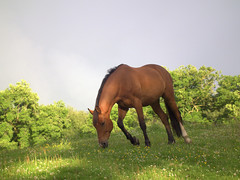
1253625785HorsesOld World0
1253625786CattleOld World1
1253625787PigsOld World2
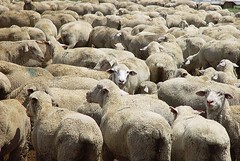
1253625788SheepOld World3
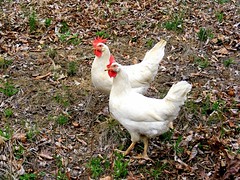
1253625789ChickensOld World4
1253625790WheatOld World5
1253625791SugarOld World6
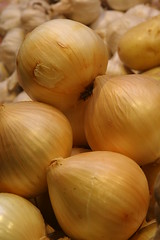
1253625792OnionsOld World7
1253625793LettuceOld World8
1253625794CornNew World9
1253625795PotatoesNew World10
1253625796TomatoesNew World11
1253625797ChocolateNew World12
1253625798VanillaNew World13
1253625799TobaccoNew World14
1253625800TurkeyNew World15

The Unity and Diversity of Life, Chapters 1-5 (BOLD TERMS) Flashcards

This is just a basic study guide of singularly BOLD terms in Chapters 1-5 for me and anyone else to whom it may benefit.

Terms : Hide Images
455688485BiologyThe scientific study of life.0
455688486Emergent PropertiesA characteristic of a system that does not appear in any of the system's component parts.1
455688487AtomFundamental building block of all matter.2
455688488MoleculeAn association of two or more atoms.3
455688489OrganismAn individual that consists of one or more cells.4
455688490CellSmallest unit of life.5
455688491TissueIn multicelled organisms, specialized cells organized in a pattern that allows them to perform a collective function.6
455688492OrganIn multicelled organisms, specialized cells organized in a pattern that allows them to perform a collective function.7
455688493Organ SystemIn multicelled organisms, specialized cells organized in a pattern that allows them to perform a collective function.8
455688494PopulationGroup of interbreeding individuals of the same species that live in a given area.9
455688495CommunityAll populations of all species in a given area.10
455688496EcosystemA community interacting with its environment.11
455688497BiosphereAll regions of Earth where organisms live.12
455688498EnergyThe capacity to do work.13
455688499NutrientSubstance that an organism needs for growth and survival, but cannot make for itself.14
455688500Producer or AutotrophOrganism that makes its own food using energy and simple raw materials from the environment.15
455688501PhotosynthesisProcess by which producers use light energy to make sugars from carbon dioxide and water.16
455688502Consumer or HeterotrophOrganism that gets energy and nutrients by feeding on tissues, wastes, or remains of other organisms.17
455688503HomeostasisSet of processes by which an organism keeps its internal conditions within tolerable ranges.18
455688504DNADeoxyribonucleic acid; carries hereditary information that guides development and functioning.19
455688505DevelopmentMultistep process by which the first cell of a new individual becomes a multicelled adult.20
455688506GrowthIn multicelled species, an increase in the number, size, and volume of cells.21
455688507ReproductionProcesses by which individuals produce offspring.22
455688508InheritanceTransmission of DNA to offspring.23
455688509BiodiversityScope of variation among living organisms.24
455688510BacteriaMember of the most diverse and well-known group of single-celled organisms that lack a nucleus.25
455688511ArcheaMember of a group of single-celled organisms that lack a nucleus but are more closely related to eukaryotes than to bacteria.26
455688512NucleusDouble-membraned sac that encloses a cell's DNA.27
455688513EukaryoteOrganism whose cells characteristically have a nucleus.28
455688514ProtistsMember of a diverse group of simple eukaryotes.29
455688515PlantA multicelled, typically photosynthetic producer.30
455688516FungiSingle-celled or multicelled eukaryotic consumer that digests material outside its body, then absorbs released nutrients.31
455688517AnimalMulticelled consumer that develops through a series of stages and moves about during part or all of its life cycle.32
455688518GenusA group of species that share a unique set of traits; also the first part of a species name.33
455688519Specific epithetSecond part of a species name.34
455688520TaxonomyThe science of naming and classifying species.35
455688521TaxaA group of organisms that share a unique set of features.36
455688522TraitAn observable characteristic of an organism or species.37
455688523Critical ThinkingJudging information before accepting it.38
455688524ScienceSystematic study of the observable world.39
455688525Inductive ReasoningDrawing a conclusion based on observation.40
455688526HypothesisTestable explanation of a natural phenomenon.41
455688527Deductive ReasoningUsing a general idea to make a conclusion about a specific case.42
455688528PredictionStatement, based on a hypothesis, about a condition that should exist if the hypothesis is correct.43
455688529ExperimentA test designed to support or falsify a prediction.44
455688530Experimental GroupIn an experiment, a group of individuals who are exposed to an independent variable.45
455688531Control GroupIn an experiment, a group of individuals who are not exposed to the independent variable being tested.46
455688532ModelAnalogous system used for testing hypotheses.47
455688533DataExperimental results.48
455688534Scientific MethodMaking, testing, and evaluating hypotheses.49
455688535VariableIn an experiment, a characteristic or event that differs among individuals or over time.50
455688536Independent VariableVariable that is controlled by an experimenter in order to explore its relationship to a dependent variable.51
455688537Dependent VariableIn an experiment, a variable that is presumably affected by the independent variable being tested.52
455688538Sampling ErrorDifference between results derived from testing an entire group of events or individuals, and results derived from testing a subset of the group.53
455688539ProbabilityThe chance that a particular outcome of an event will occur; depends on the total number of outcomes possible.54
455688540Statistical SignificanceRefers to a result that is statistically unlikely to have occurred by chance.55
455688541Scientific TheoryHypothesis that has not been disproven after many years of rigorous testing.56
455688542Law of NatureGeneralization that describes a consistent natural phenomenon for which there is incomplete scientific explanation.57
455688543AtomParticle that is a fundamental building block of all matter.58
455688544ElectronNegatively charged subatomic particle that occupies orbitals around an atomic nucleus.59
455688545ChargeElectrical property. Opposite charges attract, and like charges repel.60
455688546NucleusCore of an atom; occupied by protons and neutrons.61
455688547ProtonPositively charged subatomic particle that occurs in the nucleus of all atoms.62
455688548NeutronUncharged subatomic particle in the atomic nucleus.63
455688549Periodic TableTabular arrangement of the elements by atomic number.64
455688550ElementA pure substance that consists only of atoms with the same number of protons.65
455688551Atomic NumberNumber of protons in the atomic nucleus; determines the element.66
455688552IsotopesForms of an element that differ in the number of neutrons their atoms carry.67
455688553Mass NumberTotal number of protons and neutrons in the nucleus of an element's atoms.68
455688554TracerSubstance with a detectable component, such as a molecule labeled with a radioisotope.69
455688555RadioisotopeIsotope with an unstable nucleus.70
455688556Radioactive DecayProcess by which atoms of a radioisotope emit energy and/or subatomic particles when their nucleus spontaneously disintegrates.71
455688557Shell ModelModel of electron distribution in an atom.72
455688558IonAtom that carries a charge because it has an unequal number of protons and electrons.73
455688559Free RadicalAtom with an unpaired electron.74
455688560Chemical BondAn attractive force that arises between two atoms when their electrons interact.75
455688561MoleculeGroup of two or more atoms joined by chemical bonds.76
455688562CompoundMolecule that has atoms of more than one element.77
455688563ElectronegativityMeasure of the ability of an atom to pull electrons away from other atoms.78
455688564Ionic BondChemical bond that consists of a strong mutual attraction between ions of opposite charge.79
455688565PolaritySeparation of charge into positive and negative regions.80
455688566Covalent BondChemical bond in which two atoms share a pair of electrons.81
455688567Hydrogen BondAttraction between a covalently bonded hydrogen atom and another atom taking part in a separate covalent bond.82
455688568SolventSubstance that can dissolve other substances.83
455688569SaltIonic compound that releases ions other than H+ and OH- when it dissolves in water.84
455688570SoluteA dissolved substance.85
455688571TemperatureMeasure of molecular motion.86
455688572CohesionProperty of a substance that arises from the tendency of its molecules to resist separating from one another.87
455688573HydrophilicDescribes a substance that dissolves easily in water.88
455688574HydrophobicDescribes a substance that resists dissolving in water.89
455688575EvaporationTransition of a liquid to a gas.90
455688576MixtureAn intermingling of two or more types of molecules.91
455688577ConcentrationThe number of molecules or ions per unit volume of a solution.92
455688578pHA measure of the number of hydrogen ions in a fluid.93
455688579AcidSubstance that releases hydrogen ions in water.94
455688580BaseSubstance that accepts hydrogen ions in water.95
455688581BufferSet of chemicals that can keep the pH of a solution stable by alternately donating and accepting ions that contribute to pH.96
455688582OrganicDescribes a compound that consists primarily of carbon and hydrogen atoms.97
455688583HydrocarbonCompound that consists only of carbon and hydrogen atoms.98
455688584Functional GroupA group of atoms bonded to a carbon of an organic compound; imparts a specific chemical property to the molecule.99
455688585MetabolismAll the enzyme-mediated chemical reactions by which cells acquire and use energy as they build and break down organic molecules.100
455688586ReactionProcess of molecular change.101
455688587CondensationProcess by which enzymes build large molecules from smaller subunits; water also forms.102
455688588EnzymeCompound (usually a protein) that speeds up a reaction without being changed by it.103
455688589PolymerMolecule that consists of multiple monomers.104
455688590MonomersMolecules that are subunits of polymers.105
455688591HydrolysisProcess by which an enzyme breaks a molecule into smaller subunits by attaching a hydroxyl group to one part and a hydrogen atom to the other.106
455688592DisaccharidePolymer of two sugar subunits.107
455688593PolysaccharidePolymer of many monosaccharides.108
455688594CarbohydrateMolecule that consists primarily of carbon, hydrogen, and oxygen atoms in a 1:2:1 ratio.109
455688595CellulosePolysaccharide; major structural material in plants.110
455688596GlycogenPolysaccharide; energy reservoir in animal cells.111
455688597StarchPolysaccharide; energy reservoir in plant cells.112
455688598MonosaccharideSimple sugar; monomer of polysaccharides.113
455688599LipidFatty, oily, or waxy organic compound.114
455688600FatLipid that consists of a glycerol molecule with one, two, or three fatty acid tails.115
455688601Fatty AcidOrganic compound that consists of a chain of carbon atoms with an acidic carboxyl group at one end. Carbon chain of saturated types has single bonds only; that of unsaturated types has one or more double bonds.116
455688602TriglycerideA fat with three fatty acid tails.117
455688603Unsaturated Fatty AcidFatty acid that has one or more carbon-carbon double bonds in its tail.118
455688604Saturated Fatty AcidFatty acid that contains no carbon-carbon double bonds.119
455688605Lipid BilayerDouble layer of lipids arranged tail-to-tail; structural foundation of all cell membranes.120
455688606PhospholipidA lipid with a phosphate group in its hydrophilic head, and two nonpolar fatty acid tails; main constituent of eukaryotic cell membranes.121
455688607WaxWater-repellent mixture of lipids with long fatty acid tails bonded to long-chain alcohols or carbon rings.122
455688608SteroidType of lipid with four carbon rings and no fatty acid tails.123
455688609ProteinOrganic compound that consists of one or more chains of amino acids (polypeptides).124
455688610Amino AcidSmall organic compound that is a subunit of proteins. Consists of a carboxyl group, an amine group, and a characteristic side group (R), all typically bonded to the same carbon atom.125
455688611Peptide BondA bond between the amine group of one amino acid and the carboxyl group of another. Joins amino acids in proteins.126
455688612PolypeptideChain of amino acids linked by peptide bonds.127
455688613DenatureTo unravel the shape of a biological molecule.128
455688614PrionInfectious protein.129
455688615NucleotideMonomer of nucleic acids; has a five-carbon sugar, a nitrogen-containing base, and phosphate groups.130
455688616DNADeoxyribonucleic acid. Nucleic acid that carries hereditary information about traits; consists of two nucleotide chains twisted in a double helix.131
455688617RNARibonucleic acid. Some types have roles in protein synthesis.132
455688618Nucleic AcidSingle- or double-stranded chain of nucleotides joined by sugar-phosphate bonds; for example, DNA, RNA.133
455688619ATPAdenosine triphosphate. Nucleotide that consists of an ade-nine base, a ribose sugar, and three phosphate groups.134
455688620Plasma MembraneA cell's outermost membrane.135
455688621CytoplasmSemifluid substance enclosed by a cell's plasma membrane.136
455688622NucleusOrganelle with two membranes that holds a eukaryotic cell's DNA.137
455688623OrganelleStructure that carries out a specialized metabolic function inside a cell.138
455688624Surface-to-Volume RatioA relationship in which the volume of an object increases with the cube of the diameter, and the surface area increases with the square.139
455688625Cell TheoryTheory that all organisms consist of one or more cells, which are the basic unit of life; all cells come from division of preexisting cells; and all cells pass hereditary material to offspring.140
455688626NucleoidRegion of cytoplasm where the DNA is concentrated inside a bacterium or archaeon.141
455688627RibosomeOrganelle of protein synthesis.142
455688628Cell WallSemirigid but permeable structure that surrounds the plasma membrane of some cells.143
455688629FlagellaLong, slender cellular structure used for motility.144
455688630PiliProtein filament that projects from the surface of some bacteria and archaea.145
455688631PlasmidSmall circle of DNA in some bacteria and archaea.146
455688632BiofilmCommunity of microorganisms living within a shared mass of slime.147
455688633ChromosomeA structure that consists of DNA and associated proteins; carries part or all of a cell's genetic information.148
455688634Nuclear EnvelopeA double membrane that constitutes the outer boundary of the nucleus. Pores in the membrane control which substances can cross.149
455688635NucleoplasmViscous fluid enclosed by the nuclear envelope.150
455688636NucleolusIn a cell nucleus, a dense, irregularly shaped region where ribosomal subunits are assembled.151
455688637Endomembrane SystemSeries of interacting organelles (endoplasmic reticulum, Golgi bodies, vesicles) between nucleus and plasma membrane; produces lipids, proteins.152
455688638Endoplasmic Reticulum (ER)Organelle that is a continuous system of sacs and tubes; extension of the nuclear envelope. Smooth ER makes lipids and breaks down carbohydrates and fatty acids; rough ER modifies polypeptides made by ribosomes on its surface.153
455688639Golgi BodyOrganelle that modifies polypeptides and lipids; also sorts and packages the finished products into vesicles.154
455688640VesicleSmall, membrane-enclosed, saclike organelle; different kinds store, transport, or degrade their contents.155
455688641PeroxisomeEnzyme-filled vesicle that breaks down amino acids, fatty acids, and toxic substances.156
455688642LysosomeEnzyme-filled vesicle that functions in intracellular digestion.157
455688643VacuoleA fluid-filled organelle that isolates or disposes of waste, debris, or toxic materials.158
455688644Central VacuoleFluid-filled vesicle in many plant cells.159
455688645MitochondriaOrganelle that produces ATP by aerobic respiration in eukaryotes.160
455688646PlastidsCategory of double-membraned organelle in plants and algal cells. Different types specialize in storage or photosynthesis; e.g., chloroplast, amyloplast.161
455688647ChloroplastOrganelle of photosynthesis in the cells of plants and many protists.162
455688648CytoskeletonDynamic framework of protein filaments that support, organize, and move eukaryotic cells and their internal structures.163
455688649Motor ProteinType of energy-using protein that interacts with cytoskeletal elements to move the cell's parts or the whole cell.164
455688650MicrotubuleCytoskeletal element involved in cellular movement; hollow filament of tubulin subunits.165
455688651MicrofilamentReinforcing cytoskeletal element; a fiber of actin subunits.166
455688652Cell CortexReinforcing mesh of cytoskeletal elements under a plasma membrane.167
455688653PseudopodA temporary protrusion that helps some eukaryotic cells move and engulf prey.168
455688654Intermediate FilamentStable cytoskeletal element that structurally supports cells and tissues.169
455688655CentrioleBarrel-shaped organelle from which microtubules grow.170
455688656CiliaShort, movable structure that projects from the plasma membrane of some eukaryotic cells.171
455688657Basal BodyOrganelle that develops from a centriole.172
455688658Extracellular Matrix (ECM)Complex mixture of cell secretions; supports cells and tissues; has roles in cell signaling.173
455688659LigninMaterial that stiffens cell walls of vascular plants.174
455688660Secondary WallLignin-reinforced wall that forms inside the primary wall of a plant cell.175
455688661Primary WallThe first cell wall of young plant cells.176
455688662CuticleSecreted covering at a body surface.177
455688663Cell JunctionStructure that connects a cell to another cell or to extracellular matrix.178
455688664PlasmodesmataCell junctions that connect the cytoplasm of adjacent plant cells.179
455688665Gap JunctionCell junction that forms a channel across the plasma membranes of adjoining animal cells.180
455688666Adhering JunctionCell junction composed of adhesion proteins; anchors cells to each other and extracellular matrix.181
455688667Tight JunctionsArrays of fibrous proteins; join epithelial cells and collectively prevent fluids from leaking between them.182
455688668Kinetic EnergyThe energy of motion.183
455688669Potential energyStored energy.184
455688670EnergyThe capacity to do work.185
455688671First Law of ThermodynamicsEnergy cannot be created or destroyed.186
455688672Second Law of ThermodynamicsEnergy tends to disperse spontaneously.187
455688673EntropyMeasure of how much the energy of a system is dispersed.188
455688674ReactantA molecule that enters a reaction.189
455688675ProductA molecule that remains at the end of a reaction.190
455688676EndergonicDescribes a reaction that requires a net input of free energy to proceed.191
455688677ExergonicDescribes a reaction that ends with a net release of free energy.192
455688678Activation EnergyMinimum amount of energy required to start a reaction.193
455688679CatalysisThe acceleration of a reaction by a molecule that is unchanged by participating in the reaction.194
455688680SubstrateA molecule that is specifically acted upon by an enzyme.195
455688681Active SiteOf an enzyme, pocket in which substrates bind and a reaction occurs.196
455688682Induced-Fit ModelThe concept that substrate binding to an active site of an enzyme improves the fit between the two molecules.197
455688683Transition StatePoint during a reaction at which substrate bonds reach their breaking point and the reaction will run spontaneously.198
455688684Metabolic PathwaysSeries of enzyme-mediated reactions by which cells build, remodel, or break down an organic molecule.199
455688685AllostericDescribes a region of an enzyme that can bind a regulatory molecule and is not the active site.200
455688686Feedback InhibitionMechanism in which a change that results from some activity decreases or stops the activity.201
455688687Redox (Oxidation-Reduction) ReactionOxidation-reduction reaction, in which one molecule accepts electrons (it becomes reduced) from another molecule (which becomes oxidized).202
455688688Electron Transfer ChainsArray of enzymes and other molecules that accept and give up electrons in sequence, thus releasing the energy of the electrons in usable increments.203
455688689CofactorA metal ion or a coenzyme that associates with an enzyme and is necessary for its function.204
455688690CoenzymeAn organic molecule that is a cofactor.205
455688691AntioxidantSubstance that prevents oxidation of other molecules.206
455688692ATPThe nucleotide adenosine triphosphate.207
455688693PhosphorylationTransfer of a phosphate group from one molecule to another.208
455688694ATP/ADP CycleProcess by which cells regenerate ATP. ADP forms when ATP loses a phosphate group, then ATP forms again as ADP gains a phosphate group.209
455688695Fluid MosaicModel of a cell membrane as a two-dimensional fluid of mixed composition.210
455688696Transport ProteinProtein that passively or actively assists specific ions or molecules across a membrane.211
455688697Receptor ProteinPlasma membrane protein that binds to a particular substance outside of the cell.212
455688698Adhesion ProteinMembrane protein that helps cells stick together in animal tissues.213
455688699Recognition ProteinPlasma membrane protein that identifies a cell as belonging to self (one's own body).214
455688700DiffusionSpontaneous spreading of molecules or ions in a liquid or gas.215
455688701Concentration GradientDifference in concentration between adjoining regions of fluid.216
455688702ConcentrationNumber of molecules or ions per unit volume.217
455688703OsmosisThe diffusion of water across a selectively permeable membrane in response to a concentration gradient.218
455688704HypotonicDescribes a fluid that has a low overall solute concentration relative to another fluid.219
455688705HypertonicDescribes a fluid that has a high overall solute concentration relative to another fluid.220
455688706IsotonicDescribes two fluids with identical solute concentrations.221
455688707Osmotic PressureAmount of turgor that prevents osmosis into cytoplasm or other hypertonic fluid.222
455688708TurgorPressure that a fluid exerts against a wall, membrane, or other structure that contains it.223
455688709Active TransportEnergy-requiring mechanism in which a transport protein pumps a solute across a cell membrane against its concentration gradient.224
455688710Calcium PumpActive transport protein; pumps calcium ions across a cell membrane against their concentration gradient.225
455688711Passive TransportMechanism by which a concentration gradient drives the movement of a solute across a cell membrane through a transport protein. Requires no energy input.226
455688712ExocytosisProcess by which a cell expels a vesicle's contents to extracellular fluid.227
455688713EndocytosisProcess by which a cell takes in a small amount of extracellular fluid by the ballooning inward of its plasma membrane.228
455688714PinocytosisEndocytosis of bulk materials.229
455688715Phagocytosis"Cell eating"; an endocytic pathway by which a cell engulfs particles such as microbes or cellular debris.230
455992983ChitinA polymer made of modified glucose molecules and forms the structural strength for fungi and many invertebrates.231
456145738OxidizedA molecule that gives up electrons is...232
456145739ReducedA molecule that accepts electrons is...233
456145740ChromatinCollective term for DNA molecules together with their associated proteins.234
456145741IsomersGlucose, Fructose, & Galactose are monosaccharides with the same structural formula, but different configuration making them all examples of...235
456145742TertiaryThree-dimensional configuration of an amino acid chain that is influenced by the surrounding environment.236
456145743QuaternaryIndividual polypeptides that are linked together by hydrogen bonds, an example of this is hemoglobin.237

Era 3 1450 -1750 CE: The Columbian Exchange, Ocean Exploration, and Triangular Trade (Unit #12) Flashcards

Terms : Hide Images
2496662579The Columbian Exchange and Ocean Exploration-The Europeans were motivated to explore to get to China (remember our simulation!) and the Europeans take to the oceans in order to begin exploration -Christopher Columbus "discovers" the New World accidentally -Once the Americas are discovered, the Europeans begin to colonize it; this sets off a MASSIVE exchange of goods, foods, slaves, diseases, and other things known as the______________________ -There was also the Triangular Trade -There was also a large growth in _______________ exploration as the Europeans also set up Trading Post Empires in Africa and Asia -This is the name of the unit0
2496692094Caravels-The Portuguese were the European country that was most motivated to explore the oceans in the 1400s and 1500s -They built these long ships that were very maneuverable and could sail against the wind -Once they invented/developed these ships, they were able to explore and start trading post empires in Africa and Asia1
2496692095Magnetic Compass + Astrolabe-During the 1400's and 1500's, the Europeans began borrowing sailing inventions from other cultures so they could sail across the Atlantic and around Africa -These were nautical (sailing) inventions that were absolutely key for European exploration -One was borrowed from China (Tang/Song invention) and had diffused to the Europeans; it helped them find their direction on the ocean -The second invention was the _______________; this was a Greek invention and helped them use the stars to find their latitude (location) on a map2
2496695343Volta do Mar-As they became powerful ocean explorers, the Europeans began to learn that the winds and currents on the ocean moved in the same pattern every year -They could take advantage of these patterns when they sailed; if they were headed in the right direction at the right time of year, they could catch the winds at their back - The ________________________ was a wind pattern that the Portuguese used to help them sail more quickly to and from Portugal -The ___________________________ was so useful that all the European ships started to use this principle as they sailed all around the world, learning the different wind currents and patterns. "Return through the Sea." Portuguese sea route that took advantage of prevailing winds and currents, not the monsoon winds3
2498195061Square and Lateen Sails-The Europeans needed to be able to sail in different types of wind in their caravels - ______________________ sails (the first term) allowed them to use a following wind (a wind blowing from behind) - ________________ sails, which were triangular, allowed them to catch winds from the side and ships like caravels could even sail INTO the wind -Use of both of these types of sails were KEY as the Europeans like de Gama, Columbus, Dias, and Magellan embarked on expeditions around the globe4
2496697740Prince Henry the Navigator 1450 CE-This Portuguese King started a school for navigation and sailing to promote Portuguese sailing and exploration on the ocean -As King, he sponsored many of the first Portuguese voyages to explore the coast of Africa and find an ocean route to China -Started the Portuguese trading post empires -After his death, Dias and de Gama would successfully round the Cape of Good Hope of Africa5
2496697741Vasco de Gama 1498-this Portuguese explorer was the first European sailor to sail around Africa in 1498 and make it to India -When he arrived in India, he traded for spices, brought them back, and sold his spices for a MASSIVE profit -The voyage was successful beyond the wildest dreams of anyone's imagination; he turned a profit 60 times the cost of the voyage -He used the volta do mar wind currents in his caravel to push himself faster and further to India -When he arrived in India, the kings there thought his trade goods were so weak and poor that he could not have possibly been sent by a King -Although he made money, over half of de Gama's crew died from scurvy -His profits were so massive that it inspired the rest of the Portuguese to try and start the Portuguese Trading Post Empire (1469-1525) completed all water expedition to India in 1498-brought back Indian goods-blow to Italian monopoly of trade with Asia6
2496699442Portuguese Trading Post Empire-After the successful voyage of de Gama in his caravels, the Portuguese saw that there were ENORMOUS profits to be made in the spice trade with India and the silk trade with China -Instead of taking the silk roads, the Portuguese built ________________ along the coasts of Africa and India -By 1550, the Portuguese had built more than ______________________ between West Africa and East Asia. -They had superior canon to the Muslim and Asian boats and tried to force all other boats to buy a pass from the Portuguese -If a boat was found without a pass, they would be executed or their hands would be cut off7
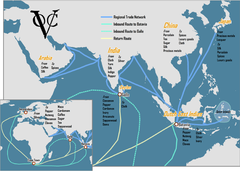
2496708117Dutch East India Company (VOC) 1602-The Dutch, like the Portuguese, also established a powerful trading post empire -They did it in India and Africa with a very powerful JOINT STOCK COMPANY that was started in 1602 -Unlike the Portuguese, this was a private company that required people to buy stock; if the company was successful, they got massive profits -This company established trading posts and a Trading Post Empire all over the world and the merchants who ran it were very powerful8
2496702553North Atlantic Fishing Trips-Many Europeans were still taking trips across the _____________________________ in order to fish for cod -This led to the settlement of Iceland, Greenland, and Nova Scotia -Once the Americas were discovered, fishermen in the North Atlantic continued to look for a water route to Asia -Some people tried to go through North American rivers; others, like Vitus Bering, searched for routes through the Arctic and over the top of North America9
2496704454Jacques Cartier 1530 CE-All of the Europeans were desperate to find "The Northwest Passage," a sea route to get to China by sailing through or over North America -Basically they were looking for a river that went all the way across North America so they could sail straight from Europe to China -This French explorer tried to find it three times in the 1530's, but failed every time -Instead, he claimed the land in Canada for France. The French established a powerful fur trade there. 1534, Explored Canada looking for the NW passage, traveled up the St. Lawrence River to Montreal, Discovered St. Lawrence River10
2496692096Zheng He 1425 CE-This massive eunuch Chinese Admiral led seven HUGE sailing expeditions in the Indian Ocean -His TREASURE SHIPS were ENORMOUS; seven times the size of Columbus's ships, and carried up to 1000 passengers -His TREASURE SHIPS had four decks, nine masts, and could carry exotic animals, trees, herds of horses, armies, and entire communities -70 years before Columbus, ________________ and these ships were bigger, faster, and capable of long voyages -The Ming Dynasty stopped the voyages because the Chinese were already wealthy and they were seen as a waste of time, money, and resources; they decided to focus on defending themselves from land attack from the Mongols11
24981975231425 CE-Dates for Zheng He12
2496712849American Silver-Above all else, as part of mercantilism, the Spanish wanted to get this so they could use it to increase their power and wealth -Once they mined it, they sent most of it on ships back to Spain; some of it traveled on the Manila Galleon boats to the Philippines so it could be used to trade with China -They had mines at Potosi and in Mexico where they used the Mit'a System to force the natives to work to get this -As it spread around the world, this was critical for increasing trade and allowing countries to create money and currency13
2496710693Manila Galleons-Once they mined it, the Spanish sent most of the silver back to Spain; some of it they put on MASSIVE trading ships known as the __________________ to the Philippines so it could be used to trade with China -These ships were ENORMOUS; as big as Zheng He; they brought Spanish silver to the Philippines, and then they used it to buy silk, porcelain, and other luxury goods from the Chinese -Some of the ____________________ sunk in the ocean and today people still dive for them; one was discovered the and silver was still worth millions of dollars -the Spanish had mines at Potosi and in Mexico where they used the Mit'a System to force the natives to work to mine the silver14
2496712384European Merchants in Asia-In this area of the world, the European _________________ established trading posts -They found it difficult to take over this area of the world, and these countries were isolationist and were too powerful for the Europeans to take over -Therefore in this area, the European ____________ mainly just used their caravels to transport goods from one Asian market to another or brought goods to other trading posts in the Indian Ocean -They also brought goods from this region back to Europe for trade15
2496715947Mercantilism-This was an economic theory that drove many of the European nations from 1450 - 1750 CE -This was an economic theory that stated that there was a fixed amount of wealth in the world; that wealth was represented by gold and silver -The Europeans were competing to get as much of that wealth as they could for themselves; one important way to get wealth was to get colonies -This drove the British, Spanish, French, and Portuguese to be very competitive as they tried to take over colonies and grab as much wealth for themselves as possible16
2496715948Joint-Stock Companies-Much of the British and European ocean exploration from 1450 CE to 1750 CE was driven by private companies and not by governments; a company would raise money by selling ____________________ -The company would sell ______________ to people; if you bought _______________ and the company did well, you would make a lot of money; if the company did not do well, your would lose money -People would buy ________________ and the companies would go on journeys to India and China to try to make money -The British East India Company was an example of this17
2496717824The Triangular Trade-Once the Columbian Exchange took off, there was a massive amount of TransAtlantic trade that took off across the Atlantic Ocean -The Europeans were sending manufactured goods to Africa, especially old and outdated guns -The European merchants were taking slaves from Africa to the Americas to work the sugar and tobacco plantations -They were bringing back raw materials from the Americas, such as sugar, tobacco, rice, indigo, maize, and other products -This whole system and pattern of trade between Europe, Africa, and the Americas was known as the _______________________________________18
2496717823The Atlantic System-Once the Columbian Exchange took off, there was a massive amount of TransAtlantic trade that took off across the Atlantic Ocean -The Europeans were sending manufactured goods to Africa, especially old and outdated guns -The European merchants were taking slaves from Africa to the Americas to work the sugar and tobacco plantations -They were bringing back raw materials from the Americas, such as sugar, tobacco, rice, indigo, maize, and other products -This whole system and pattern of trade between Europe, Africa, and the Americas was mainly known as the Triangular Trade. THIS QUESTION IS NOT THE TRIANGULAR TRADE. THIS IS A FANCY TERM FOR THE TRIANGULAR TRADE. -Basically--> European manufactured goods to Africa; --> African slaves to the Americas --> raw materials from the Americas to Europe19
2496717825Demographic Impact of the Middle Passage 1450 CE to 1850 CE-Around 11 million slaves were transported from West Africa to the Americas on the __________________________________ -There was a massive impact on the _______________________ of West Africa. - A majority of slaves taken were men, so females outnumbered males in West Africa and many more females were able to rise to positions of power in their societies and kin groups -15% of slaves died on the _____________________, the journey from Africa to the Americas, as a result of the horrible conditions and diseases on board the ships -The African Diaspora was created as the demographics of the Caribbean and the Americas were changed; islands in the Caribbean became largely African, and African mixed in with South and North American populations20
2496719585The Columbian Exchange-Christopher Columbus "discovers" the New World accidentally -Once the Americas are discovered, the Europeans begin to colonize it; this sets off a MASSIVE exchange of goods, foods, slaves, diseases, and other things known as the______________________ -Diseases like Smallpox, Measles, and Influenza DECIMATED Amerindian populations -American food crops like Potatoes, Maize, and Manioc were very nutritional and spread to Europe, Asia, and Africa and helped increase world population -Cash crops like Sugar and Tobacco were grown in the Americas and sent to European markets21
2496720215Smallpox, Measles, Influenza Mosquitoes and Rats-Three diseases that the Europeans brought over to the Americas in the Columbian Exchange that decimated/destroyed their population -These are two vermin/animal pests that were brought over on European ships to the Americas during the Columbian Exchange22
2496723054Potatoes, Maize, Manioc-As part of the Columbian Exchange, the Europeans brought these three crops from the Americas and they spread to Asia and Africa -These crops were incredibly high in calories and nutrition; so as they spread around the world, populations in Africa, Europe, and Asia began to BOOM -Name the THREE American crops!23
2496723055American Cash Crops--Sugar and Tobacco-The Europeans created colonies in the United States and used slave labor to create __________ crops as part of the Columbian Exchange -These were American luxury crops that were not vital or required for people's diets in Europe and the Middle East, but they were sold for lots of profit and money -These two ___________ crops grown in America and sold in European and Middle Eastern markets were _______________ and ____________________24
2496725614Eurasian Domesticated Animals--Pigs, Cattle, Horses-These were Eurasian domesticated animals that were brought to the Americas as part of the Columbian Exchange -Two of these domesticated (tamed) animals were raised in the Americas to provide food for American populations -One was used by American Indians for transport and warfare25
2496725615Okra, Rice-These two food crops were brought by African slaves to the Americas and were grown as food crops in the Americas -This was part of the Columbian Exchange -AFRICAN CROPS, brought by slaves, to the AMERICAS26
2496728410Nutritional Effects from Columbian Exchange-As the American crops from the Columbian Exchange spread around the world, it had a huge demographic (population) impact as populations around the world skyrocketed -crops like manioc in Africa, and the potato in Europe and Asia, had a big impact because it improved the ___________________ of people's diet. -So this means there was a big improvement in ______________ from the __________________ Exchange.27
2496729853Effect of Columbian Exchange on the Environment-The Columbian Exchange led to a MASSIVE increase in agriculture in the Americas -European agricultural technology made a HUGE difference in the Americas and European colonists began farming all over North and South America -European farming practices had a HUGE impact on the _________________________ of the Americas as lots of soil was depleted and forests were destroyed -So the big takeaway here--the Columbian Exchange and European farming really DAMAGED the American _______________________ because the forests were cut down for wood and soil was robbed of nutrients28
2499386937Demographic Impact of the Columbian Exchange-As American foods from the Columbian Exchange spread around the world, populations skyrocketed because of the nutritional value of American foods -Foods like manioc, potato, and maize had tons of calories, so populations in Eurasia and Africa went up -The native Amerindian population PLUMMETED because of the diseases brought by the Europeans -The first word is a fancy word for "Population"29
24981575471500 - 1800-Everything having to do with colonization and transAtlantic trade in the Americas happens AFTER Columbus -Dates of the Columbian Exchange30
2498172248French Colonies in North America-The Europeans from this country established a maritime empire North America/Canada -They established close alliances with the Indian tribes in Canada -Unlike the English, these colonies had lots of mixing and marrying between the Indians and the European colonists; they called this "frontiers of inclusion" -The most profitable thing they gained from Canada was fur, which they sent back to Europe for enormous profit -The _______________________ often intermarried with the Indians and took Indian wives, creating mixed populations31
2498169664French Fur Traders-The Europeans from this country established a maritime empire North America/Canada -They established close alliances with the Indian tribes in Canada -The most profitable thing they gained from Canada was ___________________________, which they sent back to Europe for enormous profit -The _______________________ often intermarried with the Indians and took Indian wives, creating mixed populations32

Ap Biology Chapter 3 Water and Life Flashcards

Ap* Edition Campbell biology Ninth Edition

Terms : Hide Images
871328808Lawrence Hendersonauthor of The Fitness of the Environment, Talks about water0
871328809POLAR COVALENT BONDSone atom being more electronegative then anouther1
871328810POLAR MOLECULESthe overall charge in unevenly distributed2
871328811COHESIONwhen a substance is held together (water is with hydrogen bonds)3
871328812ADHESIONthe clinging of one substance to another4
871328813SURFACE TENSIONhow difficult it is to stretch or break the surface of a liquid5
871328814KINETIC ENERGYthee energy of motion6
871328815HEATa form of energy, due to motion of molecules, depends of mass/volume7
871328816TEMPERATUREmeeasure of heat instensnity that represent the average kinetic energy regardles of volume8
871328817CELSIUS SCALEscale of temperature (0 = water freezing, 100 = water boiling, 37 = body temp, 20-25 room temp)9
871328818CALORIE (CAL)the amount of heat it take to raise 1 g of water by 1C10
871328819JOULEone joule = 0.239 cal11
871328820SPECIFIC HEATthe amount of heat that must be absorbed or lost for 1 g of that substant to change in temp by 1C12
871328821HEAT OF VAPORIZATIONthe quantity of heat a liquid must absorb for 1g to be converted form the liquid to a gasseous state13
871328822EVAPORATIVE COOLINGAs a liquid exaporates the surface of the liquid that remain cools beacues the hottest of the molecuels left14
871328823Susan Solomoninterviewee at begin of unit is concerned about the iceburgs dissapearing15
871328824SOLUTIONWhen a liquid is homogenouse mixture of two or more substances (sugar water)16
871328825SOVLENTthe disolving agent (water)17
871328826SOLUTEthe substance that gets dissolved18
871328827AQUEOUS SOLUTIONa solution in which water is the solvent19
871328828HYDRATION SHELLthe sphere of water molecules around each dissolved ion20
871328829HYDROPHILICany substance htat has an affinity for water21
871328830COLLOIDa stable suspension of fine particles22
871328831HYDROPHOBICsubstances that are nonionic and nonpolar (vegie oil)23
871328832MOLECULAR MASSthe summ of the masses of all the atoms in a molecule24
871328833MOLE (MOL)exact number of objects (6.02 X 10^23)25
871328834MOLARITYthe number of moles of solute per liter of solution26
871328835HYDROGEN IONa single proton with a 1+ charge27
871328836HYDROXIDE IONOH- (water without a proton)28
871328837HYDRONIUM IONH30+ (water with a hydrogen ion)29
871328838ACIDA substance that increase the hydrogen ion concentration of a solution30
871328839BASEA substance reduces the hydrogen ion concentration31
871328840pHthe negative logarith of hydrogen ions32
871328841BUFFERSsubstance that mimimizes the change in the concentration of H or OH33
871328842OCEAN ACIDIFICATIONwhen something causes the ocean to acidfiy34
871328843ACID PRECIPITATIONrefers to rain, snow or fog with a pH lower then 5.235

Environmental Science Ch. 16 Flashcards

Terms : Hide Images
1964973730active solar technologythe use of mechanical devices to heat water and buildings or to power electrical devices to generate electricity0
1964973731biomass energythe energy contained in firewood and other plant matter1
1964973732biofuelsliquid fuel derived from biomass that can be used in diesel and internal combustion engines2
1964973733biodiesela biofuel derived from plant oils and animal fats that can be burned in diesel engines3
1964973734cellulosic ethanolethanol that is produced from agricultural residues, wood, grasses, or other cellulose-rich feedstocks4
1964973735compact fluorescent lights (CFLs)lights in which an electric current causes a gas to glow; emit 3-5 times more light that incandescent fixtures5
1964973736concentrating solar power (CSP) systemsa method of generating electricity from sunlight that relies on mirrors to concentrate the sun's rays on a tower or a series of pipes that hold water or another fluid. The concentrated sunlight heats the fluid to boiling. The produced steam is then used to spin a turbine and generate electricity6
1964973737conservation supply curvegraph used to compare the amount of energy saved by each action to the cost of that energy7
1964973738cost of saved energy (CSE)a measure that compares the costs and benefits of energy alternatives by dividing the cost of an energy investment by the energy savings resulting from that investment8
1964973739economic energy intensitya measure of overall energy use efficiency by a country or group of countries that considers the amount of energy used per dollar of economic output9
1964973740geothermal energyheat energy that is generated and stored in Earth itself10
1964973741ground-source heat pumps (GSHPs)method of using Earth's heat for energy by taking advantage of the fact that the upper 10 ft of Earth's crust maintains a nearly constant temperature regardless of the time of year11
1964973742hydroelectric powerelectricity generated by using the kinetic energy of moving water to turn a turbine12
1964973743hydropowerthe energy of water moving under the force of gravity13
1964973744incandescent lightslights in which an electric current causes a thin metal filament to glow14
1964973745impoundment hydroelectricity plantelectricity generated by impounded water, such as water behind a dam, flowing downhill through a turbine15
1964973746light-emitting diodes (LEDs)lights in which an electric current passes through silicone-rich materials; more efficient and long-lasting than CFLs and incandescent lightbulbs16
1964973747ocean thermal energy conversiona technique that exploits the sharp differences in temperature between surface water and deeper water to generate electricity17
1964973748photovoltaic (PV) technologya method of generating solar power that converts light into energy through the photovoltaic effect, in which light energy causes certain materials to emit electrons18
1964973749passive solar technologythe use of the energy of sunlight without relying on electrical or mechanical devices19
1964973750renewable portfolio standard (RPS)a government mandate that a certain percentage of energy use come from renewable energy resources20
1964973751run-of-river hydroelectric planta hydropower facility that uses the force of river water diverted into a series of pipes to spin a turbine to generate electricity21
1964973752solar photovoltaic farmsin areas with high solar potential, thousands of PV panels are arranged to generate electricity on a large scale22
1964973753tidal barragea dam across the narrow outlet of a tidal basin that uses the ebb and flow of tidal waters to power turbines and dynamos to generate electricity23
1964973754tidal fencean array of underwater turnstiles or revolving doors set across a narrow channel. As water moves through the channel, its energy is used to generate electricity24
1964973755tidal powerthe kinetic energy of ocean tides used to generate electricity25
1964973756tidal turbinesturbines operating underwater that are spun by the movement of tides and currents26

AR Leadership and Service Learning EOC Review Flashcards

Terms : Hide Images
107232557Audiovisualstrategies that incorporate the use of sight and sound to relay a message.0
107232558Cover leterletter sent with a resume to a potential employer.1
107232559Digital cameradevice used to capture images into digitized electronic data, which can be stored and retrieved immediately. Digital images can also be printed directly from a computer producing pictures without the need for photo processing2
107232560Graphicspicture, border, map or graph used for illustration or demonstration.3
107232561Handheald data managera small electronic device that can have a variety of features including databases, word processors, email, calendar, synchronizing capabilities, and other applications.4
107232562Laptop computer/notebooka compact, portable computer system.5
107232563Liquid crystal displayequipment that works with a computer and screen or presentation board to project the computer images.6
107232564Mass storage deviceremovable data drive or disc.7
107232565Portfoliocollection of samples of work that highlight your interest, talents, contributions, and studies; important item to bring to job interviews.8
107232566Presentation boardan interactive board that acts as a touch screen for a computer and has various features to aid in delivering presentations.9
107232567Presentation softwarea type of software that enhances a presentation, such as slide shows, graphics, text editing, etc.10
107232568Resumea summary of your qualifications for a job.11
107232569Acronyma word formed from the initial letters of a phrase or title.12
107232570Creeda statement of belief.13
107232571Critical thinking3. Critical thinking- reflecting or thinking about complex issues, usually to make a decision or action.14
107232572Emblema visual symbol that represents a group.15
107232573FCCLAan organization for students who are enrolled or have been enrolled in family and consumer sciences classes for at least one semester.16
107232574Missiona statement that defines an organization's overreaching purpose. The FCCLA mission is to promote personal growth and leadership development through family and consumer sciences education. Focusing on the multiple roles of family member, wage earner, and community leader, members develop skills for life through character development; creative and critical thinking; interpersonal communication; practical knowledge; and vocational preparation.17
107232575National programsframeworks for FCCLA action that encourage members to enhance their personal growth and build their leadership skills.18
107232576Mottoa word or saying that expresses ones aims, ideals or guiding rule. FCCLA's is Toward New Horizons.19
107232577Purposesthe object for which something exists or is done. FCCLA has eight.20
107262282Brainstorminglisting all possible ideas without judging or eliminating any.21
107262283Charitygenerosity and helpfulness especially toward the needy or suffering; an institution engaged in relief of the poor.22
107262284Civic organizationsa group working toward the betterment of humanity.23
107262285Commitmentan agreement or pledge to do something, the desire to finish a project, task or goal.24
107262286Compassiondeep awareness of the suffering of another with the desire to relieve it.25
107262287Corporationan association of employers and employees in a basic industry or of members of a profession organized as an unit for political representation.26
107262288Dedicationpersonal commitment or setting aside of resources for a specific purpose.27
107262289Determinationthe act of making a firm decision.28
107262290Donationthe giving of a gift especially to a charity or public institution, a free contribution.29
107262291Goalssomething a person wants to have or to achieve, and is willing to work for.30
107262292Granta giving of funds for a specific purpose.31
107262293Humanitariana person promoting human welfare and social reform.32
107262294Networkan extended group of people with similar interests or concerns who interact and remain in informal contact for mutual assistance or support.33
107262295Nonprofit organizationnot conducted or maintained for the purpose of making a profit.34
107262296Philanthropygoodwill to fellowmen: active effort to promote human welfare.35
107262297Planning processa five step method to help FCCLA members and advisers plan individual, group or chapter activities. The five steps are: identify concerns, set a goal, form a plan, act and follow up.36
107262298Respectto feel or show regard for others.37
107262299Service learninga teaching method that combines meaningful service to the community through curriculum-based learning.38
107262300Volunteerto willingly agree to perform a task or service to others without pay. Someone who agrees to perform such tasks or services.39
107262301Work ethica personal commitment to doing your very best as part of the workplace team.40
107262302Accountabilityan obligation or willingness to accept responsibility for one's actions.41
107262303Attitudea person's basic outlook on life or a specific topic or issue.42
107262304Autocraticleader dominates the power.43
107262305Caringfeeling and exhibiting concern for others.44
107262306Characterpersonal guidelines developed as a part of the socialization process that serves as a person's personal judge for every situation that he or she faces.45
107262307Charismapersonal magnetism or charm.46
107262308Citizenshipthe quality of an individual's response to membership in a community.47
107262309Couragemental or moral strength to venture or persevere.48
107262310Democraticthe leader shares, is people-oriented and is open-minded.49
107262311Empathythe ability to understand what someone else is experiencing.50
107262312Ethicsa set of moral principles or values.51
107262313Enthusiasmstrong excitement or feeling.52
107262314Extrovertedfocused outward on others.53
107262315Fairnessfree of favoritism or bias.54
107262316Generositygiving time, talents and other resources without expecting something in return.55
107262317Initiativetaking action and getting started.56
107262318Integrityfirm adherence to a code of moral values.57
107262319Introvertedfocused inward or on oneself.58
107262320Laissez-fairean absence of leadership, for the group to go its own way without guidance.59
107262321Leadershipthe ability to direct and influence others.60
107262322Managementusing resources effectively to achieve goals and solve problems.61
107262323Motivateto provide with an incentive; move to action; impel.62
107262324Peer pressurepersuasion to conform to the group and go along with group activities.63
107262325Procrastinateto put off repeatedly or to keep postponing something that needs to be done.64
107262326Responsibilityan obligation or duty for which a person is held accountable.65
107262327Rolea way of acting to fulfill certain responsibilities in life, most often taught by family members.66
107262328Self esteemthe sense of worth a person attaches to oneself.67
107262329Selfishnesshaving little or no concern for others.68
107262330Standardssomething set up and established by authority as a rule for the measure of quantity, value or quality.69
107262331Stereotypea belief that an entire group of people fit a fixed, common pattern—that they are alike in certain ways.70
107262332Time managementusing time wisely to complete a task.71
107262333Trustworthbeing reliable or dependable.72
107262334Willingnessa person willing to work who has a chance to become a success.73
107262335Agendaorder of business for the meeting.74
107262336Amendmenta change of addition to the main motion, amendments can also be amended.75
107262337Business correspondenceprofessional communication in a written format.76
107262338Chair/chairpersonperson presiding at meeting.77
107262339Debatediscussion for or against the motion.78
107262340Feedbacka return message in response to a communication; comments about, or corrections to an action, process or presentation.79
107262341Formatthe arrangement or plan; a particular combination of content or style.80
107262342Gavela tool for calling the meeting to order.81
107262343Main motionan idea brought before the group for consideration.82
107262344Majorityover half of the votes cast.83
107262345Minuteswritten record of the meeting.84
107262346Non-verbal communicationcommunication that uses factors other than words, such as gestures, facial expressions, eye contact, and body language.85
107262347Parliamentarianone who has knowledge of parliamentary procedure and is skilled in its practice.86
107262348Parliamentary Procedurea recognized and acceptable method of conducting and official meeting.87
107262349Point of Orderto correct a breach of order or error in procedure.88
107262350Prejudicean unfair or biased opinion based on false or insufficient information.89
107262351Public relationsmanagement of an organization's relationship with consumers, communities, and other public segments; the business of cultivating public goodwill toward a person, firm or institution.90
107262352Public Service Announcement (PSA)a brief persuasive or informative message presented on radio and/or television.91
107262353Quorumminimum number of members that must be present to conduct the business of the meeting.92
107262354Rapporta relationship based on open communication and understanding.93
107262355Robert's Rules of Orderan authoritative book on the standards of parliamentary law.94
107262356Secondanother member supports motion.95
107262357Verbal communicationexpressing ideas to others by using spoken words.96
107262358Adversitystate or condition contrary to well being.97
107262359Compromisecoming to an agreement in which each person gives up something in order to get what they both want.98
107262360Conflictany struggle, disagreement, or fight.99
107262361Conflict resolutionthe process of settling a conflict by cooperating and problem solving.100
107262362Defense mechanismmethods people unconsciously use to deal with life situations; used to hide or balance one's feelings or actions.101
107262363Mediationa process in which a neutral third party is used to help reach a solution that's agreeable to both sides.102
107262364Negotiationthe process of discussing problems face-to-face in order to reach a solution.103
107262365Peer mediatora person who acts as a third party between two students who are locked in a conflict.104
107262366Prejudicean unfair or biased opinion based on false or insufficient information.105
107262367Teama cooperative unit.106
107262368Tolerancethe ability to overlook or accept things you do not agree with; accepting and respecting other people's customs and beliefs.107
107262369Trusta firm belief in the honesty and reliability of another person.108

Biology 8th ed. Campbell and Reece: Chapter 14 Flashcards

Terms : Hide Images
169737422characterAn observable heritable feature.0
169737423traitAny detectable variant in a genetic character.1
169737424true-breedingPlants that produce offspring of the same variety when they self-pollinate.2
169737425hybridizationThe mating, or crossing, of two true-breeding varieties.3
169737426P generationParent individuals from which offspring are derived in studies of inheritance.4
169737427F1 generationThe first filial, or hybrid, offspring in a series of genetic crosses.5
169737428F2 generationOffspring resulting from the interbreeding of the hybrid F1 generation.6
169737429alleleAny of the alternative versions of a gene that produce distinguishable phenotypic effects.7
169737430dominant alleleAny allele that is fully expressed in the phenotype of a heterozygote.8
169737431recessive alleleThe phenotypic effect of this allele is not shown in a heterozygote.9
169737432law of segregationMendel's first law, stating that two alleles in a pair separate into different gametes during gamete formation.10
169737433homozygousHaving two identical alleles for a given gene.11
169737434heterozygousHaving two different alleles for a given gene.12
169737435phenotypeThe physical and physiological traits of an organism, which are deterimined by its genetic makeup.13
169737436genotypeThe genetic makeup, or set of alleles, of an organism.14
169737437testcrossBreeding an organism of an unknown genotype with a homozygous recessive individual to determine genotype. The ratio of phenotypes in the offspring reveals the unknown genotype.15
169737438monohybridAn organism heterozygous with respect to a single gene of interest. Includes all offspring from a cross between parents homozygous for different alleles. Ex. Aa16
169737439dihybridAn organsim heterozygous with respect to two genes of interest. Includes all offspring from a cross between parents who are doubly homozygous for different alleles. Ex. AaBb.17
169737440law of independent assortmentMendel's second law which states that each pair of allele segregates independently of each other pair during gamete formation. Applies when genes for two characters are on different pairs of homologous chromosomes.18
169746449complete dominancePhenotypes of a heterozygote and dominant homozygote are indistinguishable.19
169746450incomplete dominancePhenotype of a heterozygote is intermediate between the phenotype of homozygotes for either allele.20
169746451codominanceThe phenotypes of both alleles are exhibited in the heterozygote because both alleles affect the phenotype in separate, distinguishable ways.21
169746452pleiotropyThe ability of a single gene to have multiple affects.22
169746453epistasisOne gene alters the phenotypic effects of another gene that is independently inherited.23
169746454quantitative characterA heritable feature that varies continuously over a range rather than in an either-or fashion.24
169746455polygenic inheritanceAn additive effect of two or more genes on a single phenotypic character.25
169746456norm of reactionRange of phenotypes produced by a single genotype, due to environmental influences.26
169746457multifactorialReferring to a phenotypic character that is influenced by multiple genes and environmental factors.27
169746458carrierA individual who is heterozygous at a given genetic locusm, with normal and one recessive allele. The heterozygote is phenotypically dominant for the character determined by the gene but can pass on the recessive allele to offspring.28

Pages

Subscribe to CourseNotes RSS

Need Help?

We hope your visit has been a productive one. If you're having any problems, or would like to give some feedback, we'd love to hear from you.

For general help, questions, and suggestions, try our dedicated support forums.

If you need to contact the Course-Notes.Org web experience team, please use our contact form.

Need Notes?

While we strive to provide the most comprehensive notes for as many high school textbooks as possible, there are certainly going to be some that we miss. Drop us a note and let us know which textbooks you need. Be sure to include which edition of the textbook you are using! If we see enough demand, we'll do whatever we can to get those notes up on the site for you!