AP Notes, Outlines, Study Guides, Vocabulary, Practice Exams and more!

AP Lit Flashcards

Terms : Hide Images
13817680195ApostropheThis occurs when a character or speaker calls out to a person (either absent or dead) or inanimate object as if it could respond.0
13817680267AnecdoteA short story or joke told at the beginning of a speech to gain the audience's attention.1
13817680217assonancerepetition of vowel sounds2
13817680213anaphoraRepetition of a word or phrase at the beginning of successive lines in a poem.3
13817680210allegorystory or poem that can be used to reveal a hidden meaning4
13817680189antithesisDirect opposite5
13821160024asyndetona series of words separated by commas6
13817680266Ambiguityopen to more than one interpretation7
13817680215approximate rhymewords in rhyming pattern that sound alike8
13817680186assonanceRepetition of vowel sounds9
13817680185alliterationthe occurrence of the same letter or sound at the beginning of adjacent or closely connected words10
13817680273ConventionAn understanding between a reader and a writer about certain details of a story that does not need to be explained11
13817680207Contemporaryfree verse, written so ordinary reader can understand, after 1920's, Maya Angelou, Elizabeth Bishop12
13817680187consonanceRepetition of consonant sounds shush wish cushion squash13
13817680221catharsisrelease of emotions14
13817680219cacophonyblend of unharmonious sounds because cause15
13817680271ConceitAn elaborate metaphor that compares two things that are startlingly different.16
13817680204Confessionalpersonal experience, 1950's, Elizabeth Bishop, Sylvia Plath, Mark Doty17
13817680196caesuraa pause in the middle of a line of poetry. Often is signified with a comma or period.18
13817680228double rhymerhyme where the repeated vowel is in the second last syllable of words involved (ex; born scorn)19
13817680225denouementfinal outcome of the story20
13817680224denotationthe literal meaning of a word21
13817680176Elegya sad or mournful poem22
13817680198enjambmentWhen a thought in poetry does not stop at the end of a line break; it merely continues on in the following line.23
13817680277EpistolaryUsed to describe a novel that tells its story through letters written from one character to another.24
13817680279EuphemismThe act of substituting a harsh, blunt, or offensive comment for a more politically accepted or positive one25
13817680278EpithetA word or phrase preceding or following a name which serves to describe the character. Ex: Alexander the Great.26
13817680276EpicA long narrative poem, written in heightened language, which recounts the deeds of a heroic character who embodies the values of a particular society27
13817680234extended figureA figure of speech sustained or developed through a considerable number of lines or through a whole poem.28
13821140300epistropherepetition of a word at the end of successive lines29
13817680233euphonysmooth choice and arrangement of sounds30
13817680173english (shakespearean) sonnet14 lines, 3 stanzas of 4 lines, 2 line stanza at end that rhymes31
13817680208Free Versewithout rhyme and rhythm, Walt Whitman32
13817680280Hubrisused in Greek tragedies, refers to excessive pride that usually leads to a hero's downfall33
13817680282In medias resA story that begins in the middle of things34
13817680174italian (petrarchan) sonnet14 line, iambic pentameter, flexible rhyme scheme, 8 lines + 6 lines35
13817680191juxtapositionplacing two elements side by side to present a comparison or contrast36
13817680181laudatoryexpressing praise37
13817680285LitotesLitotes is the opposite of hyperbole. Examples: "Not a bad idea," "Not many," "It isn't very serious. I have this tiny little tumor on the brain"38
13817680178Lyrical poemfocuses on individual and thoughts/feelings39
13817680192metonymyAssociating an object with another word very similar to it calling someone a scrooge because of their attitude40
13817680188OnomatopoeiaA word that imitates the sound it represents.41
13817680190oxymoronconjoining contradictory terms (as in 'deafening silence')42
13817680289Oblique RyhmeImperfect rhyme scheme43
13817680175odeusually praising/celebrating something44
13817680184profunditydeep insight and knowledge45
13817680291ParableA simple story that illustrates a moral or religious lesson46
13817680248paradoxcontradiction47
13817680193polysyndentonThe use of many conjunctions to slow the pace48
13817680180refrainsa verse or phrase that is repeated at intervals throughout poem49
13817680205Romanticemotional, self-expression, individual feeling, religious response to nature, end of 18th century, Elizabeth Barret Browning, William Wordsworth, William Blake50
13817680294RhetoricFrom the Greek for "orator," this term describes the principles governing the art of writing effectively, eloquently, and persuasively.51
13817680194SynecdocheA figure of speech in which a part is used for the whole the white house represents government52
13817680172sestina66353
13817680183sublimitytranscends greatness54
13817680182surreptitiouslysecretive55
13817680209slant rhymeconsonant rhyme near and bear56
13817680253sestet6 line stanza57
13817680255soliloquyA long speech expressing the thoughts of a character alone on stage58
13817680260synesthesiadescribing one kind of sensation in terms of another ("a loud color", "a sweet sound")59
13817680206Transcendentaliststressed the relationship between human beings and nature, spiritual things over material things, and the importance of the individual conscience, 19th century, Ralph Waldo Emerson, Henry David Thoreau, Walt Whitman60
13817680265vilanellea nineteen-line poem with two rhymes throughout, consisting of five tercets and a quatrain, with the first and third lines of the opening tercet recurring alternately at the end of the other tercets and with both repeated at the close of the concluding quatrain.61

Physics Flashcards

Review of Objective 4 vocabulary for 8th Grade STAAR test.

Terms : Hide Images
12004647618AccelerationThe rate of change in velocity. Can be a change in direction, positive (speeding up) or negative (slowing down).0
12004647619Balanced ForceTwo forces in opposite directions. Net force is zero and the motion of the object does not change.1
12004647620FrictionThe force between objects that resists motion - always slows down motion2
12004647621NewtonA measurement of force3
12004647622MagnitudeThe strength or size of an object or force.4
12004647623MassThe total amount of matter in something.5
12004647625ForceA push or pull on an object that can cause a change in movement6
12004647626Net ForceThe total of all the forces acting on an object7
12004647627GravityA force that pulls objects together8
12004647628F = m x aFormula for Force9
12004647629Displacement vs Time GraphShows the distance an object travels in a certain amount of time. slope is velocity10
12004647630Inertiathe tendency of a body to maintain is state of rest or uniform motion unless acted upon by an external force11
12004647632MotionA change in the position of an object over time.12
12004647633Newton's First Law of Motion (Definition)an object at rest will stay at rest unless acted upon by an outside unbalanced force; an object in motion will stay in motion unless acted upon by an outside unbalanced force.13
12004647634Newton's First Law of Motion (Example)when a car suddenly stops and your head continues to move foward even though your body is stopped by the seat belt14
12004647635Newton's Second Law of Motion (Definition)the greater the force applied to an object, the greater the acceleration; the smaller the mass of an object, the greater its acceleration when force is applied; only an unbalanced force can cause objects to accelerate15
12004647636Newton's Second Law of Motion (Example)the force applied to a roller coaster car in addition to the mass of the car determines the acceleration of the car; more force = more acceleration16
12004647637Newton's Third Law of Motion (Definition)for every action there is an equal and opposite reaction; there is a reaction force that is equal in size but opposite in direction.17
12004647638Newton's Third Law of Motion (Example)as the thrust of a rocket pushes down on Earth's surface, the rocket launches upward into the atmosphere18
12004647642Example of velocityNemo swims 37 m/s South to Wallaby Way in Australia.19
12004647643Speedthe distance traveled by an object in a given amount of time.20
12004647644Example of speedNemo swims 58 m/s21
12004647645Unbalanced ForceA force that is not equal in size and opposite in direction.22
12004647646Velocityspeed of an object and its direction of motion; changes when speed, direction or both changes23
12004647670Contact forcesContact forces work when two or more objects are touching. Some examples of this are: friction, air resistance, tension in ropes and normal contact force. When these two or more objects interact there is a force on both of them and is equal or opposite of the other object.24
12004647671Non-contact forcesNon-contact forces happen when two or more objects exert a force on each other but are not touching. Some examples of these are: magnetic force, gravitational force, electrostatic force. When these two or more objects interact with each other there is a force produced on all of them that is equal or opposite.25
12004647679newton's law of gravitationThe force of gravity between two very dense objects can be described inversely by the distance between them.26
12004647684vectorAn quantity that has a magnitude and direction27
12004647687accelerationChange in velocity over change in time28
12004647688velocitychange in displacement over change in time vector29
12004647689displacementthe total distance traveled by an object regardless of direction30
12004647690distancethe amount traveled from a certain spot.31
12004647691newton's first lawlaw of inertia32
12004647692newton's second lawF=ma33
12004647693Newton's 3rd lawEvery action has an equal and opposite reaction34
12004647695This force goes in the opposite direction of motionFriction35
12004647696Frictional force=coeffiecent of friction xmxg36
12004647697A boat moving at 4m/s north, with a wind coming from the east at 3 m/s gives you a net vector of what?5m/s NE37
12004647702Gravitational pull between objectthe relationship where the force between to objects is inversely 1/r related to the distance between them.38

physics Flashcards

Terms : Hide Images
14352682414weightforce a body exerts due to the pull of gravity0
14352682415massthe measure of the amount of material in a body1
14352682416momentum=mass x velocity2
14352682421density ismass per unit volume3
14352682422density=mass/volume4
14352682424friction isa force that opposes motion5
14352682425air resistance or dragoccurs when the object moves through air or fluid6
14352682426reduce friction bylubrication7
14352682427friction acts in theopposite direction of the motion of object8
143526824331st lawa body will remain at rest or move at a constant velocity if the resultant force acting on the body is zero9
14352682434balanced forces exist whentwo forces act in opposite directions but are the same size10
143526824352nd lawif a resultant force acts on a body the body will not remain at rest or move at constant velocity, it will accelerate11
14352682436resultant force=mass x acceleration12
14352682438distance isthe total amount of ground covered13
14352682439displacement isshortest distance from start to finish in a certain direction14
14352682440speed israte of change of distance15
14352682441velocity israte of change in displacement16
14352682442acceleration israte of change in velocity17
14352682443scalarhas magnitude only18
14352682444vectormagnitude and direction19
14352682445acceleration=velocity/time20
14352682446unit of accelerationm/s²21
14352682447Work =force x distance22
14352682448unit of worknewton meter23
14352682451centrepedal force depends onmass of object speed of object radius of circle24
14352682453unit of momentumkgm/s²25
14352682454change in momentum=force x time26
14352682455momentum depends onmass velocity27
14352682457conservation of momentumwhen two bodies collide, the total momentum remains constant, providing that there are no external forces acting28
14352682458energy typeskinetic light sound EPE GPE chemical electrical nuclear magnetic heat29
14352682466GPEthe type of energy anything above the ground has30
14352682468nuclearenergy stored inside nucleus due to its missing mass31
14352682469unit of energyjoules32
14352682472formula for kinetic energy=½mv²33
14352682473principle of energyenergy cannot be created or destroyed, only changed into different forms34
14352682474powerrate at which work is done or energy is transferred35
14352682475power=work done/time36
14352682497JJ Thompsonplum pudding model a sphere of positive charge with tiny negative electrons stuck in it37
14352682498Rutherfordfired positively charged alpha particles at a thin gold foil most alpha particles went straight through with no or little deflection some were deflected through very large angles and a few came straight back introduced nucleus38
14352682500Bohrintroduced the idea of electrons orbiting a nucleus un discrete energy levels, by studying the emission spectra of gases39
14352682502alpha α ⁴ He ₂helium nucleus positively charged deflected by magnetic field40
14352682507nuclear fissionThis is when heavy nuclei can be forced to split into two lighter nuclei41
14352682513nuclear fussionthis is when two lighter nuclei combine to form a single heavier nucleus42
14352682517if light enters or leaves a different material, of different optical densitythe speed of light changes and therefore the direction of travel changes43
14352682518light travels instraight lines44
14352682519light speed in vacuum300000km/s45
14352682520dispersionspreading out of white light into its separate colours46
14352682522conditions of total internal refractionlight must be travelling from a more optically dense material to a less optically dense material angle of incidence is greater than the critical angle for the given material47
14352682530waves are producedby vibrations48
14352682531wavestransfer energy from one point to another in the direction in which the wave is travelling, without the movement of material as a whole49
14352682532transverse wavesdirection of travel of the wave is perpendicular to the direction of vibrations e.g. mexican wave50
14352682533longitudinal wavedirection of travel of the wave is parallel to the direction of vibration e.g. audible sound51
14352682534amplitude Athe maximum displacement from the equilibrium position52
14352682535period Ttime taken for one complete vibration53
14352682536wavelength λdistance between two neighbouring crest/troughs or compression/rarefactions54
14352682537frequency Fnumber of complete vibrations occurring in one second55
14352682538period=1/frequency56
14352682539wave speed=frequency x wavelength57
14352682540when waves are reflected thespeed frequency and wavelength fo not change58
14352682541when waves are refracted thefrequency does not change59
14352682542electromagnetic spectrumgroup of waves that all have the same speed60
14352682560average velocity=total displacement/total time61
14352682561net force=mass x acceleration62
14352682562GPE=mgh63
14352682563Electric Field lines pointaway from positive charges64
14352742867Gravitation force is related to distanceinverse square65
14352745200Relationship between current and resistanceinverse66
14352747454Relationship between voltage and currentdirect67
14352749018Relationship between mass and centripetal accelerationnone68
14352750791relationship. between speed and kinetic energyexponential69
14352753051relationship between force and change in spring lengthdirect70
14352754629relationship between PEs and change in spring lengthexponential71

Ap US History period 3 Flashcards

Terms : Hide Images
11125823680The French and Indian War1754-1763 War between French and British in American colonies part of 7 years0
11125823681The Proclamation of 1763Line drawn by British Parliament, colonists not allowed to settle past Appalachian mountains1
11125823682Stamp Act1765 direct tax on a stamp that must be put on paper, office documents, etc.2
11125823683The Coercive Actspunitive acts applied to Massachusetts in retaliation for the Boston Tea Party; referred to by colonists as the Intolerable Acts3
11125823684Common Sense1776: a pamphlet written by Thomas Paine that claimed the colonies had a right to be an independent nation4
11125823685The Declaration Of Independence1776 statement, issued by the Second Continental Congress, explaining why the colonies wanted independence from Britain.5
11125823686Battle of SaratogaAmerican victory over British troops in 1777 that was a turning point in the American Revolution.6
11125823687French American Alliancepact signed by the Americans and the French after the Battle of Saratoga, paving the way for French support of the colonial war for independence and binding the two countries together long-term7
11125823688Treaty of Paris1783 treaty ending the Revolutionary War8
11125823689Articles of confederationfirst government of the United States; extremely weak government that gave most of the power to states9
11125823690The Northwest Ordinance of 1787a law that established a procedure for the admission of new states to the Union and set the boundary for slavery at the Ohio River10
11125823691Shay's RebellionA 1787 rebellion in which ex-Revolutionary War soldiers attempted to prevent foreclosures of farms as a result of high interest rates and taxes11
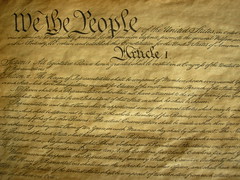
11125823692The Constitutiondocument which spells out the principles by which the US government runs and the fundamental laws that govern society12
11125823693The Great Compromisea compromise between the New Jersey and Virginia plans that created the Senate and the House of Representatives; each state received equal number of senators, states received representatives based on population13
11125823694The Three-Fifths compromiseAgreement at the creation of the Constitution that each slave counted as three-fifths of a person in determining representation in the House for representation and taxation purposes14
11125823695The Federalists papersThis collection of essays by John Jay, Alexander Hamilton, and James Madison; explained the importance of a strong central government; published to convince New York to ratify the Constitution15
11125823696FederalistsSupported the ratification of the Constitution and a strong federal government16
11125823697Anti-federalistsearly opponents of the Constitution during the period of ratification; opposed the Constitution's powerful centralized government, arguing that the Constitution gave too much political, economic, and military control17
11125823698The Bill of rightsFirst ten amendments to the Constitution, drafted by Madison, created limitations on government and protects natural rights.18
11125823699Alexander Hamilton1789-1795; First Secretary of the Treasury. He advocated creation of a national bank, assumption of state debts by the federal government, and a tariff system to pay off the national debt; strong federalist19
11125823700Washington's farewell addressHe warned against the dangers of political parties and foreign alliances.20
11125823701XYZ AffairA 1797 incident in which French officials demanded a bribe from U.S. diplomats21
11125823702Alien and Sedition ActsSeries of four laws enacted in 1798 to reduce the political power of recent immigrants and limit political opposition to the federalists22
11125823703Kentucky and Virginia ResolutionsRepublican documents that argued that the Alien and Sedition Acts were unconstitutional; claimed that states have the authority to nullify federal laws23
11125823704EnlightenmentA philosophical movement which started in Europe in the 1700's and spread to the colonies. It emphasized reason and the scientific method. Writers of the enlightenment tended to focus on government, ethics, and science, rather than on imagination, emotions, or religion. Many members of the Enlightenment rejected traditional religious beliefs in favor of Deism, which holds that the world is run by natural laws without the direct intervention of God.24
11125823705John LockeEnglish philosopher who advocated the idea of a "social contract" in which government powers are derived from the consent of the governed and in which the government serves the people; also said people have natural rights to life, liberty and property.25
11125823706George WhitefieldChristian preacher whose tour of the English colonies attracted big crowds; prominent preacher during the First Great Awakening26
11125823707First Great AwakeningReligious revival in the colonies in 1730s and 1740s; George Whitefield and Jonathan Edwards preached a message of atonement for sins by admitting them to God; the movement attempted to combat the growing secularism and rationalism of mid-eighteenth century America27
11125823708PietismA Christian revival moment characterized by Bible study, the conversion experience, and the individual's personal relationship with God. It began as an effort to reform the German Lutheran Church in the mid-seventeenth century and became widely influential in Britain and its colonies in the eighteenth century.28
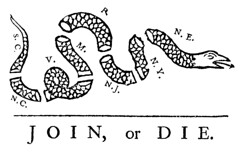
11125823709Ben FranklinA delegate from Pennsylvania and proposed the "Albany Plan of the Union" as a way to strengthen colonies.29
11125823710AbolitionThe movement to make slavery and the slave trade illegal; begun by Quakers in England in the 1780s30
11125823711representationA basic principle of traditional democratic theory that describes the relationship between the few leaders and the many followers31
11125823712Sugar Act of 1764An act that raised tax revenue in the colonies for the crown. It also increased the duty on foreign sugar imported from the West Indies.32
11125823713Vice-Admiralty CourtsIn these courts, British judges tried colonials in trials with no juries.33
11125823714Virtual RepresentationThe political theory that a class of persons is represented in a lawmaking body without direct vote.34
11125823715Quartering Act of 1765Act forcing colonists to house and supply British forces in the colonies; created more resentment; seen as assault on liberties.35
11125823716English Common LawThe centuries-old body of legal rules and procedures that protected the lives and property of the British monarch's subjects.36
11125823717Declaratory ActAct passed in 1766 after the repeal of the Stamp Act; stated that Parliament had authority over the the colonies and the right to tax and pass legislation "in all cases whatsoever."37
11125823718Townshend ActsA tax that the British Parliament passed in 1767 that was placed on lead, glass, paint, and tea38
11125823719Popular SovereigntyA belief that ultimate power resides in the people.39
11125823720Thomas JeffersonWrote the Declaration of Independence; 3rd President of the United States40
11125823721Second Continental Congress (1775)Managed the colonial war effort, and moved incrementally towards independence - finally adopting the Declaration of Independence in 1776.41
11125823722Sons of LibertyA radical political organization for colonial independence which formed in 1765 after the passage of the Stamp Act. They incited riots and burned the customs houses where the stamped British paper was kept. After the repeal of the Stamp Act, many of the local chapters formed the Committees of Correspondence which continued to promote opposition to British policies towards the colonies. Leaders included Samuel Adams and Paul Revere.42
11125823723Patriots(also known as Revolutionaries, Continentals, Rebels, or American Whigs) were those colonists of the Thirteen Colonies who rejected British rule during the American Revolution and declared the United States of America as an independent nation in July 1776.43
11125823724Tories/LoyalistsColonists who favored remaining under British control44
11125823725Constitutional ConventionA meeting in Philadelphia in 1787 that produced a new constitution45
11125823726Republican MotherhoodThe idea that American women had a special responsibility to cultivate "civic virtue" in their children46
11125823727American SystemEconomic program advanced by Henry Clay that included support for a national bank, high tariffs, and internal improvements; emphasized strong role for federal government in the economy.47
11125823728War of 1812A war (1812-1814) between the United States and England; reaction to British impressment of American sailors and interference with American trade48
11125823729John MarshallAmerican jurist and politician who served as the chief justice of the U.S. Supreme Court (1801-1835) and helped establish the practice of judicial review.49
11125823730Louisiana Purchaseterritory in western United States purchased from France in 1803 for $15 million50
11125823731Pinckney's Treaty (1795)This treaty between the U.S. and Spain which gave the U.S. the right to transport goods on the Mississippi River and to store goods in the Spanish port of New Orleans51
11125823732Quasi War (1798-1800)undeclared war fought mostly at sea between the French Republic and the United States, caused by the signing of Jay's Treaty between the UK and the US52
11125823733Jay's TreatyTreaty signed in 1794 between the U.S. and Britain; intended to strengthen trade relations between the US and Britain; British agreed to abandon outposts in the Northwest Territory but would not guarantee the non-impressment of American sailors53
11125823734Northwest Ordinancea law passed by Congress in 1787 that specified how western lands would be integrated into the Union54
11125823735Treaty of Ghent (1814)Ended the War of 1812 with Britain confirming the sovereignty of the new nation55
11125823736Embargo Act of 1807restrictions on trade with Britain and France intended to induce both nations to cease impressing American citizens; inflicted economic harm on the US56
11125823737Gaspee AffairRhode Island colonists boarded the HMS Gaspee, a British ship, looted it, then burned and sank it in 1772.57
11125823738British Southern Strategy1778-79; British campaign to take over the Southern colonies and build support amongst Loyalists and foment rebellion within the slave population58
11125823739Revolution of 1800Electoral victory of Democratic Republicans over the Federalists, who lost their Congressional majority and the presidency. The peaceful transfer of power between rival parties solidified faith in America's political system.59
11125823740Barbary Wars (1801-1805)President Thomas Jefferson's refusal to pay tribute to protect American ships from the Barbary pirates off the Mediterranean coast of Africa sparked an undeclared naval war with North African nations that lasted from 1801 to 1805.60
11125823741Missouri Compromise of 1820Allowed Missouri to enter the union as a slave state, Maine to enter the union as a free state, prohibited slavery north of latitude 36˚ 30' within the Louisiana Territory (1820)61

AP US History - Chapter 24 Flashcards

Terms : Hide Images
9119681041What characteristic did the fascist governments in the 1930s and 1940s, especially Nazi Germany, appeal to?racial superiority0
9119681042Which of the following factors contributed to the rise of the Nazi Party in Germany?World War I reparation payments, economic depression, and high unemployment.1
9119681043Which of the following was the United States' initial response to world problems in the 1930s?neutrality2
9119681044In 1934, the Nye Committee's report concluded what about the true cause of WWI?War profiteers had maneuvered the nation into WWI for financial gain.3
9119681045The Neutrality Act of 1935 and its 1936 and 1937 amendments made buys do what?"cash-and-carry"4
9119681046World War II officially began in Europe after Germany invaded what country?Poland5
9119681047Describe the America First Committee.Leading isolationist group advocating that America focus's on continental defense and non-involvement with the European war.6
9119681048What were Franklin Roosevelt's "four essential freedoms"?Of speech, of worship, from want, and from fear7
9119681049The principles of freedom of the seas, national self-determination, and collective security were reiterated in the...?Atlantic Charter8
9119681050After the Japanese invaded China in 1937, President Roosevelt urged what from "peace loving nations"?To quarantine Japan and other agressors9
9119681051What was the U.S. reaction when Japanese troops occupied the northern part of French Indochina in 1940?Restricted trade with Japan including fuel and scrap metal vital to Japan's war effort.10
9119681052What did President Roosevelt call "a date that will live in infamy"?Pearl Harbor11
9119681053What was the main factor in determining the outcome of World War II for America?The immense production of war material and needed supplies12
9119681054What were the terms of the "cost-plus" contracts offered by the U.S. government to corporations during WWII?agreement to pay a company whatever the manufacturing cost plus a guaranteed percentage of the costs as a profit13
9119681055Who was Henry J. Kaiser?The "miracle man" for revolutionizing the production of naval vessels during the war14
9119681056Which of the following describes discrimination in the armed services during World War II?The military segregated African Americans and assigned them menial duties15
9119681057The federal government enacted what policies during WWII to encourage women workers in the war effort?Government child-care programs16
9119681058The GI Bill of Rights provided...?education, pensions, medicare, and loans17
9119681059What was the outcome of the United Mine Workers' strike, which was led by John L. Lewis in 1943?Precipitated the antistrike laws18
9119681060How did most Americans deal with rationing during World War II?most complied19
9119681061In June 1943, thirty-four people died during a major race riot inDetroit20
9119681062Describe the forced relocation and incarceration of Japanese Americans during World War II?More than 2/3 of the Japanese Americans were native born American citizens.21
9119681063During World War II, the Big Three consisted of...?England, Soviet Union, and the U.S.22
9119681064From 1941 to 1943, Stalin was most interested in securing a guarantee that Britain and the U.S. would...?Open a second front in France to force Germany to withdraw troops from Russia.23
9119681065The turning point of World War II in Europe came as a result of...?Soviets halted German advance at Stalingrad in the winter of 194224
9119681066Why was Churchill's strategy of invading Europe through its "soft underbelly" in Sicily and Italy a costly mistake?Churchill thought he could keep casualties down by attacking Germany through the "soft underbelly" of Italy rather than a cross-channel invasion through France. Britain lost millions of men in World War II so the move was more difficult.25
9119681067What was the principal reason that Harry Truman and his American advisers decided to use the atomic bomb against Japan in the summer of 1945?To avoid an invasion of Japan because it would be extremely costly. They released the bomb hoping it would be enough to force Japan to surrender.26
9119681068Why did the United States wait until 1941, after nearly every European nation had fallen to Germany, to enter World War II? What were the sources of American political isolation?The U.S. was pursuing a national policy of "isolationism" to avoid involvement in war, and to focus on domestic/family household issues (anti-immigration, consolidate influence in the Western Hemisphere, restore economy). The U.S. generally tried to avoid political and military conflicts abroad.27
9119681069Why do historians consider 1942 to be a pivotal year for the outcome of the war?Battle of Coral Sea (victory guaranteed Australia would remain free of Japanese control), Battle of Midway Islands (cost Japan naval control of the Pacific), Island hopping, Stalingrad (Russian forces turned back Hitler's advance into the Soviet Union, German armies retreated with Russian forces in pursuit from the East), Failure of "soft underbelly" in Europe (helped them succeed in Italy and France invasions), Manhattan Project.28
9119681070What roles did minority group members play in the conduct of World War II?African Americans joined the military to escape depression and tenant farming in the South and Midwest. However, they were still facing discrimination and segregation. White and black soldiers were kept apart.29

AP US History Chapter 6 Flashcards

AMSCO United States History 2015 Edition Chapter 6

Terms : Hide Images
11090832872James Madison1. "Father of the Constitution". 2. solved the questions of sovereignty and limiting power with the separation of power and checks and balances. 3. Contributed to the Federalist papers.0
11090832873Alexander HamiltonOne of the authors of the Federalist Papers. He favored a strong central government. He was appointed by washington as secretary of the treasury. He also desird the creation of a national bank.1
11090832874FederalistsGroup that supported ratification of the Constitution, later became a political party. Alexander Hamilton was a well known leader feared disorder, anarchy, chaos, unchecked power of the masses2
11090832875Anti-Federalistthose who opposed ratification of the constitution. They believed the constitution violated the principles of the revolution. They were concerned that the constitution lacked a bill of rights and gave government too much power feared the dangers of concentrated power and that the gov would abuse the citizens' rights like england3
11090832876Bill of RightsThe first ten amendments (changes to the Constitution) were added to protect the rights of individual citizens. Nine dealt with basic rights. The tenth reserved state power for anything not specifically withheld from or delegated to the federal government.4
11090832877Checks and balancesDesigned to keep one branch of government from dominating the other5
11090832878Great CompromiseA compromise made at the constitutional convention of 1787. Stated that their would be a 2 house legislature with one house represented by population and each slave would count as 3/5ths of a person in both taxation and representation. The upper house would have 2 representatives per state regardless of population.6
11090832879House of RepresentativesRepresentation would be based on population of each state7
11090832880SenateRepresentation would be two per state, regardless of state size8
110908328813/5ths Compromisefor every five slaves, three would be counted for representation and direct taxation9
11090832882Legislative branchThe branch of government that makes laws10
11090832883CongressLegislative branch; House and Senate11
11090832884CabinetTerm for chiefs of departments appointed by President constitution does not specify how many there should/should not be. first 3 were state (jefferson), treasury (Hamilton), and war (knox)12
11090832885Supreme CourtUltimate court in the US had the power to make final decisions in cases involving constitutionality of state laws13
11090832886Democratic-Republican PartyRival to Federalists; opposed strong central government; led by Jefferson14
11090832887John AdamsIn 1796 he was a Federalist who was elected as the second president.15
11090832888Proclamation of NeutralityIn 1793 Washington announced US as neutral in the war between England and France16
11090832889Articles of ConfederationAmerica's original governing document. - Established a very weak central government and strong state governments. This government was favored by those terrified of tyrannical central government.17
11090832890The Virginia PlanA plan for new government with three branches, Executive, Legislative, and Judicial. According to this plan the legislative branch would have 2 houses. The lower house would represent the states based on population, the upper house would be appointed by the lower house. Favored by large states, disliked by small states.18
11090832891The New Jersey PlanA plan proposing a "federal" not "national" government. This plan would have a one house legislature with equal representation for each house but with more ability to tax and regulate commerce. Favored by small states, disliked by large states.19
11090832892Federalist PapersSeries of widely published essays written by Alexander Hamilton, John Jay, and James Madison under the pseudonym Publius. They defended the constitution to the public attempting to get them to want to ratify the constitution20
11090832893First national elections in 1789George Washington elected to the presidency unanimously. John Adams became Vice-President. April 30, 1789 Inauguration.21
11090832894Judiciary Act of 1789An act that provided a Supreme Court with six justices, thirteen district courts and three circuit courts of appeals. The act also gave the Supreme Court final decision in cases involving the constitutionality of state laws.22
11090832895National BankHamilton proposed this to stabilize and unify the American banking system. controversial bcz constitution did not assign it so some people argued that it was not legal. Hamilton argued that it was necessary and that the constitution did not specifically prohibit it23
11090832896RepublicansBecause of the rise of the Federalist party headed by Hamilton, it's opposition formed the (Democratic) Republican party. Key figures were Thomas Jefferson and James Madison.24
11090832897Indians in the ConstitutionVague/conflicting mentions - excludes those "not taxed" from being counted in population totals to determine House of Rep seats. Seems to make clear that tribes are not "foreign Nations" but recognizes existence of tribes as legal entities25
11090832898federalismpower divided between states and federal government26
11090832899separation of powersdivided power among the branches so that one branch would not be more powerful than the other27
11090832900Newburgh Conspiracylack of pay for the Continental Army after the war, despite still being mobilized28
11090832901Shays Rebellionthe rebellion of debt-ridden farmers in western Massachusetts in the winter of 1786-1787 against the Massachusetts state government's efforts to tax them?29
11090832902Northwest Ordinanceone of the 36 sections created by this survey system would be reserved to support schools.30
11090832903Joseph Brantleader of the Mohawks, resisted American settlement in the Ohio River Valley after the Revolutionary War?31
11090832904Georgia and South CarolinaThe planter elite in these two states were determined to reestablish an economic way of life that depended on slavery.32
11090832905Republican MotherhoodAdvocated higher education for women, that they should serve as advisors to their husbands33
11090832906Judith Sargent Murraydeveloped a vision of republican womanhood that argued for full equality between men and women and promoted equal education of women and men?34
11090832907Mary Wollstonecraft's A Vindication of the Rights of Womenserved as the intellectual inspiration for many of the ideas of republican womanhood in the United States?35
11090832908Gradual emancipationStates Moves slowly towards freedom for Slaves. This system delayed emancipation for decades, although every northern state had started the process of ending slavery before 180036
11090832909Daniel BooneThis individual's exploration led to the settlement of the territory that would become Kentucky37
11090832910Benjamin BannekerThis individual wrote Thomas Jefferson, he was critical of the position that " all men are created equal" regarding the status of slaves38
11090832911James Madisonhis notes of the Constitutional Convention offered key insight to the development of our government. He was also one of the key authors of the Federalist Papers39

AP US History Period 4 Flashcards

AMSCO United States History 2015 Edition, Period 4: 1800 - 1848 Chapter 7 - 11

Terms : Hide Images
11658834203Second Great AwakeningReligious movement that began in the early decades of the 19th century. Reaction against the rationalism of the Enlightenment. In the northern states it touched off social reform.0
11658834304market revolutionStarting in the early 19th century, produced vast economic growth, mass produced goods.1
11658834305Thomas JeffersonWashington's first secretary of state. A Democrat-Republican, he was the nation's third president from 1801 to 1809.2
11658834306Battle of New OrleansGeneral Andrew Jackson won this in 1815. The War of 1812 had officially ended two weeks earlier, but word had not yet reached the United States.3
11658834307Era of Good FeelingsTerm to describe James Monroe's period as president (1817-1825). The Democratic-Republicans party dominated politics.4
11658834204Jacksonian DemocracyThe time period 1829 to 1837, also known as the Age of the Common Man.5
11658834308Indian Removal ActPresident Andrew Jackson supported this. By 1835 most of the eastern tribes had reluctantly moved to an area in today's Oklahoma.6
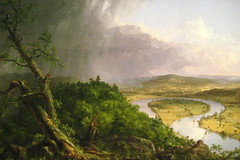
11658834309Romanticism in art and literatureEvoked the wonder of the nation's landscape. The Hudson River School of painters were the most prominent.7
11658834310Nullification CrisisIn 1832, South Carolina passed a resolution forbidding the collection of tariffs in the state. Jackson threatened use of federal troops against South Carolina.8
11658834311cotton ginThis machine was invented by Eli Whitney in 1793. It removed seeds from plant fibers.9
11658834312War HawksLed by Henry Clay and John C. Calhoun; argued that war with Britain was the only way to defend American honor, gain Canada, and destroy American Indian resistance on the frontier.10
11658834205William Lloyd GarrisonAdvocated the immediate emancipation of slaves without compensation to their owners. He was also the writer of the "Liberator."11
11658834313Republican Motherhood/Cult of DomesticityAfter industrialization occurred women became the moral leaders in the home and educators of children. Men were responsible for economic and political affairs.12
11658834206Sectionalism: The NorthLargely urban population that worked in factories.13
11658834207Sectionalism: The SouthLargely agricultural, mostly cotton from 1830-1850.14
11658834208Sectionalism: The WestLargely trapping and hunting, citizens lived a secluded life away from others.15
11658834209Democratic-RepublicansFavored the common man, weak central government, hated the National Bank, was pro-immigration, wanted slow and cautious westward expansion.16
11658834210FederalistsFavored the wealthy and educated, strong central government, supported the National Bank, limited immigration, slow/against westward expansion.17
11658834211National RepublicansFavored the wealthy and educated, strong central government, supported the National Bank, favored internal improvements.18
11658834212WhigsFavored the wealthy and educated, strong central government, supported the National Bank and Internal Improvements, limited immigration, slow/against westward expansion; above all else HATED Andrew Jackson.19
11658834213ImpressmentPractice of the British navy of stealing Americans and forcing them into service in the British Navy.20
11658834214Treaty of GhentEnded the War of 1812, establish status quo antebellum.21
11658834215Frances Scott KeyWrote the Star Spangled banner at the Battle of Fort McHenry.22
11658834314Monroe DoctrineWarning European powers to refrain from seeking any new territories in the Americas.23
11658834315Missouri CompromiseAn 1820 compromise crafted by Henry Clay; prohibited slavery in the rest of the Louisiana Territory north of latitude 36 30.24
11658834316Nat Turner RebellionIn 1831, this Virginia slave led a revolt in which 55 whites were killed. In retaliation, whites killed hundreds of African American and put down the revolt.25
11658834216Marbury v. MadisonEstablished the Supreme Court's policy of judicial review.26
11658834317American SystemHenry Clay proposed this to advance the nation's economy. It consisted of: * Protective Tariffs: * National Bank * Internal Improvements27
11658834318Lowell SystemThe system that recruited young farm women to work in the textile mills. They were housed in company dormitories near the mills.28
11658834319Seneca Falls ConventionIn 1848 women's rights movement wrote a "Declaration of Sentiments", which declared all men and women equal and listed grievances.29
11658834320TranscendentalistsThey questioned the doctrines of established churches and business practices of the merchant class. Mystical and intuitive way of thinking to discover inner self and look for essence of God in nature.30
11658834321Trail of TearsForced removal of Native Americans from 1830-1838 west of the Mississippi River31
11658834322Hartford Convention (1814)A meeting was held due to opposition to the the War of 1812; some radical Federalist in the Northeast want to secede from the United States, but that it was rejected.32
11658834217Panic of 1837Was a result of Jackson's defeat of the National Bank.33
11658834218Martin Van BurenBecame President after Andrew Jackson, won the election because of Jackson's popularity. Was faced with economic troubles.34
11658834219TecumsehHe said, "They have pushed us from the seas to the lakes, we can go no further." Advocated fighting Americans to stop westward progression and renew British alliances.35
11658834220The ProphetAdvocated relocation rather than fighting Americans westward progression in order to preserve remnants of Native culture.36
11658834221Embargo ActCut off all US trade with the world, attempting to maintain American neutrality.37
11658834222Macon's Bill no. 2Allowed the US to trade with either Great Britain or France depending on who recognized American sovereignty and neutrality first.38
11658834223Adams-Onis TreatyGrave the United States Florida in exchange for taking on Spain's $5 million debt to American citizens.39
11658834224Old HickoryNickname for Andrew Jackson gained from the Battle of New Orleans.40
11658834225Treaty of 1818Granted the United States join occupation of Oregon with Great Britain.41
11658834226Worcester v. GeorgiaSupreme Court case regarding Cherokee rights to land in the United States.42
11658834227John Q. AdamsElected in 1824 as a result of a bargain struck by Henry Clay.43
11658834228Tariff of Abominations1828 - Also called Tariff of 1828, it raised the tariff on imported manufactured goods. The tariff protected the North but harmed the South; South said that the tariff was economically discriminatory and unconstitutional because it violated state's rights.44
11658834229Increased Voter Turnout-elimination of land ownership, -increased news circulation, -increased education/literacy -changes to candidate selection45
11658834230Henry ClayCreated the Tariff of 1833 to solve the Nullification Crisis, developed the American System, Speaker of the House, Secretary of State under JQA, Whig leaders, leader of the War Hawks.46
11658834231Results of the War of 1812-American Nationalism -War Heroes -Death of the Federalist Party47
11658834232Revolution of 1800Electoral victory of Democratic Republicans over the Federalists, who lost their Congressional majority and the presidency. The peaceful transfer of power between rival parties solidified faith in America's political system.48
11658834233McCulloch v. Maryland (1819)Established national supremacy; established implied powers; use of elastic clause; state unable to tax fed. Institution; John Marshall; "the power to tax involves the power to destroy."49
11658834234Dartmouth College v. Woodward (1819)case in which the Supreme Court prevented the New Hampshire from changing Dartmouth's charter to make it a public institution; the Court held that the contract clause of the Constitution extended to charters and that contracts could not be invalidated by state law. The case was one of a series of Court decisions that limited states' power and promoted business interests50
11658834235Fletcher v. Peck (1810)decision that established the precedent that the Supreme Court could rule a state law unconstitutional51
11658834236Gibbons v. Ogden (1824)The Supreme Court upheld broad congressional power to regulate interstate commerce. The Court's broad interpretation of the Constitution's commerce clause paved the way for later rulings upholding expansive federal powers.52
11658834237Louisiana Purchase1803 purchase of the Louisiana territory from France. Made by Jefferson, this doubled the size of the US.53
11658834238Lewis and ClarkSent on an expedition by Jefferson to gather information on the United States' new land and map a route to the Pacific. They kept very careful maps and records of this new land acquired from the Louisiana Purchase.54
11658834239Aaron Burrserved as the 3rd Vice President of the United States. Member of the Republicans and President of the Senate during his Vice Presidency. He was defamed by the press, often by writings of Hamilton. Challenged Hamilton to a duel in 1804 and killed him.55
11658834240Nonintercourse ActAn 1809 law that allowed Americans to carry on trade with all nations except Britain and France56
11658834241War of 1812 causespre existing past revolution, British influence on Native Americans, violation of trading rights, British impressment, and U.S desired Canada57
11658834242Patriotismthe love of one's country; the passion that inspires a person to serve his or her country58
11658834243Nationalismpride in one's country with a uniform identity; often a fault59
11658834244Tariff of 1816This protective tariff helped American industry by raising the prices of British manufactured goods, which were often cheaper and of higher quality than those produced in the U.S.60
11658834245Lancaster Turnpikeroad built in the 1790s by a private company, linking Philadelphia and Lancaster, Pennsylvania61
11658834246Eerie CanalA historic canal that connects the Hudson River at Albany in eastern New York with the Niagara River and the Great Lakes. It opened in 1825.62
11658834247ClermontFulton's steamboat in 1807 which powered on/by a newly designed engine. It took the Clermont 32 hours to go 150 miles from New York to Albany.63
11658834248RailroadsNetworks of iron rails on which steam locomotives pulled long trains at high speeds.64
11658834249Samuel Slater"Father of the Factory System" in America; escaped Britain with the memorized plans for the textile machinery; put into operation the first spinning cotton thread in 1791.65
11658834250UnionsAn association of workers, formed to bargain for better working conditions and higher wages.66
11658834251Eli WhitneyInvented the cotton gin67
11658834252social mobilityMovement of individuals or groups from one position in a society's stratification system to another68
11658834253SectionalismDifferent parts of the country developing unique and separate cultures (as the North, South and West). This can lead to conflict.69
11658834254Commonwealth v. Hunt(1842) a landmark ruling of the MA Supreme Court establishing the legality of labor unions and the legality of union workers striking if an employer hired non-union workers.70
11658834255Cyrus McCormickIrish-American inventor that developed the mechanical reaper. The reaper replaced scythes as the preferred method of cutting crops for harvest, and it was much more efficient and much quicker. The invention helped the agricultural growth of America.71
11658834256Nativism/NativistsDiscrimination towards immigrants or the belief that immigration to the U.S. should be limited.72
11658834257Know-Nothing PartyPolitical party of the 1850s that was anti-Catholic and anti-immigrant73
11658834258Irish ImmigrantsCame to the U.S. because of the Irish Potato Famine. Many worked in factories in harsh conditions for little pay74
11658834259German ImmigrantsPeople coming to America to flee political unrest in their home country75
11658834260Tammany Halla political organization within the Democratic Party in New York city (late 1800's and early 1900's) seeking political control by corruption and bossism76
11658834261Boss TweedWilliam Tweed, head of Tammany Hall, NYC's powerful democratic political machine in 1868. Between 1868 and 1869 he led the Tweed Reign, a group of corrupt politicians in defrauding the city.77
11658834262Peculiar InstitutionA euphemism for slavery and the economic ramifications of it in the American South. The term aimed to explain away the seeming contradiction of legalized slavery in a country whose Declaration of Independence states that "all men are created equal". It was one of the key causes of the Civil War.78
11658834263Free African AmericansMost of them lived in the cities where they could own property. However, they were not allowed to vote or work in most skilled professions.79
11658834264poor whitesRented farm land from landowners and paid for rent with crops. Owned no slaves, but could vote.80
11658834265Mountain PeopleA number of small farmers that lived on frontier conditions in isolation from the rest of the South, along the slopes and valleys of the Appalachian and Ozark mountains. These people disliked the planters and their slaves.81
11658834266Code of ChivalryAdopted from knights, a code of behavior that governed the aspect of all behavior in South82
11658834267Plains IndiansA diverse group of Indian tribes and their languages that inhabited the West83
11658834268Mountain MenAmerican adventurers and fur trappers who spent most of their time in the Rocky Mountains84
11658834269Frontier WomenWomen of the backcountry who had to survive in isolation because the men would always be working85
11658834270Universal Male Suffragethe right of all males to vote in elections86
11658834271Political Campaigningthe actions/strategy to get someone elected, or to get a law passed87
11658834272Spoils SystemA system of public employment based on rewarding party loyalists and friends.88
11658834273Corrupt BargainRefers to the presidential election of 1824 in which Henry Clay, the Speaker of the House, convinced the House of Representatives to elect Adams rather than Jackson.89
11658834274Peggy Eaton AffairA social scandal where many wealthy cabinet member's wives snubbed the socially unacceptable Peggy Eaton, wife of John Eaton. Jackson sided with the Eatons, and the affair helped to dissolve the cabinet - especially those members associated with John C. Calhoun (V.P.), who was against the Eatons and had other problems with Jackson.90
11658834275Cherokee Nation v. Georgia (1831)Ruled that Indians were dependent domestic nations which could be regulated by the federal government.91
11658834276Worcester v. Georgia (1832)Held that Native Americans were entitled to federal protection from the actions of state governments which would infringe on the tribe's sovereignty; ignored by the Jackson administration.92
11658834277John C. CalhounSouth Carolina Senator - advocate for state's rights, limited government, and nullification93
11658834278DemocratsParty led by Jackson - "Common Man"; pro states' rights94
11658834279Pet BanksA term used by Jackson's opponents to describe the state banks that the federal government used for new revenue deposits in an attempt to destroy the Second Bank of the United States; the practice continued after the charter for the Second Bank expired in 1836.95
11658834280Species CircularA United States executive order that was issued by President Andrew Jackson in 1836. This required that government land be paid for in gold and silver.96
11658834281William Henry HarrisonAmerican military leader, politician, the ninth President of the United States, and the first President to die in office. His death created a brief Constitutional crisis, but ultimately resolved many questions about presidential succession left unanswered by the Constitution until passage of the 25th Amendment. Led US forces in the Battle of Tippecanoe.97
11658834282John Tylerelected Vice President and became the 10th President of the United States when Harrison died 1841-1845, President responsible for annexation of Mexico after receiving mandate from Polk, opposed many parts of the Whig program for economic recovery98
11658834283Baptists and MethodistsChristians from two of the largest Protestant denominations in Georgia that grew and spread rapidly during the 1790s-1830s in the South99
11658834284MormonsChurch founded by Joseph Smith in 1830 with headquarters in Salt Lake City, Utah, religious group that emphasized moderation, saving, hard work, and risk-taking; moved from IL to UT100
11658834285TranscendentalismA philosophy pioneered by Ralph Waldo Emerson in the 1830's and 1840's, in which each person has direct communication with God and Nature, and there is no need for organized churches. It incorporated the ideas that mind goes beyond matter, intuition is valuable, that each soul is part of the Great Spirit, and each person is part of a reality where only the invisible is truly real. Promoted individualism, self-reliance, and freedom from social constraints, and emphasized emotions.101
11658834286Ralph Waldo EmersonAmerican transcendentalist who was against slavery and stressed self-reliance, optimism, self-improvement, self-confidence, and freedom. He was a prime example of a transcendentalist and helped further the movement.102
11658834287Henry David ThoreauAmerican transcendentalist who was against a government that supported slavery. He wrote down his beliefs in Walden. He started the movement of civil-disobedience when he refused to pay the toll-tax to support him Mexican War.103
11658834288Brook FarmTranscendentalist commune founded by a group of intellectuals, who emphasized living plainly while pursuing the life of the mind. The community fell into debt and dissolved when their communal home burned to the ground in 1846.104
11658834289ShakersA group who believed in both Jesus and a mystic named Ann Lee. Since they were celibate and could only increase their numbers through recruitment and conversion, they eventually ceased to exist.105
11658834290AmanaThis utopian group was called the Minonites and was created by the Germans. The members lived in communes and manufactured appliances.106
11658834291New HarmonyA utopian settlement in Indiana lasting from 1825 to 1827. It had 1,000 settlers, but a lack of authority caused it to break up.107
11658834292OneidaA group of socio-religious perfectionists who lived in New York. Practiced polygamy, communal property, and communal raising of children.108
11658834293Hudson River SchoolFounded by Thomas Cole, first native school of landscape painting in the U.S.; attracted artists rebelling against the neoclassical tradition, painted many scenes of New York's Hudson River109
11658834294Neo-Classical Architecturestyle of art in late 18th and early 19th centuries, characterized by simple, symmetrical forms of ancient Greek and Roman art.110
11658834295James Fenimore CooperAmerican novelist who is best remembered for his novels of frontier life, such as The Last of the Mohicans (1826).111
11658834296Temperancerestraint or moderation, especially in regards to alcohol or food112
11658834297Dorothea DixRights activist on behalf of mentally ill patients - created first wave of US mental asylums113
11658834298Auburn SystemPrison reform in 1790, based on concept that solitary confinement would induce meditation and moral reform; actually led to many mental breakdowns; Auburn system, 1816, allowed congregation of prisoners during the day114
11658834299Horace MannUnited States educator who introduced reforms that significantly altered the system of public education (1796-1859)115
11658834300Cult of Domesticityidealized view of women & home; women, self-less caregiver for children, refuge for husbands116
11658834301American Colonization SocietyA Society that thought slavery was bad. They would buy land in Africa and get free blacks to move there. One of these such colonies was made into what now is Liberia. Most sponsors just wanted to get blacks out of their country.117
11658834302Frederick DouglassEscaped slave and great black abolitionist who fought to end slavery through political action118
11658834303Mass Democracya society taking control of voting and choosing presidents to their liking119

AP US History, Chapter 14 Flashcards

Terms : Hide Images
15469532740"Self-Reliance"(1841) Ralph Waldo Emerson's popular lecture-essay that reflected the spirit of individualism pervasive in American popular culture during the 1830s and 1840s.0
15469532741RendezvousThe principal marketplace of the Northwest fur trade, which peaked in the 1820s and 1830s. Each summer, traders set up camps in the Rocky Mountains to exchange manufactured goods for beaver pelts.1
15469532742Ecological imperialismHistorians' term for the spoliation of western natural resources through excessive hunting, logging, mining, and grazing.2
15469532743Ancient Order of Hibernians(mid-nineteenth century) Irish semisecret society that served as a benevolent organization for downtrodden Irish immigrants in the United States.3
15469532744Molly Maguires(1860s-1870s) Secret organization of Irish miners who campaigned, at times violently, against poor working conditions.4
15469532745Tammany Hall(established 1789) Powerful New York political machine that primarily drew support from the city's immigrants, who depended on Tammany Hall patronage, particularly social services.5
15469532746Know-Nothing party(1850s) Nativist political party, also known as the American party, that emerged in response to an influx of immigrants.6
15469532747Awful Disclosures(1836) Maria Monk's sensational exposé of alleged horrors in Catholic convents. Its popularity reflected nativist fears of Catholic influence.7
15469532748Industrial RevolutionShift toward mass production and mechanization that included the creation of the modern factory system.8
15469532749Cotton gin(1793) Eli Whitney's invention that sped up the process of harvesting cotton. This made cotton cultivation more profitable, revitalizing the southern economy and increasing the importance of slavery in the South.9
15469532750Patent OfficeFederal government bureau that reviews applications. A patent is a legal recognition of a new invention, granting exclusive rights to the inventor for a period of years.10
15469532751Limited liabilityLegal principle that facilitates capital investment by offering protection for individual investors, who, in cases of legal claims of bankruptcy, cannot be held responsible for more than the value of their individual shares.11
15469532752Commonwealth v. Hunt(1842) Massachusetts Supreme Court decision that strengthened the labor movement by upholding the legality of unions.12
15469532753Factory girlsYoung women employed in the growing factories of the early nineteenth century, they labored long hours in difficult conditions, living in socially new conditions away from farms and families.13
15469532754Cult of domesticityPervasive nineteenth-century cultural creed that venerated the domestic role of women. It gave married women greater authority to shape the home life but limited opportunities outside the domestic sphere.14
15469532755McCormick reaper(1831) Mechanized the harvest of grains, such as wheat, allowing farmers to cultivate larger plots. The introduction of this in the 1830s fueled the establishment of large-scale commercial agriculture in the Midwest.15
15469532756TurnpikePrivately funded, toll-based public road constructed in the early nineteenth century to facilitate commerce.16
15469532757Erie Canal(completed 1825) New York state canal that linked Lake Erie to the Hudson River. It dramatically lowered shipping costs, fueling an economic boom in upstate New York and increasing the profitability of farming in the Old Northwest.17
15469532758Clipper ships(1840S-1850s) Small, swift vessels that gave American shippers an advantage in the carrying trade. These were made largely obsolete by the advent of sturdier, roomier iron steamers on the eve of the Civil War.18
15469532759Pony Express(1860-1861) Short-lived, speedy mail service between Missouri and California that relied on lightweight riders galloping between closely placed posts.19
15469532760Transportation revolutionTerm referring to a series of nineteenth-century transportation innovations - turnpikes, steamboats, canals, and railroads - that linked local and regional markets, creating a national economy.20
15469532761Market revolutionEighteenth- and nineteenth-century transformation from a disaggregated, subsistence economy to a national commercial and industrial network.21
15469532762Samuel SlaterBritish-born mechanic and father of the American "Factory System," establishing textile mills throughout New England.22
15469532763Eli WhitneyGreat American inventor, best known for his Cotton Gin, which revolutionized the Southern economy. He also pioneered the use of interchangeable parts in the production of muskets.23
15469532764Elias HoweMassachusetts-born inventor of the sewing machine. Unable to convince American manufacturers to adopt his invention, he briefly moved to England before returning to the United States to find his sewing machine popularized by Isaac Singer. He won a patent infringement suit against Singer in 1854 and continued to produce sewing machines until his death.24
15469532765Isaac SingerAmerican inventor and manufacturer, who made his fortune by improving on Elias Howe's sewing machine. His machine fueled the ready-made clothing industry in New England.25
15469532766Samuel MorseInventor of the telegraph and the telegraphic code that bears his name. He led the effort to connect Washington and Baltimore by telegraph and transmitted the first long-distance message—"What hath God wrought"—in May of 1844.26
15469532767John DeereInventor of the steel plow, which revolutionized farming in the Midwest, where fragile wooden plows had failed to break through the thick soil.27
15469532768Cyrus McCormickInventor of the _____ mower-reaper, a horse-drawn contraption that fueled the development of large-scale agriculture in the trans-Allegheny West.28
15469532769Robert FultonPennsylvania-born painter-engineer, who constructed the first operating steam boat, the Clermont, in 1807.29
15469532770DeWitt ClintonGovernor of New York state and promoter of the Erie Canal, which linked the Hudson River to the Great Lakes. "_____'s Big Ditch", as the canal was called, transformed upstate New York into a center of industry and gave rise to the Midwestern cities of Cleveland, Detroit and Chicago.30
15469532771Cyrus FieldPromoter of the first transatlantic cable which linked Ireland and Newfoundland in 1854. After the first cable went dead, he lobbied for a heavier cable, which was finally laid in 1866.31
15469532772John Jacob AstorGerman-born fur trader and New York real estate speculator, who amassed an estate of $30 million by the time of his death.32

AP US History Period 4 Flashcards

AMSCO United States History 2015 Edition, Period 4: 1800 - 1848 Chapter 7 - 11

Terms : Hide Images
11433420181Second Great AwakeningsReligious movement that began in the early decades of the 19th century. Reaction against the rationalism of the Enlightenment. In the northern states it touched off social reform.0
11433420216market revolutionStarting in the early 19th century, produced vast economic growth, mass produced goods.1
11433420217Thomas JeffersonWashington's first secretary of state. A Democrat-Republican, he was the nation's third president from 1801 to 1809.2
11433420218Battle of New OrleansGeneral Andrew Jackson won this in 1815. The War of 1812 had officially ended two weeks earlier, but word had not yet reached the United States.3
11433420219Era of Good FeelingsTerm to describe James Monroe's period as president (1817-1825). The Democratic-Republicans party dominated politics.4
11433420182Jacksonian DemocracyThe time period 1829 to 1837, also known as the Age of the Common Man.5
11433420220Indian Removal ActPresident Andrew Jackson supported this. By 1835 most of the eastern tribes had reluctantly moved to an area in today's Oklahoma.6
11433420221Romanticism in art and literatureEvoked the wonder of the nation's landscape. The Hudson River School of painters were the most prominent.7
11433420222Nullification CrisisIn 1832, South Carolina passed a resolution forbidding the collection of tariffs in the state. Jackson threatened use of federal troops against South Carolina.8
11433420223Elizabeth Cady StantonA women's rights reformer who was not allowed to speak at an antislavery convention.9
11433420224cotton ginThis machine was invented by Eli Whitney in 1793. It removed seeds from plant fibers.10
11433420225War HawksLed by Henry Clay and John C. Calhoun; argued that war with Britain was the only way to defend American honor, gain Canada, and destroy American Indian resistance on the frontier.11
11433420183William Lloyd GarrisonAdvocated the immediate emancipation of slaves without compensation to their owners. He was also the writer of the "Liberator."12
11433420184Lucretia MottEarly feminist who advocated for women's rights and against slavery.13
11433420226Republican Motherhood/Cult of DomesticityAfter industrialization occurred women became the moral leaders in the home and educators of children. Men were responsible for economic and political affairs.14
11433420185Sectionalism: The NorthLargely urban population that worked in factories.15
11433420186Sectionalism: The SouthLargely agricultural, mostly cotton from 1830-1850.16
11433420187Sectionalism: The WestLargely trapping and hunting, citizens lived a secluded life away from others.17
11433420188Democratic-RepublicansFavored the common man, weak central government, hated the National Bank, was pro-immigration, wanted slow and cautious westward expansion.18
11433420189FederalistsFavored the wealthy and educated, strong central government, supported the National Bank, limited immigration, slow/against westward expansion.19
11433420190National RepublicansFavored the wealthy and educated, strong central government, supported the National Bank, favored internal improvements.20
11433420191WhigsFavored the wealthy and educated, strong central government, supported the National Bank and Internal Improvements, limited immigration, slow/against westward expansion; above all else HATED Andrew Jackson.21
11433420192ImpressmentPractice of the British navy of stealing Americans and forcing them into service in the British Navy.22
11433420193Treaty of GhentEnded the War of 1812, establish status quo antebellum.23
11433420194Oliver Hazard Perry"We have met the enemy, and they are ours." Battle of Lake Erie.24
11433420195Frances Scott KeyWrote the Star Spangled banner at the Battle of Fort McHenry.25
11433420227Monroe DoctrineWarning European powers to refrain from seeking any new territories in the Americas.26
11433420228Missouri CompromiseAn 1820 compromise crafted by Henry Clay; prohibited slavery in the rest of the Louisiana Territory north of latitude 36 30.27
11433420196King AndrewNickname given to President Andrew Jackson when his opponents did not like his use of the veto power.28
11433420229Nat Turner RebellionIn 1831, this Virginia slave led a revolt in which 55 whites were killed. In retaliation, whites killed hundreds of African American and put down the revolt.29
11433420197Marbury v. MadisonEstablished the Supreme Court's policy of judicial review.30
11433420230American SystemHenry Clay proposed this to advance the nation's economy. It consisted of: * Protective Tariffs: * National Bank * Internal Improvements31
11433420231The Lowell Mill FactoryThe system that recruited young farm women to work in the textile mills. They were housed in company dormitories near the mills.32
11433420232Seneca Falls ConventionIn 1848 women's rights movement wrote a "Declaration of Sentiments", which declared all men and women equal and listed grievances.33
11433420233TranscendentalistsThey questioned the doctrines of established churches and business practices of the merchant class. Mystical and intuitive way of thinking to discover inner self and look for essence of God in nature.34
11433420234Trail of TearsIn 1838 the U.S. Army forced 15,000 Cherokees to leave Georgia and move to Oklahoma. 4,000 Cherokees died on the march.35
11433420235Hartford Convention (1814)A meeting was held due to opposition to the the War of 1812; some radical Federalist in the Northeast want to secede from the United States, but that it was rejected.36
11433420198Panic 1837Was a result of Jackson's defeat of the National Bank.37
11433420199Martin Van BurenBecame President after Andrew Jackson, won the election because of Jackson's popularity. Was faced with economic troubles.38
11433420200Tippecanoe and Tyler Too!William Henry Harrison's campaign slogan.39
11433420201TecumsehHe said, "They have pushed us from the seas to the lakes, we can go no further." Advocated fighting Americans to stop westward progression and renew British alliances.40
11433420202The ProphetAdvocated relocation rather than fighting Americans westward progression in order to preserve remnants of Native culture.41
11433420203The Embargo of 1807Cut off all US trade with the world, attempting to maintain American neutrality.42
11433420204Macon's Bill no. 2Allowed the US to trade with either Great Britain or France depending on who recognized American sovereignty and neutrality first.43
11433420205Adams-Onis TreatyGrave the United States Florida in exchange for taking on Spain's $5 million debt to American citizens.44
11433420206Old HickoryNickname for Andrew Jackson gained from the Battle of New Orleans.45
11433420207Treaty of 1818Granted the United States join occupation of Oregon with Great Britain.46
11433420208Worcester v. GeorgiaSupreme Court case regarding Cherokee rights to land in the United States.47
11433420209John Q. AdamsElected in 1824 as a result of a bargain struck by Henry Clay.48
11433420210The Tariff of 1828Increased taxes on imported goods to almost 50%; which positively effected American manufacturing.49
11433420211Force BillPermitted Andrew Jackson to organize troops to prevent South Carolina from secession.50
11433420212Increased Voter Turnout-elimination of landownership, -increased news circulation, -increased education/literacy -changes to candidate selection51
11433420213Henry ClayCreated the Tariff of 1833 to solve the Nullification Crisis, developed the American System, Speaker of the House, Secretary of State under JQA, Whig leaders, leader of the War Hawks.52
11433420214Virginia DynastyThomas Jefferson, James Madison, James Monroe53
11433420215Results of the War of 1812-American Nationalism -War Heroes -Death of the Federalist Party54

Chapter 17 Vocab World Civilizations - The Global Experience (AP World History) Flashcards

Terms : Hide Images
11937139628World Economyestablished by Europeans by the 16th century; based on control of seas, including the Atlantic and Pacific; created international exchange of foods, diseases, and manufactured products0
11937139629Dutch East India Companyjoint stock company that obtained government monopoly over trade in asia; acted as virtually independent government in regions it claimed1
11937139630British East India Companyjoint stock company that obtained government monopoly over trade in India; acted as virtually independent government in regions it claimed2
11937139631LepantoNaval battle between the Spanish and the Ottoman empire resulting in a Spanish victory in 15713
11937139632Mercantilismeconomic theory that stressed governments' promotion of limitation of imports from other nations and internal economies in order to improve tax revenues; popular during 17th and 18th centuries in Europe4
11937139633Mestizospeople of mixed European and Indian ancestry in Mesoamerica and South America; particularly prevalent in areas colonized by Spain; often part of forced labor system5
11937139634Seven Years Warfought both in continental Europe and also in overseas colonies between 1756 and 1763; resulted in Prussian seizures of land from Australia, English seizures of colonies in India and North America6
11937139635Cape ColonyDutch colony established at Cape of Good Hope in 1652 initially to provide a coastal station for the Dutch seaborne empire; by 1770 settlements had expanded sufficiently to come into conflict with Bantus7
11937139636BoersDutch settlers in Cape Colony, in southern Africa8
11937139637Calcuttaheadquarters of British East India Company in Bengal in Indian subcontinent; located on Ganges; captured in 1756 during early part of Seven Years War; later became administrative center for all of Bengal9

Pages

Subscribe to CourseNotes RSS

Need Help?

We hope your visit has been a productive one. If you're having any problems, or would like to give some feedback, we'd love to hear from you.

For general help, questions, and suggestions, try our dedicated support forums.

If you need to contact the Course-Notes.Org web experience team, please use our contact form.

Need Notes?

While we strive to provide the most comprehensive notes for as many high school textbooks as possible, there are certainly going to be some that we miss. Drop us a note and let us know which textbooks you need. Be sure to include which edition of the textbook you are using! If we see enough demand, we'll do whatever we can to get those notes up on the site for you!