AP Notes, Outlines, Study Guides, Vocabulary, Practice Exams and more!

AP Biology Chapter 15 Flashcards

Terms : Hide Images
13585687260EvolutionGenetic change in a species over time resulting in the development of genetic and phenotypic differences that are the basis of natural selection; descent of organisms from a common ancestor0
13585687262Vestigial structuresremnant of a structure that may have had an important function in a species' ancestors, but has no clear function in the modern species.1
13585687268BiogeographyStudy of past and present distribution of organisms2
13585687269Natural selection1. overpopulation leads to competition for limited resources 2. mutations lead to heritable variations in a population 3. differential survival and reproduction leads to survival of the fittest (not best)3
13585687270FitnessAbility of an organism to survive and reproduce in its environment4
13585687271Adaptationmodification in structure, function, or behavior that makes a species more suitable to its environment5
13585687272Artificial selectionIntentional breeding of certain traits, or combinations of traits, over others to produce a desirable outcome by humans.6
13585687273Transitional fossilsany fossilized remains of a life form that exhibits traits common to both an ancestral group and its derived descendant group7
13585687274Homologousstructures that are of similar origin in different species but have different functions; shows common ancestry8
13585687275Analogousstructure that has a similar function but different origins; does not show common ancestry9

ap macro Flashcards

Terms : Hide Images
13672026768gross domestic productmeasures total income of a nation, thought to be single best measure of a society's economic well being also measures total expenditure on economy's output of goods and services0
13672026769total income and total expenditure are the samefor an economy as a whole, income must equal expenditure1
13672026770measurement of gdpthe market value of all final goods and services produced within a country in a given period of time -total expenditure in economy -there is statistical discrepancy b/t total income and expenditure2
13672026771Y=C+I+G+NXIdentity Y=GDP C=consumption: spending by HH on goods and services, housing not included I=investment: purchase of goods that will be used in future to produce more goods, housing G=government purchases: salaries on govt workers, transfer payments NX=net exports: exports and imports (imp-ext)3
13672026772If total spending rises from one year to the next, then1) the economy is producing a larger output of goods and services 2) goods sold at higher prices4
13672026773real gdpthe production of goods and services valued at constant prices, base year prices -only reflects quantity produced5
13672026774Nominal GDPthe production of goods and services valued at current prices -reflects both qproduced and services econ producing and prices of goods6
13672026775gdp deflator-reflects only the prices of goods and services - measures the current level of prices relative to the level of prices in the abse year7
13672026776inflationoverall price level is rising8
13672026777inflation ratethe percentage change in some measure of the price level from one period to the next -gdp can take out inflation of nom gdp9
13672026778Is GDP a good measure of economic well-being?-not perfect measure of well-being -leisure left out -omits value of goods and services produced at home (meal at home) -excludes quality of environment -no dist of income10
13672026779consumer price indexmeasure of overall cost of the goods and services bought by a typical consumer 1. fix the basket (4 hot dogs 2 ham) 2. find prices 3. compute basket costs 4. choose base year and compute index 5. compute infl rate11
13672026780inflation ratethe percentage increase in the price level from one year to the next12
13672026781core cpia measure of the overall cost of consumer goods and services excluding food and energy13
13672026782producer price indexa measure of the cost of a basket of goods and services bought by firms14
13672026783Problems in measuring the cost of living1. substitution bias: go to better goods 2. introduction of new goods 3. unmeasured quality change: good deteriorates over years and price same, value of dollar falls bc lesser good for same dollars15
13672026784gdp deflator vs cpi-gdp is services produced domestically and cpi is services bought by consumers -when price of oil rises, cpi rises more than gdp -cpi compares price of fixed basket to price of base, gdp compares price of currently produced goods to price of same goods in base year- group of goods change over time16
13672026785indexationthe automatic correction by law or contract of a dollar amount for the effects of inflation17
13672026786Cost-of-living adjustment (COLA)raises wage when cpi raises18
13672026787Real and Nominal Interest Ratesreal interest rate = nominal interest rate - inflation rate -nom=int rate as usually reported w/o a correction for effects of infl, how fast number of dollars in bank acc rise over time -real=int rate corrected for effects of inflation, how fast purchasing power of bank acc rises19
13672026788productivity-why living standards vary sm around world -quantity of good and services produced from each unit of labor input20
13672026789determinants of productivity: physical capital per worker-physical capital: the stock of equipment and structures that are used to produce goods and services -a produced factor of production21
13672026790det of prod: human capital per worker-human capital: knowledge and skills that workers aquire through education, training, and experience -refers to the resources expended transmitting this understanding to the labor force22
13672026791DoP: natural resources per worker-nat resources: inputs into the production of goods and services that are provided by nature, such as land, rivers, and mineral deposits -renewable and nonrenewable23
13672026792DoP: technological knowledgesociety's understanding of the best ways to produce goods and services, refers to society's understanding about how world works -common knowledge -proprietary knowledge: known bc company discovers it24
13672026793saving and investment-can raise future productivity by investing more current resources in production of capital -but trade offs, devoting more resources to producing capital means less resources for goods for current consumption25
13672026794diminishing returnsas the stock of capital rises, the extra output produced from an additional unit of capital falls -inc in saving rate leads to higher growth only for a while -production function -in long run, higher saving = higher level of productivity and income but NOT high growth in variables26
13672026795catch up effect-other things being equal, easier for country to grow fast if start out poor -small amts of capital investment can substantially raise workers' productivities27
13672026796foreign direct investment-captial invest owned and operated by foreign entity28
13672026797foreign portfolio invest-invest financed w foreign money but operated by dom residents29
13672026798externalityeffect of ones actions on wellbeing of bystander -new ideas from individual enter society30
13672026799brain drainthe emigration of many of the most highly educated workers to rich countries, where these workers can enjoy a higher standard of living31
13672026800health and nutritionhealthier workers are more productive32
13672026801Property Rights and Political StabilityPolicymakers should also protect property rights and promote political stability in order to achieve economic growth -prop rights: ability of ppl to exercise authority over the resources they own33
13672026802free trade-inward oriented policies: attempted by poor countries, avoid interaction w rest of world to inc productivity and living standards -outward: better, integrate into world econ, trade is type of tech34
13672026803population growthstretching nat resources diluting the capital stock promoting tech process35
13672026804natural rate of unemploymentthe normal rate of unemployment around which the unemployment rate fluctuates36
13672026805labor forcenumber employed+unemployed37
13672026806unemployment rateemployed/labor force * 10038
13672026807labor force participation ratelabor force/adult population x 10039
13672026808cyclical unemploymentthe deviation of unemployment from its natural rate40
13672026809discouraged workersindividuals who would like to work but have given up looking for a job -dont show up in unemployment stats41
13672026810How long are the unemployed without work?- Most spells of unemployment are short - Most unemployment observed at any given time is long-term - Most people who become unemployed Will soon find jobs42
13672026811frictional unemploymentunemployment that occurs when people take time to find a job43
13672026812structural unemploymentunemployment that results because the number of jobs available in some labor markets is insufficient to provide a job for everyone who wants one44
13672026813sources of fric emp-change in demand for labor among diff firms -changing patterns of int trade45
13672026814unemployment insurancea government program that partially protects workers' incomes when they become unemployed -unemployment rate is an imperfect measure of nations overall level of econ well being46
13672026815collective bargainingProcess by which a union representing a group of workers negotiates with management for a contract -unions earn 10-20% more47
13672026816efficiency wagesabove-equilibrium wages paid by firms to increase worker productivity48
13672026817financial systemthe group of institutions in the economy that help to match one person's saving with another person's investment -moves economy's scarce resources from savers to borrowers49
13672026818financial market-institutions through which a person who wants to save can directly supply funds to a person who wants to borrow -bond market and stock market50
13672026819bond market-certificate of indebtedness that specifies the obligations of borrower to holder of bond -IOU -date of maturity: time loan repaid -rate of interest -principal: exchange for this promise of interest and eventual repayment51
13672026820characteristics of bonds:-term: length of time until bond matures -credit risk: probability that borrower will fail to pay some of int or princ (failure to pay = default) *junk bonds: v high int rate* -tax treatment: the way tax laws treat the int earned on the bond *municipal bonds: state and local govt iss. bonds*52
13672026821the stock marketrepresents ownership in a firm, claim to profits that firm makes -equity finance: sale of stock to raise money -debt finance: sale of bonds -stock index: computed as an av of group of stock prices53
13672026822financial intermediariesfinancial institutions through which savers can indirectly provide funds to borrowers54
13672026823banks-FI, take deposits to make loans, charge borrowers slightly higher interest rate on loans -facilitate purchases of goods through checks against deposits w debit cards (medium of exch) -store of value: for wealth that ppl gain in past saving55
13672026824mutual fundsan institution that sells shares to the public and uses the proceeds to buy a portfolio of stocks and bonds -allow ppl w small amts of money to diversify holdings -give ordinary ppl access to skills of professional money managers -index funds: buy all the stock in a given stock index56
13672026825national savingthe total income in the economy that remains after paying for consumption and government purchases - S=I=Y-C-G - S=(Y-T-C)+(T-G)57
13672026826private savingthe amount of income that households have left after paying their taxes and paying for their consumption Y-T-C58
13672026827public savingthe amount of tax revenue that the government has left after paying for its spending (T-G) -T>G, govt runs budget surplus bc more money than spent, pub sav is pos number -T59
13672026828market for loanable fundsthe market in which those who want to save supply funds and those who want to borrow to invest demand funds -saving=supply -investment=demand60
13672026829Saving Incentives Increase the Supply of Loanable Fundsif reform of tax laws encourage greater saving, result would be lower interest rate and greater invetment61
13672026830Investment Incentives Increase the Demand for Loanable Fundsif a reform of the tax laws encouraged greater investment, the result would be higher interest rates and greater saving62
13672026831The Effect of a Government Budget Deficit-when govt spends more than TR, lower supply -crowding out: dec in investment that results from govt borrowing -when govt reduces nat saving by running a budget deficit, int rate rises and investment falls63
13672026832moneythe set of assets in an economy that people regularly use to buy goods and services from other people.64
13672026833medium of exchangean item that buyers give to sellers when they want to purchase goods and services.65
13672026834unit of accountthe yardstick people use to post prices and record debts.66
13672026835store of valuean item that people can use to transfer purchasing power from the present to the future.67
13672026836liquiditythe ease with which an asset can be converted into the economy's medium of exchange.68
13672026837commodity moneymoney that takes the form of a commodity with intrinsic value.69
13672026838fiat moneymoney without intrinsic value that is used as money because of government decree.70
13672026839currencythe paper bills and coins in the hands of the public.71
13672026840demand depositsbalances in bank accounts that depositors can access on demand by writing a check.72
13672026841Federal Reserve (Fed)the central bank of the United States.73
13672026842central bankAn institution designed to oversee the banking system and regulate the quantity of money in the economy.74
13672026843money supplythe quantity of money available in the economy.75
13672026844monetary policythe setting of the money supply by policymakers in the central bank.76
13672026845reservesdeposits that banks have received but have not loaned out.77
13672026846fractional-reserve bankinga banking system in which banks hold only a fraction of deposits as reserves.78
13672026847reserve ratiothe fraction of deposits that banks hold as reserves.79
13672026848money multiplierthe amount of money the banking system generates with each dollar of reserves.80
13672026849bank capitalthe resources a bank's owners have put into the institution.81
13672026850leveragethe use of borrowed money to supplement existing funds for purposes of investment.82
13672026851leverage ratiothe ratio of assets to bank capital.83
13672026852capital requirementa government regulation specifying a minimum amount of bank capital.84
13672026853open-market operationsthe purchase and sale of U.S. government bonds by the Fed.85
13672026854discount ratethe interest rate on the loans that the Fed makes to banks.86
13672026855reserve requirementsregulations on the minimum amount of reserves that banks must hold against deposits.87
13672026856federal funds ratethe short-term interest rate that banks charge one another for loans.88
13672026857how does open econ work-buy/sell g/s in world product market -buy/sell capital assets such as stocks and bonds in world financial markets89
13672026858net exports (also trade balance)value of exports-value of imports -also NCO -if pos, trade surplus -if neg, trade deficit -if zero, balanced trade90
13672026859factors that affect trade-taste -income -price -ex rate -cost of transpot -govt laws91
13672026860international flow of g/s and flow of capital relatedy-c-g=i+nx s=i+nx----s=saving s=i+nco -domestic spending=c+i+g92
13672026861nco: net cap outflow -diff b/t purchase of foreign asset by domestic and purches of dom asset by for- foreign assets-domestic assets -when pos- capital flowing out -when neg- cap flowing in -influenced by RIR paid on foreign and dom assets, perceived econ and pol risks of holding asset abroad, govt policies that affect foreign owndership of dom asset93
13672026862trade deficit-ex94
13672026863balanced trade-ex=imp -nx=0 -y=c+i+g -saving=investment95
13672026864trade surplus-ex>imp -nx>0 -y>c+i+g -saving>invest96
13672026865nominal exchange ratethe rate at which a person can trade the currency of one country for the currency of another -1$ for 60 yen -appreciation: inc in value of dollar -depreciation: dec in value97
13672026866real exchange ratethe rate at which a person can trade the goods and services of one country for the goods and services of another -1 lb am cheese for .5 lb swiss cheese -eP / Px P= price index for US basket Px= price index for foreign basket98
13672026867depreciationER cause exports to rise and imports to fall, buy more US goods and raise nX99
13672026868appreciationimports rise and exports fall, NX falls, buy more foreign goods (dollar worth more there)100
13672026869purchasing power parity -describes forces that determine ex rate in long run-theory of ER where unit of any currency can buy same Q goods in all countries -based on principle of *law of one price* same price everywhere -process of taking advantage of price differences in *arbitrage* in the end, the dollar must buy the same amt101
13672026870implications of PPP-if purch power of dollar is always same at home and abroad, then real exch rate (relative price of dom and foreign goods) cannot change -nom exch rate b/t currencies of two countries must reflect their price levels -when central bank prints large quantities of money, the money loses value both in terms of the g/s it buys and terms of other currencies it can buy102
13672026871limitations of PPP-many goods cannot be easily traded -foreign, domestic goods not perfect substitutes103
13672026872market for loanable fundsthe market in which those who want to save supply funds and those who want to borrow to invest demand funds -LF=domestically generated flow of resources available104
13672026873net capital outflow-NCO pos, net outflow -NCO neg, net inflow -high IR, supply inc for LF, demand dec105
13672026874market for foreign currency exchangecoordinates people who want to exchange the domestic currency for the currency of other countries106
13672026875government budget deficits-reduce supply LF by supply left, IR inc and crowd out investment -spending>revenue -appreciation, trade balance towards deficit107
13672026876trade policyDONT AFFECT TRADE BALANCE -tariff, import quota (demand inc)108
13672026877pol instability & capital flight-capital flight: large and sudden reduction in deamnd for assets located in country109
13672026878the business cyclefluctuations in the economy, correspond to changes in business conditions -really irregular and hard to predict -real gdp and investment decline during recessions and unemployment inc (most macro quantities fluc together but at diff amounts)110
13672026879classical theory: money is a veil, nominal variables may be the first things we see when we observe an economy bc economic variables are often expressed in units of moneymost economists believe that classical theory describes the world in the long run but not in the short run -beyond a period of several years, changes in money supply affect prices and other nom prices but not real gdp, unemp, or other real variables (classical theory) -in SR real and nom var related111
13672026880model of aggregate demand and aggregate supplythe model that most economists use to explain short-run fluctuations in economic activity around its long-run trend112
13672026881aggregate demand curvea curve that shows the quantity of goods and services that households, firms, the government, and customers abroad want to buy at each price level113
13672026882aggregate supply curvea curve that shows the quantity of goods and services that firms choose to produce and sell at each price level114
13672026883why the aggregate demand curve slopes downward1. wealth effect: dec in price level raises real value of $ and makes consumers richer so they spend more. inc in spending inc demand for g/s 2. interest rate effect: lower price level dec IR, encourages more spending on investment goods, inc demand for g/s 3. exchange rate effect: fall in US PL cause US IR to fall, value of dollar declines in foreign markets, stimulates US NX and inc demand g/s115
13672026884why the aggregate demand curve might shift1) changes in consumption 2) changes in investment 3) changes in government purchases 4) changes in net exports116
13672026885why the aggregate supply curve is vertical in the long run-in the LR, an economy's production of g/s (real gdp) depends on supplies of labor, capital, and natural resources and on available technology used to turn these FoP into g/s -quantity of output does not depend on level of prices117
13672026886why the long-run aggregate-supply curve might shift-long run level of production is called potential output or full employment output, *natural level of output* the production of g/s that an economy achieves in LR when unemployment is at its normal rate 1) changes in labor 2) changes in capital 3) changes in nat resources 4) changes in technological knowledge118
13672026887long run growth and inflation in the model of aggregate demand and aggregate supplyeconomy better able to produce g/s over time, LR AS shifts right, fed inc MS and AD shift right119
13672026888why AS slopes upwardquantity output supplied deviates from LR, natural, level when the actual price level in the economy deviates from the price level that people expected to prevail120
13672026889sticky wage theory (why AS slopes up)an unexpectedly low price level raises the real wage, which causes firms to hire fewer workers and produce a smaller quantity of goods and services -SR AS slopes up bc nom wages are slow to adjust to changing economic conditions121
13672026890sticky price theory (why AS slopes up)an unexpectedly low price level leaves some firms with higher than desired prices, which depresses their sales and leads them to cut back production122
13672026891misperceptions theory (why AS slopes up)an unexpectedly low price level leads some suppliers to think their relative prices have fallen, which induces a fall in production123
13672026892output deviates in SR from its natural level when the actual price level deviates from the price level that people had expected to prevailquantity of output supplied = natural level of ouput + a(actual price level - expected price level) -a=number that determines how much output responds to unexpected changed in price level124
13672026893why SR AS might shift-price level that people expect to prevail, so when ppl change expectations, SRAS shifts -an inc in expected price level reduces quantity g/s supplied and shifts SR AS left -dec in expected price level raises quantity g/s125
13672026894causes of economic fluctuations: effects of a shift in AD-wave of pessimism affects spending plans, affects AD -HH and F now want to buy a smaller quantity g/s for any given price level, reduces AD -bc fall in AD, in SR economy moves along initial SR AS -bc fall in AD price level falls, below expected level, AS right126
13672026895shifts in AD-in SR, shifts in AD cause fluctuations in output of g/s -in LR, shifts in AD affect overall price level but not ouput -bc policymakers influence AD they can potentially mitigate the severity of economic fluctuations127
13672026896an adverse shift in aggregate supplyA decrease in one of the determinants of aggregate supply shifts the curve to the left: Output falls below the natural rate of employment. Unemployment rises. The price level rises. -stagnation: falling output -inflation: rising prices (both mean stagnation)128
13672026897three reasons why AD slopes down -wealth -IR -ER-not all of equal importance, for us, the most important reason is IR effect -theory of liquidity preference: keynes theory that the IR adjusts to bring money supply and money demand into balance129
13672026898the theory of liquidity preferenceexplain factors that determine an economy's interest rate, IR balances S and D for money -money supply: -money demand -equilibrium in the money market130
13672026899The Money Market and the Slope of the Aggregate-Demand Curveinc in price level shifts money demand right, causes int rate to rise, reducing quantity g/s demanded 1) higher price level raises money demand 2) higher money demand leads to higher int rate 3) a higher IR reduces quantity g/s demanded131
13672026900changes in money supplychanges in monetary policy, fed buys bonds -lowers IR and g/s demanded for any price level, shift AD right when fed contracts money supply -raise IR and reduce demand g/s, shift AD left132
13672026901the rols of IR targets in fed policy-monetary policy can be described as either in terms of money supply or in terms of the IR -changes in monetary policy aimed at expanding AD can be described as either inc the money supply or lowering the IR -changes in monetary policy aimed at contracting AD can be described as either dec MS or inc IR133
13672026902the liquidity trapa situation in which conventional monetary policy is ineffective because nominal interest rates are up against the zero bound -forward guidance: keep IR low for period of time -quantitative easing: expansionary OMO w larger variety of financial instruments134
13672026903fiscal policythe setting of the level of government spending and taxation by government policymakers135
13672026904changes in govt purchaseswhen policymakers change MS or level of taxes, they shift the AD indirectly by influencing spending decisions when govt alters purchases of g/s shifts AD directly136
13672026905the multiplier effectthe additional shifts in aggregate demand that result when expansionary fiscal policy increases income and thereby increases consumer spending -inc in govt purchases shift AD by amt of purchase bc aggregate income stimulate additional spending by consumers137
13672026906a formula for the spending multipliermpc= marginal propensity to consume: a fraction of extra income that a household consumes rather than saves -tells us the demand for g/s that each dollar of govt purchases generates -also applies to any event that alters any component of gdp138
13672026907the crowding out effectthe offset in aggregate demand that results when expansionary fiscal policy raises the interest rate and thereby reduces investment spending -partially offsets the impact of govt purchases on AD -inc in govt purchases initially shifts to ad2 but once crowding out takes place, drops to ad3 -when govt inc purchases, AD could rise more or less by amt of purchase, depending on sizes of multiplier and crowding out effects139
13672026908changes in taxes-higher income leads to higher money demand, raising IR, making borrowing more costly, reducing investments -when govt cuts taxes and stimulates consumer spending, profits rise, further inc spending -HH perception whether tax is temporary or not140
13672026909the employment act (case for active stab policy)-govt should avoid being a cause of economic fluctuations -advise large and sudden changes in monetary and fiscal policy to cause change in AD -govt should respond to changes in private economy to stabilize AD141
13672026910The Case Against Active Stabilization Policymonetary/fiscal policy can take a long time to put into effect, so these policies could destroy the economy because by the time they are put to work, the economy's condition could have changed.142
13672026911automatic stabilizerschanges in fiscal policy that stimulate aggregate demand when the economy goes into a recession without policymakers having to take any deliberate action -tax system -govt spending143
13672026912phillips curvea curve that shows the short-run trade-off between inflation and unemployment -pic shows neg assoc. b/t inf rate and unemp rate.144
13672026913AD, AS, and PC-The Phillips curve shows the combinations of inflation and unemployment that arise in the short run as shifts in the aggregate-demand curve move the economy along the short-run aggregate-supply curve. -shifts in AD push inflation and unemployment in opposite directions in the SR145
13672026914how the phillips curve is related to the model of aggregate demand and aggregate supply-bc mon pol and fis pol can shift AD, move along PC -inc in MS inc govt spending dec tax raise AD and move point on PC to high inf and low unemp -dec in MS cuts govt inc tax move on PC to lower inf and high unemp146
13672026915long run phillips curveshows the relationship between unemployment and inflation after expectations of inflation have had time to adjust to experience147
13672026916short run phillips curvethe negative short-run relationship between the unemployment rate and the inflation rate -unemployment rate=nat rate of unemployment -a(actual inflation-expected inflation) -a=parameter that measures how much unemployment responds to unexpected inflation)148
13672026917How Expected Inflation Shifts the PC• Initially, expected & actual inflation = (3%) • Unemployment = natural rate (6%). • Fed makes inflation 2% higher than expected, u-rate falls to 4%. • In the long run, expected inflation increases to 5%, PC shifts upward, unemployment returns to its natural rate.149
13672026918natural rate hypothesisthe claim that unemployment eventually returns to its normal, or natural, rate, regardless of the rate of inflation150
13672026919supply shockan event that directly alters firms' costs and prices, shifting the economy's aggregate-supply curve and thus the Phillips curve151
13672026920sacrifice ratiothe number of percentage points of annual output lost in the process of reducing inflation by 1 percentage point152
13672026921rational expectationsthe theory that people optimally use all the information they have, including information about government policies, when forecasting the future153
13672026922the volcker disinflationFed Chairman Paul Volcker Appointed in late 1979 under high inflation & unemployment Changed Fed policy to disinflation 1981-1984: Fiscal policy was expansionary, so Fed policy had to be very contractionary to reduce inflation. Success: Inflation fell from 10% to 4%, but at the cost of high unemployment...154
13672026923the greenspan era155

APES Flashcards

Terms : Hide Images
11387457877The Nitrogen CycleThe transfer of nitrogen from the atmosphere to the soil, to living organisms, and back to the atmosphere (can also go from atmospheric nitrogen straight to nitrates through lightning) Nitrogen comes to earth in the form of precipitation In the roots of plants Rhizobium takes the nitrogen and combines it with hydrogen to make ammonia Nitrifying bacteria makes the ammonia into Nitrites and then into nitrates Plants use the Nitrates (assimilation) or it is turned into atmospheric nitrogen again (denitrifying bacteria) Animals eat the plants for proteins ammonia is released to the soil through death or waste it gets converted again to nitrates (nitrifying) or it is turned into atmospheric nitrogen again (denitrifying bacteria) https://www.youtube.com/watch?v=HOpRT8BRGtk&feature=youtu.be0
11387833755The Phosphorous CycleUnlike carbon/nitrogen cycle there is not phosphorous in the air, very slow and local necessary for ATP and Nucleic acids Phosphorous cycles from rocks (mining/weathering) to soil Uptake to plants, animals eat the plants decomposers etc Humans add phosphorous through fertilizers and the run off causes algal blooms causes eutrophication sunlight is blocked bacteria tries to feed off the algae and takes up all the oxygen and everything dies pH changes1
11389153334Elements move through the environment through which processesuptake and deposition2
11389167632What form should elements be in for plants and animals to use them?An ionic rather than an elemental form (some bacteria can do this (ex nitrifying bacteria, Rhizobium)3
11389231943Difference between tropical rainforest and temperate woodlandTropical rainforests have -a high return speed of nutrients to plants/animals -most of the nutrients are stored in the plants themselves -nutrients are leached out with high rainfall = nutrient deficient soil Temperate Woodland have -a slow return of nutrients to soil -greater build up of nutrients, dead organic matter falls to the ground, providing valuable nutrients for new growth = rich soil4
11389756616The carbon cycleCarbon is fixed in photosynthesis because it is converted from carbon dioxide to energy for the plant, animals eat the plants and carbon dioxide is released through respiration -Necessary because we are made of macromolecules and carbon provides for the building blocks5
11389894594Micro vs macro nutrientsmacro: needed daily, fats, protein, carbs micro: needed less frequently, vitamins, minerals6
11389946010biological origin of coalFormed in swamps from carboniferous period7
11390020729biological origin of oilmarine phytoplankton/ diatoms (algae) OOZE8
11390048609diatomsDiatoms are responsible for release of carbon from the marine food chain Thus they are major contributors to climate change processes, and form a substantial basis of the marine food web9
11390110559Biological origin of limestoneshells from mollusks- coral CaCo3 (calcium carbonate)10
113901517962 processes that release carbon into the airrespiration- oxidation of glucose combustion- rapid oxidation of organic substance with heat (burning things)11
11390197232Name the 4 geological reservoirs (sinks), that act as a source of carbonatmosphere, coal, limestone, natural gas12
11390573805Explain what would happen to the carbon cycle if there were no decomposers present in an ecosystemcarbon would remain inside of dead plants without decomposers to release it back into the atmosphere to start up the cycle again, gradual loss of CO2 from atmosphere13
11390611159peatearly stage of carbon14
11390630043Describe what effect human activity is having on the amount of carbon stored in sinksshortening of long term carbon cycle by mining for economic reasons15
11390652524Explain two global effects arising from mining/ pulling out the carbon and burning it at a fast pace-global warming/ air pollution (acid rain) SOx NOx sulfur oxides and nitrogen oxides -ocean acidification16
11390908613How to prevent effects of mining/burning carbonmore alternative energy sources energy efficiency minimizing emissions of all pollutants into any effluent stream17
11391255504How are humans affecting the nitrogen cycle?Large amounts of fertilizer, adds to cultural eutrophication effluent into waterways leaching nitrate ions from the soil (farming, irrigation, mining)18
11391284190SymbiosisA close relationship between two species that benefits at least one of the species.19
11391324327Haber processan industrial process for producing ammonia from nitrogen and hydrogen20
113914108393 ways to fix nitrogenbacteria, lightning, haber process21
11391428707What % of nitrogen is in the atmosphere?78%22
11391455513Legume Familycontain special symbiotic bacteria that are nitrogen fixers23
11392501252Organic compounds that plants need nitrogen containing ions forAmino Acids, proteins, chlorophyll24
11392526502more ways humans are affecting the nitrogen cycle-fertilizer application/ discharge to waterway eutrophication -Haber process/ flood irrigation washes out N2 soil -Gmos that fix nitrogen -large-scale composting -burning/ harvesting removes N2 from land25
11392582934guanoA phosphate-rich manure produced by fish eating birds26
11392630134the origin of 3 forms of inorganic phosphaterock phosphate bone deposits guano deposits27
11392647456major difference between phosphorous and carbon cycleno atmospheric component + slow28
11392659302Sulfur CycleCyclic movement of sulfur in various chemical forms from the environment to organisms and then back to the environment.29
11392680638where is a lot of earths sulfurmineral deposits and ocean sediments30
11392690436How do humans release a lot of sulfur?combustion of oil and ******coal31
11392695548sulfate aerosolsproduced by fossil fuel combustion, absorb UV radiation, increase Earth's albedo, may slow global warming, at least in the short term32
113927279062 ways sulfur can enter the atmosphere naturallyVolcanoes Biogenic activity33
113927491552 ways sulfur can enter the atmosphere from human activityCombustion of Coal smelting/ petroleum refining34
11392799141BiomassA measure of the total dry mass of organisms within a particular region35
11392841263The rock cyclethe series of processes that change one type of rock into another type of rock36
11392861817Processes of the Rock Cycleweathering and erosion melting and cooling heat and pressure deposition and compaction37
11392973107igneous rockrock that forms when magma cools and solidifies38
11392978006metamorphic rockA type of rock that forms from an existing rock that is changed by heat, pressure, or chemical reactions.39
11392981742sedimentary rockA type of rock that forms when particles from other rocks or the remains of plants and animals are pressed and cemented together40
11393376534Why is soil essentialamino acids and nutrients come from plant life, these amino acids are necessary for proteins41
11393427504how many nutrients does soil have5242
11393449837SiO2silicon dioxide most abundant element in earth's crust43
11393529898Rate of rock weathering is dependent on whatclimate44
11393579213Carbonic acidCompound that results from the combination of carbon dioxide (gas) and water, determines rate of rock weathering in most ecosystems45
11393925439weathering provides key nutrients for life through the process ofleaching46
11393974235Horizon soil layersO A E B C47
11394011934Soil formation depends on 5 thingsCl Climate, temp, precip, weathering rate O Organics, determines O horizon R Relief of slope, steep is easily eroded P Parent Material mineral components T Time 1 mm per decade48
11394083063O horizonthe uppermost horizon of soil. It is primarily made up of organic material, loose humus49
11394089594A horizonmineral matter mixed with some humus50
11394097762E horizonThe zone of leaching lacks organics51
11394113896B horizona zone of accumulation of clay due to leaching/percolation, commonly known as subsoil52
11394131530C horizonpartially altered parent material53
11394137686Humusdecaying organic material, creates crumbly soil allows for absorption and drainage54
11394215298flood plain zonevery wide, gradual sloped river section; area of a river which empties into the ocean55
11394305447grassland soilsDeep A horizon, Mature, alkaline, deep, well drained soils. They are typically nutrient-rich and productive with a high organic content.56
11394328441forest soilstopsoil layer is thin expand57
11394393870most cultivated land can be classified asgrassland or forest soil58
11394550486The texture of a soil is determined bysize of soil particles59
11394552439too many small particlesextreme leaching60
11394556900too many large particlespoor drainage61
11394562475Cohesionan attraction between molecules of the same substance62
11394566249AdhesionAn attraction between molecules of different substances63
11394570907Desertificationthe process by which fertile land becomes desert, typically as a result of drought, deforestation, or inappropriate agriculture.64
11394654569contour farmingPlowing and planting across the changing slope of land, rather than in straight lines, to help retain water and reduce soil erosion.65
11394658740strip farmingplanting different crops in alternating strips along land contours to slow water flow66
11394676077Terracingthe creation of flat areas on mountain slopes for the purpose of farming67
11394679337windbreakRow of trees or hedges planted to partially block wind flow and reduce soil erosion on cultivated land.68
11394724125tillageexpand on69
11394745016erosionremoval of soil by air or water70
11394750049indicator speciesSpecies that serve as early warnings that a community or ecosystem is being degraded.71
11408959810effluentswhen humans have a fluid (air/water) that contains an effluent72
11409035760why is it important to have organic material in soil?resistance to erosion stores nutrients water holding capacity73
11409047481if I wanted to make soil more alkaline I wouldadd limestone74
11409051554if I wanted to make soil more acidic I wouldadd sulfur75
11409075397OOZEdeep-sea sediment composed of the skeletal remains of microscopic floating organisms. Oozes are basically deposits of soft mud on the ocean floor.76
11409130412acid rain and rain phacid rain 4.3 rain 5.677
11409153097biogenic activitymicrobes in the soil78
11409170416Salinity of the ocean3.579
11409190715salinity of brackish water1.580
11409197069Nitrogen in atmosphere78%81
11409202063Oxygen in atmosphere21%82
11409214443Where is Earth's water?97% oceans 2% ice 1% freshwater83
11409250137CO2 in the atmosphere84
11409259399Carboniferous Period360-300 million years ago85
11409512790PhytoremediationA method employed to clean up a hazardous waste site that uses plants to absorb and accumulate toxic materials86
11409519098Biomagnificationthe concentration of toxins in an organism as a result of its ingesting other plants or animals in which the toxins are more widely disbursed.87
11409568468leachingProcess in which various chemicals in upper layers of soil are dissolved and carried to lower layers and, in some cases, to groundwater.88
11409581964EutrophicationA process by which nutrients, particularly phosphorus and nitrogen, become highly concentrated in a body of water, leading to increased growth of organisms such as algae or cyanobacteria.89
11409760457where does the colorado river get most watersnowmelt of the rocky mountains90
11409850591How are we using water unsustainablywasting it, polluting it, underpricing91
11409865116how many people do not have access to clean waterone in 692
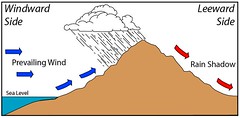
11409881548rainshadow effectA location of little rain on the leeward side of a mountain range due to descending air.93
11409953490flood irrigationwater is distributed over the soil surface by gravity; the most common form of irrigation and most inefficient; loses 40% of water94
11409979178where is there an abundance of water0 and 60 degrees long/lat95
11410124938subsidyA government payment that supports a business or market96
11410133899zone of saturationlower soil layers where all spaces are filled with water97
11410161709Freshwater availability0.024% -groundwater -lakes -rivers -streams98
11410309170water tableThe upper level of the saturated zone of groundwater99
11410326030watershed (drainage basin)land area that delivers runoff, sediment, and dissolved substances to a stream100
11410360307Headwatersthe source of a stream or river101
11410465107where does 2/3 of surface runoff water golost by seasonal floods102
11410505216virtual waterWater that is not directly consumed but is used to produce food and other products.103
11410522418Why are aquifers harder to depolluteit is slower than surface water and can not clean itself104
11410678587how to increase freshwater supplieswithdrawing groundwater building dams/reservoirs converting saltwater to freshwater105
11410748155Ogallala AquiferWorld's largest aquifer; under parts of Wyoming, South Dakota, Nebraska Being depleted for agricultural and urban use.106
11410760753Advantages of groundwateruseful for drinking/irrigation exists almost everywhere renewable cheaper to extract107
11410979775disadvantages of groundwateraquifer depletion subsidence some are non renewable pollution lasts long periods of time108
11410990327Subsidencethe gradual caving in or sinking of an area of land.109
11411032887How to prevent groundwater depletionuse water more efficiently subsidize water conservation limit number of wells stop growing water intensive crops in dry areas raise price of water to discourage waste use permeable paving110
11411126987effluent streamtype of stream where flow is maintained during the dry season by groundwater seepage into the channel111
11411132626influent streamentirely above the water table and flows only in direct response to precipitation112
11411151838EstuaryA habitat in which the fresh water of a river meets the salt water of the ocean.113
11411667874how many humans rely on aquifers?2 billion114
11411672570gray waterall of the wastewater that drains from washing machines, sinks, dishwashers, tubs or showers and can be reused for non-sanitary purposes115
11411679332Desalinizationthe removal of salt from ocean water116
11411701427By 2025 how many people will lack access to clean water?3 billion117
11411718533worlds largest damThree Gorges Dam, China118
11411726564What happened in the aral sea/ main cause of waste?it has shrunk and salinity rises, fishing industry was destroyed, too much water was withdrawn for irrigation, pesticides from crops in water they built a dam119
11411868619how have humans contributed to flooding?urbanization, because towns and cities have more impermeable surfaces. deforestation, because removing trees reduces the amount of water intercepted and increases run-off120
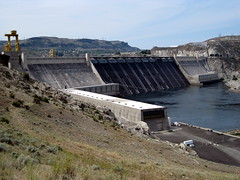
11411981576pros and cons of damspros: generate electricity, control flooding cons: displaces local species, more erosion, flooding upstream, prevents water flow121
11412002744carbon cyclecarbon compounds It is the fundamental building block of life and an important component of many chemical processes122
11412761213chemical weatheringoxidation hydrolysis carbonation123
11412785042mechanical weatheringice wedging root wedging gravity anything that breaks it down into bits/ increases surface area124
11413105847EUTROPHICATION******************5 steps -we know that nitrogen/phosphorous are limiting -can be leached into the water -leads to algal blooms -they absorb the sunlight, it cant reach the bottom -plants at the bottom die -algae dies when all the nutrients are gone -bacteria has to break it down through respiration, releases nutrients therefore the cycle can continue -consumes all the oxygen (anoxic) -everything dead125
11413110582Limiting elementnitrogen and phosphorous, life needs them!! once systems get these nutrients life grows super fast however this leads to EUTROPHICATION126
11413147244what are the nutrients we need?C-Carbon H-Hydrogen N-Nitrogen O-Oxygen P-Phosphorous S-Sulfur127
11413187145nitrogen and sulfurproteins128
11413187146PhosphorusRNA ATP DNA129

AP Psychology AP midterm Review Flashcards

Terms : Hide Images
8647482400psychologythe study of behavior and mental processes0
8647482401psychology's biggest questionWhich is more important in determining behavior, nature or nurture?1
8647482402psychology's three levels of analysisbiopsychosocial approach (looks at the biological, psychological, and social-cultural approaches together)2
8647482403biological approachgenetics, close-relatives, body functions3
8647482404evolutionary approachspecies - helped with survival (ancestors)4
8647482405psychodynamic approach(Freud) subconscious, repressed feelings, unfulfilled wishes5
8647482406behavioral approachlearning (classical and operant) observed6
8647482407cognitive approachthinking affects behavior7
8647482408humanistic approachbecoming a better human (behavior, acceptance)8
8647482409social-cultural approachcultural, family, environment9
8647482410two reasons of why experiments are importanthindsight bias + overconfidence10
8647482411types of research methodsdescriptive, correlational, and experimental11
8647482412descriptive methodscase study survey naturalistic observation (DON'T SHOW CAUSE/EFFECT)12
8647482413case studystudies one person in depth may not be typical of population13
8647482414surveystudies lots of people not in depth14
8647482415naturalistic observationobserve + write facts without interference15
8647482416correlational methodshows relation, but not cause/effect scatterplots show research16
8647482417correlation coefficient+ 1.0 (both increase) 0 (no correlation - 1.0 (one increases, other decreases)17
8647482418experimental methoddoes show cause and effect18
8647482419populationtype of people who are going to be used in experiment19
8647482420sampleactual people who will be used (randomness reduces bias)20
8647482421random assignmentchance selection between experimental and control groups21
8647482422control groupnot receiving experimental treatment receives placebo22
8647482423experimental groupreceiving treatment/drug23
8647482424independent variabledrug/procedure/treatment24
8647482425dependent variableoutcome of using the drug/treatment25
8647482426confounding variablecan affect dependent variable beyond experiment's control26
8647482427scientific methodtheory hypothesis operational definition revision27
8647482428theorygeneral idea being tested28
8647482429hypothesismeasurable/specific29
8647482430operational definitionprocedures that explain components30
8647482431modeappears the most31
8647482432meanaverage32
8647482433medianmiddle33
8647482434rangehighest - lowest34
8647482435standard deviationhow scores vary around the mean35
8647482436central tendencysingle score that represents the whole36
8647482437bell curve(natural curve)37
8647482438ethics of testing on animalsneed to be treated humanly basically similar to humans38
8647482439ethics of testing on humansconsent debriefing no unnecessary discomfort/pain confidentiality39
8647482440sensory neuronstravel from sensory receptors to brain40
8647482441motor neuronstravel from brain to "motor" workings41
8647482442interneurons(in brain and spinal cord) connecting motor and sensory neurons42
8647482443neuron43
8647482444dendritesreceive messages from other neurons44
8647482445myelin sheathprotects the axon45
8647482446axonwhere charges travel from cell body to axon terminal46
8647482447neurotransmitterschemical messengers47
8647482448reuptakeextra neurotransmitters are taken back48
8647482449excitatory charge"Let's do it!"49
8647482450inhibitory charge"Let's not do it!"50
8647482451central nervous systembrain and spinal cord51
8647482452peripheral nervous systemsomatic nervous system autonomic nervous system52
8647482453somatic nervous systemvoluntary movements53
8647482454autonomic nervous systeminvoluntary movements (sympathetic and parasympathetic nervous systems)54
8647482455sympathetic nervous systemarousing55
8647482456parasympathetic nervous systemcalming56
8647482457neural networksmore connections form with greater use others fall away if not used57
8647482458spinal cordexpressway of information bypasses brain when reflexes involved58
8647482459endocrine systemslow uses hormones in the blood system59
8647482460master glandpituitary gland60
8647482461brainstemextension of the spinal cord responsible for automatic survival61
8647482462reticular formation (if stimulated)sleeping subject wakes up62
8647482463reticular formation (if damaged)coma63
8647482464brainstem (if severed)still move (without purpose)64
8647482465thalamussensory switchboard (does not process smell)65
8647482466hypothalamusbasic behaviors (hunger, thirst, sex, blood chemistry)66
8647482467cerebellumnonverbal memory, judge time, balance emotions, coordinate movements67
8647482468cerebellum (if damaged)difficulty walking and coordinating68
8647482469amygdalaaggression, fear, and memory associated with these emotions69
8647482470amygdala (if lesioned)subject is mellow70
8647482471amygdala (if stimulated)aggressive71
8647482472hippocampusprocess new memory72
8647482473cerebrumtwo large hemispheres perceiving, thinking, and processing73
8647482474cerebral cortexonly in higher life forms74
8647482475association areasintegrate and interpret information75
8647482476glial cellsprovide nutrients to myelin sheath marks intelligence higher proportion of glial cells to neurons76
8647482477frontal lobejudgement, personality, processing (Phineas Gage accident)77
8647482478parietal lobemath and spatial reasoning78
8647482479temporal lobeaudition and recognizing faces79
8647482480occipital lobevision80
8647482481corpus callosumsplit in the brain to stop hyper-communication (eliminate epileptic seizures)81
8647482482Wernicke's areainterprets auditory and hearing82
8647482483Broca's areaspeaking words83
8647482484plasticityability to adapt if damaged84
8647482485sensationwhat our senses tell us85
8647482486bottom-up processingsenses to brain86
8647482487perceptionwhat our brain tells us to do with that information87
8647482488top-down processingbrain to senses88
8647482489inattentional blindnessfail to "gorilla" because attention is elsewhere89
8647482490cocktail party effecteven with tons of stimuli, we are able to pick out our name, etc.90
8647482491change blindnessgiving directions and person is changed and we don't notice91
8647482492choice blindnesswhen defending the choice we make, we fail to notice choice was changed92
8647482493absolute thresholdminimum stimulation needed in order to notice 50% of the time93
8647482494signal detection theorywe notice what is more important to us (rather hear a baby crying)94
8647482495JND (just noticeable difference)(Weber's law) difference between different stimuli noticed in proportion95
8647482496sensory adaptationtired of noticing (Brain says, "Been there, done that. Next?"96
8647482497rodsnight time97
8647482498conescolor98
8647482499parallel processingnotice color, form, depth, movement, etc.99
8647482500Young-Helmholtz trichromatic theory3 corresponding color receptors (RGB)100
8647482501Hering's opponent-process theoryafter image in opposite colors (RG, YB, WB)101
8647482502trichromatic + opponent-processYoung-Helmholtz -> color stimuli Hering -> en route to cortex102
8647482503frequency we hear mosthuman voice103
8647482504Helmoltz (hearing)we hear different pitches in different places in basilar membrane (high pitches)104
8647482505frequency theoryimpulse frequency (low pitches)105
8647482506Helmholtz + frequency theorymiddle pitches106
8647482507Skin feels what?warmth, cold, pressure, pain107
8647482508gate-control theorysmall fibers - pain large fibers - other senses108
8647482509memory of painpeaks and ends109
8647482510smellclose to memory section (not in thalamus)110
8647482511groupingGestalt make sense of pieces create a whole111
8647482512grouping groupsproximity similarity continuity connectedness closure112
8647482513make assumptions of placementhigher - farther smaller - farther blocking - closer, in front113
8647482514perception =mood + motivation114
8647482515consciousnessawareness of ourselves and the environment115
8647482516circadian rhythmdaily biological clock and regular cycle (sleep and awake)116
8647482517circadian rhythm pattern- activated by light - light sensitive retinal proteins signal brains SCN (suprachiasmatic nucleus) - pineal gland decreases melatonin117
8647482518What messes with circadian rhythm?artificial light118
8647482519The whole sleep cycle lasts how long?90 minutes119
8647482520sleep stagesrelaxed stage (alpha waves) stage 1 (early sleep) (hallucinations) stage 2 (sleep spindles - bursts of activity) (sleep talk) stage 3 (transition phase) (delta waves) stage 4 (delta waves) (sleepwalk/talk + wet the bed) stage 5 (REM) (sensory-rich dreams) (paradoxical sleep)120
8647482521purpose of sleep1. recuperation - repair neurons and allow unused neural connections to wither 2. making memories 3. body growth (children sleep more)121
8647482522insomniacan't sleep122
8647482523narcolepsyfall asleep anywhere at anytime123
8647482524sleep apneastop breathing in sleep124
8647482525night terrorsprevalent in children125
8647482526sleepwalking/sleeptalkinghereditary - prevalent in children126
8647482527dreaming (3)1. vivid bizarre intense sensory experiences 2. carry fear/survival issues - vestiges of ancestors' survival ideas 2. replay previous day's experiences/worries127
8647482528purpose of dreaming (5 THEORIES)1. physiological function - develop/preserve neural pathways 2. Freud's wish-fulfillment (manifest/latent content) 3. activation synthesis - make sense of stimulation originating in brain 4. information processing 5. cognitive development - reflective of intelligence128
86474825291. Can hypnosis bring you back in time? 2. Can hypnosis make you do things you wouldn't normally do? 3. Can it alleviate pain? 4. What state are you in during hypnosis? 5. Who is more susceptible?1. cannot take you back in time 2. cannot make you do things you won't do 3. can alleviate pain 4. fully conscious ((IMAGINATIVE PEOPLE MORE SUSCEPTIBLE))129
8647482530depressantsslows neural pathways130
8647482531alcohol((depressant)) disrupts memory formation (REM) lowers inhibition expectancy effect131
8647482532barbituates (tranquilizers)((depressant)) reduce anxiety132
8647482533opiates((depressant)) pleasure reduce anxiety/pain133
8647482534stimulantshypes neural processing134
8647482535methamphetamine((stimulant)) heightens energy euphoria affects dopamine135
8647482536caffeine((stimulant))136
8647482537nicotine((stimulant)) CNS releases neurotransmitters calm anxiety reduce pain affects (nor)epinephrine and dopamine137
8647482538cocaine((stimulant)) euphoria affects dopamine, serotonin, and norepinephrine138
8647482539hallucinogenexcites neural activity139
8647482540ecstasy((hallucinogen)) reuptake is blocked affects dopamine and serotonin140
8647482541LSD((hallucinogen)) affects sensory/emotional "trip" (+/-) affects serotonin141
8647482542marijuana((hallucinogen)) amplify sensory experience disrupts memory formation142
8647482543learningorganism changing behavior due to experience (association of events)143
8647482544types of learningclassical operant observational144
8647482545famous classical psychologistsPavlov and Watson145
8647482546famous operant psychologistSkinner146
8647482547famous observational psychologistsBandura147
8647482548classical conditioningoutside stimulus148
8647482549Pavlov's experimentStep 1: US (food) -> UR (salivation) Step 2: NS (bell) -> US (food) -> UR (salivation) Later... CS (bell) -> CR (salivation)149
8647482550Watson's experimentwhite rat was given to Little Albert Step 1: US (noise) -> UR (cry) Step 2: NS (rat) -> US (noise) -> UR (cry) Later... CS (rat) -> CR (cry)150
8647482551generalizationany small, white fluffy creature will make Albert cry now151
8647482552discriminateany large, white fluffy creature won't make Albert cry152
8647482553extinctionstop "treating" with conditioned response153
8647482554spontaneous recoverybring stimulus back after a while154
8647482555operant conditioningcontrol by organism155
8647482556Skinner's experimentoperant chamber / Skinner box (lead to shaping)156
8647482557shapingget animal closer to doing what you want them to do157
8647482558reinforcerswant to continue behavior (positive reinforcement: give money to do laundry) (negative reinforcement: do to avoid nagging)158
8647482559punishmentswant to stop behavior (positive reinforcement: smack) (negative reinforcement: take away phone)159
8647482560fixed ratiohappens a certain number of times (Starbucks punch card)160
8647482561variable ratiohappens an unpredictable number of times (winning the lottery)161
8647482562organism must do these (2 times)fixed ratio and variable ratio162
8647482563fixed intervalhappens at a certain time (mailman comes to the house at 10:00 AM)163
8647482564variable intervalhappens at any time (receive texts from friends)164
8647482565these things happen regardless (2 times)fixed interval and variable interval165
8647482566Which (fixed/variable) conditions better?variable166
8647482567criticisms of Skinnerdoesn't take into account intrinsic motivation167
8647482568intrinsic motivationdoing something for yourself, not the reward168
8647482569extrinsic motivationdoing something for reward169
8647482570Skinner's legacyuse it personally, at school, and at work170
8647482571famous observational experimentBandura's Bobo doll171
8647482572famous observational psychologistBandura172
8647482573mirror neurons"feel" what is observed happens in higher order animals173
8647482574Bobo doll experiment legacyviolent video games/movies desensitize us see good: do good see evil: do evil174
8647482575observational learningbiological behaviors work best175
8647482576habituationget used to it -> stop reacting176
8647482577examples for observational learninglectures and reading177
8647482578serotonin involved with memoryspeeds the connection between neurons178
8647482579LTP((long-term potentiation)) strengthens potential neural forming (associated with speed)179
8647482580CREBprotein that can switch genes on/off with memory and connection of memories180
8647482581glutamate involved with memoryneurotransmitter that enhances LTP181
8647482582glucose involved with memoryreleased during strong emotions ((signaling important event to be remembered))182
8647482583flashbulb memorytype of memory remembered because it was an important/quick moment183
8647482584amygdala (memory)boosts activity of proteins in memory-forming areas to fight/flight184
8647482585cerebellum (memory)forms and stores implicit memories ((classical conditioning))185
8647482586hippocampus (memory)active during sleep (forming memories) ((information "moves" after 48 hours))186
8647482587memorylearning over time contains information that can be retrieved187
8647482588processing stagesencoding -> storage -> retrieval188
8647482589encodinginformation going in189
8647482590storagekeeping information in190
8647482591retrievaltaking information out191
8647482592How long is sensory memory stored?seconds192
8647482593How long is short-term memory stored?less than a minute193
8647482594How many bits of information is stored in short-term memory?7194
8647482595How many chunks of information is stored in short-term memory?4195
8647482596How many seconds of words is stored in short-term memory?2196
8647482597short term memory goes to ______________working memory197
8647482598working memorymake a connection and process information to mean something198
8647482599working memory goes to _________________long-term memory199
8647482600How much is stored in long-term memory?LIMITLESS200
8647482601implicit memorynaturally do201
8647482602explicit memoryneed to explain202
8647482603automatic processingspace, time, frequency, well-learned information203
8647482604effortful processingprocessing that requires effort204
8647482605spacing effectspread out learning over time205
8647482606serial position effectprimary/recency effect206
8647482607primary effectremember the first things in a list207
8647482608recency effectremember the last things in a list208
8647482609effortful processing (4 things)1. recency effect 2. spacing effect 3. testing effect 4. serial position effect209
8647482610semantic encoding (1) meaning (2) how tomake meaning out of something --- chunk, hierarchy, or connect to you210
8647482611if we can't remember a memory...1. change memory to suit us 2. fill in the blanks with logical story211
8647482612misinformation effectnot correct information212
8647482613imagination inflationimagine or visualize something that isn't real213
8647482614source amnesiawhat is the truth? (is it a dream, story, memory, etc.?)214
8647482615primingassociation (setting you up)215
8647482616contextenvironment helps with memory216
8647482617state-dependencyyou may remember something if you go back to the state you were in (go back to high)217
8647482618mood-congruencyemotion will bring back similar emotional memories218
8647482619forgetting curveforget after 5 days forget after 5 years219
8647482620the forgetting curve was created byEbbinghaus220
8647482621proactive interferenceold information interferes with the new221
8647482622retroactive interferencenew information interferes with the old222
8647482623children can't remember before age __3223
8647482624Loftusconnected to abuse cases/childhood224
8647482625prototypesgeneralize225
8647482626problem-solving (4)trial + error algorithms heuristic (representative + availability) insight - "AHA!"226
8647482627against problem-solvingfixation227
8647482628mental setwhat has worked in the past228
8647482629functional fixednessonly way to do this is with this229
8647482630Chomsky (nature or nurture?)"born with language" (nature)230
8647482631Skinner (nature or nurture?)language is learned (nurture)231
8647482632grammar is _________universal232
8647482633phonemessmallest sound unit233
8647482634morphemessmallest meaning unit234

AP Chemistry: Polyatomic Ions Flashcards

Terms : Hide Images
11818231736acetate0
11818231737ammonium1
11818231738hydrogen carbonate (bicarbonate)2
11818231739carbonate3
11818231740chlorate4
11818231741chlorite5
11818231742chromate6
11818231743cyanide7
11818231744dichromate8
11818231745hydroxide9
11818231746hypochlorite10
11818231747nitrate11
11818231748nitrite12
11818231749oxalate13
11818231750perchlorate14
11818231751permanganate15
11818231752phosphate16
11818231753sulfate17
11818231754sulfite18
11818231755bromate19
11818231756dihydrogen phosphate20
11818231757hydrogen phosphate21
11818231758hydrogen sulfate (bisulfate)22
11818231759iodate23
11818231760Thiocyanate24
11818231761Hypobromite25
11818231762Bromite26
11818231763Perbromate27
11818231764Hypoiodite28
11818231765Iodite29
11818231769PeriodateIO4 -130
11818231766Peroxide31
11818231770AmideNH2 -132
11818231767Borate33
11818231768Thiosulfate34

Holocaust AP, WWII AP Flashcards

Terms : Hide Images
13573567381Holocaust date1933-19450
13573567382In 1942, the Holocaust was first labeled as?"Shoah", Hebrew for calamity1
13573567383IN 1950's , Shoah changed toHolocaust Holos-completely Caust-burnt Means that Jewish population was "burnt out"2
13573567384The Holocaust wasthe mass murder of European Jews3
13573567385Genocideplanned killing of group based on religion,race, or ethnicity4
135735673865 stages of the Holocaust1) discrimination 2) segregation 3) concentration 4) extermination 5) liberation5
13573567387Stage 1: DiscriminationGoal is to drive Jews out of Germany Hitler defines "Jew" as a race6
13573567388In 1933, Hitler passes boycotts that do what?boycott Jewish businesses, and Jewish teachers and students are banned from German schools7
13573567389Nuremberg Laws (1935)defined who was Jewish and who was German based on family background8
13573567390Child indoctrinationschools start teaching anti-Semitic propaganda as required knowledge in schools9
13573567391Adult Indoctrinationgovernment starts hanging anti-Semitic posters around large cities10
13573567392Anti-SemitismPrejudice against Jews11
13573567393Stage 2: SegregationGoal is to isolate Jews Why? not enough Jews are leaving/not leaving fast enough12
13573567394What is a ghetto?Poor part of city. Area in a city where Jews had to go.13
13573567395discrimination in Germany of Jews wasineffective in getting Jews to leave voluntarily14
135735673961939:Established first ghettoItalian word for area by factory15
13573567397Ghettos were mostly located where?in areas of a city that were already primarily Jewish these areas were walled16
13573567398Ghetto conditionsStarvation and disease killed thousands17
13573567399Stage 3: Concentration campsgoal: use Jews as forced labor 1939-1940: Start forcing Jews from ghettos to forced labor camps18
13573567400Stage 4: ExterminationGoal: Rid Europe of Jews "Final solution" -organized genocide in camps -established the use of gas chambers in camps -1-2 million Jew killed by gas chambers19
13573567401Stage 5:Liberation1944; Soviets (Russians) discover first extermination camps in Poland20
13573567402July 1944Russians find first concentration camps in Poland Germans ordered to kill as many Jews as possible and flee camps21
13573567403What did Dwight Eisenhower say about the Holocaust?some people may say it never happened in the future, so he encouraged everyone to document this through photos,films, and witnesses22
13573567404Nuremberg Trials1945-1946 Members of nazi party tried for their war crimes found guilty of crimes against humanity all claimed they were just "following orders"23
13573567405Israelmany refused to return to native countries majority moved to Palestine, joining "Zionist" groups24
13573567406ZionistsSupporters of Jewish nationalism, especially a creation of a Jewish state in Palestine.25
135735674071948United Nations takes land away from Palestine to create Jewish country -Israel26
13573567408Yalta Conferenceallied meeting to create WWII Treaty27
13573567409Yalta Conference Actionsdivided Germany into 4 sections - each allied power responsible for 1 section -bring political stability and democracy -establish economic stability and capitalism28
13573567410Who paid for USSR reparations?Germany29
13573567411who became independent?lands that have been invaded and imperialized30
13573567412what was the purpose of the united nations?to keep peace between nations...military force31
13573567413what was the nickname for the 1939-1945 WWII?war to end all wars32
13573567414explain the REAL causes of WWIIR: resentment: Treaty of Versailles viewed as unfair (Germany/Italy) E: economic depression: lead to social upheaval, instability, strong totalitarian dictators A: appeasement: league of nations tried to avoid war by appeasing dictators; too weak to use force L: land: Japan, Germany, and Italy violated treaty and invaded free lands33
135735674151931-1932Japan conquers Manchuria34
135735674161933Japan is condemned by League of Nations -withdraws from league35
13573567417What did Japan view expansion necessary for?raw materials/resources36
135735674181937, during the full invasion of China, what did Japan do?conquer capital Beijing37
13573567419Who ends the civil war in China and what happens afterwards?the NPP and CCP end civil war and unify against Japan38
13573567420Explain the Rape of Nanking in 1937400,000 Chinese were killed by Japanese soldiers 7,000 women were raped, and a lot became pregnant, "tainting" the Chinese race with Japanese blood 1/3 of the city was burned39
13573567421belligerentsa nation or person engaged in war or conflict, as recognized by international law.40
135735674221940Japan signs 10 year pact with Italy and Germany41
13573567423Tripartite PactSigned between the Axis powers in 1940 (Italy, Germany and Japan) where they pledged to help the others in the event of an attack by the US42
135735674241941Japan signs neutrality pack with USSR43
13573567425Soviet-Japanese Neutrality Pact of 1941Pact between Russia and Japan saying they will not attack each other44
13573567426Italy wantedmore land after WWI (they fought for winning Allied Powers)45
13573567427Italy conquered who in 1935? what happened as a result?Ethiopia they were warned by the League of Nations in 1937, they left the league of nations46
13573567428Italy invaded and annexed this country in 1939Albania47
13573567429Germany in 1933Hitler/Nazis take power through popular support, promising to undo Treaty of Versailles terms -blamed "internal enemies" and foreigners: Jews, communists, liberals -left league48
13573567430In 1935, Germany did what?violated the treaty by remilitarizing -increased troops -militarizing Rhineland (region next to France)49
13573567431March 1938German annexes Austria50
13573567432Why did Germany annex Austria?wanted "German people" -British/French did nothing51
13573567433September 1938, Germany Annexed Sudetenland-German region of Czechoslovakia taken after WWI -Munich Conference -GB/FR allow Hitler to keep lands; had to promise not to expand further52
135735674341939Hitler breaks promise; annexes Czechoslovakia53
13573567435August 1939: Nazi-Soviet Non-Aggression Pact-agreed to not attack each other during expansion -divided up Eastern Europe and Poland54
13573567436September 1, 1939Germany invades Poland55
13573567437Blitzkrieg (lightning war)a form of warfare in which surprise attacks with fast-moving airplanes are followed by massive attacks with infantry forces - uses surprise and overwhelming military force56
13573567438September 3,1939Britain and France declare war on Germany57
13573567439September 17,1939USSR invades Eastern Poland58
13573567440In June 1940 France . . .surrenders to Germany - a response to Hitler's blitzkrieg captures of Denmark, Norway, Belgium and Netherlands59
13573567441Vichy Franceself-ruled southern France - Northern France under direct German military control60
13573567442Britain becomes only power against Germany-July-October 1940: Battle of Britain -Nazi air attacks on British cities -US provides pilots for British, halts Germany61
135735674431941 in GermanyGermany turns towards Balkans instead62
13573567444Germany attacks USSRJune 1941 - Operation Barbarossa63
13573567445Operation Barbarossa (1941)-breaks non-aggression pact -Russia predicted; moved factories away from front and mobilized troops64
13573567446Allied Powers gainsUSSR after Germany attacks65
13573567447Cash & Carry Policy (1939)US supplies British with goods, refuse to join war66
13573567448Lend-Lease Act (1941)US lends destroyers to Britain in exchange for use of naval bases in Pacific67
13573567449December 7, 1941 - Pearl HarborJapan bombs US naval base in Hawaii, destroying most of Pacific fleet68
13573567450December 11,1941Germany and Italy declare war on the US69
13573567451Theaters of Actionlocations of primary fighting70
13573567452Theaterregion where major fighting occurs during a war71
13573567453Major "theaters" of WW2Atlantic, Europe, Pacific, North Africa72
13573567454North Africa TheaterUS vs Germany vs Italy73
13573567455North Africa Theater Allied Power Goalenter europe through southern italy "underbelly of europe" -defeat italy and invade Germany74
13573567456July 1943Allies invade Sicily,Italy, Italian military turns on Mussolini75
13573567457August 1944Italy surrendered, Germany takes command of Northern Italy76
13573567458European TheaterUSSR vs Germany77
13573567459European Theater Allied Power Strategypush Germany out of Russia, and capture Berlin (German capital)78
13573567460European Theater Axis Power Strategycapture Moscow (Russian capital)79
13573567461how to capture a countrycapture its capital80
13573567462Allied Success on Eastern FrontGerman soldiers weakened -division of troops between Eastern and African fronts -harsh winter81
13573567463August 1943Soviets push Nazis back to Germany -prepares Allies for invasion of France82
13573567464Western FrontEngland + USA vs Germany83
13573567465Western Front Allied Strategysurround Germany; divide German troops between east, Africa, and France -push Nazis out of France, into Germany -capture German capital - Berlin84
13573567466D-Day(FDR) , June 6, 1944, 150,000 Allied troops landed along a 50-mile stretch of heavily-fortified French coastline to fight Nazi Germany on the beaches of Normandy, France. General Dwight D. Eisenhower called the operation a crusade in which "we will accept nothing less than full victory." More than 5,000 Ships and 13,000 aircraft supported the D-Day invasion, and by day's end on June 6, the Allies gained a foot- hold in Normandy.85
13573567467Allied Invasion of France: D-DayJune 6, 1944: 150,000 British, American, French, and Canadian troops invade Germany held Northern France (Normandy)86
13573567468Are the allies successful in pushing Germans out of France?yes87
13573567469August 25,1944German forces surrender to Allies pushed out of France into Germany88
13573567470April 1945Soviet army surrounds Berlin89
13573567471April 30, 1945Hitler and top officials commit suicide90
13573567472May 2,1945Germany surrenders to the Allies91
13573567473who continues to fight?Japan (last axis power)92
13573567474Pacific TheaterUS vs Japan93
13573567475Pacific Theater Allied Goal"Island Hop" across pacific to position land invasion of Japan94
13573567476Pacific Theater Axis Goalremove US and European influence from Pacific "asia for asians"95
13573567477Japan controls fighting until May 1942US rebuilding after Pearl Harbor attack96
13573567478May 1942Battle of Midway -US destroys majority of Japanese carriers97
13573567479March 1945Battle of Iwo Jima98
13573567480Battle of Iwo Jima (1945)invasion of the first Japanese home island, known for fierce fighting and the famous photograph99
13573567481Battle of Okinawa(1945) World War II victory for the Allied troops that resulted in the deaths of almost all of the 100,000 Japanese defenders; the battle claimed 12,000 American lives100
13573567482April 1945 in JapanBattle of Okinawa101
13573567483US Prepares for Japan Invasion ResultsUS takes islands of Iwo Jima and Okinawa -puts them close to Japan for invasion Japan refuses to surrender -US does bombing raids on major cities -US afraid land invasion will be too deadly102
13573567484Manhattan ProjectA secret U.S./Allied power project for the construction of the atomic bomb. -created out of belief Germany was developing a similar program103
13573567485July 16, 1945date the US detonated the first atomic test bomb (Los Alamos) successfully (in US desert)104
13573567486July 1945 Warning to JapanJapanese were warned of "destructive new weapon"105
13573567487August 6, 1945 HiroshimaUS bombs Hiroshima with atomic bomb, killing 166,000 civilians106
13573567488August 8,1945USSR declares war on Japan107
13573567489August 9, 1945 NagasakiUS bombs Nagasaki, 80,000 civilians killed108
13573567490August 12,1945Japan surrenders109
13573567491Yalta Conference (1945)FDR, Churchill and Stalin met at Yalta. Russia agreed to declare war on Japan after the surrender of Germany and in return FDR and Churchill promised the USSR concession in Manchuria and the territories that it had lost in the Russo-Japanese War "Meeting of allied leaders in February"110
13573567492what is decide at the yalta conference?how rule post-war Europe -Germany and Berlin divided and occupied by Allied powers -independence and free elections of all occupied countries111
13573567493Postdam (July 1945)Japan emperor maintains title -must announce to people that he is NOT divine -increased power of parliament -occupation by Allied powers112
13573567494significance of Postdambecause Japan's emperor renounced his divinity, it means he is not infallible to the people and that he can be overthrown if needed113

ap Flashcards

Terms : Hide Images
13941631142changes per 1Move from nomadic lifestyle to settlements Hunting/gathering -> farming/domestication0
13941631143cont per 1Patriarchy Dependence on agriculture for life1
13941634639key per 1Civilizations, Mesopotamia and china Major technologic advancements that helped new cities2
13941634640change per 2Trade increases with major regional trade From city states to Empires3
13941637302cont per 2Religion major part of life/society High demand for raw materials4
13941637303key per 2Bigger empires, Rome/china Trade is made quicker, easier, cheaper5
13941639783change per 3Western Europe has a feudal society Asia had the most dominant world powers6
13941639784cont per 3Religion dominated much of society Slavery7
13941639785key per 3Indian ocean trade/ silk road trade Ottoman Empire flourishing8
13941641874change per 4Scientific rev/enlightenment changed society as modern ideas formed Western Europe gains back its former power9
13941641875cont per 4Spread of religions Slavery10
13941644851key per 4Enlightenment laid the ground work for modern society Many revolutions led to newly reformed civilizations11
13941644852change per 5Industrial revolution New imperialism, Africa and Americas12
13941644853cont per 5War as a form of diplomacy Farmers as the majority job13
13941647416key per 5America quickly gaining power European countries controlling all of Africa14
13941647417change per 6World wars lead to changed civilizations Technological improvements lead to faster long-distance trade15
13941651107cont per 6Nationalism Military/eco alliances16
13941654787key per 6Lot of power shifts led to WW1/WW2 Great depression destroyed world economy17

AP CSA Unit 2 Flashcards

Terms : Hide Images
11910701430Array: .length, Arraylist: .size(), String: .length()How do you find the lenghts of an Array, Arraylist, and String?0
11910748833For loop, while loop, do-while loop, improved for loop/for each loopname of different types of loops1
11910763845ArrayList = easier to add and remove things; Array = difficult to add and remove thingsWhat is one benefit of an ArrayList compared to an Array?2
11910862710For each: for(int x: array)What how would you write a for each loop filled with ints?3
11918452974X: 0 Y: 1079What would the X and Y coordinates be for the bottom left pixel in a 1920x1080 picture?4
11918486254They have a fixed size which can't change after initialization.What is one limitation of arrays?5
11930139054an int stores a number and is a primitive type a String stores an sequence of characters and is an objectWhat is the difference between an int and a String6
11922065877For a user to denote the end of the data set but not part of the data set itself. Ex: Enter -1 to quitWhat is one possible use of sentinel variables?7
119221073381) have a loop that continues until the specific value or values are entered Ex: while (input != -1) 2) create a boolean set to false and have the loop run until a sentinel value is entered, in which case the boolean returns a true and the loop is broken Ex: while (!done)What are two possible ways to implement a sentinel variable?8
11929738875Boolean is easier to use for while loops, for loops allow initialization of variables and conditions, do loops check the condition at the end, so it goes through at least once.What are the advantages a for each loop?9
11929821195denotes the end of a data set, but it is not part of the datadefine sentinel value10
11929830958use ==How do you test if two object references (not values) are identical?11
11931504632A break statement breaks out of a loop and any loop that it may be nested in. A continue statement will follow a condition and move to the next iteration of the loop.What are the purposes of break and continue statements?12
11938172078TrueTrue or False: a constructor is a method that is automatically called when an object is created13
11938604497Input validation is important as all data which is entered into the system needs to be validated in order to ensure that the program will run as intended.Why is input validation important?14
11939091991value comparison works because each value is a primitive type, while trying to compare object references only work if the object reference is compared to itselfWhat is the difference between comparing values and objects?15
11938775146Both arrays would reference the same actual array.Given an array "double[] values = new double[6]", would "double[] prices = values" create a new array or point to the same reference as the other?16
11938816770Use Arrays.copyOf(array, n)- continuing with the example one could do double[] prices = Arrays.copyOf(values, values.length); You could also use this to expand an existing array with new slots by creating a copy with n > values.lengthHow would you make a copy of an array that does not result in a reference to the same array?17
11939680837Relational OperatorsWhat compares values?18
11939702625Boolean variableWhere can you store the outcome of a condition?19
11940446217for (dataType elementVariable : array){ statement; }Format of enhanced for loop20
11940459380An array of arrays. Represents a table of variables with rows and columns.Two-dimensional Arrays321
11940982143Step through the instructions and track the values of each variable.How does one execute a hand trace?22
11941005925'count' only exists in the while loop, it can not be accessed outside of it. For each iteration of the while loop, 'count' is created againWhere does the variable 'count' exist? while (count != 5){ sumOtherRandomCode(); count++ }23
11941061961'i' is not declared. It should be 'int i'. Because the value of i is never less than -20, it will never run.What is wrong with the following code? for (i = 10; i < -20; i ++){ sumRandomCodeHere(); }24
11941087009Input validation, because it runs at least once. Use a sentinel variable to denote the end of a data set.What is a do Loop best for?25
11941144514Use a nested loop. for (int i = 0; i < array.length; i ++) { for (int j = 0; j < array[0].length; j ++) { code; } }How do you traverse through a 2D array?26
11941334931C is the correct answer. A will throw a syntax error (= always goes on RIGHT), B is a boolean, D is an assignment operator.Which of the following operators is a relational operator? A) =< B) ! C) <= D) =27
11941362788Yes, but it only checks whether it refers to the same object. Note that == is only for literals, or numbers. Use str.equals(str2) for strings.Can you use == for Strings?28
11941460147Literals in Java are a sequence of characters (digits, letters, and other characters) that represent constant values to be stored in variables. These are NOT java objects.What is a literal?29
11941479192Primitive types are the most basic data types available within the Java language. There are 8: boolean, byte, char, short, int, long, float and double.What is a primitive value?30
11941498522No, because a String (notice the capital S) is a java object and not a data type.Are strings a primitive value?31
11941464973to test whether two Strings are equal to each other, use the equals method (do not use == operator) or the compareTo method to compare their lexiographic orderComparing Strings32
11941453110The common programming structure that implements "conditional statements".What is an if statement?33
11942134968A set of related classesPackage34
11942168942a method that changes the state of an objectmutator method35
11942176923fetches private data stored within an objectaccessor method36
11942232608A class that gives access to the use of multi-character words, phrases, etc.; does not require an import statementString class37
11942542788Runs ("do") a specified subprocess while a specified condition is true.Do while38
11942550047for(int i=1; i<10; i++){ }What is proper format for a for loop?39
11942866231array.remove(position);How do you remove an element in an array list from a specific position in the array?40
11942931114ArrayList array = new ArrayList();How do you set up an arraylist for a list of Strings?41
11943012279Checks and runs if the condition is met and the program did not go through the previous if/else if statement(s)else if42
11943015364Runs when the program went through none of the if/else if statement(s) above; always placed at the very endelse43
11946303001They are a quick way to check if one variable is equal to many things without having to use a lot of if statementsWhat are switch case statements useful for?44
11946830638Executes certain code for a set number of times (based on a condition)What does a for loop do?45
11946843158Executed certain code while a statement is trueWhat does a while loop do?46
11948825899The name for a class should be a noun and capitalized. It cannot contain special characters or start with a number.What are the guidelines for naming a class?47
11948925221No. If it is only a single operation, it can be converted to a method.Is turning a single operation into a class advisable?48
11949253490Value < 0 = str1 comes before str2 in lexicographic order Value = 0 = str1 and str2 are the same string Value > 0 = str2 comes before str1 in lexicographic orderWhat are the possible return values of the str1.compareTo(str2) method, and what do they represent?49
11949307628Nothing will be stored; the null value represents the lack of an object, not an empty stringIf a String variable str1 is set equal to the "null" value, what String literal will be stored in the variable?50
11951025832doubles have a decimal point.How does a double differ from an int?51
11951037304It can store more dataWhy would one use a long instead of an int?52
11951465263Int, Char, Float, Double, Guassian, booleanName one primitive type53
11951473619A class containing a sequence of charactersWhat is a string54
11951496981Double is a class with methods for doubles while double is a primitive typeWhat's the difference Double and double?55
11951505818Short is a class with methods for shorts while short is a primitive typeWhat's the difference Short and short?56
11951505819Byte is a class with methods for bytes while byte is a primitive typeWhat's the difference Byte and byte?57
11951505820Integer is a class with methods for ints while int is a primitive typeWhat's the difference Integer and int?58
11951505821Long is a class with methods for longs while long is a primitive typeWhat's the difference Long and long?59
11951508694Character is a class with methods for chars while char is a primitive typeWhat's the difference Character and char?60
11951588620Int[][] name;How would you initialize a 2d integer array?61
11951611194[Y][X], also as [row][column]Are arrays indexed [X][Y] or [Y][X]62
11951616011Java.util.Scanner;What class needs to be imported to use a scanner?63
11951713427George.get(5)How do you get value 5 from an ArrayList named George?64
11951733490Random r = new Random(); double q = r.nextDouble();How do you generate a random double?65
11951757612NoIf you remove a value from an array, do the other values shift down?66
11951757613Yes, automatically.If you remove a value from an ArrayList, do the other values shift down?67
11951760298An arraylist.What is an expandable list called.68
11951581427Boolean is a class with methods for the primitive type of booleans.What's the difference between boolean and Boolean?69
11951733269Top leftDoes array[0][0] point to the array's bottom left or top left?70
11951782650You receive an error out of bounds exceptionWhat happens when you call a value outside of an arrays bound.71
11951773770YesShould the names of classes be capitalized?72
11951778090NoShould the names of packages be capitalized?73
11951800668BufferedImageWhat class are images stored in?74
11951801667i++What code increments a for loop with int i?75
11951781627for(int i = 0; i< array.length; i++){ for(int j = 0; j< array.length; j++){ number = array[i][j]; } }How do you iterate through a two dimensional array?76
11951874884A type with two possible values: true and false.Boolean type77
11951881650A loop that is contained in another loopNested loop78

Pages

Subscribe to CourseNotes RSS

Need Help?

We hope your visit has been a productive one. If you're having any problems, or would like to give some feedback, we'd love to hear from you.

For general help, questions, and suggestions, try our dedicated support forums.

If you need to contact the Course-Notes.Org web experience team, please use our contact form.

Need Notes?

While we strive to provide the most comprehensive notes for as many high school textbooks as possible, there are certainly going to be some that we miss. Drop us a note and let us know which textbooks you need. Be sure to include which edition of the textbook you are using! If we see enough demand, we'll do whatever we can to get those notes up on the site for you!