AP Notes, Outlines, Study Guides, Vocabulary, Practice Exams and more!

APES Chapter 1 Glossary Flashcards

Terms : Hide Images
7275457025affluenzaUnsustainable addiction to overconsumption and materialism exhibited in the lifestyles of affluent consumers in the United States and other developed countries.0
7275457026biodiversityVariety of different species (species diversity), genetic variability among individuals within each species (genetic diversity), variety of ecosystems (ecological diversity), and functions such as energy flow and matter cycling needed for the survival of species and biological communities (functional diversity). Also known as biological diversity1
7275457027common property resourceResource that people normally are free to use; each user can deplete or degrade the available supply. Most are renewable and owned by no one. Examples are clean air, fish in parts of the ocean not under the control of a coastal country, migratory birds, gases of the lower atmosphere, and the ozone content of the upper atmosphere (stratosphere). Can lead to Tragedy in Commons2
7275457028developed countryCountry that is highly industrialized and has a high per capita GNP. Also known as a more developed country (MDC)3
7275457029developing countryCountry that has low to moderate industrialization and low to moderate per capita GNP. Most are located in Africa, Asia, and Latin America. Also known as a less developed country (LDC)4
7275457030ecological footprintAmount of biologically productive land and water needed to supply each person or population with the renewable resources they use and to absorb or dispose of the wastes from such resource use. It measures the average environmental impact of individuals or populations in different countries and areas.5
7275457031ecologyStudy of the interactions of living organisms with one another and with their nonliving environment of matter and energy; study of the structure and functions of nature.6
7275457032economic depletionExhaustion of 80% of the estimated supply of a nonrenewable resource. Finding, extracting, and processing the remaining 20% usually costs more than it is worth. May also apply to the depletion of a renewable resource, such as a fish or tree species.7
7275457033economic developmentImprovement of living standards by economic growth. (Growth first, which improves their way of life (development second))8
7275457034economic growthIncrease in the capacity to provide people with goods and services produced by an economy; an increase in gross domestic product (GDP)9
7275457035environmentAll external conditions and factors, living and nonliving (chemicals and energy), that affect an organism or other specified system during its lifetime10
7275457036environmental degradationDepletion or destruction of a potentially renewable resource such as soil, grassland, forest, or wildlife that is used faster than it is naturally replenished. If such use continues, the resource becomes nonrenewable (on a human time scale) or nonexistent (extinct).11
7275457037environmental ethicsHuman beliefs about what is right or wrong environmental behavior12
7275457038environmental sciencean interdisciplinary study that uses information from the physical sciences and social sciences tolerant how the earth works, how we interact with the earth, and how to deal with environmental problems13
7275457039environmental wisdom worldviewBeliefs that (1) nature exists for all the earth's species and we are not in charge of the earth; We are NOT the most important species. We are PART of nature (2) resources are limited, should not be wasted, and are not all for us; (3) we should encourage earth-sustaining forms of economic growth and discourage earth-degrading forms of economic growth; and (4) our success depends on learning how the earth sustains itself and integrating such lessons from nature into the ways we think and act14
7275457041environmentalismA social movement dedicated to protecting the earth's life support systems for us and other species.15
7275457042environmentally sustainable economic development Compare economic development, economic growth.Development that encourages forms of economic growth that meet the basic needs of the current generations of humans and other species without preventing future generations of humans and other species from meeting their basic needs and discourages environmentally harmful and unsustainable forms of economic growth. It is the economic component of an environmentally sustainable society.16
7275457043environmentally sustainable societySociety that satisfies the basic needs of its people without depleting or degrading its natural resources and thereby preventing current and future generations of humans and other species from meeting their basic needs.17
7275457044exhaustible resourcenonrenewable resource such as fossil fuels. Considered a finite (fixed) resource18
7275457045exponential growthGrowth in which some quantity, such as population size or economic output, increases at a constant rate per unit of time. An example is the growth sequence 2, 4, 8, 16, 32, 64 and so on; when the increase in quantity over time is plotted, this type of growth yields a curve shaped like the letter J.19
7275457046global climate changeA broad term that refers to changes in the earth's climate mostly as a result of changes in temperature and precipitation20
7275457047globalizationBroad process of global social, economic, and environmental change that leads to an increasingly integrated world.21
7275457048gross domestic product (GDP)Annual market value of all goods and services produced by all firms and organizations, foreign and domestic, operating within a country.22
7275457049input pollution controlpollution prevention. Device or process that prevents a potential pollutant from forming or entering the environment or sharply reduces the amount entering the environment23
7275457051malnutritionFaulty nutrition, caused by a diet that does not supply an individual with enough protein, essential fats, vitamins, minerals, and other nutrients needed for good health24
7275457053multiple useUse of an ecosystem such as a forest for a variety of purposes such as timber harvesting, wildlife habitat, watershed protection, and recreation.25
7275457054natural resourcesThe earth's natural materials and processes that sustain life on the earth and our economies.26
7275457055nonpoint sourceLarge or dispersed land areas such as crop fields, streets, and lawns that discharge pollutants into the environment over a large area.27
7275457056nonrenewable resourceResource that exists in a fixed amount (stock) in various places in the earth's crust and has the potential for renewal by geological, physical, and chemical processes taking place over hundreds of millions to billions of years. Examples are copper, aluminum, coal, and oil. We classify these resources as exhaustible because we are extracting and using them at a much faster rate than they were formed28
7275457057output pollution controlpollution cleanup. Device or process that removes or reduces the level of a pollutant after it has been produced or has entered the environment. Examples are automobile emission control devices and sewage treatment plants.29
7275457058per capita GDPAnnual gross domestic product (GDP) of a country divided by its total population at mid-year. It gives the average slice of the economic pie per person. Used to be called per capita GNP30
7275457059perpetual resourceAn essentially inexhaustible resource on a human time scale. Solar energy is an example31
7275457060planetary management worldviewBelief that (1) as the planet's most important species, we are in charge of the earth; (2) we will not run out of resources because of our ability to develop and find new ones; (3) the potential for economic growth is essentially unlimited; and (4) our success depends on how well we manage the earth's life-support systems mostly for our own benefit32
7275457061point sourceSingle identifiable source that discharges pollutants into the environment. Examples are the smokestack of a power plant or an industrial plant, drainpipe of a meatpacking plant, chimney of a house, or exhaust pipe of an automobile.33
7275457062pollutionAn undesirable change in the physical, chemical, or biological characteristics of air, water, soil, or food that can adversely affect the health, survival, or activities of humans or other living organisms.34
7275457063povertyInability to meet basic needs for food, clothing, and shelter.35
7275457064precautionary principleWhen there is scientific uncertainty about potentially serious harm from chemicals or technologies, decision makers should act to prevent harm to humans and the environment.36
7275457065recyclingCollecting and reprocessing a resource so that it can be made into new products. An example is collecting aluminum cans, melting them down, and using the aluminum to make new cans or other aluminum products37
7275457066renewable resourceResource that can be replenished rapidly (hours to several decades) through natural processes. Examples are trees in forests, grasses in grasslands, wild animals, fresh surface water in lakes and streams, most groundwater, fresh air, and fertile soil. If such a resource is used faster than it is replenished, it can be depleted and converted into a nonrenewable resource38
7275457067resourceAnything obtained from the living and nonliving environment to meet human needs and wants. It can also be applied to other species.39
7275457068reuseUsing a product over and over again in the same form. An example is collecting, washing, and refilling glass beverage bottles.40
7275457069solar capitalSolar energy from the sun reaching the earth. natural resource41
7275457070solar energyDirect radiant energy from the sun and a number of indirect forms of energy produced by the direct input. Principal indirect forms of solar energy include wind, falling and flowing water (hydropower), and biomass (solar energy converted into chemical energy stored in the chemical bonds of organic compounds in trees and other plants).42
7275457071spaceship-earth worldviewView of the earth as a spaceship: a machine that we can understand, control, and change at will by using advanced technology43
7275457072stewardship worldviewBeliefs that (1) we are the planet's most important species but we have an ethical responsibility to care for the rest of nature; (2) we will probably not run out of resources but they should not be wasted; (3) we should encourage environmentally beneficial forms of economic growth and discourage environmentally harmful forms of economic growth; and (4) our success depends on how well we can manage the earth's life-support systems for our benefit and for the rest of nature.44
7275457073sustainabilityAbility of a system to survive for some specified (finite) time45
7275457074sustainable developmentleads to environmentally sustainable economic development.46
7275457075sustainable livingTaking no more potentially renewable resources from the natural world than can be replenished naturally and not overloading the capacity of the environment to cleanse and renew itself by natural processes.47
7275457076sustainable yield (sustained yield)Highest rate at which a potentially renewable resource can be used without reducing its available supply throughout the world or in a particular area.48
7275457077tragedy of the commonsDepletion or degradation of a potentially renewable resource to which people have free and unmanaged access. An example is the depletion of commercially desirable fish species in the open ocean beyond areas controlled by coastal countries.49

AP Psychology Important People Flashcards

Important people in AP PSychology

Terms : Hide Images
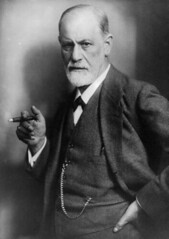
13613045313Sigmund Freud1856-1939; Field: psychoanalytic, personality; Contributions: id/ego/superego, reality and pleasure principles, ego ideal, defense mechanisms (expanded by Anna Freud), psychoanalysis, transference0
13613045314Anna Freud1895-1982; Field: psychoanalysis; Contributions: focused on child psychoanalysis, fully developed defense mechanisms, emphasized importance of the ego and its constant struggle1
13613045315Carl Jung1875-1961; Field: neo-Freudian, analytic psychology; Contributions: people had conscious and unconscious awareness; archetypes; collective unconscious; libido is all types of energy, not just sexual; Studies: dream studies/interpretation2
13613045316Erik Erikson1902-1994; Field: neo-Freudian, humanistic; Contributions: created an 8-stage theory to show how people evolve through the life span. Each stage is marked by a psychological crisis that involves confronting "Who am I?"3
13613045317Lawrence Köhlberg1927-1987; Field: cognition, moral development; Contributions: created a theory of moral development that has 3 levels; focuses on moral reasoning rather than overt behavior4
13613045318Carol Gilligan1936-pres; Field: cognition; Contributions: maintained that Köhlberg's work was developed by only observing boys and overlooked potential differences between the habitual moral judgments of boys and girls; girls focus more on relationships than laws and principles5
13613045319William James1842-1910; Field: functionalism; Contributions: studied how humans use perception to function in our environment; Studies: Pragmatism, The Meaning of Truth6
13613045320William Wundt1832-1920; Field: structuralism, voluntarism; Contributions: introspection, basic units of experience; Studies: 1st psychological laboratory in world at University of Leipzig7
13613045321BF Skinner1904-1990; Field: behavioral; Contributions: created techniques to manipulate the consequences of an organism's behavior in order to observe the effects of subsequent behavior; Studies: Skinner box8
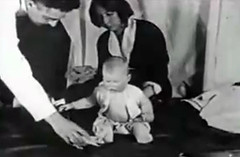
13613045322John B Watson1878-1958; Field: behaviorism; Contributions: generalization-inductive reasoning, emphasis on external behaviors of people and their reactions on a given situation; Studies: Little Albert9
13613045323Jean Piaget1896-1980; Field: cognition; Contributions: created a 4-stage theory of cognitive development, said that two basic processes work in tandem to achieve cognitive growth (assimilation and accommodation)10
13613045324Harry Harlow1905-1981; Field: development; Contributions: realized that touch is preferred in development; Studies: Rhesus monkeys, studied attachment of infant monkeys (wire mothers v. cloth mothers)11
13613045325Carl Rogers1902-1987; Field: humanistic; Contributions: founded person-centered therapy, theory that emphasizes the unique quality of humans especially their freedom and potential for personal growth, unconditional positive regard, fully functioning person12
13613045326Abraham Maslow1908-1970; Field: humanism; Contributions: hierarchy of needs-needs at a lower level dominate an individual's motivation as long as they are unsatisfied, self-actualization, transcendence13
13613045327Karen Horney1885-1952; Field: neo-Freudian, psychodynamic; Contributions: criticized Freud, stated that personality is molded by current fears and impulses, rather than being determined solely by childhood experiences and instincts, neurotic trends14
13613045328Alfred Adler1870-1937; Field: neo-Freudian, psychodynamic; Contributions: basic mistakes, style of life, inferiority/superiority complexes, childhood influences personality formation; Studies: Birth Order15
13613045329Gordon Allport1897-1967; Field: trait theory of personality; Contributions: list of 11,000 traits, 3 levels of traits-cardinal, central, and secondary16
13613045330Hermann Rorschach1884-1922; Field: personality, psychoanalysis; Contributions: developed one of the first projective tests, the Inkblot test which consists of 10 standardized inkblots where the subject tells a story, the observer then derives aspects of the personality from the subject's commentary17
13613045331Solomon Asch1907-1996; Field: social psychology; Contributions: studied conformity, found that individuals would conform even if they knew it was wrong; Studies: conformity, opinions and social pressures18
13613045332Stanley Schachter1922-present; Field: emotion; Contributions: stated that in order to experience emotions a person must be physically aroused and know the emotion before you experience it19
13613045333Stanley Milgram1933-1984; Field: social psychology; Contributions: wanted to see how the German soldiers in WWII fell to obedience, wanted to see how far individuals would go to be obedient; Studies: Shock Study20
13613045334Philip Zimbardo1933-present; Field: social psychology; Contributions: proved that peoples behavior depends to a large extent on the roles they are asked to play; Studies: Stanford Prison Study-studied power of social roles to influence people's behavior21
13613045335Elizabeth Kübler-Ross1926-2004; Field: development; Contributions: 5 stages the terminally ill go through when facing death (1. death, 2. anger/resentment, 3. bargaining with God, 4. depression, 5. acceptance)22
13613045336Elizabeth Loftus1944-present; Field: memory; Contributions: expert in eyewitness testimony (false memories or misinformation effect); Studies: Reconstruction of Auto. Destruction, Jane Doe Case (repressed memories of Nicole Taus' sex abuse)23
13613045337Robert Sternberg1949-present; Field: intelligence; Contributions: devised the Triarchic Theory of Intelligence (academic problem-solving, practical, and creative)24
13613045338Albert Bandura1925-present; Field: sociocultural; Contributions: pioneer in observational learning, stated that people profit from the mistakes/successes of others; Studies: Bobo Dolls-adults demonstrated 'appropriate' play with dolls, children mimicked play25
13613045339Raymond Cattell1905-1998; Field: intelligence; Contributions: fluid & crystal intelligence; 3 domains of personality sphere (personality, ability, & motivation), 16 Personality Factors (personality test)26
13613045340Aaron Beck1921-present; Field: cognitive; Contributions: father of Cognitive Therapy, created Beck Scales-depression inventory, hopelessness scale, suicidal ideation, anxiety inventory, and youth inventories27
13613045341Noam Chomsky1928-present; Field: language; Contributions: disagreed with Skinner about language acquisition, stated there is an infinite # of sentences in a language, humans have an inborn native ability to develop language28
13613045342Edward Thorndike1874-1949; Field: behaviorism; Contributions: Law of Effect-relationship between behavior and consequence; Studies: Law of Effect with cats29
13613045343HJ Eysenck1916-1997; Field: personality; Contributions: asserted that personality is largely determined by genes, used introversion/extroversion30
13613045344Mary Ainsworth1913-1999; Field: development; Contributions: compared effects of maternal separation, devised patterns of attachment; Studies: The Strange Situation-observation of parent/child attachment31
13613045345Kenneth Clark1914-2005; Field: social psychology; Contributions: research evidence of internalized racism caused by stigmatization; Studies: Doll experiments-black children chose white dolls32
13613045346Lev Vygotsky1896-1934; Field: child development; Contributions: investigated how culture & interpersonal communication guide development, zone of proximal development; play research33
13613045347Martin Seligman1942-present; Field: learning; Contributions: Positive Psychology, learned helplessness; Studies: Dogs demonstrating learned helplessness34
13613045348Howard Gardner1943-present; Field: intelligence; Contributions: devised the theory of multiple intelligences (logical-mathematic, spatial, bodily-kinesthetic, intrapersonal, linguistic, musical, interpersonal, naturalistic)35
13613045349Kurt Lewin1890-1947; Field: social psychology; Contributions: German refugee who escaped Nazis, proved the democratic style of leadership is the most productive; Studies: Leadership syles-studied effects of 3 leadership styles on children completing activities36
13613045350Ivan Pavlov1891-1951; Field: Gastroenterology; Contributions: developed foundation for classical conditioning, discovered that a UCS naturally elicits a reflexive behavior; Studies: dog salivation37
13613045351Hermann Ebbinghaus1850-1909; Field: memory; Contributions: 1st to conduct studies on forgetting: first, a rapid loss followed by a gradual declining rate of loss; Studies: memory-series of meaningless syllables/words38
13613045352Benjamin Whorf1897-1941; Field: language; Contributions: his hypothesis is that language determines the way we think39
13613045353Robert Rosenthal1933-present; Field: social psychology; Contributions: focus on nonverbal communication, self-fulfilling prophecies; Studies: Pygmalion Effect-effect of teacher's expectations on students40
13613045354Judith Langloisdates ?; Field: developmental; Contributions: social development & processing, effects of appearance on behavior, origin of social stereotypes, sex/love/intimacy, facial expression41
13613045355David Rosenhandates?; Field: social psychology; Contributions: proved that once you are diagnosed with a disorder, your care would not be very good in a mental health setting; Studies: Hospital experiment-checked into hospital to check diagnosis42
13613045356Daniel Goleman1946-present; Field: intelligence; Contributions: emotional intelligence43
13613045357Charles Spearman1863-1945; Field: intelligence; Contributions: found that specific mental talents were highly correlated, concluded that all cognitive abilities showed a common core which he labeled 'g' (general ability)44
13613045358Albert Ellis1913-2007; Field: cognitive-behavioral; Contributions: Rational-Emotive Therapy (RET), focuses on altering client's patterns of irrational thinking to reduce maladaptive behavior and emotions45
13613045359Harry Stack Sullivan1892-1949; Field: psychoanalysis; Contributions: groundwork for enmeshed relationships, developed the Self-System-a configuration of personality traits46
13613045360Robert Yerkes187601956; Field: intelligence, comparative; Contributions: social behavior of gorillas/chimps, Yerkes-Dodson law-level of arousal as related to performance47
13613045361Alfred Binet1857-1911; Field: testing; Contributions: general IQ tests, designed test to identify slow learners in need of remediation-not applicable in the U.S. because too culture-bound (French)48
13613045362Little Albertca. 1920; Field: behaviorism; Contributions: subject in John Watson's experiment, proved classical conditioning principles: Studies: Little Albert-generalization of fear49
13613045363Karl Wernicke1848-1905; Field: perception; Contributions: area of left temporal lobe involved language understanding; Studies: person damaged in this area uses correct words but they do not make sense50
13613045364Ernst Weber1795-1878; Field: perception; Contributions: just-noticeable-difference (JND) that eventually becomes Weber's law; Studies: 1st study on JND51
13613045365Gustav Fechner1801-1887; Field: perception; Contributions: stated that the magnitude of a sensory experience is proportionate to the # of JND's that the stimulus causing the experiences above the absolute threshold52
13613045366Mary Cover-Jones1896-1987; Field: learning; Contributions: systematic desensitization, maintained that fear could be unlearned53
13613045367Robert Zajonc1923-present; Field: motivation; Contributions: believes that we invent explanations to label feelings54
13613045368Henry Murray1893-1988; Field: intelligence, testing; Contributions: devised the Thematic Apperception Test (TAT) with Christina Morgan, stated that the need to achieve varied in strength in different people and influenced their tendency to approach and evaluate their own performances55
13613045369Paul Ekman1934-present; Field: emotion; Contributions: found that facial expressions are universal56
13613045370Clark Hull1884-1952; Field: motivation; Contributions: maintains that the goal of all motivated behavior is the reduction or alleviation of a drive state, mechanism through which reinforcement operates57
13613045371David McClelland1917-1998; Field: intelligence, testing; Contributions: devised a way to measure Murray's theory (TAT), developed scoring system for TAT's use in assessing achievement motivation, not the TAT58
13613045372Francis Galton1822-1911; Field: differential psychology AKA "London School" of Experimental Psychology; Contributions: behavioral genetics, maintains that personality & ability depend almost entirely on genetic inheritance; Studies: Twin Studies-compare identical & fraternal twins, Hereditary Genius-used bell curve for normal distribution, & "Law of Errors"-differences in intellectual ability59
13613045373Charles Darwin1809-1882; Field: geology, biology; Contributions: transmutation of species, natural selection, evolution by common descent; Studies: "The Origin of Species" catalogs his voyage on the Beagle60
13613045374Lewis Terman1877-1956; Field: testing; Contributions: revised Binet's IQ test and established norms for American children61
13613045375Phineas Gage1823-1860; Field: neurobiology; Contributions: 1st person to have a frontal lobotomy (by accident), his accident gave information on the brain and which parts are involved with emotional reasoning62
13613045376William Sheldon1898-1977; Field: personality; Contributions: theory that linked personality to physique on the grounds that both are governed by genetic endowment: endomorphic (large), mesomorphic (average), and ectomorphic (skinny)63
13613045377David Weschler1896-1981; Field: testing; Contributions: established an intelligence test especially for adults (WAIS)64
13613045378Walter B. Cannon1871-1945; Field: motivation; Contributions: believed that gastric activity as in empty stomach, was the sole basis for hunger; Studies: inserted balloons in stomachs65

AP Statistics Chapter 5 Flashcards

Terms : Hide Images
8649913458ProbabilityA number between 0 and 1 that describes the proportion of times any outcome of a chance process would occur in a very long series of repetitions.0
8649913459Law of Large NumbersIf we observe more and more repetitions of any chance process, the proportion of times a specific outcome will occur approaches a single value (in the long run). In the short run, it is unpredictable.1
8649913460SimulationAn imitation of chance behavior based on a model that accurately reflects the situation.2
8649913461Performing a Simulation1. State: Ask a question of interest. 2. Plan: Describe how to imitate the chance process, using a device such as cards, a random number generator, or a table of random digits. 3. Do: Perform many repetitions. 4. Conclude: Answer your question of interest using your data.3
8649913462Sample Space (S)The set of all possible outcomes of a chance process.4
8649913463Probability ModelA description of some chance process that consists of two parts: a sample space S and a probability for each outcome.5
8649913464EventAny collection of outcomes from some chance process. A subset of the sample space. Usually designated by capital letters.6
8649913465Basic Rules of Probability1. The probability of any event is between 0 and 1. 2. All possible outcomes must add up to 1. 3. The probability of event does not occur is one minus the probability it does. 4. If two events have no outcomes in common, the probability one or the other occurs is their sum. 5. If all outcomes int he sample space are equally likely, the probability that event A occurs can be found using the formula P(A)= total of outcomes corresponding to event A/total number of outcomes in sample space7
8649913466ComplementEverything other than an outcome/event in the sample space. rule: P(A^c) = 1 - P(A)8
8649913467Mutually Exclusive (Disjoint)Two outcomes that have no outcomes in common so can never occur together. Can never be independent, because one can't happen with the other.9
8649913468Venn DiagramA way to illustrate the sample space of a chance process including two events, consisting of two circles representing the events.10
8649913469Intersection/AND (∩)All the outcomes in common between two events compared. P(A and B)11
8649913470Union/OR (U)All the outcomes in the two events included. P(A or B)12
8649913471General Addition RuleP(A or B) = P(A) + P(B) - P(A and B) Fixes the double counting problem because of the overlapping outcomes.13
8649913472Conditional ProbabilityThe probability an event will occur given another event has already occurred. Denoted by P(B|A). For example, the probability the person is a man given he is 30. P(B|A) = P(A∩B)/P(B) P(A|B) = P(B∩A)/P(A)14
8649913473Independent EventsTwo events in which the occurrence of one event does not change the probability the other with happen. P(A|B) = P(A), and P(B|A) = P(B)15
8649913474General Multiplication RuleFinds the probability both A and B occur using the formula: P(A and B) = P(A∩B) = P(A) * P(B|A)16
8649913475Tree DiagramDisplays the sample space of a process involving a sequence of events, with each each subsequent event branching out from the first17
8649913476Multiplication Rule for Independent EventsIf A and B are independent, probability A and B both occur is: P(A∩B) = P(A) * P(B)18
86499134771. P(B|A) = P(B) 2. P(A|B) = P(A)Finding if Two Events are Independent (what equations)19
8649913478Long-run behaviorprobability approaches outcome20
8649913479relative frequencypercent, in long-run is probability21
8649913480P(A or B) = P(A) + P(B)addition rule for mutually exclusive events22
8649913481P(A and B)=0disjoint events will result in _________ for P(A and B)23
8649913482two-way tabletable of counts that organizes data about two categorical variables24
8649913483P(at least one)=1-P(none)How to find the probability of at least one25

AP Psychology AP Review Flashcards

Terms : Hide Images
13885594570psychology's biggest questionWhich is more important in determining behavior, nature or nurture?0
13885594571psychology's three levels of analysisbiopsychosocial approach (looks at the biological, psychological, and social-cultural approaches together)1
13885594572biological approachgenetics, close-relatives, body functions2
13885594573evolutionary approachspecies - helped with survival (ancestors)3
13885594574psychodynamic approach(Freud) subconscious, repressed feelings, unfulfilled wishes4
13885594575behavioral approachlearning (classical and operant) observed5
13885594576cognitive approachthinking affects behavior6
13885594577humanistic approachbecoming a better human (behavior, acceptance)7
13885594578social-cultural approachcultural, family, environment8
13885594579two reasons of why experiments are importanthindsight bias + overconfidence9
13885594580types of research methodsdescriptive, correlational, and experimental10
13885594581descriptive methodscase study survey naturalistic observation (DON'T SHOW CAUSE/EFFECT)11
13885594582case studystudies one person in depth may not be typical of population12
13885594583surveystudies lots of people not in depth13
13885594584naturalistic observationobserve + write facts without interference14
13885594585correlational methodshows relation, but not cause/effect scatterplots show research15
13885594586correlation coefficient+ 1.0 (both increase) 0 (no correlation - 1.0 (one increases, other decreases)16
13885594587experimental methoddoes show cause and effect17
13885594588populationtype of people who are going to be used in experiment18
13885594589sampleactual people who will be used (randomness reduces bias)19
13885594590random assignmentchance selection between experimental and control groups20
13885594591control groupnot receiving experimental treatment receives placebo21
13885594592experimental groupreceiving treatment/drug22
13885594593independent variabledrug/procedure/treatment23
13885594594dependent variableoutcome of using the drug/treatment24
13885594595confounding variablecan affect dependent variable beyond experiment's control25
13885594596scientific methodtheory hypothesis operational definition revision26
13885594597theorygeneral idea being tested27
13885594598hypothesismeasurable/specific28
13885594599operational definitionprocedures that explain components29
13885594600modeappears the most30
13885594601meanaverage31
13885594602medianmiddle32
13885594603rangehighest - lowest33
13885594604standard deviationhow scores vary around the mean34
13885594605central tendencysingle score that represents the whole35
13885594606bell curve(natural curve)36
13885594607ethics of testing on animalsneed to be treated humanly basically similar to humans37
13885594608ethics of testing on humansconsent debriefing no unnecessary discomfort/pain confidentiality38
13885594609sensory neuronstravel from sensory receptors to brain39
13885594610motor neuronstravel from brain to "motor" workings40
13885594611interneurons(in brain and spinal cord) connecting motor and sensory neurons41
13885594805neuron42
13885594612dendritesreceive messages from other neurons43
13885594613myelin sheathprotects the axon44
13885594614axonwhere charges travel from cell body to axon terminal45
13885594615neurotransmitterschemical messengers46
13885594616reuptakeextra neurotransmitters are taken back47
13885594617excitatory charge"Let's do it!"48
13885594618inhibitory charge"Let's not do it!"49
13885594619central nervous systembrain and spinal cord50
13885594620peripheral nervous systemsomatic nervous system autonomic nervous system51
13885594621somatic nervous systemvoluntary movements52
13885594622autonomic nervous systeminvoluntary movements (sympathetic and parasympathetic nervous systems)53
13885594623sympathetic nervous systemarousing54
13885594624parasympathetic nervous systemcalming55
13885594625neural networksmore connections form with greater use others fall away if not used56
13885594626spinal cordexpressway of information bypasses brain when reflexes involved57
13885594627endocrine systemslow uses hormones in the blood system58
13885594628master glandpituitary gland59
13885594629brainstemextension of the spinal cord responsible for automatic survival60
13885594630reticular formation (if stimulated)sleeping subject wakes up61
13885594631reticular formation (if damaged)coma62
13885594632brainstem (if severed)still move (without purpose)63
13885594633thalamussensory switchboard (does not process smell)64
13885594634hypothalamusbasic behaviors (hunger, thirst, sex, blood chemistry)65
13885594635cerebellumnonverbal memory, judge time, balance emotions, coordinate movements66
13885594636cerebellum (if damaged)difficulty walking and coordinating67
13885594637amygdalaaggression, fear, and memory associated with these emotions68
13885594638amygdala (if lesioned)subject is mellow69
13885594639amygdala (if stimulated)aggressive70
13885594640hippocampusprocess new memory71
13885594641cerebrumtwo large hemispheres perceiving, thinking, and processing72
13885594642cerebral cortexonly in higher life forms73
13885594643association areasintegrate and interpret information74
13885594644glial cellsprovide nutrients to myelin sheath marks intelligence higher proportion of glial cells to neurons75
13885594645frontal lobejudgement, personality, processing (Phineas Gage accident)76
13885594646parietal lobemath and spatial reasoning77
13885594647temporal lobeaudition and recognizing faces78
13885594648occipital lobevision79
13885594649corpus callosumsplit in the brain to stop hyper-communication (eliminate epileptic seizures)80
13885594650Wernicke's areainterprets auditory and hearing81
13885594651Broca's areaspeaking words82
13885594652plasticityability to adapt if damaged83
13885594653sensationwhat our senses tell us84
13885594654bottom-up processingsenses to brain85
13885594655perceptionwhat our brain tells us to do with that information86
13885594656top-down processingbrain to senses87
13885594657inattentional blindnessfail to "gorilla" because attention is elsewhere88
13885594658cocktail party effecteven with tons of stimuli, we are able to pick out our name, etc.89
13885594659change blindnessgiving directions and person is changed and we don't notice90
13885594660choice blindnesswhen defending the choice we make, we fail to notice choice was changed91
13885594661absolute thresholdminimum stimulation needed in order to notice 50% of the time92
13885594662signal detection theorywe notice what is more important to us (rather hear a baby crying)93
13885594663JND (just noticeable difference)(Weber's law) difference between different stimuli noticed in proportion94
13885594664sensory adaptationtired of noticing (Brain says, "Been there, done that. Next?"95
13885594665rodsnight time96
13885594666conescolor97
13885594667parallel processingnotice color, form, depth, movement, etc.98
13885594668Young-Helmholtz trichromatic theory3 corresponding color receptors (RGB)99
13885594669Hering's opponent-process theoryafter image in opposite colors (RG, YB, WB)100
13885594670trichromatic + opponent-processYoung-Helmholtz -> color stimuli Hering -> en route to cortex101
13885594671frequency we hear mosthuman voice102
13885594672Helmoltz (hearing)we hear different pitches in different places in basilar membrane (high pitches)103
13885594673frequency theoryimpulse frequency (low pitches)104
13885594674Helmholtz + frequency theorymiddle pitches105
13885594675Skin feels what?warmth, cold, pressure, pain106
13885594676gate-control theorysmall fibers - pain large fibers - other senses107
13885594677memory of painpeaks and ends108
13885594678smellclose to memory section (not in thalamus)109
13885594679groupingGestalt make sense of pieces create a whole110
13885594680grouping groupsproximity similarity continuity connectedness closure111
13885594681make assumptions of placementhigher - farther smaller - farther blocking - closer, in front112
13885594682perception =mood + motivation113
13885594683consciousnessawareness of ourselves and the environment114
13885594684circadian rhythmdaily biological clock and regular cycle (sleep and awake)115
13885594685circadian rhythm pattern- activated by light - light sensitive retinal proteins signal brains SCN (suprachiasmatic nucleus) - pineal gland decreases melatonin116
13885594686What messes with circadian rhythm?artificial light117
13885594687The whole sleep cycle lasts how long?90 minutes118
13885594688sleep stagesrelaxed stage (alpha waves) stage 1 (early sleep) (hallucinations) stage 2 (sleep spindles - bursts of activity) (sleep talk) stage 3 (transition phase) (delta waves) stage 4 (delta waves) (sleepwalk/talk + wet the bed) stage 5 (REM) (sensory-rich dreams) (paradoxical sleep)119
13885594689purpose of sleep1. recuperation - repair neurons and allow unused neural connections to wither 2. making memories 3. body growth (children sleep more)120
13885594690insomniacan't sleep121
13885594691narcolepsyfall asleep anywhere at anytime122
13885594692sleep apneastop breathing in sleep123
13885594693night terrorsprevalent in children124
13885594694sleepwalking/sleeptalkinghereditary - prevalent in children125
13885594695dreaming (3)1. vivid bizarre intense sensory experiences 2. carry fear/survival issues - vestiges of ancestors' survival ideas 2. replay previous day's experiences/worries126
13885594696purpose of dreaming (5 THEORIES)1. physiological function - develop/preserve neural pathways 2. Freud's wish-fulfillment (manifest/latent content) 3. activation synthesis - make sense of stimulation originating in brain 4. information processing 5. cognitive development - reflective of intelligence127
138855946971. Can hypnosis bring you back in time? 2. Can hypnosis make you do things you wouldn't normally do? 3. Can it alleviate pain? 4. What state are you in during hypnosis? 5. Who is more susceptible?1. cannot take you back in time 2. cannot make you do things you won't do 3. can alleviate pain 4. fully conscious ((IMAGINATIVE PEOPLE MORE SUSCEPTIBLE))128
13885594698depressantsslows neural pathways129
13885594699alcohol((depressant)) disrupts memory formation (REM) lowers inhibition expectancy effect130
13885594700barbituates (tranquilizers)((depressant)) reduce anxiety131
13885594701opiates((depressant)) pleasure reduce anxiety/pain132
13885594702stimulantshypes neural processing133
13885594703methamphetamine((stimulant)) heightens energy euphoria affects dopamine134
13885594704caffeine((stimulant))135
13885594705nicotine((stimulant)) CNS releases neurotransmitters calm anxiety reduce pain affects (nor)epinephrine and dopamine136
13885594706cocaine((stimulant)) euphoria affects dopamine, serotonin, and norepinephrine137
13885594707hallucinogenexcites neural activity138
13885594708ecstasy((hallucinogen)) reuptake is blocked affects dopamine and serotonin139
13885594709LSD((hallucinogen)) affects sensory/emotional "trip" (+/-) affects serotonin140
13885594710marijuana((hallucinogen)) amplify sensory experience disrupts memory formation141
13885594711learningorganism changing behavior due to experience (association of events)142
13885594712types of learningclassical operant observational143
13885594713famous classical psychologistsPavlov and Watson144
13885594714famous operant psychologistSkinner145
13885594715famous observational psychologistsBandura146
13885594716classical conditioningoutside stimulus147
13885594717Pavlov's experimentStep 1: US (food) -> UR (salivation) Step 2: NS (bell) -> US (food) -> UR (salivation) Later... CS (bell) -> CR (salivation)148
13885594718Watson's experimentwhite rat was given to Little Albert Step 1: US (noise) -> UR (cry) Step 2: NS (rat) -> US (noise) -> UR (cry) Later... CS (rat) -> CR (cry)149
13885594719generalizationany small, white fluffy creature will make Albert cry now150
13885594720discriminateany large, white fluffy creature won't make Albert cry151
13885594721extinctionstop "treating" with conditioned response152
13885594722spontaneous recoverybring stimulus back after a while153
13885594723operant conditioningcontrol by organism154
13885594724Skinner's experimentoperant chamber / Skinner box (lead to shaping)155
13885594725shapingget animal closer to doing what you want them to do156
13885594726reinforcerswant to continue behavior (positive reinforcement: give money to do laundry) (negative reinforcement: do to avoid nagging)157
13885594727punishmentswant to stop behavior (positive reinforcement: smack) (negative reinforcement: take away phone)158
13885594728fixed ratiohappens a certain number of times (Starbucks punch card)159
13885594729variable ratiohappens an unpredictable number of times (winning the lottery)160
13885594730organism must do these (2 times)fixed ratio and variable ratio161
13885594731fixed intervalhappens at a certain time (mailman comes to the house at 10:00 AM)162
13885594732variable intervalhappens at any time (receive texts from friends)163
13885594733these things happen regardless (2 times)fixed interval and variable interval164
13885594734Which (fixed/variable) conditions better?variable165
13885594735criticisms of Skinnerdoesn't take into account intrinsic motivation166
13885594736intrinsic motivationdoing something for yourself, not the reward167
13885594737extrinsic motivationdoing something for reward168
13885594738Skinner's legacyuse it personally, at school, and at work169
13885594739famous observational experimentBandura's Bobo doll170
13885594740famous observational psychologistBandura171
13885594741mirror neurons"feel" what is observed happens in higher order animals172
13885594742Bobo doll experiment legacyviolent video games/movies desensitize us see good: do good see evil: do evil173
13885594743observational learningbiological behaviors work best174
13885594744habituationget used to it -> stop reacting175
13885594745examples for observational learninglectures and reading176
13885594746serotonin involved with memoryspeeds the connection between neurons177
13885594747LTP((long-term potentiation)) strengthens potential neural forming (associated with speed)178
13885594748CREBprotein that can switch genes on/off with memory and connection of memories179
13885594749glutamate involved with memoryneurotransmitter that enhances LTP180
13885594750glucose involved with memoryreleased during strong emotions ((signaling important event to be remembered))181
13885594751flashbulb memorytype of memory remembered because it was an important/quick moment182
13885594752amygdala (memory)boosts activity of proteins in memory-forming areas to fight/flight183
13885594753cerebellum (memory)forms and stores implicit memories ((classical conditioning))184
13885594754hippocampus (memory)active during sleep (forming memories) ((information "moves" after 48 hours))185
13885594755memorylearning over time contains information that can be retrieved186
13885594756processing stagesencoding -> storage -> retrieval187
13885594757encodinginformation going in188
13885594758storagekeeping information in189
13885594759retrievaltaking information out190
13885594760How long is sensory memory stored?seconds191
13885594761How long is short-term memory stored?less than a minute192
13885594762How many bits of information is stored in short-term memory?7193
13885594763How many chunks of information is stored in short-term memory?4194
13885594764How many seconds of words is stored in short-term memory?2195
13885594765short term memory goes to ______________working memory196
13885594766working memorymake a connection and process information to mean something197
13885594767working memory goes to _________________long-term memory198
13885594768How much is stored in long-term memory?LIMITLESS199
13885594769implicit memorynaturally do200
13885594770explicit memoryneed to explain201
13885594771automatic processingspace, time, frequency, well-learned information202
13885594772effortful processingprocessing that requires effort203
13885594773spacing effectspread out learning over time204
13885594774serial position effectprimary/recency effect205
13885594775primary effectremember the first things in a list206
13885594776recency effectremember the last things in a list207
13885594777effortful processing (4 things)1. recency effect 2. spacing effect 3. testing effect 4. serial position effect208
13885594778semantic encoding (1) meaning (2) how tomake meaning out of something --- chunk, hierarchy, or connect to you209
13885594779if we can't remember a memory...1. change memory to suit us 2. fill in the blanks with logical story210
13885594780misinformation effectnot correct information211
13885594781imagination inflationimagine or visualize something that isn't real212
13885594782source amnesiawhat is the truth? (is it a dream, story, memory, etc.?)213
13885594783primingassociation (setting you up)214
13885594784contextenvironment helps with memory215
13885594785state-dependencyyou may remember something if you go back to the state you were in (go back to high)216
13885594786mood-congruencyemotion will bring back similar emotional memories217
13885594787forgetting curveforget after 5 days forget after 5 years218
13885594788the forgetting curve was created byEbbinghaus219
13885594789proactive interferenceold information interferes with the new220
13885594790retroactive interferencenew information interferes with the old221
13885594791children can't remember before age __3222
13885594792Loftusconnected to abuse cases/childhood223
13885594793prototypesgeneralize224
13885594794problem-solving (4)trial + error algorithms heuristic (representative + availability) insight - "AHA!"225
13885594795against problem-solvingfixation226
13885594796mental setwhat has worked in the past227
13885594797functional fixednessonly way to do this is with this228
13885594798Chomsky (nature or nurture?)"born with language" (nature)229
13885594799Skinner (nature or nurture?)language is learned (nurture)230
13885594800grammar is _________universal231
13885594801phonemessmallest sound unit232
13885594802morphemessmallest meaning unit233

Ap words Flashcards

Terms : Hide Images
13472141794admonishWarn0
13472141795clarionloud and clear1
13472141796complacentself-satisfied2
13472141797concuragree3
13472141798gadfliespeople who annoy or provoke others4
13472141799incorrigibleIncapable5
13472141800moratoriuma suspension of activity6
13472141801paradoxicalseemingly absurd or self-contradictory7
13472141802profunditydeep insight8
13472141803provincialnarrow-minded9
13472141804Repudiatedrejected10
13472141805sanctimoniousmaking a show of being morally superior to other people11
13472141806unfetteredunrestrained12

AP Final #82-90 Flashcards

Terms : Hide Images
13751924389ImperialismIt was the idea that a country should expand its sphere of influence as much as possible. It was linked to colonialism because imperialist countries tried to conquer and/or colonize other weaker countries as much as possible.0
13751933792Morrocan CrisisIt was a conflict over Morocco where German actions provoked Britain and France. The Kaiser arrived in Morocco to declare support for them, for the purpose of provoking France (who owned part of Morocco). This increased tensions between countries before WWI.1
13751938776Schlieffen PlanAttack plan by Germans, proposed by Schliffen, lightning quick attack against France. Proposed to go through Belgium then attack France, Belgium resisted, other countries took up their aid, long fight, used trench warfare.2
13751952972HMS LusitaniaThis British liner was sunk in 1915, by German U-Boats, causing Wilson to issue a stern warning to the Germans, telling them not to attack unarmed vessels "without warning".3
13751956988Vladimir LeninLeader of the Bolshevik (later Communist) Party. He lived in exile in Switzerland until 1917, then returned to Russia to lead the Bolsheviks to victory during the Russian Revolution and the civil war that followed.4
13751962639Treaty of Brest-LitovskTreaty in which Russia lost substantial territory to the Germans. This ended Russian participation in the war (1918).5
13751970774The 14 pointsPresident Woodrow Wilson's plan for organizing post World War I Europe and for avoiding future wars.6
13751980685Weimar Germanygerman governement after WWI7
13751992624Treaty of Versailles (1919)Treaty that ended World War I; it was much harder on Germany than Wilson wanted but not as punitive as France and England desired. It was harsh enough, however, to set stage for Hitler's rise of power in Germany in 1930s.8

AP Psychology - Psychologists Flashcards

Famous psychologists (and their most known accomplishments) that you should know for the AP Psychology Exam.

Terms : Hide Images
9832065428Solomon AschConducted famous conformity experiment that required subjects to match lines.0
9832065429Albert BanduraFamous for the Bobo Doll experiments on observational learning & influence in the Socio-Cognitive Perspective1
9832065434Erik EriksonKnown for his 8-stage theory of Psychosocial Development2
9832065435Sigmund FreudDeveloped psychoanalysis; considered to be "father of modern psychiatry"3
9832065438Harry HarlowStudied attachment in monkeys with artificial mothers4
9832065439William Jamescreated Functionalist school of thought; early American psychology teacher/philosopher5
9832065442Lawrence KohlbergFamous for his theory of moral development in children; made use of moral dilemmas in assessment6
9832065444Abraham MaslowHumanistic psychologist known for his "Hierarchy of Needs" and the concept of "self-actualization"7
9832065445Stanley MilgramConducted "shocking" (Ha!) experiments on obedience8
9832065446Ivan PavlovDescribed process of classical conditioning after famous experiments with dogs9
9832065447Jean PiagetKnown for his theory of cognitive development in children10
9832065450B.F. SkinnerDescribed process of operant conditioning11
9832065451Edward ThorndikeFamous for "law of effect" and research on cats in "puzzle boxes"12
9832065452John WatsonEarly behaviorist; famous for the "Little Albert" experiments on fear conditioning13
9832065454Wilhelm WundtConducted first psychology experiments in first psych laboratory14
9832065455Philip ZimbardoConducted Stanford Prison experiment15
9832065457Karen HorneyNeo-Freudian; offered feminist critique of Freud's theory16
9832065460Alfred AdlerNeo-Freudian; introduced concept of "inferiority complex" and stressed the importance of birth order17
9832065488Carl Jungneo-Freudian who created concept of "collective unconscious" and wrote books on dream interpretation18
9832065495David WeschlerDeveloper of WAIS and WISC intelligence tests19
9832065503Edward Bradford TitchenerStudent of Wundt and founder of structuralism. Used introspection to search for the mind's structural elements.20

AP Psychology (Abnormal Psychology) Flashcards

Terms : Hide Images
13592761464Narcissistic personality disordera personality disorder characterized by exaggerated ideas of self-importance and achievements; preoccupation with fantasies of success; arrogance0
13592761465Dissociative Disordersdisorders in which conscious awareness becomes separated (dissociated) from previous memories, thoughts, and feelings1
13592761469DSM-5the most receny authoritative guide to the diagnosis of mental disorders. It contains descriptions, symptoms, and other criteria for diagnosing mental disorders.2
13592761474David RosenhanA social psychologist that did a study in which healthy patients were admitted to psychiatric hospitals and diagnoses with schizophrenia; showed that once you are diagnosed with a disorder, the label, even when behavior indicates otherwise, is hard to overcome in a mental health setting3
13592761475Rosenhan Studystudy in which healthy individuals were admitted into mental hospitals after saying they were hearing voices. Once in, they acted normally and still were not labeled as well patients.4
13592761476phobiaan anxiety disorder characterized by extreme and irrational fear of simple things or social situations5
13592761477generalized anxiety disorderan anxiety disorder characterized by chronic free-floating anxiety and such symptoms as tension or sweating or trembling of light-headedness or irritability etc that has lasted for more than six months6
13592761478panic disorderan anxiety disorder marked by unpredictable minutes-long episodes of intense dread in which a person experiences terror and accompanying chest pain, choking, or other frightening sensations7
13592761479obsessive-compulsive disorderAn anxiety disorder characterized by unwanted repetitive thoughts (obsession) and/ or actions (compulsions).8
13592761480posttraumatic stress disorderan anxiety disorder associated with serious traumatic events and characterized by such symptoms as survivor guilt, reliving the trauma in dreams, numbness and lack of involvement with reality, or recurrent thoughts and images9
13592761481agoraphobiaa morbid fear of open spaces (as fear of being caught alone in some public place)10
13592761482compulsionsrepetitive behaviors or mental acts performed to reduce or prevent stress11
13592761483obsessionsrepeated, intrusive, and uncontrollable irrational thoughts or mental images that cause extreme anxiety and distress12
13592761484Somatoform Disordersclass of psychological disorders involving physical ailments or complaints that cannot be explained by organic causes13
13592761485hypochondriasis (illness anxiety disorder)A somatoform disorder characterized by excessive preoccupation with health concerns and incessant worry about developing physical illnesses.14
13592761486conversion disordersSomatoform disorders in which a specific impairment (blindness, paralysis) has no physical cause but instead seems related to psychological problems15
13592761487dissociative amnesiathis is when a person cannot remember things about themselves and no physiological basis for the disruption in memory can be identified16
13592761489dissociative identity disordera rare dissociative disorder in which a person exhibits two or more distinct and alternating personalities. Also called multiple personality disorder.(DID)17
13592761492major depressive disorderdisorder causing periodic disturbances in mood that affect concentration, sleep, activity, appetite, and social behavior; characterized by feelings of worthlessness, fatigue, and loss of interest18
13592761493dysthymic disordera mood disorder involving a pattern of comparatively mild depression19
13592761496maniaAn intense or extreme enthusiasm or excitement.20
13592761497Personality Disorderspsychological disorders characterized by inflexible and enduring behavior patterns that impair social functioning21
13592761498Antisocial personalitypersonality who lacks a conscience, is emotionally shallow, impulsive, and selfish, and tends to manipulate others22
13592761499Histrionic personality disordera personality disorder characterized by excessive emotionality and preoccupation with being the center of attention; emotional shallowness; overly dramatic behavior23
13592761500Dependent personality disorderpersonality disorder in which the person is unable to make choices and decisions independently and cannot tolerate being alone24
13592761501Paranoid personality disorderA personality disorder characterized by a pervasive distrust and suspiciousness of the motives of others without sufficient basis25
13592761502Obsessive-compulsive personality disorderpersonality disorder defined by a pervasive pattern of orderliness, perfectionism, and mental and interpersonal control. workaholics, intolerant of emotional behavior of other people.26
13592761503Schizophreniagroup of disorders characterized by disorganized and delusional thinking, disturbed perceptions, and inappropriate emotions and actions27
13592761504Positive SymptomA symptom of schizophrenia that adds something on, including thought disorder, delusions, and hallucinations28
13592761505Delusionsfalse beliefs, often of persecution or grandeur, that may accompany psychotic disorders29
13592761506delusions of grandeurA false belief that one is a famous person or a powerful or important person who has some great knowledge, ability, or authority. .30
13592761508Hallucinationsfalse sensory experiences, such as seeing something in the absence of an external visual stimulus31
13592761510Negative Symptomsymptom that reflects insufficient functioning, functions that have been lost (ex: social withdrawal, slowness of thought/speech)32
13592761511Flat affectAbnormality of mood and affect., lack of emotional response; no expression of feeling; voice monotonous and face immobile33
13592761512Catatoniaa form of schizophrenia characterized by a tendency to remain in a fixed stuporous state for long periods34
13592761513waxy flexibilityfeature of catatonic schizophrenia in which people rigidly maintain the body position or posture in which they are placed by others35
13592761525Anorexia Nervosaan eating disorder in which a normal-weight person (usually an adolescent female) diets and becomes significantly (15 percent or more) underweight, yet, still feeling fat, continues to starve.36
13592761526Bulimia Nervosaan eating disorder characterized by episodes of overeating, usually of high-calorie foods, followed by vomiting, laxative use, fasting, or excessive exercise37
13592761529Binginga period or bout, usually brief, of excessive indulgence, as in eating, drinking alcoholic beverages;bender, blast, jag, tear, bust, toot; orgy38
13592761531autisma disorder that appears in childhood and is marked by deficient communication, social interaction, and understanding of others' states of mind39
13636964062somatic symptom disorderPsychological disorder in which people have physical symptoms without medical explanation40
13636970028borderline personality disordera personality disorder characterized by lack of stability in interpersonal relationships, self-image, and emotion; impulsivity; angry outbursts; intense fear of abandonment41
13636975680Sick RoleEnjoy the role of being sick (can put off life's problems, convenient excuse for failure, get more attention)42
13636977612M'naghten Lawinsanity is present when your illness makes it to where you don't know right from wrong43
13636985419avoidant personality disorderExtremely sensitive to possible rejection, humiliation or shame. Socially withdrawn even though they want acceptance from others.44
13636990013EpidemiologyThe study of a disorder in a population45
13636992023Prevalencepercentage of people within a population who have a specific mental disorder46
13636993535DiagnosisDistinguishing one illness from another47
13636994565EtiologyCauses of a disorder48
13636995640PrognosisPredictable outcome, probable course of an illness, this is what it will look lik49

Pages

Subscribe to CourseNotes RSS

Need Help?

We hope your visit has been a productive one. If you're having any problems, or would like to give some feedback, we'd love to hear from you.

For general help, questions, and suggestions, try our dedicated support forums.

If you need to contact the Course-Notes.Org web experience team, please use our contact form.

Need Notes?

While we strive to provide the most comprehensive notes for as many high school textbooks as possible, there are certainly going to be some that we miss. Drop us a note and let us know which textbooks you need. Be sure to include which edition of the textbook you are using! If we see enough demand, we'll do whatever we can to get those notes up on the site for you!